5 Signs Your Tires Are a Safety Hazard

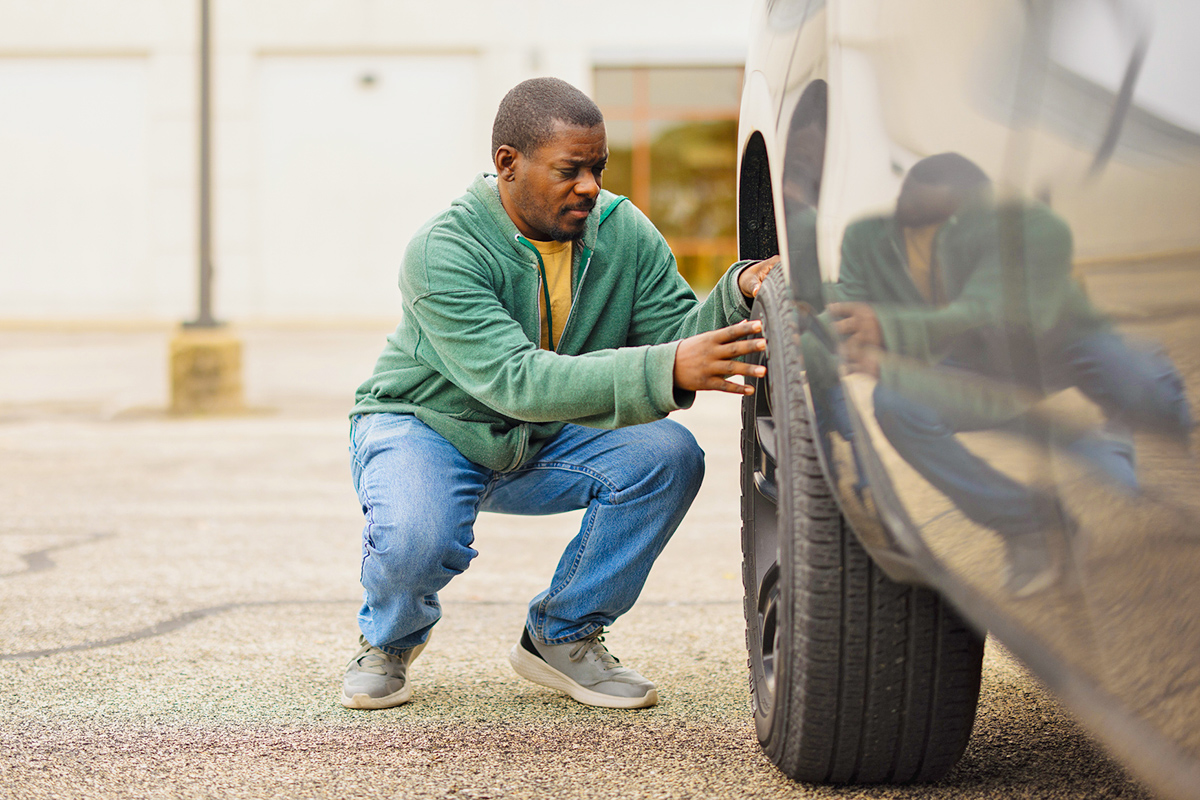
There are countless perils you might encounter on the road — deer leaping out from behind bushes, reckless or distracted drivers, potholes and construction debris, stalled vehicles, and so on. While some of these issues are random and unavoidable, other potential problem areas are well within your control.
One thing you can and should do is properly maintain your tires, which are necessary for providing traction and stability. Over time, tires wear down and become safety hazards, or worse: According to the National Highway Traffic Safety Administration (NHTSA), 646 people died of tire-related crashes in 2023.
The good news is that tires can be replaced, but the bad news is that a lot of people don’t know when to do so. Here are five signs it’s time to swap out those old tires for a new set.
Poor Tread Depth
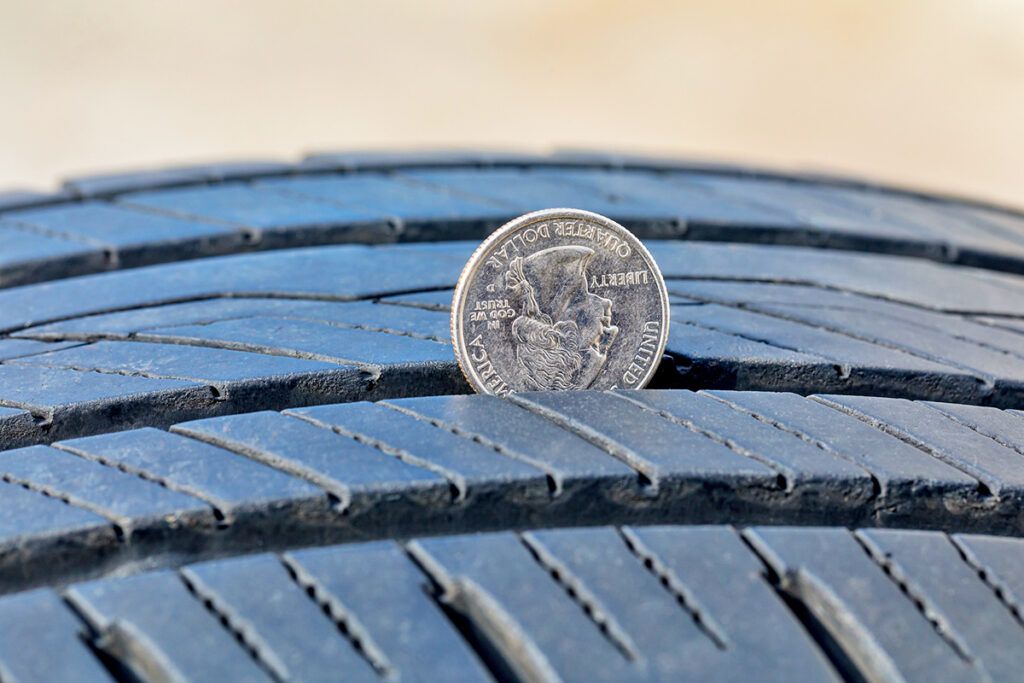
The patterns and grooves on a new tire are known as the tire tread, and they provide traction on the road. But that tread wears down the more you drive, and in some cases it may end up completely smooth. The NHTSA recommends measuring tread depth at least once a month. New tires have a tread depth between 10/32 and 12/32 of an inch. Anything measuring around 4/32 of an inch is risky, and 2/32 of an inch or less is dangerous and below the legal limit.
Thankfully, there’s an easy way to measure tread depth using spare change. First, take a quarter and stick it into the tread with Washington’s scalp facing in toward the tire. The gap between his head and the edge of the quarter measures 4/32 of an inch, so if you see any open space, you know you’re teetering near dangerously low tread depth. Next, repeat the same test using a penny, which has 2/32 of an inch of space between the top of Lincoln’s head and the edge. If you see any space, you need to replace your tires ASAP.

Excess Vibration
While there may be no damage visible to the naked eye, an excessive amount of vibration while you’re driving can be a sign of internal wear in the tire. It can also indicate a misshapen tire, uneven treads, or a variety of other issues — all of which warrant replacing the tire. Whatever the case may be, you’ll likely notice the vibration at higher speeds, so stay alert on the highway.

Reader Favorites



It may be difficult to determine which tire is at fault, but there are methods to narrow it down. If you feel more vibration coming from the steering wheel, the problem is likely emanating from one of the front two tires. But if you feel more vibration in the seat, the issue is probably coming from one of the rear tires.
While it is possible to fix the issue by having a professional rotate and adjust your tires, sometimes the wear is too substantial to remedy. Also, even if it’s only one tire creating the issue, it’s recommended to replace the entire set. This ensures that all tires have the same amount of tread, which can prevent future issues from popping up.
Uneven Wear
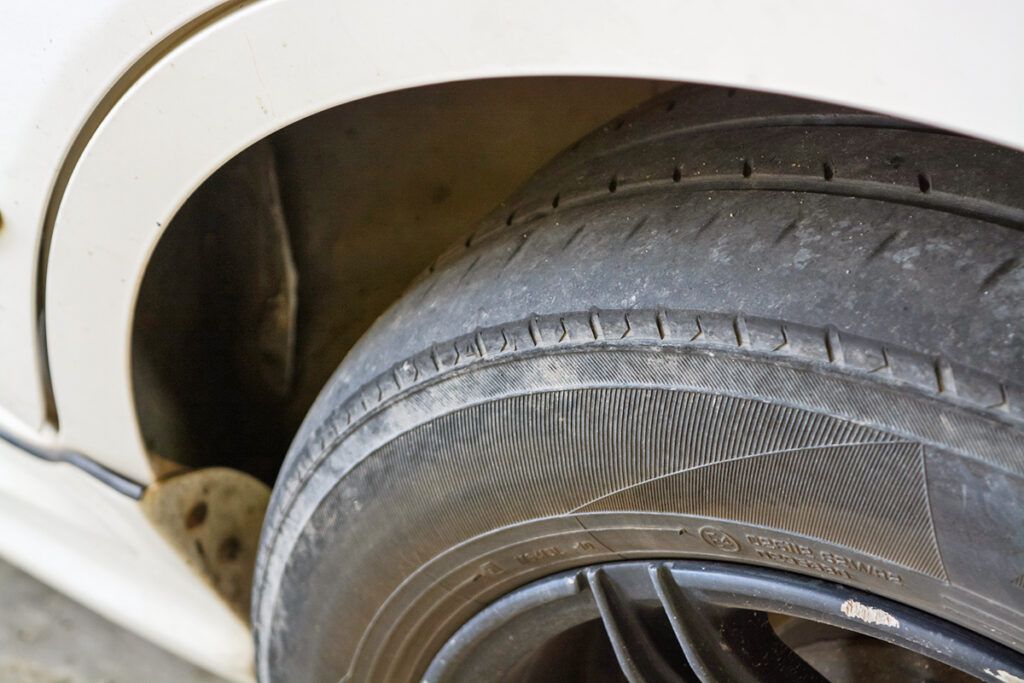
If you notice uneven tread wear on your tires, it may be due to improper installation. For instance, if the exterior half of the tire looks far more worn than the interior half (or vice versa), that’s one potential sign of poor alignment. Or if you notice that the middle part of the tire looks more worn down than the outer edges, that’s a sign of overinflation. These are just two examples, but whatever caused the issue, you should never drive on a tire with unevenly worn-down treads, as it could cause you to lose control on the road.
Bubbles or Bulging
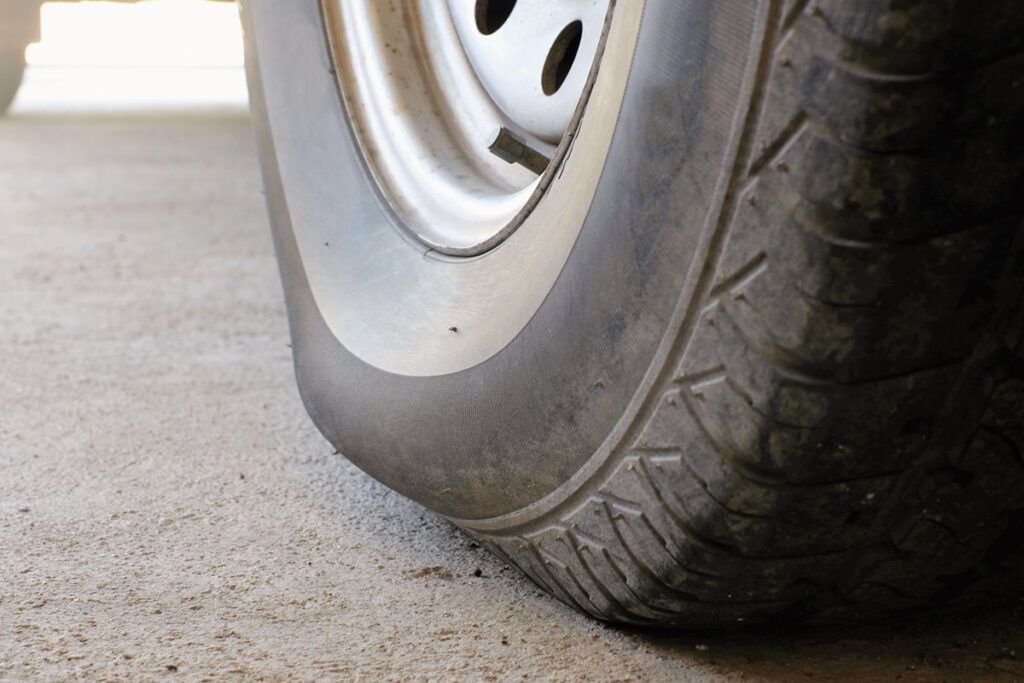
Visible bubbles or bulging are a surefire sign that the structural integrity of the tire has been compromised. These bulges usually form in the wake of a high-impact event — for example, hitting a large pothole, colliding with the curb, or driving too fast over a speed bump. Such events can damage the inner lining and cause leakage, which in turn leads to big bulges and the potential for the tire to pop. If you notice any of these bubbles beginning to form, swap out the tire for a new one ASAP.
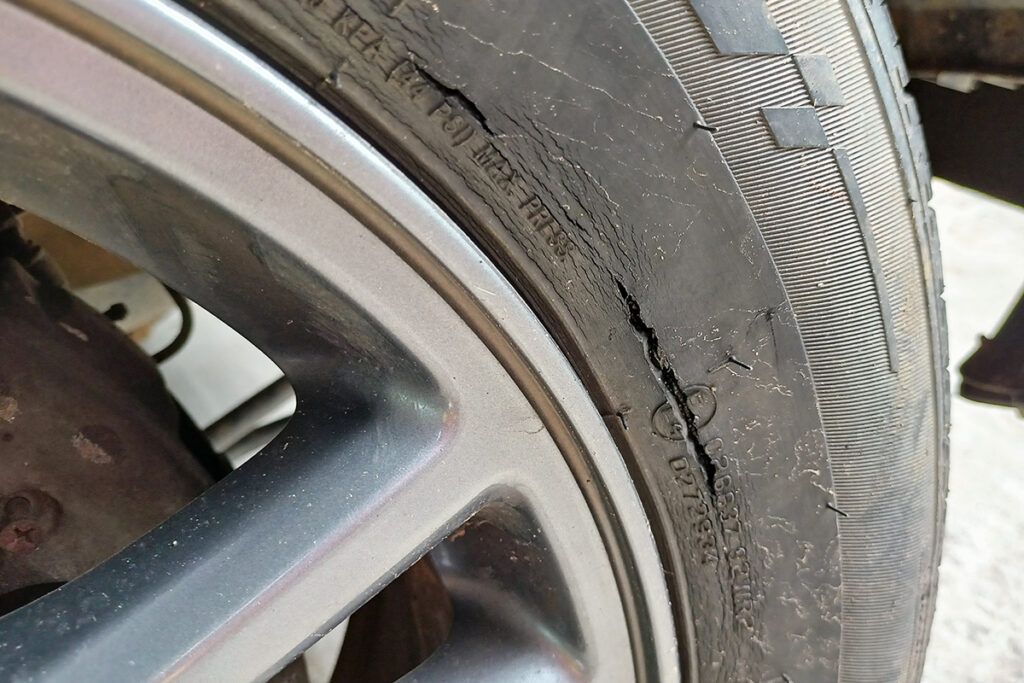
Sidewall Cracks
Take a look at the side of your tires — do you notice any cracking, akin to an old leather chair that’s started to show its age? If so, the tires are likely quite old themselves, and it may be time to replace them. Cracking is an issue that arises from general wear and tear as opposed to a single traumatic event. It’s a sign that your tires have served you well for years, but also that it’s time to install a new set. Leaving the cracks as-is can lead to a blowout in the blink of an eye.
Featured Image Credit: © Ivan Pantic/iStock
More From Our Network
Better Report is part of Inbox Studio, an email-first media company. *Indicates a third-party property.






Bennett Kleinman is a New York City-based staff writer for Inbox Studio. He is also a freelance comedy writer, devoted New York Yankees and New Jersey Devils fan, and thinks plain seltzer is the best drink ever invented.
This article is for general informational purposes only.
Affiliate Disclaimer Medical Disclaimer Financial Disclaimer