3 Things That Could Put You at Risk for an Accidental Fall

All featured products and deals are selected independently and objectively by the author. Better Report may receive a share of sales via affiliate links in content.
It’s no shocker that people are prone to accidental tumbles, especially as they grow older and lose their balance more easily. But not all unexpected falls are due to aging — there are a slew of other culprits, some more surprising than others.
Since 2000, studies have indicated an uptick in the frequency of fatal falls across an array of age groups both young and old. Here’s a closer look at some reasons behind this concerningly growing trend.
Falling Upward
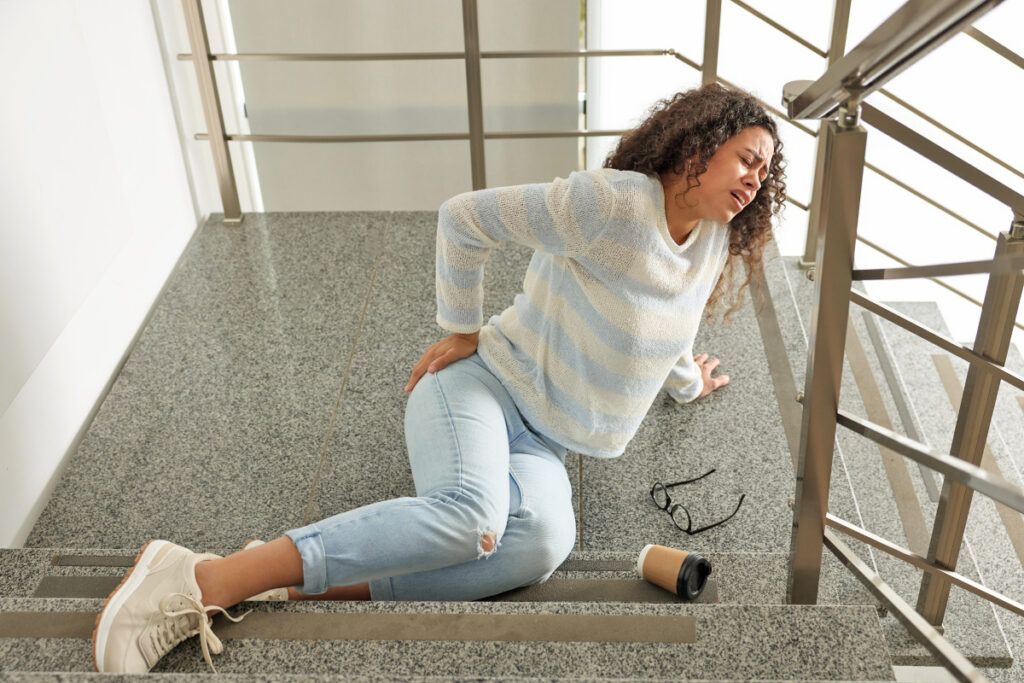
According to statistics from the Centers for Disease Control and Prevention compiled by the data analysis site USAFacts, the rate of death caused by accidental falls has jumped from 4.7 people per 100,000 in 2000 to 11.4 (when adjusted for age) as of 2023 — more than a 2.4-fold increase. The rise comes despite continued efforts to educate Americans about risks associated with falling, such as the debut of Falls Prevention Awareness Week in 2007 and the launch of the STEADI (Stopping Elderly Accidents, Deaths, & Injuries) initiative in 2012.

Reader Favorites



But this doesn’t affect just seniors (although they are significantly more at risk). The death rate from accidental falls has increased for people aged 35 and up as well. Here’s how the data breaks down:
• Ages 35 and 44: 15.4% increase
• Ages 45 to 54: 34.8% increase
• Ages 55 to 64: 94.9% increase
• Ages 65 to 74: 113.3% increase
• Ages 75 to 84: 140.2% increase
• Ages 85 and up: 201.5% increase
The only age demographics to see a drop are the 25 to 34 (-12.5%), 15 to 24 (-50%), and 1 to 14 (-39.1%) groups.
While fatal falls have increased in frequency, the rate of other major causes of death has gone down. Since the year 2000, cancer deaths have dropped 6.8%, vehicle deaths are down 13%, and heart disease-related deaths have plummeted 19.5%.

3 Things That Could Be Causing the Increase in Accidental Falls
Putting age aside, one of the big reasons for the uptick in severe falls may be increased use of prescription medication, which can make people woozy and less stable. This includes meds such as antidepressants and psychotherapeutics, both of which are prescribed and used more frequently than a quarter-century ago. One survey found that the percentage of Americans 65 and older using psychotherapeutics went from 9.4% between January 1999 and March 2000 to 21% between January 2017 and March 2020, while antidepressant use rose from 8.4% to 20%.
In a similar vein, increased alcohol consumption may also be a driving force behind accidental falls: Between 2002 and 2019, the percentage of Americans 65 and older who consumed alcohol monthly increased 16%, according to data from the National Survey of Drug Use and Health.
Another problem area worth noting is America’s high rate of obesity, which, at 41.64%, is one of the highest in the world. Obesity has an adverse impact on people’s posture and balance, and is believed to be a major reason why Americans fall and suffer injury so often.
Additional Theories
There are two other potential causes noted by USAFacts, the first of which is a change in the way that falls are reported. Back in the day, you may have reported a fall only if it was from a high distance, such as off a ladder while doing roof repairs. But there’s an argument to be made that more people are reporting falls from “on the same level” — i.e., if you were to fall while standing on the ground. While those falls may seem minor, they can lead to serious injury that becomes more apparent days or weeks later.
One final theory is that an increase in fall deaths is related to a decrease in other causes of death. With fewer people dying from cancer, heart disease, or car accidents, it opens the door for potentially fatal events such as falling.

Safety Tips
Despite this concerning uptick, there are precautions you can take to prevent major falls at home.
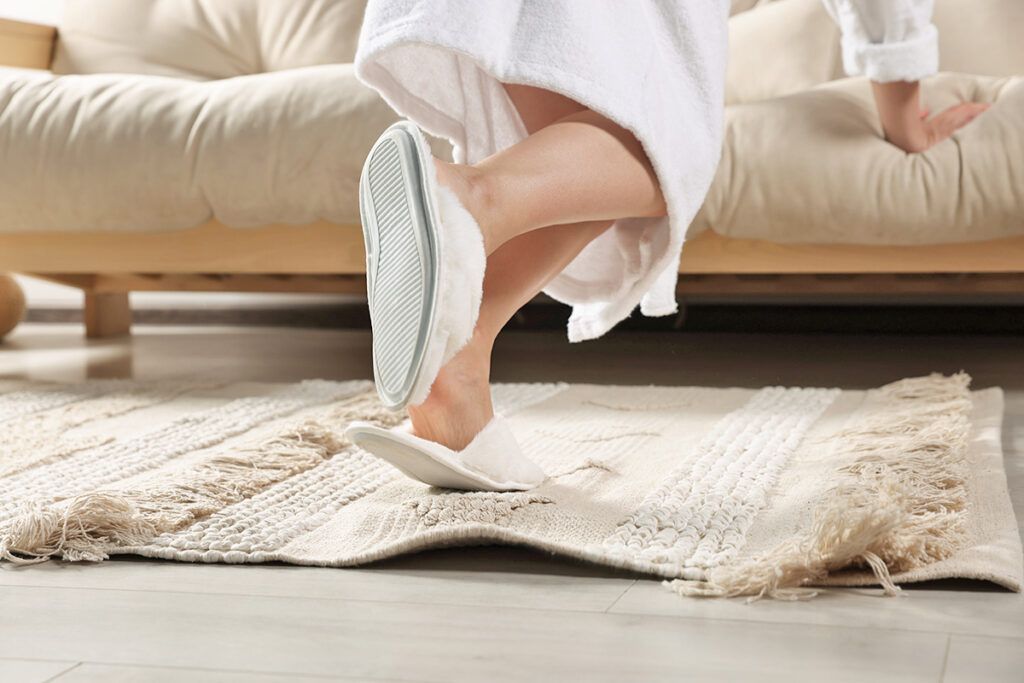
One way to do so is to eliminate areas that may potentially trip you up. Moving to a home with fewer stairs, for instance, eliminates changes in elevation that might be a bit more difficult to navigate with age. You can also install railings for more stability, put no-slip pads underneath any rugs, and use bright lighting so you don’t trip over a hazard that you can’t see. And it’s a good idea to wear house shoes with traction for added support.
You can further lower the risk of falling by living a healthy lifestyle. Take care of your vision so you don’t accidentally bump into things and tumble over. Maintain a manageable weight to avoid putting extra strain on your joints. Steer clear of drugs and alcohol, and consult your doctor to see if they’re able to prescribe medications that won’t make you woozy. All of these lifestyle choices can go a long way toward keeping you on your feet and off the ground.
Featured Image Credit: © Polina Tankilevitch/Pexels.com
More From Our Network
Better Report is part of Inbox Studio, an email-first media company. *Indicates a third-party property.






Bennett Kleinman is a New York City-based staff writer for Inbox Studio. He is also a freelance comedy writer, devoted New York Yankees and New Jersey Devils fan, and thinks plain seltzer is the best drink ever invented.
This article is for general informational purposes only.
Affiliate Disclaimer Medical Disclaimer Financial Disclaimer