What Happens If You Accidentally Eat Moldy Food?

Realizing you let an expensive loaf of artisanal bread get moldy on your kitchen counter is not a good feeling. You face a conundrum: Do you throw it out, wasting both food and money, or slice off those few inconspicuous spots and proceed with your sandwich like nothing ever happened? What if you realize the bread is moldy after you eat that sandwich?
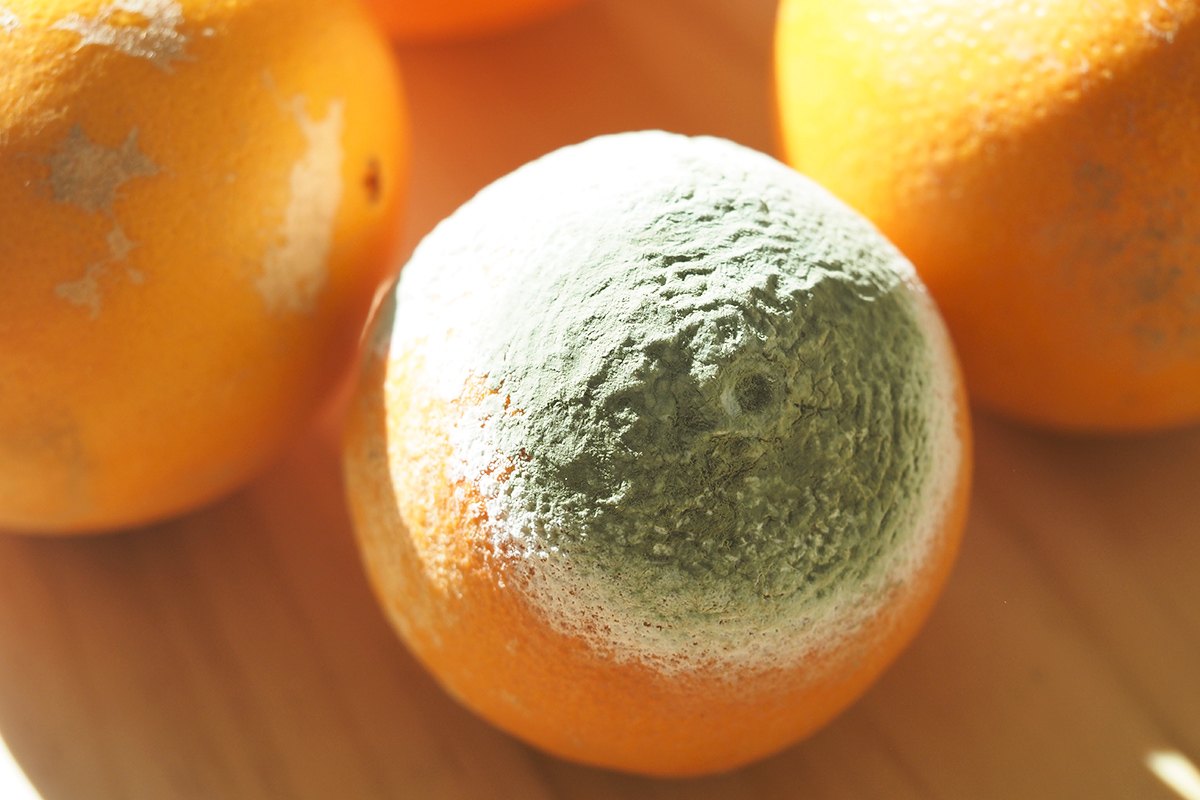
Mold is all around us — outdoors, in our homes, and on our food. Most molds are harmless, and some even help produce certain foods: Penicillium roqueforti gives blue cheese its deliciously sharp taste and blue streaks, and Penicillium camemberti allows soft cheeses like brie to build white rinds. But not every mold is as appetizing as those.
Here’s what to know about mold on your food — and what to do if some accidentally goes down the hatch.
Fungus Among Us
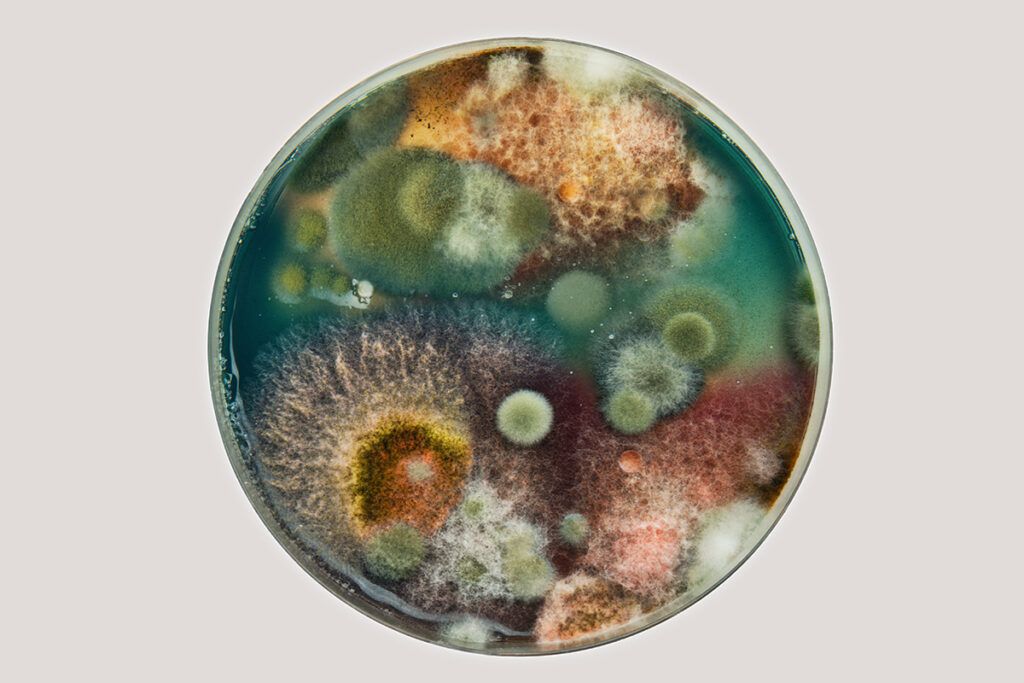
Molds are microscopic, multicellular fungi that have threadlike roots and reproduce by spores. The spores can spread through the air, land on food, and multiply if the conditions are right. Mold especially loves humidity. Moist baked goods left unwrapped on a kitchen countertop are the perfect landing strips for airborne spores to burrow into. Even food that’s in the fridge can get moldy after a few weeks if there are high levels of moisture inside the packaging.
Just about any kind of food can get moldy: Meats, dairy products, fruits, vegetables, breads, and condiments are all fair game. Even jams and pickles are susceptible because some molds thrive in sugary, salty, and highly acidic environments.
Most molds, including ones we may eat, present no danger to people, so accidentally ingesting them won’t cause any problems beyond grossing you out. However, some molds typically found on grains, nuts, and fruit do produce compounds called mycotoxins, which may result in gastrointestinal discomfort, flu-like symptoms, and short-term memory loss if eaten by mistake. Severe cases of poisoning by some forms of mycotoxins can lead to more serious issues, including cancer.
How To Handle Mold on Your Food
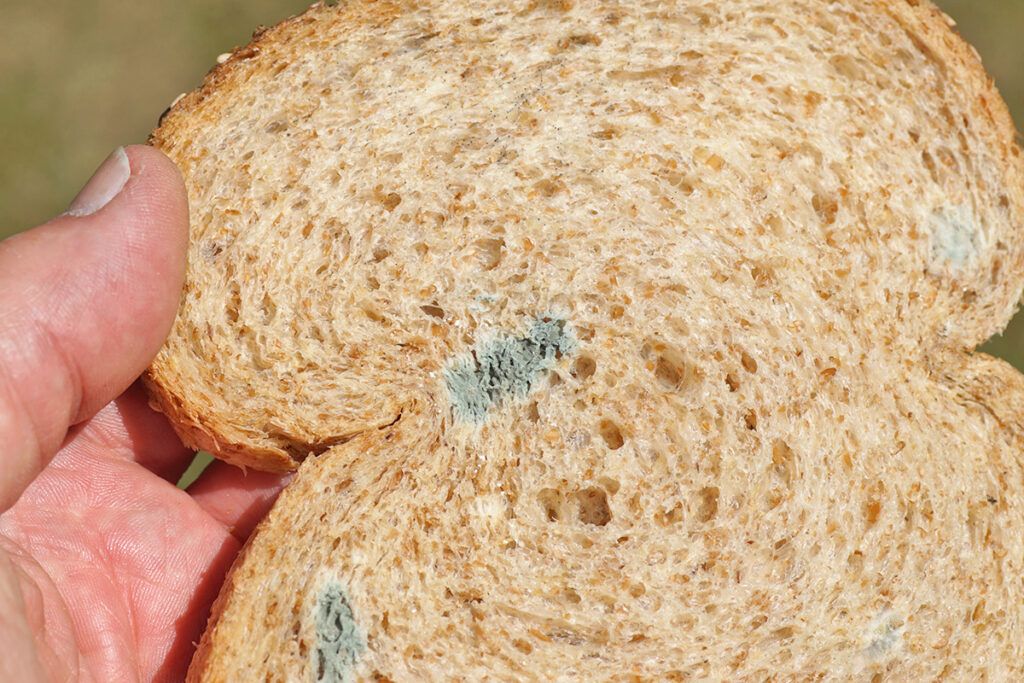
It’s impossible to tell which molds are toxic just by looking at them, so food safety experts say you should throw out most foods with visible mold. Cutting off the moldy part of a doughnut or tomato to save the rest isn’t advised because the mold’s filaments can extend deep into the food, especially if it’s soft and has a lot of moisture. Those qualities also attract bacteria. Dairy products, most fruits and veggies, cooked rice and pasta, cooked meats and legumes, and breads all fall under this umbrella.

Reader Favorites



There are some exceptions to this rule: hard-textured blocks of cheese such as Parmesan or cheddar (make sure to toss any shredded cheese with mold, though); cured meats like hard salami; and hard vegetables including carrots and cabbage. Mold filaments can’t penetrate these foods easily, so in these cases, you can trim off the moldy part plus a 1-inch margin around and below it (or, in the case of salami, scrub the mold off) and salvage the remaining portion.
A Mouthful of Mold
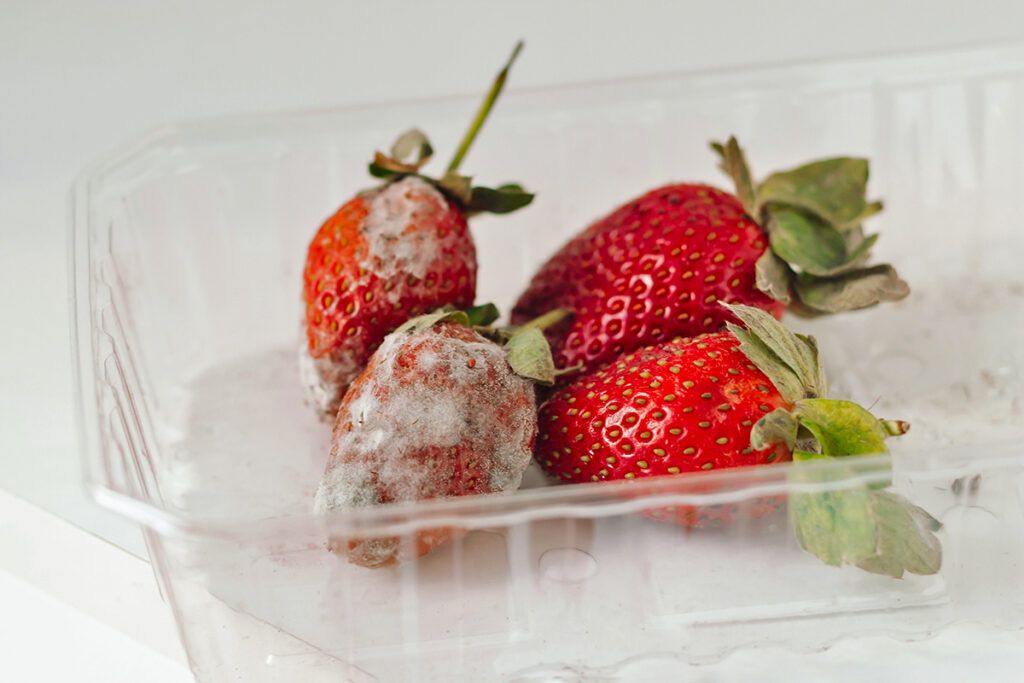
If you accidentally chow down on some spoiled or moldy food, remain calm. Keep watch for nausea, vomiting, diarrhea, stomachache, or brain fog — symptoms that may be more severe in people who have existing health issues — for the next 24 hours in case you develop a delayed reaction. Call your doctor if you notice any discomfort, but if that period ends without new symptoms, rest assured that you’ll probably be fine. (But you should still toss the moldy food in question.)
Featured Image Credit: © towfiqu ahamed—iStock/Getty Images
More From Our Network
Better Report is part of Inbox Studio, an email-first media company. *Indicates a third-party property.






Kat Long is a freelance science journalist in the Washington, D.C. area. Previously, she was the science editor at Mental Floss and a digital editor at National Geographic. She now writes the Arctic Archives newsletter on Substack. Kat spends her free time birdwatching, road-tripping to historical sites and perusing old manuscripts at libraries.
This article is for general informational purposes only.
Affiliate Disclaimer Medical Disclaimer Financial Disclaimer