18 Surprising Things You Should Never Put Down Your Drain

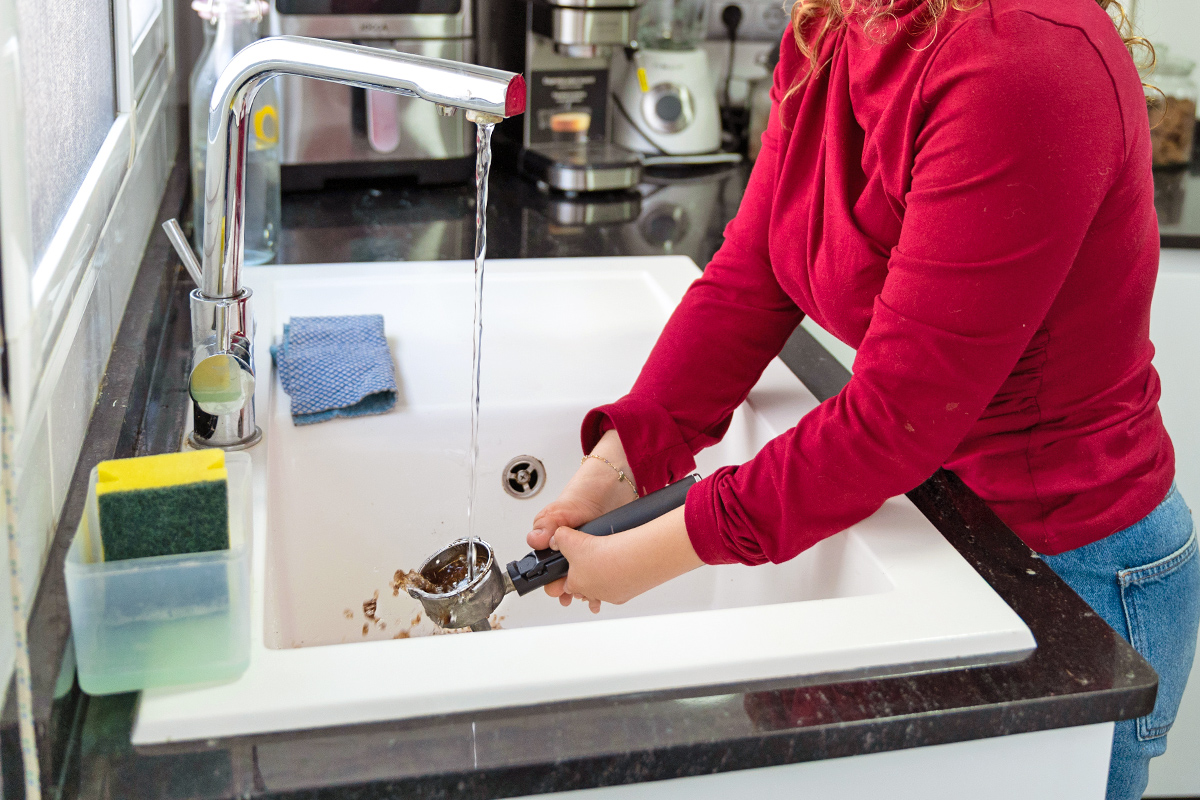
Most of us know not to put things like cooking oil or bacon grease down the drain. These substances — known as fats, oils, and grease, or FOG for short — can build up inside pipes and cause big problems down the line, both for your home’s plumbing and for sewer systems in your area.
FOGs aren’t the only thing you should avoid pouring down your drain, though. Here are a few others that might surprise you.
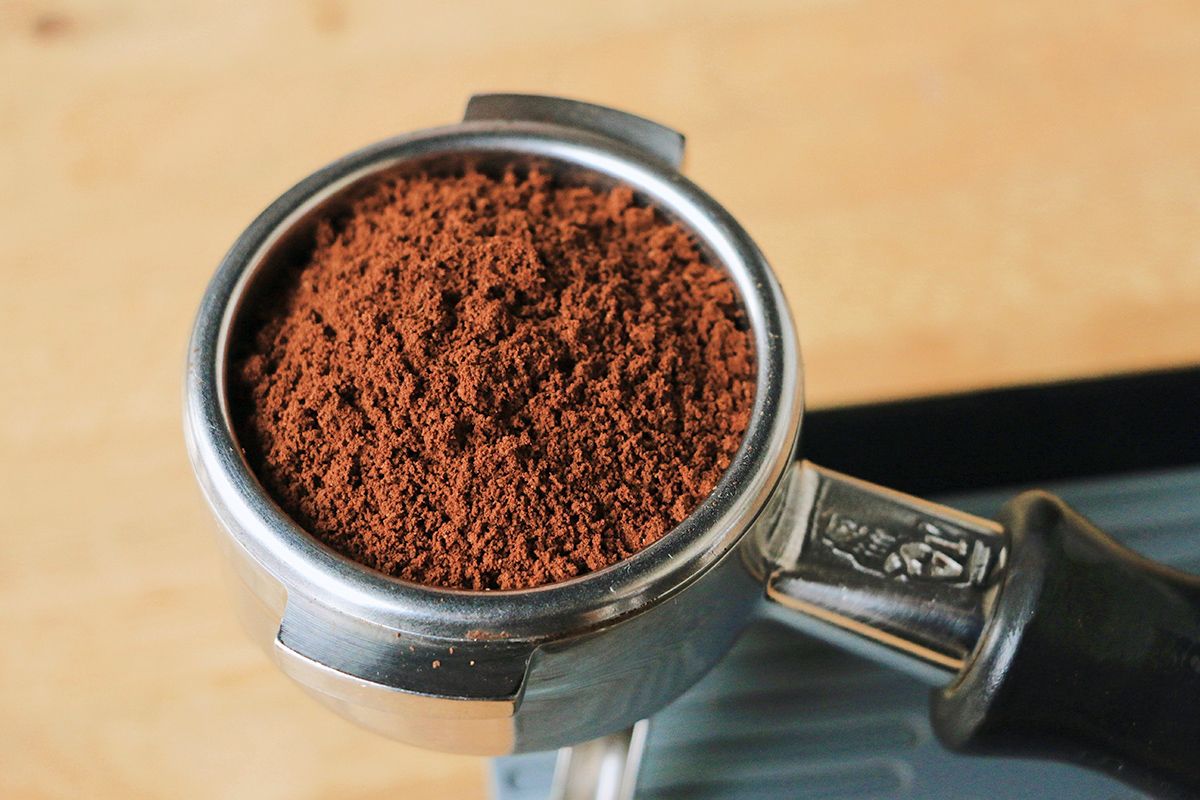
Coffee Grounds
Coffee grounds can clump together, settle into P-traps and other parts of your drainage system, and mix with grease or soap to form clogs that slow or block the flow of your pipes completely. Toss your coffee grounds in the garbage, in your garden, or compost them instead.
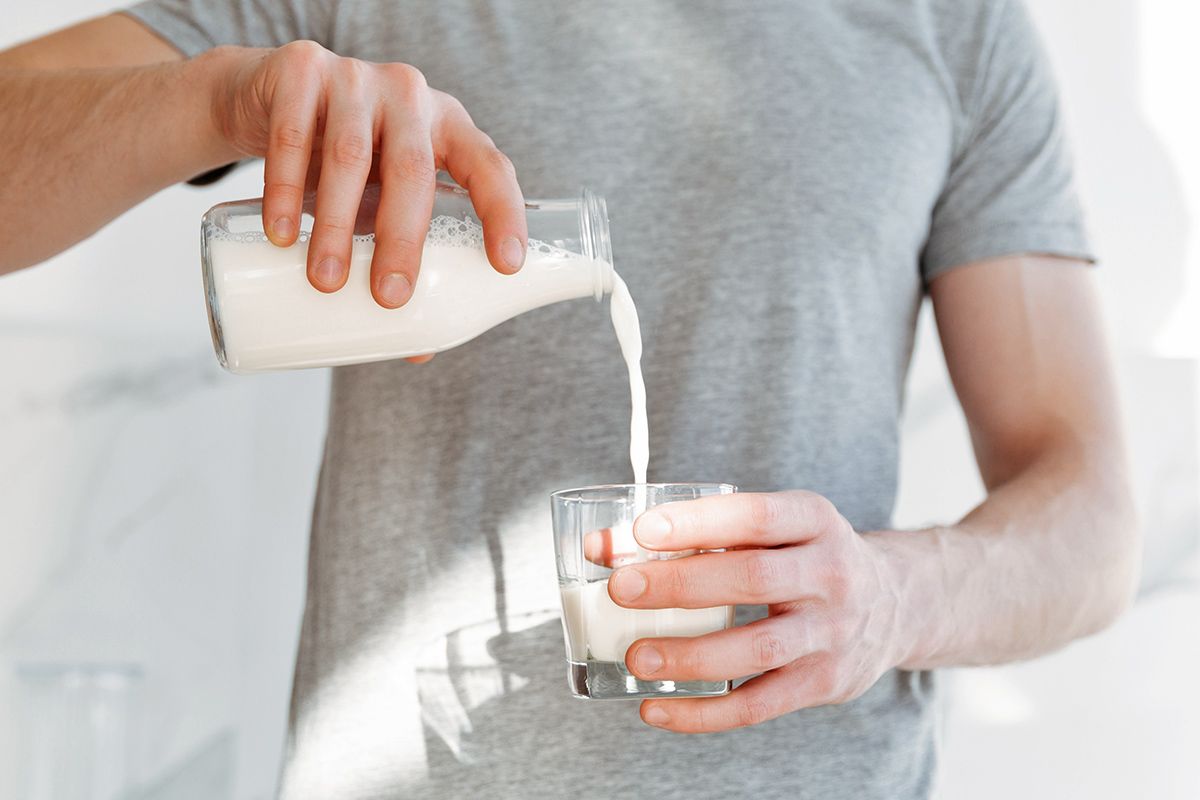
Milk and Mayo
Because milk and other dairy products contain fats, they’re considered FOGs. So, rather than disposing of spoiled milk using your sink, dilute it and use it to water plants outside. Mayonnaise, which contains vegetable oil, shouldn’t go down the drain or into your compost pile — scoop it out into the trash instead.
Eggshells
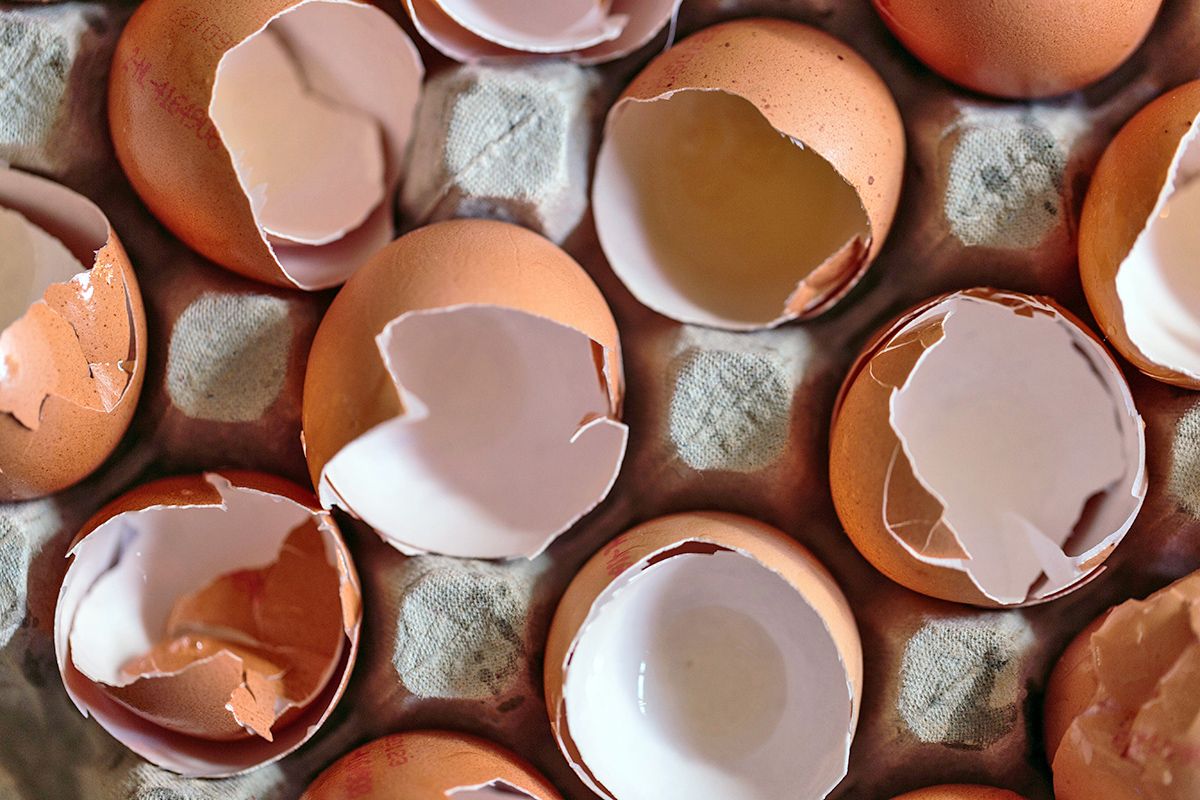
There’s a common myth that eggshells are good for your pipes or the blades in your garbage disposal, but in fact the opposite is true. The thin membrane inside shells peels off in strands that can wrap themselves around garbage disposal impellers. Ground-up shells are also abrasive and can get into the P-trap and your pipes, where they settle to the bottom and build up. Like coffee grounds, eggshells belong in the garbage or the compost pile.
Flour, Dough, and Sourdough Starter
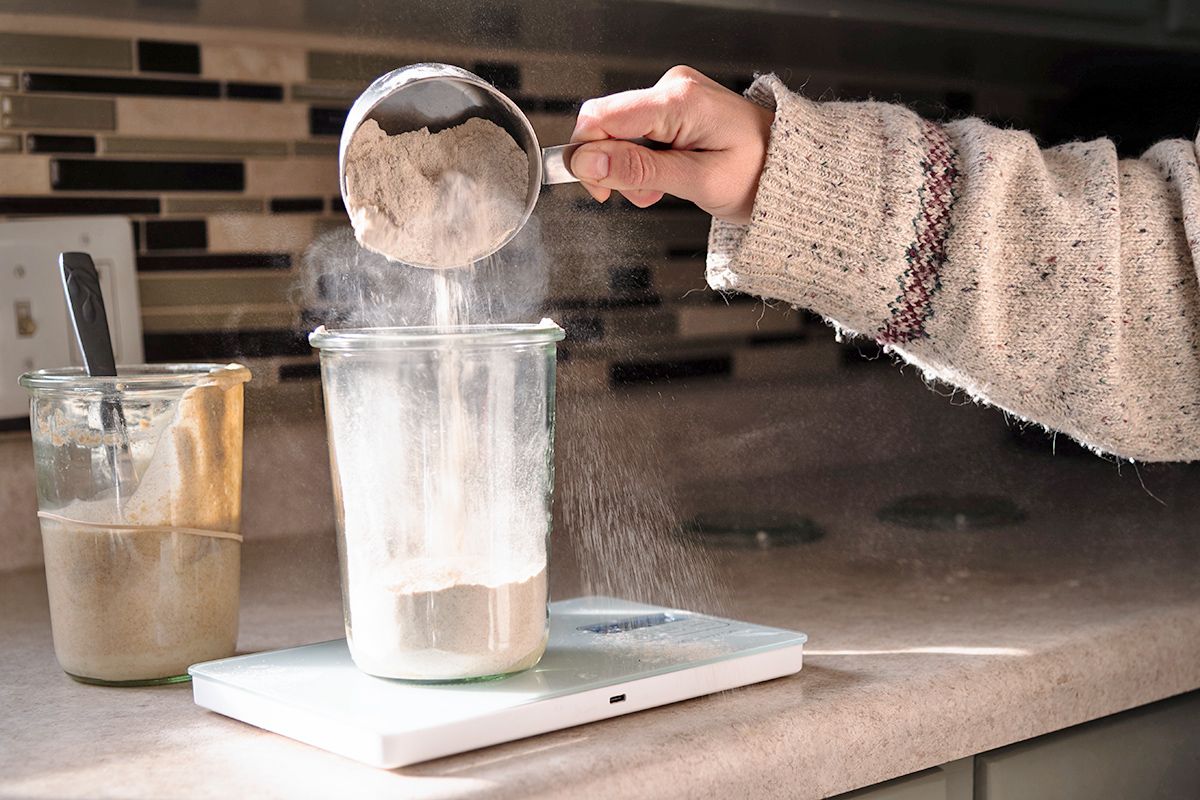
When flour mixes with water, it forms a sticky dough. Doughs, including sourdough starters, can adhere to the sides of pipes and catch other debris headed down the drain, creating a clog . You can use leftover sourdough starter in other recipes, or scrape leftover dough and flour into the trash.

Reader Favorites



Pasta and Rice
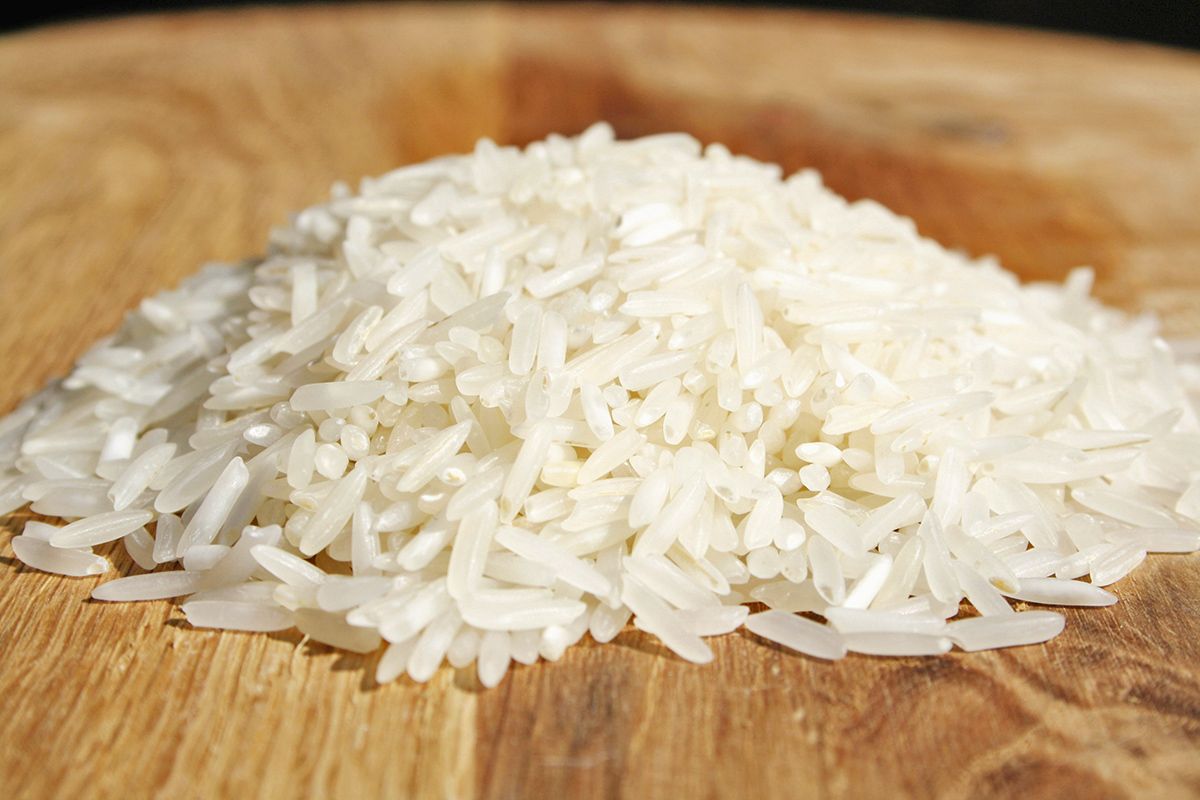
Starchy foods such as pasta and rice also shouldn’t go down your drain or disposal: Uncooked, they can absorb water and expand, causing a blockage. And unfortunately, they’re no better when cooked: Rather than passing through your pipes, they can become gummy and stick to the sides, where they’ll create obstructions. Toss starchy foods into the trash.
Vegetable Husks and Peels
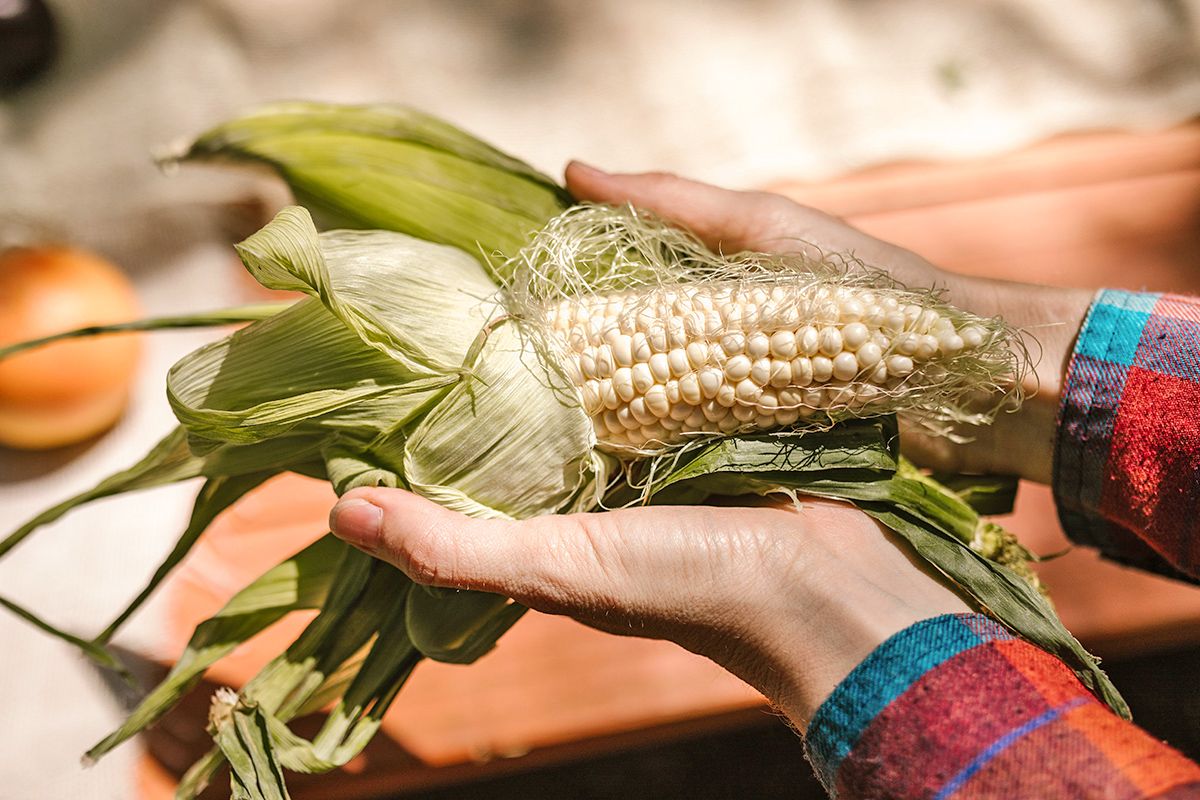
Your garbage disposal might seem like the best way to deal with corn husks, artichoke leaves, or stringy veggies such as celery and asparagus, but they’re actually very fibrous and can end up getting caught in the blades. This can stop the disposal from working. Stringy pieces can also slip past the blades entirely and form balls in your pipes that lead to clogs. Potato peels, meanwhile, turn into a starchy paste that gums up pipes, and onion skins have a thin inner membrane that causes the same problems as eggshells. They’re better off in compost or the trash.
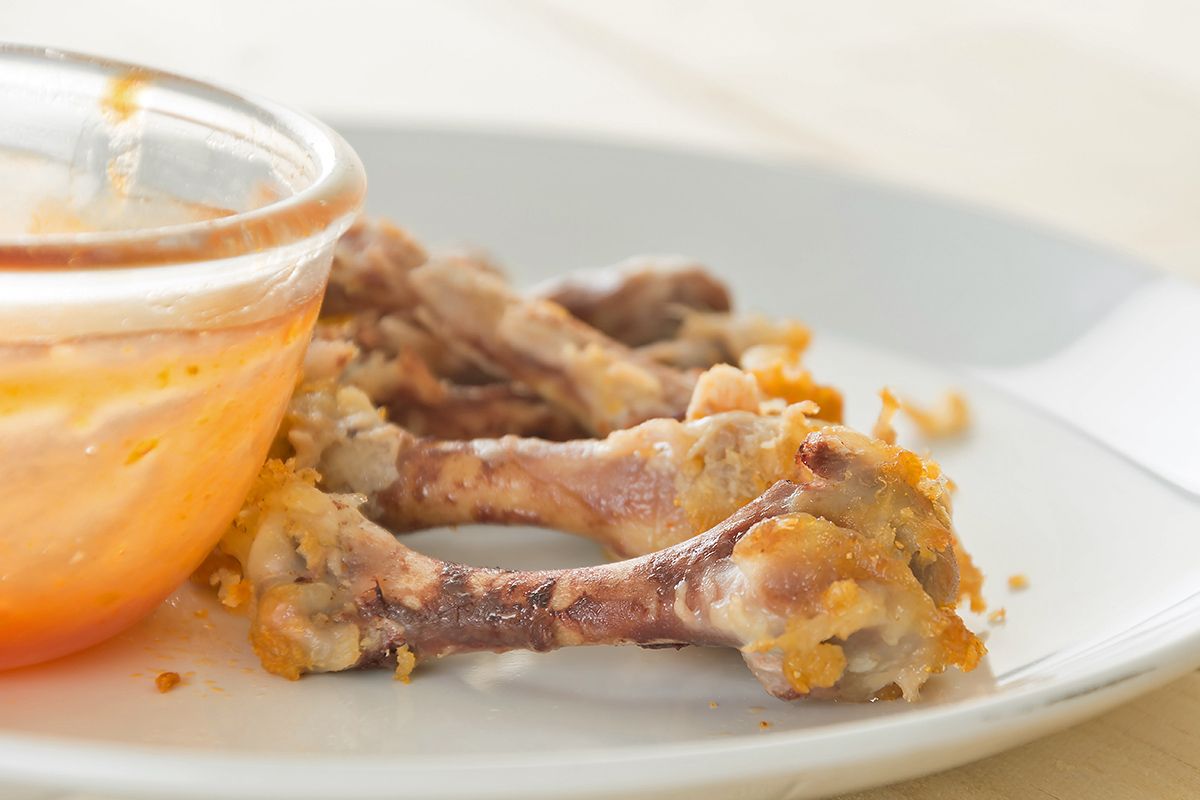
Bones and Fruit Pits
Some garbage disposals may be able to handle small bones like those in fish on occasion, but most bones, as well as hard fruit pits, can jam a disposal or damage its grinding parts. Use them to make broth or put them in the compost pile.

Medications
Medications you put down the drain can contaminate drinking water and harm the environment. The best option for disposing of them is to find a drug take-back location and drop them off. There’s a short list of medications that the FDA recommends flushing because they’re “sought-after for their misuse and/or abuse potential and … can result in death from one dose if inappropriately taken.” If your medicine isn’t on the flush list, follow FDA recommendations for disposing of it in the trash.
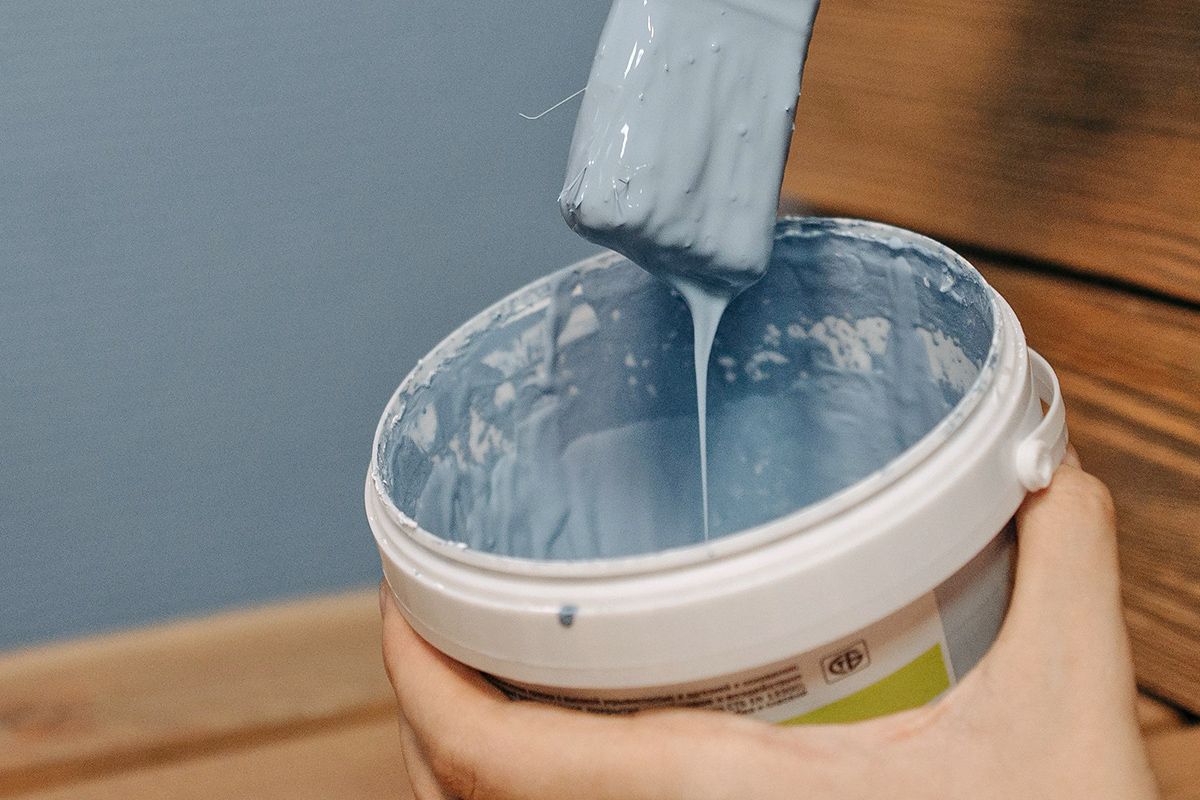
Paint, Motor Oil, and Household Chemicals
Items like paint, solvents, motor oil, antifreeze, garden treatments, and other chemicals are household hazardous waste, and pouring them down the drain is against the law. Look for a local household hazardous-waste collection site or event where you can drop them off. If there aren’t any in your area, check your local government’s website or call your trash collection service to see what they recommend.
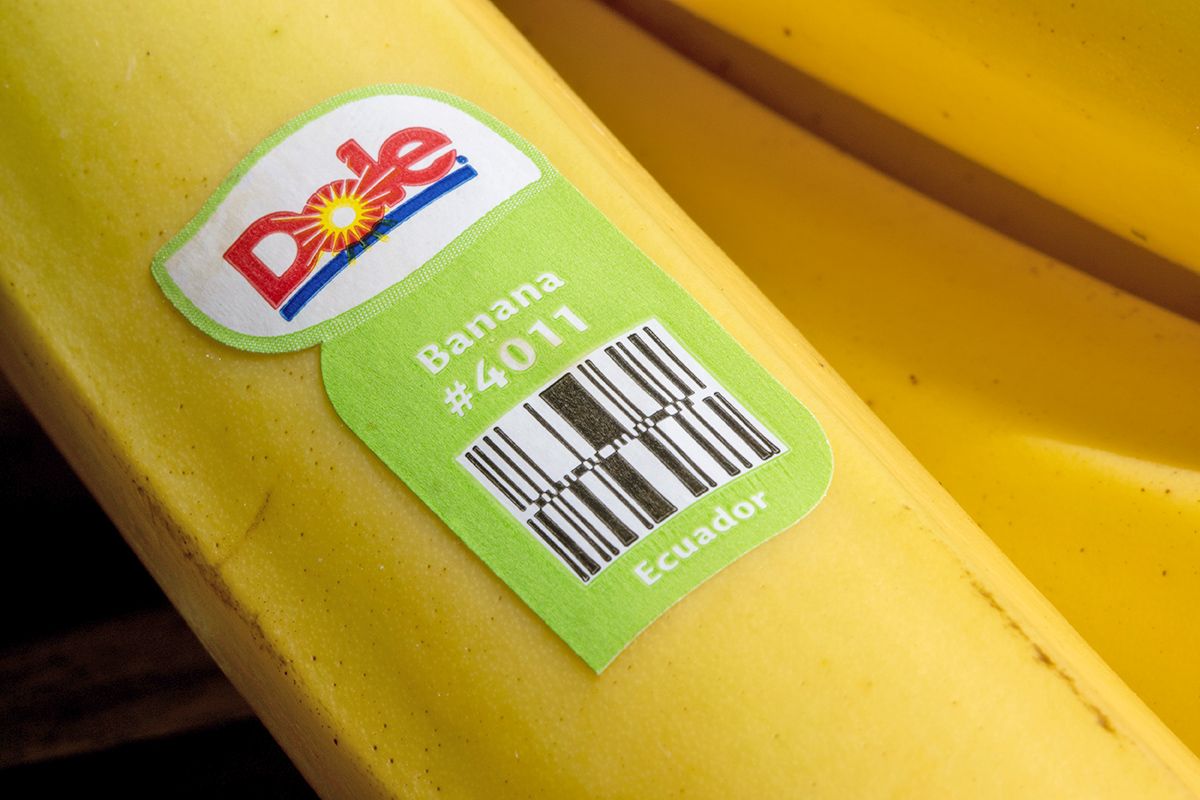
Produce Stickers
It might seem like something as small as a produce sticker shouldn’t be a problem if it goes down your drain, but they can stick to larger items or accumulate and block pipes. They can also get caught in screens or water treatment equipment and cause problems. So do your best to catch them before they end up in your pipes.
Keeping track of what to put down your drain might seem like a lot of work. But a few small habits, like scraping plates into the trash and keeping a jar for cooking grease by the stove, can save you from having to call a plumber later.
Featured Image Credit: © Alfonso Soler/stock.adobe.com
More From Our Network
Better Report is part of Inbox Studio, an email-first media company. *Indicates a third-party property.





Laura Falin is a freelance writer in Colorado who has written for Business Insider, BabyCenter, Colorado Parent Magazine, and more. She's an avid hiker who loves getting outdoors and taking ridiculously long road trips with her family.
This article is for general informational purposes only.
Affiliate Disclaimer Medical Disclaimer Financial Disclaimer