7 Things You Can Stop Buying To Save Money

All featured products and deals are selected independently and objectively by the author. Better Report may receive a share of sales via affiliate links in content.
There’s nothing wrong with occasionally spending a bit of money on nonessentials that bring you joy. But when it comes to purchases you think are essential, some choices you’re making may be needlessly costing you. And while you don’t have to totally embrace frugality, it’s a good idea to reassess which items truly benefit you, and which ones are unnecessarily eating away at your bank account. Here are seven things you should stop buying in order to save money without negatively affecting your day-to-day life.
Paper Towels
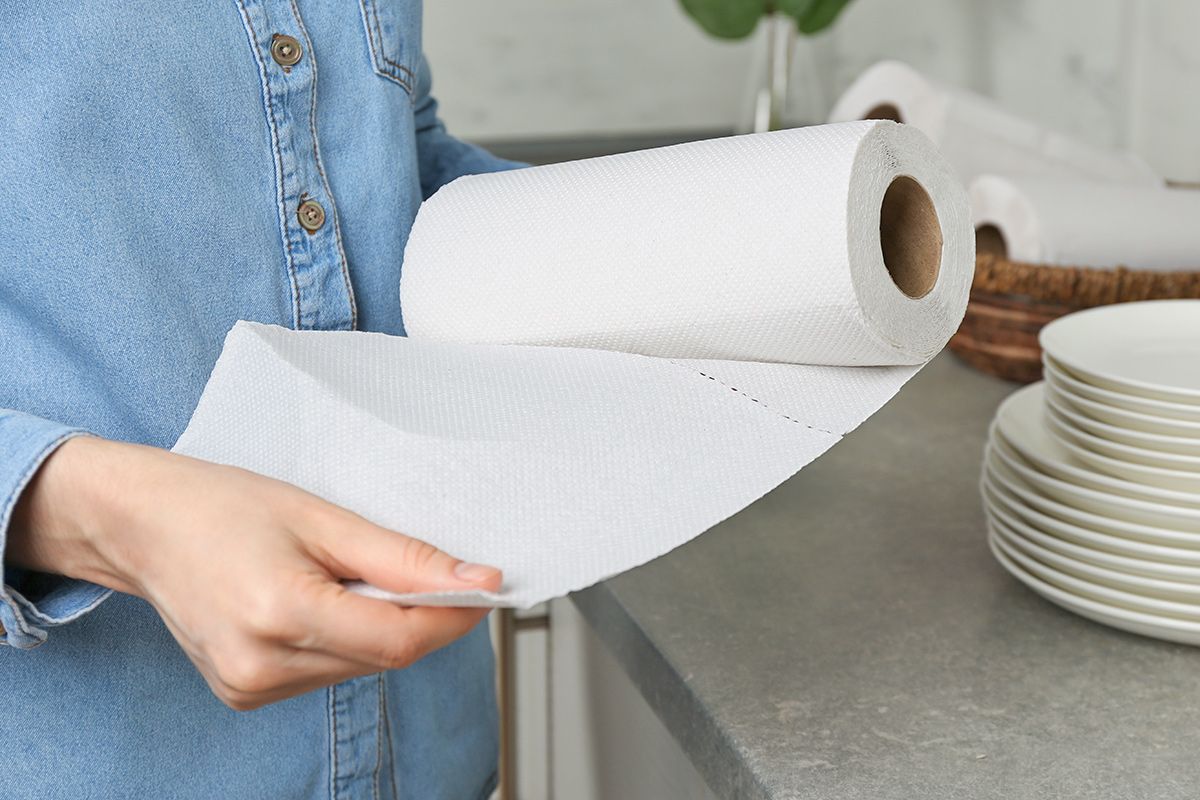
While the exact total may vary depending on how many people you live with, estimates say the average American household spends around $130 annually on products like paper towels, toilet paper, and napkins. You can save some money without sacrificing cleanliness by switching to reusable microfiber cloths, which cost roughly 70 cents each and do just as well at cleaning up spills. And because you can toss them in the wash after use, you’ll also cut down on waste.
If you’d prefer not to buy anything at all, you can cut up old towels or cotton T-shirts to use as rags instead.
Amazon Prime
Many people shell out $139 per year for Amazon Prime, assuming they’ll make that cash back and then some by using the service’s free delivery. But here’s a secret: You don’t actually need to be a Prime member to get free Amazon deliveries. All you need to do is meet price minimums.

Reader Favorites



Rather than waste money subscribing to Prime, simply add items to your Amazon cart whenever you realize you need to buy something — then wait to order until the total reaches $35, the minimum for free shipping.
The choice to do away with Prime may also help cut down on impulse buys. Instead of making loads of $5 purchases on a whim, you’ll hopefully stop to think about whether you actually need an item as you fill up your cart over a more extended period of time.
Precut Produce
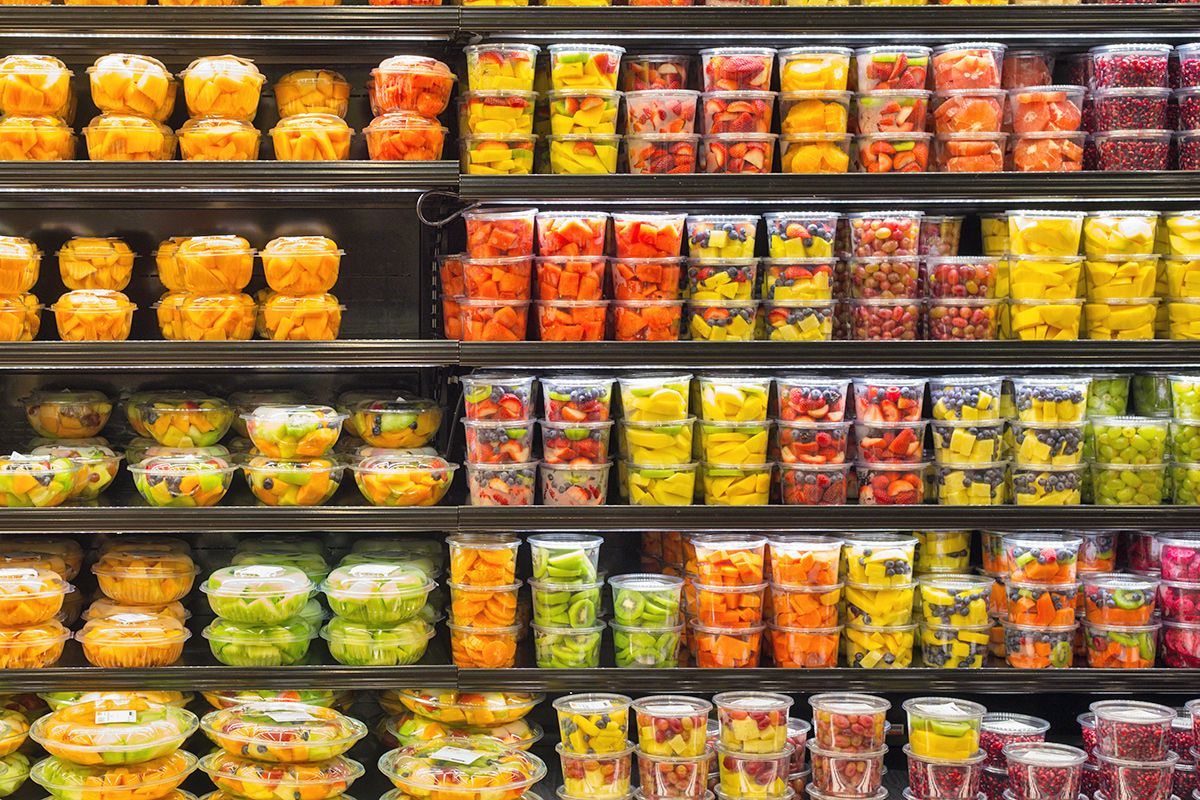
While precut produce offers convenience, it deprives you of the best deal that you could be receiving. A 2018 analysis conducted by Vice concluded that packs of precut produce typically cost double or more compared with buying fruits or vegetables whole. Given that the price of groceries has only gone up since then, you’re likely paying more than ever today.
Taking a few minutes to slice up your fruit and veggies yourself will save you money that you can put toward other groceries you need. And the produce may even taste better, since it’ll be freshly cut.
Extended Warranties
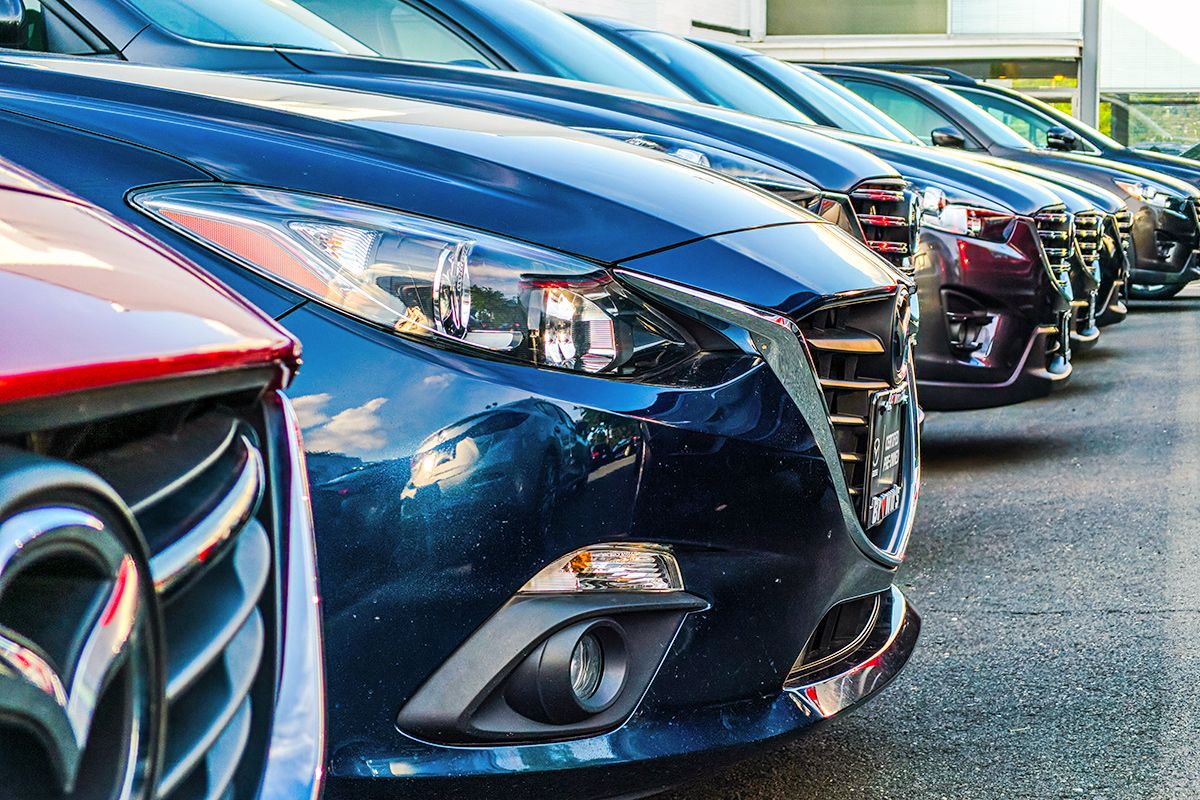
According to the marketing and research company Grand View Research, the extended warranty industry is valued at nearly $160 billion as of 2026. It’s amazing that an industry can be so valuable when, in practice, it offers so little assistance for folks who buy in.
There is an argument to be made in favor of warranties for vehicles from less reliable brands. But warranties are almost never worth it for smaller purchases such as a pair of headphones or a computer. For one thing, those items aren’t likely to break during the coverage period; for another, what you’re really paying for is peace of mind, and coverage often costs more than you get back in benefits if you actually use the warranty.
The good news is that in every state but Louisiana, purchases are covered by implied warranties under law. This means that if a product stops working due to an issue present at the time it was sold, you can get a repair, a refund, or a replacement — no extended warranty necessary. How long you’ll have to make a claim varies by state, but according to the FTC, it’s generally four years. Keep in mind that things like ordinary wear, abuse, misuse, or improper maintenance aren’t covered.
Brand Names
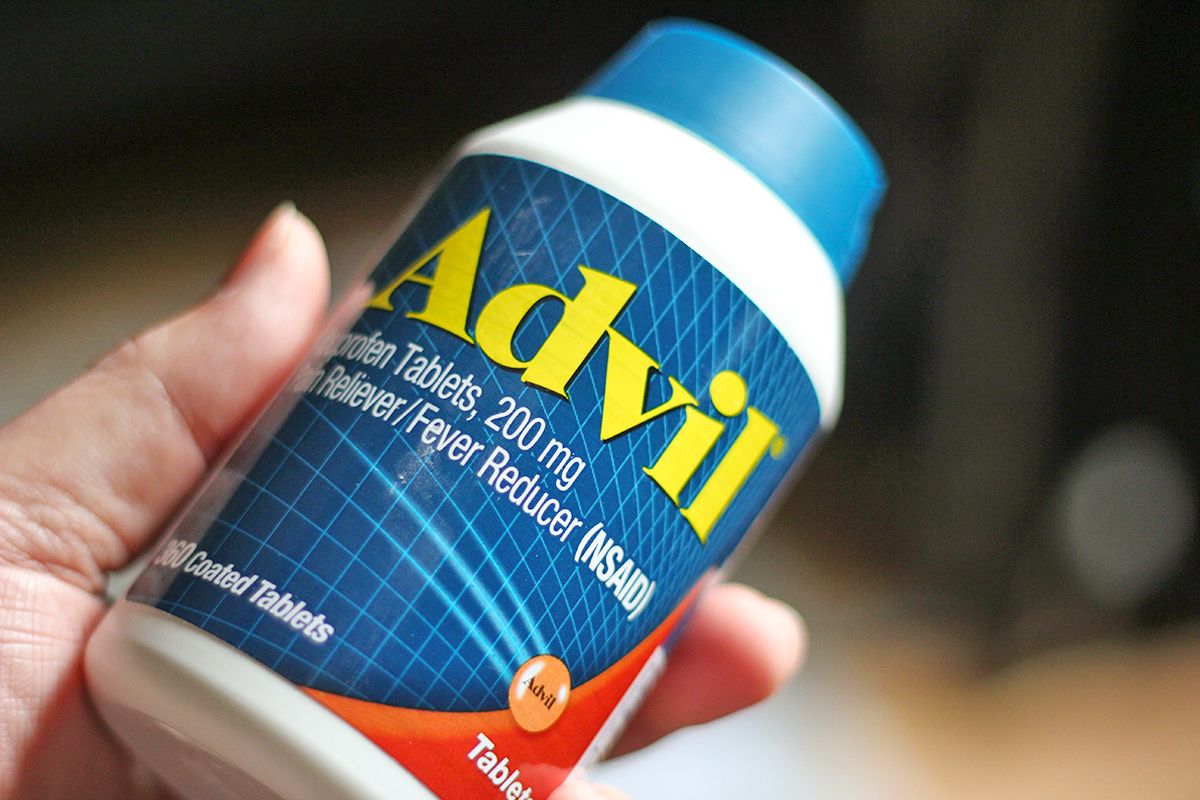
Brand-name products cost around 40% more than their generic alternatives, according to an analysis by Forbes. But many generic products have the same ingredients as their name-brand counterparts and may even be manufactured on the same production line — which means you’re needlessly spending more for a different name and packaging.
Don’t be tricked by your loyalty to a brand. Yes, you may have been taking Advil since you were a kid, or think that Poland Spring is the best water around. But if you swap them out for their generic equivalents, your wallet will thank you.
Ghost Subscriptions
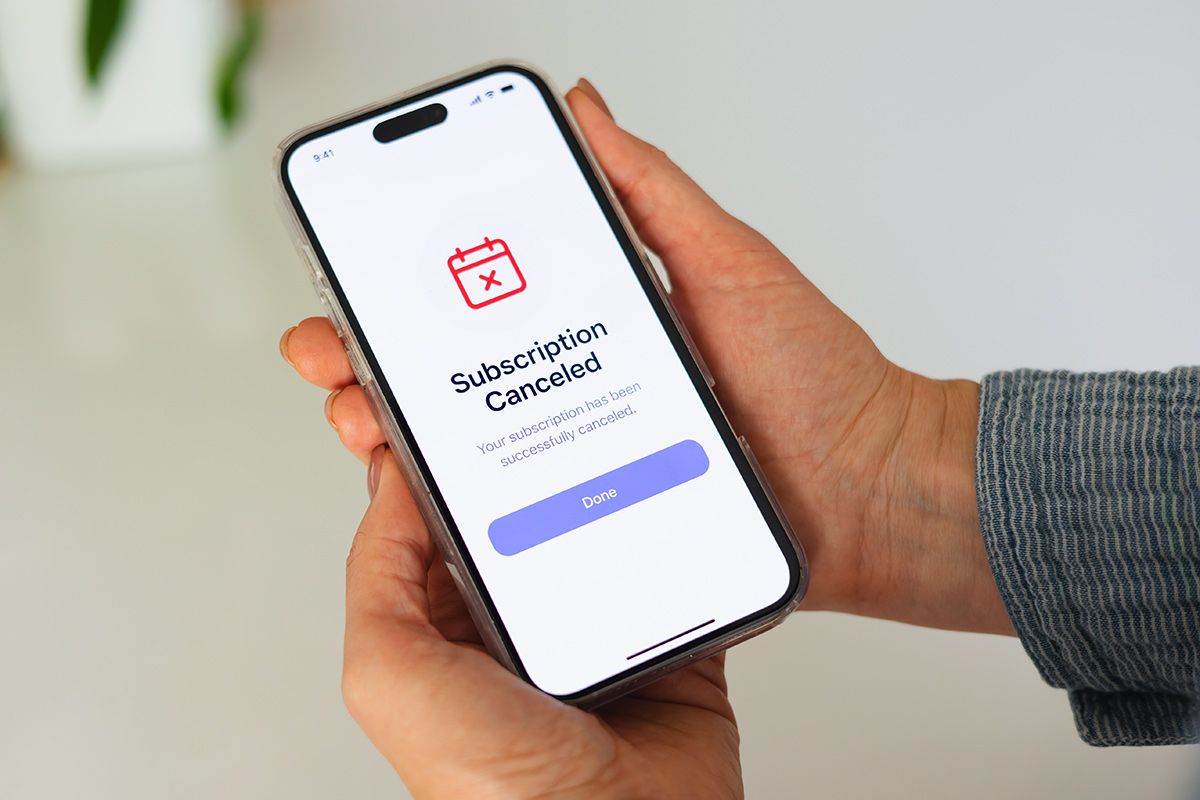
Are you one of the 42% of Americans who forgot that you’re paying hard-earned money for a subscription you’re not using? Given that 72% have their monthly subscription payments on autopay, it can be easy to forget. This is why you need to find all of your “ghost” subscriptions and cancel them ASAP.
There are services out there that will scour your bank and credit card transactions to find all of the recurring monthly payments you may have forgotten about. Just keep in mind that you may need to pay for these services, and that you’ll need to remember to cancel them once you’re finished using them.
Food Delivery
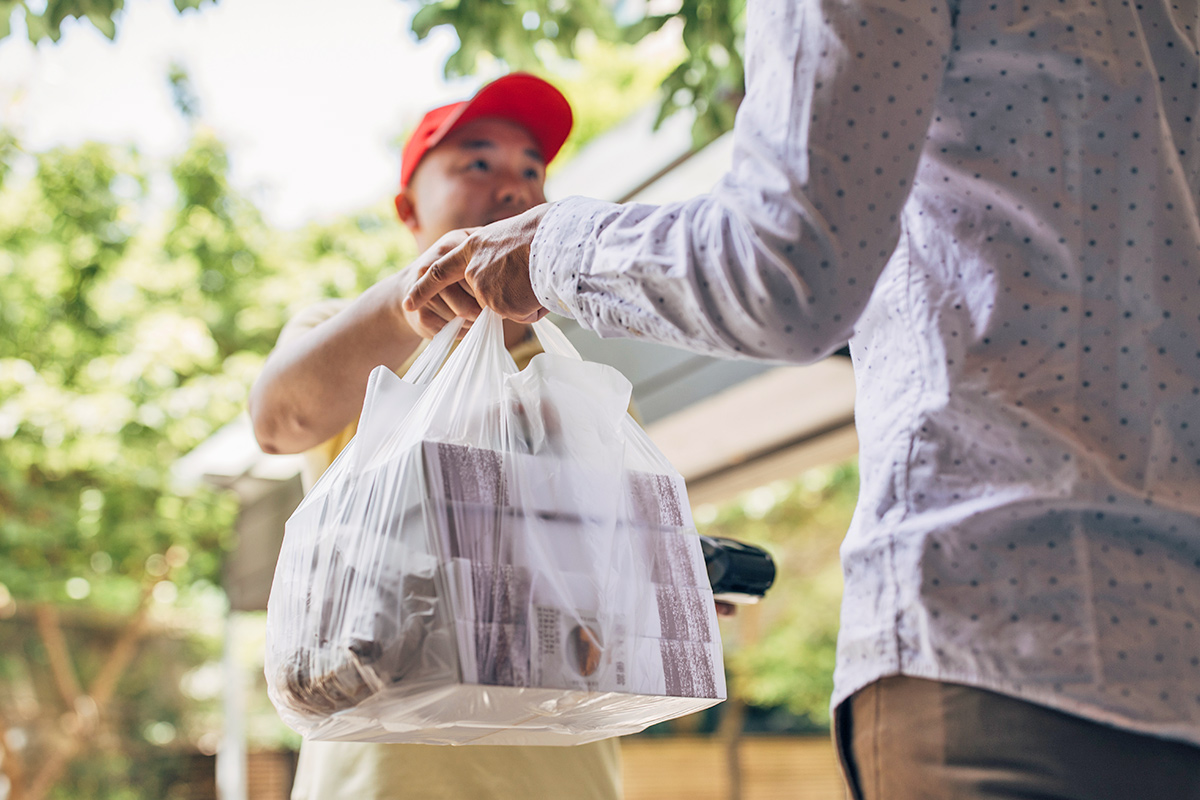
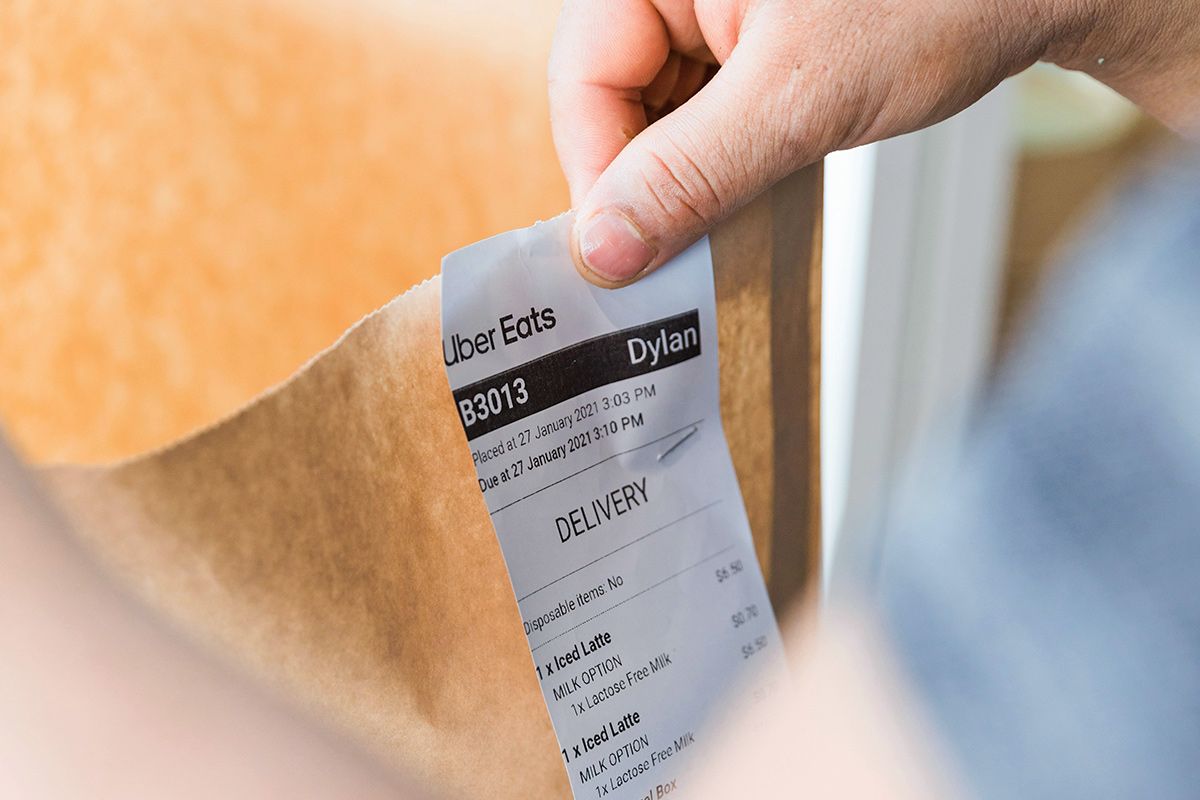
We get that there are some nights you’d prefer not to cook or venture out into the world to pick up food. But feeling a little lazy may be costing you a lot of moola, especially with all the convenience fees that many delivery apps impose.
According to LendingTree, the average delivery costs 79.5% more than if you were to go out and pick up that meal yourself. It’s also 279.9% more expensive than making a comparable frozen meal, and 601.7% more expensive than buying the ingredients and cooking the meal from scratch. So yes, while delivery is convenient, it’s also one of the biggest money pits imaginable. Nix it and put that money toward something else — or better yet, stick it in your savings.
Featured Image Credit: © South_agency—E+/Getty Images
More From Our Network
Better Report is part of Inbox Studio, an email-first media company. *Indicates a third-party property.





Bennett Kleinman is a New York City-based staff writer for Inbox Studio. He is also a freelance comedy writer, devoted New York Yankees and New Jersey Devils fan, and thinks plain seltzer is the best drink ever invented.
This article is for general informational purposes only.
Affiliate Disclaimer Medical Disclaimer Financial Disclaimer