Name-Brand vs. Generic: Which One Should You Buy?

Keeping an eye on the pennies you spend can often add to big savings, but minding all those cents takes some work. You might be purchasing cheaper cuts of meat, clipping coupons, or sticking tightly to the list you made before you walked through the store’s sliding glass doors. Another common trick? Putting higher-cost name-brand items back on the shelf and subbing in store-brand or generic equivalents in their place. But if you’re suspicious of getting a lower-quality product, hear us out: Store-brand items are often similar in quality — and sometimes even the same product — sold at a lower price. Yes, really. Here’s what you should know about name-brand and store-labeled goods and when to buy them.
What’s the Difference Between Generic and Name-Brand?
Generic-labeled foods and household goods first cropped up in the late 1970s and developed a reputation as lesser-quality items at a fraction of the cost — but that’s not necessarily the case today. While still more affordable than name-brand products, many store-brand foods are created on the same production lines as name-brand foods and packaged with a different label; lesser-known food companies make others. In either case, it’s not always easy to find out who supplies the off-brand version of your favorite product — most companies keep this info tightly under wraps. However, with a little product sampling, you may find your morning bowl of off-brand cereal tastes suspiciously similar to the name-brand version you enjoy.
Why Store Brands Are Often Cheaper
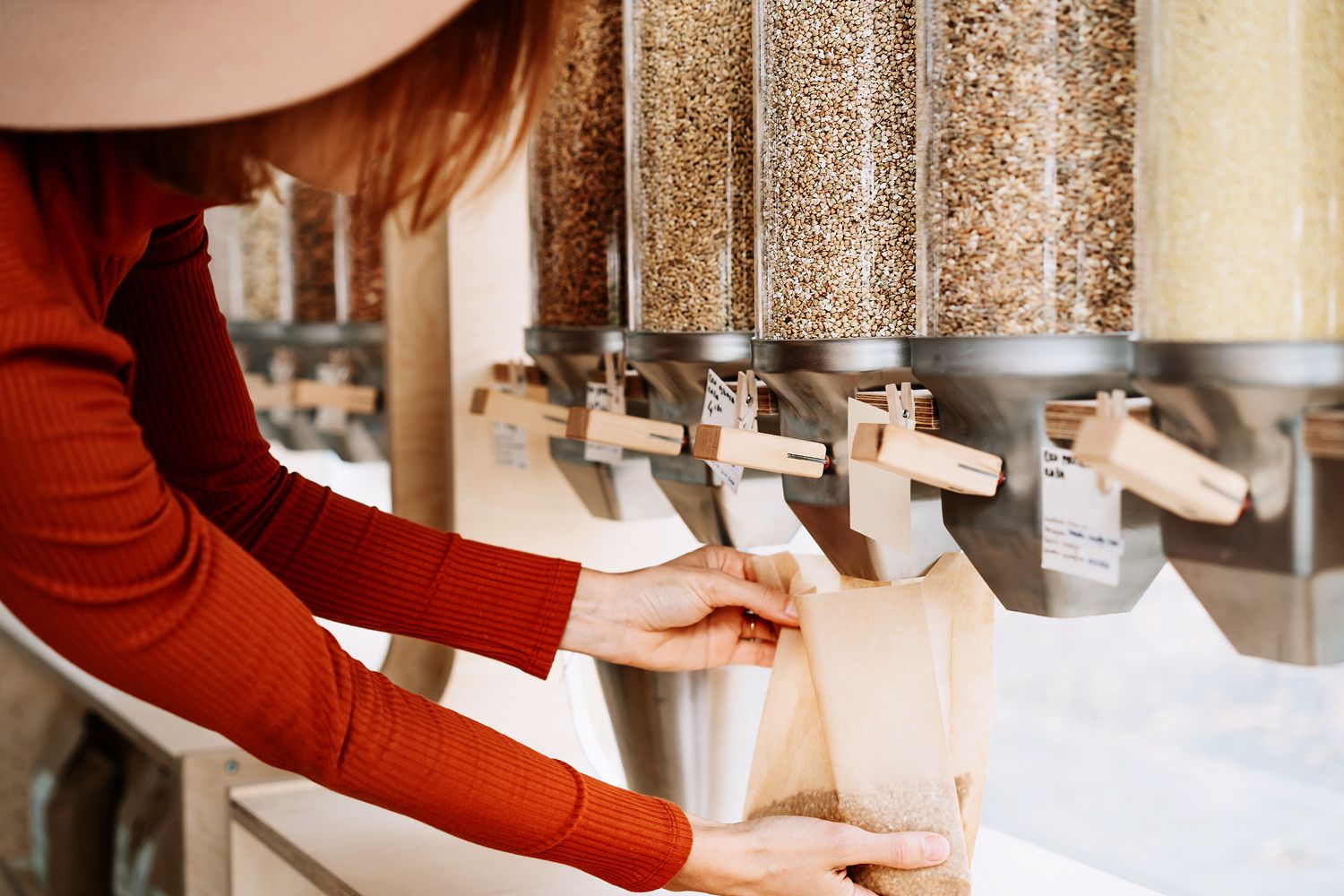
On average, store-brand products cost about 30% less than their name-brand counterparts. But how? Much of the inflated name-brand price has to do with advertising. Manufacturers of name-brand products typically invest in marketing campaigns to boost sales — a cost passed onto consumers at checkout. Generic brands tend to skip commercials and ads, cutting out this extra expense. While it may seem counterintuitive for companies to sell their products under cheaper private labels that compete with the name-brand version, many do so to pull in extra money. Selling their products under a different name helps brands appeal to a wider group of price-conscious shoppers.
Items You Should Consider Swapping for Store-Brand
There’s no definitive list of foods and home goods that you should swap for store brand; even if rumor suggests a manufacturer produces a cheaper alternative under a different name, it’s hard to verify. Plus, private brands can vary from store to store, meaning the company that produces store-brand bread for Kroger might not be the same supplier for Aldi.
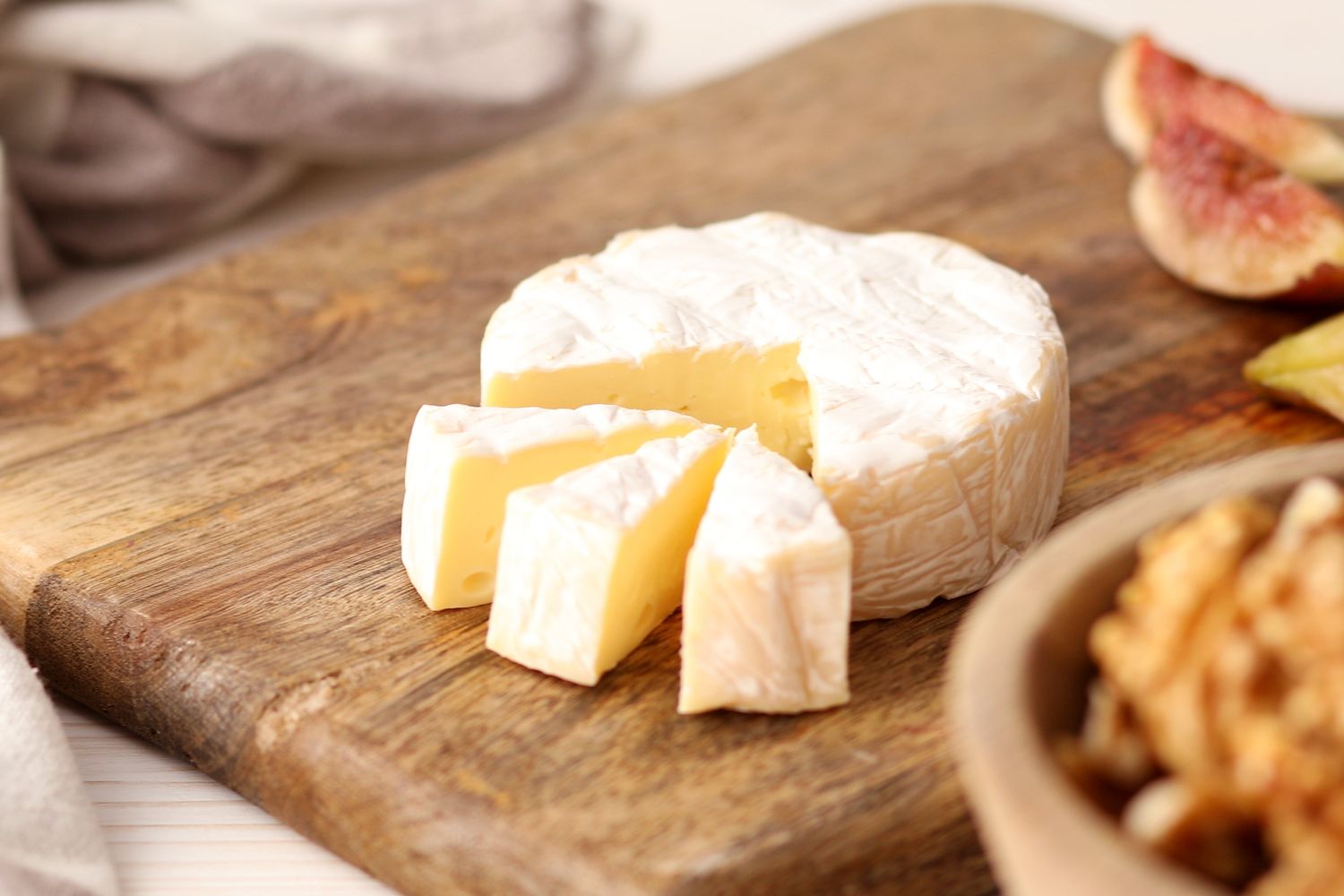
However, you can typically cut a few dollars from your grocery bill by picking up similar store-brand items across manufacturers. For example, milk and other dairy products are usually a safe bet since milk from different farms is typically blended to create a consistent flavor from jug to jug, regardless of brand. Other common swaps include:
• Baking ingredients, like flour and sugar
• Canned fish, like tuna or salmon
• Cereal and breakfast bars
• Cheese
• Cleaning products
• Dry grains, like rice and beans
• Frozen vegetables and fruit
• Paper towels and napkins
• Pasta
• Produce
• Spices
Trialing a new brand is key to subbing in generic-label items for your name-brand preferences. While participants in blind taste tests often find that store and brand-name products have similar qualities, there are times when name-brand goods win out. Knowing that you like the flavor of an alternative version before you stock up at a discounted price can save you money in the long run.

Reader Favorites


When to Buy Name-Brand Items
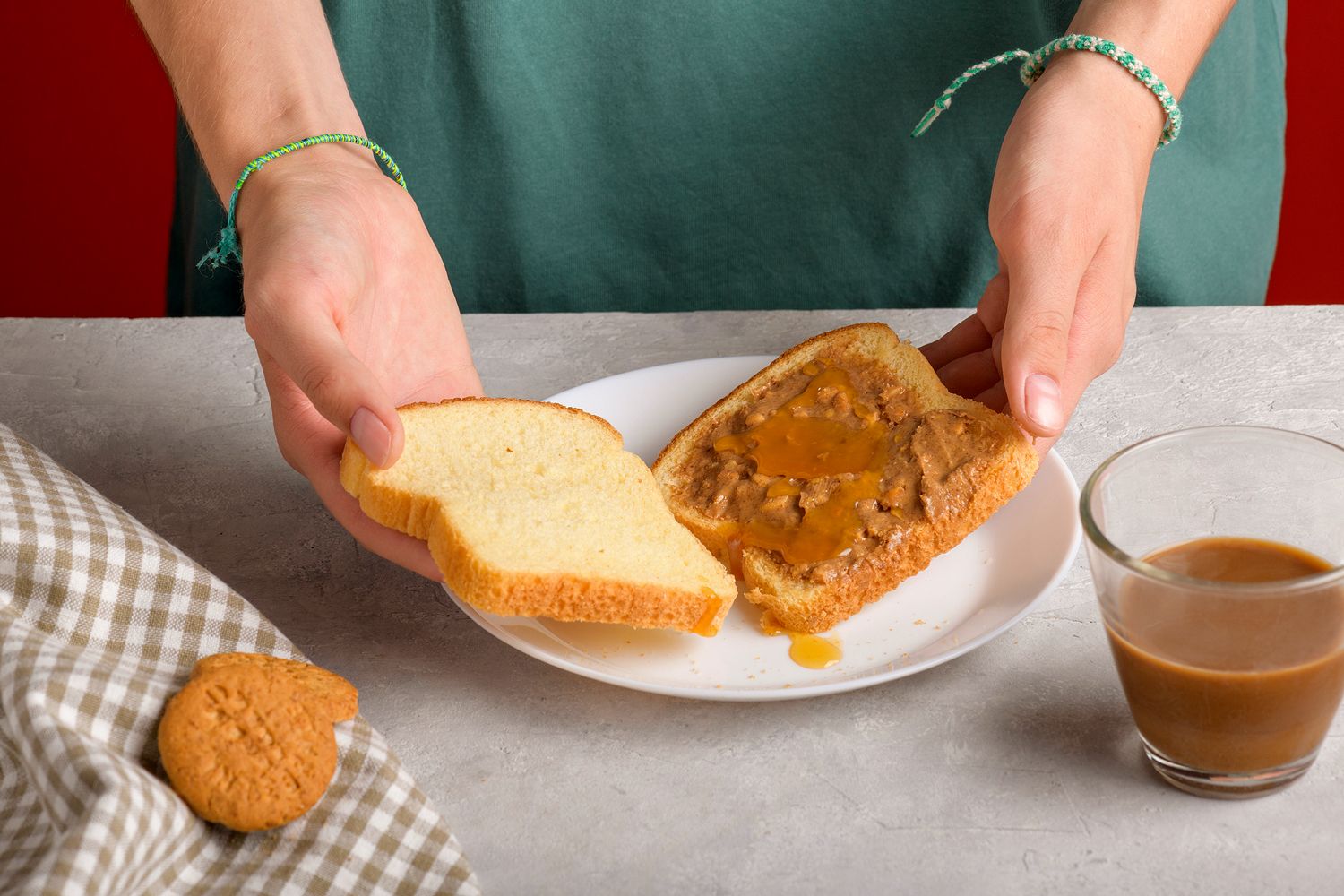
Occasionally, you’ll find it’s better to splurge on the name-brand item. Sometimes, that’s dependent on your taste buds — it may be hard to find an off-label dupe of Philadelphia’s tangy cream cheese or the smoothness of Jif peanut butter. And occasionally, sale prices and coupons for name-brand goods can combine to give you a hefty discount. When that amount beats the generic version’s price, it’s worth stocking up on the real deal.
Featured Image Credit: NataliaDeriabina/ iStock
More From Our Network
Better Report is part of Inbox Studio, an email-first media company. *Indicates a third-party property.






Nicole Garner Meeker is a freelance writer, research editor, and Inbox Studio contributor. Based in St. Louis, she’s an enthusiastic gardener, fiber artist, and connoisseur of fine snacks.
This article is for general informational purposes only.
Affiliate Disclaimer Medical Disclaimer Financial Disclaimer