Rachel Gresh is a Washington, D.C.-based freelance writer. When she's not writing, you can find her wandering a museum, exploring an unfamiliar city, or baking something new in the kitchen.
Better Report
When choosing a workout regimen, the options can be overwhelming. From heart-pumping cardio to calming yoga, there’s something for everyone. But what if we told you there’s an exercise that can work your body and mind from every angle? An exercise that not only strengthens your bones and increases flexibility but also has anti-aging benefits and can help prevent diseases. This exercise is strength training, one of the oldest forms of exercise. Contrary to popular belief, it’s not just for bodybuilders and CrossFit athletes; it’s for everyone. Discover why incorporating strength training into your routine should be your next health goal.
Strength training is often overlooked due to misconceptions. Some fear it will make them ‘bulky,’ while others are overwhelmed by the multitude of gym equipment, or worry about potential injuries. However, strength training doesn’t necessarily require fancy equipment (unless you want to incorporate those things). When done correctly, this powerful form of exercise doesn’t cause injury or transform your muscles into versions befitting Hulk Hogan; it keeps them strong and toned, providing a healthy foundation for other physical activities with many additional benefits.
“As a personal trainer, strength training is the No. 1 type of exercise I recommend to live longer,” says Patricia Greaves, founder of StrongHer Personal Training. She explains that your muscle mass begins to deteriorate around 30, but strength training exercises can help preserve that, making these exercises especially important as we age. “If you don’t use muscles, they will lose their strength over time,” explains Dr. I-Min Lee, professor of medicine at Harvard Medical School. In this case, the saying “use it or lose it” rings true.
Strength training is any workout that causes your muscles to contract against an outside resistance. These exercises, whether done with body weight, weight machines, resistance bands, dumbbells, or other equipment, offer many health benefits. They can improve overall health, strengthen bones, increase joint flexibility, help with weight control and blood sugar regulation, enhance sleep, and even prevent diseases. It might also preserve brain function later in life. With all these benefits, it’s hard to ignore the power of strength training.
Ready to start your strength training journey? If you have any previous injuries or chronic medical conditions, it’s always a good idea to consult your doctor first. Once you’re cleared, the first step is to learn the proper form. This is crucial to prevent injuries. As part of a balanced strength training routine, consider incorporating basic exercises like squats, static lunges, hip bridges, planks, and push-ups. These simple bodyweight exercises can be done anywhere, making them perfect for beginners. Once you’ve mastered the basics, you can explore more advanced variations — like curtsy lunges and sumo squats — to keep your workouts varied and challenging.
Advertisement
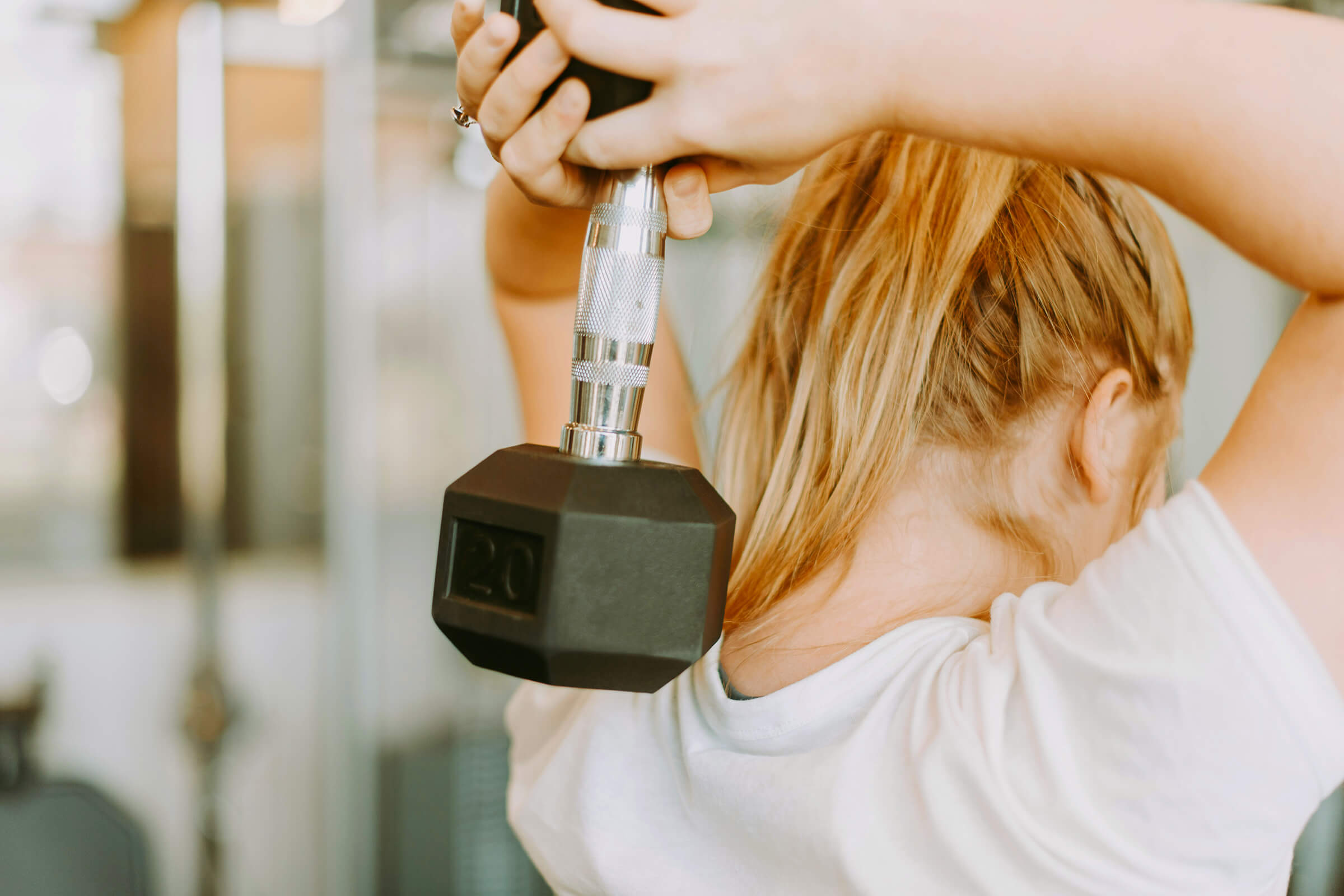
If you decide to incorporate dumbbells into your workouts, start with light weights, usually just one or two pounds, to avoid injury. Don’t overdo it with repetitions, either. Aim for around 10 reps to begin. You should be able to lift weights easily. If it feels too difficult or straining, you’ll need to use lighter weights. Aim for two 30-to-60-minute sessions a week if you’re new to strength training, and add more sessions as it becomes more comfortable. Every few weeks, you can increase that weight by one or two pounds if it becomes too easy to lift them.
As your strength training progresses, you’ll feel lighter on your feet throughout the day, and other types of exercises and daily tasks will become easier. This increased muscle mass also aids in weight management, boosting your calorie-burning potential. Remember, when it comes to strength training, consistency is key. Stick to a weekly routine to truly reap the long-term benefits.
Rachel Gresh is a Washington, D.C.-based freelance writer. When she's not writing, you can find her wandering a museum, exploring an unfamiliar city, or baking something new in the kitchen.
Dining out is a time for good conversation, delicious food, and maybe drinking one too many frozen margaritas. But while eating at a restaurant is supposed to be fun, it’s also important to practice proper etiquette. Treating the waitstaff respectfully is paramount, as they’re working hard to ensure you have a great time. It doesn’t matter if you’re at a five-star establishment or a divey sports bar — it’s important to follow these guidelines no matter where you’re eating. Here are some of the rudest things you can do and ways you can act at a restaurant.
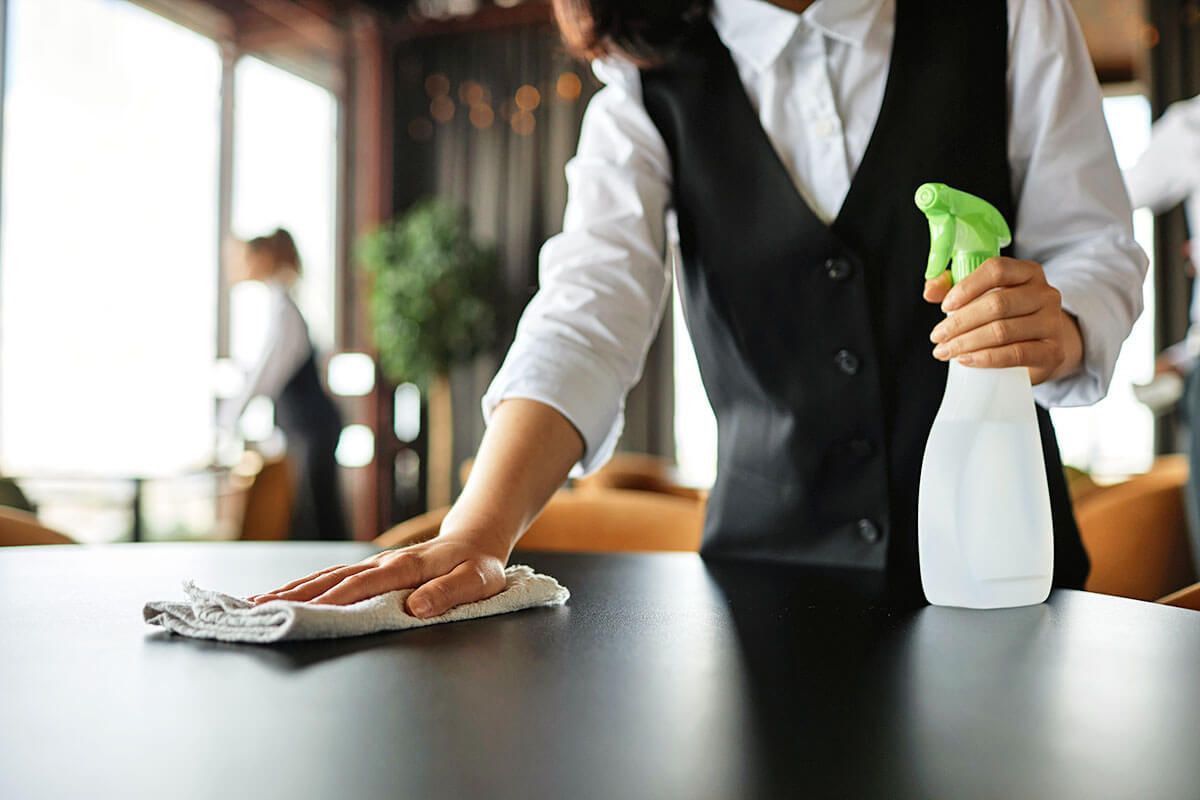
Snapping, clapping, or whistling to get the attention of your server is demeaning and rude, and it’s also annoying to any nearby diners within earshot. For the same reason, you should also never raise your glass and shake around the ice inside if you need a refill. Servers deserve respect. Instead, a simple hand raise or a bit of eye contact will do just fine in getting their attention. Just be patient, as they may be busy tending to other tables.
Nobody is trying to rush you through your actual meal, but staying long after paying the bill is considered rude. There may be some flexibility if the place is reasonably empty, but if there’s a line of people waiting to sit down, you should get up and exit after paying. If you want to continue talking with your friends, consider going to a nearby bar with a hangout vibe or some other similar social establishment.
Restaurants don’t magically shut down at the snap of a finger, as it takes a long time to shut everything down and clean everything up at the end of the day. Knowing that, it’s rather rude to show up 5 minutes before close and request a table. By showing up late, you’re just keeping the staff there longer than they need to be. If you arrive at an eatery just before they close, consider going somewhere else or requesting takeout and bringing your meal home.
People in the service industry are trained to act nice in order to please their customers, but you should never mistake that kindness for flirtiness. Servers and bartenders are just doing their jobs and shouldn’t be pestered with raunchy comments while at work. You should also never leave your phone number on the check, as many servers consider that skeevy as well. Save your flirty comments for dating apps rather than restaurants.
If you’re dining with young children, it’s important to keep those kids in check. If they’re being too loud, tell them to quiet down. Also, keep them seated at the table, as it’s rude to other diners if you let the kids scream and run around. If your child can’t behave, it may be worth waiting to dine out until they can act more appropriately in public.
Let’s say you arrive right on time for your reservation, but your five friends are late. You shouldn’t sit down and hold the table until they get there. You’re just preventing the restaurant from doing business by sitting down and refusing to order until your friends arrive — even if it takes 30 minutes for everyone to get there. The restaurant will be able to hold your reservation for 15 minutes or so, but after that they have every right to give your table away rather than allow you to hold onto it indefinitely.
You may be frustrated with the service at a restaurant, but you should never stand up and grab anything for yourself. This includes walking to the bar and pouring yourself a glass of water or going toward the kitchen and snagging some cutlery. As a diner, you’re expected to make requests to the waitstaff if you need anything. Taking matters into your own hands is rude and insulting to the people who are working hard.
If a server is reading the specials to you or anything else that requires your attention, be focused rather than ignoring them, even if you’re not particularly interested in any of the specials. It’s generally good etiquette to make eye contact and listen when someone is talking to you, and that advice extends to restaurants. Treat the server with deserved attention rather than treating them like they don’t exist.
Tipping is a complicated science. If the service was bad, then it’s perfectly fine to tip less to show your displeasure. But if the service met your expectations, tipping 10% for is an insult. You can argue all you want about tipping culture in America, but there’s an expectation of tipping 15% to 20% — preferably the latter — for good service. Servers rely on tips to earn a living wage, so don’t undercut them just to make a point.
More From Our Network
Better Report is part of Inbox Studio, an email-first media company. *Indicates a third-party property.
Bennett Kleinman is a New York City-based staff writer for Inbox Studio. He is also a freelance comedy writer, devoted New York Yankees and New Jersey Devils fan, and thinks plain seltzer is the best drink ever invented.
Better Report
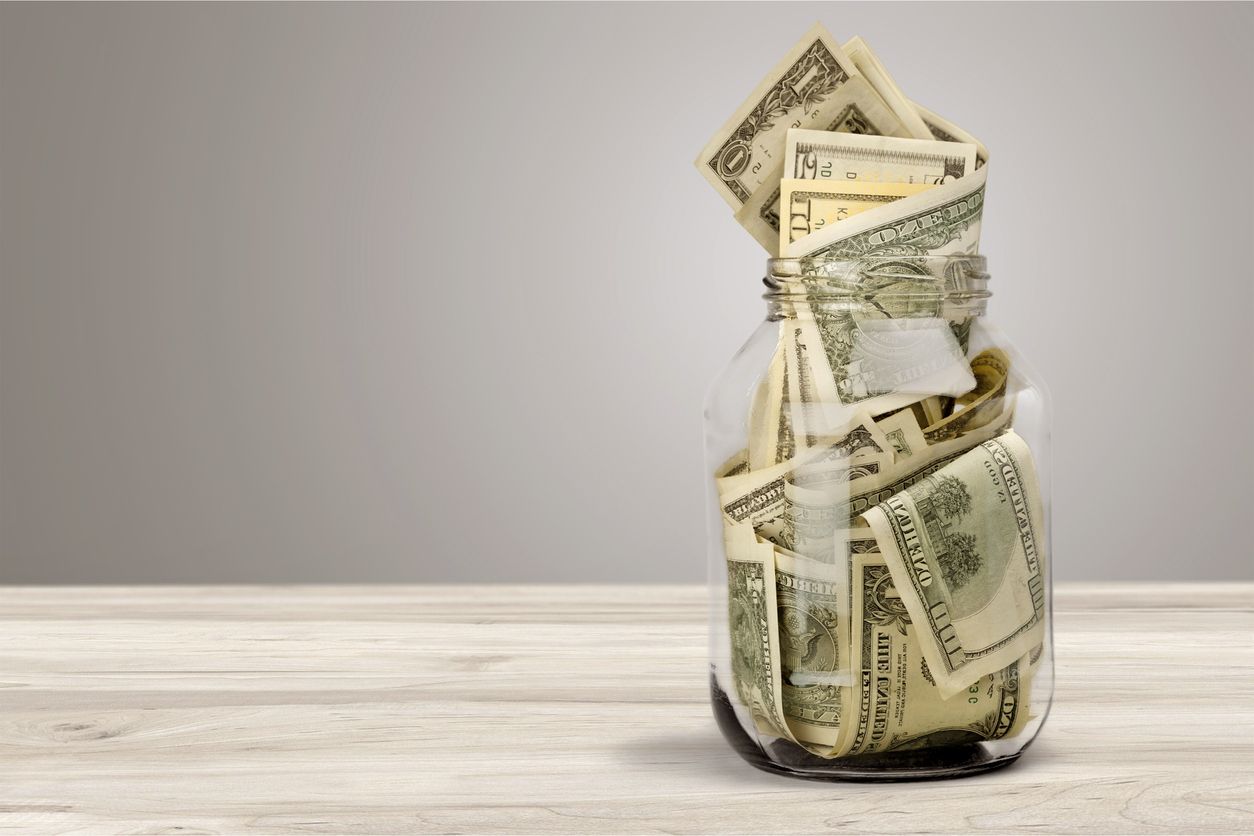
One oft-debated question is whether to save money or pay off your debt first. It’s so important to save for retirement, and it’s also an absolute relief not to have any debt looming over your head. But if you had to choose between doing one or the other, here’s what you need to know.
Financial advisors recommend paying off your debt before you start stashing away cash. If you don’t pay off your debt before due dates, you’re subject to high interest rates, which, depending on your exact contract, could amount to hundreds if not thousands of dollars in penalties accrued.
There are plenty of types of good and bad debt, but one of the worst is credit card debt. The average credit card interest rate on in 2026 is nearly 24%, so not paying off the full balance every month will get expensive fast. At the very least, you should always try to pay off the minimum amount on your credit card statement to avoid unnecessary fees. Paying off your balance on time also boosts your credit score, which is essential for taking out major loans before buying a house or vehicle.
The major drawback to paying off your debt first is, of course, the fact that it means less money to invest. But the brutal reality is that those high interest rates mean you’re on the hook for potentially a lot more than you would have saved or made in the market if you chose the latter option.
Despite the aforementioned arguments, there are still benefits to saving money before paying off your debt in some scenarios. This is especially true if the debt is minimal, the interest rates are low, or you have a loose deadline to pay those bills. In all of these cases, you may have the flexibility to invest your money and start generating compound interest.
Advertisement
The sooner you invest your money, the more cash you’ll generate over the years to live comfortably in retirement. Long-term investments also increase the odds of generating generational wealth, which allows you to provide for your children and their children even after you’re gone.
Plenty of low-risk investments will generate compound interest over time, turning a few thousand dollars into a six-figure amount if you can let your investment sit for long enough. This includes high-yield savings accounts, which can hover around 5% interest, certificates of deposit, and Treasury bonds, all of which are a safe way to invest your cash without worrying about the volatility of the stock market. That being said, these low-risk, long-term investments will rarely — if ever — make you enough money to recoup the penalties associated with financial debt unless you have an exceedingly low rate. If you want to invest in the market, a broad exchange-traded fund (ETF), could be a smart move. The average return is 10% per year, though of course nothing about that is guaranteed. Oft-recommended ETF options include VTI and VOO, both from Vanguard.
With enough foresight and attentiveness, there are ways to both pay off your debts and start saving ASAP. Take, for instance, a concept known as the 50/30/20 rule. This helpful budgeting trick may be the key to doing both. Essentially, this rule tells you to take 50% of your money and put it toward essential bills plus minimum monthly payments. Then take 30% of your money and use that for personal hobbies, vacations, and other wants rather than needs. The final 20% should be allocated toward personal savings and paying off more than the minimum monthly amount for any outstanding debts. That last sentence is the key to all of it though. If you aren’t hitting your monthly minimums and start accruing penalties, those “savings” will vanish as you pay of your added debt.
More From Our Network
Better Report is part of Inbox Studio, an email-first media company. *Indicates a third-party property.
Bennett Kleinman is a New York City-based staff writer for Inbox Studio. He is also a freelance comedy writer, devoted New York Yankees and New Jersey Devils fan, and thinks plain seltzer is the best drink ever invented.
There are three inevitabilities in life: death, taxes, and spending way too much money on unnecessary impulse buys. It’s so easy to shell out $100 on a pair of pants or some fancy cocktails without even thinking about whether you can afford it. That’s why so many people have begun taking the “no spend” challenge, a trendy approach to managing personal finances by cutting wasteful spending. While this challenge is becoming increasingly popular, it still has detractors who are more skeptical about its long-term effectiveness. Here’s why people are taking the “no spend” challenge and if you should consider doing the same.
If you’re thinking about taking a no spend challenge, the first thing you want to do is set a personal goal. This could mean saving enough money to pass a certain threshold in your bank account or afford a new car. You’ll also want to set a timeline for yourself, whether a week, a month, or even a year. No spend challenges are meant to be temporary fixes for getting your spending back on track, rather than a permanent change. You can easily determine whether the challenge is working with regular check-ins by giving yourself a finite time frame and an exact goal.
No spend challenges aren’t as extreme as their name may imply. You’ll still spend money pretty regularly, albeit less wastefully. While taking this challenge, all of your money should go exclusively toward essential purchases such as groceries, your mortgage, and medicine. This means cutting back on expenditures such as dining out, attending concerts, or buying new furniture, even though all of those things may bring you happiness. Essentially, this boils down to going on a diet for your finances.
The most obvious benefit of a no spend challenge is saving money. Think about all of the purchases you absent-mindedly make every day — $5 for coffee, $3 to add avocado onto your lunch, $20 for post-work drinks, $40 for that new shirt you’ve been eyeing, which is finally on sale. While each of these purchases may be small on their own, they add up to hundreds of dollars every week that could be put toward essential bills.
By temporarily cutting certain items out of your life, you might learn more about what daily purchases have actually been eating away at your finances. For instance, you may find that you don’t need to buy that morning cup of coffee, which could end up saving you $5 a day, $35 a week, and nearly $2k each year. Suddenly, that money is freed up to pay off a month’s rent or invest into your retirement fund. And that’s just coffee — you could save tens of thousands of dollars by cutting back on new clothing, alcohol, and other common purchases. The key to a no spend challenge is willpower. You make the decision to stop those sorts of purchases, and you stick with it.
One of the biggest criticisms of this frugal mindset is that no spend challenges don’t set people up for long-term success. This all-or-nothing mindset makes it difficult to find a good balance between financial stability and personal happiness. If you’re taking the no spend challenge, then you’re depriving yourself of things that bring you joy in the name of paying off bills. Think of the no spend challenge like a fad diet — you may eat salads for an entire month so that you can go back to eating cheeseburgers the next month. This approach helps you lose weight in the short term, but it doesn’t actually teach you how to eat healthier.
Critics of the no spend challenge recommend taking a more moderate approach to your finances, such as creating a balanced budget at the start of every month. Meal prepping is another fantastic way to cut down on the high cost of eating out while still enjoying delicious food made at home. Or, if you want to update your wardrobe, consider visiting a secondhand store instead of buying new clothing. All of these are small ways to cut down on wasteful spending without eliminating the things that make you happy.
In addition to setting a goal and timeframe, there are other ways to increase the chances of a successful no spend challenge. First, look at the time of year — it may be unwise to start a no spend challenge in July when you’re about to head out on summer vacation. It also probably isn’t great in December with all the holiday shopping you’ll do for your family and friends. Try to pick a month like March or October when you’re less likely to be making such lavish purchases to begin with.
If you see something you really want to buy during the challenge, don’t cave in. Instead, create a wishlist of items that you can purchase later on. That way, when the challenge is over, you can look at the list with a less impulsive mindset. Also, don’t deprive yourself of having fun during your no spend challenge. Instead, seek out more affordable means of entertainment, like free concerts in the community park. Treating yourself to these fun activities helps keep you sane and makes the challenge more likely to succeed.
Finally, start small. One of the biggest mistakes people make when embarking upon a no spend challenge is limiting themselves too much. This is especially true for those who’ve never done a no spend challenge before and may be shocked to find out how difficult it can be. Allow yourself flexibility when starting a no spend challenge, such as budgeting $100 each week for unessential items. This little bit of leeway makes transitioning into this “no spend” mindset easier and helps you adapt to a more frugal lifestyle.
More From Our Network
Better Report is part of Inbox Studio, an email-first media company. *Indicates a third-party property.
Bennett Kleinman is a New York City-based staff writer for Inbox Studio. He is also a freelance comedy writer, devoted New York Yankees and New Jersey Devils fan, and thinks plain seltzer is the best drink ever invented.
Better Report
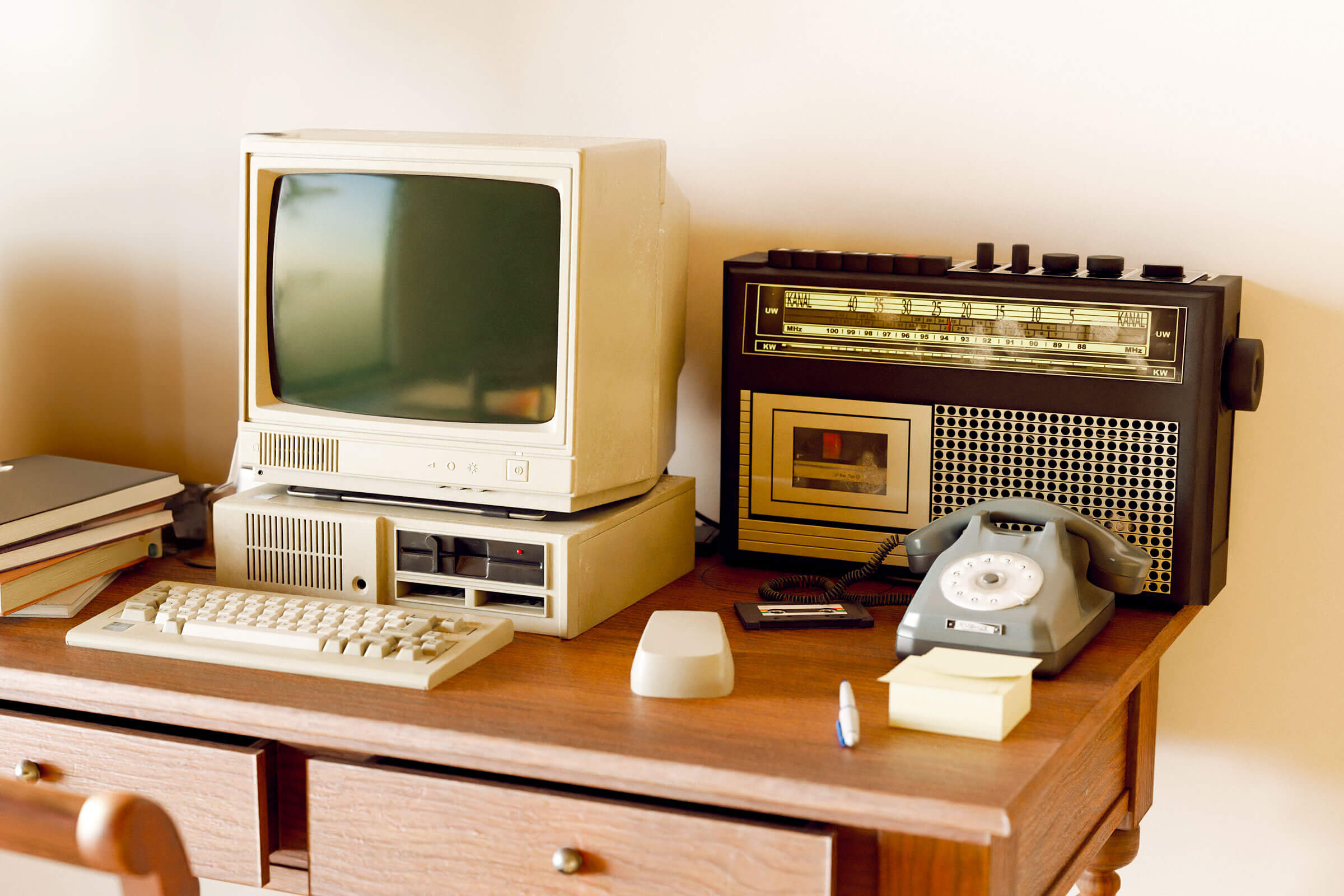
The more technology evolves, the easier it is to forget that cassette players and word processors were once considered cutting-edge gadgets. Chances are you may have tossed out those obsolete machines long ago, but hopefully, you didn’t, because some old video game consoles and computers are worth a fortune today. People will pay a premium for vintage electronics that they find on eBay or at local tag sales, especially if the product is still in good condition. So head down to the basement and see what you’ve got because here are 10 old-school gadgets that are maybe far more valuable than you’d expect.
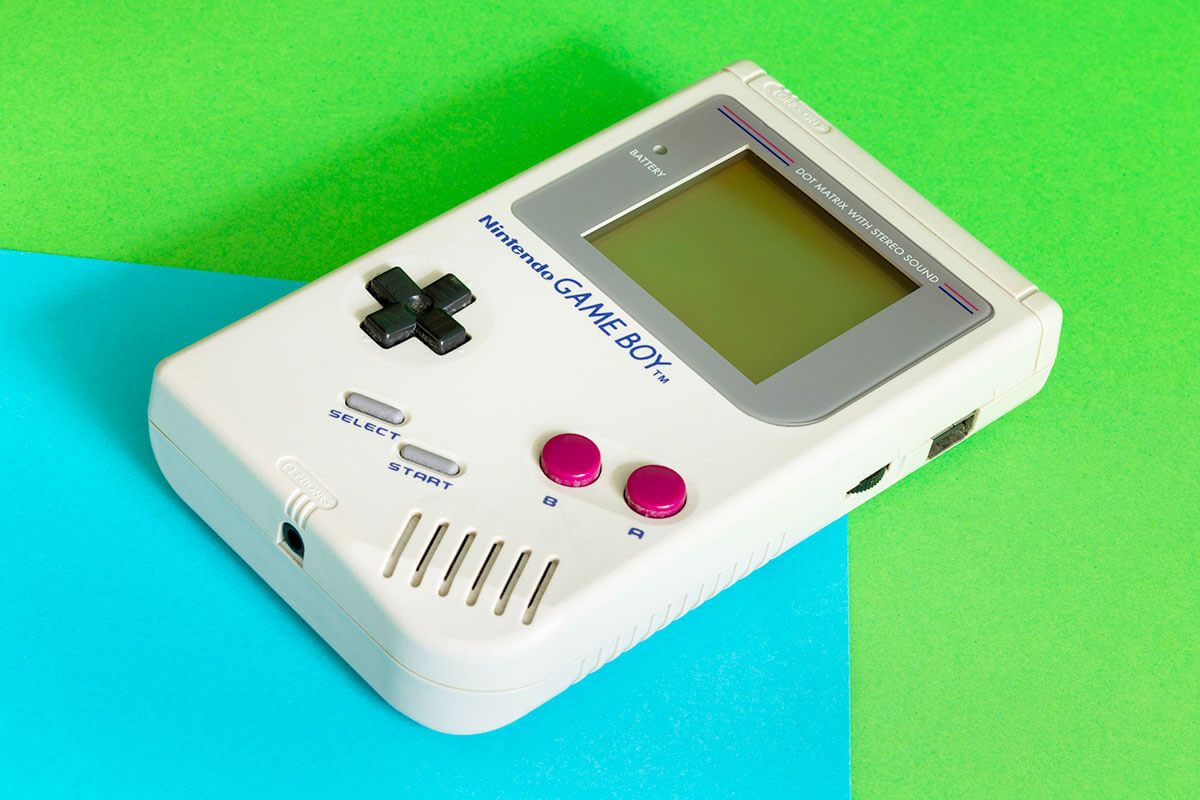
An original Nintendo Game Boy console from the late ‘80s or early ‘90s is worth around $50. That number skyrockets above $2,000 if you still have the box and the instruction manuals and jumps even higher to around $4,500 if it’s graded in excellent condition. Even Game Boy Color models from the later 1990s sell for as little as $70 and as much as $2,700 to the right collector.
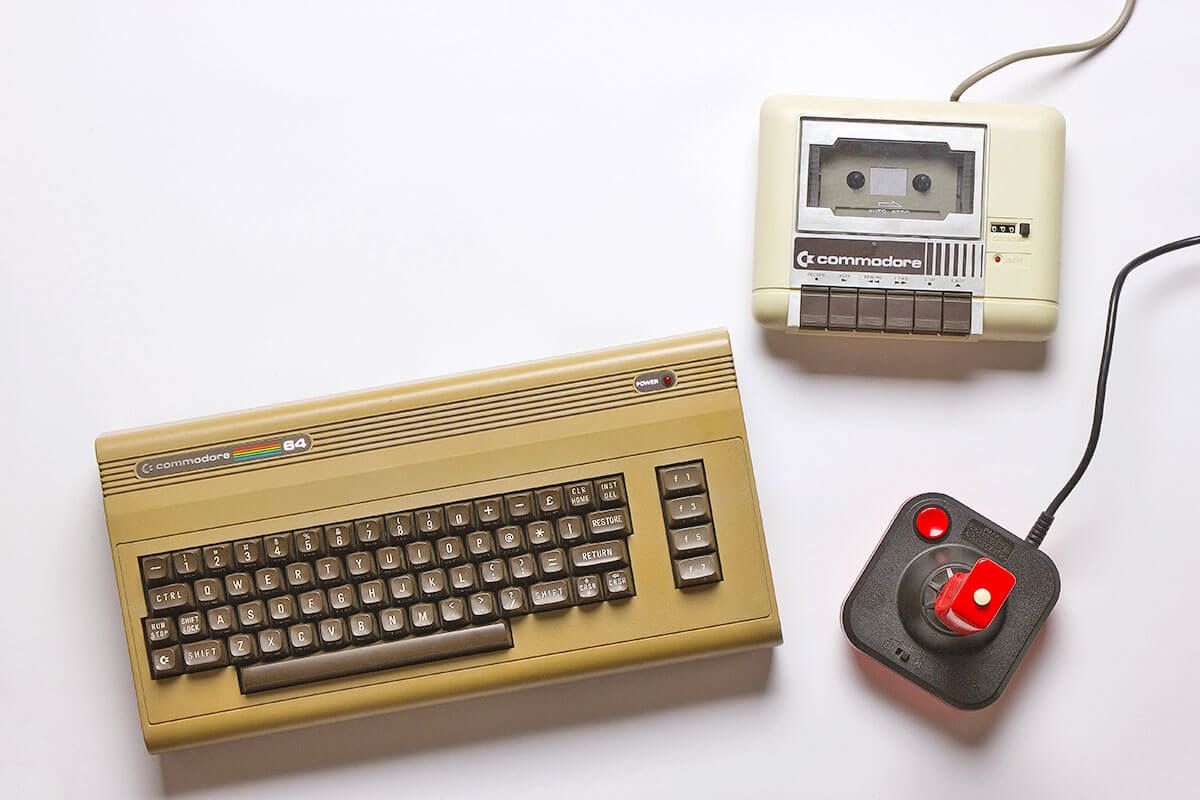
The Commodore 64 was an early home computer first released in 1982, and it doesn’t have much practical use today. Even still, it’s valuable to the right buyer, especially those looking to play retro computer games from yesterday. Early Commodore models have sold on eBay for between $50 and $300, depending on factors such as condition and whether they come with the original box.
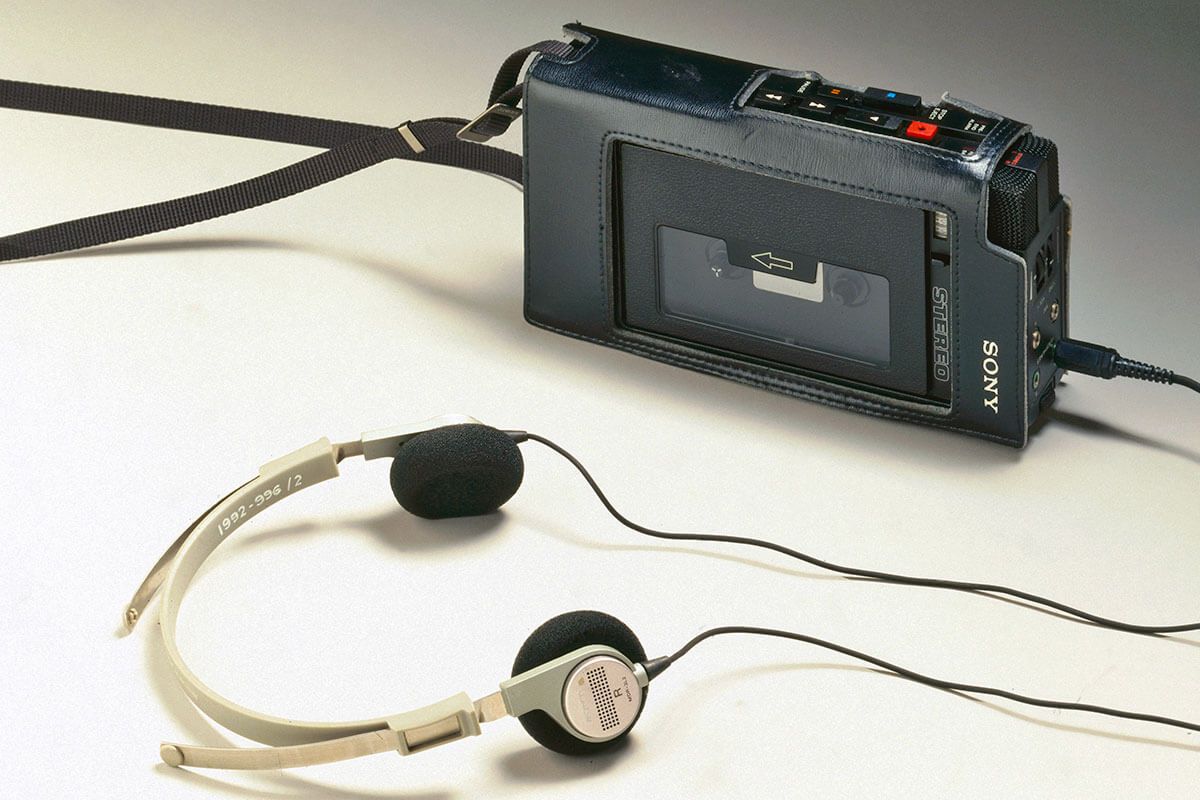
Many early Sony Walkman cassette players sell for between $30 to $60 on average. That may seem like a good enough price for a gadget you haven’t used in decades, but certain Walkman models are worth even more. Just check the serial number to see what you’ve got — a Walkman WM-DC2 is valued at $3,500, and the TPS-L2, WM-DD9, and WM-D6C models are all valued at over $2,000.
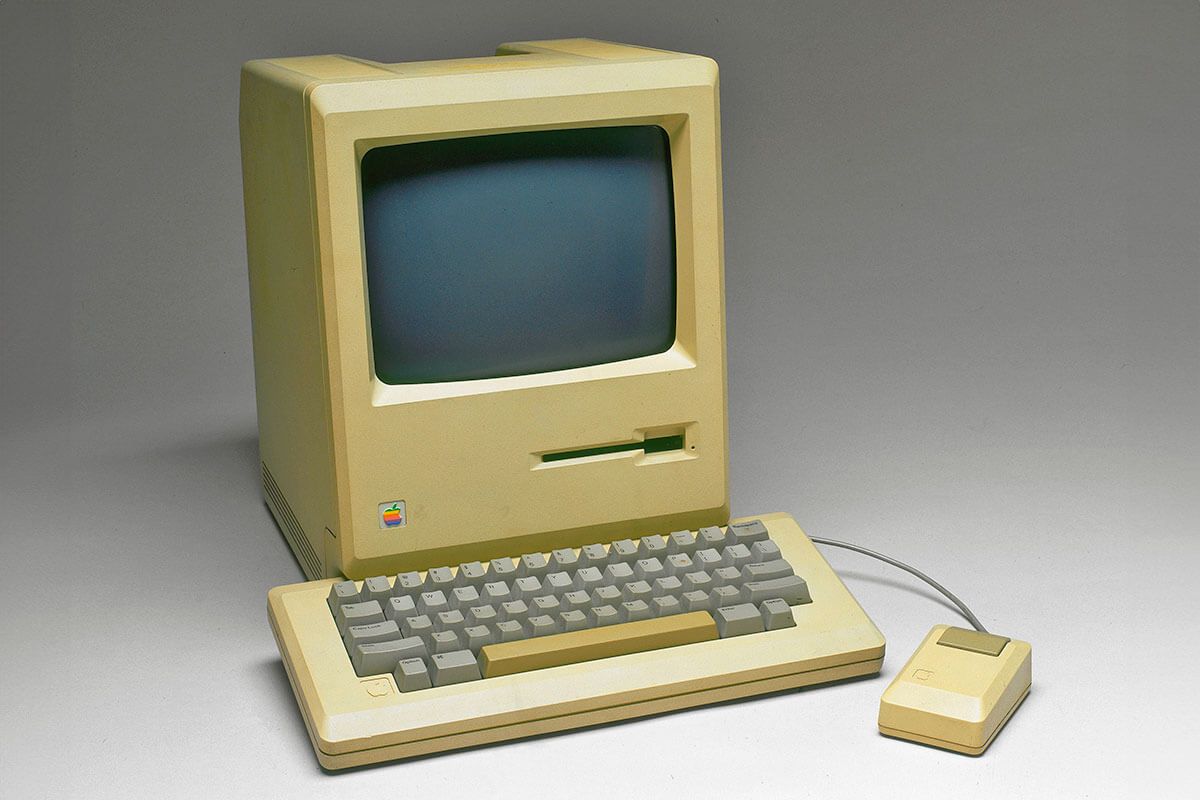
If you were an early Apple customer, you’re lucky because vintage Mac computers are worth a small fortune. Apple I computers from the 1970s are especially rare and are likely to sell for several hundred thousand dollars. The more common yet still desirable Apple II can fetch upwards of $4,600 in good condition. Macintosh 128K computers from 1984 generally go for between $1,500 and $2,500, so it may be time to dust off that old computer and list it on eBay ASAP.
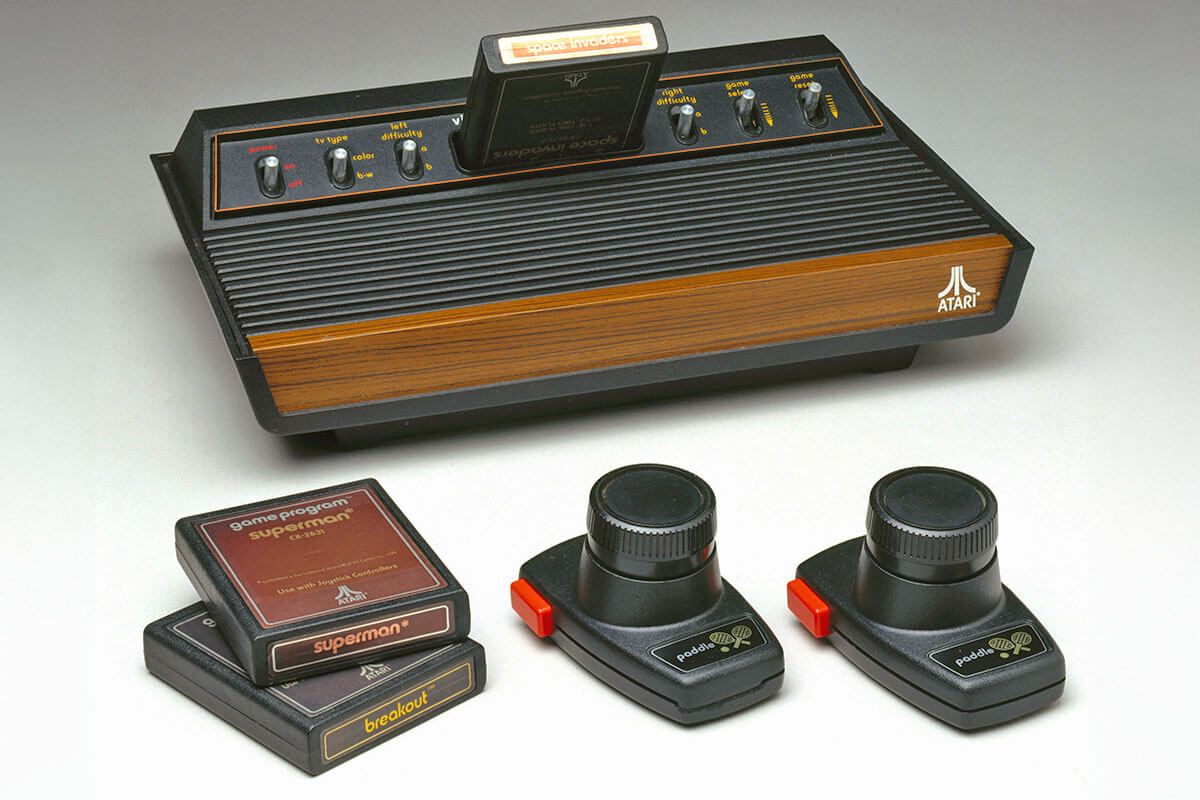
The Atari 2600 console was released throughout North America in 1977, and was used to play classic games like Space Invaders and Pac-Man. Depending on which model you have, you’re looking at a value of anywhere from $50 up to nearly two grand for this retro gaming console.
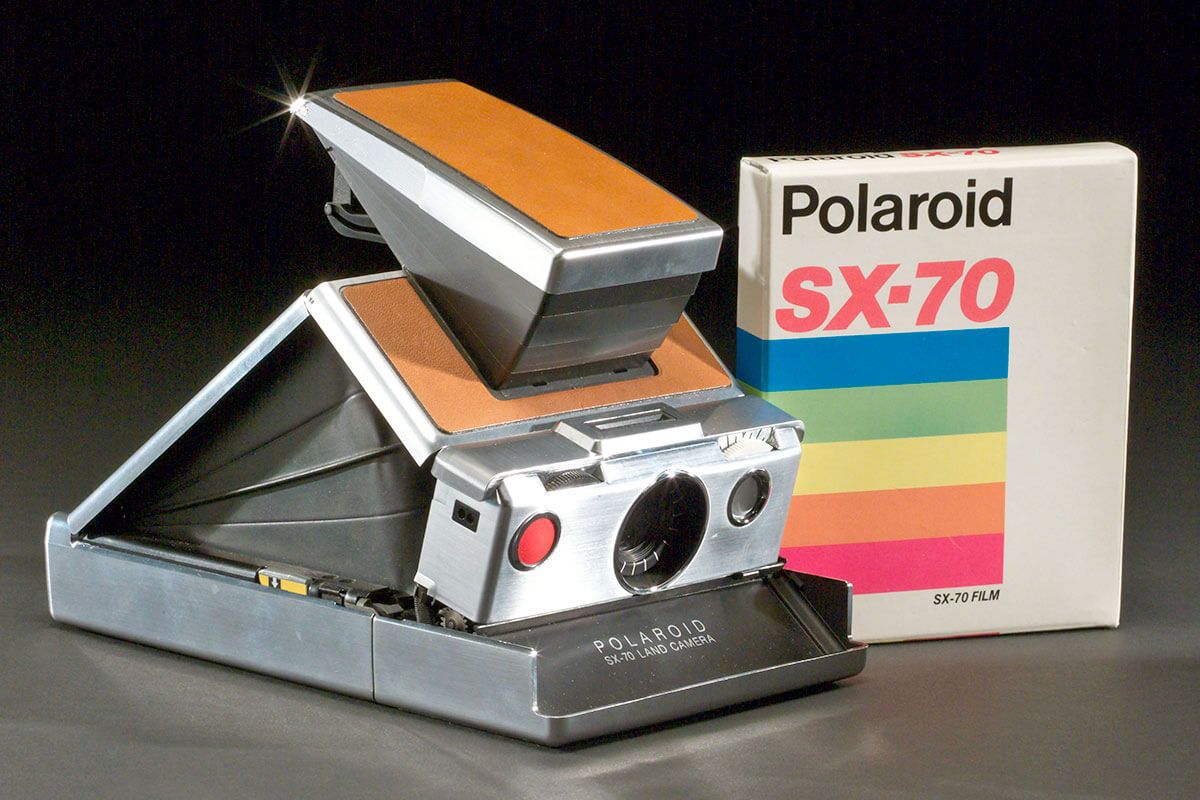
The value of a vintage Polaroid camera depends entirely on the model and condition. Some of the more valuable models include the SX-70 from 1972, which now sell for as much as $600. Even a more common Polaroid Spectra camera from the mid-1980s is worth around $200 to the right person.
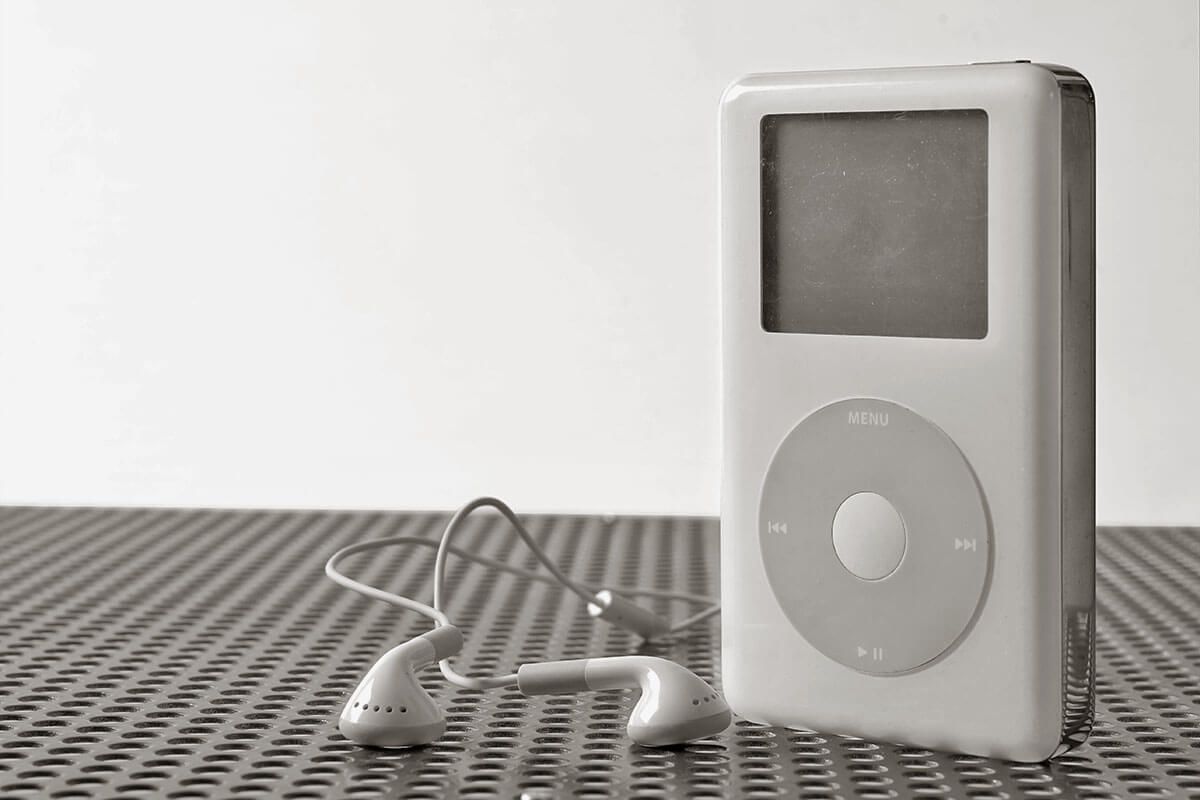
Today, we mainly use our smartphones to listen to music. But from 2005 to 2022, the Apple iPod dominated the portable music market. If you own a first-generation iPod in its original packaging, then you’re looking at an easy $1,000 in resale value. Even loose iPods from that era sell for $200 to $500, with those in better condition fetching higher prices.
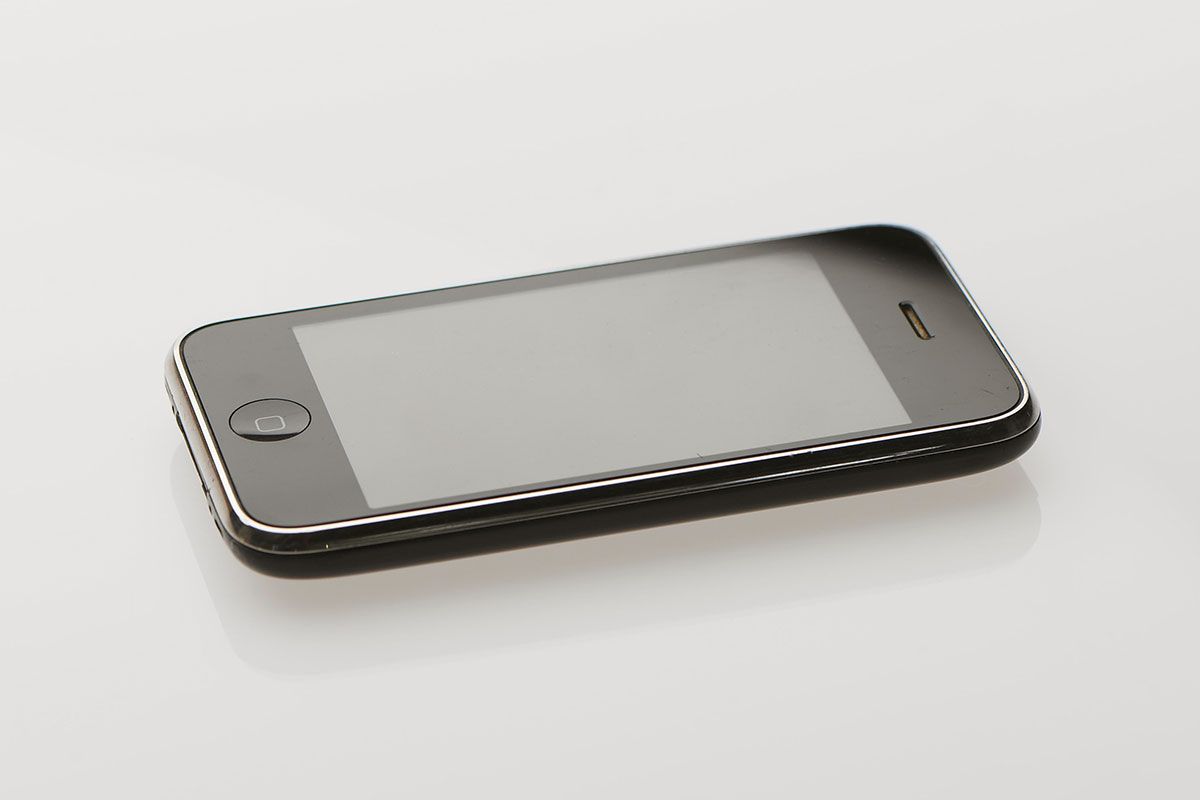
Speaking of Apple, let’s talk about the original iPhone, released in 2007. In July 2023, a first-generation iPhone in original packaging sold for $190,373 at auction. That’s a massive increase from August 2022, when it sold for “just” $35,414. If you’re lucky enough to own an original iPhone, then contact your local auction house immediately. Even loose models are still highly desirable to Apple collectors.
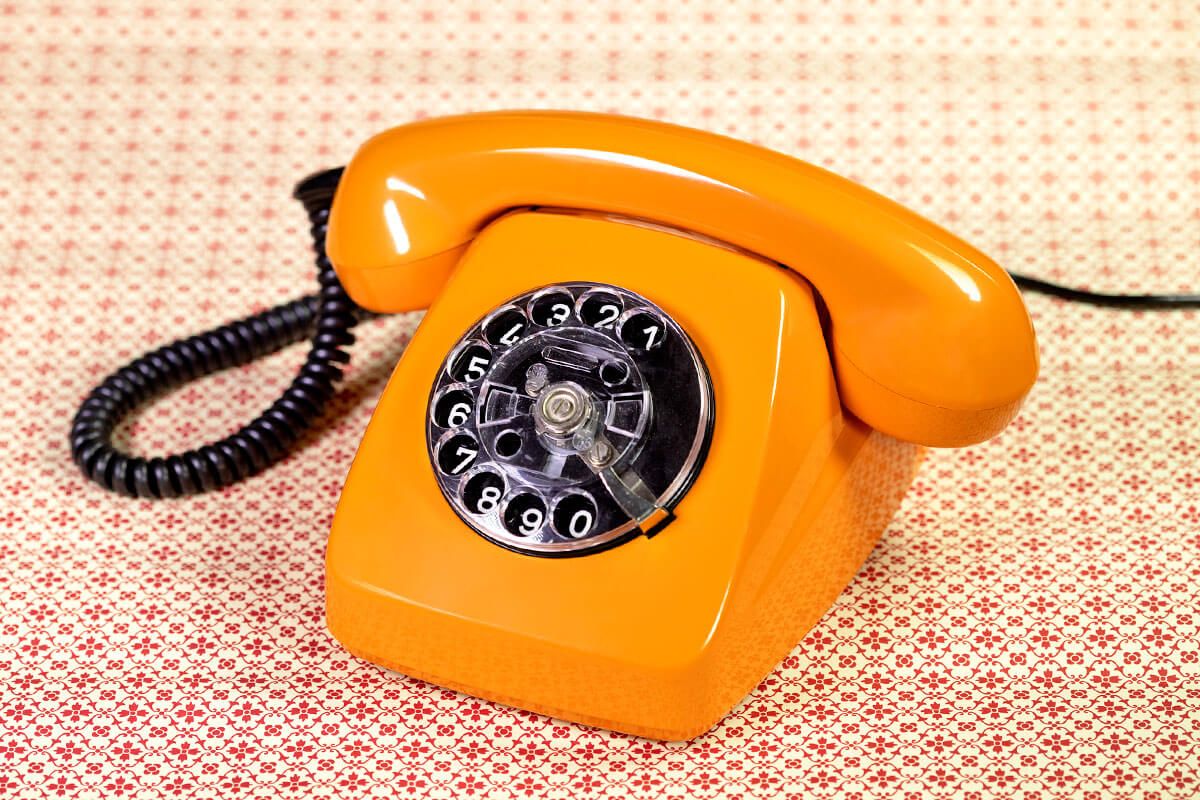
It’s probably been years since you last spun the dial on a rotary phone, but those once commonplace gadgets now have tremendous nostalgic value. Some older antique rotary phones are worth several hundred dollars if they’re still in working condition. People are even willing to shell out some cash for retro phones that don’t work but still look cool.
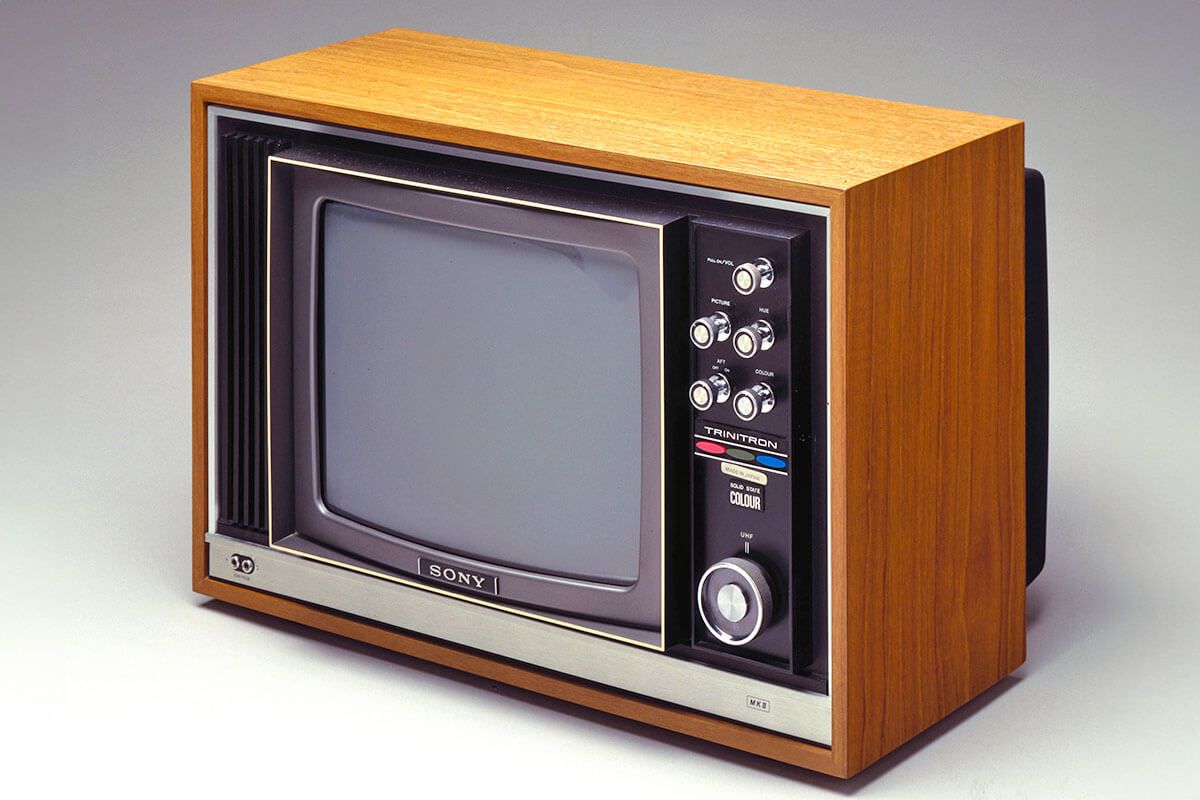
Old televisions are particularly popular among gamers who want to play retro video games on a television with the right aspect ratio. Sony Trinitrons are particularly valuable and frequently sell on eBay for around $200 if not more. These bulky TVs are probably just taking up space in your basement or storage unit, so list them on eBay or Craigslist and get them sold to the right person.
More From Our Network
Better Report is part of Inbox Studio, an email-first media company. *Indicates a third-party property.
Bennett Kleinman is a New York City-based staff writer for Inbox Studio. He is also a freelance comedy writer, devoted New York Yankees and New Jersey Devils fan, and thinks plain seltzer is the best drink ever invented.
Rachel Gresh is a Washington, D.C.-based freelance writer. When she's not writing, you can find her wandering a museum, exploring an unfamiliar city, or baking something new in the kitchen.
Better Report
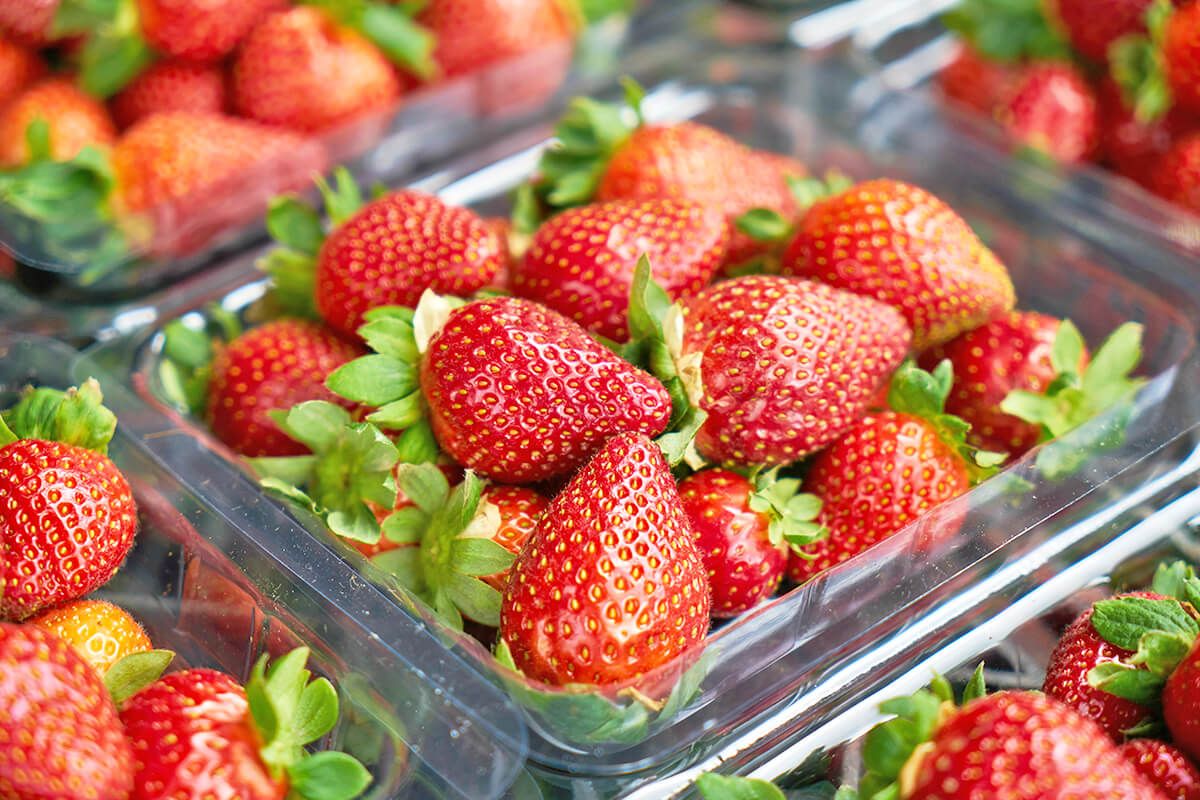
The benefits of eating fresh fruits and vegetables are far-reaching. They are tasty, versatile, and packed with essential vitamins, minerals, and other nutrients, making them vital to a healthy diet. Unfortunately, there is a downside to fresh produce: pesticides. Your freshly picked berries, Honeycrisp apples, and perfectly ripe peaches are all at risk. You can’t see pesticides, but they’re lurking on the surface, and they could make you sick. Learn more about which produce contains the highest levels of pesticides and what you can do about it to help keep you and your family safe.
Current health guidelines recommend at least five portions of fruit and vegetables per day. This serving size looks like seven strawberries or one whole apple. That adds up to a lot of fruits and veggies. Unfortunately, this can also mean ingesting a lot of pesticide residue if you don’t properly clean your produce. Pesticides can harm human hormone systems, and according to the latest research from the Environmental Working Group, a select group of produce has a lot more residue than others. This group, dubbed the “Dirty Dozen,” is cause for concern.
The EWG’s 2024 “Dirty Dozen” list included 12 types of produce that are most contaminated with pesticides. In order, these include:
Strawberries
Spinach
Kale, collard, and mustard greens
Grapes
Peaches
Pears
Nectarines
Apples
Bell and hot peppers
Cherries
Blueberries
Green beans
Advertisement
Advertisement
During the EWG’s test, 209 pesticides were found on the crops listed above. Worse, more than 90% of the sampled strawberries, apples, cherries, spinach, nectarines, and grapes tested positive for two or more pesticides. This means that nine would have pesticide residue if you purchased a bag of 10 apples. Some of the pesticides discovered by the EWG have been banned by the European Union or the U.S. Environmental Protection Agency due to health concerns. This alarming information is causing consumers to wonder how to keep their families healthy and safe.
Advertisement
Credit: Unsplash+ via Getty Images
The Downside of Pesticides
Pesticides are essential to the success of commercial farming by reducing insects, rodents, and fungi. However, pesticide residue remains on some crops’ surfaces even after being processed and stocked in grocery stores. It’s essential to avoid ingesting this residue. According to the World Health Organization, pesticides are potentially toxic to humans and cause various adverse health effects. This can include cancer and issues with the reproduction, immune, or nervous system, to name a few. While this news is unfortunate, there are ways to ensure your produce is clean and safe to eat.
Credit: Unsplash+ via Getty Images
Cleaning the Dirty Dozen
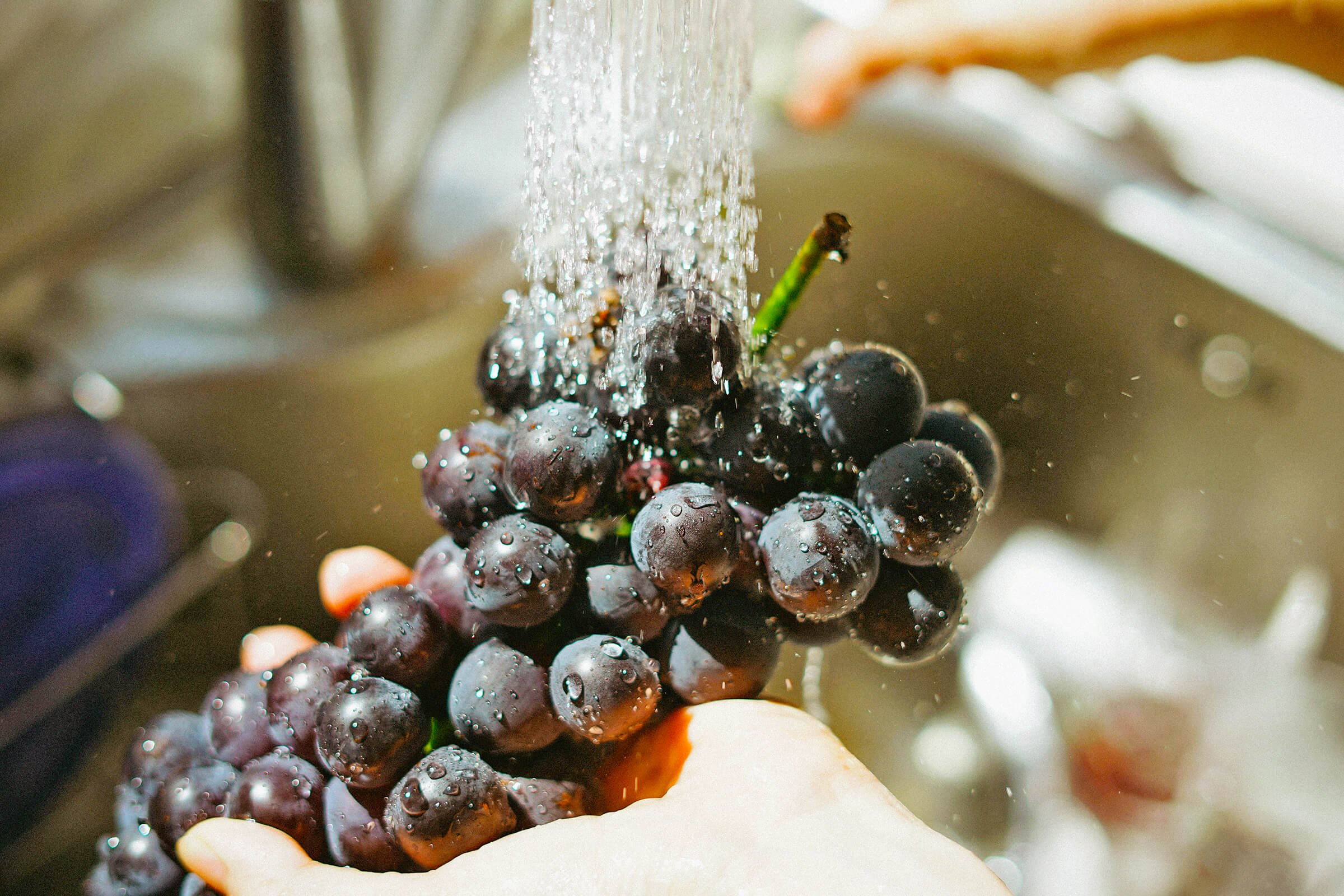
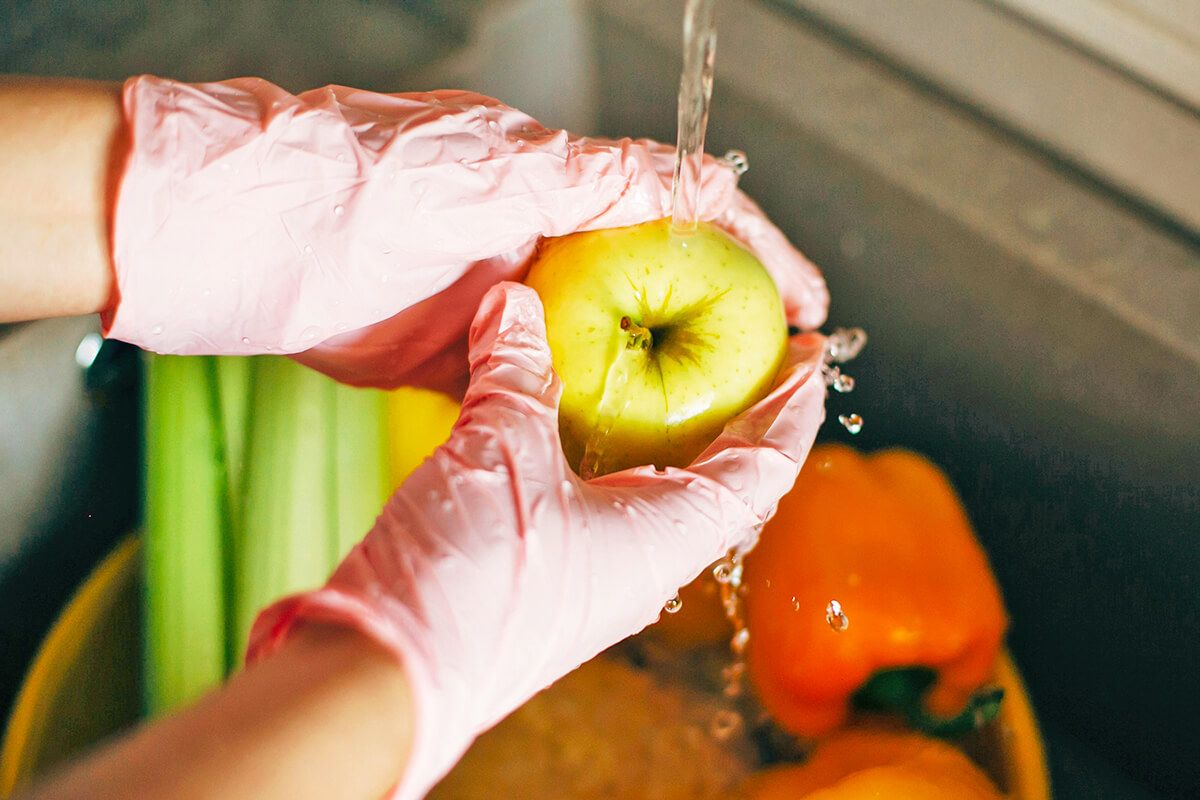
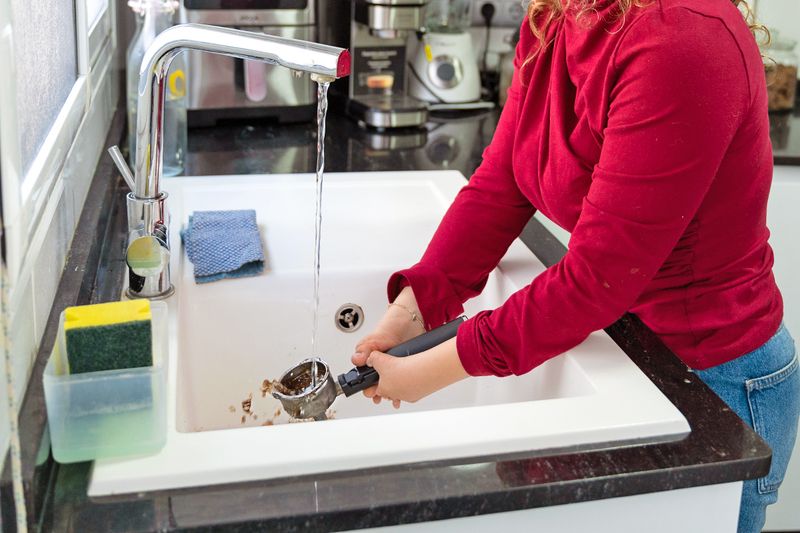
Rest assured, a 2022 study on the effectiveness of different washing strategies on pesticide residue removal found that washing the produce under running tap water is the most successful method. The USDA recommends using a brisk scrubbing motion with your hand. For firm produce like melons, you can even use a scrub brush. Washing under running water even works for leafy greens such as spinach, which are especially tricky to clean. Do not use very hot or cold water — it should be no more than 10 degrees colder than the produce. Remember to rinse the skin of fruits and vegetables even if you don’t plan on eating them so that pesticides aren’t transferred during food preparation.
The FDA recommends avoiding soaps, household detergents, and commercial washes. This is because produce is porous and can absorb cleaners, which might make you sick. After washing with plain water, dry the produce immediately with a clean towel. According to the FDA, produce labeled “pre-washed and ready to eat” is safe without rinsing at home. It’s essential to follow these guidelines for all produce — not just the Dirty Dozen — including homegrown and farmers’ market produce, and even the produce listed on the EWG’s Clean 15 list, the produce with the least amount of pesticide residue. This way, all produce in your home is clean and ready to be enjoyed.
More From Our Network
Better Report is part of Inbox Studio, an email-first media company. *Indicates a third-party property.
Rachel Gresh is a Washington, D.C.-based freelance writer. When she's not writing, you can find her wandering a museum, exploring an unfamiliar city, or baking something new in the kitchen.
Danielle Schlass Saliman has 24 years of experience writing and editing lifestyle content from fashion and beauty to home and money. She has worked as an Executive Editor at Woman’s World and First for Women, Assistant Editor at Working Mother Magazine, a Research Editor at InTouch Weekly Magazine and has contributed to publications such as Life & Style, Closer Magazine, The New York Post, Brides, Shape En Espanol, Rite Aid, Kmart, Sunrise Senior Living and Philadelphia Style to name a few. Danielle graduated from New York University with a Bachelor of Arts in English and then earned a Masters in Magazine Journalism from Syracuse University’s S.I. Newhouse School of Public Communications.
Better Report
When I started taking a GLP-1 medication in October 2023, I had one goal: lose a lot of weight. Now, almost two years later, I’m 50 pounds lighter. After a lifetime of yo-yo diets and exercise classes, I was relieved that this weight loss came with very little thought, effort, or deprivation — all it took was a weekly injection.
The process has been, dare I say, easy — but I had questions: Should I be more proactive in the process? How can I build strength and preserve muscle as I continue to lose weight? Am I getting enough protein — or the right nutrients at all — as my appetite changes on the medication? And, because the number on the scale remained unchanged for a few months, I wondered if there was something I could do to continue progressing.
For me, the weight loss was no longer the finish line — it was the starting point for the next phase. I didn’t just want to be lighter; I wanted to be stronger, more energetic, and confident that I could keep this up for good. That’s what led me to Noom.
I wasn’t looking for another fad diet that would make me give up my favorite foods. I wanted structure, accountability, and guidance. I wanted an affordable way to learn how to fuel my body better, train to make smarter choices more intrinsically, and feel in control as I continued my weight-loss journey. So, I gave Noom a try — and after testing, I can see the benefits of pairing its app and systems with your GLP-1 use, even if you aren’t prescribed one through Noom (which they do offer).
(Through Noom, GLP-1s start at $99 – no insurance required. If that’s not right for you — for whatever reason — you can always sign up for Noom’s accompanying Weight Loss app, which we review below.)
Advertisement
Danielle Schlass Saliman / Noom
Signing Up Is Surprisingly Simple
From the start, the sign-up process felt personal. Instead of simply asking for my current height and weight to establish a target to build my plan around, it walked me through a thoughtful questionnaire that homed in on my habits, mindset, and motivations — knowing that eating entails so much more than just hunger. It asked questions like: “What’s your goal? Is it to lose weight, improve your energy, or be more active? How motivated are you feeling? Does your motivation ebb and flow? Does it stay consistent? Are you active? Do you sit all day, or are you on your feet? Are you on a weight-loss medication? And, if so, which one? Is there anything else you want to explore? (i.e., healthy aging, stress reduction, emotional well-being, or digestion)”
The quiz took about five-ish minutes to complete, and it immediately made the program feel tailored to me. Instead of a generic plan, Noom was crafting a holistic roadmap that fit my personality, my preferences, and my real life.
After finishing the quiz, Noom showed me a projected weight-loss timeline based on the goal weight I provided earlier. It set a daily calorie target and asked how much time I could realistically commit each day to working out. (Even five minutes counts). That detail made the process feel approachable and encouraging instead of overwhelming or unnecessarily critical. Plus, because I’m on a GLP-1, I was able to opt into Noom’s GLP-1 Companion program, a specialized version of the plan tailored to using these medications. It emphasizes things like hitting your protein goals, protecting and strengthening muscle, and building healthy habits while the medication does its work. For those not on a GLP-1 but are considering it, Noom recently launched Noom Med, a personalized health care program combining both solutions: a medical aid like Noom’s GLP-1 Program, along with behavior change support, the Noom GLP-1 Companion with Muscle Defense.
During the first week, I was impressed by how motivating and easy to follow Noom was. Each morning, I opened the app and read the quick lessons, which are one- to two-minute articles — you can adjust the time spent to your preference — that cover everything from nutrition basics and how-tos to habit-building strategies and mindset shifts. They’re short but surprisingly eye-opening, even for a lifelong dieter.
Advertisement
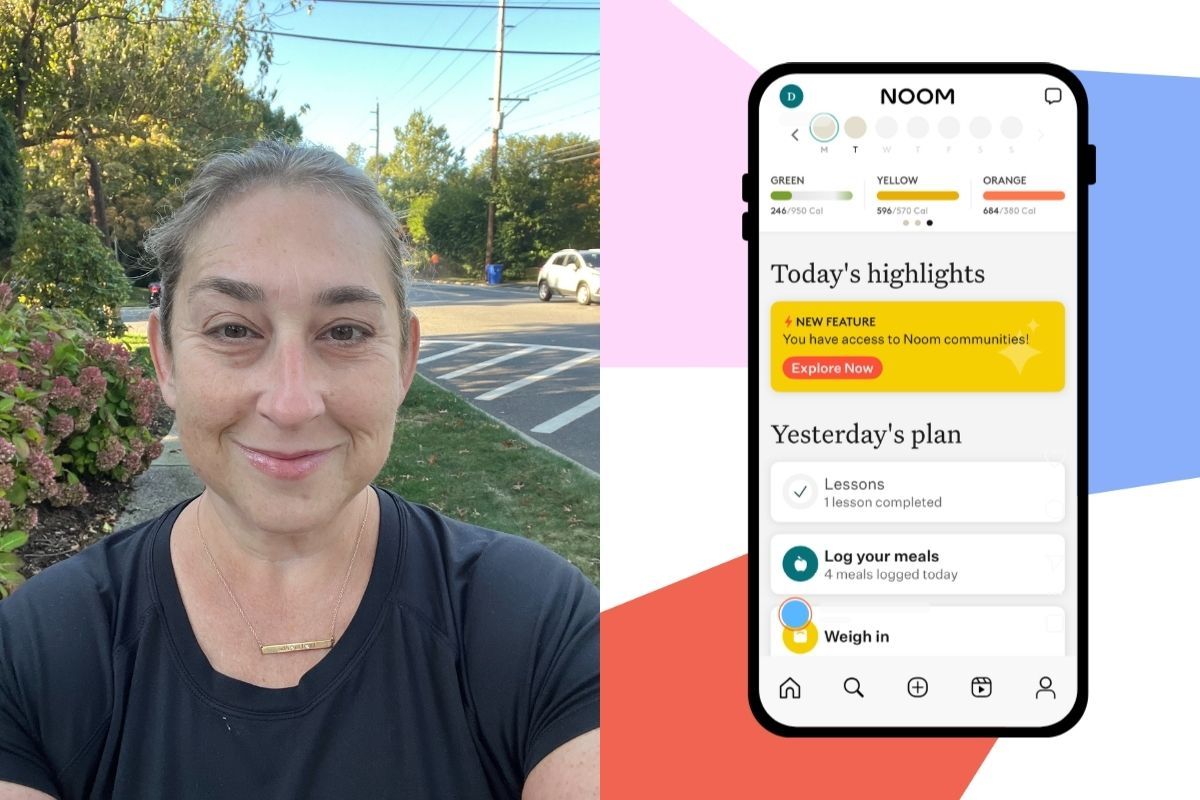
I used the app to track my food — I’m not great at adding everything; I’m a work in progress — and I liked that after entering my meals, the app provided a breakdown of the calories and protein consumed and used a color-coded food system to help me see patterns at a glance: Green foods (lean proteins, veggies, whole grains) are lowest in calorie density. Yellow foods (red meats, starches) are higher in calories but should still be eaten in moderation. Orange foods (highly processed foods and dessert dishes) are the most calorie-dense and contain few healthy nutrients.
Nothing was off-limits, which made the whole process feel supportive instead of restrictive. Because my diet focuses on protein right now, I loved being able to see how many grams I’d consumed and how many more I needed for the day.
I could also track my water intake and my mood, and I linked Noom to my iPhone’s Health app so that I could track my daily activity as well — even small bursts of movement (like walks or quick stretches) count. After just a week, I was already more aware of my activity and more intentional about staying active. The app offers a list of weekly commitments meant to help you form new habits or make changes in your routine. Think: This week I’ll walk 30,000 steps,” or “This week I’ll add a green food to every meal.” I chose: “This week I’ll replace my snacks with water,” and I did so nine times out of 10.
It’s Not “All or Nothing”
What stands out still, even now that my program is well underway, is how positive the whole experience feels. The tone is upbeat, the steps are doable, and the focus is on progress — not perfection.
Advertisement
It’s easy to fall into “all or nothing” thinking during weight loss, especially after a big transformation like mine, but Noom is helping me break that mindset and adopt a healthier outlook. The app encourages curiosity about my choices instead of guilt, and that’s exactly the shift I needed.
And I’m clearly not alone. There’s a community feature that lets you connect with others who are going through the same process. Reading other people’s small victories made me feel less alone and more inspired to keep showing up.
Danielle Schlass Saliman / Noom
It’s There to Help You Keep Going
After 14 days of using Noom, I reflected and felt optimistic about what was ahead. I haven’t had a dramatic transformation; I’m not suddenly a totally new person who craves the gym at 6 a.m.; I haven’t stopped eating cookies. What has changed, though, is that I’m slowly building habits that feel sustainable. After years of yo-yo dieting and obsessing over the number on the scale, that feels like a win.
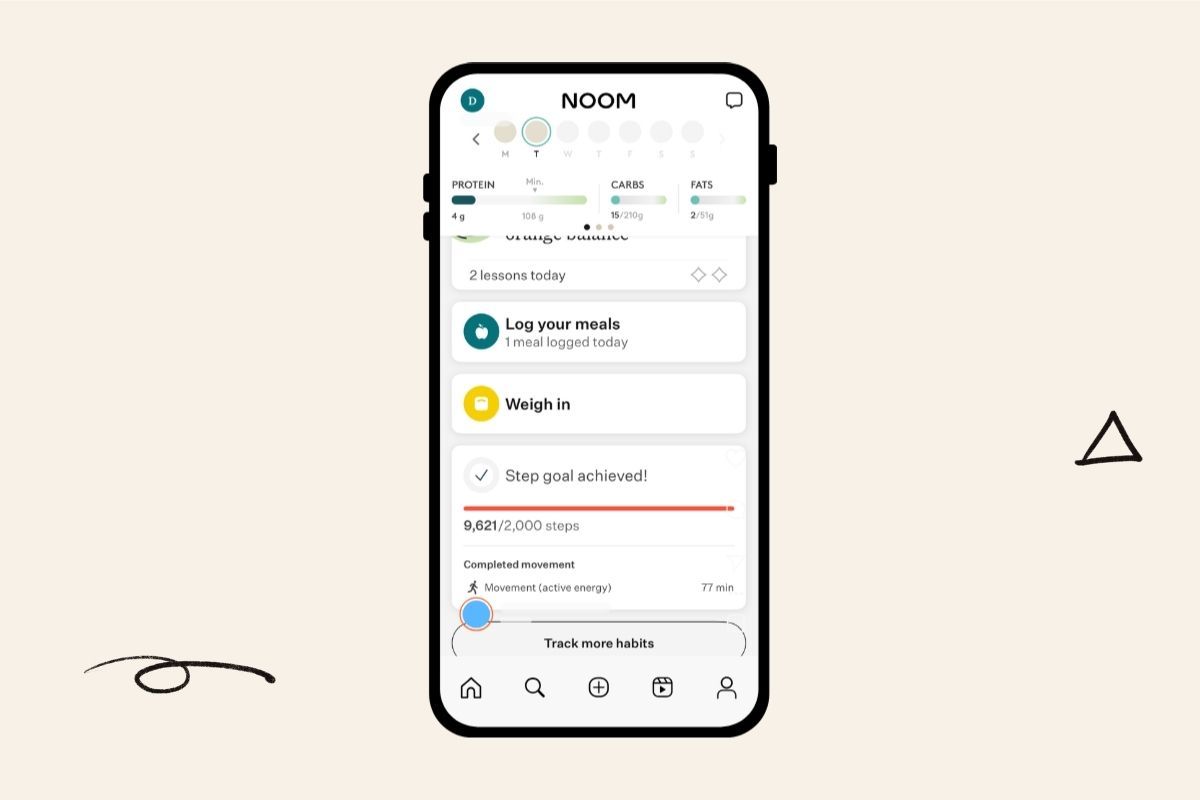
One thing I wanted to work on when I started Noom was movement. I lost 50 pounds on my GLP-1 journey without any real exercise. Still, one of my goals with Noom was to get help integrating physical activity into my daily routine without feeling overwhelmed. I still haven’t made it to the gym, but I’ve been walking outside most days. As I mentioned earlier, I connected Noom to my iPhone’s Health app, so it tracks my daily steps automatically. Walking has always been the kind of movement that doesn’t feel like a chore, and Noom has helped me feel accomplished with whatever I do get in — whether it’s a quick walk with my dog or a longer one with a friend. Instead of pushing intense workouts or rigid expectations, the app celebrates the daily goal of 2,000 steps. Even though I often exceed 10,000 steps, on days when I only hit 2,000, I still feel like I’ve accomplished something.
Advertisement
It Offers Guilt-Free Encouragement
That’s been the most significant difference for me with Noom so far: it keeps me accountable without making me feel anxious or guilty. There were definitely days I didn’t log any food and days I fell short of my step goal. When I came back to the app, there was no guilt trip waiting — no pushy notifications demanding I return or to maintain a streak. It simply picked up where I left off. That might sound small, but it makes consistency feel realistic — and new habits less of a prescription.
Noom also exposed my protein intake. I had no idea how hard it actually is to get enough in a day. I thought I was doing fine — a couple of eggs here, some chicken at dinner, a yogurt as a snack — but once I started logging, I saw I was falling short. One day, I logged what I thought was a healthy day of eating, and I was still 40 grams under my target. That’s when I found Noom’s high-protein food list, among other lists, in the app. It breaks down exactly how much protein is in the most common foods and color codes them based on the green, yellow, and orange food lists, so you know which ones are the better choices. Now, I’m more intentional about it, even if I still don’t reach my goal — I’ll add cottage cheese to my breakfast, choose tuna or turkey for lunch, or sprinkle roast chickpeas on a salad. They’re small changes, but they add up.
I still have progress ahead of me, and up next is trying some of the app’s more than 3,000 recipes and myriad movement classes.
One of the things I’ve been loving most about Noom is how it personalizes everything to my own pace. The more I move, the more my goals adapt. When I first started, my daily step target was 2,000, but as I’ve kept up my walks, the app gradually raised it — now I’m hitting 3,500 a day. I also earn extra calories when I burn more than usual, which makes the process feel flexible and encouraging. It’s not just working with me — it’s working for me: As I mentioned when I first started, weight loss is no longer my finish line, and it’s definitely not my primary focus. But before I joined Noom, my progress had stalled, and I’m thrilled to say the scale has started to move again.
Advertisement
It Offers Practical Solutions to GLP-1 Side Effects
The app has also been a big help in managing some of my GLP-1 medication’s side effects. Throughout my journey, I’ve struggled with heartburn and random bouts of nausea. My go-to has always been Pepcid, but there are only so many you can take in a day.
In the “Manage Your Side Effects” section under Noom’s Success Kit, you can click on each common symptom — indigestion, constipation, headaches, fatigue, and more — and get practical, easy-to-implement tips. A few that have worked well for me include sipping ginger tea when I’m feeling queasy, taking a short walk after meals when heartburn hits, and staying hydrated throughout the day to ease constipation. Small, simple changes — but they’ve really made a difference.
It Helps You Build Better Habits for the Long Run
This month, I planned to focus on Noom’s recipes and workout classes. I started the first of 10 weight-free workouts (each under 25 minutes) in the Beginner Muscle Defense program and made a delicious butternut squash soup I found through the app’s recipe search.
One night, I got sidetracked and ended up deep-diving into a section I hadn’t realized would be so helpful. Because Noom emphasizes managing emotions that can lead to overeating, I began exploring the meditations in the Create Inner Calm section. My favorite discovery? The one-minute meditation called Feel More Present. When I’m anxious or stressed — feelings that used to send me straight to a family-size bag of Ruffles — I press play, close my eyes, and follow the guided meditation. A few deep breaths later, and the calm sets in. And while I may not always have access to this particular meditation, it’s helping me get into the habit of turning to it, not food, when I feel stressed.
Based in Los Angeles, Megan blends over five years of publisher experience with a data-first approach to commerce content. She’s collaborated with leading commerce teams at Real Simple, Better Homes & Gardens, Reader’s Digest, and Taste of Home to name a few. When she’s not diving into product trends, you’ll find her exploring new adventures as a newlywed or spoiling her rescue dog, Ram Ram.
Better Report
All featured products and deals are selected independently and objectively by the author. Better Report may receive a share of sales via affiliate links in content.
Ever wonder what’s actually inside the antiperspirant you swipe on every morning? We reach for it to control our body odor without a second thought. But if you look at the back, you’ll probably find a common ingredient: aluminum. Aluminum works by blocking sweat glands to prevent perspiration. That could present issues.
Studies have explored a link between aluminum and serious health problems, though the findings are inconclusive. The FDA lists aluminum as safe for use in deodorants and antiperspirants; however, for individuals with sensitive skin, it can still cause irritation. There’s also another, less harmful issue in that the chemical reaction between aluminum and sweat is what causes those frustrating yellow stains on your favorite white shirts.
For many, these are reasons enough to start looking for alternatives.
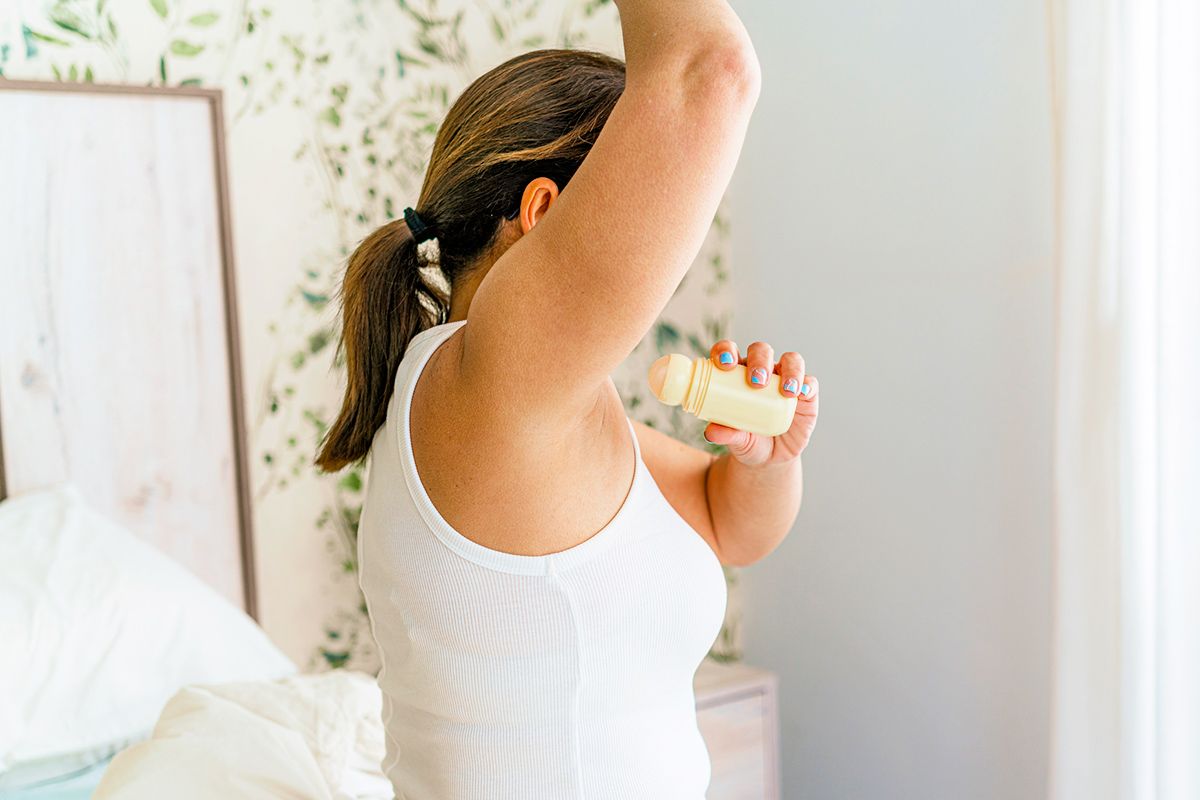
Credit: fizkes/ istock
Deodorant vs. Antiperspirant
Many people use the terms “deodorant” and “antiperspirant” interchangeably, but they’re not the same product.
Advertisement
Deodorants neutralize or mask odor but don’t stop sweat. Antiperspirants use aluminum compounds to block sweat glands, reducing perspiration and odor.
The difference comes down to aluminum. While it’s effective at stopping sweat, more people are now looking to natural deodorants that skip aluminum and other additives, relying instead on plant-based ingredients like essential oils, probiotics, and starches.
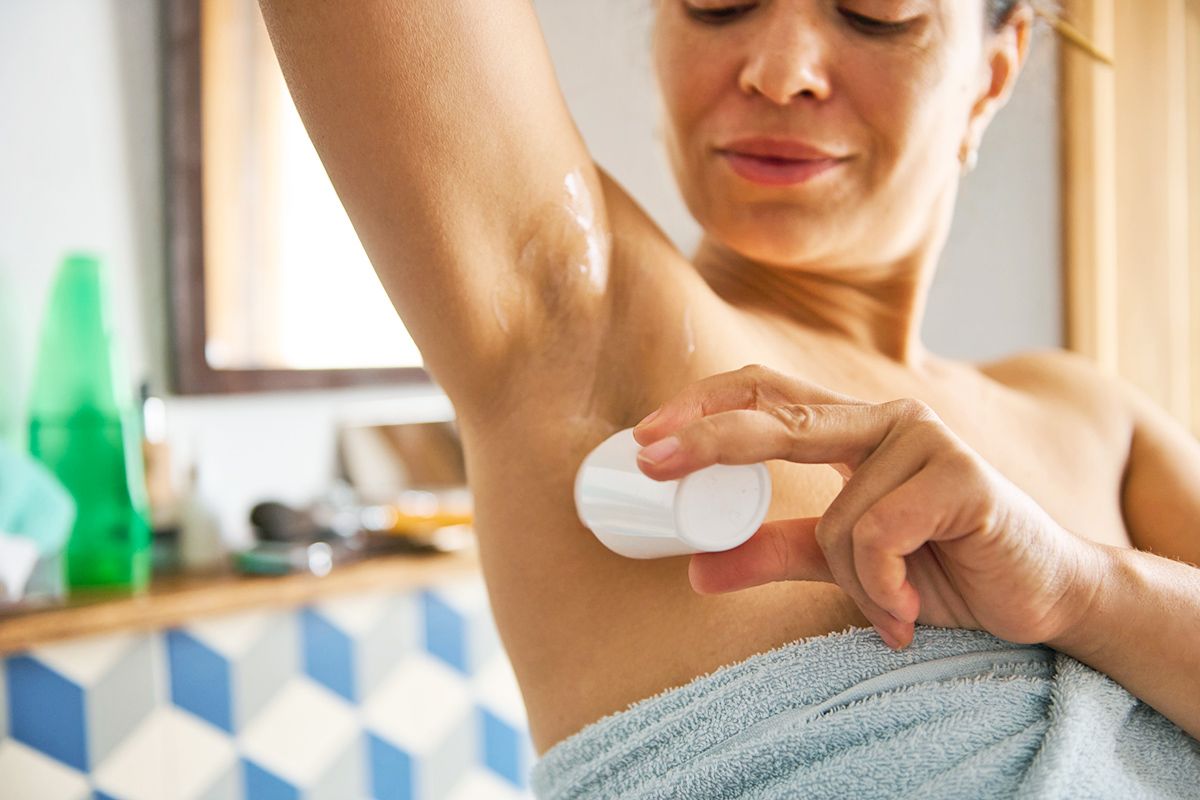
Credit: fcafotodigital/ iStock
What Happens When You Go Aluminum-Free
Switching to aluminum-free deodorant is a bit of a transition. When you stop using antiperspirants, your sweat glands are no longer blocked, which means you may notice increased sweating at first. Some people call this the “detox” period, but really, it’s just your body adjusting.
It can take a week or two for your system to balance out. In the meantime, ingredients like coconut oil and shea butter (common in natural formulas) help absorb moisture and keep odor under control. Once your body adjusts, most people find they stay just as fresh without relying on aluminum.
Advertisement
Credit: Courtesy of Author
The Natural Deodorant I Use
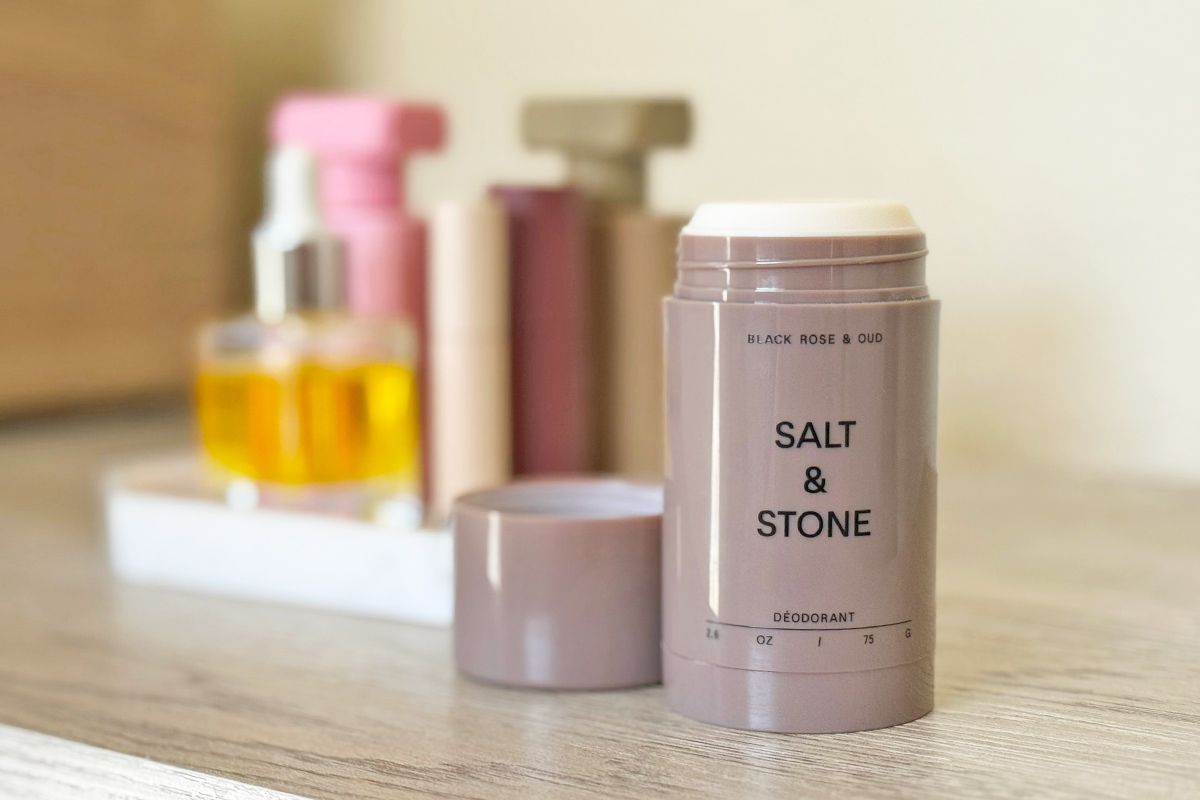
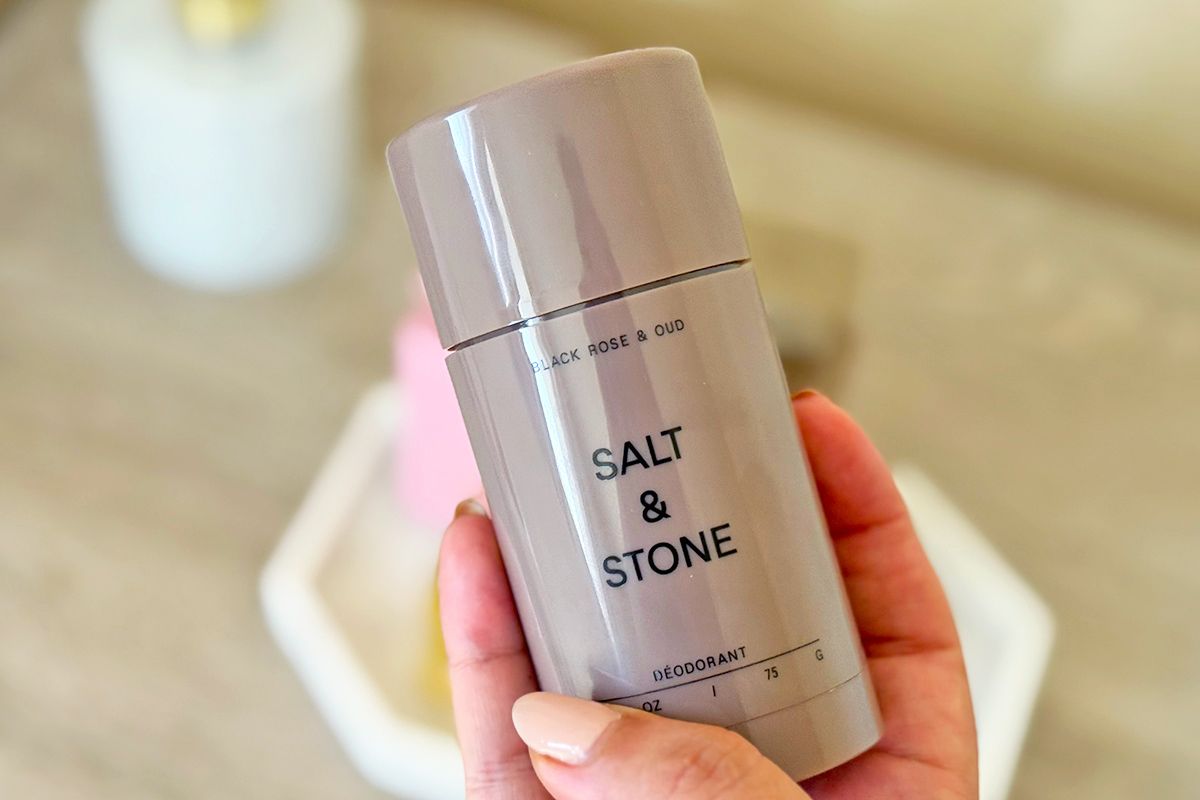
After trying a handful of natural options, the one I kept coming back to was from Salt & Stone. It doesn’t feel like deodorant; it feels like skincare.
The formula is stacked with ingredients you’d usually find in face cream — moisturizing shea butter, prebiotics to neutralize odor, seaweed extracts for skin restoration, and antioxidants to help defend skin against environmental stress.
And then there are the scents. Instead of a synthetic formula, Salt & Stone’s lineup is inspired by refined fragrance — bergamot and hinoki, saffron and cedar, and black rose and oud. They’re subtle, unisex, and honestly, I’d wear them as a perfume.
Not all natural deodorants are created equal. Many still use alcohol, which can cause irritation and dryness. Salt & Stone leaves it out, using skin-friendly botanicals and actives, including prebiotics to balance the skin’s microbiome, spirulina to soothe and restore, and niacinamide (vitamin B3) to support the skin barrier and improve texture.
Advertisement
The result is a deodorant that’s aluminum-free, vegan, gentle on sensitive skin, and enjoyable to wear.
Credit: PonyWang/ iStock
Yes, You’ll Still Sweat, And That’s a Good Thing
The truth is that natural deodorants can’t fully block sweat. Though most natural deodorants contain ingredients that absorb sweat, they aren’t designed to stop it. They’re designed to let your body sweat naturally while keeping odor in check. Sweating is a natural way our bodies regulate temperature and flush out toxins.
With the right formula, you’ll still feel fresh, your skin will be cared for, and you won’t have to worry about hidden chemicals or stained clothes.
Ready to make the switch? Try Salt & Stone’s Mini Deodorant Discovery Set. A high-performance, aluminum-free formula that neutralizes odor, moisturizes skin, and comes in subtle fragrances you’ll love to wear.
Advertisement
Advertisement
More From Our Network
Better Report is part of Inbox Studio, an email-first media company. *Indicates a third-party property.
Based in Los Angeles, Megan blends over five years of publisher experience with a data-first approach to commerce content. She’s collaborated with leading commerce teams at Real Simple, Better Homes & Gardens, Reader’s Digest, and Taste of Home to name a few. When she’s not diving into product trends, you’ll find her exploring new adventures as a newlywed or spoiling her rescue dog, Ram Ram.
All featured products and deals are selected independently and objectively by the author. Better Report may receive a share of sales via affiliate links in content.
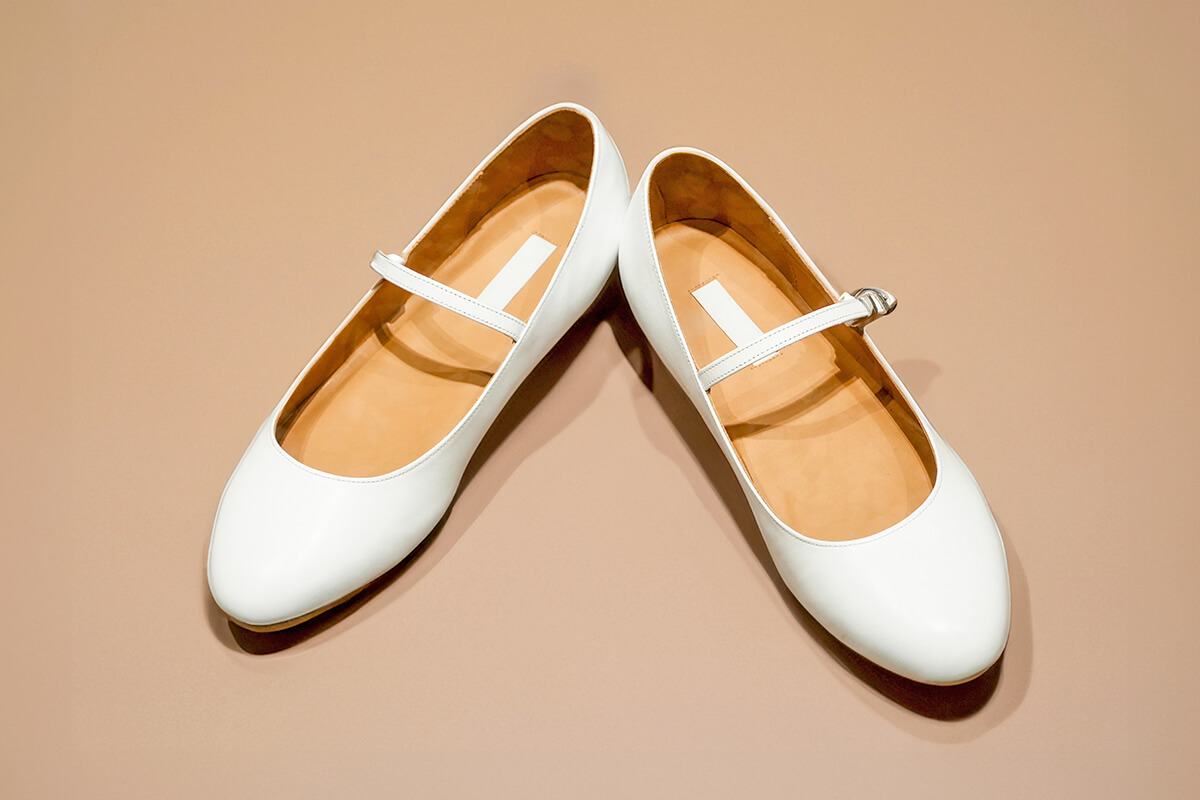
If you’re a Sex And The City fan, the scene in which Carrie finds the Manolo Blahnik Mary Jane heels in the Vogue closet is likely ingrained in your memory. For good reason — this charming shoe style has been around since the early 1900s and offers vintage charm and practicality. Mary Janes can be heeled or flat and chunky or slim. You may be wondering what differentiates the flat version from a classic ballet flat. That little strap over the top of the foot makes it a Mary Jane. It may seem like it’s only there for aesthetics, but it helps with comfort and wearability since it keeps the shoe securely on your foot. If you want to hop on the Mary Jane bandwagon, these are my top picks. We’ve also rounded up our favorite flats and loafers (and even more Mary Janes!) if those are more your style.
After many years of hearing about Rothy’s shoes’ comfort, I knew I had to put a pair to the test. They didn’t disappoint. The Double Buckle Mary Jane style is so on trend but feels as comfortable as a sneaker. It’s the perfect shoe to slip on before running errands or for a long day in the office when heels just won’t do. My feet are on the wider side, which can make finding flats that fit a bit tricky, but the stretchy material of these shoes is so adaptable and comfortable.
After falling in love with Rothy’s Mary Janes, I wanted to try a dressier version I knew would carry me through the season into the holidays. Velvet seemed like a fitting material, and I was curious to try shoes from Mar Soreli for the first time. The material feels super luxe and will easily dress up casual outfits. With four rich colors, these go far beyond the typical black Mary Janes.
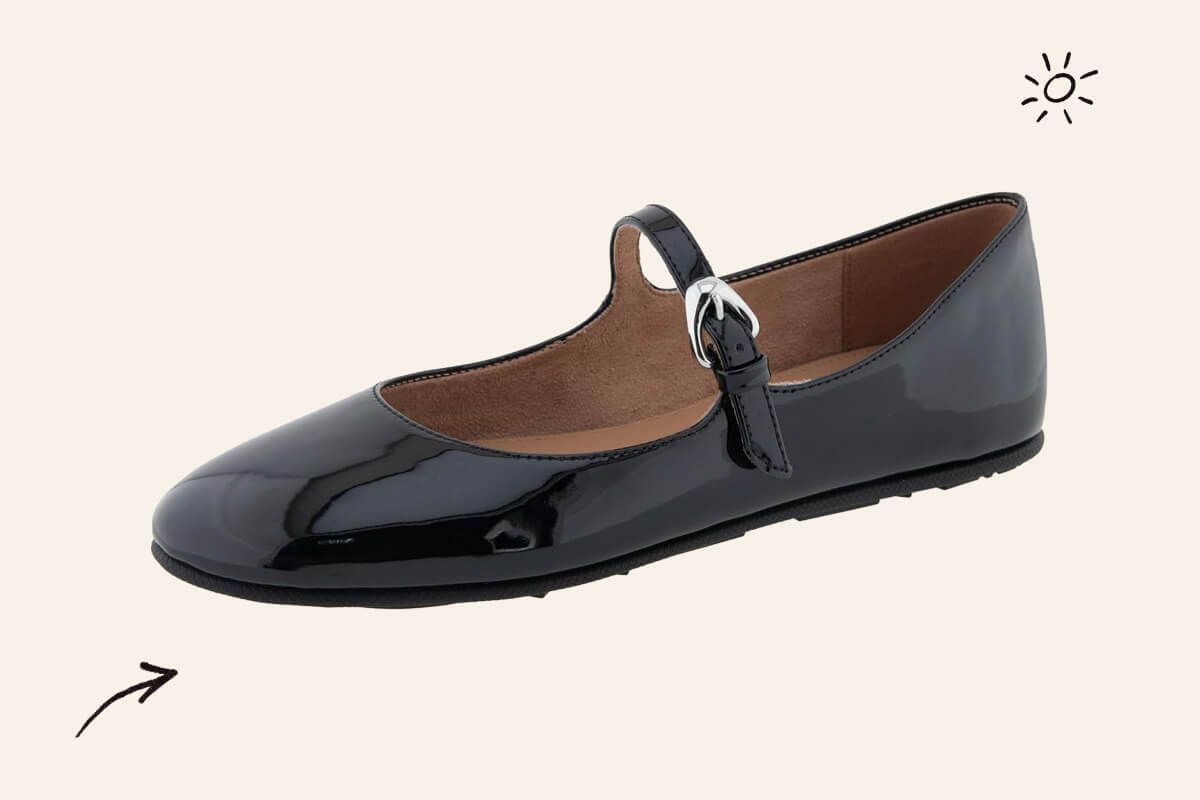
If black is more your style than a bright color, nothing feels more classic than a patent leather Mary Jane. Aerosoles shoes are always ridiculously comfortable and I love that this pair is available on Amazon so you don’t have to make a trip to the mall. If you find yourself between shoe sizes, these also come in half sizes.
I’m friends with a very stylish fashion influencer who wears Margaux shoes religiously — she swears they are some of the most comfortable shoes she owns. Her glowing recommendation is why this brand’s version of the Mary Jane caught my eye. If you’re looking for something more flashy, opt for the silver. If you struggle to find the right fit with shoes, you’ll appreciate that this style (also available in black suede and patent leather) is available in half sizes as well as medium, wide, and narrow widths.
Want options? Wait until you see the 30+ Mary Jane varieties that FEVERSOLE offers on Amazon. Not only can you pick between different colors and materials, but there are a variety of heel types to choose from as well. You can go for a completely flat ballet-inspired look or a small heel that gives you a little boost.
Speaking of lots of options, we’re happy to report this Mary Jane comes in 44 gorgeous colors. You can also choose between patent, suede, and matte leather to find the perfect fit for your wardrobe. Some options come with one strap, others with multiple, so check out every design option before purchasing.
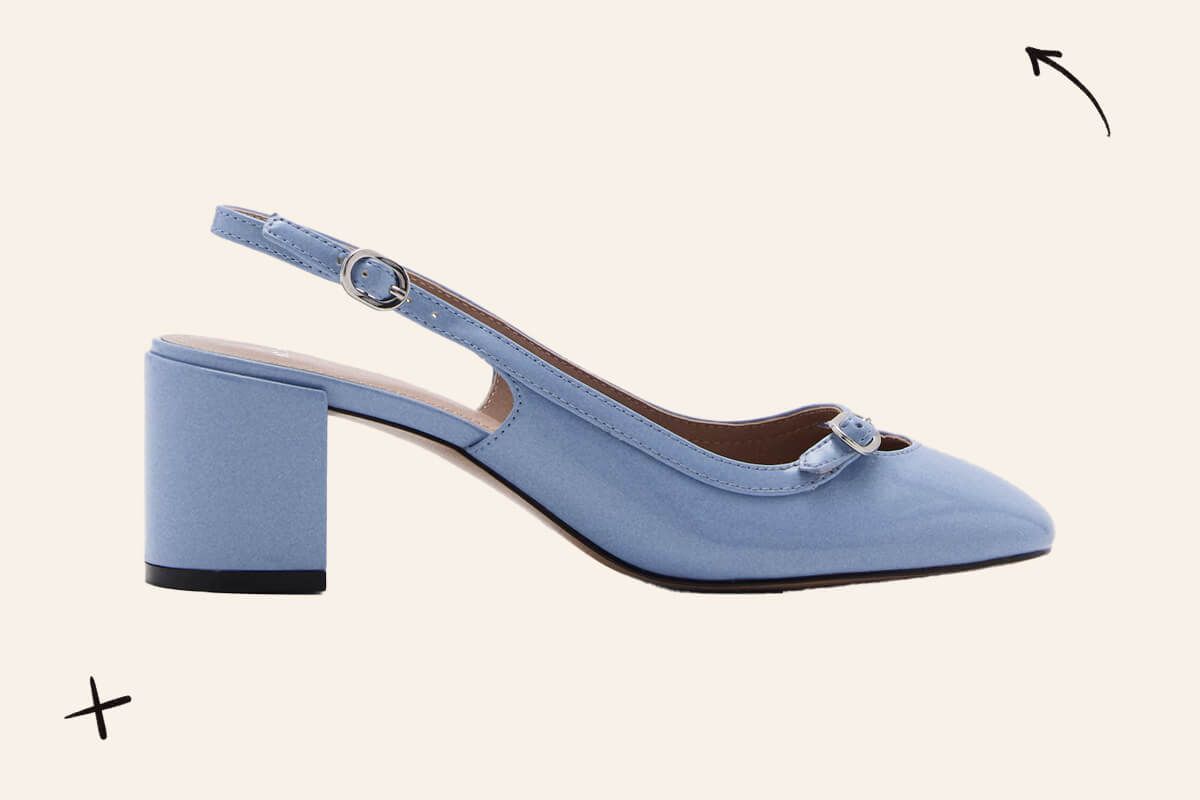
A block heel goes a long way in dressing up the Mary Jane look. This beige shade is a nice shift away from classic black, and they have a fun blue shade if you want to mix it up even more. These lighter hues make these shoes perfect for spring and summer, but you can also pair them with tights to get plenty of wear out of them in the colder months.
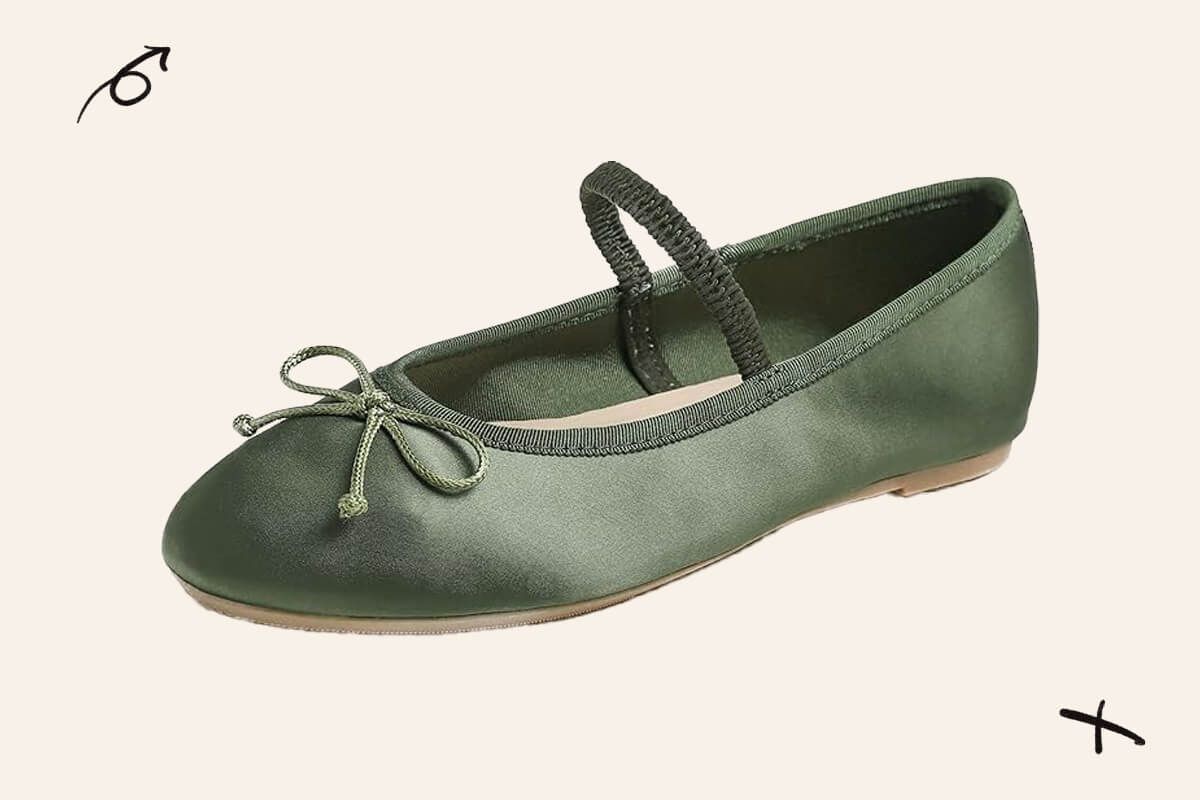
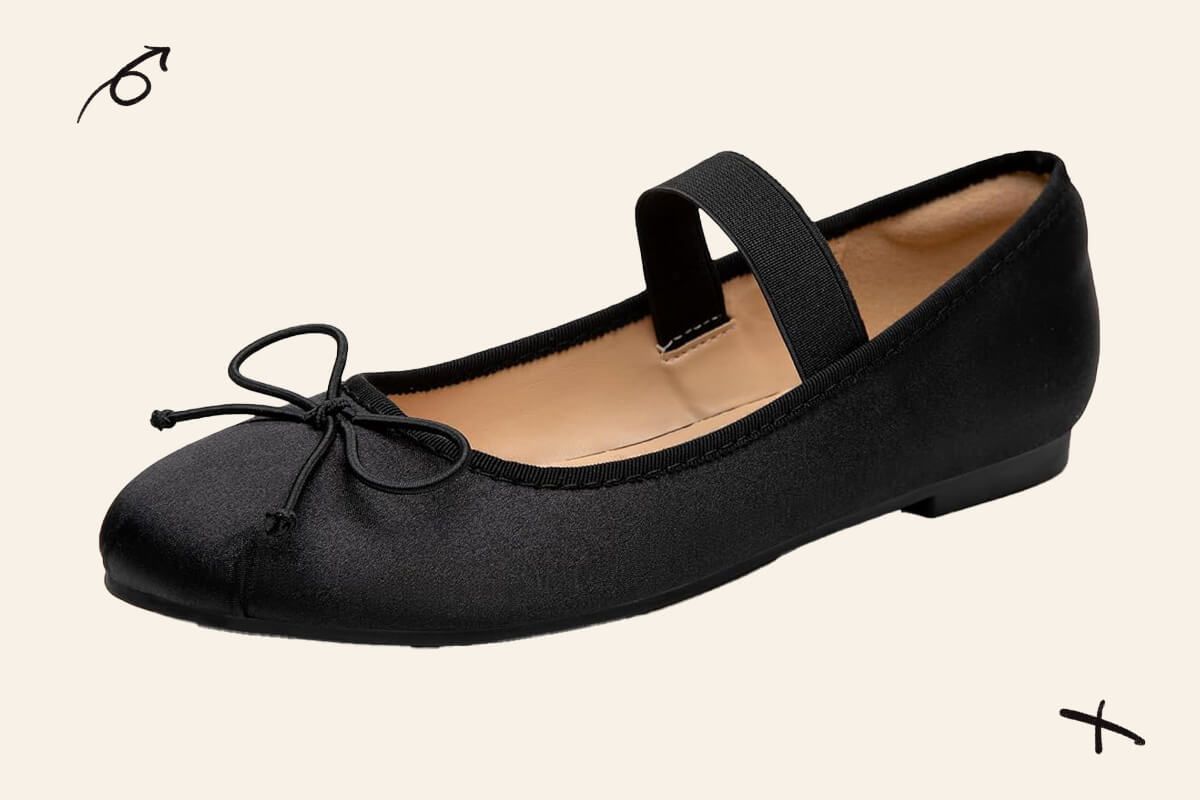
If you love ballet flats but hate that they constantly slip off your foot, this Mary Jane shoe will solve all your style problems with its ballerina roots and added strap. The satin variations offer the perfect amount of shine to add to your holiday outfits (the gold and red options feel especially festive). Flat-footed girlies or shoppers between sizes don’t have to worry about comfort here. These run true to size and are well-cushioned.
Rachel Gresh is a Washington, D.C.-based freelance writer. When she's not writing, you can find her wandering a museum, exploring an unfamiliar city, or baking something new in the kitchen.
Better Report
Product recalls keep us safe, but that doesn’t mean they don’t occasionally cause panic. Have you ever watched the evening news and learned of a product recall, only to run to your fridge to see if it’s the same brand of food you’ve been feeding your family all week? You aren’t alone. Not only can product recalls seem scary, but they’re also confusing and contain technical language that — unless you work at the FDA — you might not fully understand. Here’s how to keep your family safe while understanding the meaning behind the three classes of product recalls.
Food recalls are typically voluntarily announced by the food manufacturer or distributor after an issue arises. In other cases, the U.S. Food and Drug Administration (FDA) or the U.S. Department of Agriculture (USDA) might request or mandate a recall. Both organizations have the authority to do so if a product threatens consumers by violating laws administered by the FDA or USDA.
You might wonder why there are two different organizations involved. The USDA handles matters involving meat, poultry, and processed egg products. At the same time, the FDA oversees all other food categories, cosmetics, medical devices, drugs, biologics, tobacco, and veterinary supplies. Understanding these distinctions can help you navigate the recall process more effectively.
Foods can be recalled for various reasons, but one of the most common is contamination with microorganisms, such as bacteria, viruses, or parasites, which can cause illness and disease. Foreign objects, such as glass, metal, plastic, or unlisted allergens, are also reasons for a recall. Major recalls that involve large quantities of food or high-risk contamination are announced nationwide, often making national news headlines.
In 2023, the USDA recalled 65 products, or 3,943,580 pounds of food. In comparison, the FDA recalled 2,091 products across all categories, with 467 recalls for food or cosmetics. This sounds like a lot of recalled products, but unfortunately, it’s inevitable. “This is a risk. This is why the FDA has strict food protocols, but sometimes this happens,” says Dr. Vin Gupta when speaking about a listeria outbreak in deli meat.
Advertisement
Recalls are announced through the FDA or USDA with one of three class levels: Class I, II, and III. Both organizations follow a three-class system to signify the threat level of the product. Knowing the difference between the classes of recalls can help bring you peace of mind and keep you and your family healthy.
A Class I recall is the most serious type of recall. You should stop using this product immediately and seek medical advice if you consumed the product in question. A Class I recall can result in severe injury, health issues, or even death. For example, a Listeria or Salmonella contamination would be a Class I recall, as these bacteria cause infection, resulting in life-threatening illness. These bacteria can survive refrigeration and even freezing, making them very dangerous in food products.
A Class II recall is a mid-grade recall with a lower chance of serious injuries or death. However, the food or product can potentially cause severe or irreversible health problems. An example of this recall might include an undeclared ingredient (not a major allergen), such as FD&C Blue No. 1 food dye being unlisted on a candy wrapper. Metal shavings in canned food would also be a Class II recall, which, unfortunately, is often seen in pet food.
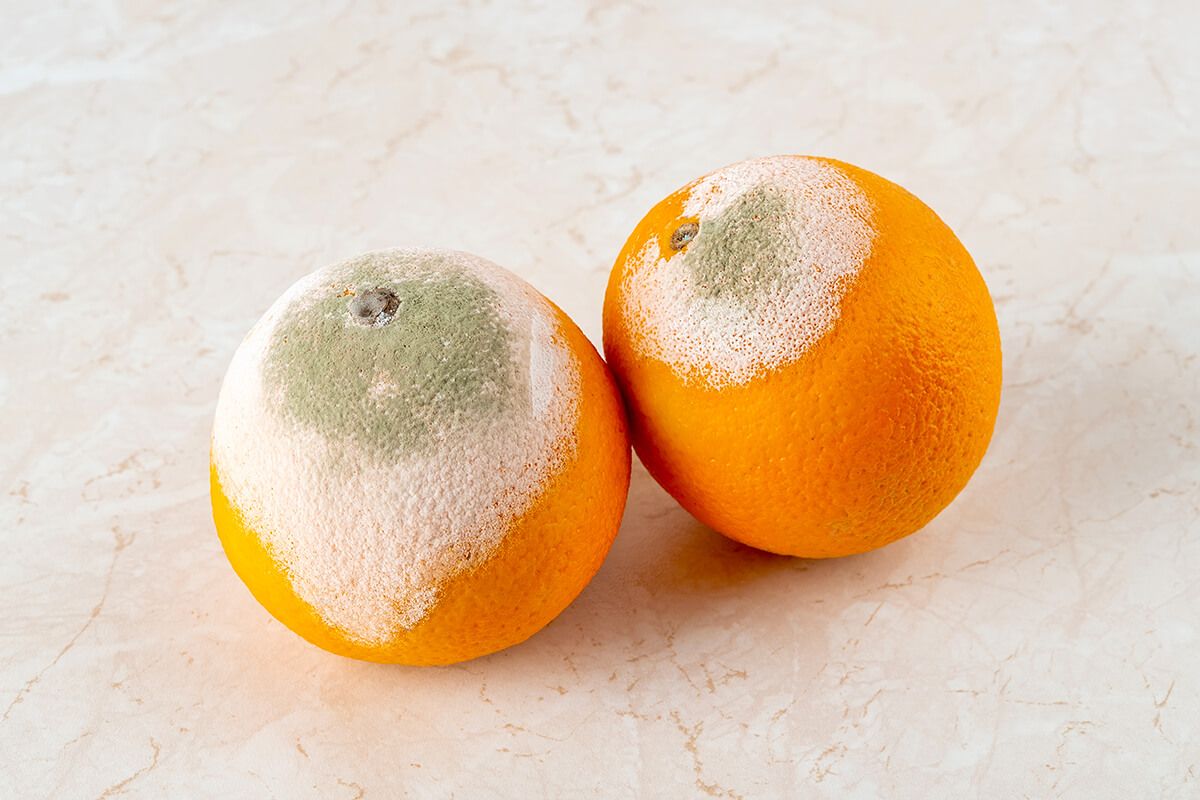
A Class III recall is the lowest-level recall. According to the FDA and USDA, these recalls are not very likely to cause adverse health reactions. Common examples include dented (but not broken or open) packaging, an “organic” label when it’s “non-organic,” mold or yeast contamination, or incorrect weight on the label.
Regardless of the level of recall, consumers are urged to take caution. These class ratings are subjective, meaning that the amount of risk is not quantifiable, so it is up to you to decide what is safe for your family based on the information you are given. The best thing to do when you hear about a recall is to find the official statement on the USDA or FDA website. Read it in full and follow the instructions. The recall will list distributors, brands, and dates to help you identify the faulty product.
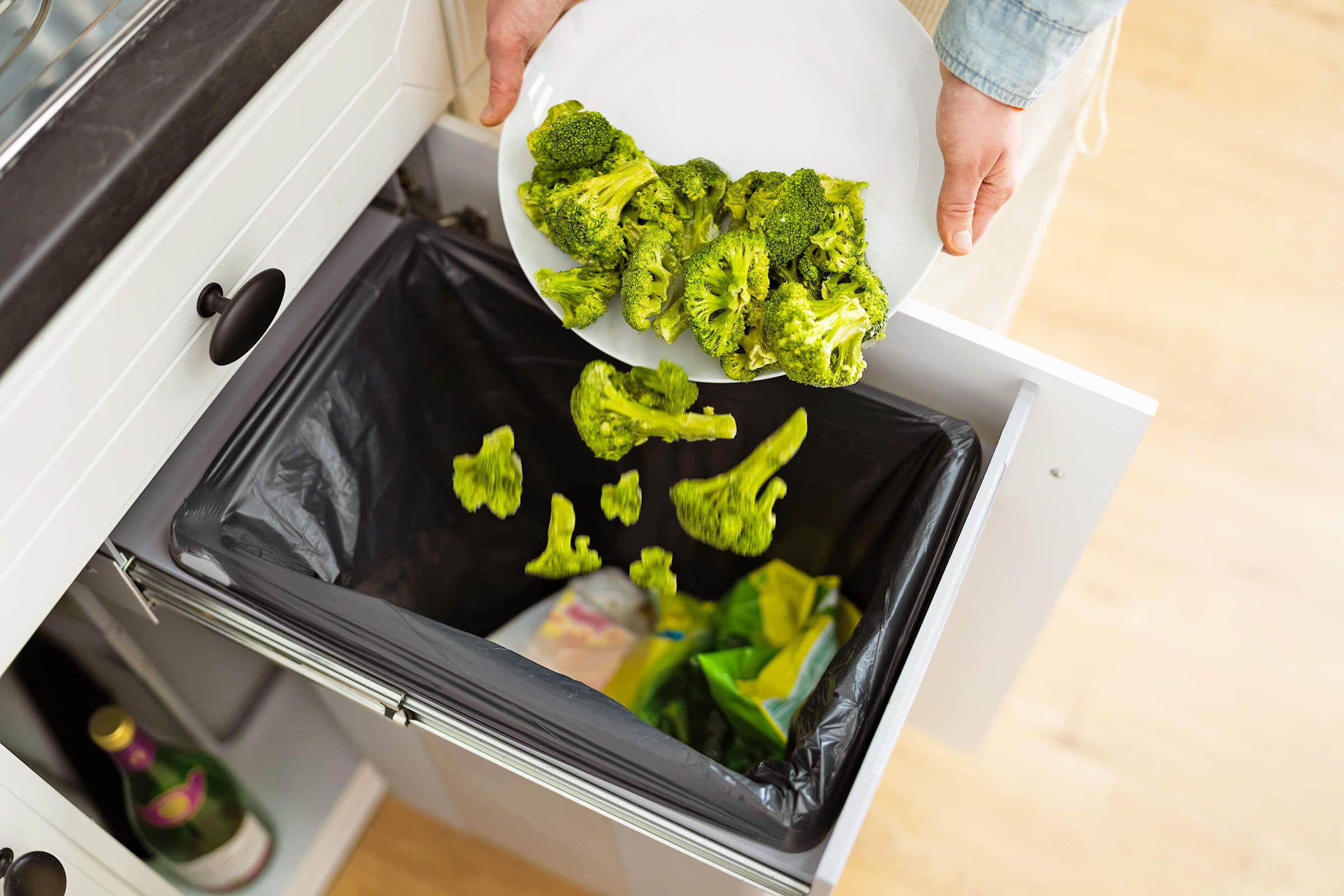
You can often receive a refund for recalled products by returning them to the store where you purchased them. If not, dispose of them immediately, especially if it’s a high-risk recall — do not donate or give them away. If bacteria contamination is a concern, thoroughly disinfect your fridge or pantry where the food was stored.
Advertisement
Lastly, be aware of the signs of foodborne illnesses. If you believe you’ve eaten a contaminated product and have a weakened immune system, are older, or are pregnant, reach out to your doctor immediately, says Dr. Gupta. Lastly, it is essential to report any foodborne illnesses to the USDA or FDA, depending on who issued the recall. Your report can help prevent further illnesses and improve the safety of our food supply.
More From Our Network
Better Report is part of Inbox Studio, an email-first media company. *Indicates a third-party property.
Rachel Gresh is a Washington, D.C.-based freelance writer. When she's not writing, you can find her wandering a museum, exploring an unfamiliar city, or baking something new in the kitchen.