Why Food Sticks to Your Pan After You Cook

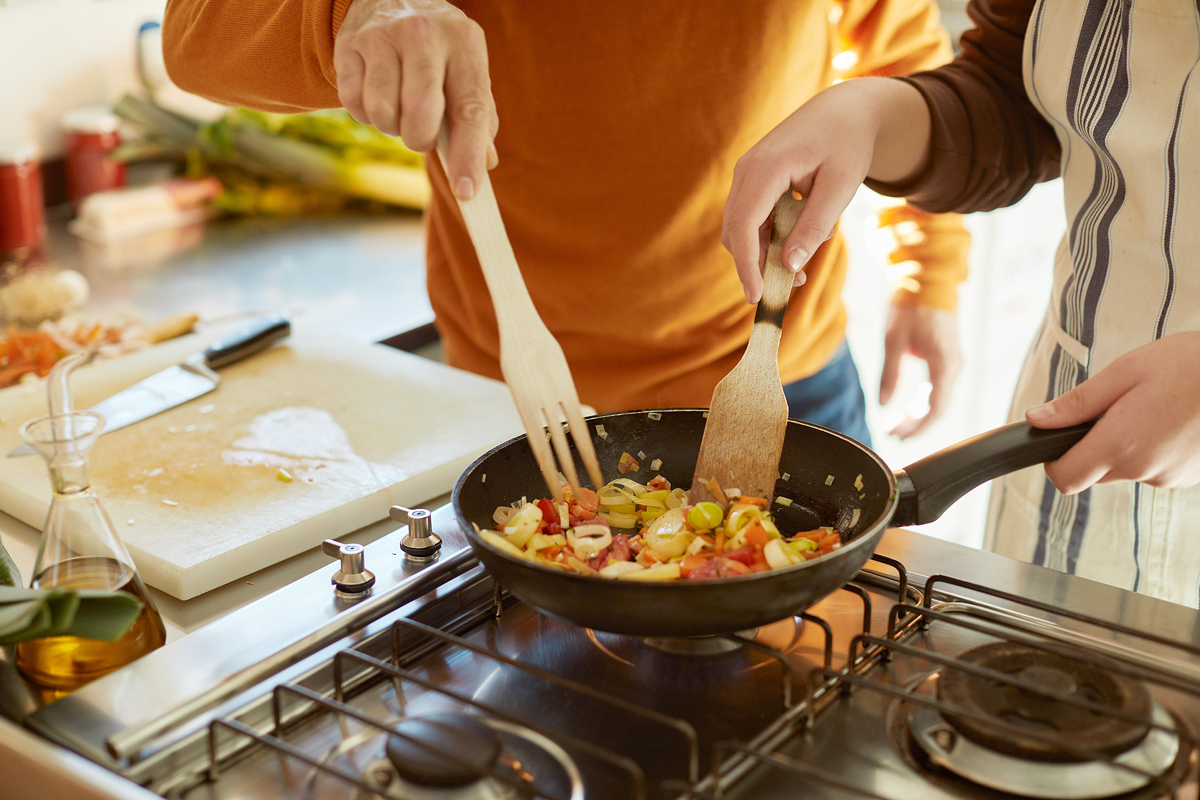
It’s a universal and irritating cooking experience: your scrambled eggs have stuck to the skillet, leaving the food cemented to the pan. Even with the best non-stick pan, food sometimes just sticks anyway, leaving many home cooks confused about what went wrong. Temperature and oil use are usually at play, though you can do a few things to decrease the chances of your food requiring heavy scraping to be released from the pan. Here’s why food sticks to the pan and how to keep it from happening.
All featured products and deals are selected independently and objectively by the author. Better Report may receive a share of sales via affiliate links in content.
Your Pan’s Surface May Play a Role
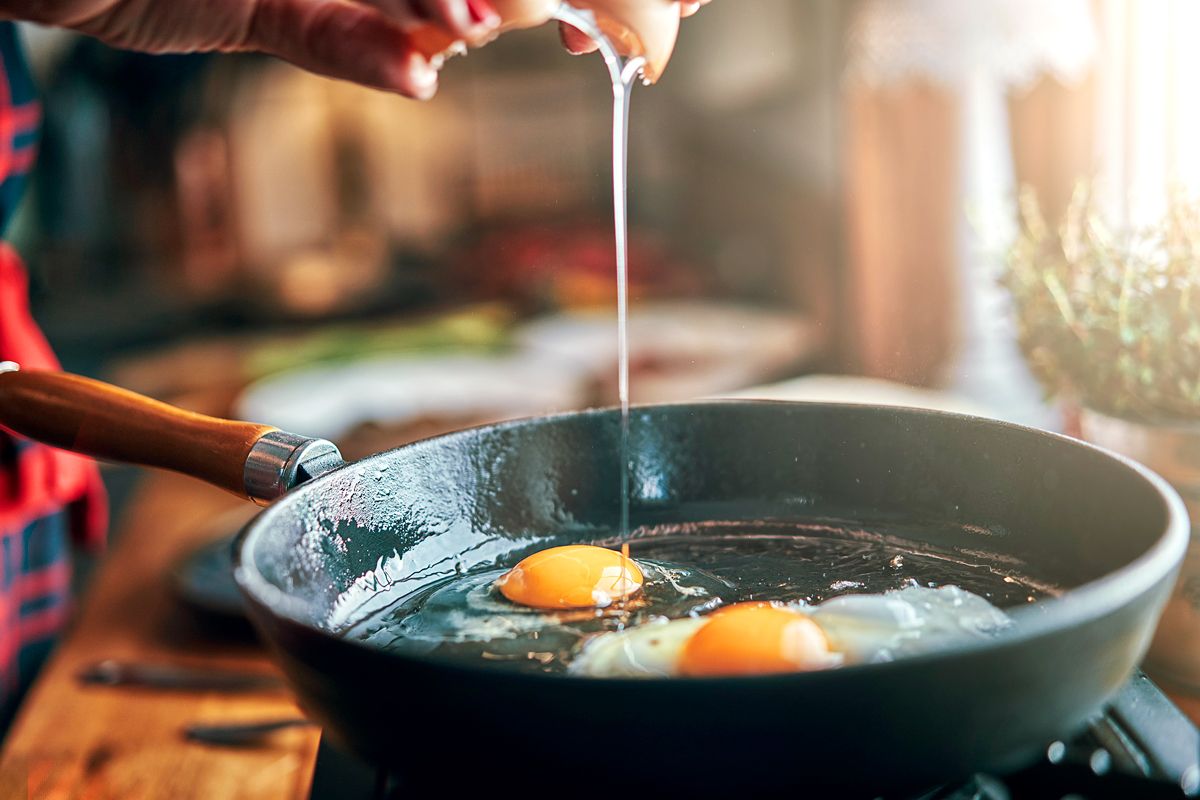
There are so many types of frying pans to choose from — nonstick, cast-iron, and ceramic, for example — and not all are created equally or used the same. Each of these pans requires different cooking temperatures and preheating techniques, so knowing your pan type and how to cook on it makes a difference.
• Nonstick pans are typically finished with chemical compounds that create a barrier between the skillet’s metal to prevent sticking. They should be preheated with a small amount of oil or butter added to the cold pan and never used on high heat.
• Cast-iron pans get their stick-free status thanks to a heavily baked-in seasoning that requires little additional oil in the pan, though the surface only remains smooth with careful upkeep.
• Ceramic pans are made from stainless steel or aluminum coated with a thin layer of baked-in clay glazing. This coating makes them smooth cooking surfaces, though these pans require gentle cooking and cleaning (meaning no metal spatulas or rough dish scrubbers) to prevent scrapes and scratches that destroy the pan’s ceramic barrier.
Your Heated Pan Needs Oil or Fat
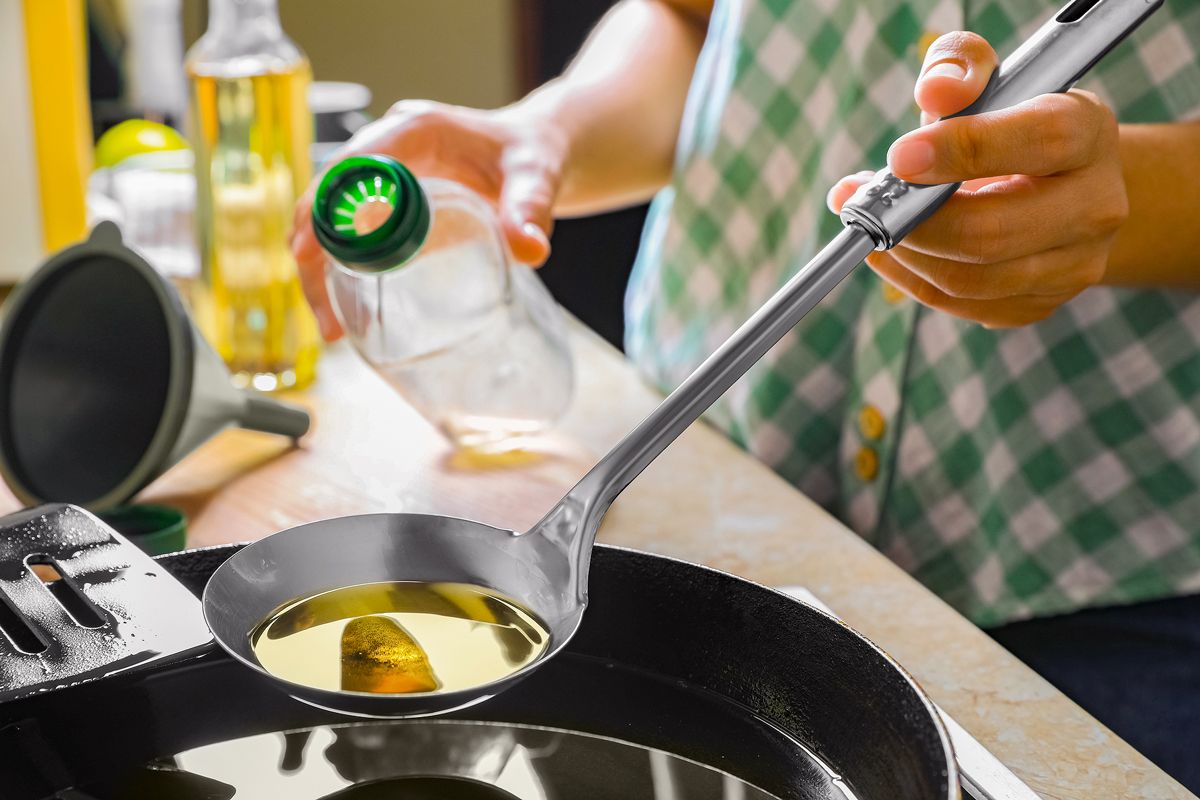
Oils and fats — like olive oil, butter, or ghee — are important tools in your cooking arsenal. They don’t just provide flavor to your finished dish; using one of these ingredients to coat your warmed pan or skillet creates a chemical barrier between the pan’s surface and your food. All pans have microscopic cracks, crevices, and ridges that are invisible to the naked eye. When pans heat up, the expanding metal traps food in those spaces, where it sticks and burns. Adding oils and fats to the pan lubricates the surface, creating a barrier that keeps food from falling into these tiny traps.
You’re Cooking at the Wrong Temperature
Preheating pans to the proper temperature makes all the difference in stick-free sauteing. In a too-cool pan, oil isn’t hot enough to sear food, and the ingredients soak up the oil, making them stick to the pan and giving them an oily, bogged-down taste. Conversely, too-hot pans burn food before it can cook through.

Reader Favorites



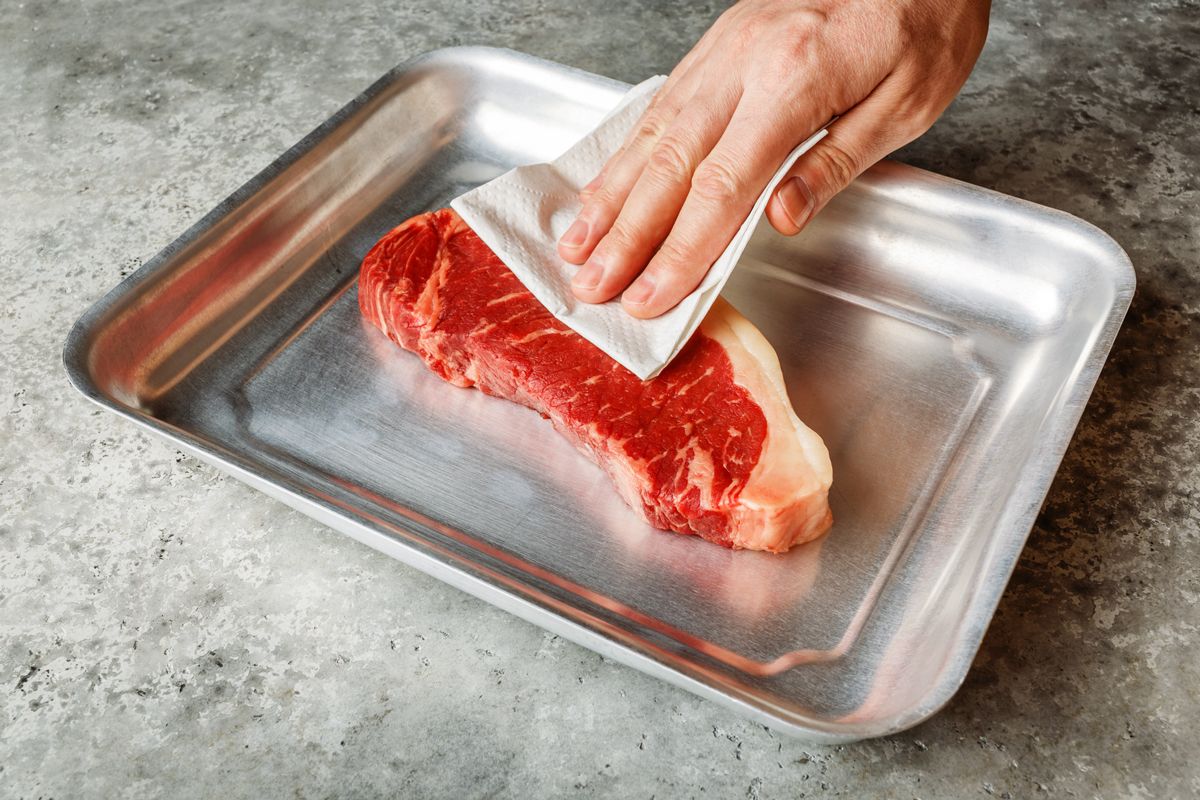
Your Ingredients Are Too Wet
The amount of moisture in your food plays a role in whether or not it sticks to a hot skillet. The extra water in the pan drops its temperature, cooling the skillet and increasing the odds of food soaking up oil (not to mention causing oil to pop and splatter). Freshly washed ingredients should be blotted or dried in a salad spinner to reduce moisture, and damp meat and other damp proteins should be patted with a paper towel before adding them to a heated pan.
Featured Image Credit: Tempura/ iStock
More From Our Network
Better Report is part of Inbox Studio, an email-first media company. *Indicates a third-party property.






Nicole Garner Meeker is a freelance writer, research editor, and Inbox Studio contributor. Based in St. Louis, she’s an enthusiastic gardener, fiber artist, and connoisseur of fine snacks.
This article is for general informational purposes only.
Affiliate Disclaimer Medical Disclaimer Financial Disclaimer