Do You Really Need to “Dry Flat” Your Laundry?
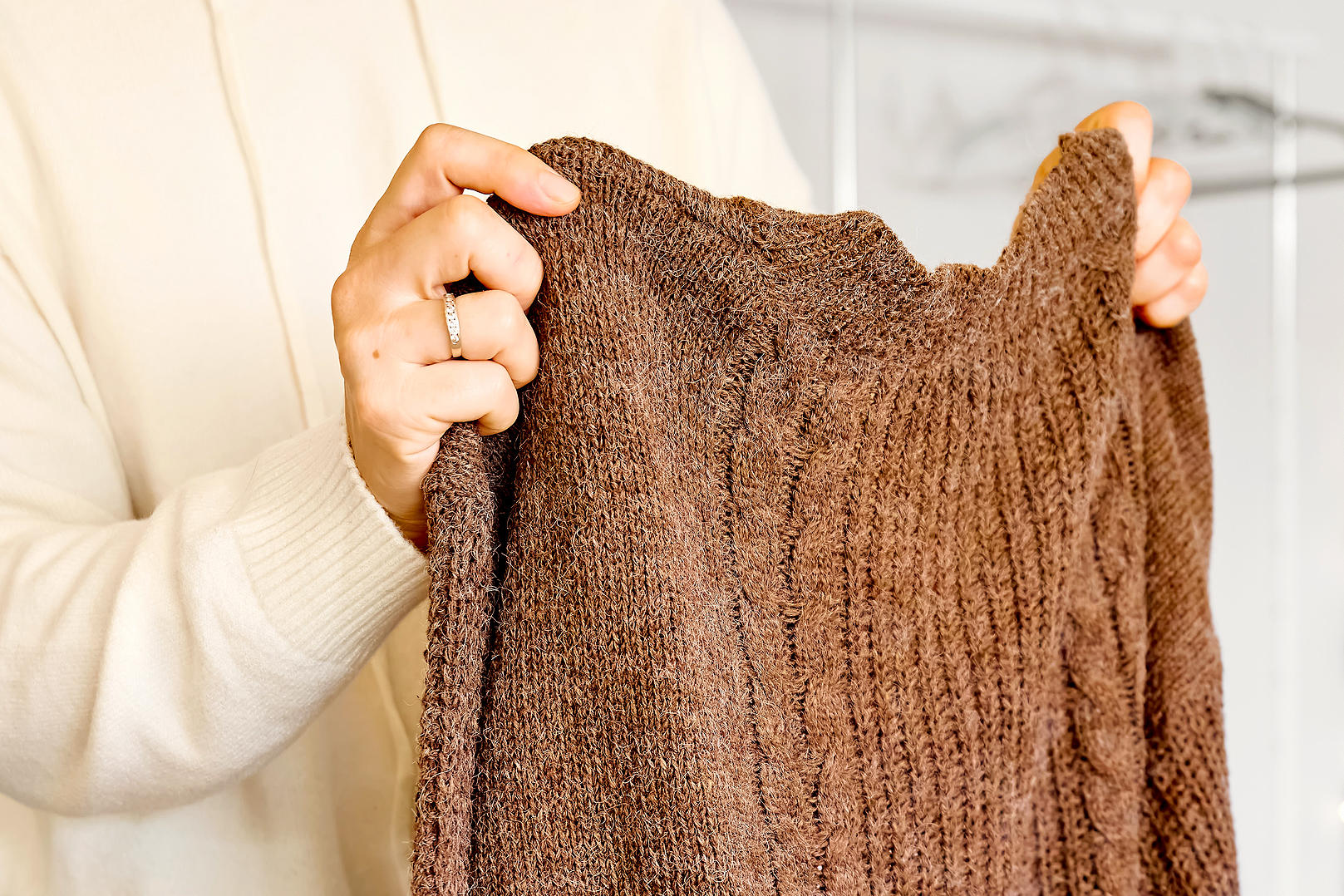
Laundry is one of the most time-consuming household chores. In addition to taking the time to separate, wash, dry, fold, and put away clothes, you must decipher a seemingly endless combination of wash and dry instructions on clothing tags. And unfortunately, you know you’re in for an even longer laundry session when the tag indicates “air-dry only.” Not only will your clothes take a day or two to dry, but they’ll take up valuable real estate in your home while doing it. Because of the inconvenience, some laundry doers skip this step altogether and accept the risk of tossing the item in the dryer, but is the time saved worth possibly ruining clothes? Probably not. Here’s how to air-dry your laundry like a pro.
All featured products and deals are selected independently and objectively by the author. Better Report may receive a share of sales via affiliate links in content.
Why You Should Follow Drying Instructions
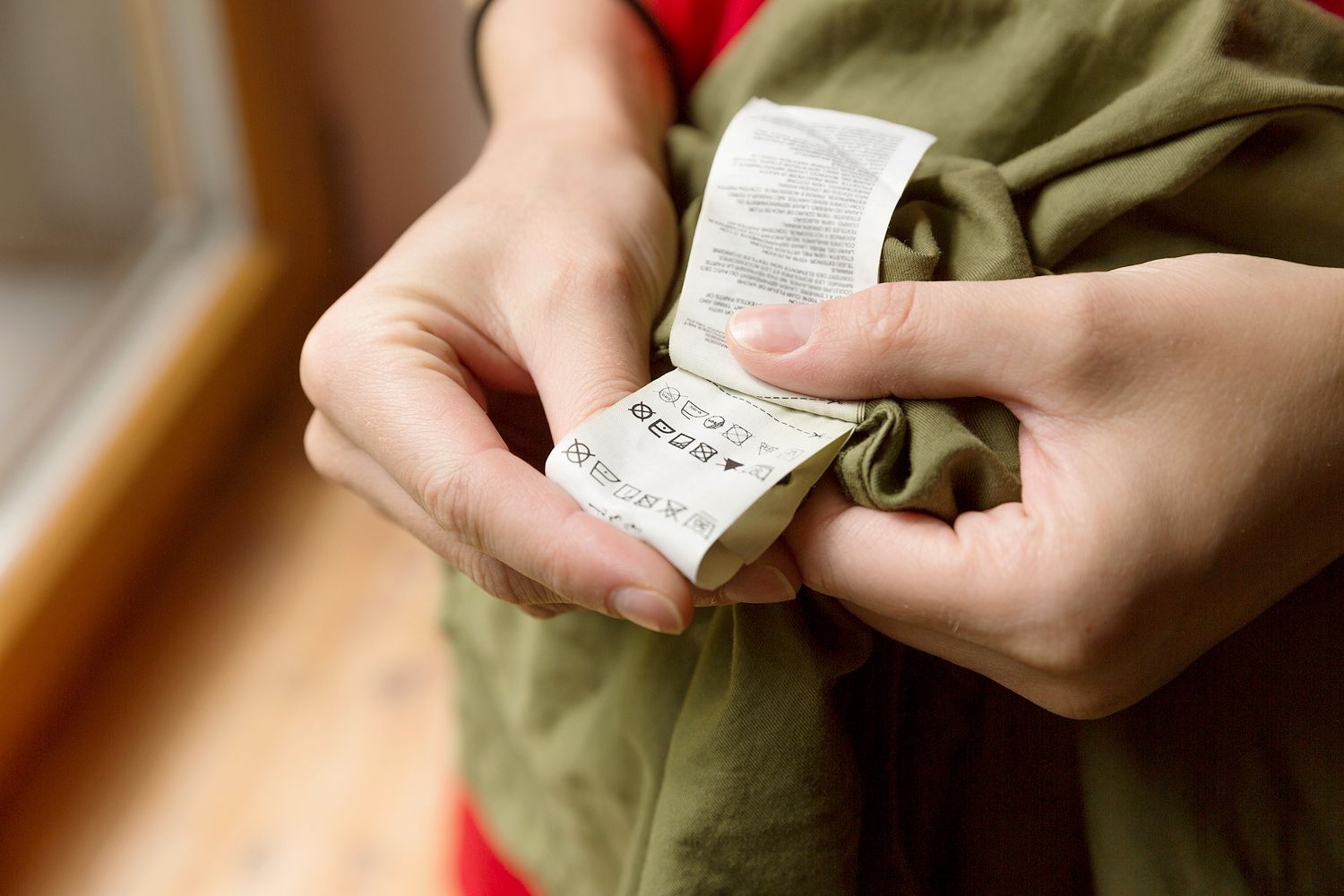
Here’s the truth: You should always follow the directions on the tag to keep your clothes looking and feeling as good as new. (Here’s our primer on how to decode the laundry symbols on clothing tags.) This is especially true for air-drying instructions because machine-drying these items can ruin them within minutes. Delicate articles of clothing, especially those made of natural fibers such as cotton, wool, linen, hemp, and silk, are more susceptible to damage, including stretching, pilling, and shrinking when exposed to heat in the dryer. If a natural-fiber item lists “flat” or “hang dry” on its tag, it’s always best to follow the advice. Sometimes, laundry instructions aren’t as clear-cut, and the tag might say “air-dry” or “do not tumble dry.” In this scenario, deciding whether to hang it up or lay it flat can be tricky.
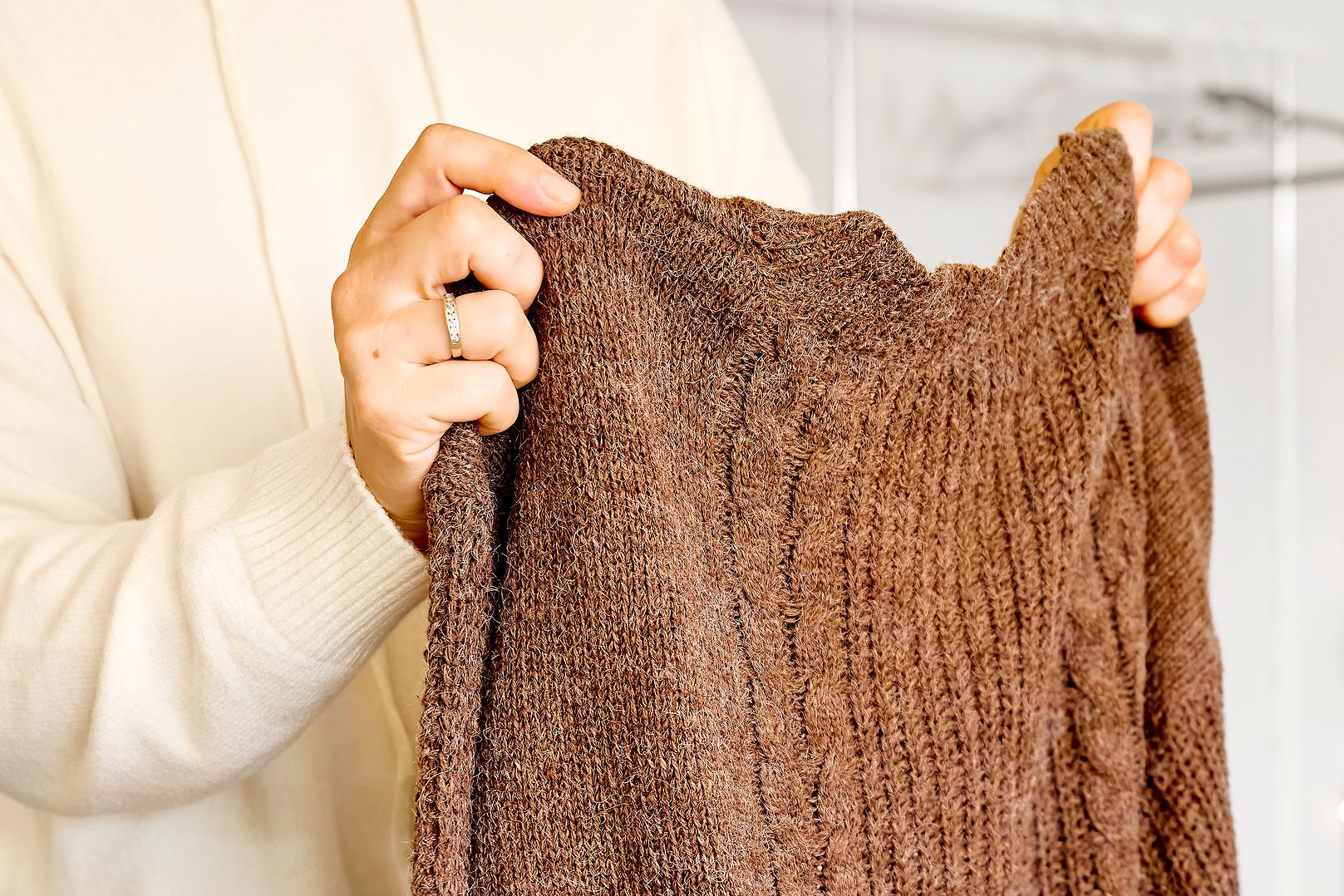
Flat Drying
A good rule of thumb when considering hanging or flat drying is to consider how likely the fabric is to warp. If you’re drying a heavy knit sweater, wool, or denim, you’ll notice that the waterlogged fabric is quite heavy. Heavier fabrics do better with flat drying because they can become stretched and warped if hung up, resulting in bulging shoulders, misshapen silhouettes, and wonky waistbands. Some lightweight fabrics are also keen on warping, especially silk, which is better for flat drying.
To remove excess moisture from fabrics before laying them flat, place them on a clean, dry towel and roll them up, squeezing the towel as you go. This speeds up the flat drying process. Traditional drying racks can cause unnatural folds and warping on some fabrics, so it might be worth investing in a multi-level flat drying rack, which still allows you to dry many items simultaneously. Before you leave your clothes to dry, ensure they are positioned in their natural shape, with all seams, wrinkles, and creases smoothed.
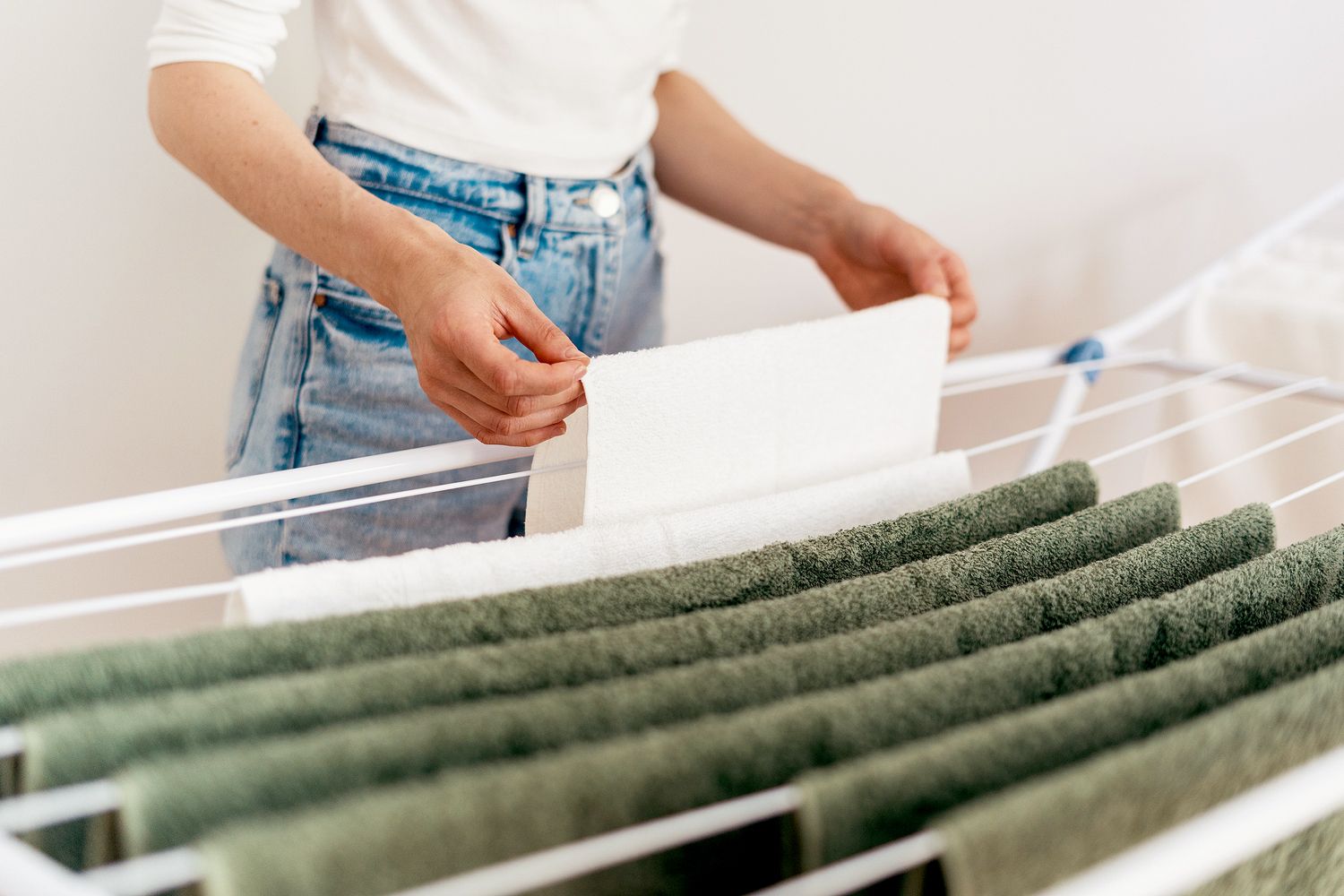
Hang-Drying
Hanging clothes to dry is a faster method than flat drying. Although some clothes can warp while hang-drying, lightweight fabrics work well for this method. This includes cotton, linen, and standard blends such as cotton/polyester and cotton/wool. Many everyday items such as T-shirts, undergarments, dresses, athletic wear, pajamas, bedding, and towels are typically safe to hang dry. According to Levi’s, even denim jeans are usually okay to hang-dry, although the best method is flat drying to prevent stretching if the jeans aren’t 100% cotton. While most synthetic fabrics do fine in the dryer, spandex is an exception and should be hung up to dry because heat damages its fibers.
There are a few best practices for keeping your clothes in tip-top shape while hang-drying.
• Choose a hanger the same width as your clothing to avoid making unnatural bulges and creases.
• Hang-drying clothes in a sunny location can speed up drying time but turn them inside out first to prevent fading.

Reader Favorites



What if Air-Drying Isn’t an Option?
Sometimes, waiting a day for your outfit to dry isn’t feasible, especially if you’re on vacation or have a special event. In a pinch, “tumble dry no heat” is the best choice if you must put an “air-dry” item in the dryer. This setting gently dries fabrics with room-temperature air but stretching or warping can still occur. If “no heat” is not an option for the dryer you’re using, the next-best options are “delicate,” “gentle,” or “tumble dry low,” which are all different names for the same type of cycle. Always avoid “normal,” “medium,” and “high” heat settings for “air-dry only” clothing.
Featured Image Credit: Ekaterina Fedulyeva/ iStock
More From Our Network
Better Report is part of Inbox Studio, an email-first media company. *Indicates a third-party property.