6 Surprisingly Hydrating Drinks (That Aren’t Water)

It’s important to stay properly hydrated during these sweltering hot days of summer — and while a cool glass of water will always hit the spot (and is almost always the best option for everyday needs), there are other drinks that are surprisingly hydrating. Some may be even more so than H2O, due to the nutrients and electrolytes they contain. Sipping on one of the unusual replenishing beverages below can help prevent aches, dizziness, fainting, and other complications associated with dehydration.
Milk
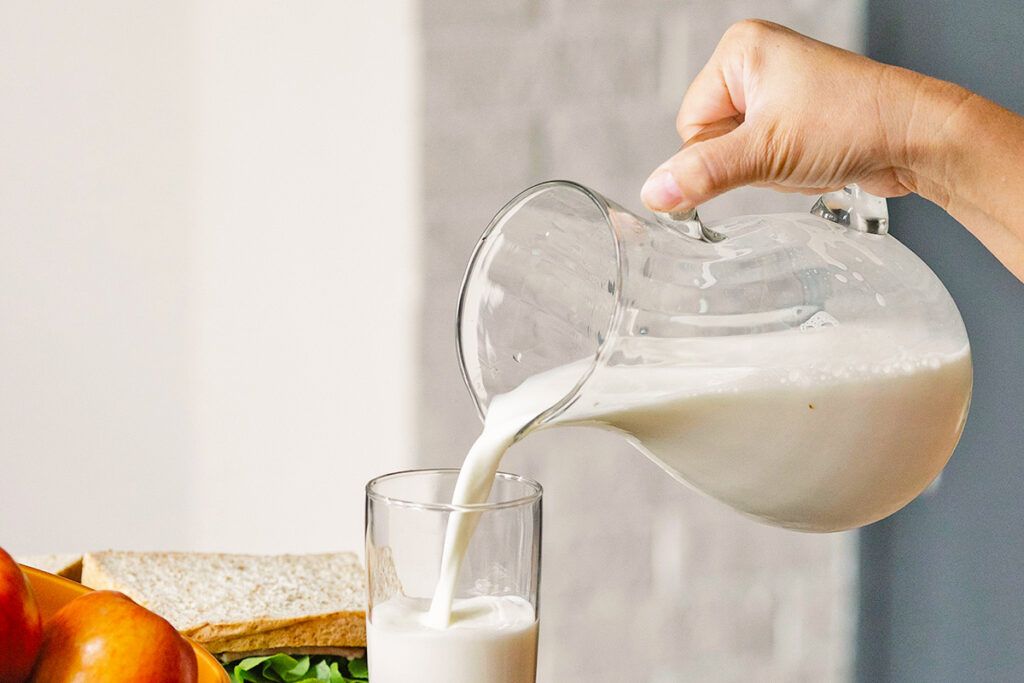
Ron Burgundy may have exclaimed, “Milk was a bad choice!” while drinking it on a hot day in 2004’s Anchorman, but science suggests otherwise. A 2007 study and two additional studies from 2016 found that milk drinkers retained more fluid than water drinkers — and that fluid retention suggests more thorough hydration. It has to do with the nutrients and electrolytes in milk, which help to replenish what we lose through sweating. It’s worth noting that the data is limited: The studies were small and looked at short periods of time; some involved heavy exercise (and therefore may not be applicable to everyday activity levels); and only one measure of hydration was assessed. Plus, there are other downsides to milk, such as its high calorie count. Still, if you’ve been working up a sweat and need a beverage, milk may be a good choice.
Pickle Juice
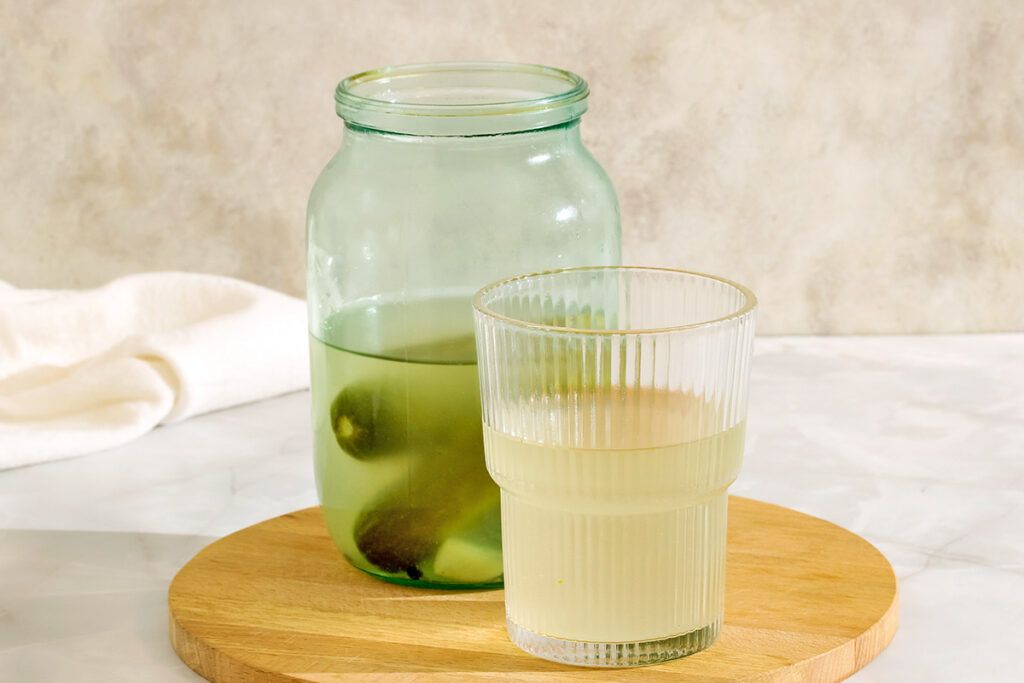
Dehydration leads to a risk of muscle cramps, as the loss of fluids, salts, and electrolytes through sweating can cause the muscles to spasm. But a 2010 study suggests that pickle juice is a good way to prevent these cramps. As part of the study, healthy men with low levels of body water were asked to drink about 1/3 cup of pickle juice, while others drank the same amount of water. The study found that the men who drank the briny concoction experienced quicker relief from muscle cramps than those who had water. Pickle juice is loaded with sodium and has potassium as well — two electrolytes we lose as we sweat that also help you become hydrated more quickly. That means pickle juice may be a beneficial beverage for those who don’t have sodium-related restrictions on their diets. And like water, pickle juice has no calories.

Reader Favorites



Pedialyte
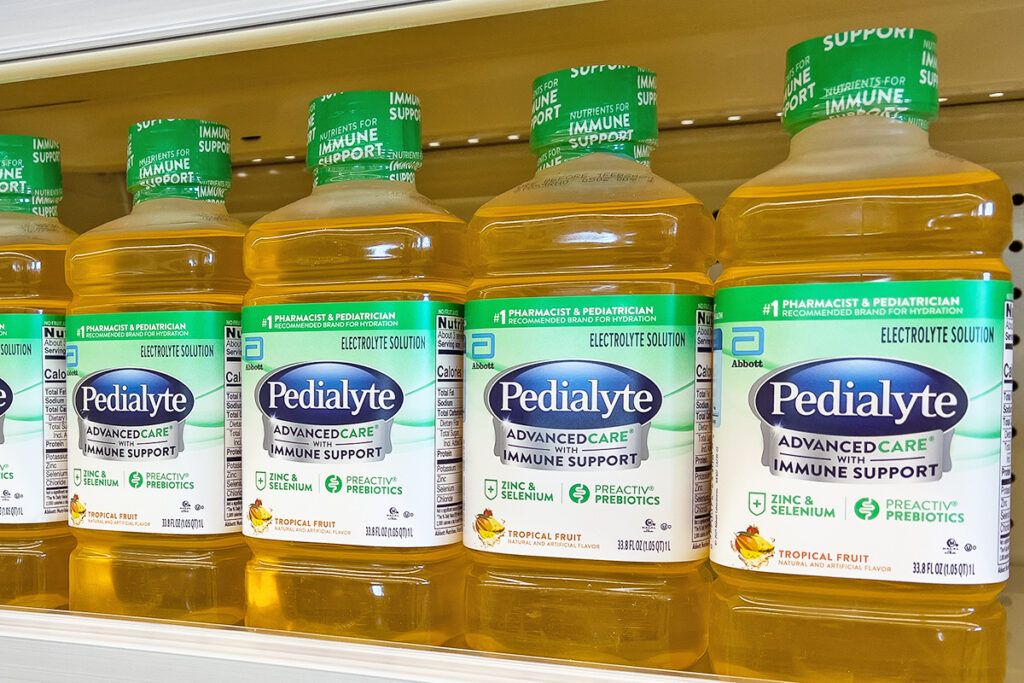
Pedialyte was originally created for infants and children, but it’s actually an ideal rehydrating beverage for people of all ages. The drink includes electrolytes such as sodium, potassium, and chloride, which help control the body’s fluid levels. Those electrolytes — coupled with the drink’s balanced sugar levels — result in a beverage that, according to Healthline, is “more effective than water” in treating moderate dehydration and restoring fluids or nutrients we lose through sweating, urination, vomiting, or diarrhea.
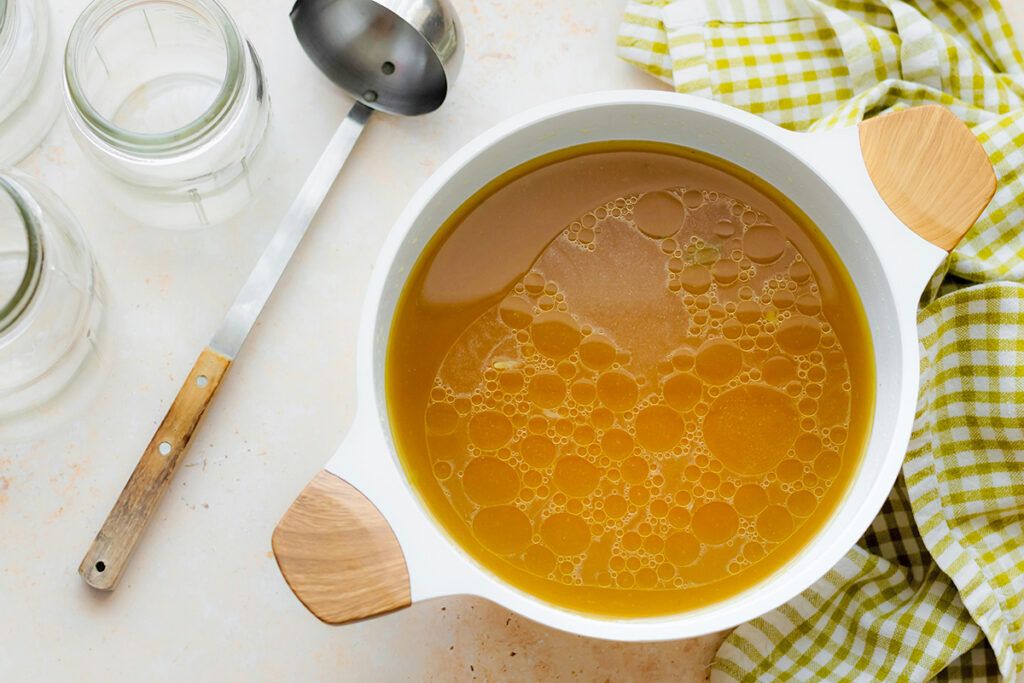
Bone Broth
Bone broth is mostly water, and it’s also rich in electrolytes, collagen, minerals, and other nutrients that support proper hydration. In addition, bone broth contains hyaluronic acid, which is able to retain over 1,000 times its weight in water. The acid’s ability to bind so effectively with water helps it act as a natural moisturizer: A 2014 study found that ingesting hyaluronic acid resulted in more adequately moisturized and hydrated skin.
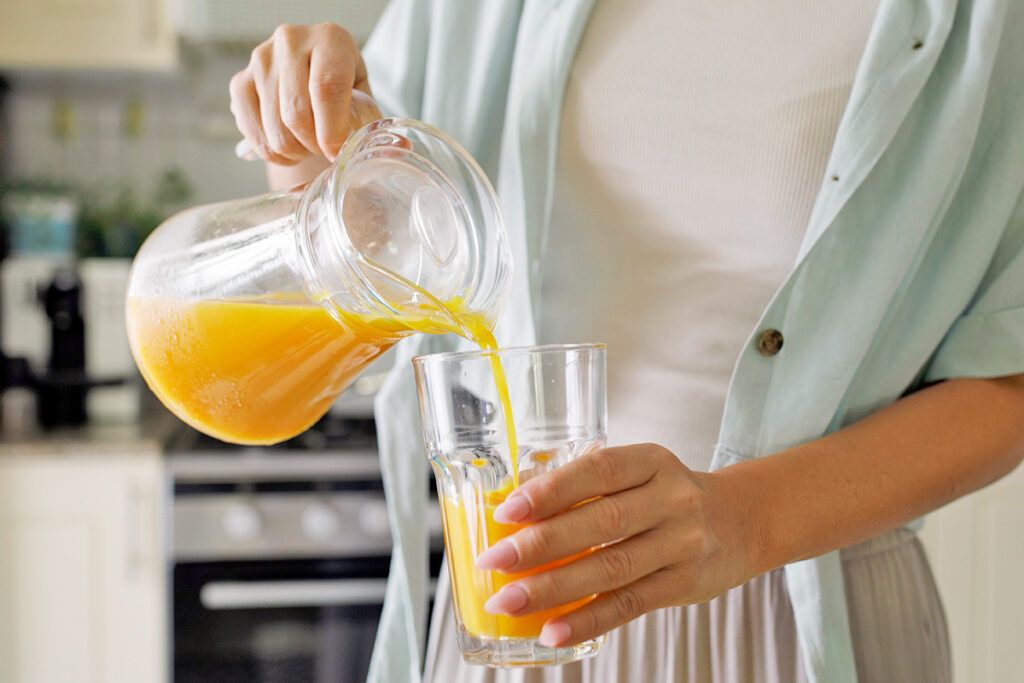
Orange Juice
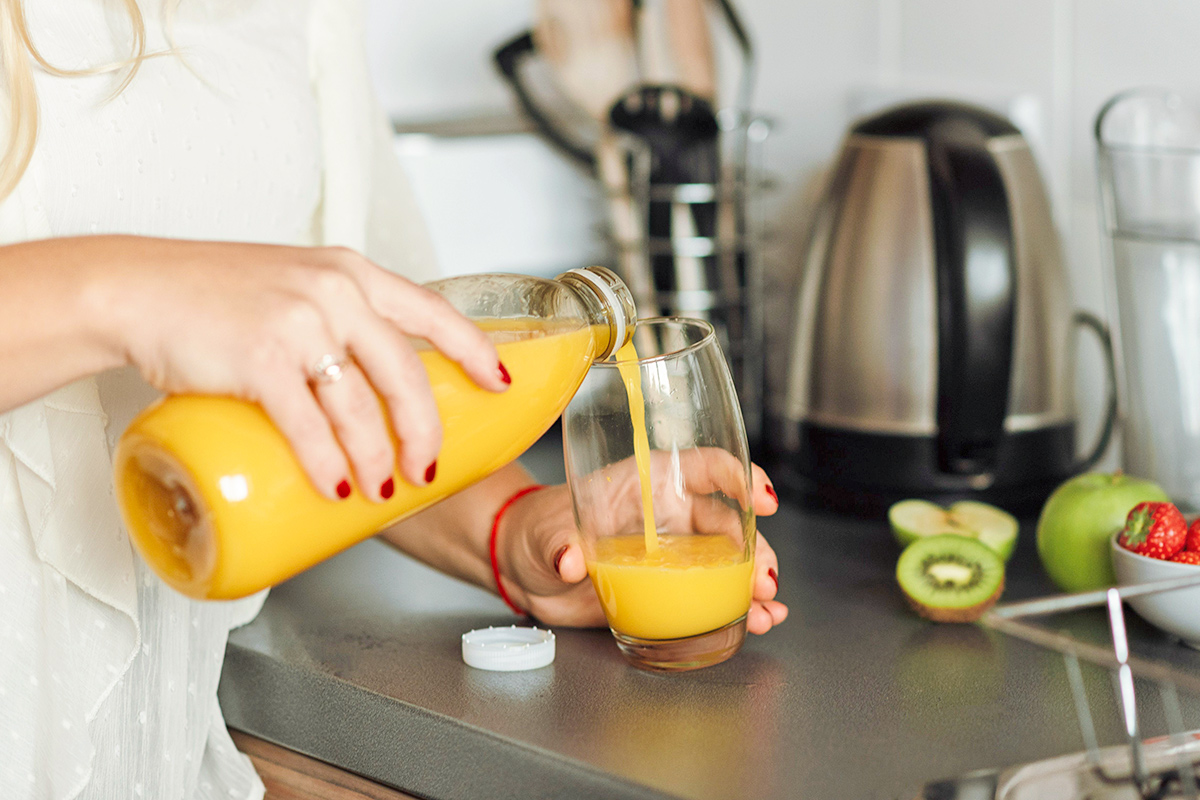
A 2016 study — the very same study that preached the hydrating capabilities of milk — determined that OJ is one the most hydrating beverages available, much of which has to do with the fact that orange juice is made up of almost 90% water. But what helps it stand out is that it’s also loaded with electrolytes such as potassium, which our bodies need to stay hydrated. Watch your total intake, though, as 100% orange juice contains a lot of naturally occurring sugar.

Coconut Water
Coconut water is actually a juice that comes from green coconuts. It’s loaded with potassium, sodium, and magnesium, three electrolytes that make it good for hydration after things like illness or exercise. Coconut water is also ideal for those with sensitive stomachs who might have trouble with sugary electrolyte beverages such as Gatorade. If you have kidney or liver disease, Type 1 diabetes, or congestive heart failure, however, you may want to avoid coconut water due to its high potassium content.
Featured Image Credit: © Anete Lusina/Pexels.com
More From Our Network
Better Report is part of Inbox Studio, an email-first media company. *Indicates a third-party property.







Bennett Kleinman is a New York City-based staff writer for Inbox Studio. He is also a freelance comedy writer, devoted New York Yankees and New Jersey Devils fan, and thinks plain seltzer is the best drink ever invented.
This article is for general informational purposes only.
Affiliate Disclaimer Medical Disclaimer Financial Disclaimer