This Kitchen Appliance Might Be Dirtier Than Your Toilet

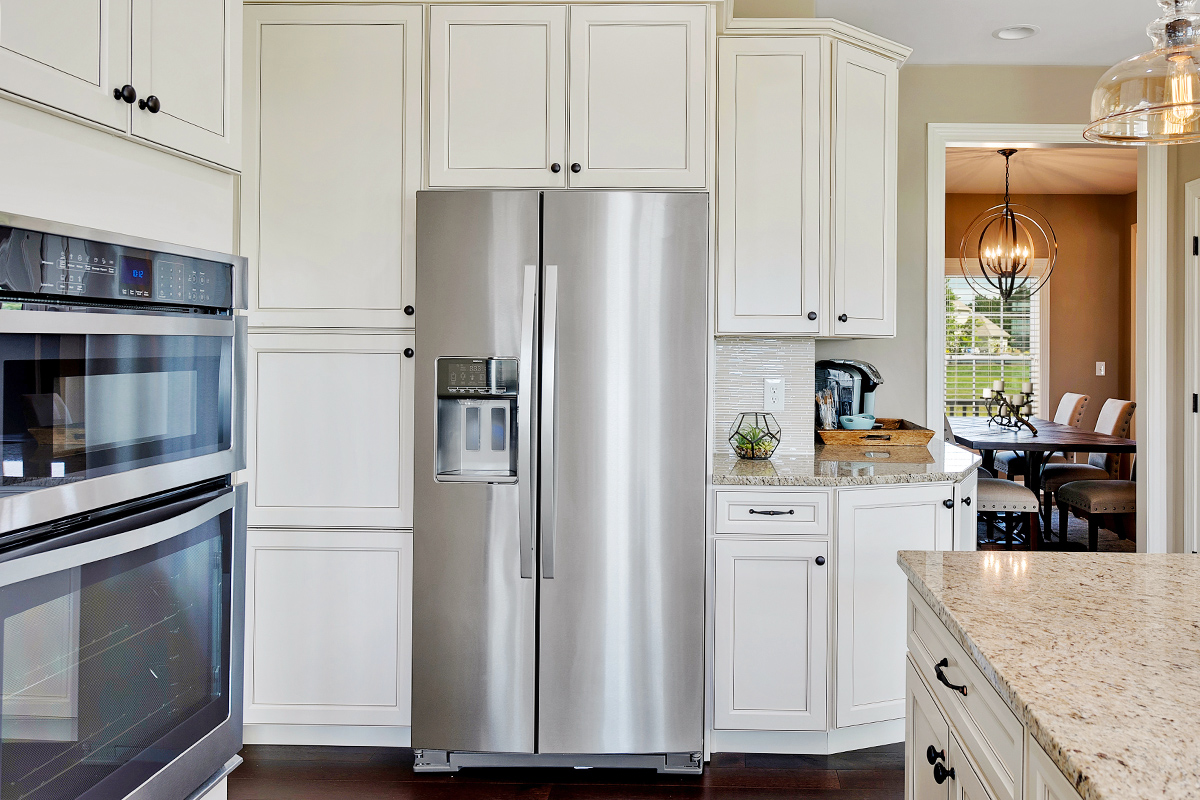
Unless you live in a poorly designed studio apartment in New York City, your toilet is likely far away from your kitchen. Bathrooms are invariably dirty environments, and nobody wants that bacteria to get anywhere close to their food. But what if we told you that there’s a kitchen appliance that might be even dirtier than your toilet? Here’s a look at the facts.
The Stone-Cold Reality
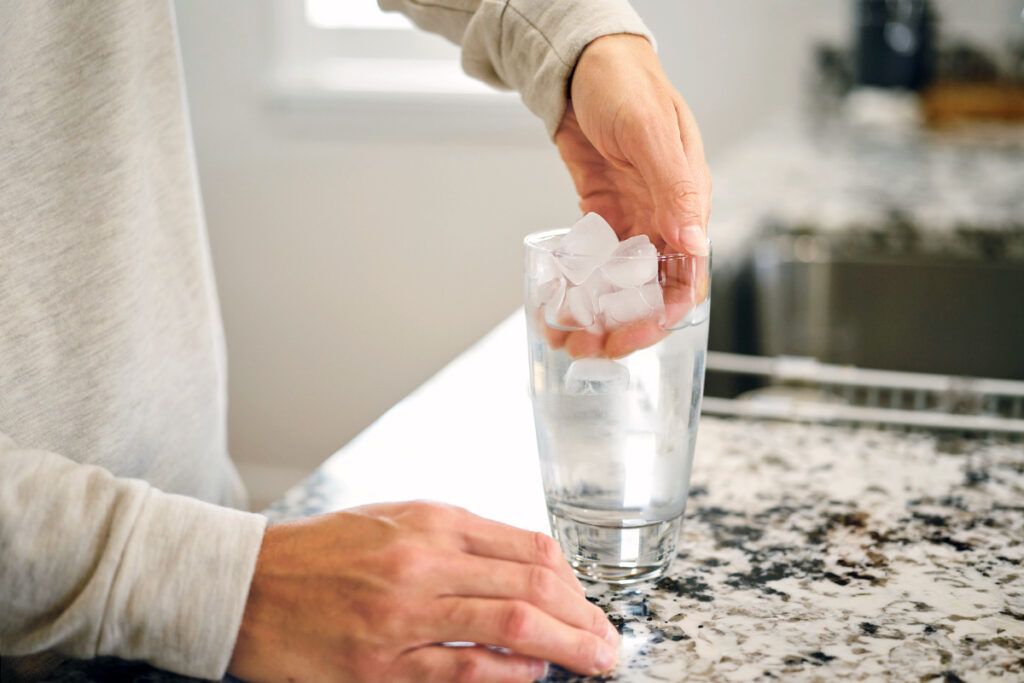
If you have a fridge with a built-in ice maker, you probably put that ice into a glass of iced tea or cold water without a second thought. But when was the last time you cleaned that ice maker? Have you ever cleaned that ice maker?
The reality is that the moist environment of a standard ice maker makes it a possible breeding ground for mold and other residue that can cause cloudy, foul-tasting ice. Ice makers can also be a hot spot for harmful bacteria like listeria and salmonella, which can cause serious illness if ingested.
This isn’t just a problem in our own homes: It’s a major issue at food establishments as well. Studies from around the world have found that ice in fast-food restaurants was riddled with bacteria. In 2013, an analysis of ice cubes from KFCs in China found that they contained 13 times more bacteria than toilet water. Four years later, an undercover investigation by the BBC discovered that half of the ice samples taken from three fast-food restaurants contained fecal coliform bacteria. The stories about dangerously dirty ice go on and on.
How To Clean Your Ice Maker
While you can try to avoid ice water and cocktails on the rocks at restaurants, you shouldn’t neglect your ice maker at home — it’s important to keep it clean so you, your friends, and your family don’t get sick.
Experts advise people to clean their home ice makers every four to six months, or whenever ice starts to smell a bit off. (You should clean it more frequently if you have hard water.) Thankfully, cleaning your ice maker isn’t hard: According to Maytag, you can do so in just five steps.

Reader Favorites


Before you get started, grab some clean dish cloths, a sponge, a bowl of warm water, mild dish soap, and white distilled vinegar. From there, here’s what you need to do:
- Remove any expired goods from the freezer, and wipe up spills or grime. You may also want to clean out your fridge — air circulates between the fridge and freezer, and any foul odors caused by rotten foods may be contributing to contaminated ice.
- Depending on your fridge, you may be able to switch off your ice maker before you get started — you don’t want it making ice while you’re cleaning — but for safety reasons, it’s probably best to unplug the refrigerator altogether. (It won’t be unplugged for long, so there’s no need to also empty its contents.)
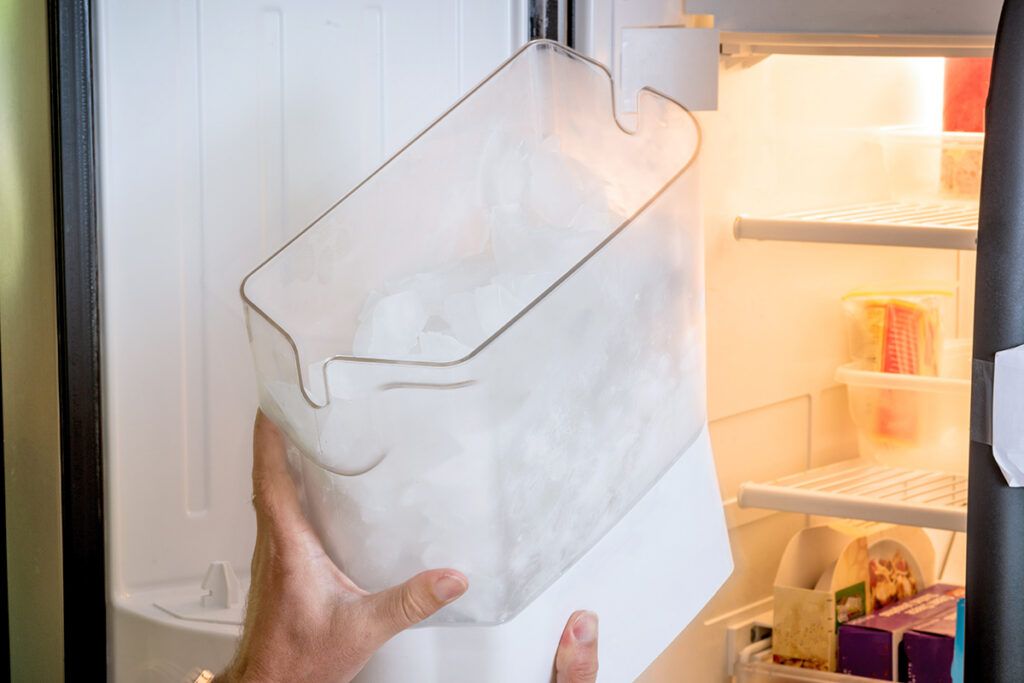
- Remove any detachable parts such as ice bins or ice trays. Wash them with a clean sponge, mild dish soap, and warm water, then let those parts fully dry.
- Throw out any old ice and completely wipe down the inside of the ice maker with warm water and dish soap. You can also use a combination of one part warm water and one part distilled white vinegar. Lastly, wipe everything down with a clean cloth until the area is completely dry.
- The final step is to put every component back in place and plug the refrigerator back in. Dispose of the first two to three batches of ice; by batch four you should be back in business.
If you follow the above steps, your ice should be bacteria- and mold-free. If the machine continues to produce cloudy cubes, however, you may be dealing with a moldy ice maker or contaminated ice dispenser chute. Maytag has instructions for how to deal with those issues, too — you can find them here.
Featured Image Credit: © PC Photography—iStock/Getty Images
More From Our Network
Better Report is part of Inbox Studio, an email-first media company. *Indicates a third-party property.






Bennett Kleinman is a New York City-based staff writer for Inbox Studio. He is also a freelance comedy writer, devoted New York Yankees and New Jersey Devils fan, and thinks plain seltzer is the best drink ever invented.
This article is for general informational purposes only.
Affiliate Disclaimer Medical Disclaimer Financial Disclaimer