Why You Shouldn’t Make a Margarita on a Sunny Day


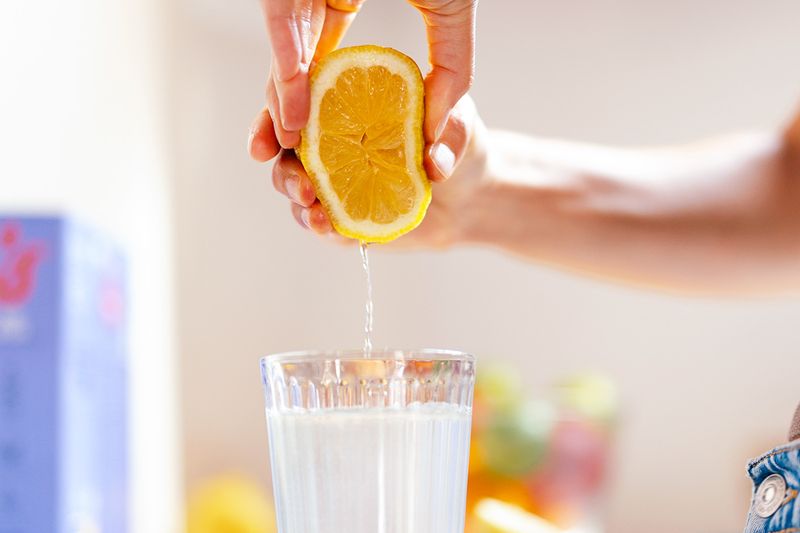
There are few things more refreshing on a hot summer day than a margarita — especially when you make them yourself with fresh lime juice, which tends to taste better in cocktails than the bottled stuff.
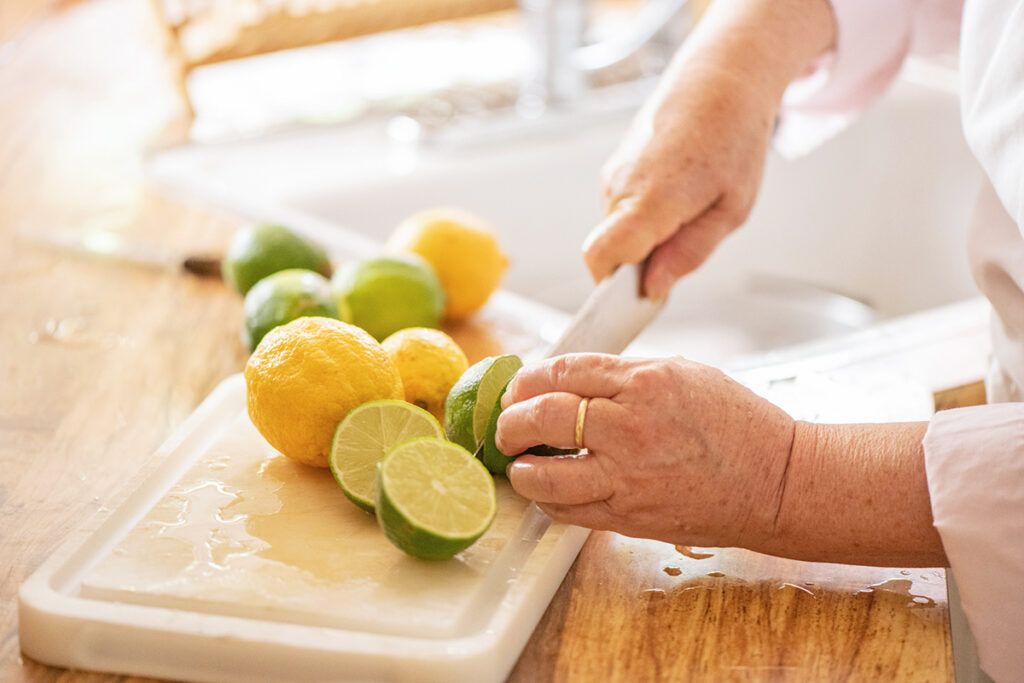
But before you start squeezing those limes, there’s something you should know: Lime juice and the sun don’t mix. In fact, combining them could lead to an unsightly and sometimes painful condition called “phytophotodermatitis,” also known as “margarita burn.”
What Is Phytophotodermatitis?
Phytophotodermatitis is a phototoxic reaction caused when chemicals in plants called furocoumarins are exposed to ultraviolet A (UVA) radiation from the sun. “Then, DNA damage occurs, which causes light sensitivity, blisters, and hyperpigmentation,” says Dr. Samantha Schneider, a double board-certified dermatologist and Mohs micrographic surgeon at Pacific Crest Dermatology in Carson City, Nevada. “It can occur in anyone who is exposed to a plant with these chemicals and UVA radiation — meaning it is not an allergic reaction.”
Limes are a leading culprit of phytophotodermatitis, but they’re not the only plant that can lead to the condition. Other citrus fruits like lemons and oranges can cause it, as will plants like parsley, dill, figs, fennel, and carrots (among others). According to Dr. Schneider, the natural oil of bergamot found in candles and perfumes was also once a cause of phytophotodermatitis, but “companies have shifted to an artificial oil of bergamot in perfumes to avoid this exact reaction.”
What Does It Look Like — And Who Can Get It?
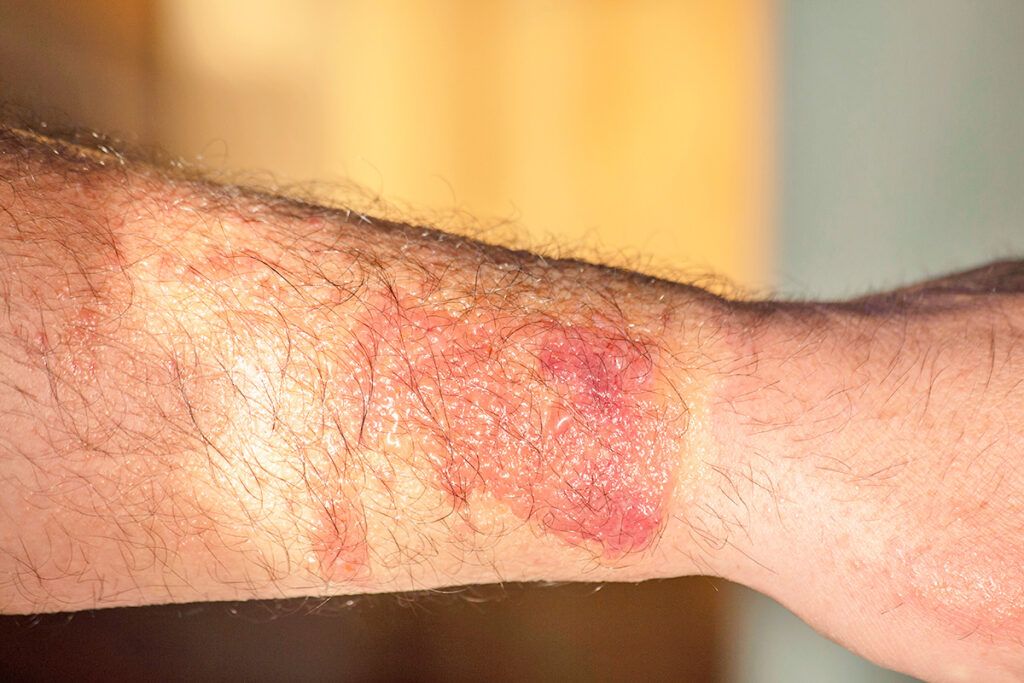
Margarita burn doesn’t show up until a day or two after exposure. “Phytophotodermatitis often starts with redness,” Dr. Schneider says. “Then blisters appear about a day later, which turn to maroon to brown dyspigmentation in the area of the rash over the next week or two.” While the uncomfortable part of the rash lasts for up to a week, Schneider says that “the dark discoloration can last for weeks and sometimes even months.”

Reader Favorites



And unlike a sunburn, which is typically uniform over large parts of the body, phytophotodermatitis will appear in strange shapes caused by the way you were exposed. It’s typically seen on the hands, followed by the arms and legs, and “it often looks like liquid that went running down an arm in streaks, or, if squeezing the lime led to droplets scattering, you can have little circles scattered on the hands and arms,” Dr. Schneider says. “If you stick the citrus in your mouth while outside, you can get involvement around the mouth. Depending on the exposure, you can have a large reaction.”
Phytophotodermatitis isn’t contagious, but if you squeeze a bunch of limes and then touch someone’s arm, the juice can transfer, and that person might get a rash as well.
According to Schneider, “one person is not more likely to get it than another as long as the ingredients are there,” but there are some activities that put you more at risk: if you work in a restaurant and prep fruits and veggies, or if you’re outdoors often (gardening or hiking, for example) in environments where you could brush up against plants containing furocoumarins.
“I tend to see this in the spring as people are going on spring break, in the summer as people are enjoying citrus in the sun, and around the winter holidays when people are vacationing in warm, sunny locations,” Schneider says. “I have also seen this in bartenders when the spring/summer patios open and those margarita orders start rolling in.”
How To Treat It
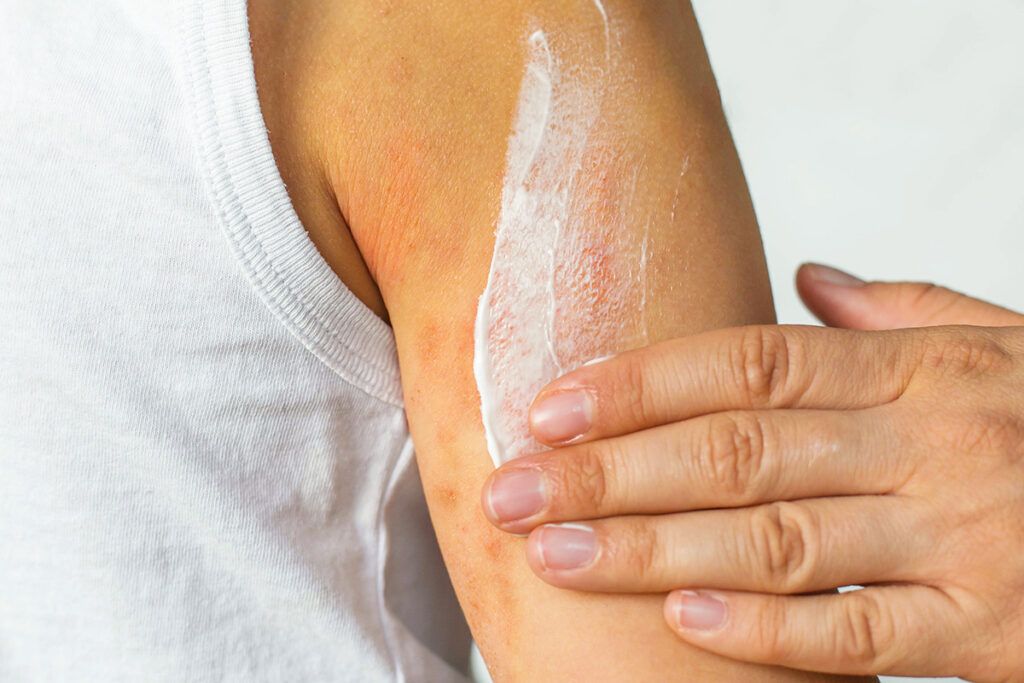
Most cases of margarita burn can be treated at home with aspirin and ibuprofen, cool soaks and compresses, and topical creams you can get at the drugstore. Just make sure not to pop any of the blisters, which could lead to an infection.
If your reaction isn’t getting better after a few days, if it’s over large parts of your body, or if the blisters are large and uncomfortable, you should head to a doctor. “Seeing a dermatologist is very helpful as there are prescription medications that can help relieve symptoms,” Dr. Schneider says.
To help with future discoloration, Dr. Schneider says it’s important to wear sunscreen and UPF clothing “and generally [follow] good sun protective habits. Whenever you have discoloration, like redness or darkness, left after a rash, sun exposure causes that skin to discolor faster than the normal skin. This ultimately slows down the fading of the rash.”
How To Prevent Phytophotodermatitis
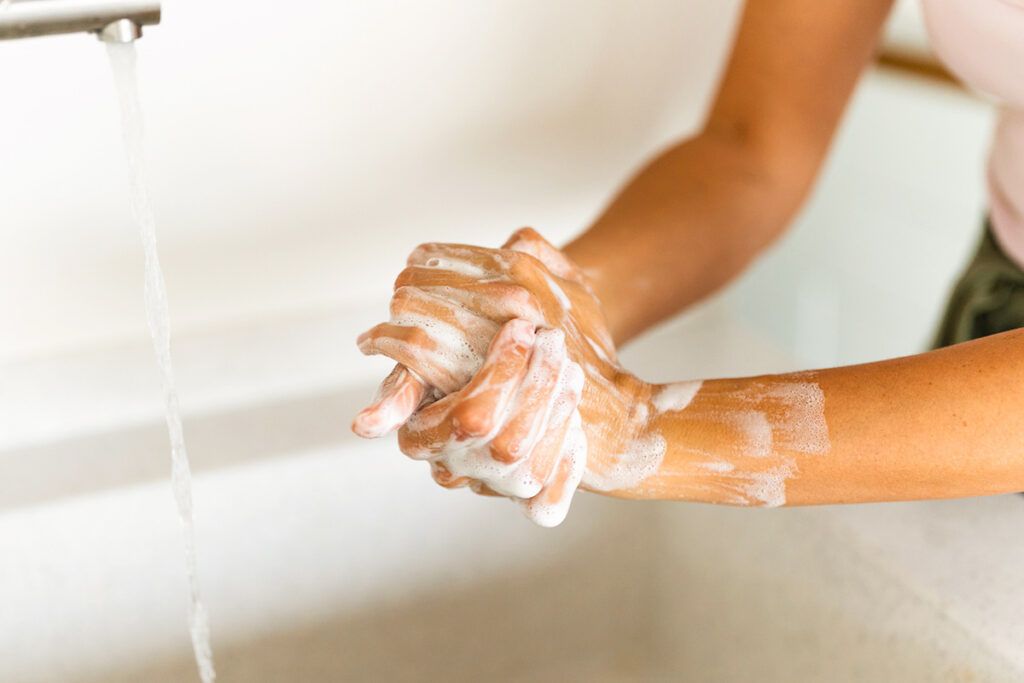
According to Dr. Schneider, preventing phytophotodermatitis is simple: “Be mindful about exposures to these culprit plants while outdoors,” she says. “This doesn’t mean that you can’t have a fun drink, but if you get citrus juice on your skin, make sure to wash with soap and water right away.”
Featured Image Credit: © Sinenkiy/iStock
More From Our Network
Better Report is part of Inbox Studio, an email-first media company. *Indicates a third-party property.







Erin is a writer, editor, and content strategist living in the New York City area. Previously, she was the VP/Editor-in-Chief of MentalFloss.com and an editor at Popular Mechanics magazine. When she’s not working, Erin is hanging out with her cats, reading books from her never-ending TBR, traveling, karaoking, and making sourdough with her starter Stephen Sondheim.
This article is for general informational purposes only.
Affiliate Disclaimer Medical Disclaimer Financial Disclaimer