The Secret to Preventing Freezer Burn
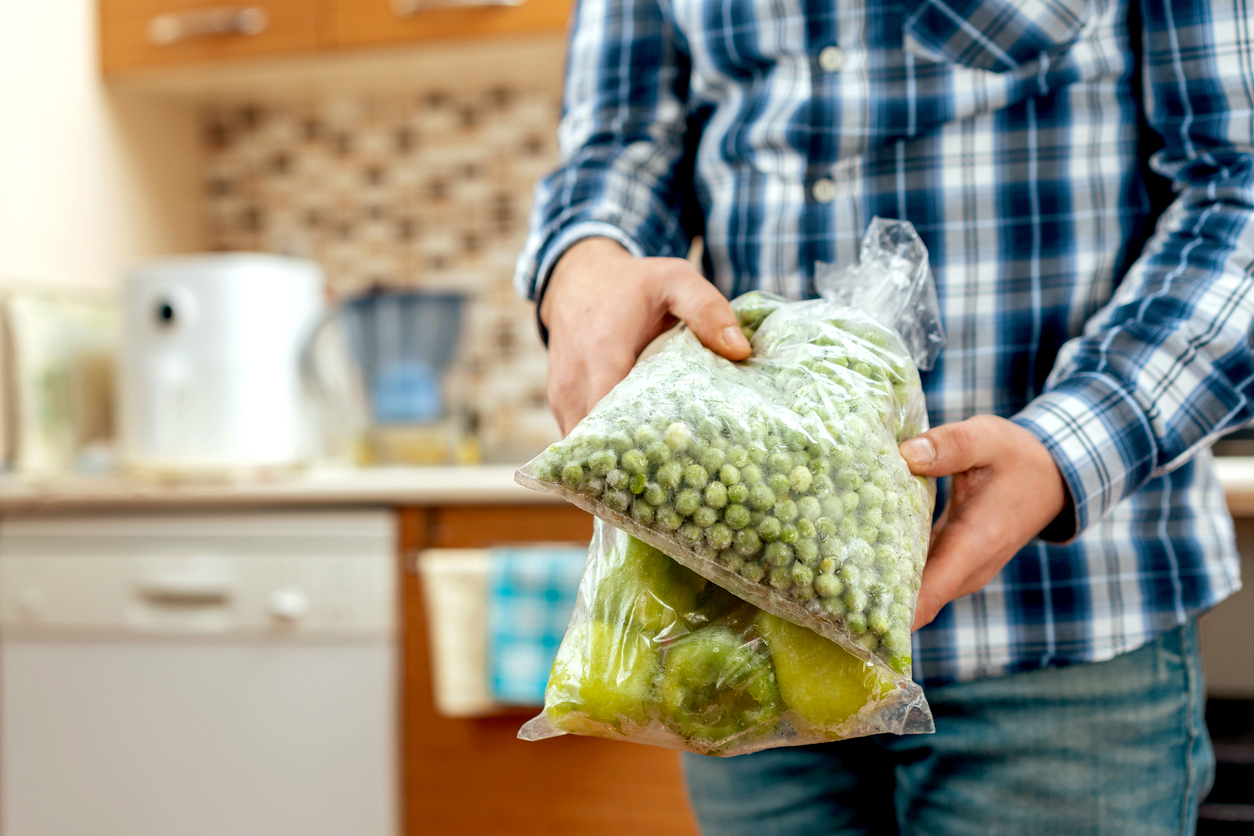
No matter how hard you try to preserve frozen food, freezer burn is bound to happen. Freezer burn is the result of moisture loss. When frozen foods encounter cold, dry air, the outer layers lose moisture, causing dehydration. However, according to the USDA, freezer-burnt food is still safe to eat. But you probably won’t want to, as this thin layer of crunchy ice crystals will make the flavor and texture of the food off-putting. Most food is at risk for freezer burn, but meat, poultry, vegetables, fruits, and ice cream are commonly impacted. Here’s how to avoid damaged leftovers by keeping freezer burn at bay.
All featured products and deals are selected independently and objectively by the author. Better Report may receive a share of sales via affiliate links in content.
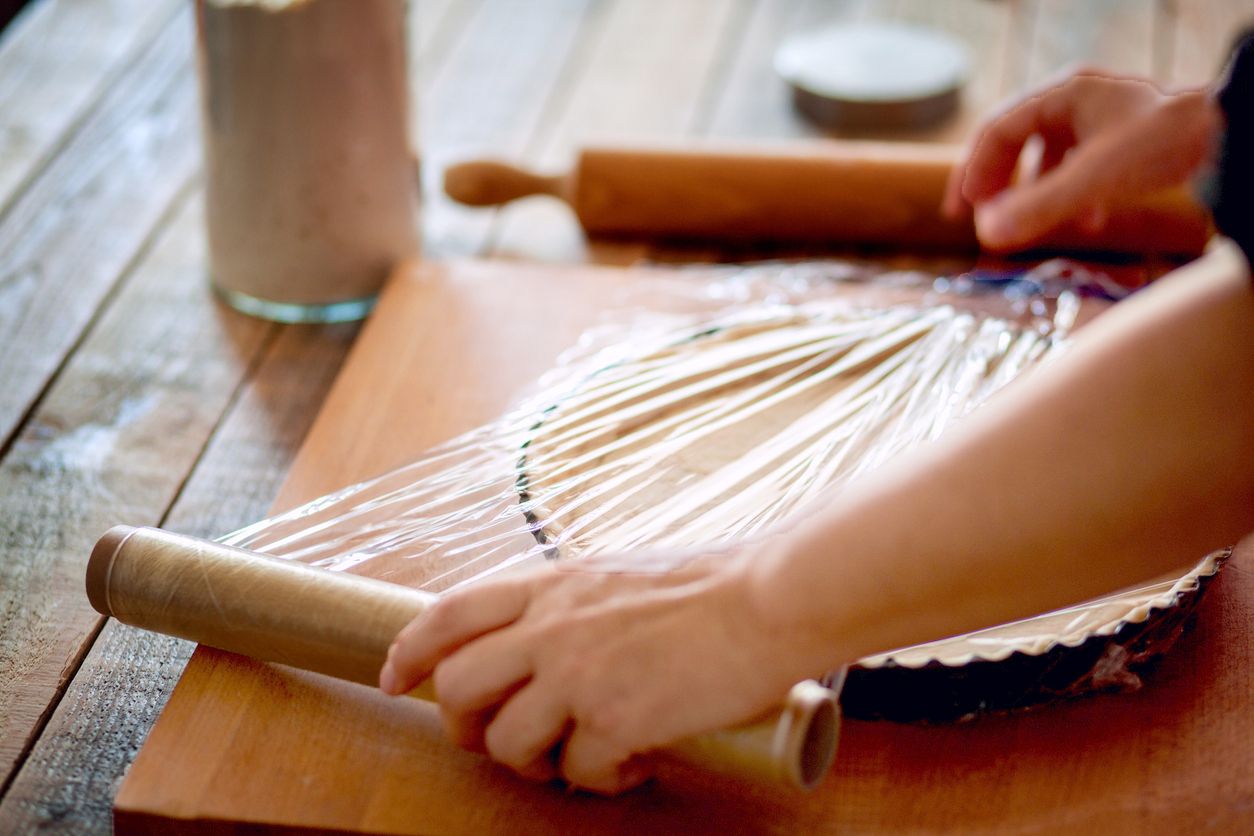
Wrap Food Tightly
The biggest culprit of freezer burn is faulty food storage. The goal is to remove as much air as possible when storing food. If using a storage container, use the smallest one possible to reduce the air inside, or try a vacuum storage system that removes all the package’s air.
According to the USDA, freezing meat and poultry in their original packaging is safe, but better choices exist. Opt for something less permeable, such as plastic Tupperware or plastic zip-top bags for freezer use. While food should be wrapped tightly, remember that food expands while it freezes because of its water content, so if stored in solid containers rather than plastic bags (for items such as soup), leave a little space for expansion.
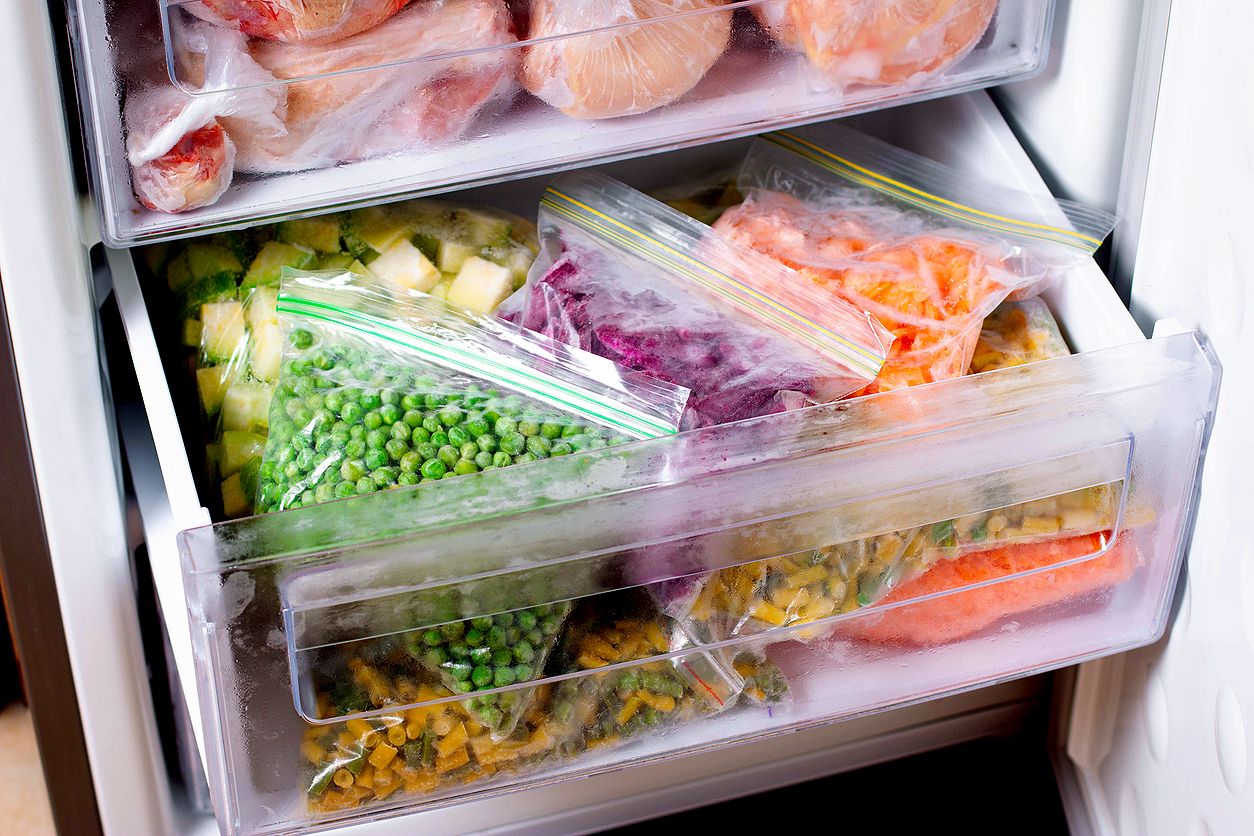
Keep the Freezer at 0 Degrees Fahrenheit
The U.S. Department of Energy recommends running your freezer at 0 degrees Fahrenheit or lower. This is optimal for both energy consumption and food safety. At very cold temperatures, the water inside the food molecules freezes into smaller crystals, which causes less freezer burn.
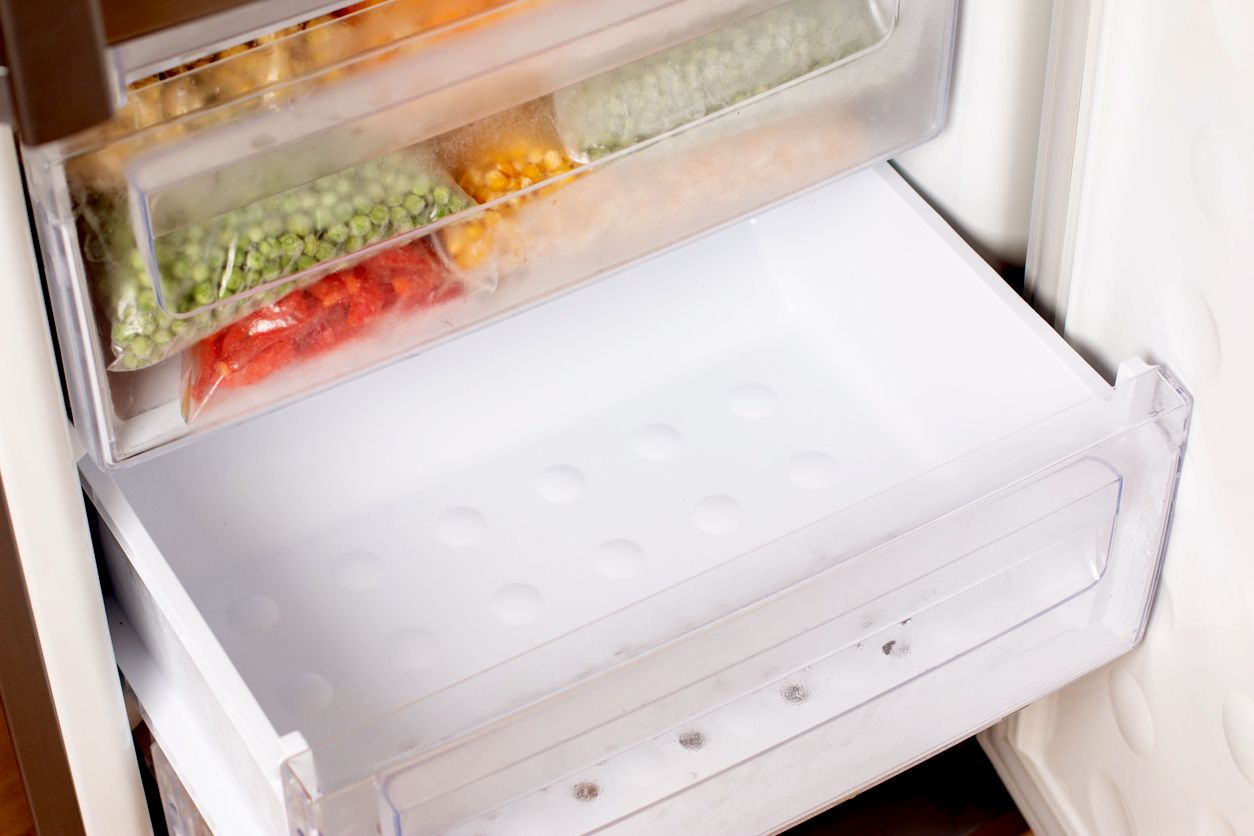
Don’t Overfill or Underfill the Freezer
To keep your freezer running at an optimal temperature, ensure it’s stocked correctly. Packing a freezer to the brim causes the interior air temperature to be higher, which prolongs freeze times, increasing the risk of freezer burn. However, an empty freezer won’t maintain its temperature well, either. Avoid food spoilage and freezer burn by keeping a moderately full freezer.

Reader Favorites


Freeze Items as Quickly as Possible
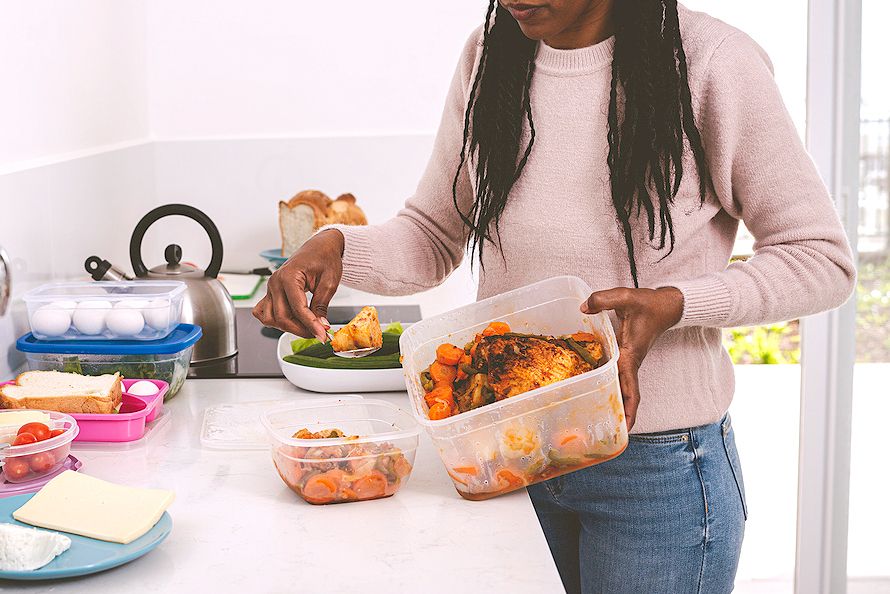
The faster an item freezes, the less likely it is for freezer burn to occur. Some freezer models have a “quick freeze” shelf that will decrease freezing time. After food is completely frozen, it can be stacked for storage. Typically, freezing two to three pounds of food per 24-hour period will help maintain an adequate temperature in your freezer. Divvying items into smaller containers before freezing speeds along the process as well.
Don’t Put Piping Hot Food in the Freezer
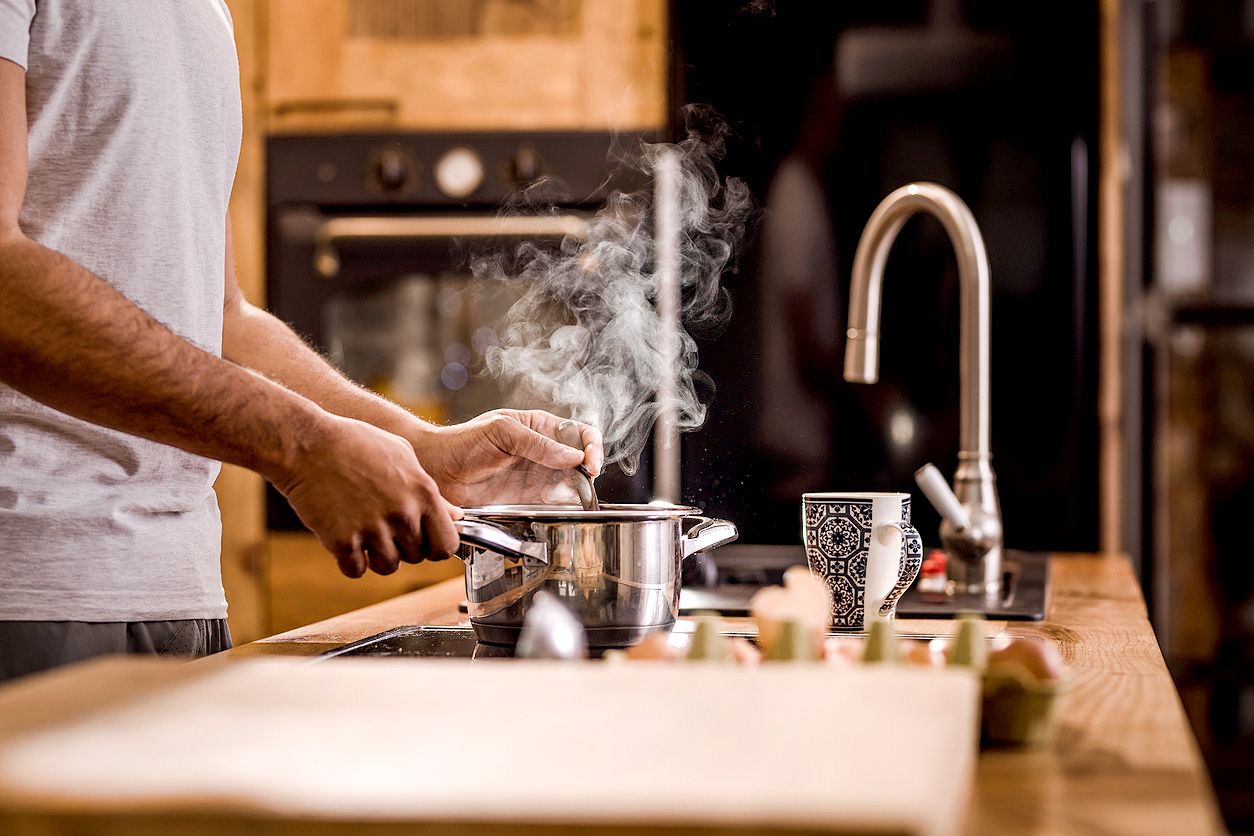
Adding freshly boiled soup or steaming hot vegetables to the freezer will cause the interior temperature to rise, slowing freezing times and increasing freezer burn. Instead, cool leftovers down in the fridge to give them a head start. If you’re expecting to freeze many warm items at once, set the freezer to the lowest cold setting a few hours prior. This will help regulate the temperature when warm food is added.
Blanch Vegetables
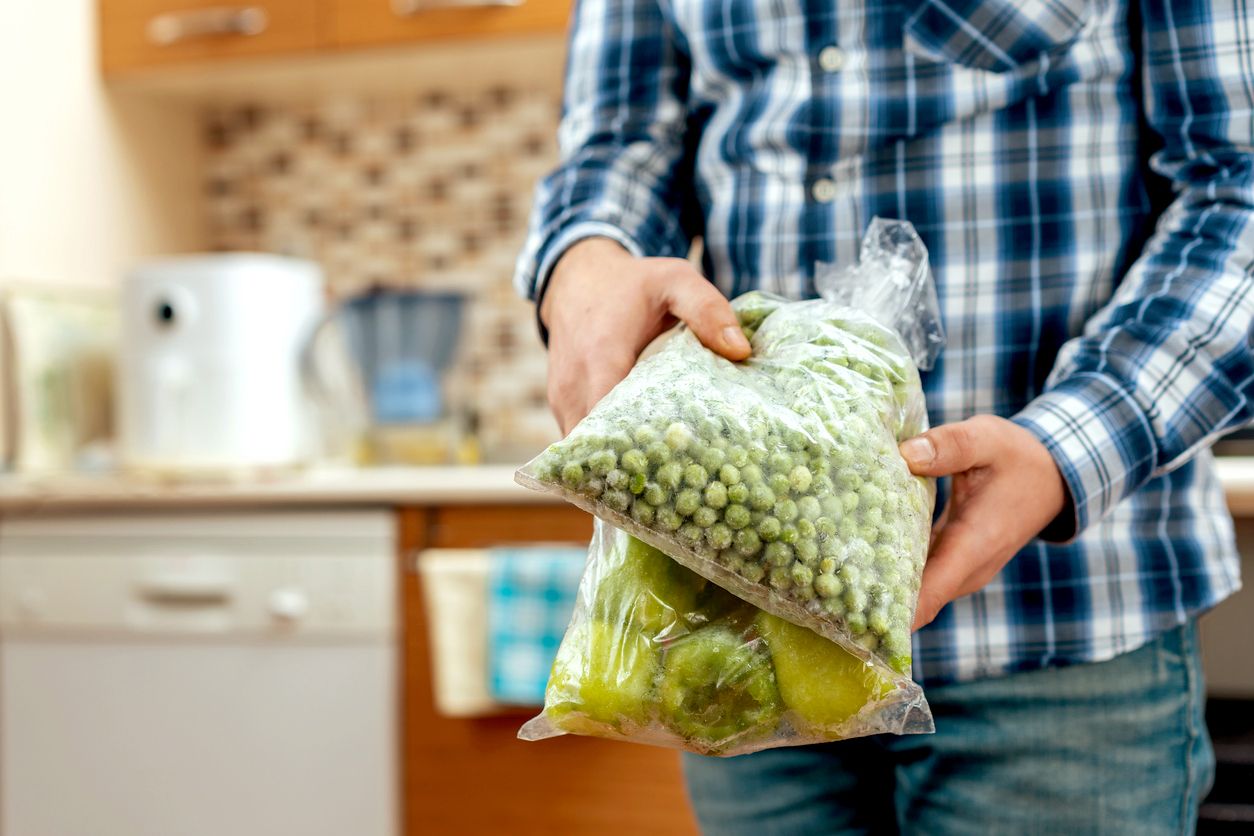
Blanch fresh vegetables before freezing them to avoid freezer burn and retain vitamins and other nutrients. Blanching deactivates enzymes, which can cause loss of nutrients, changes in flavor, and other unwanted problems if left activated. To blanch, submerge the vegetables into boiling water for around two to five minutes, depending on the thickness and size of the vegetable). Then, quickly remove them and place them in an ice bath to stop the cooking process. Chill for another five minutes and drain. Then, they are freezer-ready.
Avoid Thawing and Refreezing Food
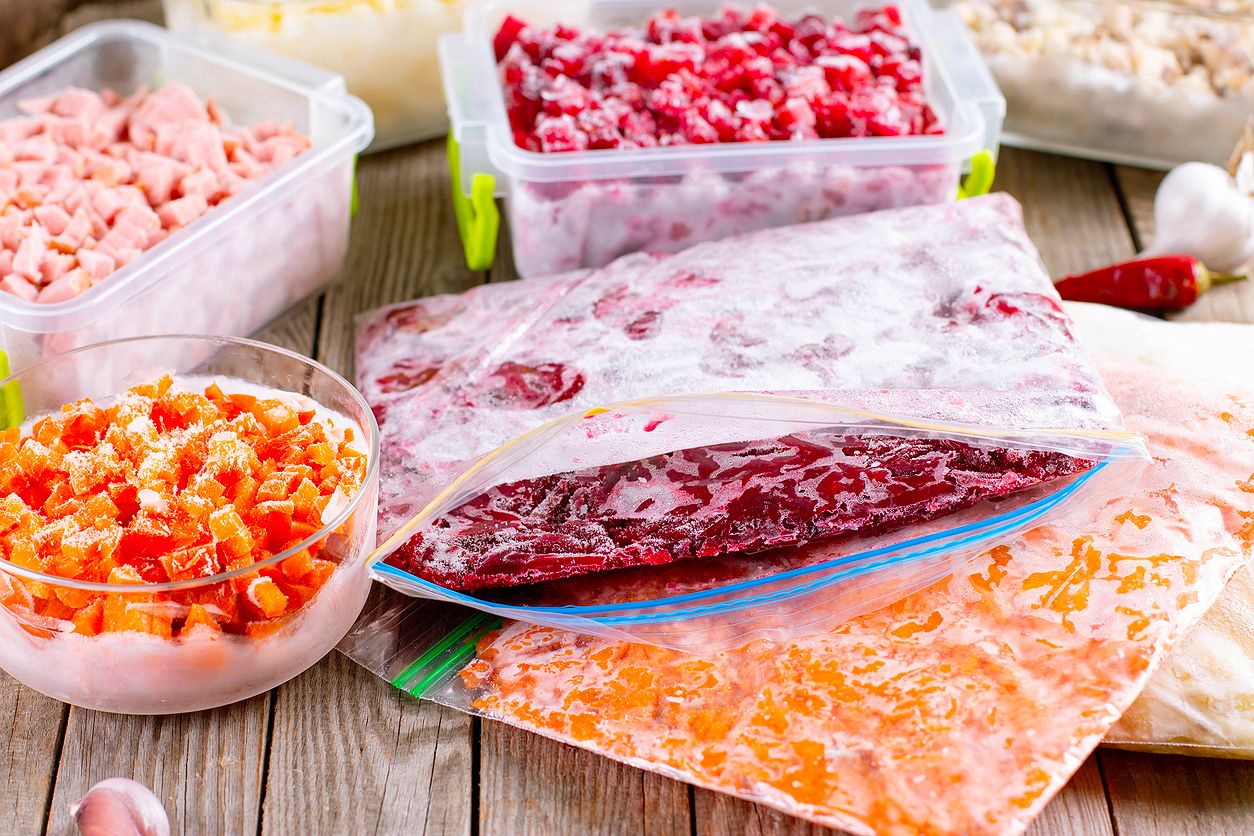
Refreezing previously frozen food causes moisture loss, which results in freezer burn. Instead, thaw only what you will eat. If there are thawed leftovers, try putting them in the fridge and eating them within a few days instead of refreezing.
Date Frozen Foods
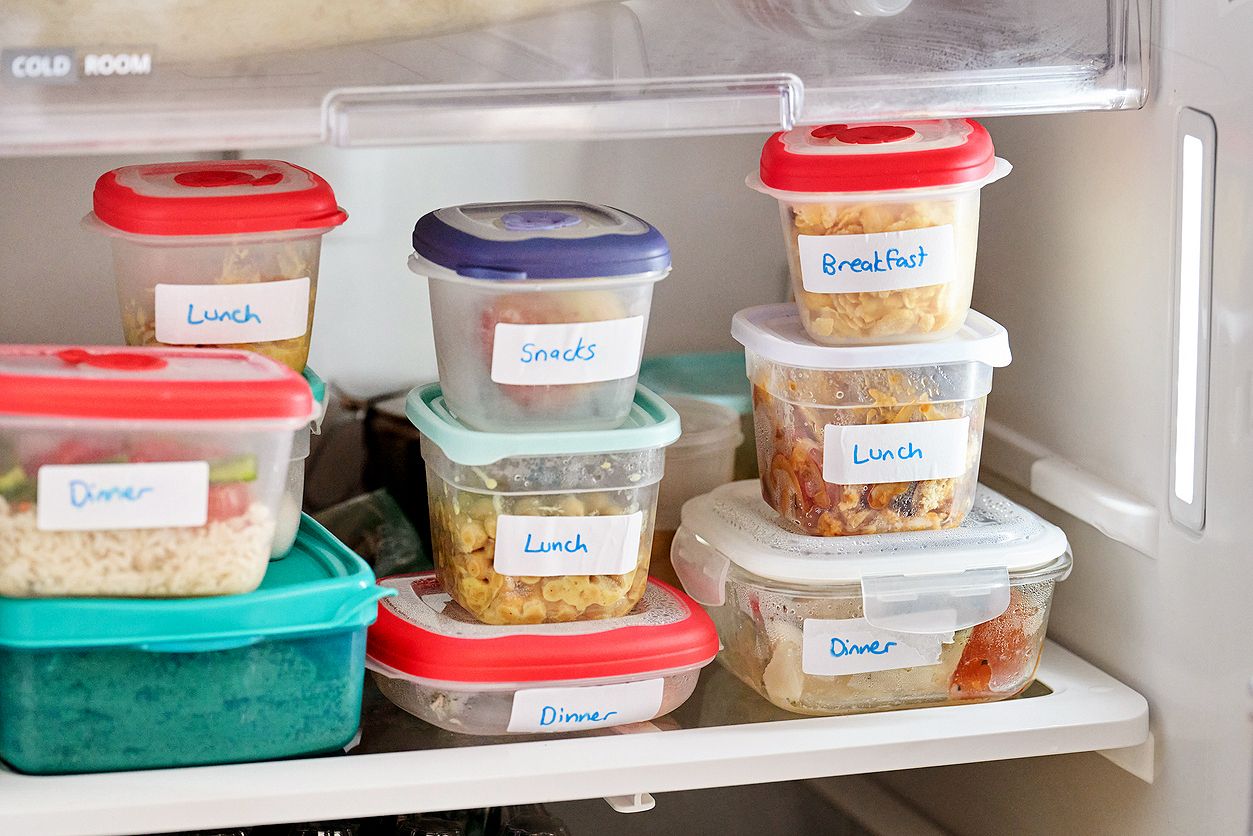
Write the freezing date on the food with a permanent marker or use a label maker. The longer food has been frozen, the more likely it will succumb to freezer burn. The USDA outlines suggested freezer limits for food quality. For example, soups and stews maintain their quality for two to three months, and cooked poultry lasts for around four months. (Note that food is safe to eat beyond this suggested time, but quality decreases, and instances of freezer burn increase.)
Featured Image Credit: turk_stock_photographer/ iStock
More From Our Network
Better Report is part of Inbox Studio, an email-first media company. *Indicates a third-party property.