Skip to content
Better Report
  • Home
  • Health
  • Wealth
8 Low-Maintenance Plants That Thrive on Neglect
  • Search
  • Subscribe
  • Home
  • Health
  • Wealth
  • About
  • Privacy Policy
  • Terms of Use
  • Contact Us
  • SubscribeSubscribe
  • Search
Thank you for confirming your email! Welcome to the community.

Tag: Cars

You’re Ruining Your Car by Not Doing This

Wealth | Updated: May 27, 2026
Bennett Kleinman
Author
Bennett Kleinman is a New York City-based staff writer for Inbox Studio. He is also a freelance comedy writer, devoted New York Yankees and New Jersey Devils fan, and thinks plain seltzer is the best drink ever invented.
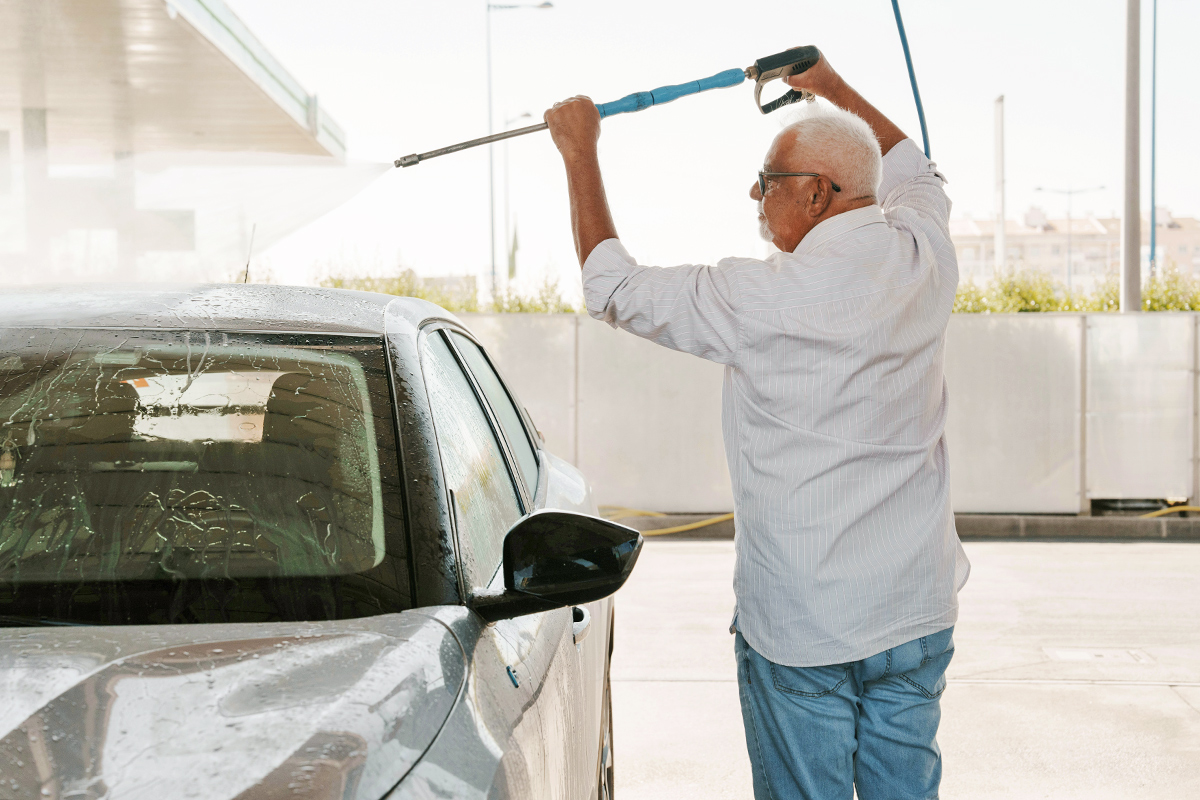
Man washing car
Better Report

All featured products and deals are selected independently and objectively by the author. Better Report may receive a share of sales via affiliate links in content.

Car ownership requires consistent care, but unfortunately, far too many drivers overlook basic maintenance. That’s not to say people are actively neglecting their vehicles — it’s just that some folks are simply unfamiliar with what it takes to keep a car in tip-top shape. 

That brings us to one particular task that many car owners do much less frequently than they should, and that those who already do may be doing wrong. Here’s a look at the task in question, and what you need to know so you don’t inadvertently ruin your car.
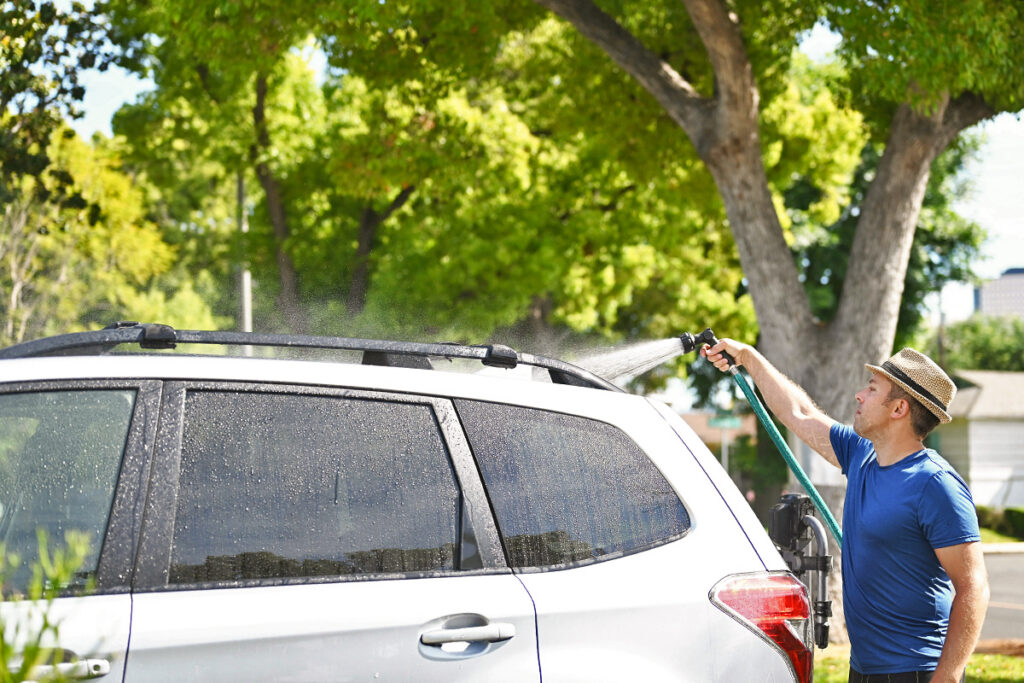
Man washing car
Credit: © Getty Images/Unsplash.com

Time To Clean Up Your Act

Many drivers decide to wash their cars only when the vehicle appears substantially dirty, which may happen every few months. But according to industry experts, you need to wash your car at least every two weeks, even if it looks relatively clean to the naked eye. You could even wash your car daily if you feel so inclined, per the automotive parts company AutoZone. Modern car paint is often durable enough to withstand it, whereas the car paint of yesteryear was more susceptible to erosion from frequent washing. If anything, you’re damaging the car by not washing it enough.

Advertisement
Advertisement

There are many reasons why regular car washes are essential. Frequent cleanings keep rust from forming and prevent corrosive substances such as bird droppings and tree sap from damaging the paint. Letting those substances sit untreated can lead to costly damage and depreciate the resale value of your vehicle. Regular cleanings may also make you more aware of things like scratches, dents, and other damage so you can deal with them before they turn into even bigger issues. As Kelley Blue Book explains, “A cleaned and detailed car is worth more at trade-in than a worn and poorly maintained one.”

An uncleaned car can even be a possible safety issue. The longer you wait to wash it, the more residue will build up on the windows and windshield, obstructing your vision. 

Advertisement

And last but not least, nobody wants to be seen in a dirty vehicle — driving a nice, clean car is a point of pride for many.

While cleaning your car every two weeks is a good average recommendation, the actual frequency could depend on each driver’s individual lifestyle and where they live. For instance, a vehicle that mainly drives on paved city roads will need to be washed less often than cars that travel down dusty dirt paths, while one in an area near the ocean will need to be washed frequently to avoid damage from salt. (This is also why you should wash your car in the winter if you live in an area where the roads are salted before snow.) And those who drive their car only once or twice a week will need to wash it less often than someone who uses it daily.

Recommended Articles

  • 6 Holiday Scams To Watch Out For

  • Why Gift Cards Are Actually Terrible Gifts

  • The Strange Reason Why Time Feels Like It’s Moving Faster

  • How To Spot a Fake Amazon Review

Advertisement
Advertisement

Reader Favorites

  • Person washing part of a coffee machine

    18 Surprising Things You Should Never Put Down Your Drain

  • White car on the road

    The Best Cars for Resale Value, According to Auto Experts

  • Woman brushing hair

    9 Surprising Signs You’re Aging

And no, a rain shower is not a free car wash: Rainwater contains minerals as well as contaminants from the air that can damage your paint, so you’ll need to give your car a rinse even if it has rained recently. 
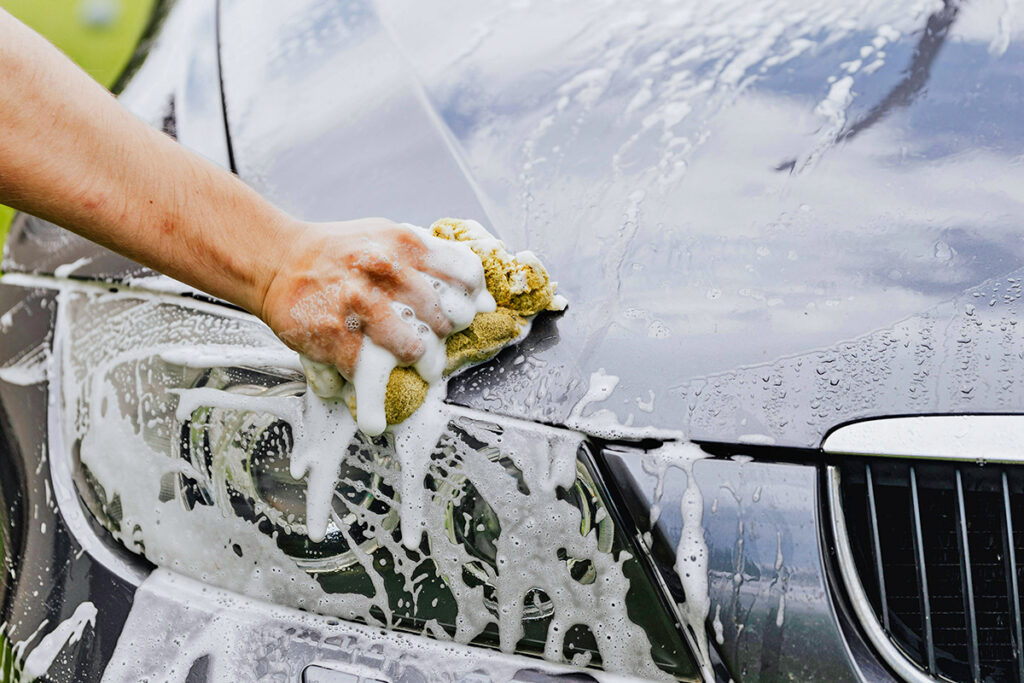
Washing car
Credit: © kaboompics/Pexels.com

How To Clean Your Car

There’s another issue to discuss, and that’s the fact that those who do clean their vehicle regularly may be doing it wrong. This helpful video from the popular YouTube channel Chemical Guys (experts in the field of cleaning cars) shows a few of the more common mistakes people make when washing their cars by hand.

Advertisement
Advertisement

One common problem is using a single bucket when washing your car. You end up just putting your dirty sponge into the water, picking up the dirt you wiped off, and rubbing it right back into the finish. Always use two buckets: one with clean water for washing, and another exclusively for rinsing the sponge or rag.

Also, never use dish soap or any other cleaning product that isn’t explicitly designed for cars. Products such as dish soap are extremely caustic and can dry out a car’s paint and strip away its wax. Always stick to soaps dedicated for washing cars, which have been chemically designed to avoid these issues.

Advertisement
Advertisement

Another piece of advice is to never wash your car using a circular motion. If you do so, you may inadvertently pick up some debris, rub it into the finish, and create unsightly swirl marks. As you wash the vehicle, always move your hand in a straight motion, as it limits the risk of any circular scratch marks. And don’t use just any old rag — you’ll want a soft and absorbent chenille microfiber mitt instead. 

Advertisement

These are just a few of the ways in which washing your car by hand can accidentally do more harm than good. Any of those mistakes can lower the vehicle’s value — just like not washing your car enough. Stick to a regular cleaning schedule, which will help maintain your car’s sleek appearance, keep its resale value high, and ensure that it’s safe to drive.

Feature image credit: © Natalia Blauth/Unsplash.com

More From Our Network

Better Report is part of Inbox Studio, an email-first media company. *Indicates a third-party property.

Go Retro With This 1960s Fashion Quiz

Quiz Daily

Go Retro With This 1960s Fashion Quiz

True or False: Are You a Master of U.S. Geography?

Travel Quiz

True or False: Are You a Master of U.S. Geography?

5 Reasons You Can Be Denied Boarding an Airplane

Daily Passport

5 Reasons You Can Be Denied Boarding an Airplane

What Did People Do Before Eyeglasses?

History Facts

What Did People Do Before Eyeglasses?

How To Use a Balloon To Clean Up Dust

House Outlook

How To Use a Balloon To Clean Up Dust

11 Shopping Hacks Costco Members Should Know

FinanceBuzz*

11 Shopping Hacks Costco Members Should Know

Share this article

  • Share to Facebook
  • Share to Twitter
  • Copy Url
  • Share to Email
Bennett Kleinman
Staff Writer

Bennett Kleinman is a New York City-based staff writer for Inbox Studio. He is also a freelance comedy writer, devoted New York Yankees and New Jersey Devils fan, and thinks plain seltzer is the best drink ever invented.

This article is for general informational purposes only.
Affiliate Disclaimer Medical Disclaimer Financial Disclaimer

Updated: July 20, 2023
Posted In: Wealth
Hero Image Credit: Better Report
Advertisement

Related Articles

6 Holiday Scams To Watch Out For

7 min read

Why Gift Cards Are Actually Terrible Gifts

6 min read

How To Spot a Fake Amazon Review

7 min read

7 Things You Can Stop Buying To Save Money

6 min read

13 Stocking Stuffers That Are Actually Useful

8 min read
Advertisement

5 Signs Your Tires Are a Safety Hazard

Sponsored Content
Home | Updated: April 27, 2026
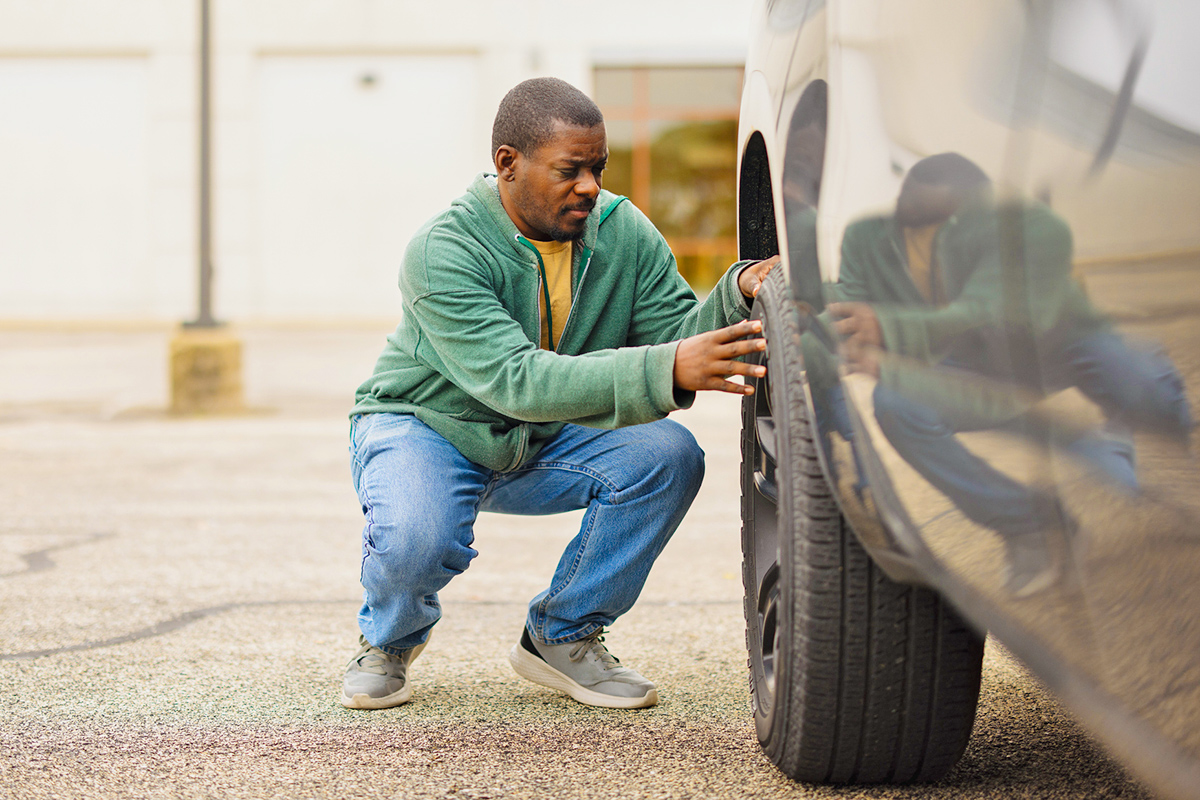
Man checking tire
Better Report

There are countless perils you might encounter on the road — deer leaping out from behind bushes, reckless or distracted drivers, potholes and construction debris, stalled vehicles, and so on. While some of these issues are random and unavoidable, other potential problem areas are well within your control.

One thing you can and should do is properly maintain your tires, which are necessary for providing traction and stability. Over time, tires wear down and become safety hazards, or worse: According to the National Highway Traffic Safety Administration (NHTSA), 646 people died of tire-related crashes in 2023. 

Advertisement
Advertisement

The good news is that tires can be replaced, but the bad news is that a lot of people don’t know when to do so. Here are five signs it’s time to swap out those old tires for a new set.

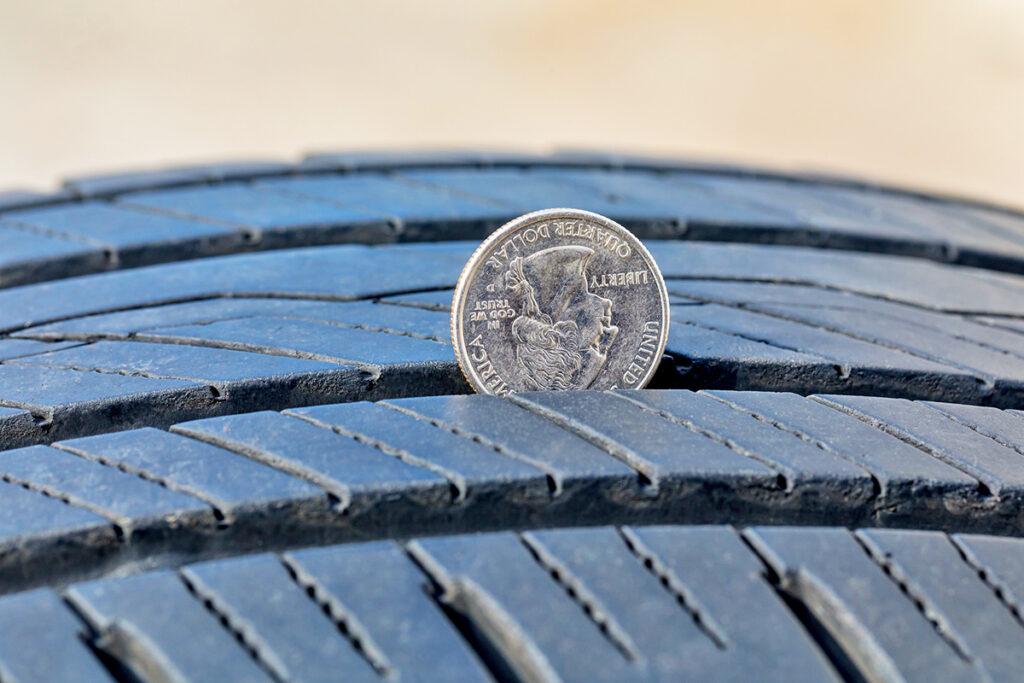
Quarter in a tire tread
Credit: © JJ Gouin/iStock

Poor Tread Depth

The patterns and grooves on a new tire are known as the tire tread, and they  provide traction on the road. But that tread wears down the more you drive, and in some cases it may end up completely smooth. The NHTSA recommends measuring tread depth at least once a month. New tires have a tread depth between 10/32 and 12/32 of an inch. Anything measuring around 4/32 of an inch is risky, and 2/32 of an inch or less is dangerous and below the legal limit.

Thankfully, there’s an easy way to measure tread depth using spare change. First, take a quarter and stick it into the tread with Washington’s scalp facing in toward the tire. The gap between his head and the edge of the quarter measures 4/32 of an inch, so if you see any open space, you know you’re teetering near dangerously low tread depth. Next, repeat the same test using a penny, which has 2/32 of an inch of space between the top of Lincoln’s head and the edge. If you see any space, you need to replace your tires ASAP.

Advertisement
Person in car staring at steering wheel
Credit: © Yuliia Kaveshnikova/iStock

Excess Vibration

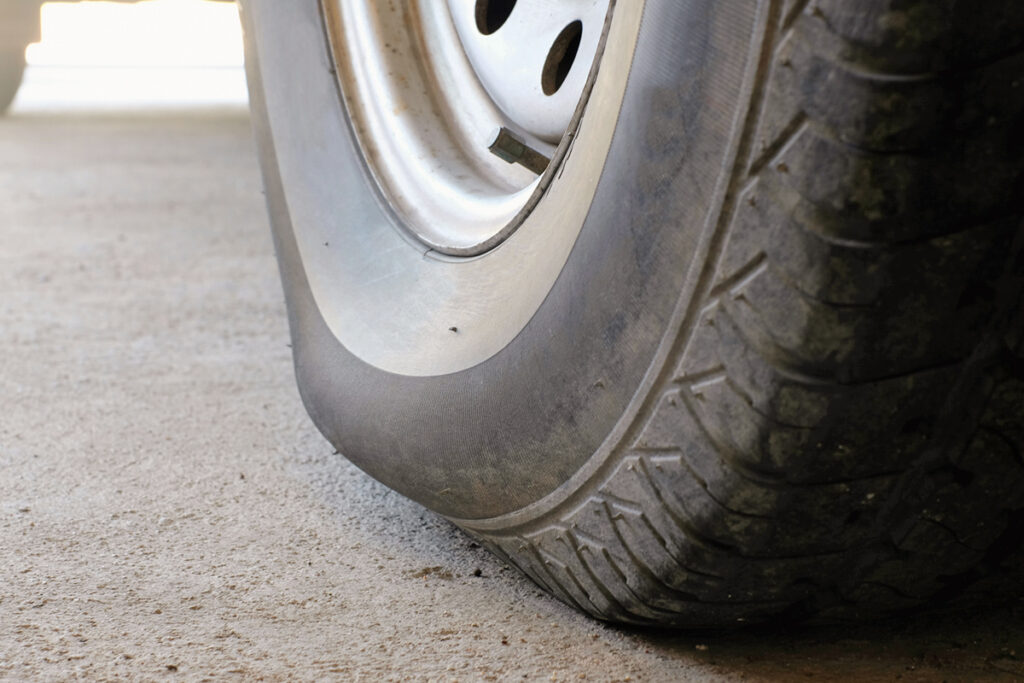
While there may be no damage visible to the naked eye, an excessive amount of vibration while you’re driving can be a sign of internal wear in the tire. It can also indicate a misshapen tire, uneven treads, or a variety of other issues — all of which warrant replacing the tire. Whatever the case may be, you’ll likely notice the vibration at higher speeds, so stay alert on the highway.

Recommended Articles

  • 6 Holiday Scams To Watch Out For

  • Why Gift Cards Are Actually Terrible Gifts

  • The Strange Reason Why Time Feels Like It’s Moving Faster

  • How To Spot a Fake Amazon Review

Advertisement
Advertisement

Reader Favorites

  • Person washing part of a coffee machine

    18 Surprising Things You Should Never Put Down Your Drain

  • White car on the road

    The Best Cars for Resale Value, According to Auto Experts

  • Woman brushing hair

    9 Surprising Signs You’re Aging

It may be difficult to determine which tire is at fault, but there are methods to narrow it down. If you feel more vibration coming from the steering wheel, the problem is likely emanating from one of the front two tires. But if you feel more vibration in the seat, the issue is probably coming from one of the rear tires. 

While it is possible to fix the issue by having a professional rotate and adjust your tires, sometimes the wear is too substantial to remedy. Also, even if it’s only one tire creating the issue, it’s recommended to replace the entire set. This ensures that all tires have the same amount of tread, which can prevent future issues from popping up.

Advertisement
Advertisement
Closeup of a tire with worn treads
Credit: © Abu Hanifah/iStock

Uneven Wear

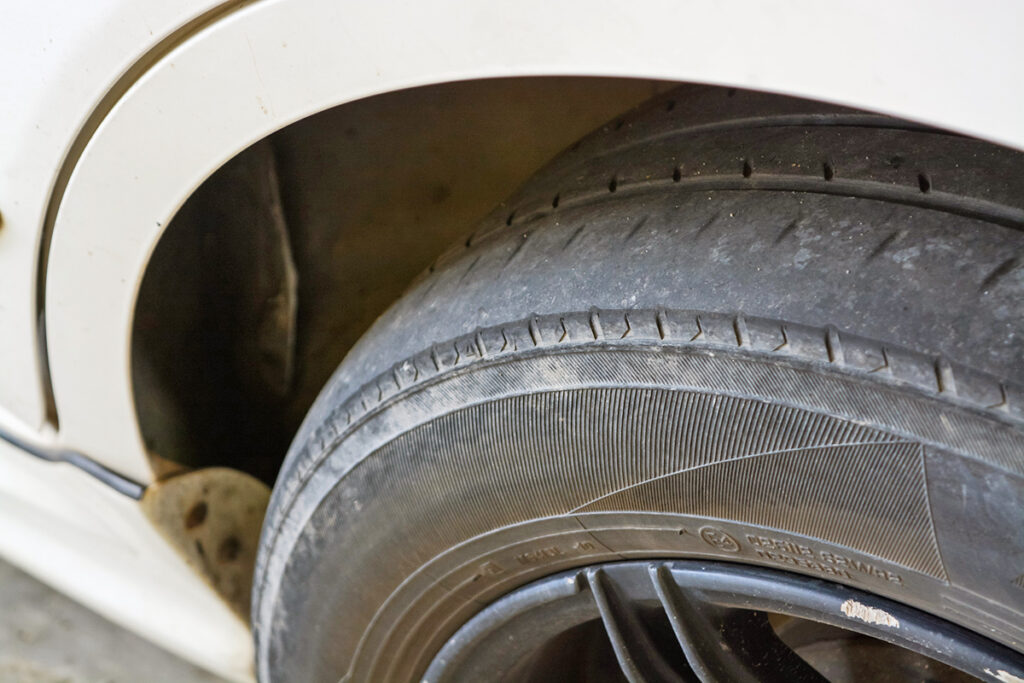
If you notice uneven tread wear on your tires, it may be due to improper installation. For instance, if the exterior half of the tire looks far more worn than the interior half (or vice versa), that’s one potential sign of poor alignment. Or if you notice that the middle part of the tire looks more worn down than the outer edges, that’s a sign of overinflation. These are just two examples, but whatever caused the issue, you should never drive on a tire with unevenly worn-down treads, as it could cause you to lose control on the road.

Advertisement
Advertisement
Bulge in a tire
Credit: © wachira aekwiraphong/iStock

Bubbles or Bulging

Visible bubbles or bulging are a surefire sign that the structural integrity of the tire has been compromised. These bulges usually form in the wake of a high-impact event — for example, hitting a large pothole, colliding with the curb, or driving too fast over a speed bump. Such events can damage the inner lining and cause leakage, which in turn leads to big bulges and the potential for the tire to pop. If you notice any of these bubbles beginning to form, swap out the tire for a new one ASAP.

Advertisement
Advertisement
Cracks in a tire
Credit: © ใหม่ ยิ้มเหงา/iStock

Sidewall Cracks

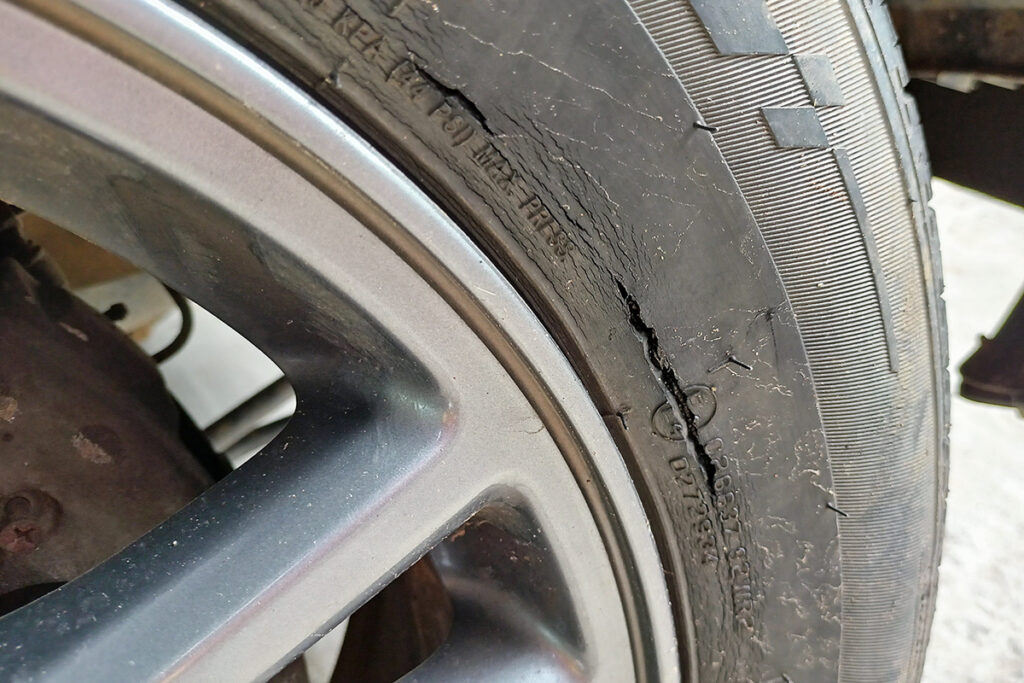
Take a look at the side of your tires — do you notice any cracking, akin to an old leather chair that’s started to show its age? If so, the tires are likely quite old themselves, and it may be time to replace them. Cracking is an issue that arises from general wear and tear as opposed to a single traumatic event. It’s a sign that your tires have served you well for years, but also that it’s time to install a new set. Leaving the cracks as-is can lead to a blowout in the blink of an eye.

Advertisement
Advertisement

Featured Image Credit: © Ivan Pantic/iStock

More From Our Network

Better Report is part of Inbox Studio, an email-first media company. *Indicates a third-party property.

Go Retro With This 1960s Fashion Quiz

Quiz Daily

Go Retro With This 1960s Fashion Quiz

True or False: Are You a Master of U.S. Geography?

Travel Quiz

True or False: Are You a Master of U.S. Geography?

5 Reasons You Can Be Denied Boarding an Airplane

Daily Passport

5 Reasons You Can Be Denied Boarding an Airplane

What Did People Do Before Eyeglasses?

History Facts

What Did People Do Before Eyeglasses?

How To Use a Balloon To Clean Up Dust

House Outlook

How To Use a Balloon To Clean Up Dust

11 Shopping Hacks Costco Members Should Know

FinanceBuzz*

11 Shopping Hacks Costco Members Should Know

Share this article

  • Share to Facebook
  • Share to Twitter
  • Copy Url
  • Share to Email
Sponsored Content

This article is for general informational purposes only.
Affiliate Disclaimer Medical Disclaimer Financial Disclaimer

Updated:
Posted In: Home
Hero Image Credit: Better Report
Advertisement

Related Articles

The Most Dangerous Things You Do With Your Christmas Tree

4 min read

12 Foods You Shouldn’t Store Together

6 min read

17 Home Safety Gifts Your Family Actually Needs

10 min read

Should You Refrigerate Peanut Butter?

6 min read

The Most Popular Car Colors in the U.S.

4 min read
Advertisement

7 Smart Ways To Save at the Pump

Wealth | Updated: June 29, 2026
Erin McCarthy
Author
Erin is a writer, editor, and content strategist living in the New York City area. Previously, she was the VP/Editor-in-Chief of MentalFloss.com and an editor at Popular Mechanics magazine. When she’s not working, Erin is hanging out with her cats, reading books from her never-ending TBR, traveling, karaoking, and making sourdough with her starter Stephen Sondheim.
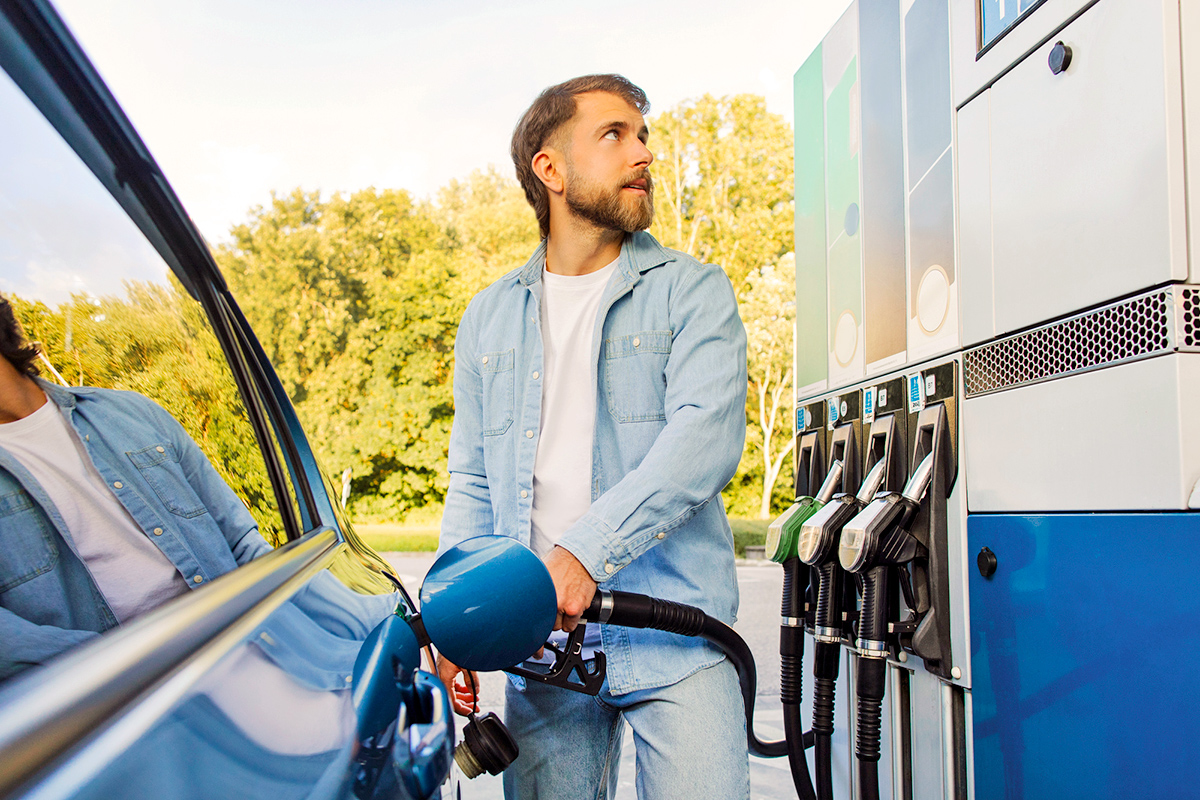
Man pumping gas
Better Report

Summer travel season is upon us, and the 72% of Americans who are planning to take a road trip are likely to experience pain at the pump. Global shortages caused by the closure of the Strait of Hormuz led U.S. refineries to prioritize the production of jet fuel over gasoline and diesel. As a result, even though the price of gas fell in recent weeks, some experts predict it will head back up toward $5 a gallon once again this summer. 

That’s likely to make any road trip an expensive endeavor. Fortunately, there are some smart and simple ways you can conserve fuel and save at the pump if you’re planning to hit the road.

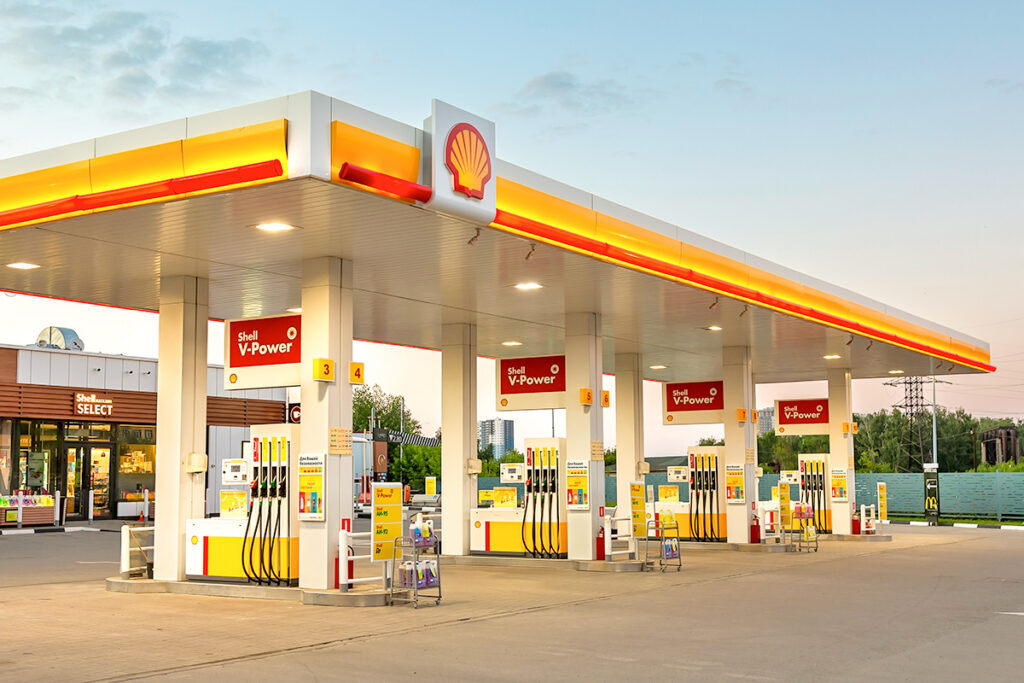
A Shell gas station
Credit: © Alexandr Blinov/stock.adobe.com

Buy gas on certain days of the week.

A recent analysis by GasBuddy, an app that helps drivers find cheap gas stations, showed that across most of the U.S., Sundays are the best day to hit the pump for maximum savings. Drivers can expect to pay more from Wednesday through Friday. GasBuddy also broke down the data state-by-state; you can find out the best and worst days to buy gas where you live here.

Advertisement
Advertisement
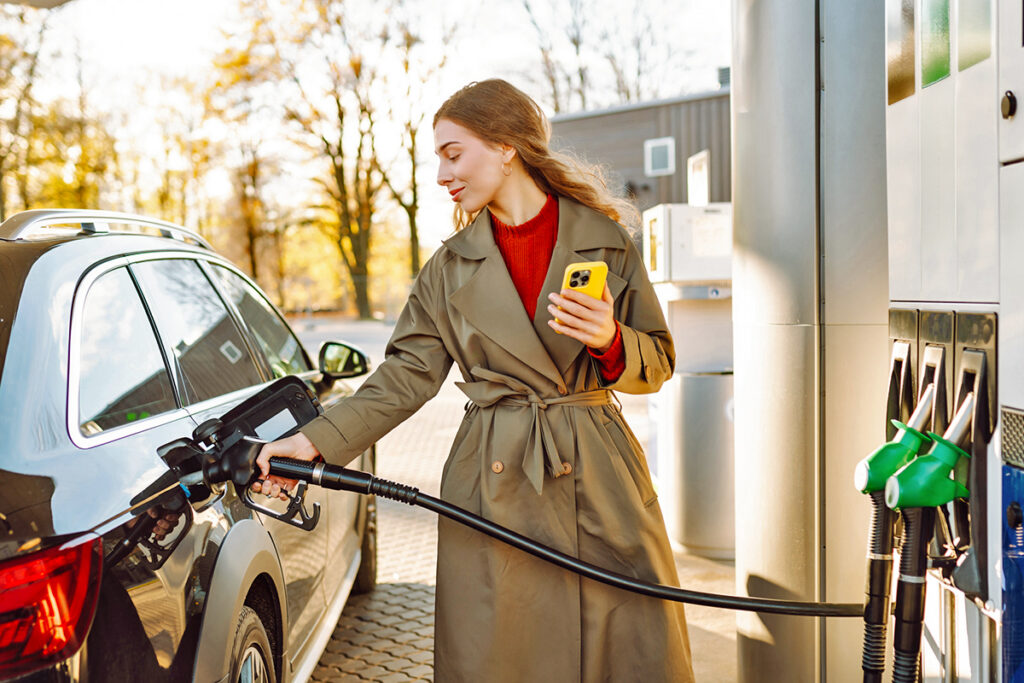
Woman filling up her gas tank
Credit: © Maksym Belchenko/iStock

Sign up for loyalty and rewards programs, and put your credit card rewards to good use.

A number of gas stations — including BP, Shell, and Exxon Mobil — offer loyalty programs that cut the price of a gallon of gas. Some grocery stores also offer fuel reward programs: Earning 100 points in Stop & Shop’s GO Rewards, for example, will knock 10 cents off a gallon of gas at participating stations, and you can stack those deals for up to $1.50 off per gallon (capped at 20 gallons). Being a member of a big-box store can help you save, too; Costco members can take advantage of cheaper prices at their gas stations. Walmart+ members can get 10 cents off per gallon not just at their stations but at Exxon Mobil and Murphy USA stations as well. Walmart+ members can also take advantage of the member prices at Sam’s Club. 

Recommended Articles

  • 6 Holiday Scams To Watch Out For

  • Why Gift Cards Are Actually Terrible Gifts

  • The Strange Reason Why Time Feels Like It’s Moving Faster

  • How To Spot a Fake Amazon Review

Advertisement
Advertisement

Reader Favorites

  • Person washing part of a coffee machine

    18 Surprising Things You Should Never Put Down Your Drain

  • White car on the road

    The Best Cars for Resale Value, According to Auto Experts

  • Woman brushing hair

    9 Surprising Signs You’re Aging

Additionally, if you have a credit card that earns points or cash back for purchases, you may want to use that at the pump; in some cases, you can even use your credit card rewards to buy gas station gift cards. That said, a card might not always be the best way to pay, particularly if a gas station offers a lower price for using cash over credit.  

A gas pump with three types of gas: regular, plus, and premium
Credit: © CHUYN/iStock

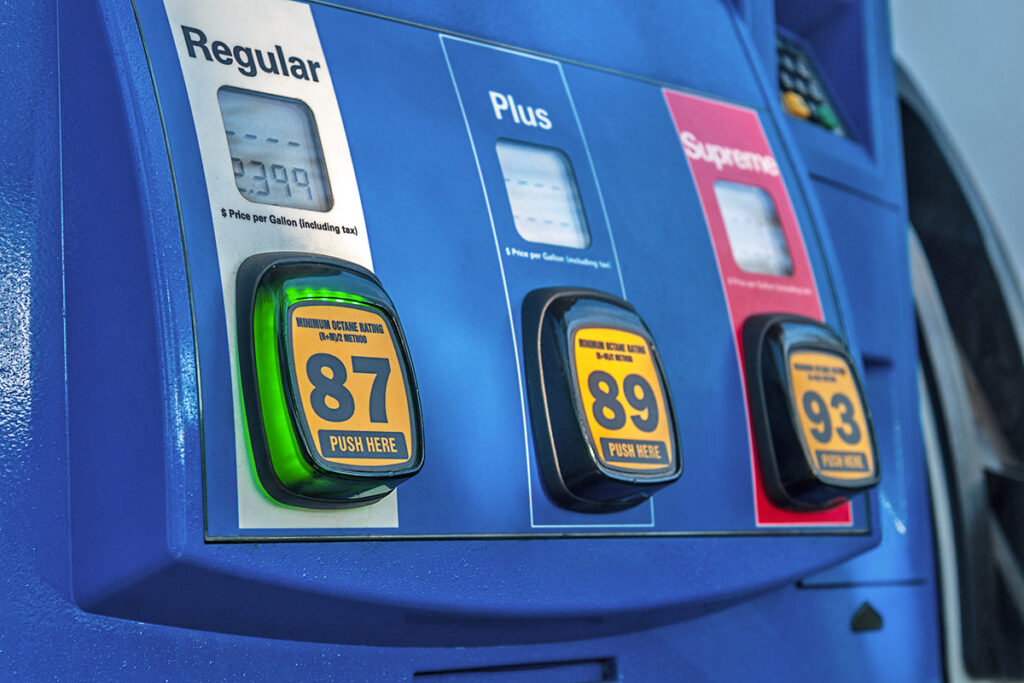
Switch the type of gas you’re buying (if you can).

Unless premium fuel is specifically recommended or required by your vehicle’s manufacturer, you can probably opt for less-expensive regular gas at the pump. According to Kelley Blue Book, “Most cars, trucks, and SUVs are fine running on a diet of regular gasoline.” If premium is recommended, though, stick with it: You’ll not only have better vehicle performance and fuel economy, but you’ll save yourself the headache of issues like engine knocking, which could necessitate expensive repairs. 

Advertisement
Advertisement
Pouring oil into an engine
Credit: © AlexGo/stock.adobe.com

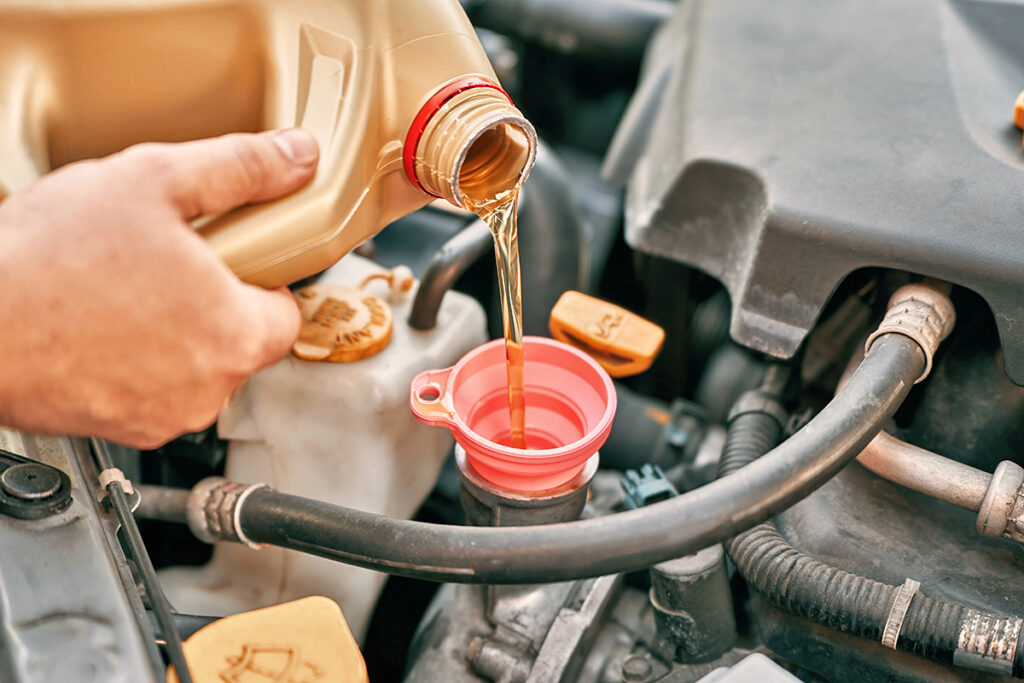
Stay on top of vehicle maintenance.

Routine maintenance on your vehicle will ensure it’s in the best possible shape, which in turn will help improve its fuel economy. Regular oil changes are a must, as is tire rotation. Making sure your tires are properly inflated is important, too — it could save you 11 cents a gallon and make your tires last longer as well. 

Advertisement
Credit: © georgeclerk/iStock

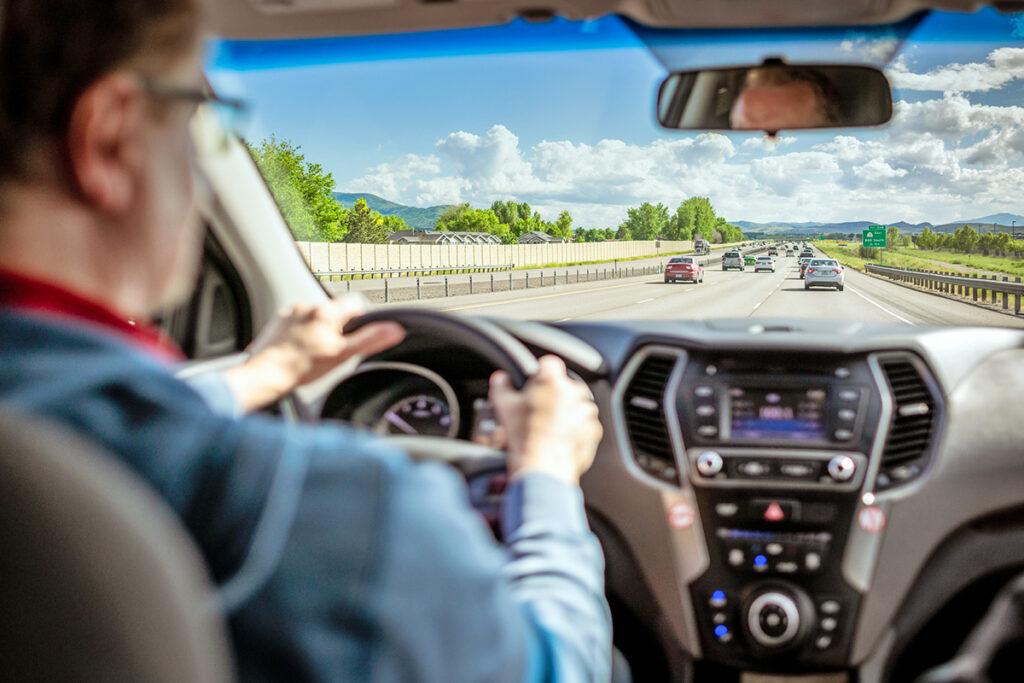
Change how and when you drive.

Before you get in your car, plan ahead — try to travel outside of high-traffic periods and aim to tackle multiple errands in one trip using the most efficient route possible. 

Advertisement
Advertisement

And if you have a lead foot, now’s the time to ease up: You can conserve gas by going the speed limit, particularly on the highway, where, as AAA notes, “aerodynamic drag causes fuel economy to drop off significantly as speeds increase above 50 mph.” (Cruise control can help; just make sure not to use it when roads are slippery.) 

Stomping on the gas and slamming on the brakes waste fuel, too. According to the Department of Energy (DOE), driving aggressively can lower your gas mileage up to 30% on the highway and as much as 40% in traffic. Instead, aim to accelerate smoothly, and take your foot off the gas to allow your car to slow down on its own before you hit the brakes. 

Advertisement
Advertisement

You should also avoid idling whenever possible. In the winter months, don’t let your car warm up for too long, and if your car is parked and you’re going to be there for more than a minute, turn it off. In the summer, avoid using the air conditioning when you can. According to AAA, “Even at highway speeds, open windows have less effect on fuel economy than the engine power required to operate the air conditioning compressor.” 

Credit: © Kyryl Gorlov/stock.adobe.com

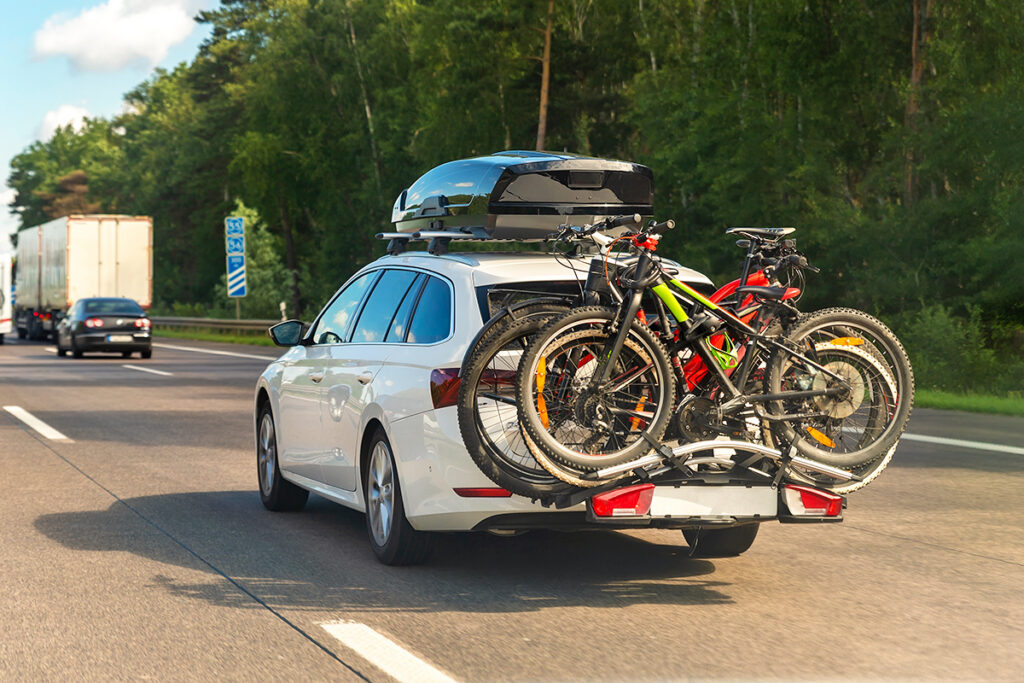
Remove items that add weight and create drag.

A heavy car is a car that wastes gas, so take stock of your trunk and backseat and remove anything unnecessary. The same goes for roof racks and boxes, which can increase drag and decrease fuel economy even when they’re empty. In the latter case, you might see fuel economy reduced by around 2% to 8% when driving in the city and between 10% to 25% when going 65 mph to 75 mph on the highway, according to the DOE.

Advertisement
Advertisement
Gas gauge with the indicator on empty
Credit: © kckate16/iStock

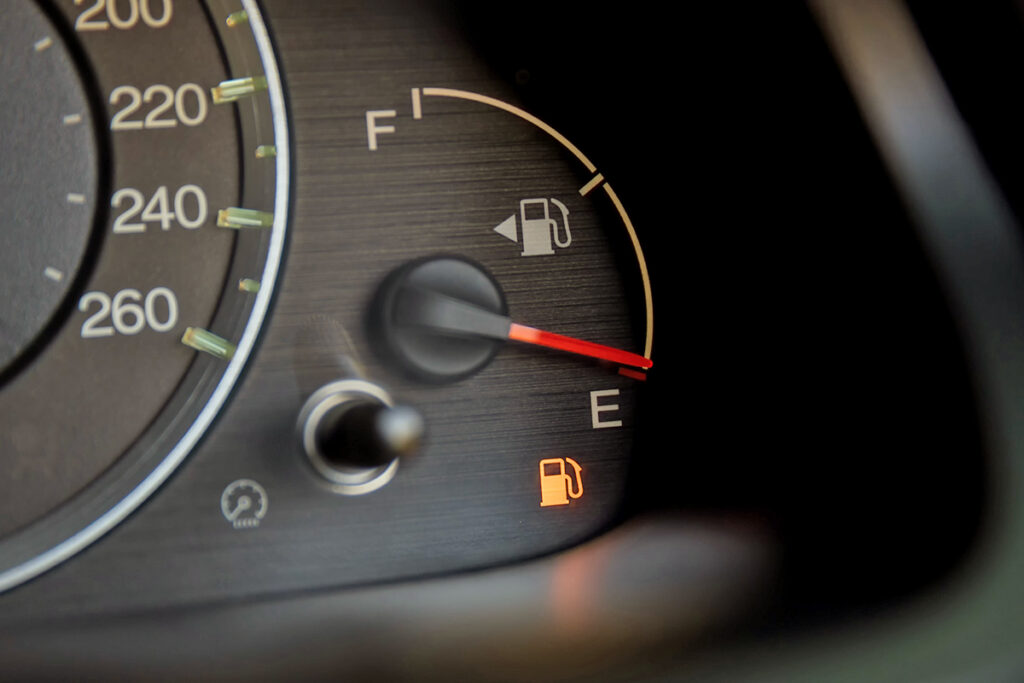
Don’t let your gas tank hit “E.”

It might be tempting to put off filling up for as long as possible, but according to experts, your tank should be at least a quarter full at all times, for a number of reasons. One, when the tank is nearly empty, the gas pump could overheat. Not only that, but sediment that has accumulated at the bottom of the tank could end up clogging your fuel line. An empty tank also leaves room for humidity that could condense into water, which can rust your tank and cause issues in your fuel system. 

Advertisement
Advertisement

Having some gas in the tank is helpful in cold-weather emergencies, too, and making sure you’re nowhere near empty will help you avoid having to buy in high-price locations, such as near a highway or in a wealthy neighborhood. So if you’re approaching that quarter-tank mark, get thee to a gas station — apps like GasBuddy and GasGuru can help you find the best prices near you.

Featured Image Credit: © Olena Miroshnichenko/iStock

More From Our Network

Better Report is part of Inbox Studio, an email-first media company. *Indicates a third-party property.

Go Retro With This 1960s Fashion Quiz

Quiz Daily

Go Retro With This 1960s Fashion Quiz

True or False: Are You a Master of U.S. Geography?

Travel Quiz

True or False: Are You a Master of U.S. Geography?

5 Reasons You Can Be Denied Boarding an Airplane

Daily Passport

5 Reasons You Can Be Denied Boarding an Airplane

What Did People Do Before Eyeglasses?

History Facts

What Did People Do Before Eyeglasses?

How To Use a Balloon To Clean Up Dust

House Outlook

How To Use a Balloon To Clean Up Dust

11 Shopping Hacks Costco Members Should Know

FinanceBuzz*

11 Shopping Hacks Costco Members Should Know

Share this article

  • Share to Facebook
  • Share to Twitter
  • Copy Url
  • Share to Email
Erin McCarthy
Editor, Better Report

Erin is a writer, editor, and content strategist living in the New York City area. Previously, she was the VP/Editor-in-Chief of MentalFloss.com and an editor at Popular Mechanics magazine. When she’s not working, Erin is hanging out with her cats, reading books from her never-ending TBR, traveling, karaoking, and making sourdough with her starter Stephen Sondheim.

This article is for general informational purposes only.
Affiliate Disclaimer Medical Disclaimer Financial Disclaimer

Updated: March 23, 2026
Posted In: Wealth
Hero Image Credit: Better Report
Advertisement

Related Articles

6 Holiday Scams To Watch Out For

7 min read

Why Gift Cards Are Actually Terrible Gifts

6 min read

How To Spot a Fake Amazon Review

7 min read

7 Things You Can Stop Buying To Save Money

6 min read

13 Stocking Stuffers That Are Actually Useful

8 min read
Advertisement

What Is the Kelley Blue Book? 

Sponsored Content
Wealth | Updated: April 21, 2026
Man sitting in car with driver door open while on phone
Better Report

Buying or selling a car can be complicated, confusing, and time-consuming. Fortunately, there are a few ways to make the process easier. One vital piece of information is the “Blue Book value” of your car. This value, derived from the Kelley Blue Book, a leading automotive guide, is a trusted benchmark that can help you negotiate a fair price and even score a deal. But what exactly is the Blue Book, and why do car dealers, buyers, and even insurance companies consider it the holy grail of car pricing? Let’s unveil the history and uses of this popular guide.

Credit: Philip Schroeder/ Unsplash+

Who Is ‘Kelley’?

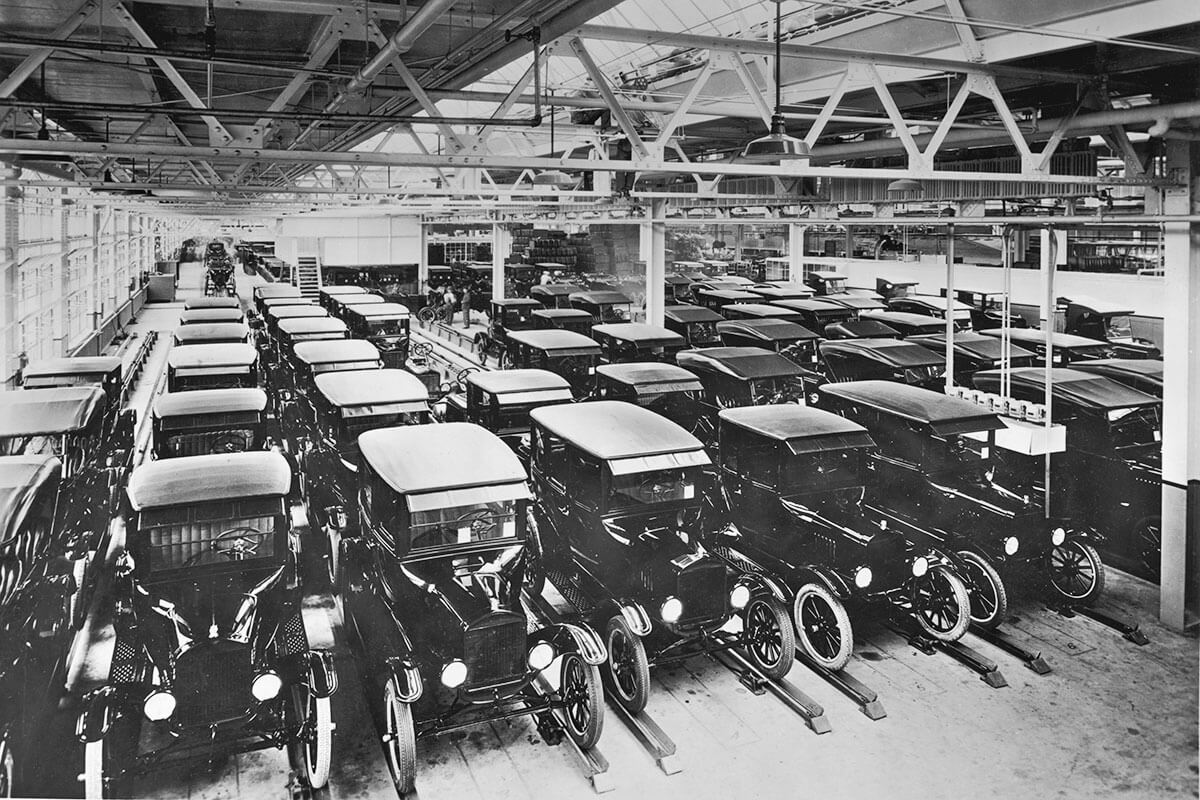
This historic automobile guide was named after Los Angeles car dealer Les Kelley. Cars weren’t just a career for Kelley but a way of life. He opened his first used car business, Kelley Kar Company, in 1918 with just three Model Ts for sale. Around the same time, he debuted his marketing campaign “Selected Blue Seal Automobiles,” which became the earliest version of the Kelley Blue Book seal. His sales soared during the early 1920s, and in 1926, Kelley published his first Blue Book, which included a list of cars he wanted to buy and what he was willing to pay for them.

Advertisement
Advertisement
Credit: Courtesy of Amazon

The Rise of the Blue Book

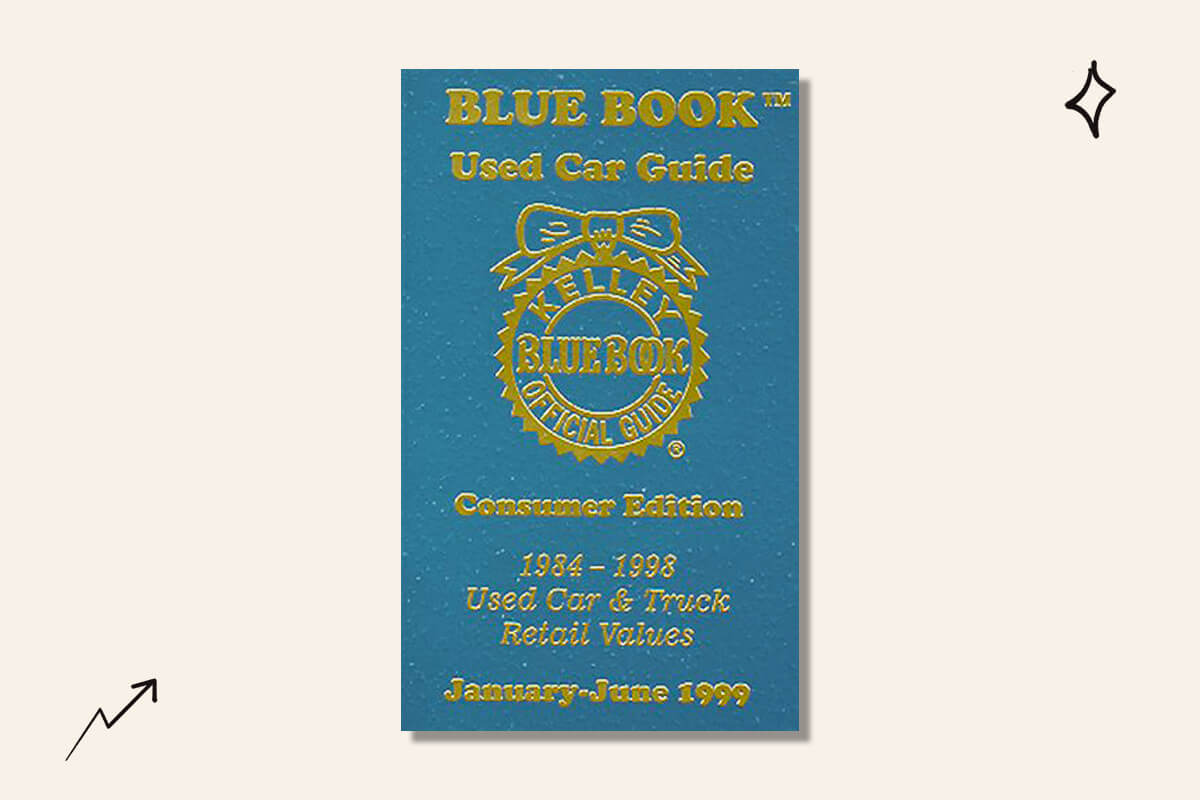
Now North America’s most trusted vehicle price guide, Kelley Blue Book’s popularity took off during the 1930s, becoming the bestselling automotive book. By World War II, the U.S. government was using the Blue Book to set price ceilings for used cars. The 1960s and ‘70s brought big changes to the guide. It became the first guide to use mileage to determine a car’s value, and the company added a “New Car Price” list to its repertoire. This is also when the company’s first guides for other types of vehicles — motorcycles, travel trailers and campers, ATVs, snowmobiles, and manufactured housing — debuted.

Recommended Articles

  • 6 Holiday Scams To Watch Out For

  • Why Gift Cards Are Actually Terrible Gifts

  • The Strange Reason Why Time Feels Like It’s Moving Faster

  • How To Spot a Fake Amazon Review

Advertisement
Advertisement

Reader Favorites

  • Person washing part of a coffee machine

    18 Surprising Things You Should Never Put Down Your Drain

  • White car on the road

    The Best Cars for Resale Value, According to Auto Experts

  • Woman brushing hair

    9 Surprising Signs You’re Aging

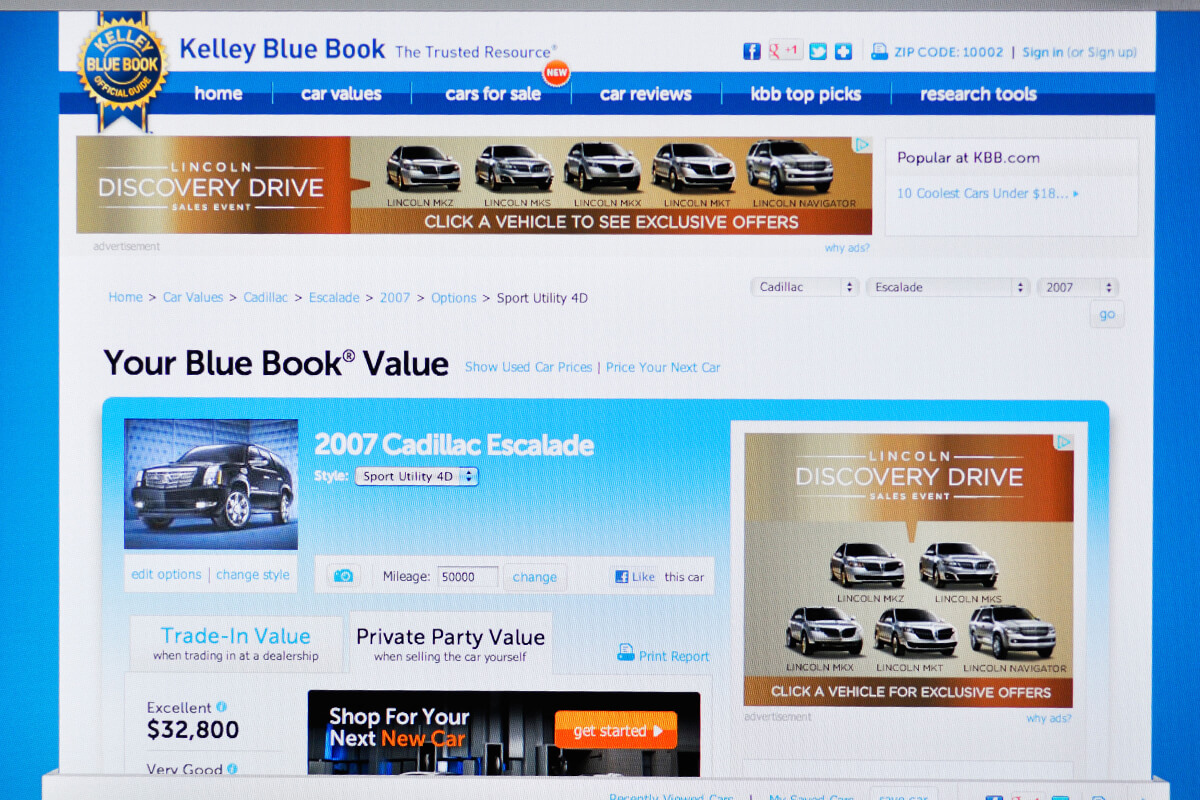
The Blue Book’s website launched in 1995, and within two years, it became the most visited automotive site on the internet. Today, it is an undisputed powerhouse among new and used vehicle pricing guides, providing thorough and up-to-date data to millions of consumers in the United States. The company also has automobile guides in Canada, Brazil, Australia, and China.

Credit: NetPhotos/ Alamy Stock Photo

How to Use the Blue Book

The Blue Book is free to use. Simply enter the details of your vehicle or the vehicle you’d like to purchase on Kelley Blue Book’s website, and you’ll get instant feedback. The suggested prices are based on your entries, including the car’s make, model, style, year, mileage, and condition (fair, good, very good, or excellent). The Blue Book gives consumers a thorough snapshot of what a car is worth, but the information can be a little overwhelming for some. 

Advertisement
Advertisement

When assessing a car on Kelley Blue Book, you’ll notice two different values: Fair Purchase Price and Fair Market Range. The Fair Purchase Price reflects the price most consumers pay for this vehicle. It is a regional price average adjusted weekly for current market conditions. This valuation is different from most other pricing guides, which often give the lowest price a car is selling for. 

The guide also provides a Fair Market Range (with two numbers, one low and one high), which provides a broader perspective, estimating what consumers will pay this week in their area for the given vehicle based on year, make, model, and style. The range has nothing to do with the equipment or extras on the car (you already selected those during your input for the search). The range is solely based on recent transactions, supply, demand, and market changes.

Advertisement
Advertisement
Credit: Unsplash+ via Getty Images

More Blue Book Benefits

Not only does Blue Book give the Fair Market Range and the Fair Purchase Price, but consumers can also search for trade-in value, certified pre-owned value, and actual cash value. The latter comes in handy when filing a claim with your insurance company because you can check the Blue Book’s actual cash value against your insurance’s car valuation, leaving a possibility for negotiating if your valuation seems too low.

Advertisement
Advertisement

Users can also find helpful consumer ratings, video reviews, and 360-degree tours of vehicles for sale near you, making virtual car shopping more accessible than ever before. Once you’ve decided on a car, the online guide can also help you evaluate future costs, such as everyday maintenance, insurance, repairs, fuel, and anticipated depreciation.

More From Our Network

Better Report is part of Inbox Studio, an email-first media company. *Indicates a third-party property.

Go Retro With This 1960s Fashion Quiz

Quiz Daily

Go Retro With This 1960s Fashion Quiz

True or False: Are You a Master of U.S. Geography?

Travel Quiz

True or False: Are You a Master of U.S. Geography?

5 Reasons You Can Be Denied Boarding an Airplane

Daily Passport

5 Reasons You Can Be Denied Boarding an Airplane

What Did People Do Before Eyeglasses?

History Facts

What Did People Do Before Eyeglasses?

How To Use a Balloon To Clean Up Dust

House Outlook

How To Use a Balloon To Clean Up Dust

11 Shopping Hacks Costco Members Should Know

FinanceBuzz*

11 Shopping Hacks Costco Members Should Know

Share this article

  • Share to Facebook
  • Share to Twitter
  • Copy Url
  • Share to Email
Sponsored Content

This article is for general informational purposes only.
Affiliate Disclaimer Medical Disclaimer Financial Disclaimer

Updated:
Posted In: Wealth
Hero Image Credit: Better Report
Advertisement

Related Articles

6 Holiday Scams To Watch Out For

7 min read

Why Gift Cards Are Actually Terrible Gifts

6 min read

How To Spot a Fake Amazon Review

7 min read

7 Things You Can Stop Buying To Save Money

6 min read

13 Stocking Stuffers That Are Actually Useful

8 min read
Advertisement

8 Maintenance Tips to Make Your Car Last Longer

Wealth | Updated: June 18, 2024
Nicole Garner Meeker
Author
Nicole Garner Meeker is a freelance writer, research editor, and Inbox Studio contributor. Based in St. Louis, she’s an enthusiastic gardener, fiber artist, and connoisseur of fine snacks.
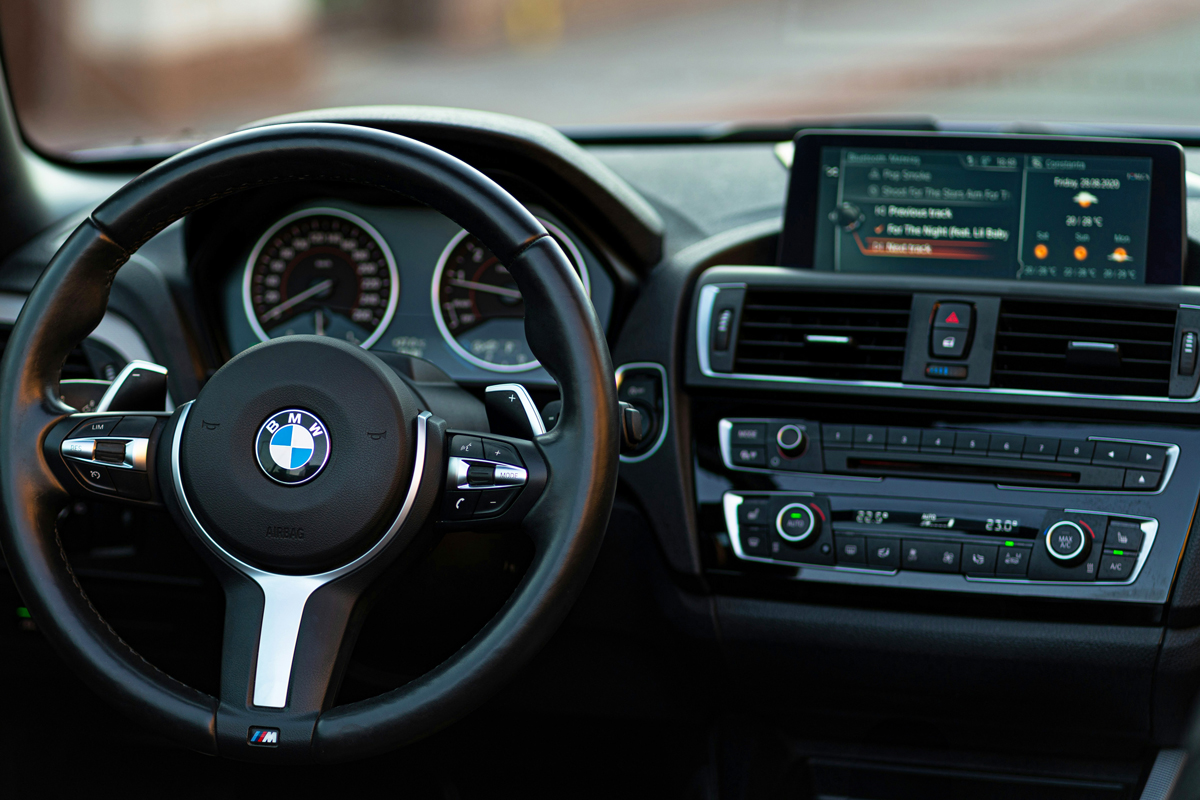
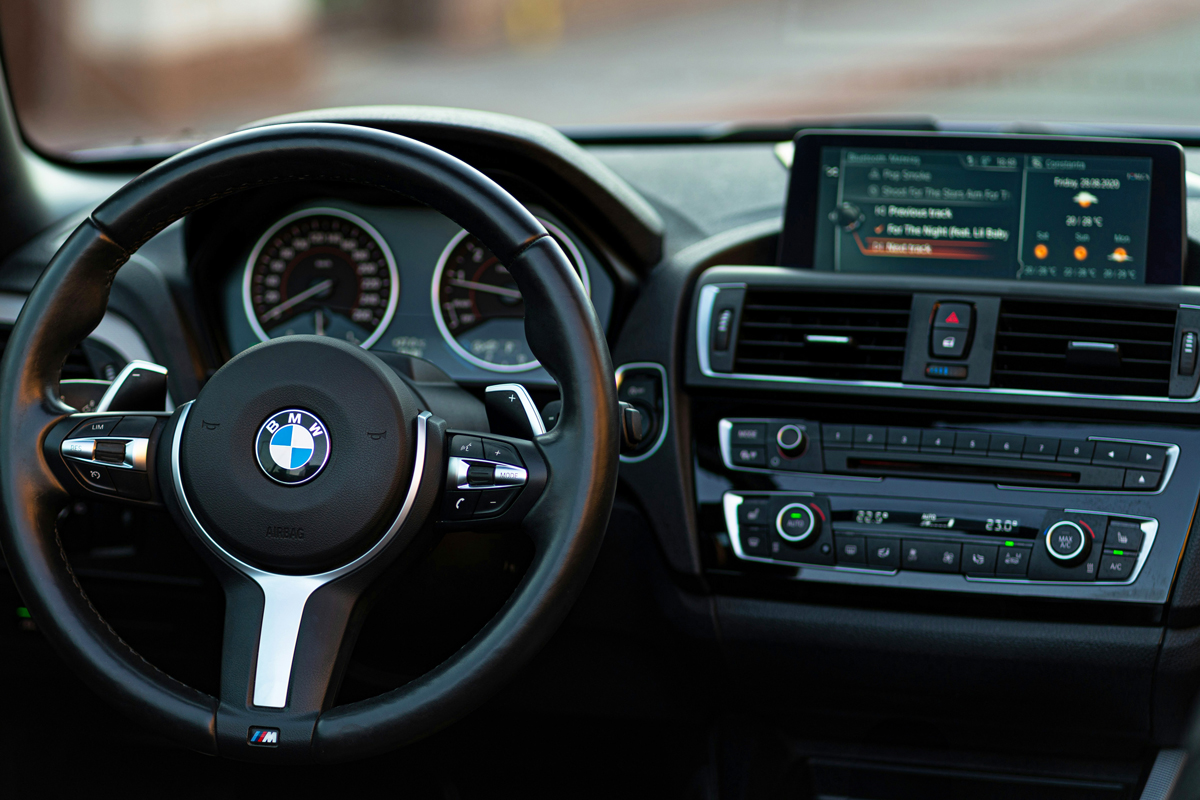
Dashboard of a BMW
Better Report

Owning a car gives you the freedom to hit the open road any time you please — windows down, music up, and good times ahead. It also means you’ve made a sizable financial investment, considering a new car in 2024 comes with an average price tag of $47,338. Whether you’re driving a gas-powered car or have transitioned to an electric vehicle, keeping up with maintenance is necessary to extend its lifespan and protect its resale or trade-in value.

Credit: Ave Calvar/ Unsplash+

Drive Regularly

On average, Americans drive nearly 13,500 miles per year — that’s a lot of commuting. Not every car racks up that kind of mileage (nor does it need to), and some even sit in garages for weeks to months on end. In those cases, car maintenance experts recommend driving your car across town at least once per week. Tires, batteries, fluids, seals, and gaskets can all break down without regular use, but rolling 10 miles onto the odometer once a week can help keep them in shape.

Advertisement
Advertisement
Credit: Getty Images/ Unsplash+

Roll Through the Car Wash Frequently

Rust is one of your car’s biggest enemies, one that comes for all cars eventually. Rust spots are the visual sign of a chemical reaction between iron, oxygen, and water, but they’re more than an eyesore — rust breaks down your vehicle’s metal surfaces and makes them structurally unsound. Sleet, snow, road salt, and general grime can help feed corrosion, but knocking them off with regular washing and waxing every few weeks can extend the life of your car’s paint and frame.

Credit: Getty Images/ Unsplash+

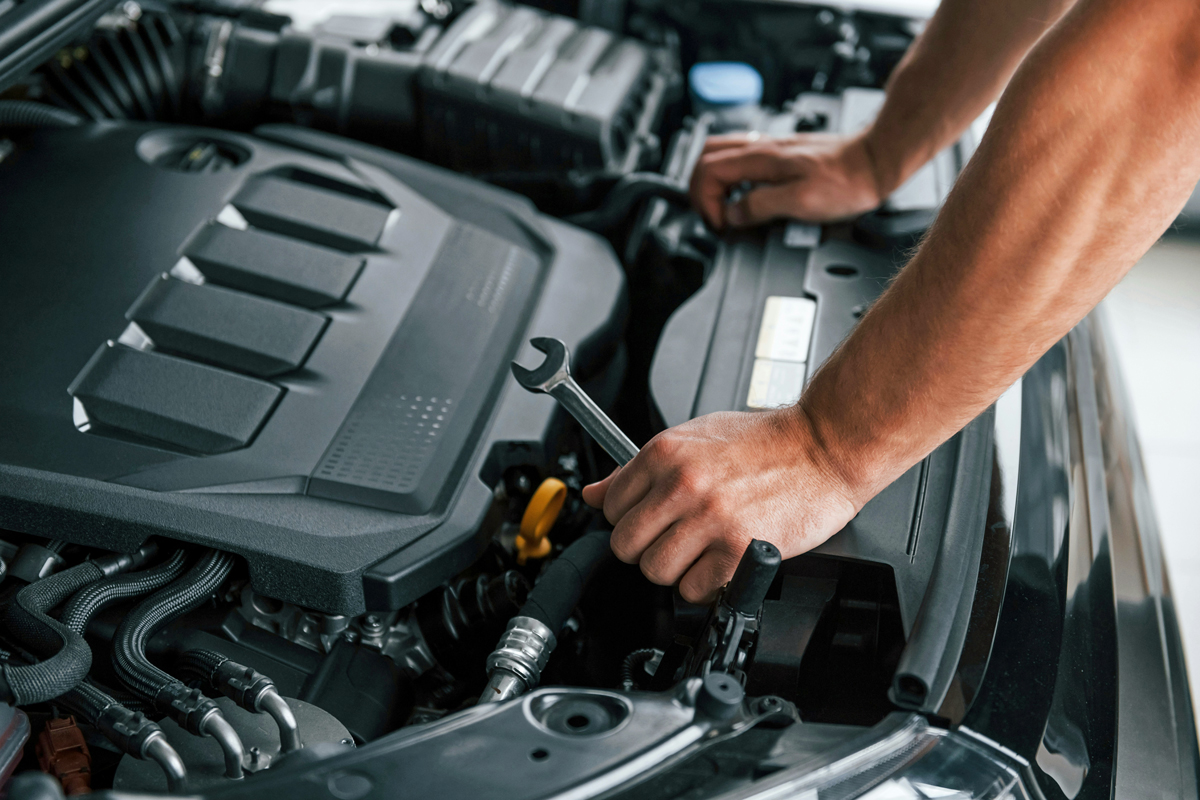
Change Fluids On Schedule

Most drivers know to get their oil changed regularly; how often depends on your model, how frequently you drive, and the kind of oil used. But the other fluids that keep your car running need regular changes, too. Transmission, brake, power steering, and differential fluids all require attention at different mileage points or lengths of time shown in your vehicle manual. And don’t forget about ones you can easily top off at home, like windshield wiper fluid and engine coolant.

Credit: Andrei Poenalte/ Unsplash

Monitor Your Battery’s Health

Batteries are important components for both gas and electric vehicles. After all, no car will start without one. Occasionally cleaning the battery terminals for gas-powered cars with a post cleaner brush can keep the connection strong, and you can use this time to check the battery indicator window, which will show a green dot for a healthy battery or a yellow (or missing color) dot for a battery that’s past its prime and in need of replacement. Regarding electric vehicles, car experts recommend charging them slowly, since fast chargers can degrade your car’s battery over time and shorten its lifespan.

Advertisement
Credit: Franck-Boston/ iStock

Park Inside Your Garage

Parking indoors doesn’t only make getting in and out of your car more comfortable — it also reduces your vehicle’s exposure to the environment and preserves its paint finish and plastic components. Sunlight and temperature fluctuations can break down windshield wiper blades, fade headlights and plastic covers, and even wear down your battery faster. Parking in a garage can reduce UV and heat exposure.

Recommended Articles

  • 6 Holiday Scams To Watch Out For

  • Why Gift Cards Are Actually Terrible Gifts

  • The Strange Reason Why Time Feels Like It’s Moving Faster

  • How To Spot a Fake Amazon Review

Advertisement
Advertisement

Reader Favorites

  • Person washing part of a coffee machine

    18 Surprising Things You Should Never Put Down Your Drain

  • White car on the road

    The Best Cars for Resale Value, According to Auto Experts

  • Woman brushing hair

    9 Surprising Signs You’re Aging

Credit: Olav Tvedt/ Unsplash

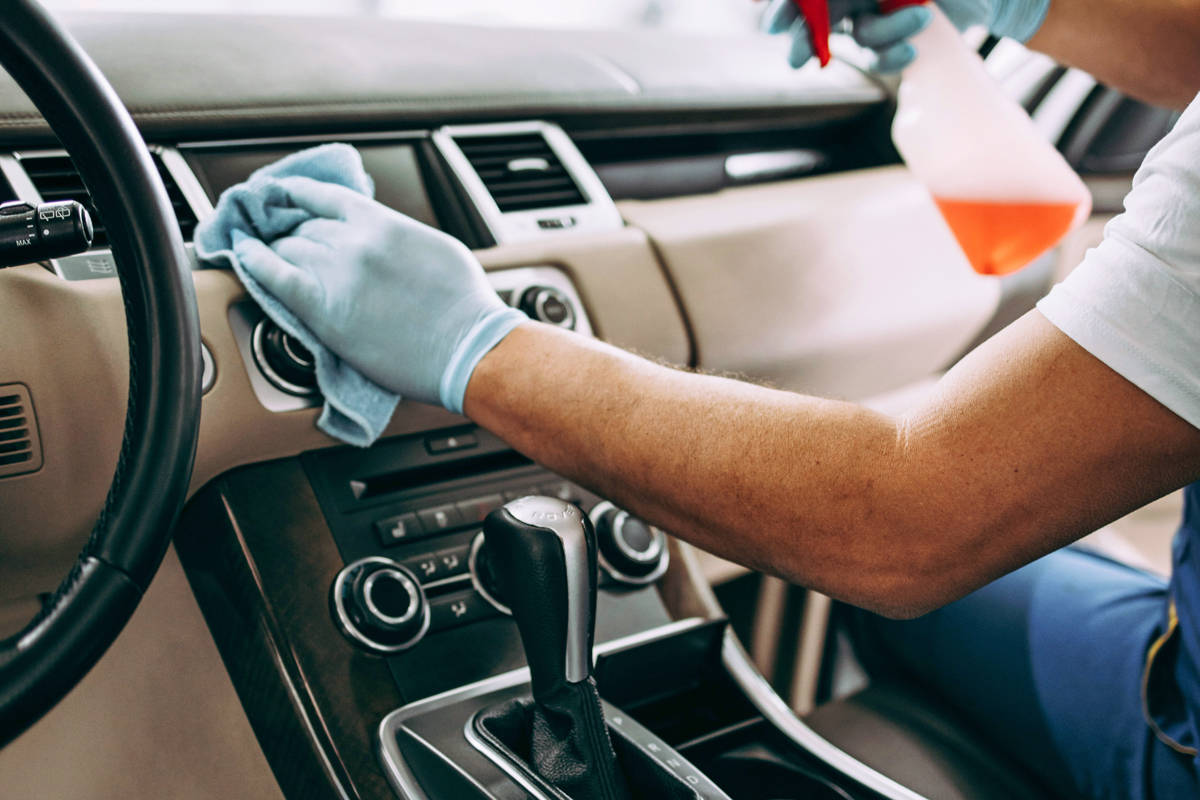
Change Your Cabin Air Filter

Cars have cabin air filters that work like your home’s HVAC filters by capturing dust, pollen, and other unpleasant pollutants as air flows into the interior. These filters typically need replacement every 15,000 to 30,000 miles, based on your model, or sooner if you notice musty smells, whistling vents, or reduced airflow when running heat or air conditioning.

Credit: Martynas Linge/ Unsplash

Check Your Tires Weekly 

Tires are a crucial safety component, and keeping an eye on their condition can prevent roadside emergencies. Highway safety organizations recommend looking over your tires weekly for visible damage, such as cracks, bulges, or embedded objects, and checking tire pressure monthly (including your spare). Tires should also be rotated every 5,000 miles, and replaced as they age — reaching no more than 6 years old.

Credit: Andrei Poenalte/ Unsplash

Use Your Parking Brake

If you last used a parking brake during your driver’s exam, it may be time to start. Sure, parking brakes keep your car from rolling down a hill, but they also take pressure off your transmission’s parking pawl. This pin slides into place when you put the car in park, and activating the parking brake before you shift into P limits stress on that small part. Transmission replacements are one of the most costly car repairs you can incur, so taking this small step every time you park can help your car get further down the road.

More From Our Network

Better Report is part of Inbox Studio, an email-first media company. *Indicates a third-party property.

Go Retro With This 1960s Fashion Quiz

Quiz Daily

Go Retro With This 1960s Fashion Quiz

True or False: Are You a Master of U.S. Geography?

Travel Quiz

True or False: Are You a Master of U.S. Geography?

5 Reasons You Can Be Denied Boarding an Airplane

Daily Passport

5 Reasons You Can Be Denied Boarding an Airplane

What Did People Do Before Eyeglasses?

History Facts

What Did People Do Before Eyeglasses?

How To Use a Balloon To Clean Up Dust

House Outlook

How To Use a Balloon To Clean Up Dust

11 Shopping Hacks Costco Members Should Know

FinanceBuzz*

11 Shopping Hacks Costco Members Should Know

Share this article

  • Share to Facebook
  • Share to Twitter
  • Copy Url
  • Share to Email
Nicole Garner Meeker
Writer

Nicole Garner Meeker is a freelance writer, research editor, and Inbox Studio contributor. Based in St. Louis, she’s an enthusiastic gardener, fiber artist, and connoisseur of fine snacks.

This article is for general informational purposes only.
Affiliate Disclaimer Medical Disclaimer Financial Disclaimer


Updated: September 19, 2023
Posted In: Wealth
Hero Image Credit: Better Report

Advertisement

Related Articles

6 Holiday Scams To Watch Out For

7 min read

Why Gift Cards Are Actually Terrible Gifts

6 min read

How To Spot a Fake Amazon Review

7 min read

7 Things You Can Stop Buying To Save Money

6 min read

13 Stocking Stuffers That Are Actually Useful

8 min read
Advertisement

Posts navigation

Newer posts
  • Home
  • Health
  • Wealth
  • Logo
  • Advertise
  • About
  • Contact Us
  • Privacy Policy
  • Terms of Use
  • Your Privacy Choices
x
Thumb Image

Elevate your everyday.

Sign up to receive the practical tips and expert advice you need to pare down the complexities of everyday living right in your inbox.

Sorry, your email address is not valid. Please try again.

Your email is:

Edit Image
Sorry, your email address is not valid. Please try again.
Thank you for subscribing...

By subscribing you are agreeing to our Terms of Use and Privacy Policy.

Close image
Thumb Image
Second Thumb Image

Elevate your everyday.

Sign up to receive the practical tips and expert advice you need to pare down the complexities of everyday living right in your inbox.

Sorry, your email address is not valid. Please try again.

By subscribing you are agreeing to our Privacy Policy and Terms of Use.

Close image