Can Caffeine Actually Make You Tired?
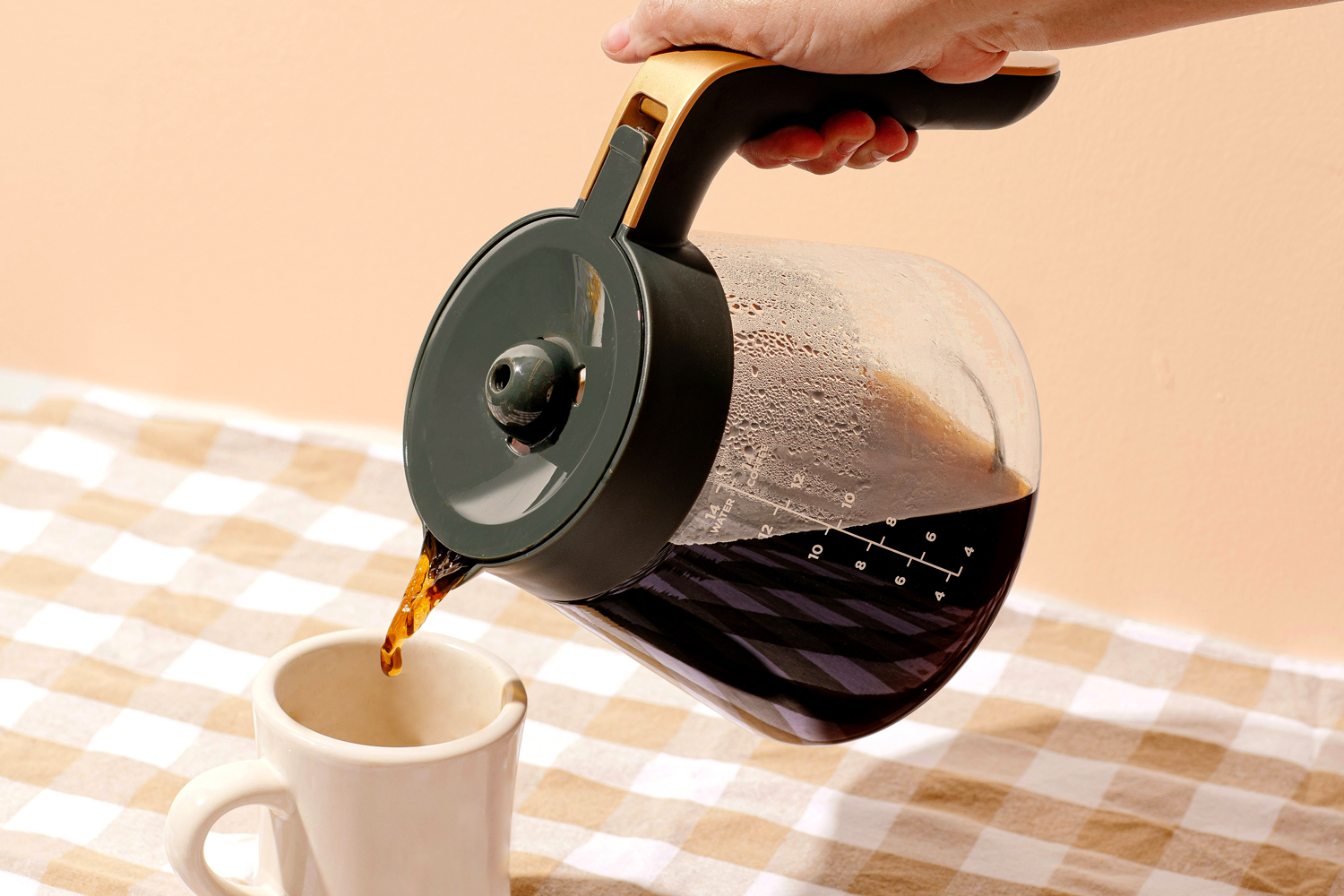
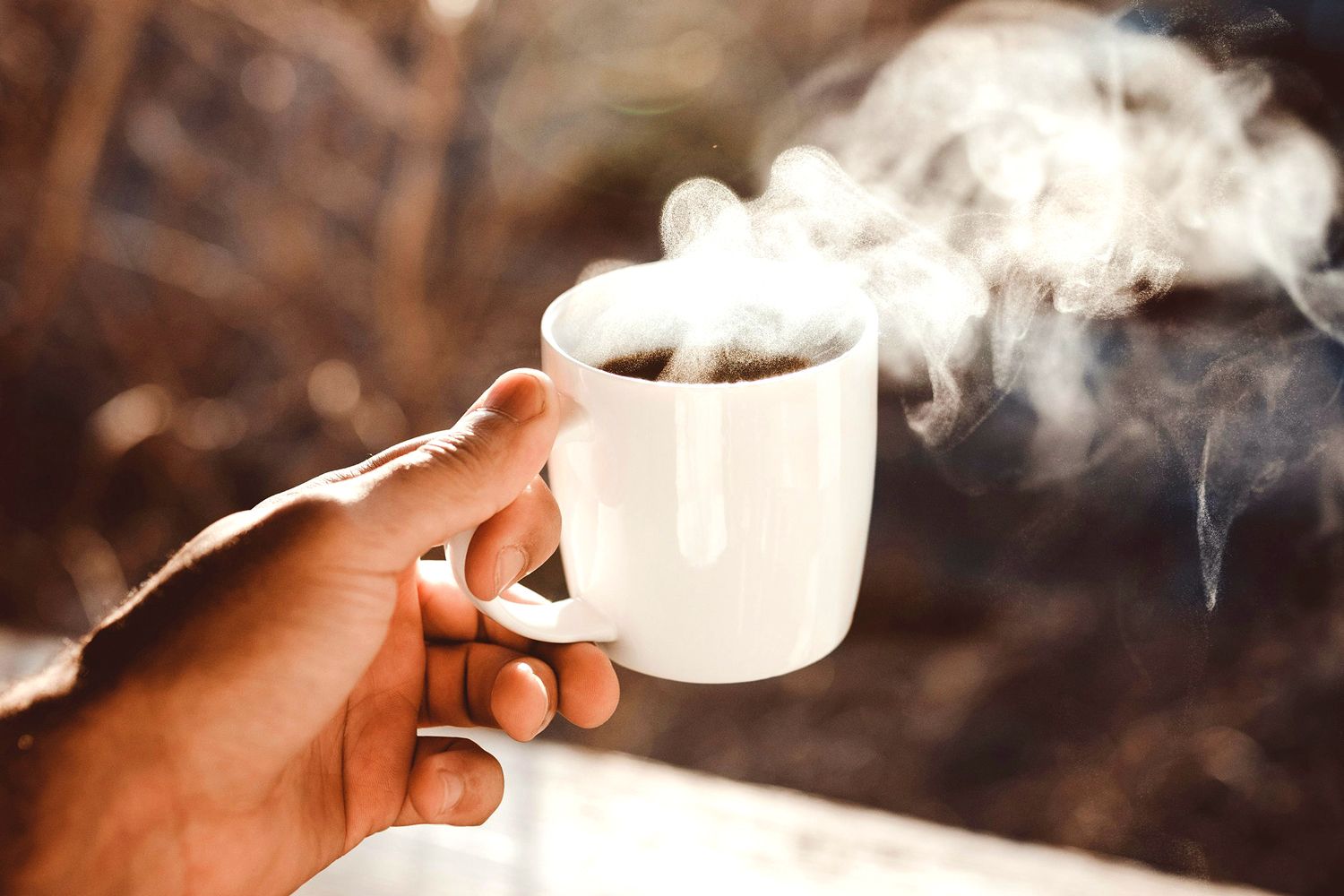
Famed musician Johann Sebastian Bach once said, “Without my morning coffee, I’m just like a dried-up piece of roast goat.” It’s a vivid but accurate depiction of how many of us feel without our morning cup of joe. Caffeine is the most widely consumed stimulant in the world. (We bet even the Energizer Bunny has the occasional espresso to get through a Monday.) But why does that essential drink sometimes leave us less buzzed and more blah? We’ll spill the beans: Coffee and caffeinated drinks alone don’t tire you, but too much caffeine can lead to adverse side effects that leave you in a slump. But don’t dump your drink yet. Latte lovers will be happy to know there are ways to mitigate these negative impacts and avoid a caffeine conk out.

Rebound Fatigue
Caffeine is a stimulant that makes us more alert, concentrated, energetic, and ready to take on the day. Unfortunately, caffeine’s impacts are short-lived, so most people think the positive effects of caffeine last much longer than they actually do. This is why downing two cups of coffee or an energy drink makes you feel great for the first half of the day, but by lunchtime, you’ll be looking for the nearest couch to lie down on. This is due to how caffeine interacts with adenosine, a chemical that impacts our sleep-wake cycle. Caffeine binds to adenosine receptors in the brain, preventing them from doing their job to power down our bodies for sleep. This causes us to feel more awake because these receptors can no longer make us sleepy.
Our bodies absorb 99% of our caffeine intake within 45 minutes. This gives us a quick jolt of energy, but within five hours, the effects of caffeine have generally diminished, causing a crash. As soon as caffeine is metabolized, it can no longer block the adenosine receptors, and as they start to work again, you’ll be ready to doze off on the spot. This phenomenon gives some people the idea that more caffeine causes them to be tired when, in reality, they are just experiencing a worse crash after the caffeine wears off.
Avoiding Anxiety and Insomnia
Caffeine also releases adrenaline, aka the “fight-or-flight hormone.” If you overdo your caffeine intake, you might find yourself in a state of panic with jitters, rapid breathing, and other symptoms mimicking an anxiety attack. After this anxiety wears off, you’ll feel more tired than before as your body recovers from the adrenaline roller coaster.
Overindulging in your daily caffeine also throws a wrench in your sleep cycle. Too much caffeine can increase the time it takes you to fall asleep, while having caffeine too late in the day can induce insomnia. After waking up groggy, you might find yourself reaching for more caffeine to alleviate your sleepiness, but this exacerbates the issue, and you’ll continue the cycle. Try to stop drinking caffeine by early afternoon to promote healthy sleep habits.
We know decaf is considered sacrilege among coffee aficionados, but if you’re having trouble kicking the habit, you might want to try caffeine-free or decaffeinated drinks. Remember that there is a difference between caffeine-free and decaffeinated. Decaffeinated beverages still have small amounts of caffeine, typically 15 milligrams or less per serving.
Dealing With Caffeine Tolerance and Withdrawal
Over time, your body adapts to the effects of caffeine, and it has less of an impact on you. The more often you consume caffeine, the more adenosine receptors your body will create, and caffeine’s energy-inducing abilities will diminish. This means you’ll have to keep increasing your caffeine levels to see the same positive impacts — but this also increases the risk for negative consequences such as anxiety, insomnia, and fatigue.
Caffeine withdrawal also causes sleepiness, and it can happen sooner than you think. In regular consumers, withdrawal symptoms can appear as early as 12 hours without caffeine and peak around one to two days after the last consumption. Withdrawal can also cause headaches, lack of concentration, and other uncomfortable side effects. Eventually, these symptoms improve, making it difficult to kick the caffeine habit.

Reader Favorites




How Much Caffeine is Too Much?
Caffeine intake isn’t a one-size-fits-all situation. Some people need three or four servings to feel the same effects that others get after just one. According to the FDA, four or five 8-oz cups of coffee daily (around 400 milligrams of caffeine) is safe for most healthy adults. However, studies show that sticking to low or moderate daily levels of caffeine (around 50 to 300 milligrams) decreases your risk of harmful side effects while still reaping the benefits. Caffeine limits are also recommended during pregnancy or for adolescents and children. When it comes to caffeine, knowing your limit is key. As the saying goes, less sometimes really is more.
Featured Image Credit: Katelyn Perry/ Unsplash+
More From Our Network
Better Report is part of Inbox Studio, an email-first media company. *Indicates a third-party property.