How To Become a Barbecue Master, According to a Pro


All featured products and deals are selected independently and objectively by the author. Better Report may receive a share of sales via affiliate links in content.
As summer heats up, outdoor gatherings with friends and neighbors become more common. If you’re making plans for a backyard barbecue and want to take your grill game to the next level, Matt Moore, author of several grilling books and host of the show Serial Griller, has some secrets, tips, and tricks he can share to help you become a true grill pro.
The Tools and Equipment You Need To Become a Barbecue Master
Moore takes a minimalist approach to grilling. “I believe one can cook and grill successfully without investing in too many bells and whistles, many of which ultimately create distractions,” he says. Still, he does recommend a few must-haves that will set you up for success.
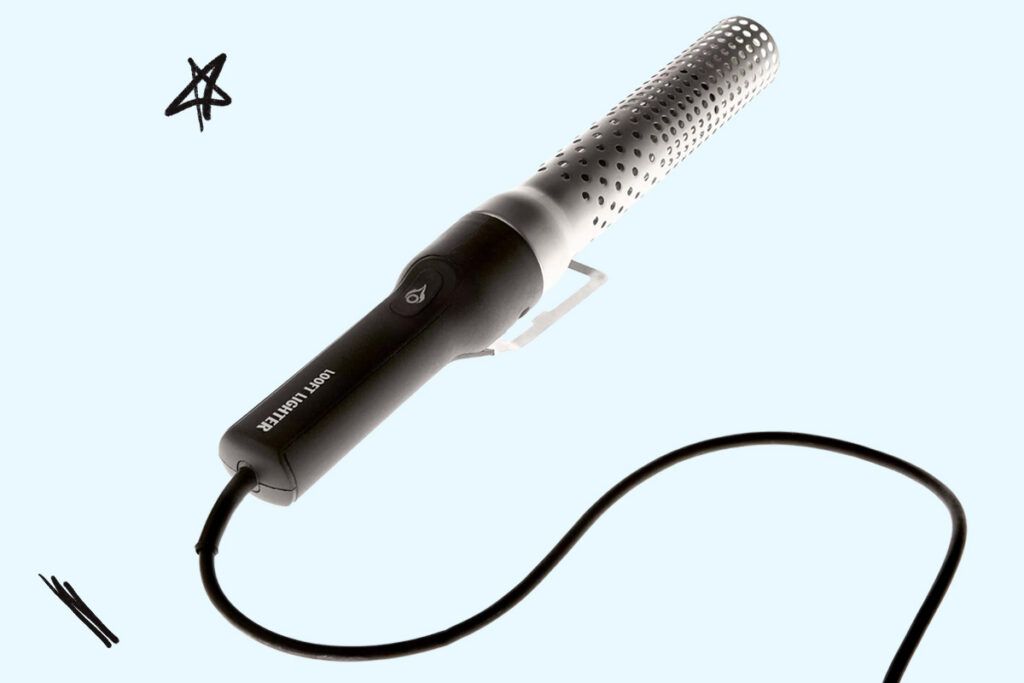
Looftlighter
This charcoal starter “lets me quickly fire up my coals without getting my hands dirty,” Moore says. “It also allows me to apply heat to a distinct area,” which is especially helpful for a cooking technique known as the Minion method, where you light only a particular portion of the coals before you start grilling.
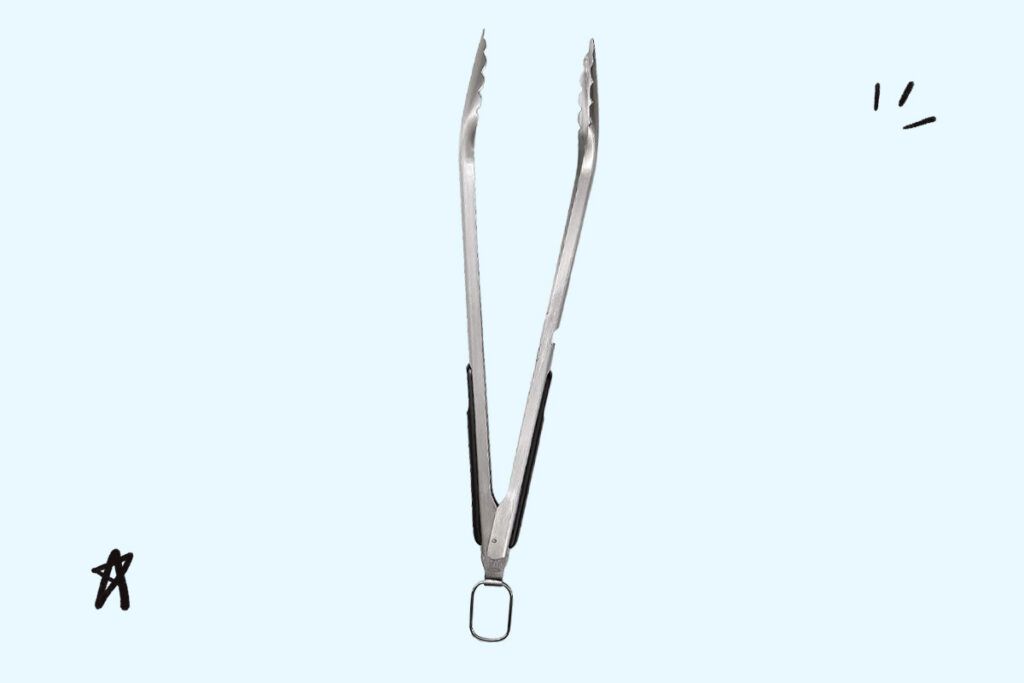
Stainless Steel Tongs
Moore recommends having one or two pairs of stainless steel tongs, such as the OXO outdoor grilling tongs. “Tongs perform an array of functions beyond just placing and controlling food,” he says. “They also allow you to move hot coals or grates.”
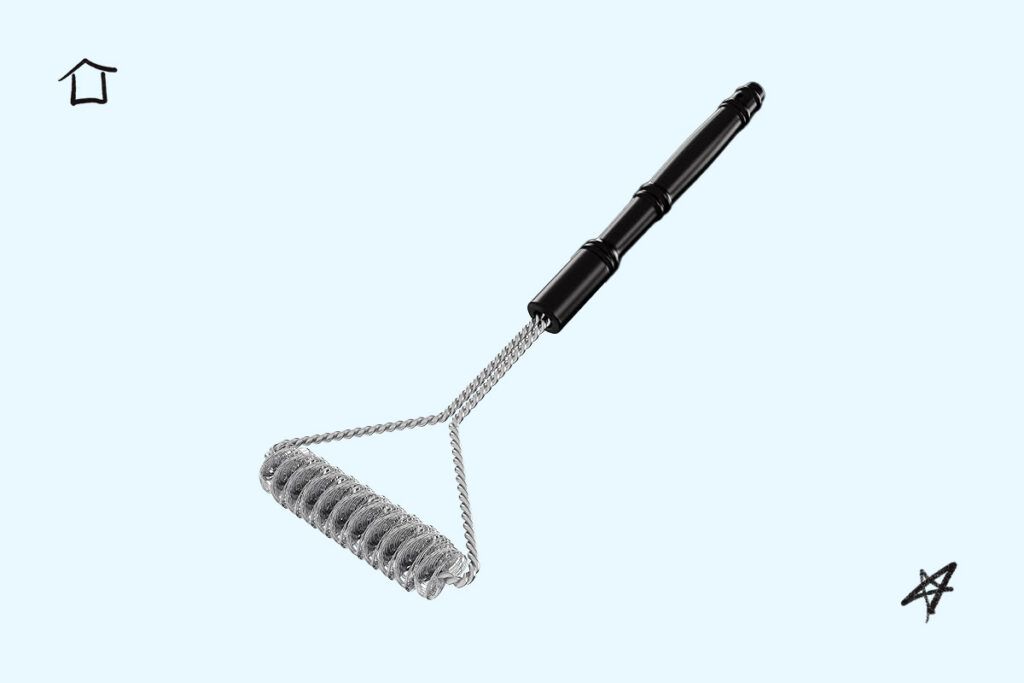
Non-Wire Grill Scraper
When it comes to grilling, cleanliness is key: Not only will it ensure you have safe, great-tasting food, but it also improves grill performance and means you’re less likely to have a flare-up or potential fire. Moore doesn’t use wire or bristle brushes, which can be dangerous if people accidentally ingest the bristles. Instead, he uses a non-wire grill scraper, like the ones by Brushtech. You can also keep it simple: “A crumpled up ball of aluminum foil can help break up any debris from the grates,” Moore says. He’ll also cut an onion, insert a fork into it, and rub it over the grates to clean them.

Reader Favorites



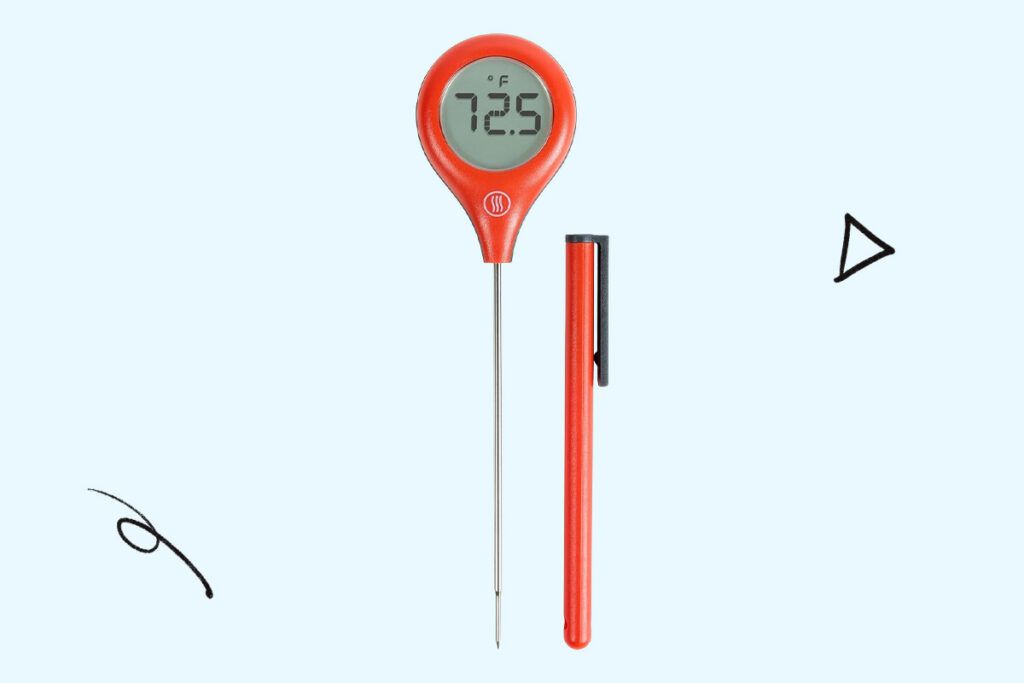
Instant Read Thermometer
A digital thermometer — like ThermoPop 2 — can become your best friend at the grill, according to Moore. “They are affordable, reliable, and help guide cooks on proper temperatures to ensure they nail the mark each and every time,” he says. “I often tell folks to use the thermometers as a fail-safe guide, but also to take notes and pay attention to the size of cuts, cooking times, fire temperatures, and the feel of the steak or meat, then cross-reference that against the thermometer reading. That way, if you find yourself helming the grill one day without a thermometer, you’ll have done enough ‘math problems’ to understand how to pull off a great meal without the aid of an additional tool.”
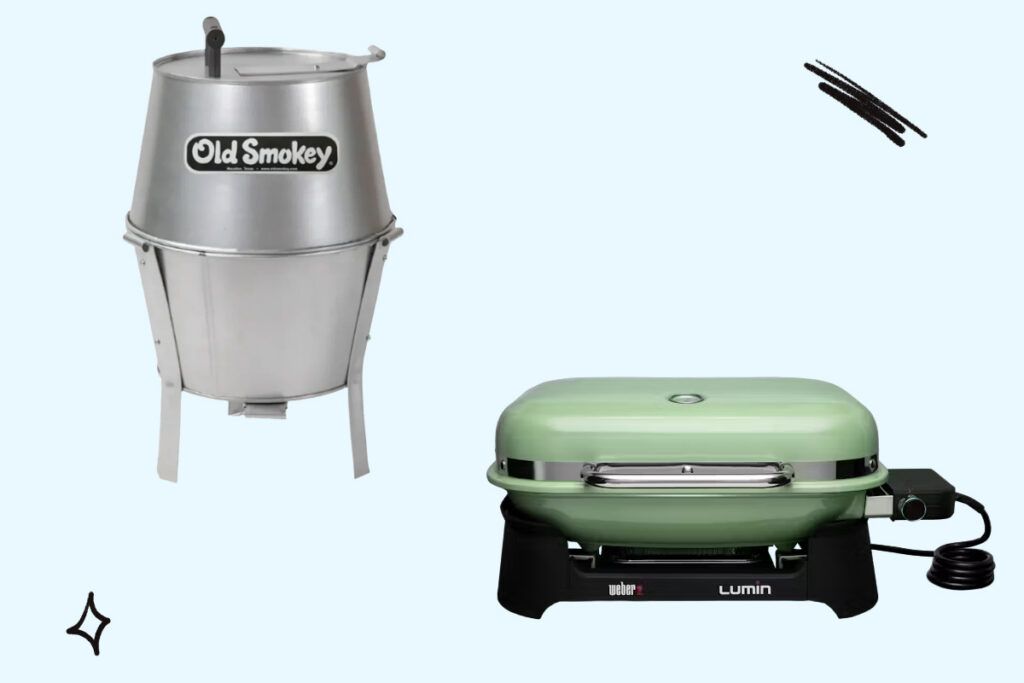
The Right Grill
“If you are a novice griller that craves consistency and performance, investing in a better grill [with] heavy-gauge construction, grates, and quality burners will provide that consistency more reliably,” Moore says. He recommends the Old Smokey grill for low-temperature barbecuing and hot-and-fast grilling. If you prefer electric grills, he recommends the Lumin Electric Grill by Weber.
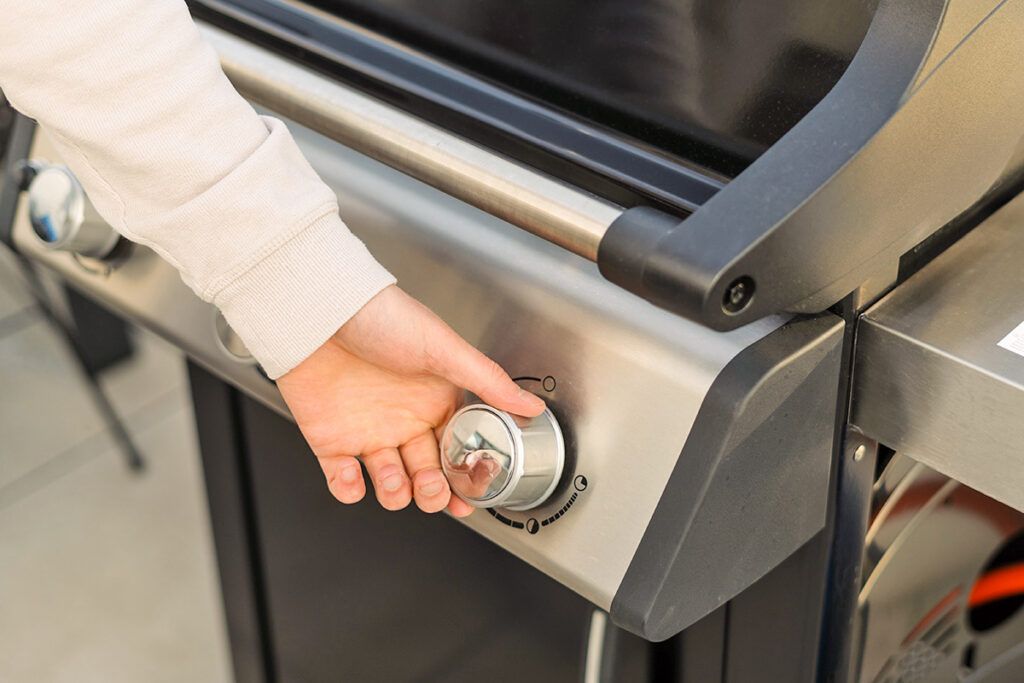
Prepping the Grill: Using a Two-Zone Fire
Beyond equipment, managing the temperature of your grill will have the biggest impact on your results. “Understanding temperature control and ‘working with what you’ve got’ is what separates the pros from the rest,” Moore says.
Your actual prep work will depend on the grill itself and your fuel source, but Moore recommends setting up a two-zone fire. “Novice grillers too often use a single temperature across the entire grill — either too hot or too low — which causes frustration and poor results.”
• For a gas grill with more than one burner, set one knob to a higher temperature. “[This] allows you to sear on one side, and then move to less heat for temperature control,” Moore says. “If you only have one knob, move the food away from the heat source for indirect heating. This could be a horizontal offset, by moving the food away from the higher burner, or a vertical offset, moving food from the bottom grates to the top shelf or warming area.”
• If you’re using charcoal, hardwoods, or live fires, Moore suggests piling the coals “to create a direct heat zone and use vertical or horizontal separation to create another zone.” Then, you can “move food away from the direct heat.”
Handling the Grill While You Cook
To improve your grill technique, prepare in advance. “I often tell folks to walk through the process in their minds before they even light the grill,” Moore says. This is especially important “if you are cooking for a larger group than normal, or a smaller group.” Here’s what he recommends.
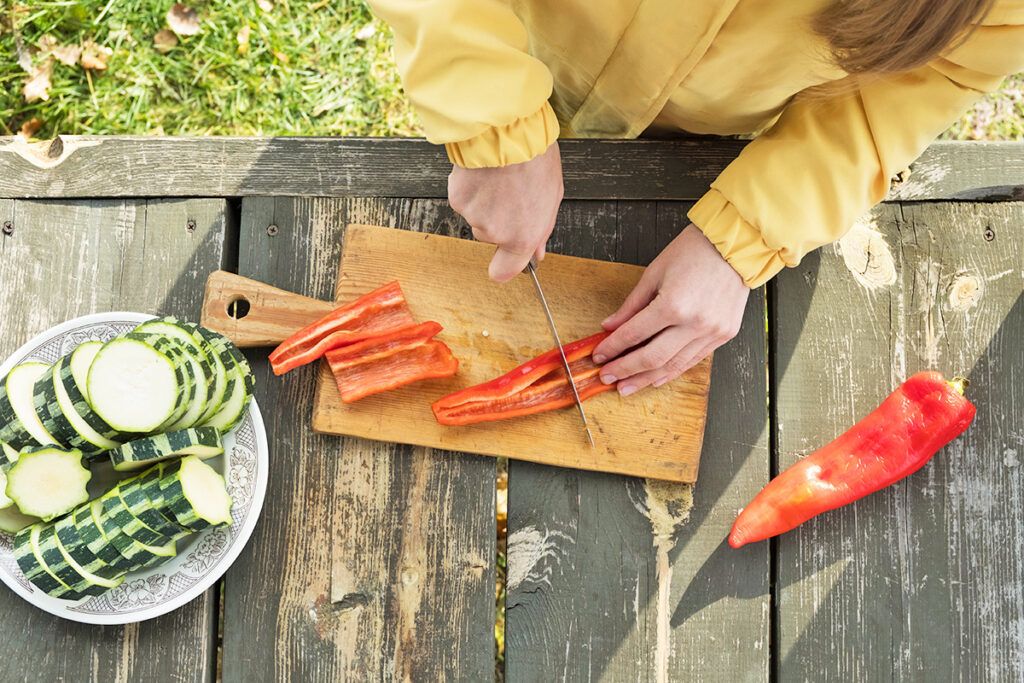
Prepare your ingredients.
“If you have [a lot of] prep required, complete it before lighting the grill,” Moore says. “Otherwise, you waste propane/natural gas, or charcoal/wood if your grill reaches temperature and you are not ready to cook.”
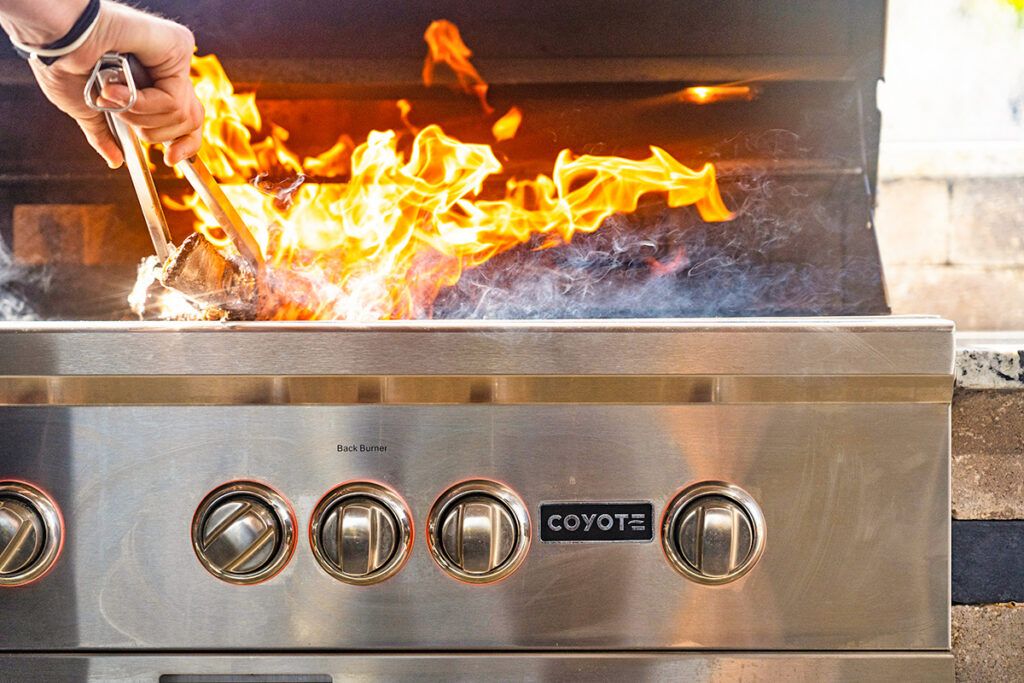
Avoid cooking at too high a heat.
“It’s the biggest mistake folks make,” Moore says. “You can always add more [heat], but it can be more difficult to take away.” One benefit of gas grilling is “you can simply turn down the knobs and wait.” If you’re working with a charcoal grill, it’s more challenging to bring the temperature down.
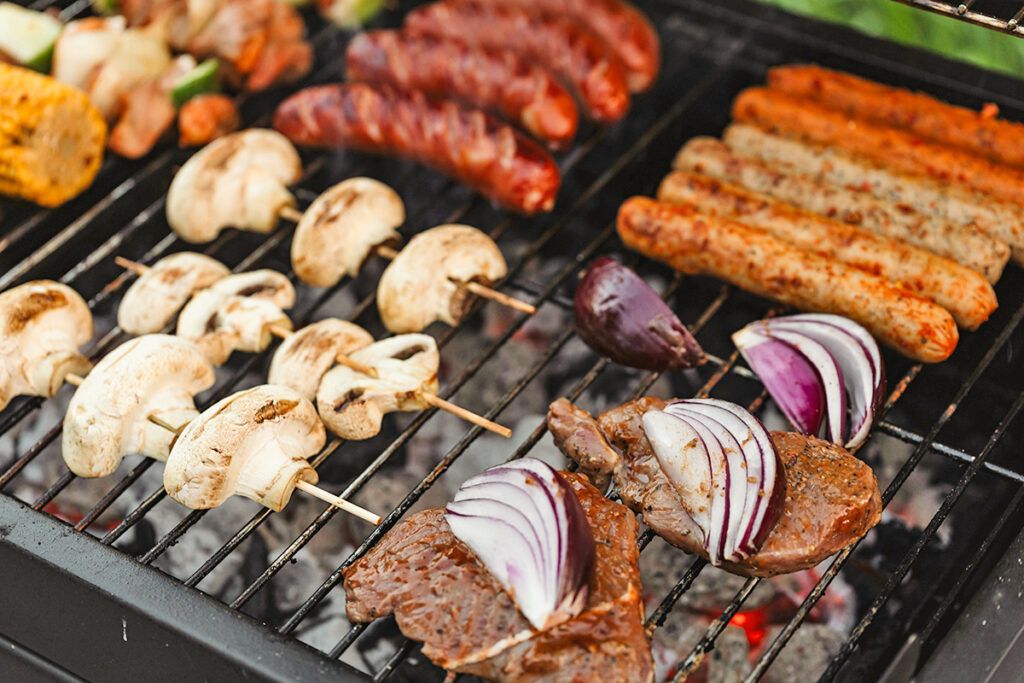
Give your grill time to reach the ideal temperature.
“Follow instructions to ensure that you get the grill to the right temp for cooking,” Moore says. “Otherwise, more mistakes will happen, like food that sticks to grates, is not properly cooked, etc.”
Now that you’re armed with all the gear and tips you need, it’s time to fire up that grill — and prepare for your backyard barbecues to become the talk of the neighborhood.
Featured image credit: © A. C./Unsplash.com
More From Our Network
Better Report is part of Inbox Studio, an email-first media company. *Indicates a third-party property.







Based in Portland, Oregon, Nicole Pyles is an experienced freelance writer who writes about home and kitchen, health and wellness, and more. She's written for a variety of outlets, including Better Homes and Gardens, Tom's Guide, Better Report, and more.
This article is for general informational purposes only.
Affiliate Disclaimer Medical Disclaimer Financial Disclaimer