11 Food Safety Rules You’re Probably Breaking

All featured products and deals are selected independently and objectively by the author. Better Report may receive a share of sales via affiliate links in content.
Anyone who’s ever had formal culinary training can tell you that there’s a lot to learn about how to keep food safe — when I started my career, my classmates and I had to pass our food safety training before we were even allowed to set foot in the kitchen. There’s good reason for that: According to the USDA’s Food Safety and Inspection Service, foodborne illness causes an estimated 48 million illnesses in the U.S. every year, and is responsible for about 3,000 deaths.
The good news is that most of those illnesses are avoidable — it’s just a question of knowing (and following) food safety rules. As a former chef and food safety trainer, I see people breaking these 11 rules frequently. You’ll get away with them sometimes, but sooner or later, what you don’t know will hurt you and the ones you love.
Rule: Maintain the Cold Chain
Your local supermarket is at the end of a very long shipping chain, and everyone who’s handled a product that’s perishable enough to require refrigeration or freezing — such as frozen shrimp — has checked and monitored its temperature at every step along the way. In the industry, this is referred to as “the cold chain.”
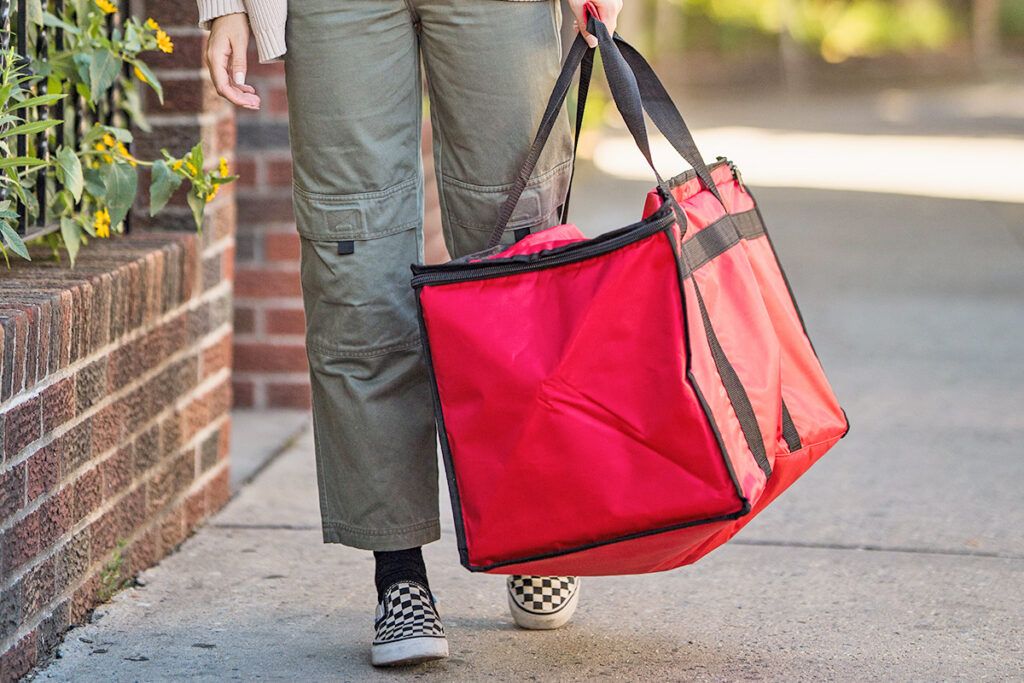
Once you’ve bought that product, maintaining the cold chain — and with it, food safety — is up to you. So, when shopping, pick out your freezer- and cooler-case items last (every minute counts) and make sure you have a cooler or an insulated bag to pack them into for the trip home. This is especially important if you don’t live close to your supermarket or if you’re making a stop along the way. (Keep it to 30 minutes or less if your most-perishables, such as seafood and poultry, aren’t well insulated.) You wouldn’t leave dogs or kids in a hot, closed-up car, and those high temperatures can spoil your food as well. It’s less of a concern on cold winter days, but the midday sun can still raise your car’s interior temperature to an unsafe level, so keep that insulated bag handy.
Rule: Store Foods Safely in Your Refrigerator
Your fridge is designed to keep foods at a temperature between 32 and 40 degrees Fahrenheit, below the food “danger zone” (which ranges from above 40 degrees Fahrenheit to 140 degrees Fahrenheit) where bacteria can multiply freely. That goes a long way toward maintaining food safety. (You can use a thermometer periodically to check whether your fridge is as cold as it should be.)

Reader Favorites

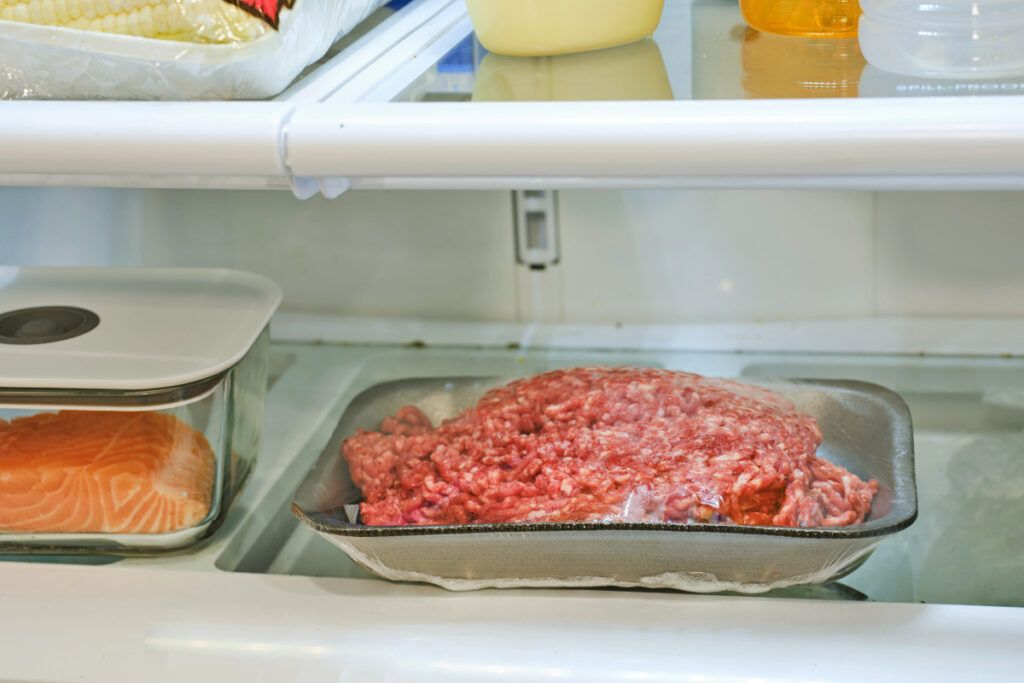
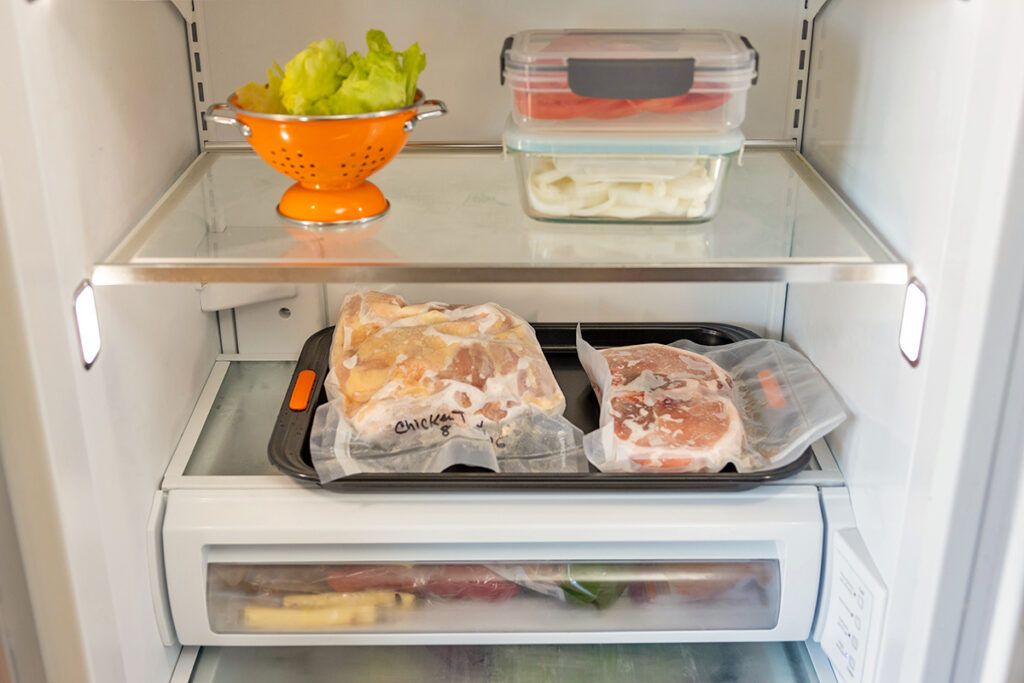
But how you organize and store your foods in the fridge is important, too. Things that you’ll eat without cooking or reheating, like salad greens, should be stored separately from risky perishables like raw meat. Meats should always be kept on your fridge’s bottom shelf (ideally toward the back, where it’s coldest), where they can’t contaminate other foods by dripping on them. Placing the meat in a bag, in an airtight container, or on a plate to contain drips helps, too.
Rule: Clean and Sanitize Your Work Area
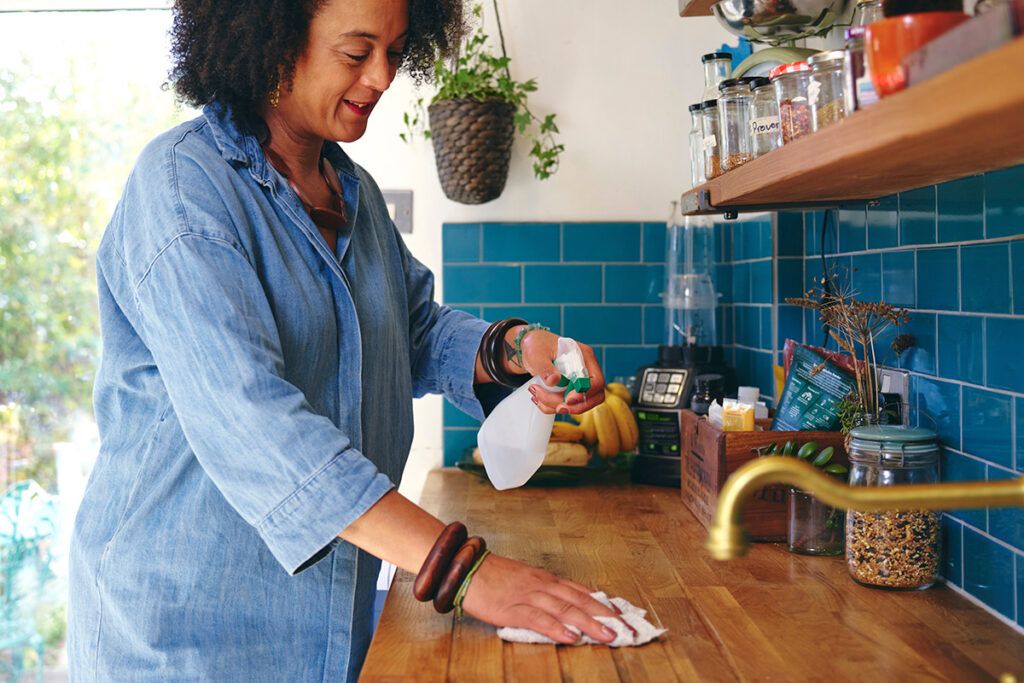
This is one of the biggest rules for line cooks, and it absolutely applies to home cooks as well. First, let me be clear that these are two separate steps: Cleaning means washing or scrubbing away any visible soil or debris, which can harbor bacteria, from your counter. Then you can use a food-safe sanitizer to clean your counter, utensils, and cutting boards as needed.
You don’t need to buy fancy restaurant-style sanitizers: A teaspoon of bleach in a cup of room-temperature water works nicely. Measure those ingredients into a spray bottle. Don’t eyeball it; it won’t sanitize if you use too little, and it won’t be food-safe if you use too much. Next, use the bottle to thoroughly mist your work surfaces, and let the solution sit for at least a minute before wiping it away with a paper towel. The solution is good for only about 24 hours, so it’s best to make small batches and use them immediately.
Note: Many household cleansers can sanitize your surfaces but typically aren’t food-safe. Feel free to use them — just wipe down surfaces afterward with a clean paper towel and fresh water to remove any residue.
Rule: Clean Foods as Needed (But Only Then)
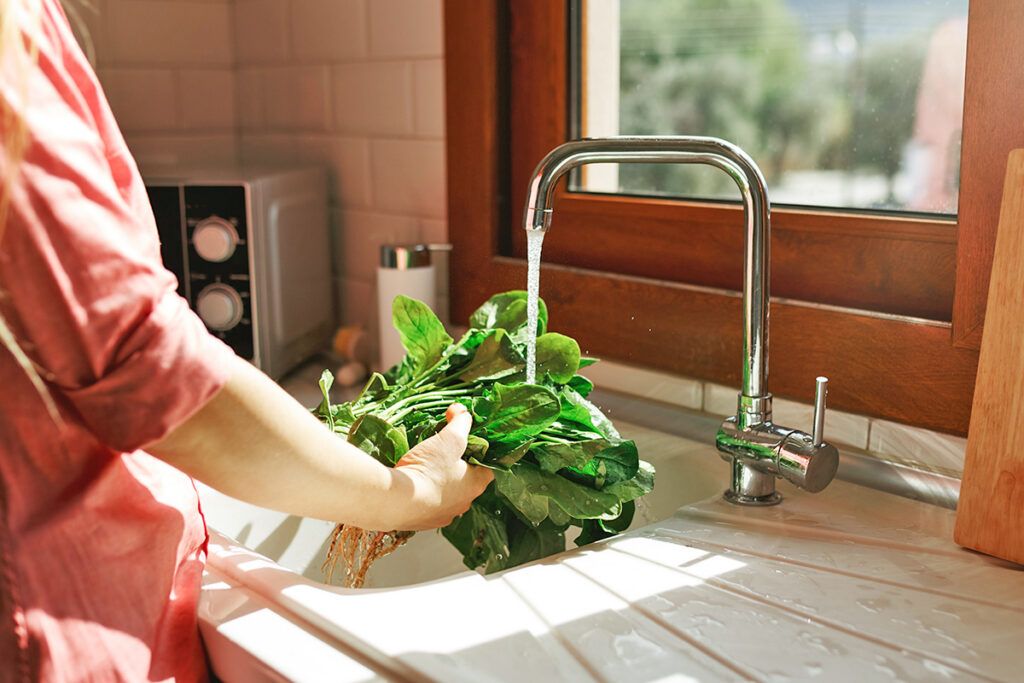
I see home cooks going in both directions on this one. Sometimes, people rinse things that shouldn’t be rinsed, like poultry — that just spatters salmonella and other bacteria all around your sink and work area. Fresh produce, on the other hand, is something that often should be rinsed (especially if you’ll eat it without cooking), but might not be.
Salad greens may pick up nasty pathogens like E. coli in the field, for example, and the warm, moist environment that makes alfalfa sprouts, bean sprouts, and similar products grow is also perfect for bacteria. Those types of things should be rinsed well in a bowl (not a sink, because those collect bacteria even without rinsing raw chicken) with 1 cup of cool water and ½ cup of distilled white vinegar before you put them on your sandwich or in your stir-fry. Melons should be scrubbed with a brush under running water, because their rinds (especially textured ones like cantaloupes) can trap dirt and bacteria.
It’s almost always best not to rinse produce items until you’re ready to use them, though. Most fruits and vegetables, especially delicate ones such as berries and leafy greens, will deteriorate faster once they’re rinsed, and may be more vulnerable to bacteria and molds.
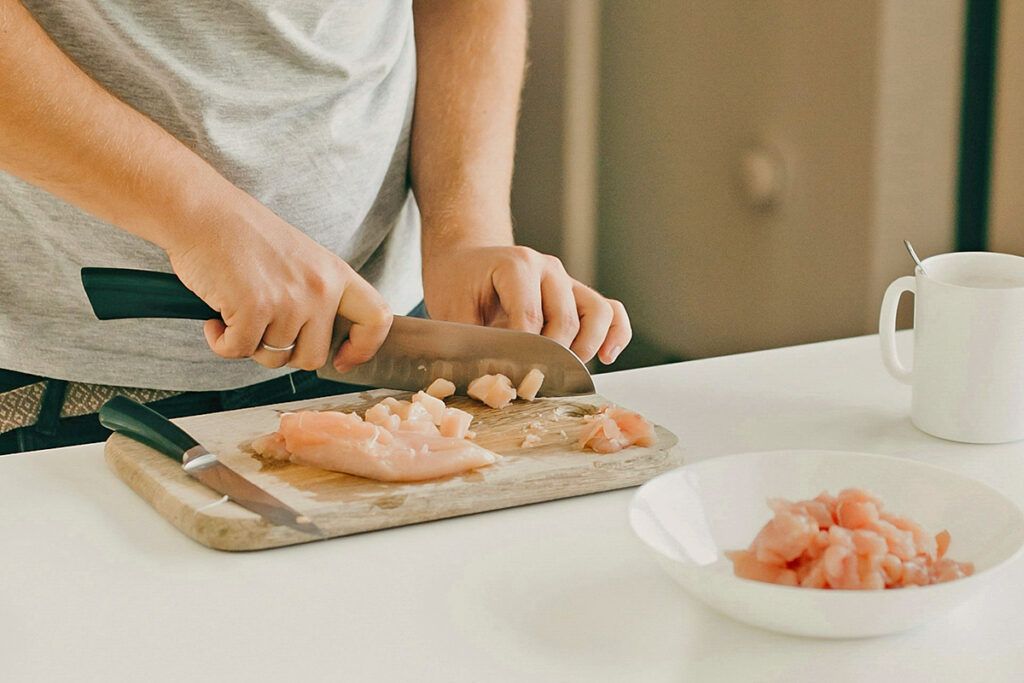
Rule: Use Separate Cutting Boards and Utensils for High-Risk Foods
One of the big risks in any kitchen is cross-contamination — accidentally transferring harmful bacteria from a high-risk food to other foods. In commercial kitchens we often use separate sets of color-coded cutting boards and knives for meats, fish, poultry, and produce to reduce the risk. You don’t necessarily have to do that, but the cutting boards aren’t expensive if you want to. (I buy sets like this one, and replace them as they get worn.) That will help keep nasty pathogens from, say, raw chicken out of your salad greens or melon wedges.
Ideally, you’d have enough cutting boards, knives, and serving wares to use separate sets for each kind of food. If not, throw them in the dishwasher or use the method I described above to wash and sanitize everything that’s come into contact with raw meat, fish, or poultry — including utensils like a spatula — before using it for anything else. (And make sure to use a brush, not a sponge or a cloth; both can harbor disturbing levels of bacteria if not sanitized properly between uses.)
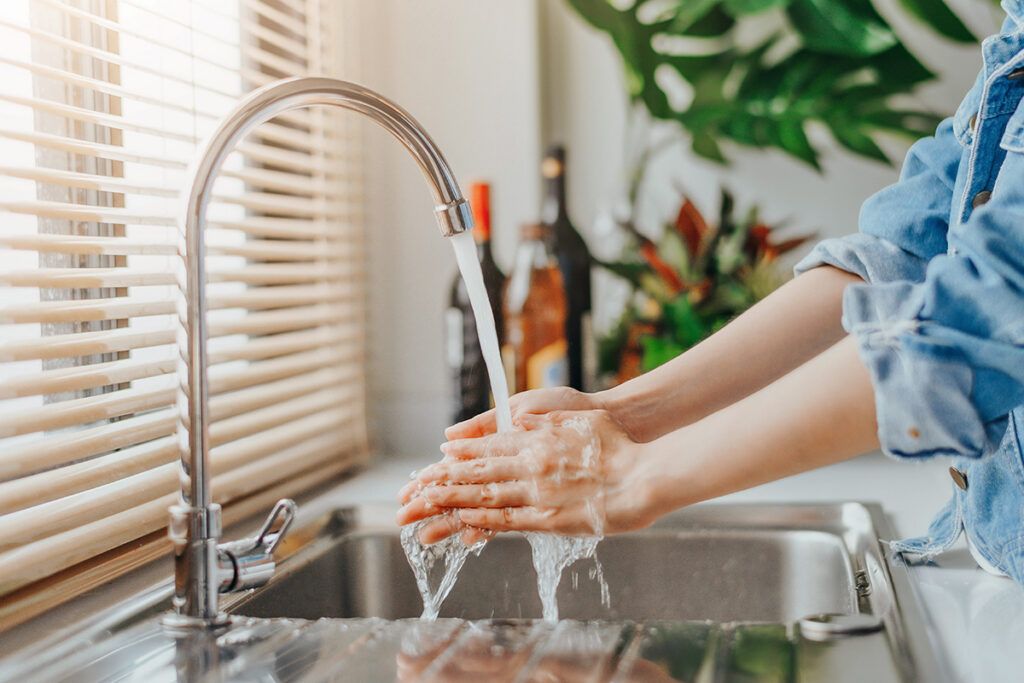
Rule: Change Gloves, or Wash Hands, After Every Task
This is closely related to the rule I’ve just mentioned, because “everything that’s come into contact with raw meat” includes your hands, which may be the likeliest way you’ll spread bacteria between foods. Any high-risk food you touch (meat, seafood, dairy products, raw eggs, etc.) could potentially contain bacteria that can make you ill. But you’ll also touch your hands to your face, hair, eyes, nose, ears, and other body parts, often without noticing. Those can contain unwelcome bacteria as well.
So, the best thing you can do is wash your hands after every task before moving to the next one. The same holds true if you’re wearing disposable kitchen gloves to handle foods, either to avoid the ick factor or just to cut down on hand washing, which can be hard on the skin. I use nitrile gloves like these, but gloves are only clean until you use them and should also be changed whenever you switch tasks.
Rule: Thaw Frozen Foods Safely
I cringe whenever I walk into someone’s home and see frozen food thawing on the counter. When you do that, the food’s outer layers may spend hours in the danger zone between 40 and 140 degrees Fahrenheit, giving bacteria ample time to flourish before the food is thawed all the way through.
The USDA’s Food Safety and Inspection Service recognizes three safe thawing methods:
- Defrosting your food in the refrigerator: Defrosting in the fridge is your safest option, because your food can thaw without ever entering the danger zone. (Remember to protect against drips, though, and make sure to remove frozen fish from vacuum-sealed packaging before thawing.) Most foods will probably thaw overnight, but big roasts or your holiday turkey will require more time. You can thaw in advance, because food stays safe in the fridge for up to five days, depending on what it is.
- Thawing in cold water: This is a faster way to thaw food, and still safe as long as you change the water every half-hour to keep it cool. Food should be well sealed to prevent water from getting in, and will take about 30 minutes per pound to thaw. Once it’s thawed, it should be cooked immediately.
- Thawing in the microwave: This is the last-choice option for when you’re really in a hurry. Microwaves heat unevenly, so some parts of your food will get into the danger zone before the rest is thawed. As long as you cook it immediately after thawing, though, you’ll still be safe.
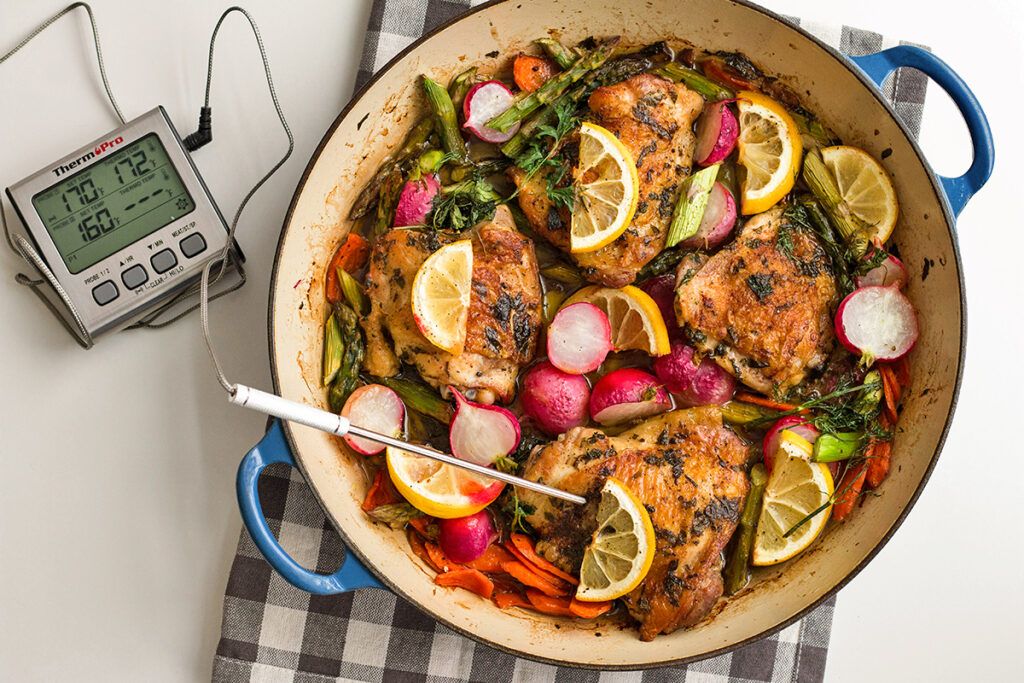
Rule: Use a Thermometer To Verify Temperatures
Thermometers are one of the most important tools for food safety, so I always recommend owning a few. I keep at least one in each of my fridge and freezer at all times, for example, so I know they’re keeping the right temperature (newer fridges will do this for you, and beep or send an alert to your phone if there’s a problem). I also have a point-and-shoot infrared thermometer like this one, which lets me spot-check temperatures in my oven, on my grill temperatures, and so on.
The USDA publishes recommended safe cooking temperatures for a variety of foods, and it breaks down pretty simply:
• Most meats, fish, and shellfish: 145 degrees Fahrenheit
• Eggs or ground meats: 160 degrees Fahrenheit
• Poultry (whole or ground): 165 degrees Fahrenheit
• Leftovers and casseroles: 165 degrees Fahrenheit
You may disagree with some of those, because it would mean no medium-rare steaks or soft-cooked eggs. That’s fine, as long as you’re comfortable with your decision and not cooking for someone who’s immunocompromised. But the only way to know for sure what temperature your food reaches, for safety or perfect-doneness reasons, is to check it with a thermometer. The Cadillac of meat thermometers is ThermoWorks’ Thermapen ONE, but if you don’t have that kind of budget, their ThermoPop 2 and OXO’s Good Grips thermometer both offer great value at lower price points.
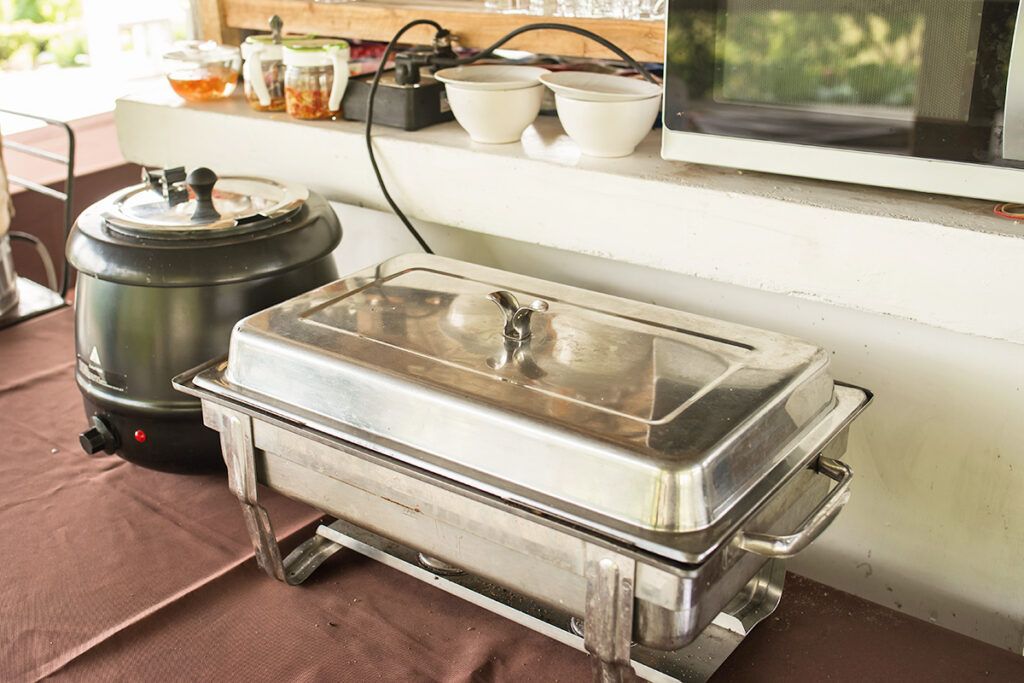
Rule: Keep Hot Foods Hot, and Cold Foods Cold
Do you love to entertain? Is your happy place a house filled with friends and family, laughter and conversation, with good food set out all around the room? If so, your responsibility for food safety doesn’t end when the food is served.
As a chef, I handled a lot of catering, and keeping hot food hot and cold food cold is absolutely mandatory for catered events. Commercially, we used tools that home cooks typically don’t have (portable steam tables, chafing dishes, etc.), but you can work with what you do. Hot dips and casseroles can be served in suitable-sized slow cookers, for example, and cold dishes can sit in bowls of ice. I have a dozen thin, flat gel packs like these, that can be covered with a place mat and used underneath serving trays to keep them cool.
The simplest option is to set out small batches of hot and cold main dishes, appetizers, and canapes, then replenish them as needed with new batches warmed (or kept warm) in your oven, or cold batches pulled from your fridge.
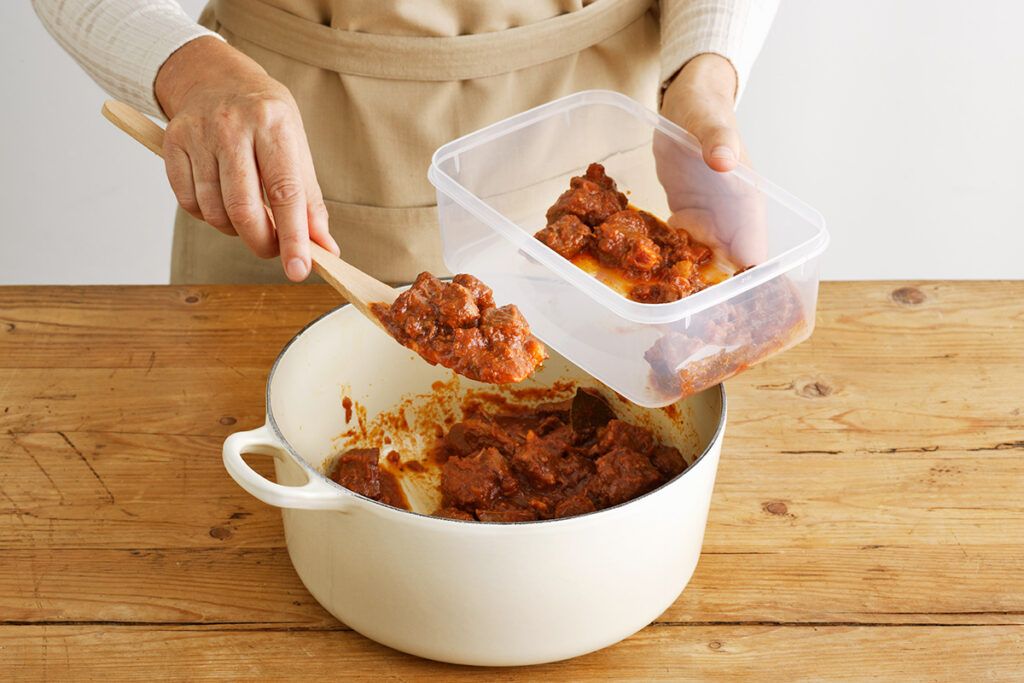
Rule: Cool and Refrigerate Cooked Foods Promptly
That brings us to storing leftovers.
I’ve talked a lot about temperatures, because formal food safety training is all about time and temperature. The longer foods stay in the danger zone, the more opportunity bacteria have to reproduce. Every nasty bug has what’s called an infective or infectious dose — the number of pathogens needed to actually make you sick. It’s often in the millions, but for some strains of E. coli, it can be as little as 10 individual cells. The longer your food is in the danger zone, the more likely it becomes that bacteria will reach that infective dose and make you sick.
That’s why chilling any leftover foods within two hours is so important. That limit is cut to an hour if the ambient temperature is over 90 degrees Fahrenheit — hence why you shouldn’t leave your food in a closed vehicle in summer, where it can get even hotter.
Big batches of food pose a special problem, because their sheer size means longer cooling time. The simplest solution is to portion your pot of chili (or other food) into flat containers, which can speed cooling. I like to clean and sanitize gel freezer packs in my dishwasher (the rigid kind, not the ones that are flexible bags when thawed), then freeze them in a bag to keep them clean. When I do large batches, I’ll stir those into the pot to cool its contents quickly before dividing the food into containers (the gel packs then go back into the dishwasher again). It makes a difference.
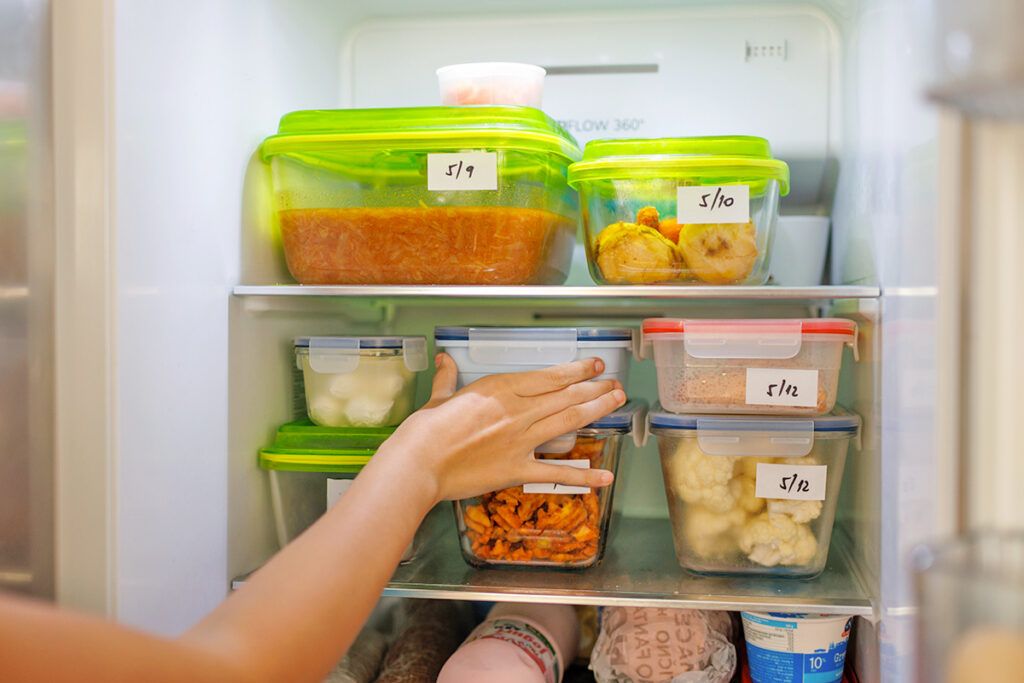
Rule: Label Leftovers and Use Them Promptly
In commercial food service, chefs like me are sticklers for what’s called FIFO: First In, First Out. That means we label and date everything that goes into the freezer or walk-in cooler, and we’re diligent about using things in a timely fashion.
Most leftovers (or made-aheads, if you’re doing it deliberately) have a refrigerator life of just three or four days, so there’s pressure to use them promptly. Labeling and dating everything individually can be a bit much at home, but some people use multicolored dots, or day of the week stickers, to label leftovers. If it has a Tuesday sticker and today’s Friday, you know you’re in “use it or lose it” territory.
You may find it easier to make a plan for your leftovers in advance. Maybe they go as work lunches or serve as a stopgap for the day after tomorrow when everyone’s busy and there won’t be time to cook. If you’re uncertain whether you’ll use them in the next few days, go ahead and freeze them. That buys you three to four months — rather than days — to use them and prevent waste.
Featured Image Credit: © AleksandarNakic—E+/Getty Images
More From Our Network
Better Report is part of Inbox Studio, an email-first media company. *Indicates a third-party property.






Fred Decker is a trained chef and former restaurateur. Since closing his restaurants over a decade ago he has been a prolific freelance writer, publishing several thousand articles on dozens of high-volume websites including Taste Of Home, Hunker, Tasting Table, Week&, eHow, and GOBankingRates. He lives on a rural acreage shared with a big garden, chickens, rabbits, and grandkids.
This article is for general informational purposes only.
Affiliate Disclaimer Medical Disclaimer Financial Disclaimer