5 Ways To Know If You’re Chatting With a Human or a Robot


Modern chatbots can seem scarily advanced: They’ve been programmed to emulate human speech, and can trick people into believing they’re chatting with someone real. You might encounter these bots when texting with customer support, when you call your doctor to schedule an appointment, or when a scammer calls trying to take advantage of you. As the lines continue to blur, there are tricks to determine who — or what — you’re talking to. Here are five ways to suss out who’s on the other end of the line.
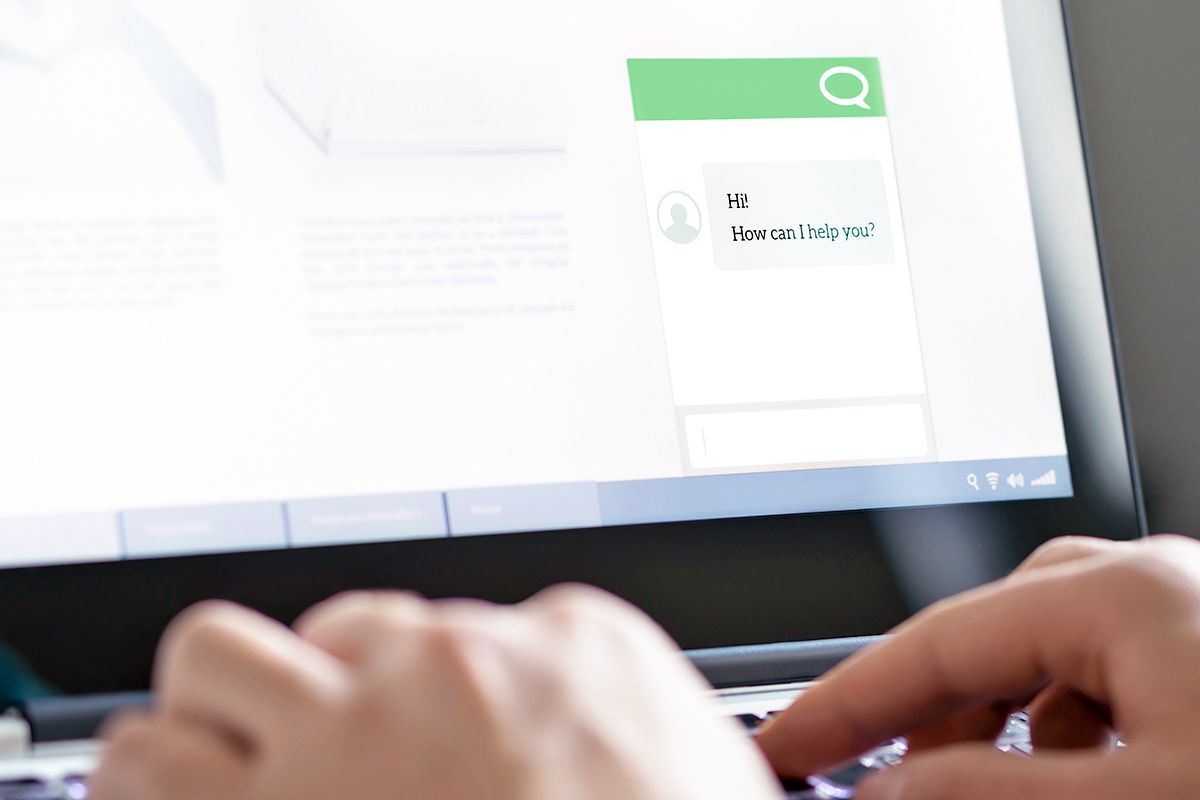
Watch for Odd Speech Patterns
While both text-based and audibly verbal chatbots do a good job imitating humans, they haven’t perfected human speech patterns quite yet. A common tell that you may be talking to a chatbot is repetition of words and phrases with little or no variation. If the “person” keeps returning to the same point over and over — especially if they use the same phrasing — it’s probably a robot. Humans are likely to switch up the way they ask questions and are less incessant about how often they repeat them.

Take Note of the Response Time
A lightning-fast response speed is another sign you may be chatting with a bot. Human customer service representatives aren’t exactly the quickest to respond, but chatbots typically reply rapidly, often with an answer that would take longer for a person to type out. (That said, a consistent delay in response time, regardless of the length of your message, may also be a sign of a bot.) Also, keep an eye out for customer service agents that are available at any time of day, even in the dead of night. This isn’t to say that there are never humans on the night shift, but it’s likelier to be a robot if you can message it any hour and get a reply.
Switch to Another Language
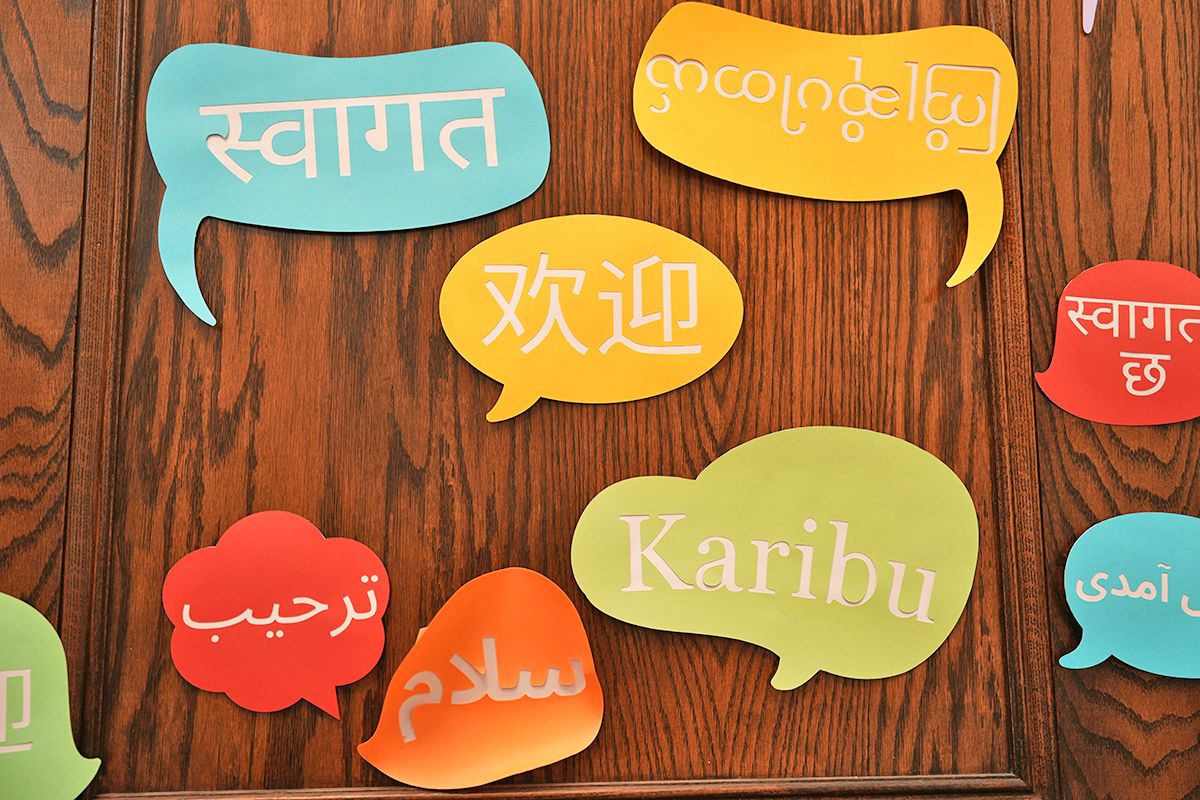
One way to expose a chatbot is to suddenly switch to a different language. According to the World Economic Forum, modern AI chatbots are trained on around 100 of the world’s 7,000 languages. You don’t even need to ask to switch — just go to Google, look up how to say “How are you?” in Icelandic, and post that into the chat. A robot may output an answer in Icelandic, while a human may say, “Sorry, I only know English.” If this happens, you can just apologize and switch back to using English.

Reader Favorites




Watch for Overly Literal Replies
Many chatbots can’t understand sarcasm and colloquialisms. For instance, if it asks how you’re doing, respond with something along the lines of, “Fantastic, I can’t get enough of this torrential rain.” A human will probably understand your sarcasm and may say something like, “Haha, I know, the rain is terrible!” whereas a chatbot may reply, “I’m so happy you love torrential rain!”
Throw in some slang and idioms as well. If they understand replies such as “yeah, right” or an idiom like “bite the bullet,” they’re likely human. But if the replies are more literal, confused, and less natural, it’s probably a robot.

Ask To Speak With a Human
At the end of the day, you can always ask to speak to a human as soon as the chat begins. If you are speaking to a human, they may reassure you that they’re a real person to put those concerns at ease.
If you’re dealing with a chatbot, they may push back a bit and assure you that they can help with any of your concerns. But you can always insist on speaking with a human, and while certain chatbots may be resistant to transferring you, there are techniques you can deploy to boost those odds.
Consumer Affairs recommends using words or phrases such as “agent” or “escalate this issue” to be transferred to a human quickly. If those fail, the phrase “this issue involves billing or legal rights” acts as a magic work-around in many cases, as words like “billing” and “legal” are flagged in the system for being higher-risk matters that require human attention.
Also, always reach out during working hours. If you start to chat at a time when humans aren’t working, then there’s no way to be transferred. Lastly, keep details at a minimum; if you explain what’s wrong, the chatbot will attempt to solve your problem itself. But by keeping things vague, the bot may have no choice but to transfer you to a real person. As Consumer Affairs puts it, “After you say your escalation word or phrase, shut up. … Every extra sentence you say gives the bot fresh keywords to latch onto and pull you away from an actual human.”
Featured Image Credit: © Nitat Termmee—Moment/Getty Images
More From Our Network
Better Report is part of Inbox Studio, an email-first media company. *Indicates a third-party property.







Bennett Kleinman is a New York City-based staff writer for Inbox Studio. He is also a freelance comedy writer, devoted New York Yankees and New Jersey Devils fan, and thinks plain seltzer is the best drink ever invented.
This article is for general informational purposes only.
Affiliate Disclaimer Medical Disclaimer Financial Disclaimer