6 Foods You May Not Realize Are Processed

When you hear the term “processed foods,” you likely think of hot dogs, sodas, pizzas, and potato chips — not foods like yogurt and granola bars. Aren’t they supposed to be healthy?
Not so fast. Things get murky when we start talking about what exactly makes a food processed or ultraprocessed. Let’s break it down.
What Are Ultraprocessed Foods?
Most foods today are processed, which just means they’ve been changed in some way from their freshest state. Minimal processing can include anything from chopping or freezing fresh veggies to roasting nuts. Other processes, like pasteurization, are for enhancing food safety and shelf life.
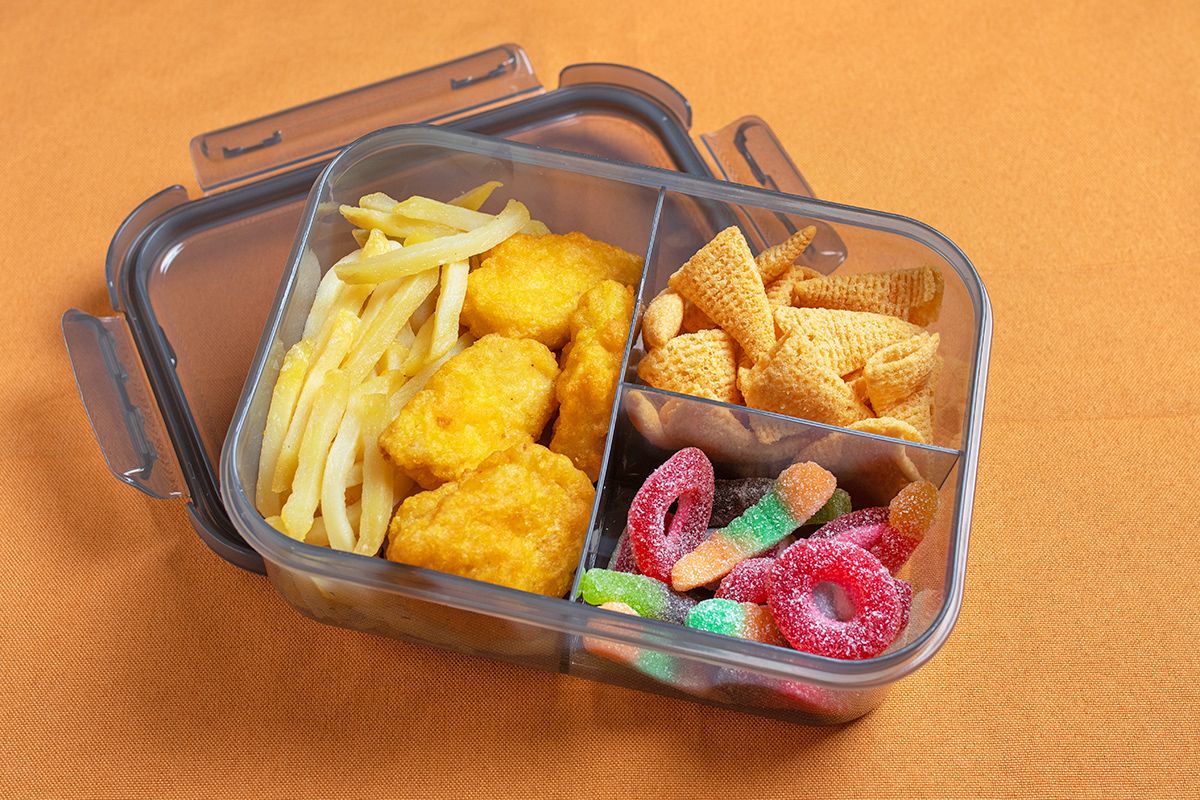
But at the other end of that range are ultraprocessed foods (UPFs). Though there’s no one formal definition for what makes a food ultraprocessed, most experts agree that UPFs contain extra ingredients that you wouldn’t have in your pantry at home.
“Ultraprocessed foods are those furthest from their natural state; they’ve been modified by adding extra ingredients and by changing their composition,” Cynthia Graubart, a James Beard Award-winning author of 14 cookbooks, explains. “For example, oats are natural grains, but they become highly processed when they’re made into sugary cereals.”
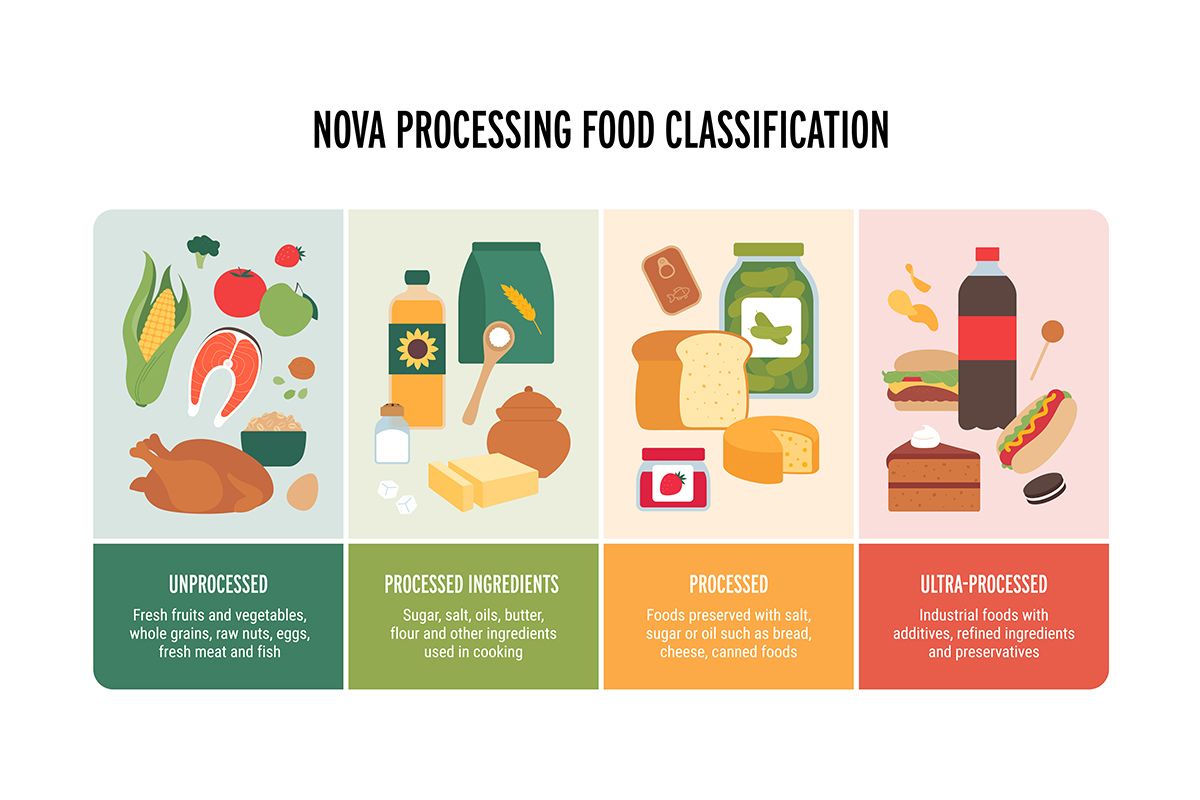
Some researchers use the NOVA system — developed by the Center for Epidemiological Studies in Health and Nutrition in the School of Public Health at the University of São Paulo — to identify foods based on how much they’re processed. NOVA considers foods that have additives, like high-fructose corn syrup, colors, stabilizers, flavor enhancers, oils, fats, and non-sugar sweeteners, as ultraprocessed.
The NOVA system is only one guideline, however, and some say it’s flawed because its classifications are too broad, which causes inconsistency and oversimplification in how foods are categorized.
Are Ultraprocessed Foods Bad for You?
Studies have shown that eating a diet of UPFs can be bad for your health. A 2023 research review found that consuming UPFs was associated with an increased risk of high blood pressure, Type 2 diabetes, obesity, and cardiovascular disease.

Reader Favorites



Today, according to one study, more than 73% of the U.S. food supply is ultraprocessed. Adults get more than half their calories from UPFs, and overwhelming amounts of research suggests that UPFs can be addictive because they trigger your brain’s reward system and release dopamine, cause behavior that meets the clinical criteria for substance use disorders, and create a dependence that causes intense cravings and withdrawal-like symptoms for some.
That said, it’s OK to occasionally eat UPFs, and some of them can be part of a healthy diet, though it depends on which you eat.
Here are six examples of ultraprocessed foods that might surprise you.
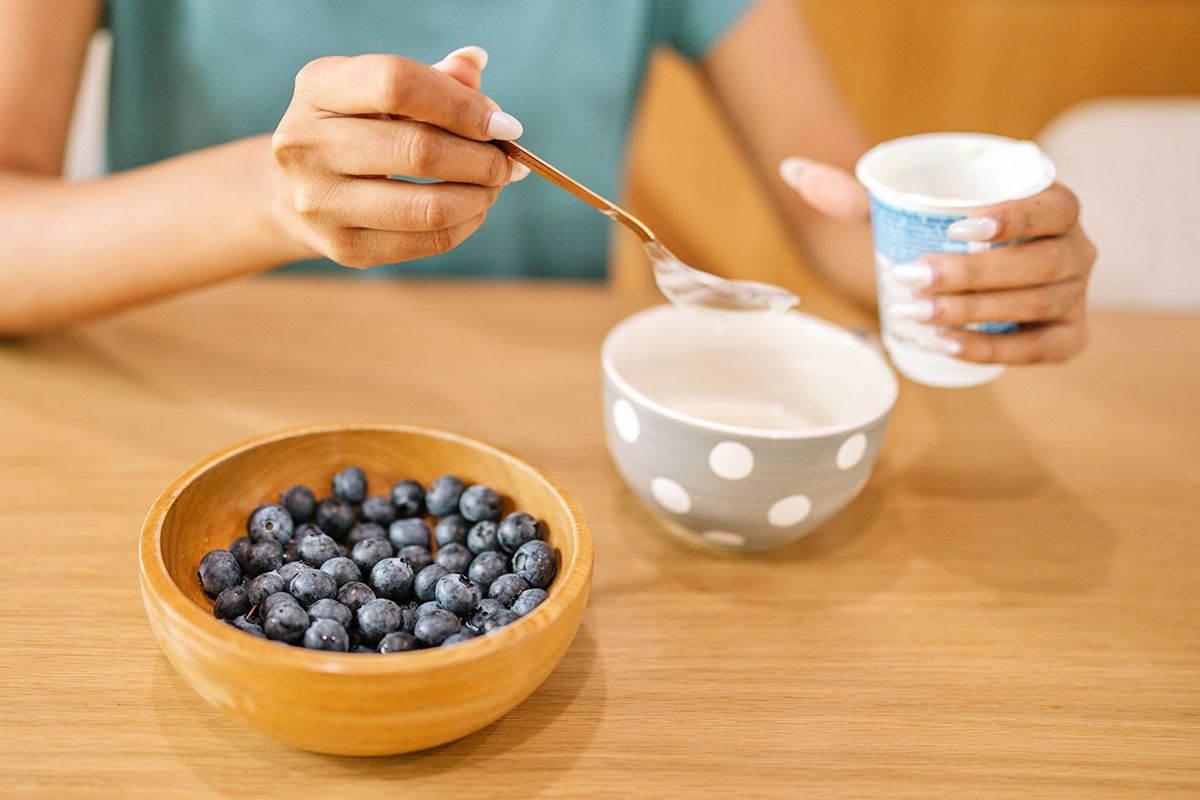
Yogurt
Yogurt is considered a healthy snack, but many varieties have tons of added sugars, sweeteners, stabilizers, and thickeners to improve their flavor and consistency. Some popular brands have as much as 20 to 25 grams of sugar (and very little protein) in a 5-ounce serving. Eating too much added sugar can increase your risk for Type 2 diabetes and high blood pressure.
Instead, Graubart says you should opt for plain, unsweetened Greek yogurt, which is less processed and has more protein to keep you feeling satisfied longer. She also suggests trying plant-based yogurts like almond, soy, and coconut.
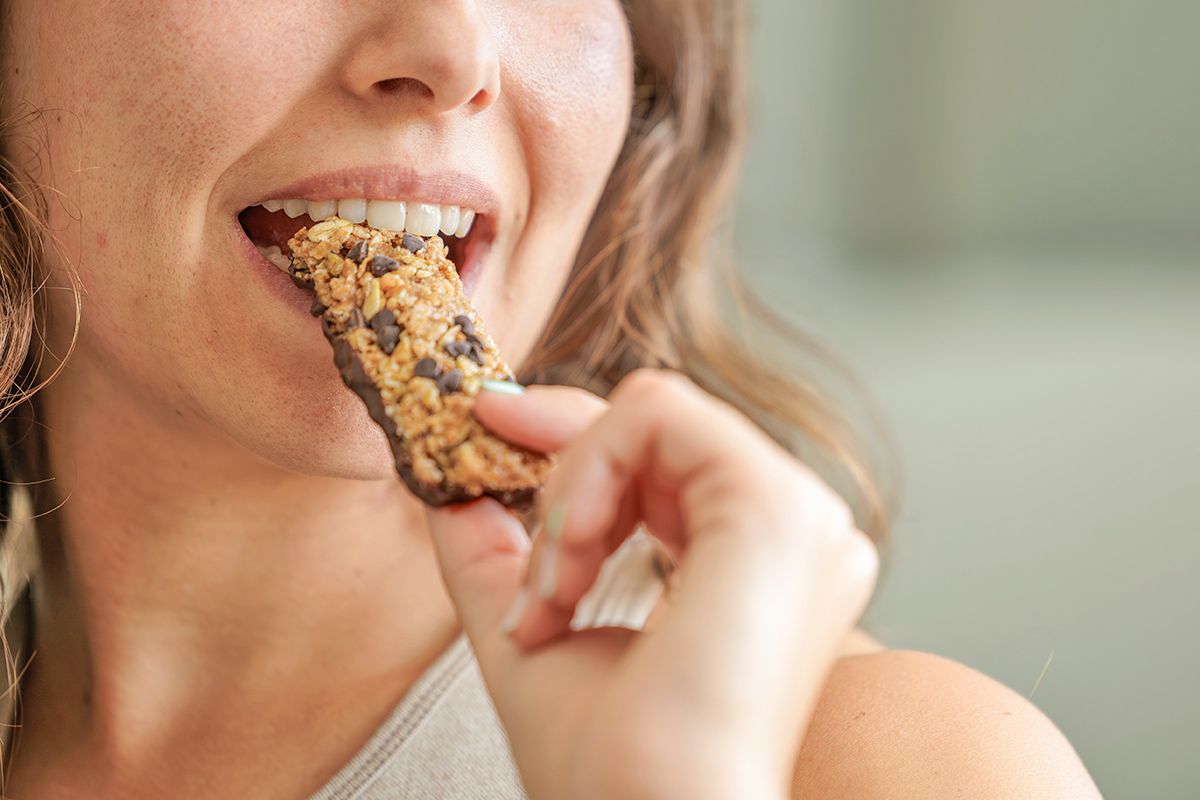
Granola and Protein Bars
Granola and protein bars make great snacks when you’re on the go. But these prepackaged bars are loaded with refined grains, added sugars like corn syrup, and preservatives to make them shelf stable. This means eating one is likely to give you a quick boost of energy, but a sugar crash, too.
If you can’t make your own granola at home, read the ingredient labels and choose bars made with mostly whole foods you recognize, such as oats, nuts, seeds, and fruits. Graubart says you’ll be surprised by how much hidden fat and sugar these “healthy” bars contain.
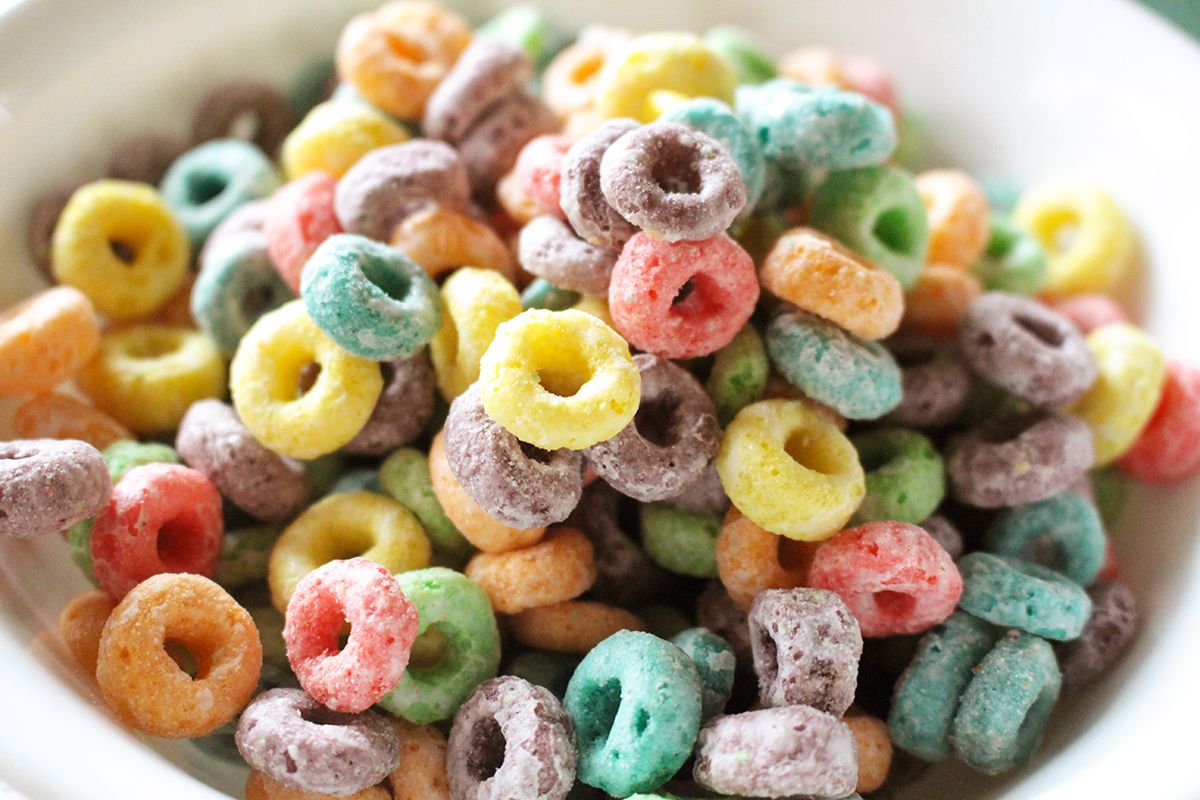
Boxed Breakfast Cereals
Your first meal of the day is also one of the most important, and many Americans make that meal cereal. But most are made from highly processed grains loaded with sweeteners, flavors, dyes, and preservatives. Some are then fortified with synthetic vitamins and minerals because they’re baked at such high temperatures that nutrients are stripped away.
The most recent Dietary Guidelines for Americans say added sugar intake should be less than 10% of your total calories, which is about 50 grams if you’re consuming 2,000 calories a day. But one serving of most sugary cereals can have 10 to 14 grams of added sugar or more, and the amount of cereal people actually eat may be greater than the recommended serving size.
If you want a healthier cereal for breakfast, choose one with whole grains near the top of the ingredients list, and one that is high in fiber and low in sugars. “Fiber keeps you feeling full and low sugar keeps that midmorning crash at bay,” Graubart says.
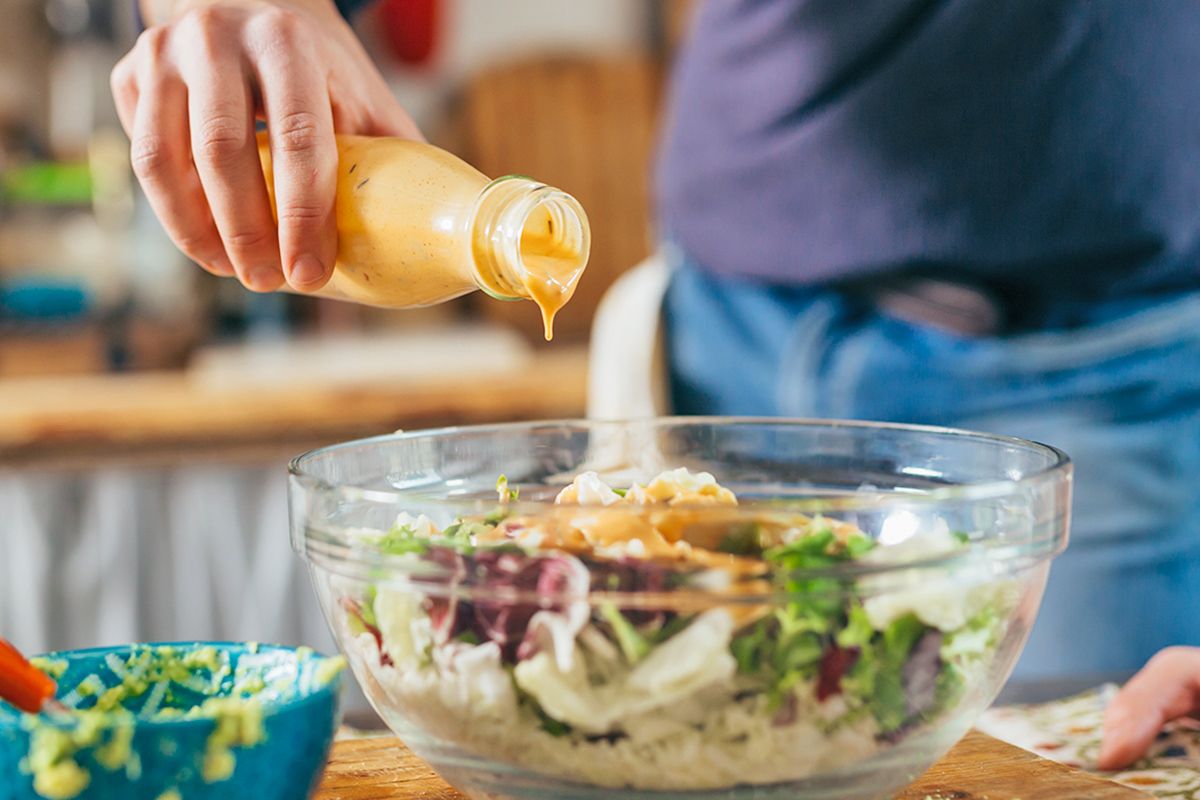
Bottled Salad Dressing
Those salad dressings you get at the store might taste great, but they also contain much more than oil and vinegar. Most have tons of additives, such as sweeteners, sodium, starches, preservatives, and thickeners to enhance their texture and flavor. These also help keep them thick and pourable.
You can make an even better-tasting dressing in minutes without any emulsifiers, which have been linked to health problems, including an increased risk of some cancers.
“Simple olive oil and vinegar-based dressings are easy to make at home, and you can modify them with your favorite fresh herbs and seasonings,” Graubart says. “Whisk in a dollop of Greek yogurt for creaminess.”

Deli Meats
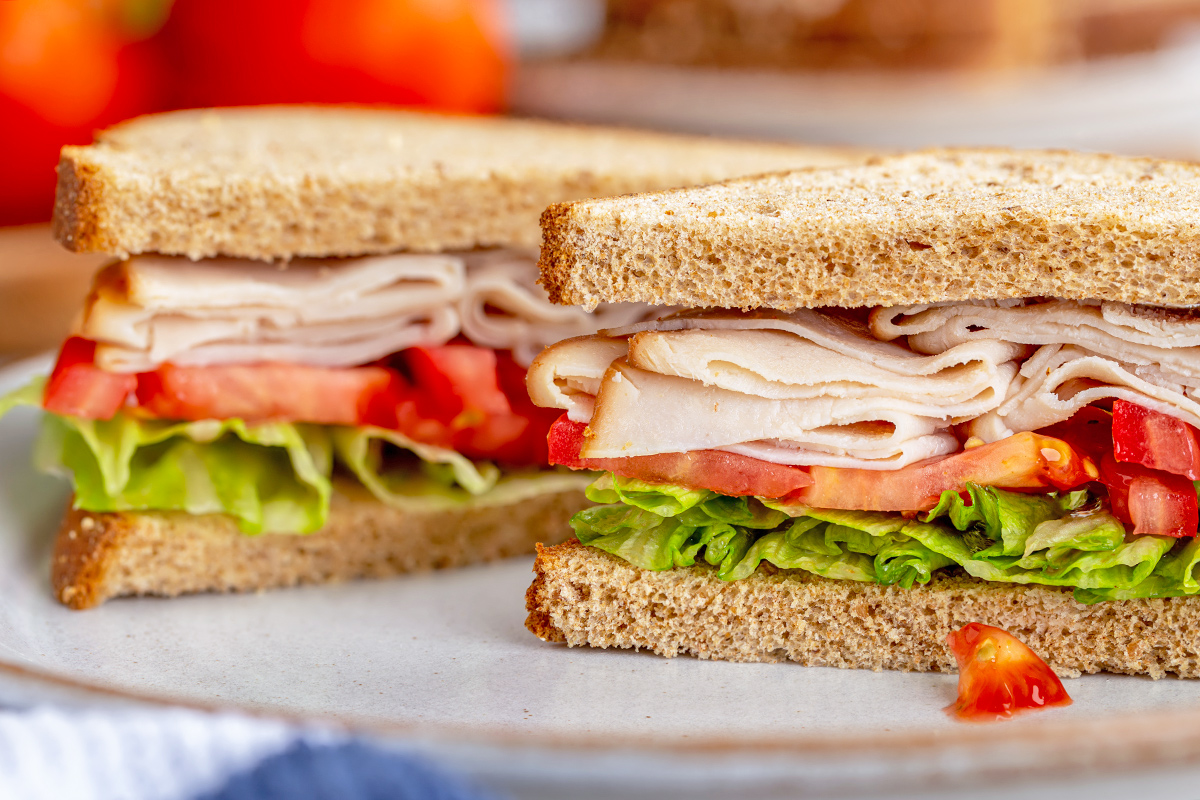
Deli meats are definitely convenient and a staple of the American lunch box — but you may be surprised by just how processed they are. The meat is often marinated or injected with flavor compounds, and multiple cuts are combined and held together with a synthetic casing to create the block that ends up being sliced at the counter. This means deli meats are high in sodium and fat. They also contain preservatives, including nitrites and nitrates, which have been linked to colorectal cancer.
So, instead of getting deli meat, “look for house-baked turkey and chicken breasts at the same deli counter in the supermarket,” Graubart suggests. You can slice them at home or ask the deli to do the slicing for you.
Sandwich Bread
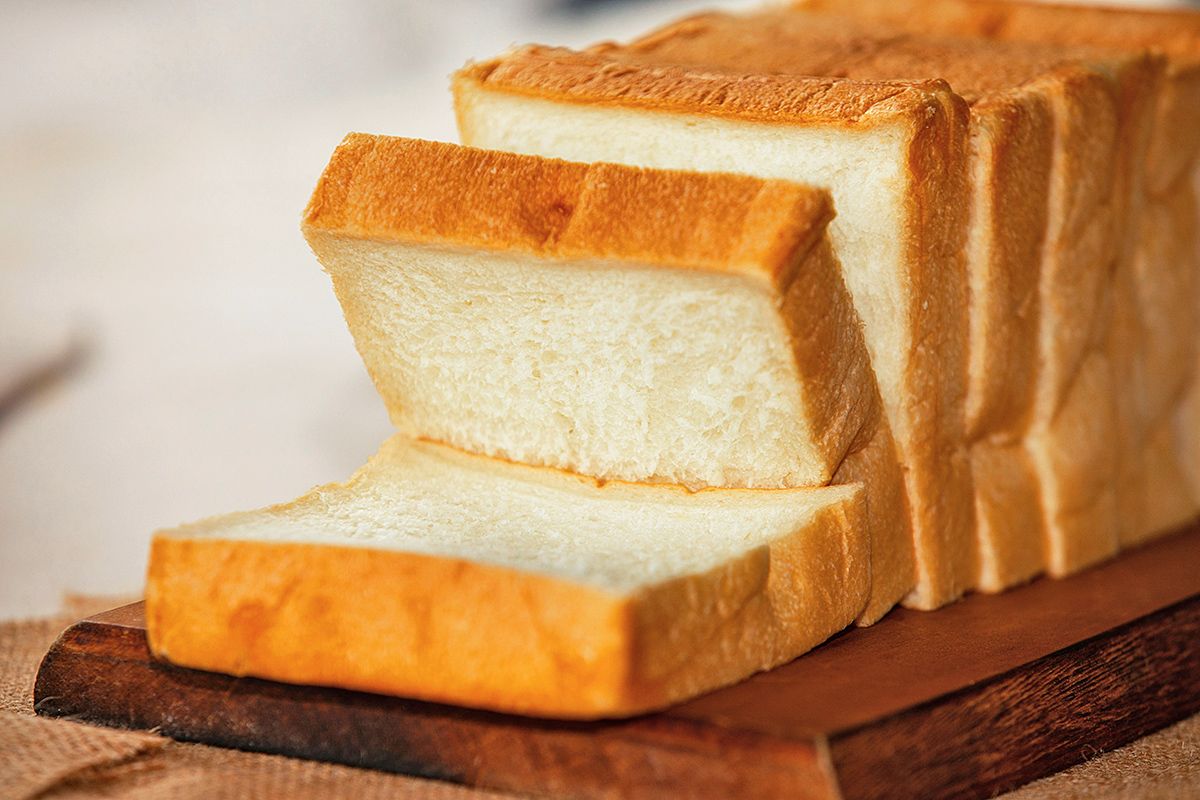
Sandwich bread may be the biggest surprise on this list. Traditional bread is made with little more than flour, water, yeast, and salt. But many mass-produced sandwich breads have emulsifiers, preservatives, sweeteners, vegetable oils, and dough conditioners to keep those slices soft, springy, and shelf-stable for weeks.
Try to buy fresh bread from a local bakery instead. “[It] will have the fewest additives,” Graubart says. “The farther the bread travels, the more processed ingredients required to keep it fresh.” If you have to buy from your supermarket, “look for whole-grain breads with the fewest ingredients.”
Featured Image Credit: © chas53/stock.adobe.com
More From Our Network
Better Report is part of Inbox Studio, an email-first media company. *Indicates a third-party property.







Sarah Gleim is an Atlanta-based freelancer with more than 25 years of experience writing and producing explainers and features about history, science, food, and health for media outlets like AARP, WebMD, The Conversation, History.com, HowStuffWorks, CNN, and others. She’s also the editor of several cookbooks for Southern Living and Cooking Light.
This article is for general informational purposes only.
Affiliate Disclaimer Medical Disclaimer Financial Disclaimer