The Health Risks of Shopping at the Dollar Store


The average monthly grocery bill for a couple in the U.S. is nearly $600, according to WalletHub, and as food prices continue to soar, shoppers are increasingly turning to dollar stores. They’re the fastest-growing type of food retailer in the U.S., and it’s not hard to understand why: Dollar stores offer basics like canned and frozen foods, snacks, and shelf-stable ingredients for less money than typical grocery stores. In communities underserved by larger food retailers, they may provide the only grocery options.
Consumers might end up paying in other ways, however. Dollar stores usually don’t offer fresh fruits or vegetables, for example, which are a key part of healthy eating plans. Now, a new study in the journal BMC Public Health has figured out how shoppers’ proximity to dollar stores may be reflected in their communities’ health outcomes.

Dollar Store Economics
Dollar stores’ business models are built around selling products that need fewer workers to manage them, which keeps prices low. In contrast, stocking fresh produce and dairy and weeding out spoiled items each day requires more workers, which increases operating costs that may be passed on to customers.
As a result, most dollar stores rely on shelf-stable, highly processed foods containing unhealthy levels of sodium, added sugar, or saturated fat. These dietary factors can contribute to obesity, Type 2 diabetes, and cardiovascular disease. Yet, in many communities, dollar stores may be the most convenient and affordable options for buying food.
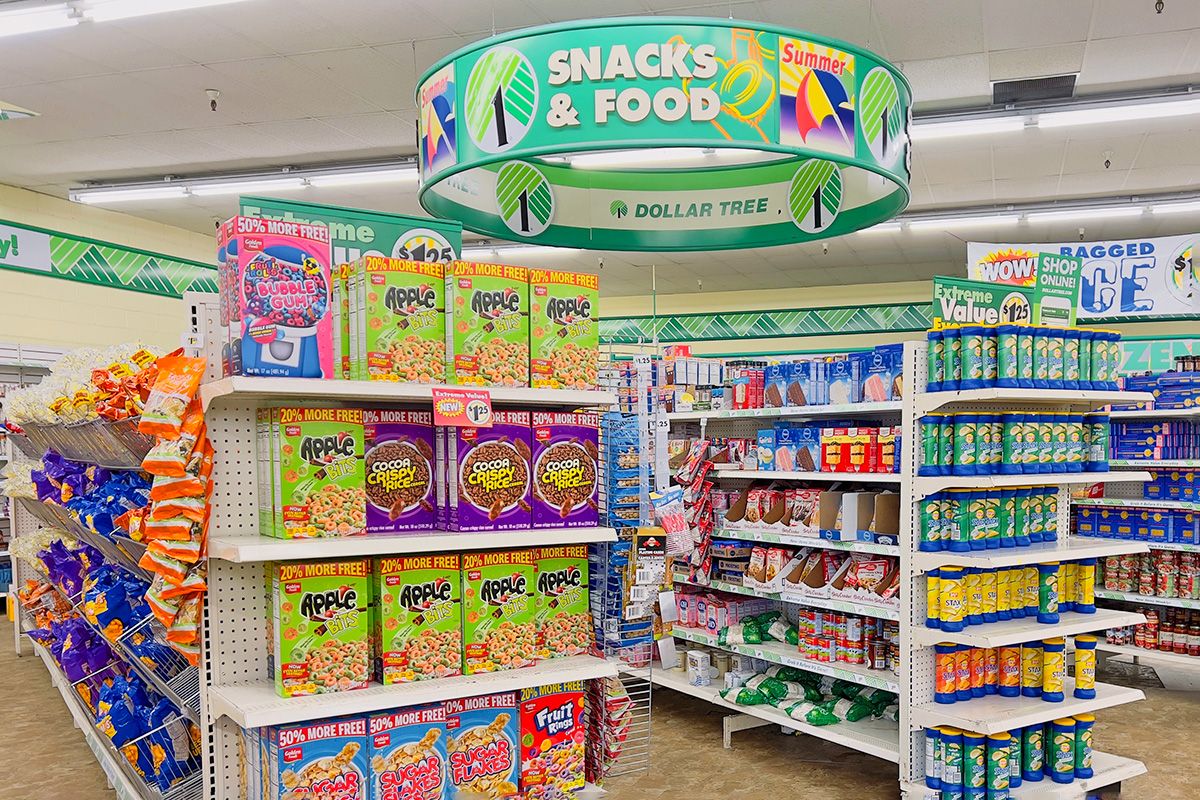
Mapping Dollar Stores to Health
Because the U.S. Census Bureau designates dollar stores as “general merchandise” retailers rather than grocery stores, they’re often excluded from research on food purchasing. In the new study, scientists set out to draw a more realistic picture of shoppers’ habits and health outcomes.

Reader Favorites



They compiled geographic locations for 30,920 traditional grocery stores (which they classified as selling “standard-quality” food) and 34,021 Dollar General, Dollar Tree, 99 Cent, and Family Dollar stores selling “low-quality” foods and mapped them with ArcGIS software. Then, using data from the CDC’s 500 Cities Project, they mapped rates of obesity, diabetes, high blood pressure, high cholesterol, asthma, and poor mental health organized by census tract.
The researchers “found consistent beneficial health associations” in communities with closer proximity to regular grocery stores, while nearness to dollar stores “was generally associated with poorer health.” The pattern remained after the researchers considered social conditions that may affect a person’s health, including unemployment, lack of access to a vehicle, and low income — which suggested the quality of the food offered as the likely driver of the associations. Though the effects weren’t uniform across the country, the authors suggest dollar stores are important resources that could improve community well-being by selling healthier foods.
Healthy Hunting at the Dollar Store
There has been some movement in this direction already. Shoppers in a 2022 survey said they wanted healthier products at dollar stores. Dollar General began using AI technology in 2022 to manage perishable food inventory and automate purchasing, allowing the company to order fresh produce efficiently for about a third of its nearly 21,000 locations.
If your local dollar store doesn’t yet offer fresh produce, you can still find healthier options while saving a buck.
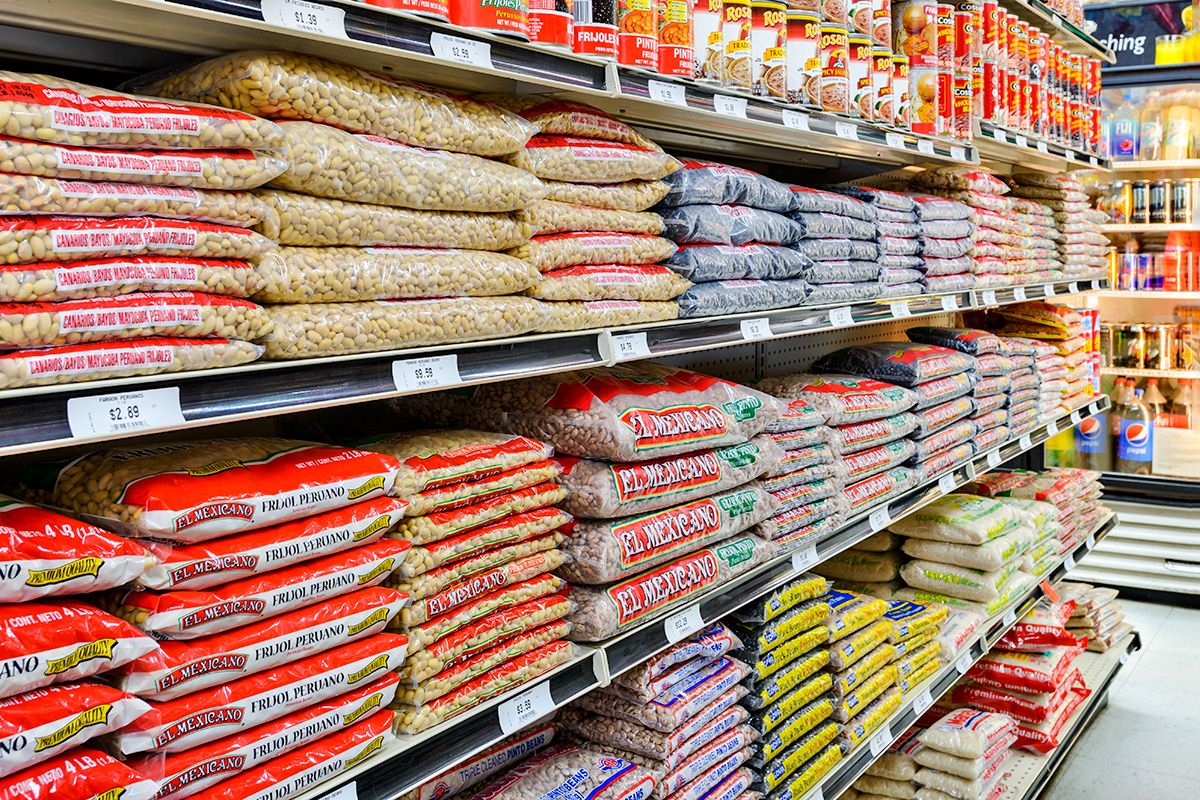
Look for dried beans, which are high in protein, fiber, and iron; a 1-pound bag costs about $1.25 and contains 12 servings. Canned beans, vegetables, tomatoes, and tuna also are full of essential nutrients. Whole-grain bread and tortillas offer fiber and complex carbs, and many stores sell low-fat milk, eggs, cheese, and microwaveable frozen veggies. These ingredients can be combined in countless ways for cheap, delicious, and nutritious meals.
Featured Image Credit: © Refrina/stock.adobe.com
More From Our Network
Better Report is part of Inbox Studio, an email-first media company. *Indicates a third-party property.






Kat Long is a freelance science journalist in the Washington, D.C. area. Previously, she was the science editor at Mental Floss and a digital editor at National Geographic. She now writes the Arctic Archives newsletter on Substack. Kat spends her free time birdwatching, road-tripping to historical sites and perusing old manuscripts at libraries.
This article is for general informational purposes only.
Affiliate Disclaimer Medical Disclaimer Financial Disclaimer