Skip to content
Better Report
  • Home
  • Health
  • Wealth
8 Low-Maintenance Plants That Thrive on Neglect
  • Search
  • Subscribe
  • Home
  • Health
  • Wealth
  • About
  • Privacy Policy
  • Terms of Use
  • Contact Us
  • SubscribeSubscribe
  • Search
Thank you for confirming your email! Welcome to the community.

Author: mikenewman

Hamburger vs. Hot Dog: Which Is Healthier?

Health | Updated: June 27, 2024
Bennett Kleinman
Author
Bennett Kleinman is a New York City-based staff writer for Inbox Studio. He is also a freelance comedy writer, devoted New York Yankees and New Jersey Devils fan, and thinks plain seltzer is the best drink ever invented.
Person grilling cheeseburgers and hot dogs
Better Report

It’s summer, which means beach getaways, frozen cocktails, and bad sunburns in the most annoying of places. It’s also the perfect time to hold a backyard barbecue and eat enough hamburgers and hot dogs to make Joey Chestnut proud. Burgers and dogs are two of the tastiest summertime staples, though they’re not exactly considered to be the most diet-friendly foods. But rather than compare hamburgers and hot dogs to salad, let’s compare them to each other. You may not realize there are certain dietary benefits that one offers over the other, so let’s take a closer look at which is healthier.

Credit: Alexey_Arz/ iStock

Comparing the Classics

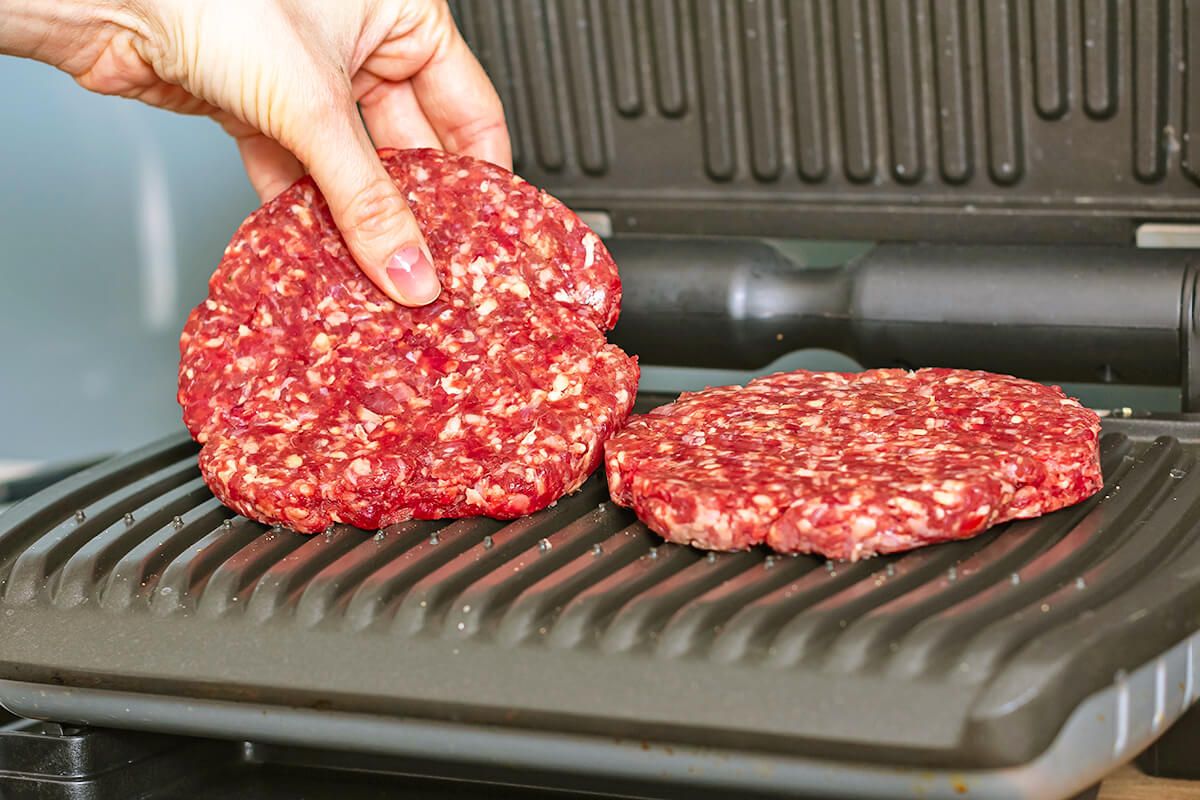
There are so many types of hamburgers and hot dogs to choose from, from the standard beef-based versions to ones made of turkey, lamb, and plant-based ingredients. But for this comparison, let’s take a look at the stereotypical burgers and dogs that you often find at backyard barbecues. We’re talking about a 4-ounce hamburger made from 85% lean, 15% fat ground beef versus a traditional 1.5-ounce, bun-length, all-beef hot dog.

Advertisement
Advertisement
Credit: fdastudillo/ iStock

Calories

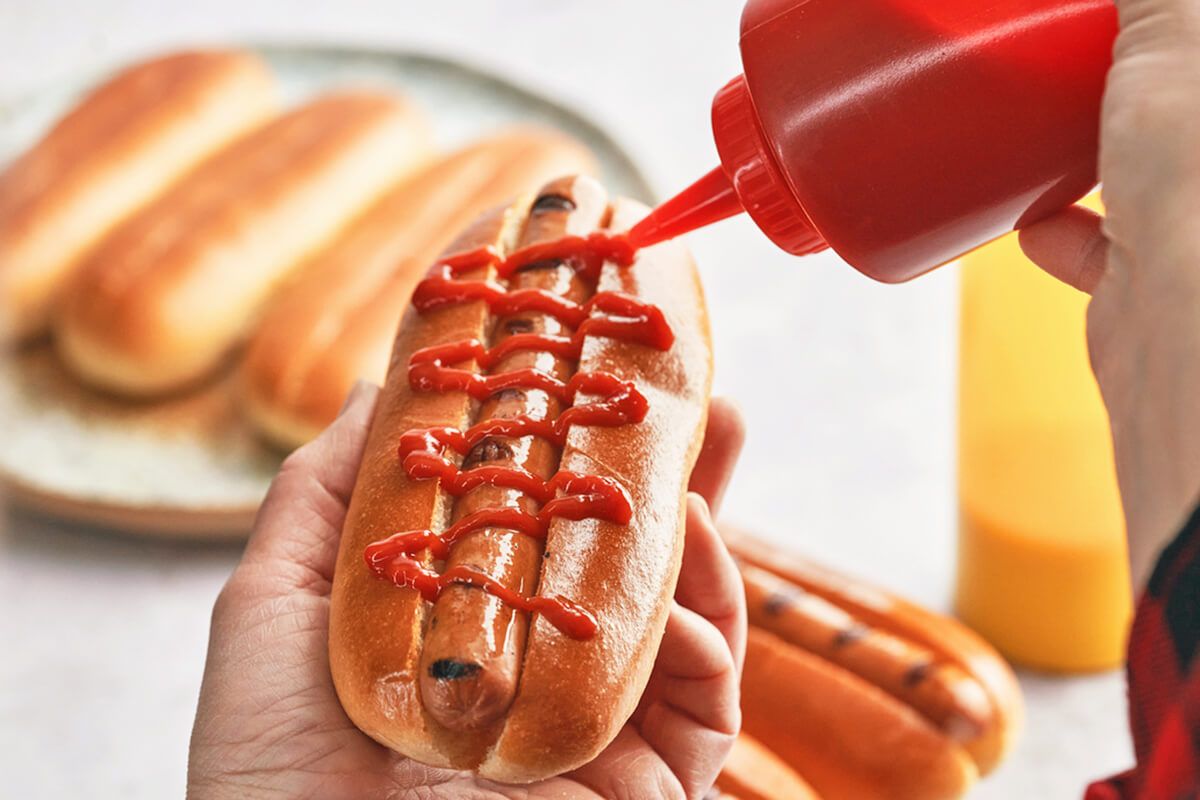
In terms of just calories, a single serving of the burger described above contains around 250 calories, give or take. Hot dogs are usually less than 200 calories, giving them the slight edge in this category. Both hamburger and hot dog buns add around 150 calories, but it’s really the more common toppings that can make a substantial difference. 

Adding a slice of bacon and American cheese to your burger adds at least 150 calories, and upgrading it with a fried egg or avocado can tack on a few hundred more. Typical hot dogs are usually topped with ketchup, mustard, and maybe sauerkraut, all of which are low-calorie ingredients. Of course, a chili cheese dog will contain substantially more calories if that’s your route. But regarding your traditional offerings, hot dogs contain fewer calories than hamburgers.

Credit: Ball Park Brand/ iStock

Sodium

The gap between hamburgers and hot dogs is substantial concerning sodium levels. A standard hamburger serving usually has less than 100 milligrams of sodium, though that number can rise if it’s heavily seasoned with salt. An all-beef hot dog, however, contains nearly 600 mg of sodium, which amounts to roughly 30% of the recommended daily sodium intake. These higher sodium levels are due to the fact that hot dogs are processed foods, and often contain preservatives such as sodium nitrate. So if you’re struggling with high blood pressure or heart disease, hamburgers are a better option than hot dogs.

Recommended Articles

  • The Most Popular Car Colors in the U.S.

  • 5 Small Changes You Can Make To Decrease Your Risk of Dementia

  • First-Date Etiquette Tips for People Over 40, According to a Matchmaker

  • 6 Holiday Foods You Didn’t Know Were Healthy

Advertisement
Advertisement

Reader Favorites

  • Person breaking into a car

    The 10 Most Stolen Cars in the U.S.

  • Older man with hands on cane

    Why Do We Smell Different As We Age?

  • Man in grocery store

    6 Grocery Habits Costing You More Than You Think

Credit: Vladyslav Lehir/ Shutterstock

Protein

Protein is extremely important for muscle growth, cell repair, and to provide the body with enough energy to make it through the day. Burgers are far more protein-packed than hot dogs, as the typical beef burger contains upwards of 20 grams of protein — nearly half of the recommended daily intake for some adults. Even better, those high levels of protein can help tame your hunger, which lessens the odds you’ll go back for seconds and tack on those additional calories.

Advertisement

Hot dogs, on the other hand, only have around five grams of protein in a typical serving, meaning you’d need to eat four dogs in order to match a burger’s protein levels. While that may sound delicious, it adds hundreds of additional calories and thousands of grams of unnecessary and potentially harmful sodium.
Credit: GMVozd/ iStock

Fat

There are roughly 17 grams of fat in your standard burger serving, compared to around 13 grams in your typical hot dog. Both options, however, contain roughly six grams of saturated fat, too much of which can be bad for your health. The difference here is pretty negligible, so fat content shouldn’t be taken into consideration too strongly.

Credit: jjwithers/ iStock

The Risk of Carcinogens

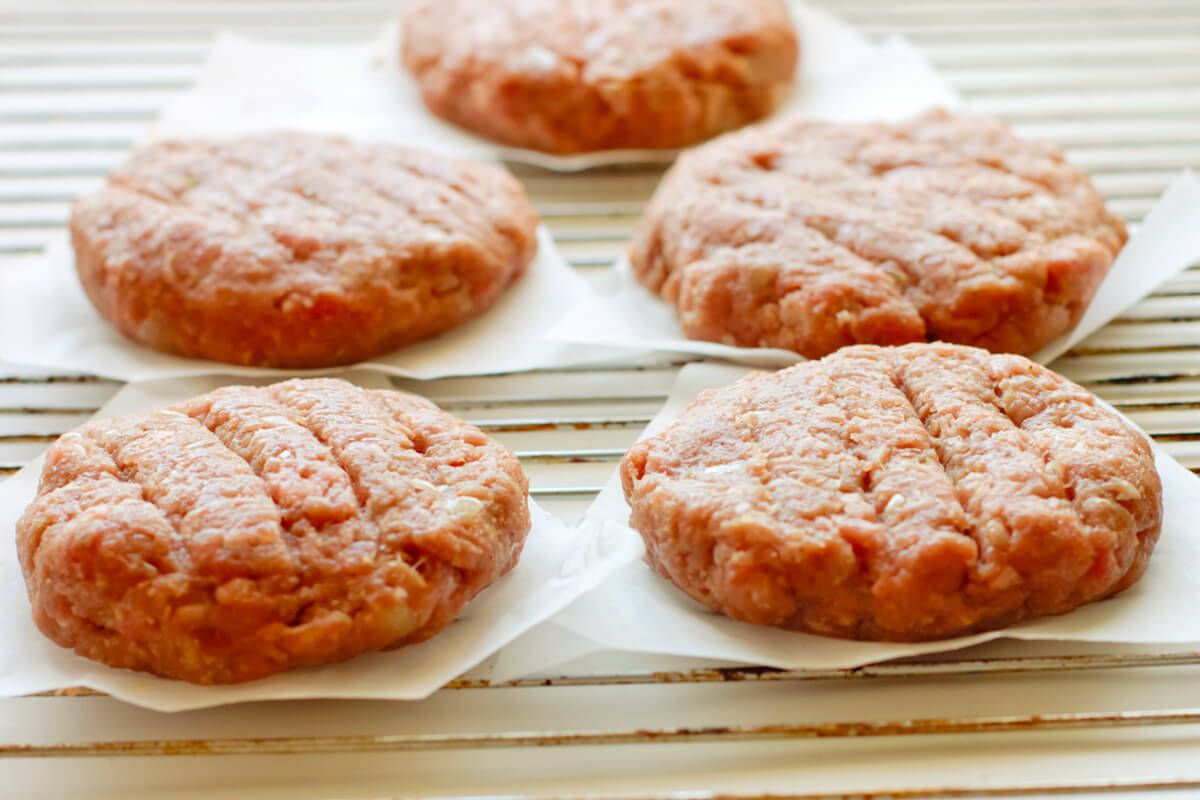
Unlike burgers, processed foods such as hot dogs are classified as a Group 1 carcinogen, according to the World Health Organization. Consuming the artificial compounds found in most hot dogs can increase cancer risk. The same can be said for char-grilled burgers, which contain more carcinogens than burgers cooked on a frying pan on top of the stove. But the level of carcinogenic substances in burgers is far less than in hot dogs.
Advertisement
Advertisement
Credit: Yulia Panova/ iStock

Healthier Meat Alternatives

Burgers generally have the edge when it comes to healthier options that you can choose from at the supermarket. You may commonly find leaner patty options such as ostrich, bison, and fish, all of which provide tons of protein, iron, and vitamins with less fat. In terms of healthier hot dogs, you’re generally more limited to lean options such as turkey and chicken. However, you can also generally find hot dogs that are nitrate-free or low in sodium, both of which are much healthier than the standard version.

Credit: stevecoleimages/ iStock

The Verdict

It’s hard to definitively say whether hamburgers or hot dogs are healthier, as many variables can affect such a determination. It all depends on how many you eat, the type of meat, and what toppings are included.

Advertisement

If you’re strictly counting calories, then hot dogs are the way to go. But if you’re looking at the overall health benefits, then hamburgers take the cake. Hamburgers provide far more protein and far less sodium, while only containing a few dozen calories more than your standard hot dog. So, if you’re looking to eat healthy at your next summer gathering, we suggest going for the burger instead of the dog.

More From Our Network

Better Report is part of Inbox Studio, an email-first media company. *Indicates a third-party property.

Go Retro With This 1960s Fashion Quiz

Quiz Daily

Go Retro With This 1960s Fashion Quiz

True or False: Are You a Master of U.S. Geography?

Travel Quiz

True or False: Are You a Master of U.S. Geography?

5 Reasons You Can Be Denied Boarding an Airplane

Daily Passport

5 Reasons You Can Be Denied Boarding an Airplane

What Did People Do Before Eyeglasses?

History Facts

What Did People Do Before Eyeglasses?

How To Use a Balloon To Clean Up Dust

House Outlook

How To Use a Balloon To Clean Up Dust

11 Shopping Hacks Costco Members Should Know

FinanceBuzz*

11 Shopping Hacks Costco Members Should Know

Share this article

  • Share to Facebook
  • Share to Twitter
  • Copy Url
  • Share to Email
Bennett Kleinman
Staff Writer

Bennett Kleinman is a New York City-based staff writer for Inbox Studio. He is also a freelance comedy writer, devoted New York Yankees and New Jersey Devils fan, and thinks plain seltzer is the best drink ever invented.

This article is for general informational purposes only.
Affiliate Disclaimer Medical Disclaimer Financial Disclaimer

Updated: July 20, 2023
Posted In: Health
Hero Image Credit: Better Report
Advertisement

Related Articles

5 Small Changes You Can Make To Decrease Your Risk of Dementia

4 min read

6 Holiday Foods You Didn’t Know Were Healthy

7 min read

Is It Safe To Drink a Glass of Water That Sat Out Overnight?

3 min read

The Health Risks of Shopping at the Dollar Store

4 min read

Does Going Outside With Wet Hair Really Make You Sick?

4 min read
Advertisement

A Pinch of Sugar Can Make Your Lawn Greener (Really!)

Home | Updated: June 28, 2024
Nicole Garner Meeker
Author
Nicole Garner Meeker is a freelance writer, research editor, and Inbox Studio contributor. Based in St. Louis, she’s an enthusiastic gardener, fiber artist, and connoisseur of fine snacks.
Better Report

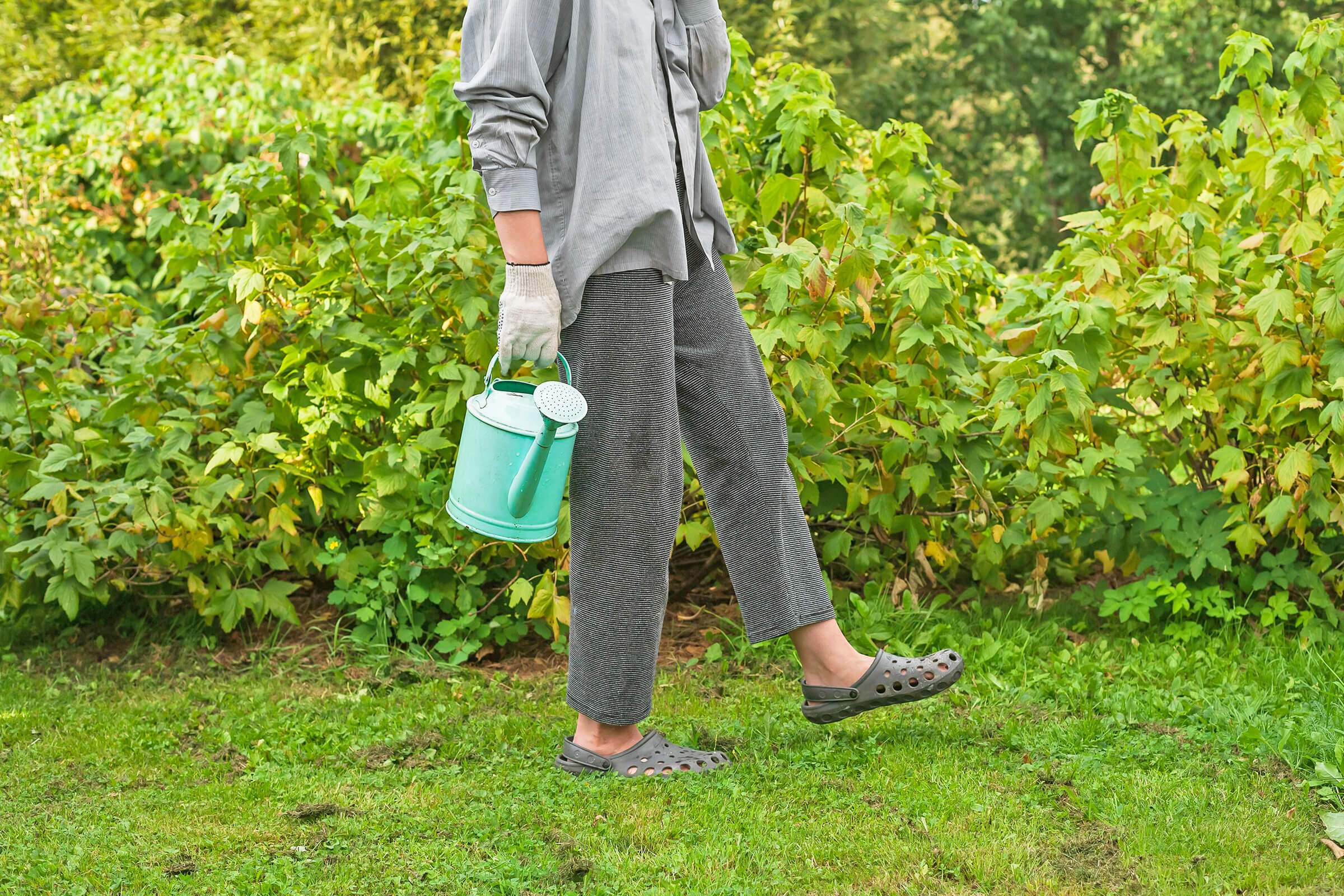
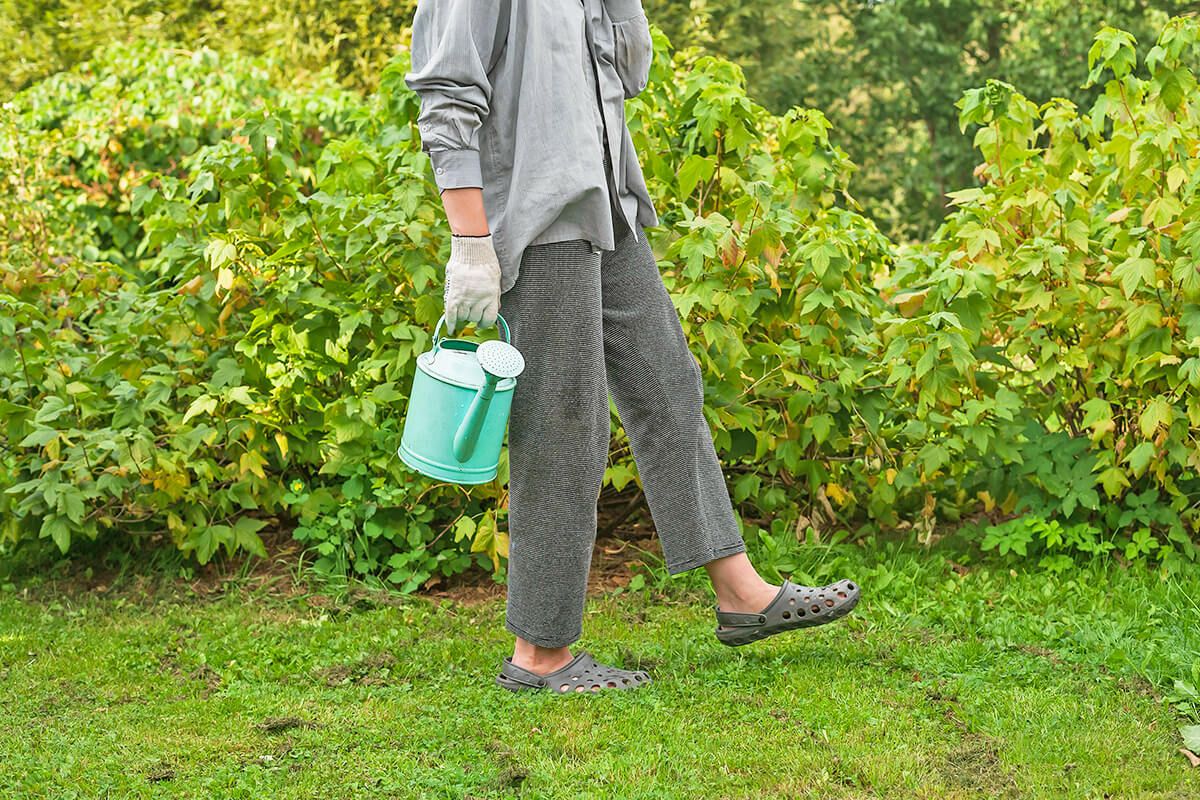
Walk into any home improvement store, and you’re bound to encounter a lot of lawn-care products. Beyond grass seed, yard-care aisles are packed with lawn food, pesticides, fungus control, fertilizers, and crabgrass preventers (and more!). It can be a little overwhelming to figure out exactly what your yard needs to become soft, lush, and free of bare spots. Luckily, there’s one trick you can try before spending a Saturday morning wandering Lowe’s or Home Depot. Getting a greener yard may start with a trip to your kitchen pantry for a common baking ingredient. Here’s how to use sugar as a natural fertilizer to boost your lawn’s health and color.

Credit: Manivannan Thirugnanasambandam/ iStock

The Idea Behind Sugar’s Greening Effect

As much as humans love sugar and turn to it for an energy boost, the sweetener doesn’t have the same effect on plants. Unlike us, plants don’t have digestive systems to break down sugar and feast on its nutrients. So while it’s commonly tried, watering plants with sugar water often has disastrous results, causing plants to entirely wilt or rot at the roots. However, granulated sugar tossed on your lawn can have a different effect because the goal isn’t to feed the grass — it’s to help the microorganisms living below it. Tossing small amounts of sugar throughout your lawn can feed these small creatures, who break down the sweetener into byproducts plants can use. With these nutrients available in the soil, grass (and other plants) have a better chance at growing healthily.

Advertisement
Advertisement
Credit: Diana Light/ Unsplash+

When To Use (And Not Use) Sugar On Your Lawn

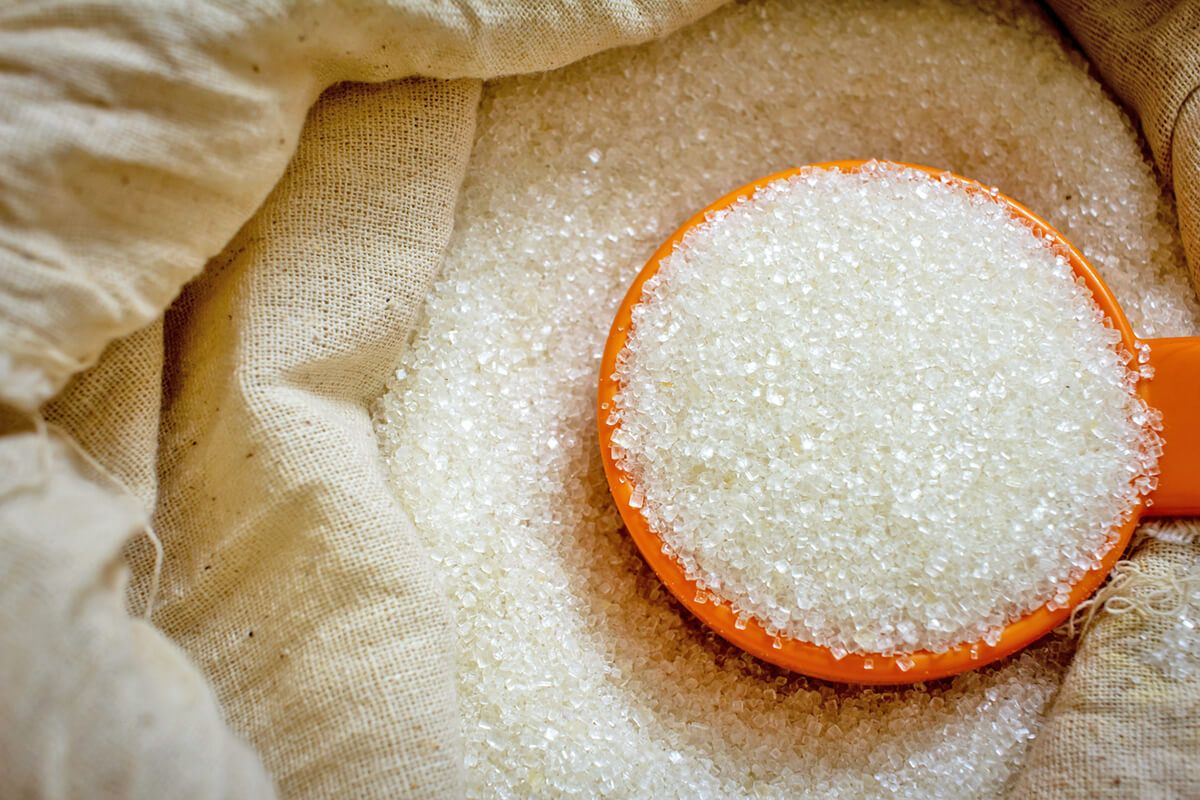
If your lawn is looking a little lackluster, sugar may be able to help. While there are many reasons your grass may not be taking root — like a lack of water or compacted soil — one of the easiest starting places is providing extra nutrients. Commercial fertilizers tend to boost three building blocks of plant life: nitrogen, potassium, and phosphorus. If you’re not ready to purchase a yard fertilizer, giving your yard’s existing soil microbes a shot to create these naturally might work. The key is distributing the sugar lightly and evenly; gardening experts recommend using 1 pound of granulated white sugar to about 11 square feet of space. You can make this job easier by adding the sugar to a grass seed spreader and rolling through the grass once per month, max. 

However, not every yard should get this sweet treatment. While it might boost your grass, sugar can also feed fungi that wreak havoc on your greenspace (if your yard has a fungus problem, adding this food source won’t help). And, there’s a good chance this trick may cause more problems than it solves based on where you live. A sugar-filled yard can attract insects and animals looking for food, so it’s not the best option for homeowners who are already dealing with pests or living in heavily wooded area.

Recommended Articles

  • The Most Popular Car Colors in the U.S.

  • 5 Small Changes You Can Make To Decrease Your Risk of Dementia

  • First-Date Etiquette Tips for People Over 40, According to a Matchmaker

  • 6 Holiday Foods You Didn’t Know Were Healthy

Advertisement
Advertisement

Reader Favorites

  • Person breaking into a car

    The 10 Most Stolen Cars in the U.S.

  • Older man with hands on cane

    Why Do We Smell Different As We Age?

  • Man in grocery store

    6 Grocery Habits Costing You More Than You Think

Credit: William Edge/ Shutterstock

What To Do If The Sugar Trick Doesn’t Work

While sprinkling a little sugar on your lawn may help it bounce back, there’s no guarantee this trick works — after all, it’s hard to know exactly why your lawn may look poorly. However, you don’t have to stay in the dark (or inside, far from your patchy yard). Many university extension programs and private companies offer soil tests to help you hone in on your yard’s health. These tests measure pH levels, existing nutrients, and more, often for under $20 each — which can be far cheaper than you’ll spend on random grass treatments. Plus, soil tests come with the perk of expert guidance on understanding your results and using them to cultivate the best yard yet.

More From Our Network

Better Report is part of Inbox Studio, an email-first media company. *Indicates a third-party property.

Go Retro With This 1960s Fashion Quiz

Quiz Daily

Go Retro With This 1960s Fashion Quiz

True or False: Are You a Master of U.S. Geography?

Travel Quiz

True or False: Are You a Master of U.S. Geography?

5 Reasons You Can Be Denied Boarding an Airplane

Daily Passport

5 Reasons You Can Be Denied Boarding an Airplane

What Did People Do Before Eyeglasses?

History Facts

What Did People Do Before Eyeglasses?

How To Use a Balloon To Clean Up Dust

House Outlook

How To Use a Balloon To Clean Up Dust

11 Shopping Hacks Costco Members Should Know

FinanceBuzz*

11 Shopping Hacks Costco Members Should Know

Share this article

  • Share to Facebook
  • Share to Twitter
  • Copy Url
  • Share to Email
Nicole Garner Meeker
Writer

Nicole Garner Meeker is a freelance writer, research editor, and Inbox Studio contributor. Based in St. Louis, she’s an enthusiastic gardener, fiber artist, and connoisseur of fine snacks.

This article is for general informational purposes only.
Affiliate Disclaimer Medical Disclaimer Financial Disclaimer

Updated: September 19, 2023
Posted In: Home
Hero Image Credit: Better Report
Advertisement

Related Articles

The Most Popular Car Colors in the U.S.

4 min read

First-Date Etiquette Tips for People Over 40, According to a Matchmaker

3 min read

Why Doesn’t Plastic Totally Dry in the Dishwasher?

3 min read

Putting This in Your Dryer Is a Major Fire Risk

3 min read

18 Surprising Things You Should Never Put Down Your Drain

5 min read
Advertisement

11 Clever Ways to Make Your Phone Battery Last Longer

Jessica Levy
Home | Updated: June 27, 2024
Person on bench looking at cell phone
Better Report

You’re riding the train mindlessly scrolling social media or listening to music, when your phone’s screen suddenly goes black. Seriously?! Five minutes ago your phone was sitting at 30% battery and now it’s completely dead. Unfortunately, the more we use our phones, the more the batteries wear down after months of use and ultimately become far less reliable. But instead of carrying a phone charger and always worrying about finding an outlet, there are other ways you can provide your smartphone with a little extra juice. Here are some tips for making your phone’s battery last as long as possible.

Credit: mixetto/ iStock

Toggle On Low Power Mode

One of the simplest ways to ensure a longer battery life is by toggling on your phone’s low power mode. This limits the amount of background activity and prevents apps from automatically updating, just to name a few of the benefits. The good news is that you can still make texts or calls and even browse the internet while in low power mode. Just be aware certain apps may not function properly while using this energy-efficient option.

Advertisement
Advertisement

Turn On Airplane Mode

If you’re not expecting any calls or texts and are more focused on preserving the battery life you have remaining, then airplane mode is the perfect solution. This mode temporarily disables any cellular or wireless signals that would otherwise eat away at your phone’s battery. The good news is that you can still use your phone to take pictures, view any pre-downloaded documents, or listen to pre-downloaded music or podcasts.

Credit: SeventyFour/ iStock

Turn Off Wi-Fi and Bluetooth

Much like Wi-Fi and Bluetooth, leaving the GPS turned on uses up tons of battery in the background. Go into location settings and turn everything off in order to temporarily extend the phone’s lifespan. If you’d rather leave location settings on, you can still limit them to use up less battery. Go into location settings and look at which apps are actively using your location. If you see an app toggled to “Always,” change that to “While Using” or “Never,” both of which eat up less battery.

Credit: panophotograph/ Shutterstock

Keep Your Phone at Room Temperature

Extreme heat or cold can cause your battery to run far less efficiently. Try to avoid exposing your phone to direct sunlight by placing it on your car’s dashboard while driving. In the wintertime, keep your phone snugly tucked away in a warm jacket pocket rather than leaving it more exposed to the elements behind a thin pant pocket.

Recommended Articles

  • The Most Popular Car Colors in the U.S.

  • 5 Small Changes You Can Make To Decrease Your Risk of Dementia

  • First-Date Etiquette Tips for People Over 40, According to a Matchmaker

  • 6 Holiday Foods You Didn’t Know Were Healthy

Advertisement
Advertisement

Reader Favorites

  • Person breaking into a car

    The 10 Most Stolen Cars in the U.S.

  • Older man with hands on cane

    Why Do We Smell Different As We Age?

  • Man in grocery store

    6 Grocery Habits Costing You More Than You Think

Turn the Brightness Down

The higher the screen brightness, the quicker your phone’s battery will die. Dimming the brightness even halfway could mean a few extra hours of battery life. The lower you can go, the longer your phone will survive on a single charge.

Advertisement
Credit: Ketut Subiyanto/ Pexels

Turn Off Vibrations

Vibrations use up more energy than audible ringtones or notification sounds. That’s why it’s best to turn off vibrations and set your phone to a low volume instead. That being said, it’s even better if you can set your phone to silent so that you don’t waste battery to produce those audible notification sounds. The major drawback here is that it makes it more difficult to know if somebody is trying to contact you.

Set a Quicker Sleep Mode

Sleep mode is a power-saving tool that automatically shuts your screen off after a certain period of time. Some people have their sleep mode set high, as the screen only dims after 10 or 15 minutes of inactivity. In order to preserve your battery, set the sleep mode to take effect as quickly as possible — preferably after just 15 or 30 seconds.

Credit: Antoni Shkraba/ Pexels

Keep Calls Short

Phone calls that go on far too long are boring, pointless, and drain your battery. Try to keep your conversations on topic and prevent them from going on long tangents. If you need an excuse to hang up, just tell the other person that your battery is running low and hop off the phone.

Advertisement
Advertisement

Auto-Lock Your Phone

Auto-lock prevents your screen from accidentally turning on in your pocket without you realizing it, which would drain your battery over time. By turning on this feature, your phone won’t ever unlock unless you take it out of your pocket and type in a code or use facial recognition.

Credit: Capuski/ iStock

Avoid Taking Too Many Photos

Any sort of photography — but especially flash photography — can drain battery life in the blink of an eye. If your phone’s battery is running low, try and keep any photo-taking at an absolute minimum until you can charge the device.

Advertisement

Update Your Operating System

Every new operating system is intended to make phones run more efficiently, and that’s why it’s so important to download the latest operating system as soon as it’s available. Each new operating system comes with plenty of bug fixes and other backend updates that make phone batteries last as long as possible.

More From Our Network

Better Report is part of Inbox Studio, an email-first media company. *Indicates a third-party property.

Go Retro With This 1960s Fashion Quiz

Quiz Daily

Go Retro With This 1960s Fashion Quiz

True or False: Are You a Master of U.S. Geography?

Travel Quiz

True or False: Are You a Master of U.S. Geography?

5 Reasons You Can Be Denied Boarding an Airplane

Daily Passport

5 Reasons You Can Be Denied Boarding an Airplane

What Did People Do Before Eyeglasses?

History Facts

What Did People Do Before Eyeglasses?

How To Use a Balloon To Clean Up Dust

House Outlook

How To Use a Balloon To Clean Up Dust

11 Shopping Hacks Costco Members Should Know

FinanceBuzz*

11 Shopping Hacks Costco Members Should Know

Share this article

  • Share to Facebook
  • Share to Twitter
  • Copy Url
  • Share to Email
Jessica Levy

This article is for general informational purposes only.
Affiliate Disclaimer Medical Disclaimer Financial Disclaimer

Updated:
Posted In: Home
Hero Image Credit: Better Report
Advertisement

Related Articles

The Most Popular Car Colors in the U.S.

4 min read

First-Date Etiquette Tips for People Over 40, According to a Matchmaker

3 min read

Why Doesn’t Plastic Totally Dry in the Dishwasher?

3 min read

Putting This in Your Dryer Is a Major Fire Risk

3 min read

18 Surprising Things You Should Never Put Down Your Drain

5 min read
Advertisement

10 Things You Should Never Do at the Dinner Table

Home | Updated: June 27, 2024
Bennett Kleinman
Author
Bennett Kleinman is a New York City-based staff writer for Inbox Studio. He is also a freelance comedy writer, devoted New York Yankees and New Jersey Devils fan, and thinks plain seltzer is the best drink ever invented.
Person cutting into a meal on a plate before them
Better Report

Every person has their own dinnertime traditions. Some sit around the table with family to discuss their day, while others silently eat in front of the television, watching Wheel of Fortune. But when you’re dining out or are invited into someone else’s home, it’s extra important to practice good etiquette at the dinner table. Certain taboo actions may come across as rude and can ruin a nice meal, even if done subconsciously without any ill intent. Thankfully, such mistakes are easy to avoid, and these good manners can ensure a more pleasant dining experience for everyone around the table.

Credit: puhimec/ iStock

Reach Across the Table

It’s considered rude to reach across the table to grab a salt shaker or plate of fries, even if the item is technically within arm’s reach. For instance, your arm may knock into someone else’s fork and cause a mess. If you need something, politely ask someone else to pass the dish to you. Also, always pass dishes counterclockwise so that someone doesn’t end up being passed two dishes simultaneously from opposite ends.

Advertisement
Advertisement
Credit: Wirestock/ iStock

Hover Over Your Plate

While leaning slightly forward is perfectly fine so that you don’t spill onto your lap, you should never bring your face directly down to the plate. Doing so evokes images of a dog eating out of its bowl — we all love our fur babies, but it’s still considered impolite. Instead, practicing bringing your fork up to your mouth rather than your head down toward the table is proper etiquette.

Credit: Estrada Anton/ Shutterstock

Blow Your Nose

Nothing yucks the yum of your fellow diners than blowing your nose into a napkin at the table. The dinner table is meant to be a sanitary place, so the idea of spewing your germs everywhere is enough to ruin everyone’s meal. Also, if you blow your nose into a napkin, what will you use to wipe your mouth? When you need to clear your nose, politely excuse yourself and go to the restroom, where you can do it privately.

Credit: Iuliia Pilipeichenko/ iStock

Use Your Phone

Using your phone at the dinner table shows disinterest in your fellow diners, even if you just glance at the device for a few seconds. Keep your phone firmly in your pocket, or better yet, in another room where you can’t be tempted to look at it. That being said, there are extenuating circumstances where having your phone at the dinner table may be necessary, such as in case of an emergency. In these instances, explain to the table that you need to have your phone handy just in case, and they should be understanding.

Recommended Articles

  • The Most Popular Car Colors in the U.S.

  • 5 Small Changes You Can Make To Decrease Your Risk of Dementia

  • First-Date Etiquette Tips for People Over 40, According to a Matchmaker

  • 6 Holiday Foods You Didn’t Know Were Healthy

Advertisement
Advertisement

Reader Favorites

  • Person breaking into a car

    The 10 Most Stolen Cars in the U.S.

  • Older man with hands on cane

    Why Do We Smell Different As We Age?

  • Man in grocery store

    6 Grocery Habits Costing You More Than You Think

Credit: LordHenriVoton/ iStock

Slurp

Sluuuuuuuuuuurrrrrrrp! It’s one of the most jarring sounds to hear at the dinner table, yet we’ve probably all done it when eating soup. Just try to sip your meals more carefully and avoid making any slurping noises. That being said, slurping is actually considered to be a compliment in China and Japan, where slurping your noodles signifies to the chef that you’re really enjoying the food. But in all other countries, it’s best to avoid slurping.

Advertisement
Credit: SrdjanPav/ iStock

Discuss Taboo Topics

Nothing derails a dinner faster than bringing up taboo topics. This may include politics, religion, money, and other hot-button subjects that often lead to bickering, even among family members. Keep the conversation more lighthearted, even if the people around the dinner table generally agree with you, as you never know what may set someone off.

Credit: Olena Yakobchuk/ Shutterstock

Clean Your Teeth

If you’ve got something caught in your teeth, try dislodging it with your tongue while keeping your mouth closed. Alternatively, just excuse yourself and go to the bathroom, where you can take care of it. Never use a fork or finger to try and dislodge food from your mouth, as doing so is very rude.

Credit: miodrag ignjatovic/ iStock

Alter Seating Arrangements

When attending a dinner party or other formal occasion, there’s a chance of assigned seats. You should always adhere to these seating arrangements, even if you desperately want to sit next to your best friend who’s all the way across the table. Odds are that the host chose those seating assignments for a reason — maybe they’re hoping to encourage conversation among strangers. Whatever the logic may be, you should always stick to an assigned seat and avoid moving people around without permission.

Credit: DjelicS/ iStock

Pre-Cut All Your Food

Some people may cut their entire dinner into small pieces before taking a single bite, but this is considered an ill-mannered practice. You should only cut food right before it goes into your mouth, leaving the larger portion intact until you’re ready to eat it. There is flexibility when dining with young children, as they may not be able to use a knife yet. But for adults, this is good advice to follow.

Advertisement
Advertisement
Credit: Nastasic/ iStock

Wear Your Napkin as a Bib

Unless you’re at a seafood restaurant where they explicitly hand you a lobster bib, you should never take your napkin and tuck it into your shirt. People consider this rude and slovenly, as nobody wants to eat while staring at a dirty napkin directly across from them. Always keep your napkin across your lap, and only bring it up to clean your mouth when necessary. If you need to go to the restroom or excuse yourself, leave the dirty napkin on your chair instead of placing it on the table in view of everyone else.

More From Our Network

Better Report is part of Inbox Studio, an email-first media company. *Indicates a third-party property.
Go Retro With This 1960s Fashion Quiz

Quiz Daily

Go Retro With This 1960s Fashion Quiz

True or False: Are You a Master of U.S. Geography?

Travel Quiz

True or False: Are You a Master of U.S. Geography?

5 Reasons You Can Be Denied Boarding an Airplane

Daily Passport

5 Reasons You Can Be Denied Boarding an Airplane

What Did People Do Before Eyeglasses?

History Facts

What Did People Do Before Eyeglasses?

How To Use a Balloon To Clean Up Dust

House Outlook

How To Use a Balloon To Clean Up Dust

11 Shopping Hacks Costco Members Should Know

FinanceBuzz*

11 Shopping Hacks Costco Members Should Know

Share this article

  • Share to Facebook
  • Share to Twitter
  • Copy Url
  • Share to Email
Bennett Kleinman
Staff Writer

Bennett Kleinman is a New York City-based staff writer for Inbox Studio. He is also a freelance comedy writer, devoted New York Yankees and New Jersey Devils fan, and thinks plain seltzer is the best drink ever invented.

This article is for general informational purposes only.
Affiliate Disclaimer Medical Disclaimer Financial Disclaimer

Updated: July 20, 2023
Posted In: Home
Hero Image Credit: Better Report
Advertisement

Related Articles

The Most Popular Car Colors in the U.S.

4 min read

First-Date Etiquette Tips for People Over 40, According to a Matchmaker

3 min read

Why Doesn’t Plastic Totally Dry in the Dishwasher?

3 min read

Putting This in Your Dryer Is a Major Fire Risk

3 min read

18 Surprising Things You Should Never Put Down Your Drain

5 min read
Advertisement

Does Placing an Onion Next to Your Bed Improve Sleep?

Jessica Levy
Health | Updated: April 21, 2026
Better Report

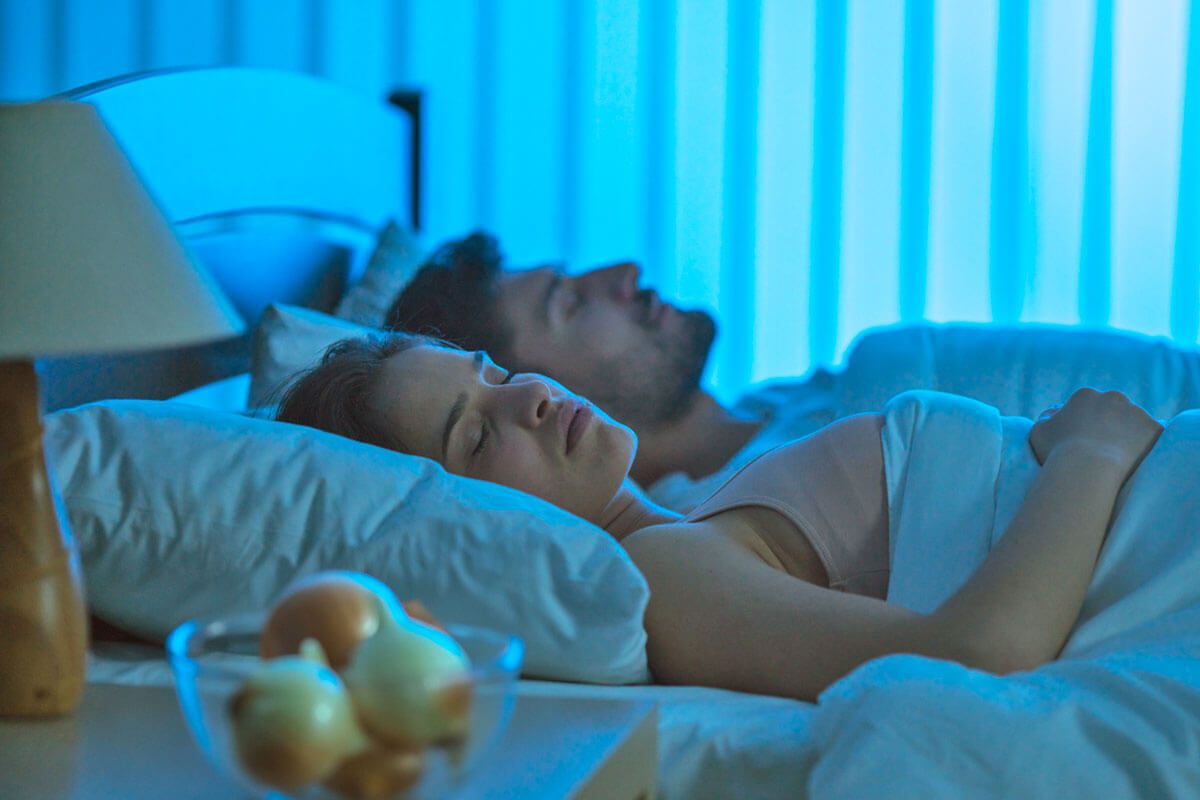
Placing an onion next to your bed may sound like an old trick from the Middle Ages for warding off vampires, but this unusual suggestion purportedly offers far greater benefits than that. Some people claim that leaving a sliced onion on your bedside table can improve sleep, promote good health, and even cure or prevent the common cold. While there’s something to be said about the science behind portions of these claims, other elements are dubious myths at best. So before you waste an onion testing out this viral trend for yourself, here’s what you should know regarding the potential benefits of a bedside onion.

Credit: fotostorm/ iStock

How Onions Affect Sleep

Some claim that placing a bowl on your bedside table containing sliced, raw onion can induce quicker and deeper sleep for those who struggle to get to bed at night. This is rooted in the fact that onions contain plentiful amounts of L-tryptophan — an amino acid that acts as a natural sedative. But it’s arguably impossible to reap the benefits of L-tryptophan through breathing alone, meaning that this suggestion isn’t really backed by scientific evidence.

There is something to be said, however, about how consuming raw onion before bed can help people sleep better, at least according to a 2020 study. Onions also contain cysteine sulfoxide, an amino acid found in onions and garlic. According to the study, consuming this amino acid before bed decreases sleep latency, which means it helps people fall asleep quicker. Study participants also saw a drop in stress levels compared to others who consumed a placebo. So if you struggle with getting good sleep, try consuming either raw onion or onion bulb extract before bed to see if it helps.

Advertisement
Advertisement
Credit: Luis Echeverri Urrea/ iStock

Do Onions Ward Off Germs?

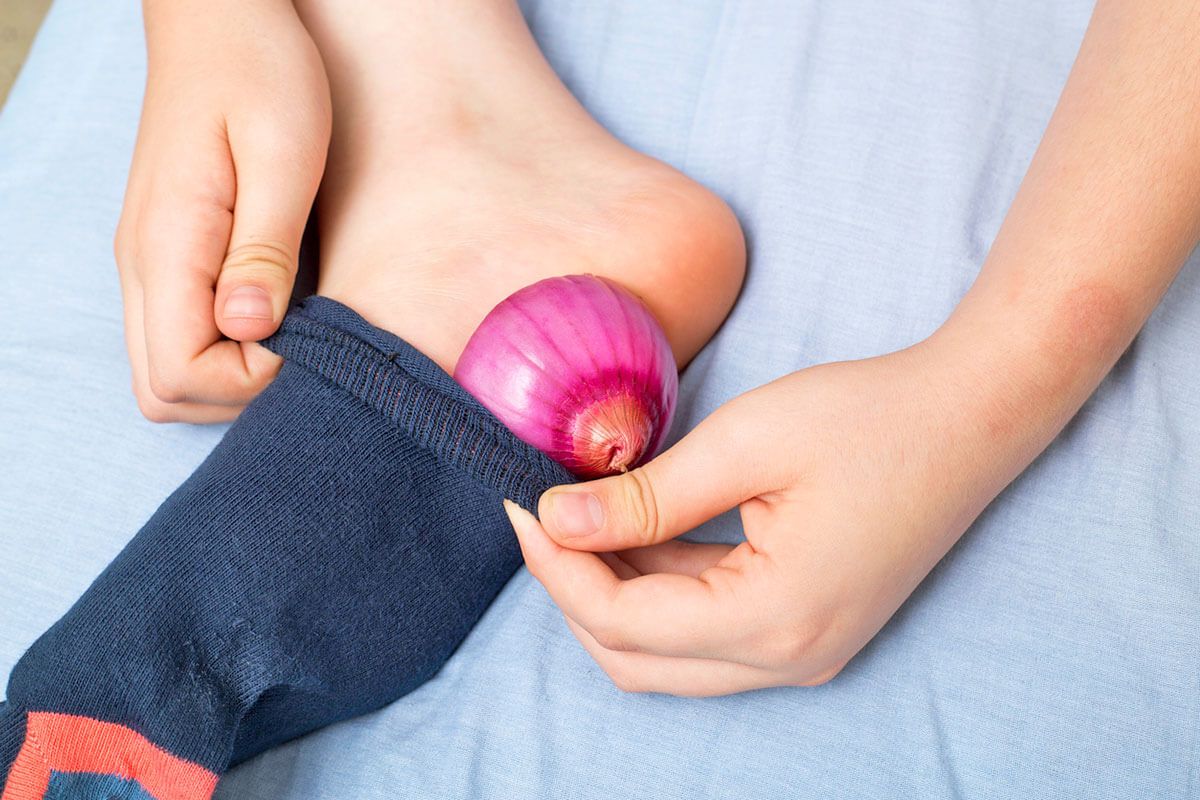
One of the oldest known home remedies for the common cold and flu is placing slices of red or white onion around the house to ward off bacteria and germs. Others believe putting sliced onion into a pair of socks and then wearing the socks to bed is a great way to promote better health. Both of these suggestions certainly raise eyebrows, so let’s examine whether these claims are valid.

The National Onion Association notes that people used these old folk remedies as far back as the 1500s to absorb toxins in the air and help protect against contracting the bubonic plague. However, the NOA makes it very clear that this method is patently untrue, at least according to the scientific research that we currently have available. As for the onion in sock method, some people believe to this day that it helps you absorb chemical compounds from the onions to purify the blood and kill off bacteria, but this too is false. The good news is that neither of these methods will hurt you, and the worst result will probably be some stinkier feet than normal.

Advertisement

However, there is something to be said for eating onions to boost immune function. Each onion is rich in vitamin C, essential for a fully functioning immune system that protects against bacteria and germs. Another 2020 study found that consuming onions can help lessen inflammation and possibly decrease the risk of cardiovascular disease.

Recommended Articles

  • The Most Popular Car Colors in the U.S.

  • 5 Small Changes You Can Make To Decrease Your Risk of Dementia

  • First-Date Etiquette Tips for People Over 40, According to a Matchmaker

  • 6 Holiday Foods You Didn’t Know Were Healthy

Advertisement
Advertisement

Reader Favorites

  • Person breaking into a car

    The 10 Most Stolen Cars in the U.S.

  • Older man with hands on cane

    Why Do We Smell Different As We Age?

  • Man in grocery store

    6 Grocery Habits Costing You More Than You Think

Credit: Yevhenii Deshko/ Unsplash+

The Deodorizing Power of Onions

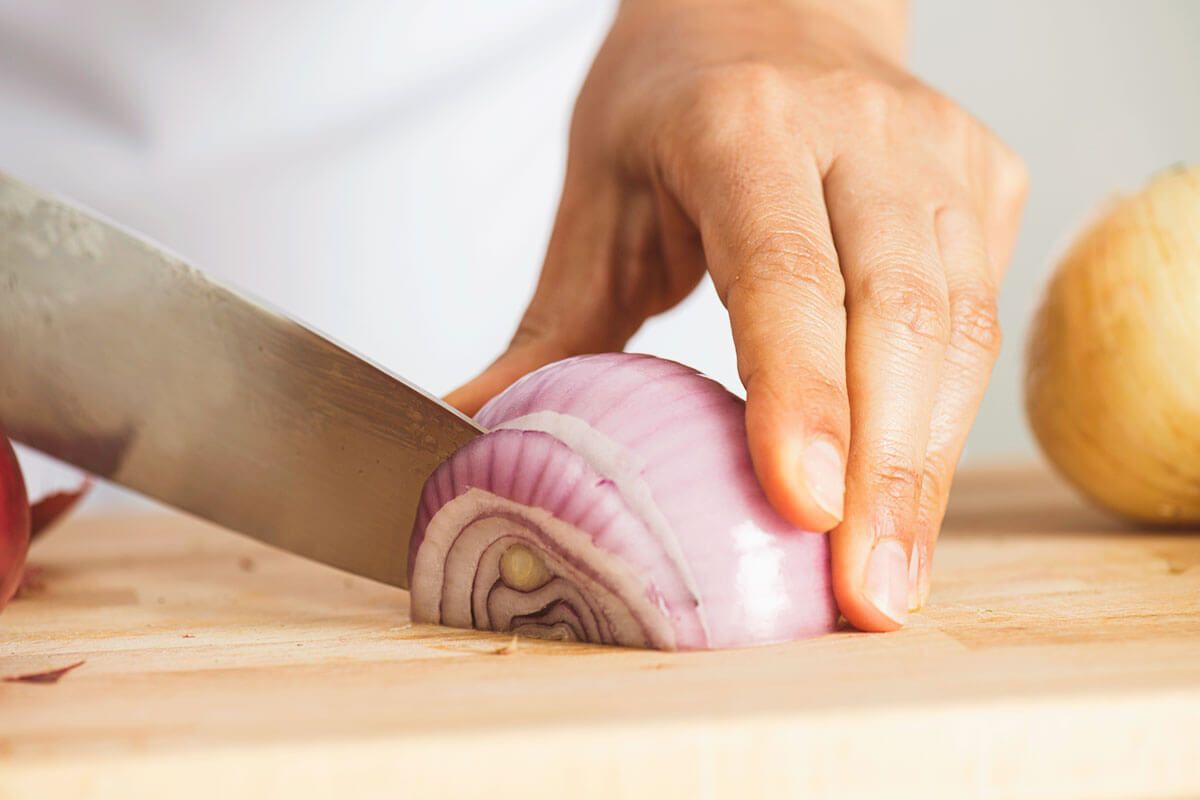
Whether because of a pile of dirty clothes in the corner or sheets overdue for the laundry, bedrooms can stink. Onions can actually be used to help mitigate these pungent odors. Cut an onion in half and place it with the cut side facing up — for larger rooms, use both halves. Onions are naturally porous and will help absorb environmental moisture, which contributes to those bad smells. This is a better plan than using an air freshener, as that only masks the smell instead of eliminating it. If your room smells like onions when this is all said and done, use some fresh lemon juice to help offset that oniony odor.

Credit: solidcolours/ iStock

Onions Keep Bugs Away

Onions are rich in an organosulfur compound known as allicin, a natural bug repellent. When sliced, the allicin emits an odor that deters mosquitoes, ants, and other common house pests that may bother you while sleeping. If you do end up getting bit by a mosquito, don’t worry. Onions have natural antibacterial properties, so just grab a slice and rub it onto the mosquito bite to lessen inflammation and reduce its stinging.

Credit: Viacheslav Peretiatko/ iStock

The Verdict

Unfortunately, many of the claims regarding leaving an onion at your bedside are based on myths rather than facts. The good news is that there are a handful of benefits, and it won’t hurt you to try this method. Just be sure to change the onion each night, as leaving a sliced onion sitting for too long will lead to harmful mold in the air that can be harmful.

More From Our Network

Better Report is part of Inbox Studio, an email-first media company. *Indicates a third-party property.
Go Retro With This 1960s Fashion Quiz

Quiz Daily

Go Retro With This 1960s Fashion Quiz

True or False: Are You a Master of U.S. Geography?

Travel Quiz

True or False: Are You a Master of U.S. Geography?

5 Reasons You Can Be Denied Boarding an Airplane

Daily Passport

5 Reasons You Can Be Denied Boarding an Airplane

What Did People Do Before Eyeglasses?

History Facts

What Did People Do Before Eyeglasses?

How To Use a Balloon To Clean Up Dust

House Outlook

How To Use a Balloon To Clean Up Dust

11 Shopping Hacks Costco Members Should Know

FinanceBuzz*

11 Shopping Hacks Costco Members Should Know

Share this article

  • Share to Facebook
  • Share to Twitter
  • Copy Url
  • Share to Email
Jessica Levy

This article is for general informational purposes only.
Affiliate Disclaimer Medical Disclaimer Financial Disclaimer

Updated:
Posted In: Health
Hero Image Credit: Better Report
Advertisement

Related Articles

5 Small Changes You Can Make To Decrease Your Risk of Dementia

4 min read

6 Holiday Foods You Didn’t Know Were Healthy

7 min read

Is It Safe To Drink a Glass of Water That Sat Out Overnight?

3 min read

The Health Risks of Shopping at the Dollar Store

4 min read

Does Going Outside With Wet Hair Really Make You Sick?

4 min read
Advertisement

Use the 90/90 Rule to Simplify Your Wardrobe

Home | Updated: June 25, 2024
Nicole Garner Meeker
Author
Nicole Garner Meeker is a freelance writer, research editor, and Inbox Studio contributor. Based in St. Louis, she’s an enthusiastic gardener, fiber artist, and connoisseur of fine snacks.
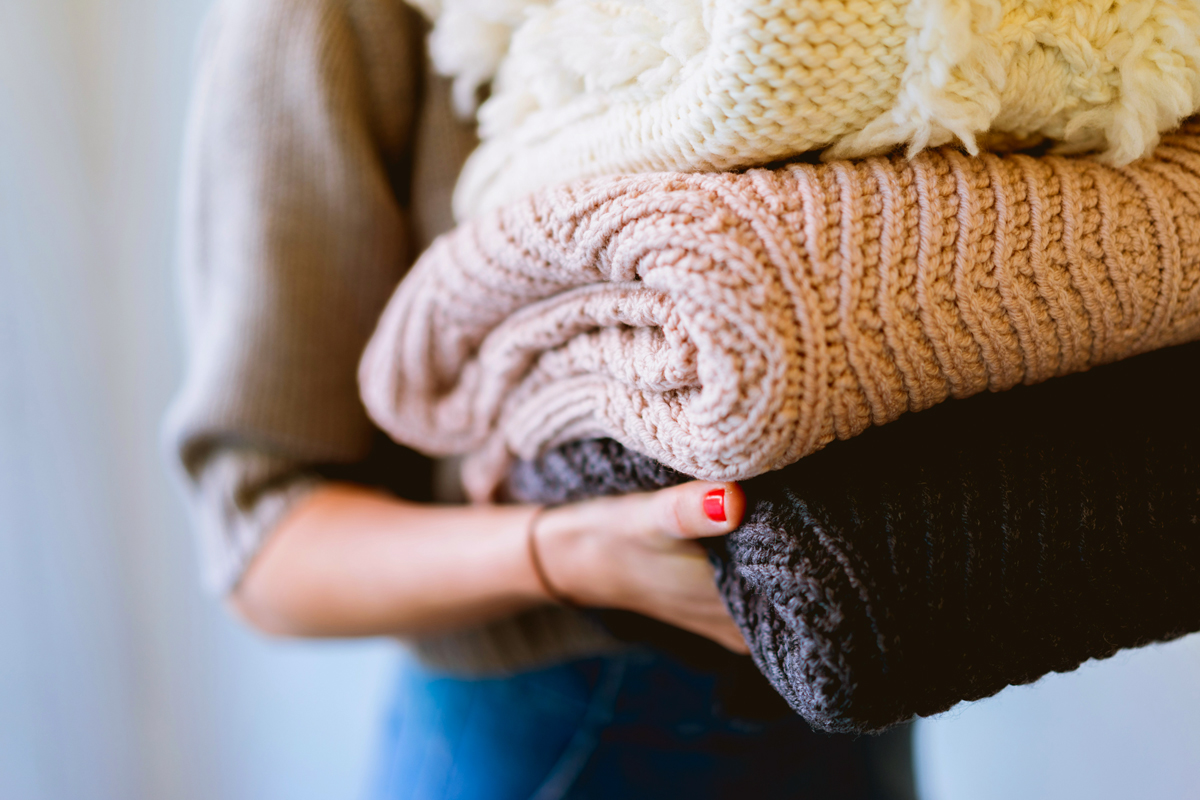
Person carrying a stack of clothing
Better Report

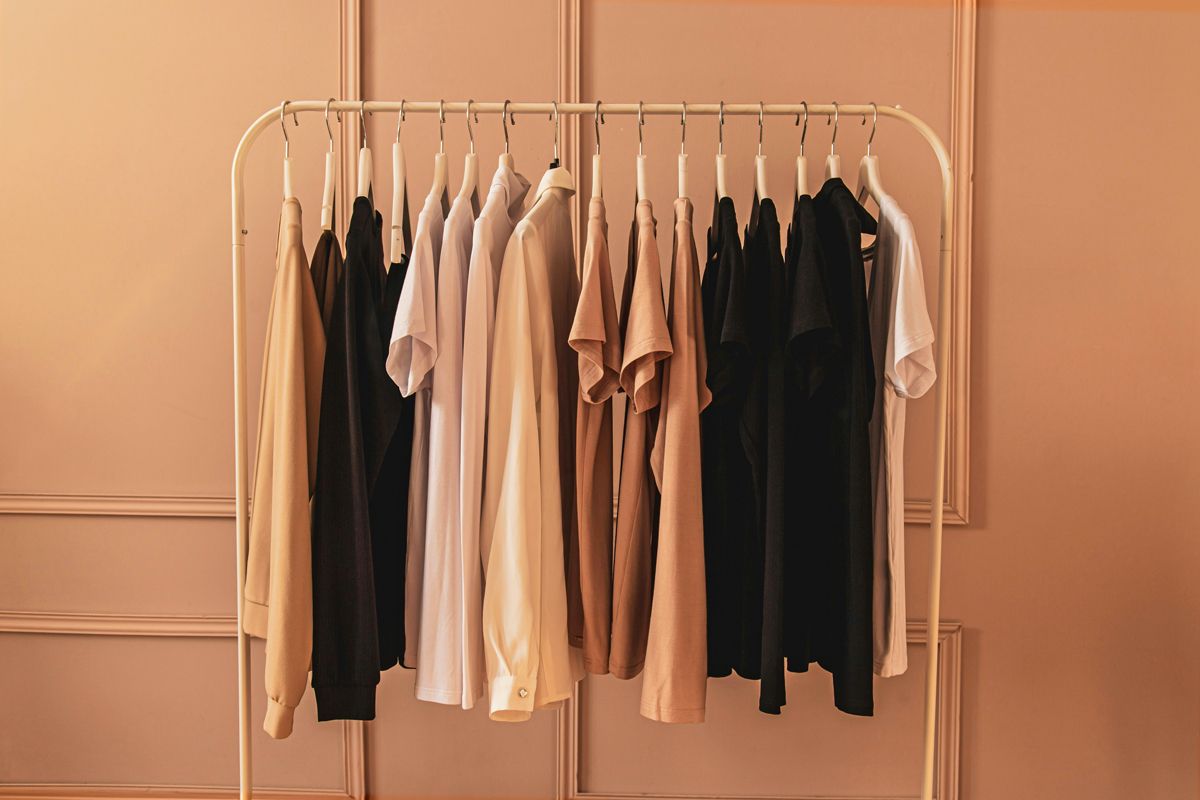
Decluttering your closet can feel like a never-ending task, one that’s not at all enjoyable. Between needing different clothes for work, working out, and special occasions, it makes sense why there are so many full hangers and packed drawers. And when you factor in how easy it is to get new shoes or accessories with next-day shipping… well, it’s no surprise that most of us have an overflowing closet. On average, Americans buy 68 new clothing items per year, and while a lot goes into our closets, there’s a good chance less is leaving to make room. That’s where the 90/90 organizing rule comes in — and may just help you sort through that backlog of old clothes in record-breaking time.

Credit: Dan Gold/ Unsplash

What is the 90/90 Rule?

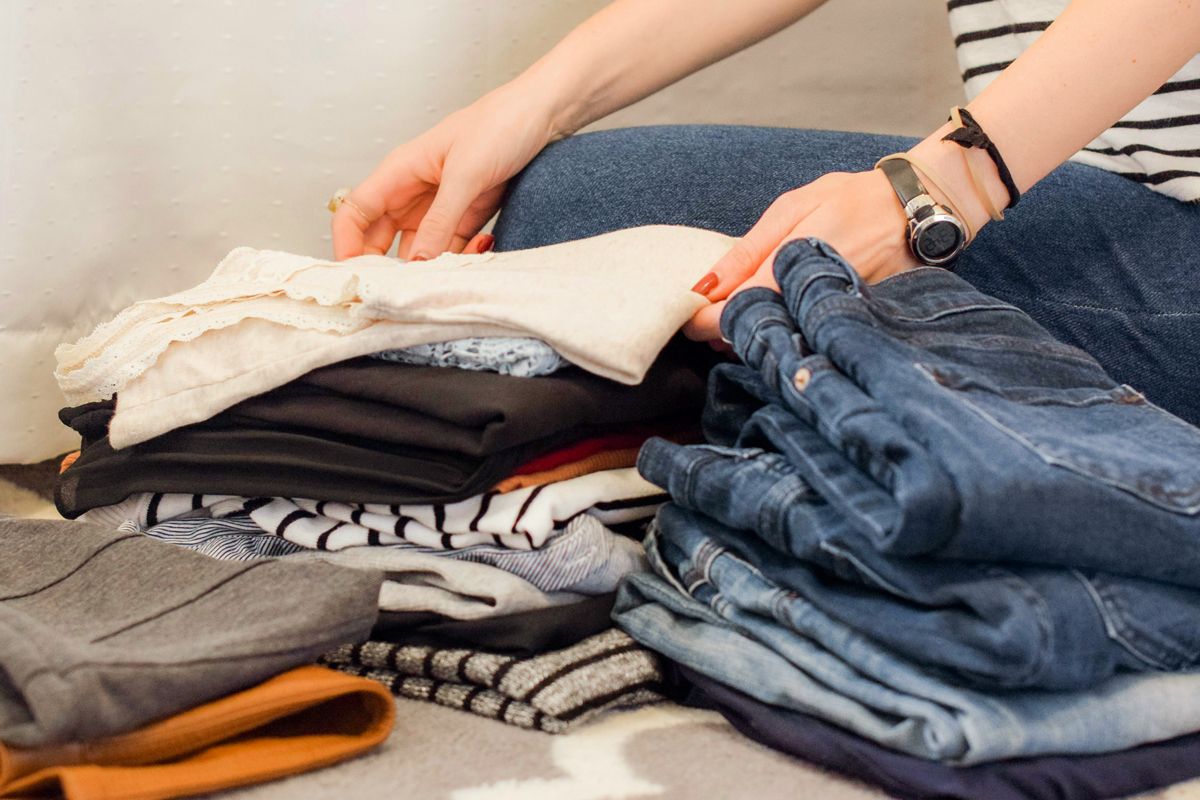
Nearly every organizing pro has their own recommended strategies for getting your belongings in order. Some of these — like the famed KonMari Method — come with a rigid set of guidelines, telling you which items to sort through first and the process for emotionally letting go before dropping your discards in the donation bin. The 90/90 rule may be the opposite; it was created by organizing aficionados but is much less rigid. Minimalism influencers Joshua Fields Millburn and Ryan Nicodemus coined the idea, which simply requires you to think about the last time you wore or used an item. Removing it from your wardrobe is the way to go if it hasn’t left the closet in 90 days and likely won’t be used within the next 90 days. That’s it.

Advertisement
Advertisement
Credit: Mesut çiçen/ Unsplash+

Here’s Why the 90/90 Rule Works

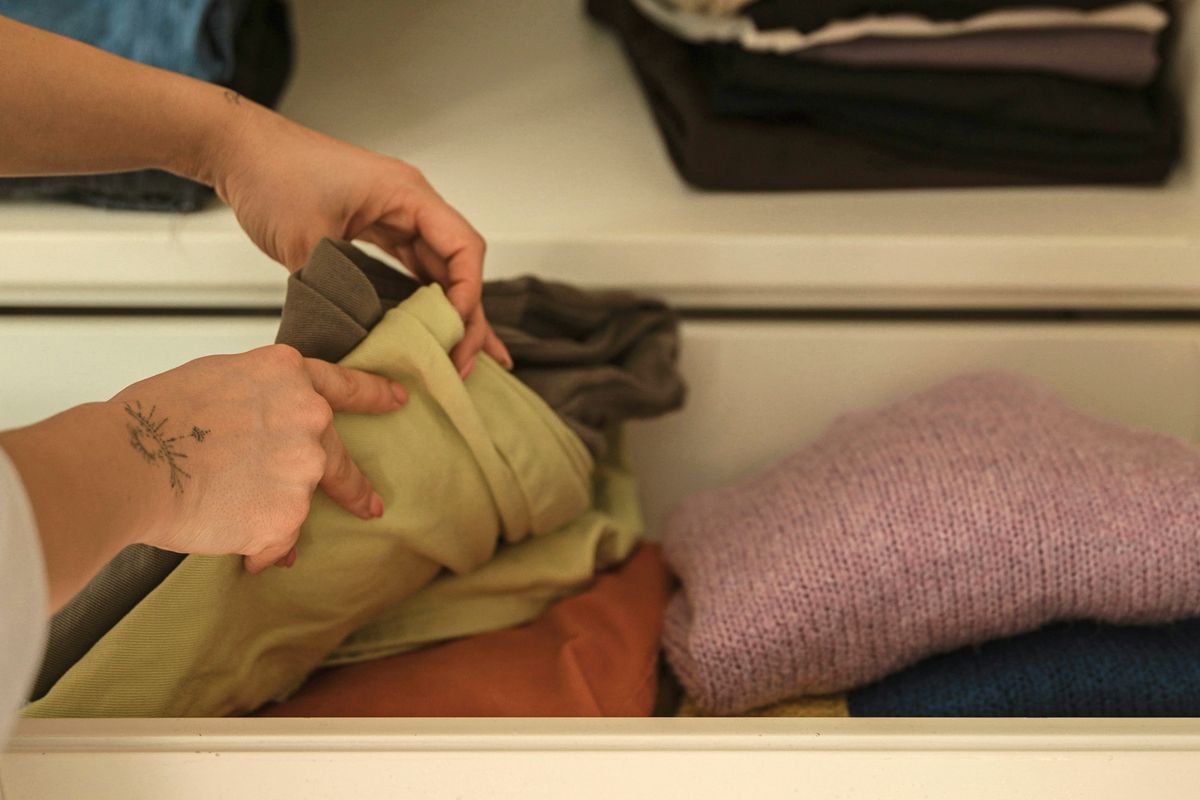
The 90/90 rule is pretty simple at its core: things we aren’t using (or plan to use anytime soon) take up room in our homes and closets, and clearing them out reduces clutter. But getting rid of too-small jeans or your favorite old shirt isn’t easy. Some psychologists believe it’s because we feel that those jeans could fit again one day, or that letting go of old clothes is like discarding our past selves. The 90/90 rule can bypass some of the emotional hang-ups we experience when thinning down our apparel. Asking, “Have I worn this in the last 90 days? Will I wear it in the next three months?” makes it a little easier to envision the life we’re currently living and working toward, and disconnect from an item that’s been lingering on a hanger for far too long.

Credit: Sarah Brown/ Unsplash

Can You Adjust The 90/90 Rule?

The decluttering idea isn’t absolute — the two creators recommend adjusting it to fit your needs and lifestyle. In some cases, a six-month span of time isn’t really reflective of how often you use an item — such as heavy winter coats or summer swimwear. In this case, it’s best to adjust the 90/90 rule to reflect the time of year when that apparel item is needed; for example: “Will I wear this coat this coming winter?” The 90/90 rule also doesn’t consider sentimental apparel like wedding attire or heirloom accessories (say, grandma’s pearl necklace). Deciding to keep or let go of these items is a hefty emotional undertaking that can’t be easily answered with the 90/90 rule’s questions. In these situations, many professional organizers instead point to determining how you feel about the item, whether you’re interested in storing it in a way that allows you to enjoy it, or rehoming it to a family member who may find the item just as meaningful.

Recommended Articles

  • The Most Popular Car Colors in the U.S.

  • 5 Small Changes You Can Make To Decrease Your Risk of Dementia

  • First-Date Etiquette Tips for People Over 40, According to a Matchmaker

  • 6 Holiday Foods You Didn’t Know Were Healthy

Advertisement
Advertisement

Reader Favorites

  • Person breaking into a car

    The 10 Most Stolen Cars in the U.S.

  • Older man with hands on cane

    Why Do We Smell Different As We Age?

  • Man in grocery store

    6 Grocery Habits Costing You More Than You Think

Credit: piotr szulawski/ Unsplash

The Perks of Having a Simplified Closet

Decluttering your wardrobe isn’t only about reclaiming space in your home — it can also reduce the mental fatigue that comes with digging through a packed closet, yet feeling like you have nothing to wear. Wading through cluttered spaces can increase stress levels; on the flip side, organized spaces actually boost your mood and can even hone your focus, letting you enjoy (and easily dress for) the more important things in life.

More From Our Network

Better Report is part of Inbox Studio, an email-first media company. *Indicates a third-party property.

Go Retro With This 1960s Fashion Quiz

Quiz Daily

Go Retro With This 1960s Fashion Quiz

True or False: Are You a Master of U.S. Geography?

Travel Quiz

True or False: Are You a Master of U.S. Geography?

5 Reasons You Can Be Denied Boarding an Airplane

Daily Passport

5 Reasons You Can Be Denied Boarding an Airplane

What Did People Do Before Eyeglasses?

History Facts

What Did People Do Before Eyeglasses?

How To Use a Balloon To Clean Up Dust

House Outlook

How To Use a Balloon To Clean Up Dust

11 Shopping Hacks Costco Members Should Know

FinanceBuzz*

11 Shopping Hacks Costco Members Should Know

Share this article

  • Share to Facebook
  • Share to Twitter
  • Copy Url
  • Share to Email
Nicole Garner Meeker
Writer

Nicole Garner Meeker is a freelance writer, research editor, and Inbox Studio contributor. Based in St. Louis, she’s an enthusiastic gardener, fiber artist, and connoisseur of fine snacks.

This article is for general informational purposes only.
Affiliate Disclaimer Medical Disclaimer Financial Disclaimer

Updated: September 19, 2023
Posted In: Home
Hero Image Credit: Better Report
Advertisement

Related Articles

The Most Popular Car Colors in the U.S.

4 min read

First-Date Etiquette Tips for People Over 40, According to a Matchmaker

3 min read

Why Doesn’t Plastic Totally Dry in the Dishwasher?

3 min read

Putting This in Your Dryer Is a Major Fire Risk

3 min read

18 Surprising Things You Should Never Put Down Your Drain

5 min read
Advertisement

Should You Be ‘Spaving’?

Jessica Levy
Wealth | Updated: June 25, 2024
Woman typing on her laptop while looking at a credit card
Better Report

“Spaving” may sound like a way to fill in potholes, but it’s actually a term related to your personal finances. This recently-coined portmanteau combines the words “spending” and “saving,” and is based on the belief that you should spend money upfront in order to save more in the long run. There are those who’d argue the opposite, however, claiming that spaving only increases the risk of falling into debt. So, is spaving a panacea for your money woes, or is it just a pitfall that too many gullible people fall victim to? Here’s what you should know and whether you should try it out.

Credit: Alexander Mils/ Unsplash

What Is Spaving?

Think of spaving as spending more upfront to lessen the total average cost of each item. For example, you may buy two boxes of cereal to get the third free. Benefits may appear immediately or possibly even years down the line, depending on the purchase. Some critics, however, claim there are no real benefits to be had, and that spaving is no more than a clever marketing tactic that helps the manufacturer far more than it does the consumer.

Credit: Karolina Kaboompics/ Pexels

Common Ways to Spave

One of the most common spaving techniques is spending “X” amount of dollars in order to get free shipping. Let’s say you’re buying a $20 item and need to spend an extra $10 for free shipping — otherwise, shipping will cost you $8. After careful deliberation, you decide to throw in another $20 item, because $40 for two items sounds way better than $28 for just one. This is the perfect encapsulation of spaving; spending more than you were initially intending to in order to lower the cost of each average item.

Other ways to spave include buying an annual subscription to a streaming service rather than paying monthly, as that lowers the total cost per month. Another method is to pay substantially more money for a high-quality product. In this case, the expectation is that better products last longer, meaning you won’t have to deal with the hassle of replacing flimsier models more frequently.

Advertisement

Many people also unknowingly participate in spaving by taking advantage of retail sales. Retailers often use tactics like “buy one, get one” and “spend X dollars for a free gift,” as it attracts potential customers. Anyone who pulls the trigger on a sale like that is paying more money than they intended now rather than risk paying full price after the sale ends — this too is a form of spacing.

Credit: Emil Kalibradov/ Unsplash

What Are the Drawbacks?

Critics deride spaving as little more than a marketing tactic that forces the consumer to pay more money than they had initially budgeted. Spending that extra $20 to earn free shipping may seem like a win to some, but nobody is forcing you to buy that second item and spend double the original plan. In essence, spaving boils down to a fear of missing out more than anything else, as there are far better alternatives for managing personal finances. Those who spave often are also at risk of developing excessive spending habits, and in extreme cases, spaving can even lead to crippling credit card debt.

Credit: Liza Summer/ Pexels

Should You Do It?

A lot of financial advisors actually warn against spaving, as the perceived savings rarely add up to a level that makes these purchases worth it. Keep in mind that retailers aren’t trying to help you save money — they’re trying to earn profits.

There are certain circumstances where minor levels of spaving are acceptable, especially when it comes to the essentials. Let’s look at toilet paper — maybe one pack isn’t enough to earn free shipping. In this case, you know you’ll need more toilet paper down the line, so adding a second package for free shipping is within the realm of reason.

Advertisement

But when it comes to buying new clothing or a brand new kitchen appliance, don’t allow yourself to be lured in by clever advertising techniques. Just because you see a new shirt on sale for 50% doesn’t mean you need to pull the trigger, as nobody will be forcing you to pay full price for that same shirt after the sale ends. If you find yourself tempted by situations such as these, maybe sleep on it. If you end up pulling the trigger anyway, you should pay with cash if possible, as that eliminates the potential for credit card debt.

Advertisement
Advertisement

Related Articles

How Far a $100 Grocery Budget Goes in Every State

7 min read

Why You Should Never Put Your Utility Bills on Autopay

5 min read

The Best Cars for Resale Value, According to Auto Experts

5 min read

5 Common Estate Planning Mistakes (and How To Avoid Them)

6 min read

Is It OK To Snack Before Paying at the Grocery Store?

4 min read
Advertisement

8 Household Items That Will Keep Mosquitoes Away

Health | Updated: June 25, 2024
Rachel Gresh
Author
Rachel Gresh is a Washington, D.C.-based freelance writer. When she's not writing, you can find her wandering a museum, exploring an unfamiliar city, or baking something new in the kitchen.
Woman with a backpack spraying bug spray to keep bugs away
Better Report

It’s time to take a stand against unwanted guests at summer picnics. That’s right, we’re talking about mosquitoes. Nothing ruins a backyard barbecue like the smell of mosquito repellant wafting through the air, not to mention itchy, swollen bug bites. Fortunately, some household items can work double-duty as a mosquito repellant and are surprisingly effective. Here are some fast, simple, realistic ways to create homemade mosquito repellents using items you might already have.

Credit: Wachiwit/ iStock

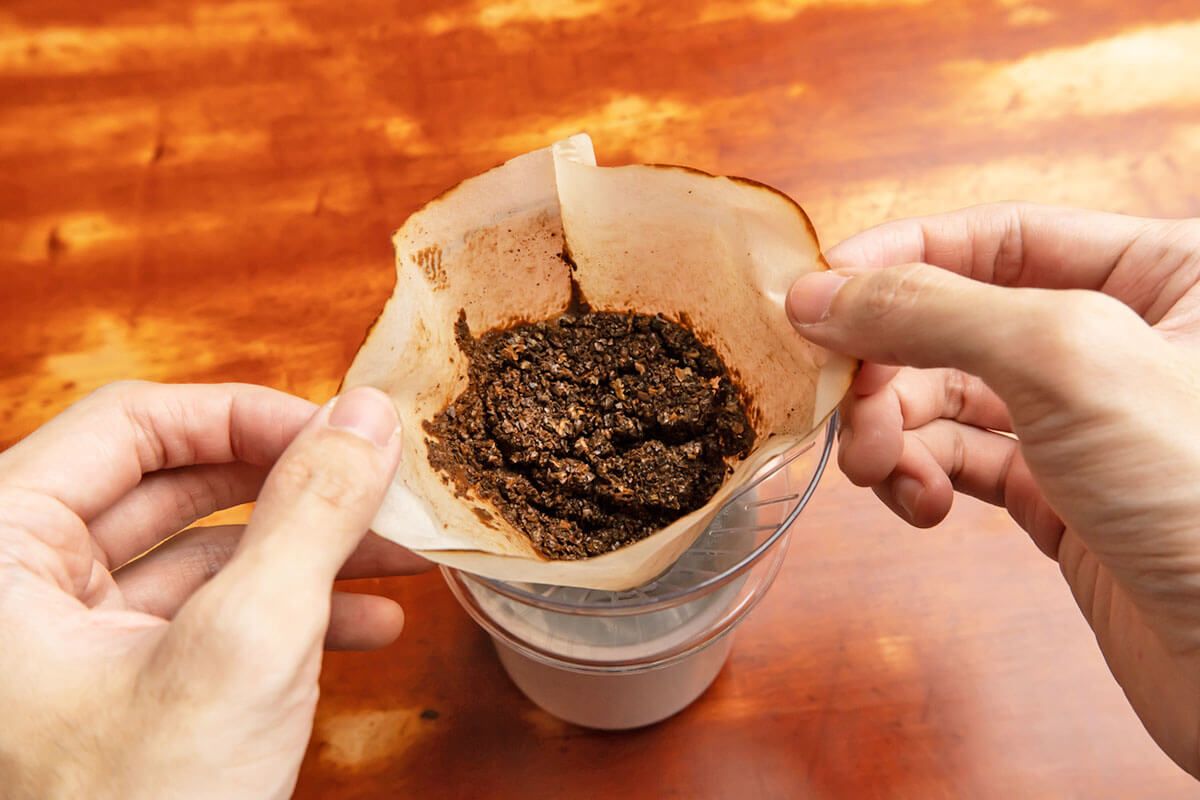
Coffee Grounds

Don’t toss your leftover coffee grounds in the trash just yet. Although coffee is part of many morning routines, insects don’t share in this ritual — they downright hate coffee. According to the pest control experts at Mr. Mister Mosquito Control, “Mosquitoes are repulsed by all types of coffee, whether it is fresh, used, or burnt.” Sprinkle coffee grounds around your patio, pool, garden beds, and potted plants. (Coffee grounds also have vital nutrients that can boost plant health.) For even better results, burn coffee grounds to amplify the smell. To do this, find a heat-safe container, such as a recycled candle jar, and pack in the grounds. Then, light the grounds at the center and watch the coffee-scented smoke effectively repel unwanted garden guests.

Advertisement
Advertisement
Credit: Ninetechno/ iStock

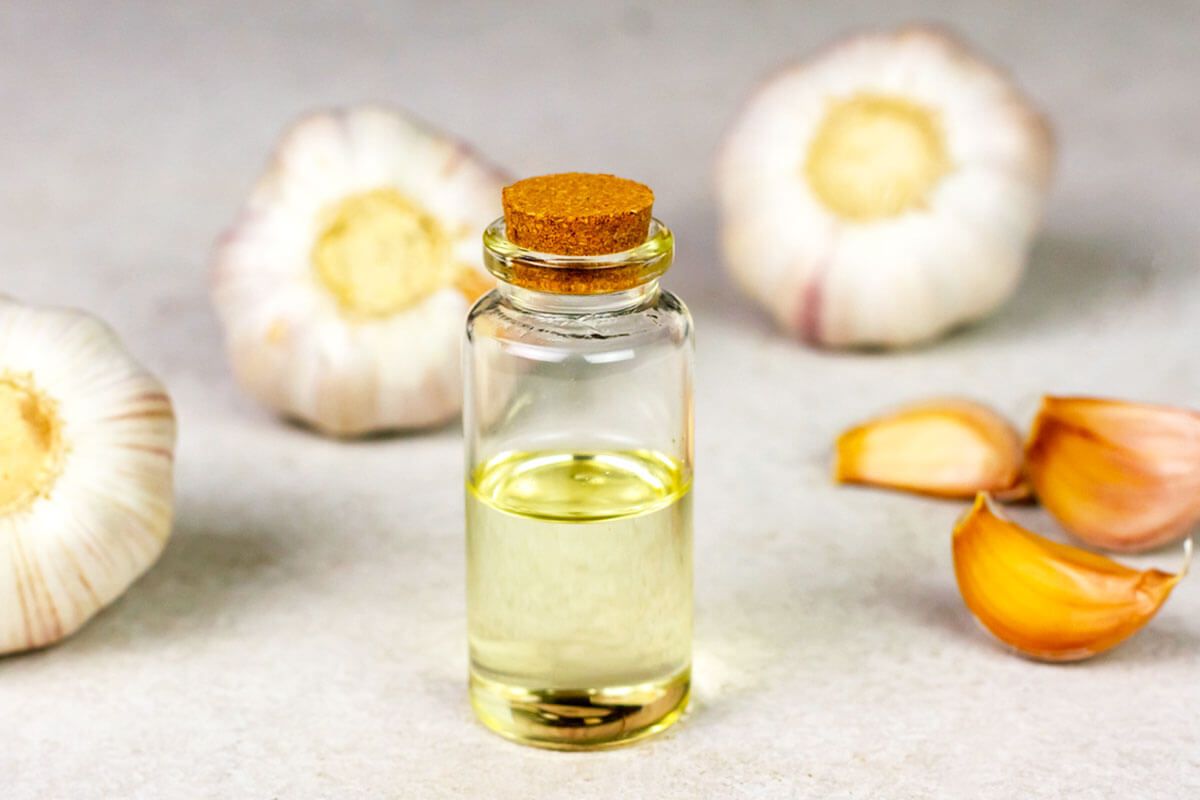
Garlic

Do-it-yourself sprays are a low-cost and effective way to dissuade mosquitoes. One of the best sprays is garlic oil — it’s even used in professional pest control products. Mosquitoes dislike the sulfides in garlic, which give it its pungent smell, so they’ll steer clear of your home. To make garlic spray yourself, blend a few cloves of garlic and water, then strain the mixture into a spray bottle using a mesh colander. Fill the rest of the bottle with warm water, shake, and spray away.

Credit: Anna Shvets/ Pexels via Getty Images

Essential Oils

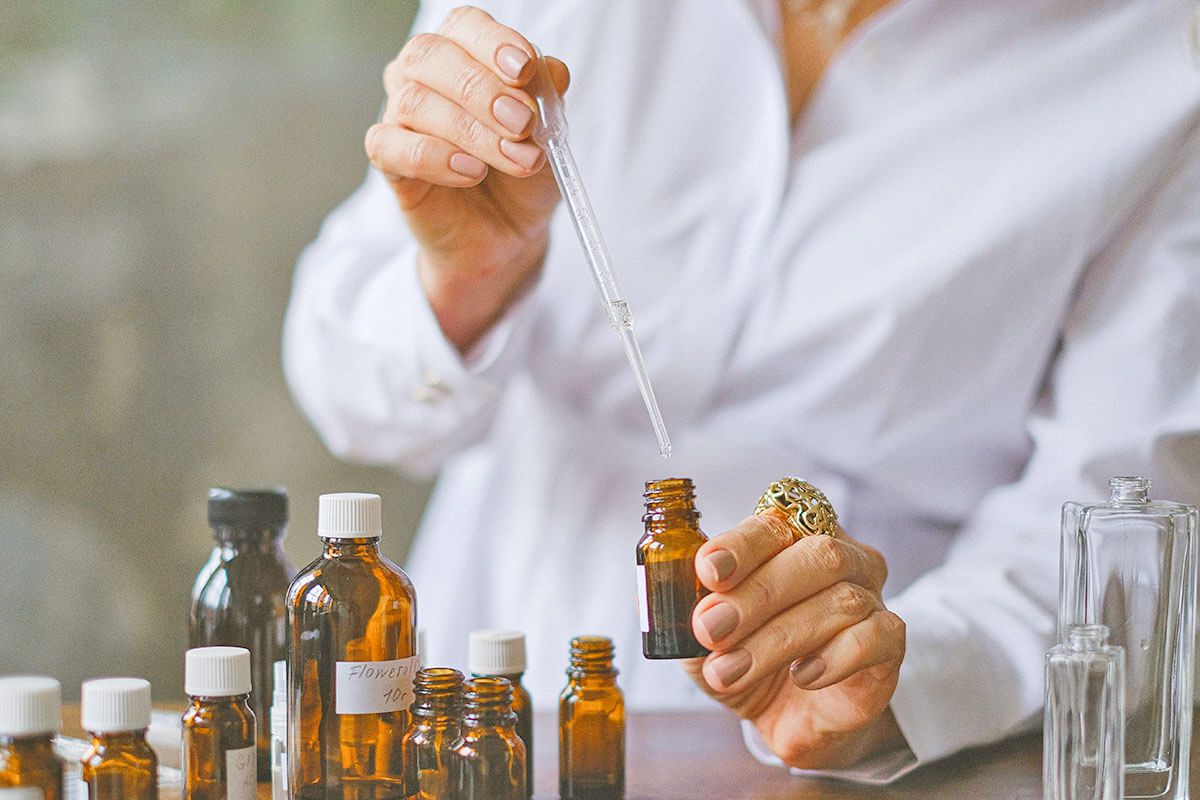
Mosquitoes hate lemongrass, thyme, chamomile, cedarwood, rosemary, citronella, eucalyptus, tea tree, and lavender essential oils. These can be added (a few drops at a time) in water to make a spray for inside and outside the home and on yourself. “These essential oils are found to be a mask for the odors that female mosquitoes are attuned to when searching for a blood meal,” explains pest control specialist Shannon Harlow-Ellis. If you’re wondering how long these DIY repellents last, follow this rule: “Once the fragrance is gone, the repellency is gone,” says Rita Stadler of Earth Kind. You should be ready to reapply repellent frequently to reap the benefits.

Recommended Articles

  • The Most Popular Car Colors in the U.S.

  • 5 Small Changes You Can Make To Decrease Your Risk of Dementia

  • First-Date Etiquette Tips for People Over 40, According to a Matchmaker

  • 6 Holiday Foods You Didn’t Know Were Healthy

Advertisement
Advertisement

Reader Favorites

  • Person breaking into a car

    The 10 Most Stolen Cars in the U.S.

  • Older man with hands on cane

    Why Do We Smell Different As We Age?

  • Man in grocery store

    6 Grocery Habits Costing You More Than You Think

Credit: Wulan.1/ Shutterstock

Cardboard

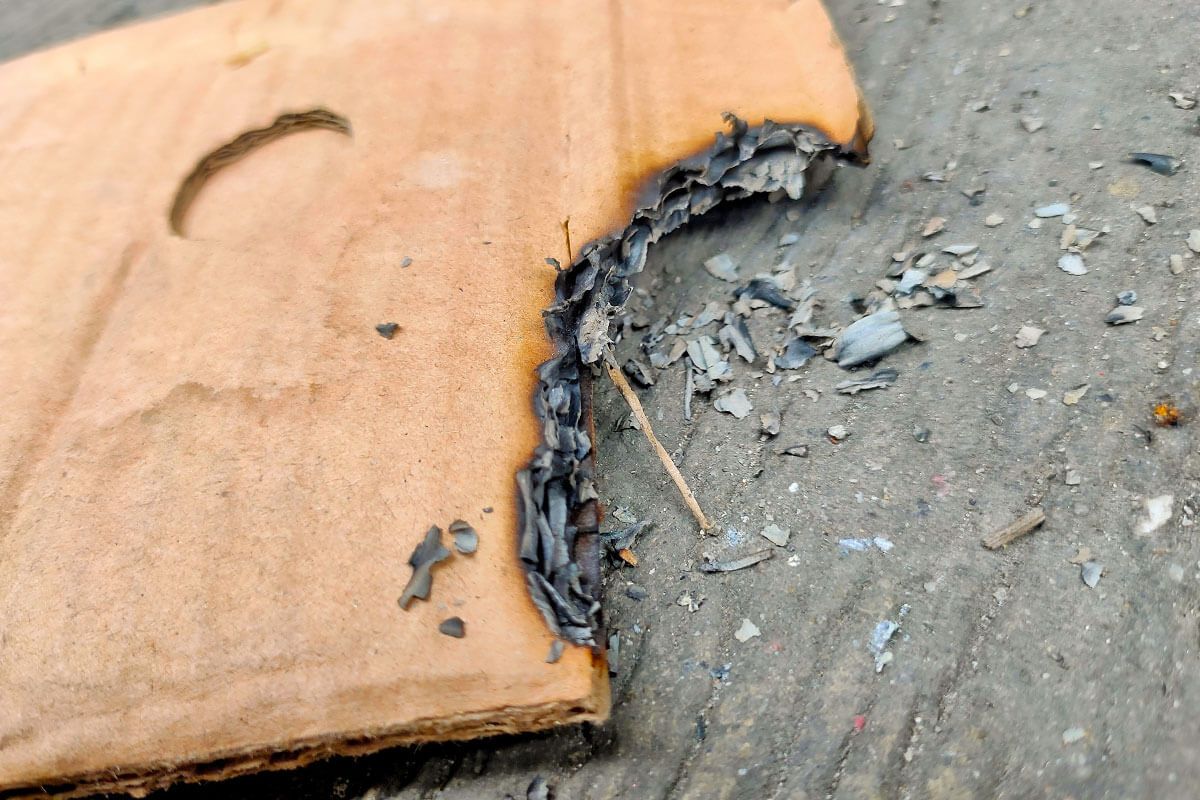
Mosquitoes can’t stand smoke, but sometimes, lighting a roaring campfire in the middle of the day isn’t practical. Instead, head to your recycling bin. You can burn any type of cardboard box, including egg cartons (not the styrofoam kind), pizza boxes, and drink holders. Place the cardboard somewhere safe to burn, such as in a firepit on your grill, and let it rip. You’ll be pest-free in no time.

Credit: CalypsoArt/ Shutterstock

Coconut Oil

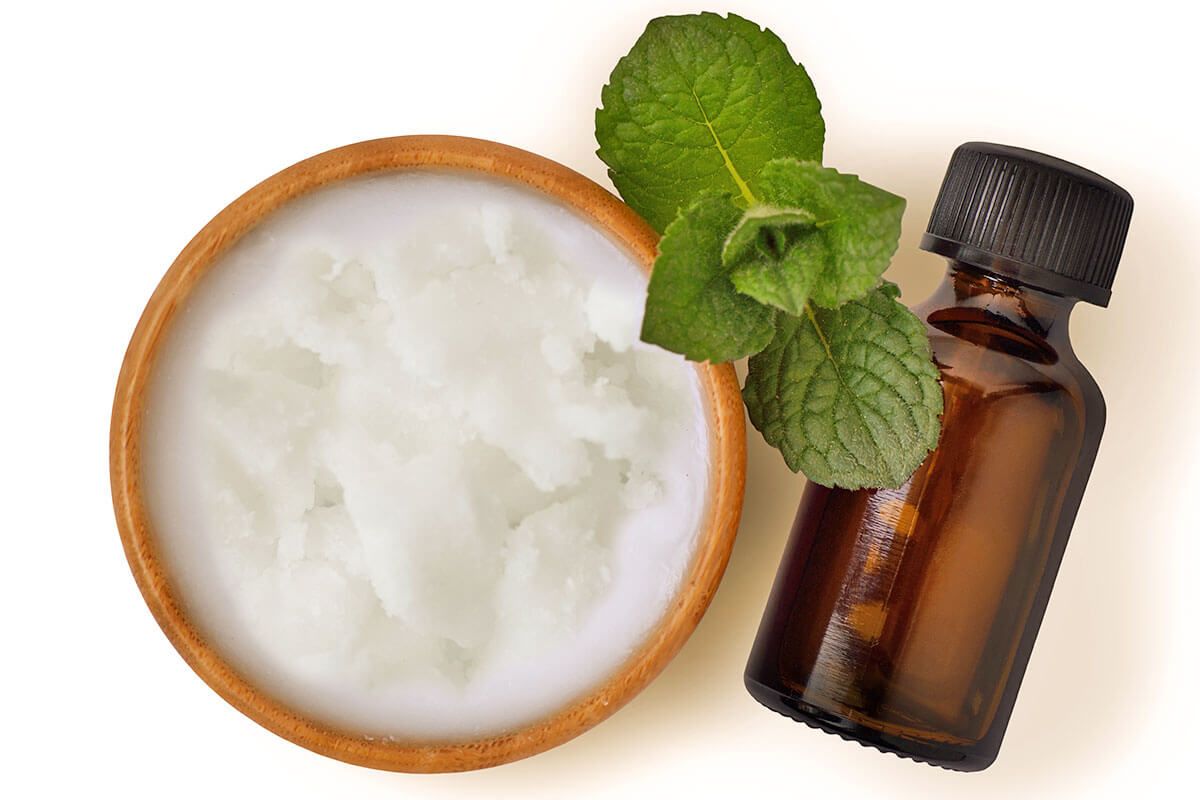
This Martha Stewart-approved DIY mosquito repellent lotion will surely be a summertime hit — you can even make it with your kids. All you need is two ingredients: coconut oil and peppermint essential oil. Mix around one-third cup of coconut oil with 15 drops of peppermint essential oil and store in an air-tight jar. This mixture will be very soft or liquid at room temperature, but storing it in the fridge transforms it into a solid lotion. Apply it with your hands anywhere on your skin to deter mosquitoes. Tip: If you aren’t a fan of peppermint, use a different essential oil.

Advertisement
Credit: Avocado_studio/ Shutterstock

Cinnamon

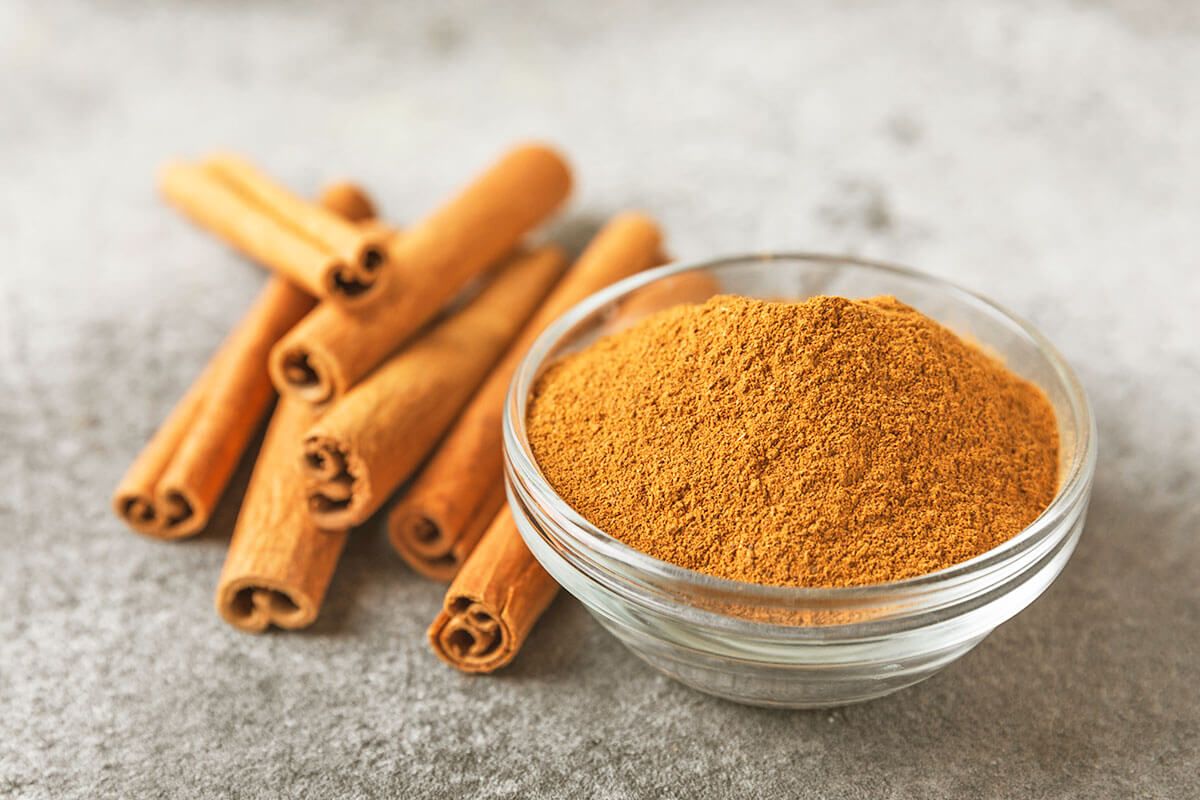
Cinnamon can repel all sorts of insects. Brunch With Babs, who has reached millions on social media, shared her go-to recipe for cinnamon spray. Whisk two teaspoons of cinnamon powder into four cups of warm water. Let it steep for a few minutes (as you would tea), and drain it into an empty spray bottle using a mesh colander. Next, add half a teaspoon of rubbing alcohol and half a teaspoon of dish detergent. Shake to mix and spray it anywhere outside — it can even be used on yourself! Tip: Cinnamon sticks can have the same effect, so try using them as table decorations or garnishes during your picnics.

Advertisement
Advertisement
Credit: Supersmario/ iStock

Outdoor Fans

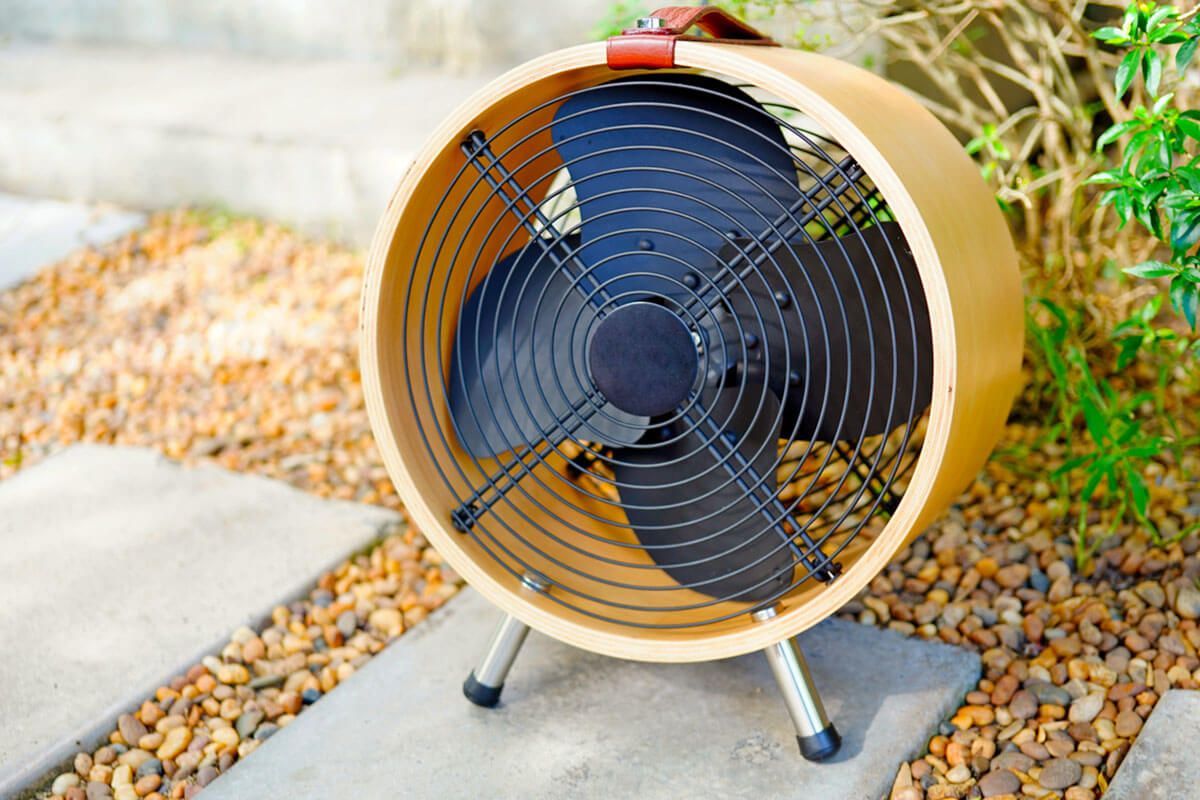
Move any portable fans outside when prepping for a summertime picnic or outdoor dinner. Mosquitoes are naturally weak fliers, so you might’ve noticed you get more bites on still, humid days than on breezy ones. Fans disrupt airflow enough to block the bugs’ paths. Studies also suggest that fans help disperse odors and confuse mosquitoes, who follow chemical cues when searching for their next meal. Any fan will do, but an oscillating pedestal fan is the best option to cover a large outdoor area such as a patio. This option from Lasko is a great choice and is backed by over 1,500 strong reviews.

Credit: kmatija/ iStock

Birds

Lure mosquito-eating predators into your yard with items you already have in your home. Birds are an incredible natural mosquito repellent — they eat hundreds of insects daily. Attract more birds to your home by keeping your bird feeders well-stocked. To find which bird seed is best for your yard, research what your local bird population eats. Some DIY birdseed items you might already have around the house include peanuts, cracked corn, almonds, oats, pecans, walnuts, dried fruit, and sunflower seeds. You can also make DIY bird feeders using empty bottles or milk cartons.

More From Our Network

Better Report is part of Inbox Studio, an email-first media company. *Indicates a third-party property.

Go Retro With This 1960s Fashion Quiz

Quiz Daily

Go Retro With This 1960s Fashion Quiz

True or False: Are You a Master of U.S. Geography?

Travel Quiz

True or False: Are You a Master of U.S. Geography?

5 Reasons You Can Be Denied Boarding an Airplane

Daily Passport

5 Reasons You Can Be Denied Boarding an Airplane

What Did People Do Before Eyeglasses?

History Facts

What Did People Do Before Eyeglasses?

How To Use a Balloon To Clean Up Dust

House Outlook

How To Use a Balloon To Clean Up Dust

11 Shopping Hacks Costco Members Should Know

FinanceBuzz*

11 Shopping Hacks Costco Members Should Know

Share this article

  • Share to Facebook
  • Share to Twitter
  • Copy Url
  • Share to Email
Rachel Gresh
Writer

Rachel Gresh is a Washington, D.C.-based freelance writer. When she's not writing, you can find her wandering a museum, exploring an unfamiliar city, or baking something new in the kitchen.

This article is for general informational purposes only.
Affiliate Disclaimer Medical Disclaimer Financial Disclaimer

Updated: December 15, 2023
Posted In: Health
Hero Image Credit: Better Report
Advertisement

Related Articles

5 Small Changes You Can Make To Decrease Your Risk of Dementia

4 min read

6 Holiday Foods You Didn’t Know Were Healthy

7 min read

Is It Safe To Drink a Glass of Water That Sat Out Overnight?

3 min read

The Health Risks of Shopping at the Dollar Store

4 min read

Does Going Outside With Wet Hair Really Make You Sick?

4 min read
Advertisement

9 Rude Habits You Don’t Realize You’re Doing Every Day

Jessica Levy
Health | Updated: June 25, 2024
Woman on speakerphone at a coffee shop
Better Report

Most of us feel we make it through each day as upstanding citizens. Picking up our trash, holding the door, and saying “hello” on the street are markers of a polite person. However, a playback reel could reveal something surprising and, to some, horrifying: We’re all rude! That’s right — we can be impolite sometimes, even when trying our best not to be. 

Whether due to excitement, distraction, or frustration, sometimes our best efforts slip and give way to less-than-impressive behavior. Do your good manners go out the window in these daily situations? Etiquette plays a significant role in building and maintaining relationships, so working on self-awareness is worth the effort. Here’s what etiquette experts say about the most common rude habits you don’t realize you’re doing.

Credit: SolStock/ iStock

Skipping Introductions

If you know that two or more people are meeting each other for the first time, initiate an introduction for them. For example, if you run into an old friend while dining out, introduce them to the rest of your table before continuing your conversation. Your friend will feel more welcome, and it encourages everyone else to participate in your discussion. If you’ve forgotten someone’s name but still need to introduce them, introduce them as “my friend.”

Advertisement
Advertisement
Credit: Jacob Lund/ Shutterstock

Showing Up Empty Handed

Anytime someone invites you to their home, you should have a gift for the host. It shows appreciation for the cooking, cleaning, decorating, and planning that the host gladly made time for. The gift depends on the occasion, but it doesn’t have to be fancy or expensive. It can be a bouquet, a bottle of wine, or a batch of homemade cookies. Even a personalized “thank you” card goes a long way. However, don’t bring food to be served during the meal unless you’re explicitly asked to.

Credit: skynesher/ iStock

Using Speakerphone in Public

Just because you’re enthralled in your conversation doesn’t mean the entire room is. Whether in a waiting room, workplace, or home with other family members, keeping your call to yourself is polite. If you simply can’t stand holding the phone to your ear, invest in some headphones.

Advertisement
Credit: ZenitX/ iStock

Texting While Walking

Are you even living in the 21st century if you aren’t guilty of this occasionally? Walking with your head buried in your phone screen is not only rude; it’s dangerous. You could miss cars, bicyclists, strollers, and dogs — all of which must swerve around you to avoid a collision.

Credit: Galina Zhigalova/ iStock

Checking Your Phone While Driving

Checking your phone at traffic lights or stop signs while driving is also discourteous. It can hold up traffic behind you and is potentially dangerous. Moreover, using a handheld device while driving is now illegal in some states.

Recommended Articles

  • The Most Popular Car Colors in the U.S.

  • 5 Small Changes You Can Make To Decrease Your Risk of Dementia

  • First-Date Etiquette Tips for People Over 40, According to a Matchmaker

  • 6 Holiday Foods You Didn’t Know Were Healthy

Advertisement
Advertisement

Reader Favorites

  • Person breaking into a car

    The 10 Most Stolen Cars in the U.S.

  • Older man with hands on cane

    Why Do We Smell Different As We Age?

  • Man in grocery store

    6 Grocery Habits Costing You More Than You Think

Credit: fotostorm/ iStock

Forgetting “Please” and “Thank You”

“Please” and “thank you” are ingrained in us at a young age, but those seem to go out the window when ordering food. Instead of just asking, “Can I get a number five meal?” or “I’d like the Caesar salad,” add a “please.” After ordering and receiving your meal, remember to thank the waitstaff. You likely didn’t realize you missed these pleasantries, but the service provider on the other end probably noticed.

Credit: PeopleImages- Yuri A/ Shutterstock

Using Your Cell Phone While Ordering

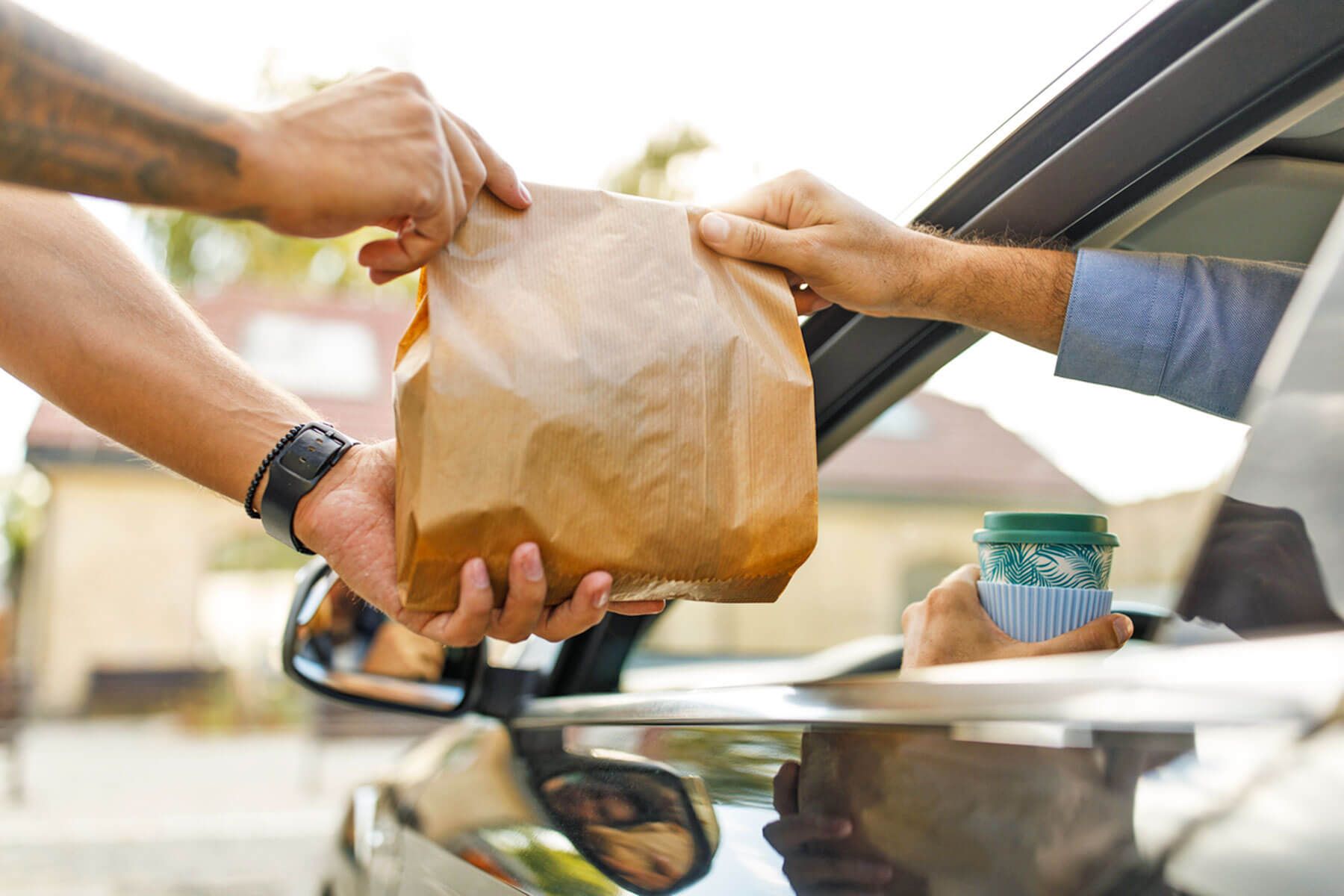
This happens mainly at counter service locations, and we get it — lunch breaks are short, and often, they’re prime time for taking personal calls. However, talking on the phone while ordering or paying for your food (or at any counter, for that matter) is rude. The cashier deserves your full attention, and you might accidentally hold up the line. If your phone rings while dining at a restaurant, excuse yourself from the table and take the call in the lobby or outside.

Credit: Oleg Chumakov/ iStock

Not Tipping Enough

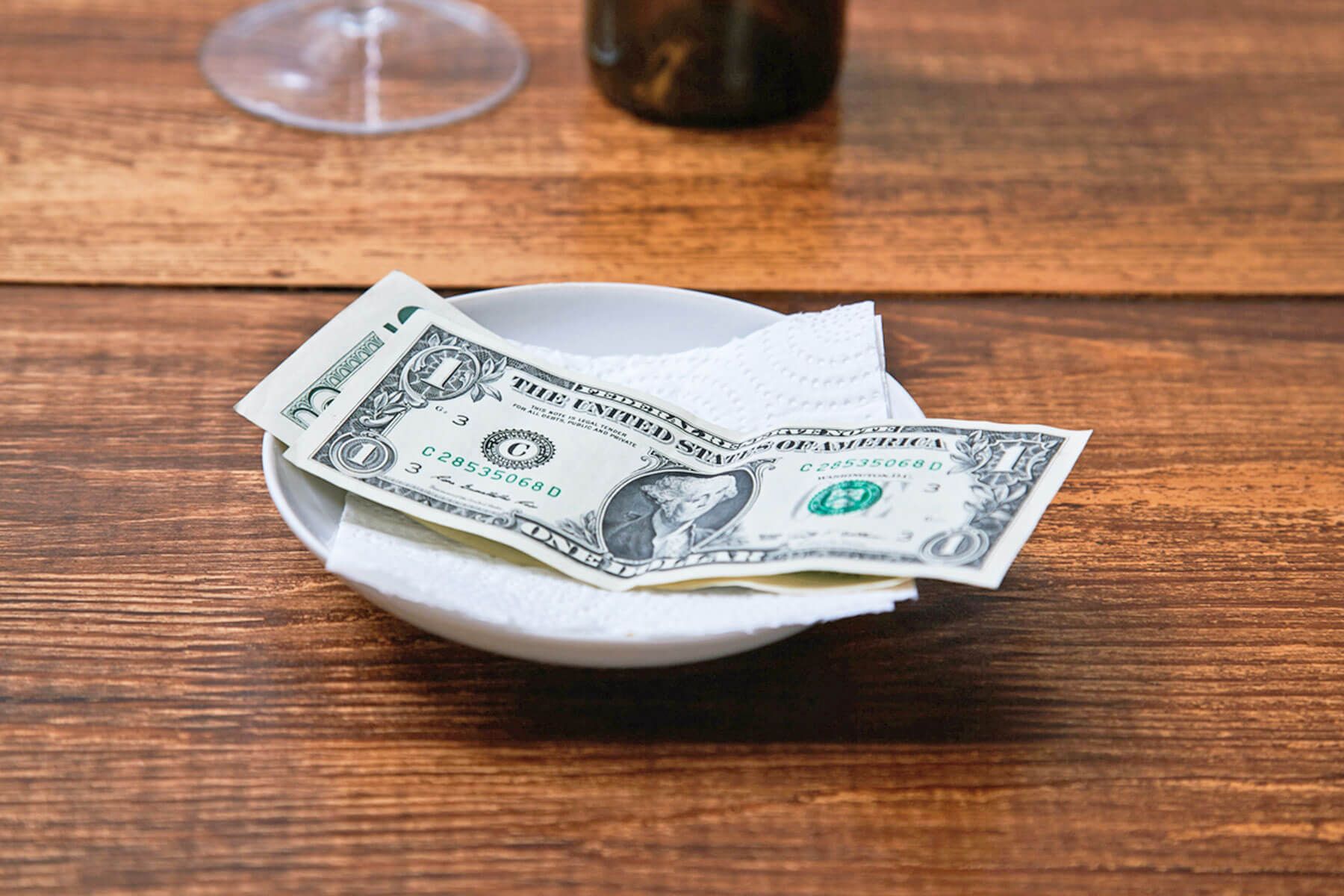
Tipping is undoubtedly confusing. When in doubt, tip at least 20 percent if someone is preparing and serving your meal. For takeout, you might get away with tipping a little less because you aren’t getting dine-in service, but remember, restaurant workers count on these tips for their livelihood. Here’s an in-depth breakdown of tipping rules you didn’t know you were breaking.

Advertisement
Advertisement
Credit: SVEPET/ Shutterstock

Wearing Too Much Perfume

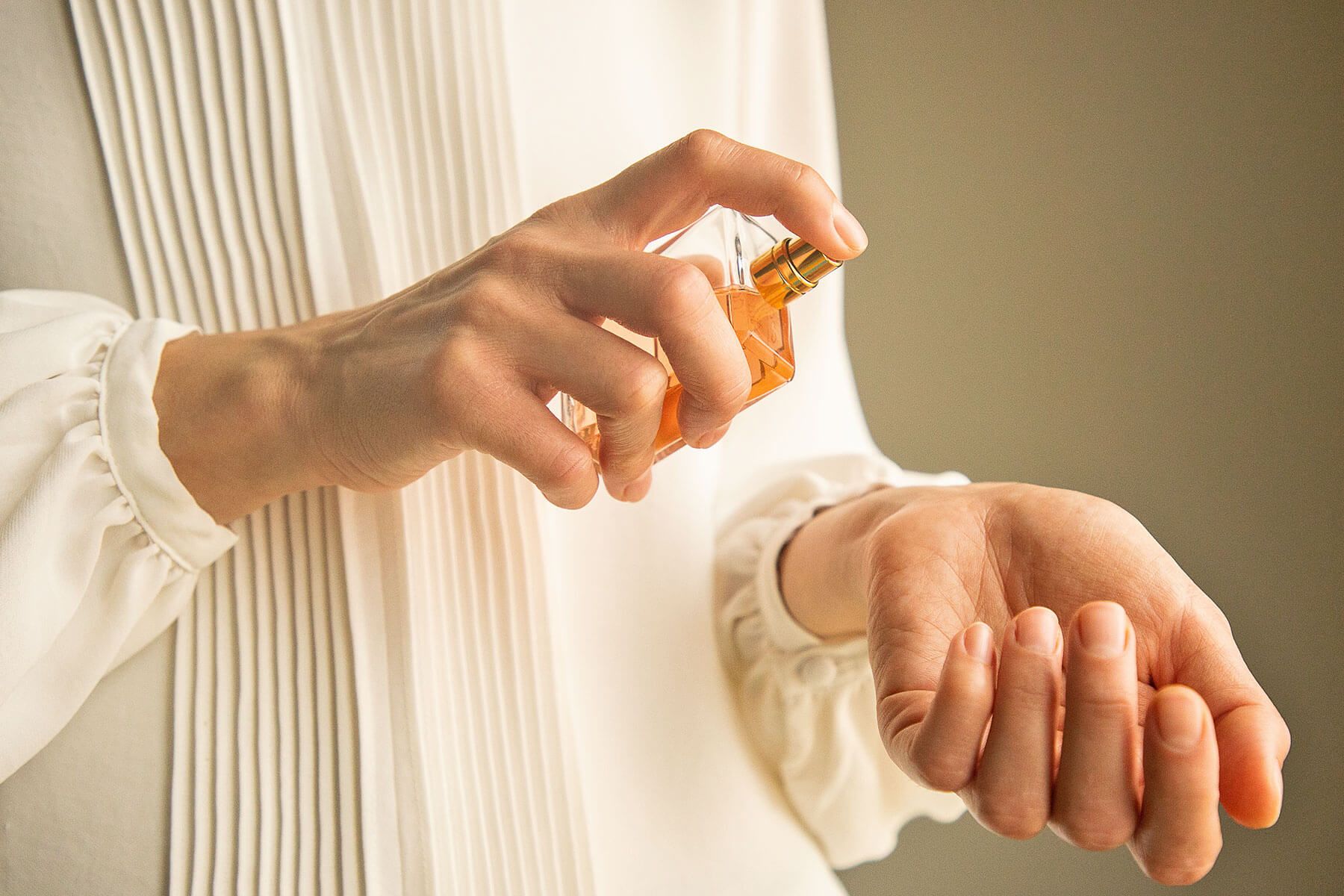
Some individuals are sensitive to certain smells, and sitting next to someone doused in half a bottle of perfume can be downright painful. It can trigger a migraine, itchy eyes, nausea, and other unpleasant symptoms. Avoid causing any problems by wearing just a few dabs of a light daytime perfume or cologne and save bolder scents for a night out — you’ll also save money by using less of your fragrance stash.

Advertisement

More From Our Network

Better Report is part of Inbox Studio, an email-first media company. *Indicates a third-party property.

Go Retro With This 1960s Fashion Quiz

Quiz Daily

Go Retro With This 1960s Fashion Quiz

True or False: Are You a Master of U.S. Geography?

Travel Quiz

True or False: Are You a Master of U.S. Geography?

5 Reasons You Can Be Denied Boarding an Airplane

Daily Passport

5 Reasons You Can Be Denied Boarding an Airplane

What Did People Do Before Eyeglasses?

History Facts

What Did People Do Before Eyeglasses?

How To Use a Balloon To Clean Up Dust

House Outlook

How To Use a Balloon To Clean Up Dust

11 Shopping Hacks Costco Members Should Know

FinanceBuzz*

11 Shopping Hacks Costco Members Should Know

Share this article

  • Share to Facebook
  • Share to Twitter
  • Copy Url
  • Share to Email
Jessica Levy

This article is for general informational purposes only.
Affiliate Disclaimer Medical Disclaimer Financial Disclaimer

Updated:
Posted In: Health
Hero Image Credit: Better Report
Advertisement

Related Articles

5 Small Changes You Can Make To Decrease Your Risk of Dementia

4 min read

6 Holiday Foods You Didn’t Know Were Healthy

7 min read

Is It Safe To Drink a Glass of Water That Sat Out Overnight?

3 min read

The Health Risks of Shopping at the Dollar Store

4 min read

Does Going Outside With Wet Hair Really Make You Sick?

4 min read
Advertisement

The Easiest Ways To Lower Your Health Care Bills

Wealth | Updated: May 1, 2026
Bennett Kleinman
Author
Bennett Kleinman is a New York City-based staff writer for Inbox Studio. He is also a freelance comedy writer, devoted New York Yankees and New Jersey Devils fan, and thinks plain seltzer is the best drink ever invented.
Doctor holding up an x-ray of a patient's chest
Better Report

Understanding the complexities of the American healthcare system can sometimes feel like deciphering an ancient manuscript. Just when you think a procedure is covered, you end up with a bill that you can’t afford. You should never have to choose between an important follow-up appointment and paying your mortgage, yet many people are faced with crushing healthcare costs every day. According to the data website USAFacts, which crunched numbers from the Centers for Disease Control (CDC), personal health care spending — defined as goods and services like prescription drugs and hospital care — rose 1,306% from 1980 (when per-person spending was $943) to 2024 (when it hit $3,590 a person). Even adjusting for inflation showed that per-person spending on personal health care was 3.7 times higher by 2024. 

Thankfully, there are clever ways to get ahead of your health bills so you end up paying less out of pocket. Follow these tips for lower health care costs every time.

Credit: Ground Picture/ Shutterstock

Enroll in an HSA or FSA

HSAs (health savings accounts) and FSAs (flexible spending accounts) are great options for covering medical costs. Essentially, these accounts allow you to set aside pretax money that can be withdrawn later to cover medical bills. These withdrawals are tax-free and can be used for copays, prescriptions, vision exams, dental visits, and more. While health savings options are usually offered by your employer, you can sign up for an HSA even if you’re unemployed, as long as you’re enrolled in a high-deductible health plan. Annual contribution limits for HSAs are $4,400 for individuals and $8,750 for family coverage, and $3,400 per employer for FSAs.

There are a few major differences between HSAs and FSAs, but HSAs allow a lot more flexibility — HSAs belong to you forever, while FSAs are owned by the employer and forfeited if you decide to work elsewhere. With an HSA, you can carry over unused funds year after year, while for an FSA, funds expire at the start of each new benefit year. You can also invest the money in your HSA to generate compound interest over time.

Advertisement
Advertisement
Credit: Xesai/ iStock

Utilize Tax Deductions

If you pay a substantial amount for medical coverage in a given year, you may be able to write off those charges on your annual tax filing. Visit the IRS website and take a quick 15-minute survey to help you determine whether you’re eligible to deduct your medical bills. Potential deductions include hospital stays, prescription medications, and doctor visits, all of which can lead to a more substantial tax refund.

Advertisement
Credit: Getty Images/ Unsplash+

Stay In-Network

One of the frustrating parts of the health care industry is switching insurances only to find that your lifelong doctor doesn’t accept your new plan. You can either pay out of pocket or cut ties and find a new doctor. While it might be difficult, take the latter option. Ask your doctor if they know of anyone who takes your new insurance or contact your insurance directly for some options. Choosing a provider who takes your insurance plan allows you to have more procedures covered, saving you lots of money in the future.

Recommended Articles

  • The Most Popular Car Colors in the U.S.

  • 5 Small Changes You Can Make To Decrease Your Risk of Dementia

  • First-Date Etiquette Tips for People Over 40, According to a Matchmaker

  • 6 Holiday Foods You Didn’t Know Were Healthy

Advertisement
Advertisement

Reader Favorites

  • Person breaking into a car

    The 10 Most Stolen Cars in the U.S.

  • Older man with hands on cane

    Why Do We Smell Different As We Age?

  • Man in grocery store

    6 Grocery Habits Costing You More Than You Think

Credit: Christina Victoria Craft/ Unsplash

Use Discounted and Generic Prescriptions

No one should be forced to pay high costs for a necessary prescription, and the good news is that you no longer have to. Generic medications are almost always just as effective and way cheaper than name-brand options, so ask your doctor if they’d be open to prescribing generic medication to help you save. GoodRx and similar companies further help consumers avoid inflated prescription expenses by finding coupons and discounts to ensure the lowest possible cost. You can also ask the pharmacist at your local drugstore if they have a price-matching program or coupons you can use.

Advertisement
Advertisement
Credit: Akkalak Aiempradit/ Shutterstock

Invest in Long-Term Care Insurance

While basic medical insurance covers you in the present, long-term care insurance helps you both plan for the future and save money in the long run. These insurance plans cover the cost of aides, nursing homes, and other expenses that affect us later in life. Planning ahead also helps your loved ones, since they may be responsible for your care in later years.

Credit: Getty Images/ Unsplash+

Reduce Medicare Premiums

If you have Medicare, you may be susceptible to surcharges depending on your income. This concept is called the income-related monthly adjustment amount (IRMAA), and it affects people with a modified adjusted gross income (MAGI) of over $109,000 for individuals and over $218,000 for couples. If you exceed those thresholds, you will end up paying more for Medicare Part B (and, if you’re enrolled, Part D) than you would otherwise. 

You can avoid these surcharges with clever money management — putting your wealth into a Roth IRA can help distribute your money so that you remain in a lower tax bracket. Roth accounts are pretaxed and can be invested so your wealth grows over time. When you’re ready to withdraw your contributions, you won’t be taxed or penalized. (Earnings, however, may be a different story, depending on your age and how long you’ve had your account.)

Advertisement
Advertisement
Credit: Getty Images/ Unsplash+

Consider Outpatient Facilities

While certain medical procedures must take place in a hospital, for others it’s fine to visit an outpatient facility instead. Common outpatient services include MRI scans, rehabilitation, and even chemotherapy — it all depends on the individual facility. Outpatient facilities can cost significantly less than hospitals because there’s no need for an overnight stay, and the staff is just as capable.

Credit: Getty Images/ Unsplash+

Avoid the Emergency Room

The average cost of visiting the emergency room in 2025 was $2,715 — a steep price to pay even for those who are financially well-off. Assuming your condition isn’t life-threatening, you should head to an urgent care facility instead. Urgent cares are far cheaper than the ER for both individuals and their insurance providers, but you’ll still get high-quality treatment — and sooner, since the wait time at urgent care centers is often less than that in the ER. 

Advertisement

There’s a caveat here, however. While urgent cares might be great for checking out concerning symptoms or injuries, you should head straight to the ER if you are experiencing a true, life-threatening emergency. In the end, your health and safety are more important than saving cash. And if you’re hit with a bill you weren’t expecting — because the doctor you saw for emergency care was out of network, for example — you may be eligible for protections under the federal No Surprises Act.

More From Our Network

Better Report is part of Inbox Studio, an email-first media company. *Indicates a third-party property.

Go Retro With This 1960s Fashion Quiz

Quiz Daily

Go Retro With This 1960s Fashion Quiz

True or False: Are You a Master of U.S. Geography?

Travel Quiz

True or False: Are You a Master of U.S. Geography?

5 Reasons You Can Be Denied Boarding an Airplane

Daily Passport

5 Reasons You Can Be Denied Boarding an Airplane

What Did People Do Before Eyeglasses?

History Facts

What Did People Do Before Eyeglasses?

How To Use a Balloon To Clean Up Dust

House Outlook

How To Use a Balloon To Clean Up Dust

11 Shopping Hacks Costco Members Should Know

FinanceBuzz*

11 Shopping Hacks Costco Members Should Know

Share this article

  • Share to Facebook
  • Share to Twitter
  • Copy Url
  • Share to Email
Bennett Kleinman
Staff Writer

Bennett Kleinman is a New York City-based staff writer for Inbox Studio. He is also a freelance comedy writer, devoted New York Yankees and New Jersey Devils fan, and thinks plain seltzer is the best drink ever invented.

This article is for general informational purposes only.
Affiliate Disclaimer Medical Disclaimer Financial Disclaimer
Updated: July 20, 2023
Posted In: Wealth
Hero Image Credit: Better Report

Advertisement

Related Articles

How Far a $100 Grocery Budget Goes in Every State
7 min read

Why You Should Never Put Your Utility Bills on Autopay

5 min read

The Best Cars for Resale Value, According to Auto Experts

5 min read

5 Common Estate Planning Mistakes (and How To Avoid Them)

6 min read

Is It OK To Snack Before Paying at the Grocery Store?

4 min read
Advertisement

Posts navigation

Older posts
Newer posts
  • Home
  • Health
  • Wealth
  • Logo
  • Advertise
  • About
  • Contact Us
  • Privacy Policy
  • Terms of Use
  • Your Privacy Choices
x
Thumb Image

Elevate your everyday.

Sign up to receive the practical tips and expert advice you need to pare down the complexities of everyday living right in your inbox.

Sorry, your email address is not valid. Please try again.

Your email is:

Edit Image
Sorry, your email address is not valid. Please try again.
Thank you for subscribing...

By subscribing you are agreeing to our Terms of Use and Privacy Policy.

Close image
Thumb Image
Second Thumb Image

Elevate your everyday.

Sign up to receive the practical tips and expert advice you need to pare down the complexities of everyday living right in your inbox.

Sorry, your email address is not valid. Please try again.

By subscribing you are agreeing to our Privacy Policy and Terms of Use.

Close image