Skip to content
Better Report
  • Home
  • Health
  • Wealth
8 Low-Maintenance Plants That Thrive on Neglect
  • Search
  • Subscribe
  • Home
  • Health
  • Wealth
  • About
  • Privacy Policy
  • Terms of Use
  • Contact Us
  • SubscribeSubscribe
  • Search
Thank you for confirming your email! Welcome to the community.

Author: mikenewman

Is a High Annual Credit Card Fee Worth It?

Wealth | Updated: June 24, 2024
Bennett Kleinman
Author
Bennett Kleinman is a New York City-based staff writer for Inbox Studio. He is also a freelance comedy writer, devoted New York Yankees and New Jersey Devils fan, and thinks plain seltzer is the best drink ever invented.
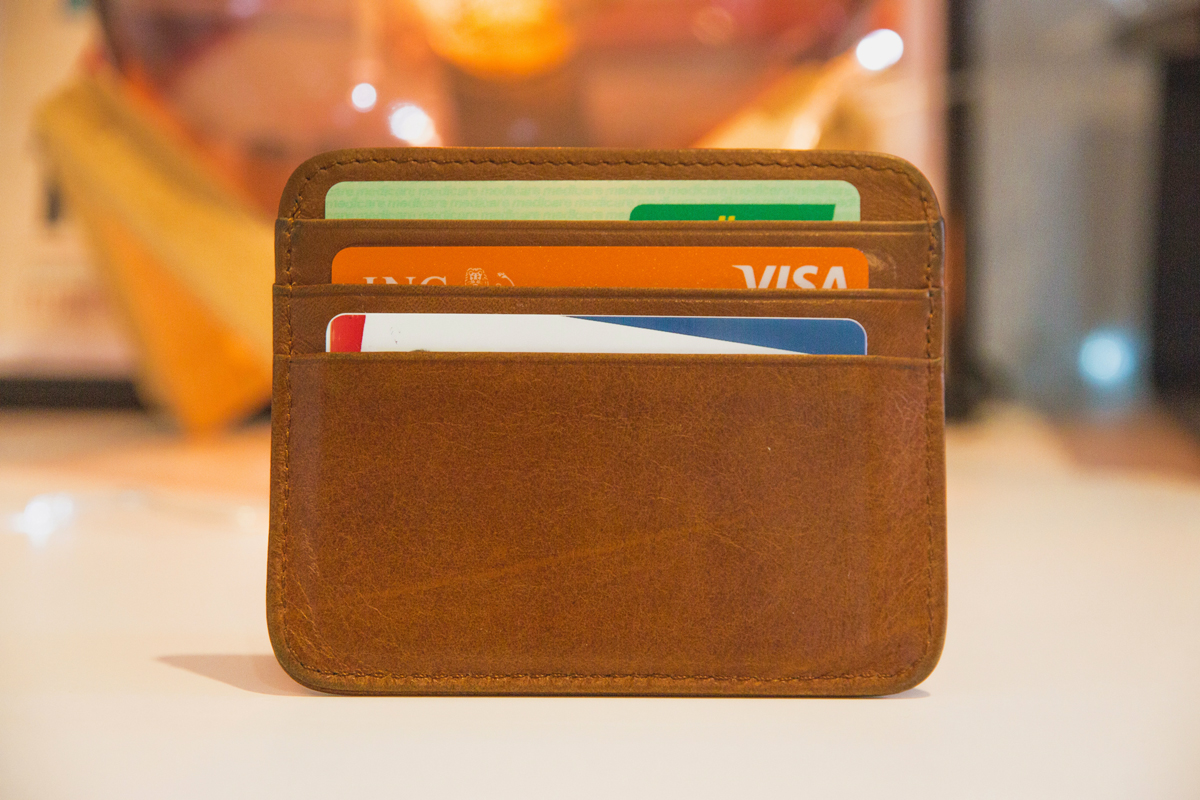
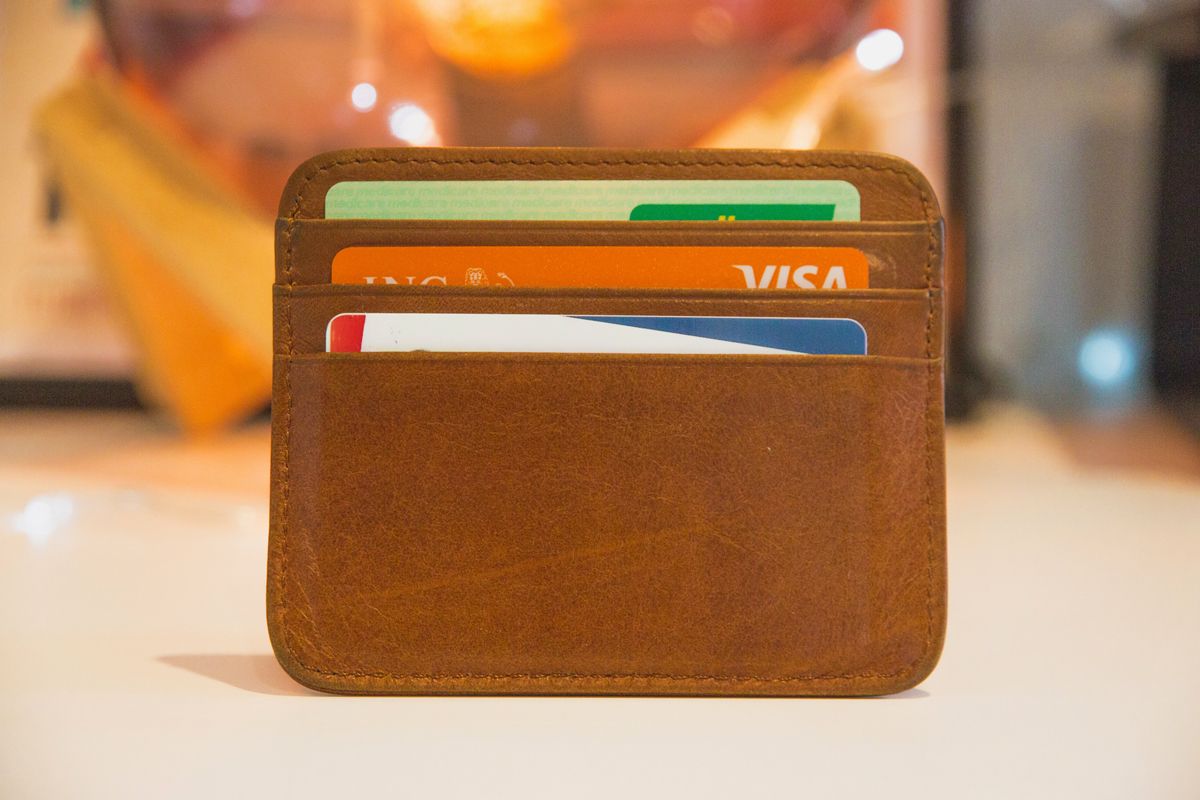
Credit card wallet with three credit cards in it
Better Report

There are many things to consider when signing up for a new credit card. One of the most important elements to assess is the annual fee. Though many credit cards come at no added cost to the consumer, some banks charge you upfront just to open the account. In fact, a 2024 report determined that 27% of cards issued by larger companies come with an average annual fee of $157. If you’re skeptical about whether these high fees are worth it, here are some reasons these costlier credit cards are worth considering.

Image Credit: Barna Bartis/ Unsplash

They Come With Better Travel Perks

Cards without annual fees generally offer modest travel perks that won’t blow you away or take you very far, such as 1x miles for every dollar spent. While that’s perfectly fine if you don’t travel a lot or have other ways of earning miles and points, cards that have annual fees often come with greater travel rewards. Over time, those benefits add up and offset the annual fee cost, which means the consumer will save in the long run.

Let’s look at the Capital One Venture Rewards Credit Card, for instance, which costs $95 annually but also offers 2x miles for every dollar spent — 60% higher than Capital One’s no-fee alternative.  This means that frequent jetsetters will make their money back in no time. There’s also the World of Hyatt Card, which costs $95 but offers a one-night stay each year at most Hyatt hotels. That benefit alone is well worth the cost for travelers, plus all the additional perks that come on top of it. People who pay an annual fee for travel cards often receive additional perks such as free checked bags and trip cancellation insurance, just to name a few.
Advertisement
Advertisement
Image Credit: Stephen Phillips – Hostreviews.co.uk/ Unsplash

They Also Offer Higher Cash Back

Cards with annual fees offer more than travel rewards, including things like double cash back on everyday purchases such as groceries. One of the best cash-back cards is the American Express Blue Cash Preferred, free for the first year and then $95 each year thereafter. This card is ideal for people with large families to feed, offering 6% cash back on groceries — much higher than the 3% cash back offered by its no-fee alternative. This perk is just one of the better cash-back rewards, so check with your bank to see what options they have available.

Image Credit: Clay Banks/ Unsplash

These Cards Help You Build Credit

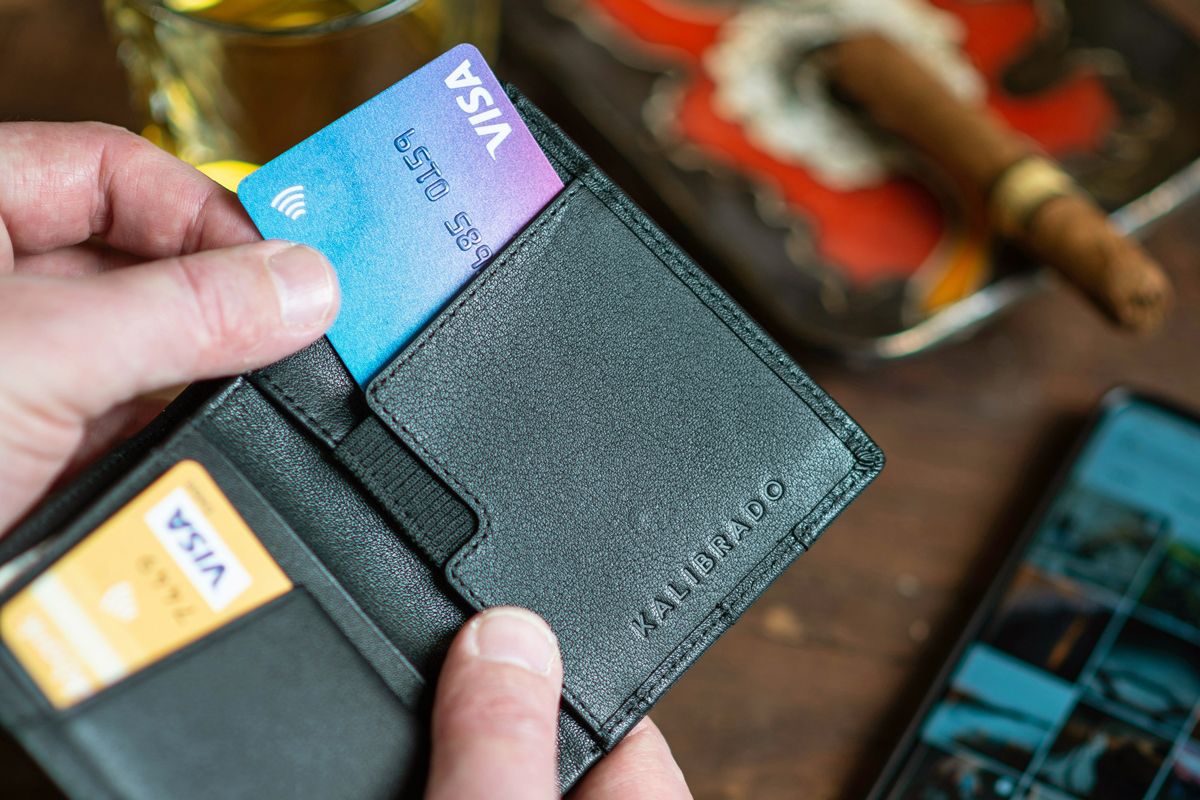
People with less-than-stellar credit history may have limited options when it comes to credit cards. If you’re one of those folks, it’s kind of a catch-22 situation — how do you build up your credit with so few available options? Thankfully, some cards come with annual fees that can easily help you build credit and improve your score over time. One such option is the OpenSky Secured Visa, which costs $35 annually and doesn’t require a bank account or credit check to open. If you can afford the annual fee, this card will help you build credit and open up more plentiful rewards options in the future.

Recommended Articles

  • The Most Popular Car Colors in the U.S.

  • 5 Small Changes You Can Make To Decrease Your Risk of Dementia

  • First-Date Etiquette Tips for People Over 40, According to a Matchmaker

  • 6 Holiday Foods You Didn’t Know Were Healthy

Advertisement
Advertisement

Reader Favorites

  • Person breaking into a car

    The 10 Most Stolen Cars in the U.S.

  • Older man with hands on cane

    Why Do We Smell Different As We Age?

  • Man in grocery store

    6 Grocery Habits Costing You More Than You Think

Image Credit: Emil Kalibradov/ Unsplash

They Usually Come With Loftier Sign-Up Bonuses

The higher the upfront fee you’re willing to pay, the greater the sign-up bonus — at least most of the time. The Capital One Savor card gives you a $300 cash bonus if you spend $3,000 within three months of opening the account, which more than makes up for its $95 annual fee. For big spenders, the American Express Platinum Card costs $695 each year but also offers 80,000 points if you spend $8,000 within the first six months. Those points can be redeemed for luxury travel, shopping, or to pay off your monthly billing statements.

Advertisement
Image Credit: Diana Light/ Unsplash+

When Annual Fees Aren’t Worth It

Even with all of the aforementioned rewards, it’s important to be aware that cards with high annual fees aren’t always worth it. These cards usually require spending enough money to unlock their perks, which means people who don’t often use their credit card probably won’t see many benefits. Also, if you’re not planning to utilize the rewards, these cards may not be for you. Be sure to look at the terms and conditions as well, as some of these cards only offer additional perks for the first year, making the fee an unnecessary burden in the long run.

If you’ve already signed up for a card with annual fees and want to cancel it, call your bank and speak to a representative. Before canceling outright, ask if they can waive the fee or offer any perks to make up for it. Sometimes you may get lucky, and there’s no harm in asking.

More From Our Network

Better Report is part of Inbox Studio, an email-first media company. *Indicates a third-party property.

Go Retro With This 1960s Fashion Quiz

Quiz Daily

Go Retro With This 1960s Fashion Quiz

True or False: Are You a Master of U.S. Geography?

Travel Quiz

True or False: Are You a Master of U.S. Geography?

5 Reasons You Can Be Denied Boarding an Airplane

Daily Passport

5 Reasons You Can Be Denied Boarding an Airplane

What Did People Do Before Eyeglasses?

History Facts

What Did People Do Before Eyeglasses?

How To Use a Balloon To Clean Up Dust

House Outlook

How To Use a Balloon To Clean Up Dust

11 Shopping Hacks Costco Members Should Know

FinanceBuzz*

11 Shopping Hacks Costco Members Should Know

Share this article

  • Share to Facebook
  • Share to Twitter
  • Copy Url
  • Share to Email
Bennett Kleinman
Staff Writer

Bennett Kleinman is a New York City-based staff writer for Inbox Studio. He is also a freelance comedy writer, devoted New York Yankees and New Jersey Devils fan, and thinks plain seltzer is the best drink ever invented.

This article is for general informational purposes only.
Affiliate Disclaimer Medical Disclaimer Financial Disclaimer

Updated: July 20, 2023
Posted In: Wealth
Hero Image Credit: Better Report
Advertisement

Related Articles

How Far a $100 Grocery Budget Goes in Every State

7 min read

Why You Should Never Put Your Utility Bills on Autopay

5 min read

The Best Cars for Resale Value, According to Auto Experts

5 min read

5 Common Estate Planning Mistakes (and How To Avoid Them)

6 min read

Is It OK To Snack Before Paying at the Grocery Store?

4 min read
Advertisement

8 Foods You Probably Don’t Refrigerate But Should

Home | Updated: June 24, 2024
Nicole Garner Meeker
Author
Nicole Garner Meeker is a freelance writer, research editor, and Inbox Studio contributor. Based in St. Louis, she’s an enthusiastic gardener, fiber artist, and connoisseur of fine snacks.
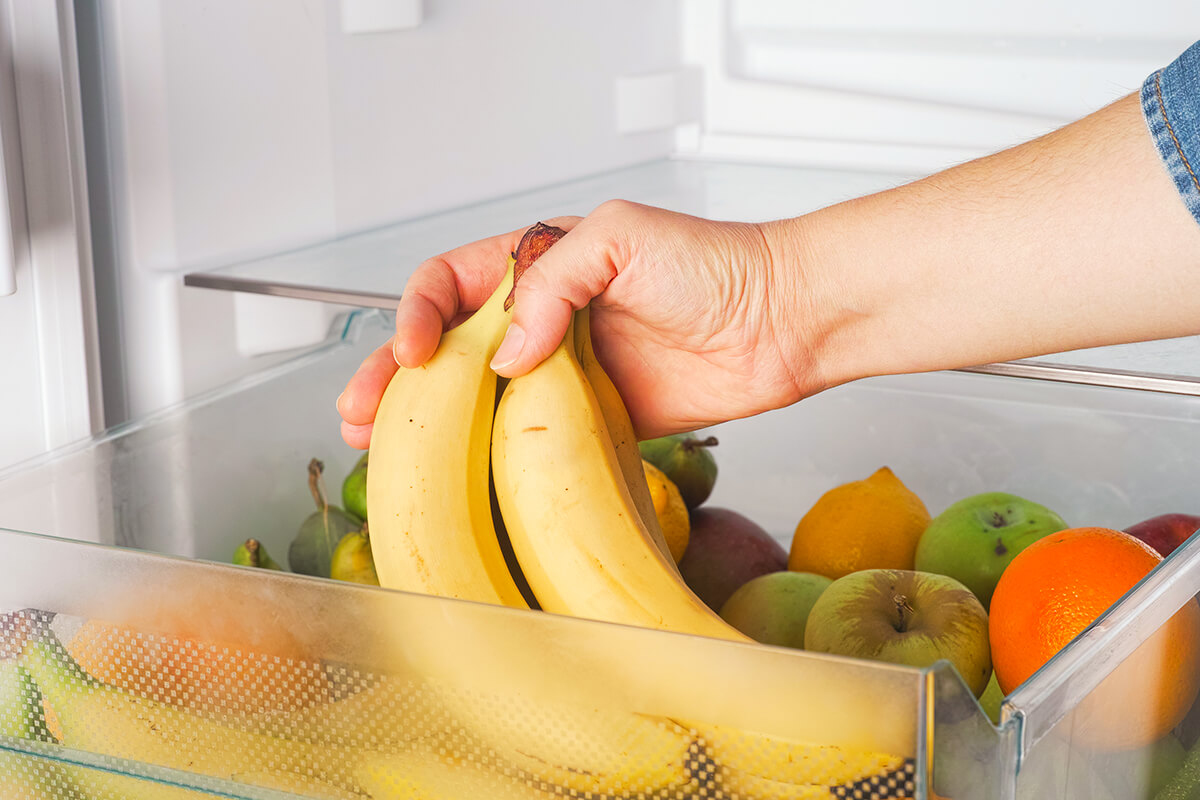
Person placing bananas in a refrigerator bin
Better Report

Some things clearly belong in the refrigerator: eggs, yogurt, milk… these are no-brainers. Condiments and sauces can get a little murky, since not all truly need a stay in the fridge after opening. When it comes to shelf-stable foods, well, most of us don’t think twice about tossing a package of cashews or tortillas into the pantry (after all, they’re not refrigerated at the grocery store). But a handful of pantry staples can benefit from storage at a brisk 40 degrees. Cool temperatures can preserve their flavor and nutritional value until you’re ready to enjoy them — here are eight that benefit from moving off the counter and into your fridge.

Credit: BearFotos/ Shutterstock

Dry-Cured Meats

Snack sticks, jerky, salami, and other cured and dried meats don’t have to be refrigerated, but keeping them wrapped in butcher paper in your lunch meat drawer has its perks. Storing salami and other dry-cured meats at cool temps protects their flavor, reduces bacteria growth, and keeps them from drying out, especially after you’ve opened and cut into the roll.

Advertisement
Advertisement
Credit: Kostikova Natalia/ Shutterstock

Nuts and Seeds

Nuts are relatively shelf-stable, so most people toss them in the pantry. However, the unsaturated fats that make them a healthy snack choice can actually be their long-term storage downfall. When exposed to warm temperatures and light, unsaturated fats in nuts begin to break down, slowly turning your entire stash of cashews or almonds rancid. Storing nuts in a closed container in the fridge slows this process, and keeps them fresh for up to six months.

Credit: smileitsmccheeze/ iStock

Tortillas

Grocery stores typically keep tortillas in the bread aisle, which is why many of us store them on the counter. However, a closer look at the packaging often reveals a fine print recommendation to refrigerate after opening. Exposure to heat helps mold and bacteria take root (especially in flour tortillas), so tossing leftover tortillas into the fridge in a sealed bag can help them last until your next Taco Tuesday.

Credit: puhimec/ iStock

Ripe Bananas

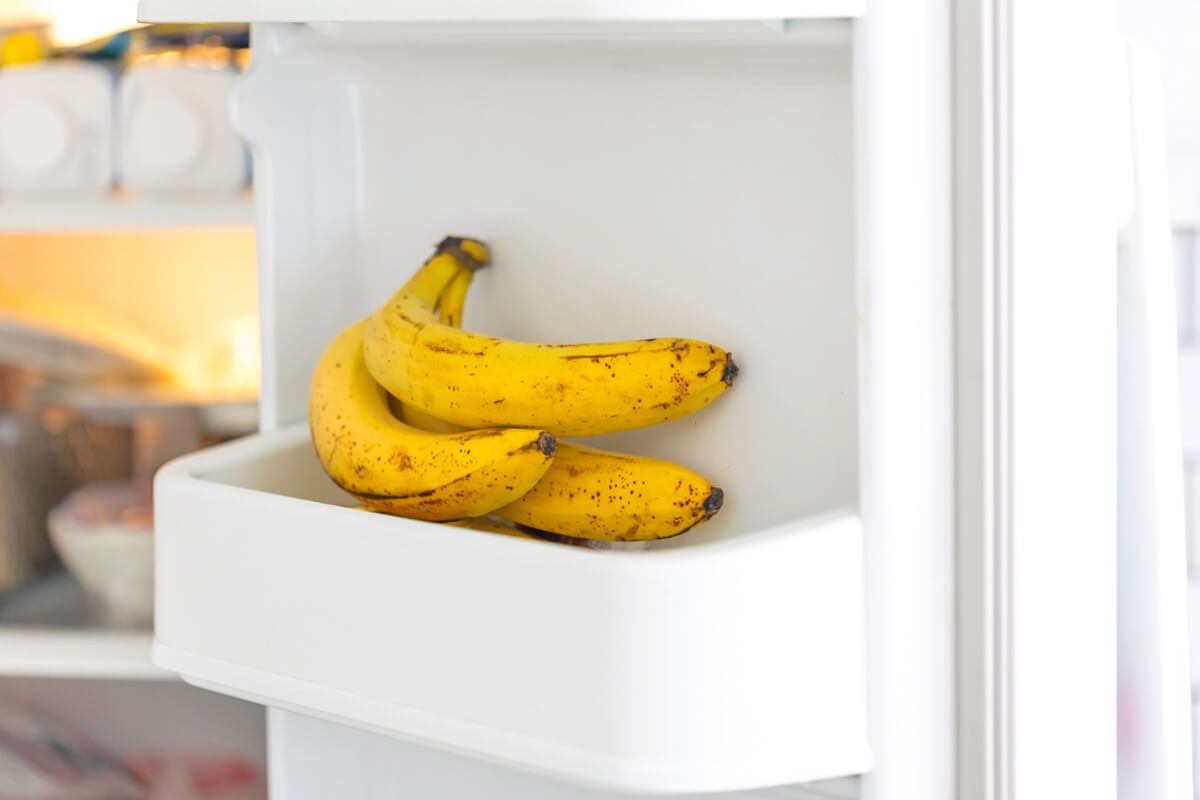
Getting a perfectly ripe banana is tough — and entirely subjective. While 47% of Americans opt for a solid yellow banana, 31% prefer at least a few brown spots. Whatever your preference, you can pop bananas into the fridge to pause ripening until you have a chance to eat them.

Recommended Articles

  • The Most Popular Car Colors in the U.S.

  • 5 Small Changes You Can Make To Decrease Your Risk of Dementia

  • First-Date Etiquette Tips for People Over 40, According to a Matchmaker

  • 6 Holiday Foods You Didn’t Know Were Healthy

Advertisement
Advertisement

Reader Favorites

  • Person breaking into a car

    The 10 Most Stolen Cars in the U.S.

  • Older man with hands on cane

    Why Do We Smell Different As We Age?

  • Man in grocery store

    6 Grocery Habits Costing You More Than You Think

Credit: Kateryna Hliznitsova/ Unsplash+

Pies

Do you keep your leftover pie in the fridge or on the counter? This common kitchen debate rears its head around Thanksgiving (usually when fridge space is at a premium). Nutrition experts recommend storing any pie, cobbler, or dessert made with refrigerated dairy ingredients in the fridge to prevent bacteria and mold. Custard, cream, and pumpkin pies can sit out at room temperature for a maximum of 2 hours, and fruit pies without dairy (like apple or cherry) can stay on the counter for up to 2 days before needing refrigeration.

Advertisement
Credit: FabrikaSimf/ Shutterstock

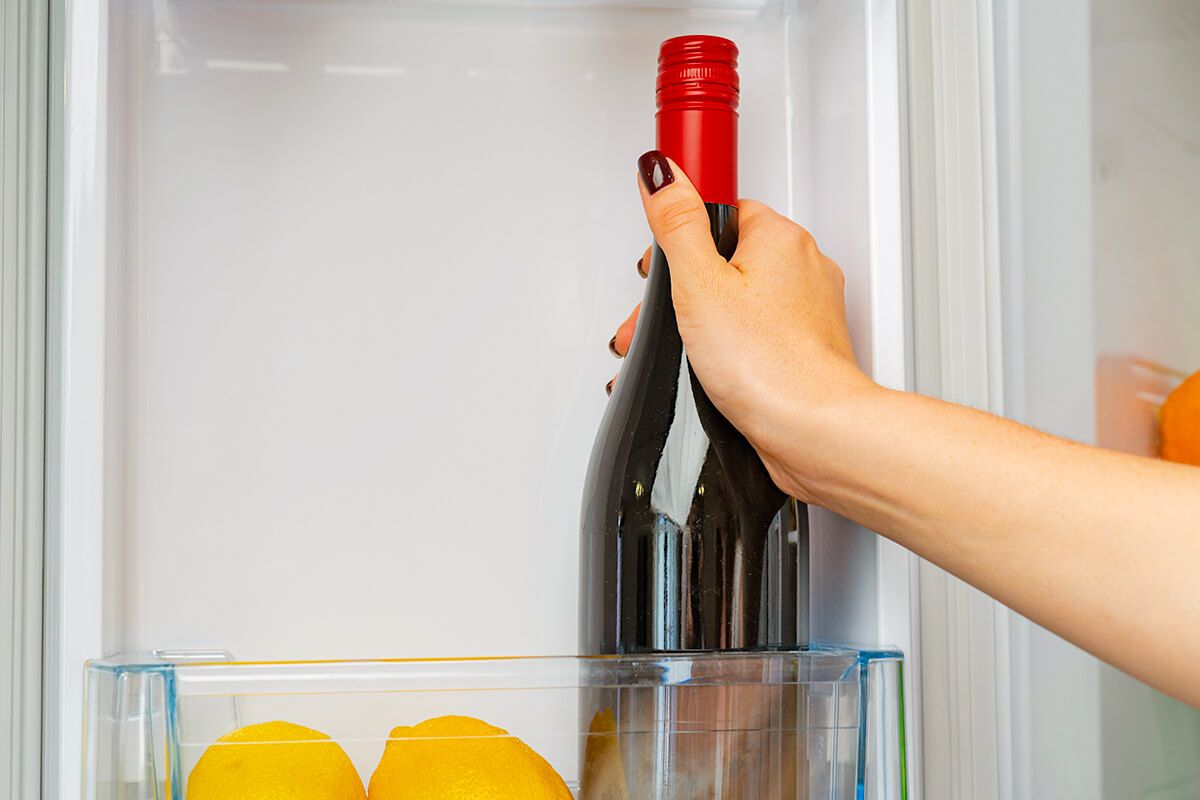
Opened Bottles of Wine

Popping a cork or stopper into a half-finished bottle of wine won’t guarantee it remains fresh until you’re ready for another glass. Wine begins to oxidize once the bottle is uncorked and the delicious liquid inside is exposed to air; this chemical reaction can give your glass of vino a flat taste and off-color appearance. While refrigerating can’t stop oxidation, it can slow it down to save your leftover wine for another occasion.

Credit: Andre Ouellet/ Unsplash

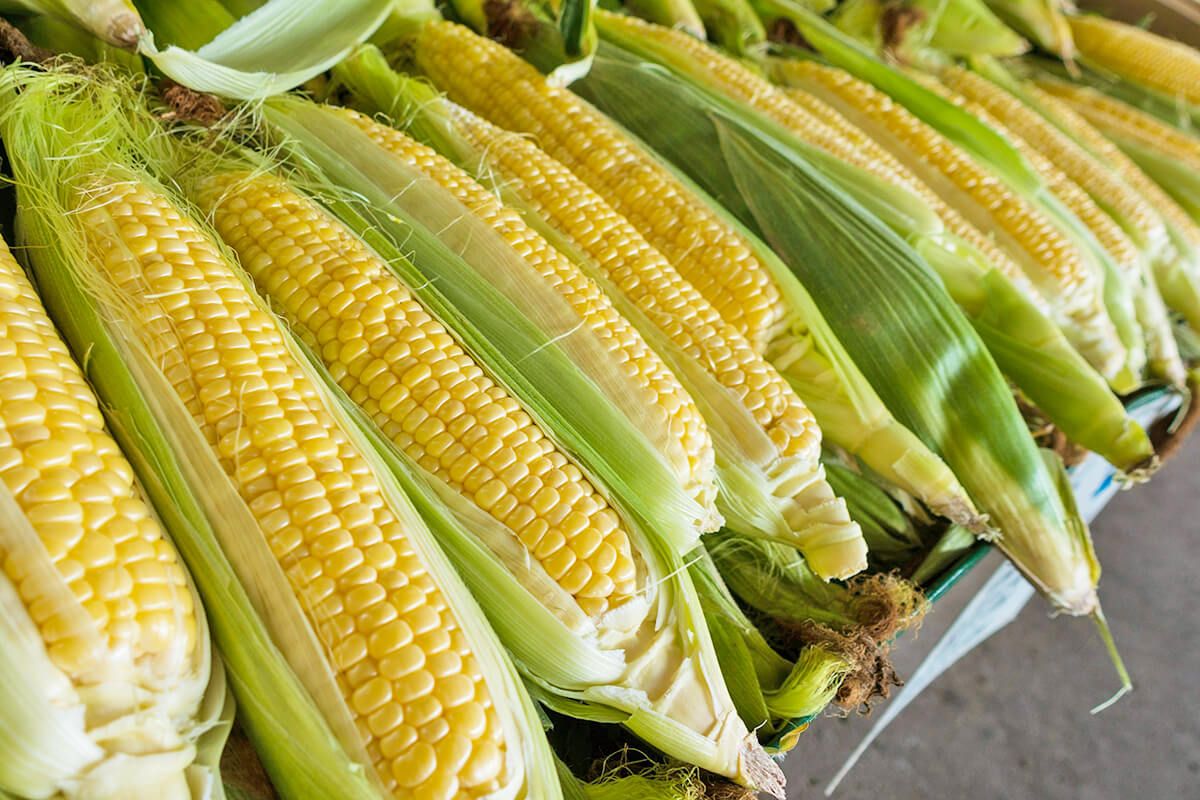
Fresh Corn

Corn fresh from the field is sweet and juicy… but not when left at room temperature for days on end like other produce. The sugar in sweet corn breaks down after it’s harvested, and the cobs slowly dry out when left on the counter. Make sure your corn on the cob is a barbecue hit by leaving its husk on (which protects against decay) until the day you eat it and placing the ears in a produce bag before refrigerating.

Credit: Sveta Y/ Shutterstock

Pure Maple Syrup

Unlike artificial syrups, pure maple syrup doesn’t contain any preservatives to help it stay fresh at room temperature. It’s also not as cheap — so protect your morning breakfast investment by keeping pure maple syrup in the fridge, allowing it to grace your morning pancakes and waffles for up to a year (if you don’t eat it all first).

Featured image credit: StepanPopov/ Shutterstock

More From Our Network

Better Report is part of Inbox Studio, an email-first media company. *Indicates a third-party property.

Go Retro With This 1960s Fashion Quiz

Quiz Daily

Go Retro With This 1960s Fashion Quiz

True or False: Are You a Master of U.S. Geography?

Travel Quiz

True or False: Are You a Master of U.S. Geography?

5 Reasons You Can Be Denied Boarding an Airplane

Daily Passport

5 Reasons You Can Be Denied Boarding an Airplane

What Did People Do Before Eyeglasses?

History Facts

What Did People Do Before Eyeglasses?

How To Use a Balloon To Clean Up Dust

House Outlook

How To Use a Balloon To Clean Up Dust

11 Shopping Hacks Costco Members Should Know

FinanceBuzz*

11 Shopping Hacks Costco Members Should Know

Share this article

  • Share to Facebook
  • Share to Twitter
  • Copy Url
  • Share to Email
Nicole Garner Meeker
Writer

Nicole Garner Meeker is a freelance writer, research editor, and Inbox Studio contributor. Based in St. Louis, she’s an enthusiastic gardener, fiber artist, and connoisseur of fine snacks.

This article is for general informational purposes only.
Affiliate Disclaimer Medical Disclaimer Financial Disclaimer

Updated: September 19, 2023
Posted In: Home
Hero Image Credit: Better Report
Advertisement

Related Articles

The Most Popular Car Colors in the U.S.

4 min read

First-Date Etiquette Tips for People Over 40, According to a Matchmaker

3 min read

Why Doesn’t Plastic Totally Dry in the Dishwasher?

3 min read

Putting This in Your Dryer Is a Major Fire Risk

3 min read

18 Surprising Things You Should Never Put Down Your Drain

5 min read
Advertisement

Can You Take Too Many Vitamins?

Jessica Levy
Health | Updated: June 24, 2024
Person holding multiple vitamin pills in their palm
Better Report

Taking supplemental vitamins is an essential part of so many people’s daily routine, but this begs the question — can you consume too many vitamins? We all know how easy it is to eat too much pizza or drink one too many beers, which leaves our stomachs feeling worse for wear. But overdoing your vitamins can have an even greater impact from head to toe, affecting far more than just the stomach. If you’re one of the many people taking daily vitamins for nutritional deficiencies, then it’s worth being aware of which vitamins may cause complications if you consume too much.

Credit: JSB Co./ Unsplash+

Water-Soluble vs. Fat-Soluble Vitamins

We often take two common types of vitamins — water-soluble vitamins and fat-soluble vitamins. The former category includes vitamins B and C. In contrast, the latter includes vitamins A, D, and E. While consuming too much of either category is possible, excessive amounts of water-soluble vitamins will come out in urine and sweat. Fat-soluble vitamins, however, are absorbed in their entirety, meaning their potential impact on the body is potentially far greater.

Advertisement
Advertisement
Credit: Maria Shipakina/ iStock

Vitamin A

Taking vitamin A assists with eye health, but too much vitamin A may result in nausea, irritability, drowsiness, and even an increased risk of lung cancer. It’s advisable to exceed no more than 900 micrograms for most adults, though the exact limits depend on your individual age, sex, and other medical conditions such as pregnancy.

Credit: SERSOLL/ Shutterstock

B Vitamins

Vitamin B3 is essential for heart health and good metabolism, but consuming too much (over 14 to 16 mg) can cause itchy skin and impaired vision. Vitamin B6 is another equally essential vitamin that helps anemia, but consuming more than 1.3 to 1.7 mg each day may result in vomiting, heartburn, and light sensitivity. Then there’s folic acid, the synthetic form of vitamin B9. Folic acid is essential for proper immune function, but taking more than 1 mg daily may cause bloating and loss of appetite.

Credit: ljubaphoto/ iStock

Vitamin C

Vitamin C is a necessary tool for developing muscle and cartilage, and it also plays a critical role in the body’s healing process. But taking even a single vitamin C pill each day is inadvisable according to some, as it’s been tied to an increased likelihood of developing kidney stones in males. It also causes diarrhea and heartburn, regardless of a person’s sex. As with everything vitamin on this list, discuss dosage, frequency, and usage with your healthcare provider.

Recommended Articles

  • The Most Popular Car Colors in the U.S.

  • 5 Small Changes You Can Make To Decrease Your Risk of Dementia

  • First-Date Etiquette Tips for People Over 40, According to a Matchmaker

  • 6 Holiday Foods You Didn’t Know Were Healthy

Advertisement
Advertisement

Reader Favorites

  • Person breaking into a car

    The 10 Most Stolen Cars in the U.S.

  • Older man with hands on cane

    Why Do We Smell Different As We Age?

  • Man in grocery store

    6 Grocery Habits Costing You More Than You Think

Credit: kitzcorner/ Shutterstock

Vitamin D

Vitamin D helps the body with calcium absorption, meaning it’s critical for maintaining good bone health. But taking too much may result in an increased risk of hypercalcemia, which manifests as nausea, twitching muscles, general fatigue and confusion, and even fragile bones that are more vulnerable to breaks. Keep your daily vitamin D intake below 20 micrograms.

Advertisement
Credit: New Africa/ Shutterstock

Vitamin E

Vitamin E supports a wide variety of bodily functions and is even believed to delay the onset of Alzheimer’s disease and prevent liver disease. But too much vitamin E can lead to blood clots, hemorrhages, and an increased risk of prostate cancer. Stick to around 15 milligrams of vitamin E each day for the average adult.

What About Minerals?

Vitamins and minerals generally go hand in hand in the world of daily supplements. It should come as no surprise that there’s also such a thing as taking too much of any given mineral, and here are some of the ones that are worth being cautious about.

Calcium

Calcium is essential for bone strength and better muscle function. But taking too much calcium may result in the aforementioned hypercalcemia. It’s recommended that you stick to an average of 1,000 t0 1,300 mg of calcium daily — depending on your age and other medical conditions. If you’re 51 or older, you should never exceed 2,000 mg of calcium in a single day, as doing so increases the risk of medical complications.

Credit: KaryB/ Shutterstock

Iron

Many people suffer from conditions such as iron-deficient anemia, and in turn, they rely on iron supplements to get more into their system. Maintaining good iron levels is key when it comes to energy production, and also helps support the body if you’re pregnant or undoing an active menstrual cycle. But taking too much iron can lead to constipation, vomiting, liver failure, low blood pressure, and even damage to the lungs. This is why it’s so careful to limit yourself to between 7 and 27 mg of iron, depending on your age, sex, and other medical conditions.

Advertisement
Advertisement
Credit: Danijela Maksimovic/ Shutterstock

Zinc

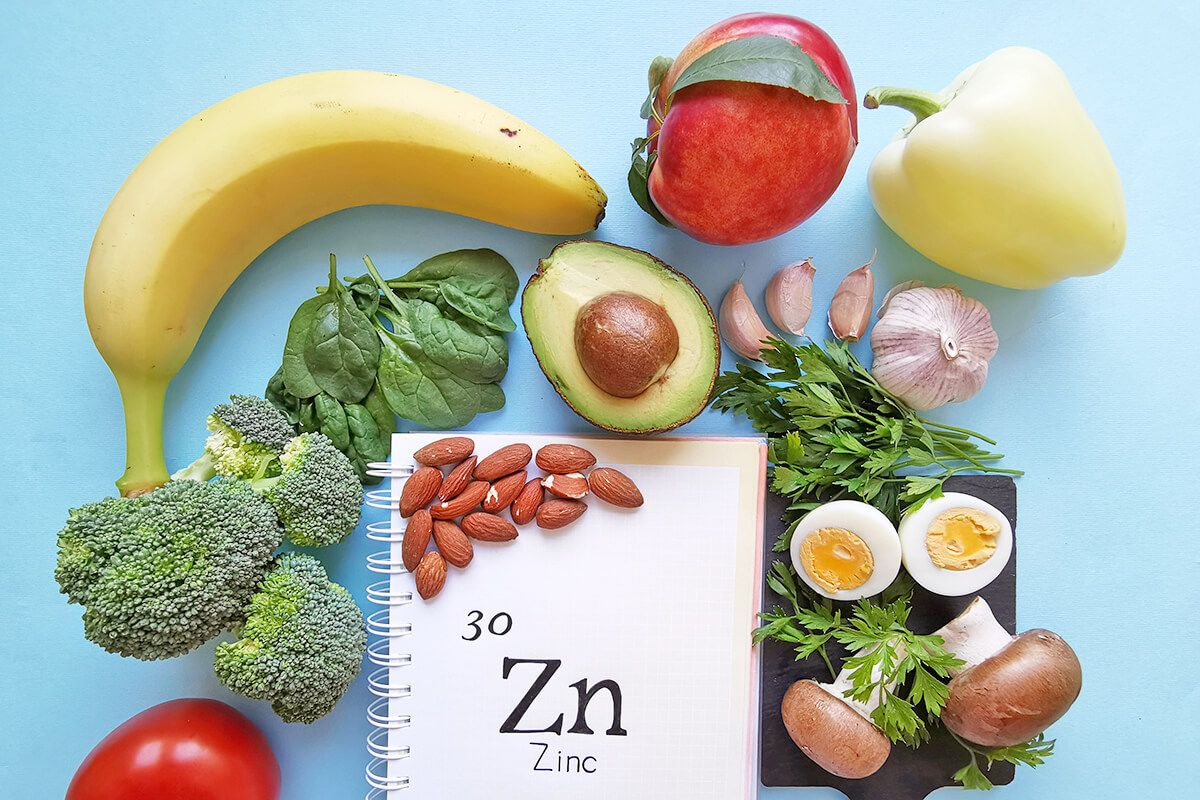
You need zinc for proper immune function, as it can help fight off harmful bacteria. But be careful not to exceed 14 mg per day if you’re an adult male and only eight if you’re an adult female. Taking too much zinc may lead to cramping and vomiting.

Advertisement

Concerned? Talk to a Doctor

If you’re concerned about your daily vitamin intake, reach out to a medical professional who can help guide you down the right path. Going for annual physicals is an excellent way to keep tabs on your body’s vitamin and mineral levels, which can help manage your supplements. If any levels seem out of whack, your doctor can advise you about taking more or less supplements going forward.

More From Our Network

Better Report is part of Inbox Studio, an email-first media company. *Indicates a third-party property.

Go Retro With This 1960s Fashion Quiz

Quiz Daily

Go Retro With This 1960s Fashion Quiz

True or False: Are You a Master of U.S. Geography?

Travel Quiz

True or False: Are You a Master of U.S. Geography?

5 Reasons You Can Be Denied Boarding an Airplane

Daily Passport

5 Reasons You Can Be Denied Boarding an Airplane

What Did People Do Before Eyeglasses?

History Facts

What Did People Do Before Eyeglasses?

How To Use a Balloon To Clean Up Dust

House Outlook

How To Use a Balloon To Clean Up Dust

11 Shopping Hacks Costco Members Should Know

FinanceBuzz*

11 Shopping Hacks Costco Members Should Know

Share this article

  • Share to Facebook
  • Share to Twitter
  • Copy Url
  • Share to Email
Jessica Levy

This article is for general informational purposes only.
Affiliate Disclaimer Medical Disclaimer Financial Disclaimer

Updated:
Posted In: Health
Hero Image Credit: Better Report
Advertisement

Related Articles

5 Small Changes You Can Make To Decrease Your Risk of Dementia

4 min read

6 Holiday Foods You Didn’t Know Were Healthy

7 min read

Is It Safe To Drink a Glass of Water That Sat Out Overnight?

3 min read

The Health Risks of Shopping at the Dollar Store

4 min read

Does Going Outside With Wet Hair Really Make You Sick?

4 min read
Advertisement

7 Things You Should Never Clean With a Magic Eraser

Home | Updated: December 3, 2025
Nicole Garner Meeker
Author
Nicole Garner Meeker is a freelance writer, research editor, and Inbox Studio contributor. Based in St. Louis, she’s an enthusiastic gardener, fiber artist, and connoisseur of fine snacks.
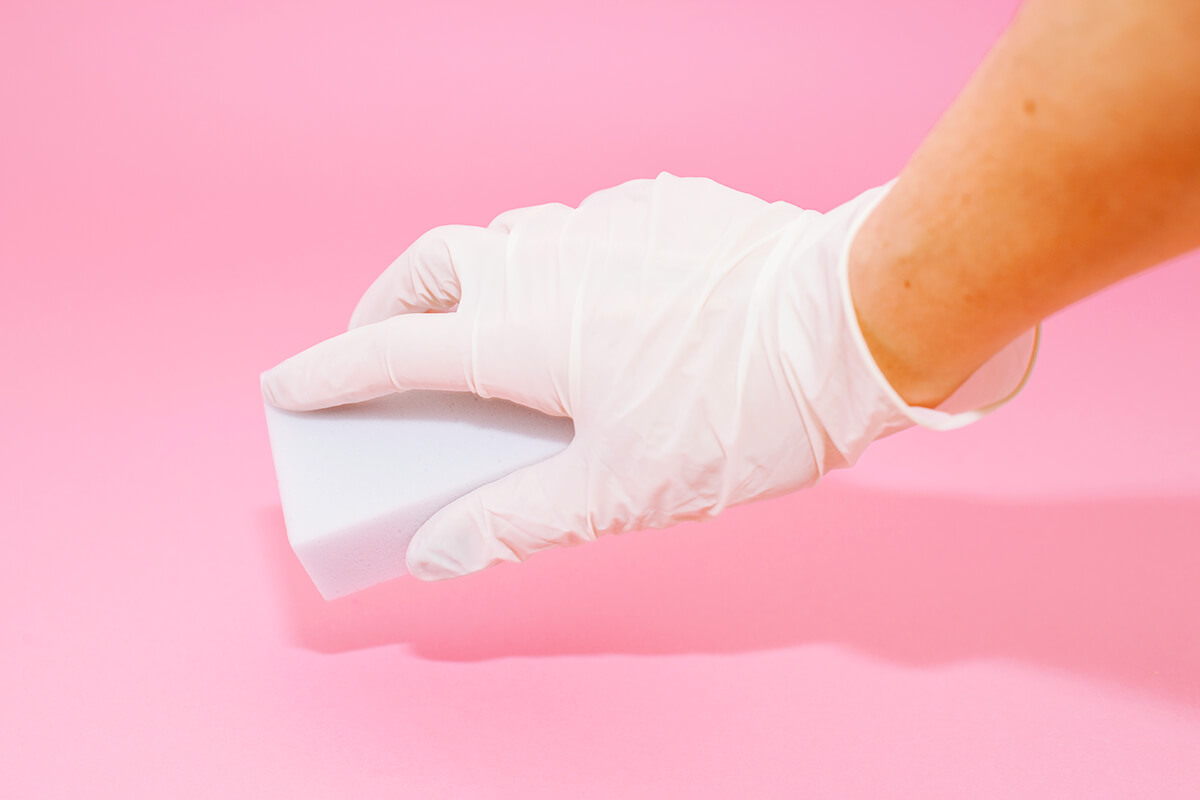
Person wearing a white glove and cleaning with a Magic Eraser
Better Report

All featured products and deals are selected independently and objectively by the author. Better Report may receive a share of sales via affiliate links in content.

Two decades after hitting store shelves, Magic Erasers have developed a miraculous reputation, and for good reason. Soap scum? Banished. Wall scuffs? Begone. Sticker residue from your thrift store finds? No one will ever know the deal you got (unless you tell them). Turns out, these magical sponges aren’t supernatural scrubbers, but rather repurposed insulating foam. Magic Erasers are made from melamine foam, a sound-absorbing material typically used in recording studios. Its sandpaper-like texture just so happens to be incredibly effective at blasting through stuck-on stains and grime. Magic Erasers can be used nearly anywhere in your home, but they do have some limitations. Avoid these spots to keep the cleaning magic alive and your countertops scuff-free.

Credit: SolStock/ iStock

Stainless Steel

Stainless steel seems invincible, though it’s no match for Magic Erasers, which are estimated to have the same power as 5,000-grit sandpaper. That level of abrasiveness is enough to scratch stainless steel and leave behind dull patches on its polished finish.

Advertisement
Advertisement
Credit: Yuri Orgunov/ Shutterstock

Stone and Wooden Countertops

Not every countertop can withstand the intensity of a melamine sponge, particularly ones made from stone. Marble and granite countertops can scuff and lose their smooth feel, and butcher block countertops can be roughed up from Magic Erasers. Find a more delicate option for these countertops lest you damage the fine surfaces.

Credit: ozgurkeser/ iStock

Wood Surfaces

Just like butcher blocks, wooden surfaces like cabinets, hardwood floors, and furniture can be damaged by melamine sponges. Their grit can strip off varnish and ruin veneers, damaging wooden accents in your home.

Credit: Katie Polansky/ Unsplash

Electronic Screens

Keeping electronics clean cuts back on germs and grime, though it’s best done without a melamine sponge, which can destroy the protective coating on phone and tablet screens. Avoid damaging scratches by using disinfecting wipes or a soft cloth to clear away dust.

Advertisement
Credit: ben-bryant/ Shutterstock

Non-Stick Cookware

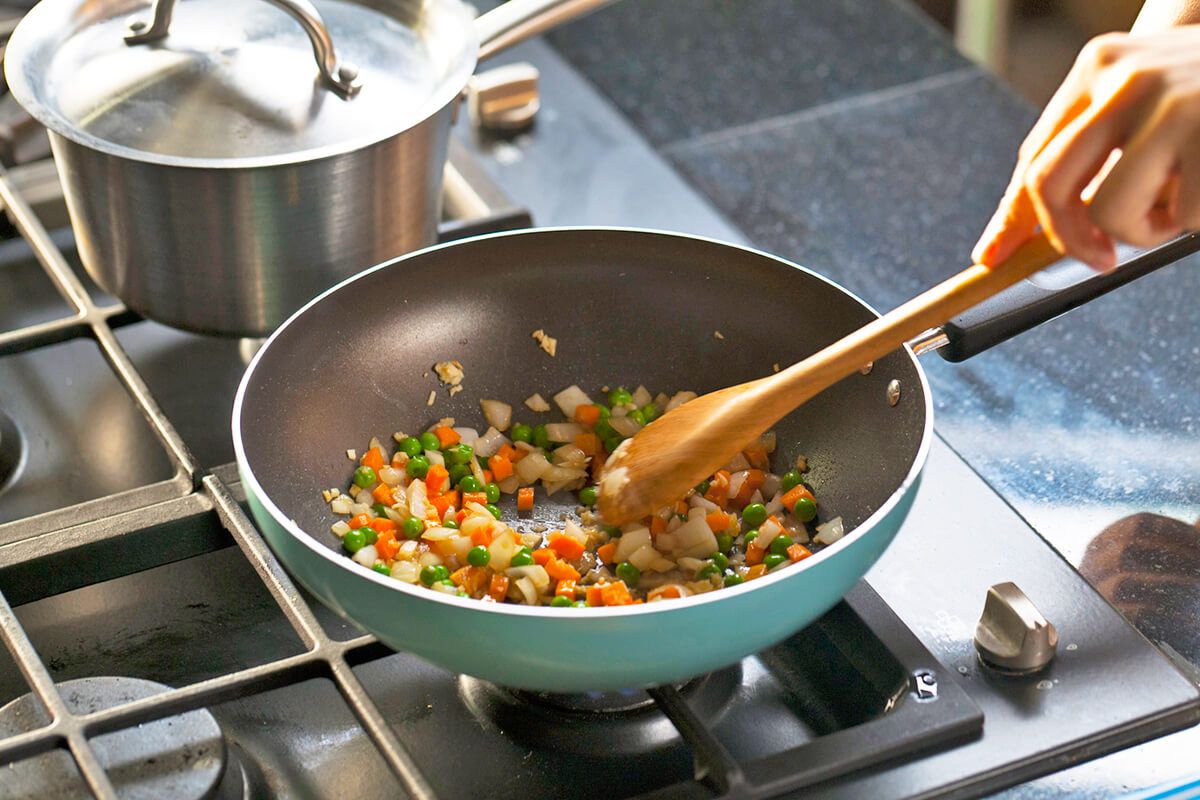
The scientists behind Magic Erasers suggest swapping out melamine sponges for the dishwashing variety when it comes to cleaning non-stick cookware. The sandpaper texture can cause the coating to flake off or wear away prematurely, leaving these skillets and pots unusable.

Recommended Articles

  • The Most Popular Car Colors in the U.S.

  • 5 Small Changes You Can Make To Decrease Your Risk of Dementia

  • First-Date Etiquette Tips for People Over 40, According to a Matchmaker

  • 6 Holiday Foods You Didn’t Know Were Healthy

Advertisement
Advertisement

Reader Favorites

  • Person breaking into a car

    The 10 Most Stolen Cars in the U.S.

  • Older man with hands on cane

    Why Do We Smell Different As We Age?

  • Man in grocery store

    6 Grocery Habits Costing You More Than You Think

Credit: shen liu/ Unsplash

Your Car’s Exterior

Scraping bugs off your car’s paint is a tedious workout for your arms, which is why you might be tempted to reach for a melamine sponge. Not so fast — Magic Erasers can wear through the protective clear coat or, worse, degrade the paint below.

Credit: Alfredo Sanchez Rivera/ iStock

Painted and Plastic Items

Painted and plastic surfaces collect dust and grime, too, but they’re not well-served by Magic Erasers. These sponges can scrub through glossy paint and leave bare spots, and are too abrasive for most smooth or glossy plastic surfaces.

Magic Erasers are safe to use, though cleaning experts recommend a few precautions for the best tidying experience possible. While advertisements show these sponges used with bare hands, wearing a pair of cleaning gloves can keep the sandpaper-like grit from irritating your hands. Never use melamine sponges with chemicals — only with water, and always wet; when dry, Magic Erasers can become overly abrasive and cause damage to items you’re cleaning. But the key to preventing unexpected damage is spot-testing: giving new surfaces a small scrub in an innocuous spot before a full once-over with a melamine sponge guarantees your home and the items in it stay clean and scuff-free.

More From Our Network

Better Report is part of Inbox Studio, an email-first media company. *Indicates a third-party property.

Go Retro With This 1960s Fashion Quiz

Quiz Daily

Go Retro With This 1960s Fashion Quiz

True or False: Are You a Master of U.S. Geography?

Travel Quiz

True or False: Are You a Master of U.S. Geography?

5 Reasons You Can Be Denied Boarding an Airplane

Daily Passport

5 Reasons You Can Be Denied Boarding an Airplane

What Did People Do Before Eyeglasses?

History Facts

What Did People Do Before Eyeglasses?

How To Use a Balloon To Clean Up Dust

House Outlook

How To Use a Balloon To Clean Up Dust

11 Shopping Hacks Costco Members Should Know

FinanceBuzz*

11 Shopping Hacks Costco Members Should Know

Share this article

  • Share to Facebook
  • Share to Twitter
  • Copy Url
  • Share to Email
Nicole Garner Meeker
Writer

Nicole Garner Meeker is a freelance writer, research editor, and Inbox Studio contributor. Based in St. Louis, she’s an enthusiastic gardener, fiber artist, and connoisseur of fine snacks.

This article is for general informational purposes only.
Affiliate Disclaimer Medical Disclaimer Financial Disclaimer

Updated: September 19, 2023
Posted In: Home
Hero Image Credit: Better Report
Advertisement

Related Articles

The Most Popular Car Colors in the U.S.

4 min read

First-Date Etiquette Tips for People Over 40, According to a Matchmaker

3 min read

Why Doesn’t Plastic Totally Dry in the Dishwasher?

3 min read

Putting This in Your Dryer Is a Major Fire Risk

3 min read

18 Surprising Things You Should Never Put Down Your Drain

5 min read
Advertisement

10 Senior Discounts That Save You a Ton of Money 

Wealth | Updated: August 21, 2026
Rachel Gresh
Author
Rachel Gresh is a Washington, D.C.-based freelance writer. When she's not writing, you can find her wandering a museum, exploring an unfamiliar city, or baking something new in the kitchen.
Woman joyfully throwing hands in the air next to a body of water
Better Report

There are many things to look forward to during retirement — taking up new hobbies, exploring fascinating places, spending time with loved ones. It’s an exciting list. But with inflation, rising healthcare costs, and mounting travel expenses, retirement isn’t guaranteed to be easy on your wallet. Fortunately, retailers and service providers across many industries provide senior discounts, and with some planning, you can make retirement a bit more affordable. Remember that no specific age instantly qualifies you for these discounts; some deals start at 50, but most begin between 55 and 65. Also, senior discounts aren’t always advertised, so don’t hesitate to call or ask in person.

Credit: Shawn Hempel/ Alamy Stock Photo

Amazon Prime

Receive your favorite items faster and at a fraction of the cost with this discount. Seniors receive 50% off Amazon Prime, a monthly subscription for free same-day to two-day shipping on thousands of Amazon products. The normal subscription costs $14.99 monthly, but the senior discount is $6.99 monthly. The membership has free shipping and digital entertainment perks, including Prime Video (for streaming movies and television shows), Prime Music, Prime Reading, and Prime Games. To qualify, you must be on one of several government assistance programs, such as Medicaid, SNAP, or SSI.

Advertisement
Advertisement
Credit: Scott Olson/ Getty Images News via Getty Images

Pharmacies

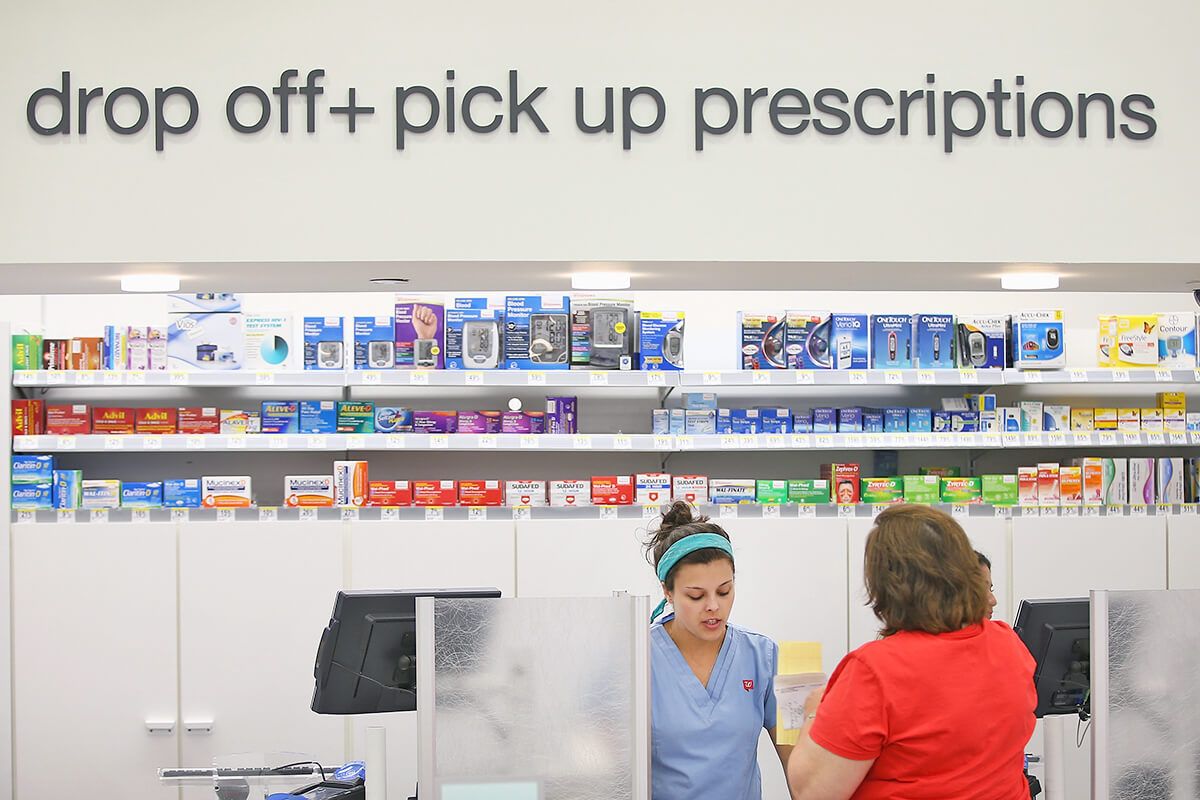
Walgreens, which holds Senior Day on the first Tuesday of every month for customers 55 and older, is a great option if you’re looking for a nationwide pharmacy to fill prescriptions and purchase necessities. Customers must have a myWalgreens card (a free rewards membership) to be eligible. On Senior Day, customers receive 20% off regular-priced items in-store and online. While other big-name pharmacies don’t offer such discounts, some offer special rewards programs just for seniors, which earn points toward discounts.

Credit: Mindful Media/ iStock

Movie Theaters

Here’s how to catch the latest premieres on the silver screen without spending an arm and a leg on tickets. The three largest movie theater chains in the U.S. all offer senior discounts. AMC and Regal have discounts for 60+, while Cinemark discounts begin at 62. (Some Cinemark locations provide even better discounts during Senior Discount Days.) These ticket discounts vary based on location and time of day but are a few dollars off the regular price. Smaller move chains tend to offer even steeper discounts. At all Marcus Theatres and Movie Taverns, seniors can enjoy tickets at matinee prices every day before 4 p.m. and, on Fridays, discounted concessions.

Credit: Willowpix/ iStock

Restaurants

Thousands of restaurants across the country offer 10% off to seniors, including many popular chains — all you have to do is ask (they might ask for a government-issued I.D. to verify your age). A few chains, including IHOP, have 55+ special menus, featuring discounted entrees, and some allow seniors to stack discounts on top of current promos, which can result in up to 20% off an order.

Recommended Articles

  • The Most Popular Car Colors in the U.S.

  • 5 Small Changes You Can Make To Decrease Your Risk of Dementia

  • First-Date Etiquette Tips for People Over 40, According to a Matchmaker

  • 6 Holiday Foods You Didn’t Know Were Healthy

Advertisement
Advertisement

Reader Favorites

  • Person breaking into a car

    The 10 Most Stolen Cars in the U.S.

  • Older man with hands on cane

    Why Do We Smell Different As We Age?

  • Man in grocery store

    6 Grocery Habits Costing You More Than You Think

Credit: DaniloAndjus/ iStock

Gyms and Fitness Classes

SilverSneakers is the most popular senior fitness discount program in the U.S. and is free for seniors 65 and up through select Medicare plans. It provides retirees free access to over 15,000 fitness locations nationwide, including popular chains such as Planet Fitness, LA Fitness, and Gold’s Gym. There are also live online fitness classes. If your local gym isn’t included in the SilverSneakers program, call to inquire about a discount. Some facilities, such as the YMCA, offer senior discounts at the discretion of local management.

Advertisement
Credit: Svitlana Hulko/ iStock

Airfare and Transportation

Having more time to travel and explore is one of the best parts of retirement. Seniors can get an average of 10% off airfare at most major U.S. airlines, including American, Delta, and United. Some international airlines, such as Air France and British Airways, also provide discounts. To access these deals, book online, find the menu option for passenger age, and select Senior (65+) to view reductions. A few airlines, such as Delta, require you to call customer service to book a senior discount ticket, as discounts aren’t available online. 

If you prefer traveling by train, Amtrak offers 10% off most rail fares for travelers 65 and older, with scenic routes around the country. Not all car rental companies offer senior discounts, but the best option is probably Hertz. Hertz has a Fifty Plus Program where travelers can save up to 20% off base rates.

Credit: Fly View Productions/ iStock

U.S. National Parks

U.S. citizens and permanent residents who are 62 or older are eligible for a Senior Pass through the National Park Service. A one-year pass (with access to all U.S. National Parks) only costs seniors $20. This is quite a discount compared to the regular annual price of $80. Seniors can even purchase the Senior Lifetime Pass for $80. You can pick up these passes in person at any national park site or order them online. Considering parks like the Grand Canyon cost $35 for a standard entrance fee, the pass is well worth it for outdoor adventurers.

Advertisement
Advertisement
Credit: Andy Dean Photography/ Shutterstock

Cruises

Not all cruise lines offer senior discounts, but fortunately, the two largest cruise line companies, Royal Caribbean and Carnival, offer specials on some sailings for guests who are 55 or older. Finding these deals is tricky because they aren’t available on every itinerary, but if you’re willing to put in some extra time, you might score big on a discount. After you select a cruise and date, an option for “special rates” should pop up, and there should be a “Senior 55+” box you can tick.

Credit: Zinkevych/ iStock

Hotels

Along with discounts on airfare, rental cars, and cruises, seniors can also find discounts at most major hotel chains in the U.S. and abroad, making trips remarkably more affordable. The minimum age requirement varies by brand, so check before booking a senior rate, as they might ask you to verify with your I.D. at check-in. The discount is around 10% off the total for your stay, but it will vary based on location. Most hotels have a “special rates” option to find senior discounts when booking online. As far as age minimums go, Hilton requires you to be 65+, Marriot and IHG 62+, Wyndham 60+, and Best Western 55+.

Advertisement
Credit: Unsplash+ via Getty Images

Cellphones

Having a reliable phone is important for seniors. Not only is it essential during an emergency, but what better way to receive the latest pictures of the grandkids, organize your next golf outing, or stream your favorite music? Major brands such as T-Mobile, AT&T, and Verizon offer unlimited talk, text, and data plans at a significant discount for customers aged 55 and up.

Advertisement
Advertisement
Credit: True Images/ Alamy Stock Photo

Pro Tip: Sign Up For AARP

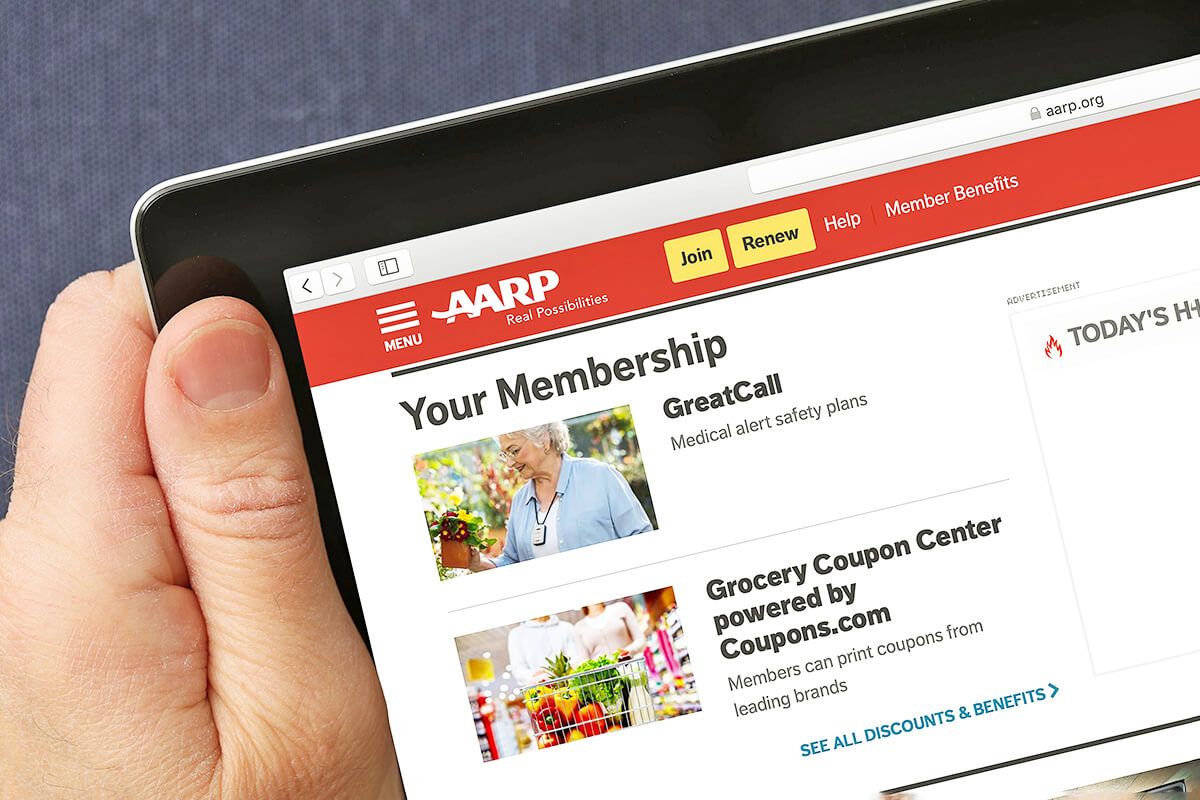
This is perhaps the best senior discount hack of all. Join AARP (formerly the American Association of Retired Persons) to instantly access thousands of discounts. The membership costs $16 annually, but a multi-year pass is significantly discounted, allowing you to make your money back quickly. You’ll get everyday discounts on restaurants, shopping, gas, grocery stores, and pharmacies, as well as travel discounts for hotels and rental cars, resulting in hundreds of dollars saved annually.

More From Our Network

Better Report is part of Inbox Studio, an email-first media company. *Indicates a third-party property.
Go Retro With This 1960s Fashion Quiz

Quiz Daily

Go Retro With This 1960s Fashion Quiz

True or False: Are You a Master of U.S. Geography?

Travel Quiz

True or False: Are You a Master of U.S. Geography?

5 Reasons You Can Be Denied Boarding an Airplane

Daily Passport

5 Reasons You Can Be Denied Boarding an Airplane

What Did People Do Before Eyeglasses?

History Facts

What Did People Do Before Eyeglasses?

How To Use a Balloon To Clean Up Dust

House Outlook

How To Use a Balloon To Clean Up Dust

11 Shopping Hacks Costco Members Should Know

FinanceBuzz*

11 Shopping Hacks Costco Members Should Know

Share this article

  • Share to Facebook
  • Share to Twitter
  • Copy Url
  • Share to Email
Rachel Gresh
Writer

Rachel Gresh is a Washington, D.C.-based freelance writer. When she's not writing, you can find her wandering a museum, exploring an unfamiliar city, or baking something new in the kitchen.

This article is for general informational purposes only.
Affiliate Disclaimer Medical Disclaimer Financial Disclaimer

Updated: December 15, 2023
Posted In: Wealth
Hero Image Credit: Better Report
Advertisement

Related Articles

How Far a $100 Grocery Budget Goes in Every State

7 min read

Why You Should Never Put Your Utility Bills on Autopay

5 min read

The Best Cars for Resale Value, According to Auto Experts

5 min read

5 Common Estate Planning Mistakes (and How To Avoid Them)

6 min read

Is It OK To Snack Before Paying at the Grocery Store?

4 min read
Advertisement

The Major Differences Between Costco, BJ’s, and Sam’s Club

Jessica Levy
Wealth | Updated: October 31, 2025
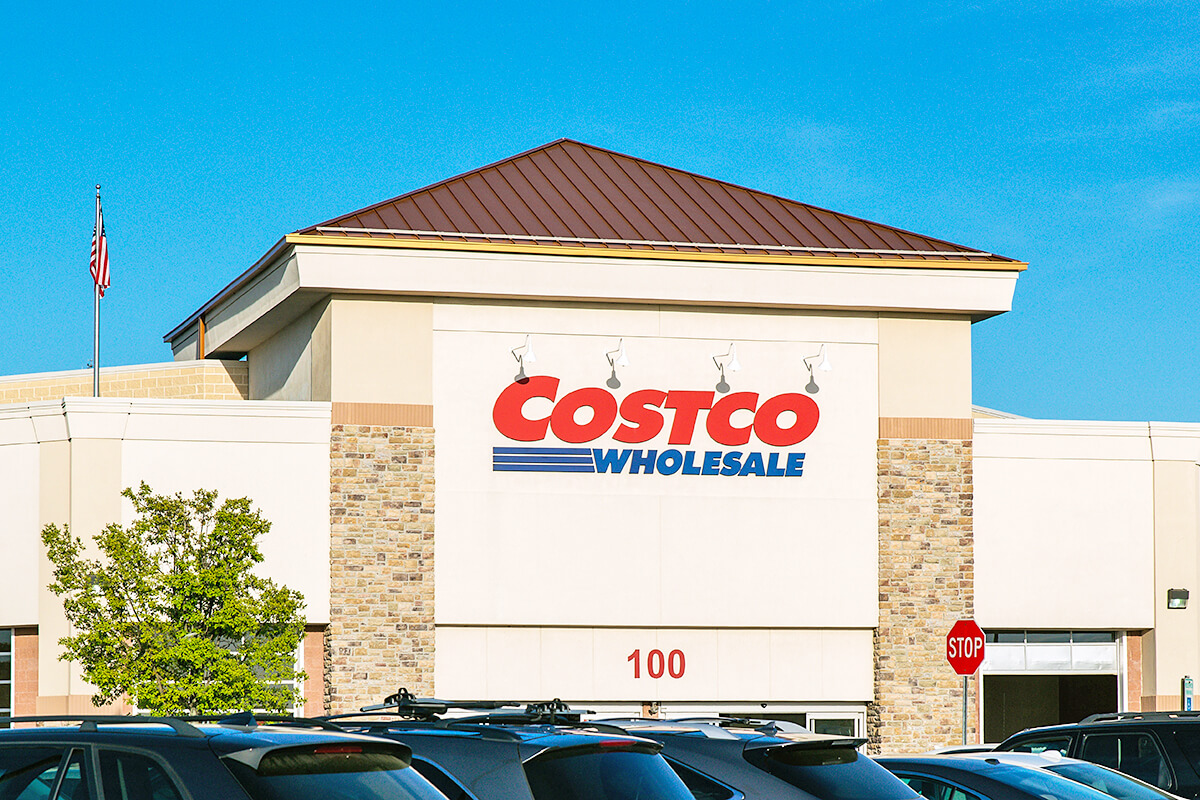
Costco store from the parking lot
Better Report

Big-box warehouses seem to have it all. After all, where else can you buy a couch and 48 frozen chicken breasts? That’s why they’re so beloved — they have everything and the prices often can’t be beat. There are many similarities between the three biggest retail clubs in the U.S. — Costco, BJ’s, and Sam’s Club — mainly the fact that items are purchased in bulk, especially groceries, which might not be the right choice for solo shoppers, but for large families, this can be a lifesaver. Aside from low-cost groceries, they also offer gasoline, tire centers, electronics, appliances, grocery delivery, pharmacies, and more. 

All of these stores offer significant savings, so deciding which to choose is challenging when the options seem so similar. Here are the major differences between this warehouse trio.

Credit: Imaginechina Limited/ Alamy Stock Photo

Membership Costs

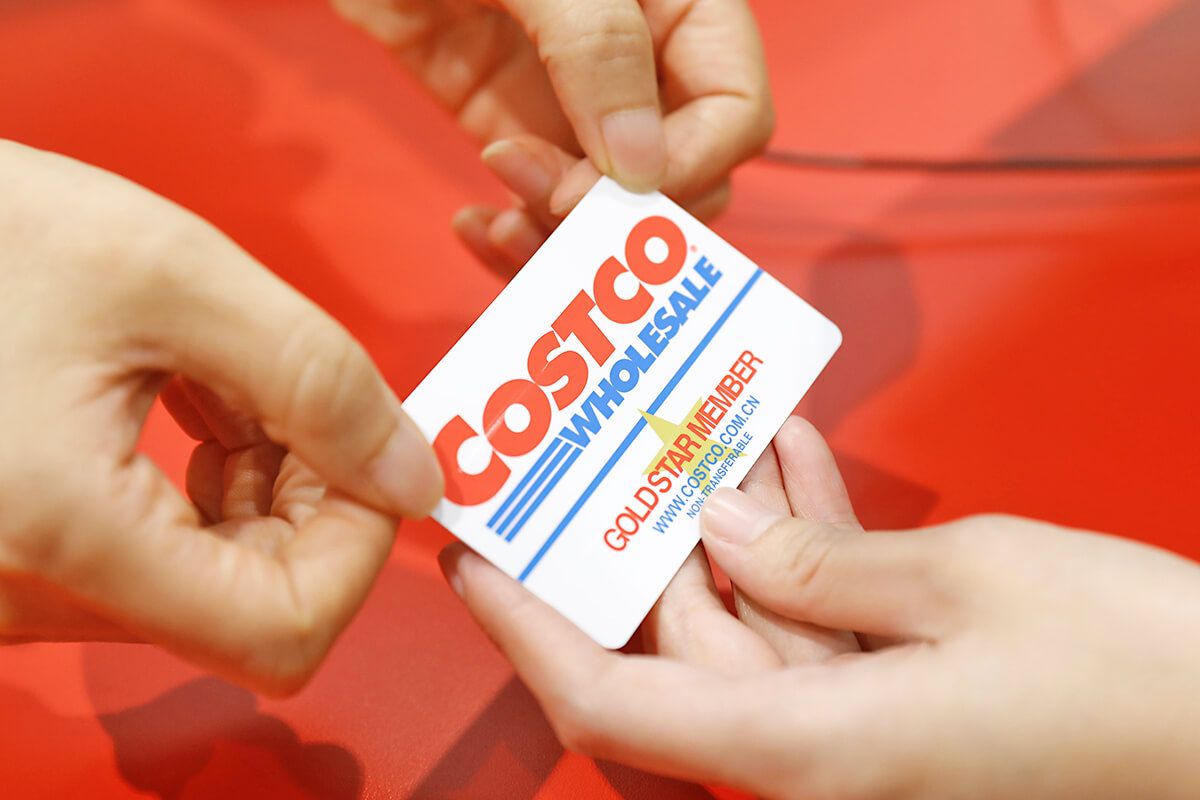
Costco, BJ’s, and Sam’s Club charge a yearly membership fee with two tiers: basic and premium. While all members benefit from low-priced goods, premium members at all three stores get extra perks. All three brands offer their premium members 2% back on purchases, and BJ’s also gives them 5 cents off per gallon of gas.

Costco costs $65/year for Gold Star level or $120/year for Executive. BJ’s is a tad cheaper at $60/year for the Club Card or $120/year for the Club Card+. Sam’s Club is the most affordable membership, running you $50/year for Club and $110/year for Plus.

Advertisement
Advertisement
Credit: Kina/ Unsplash

In-House Brands

All three warehouses have their own brands, which offer customers even greater savings. Most of these items are groceries, but some brands feature other categories, from clothing to patio furniture. Costco offers Kirkland Signature, BJ’s has Wellsley Farms and Berkley Jensen, and Sam’s Club’s in-house line is Member’s Mark.

Advertisement

Kirkland Signature focuses on groceries, including various organic products and household cleaning products, and clothing. Customers can find discounted groceries (including meat, produce, pantry, bakery, and more) under BJ’s Wellsley Farms brand, as well as cleaners, personal care, and office supplies under the Berkley Jensen brand. Sam’s Club’s Member’s Mark offers a little bit of everything, including groceries, office and technology, patio furniture, pet supplies, clothing, and more.

Credit: Kristoffer Tripplaar/ Alamy Stock Photo

Number of Locations

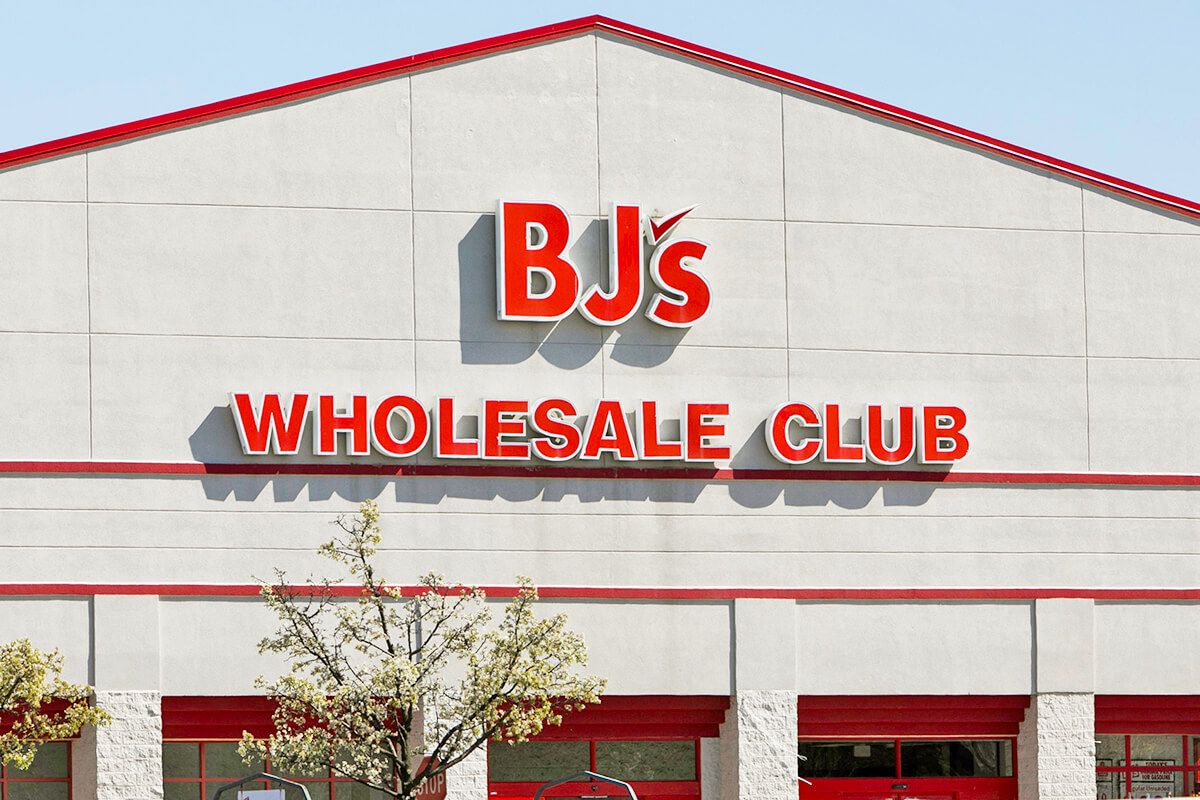
Residents of all 50 states have access to at least one of these warehouses. Costco has 611 locations in 47 states and Washington D.C., making it accessible for most Americans — even Alaskans. Wyoming, Rhode Island, and West Virginia are the three states without a Costco warehouse. BJ’s has fewer locations than Costco, and they’re all located in the eastern U.S., as far west as Tennessee and Indiana, and north to south from Maine to Florida. It’s also the only one of the three brands with locations in Rhode Island. Sam’s Club has 600 locations around the U.S., in every state except Alaska, Oregon, Vermont, Massachusetts, Washington, and Rhode Island.

Credit: Charles Stirling (Travel)/ Alamy Stock Photo

Variety of Products

SKU, “stock-keeping unit,” represents one item a retailer carries. All three warehouses carry thousands of SKUs for customers to choose from. (Sam’s Club doesn’t currently share its SKU count, but financial experts have estimated the number.)

Costco carries far fewer SKUs than BJ’s or Sam’s Club, which isn’t necessarily bad. If you aren’t picky with brand names, this won’t matter (and you’ll likely save even more money), but if you like to stick to your usual brand-name items, you might have a better chance of finding them at BJ’s or Sam’s Club.

Recommended Articles

  • The Most Popular Car Colors in the U.S.

  • 5 Small Changes You Can Make To Decrease Your Risk of Dementia

  • First-Date Etiquette Tips for People Over 40, According to a Matchmaker

  • 6 Holiday Foods You Didn’t Know Were Healthy

Advertisement
Advertisement

Reader Favorites

  • Person breaking into a car

    The 10 Most Stolen Cars in the U.S.

  • Older man with hands on cane

    Why Do We Smell Different As We Age?

  • Man in grocery store

    6 Grocery Habits Costing You More Than You Think

Credit: Jim Barber/ Shutterstock

Coupons

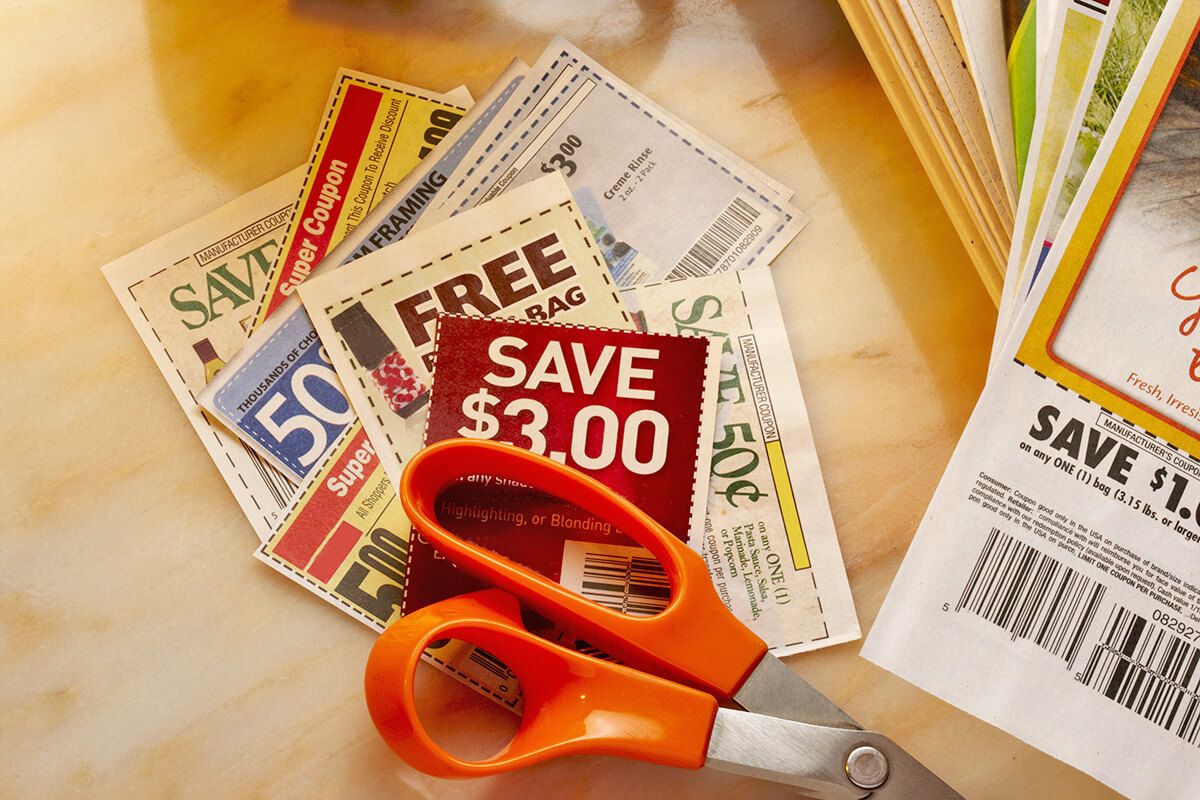
BJ’s is the only one of these three retailers that accepts external coupons. The website explains, “BJ’s accepts all manufacturers’ coupons — including the ones that come in your Sunday newspaper — giving you additional savings on top of our everyday low prices.” However, all three retailers issue members-only coupons throughout the year.

Advertisement
Credit: New Africa/ Shutterstock

Curbside Pickup

As Costco explains, curbside pickup “adds an additional expense to our low-cost business model and limited markup structure.” For this reason, not all locations offer this service; if they do, there is likely a fee. Costco locations in New Mexico, for example, charge an extra $10 for this service. At BJ’s, curbside pickup is always free for members, and although it’s also free for Sam’s Club Plus members, regular Sam’s Club members must pay a curbside pickup fee of $4 for every order.

Credit: PeopleImages/ iStock

Credit Cards Accepted

While BJ’s and Sam’s Club accept all major credit cards, things are slightly different at Costco. If you’re paying in-store at Costco, you must pay with a Visa if you’re using a credit card, as the chain has an exclusive agreement with the credit card company. There is a hack for this: Pay on Costco’s website or the app to use your Discover or Mastercard and pick up your order in-store. American Express credit cards still cannot be used online at Costco. BJ’s and Sam’s Club both accept most major credit cards.

Credit: Andriy Blokhin/ Alamy Stock Photo

Food Courts

Costco and Sam’s Club feature classic food court menus with hot dogs, soda, pizza, ice cream, pretzels, smoothies, and more — but you need a membership here. The most famous item among the options is Costco’s hot dog combo, which has remained at just $1.50 despite inflation. In 2016, BJ’s discontinued its food courts and partnered with Dunkin’ (formerly Dunkin’ Donuts), so your options for shopping and dining at BJ’s locations are limited.

Feature Image Credit: Mira/ Alamy Stock Photo

More From Our Network

Better Report is part of Inbox Studio, an email-first media company. *Indicates a third-party property.

Go Retro With This 1960s Fashion Quiz

Quiz Daily

Go Retro With This 1960s Fashion Quiz

True or False: Are You a Master of U.S. Geography?

Travel Quiz

True or False: Are You a Master of U.S. Geography?

5 Reasons You Can Be Denied Boarding an Airplane

Daily Passport

5 Reasons You Can Be Denied Boarding an Airplane

What Did People Do Before Eyeglasses?

History Facts

What Did People Do Before Eyeglasses?

How To Use a Balloon To Clean Up Dust

House Outlook

How To Use a Balloon To Clean Up Dust

11 Shopping Hacks Costco Members Should Know

FinanceBuzz*

11 Shopping Hacks Costco Members Should Know

Share this article

  • Share to Facebook
  • Share to Twitter
  • Copy Url
  • Share to Email
Jessica Levy

This article is for general informational purposes only.
Affiliate Disclaimer Medical Disclaimer Financial Disclaimer


Updated:
Posted In: Wealth
Hero Image Credit: Better Report
Advertisement

Related Articles

How Far a $100 Grocery Budget Goes in Every State

7 min read

Why You Should Never Put Your Utility Bills on Autopay

5 min read

The Best Cars for Resale Value, According to Auto Experts

5 min read

5 Common Estate Planning Mistakes (and How To Avoid Them)

6 min read

Is It OK To Snack Before Paying at the Grocery Store?

4 min read
Advertisement

8 Maintenance Tips to Make Your Car Last Longer

Wealth | Updated: June 18, 2024
Nicole Garner Meeker
Author
Nicole Garner Meeker is a freelance writer, research editor, and Inbox Studio contributor. Based in St. Louis, she’s an enthusiastic gardener, fiber artist, and connoisseur of fine snacks.
Dashboard of a BMW
Better Report

Owning a car gives you the freedom to hit the open road any time you please — windows down, music up, and good times ahead. It also means you’ve made a sizable financial investment, considering a new car in 2024 comes with an average price tag of $47,338. Whether you’re driving a gas-powered car or have transitioned to an electric vehicle, keeping up with maintenance is necessary to extend its lifespan and protect its resale or trade-in value.

Credit: Ave Calvar/ Unsplash+

Drive Regularly

On average, Americans drive nearly 13,500 miles per year — that’s a lot of commuting. Not every car racks up that kind of mileage (nor does it need to), and some even sit in garages for weeks to months on end. In those cases, car maintenance experts recommend driving your car across town at least once per week. Tires, batteries, fluids, seals, and gaskets can all break down without regular use, but rolling 10 miles onto the odometer once a week can help keep them in shape.

Advertisement
Advertisement
Credit: Getty Images/ Unsplash+

Roll Through the Car Wash Frequently

Rust is one of your car’s biggest enemies, one that comes for all cars eventually. Rust spots are the visual sign of a chemical reaction between iron, oxygen, and water, but they’re more than an eyesore — rust breaks down your vehicle’s metal surfaces and makes them structurally unsound. Sleet, snow, road salt, and general grime can help feed corrosion, but knocking them off with regular washing and waxing every few weeks can extend the life of your car’s paint and frame.

Credit: Getty Images/ Unsplash+

Change Fluids On Schedule

Most drivers know to get their oil changed regularly; how often depends on your model, how frequently you drive, and the kind of oil used. But the other fluids that keep your car running need regular changes, too. Transmission, brake, power steering, and differential fluids all require attention at different mileage points or lengths of time shown in your vehicle manual. And don’t forget about ones you can easily top off at home, like windshield wiper fluid and engine coolant.

Credit: Andrei Poenalte/ Unsplash

Monitor Your Battery’s Health

Batteries are important components for both gas and electric vehicles. After all, no car will start without one. Occasionally cleaning the battery terminals for gas-powered cars with a post cleaner brush can keep the connection strong, and you can use this time to check the battery indicator window, which will show a green dot for a healthy battery or a yellow (or missing color) dot for a battery that’s past its prime and in need of replacement. Regarding electric vehicles, car experts recommend charging them slowly, since fast chargers can degrade your car’s battery over time and shorten its lifespan.

Advertisement
Credit: Franck-Boston/ iStock

Park Inside Your Garage

Parking indoors doesn’t only make getting in and out of your car more comfortable — it also reduces your vehicle’s exposure to the environment and preserves its paint finish and plastic components. Sunlight and temperature fluctuations can break down windshield wiper blades, fade headlights and plastic covers, and even wear down your battery faster. Parking in a garage can reduce UV and heat exposure.

Recommended Articles

  • The Most Popular Car Colors in the U.S.

  • 5 Small Changes You Can Make To Decrease Your Risk of Dementia

  • First-Date Etiquette Tips for People Over 40, According to a Matchmaker

  • 6 Holiday Foods You Didn’t Know Were Healthy

Advertisement
Advertisement

Reader Favorites

  • Person breaking into a car

    The 10 Most Stolen Cars in the U.S.

  • Older man with hands on cane

    Why Do We Smell Different As We Age?

  • Man in grocery store

    6 Grocery Habits Costing You More Than You Think

Credit: Olav Tvedt/ Unsplash

Change Your Cabin Air Filter

Cars have cabin air filters that work like your home’s HVAC filters by capturing dust, pollen, and other unpleasant pollutants as air flows into the interior. These filters typically need replacement every 15,000 to 30,000 miles, based on your model, or sooner if you notice musty smells, whistling vents, or reduced airflow when running heat or air conditioning.

Credit: Martynas Linge/ Unsplash

Check Your Tires Weekly 

Tires are a crucial safety component, and keeping an eye on their condition can prevent roadside emergencies. Highway safety organizations recommend looking over your tires weekly for visible damage, such as cracks, bulges, or embedded objects, and checking tire pressure monthly (including your spare). Tires should also be rotated every 5,000 miles, and replaced as they age — reaching no more than 6 years old.

Credit: Andrei Poenalte/ Unsplash

Use Your Parking Brake

If you last used a parking brake during your driver’s exam, it may be time to start. Sure, parking brakes keep your car from rolling down a hill, but they also take pressure off your transmission’s parking pawl. This pin slides into place when you put the car in park, and activating the parking brake before you shift into P limits stress on that small part. Transmission replacements are one of the most costly car repairs you can incur, so taking this small step every time you park can help your car get further down the road.

More From Our Network

Better Report is part of Inbox Studio, an email-first media company. *Indicates a third-party property.

Go Retro With This 1960s Fashion Quiz

Quiz Daily

Go Retro With This 1960s Fashion Quiz

True or False: Are You a Master of U.S. Geography?

Travel Quiz

True or False: Are You a Master of U.S. Geography?

5 Reasons You Can Be Denied Boarding an Airplane

Daily Passport

5 Reasons You Can Be Denied Boarding an Airplane

What Did People Do Before Eyeglasses?

History Facts

What Did People Do Before Eyeglasses?

How To Use a Balloon To Clean Up Dust

House Outlook

How To Use a Balloon To Clean Up Dust

11 Shopping Hacks Costco Members Should Know

FinanceBuzz*

11 Shopping Hacks Costco Members Should Know

Share this article

  • Share to Facebook
  • Share to Twitter
  • Copy Url
  • Share to Email
Nicole Garner Meeker
Writer

Nicole Garner Meeker is a freelance writer, research editor, and Inbox Studio contributor. Based in St. Louis, she’s an enthusiastic gardener, fiber artist, and connoisseur of fine snacks.

This article is for general informational purposes only.
Affiliate Disclaimer Medical Disclaimer Financial Disclaimer

Updated: September 19, 2023
Posted In: Wealth
Hero Image Credit: Better Report
Advertisement

Related Articles

How Far a $100 Grocery Budget Goes in Every State

7 min read

Why You Should Never Put Your Utility Bills on Autopay

5 min read

The Best Cars for Resale Value, According to Auto Experts

5 min read

5 Common Estate Planning Mistakes (and How To Avoid Them)

6 min read

Is It OK To Snack Before Paying at the Grocery Store?

4 min read
Advertisement

What the Colored Twist Ties on Bread Loaves Actually Mean

Jessica Levy
Health | Updated: June 18, 2024
Woman at grocery store looking at a loaf of bread
Better Report

Testing loaves of bread in the grocery store is standard shopping protocol. It’s a universal bread aisle experience, regardless of how you do it — perhaps the visual once-over, a check of the expiration date, or a gentle squeeze to gauge for spring back. Chances are the bread you buy at Aldi or Costco is relatively fresh; store-bought sandwich loaves stored at room temperature typically keep about a week thanks to preservatives that fight off mold and staleness, though most only hang around a day or two before heading to the checkout lane. 

However, there is a way to tell how long your loaf has been at the store, and all you have to do is check the twist tie. Here’s what these color-coded tags mean and how they can help you get the best bread (no squeezing required).

Credit: Francois Lariviere/ Shutterstock

Here’s Why Bakeries Use Colored Bread Tags

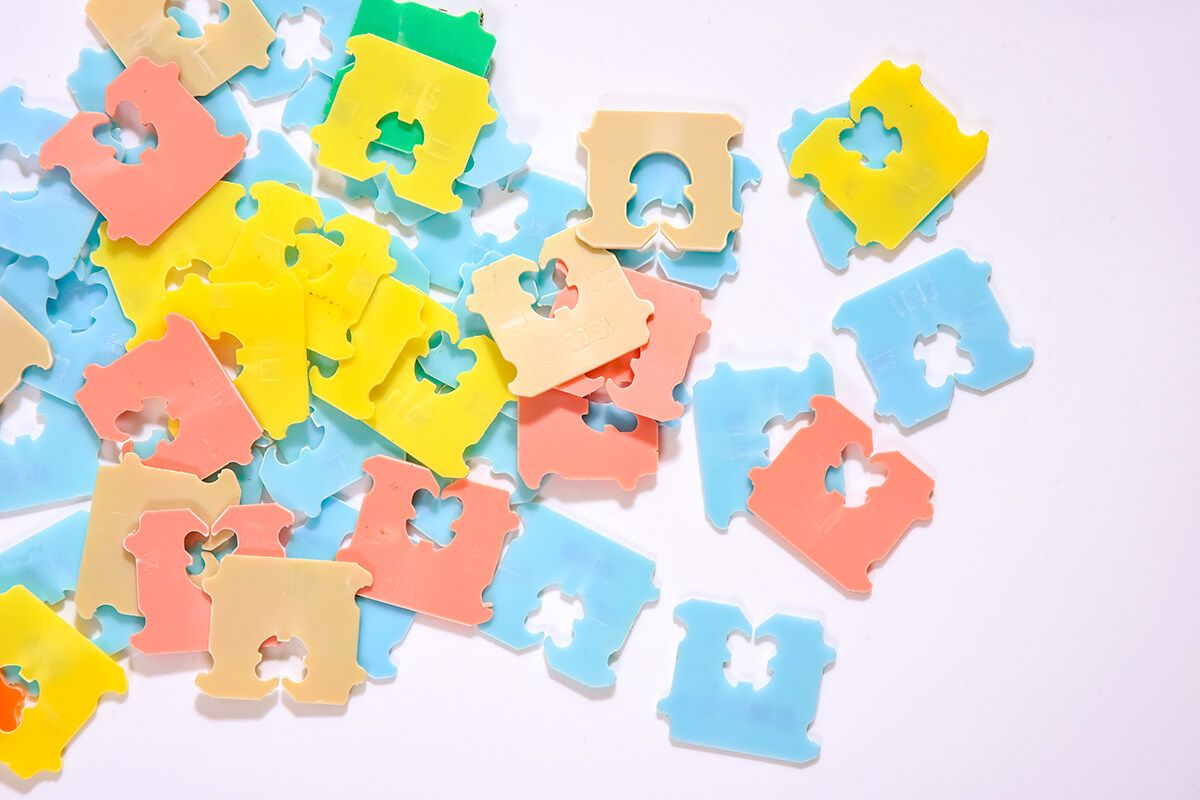
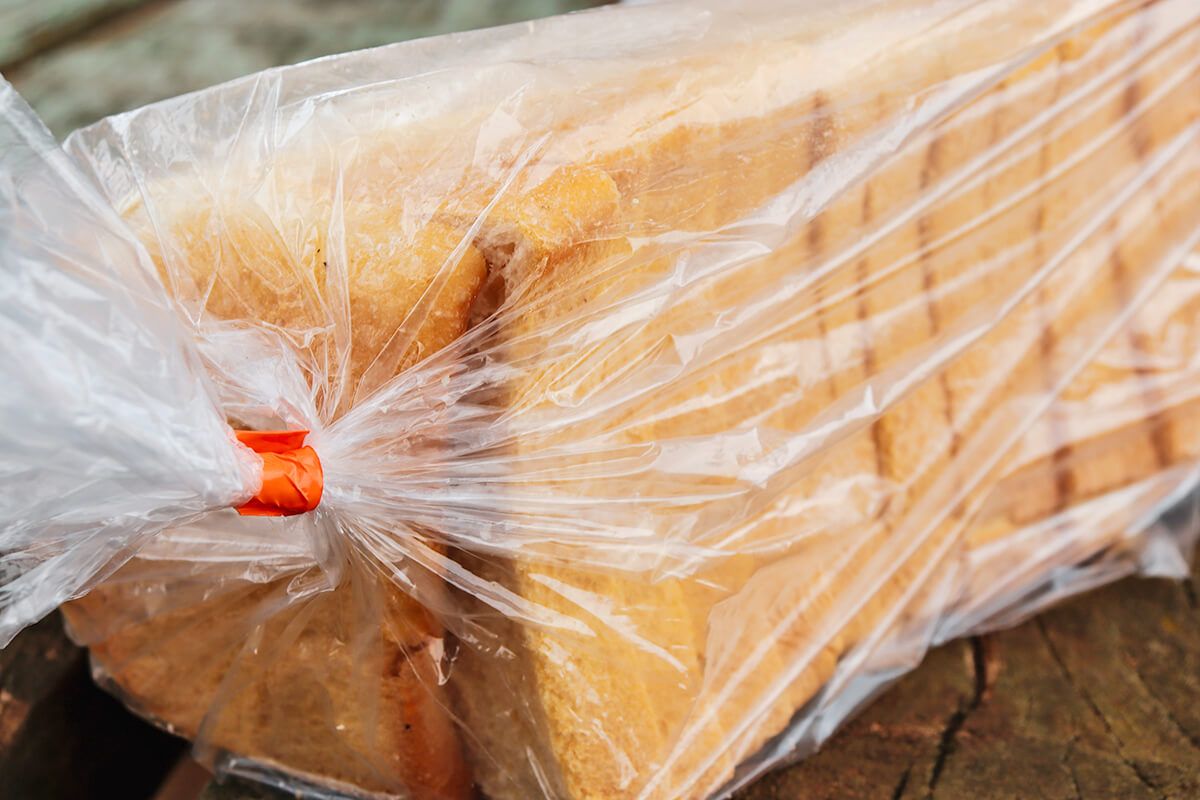
The tiny pieces of plastic that keep bread bags closed go by a few different names and styles. Some bakeries use twist ties, while others use tags (also called “bread buckles” or “bread clips”). Twists and tags are used interchangeably based on the bread manufacturer’s preference. However, both closures rely on a color-coordinated system to mark when the bread was scheduled for delivery to the store. This system isn’t necessarily for shoppers, though; it’s meant to help store stockers identify old bread that should be pulled from shelves. Looking at each loaf’s expiration date would be too time-consuming, so this color-coordinated visual trick speeds up stocking and guarantees only the freshest bread remains on shelves.

Advertisement
Advertisement
Credit: Rusty Todaro/ Shutterstock

What Each Bread Tag Color Means

There’s a lot of variation among bread tag colors and their meanings. However, the color coding system most popularly circulating online suggests many bakeries and stores follow this pattern:

  • Monday deliveries: blue tag
  • Tuesday deliveries: green tag
  • Thursday deliveries: red tag
  • Friday deliveries: white tag
  • Saturday deliveries: yellow tag

Advertisement

While not universal, this color rotation system is popular because it orders the tag colors alphabetically to match the beginning of the week (making it easier to remember). You probably noticed that Wednesday and Sunday are missing from the schedule — that’s because many (but not all) bakeries tend to pause production at least a few days a week, and there are often no deliveries on those days.

Credit: Francois Lariviere/ Shutterstock

The Bread Tag Color System Isn’t Always Decodable

While you can attempt to identify the age of a bread loaf before you toss it into your cart, it’s not always as clear-cut as the color system above. Turns out there are a ton of variables that can throw off this trick. No universal color code is shared among commercial bakeries, so while Monday’s tag could be blue at one manufacturer, another could instead use white. To make it more confusing, stores also play a role in how often they accept deliveries (some may get daily drop-offs, while others just a few days a week).

Recommended Articles

  • The Most Popular Car Colors in the U.S.

  • 5 Small Changes You Can Make To Decrease Your Risk of Dementia

  • First-Date Etiquette Tips for People Over 40, According to a Matchmaker

  • 6 Holiday Foods You Didn’t Know Were Healthy

Advertisement
Advertisement

Reader Favorites

  • Person breaking into a car

    The 10 Most Stolen Cars in the U.S.

  • Older man with hands on cane

    Why Do We Smell Different As We Age?

  • Man in grocery store

    6 Grocery Habits Costing You More Than You Think

Credit: zoranm/ iStock

Chances Are, You’ll Almost Always Get Fresh Bread

Fortunately, bread is cycled in and out of grocery stores quickly, so you don’t have to memorize or decode the bread buckle color system. While on occasion you might see two tag colors (indicating two days’ worth of bread deliveries), it’s common to see just one. Most grocers clear and restock their bread aisle shelves daily or every other day at most, meaning you can still get the freshest bread available without memorizing the tag colors.

More From Our Network

Better Report is part of Inbox Studio, an email-first media company. *Indicates a third-party property.

Go Retro With This 1960s Fashion Quiz

Quiz Daily

Go Retro With This 1960s Fashion Quiz

True or False: Are You a Master of U.S. Geography?

Travel Quiz

True or False: Are You a Master of U.S. Geography?

5 Reasons You Can Be Denied Boarding an Airplane

Daily Passport

5 Reasons You Can Be Denied Boarding an Airplane

What Did People Do Before Eyeglasses?

History Facts

What Did People Do Before Eyeglasses?

How To Use a Balloon To Clean Up Dust

House Outlook

How To Use a Balloon To Clean Up Dust

11 Shopping Hacks Costco Members Should Know

FinanceBuzz*

11 Shopping Hacks Costco Members Should Know

Share this article

  • Share to Facebook
  • Share to Twitter
  • Copy Url
  • Share to Email
Jessica Levy

This article is for general informational purposes only.
Affiliate Disclaimer Medical Disclaimer Financial Disclaimer

Updated:
Posted In: Health
Hero Image Credit: Better Report
Advertisement

Related Articles

5 Small Changes You Can Make To Decrease Your Risk of Dementia

4 min read

6 Holiday Foods You Didn’t Know Were Healthy

7 min read

Is It Safe To Drink a Glass of Water That Sat Out Overnight?

3 min read

The Health Risks of Shopping at the Dollar Store

4 min read

Does Going Outside With Wet Hair Really Make You Sick?

4 min read
Advertisement

How Much the Most Common Jobs in the U.S. Pay

Wealth | Updated: June 18, 2024
Bennett Kleinman
Author
Bennett Kleinman is a New York City-based staff writer for Inbox Studio. He is also a freelance comedy writer, devoted New York Yankees and New Jersey Devils fan, and thinks plain seltzer is the best drink ever invented.
Waiter standing table side, taking orders on a notepad
Better Report

Whether you’re entering the workforce for the first time or considering a career change, it’s important to know what type of salary you can expect to earn. Unfortunately, few Americans are qualified to become basketball players earning $20 million per year, so it’s best to consider more practical career paths. We looked at a list of the most common jobs in the U.S., as well as the national average salary for those roles. Of course, it’s important to note that exact salaries vary based on each individual employer as well as state by state and that this list examines more general countrywide trends. Here are 10 of the most popular careers in the United States and what each of those jobs pays annually.

Credit: Magda Ehlers/ Pexels

10. Bartender – $39,458

Americans love their local drinking holes, so it should come as no surprise that being a bartender is the 10th most common gig in the U.S. Per the national average, bartenders make just under $40k in annual salary, though they can also expect to earn an average of $150 in tips for each day that they work.

Advertisement
Advertisement
Credit: RF._.studio/ Pexels

9. Medical Assistant – $36,584

“Medical assistant” is a catch-all term for anyone who lends a hand in the day-to-day operations of a hospital or doctor’s office. Duties can include scheduling appointments, taking blood samples, and checking a patient’s vital signs, just to name a few. Average medical assistants earn roughly $36,584 annually.

Credit: Ivan Pantic/ iStock

8. Server – $32,845

While servers often work hand-in-hand with bartenders at a restaurant or pub, they usually take home about $7k less each year. The main duties of a server include taking orders, bringing food from the kitchen to the dining area, and cleaning up after diners. In addition to their salaries, servers generally earn around $100 in tips every shift.

Credit: Unsplash+ via Getty Images

7. Bookkeeper – $50,820

Bookkeepers are essential to the financial operations of any business, as they’re tasked with recording transactions, paying bills, producing balance sheets, and other matters of accounting. Bookkeepers are also responsible for staying on top of employee salaries, including their own annual salary, which is, on average, just over $50k.

Recommended Articles

  • The Most Popular Car Colors in the U.S.

  • 5 Small Changes You Can Make To Decrease Your Risk of Dementia

  • First-Date Etiquette Tips for People Over 40, According to a Matchmaker

  • 6 Holiday Foods You Didn’t Know Were Healthy

Advertisement
Advertisement

Reader Favorites

  • Person breaking into a car

    The 10 Most Stolen Cars in the U.S.

  • Older man with hands on cane

    Why Do We Smell Different As We Age?

  • Man in grocery store

    6 Grocery Habits Costing You More Than You Think

Credit: SrdjanPav/ iStock

6. Construction Worker – $49,871

Being a construction worker is one of the more popular jobs in this country that requires manual labor. This can be a highly specialized role, as it may necessitate special training in order to operate heavy machinery and perform other potentially dangerous tasks. The average construction worker in the United States earns just under 50 grand per year.

Advertisement
Credit: Unsplash+ via Getty Images

5. Janitor – $39,110

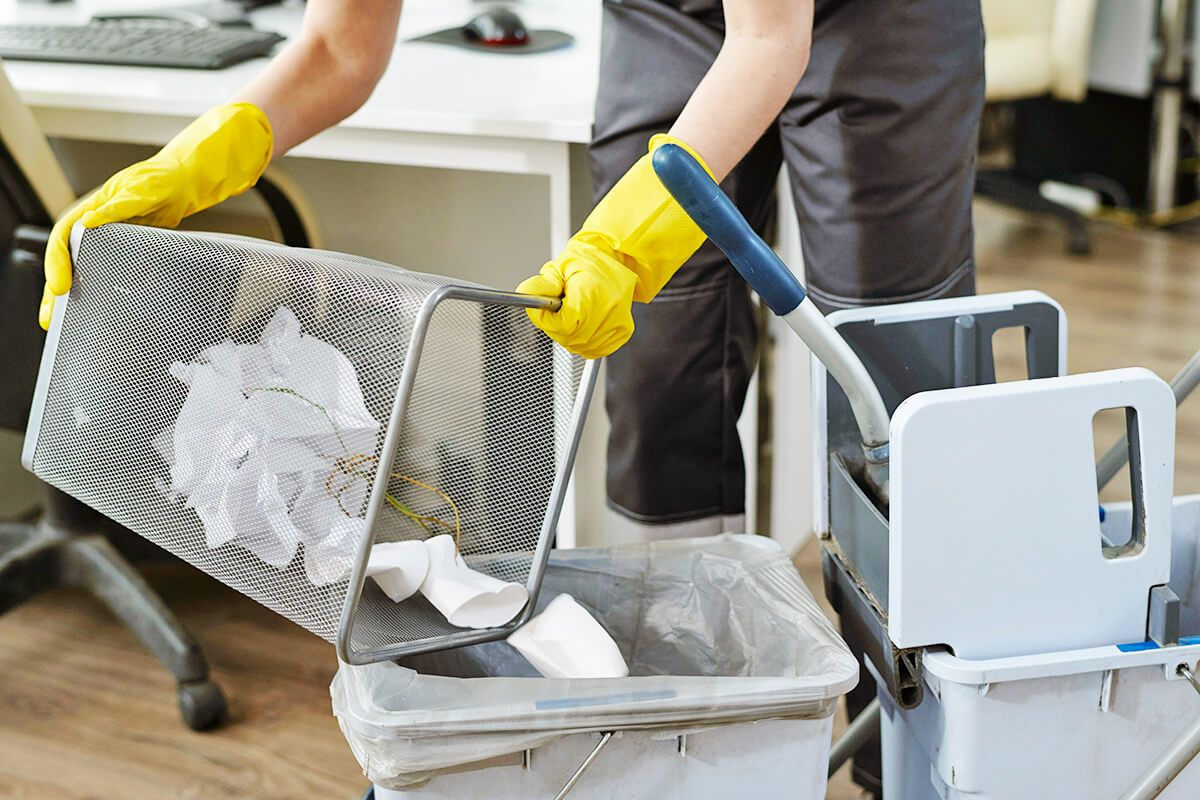
Janitors are essential hires at schools, office buildings, and anywhere else that requires keeping things tidy in a heavily trafficked environment. People in this profession earn a bit under $40k every year, though depending on the employer, there may be additional medical and retirement benefits as well.

Credit: AleksandarNakic/ iStock

4. Laborer – $45,580

Laborers are a less specialized version of the standard construction worker, as they often perform physical tasks that don’t require the operation of any heavy machinery. This job is a physically demanding role as it could mean anything from carrying heavy materials to wielding a large hammer. The average laborer earns an annual salary of $45,580.

Credit: alvarez/ iStock

3. Stocking Associate – $27,320

Stocking associates are tasked with unpacking warehouse merchandise, inspecting the contents for any damage, and maintaining accurate records of in-house inventory. This is the third most common job in the country, with the average stocking associate earning about $27k every single year.

Advertisement
Advertisement
Credit: Stephen Bridger/ Shutterstock

2. Food Preparation Worker – $31,931

The average food prep worker takes home about $32k in annual salary from fast-food restaurants to fine dining establishments. Food prep workers act in a supporting role for the chef, by measuring and cutting ingredients before actual food service begins. They’re also responsible for ensuring that all food is stored properly and at safe temperatures.

Credit: Hispanolistic/ iStock

1. Cashier – $24,193

The most common job in the United States is being a cashier. This is an important role anywhere money is exchanged, especially in large retail environments. The average cashier takes home just under $25k in annual salary.

More From Our Network

Better Report is part of Inbox Studio, an email-first media company. *Indicates a third-party property.

Go Retro With This 1960s Fashion Quiz

Quiz Daily

Go Retro With This 1960s Fashion Quiz

True or False: Are You a Master of U.S. Geography?

Travel Quiz

True or False: Are You a Master of U.S. Geography?

5 Reasons You Can Be Denied Boarding an Airplane

Daily Passport

5 Reasons You Can Be Denied Boarding an Airplane

What Did People Do Before Eyeglasses?

History Facts

What Did People Do Before Eyeglasses?

How To Use a Balloon To Clean Up Dust

House Outlook

How To Use a Balloon To Clean Up Dust

11 Shopping Hacks Costco Members Should Know

FinanceBuzz*

11 Shopping Hacks Costco Members Should Know

Share this article

  • Share to Facebook
  • Share to Twitter
  • Copy Url
  • Share to Email
Bennett Kleinman
Staff Writer

Bennett Kleinman is a New York City-based staff writer for Inbox Studio. He is also a freelance comedy writer, devoted New York Yankees and New Jersey Devils fan, and thinks plain seltzer is the best drink ever invented.

This article is for general informational purposes only.
Affiliate Disclaimer Medical Disclaimer Financial Disclaimer

Updated: July 20, 2023
Posted In: Wealth
Hero Image Credit: Better Report
Advertisement

Related Articles

How Far a $100 Grocery Budget Goes in Every State

7 min read

Why You Should Never Put Your Utility Bills on Autopay

5 min read

The Best Cars for Resale Value, According to Auto Experts

5 min read

5 Common Estate Planning Mistakes (and How To Avoid Them)

6 min read

Is It OK To Snack Before Paying at the Grocery Store?

4 min read
Advertisement

10 Words You Shouldn’t Use to Describe Yourself 

Health | Updated: January 27, 2026
Rachel Gresh
Author
Rachel Gresh is a Washington, D.C.-based freelance writer. When she's not writing, you can find her wandering a museum, exploring an unfamiliar city, or baking something new in the kitchen.
Person reading book
Better Report

We’ve all been at a party where we must introduce ourselves to someone new. Unfortunately, it never dawns on us how difficult that task is until it’s at hand. Though we can’t craft your exact message, we can give you some words to avoid describing yourself with. These overused words are bland and empty. They tell little about the real you. Worse, they could even elicit a yawn or two.

Credit: Daria Nepriakhina/ Unsplash

Leader

Rather than calling yourself a leader, show your leadership skills. People often use this filler word because they think it makes them sound good, but it doesn’t mean much unless there are scenarios and stories to back it up. “Too often we hide behind buzzwords which don’t mean anything, whether out of a desire to keep things simple or because we don’t feel confident talking about our work accomplishments. [Use] language which truly conveys what makes you great,” explains bestselling biographer Christopher Sandford.

Advertisement
Advertisement
Credit:  Natalia Blauth/ Unsplash+

Creative

It would be in bad taste to say, “I’m creative,” in a regular conversation. This adjective is used to praise or compliment someone, and complimenting ourselves is usually frowned upon because it can come off as bragging. It’s also one of LinkedIn’s Top 10 Buzzwords that are overused. Instead, tell people about your creative endeavors. Did you redesign your living room portrait wall? Or maybe you thought up a brilliant web design at work. Having a friendly conversation about your creativity is much more enjoyable for everyone than simply stating you’re creative.

Credit: Microsoft 365/ Unsplash

Successful

Success is subjective, and while it might seem like a positive way to describe yourself, it can come off snobbish to some. If someone asks about your hobbies, job, or interests, and you’re particularly good at them, share some fun facts or figures instead of simply saying you’re “successful.”

Credit: Melanie Deziel/ Unsplash

Expert

Very rarely do you hear someone introduce themselves as an “expert,” so the same applies to putting it in writing. It’s best to avoid using it and, perhaps, swap it out for a specialist (if that makes sense). Bestselling author Malcolm Gladwell defines an “expert” using the “10,000-Hour Rule” in his book Outliers: The Story of Success. Gladwell surmises that the key to becoming an expert in anything is to practice it (the correct way) for at least 10,000 hours. That breaks down to around 20 hours of practice per week for a decade. If you do that, by Gladwell’s standards, you might be able to call yourself an expert, but that doesn’t mean it won’t come off as arrogant.

Advertisement
Credit:  Daiga Ellaby/ Unsplash+

Innovative

This filler adjective doesn’t carry any weight unless further explained, so skip the padding and delve into examples instead. If you are innovative, share new ideas and your creative thinking abilities. If you can’t think of any of these instances, you should probably forgo “innovative” altogether.

Recommended Articles

  • The Most Popular Car Colors in the U.S.

  • 5 Small Changes You Can Make To Decrease Your Risk of Dementia

  • First-Date Etiquette Tips for People Over 40, According to a Matchmaker

  • 6 Holiday Foods You Didn’t Know Were Healthy

Advertisement
Advertisement

Reader Favorites

  • Person breaking into a car

    The 10 Most Stolen Cars in the U.S.

  • Older man with hands on cane

    Why Do We Smell Different As We Age?

  • Man in grocery store

    6 Grocery Habits Costing You More Than You Think

Credit: LinkedIn Sales Solutions/ Unsplash

Experienced

Another one of LinkedIn’s overused buzzwords, “experienced,” isn’t something you need to tell people; you should show it instead. Explaining more about your past projects or jobs paints a better picture than slapping “experienced” before a title. For example, an “experienced data analyst” holds the same weight as a “data analyst” in a cover letter because no one has any idea what “experienced” means to you. Have you been doing this for two years or 15? Experience is subjective.

Credit: Getty Images/ Unsplash+

Talented

“I am very talented” is not something you often hear, because it comes off as smug. Avoid adding “talented” to your resume, social profiles, and other online media. It holds the same connotations in writing as it would saying it in person. In one study from the Personality and Social Psychology Bulletin, researchers found that there is a preference for “naturals” over “strivers,” that is, participants preferred people who were naturally talented rather than those who over-emphasized their talents and successes by talking about their hard work and dedication to the craft.

Credit: Roberto Nickson/ Unsplash

Hardworking

Hardworking, driven, motivated. These adjectives describing a dedicated person should not be used to describe yourself. Not only does it come off as boastful, but it’s usually only used as filler. Not only is it odd to say in a casual conversation, but during a job interview, would anyone claim not to be hardworking? You’re driven, or you wouldn’t be applying for the job in the first place. If you need to convey that you’re hardworking for a job interview, tell the interviewer about a time you went above and beyond in a previous job or project.

Advertisement
Advertisement
Credit:  Ivana Cajina/ Unsplash+

Smart

This is a wonderful compliment to give other people but a braggadocious way to describe yourself. People will know you’re smart just by getting to know you — you won’t have to tell them. “Being smart, much like beauty, is in the eye of the beholder,” says psychologist Matthew Buckley, who emphasizes that “smart” is subjective. And much like beauty, you wouldn’t describe yourself as such. Other synonyms for “smart” to cross off your bio include “intelligent,” “clever,” and “witty.”

Credit: Karolina Grabowska/ Unsplash+

Humble

If you are humble, you aren’t sharing that with others. The same goes for “praising adjectives” such as “generous,” “philanthropic,” and “compassionate.” This could also diminish someone’s trust in you because as you’re calling yourself humble, you seem to be showing the exact opposite of that in the conversation.

More From Our Network

Better Report is part of Inbox Studio, an email-first media company. *Indicates a third-party property.

Go Retro With This 1960s Fashion Quiz

Quiz Daily

Go Retro With This 1960s Fashion Quiz

True or False: Are You a Master of U.S. Geography?

Travel Quiz

True or False: Are You a Master of U.S. Geography?

5 Reasons You Can Be Denied Boarding an Airplane

Daily Passport

5 Reasons You Can Be Denied Boarding an Airplane

What Did People Do Before Eyeglasses?

History Facts

What Did People Do Before Eyeglasses?

How To Use a Balloon To Clean Up Dust

House Outlook

How To Use a Balloon To Clean Up Dust

11 Shopping Hacks Costco Members Should Know

FinanceBuzz*

11 Shopping Hacks Costco Members Should Know

Share this article

  • Share to Facebook
  • Share to Twitter
  • Copy Url
  • Share to Email
Rachel Gresh
Writer

Rachel Gresh is a Washington, D.C.-based freelance writer. When she's not writing, you can find her wandering a museum, exploring an unfamiliar city, or baking something new in the kitchen.

This article is for general informational purposes only.
Affiliate Disclaimer Medical Disclaimer Financial Disclaimer

Updated: December 15, 2023

Posted In: Health
Hero Image Credit: Better Report

Advertisement

Related Articles

5 Small Changes You Can Make To Decrease Your Risk of Dementia

4 min read

6 Holiday Foods You Didn’t Know Were Healthy

7 min read

Is It Safe To Drink a Glass of Water That Sat Out Overnight?

3 min read

The Health Risks of Shopping at the Dollar Store

4 min read

Does Going Outside With Wet Hair Really Make You Sick?

4 min read
Advertisement

Posts navigation

Older posts
Newer posts
  • Home
  • Health
  • Wealth
  • Logo
  • Advertise
  • About
  • Contact Us
  • Privacy Policy
  • Terms of Use
  • Your Privacy Choices
x
Thumb Image

Elevate your everyday.

Sign up to receive the practical tips and expert advice you need to pare down the complexities of everyday living right in your inbox.

Sorry, your email address is not valid. Please try again.

Your email is:

Edit Image
Sorry, your email address is not valid. Please try again.
Thank you for subscribing...

By subscribing you are agreeing to our Terms of Use and Privacy Policy.

Close image
Thumb Image
Second Thumb Image

Elevate your everyday.

Sign up to receive the practical tips and expert advice you need to pare down the complexities of everyday living right in your inbox.

Sorry, your email address is not valid. Please try again.

By subscribing you are agreeing to our Privacy Policy and Terms of Use.

Close image