Double-Dipping Is Grosser Than You Realize

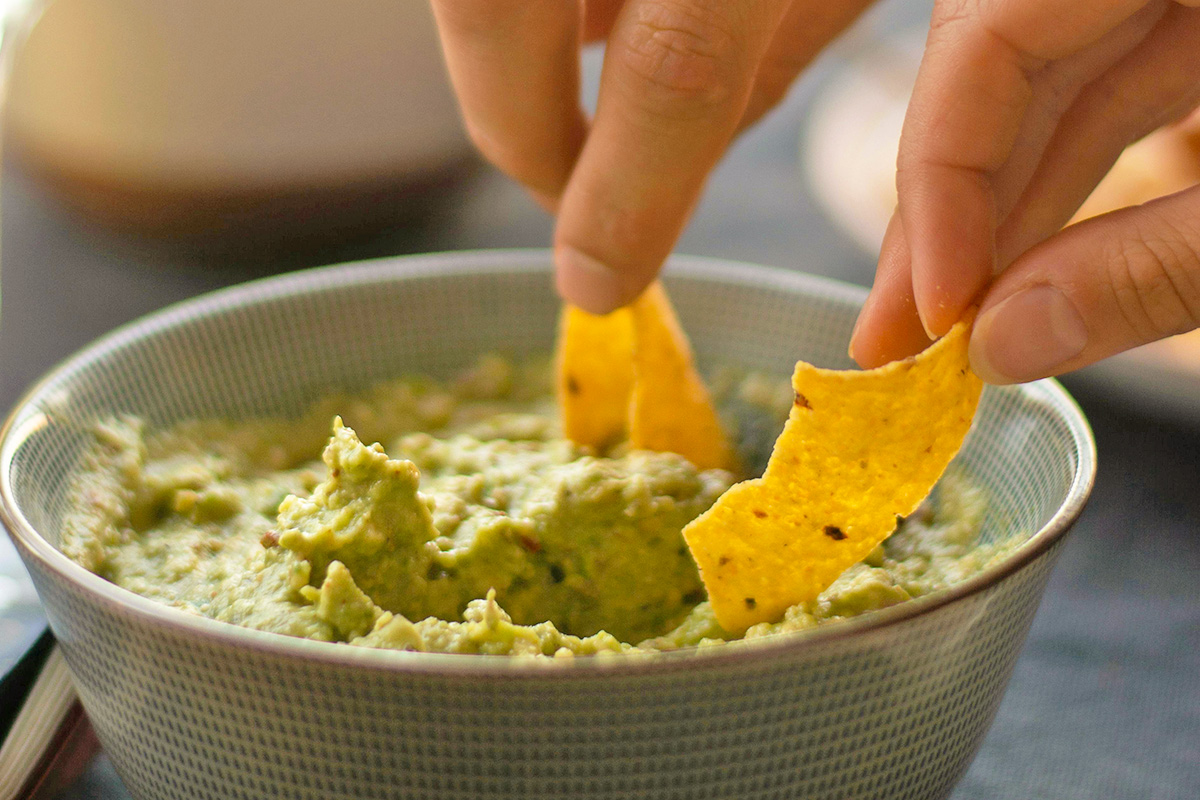
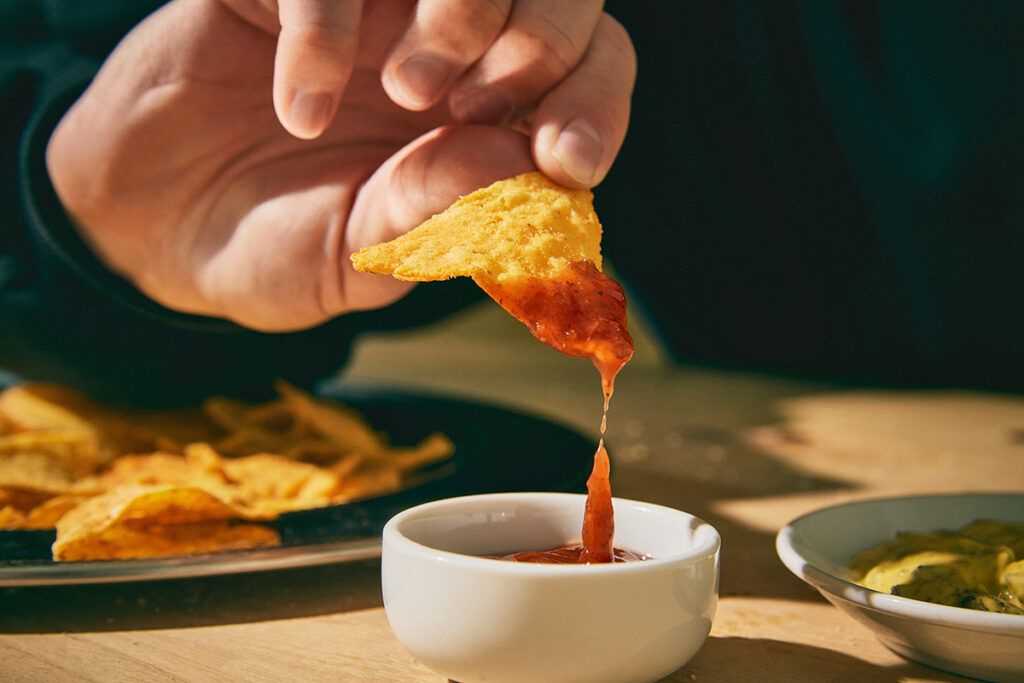
Double-dipping is up there with open-mouth chewing and public fingernail-clipping on the hierarchy of disgusting, but mostly harmless, social behaviors. Many frown upon the act of plunging an already-bitten chip into a communal dip because the food is thought to act like an efficient germ-delivery vehicle. There’s no denying the practice is gross — but is it a health risk? Here’s what a few brave scientists have discovered.
What the Science Says
First things first: Double-dipping is not quite like “putting your whole mouth right in the dip,” as Timmy claims on that infamous episode of Seinfeld. Admittedly, there isn’t much research into the health effects of double-dipping, but one frequently cited 2009 study in the Journal of Food Safety (reportedly inspired by the Seinfeld scene) tried to quantify the amount of oral bacteria transferred from mouths to dips on crackers.
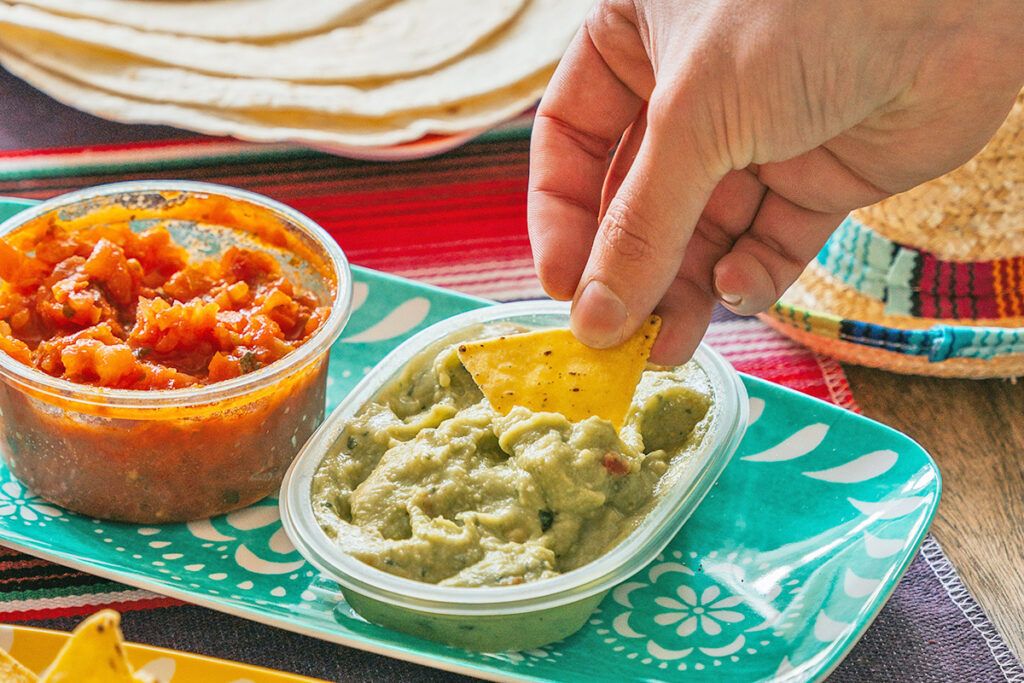
Eight study participants dipped bitten or unbitten crackers into samples of sterilized water of varying acidity to mimic dips, which tend to be on the acidic side. According to the study, “significant bacterial transfer” occurred from the partially eaten food, and the less acidic water held more microbes for a longer time. Next, three condiments — salsa, chocolate sauce, and cheese dip — were tested in the same way and revealed similar results. Three to six submergings of a bitten cracker transferred about 10,000 bacteria to the dip, with salsa having the highest initial bacterial load and the lowest after two hours at room temperature. (Salsa is highly acidic, and the acid killed some of the bacteria.)
“Bacterial population of food dips increased due to the practice of ’double-dipping,’ [and] dip type can influence the dip’s bacterial population,” the authors concluded. They estimated that each instance of double-dipping at a hypothetical party would transfer an average 50 to 100 bacteria from guest to guest per bite, depending on the type and amount of dip.

Double-Dipping Dangers?
The mouth is naturally full of bacteria. More than 700 species of microbes have been found in the oral cavity, and most assist important biological functions like digestion and immune response. Spreading these bacteria by double-dipping doesn’t necessarily pose a health risk.

Reader Favorites



There’s a slight risk of getting sick if the double-dipper is coming down with a cold, though. Viruses that cause the common cold, flu, and COVID-19 can be transferred through saliva, but research suggests that the typical party dip isn’t an effective mode of contagion. You’re much more likely to be infected through a sick partygoer’s uncovered cough or sneeze. (An exception to that general rule is norovirus, an incredibly contagious bug that causes gastrointestinal illness and can be spread through saliva-contaminated food and water or contact with contaminated surfaces or hands.)
Impacts on Food
Saliva can have an effect on dips (and other foods) that goes beyond potential germiness. If you double-dip and transfer saliva to the dip, an enzyme called salivary amylase gets to work on the starches contained in the food. The enzyme dissolves chemical bonds in starch molecules and breaks them into simpler carbohydrates.
This process usually occurs in the mouth, where salivary amylase helps break down food and begins digestion. Surprisingly, it also works for a brief period outside the mouth. After exposure to the enzyme, thick, starchy foods like cooked oatmeal or mashed potatoes become thinner and runnier.
A food’s change in consistency doesn’t necessarily mean someone double-dipped, since the enzymatic action can be disrupted by temperature, the food’s acidity, and other factors. But if you notice a bowl of dip getting mysteriously and progressively watery as the party goes on, steer clear.

Avoiding the Double-Dip
Unless you monitor the snack table and catch double-dippers in the act, you probably won’t be able to completely avoid being exposed to the icky practice in social events. You can take some commonsense precautions to deter possible illness, though. Washing your hands before and after handling food and covering your sneezes and coughs with your elbow will cut down your risk of picking up (or spreading) germs. And if you’re the host of the party, consider serving condiments and hors d’oeuvres in individual portions — or better yet, just skip the dip.
Feature Image Credit: ©Pierre-Antoine Caisso/Pexels
More From Our Network
Better Report is part of Inbox Studio, an email-first media company. *Indicates a third-party property.







Kat Long is a freelance science journalist in the Washington, D.C. area. Previously, she was the science editor at Mental Floss and a digital editor at National Geographic. She now writes the Arctic Archives newsletter on Substack. Kat spends her free time birdwatching, road-tripping to historical sites and perusing old manuscripts at libraries.
This article is for general informational purposes only.
Affiliate Disclaimer Medical Disclaimer Financial Disclaimer