10 Things You Should Never Store in the Garage

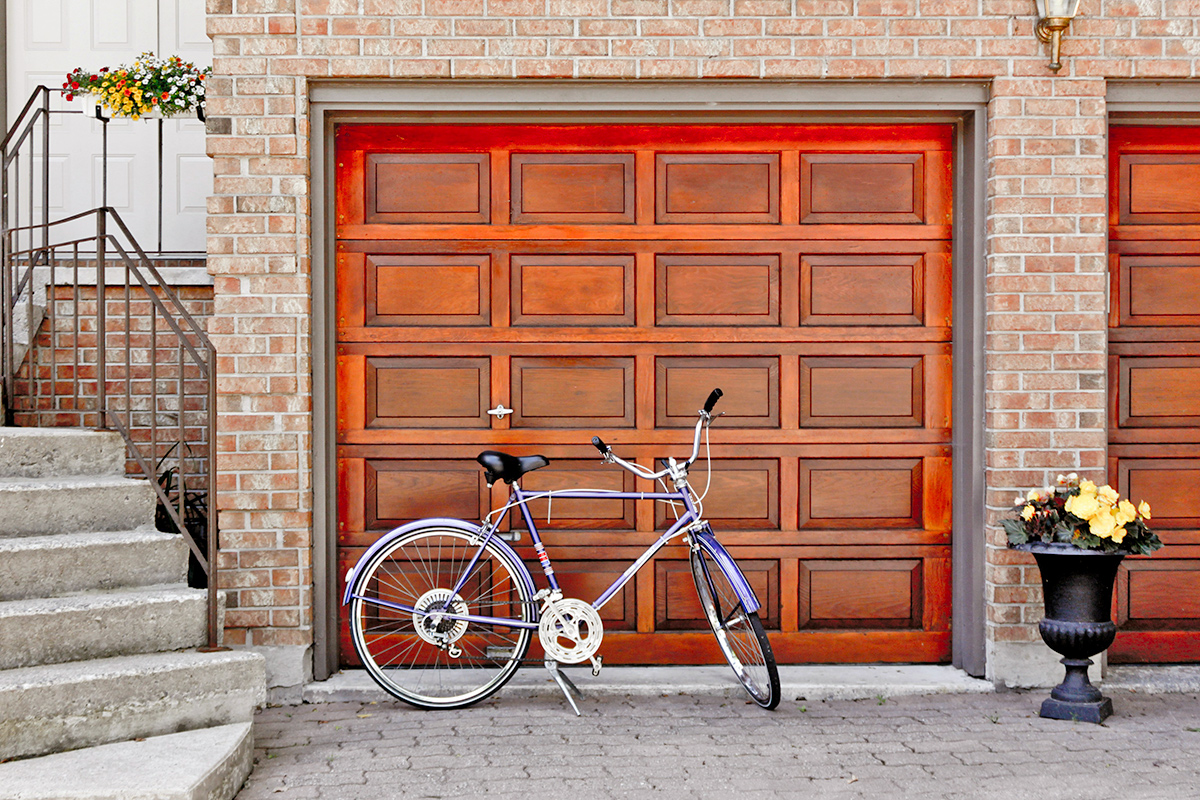
When storage space is difficult to come by, using the extra room in your garage for the spillover from your house can be tempting. But while your garage is the perfect spot to keep your grill out of the elements or store your bike after morning rides, it’s not always the best choice for everything. Garages aren’t temperature controlled, which can trigger unpredictable changes in heat and humidity that can cause irreparable damage to certain items — or even pose a safety risk. Here are 10 things that you should never store in the garage.
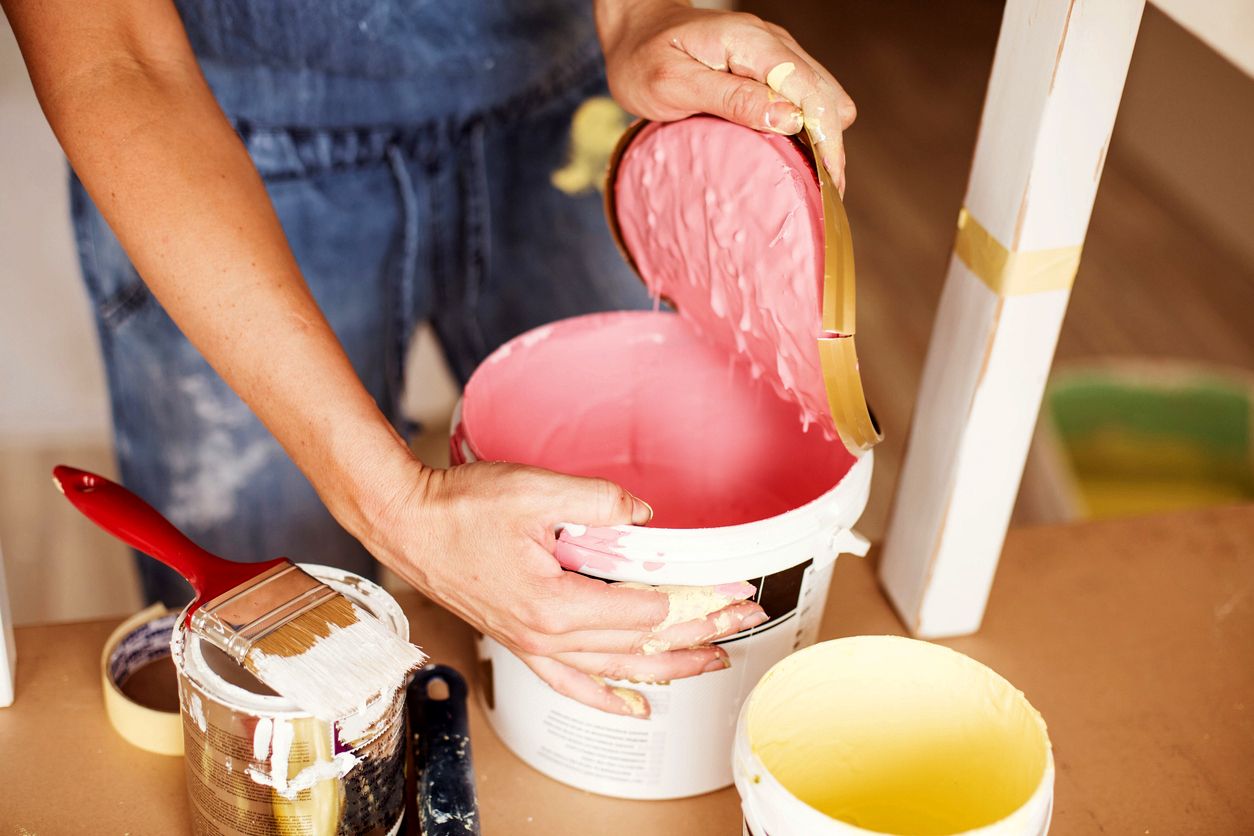
Paint
While holding onto leftover paint for future touch-ups can be helpful, don’t store paint cans in the garage. Extreme temperature changes throughout the year can change the consistency of the paint, rendering it useless. Paint cans are also more likely to rust if kept on cement floors. Instead, keep extra paint cans stored on wooden shelves in a temperature-controlled environment, such as a basement.
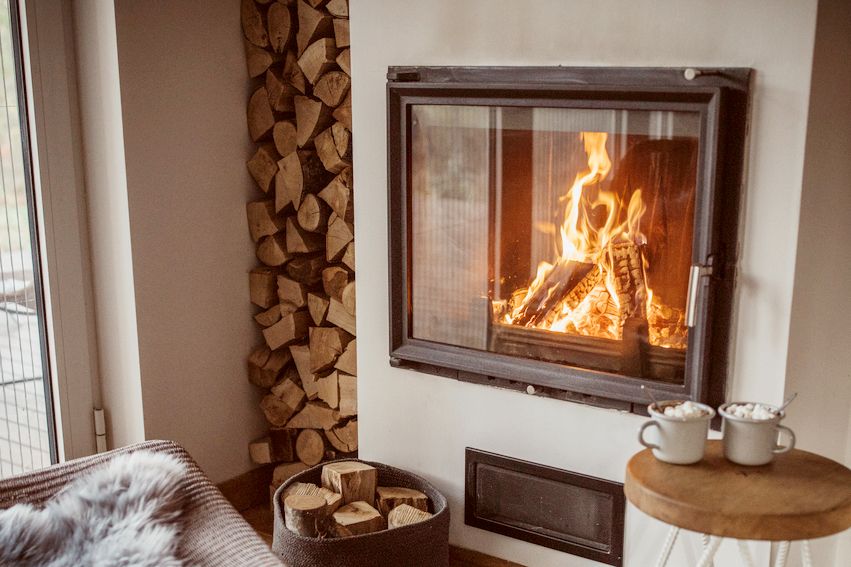
Firewood
Loose wood attracts beetles, termites, mice, and other household pests. Keeping firewood in your garage can encourage bugs to move into your home, causing a complicated and costly infestation. Keep all firewood at least 20 feet from your home, preferably underneath an outdoor, weather-resistant covered rack.
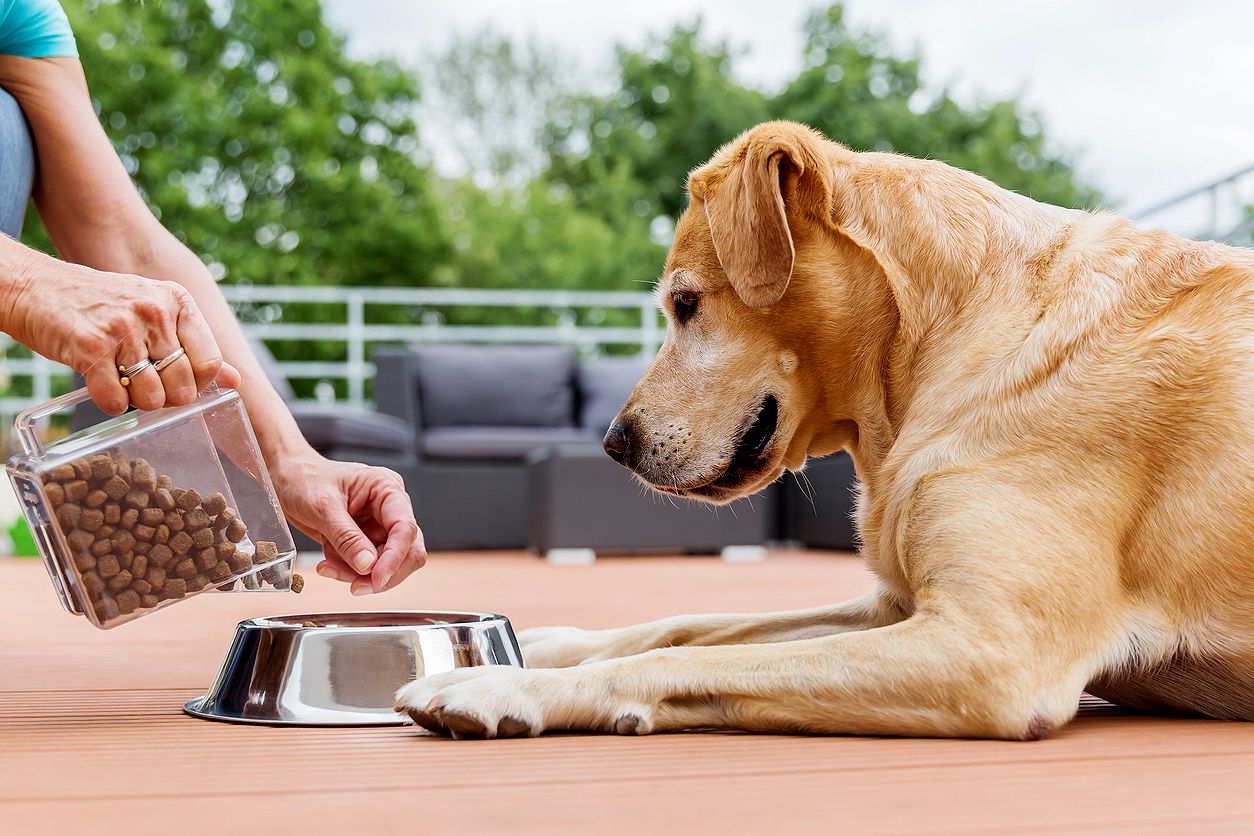
Pet Food
While it may be convenient to store heavy bags in the garage to keep your house tidy, the smell of pet food can attract unwanted critters. Rodents can easily chew through the pet food bag and become encouraged to venture into the house for more food. To avoid this problem, keep all pet food inside the home in a tightly sealed container that prevents odors from leaking.

Reader Favorites



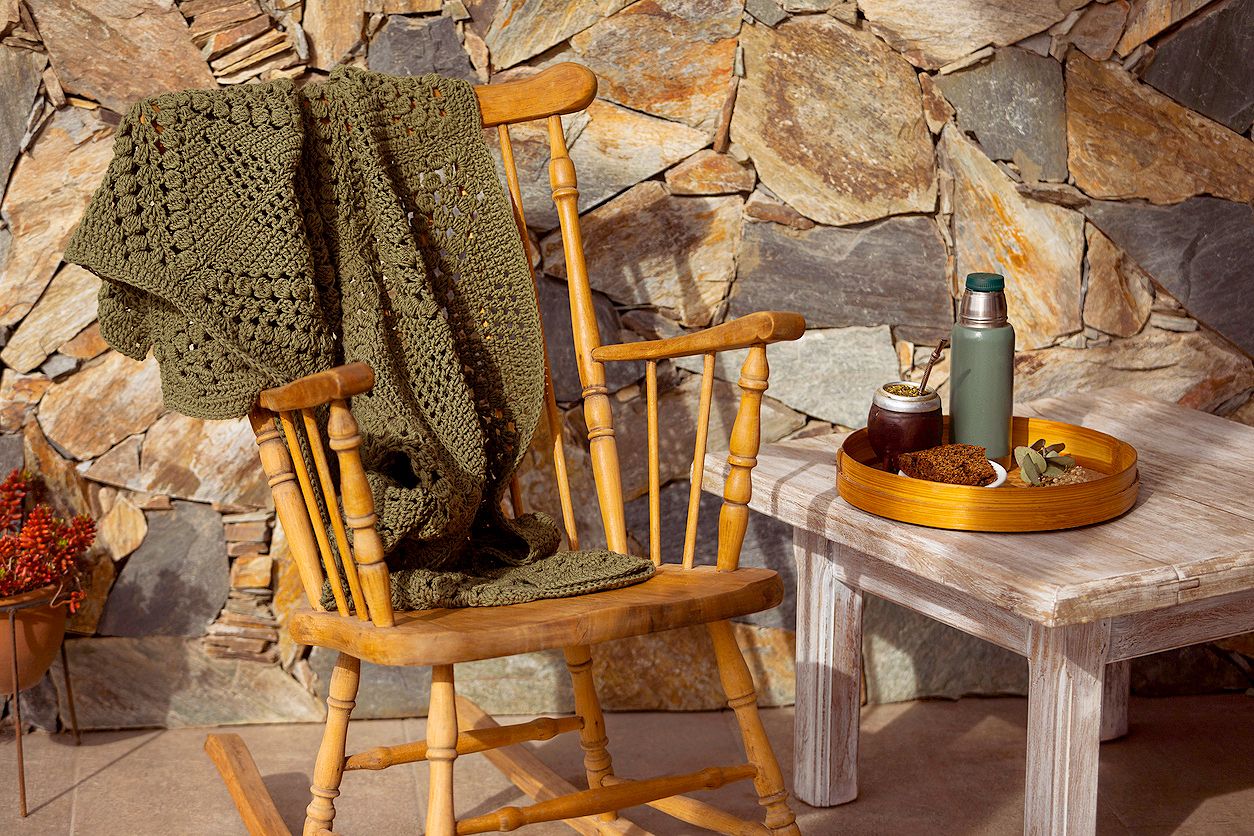
Wooden Furniture
While wood is a durable material, it’s also fragile enough to be negatively impacted by rapid changes in humidity. Keeping wooden furniture in non-temperature-controlled environments like the garage will cause the wood to absorb moisture and warp, leading to irreparable cracking. Store your wooden furniture in a basement or spare room instead.
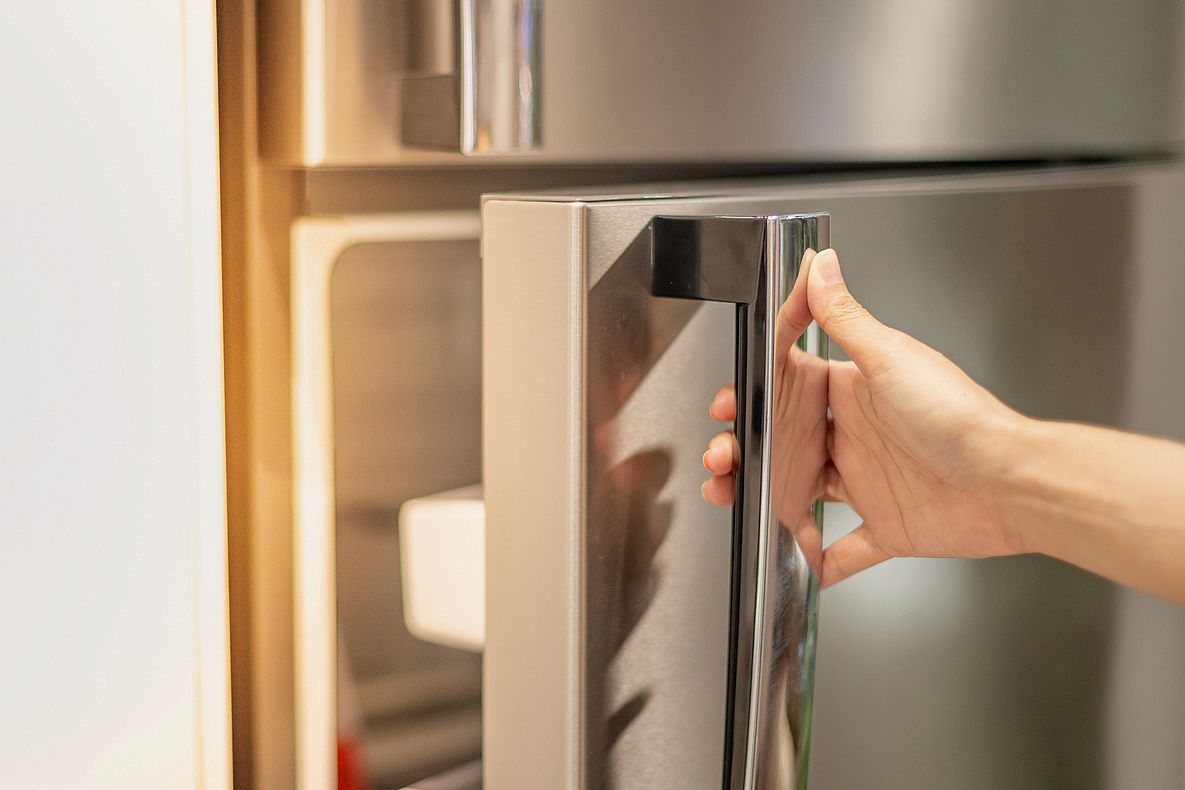
Refrigerator
Many people keep an extra refrigerator in the garage to store the bulk of their groceries, which wastes energy. Refrigerators require a temperate environment to function correctly. They work harder to keep the food cool inside if exposed to high temps or high humidity. If you need an extra refrigerator, keep it inside your house to keep your energy bills low.
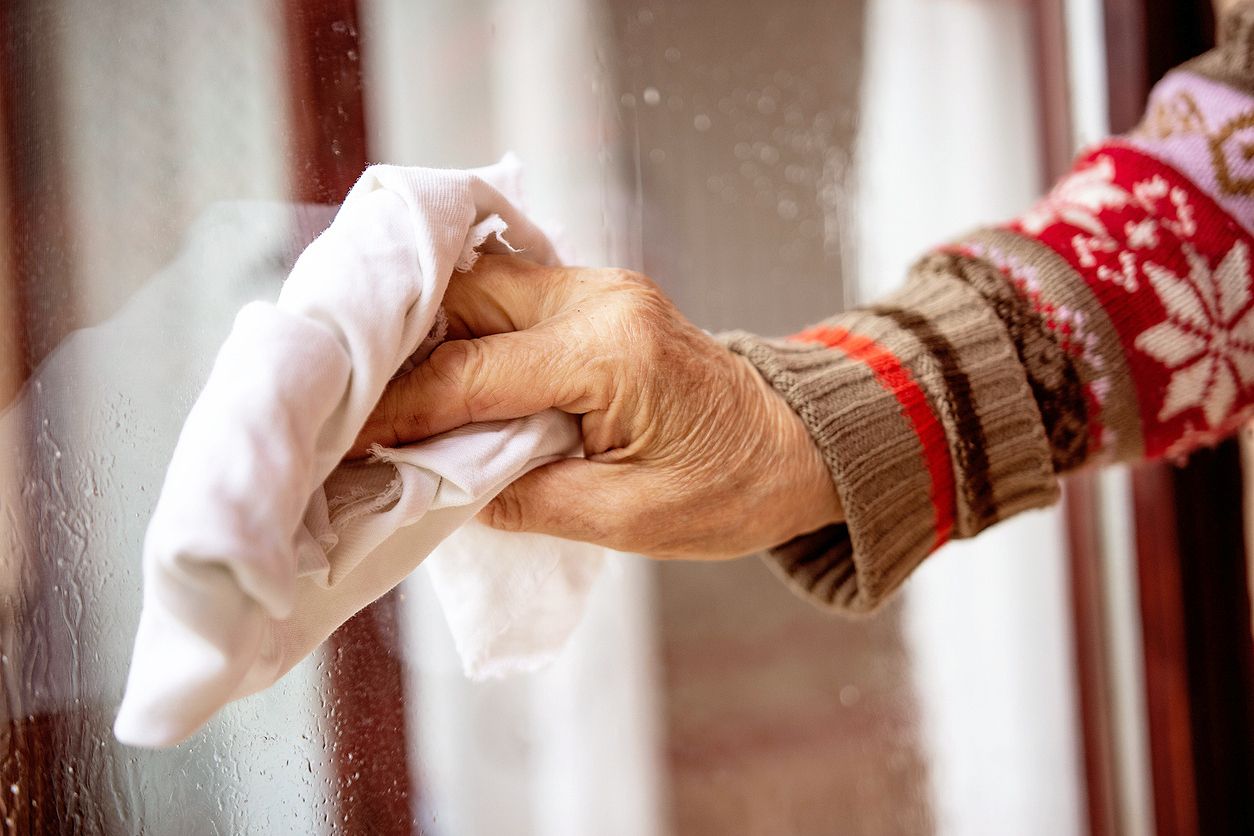
Oily Rags
If you do a lot of work on your car, you might have a pile of oily rags in the garage. This is a significant safety concern. As oily rags dry, they produce heat and trap oxygen. This dangerous combination can cause the rags to spontaneously combust. To prevent them from becoming a fire hazard, store rags inside a non-combustible metal container filled with water and oil-breaking detergent.
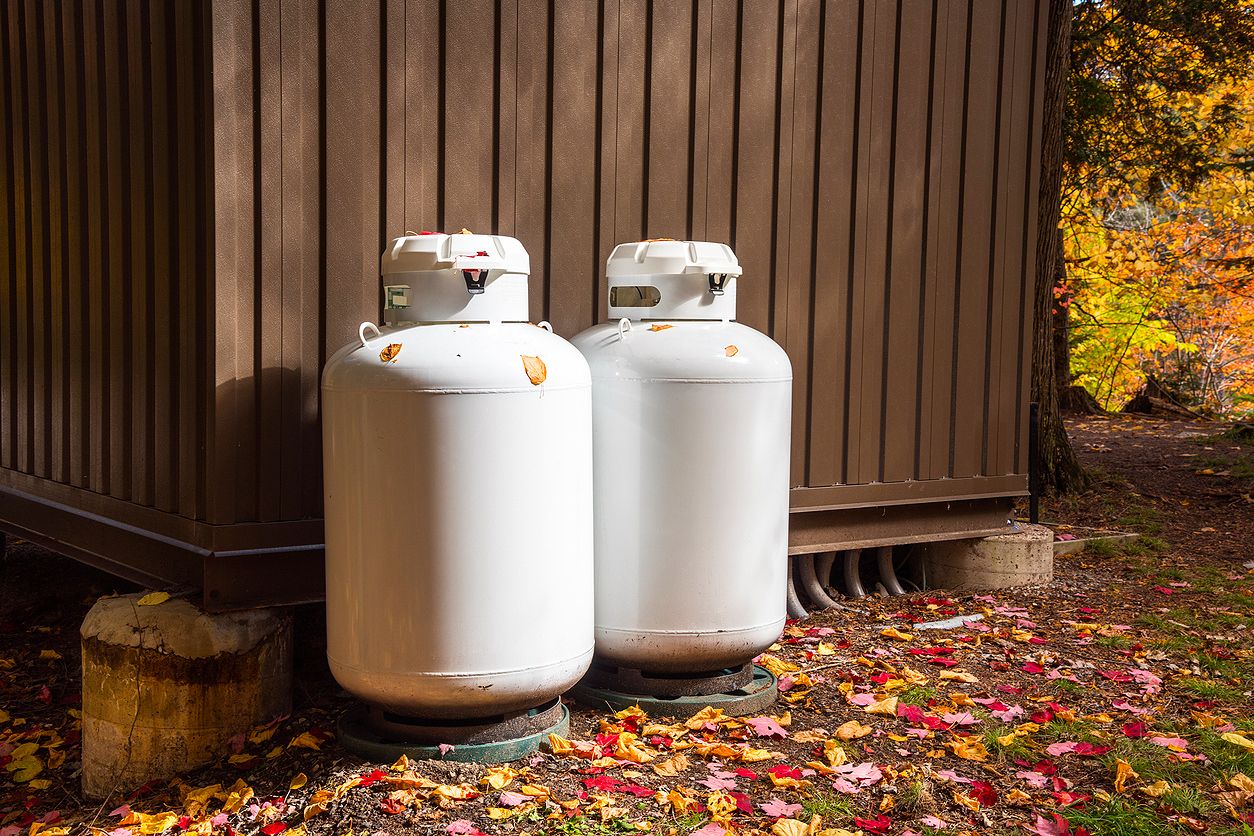
Propane Tanks
Leaky propane tanks are a major fire hazard. Starting your car in an enclosed space like your garage can ignite those leaky fumes, causing them to burst into flame. Don’t keep propane tanks near the car — keep them outside in a shaded and well-ventilated area for safety.
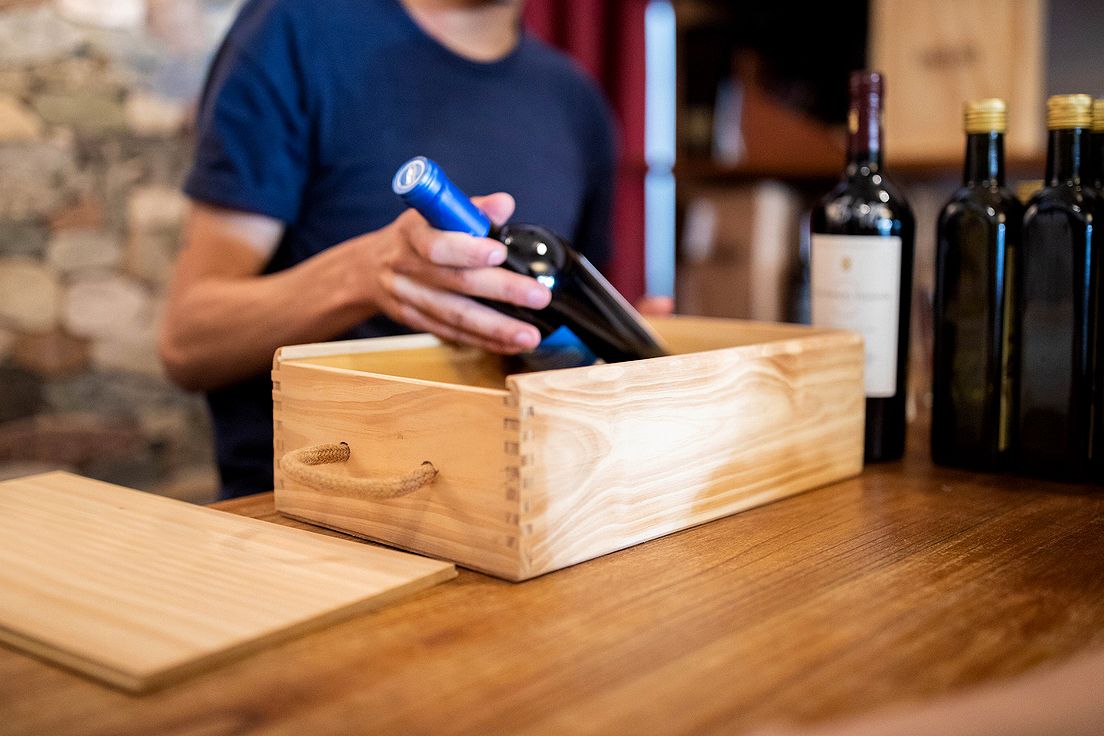
Wine
A garage’s fluctuating temperatures and high humidity can ruin a nice bottle of wine. Heat above 80 degrees Fahrenheit will cook the wine, making it sour or cause pressure to build inside the wine bottle, causing the cork to shoot out. Temperatures below 32 degrees Fahrenheit will freeze the whole bottle. To keep wine bottles in optimal condition, store them somewhere cool and dark with average temperatures between 45 degrees Fahrenheit and 65 degrees Fahrenheit.

Canned Food
Canned food may be packaged to last but is not strong enough to survive sudden temperature changes. Heat and humidity can cause canned foods to spoil quickly. If temperatures in the garage reach above 70 degrees Fahrenheit, the heat will slowly cook and rot the food inside, making it inedible. High humidity may also cause the can to rust, contaminating the food inside.
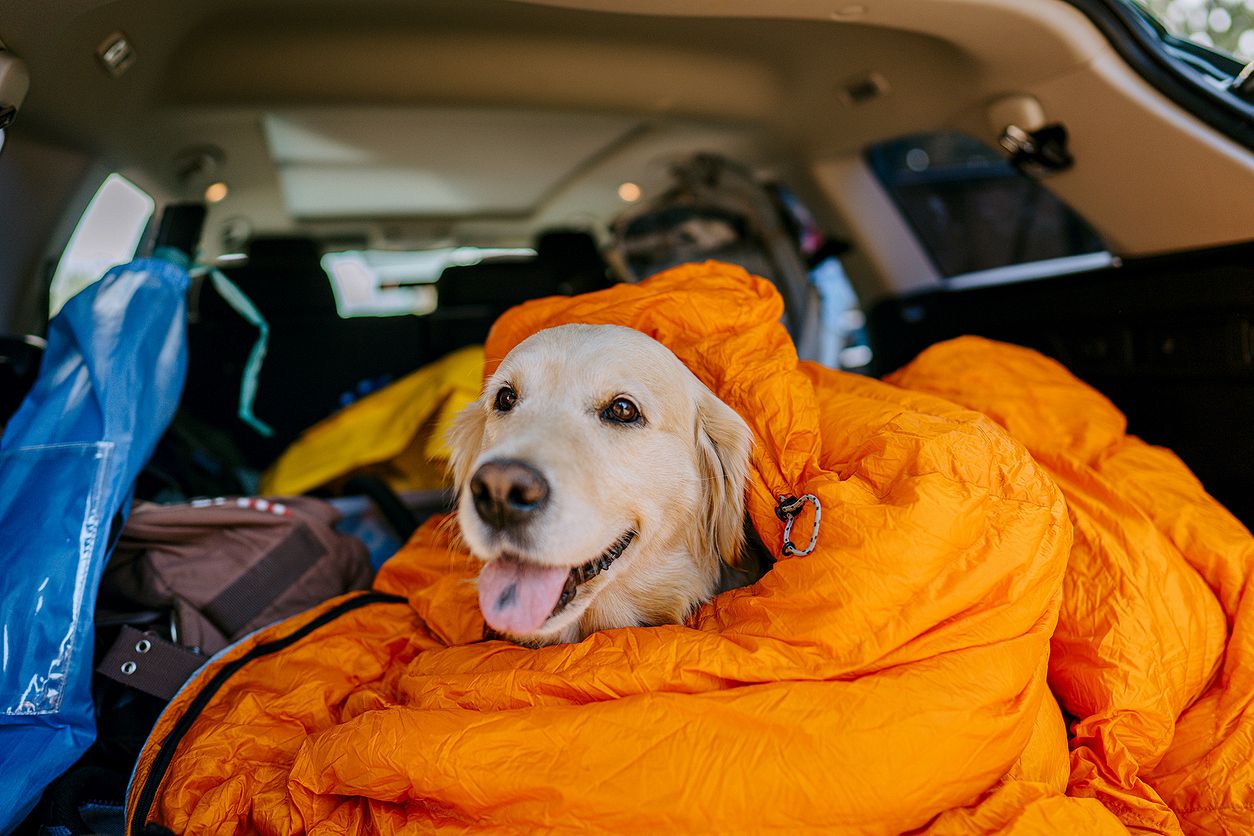
Sleeping Bags
A lot can go wrong if you leave your sleeping bags in the garage. Sleeping bags can absorb excess humidity and moisture, causing them to develop mold. Rodents also love chewing through sleeping bags — easy access to these can encourage pests to stay around long-term. For best results and low damage, keep your sleeping bags in a closet inside your home with other delicate fabrics and leave your hardier camping supplies in the garage.
Featured Image Credit: Kevin Wolf/Unsplash
More From Our Network
Better Report is part of Inbox Studio, an email-first media company. *Indicates a third-party property.





Bennett Kleinman is a New York City-based staff writer for Inbox Studio. He is also a freelance comedy writer, devoted New York Yankees and New Jersey Devils fan, and thinks plain seltzer is the best drink ever invented.
This article is for general informational purposes only.
Affiliate Disclaimer Medical Disclaimer Financial Disclaimer