5 Surprising Things That Could Ruin Your Credit Score

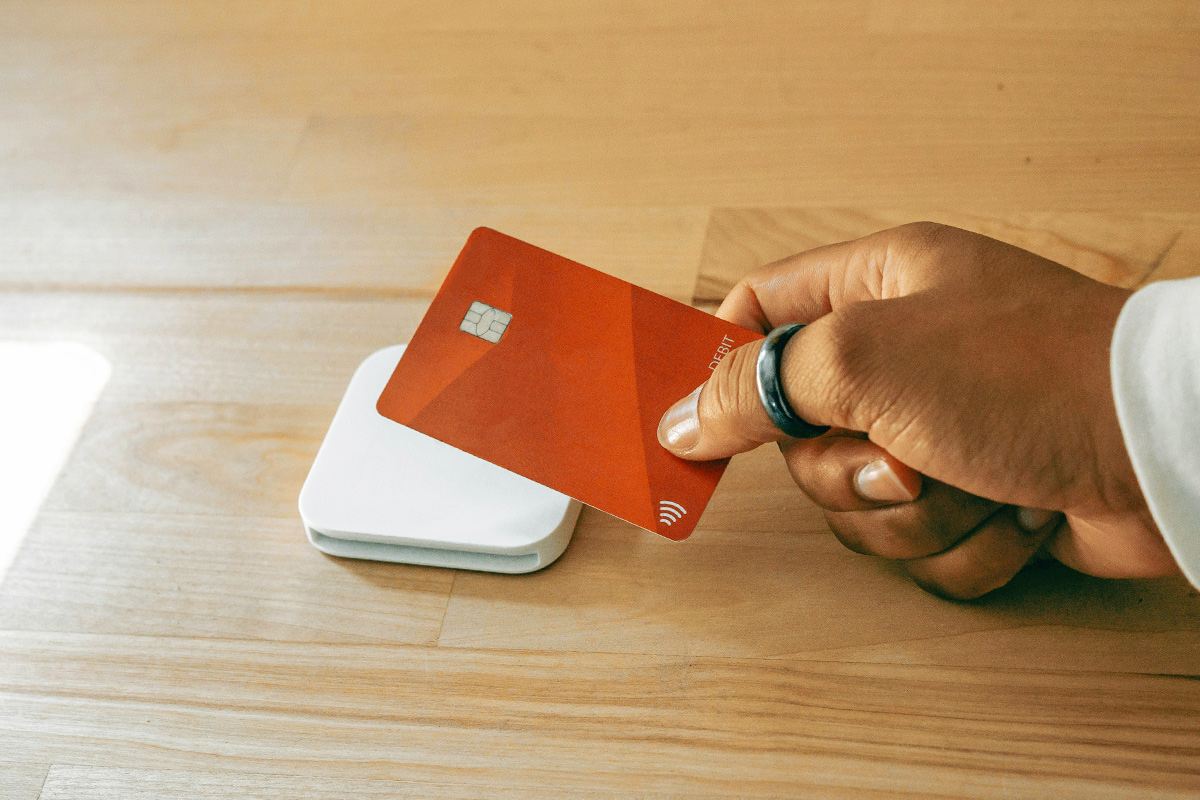
Even if you pay all your bills on time and remain in good financial standing, your credit score can drop almost inexplicably. When this happens, you may be looking for answers so you can avoid making the same mistake in the future. But credit scores are typically shrouded in mystery, and sometimes, there’s no way to know for sure what caused the decline. However, there are a few common pitfalls that often factor into these sudden dips — and it may surprise you to learn what they are. Here are five examples.

Opening or Closing Credit Cards
When you open up a new credit card, it lowers the average age of your credit — the average length of time that your accounts have been active. The age of your credit can account for as much as 15% of your credit score, so the longer you’ve had credit, the better. Your history will also hopefully demonstrate to lenders that you can manage accounts over time and therefore should be able to make future payments.
Opening up a new credit card account also triggers a “hard inquiry,” which is a thorough analysis of your credit by the lender. This report remains on your account for two years, though a single hard inquiry will typically cause your score to dip by only five or so points. That said, if you open up several new credit card accounts in a short window, the inquiries will have a more substantial effect on your credit score. Also, lenders will be able to see that you opened several new accounts in a short window, which may lead them to believe that you’re in financial distress or a high-risk borrower. This can seriously impact your credit score and may even be grounds for lenders to deny you loans.
Closing an account is also likely to negatively affect your score — and this is true even for credit cards you don’t use anymore. It’s all related to the “credit utilization ratio,” which is the total amount of credit you’re using divided by the total available amount of credit across your accounts. Closing a credit card increases the ratio, which lowers your credit score.

Having Only One Credit Card
This issue is also related to your credit utilization ratio. If you have only one credit card account, you’re limiting the amount of available credit attached to your name. This, in turn, keeps your credit score lower than it theoretically should be.

Reader Favorites



That’s why it’s a good idea to have multiple credit card accounts open at any given time, even if you primarily use one and charge only small amounts to others (more on that in a minute). While you may experience a temporary dip when you initially open a new account, it’ll bounce back in time as your credit utilization ratio improves. It’s important to stay on top of your payments, though, which may be difficult if you manage two or more accounts: Neglecting them can drag down your credit score, negating the benefit of having multiple accounts.

Paying With Only Cash
Paying with cash to avoid accruing debt may seem appealing, but there’s a downside: According to Equifax, going cold turkey with your credit cards may cause lenders or creditors to deem your accounts inactive. Issuers can choose to shut down a card due to inactivity without warning you that they’re going to do so, which will affect your credit utilization ratio.
To avoid this issue, it’s best to keep your credit card accounts active, even if you’re charging only small purchases every couple of months. (You can also set up a recurring charge alongside autopay so you don’t need to think about it.) Even a few dollars will show creditors and lenders that you’re still using the cards so they don’t shut them down.

Paying Off Debt Too Quickly
If you have student loans or a car loan, you’re probably trying to get those off the books as quickly as possible to avoid accruing interest. But paying off your loans too quickly can actually cause your credit score to drop.
According to Equifax, paying off these debts impacts the diversity of your credit mix — the types of accounts and loans you have — which account for about 10% of your credit score. Having a diverse mix shows creditors that you can manage different types of debt; paying off a loan removes it from your mix, negatively affecting your overall score. (Not having a diverse enough credit mix can also lower your credit score.) So, if you want to keep your credit mix diverse, you may want to keep making payments on the loan rather than paying it off quickly.
That said, any drop from paying off a loan is likely to be temporary: Your score will probably creep back up around 30 to 45 days after paying off a loan.
Running Up Balances — Even if You Pay on Time
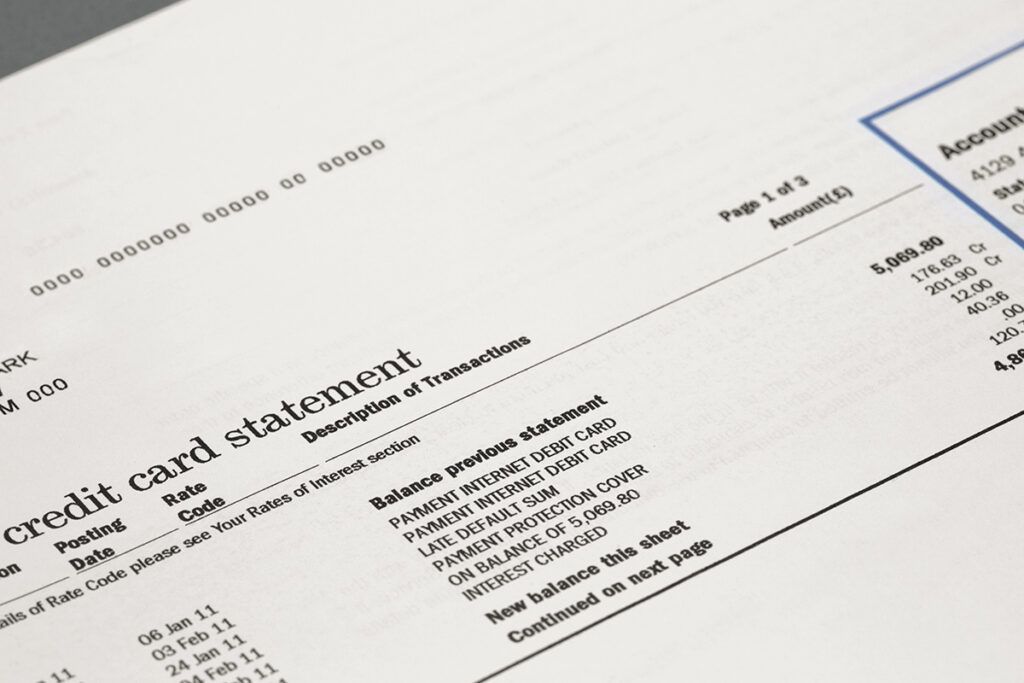
There are two dates to be aware of when it comes to your credit card account. One is the date when the statement is closed for the month’s billing cycle, while the other is the day payment is due (usually several weeks later).
Credit bureaus are typically alerted to your active balance at the end of each billing cycle rather than when the money is officially due.This means that if you owe $5,000 on your credit card at the end of a billing cycle and pay it off well before the money is actually due (after which you may start to incur fines), all the credit bureau sees is the fact that you owed five grand — not that you paid it off with plenty of time. This could lead to a lower credit score.
To prevent this, pay your bills immediately before the end of each billing cycle, which ensures the lowest amount of credit card debt is reported to the credit bureaus. If you’re not sure when your billing cycle ends, you can find the date on your statement, by signing in to your online account, or by contacting the lender.
Featured image credit: © Clay Banks/Unsplash.com
More From Our Network
Better Report is part of Inbox Studio, an email-first media company. *Indicates a third-party property.







Bennett Kleinman is a New York City-based staff writer for Inbox Studio. He is also a freelance comedy writer, devoted New York Yankees and New Jersey Devils fan, and thinks plain seltzer is the best drink ever invented.
This article is for general informational purposes only.
Affiliate Disclaimer Medical Disclaimer Financial Disclaimer