Skip to content
Better Report
  • Home
  • Health
  • Wealth
8 Low-Maintenance Plants That Thrive on Neglect
  • Search
  • Subscribe
  • Home
  • Health
  • Wealth
  • About
  • Privacy Policy
  • Terms of Use
  • Contact Us
  • SubscribeSubscribe
  • Search
Thank you for confirming your email! Welcome to the community.

Tag: Gardening

Why Your Leaves Should Never Go in Trash Bags

Home | Updated: October 31, 2025
Evan Malachosky
Author
Evan is a writer and editor based in Pittsburgh, Pennsylvania. His work has appeared in GQ, Esquire, Popular Mechanics, Gear Patrol, and more.
Better Report

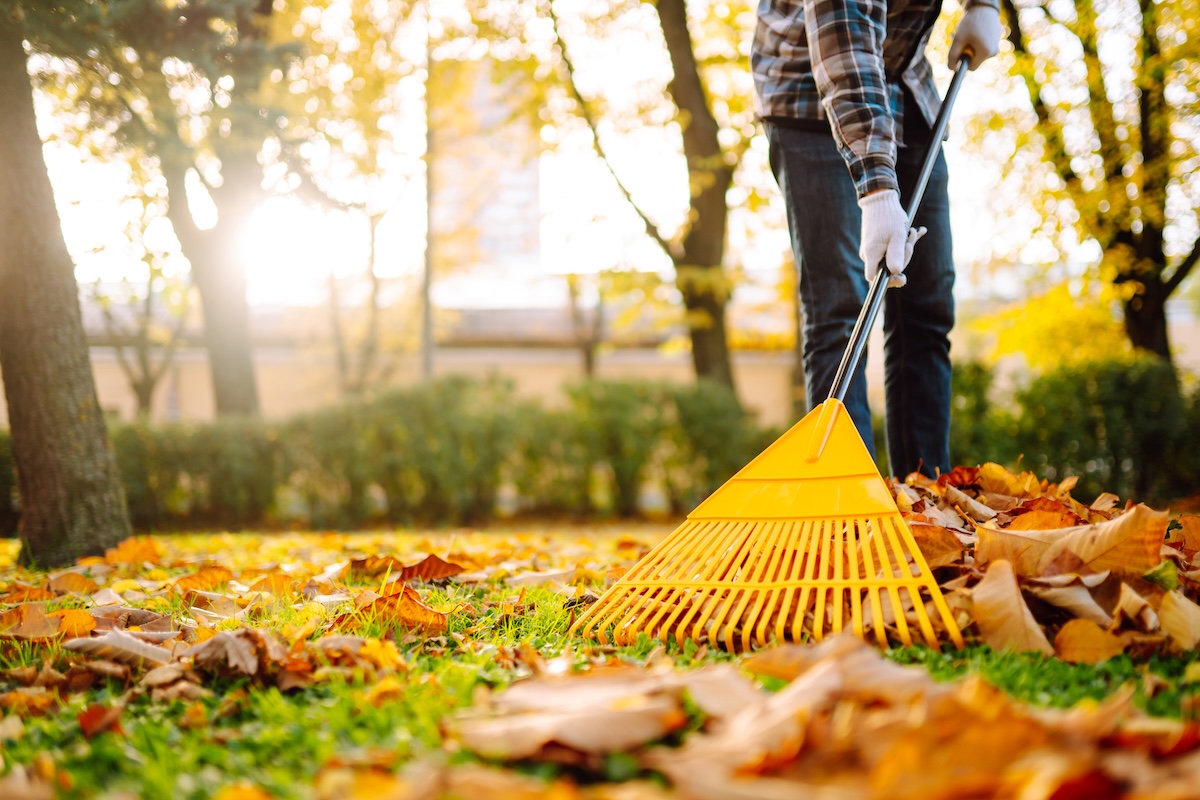
Living in a wooded area comes with its perks: pastoral views, privacy, and the privilege to do what you want, when you want. But those pastoral views become a royal pain in the you-know-what when fall arrives. The lush scenery surrounding your property slowly becomes stick-like, shedding its leaves across your yard. At first, it’s endearing — a sign the seasons are changing. But it can quickly become too much: leaves start falling, and they never stop, coating your lawn orange and red. The sensible homeowner grabs their rake and gets to work consolidating the leaves into a handful of manageable piles. Others will power up the leaf blower and make it their neighbor’s problem. No matter which type you are, your leaves should never end up in a trash bag. Here’s why.

Leave Your Leaves

There’s a growing movement among environmentalists called “leaving leaves.” It encourages homeowners to, as the name suggests, leave their leaves, letting them feed their lawn or garden rather than rot in a landfill. You see, you don’t really need to rake your leaves. In fact, if the leaves that have fallen on your lawn are sparse, you can probably leave them, and, by spring, you won’t even know they were there. For lawns suffocated by fallen leaves, it is smart to rake — your homeowners’ association could require it, or you’d rather not see your lawn die because of your resistance to yard work. It is true, after all, that leaving too thick a layer of leaves on your lawn will smother it. And that’s no good.

Advertisement
Advertisement

But there are better ways to use your leaves. If you have a garden or raised garden beds, adding leaf layers will fertilize your soil through winter, prepping your soil for the plants and produce to come next spring. Simply rake your leaves into manageable piles and spread them over your beds to a depth of three to five inches. Treat them like mulch: don’t sprinkle them onto your plants; spread them around the plants, covering any open soil. You can compost leaves, too, if your municipality collects them, or you have the tools to contain them yourself. If you’d just rather get rid of them, simply run your lawnmower over them on a higher setting, if yours is adjustable. Doing this will mulch the leaves, giving your grass the same nutrients without harming it.

When You Treat Them Like Waste, They Go to Waste

The worst thing you can do with leaves, however, is stuff them into bags for trash pickup. According to the National Wildlife Federation, 30 million tons of yard waste —largely fallen leaves and grass clippings —are sent to landfills each year. When buried, as most trash is, they produce methane, a potent greenhouse gas that scientists point to as an accelerator of climate change. The good news? Leaves don’t produce methane when they disintegrate in your garden bed or compost pile.

More From Our Network

Better Report is part of Inbox Studio, an email-first media company. *Indicates a third-party property.

Go Retro With This 1960s Fashion Quiz

Quiz Daily

Go Retro With This 1960s Fashion Quiz

True or False: Are You a Master of U.S. Geography?

Travel Quiz

True or False: Are You a Master of U.S. Geography?

5 Reasons You Can Be Denied Boarding an Airplane

Daily Passport

5 Reasons You Can Be Denied Boarding an Airplane

What Did People Do Before Eyeglasses?

History Facts

What Did People Do Before Eyeglasses?

How To Use a Balloon To Clean Up Dust

House Outlook

How To Use a Balloon To Clean Up Dust

11 Shopping Hacks Costco Members Should Know

FinanceBuzz*

11 Shopping Hacks Costco Members Should Know

Share this article

  • Share to Facebook
  • Share to Twitter
  • Copy Url
  • Share to Email
Evan Malachosky
Managing Editor

Evan is a writer and editor based in Pittsburgh, Pennsylvania. His work has appeared in GQ, Esquire, Popular Mechanics, Gear Patrol, and more.

This article is for general informational purposes only.
Affiliate Disclaimer Medical Disclaimer Financial Disclaimer

Updated: May 21, 2024
Posted In: Home
Hero Image Credit: Better Report

Recommended Articles

  • 5 Things To Ask Your Doctor About the New Flu Shot

  • Is Sourdough Actually Healthier Than Regular Bread?

  • Do You Really Need a Bidet in Your Home?

  • Is It Actually Better To Lease a Car?

Advertisement

Related Articles

9 Items in Your Basement You Should Toss Right Now

5 min read

5 Vegetables You Should Never Store in the Fridge

3 min read

Why a Flashing Check Engine Light Is Different From a Solid One

3 min read

Why Does Your Sink Have a Tiny Hole?

3 min read

Is Hard Water Ruining Your Clothes?

3 min read
Advertisement

The Surprisingly Simple Way to Grow Herbs Year-Round

Home | Updated: June 27, 2026
Rachel Cavanaugh
Author
Rachel Cavanaugh is a Portland-based freelance writer covering food, lifestyle, travel, fitness, adventure, and the outdoors. She's also a part-time staff commerce writer for BDG (Bustle, Elite Daily, Mic & Inverse). Her work has appeared in Men’s Journal, The Hollywood Reporter, Outdoor Life, MSN, Yahoo, GearJunkie, The Independent, Digital Trends, Travel Oregon, Matador Network and others. She has a background in digital production and brand storytelling and holds a journalism degree from the University of Montana. She loves waist-deep snow, whiskey, late-night Skee-Ball and pajama dance parties.
Better Report

All featured products and deals are selected independently and objectively by the author. Better Report may receive a share of sales via affiliate links in content.

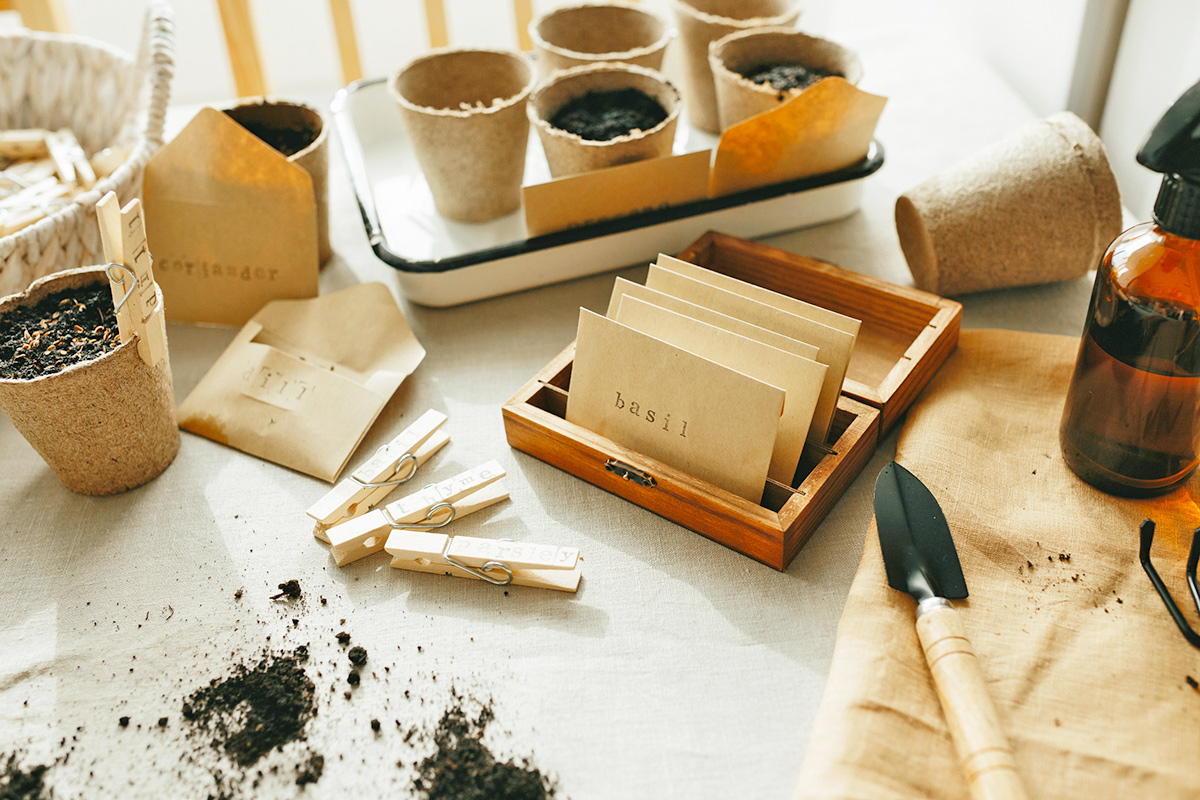
There’s something deeply satisfying about plucking fresh basil leaves to toss in your pasta or pulling a sprig of thyme while dinner simmers on the stove. And the good news is, you don’t need a yard — or even a green thumb — to grow fresh herbs at home. You can grow them right on your kitchen windowsill, or anywhere with enough light and a little counter space. 

But with so many kits on the market, figuring out which one to buy can be a bit confusing. Some kits rely on natural sunlight, while others are equipped with LED grow lights or even full hydroponic systems that water and feed your plants for you. They vary widely in seed selection, offer different built-in features, and come in a range of aesthetics like rustic wooden planters, clean ceramic pots, and minimalist countertop systems. Prices range from under $30 to more than $300, depending on how much help you want with watering, lighting, and upkeep.

To make things simple, we’ve researched dozens of kits and rounded up the best options across the spectrum — from low-maintenance starter sets to sleek smart gardens — so you can spend less time comparing specs and more time snipping parsley for your next meal.

Prices are accurate as of June 26, 2026. Subject to change.

Advertisement
Courtesy of Amazon

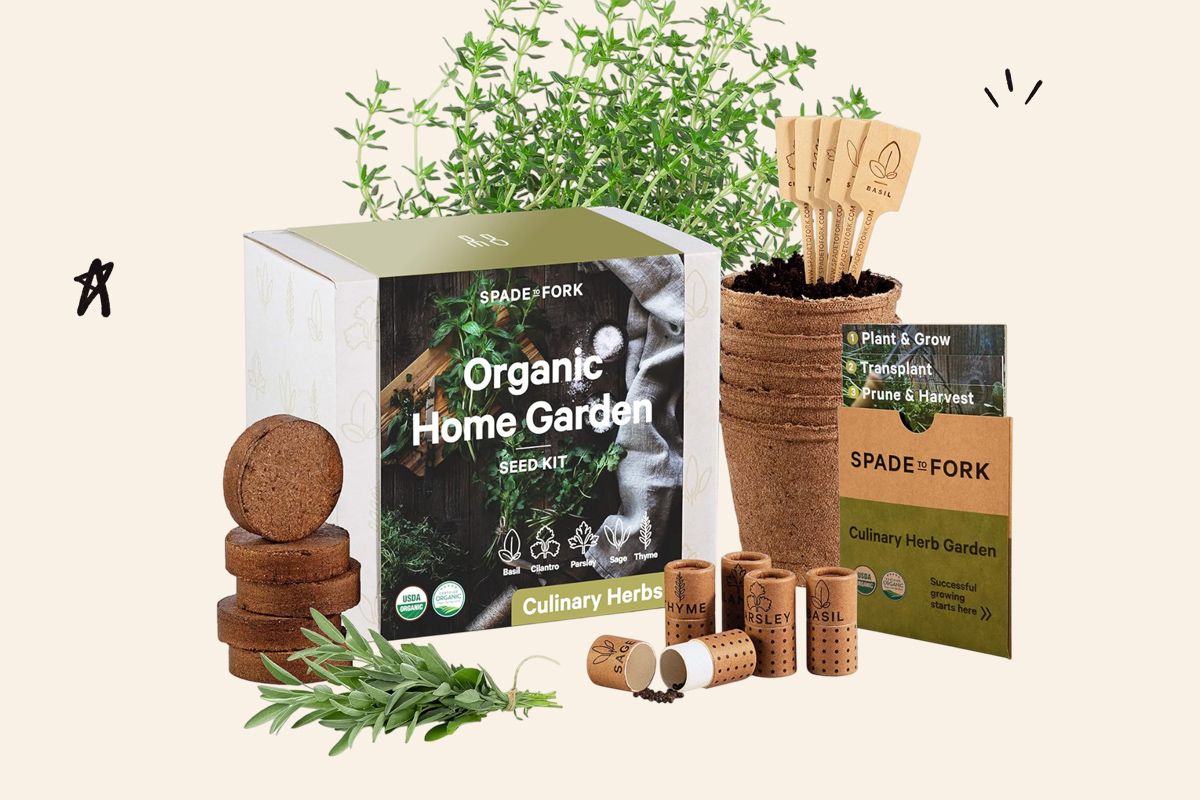
Spade to Fork Organic Herb Garden Kit

This sweet and simple starter kit is a fantastic option for anyone with a sunny windowsill and a taste for fresh, organic herbs. It comes with five classic favorites — basil, parsley, thyme, rosemary, and mint — and everything you need to get started: compostable starter pots, rich organic soil discs, and wooden plant markers that are charmingly pre-engraved with each herb’s name. The design is clean and earthy with a minimalist feel that won’t clutter your kitchen. And unlike many herb kits, every component, from the seeds to the soil to the starter cups, is fully USDA-certified organic, making it an easy, chemical-free way to start growing herbs at home.

BUY FOR $35 AT AMAZON
Courtesy of Amazon

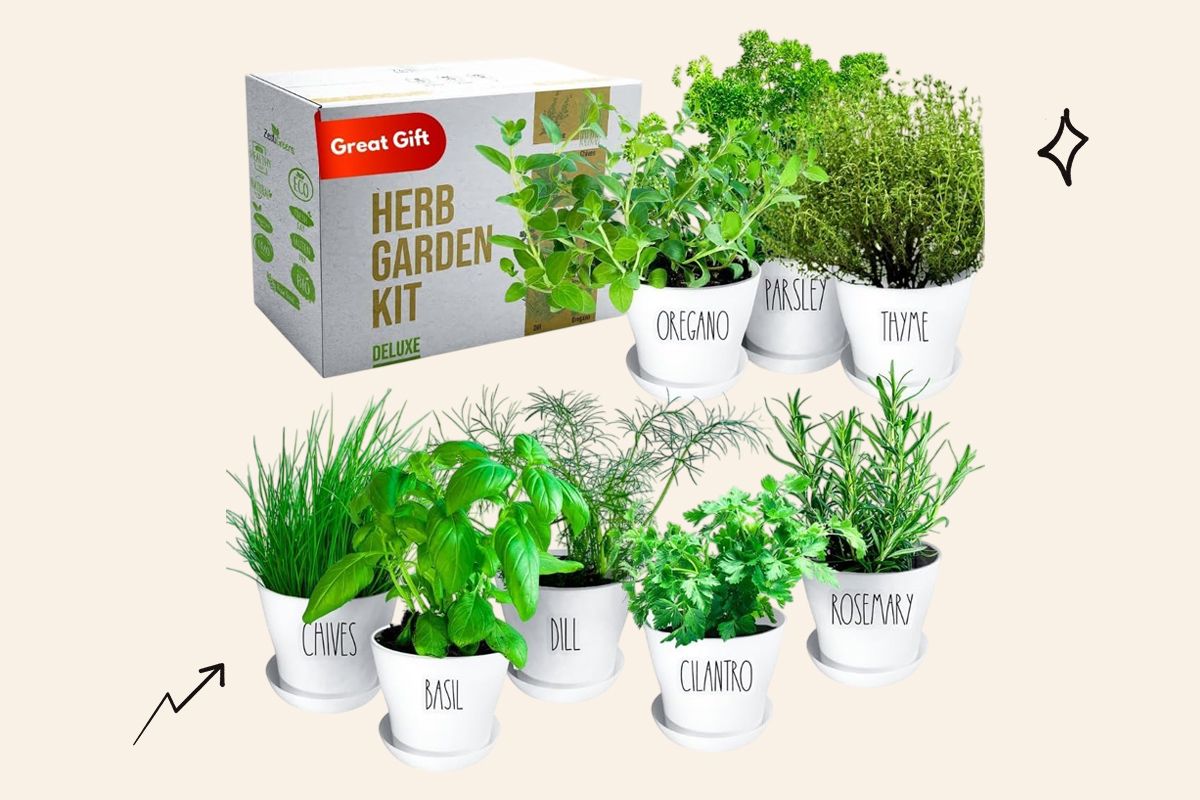
Zestigreens Indoor & Outdoor Herb Garden Kit

Designed with a clean, contemporary aesthetic, this indoor-outdoor herb kit showcases a minimalist look that feels right at home whether you display it on a modern kitchen countertop or a sun-drenched patio bench. It features eight small white ceramic-style pots with matching saucers, along with transparent herb labels printed in sleek Rae Dunn–inspired font. Compared to the first kit, this one offers a broader selection of seeds, including oregano, dill, chives, basil, parsley, thyme, cilantro, and rosemary. It’s the only kit on the list that’s specifically designed for indoor and outdoor use, giving you more flexibility on where to place it. And because the pots are individual and movable, you can scatter them across window sills, shelves, or outdoor tables instead of keeping everything in one place.

BUY FOR $30 AT AMAZON
Advertisement
Advertisement
Courtesy of Amazon

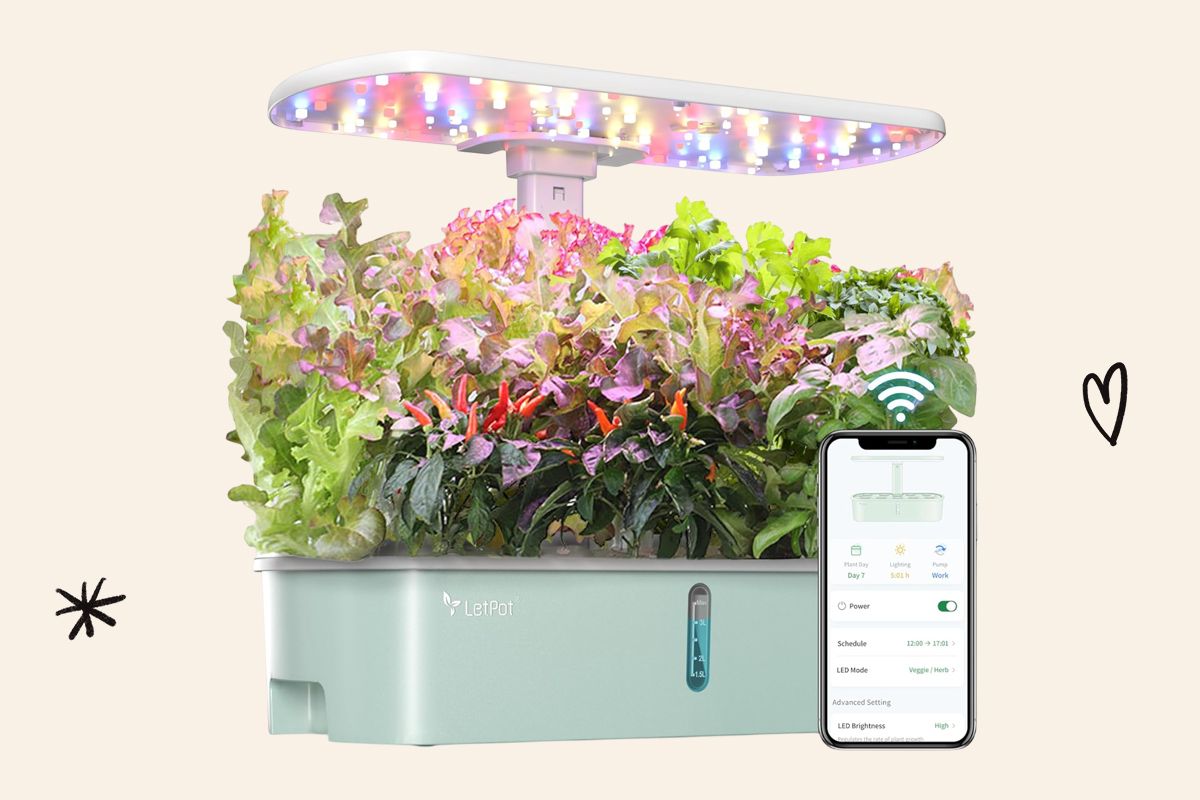
LetPot Air Hydroponics Growing System

Perfect for aspiring indoor gardeners who are ready to move beyond soil and sunlight, this user-friendly hydroponic kit offers an approachable entry point to water-based growing. Instead of planting in soil, your herbs grow in nutrient-rich water that’s circulated by a quiet pump that delivers consistent hydration and oxygen to the roots. The LetPot system supports up to 10 pods at a time, with a 24-watt adjustable LED grow light and a 4-liter water tank (that can last up to three weeks between refills). You can control everything manually using a touchpad or download the companion app to fine-tune your lighting and pump schedule. The tall lamp height gives your plants up to 17 inches to thrive, and it comes with grow sponges and nutrients to help you get started. Just note that this kit doesn’t include seeds.

BUY FOR $70 AT AMAZON
Courtesy of Amazon

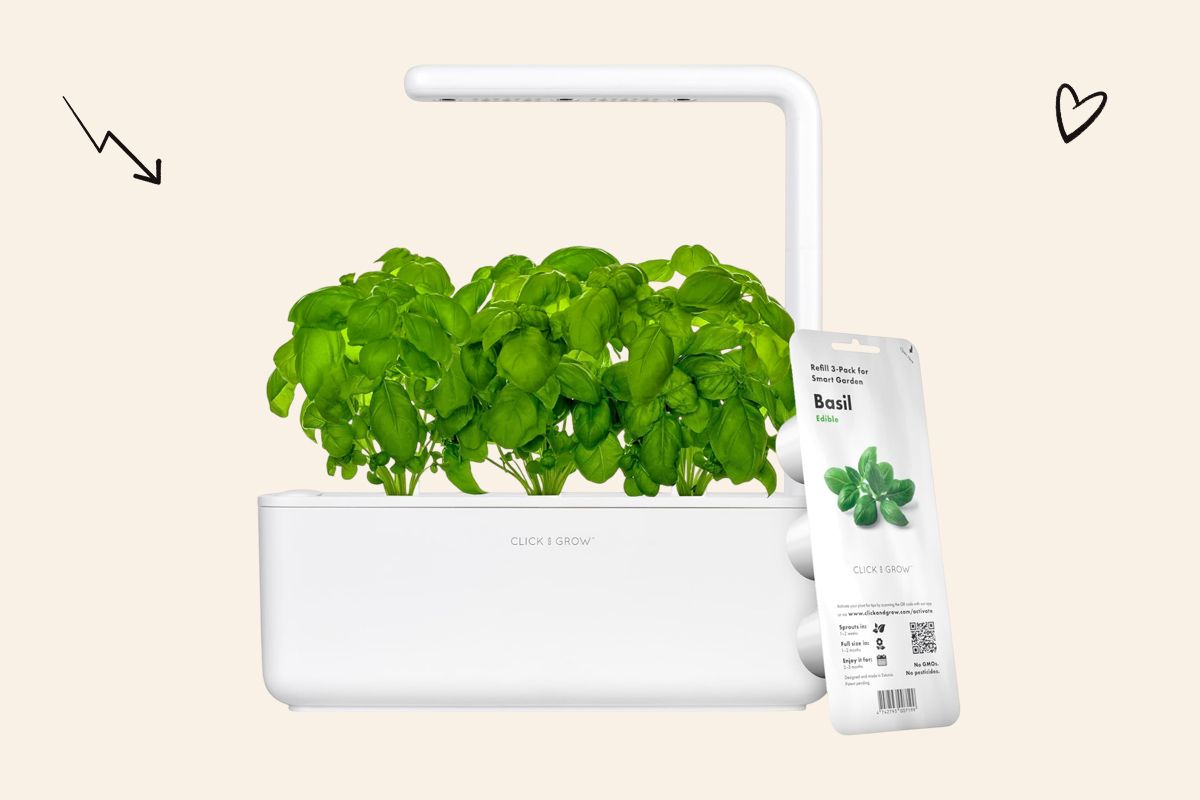
Click and Grow Indoor Herb Garden Kit

If your home doesn’t get much sunlight — or you simply don’t want to fuss with watering schedules — this convenient countertop kit is an excellent low-maintenance option that still comes at a reasonable price point. It uses built-in LED grow lights to mimic natural sunlight, while a hidden reservoir automatically delivers water to each pod as needed. The pre-seeded “smart soil” pods take care of the rest, releasing nutrients and balancing pH with no mixing, measuring, or nutrient tanks required, making it a hands-off way to grow herbs without the learning curve of hydroponics. The kit comes with basil to start, but you can mix and match thyme, chives, or cilantro and coriander, as well as vegetables like peppers and tomatoes.   

BUY FOR $113 AT AMAZON

Recommended Articles

  • 5 Things To Ask Your Doctor About the New Flu Shot

  • Is Sourdough Actually Healthier Than Regular Bread?

  • Do You Really Need a Bidet in Your Home?

  • Is It Actually Better To Lease a Car?

Advertisement
Advertisement

Reader Favorites

  • Woman looking in fridge

    9 Foods You Should Toss ASAP if They’re Expired

  • Person eating salad

    7 Things a Chef Never Orders at a Restaurant

  • Cherry angioma

    Are the Tiny Red Dots on Your Skin Dangerous?

Courtesy of Amazon

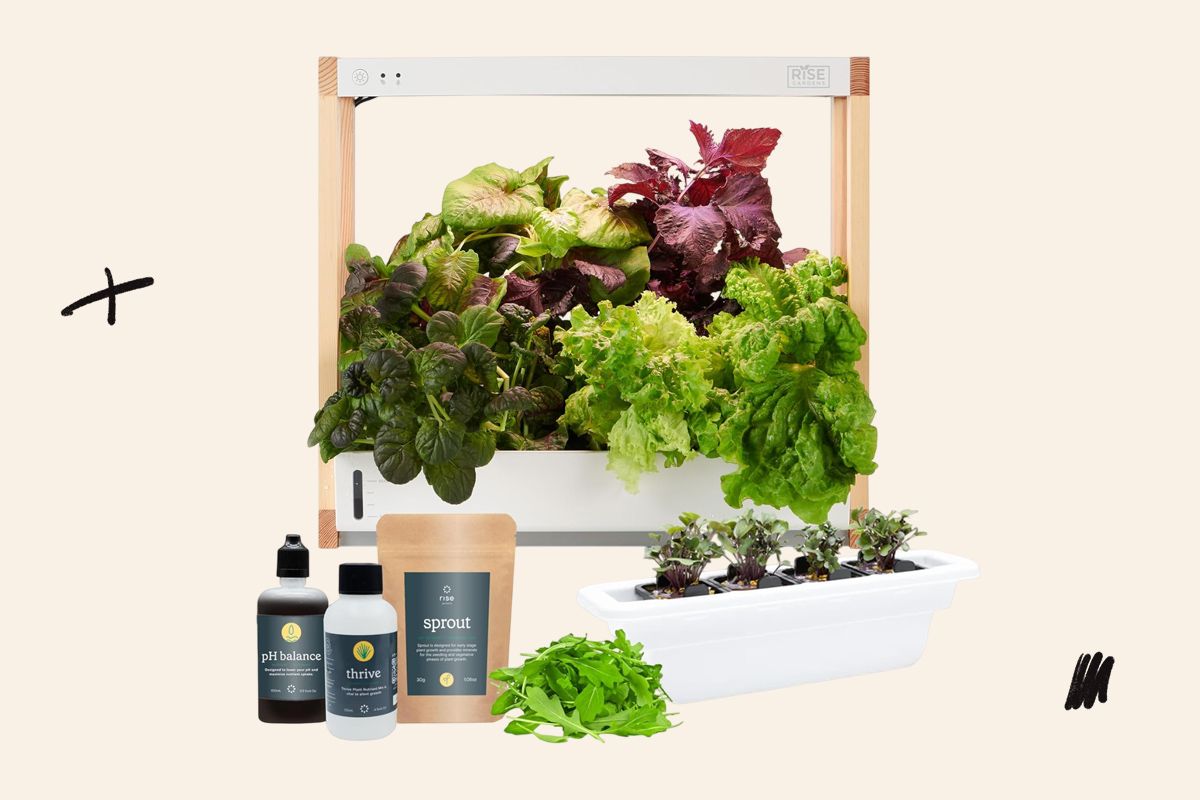
Rise Gardens Personal Hydroponic Garden

For the home cook looking to graduate from simple windowsill basil and dive into full-fledged indoor herb gardening, the Rise Gardens kit offers a high-yield, app-enabled system that produces vibrant, fast-growing plants with minimal effort. The robust hydroponic garden supports up to 12 plants at once — from microgreens and lettuces to herbs and cherry tomatoes — and comes with everything you need to get started, including eight starter pods, plant food, and a nursery tray. The companion app takes the guesswork out of all maintenance by tracking watering, feeding, and lighting schedules. It’s bigger and pricier than other kits on the list but for the ambitious indoor gardener, this all-in-one system is well worth the splurge.

BUY FOR $349 AT AMAZON
Courtesy of Amazon

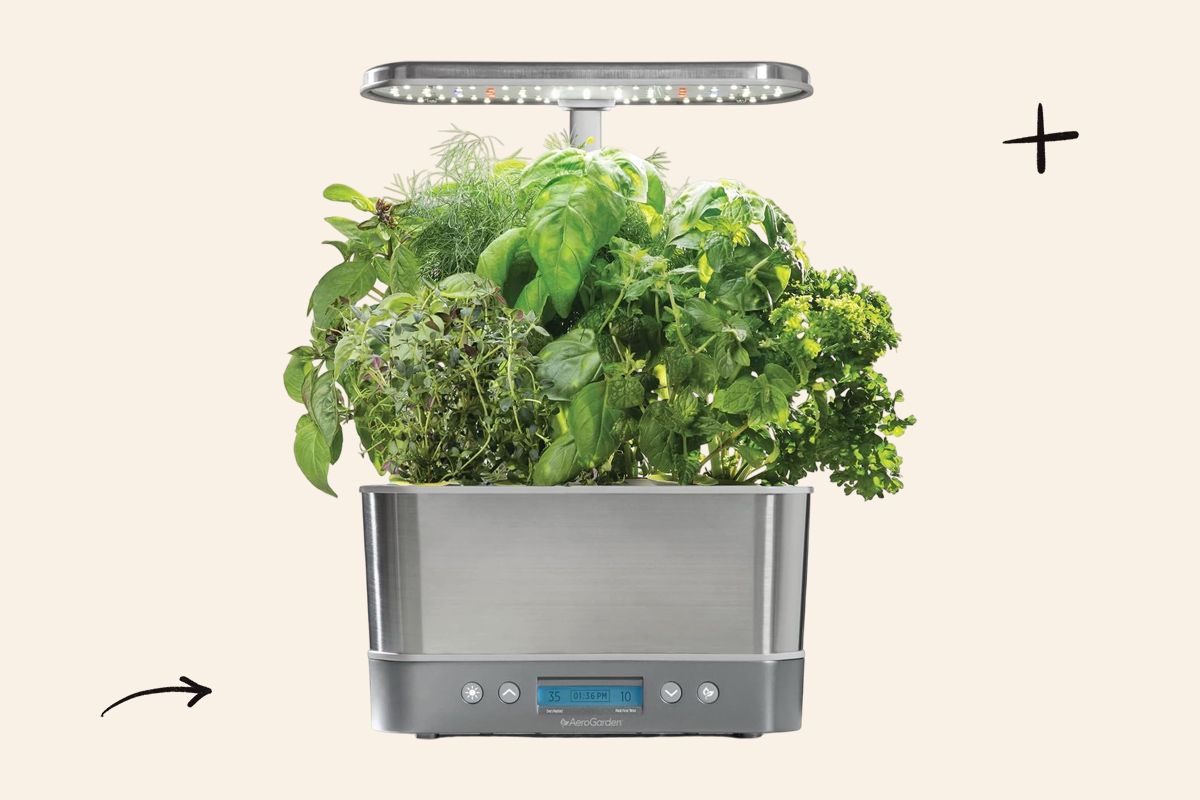
AeroGarden Harvest Elite Hydroponic System

This polished countertop garden offers a more advanced indoor growing experience than the LetPot without overwhelming first-timers. It supports six herbs or greens at a time, each growing in a self-watering pod under a full-spectrum 20-watt LED light. The digital display tells you exactly when to add water and plant food, and there’s even a vacation mode that dials things back while you’re away. It comes with a set of pre-seeded starter pods, including basil, dill, and mint, so you can get growing right out of the box, or branch out later with veggies or flowers. The setup is quick, and the adjustable light hood extends up to 12 inches, giving your plants plenty of room to thrive. Available in several finishes, including a stylish stainless steel option, it’s a great mid-range choice for anyone who wants a low-effort but high-performing hydroponic setup.

BUY FOR $159 AT AMAZON
Advertisement

Feature Image Credit: Switlana Symonenko/ iStock

More From Our Network

Better Report is part of Inbox Studio, an email-first media company. *Indicates a third-party property.

Go Retro With This 1960s Fashion Quiz

Quiz Daily

Go Retro With This 1960s Fashion Quiz

True or False: Are You a Master of U.S. Geography?

Travel Quiz

True or False: Are You a Master of U.S. Geography?

5 Reasons You Can Be Denied Boarding an Airplane

Daily Passport

5 Reasons You Can Be Denied Boarding an Airplane

What Did People Do Before Eyeglasses?

History Facts

What Did People Do Before Eyeglasses?

How To Use a Balloon To Clean Up Dust

House Outlook

How To Use a Balloon To Clean Up Dust

11 Shopping Hacks Costco Members Should Know

FinanceBuzz*

11 Shopping Hacks Costco Members Should Know

Share this article

  • Share to Facebook
  • Share to Twitter
  • Copy Url
  • Share to Email
Rachel Cavanaugh
Writer

Rachel Cavanaugh is a Portland-based freelance writer covering food, lifestyle, travel, fitness, adventure, and the outdoors. She's also a part-time staff commerce writer for BDG (Bustle, Elite Daily, Mic & Inverse). Her work has appeared in Men’s Journal, The Hollywood Reporter, Outdoor Life, MSN, Yahoo, GearJunkie, The Independent, Digital Trends, Travel Oregon, Matador Network and others. She has a background in digital production and brand storytelling and holds a journalism degree from the University of Montana. She loves waist-deep snow, whiskey, late-night Skee-Ball and pajama dance parties.

This article is for general informational purposes only.
Affiliate Disclaimer Medical Disclaimer Financial Disclaimer

Updated: June 3, 2025
Posted In: Home
Hero Image Credit: Better Report
Advertisement

Related Articles

9 Items in Your Basement You Should Toss Right Now

5 min read

5 Vegetables You Should Never Store in the Fridge

3 min read

Why a Flashing Check Engine Light Is Different From a Solid One

3 min read

Why Does Your Sink Have a Tiny Hole?

3 min read

Is Hard Water Ruining Your Clothes?

3 min read
Advertisement

These Gardening Tools Are Kind to Your Body

Ali Eldridge
Home | Updated: April 9, 2025
Better Report

All featured products and deals are selected independently and objectively by the author. Better Report may receive a share of sales via affiliate links in content.

Gardening is an excellent activity for your mental and physical health. It can reduce stress and anxiety, lift your mood, and even improve your attention span. The exercise you get when weeding, lifting pots and bags, raking, and making other outdoor improvements is also immensely beneficial. But gardening can be hard on certain body parts. Your knees and back can feel the strain of weeding and planting. More immediate irritations like prickly weeds and sunburns can also take their toll on your skin. Here are some gardening tools that are kind to your body so you can improve your yard and your health.

Prices are accurate as of April 9, 2025. Subject to change.

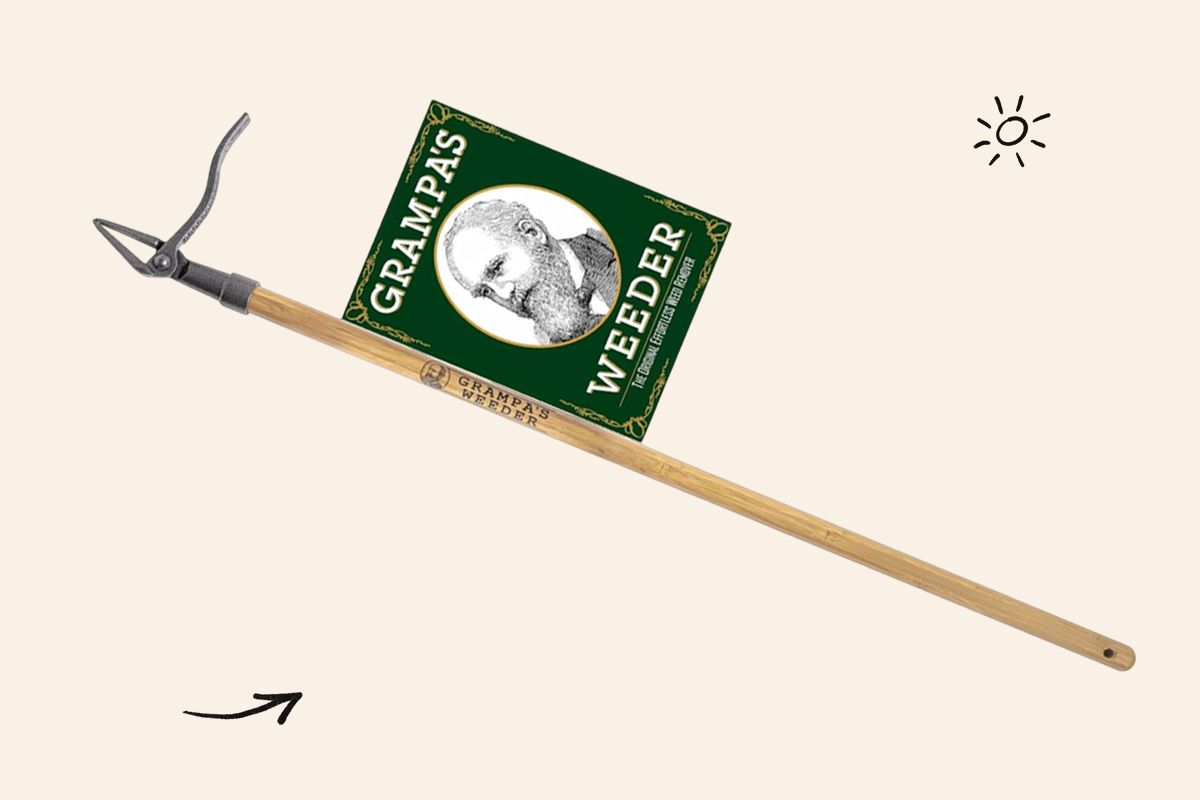
An image of the Grampa's Weeder Stand-Up Weed Puller Tool
Courtesy of Amazon

Grampa’s Weeder Stand-Up Weed Puller Tool

Lessen the strain on your back and knees by weeding standing up instead of hunched over a flower bed. This stand-up weed-puller tool has a four-claw design that works well in softer soils. Center the tool over the weed, press it into the ground, and lean the puller toward the foot brace to pinch and remove the weed. This tool has been around since 1913 and is made by a family-owned company in the Pacific Northwest.

BUY FOR $40 AT AMAZON
An image of the Multifunctional Garden Kneeling Bench
Courtesy of Amazon

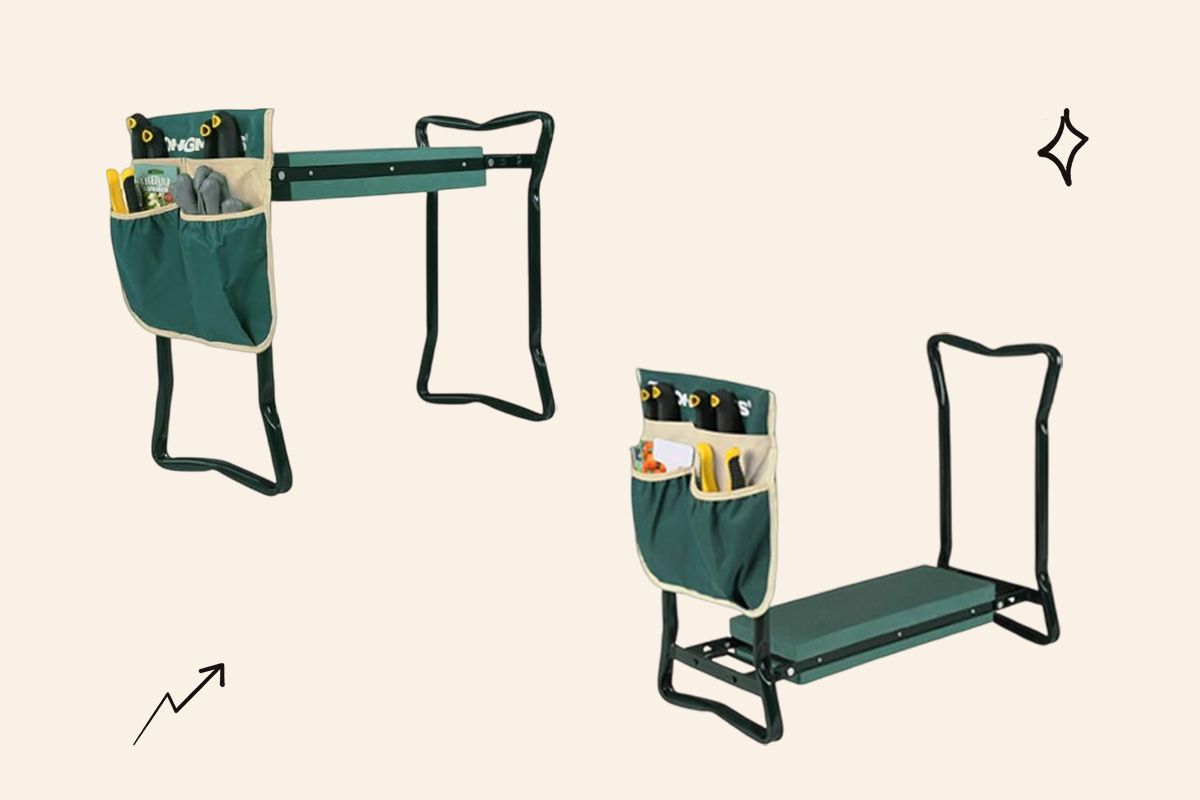
Multifunctional Garden Kneeling Bench

This garden kneeler is reversible. Place it on its legs, and it’s a gardening seat, so you can easily plant in pots or trim hedges while sitting. Flip it upside-down, and it’s a cushioned kneeler to protect your knees while you’re closer to the ground. It has a side tool pouch so you can keep all your gardening supplies close at hand.

BUY FOR $40 AT AMAZON
Advertisement
Advertisement
An image of Cowhide Leather Puncture-Resistant Gardening Gloves
Courtesy of Amazon

Cowhide Leather Puncture-Resistant Gardening Gloves

Not all of the gardening that’s rough on your body is because of aches and pains. Some tasks lend themselves to pokes and cuts or other minor injuries. These puncture-resistant gardening gloves protect your hands while pulling prickly weeds or pruning thorny roses. The gloves also have touchscreen-friendly thumbs and forefingers, plus extra padding on the palms.

BUY FOR $10 AT AMAZON
Advertisement
An image of Long Pruning Gloves
Courtesy of Amazon

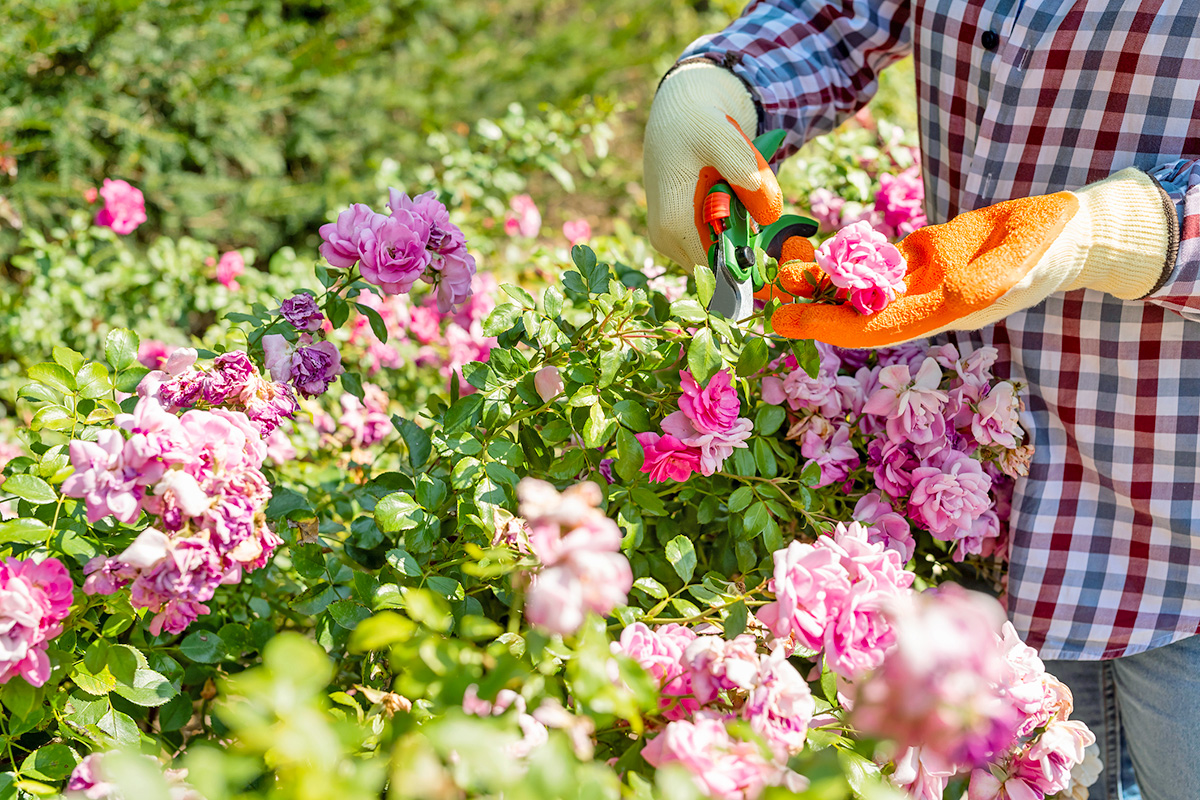
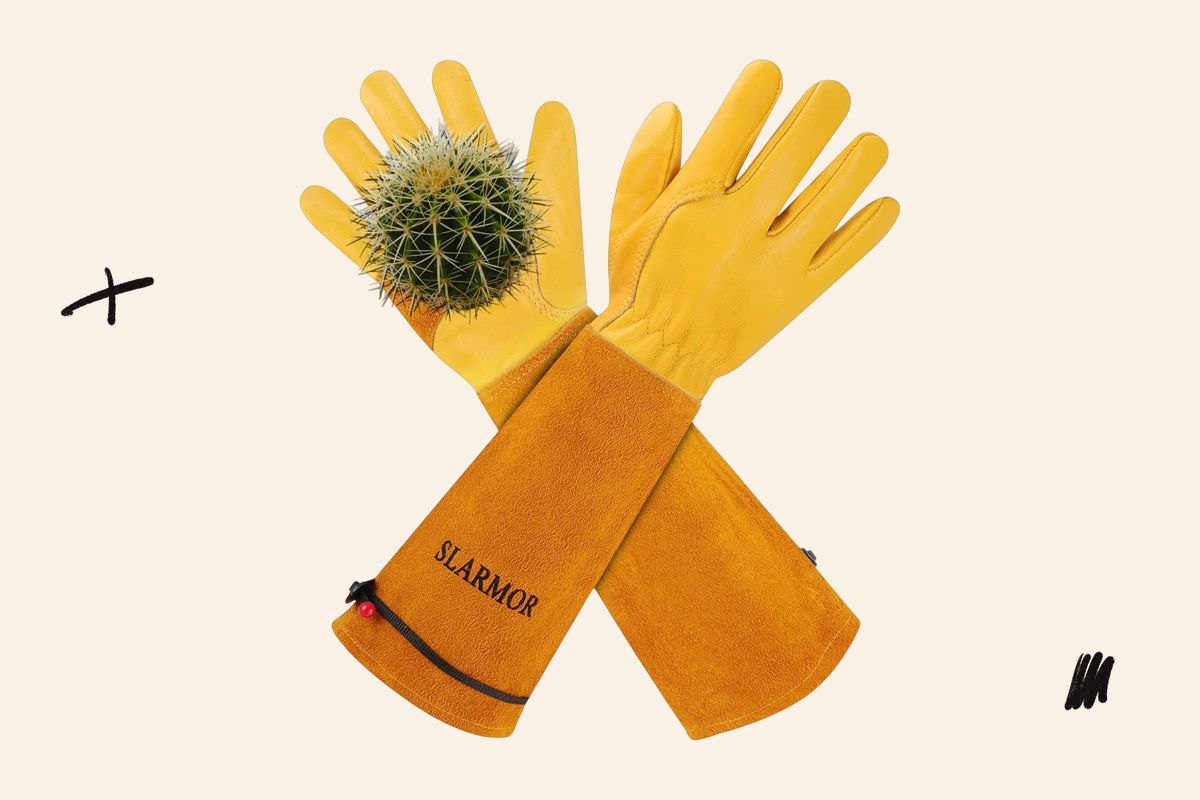
Long Pruning Gloves

You might need even more protection while you’re dealing with sharp thorns. Pruning rosebushes, blackberries, or other plants with thorns and brambles can leave you with tons of tiny cuts or punctures. These long pruning gloves protect not just your hands but your forearms as well. They’re made from cowhide leather, so they’re soft to the touch but tough for thorns to penetrate. The gloves are also breathable, so your hands won’t overheat on a warm day in the yard.

BUY FOR $26 AT AMAZON

Recommended Articles

  • 5 Things To Ask Your Doctor About the New Flu Shot

  • Is Sourdough Actually Healthier Than Regular Bread?

  • Do You Really Need a Bidet in Your Home?

  • Is It Actually Better To Lease a Car?

Advertisement
Advertisement

Reader Favorites

  • Woman looking in fridge

    9 Foods You Should Toss ASAP if They’re Expired

  • Person eating salad

    7 Things a Chef Never Orders at a Restaurant

  • Cherry angioma

    Are the Tiny Red Dots on Your Skin Dangerous?

An image of Fiskars Bypass Pruning Shears
Courtesy of Amazon

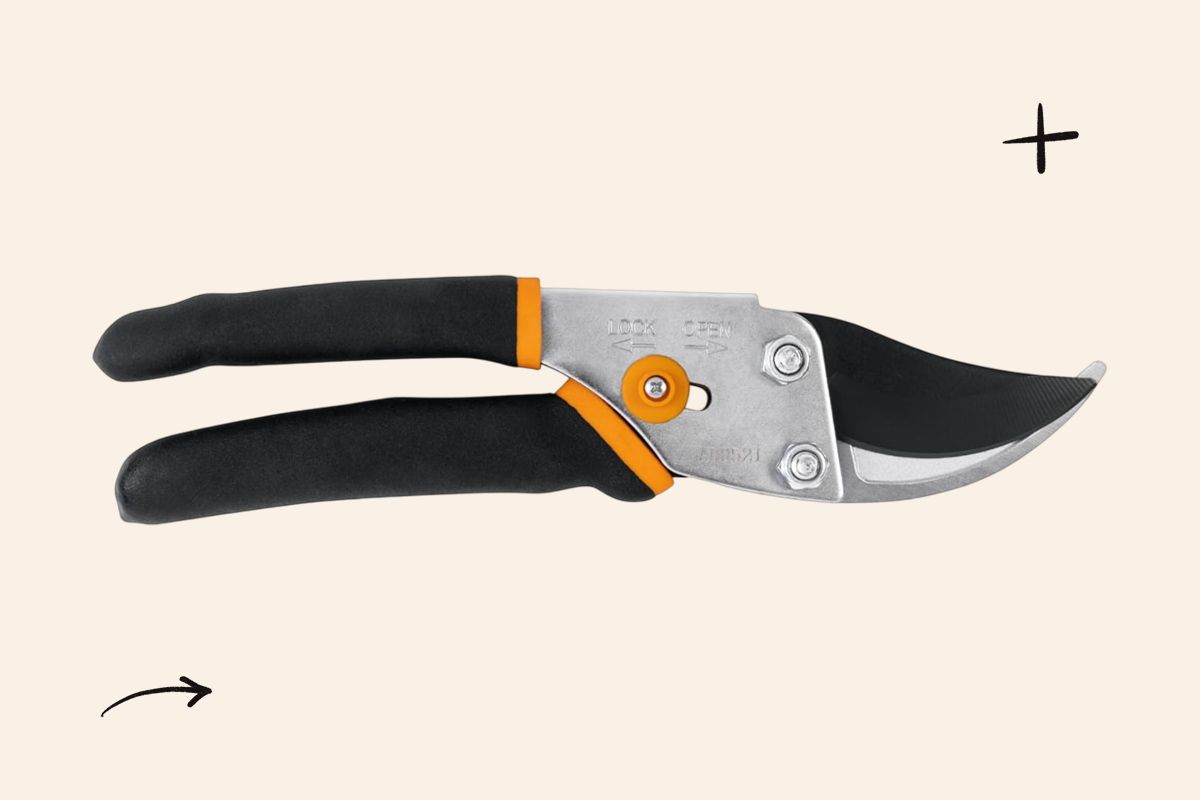
Fiskars Bypass Pruning Shears

The Fiskars brand is known for crafting ergonomic hand tools that are easy to use. These gardening shears have a low-friction blade coating to make smooth cuts, and the blades stay sharp if the shears are cared for. The padded handle is also comfortable, making this a great tool to reduce hand fatigue while gardening.

BUY FOR $14 AT AMAZON
An image of CobraHead Weeder & Cultivator Garden Hand Tool
Courtesy of Amazon

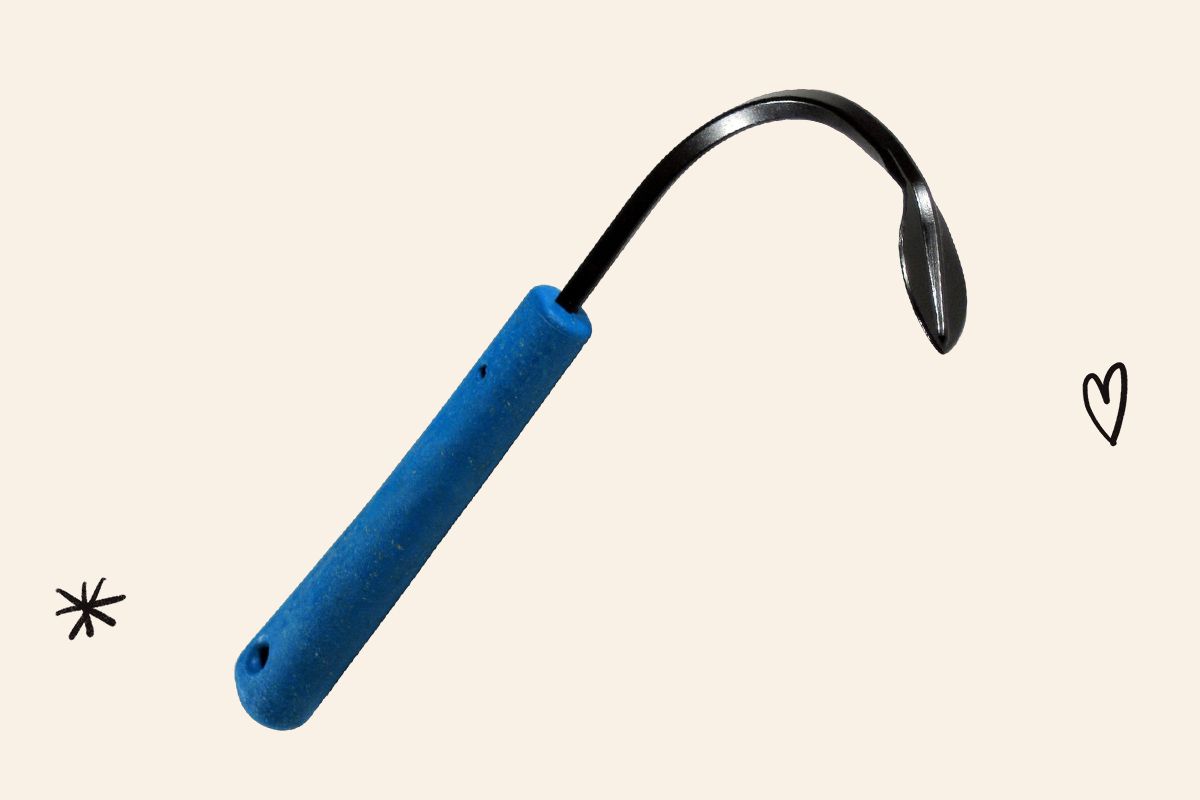
CobraHead Weeder & Cultivator Garden Hand Tool

This weeding tool was ergonomically designed by fellow gardeners who are well-acquainted with the challenges of yard work. The curved tool can be used for a variety of gardening tasks, helping with digging, weeding, and planting. The grip is comfortable, and it’s lightweight, so it won’t cause undue strain on your hands.

BUY FOR $35 AT AMAZON
Advertisement
Advertisement
An image of Fiskars 3-in-1 Garden Tool Set
Courtesy of Amazon

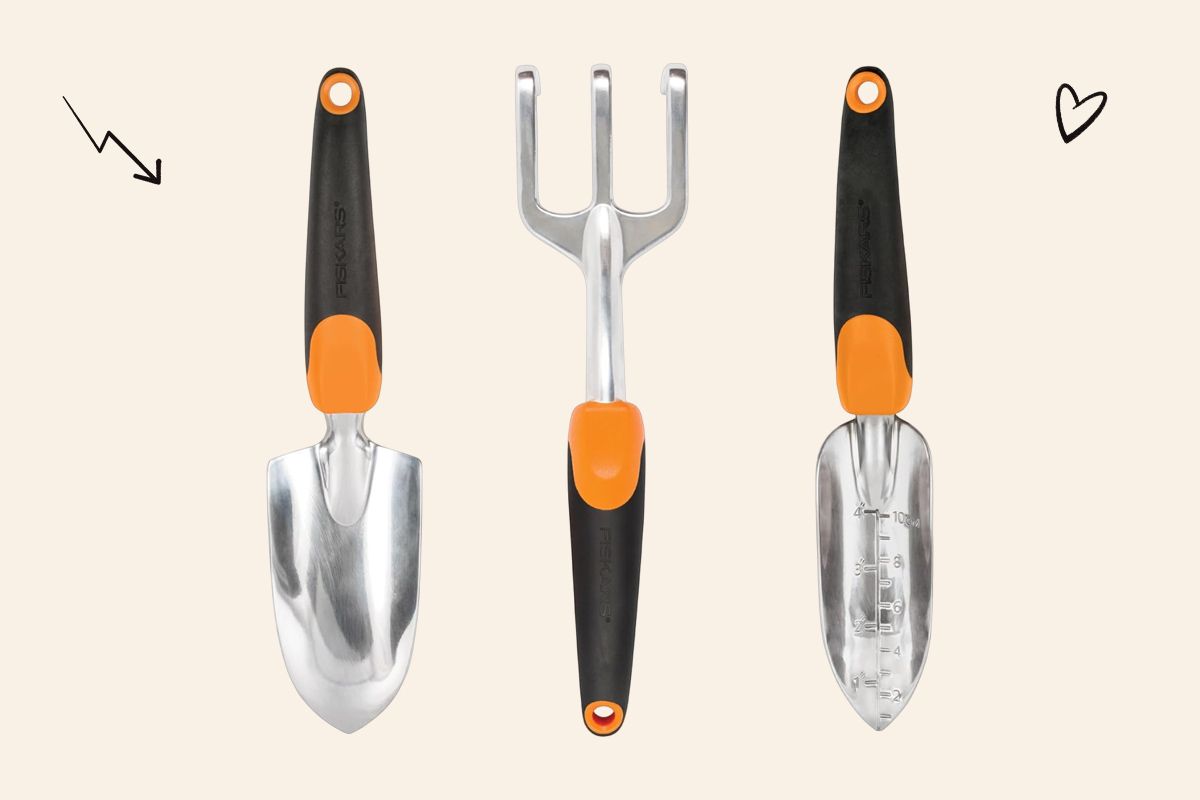
Fiskars 3-in-1 Garden Tool Set

This set of essential gardening tools features SoftGrip handles that allow you to hold each one comfortably. The set comes with a trowel, a cultivator that looks like a small rake, and a transplanter so you can easily dig, weed, turn up soil for a new bed, or transplant flowers. The cast aluminum tools hold up well to rust and general gardening wear and tear and come with a lifetime warranty.

BUY FOR $19 AT AMAZON
An image of Radius Garden Ergonomic Hand Tool Set
Courtesy of Amazon

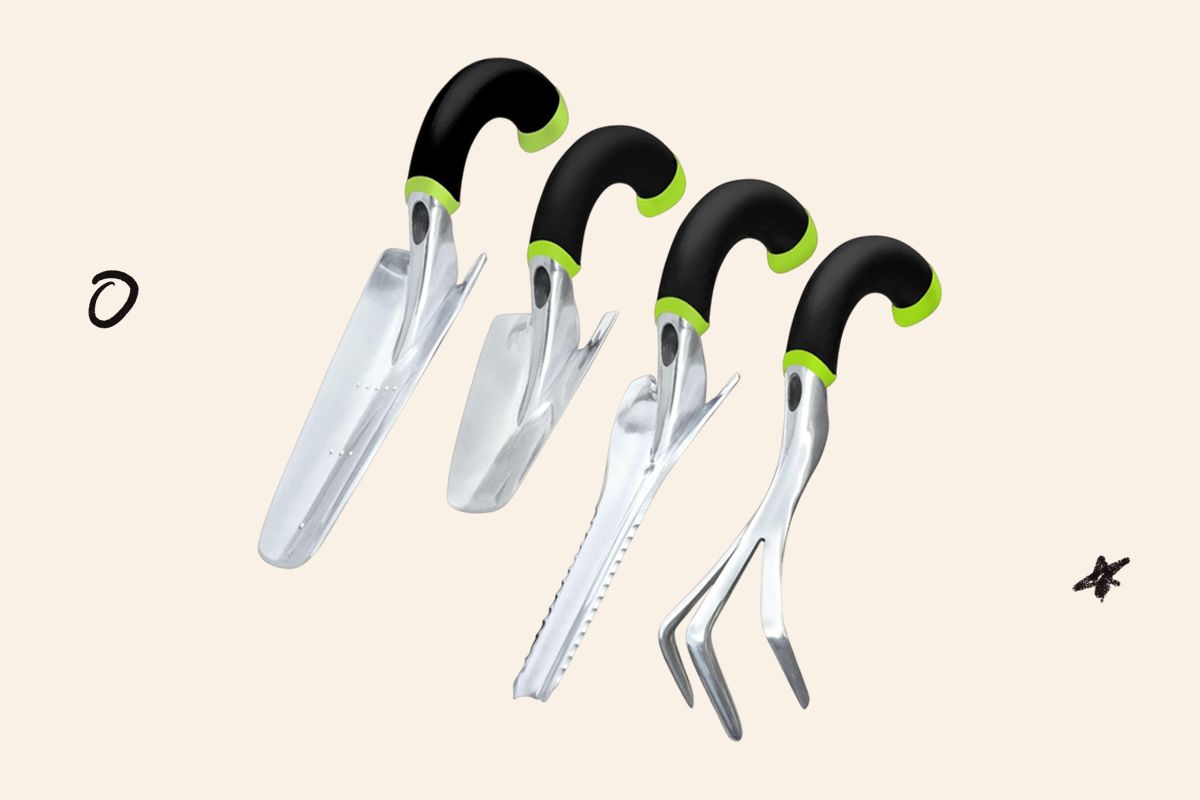
Radius Garden Ergonomic Hand Tool Set

Like the Fiskars set, this ergonomic hand tool set comes with a trowel, a transplanter, and a cultivator for easy gardening, and it also includes a fourth: a weeder. The rounded grip on these award-winning tools reduces pressure and stress on hands and wrists. The cushioned handles provide extra comfort as well.

BUY FOR $40 AT AMAZON
An image of UPF 50+ Beach Hat
Courtesy of Amazon

UPF 50+ Beach Hat

Your skin is the largest organ and certainly deserves to be protected as much as your other body parts. This beach hat offers generous coverage for your head, face, and neck and keeps you cool with a sweatband and mesh vents. The chin strap can be tightened to keep the hat from blowing off in windy weather. It comes in a few neutral colors, depending on your style.

BUY FOR $20 AT AMAZON
Advertisement

Feature Image Credit: alfexe/ iStock

More From Our Network

Better Report is part of Inbox Studio, an email-first media company. *Indicates a third-party property.

Go Retro With This 1960s Fashion Quiz

Quiz Daily

Go Retro With This 1960s Fashion Quiz

True or False: Are You a Master of U.S. Geography?

Travel Quiz

True or False: Are You a Master of U.S. Geography?

5 Reasons You Can Be Denied Boarding an Airplane

Daily Passport

5 Reasons You Can Be Denied Boarding an Airplane

What Did People Do Before Eyeglasses?

History Facts

What Did People Do Before Eyeglasses?

How To Use a Balloon To Clean Up Dust

House Outlook

How To Use a Balloon To Clean Up Dust

11 Shopping Hacks Costco Members Should Know

FinanceBuzz*

11 Shopping Hacks Costco Members Should Know

Share this article

  • Share to Facebook
  • Share to Twitter
  • Copy Url
  • Share to Email
Ali Eldridge

This article is for general informational purposes only.
Affiliate Disclaimer Medical Disclaimer Financial Disclaimer

Updated:
Posted In: Home
Hero Image Credit: Better Report
Advertisement

Related Articles

9 Items in Your Basement You Should Toss Right Now

5 min read

5 Vegetables You Should Never Store in the Fridge

3 min read

Why a Flashing Check Engine Light Is Different From a Solid One

3 min read

Why Does Your Sink Have a Tiny Hole?

3 min read

Is Hard Water Ruining Your Clothes?

3 min read
Advertisement

Everything You Need to Become the Houseplant Parent of Your Dreams

Home | Updated: November 12, 2024
Rachael Green
Author
Rachael is a freelance writer and digital nomad, with articles appearing in CBS News, VeryWell Mind, Travel and Leisure, and more. In addition to being a writer, she is a self-taught gardener with a passion for native plants, foodscaping, and anything that gives her an excuse to spend time in her garden. Currently based in Atlanta, she has hopped from city to city over the past decade, with stints living in Lund, Vienna, and New York, but she's still a Californian at heart. During that time, she's written about travel, food, sports, mental health, and more for a variety of outlets.
Better Report

All featured products and deals are selected independently and objectively by the author. Better Report may receive a share of sales via affiliate links in content.

If you’ve dreamed of filling your home with lush greenery and cheery flowers, only to watch every houseplant you’ve ever bought die seemingly the second it enters your home, you’re not alone. Potted plants are a great way to add life and texture to your interior décor, but they’re also more challenging to care for than those growing directly in the ground. That’s because they depend entirely on you to artificially create the perfect environment for them to thrive, from lighting and airflow to soil texture and nutrition. Whether this is your first attempt or your 100th, use these 10 items to make this the year you finally keep a houseplant alive. 

Prices are accurate as of November 12, 2024. Subject to change.

An image of the Marphyl Organic Liquid Fertilizer
Courtesy of Amazon

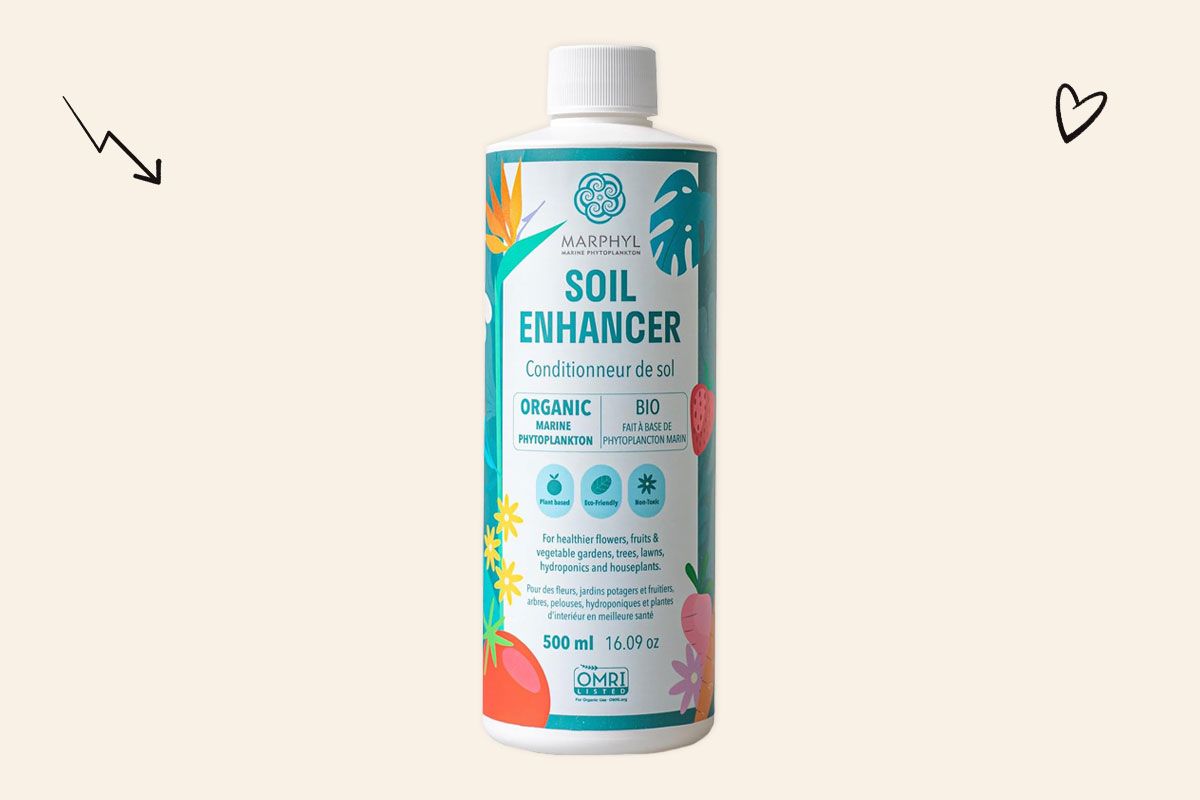
Marphyl Organic Liquid Fertilizer

Aside from nailing down the right watering schedule, feeding your plants is the most important step to ensuring they can thrive and grow. Standard potting soils typically prioritize drainage and texture of nutrient content. Some don’t even contain a speck of soil to speak of. That means you need to supplement with a high-quality fertilizer as often as once a month, depending on the plant. 

This organic liquid fertilizer makes that easy. Simply add the right ratio of fertilizer and water to your watering can and then water your plants as normal. The 16-ounce bottle makes over 2.5 gallons when diluted to the correct ratio, so it will last years, even for the hungriest houseplants. Made from marine phytoplankton, it contains both essential and trace nutrients that plants need. Since it’s organic rather than synthetic, there’s also less risk of fertilizer burn — the damage done to a plant when it absorbs toxic levels of certain nutrients.

BUY FOR $15 AT AMAZON
Advertisement
An image of the Aquameter Plant Soil Moisture Sensor
Courtesy of Amazon

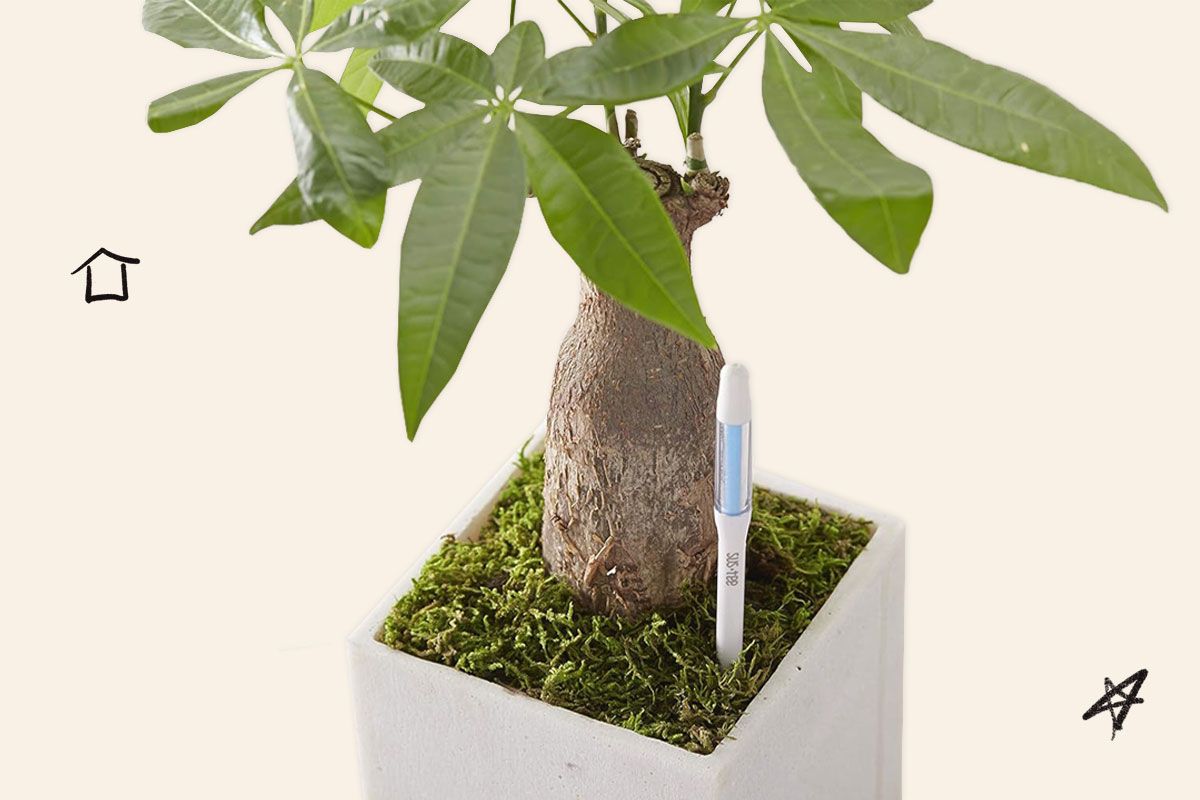
Aquameter Plant Soil Moisture Sensor

While new gardeners try to stick to a rigid watering schedule, plants don’t abide by our calendars. Watering every Monday could be too much one week and not enough the next week. That’s because what matters is soil moisture. During humid periods, the soil won’t dry out as quickly so you should water less. During drier periods, it dries out faster so you should water more to make up for it. 

This pack of five moisture sensors takes the guesswork out of watering. Just stick one into the soil of each potted plant you have and leave it there. If the indicator is blue, the soil is moist and doesn’t need water. If it turns white, the soil is dry. This makes it easy to tell at a glance which of your plants need water and which don’t so you never overwater or underwater again. 

BUY FOR $24 (5 PACK) AT AMAZON
An image of the Frenan Grow Lights
Courtesy of Amazon

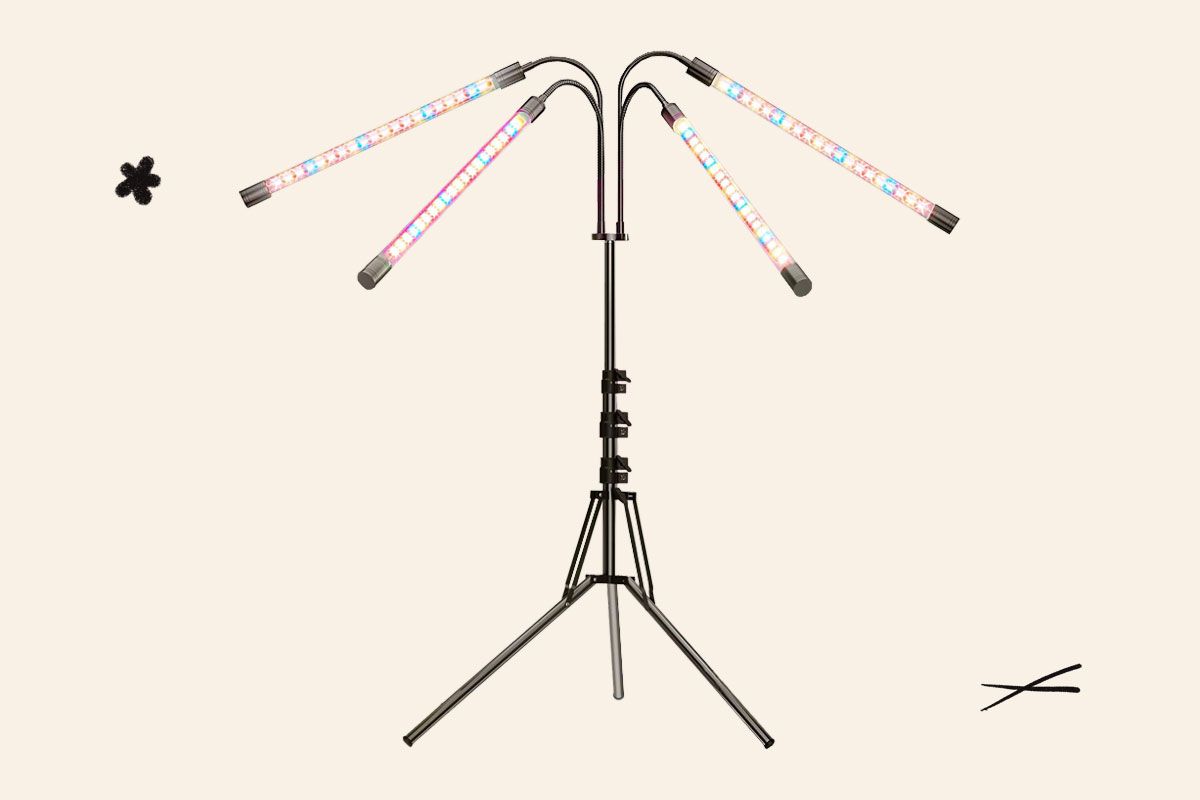
Frenan Grow Lights

Plants need sunlight to survive. Even the most shade-tolerant species need at least some filtered daylight to get by. For indoor plants near windows with minimal natural light exposure, you need to supplement with what I call “light baths.” 

Using this full-spectrum grow light, you can provide as much artificial sunlight as your plants need. With four LED light bars on bendable arms and an adjustable stand, it’s easy to maneuver this to cover multiple plants at once. Then, set the timer and you’re good to go. This is a convenient option for plants that already get most of their light needs from a nearby window and just need the occasional “light bath” to make up for the shorter days of winter.

BUY FOR $32 AT AMAZON
Advertisement
Advertisement
An image of the Rocoking Grow Light Panels
Courtesy of Amazon

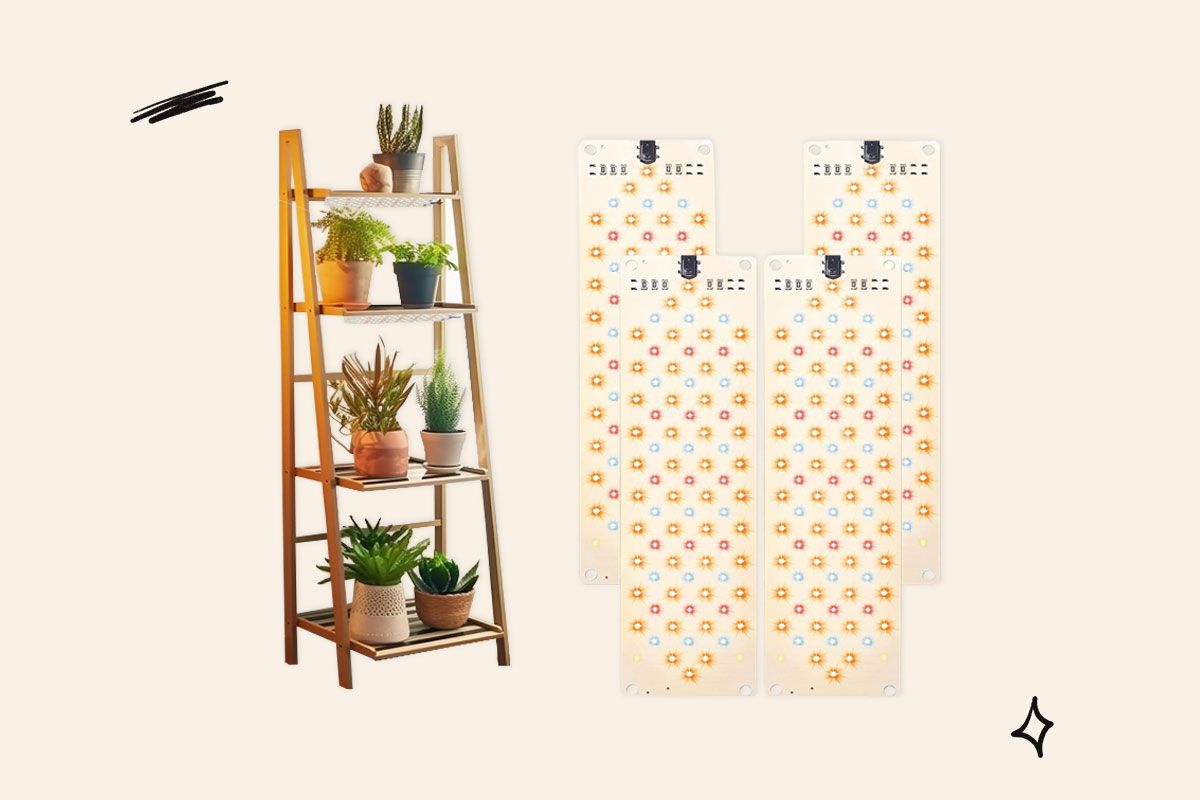
Rocoking Grow Light Panels

For those indoor plants that are nowhere near a window, you’ll need to provide all of their light needs with grow lights. Instead of setting up tripod lights every day, try permanently mounting these full spectrum light panels above the plant instead. These are ultra-thin so you can mount them to the underside of a shelf or cabinet without them being noticeable. Then, plug it in, set your timer, and forget about it. The timer can be set to stay lit for either three, nine, or 12 hours so you can adjust based on the specific needs of your plants.

BUY FOR $33 (4 PACK) AT AMAZON
Advertisement
An image of the Qilebi Watering Can
Courtesy of Amazon

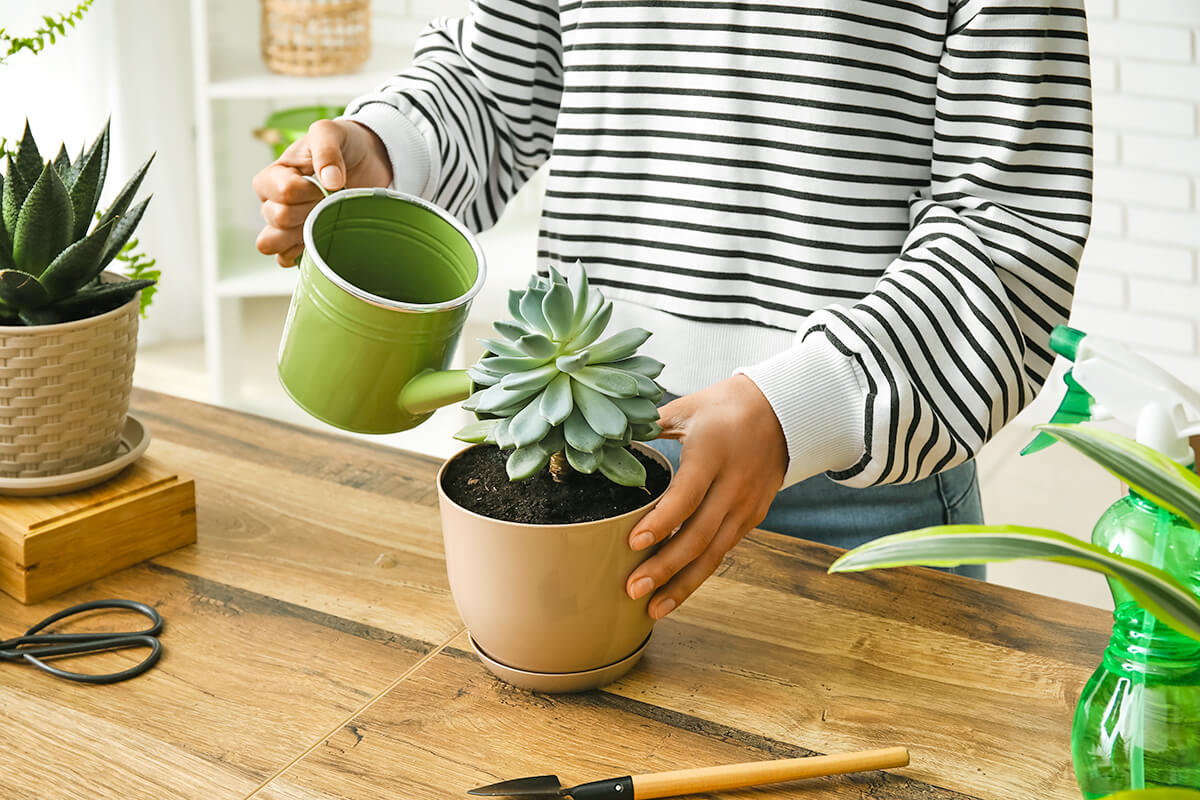
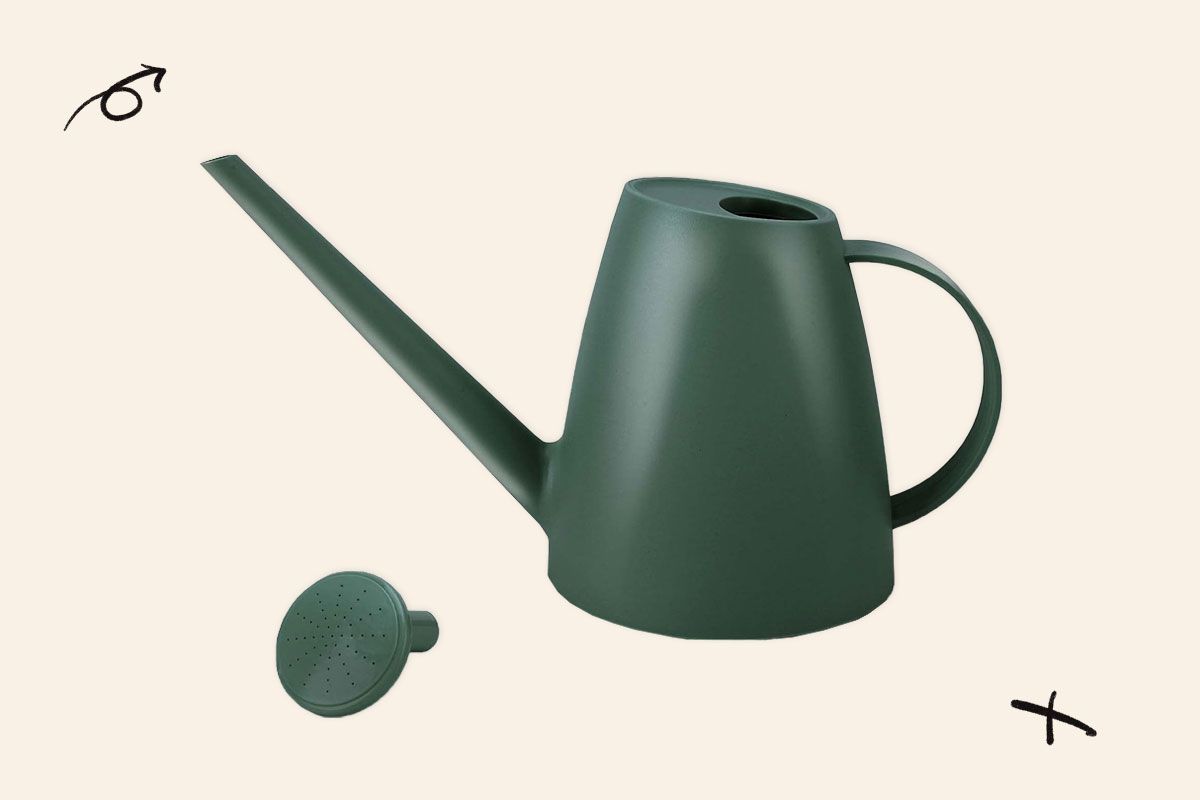
Qilebi Watering Can

Just about any container that can hold water will work as a watering can in a pinch. But, I like this watering can, in particular, because it has a long, thin spout. It’s convenient for navigating between leaves or branches to aim the water directly at the soil, without splashing any on the leaves. Being able to water your plants without actually getting the plant wet is one of the best ways to avoid powdery mildew and other diseases that plague the perpetually damp houseplants. This watering can also comes with a removable spray nozzle for the occasional plant that actually prefers overhead watering.

BUY FOR $14 AT AMAZON
An image of a pack of Mosquito Dunks
Courtesy of Amazon

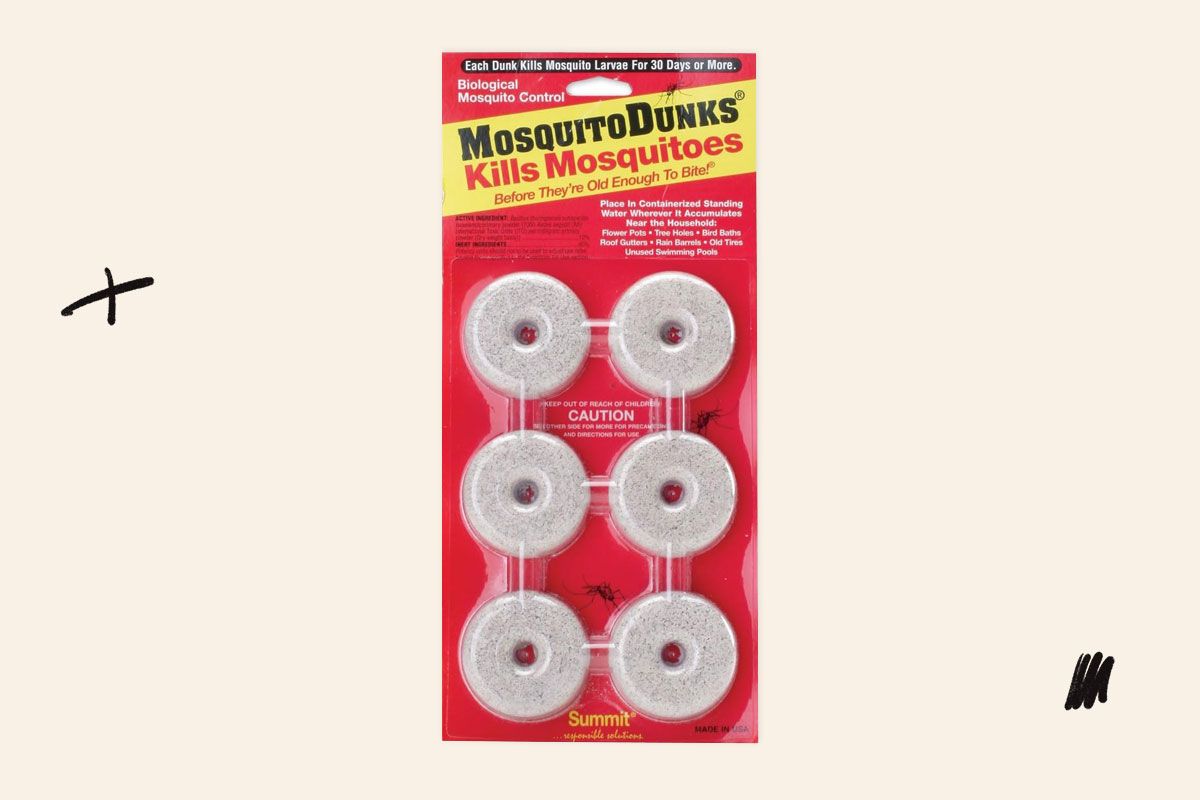
Mosquito Dunks

Not every aspiring plant parent is prepared for the sudden increase in mosquitoes, gnats, and other tiny pests that can be attracted to your new houseplant collection. While you’ll find plenty of insecticide options on the market, one of the easiest and safest is the BTI found in these Mosquito Dunks. BTI is a species of bacteria that kills larvae before they have a chance to grow into mosquitoes. It also kills the larvae of fungus gnats and black flies. Aside from those pests, it’s completely harmless to plants, animals, and people. 

For the self-watering pots mentioned below, I drop a piece of Mosquito Dunk into the reservoir every month or so. But you can also try soaking a piece in your watering can for about 24 hours, and then use that treated water on your plants to saturate the soil with pest-killing bacteria. Do this every time you water for consistent prevention.

BUY FOR $10 AT AMAZON

Recommended Articles

  • 5 Things To Ask Your Doctor About the New Flu Shot

  • Is Sourdough Actually Healthier Than Regular Bread?

  • Do You Really Need a Bidet in Your Home?

  • Is It Actually Better To Lease a Car?

Advertisement
Advertisement

Reader Favorites

  • Woman looking in fridge

    9 Foods You Should Toss ASAP if They’re Expired

  • Person eating salad

    7 Things a Chef Never Orders at a Restaurant

  • Cherry angioma

    Are the Tiny Red Dots on Your Skin Dangerous?

An image of the Fiskars Micro-Tip Pruning Shears
Courtesy of Amazon

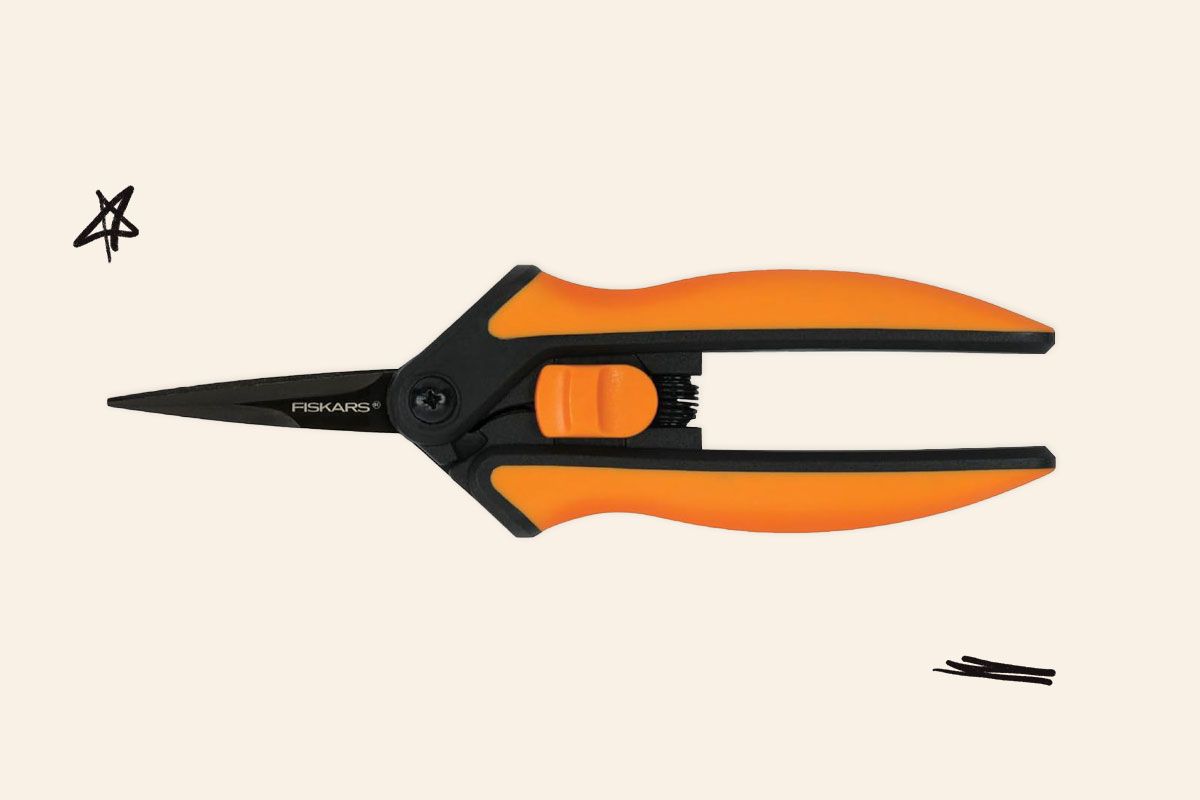
Fiskars Micro-Tip Pruning Shears

Even if your plants are relatively well-behaved and slow-growing, it’s important to have a trusty pair of pruning shears like these on hand. If a disease develops on one part of the plant, you can use the shears to quickly trim it away before it spreads to the rest of the plant. They’re also good for trimming back old or dead leaves and flowers to encourage new growth. These shears, in particular, are great because of how precise they are. It’s easy to snip off just the leaf or branch I’m aiming at without accidentally lopping off nearby leaves and branches.

BUY FOR $15 AT AMAZON
An image of the Gaiatop Mini Portable Stroller Fan
Courtesy of Amazon

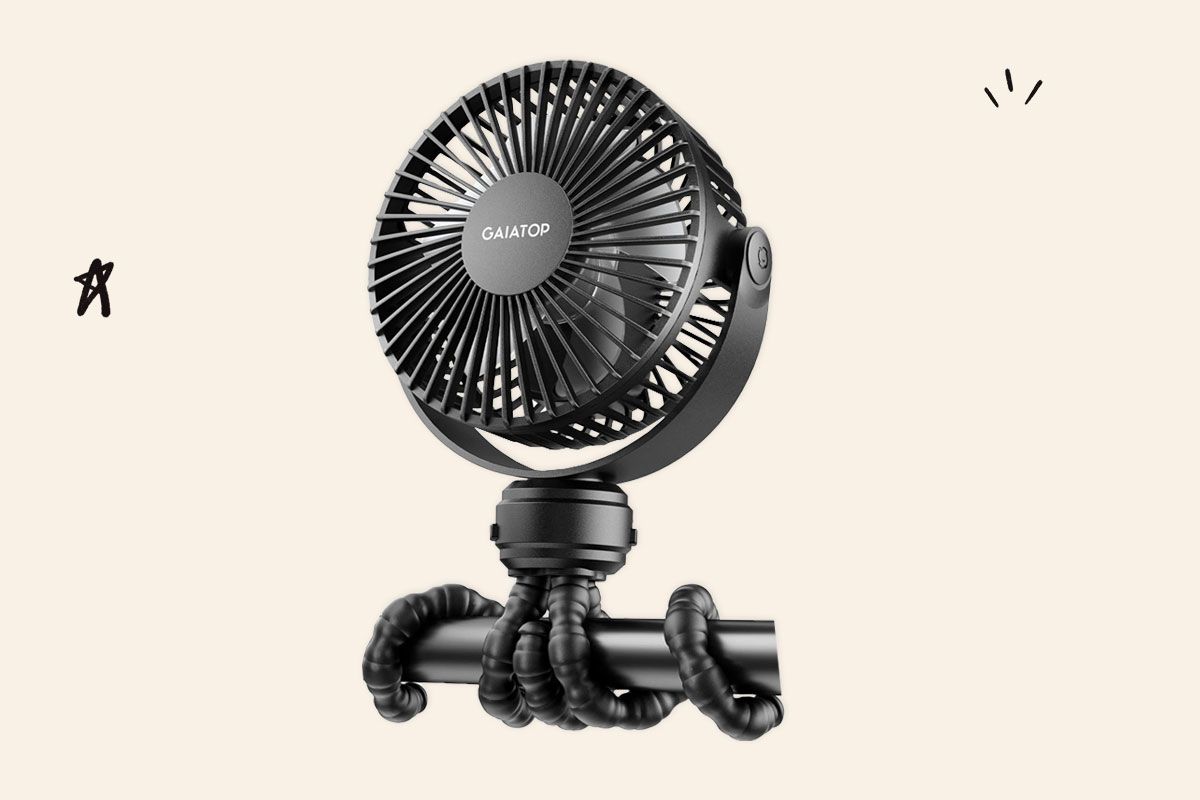
Gaiatop Mini Portable Stroller Fan

You might be wondering what a stroller fan is doing on a list of houseplant accessories. The short answer is mildew. When plants are indoors, they aren’t getting the airflow that comes with the breezes and winds they experience outdoors. This means that humidity can build up around the leaves and soil, even if you’re really careful about not splashing when you water your plants. Humidity and warm air are a recipe for diseases like powdery mildew and fungal spots. It’s also a prime environment for mosquitoes and gnats. This handy little stroller fan is easy to mount just about anywhere so you can make sure air is circulating even in those nooks and crannies between dense layers of foliage. 

BUY FOR $17 AT AMAZON
Advertisement
An image of the Ynnico Self-Watering Plant Pots
Courtesy of Amazon

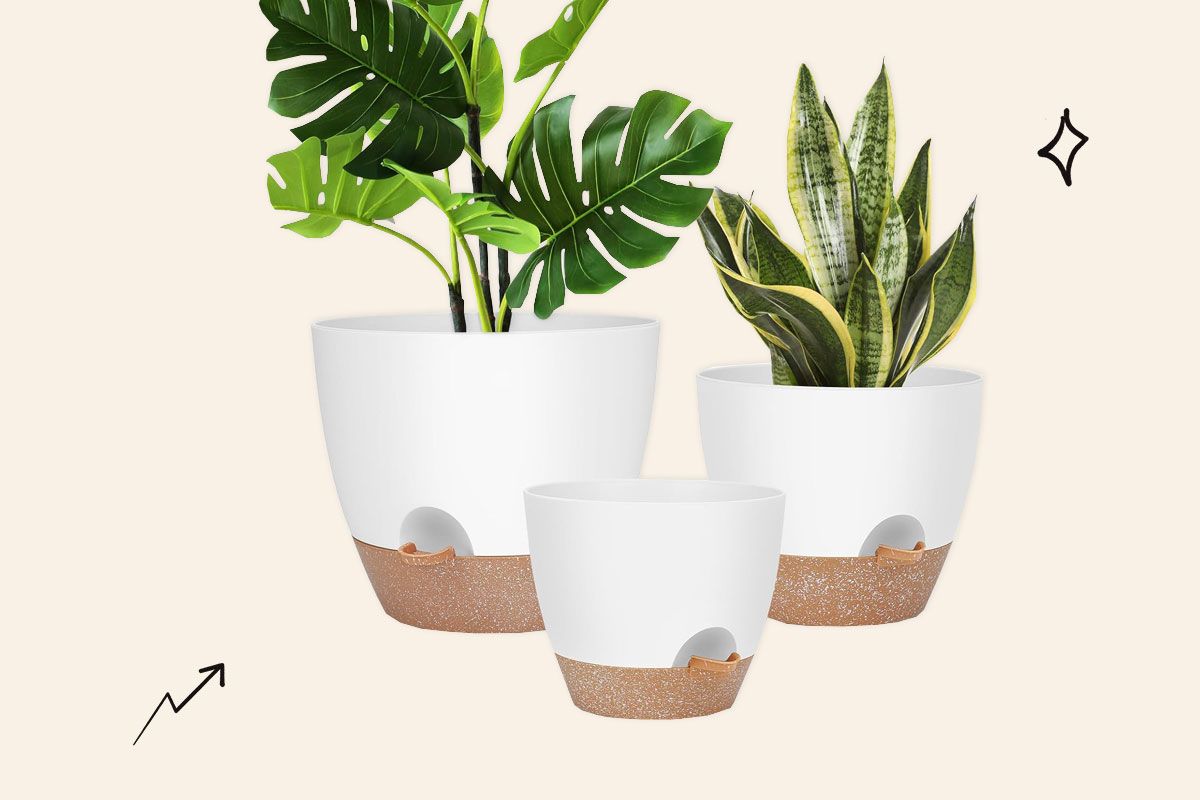
Ynnico Self-Watering Plant Pots

These self-watering pots are a game changer for the most finicky plants. If it’s a melodramatic species that absolutely cannot be allowed to dry out, but will also perish instantly if overwatered, this is the pot it should be growing in. Instead of checking moisture levels religiously, just top off the reservoir at the bottom with water as needed. The mesh layer between the reservoir and the pot allows the soil to be continuously re-moistened from the bottom up without ever getting soggy. 

BUY FOR $33 (3 PACK) AT AMAZON
Advertisement
Advertisement
An image of a Repotting Mat
Courtesy of Amazon

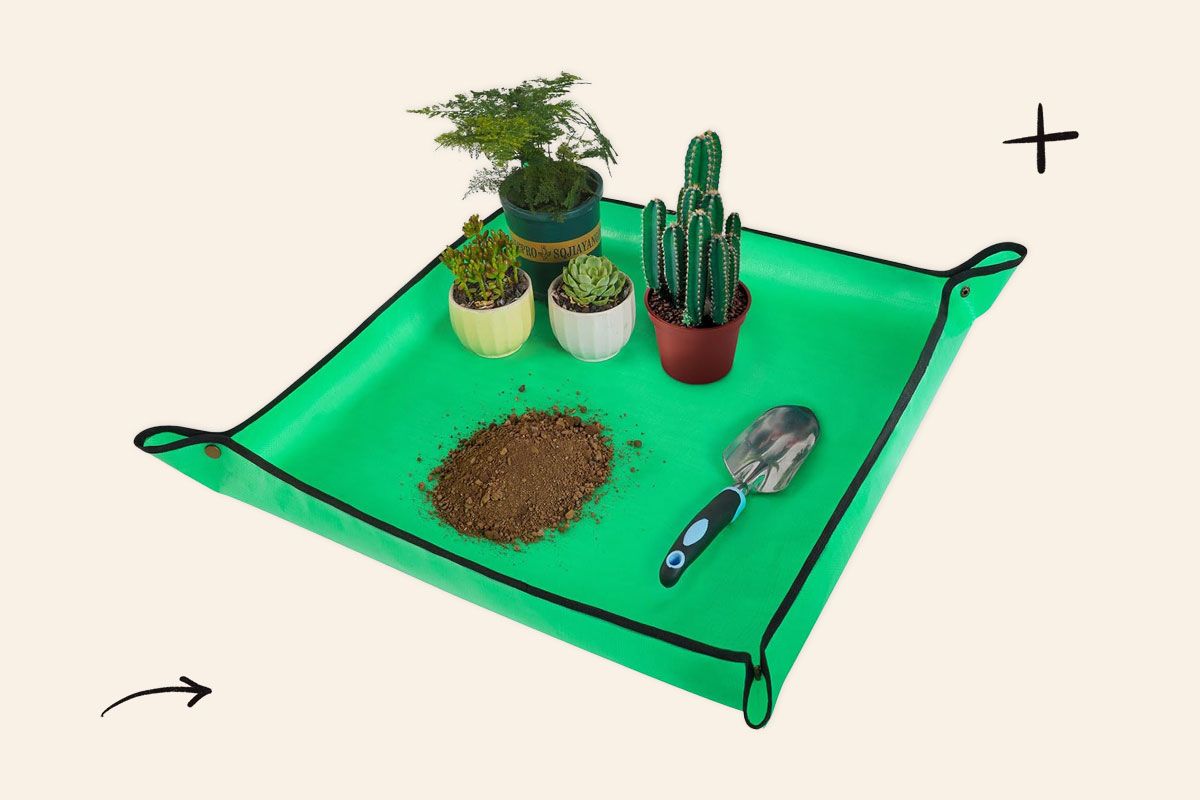
Repotting Mat

Now that your plants are thriving, they’re also going to be growing. Eventually, they’ll outgrow their current pot and need to be moved to something bigger. Even for slow-growing species, it’s still a good idea to periodically dump the old soil and replace with fresh soil. In both cases, you’re going to get dirt everywhere. So, if you can’t do this outdoors, get this repotting mat. It’s less than $10 and it’s going to cut your cleanup time in half. The foldable mat has raised edges that help keep the dirt off of your floor so when you’re done repotting, you can simply dump the contents into the trash and be done. 

BUY FOR $6 AT AMAZON

Feature Image Credit: Pixel-Shot/ Shutterstock

More From Our Network

Better Report is part of Inbox Studio, an email-first media company. *Indicates a third-party property.

Go Retro With This 1960s Fashion Quiz

Quiz Daily

Go Retro With This 1960s Fashion Quiz

True or False: Are You a Master of U.S. Geography?

Travel Quiz

True or False: Are You a Master of U.S. Geography?

5 Reasons You Can Be Denied Boarding an Airplane

Daily Passport

5 Reasons You Can Be Denied Boarding an Airplane

What Did People Do Before Eyeglasses?

History Facts

What Did People Do Before Eyeglasses?

How To Use a Balloon To Clean Up Dust

House Outlook

How To Use a Balloon To Clean Up Dust

11 Shopping Hacks Costco Members Should Know

FinanceBuzz*

11 Shopping Hacks Costco Members Should Know

Share this article

  • Share to Facebook
  • Share to Twitter
  • Copy Url
  • Share to Email
Rachael Green
Writer

Rachael is a freelance writer and digital nomad, with articles appearing in CBS News, VeryWell Mind, Travel and Leisure, and more. In addition to being a writer, she is a self-taught gardener with a passion for native plants, foodscaping, and anything that gives her an excuse to spend time in her garden. Currently based in Atlanta, she has hopped from city to city over the past decade, with stints living in Lund, Vienna, and New York, but she's still a Californian at heart. During that time, she's written about travel, food, sports, mental health, and more for a variety of outlets.

This article is for general informational purposes only.
Affiliate Disclaimer Medical Disclaimer Financial Disclaimer

Updated: November 8, 2024
Posted In: Home
Hero Image Credit: Better Report
Advertisement

Related Articles

9 Items in Your Basement You Should Toss Right Now

5 min read

5 Vegetables You Should Never Store in the Fridge

3 min read

Why a Flashing Check Engine Light Is Different From a Solid One

3 min read

Why Does Your Sink Have a Tiny Hole?

3 min read

Is Hard Water Ruining Your Clothes?

3 min read
Advertisement

Can Golf Balls Help Your Plants Grow?

Ali Eldridge
Home | Updated: July 10, 2024
Person putting a plant in a potter
Better Report

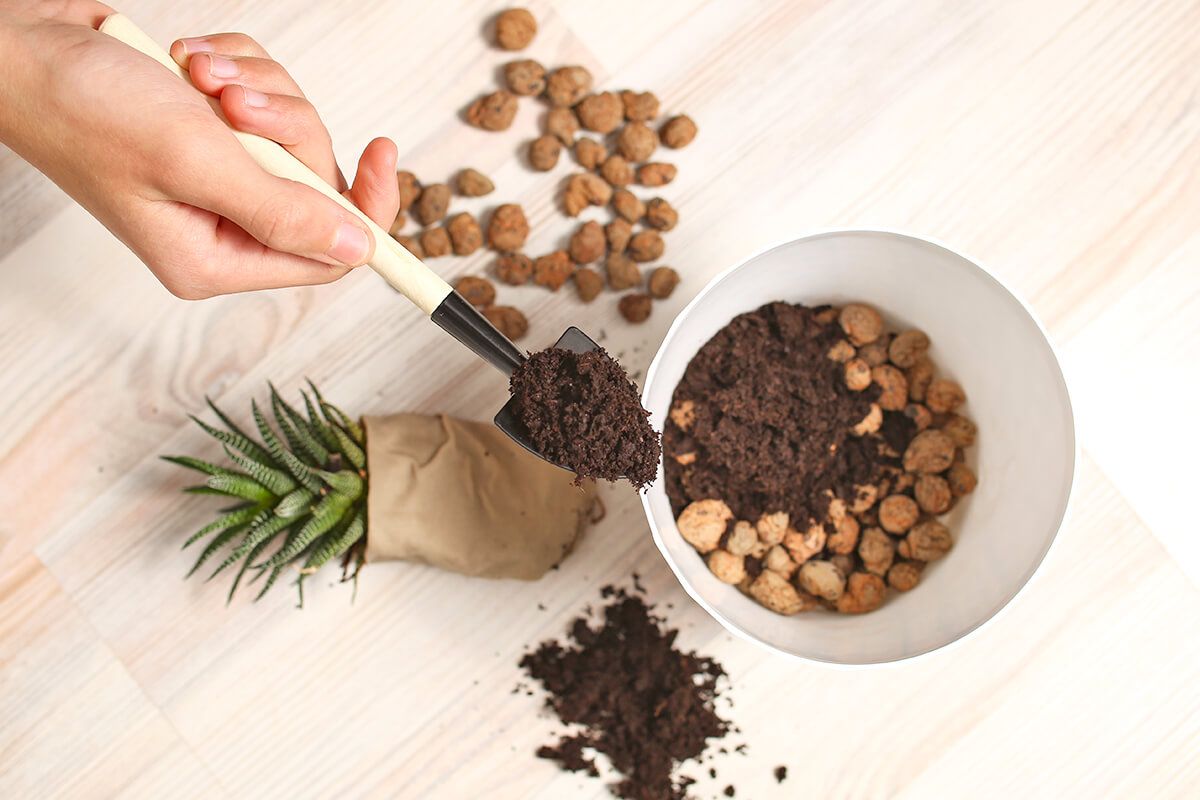
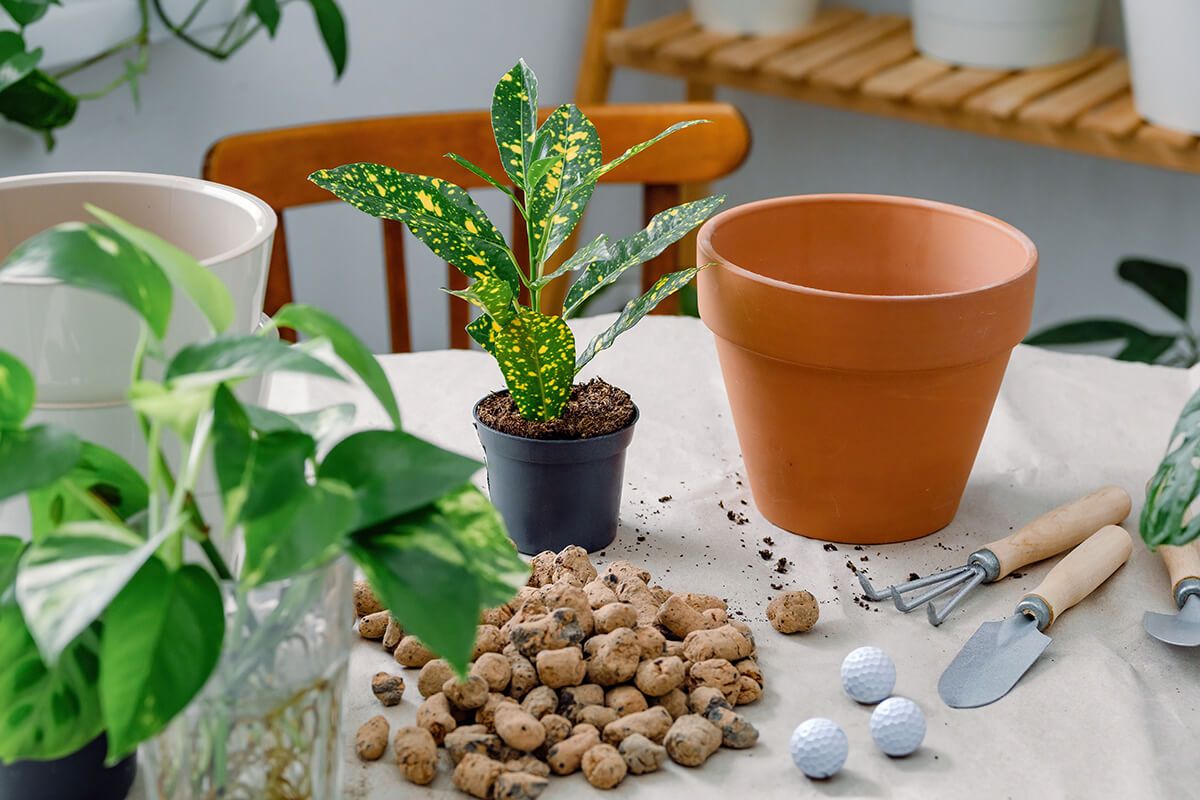
Gardeners are particularly creative when it comes to getting the earliest buds and biggest blooms. There’s no shortage of tips and tricks available in gardening magazines, online, and passed down from grandma. However, not every recommendation is a winner, including one you’ve likely used to keep your pots and planters from becoming waterlogged. Yes, I’m talking about using rocks (or the more creative golf balls) beneath your plants to help water flow away from their roots. Turns out this hack doesn’t work and can even cause some bigger issues that sideline your plant’s growth.

Credit: Evgeniya Sheydt/ Shutterstock

Why Some Gardeners Put Rocks or Golf Balls In Their Potted Plants

Adding rocks and gravel to the bottom of planters has been a standard gardening hack for so long that it’s unclear where the original idea came from. The trick seems logical: adding a layer of gravel to the bottom of a pot should help water trapped in the soil above it to flow away from plant roots. Over time, resourceful gardeners have also used golf balls and sand in the same way, with the belief that these add-ins improve water drainage — though that’s not necessarily the case.

Advertisement
Advertisement
Credit: Regina Burganova/ Shutterstock

Adding Rocks and Golf Balls To Pots Actually Causes Damage

As logical as it seems, master gardeners say packing the bottom half of your garden planters with gravel or golf balls is outdated advice that can actually do more harm than good. Instead of providing an escape route for excess water, these additions to your planters actually create a perched water table, a phenomenon where water becomes trapped as it moves between two different materials. Instead of trickling away, excess water is attracted to the finer soil, creating a super-saturated potting mix that never reaches the rocks and becomes difficult to dry out. This boggy soil can quickly cause root rot, attract unwanted pests, and develop a buildup of salt and minerals that kill your plant. Ultimately, adding rocks and golf balls does the opposite of boosting drainage and plant growth and instead retains water that can make your plants unhealthy.

Recommended Articles

  • 5 Things To Ask Your Doctor About the New Flu Shot

  • Is Sourdough Actually Healthier Than Regular Bread?

  • Do You Really Need a Bidet in Your Home?

  • Is It Actually Better To Lease a Car?

Advertisement
Advertisement

Reader Favorites

  • Woman looking in fridge

    9 Foods You Should Toss ASAP if They’re Expired

  • Person eating salad

    7 Things a Chef Never Orders at a Restaurant

  • Cherry angioma

    Are the Tiny Red Dots on Your Skin Dangerous?

Credit: Nahhana/ Shutterstock

Choosing the Best Pot For Your Plants

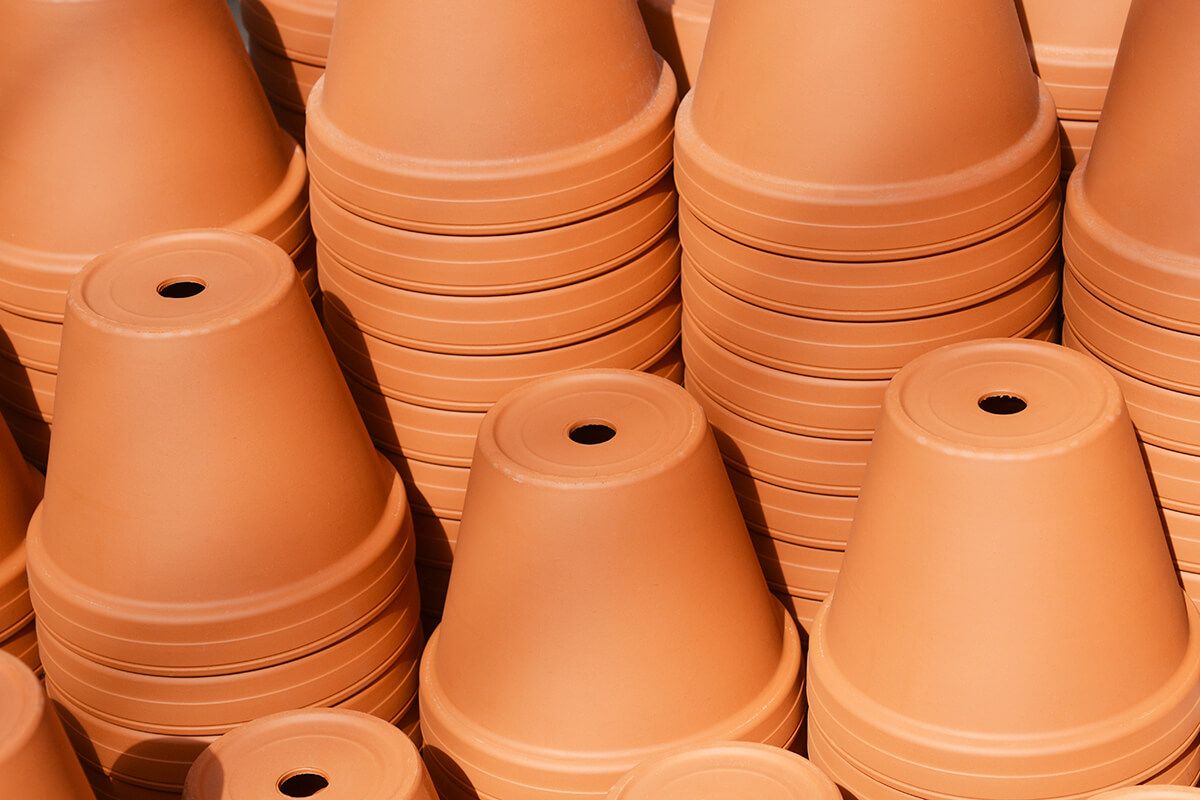
You don’t need much to have a well-draining container garden that’s hydrated and thriving, but start by ditching the golf balls and gravel in favor of planters with drainage holes. This built-in release gives excess water a place to go as it seeps out of soil, preventing all the problems that trapped water can cause. Most plastic pots at home improvement stores come standard with a set of drainage holes, though adding a few to an existing pot only requires a drill and a few spare minutes. Terra cotta and stone planters tend to also include this feature, though swapping to a well-draining pot doesn’t mean that decorative options without drainage holes are out of reach. With these planters, you can use the two-pot technique, which works by placing your plant in a smaller nursery-style pot with drainage holes and tucking it into a larger planter. You’ll get the same upscale look to showcase your healthy plants, without the soggy soil.

More From Our Network

Better Report is part of Inbox Studio, an email-first media company. *Indicates a third-party property.

Go Retro With This 1960s Fashion Quiz

Quiz Daily

Go Retro With This 1960s Fashion Quiz

True or False: Are You a Master of U.S. Geography?

Travel Quiz

True or False: Are You a Master of U.S. Geography?

5 Reasons You Can Be Denied Boarding an Airplane

Daily Passport

5 Reasons You Can Be Denied Boarding an Airplane

What Did People Do Before Eyeglasses?

History Facts

What Did People Do Before Eyeglasses?

How To Use a Balloon To Clean Up Dust

House Outlook

How To Use a Balloon To Clean Up Dust

11 Shopping Hacks Costco Members Should Know

FinanceBuzz*

11 Shopping Hacks Costco Members Should Know

Share this article

  • Share to Facebook
  • Share to Twitter
  • Copy Url
  • Share to Email
Ali Eldridge

This article is for general informational purposes only.
Affiliate Disclaimer Medical Disclaimer Financial Disclaimer

Updated:
Posted In: Home
Hero Image Credit: Better Report
Advertisement

Related Articles

9 Items in Your Basement You Should Toss Right Now
5 min read

5 Vegetables You Should Never Store in the Fridge

3 min read

Why a Flashing Check Engine Light Is Different From a Solid One

3 min read

Why Does Your Sink Have a Tiny Hole?

3 min read

Is Hard Water Ruining Your Clothes?

3 min read
Advertisement
  • Home
  • Health
  • Wealth
  • Logo
  • Advertise
  • About
  • Contact Us
  • Privacy Policy
  • Terms of Use
  • Your Privacy Choices
x
Thumb Image

Elevate your everyday.

Sign up to receive the practical tips and expert advice you need to pare down the complexities of everyday living right in your inbox.

Sorry, your email address is not valid. Please try again.

Your email is:

Edit Image
Sorry, your email address is not valid. Please try again.
Thank you for subscribing...

By subscribing you are agreeing to our Terms of Use and Privacy Policy.

Close image
Thumb Image
Second Thumb Image

Elevate your everyday.

Sign up to receive the practical tips and expert advice you need to pare down the complexities of everyday living right in your inbox.

Sorry, your email address is not valid. Please try again.

By subscribing you are agreeing to our Privacy Policy and Terms of Use.

Close image