Skip to content
Better Report
  • Home
  • Health
  • Wealth
8 Low-Maintenance Plants That Thrive on Neglect
  • Search
  • Subscribe
  • Home
  • Health
  • Wealth
  • About
  • Privacy Policy
  • Terms of Use
  • Contact Us
  • SubscribeSubscribe
  • Search
Thank you for confirming your email! Welcome to the community.

Tag: Laundry

Is Hard Water Ruining Your Clothes?

Home | Updated: August 31, 2026
Lauren Dana Ellman
Author
Lauren Dana Ellman is a New York–based writer and editor specializing in lifestyle, travel, food, and shopping. A graduate of Syracuse University’s SI Newhouse School of Public Communications, she covers everything from destinations and hotels to fun product finds and personal essays. Her work has been featured in Condé Nast Traveler, AARP, Travel + Leisure, Time Out, The Knot, and more lifestyle-oriented publications.
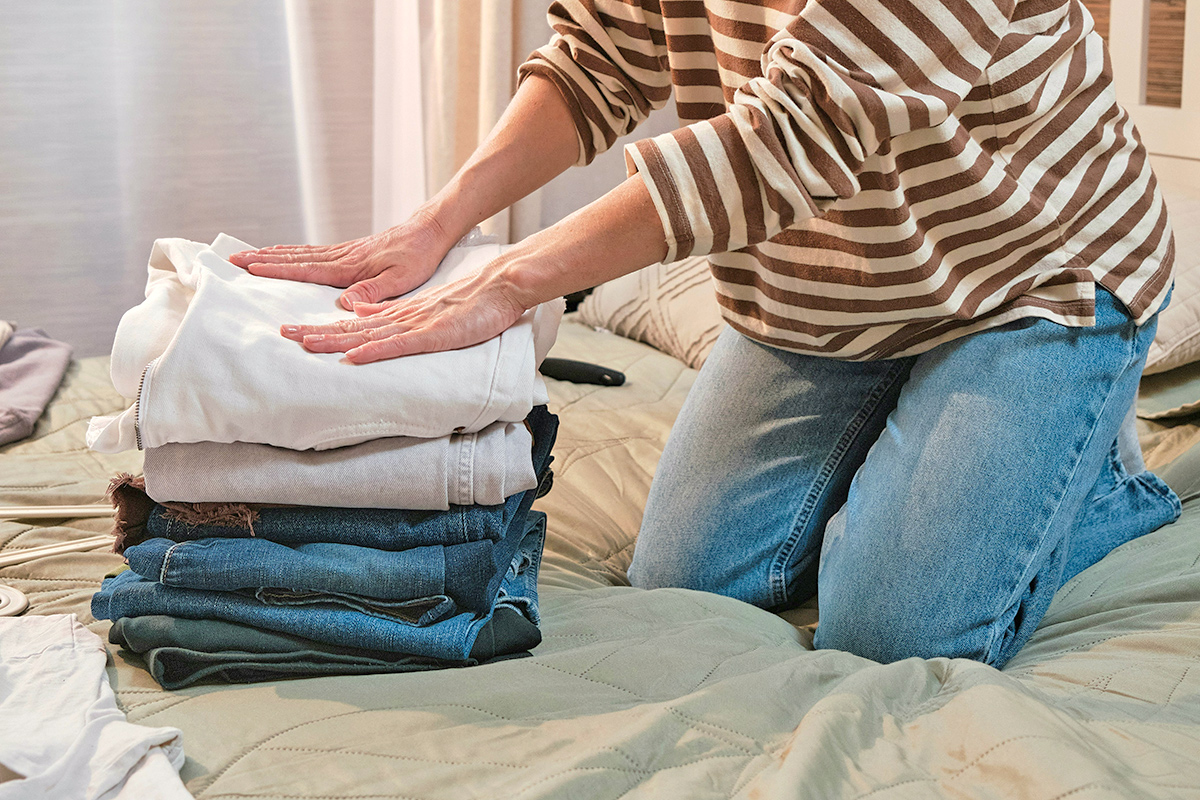
Woman folding pants
Better Report

All featured products and deals are selected independently and objectively by the author. Better Report may receive a share of sales via affiliate links in content.

If your freshly washed clothes look dull or feel stiff, your laundry routine may not be the problem. The culprit could be something less obvious: the water coming into your washing machine. More specifically, you could be dealing with hard water, which contains higher levels of minerals, mainly calcium and magnesium. Here’s how to tell if you have hard water — and what you can do if it’s ruining your clothes. 
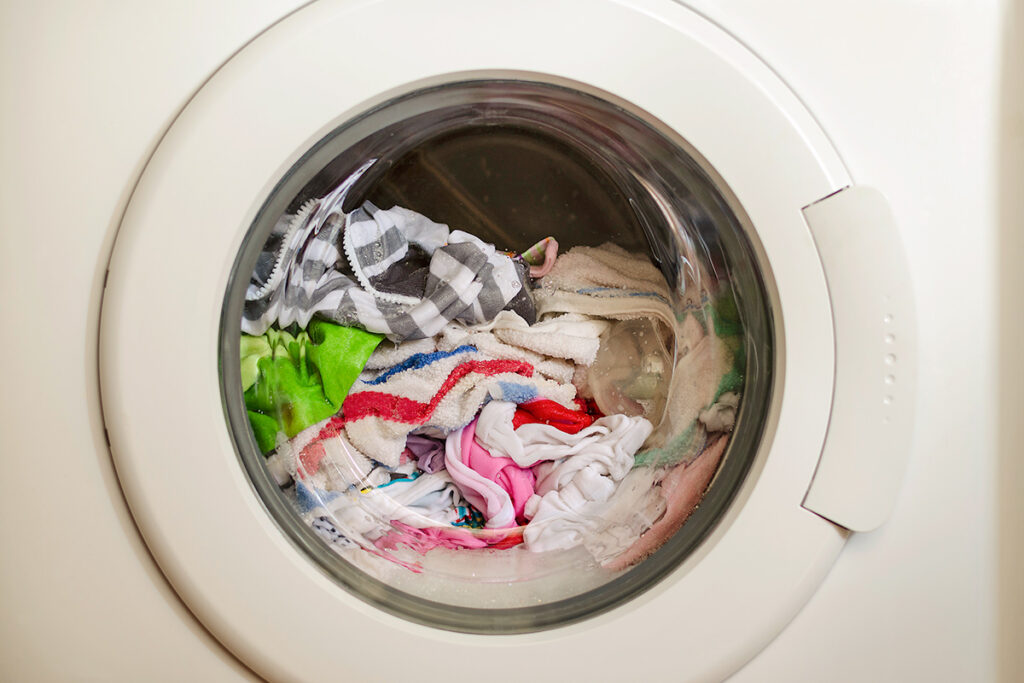
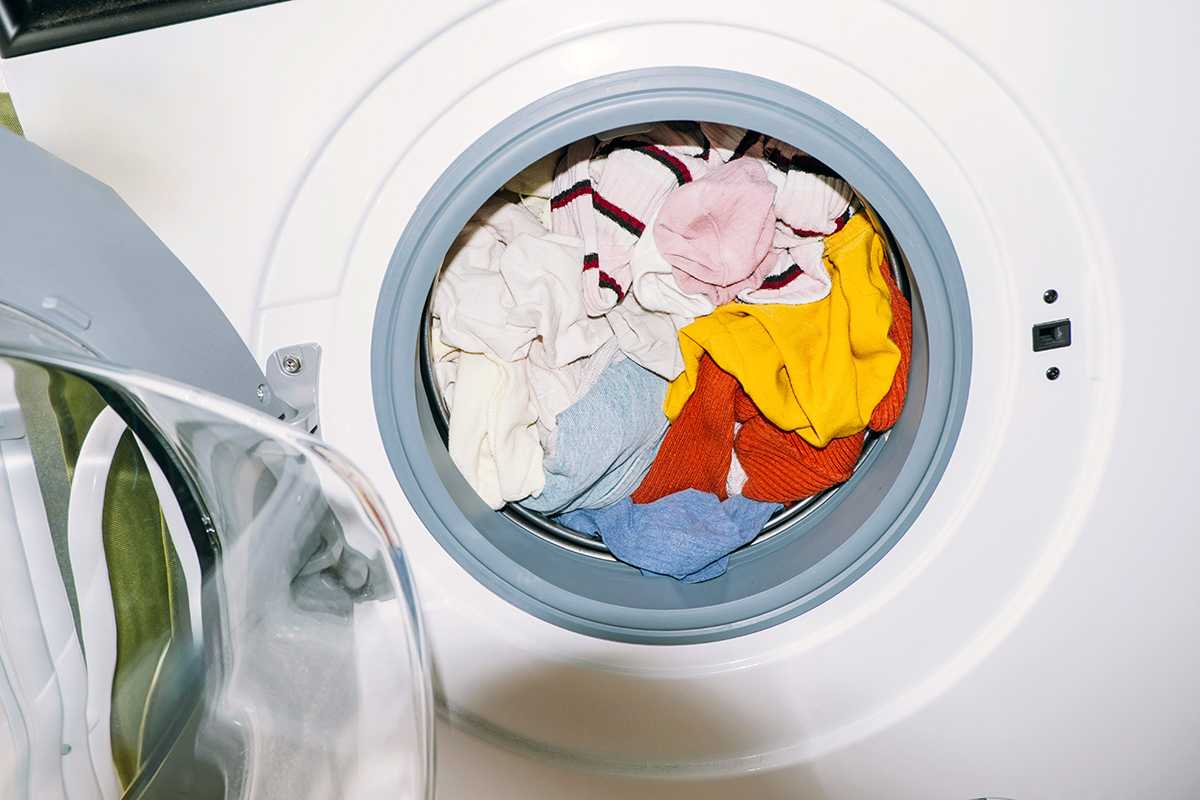
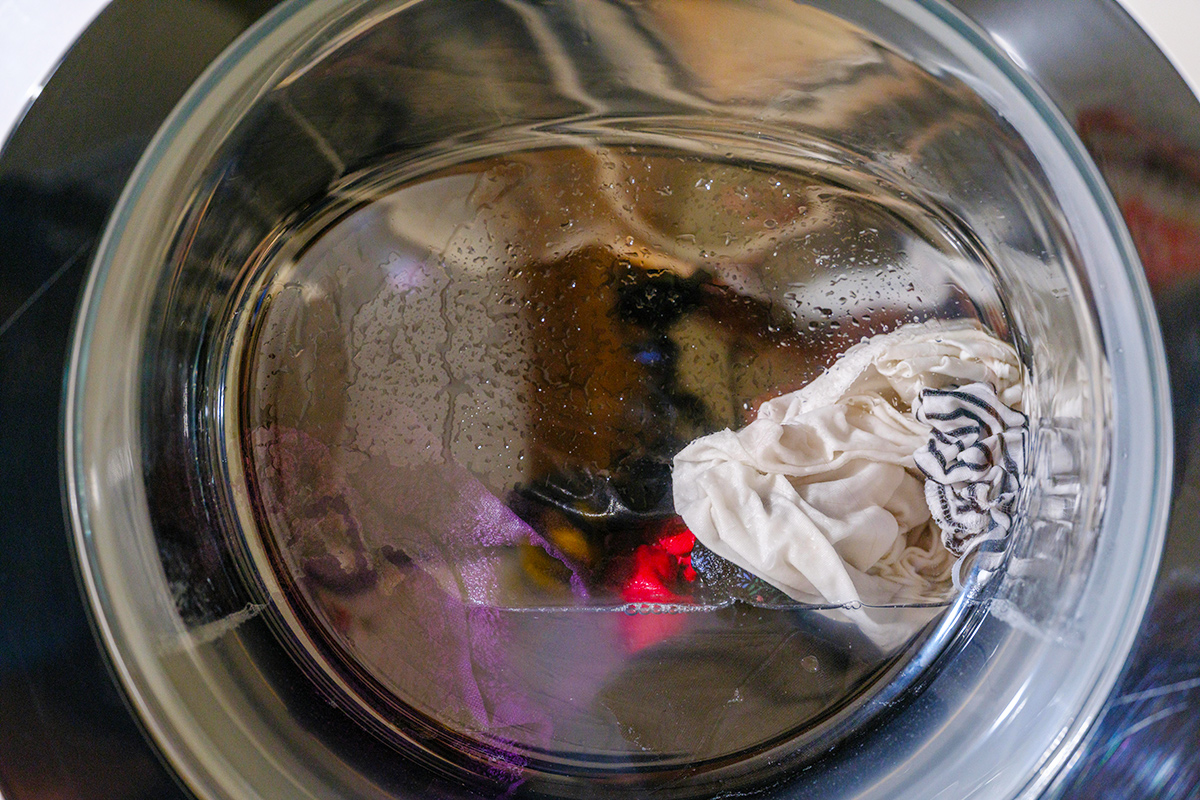
Clothes in the washing machine
Credit: © iso_petrov—iStock/Getty Images

How Hard Water Affects Your Clothes

It’s estimated that 85% of water in the U.S. is hard. Just how hard depends partly on where you live, since local water supplies pick up different amounts of minerals from soil and rock. You may not even realize it’s an issue until you notice common signs such as mineral buildup around faucets and showerheads, spots on glassware, or soap that doesn’t lather well.  

Advertisement
Advertisement

Likewise, the effects of hard water on your laundry may not be obvious right away, but after repeated washes, the minerals settle into the fabric fibers and whites start to look dingy, colors may fade, and fabrics can lose their softness and begin to tear and fray. Hard water can also react with the detergent, causing it to be less effective at removing dirt and body oils; it may even leave residue or streaks on fabric and cause your clothes to smell. 

Items that are washed frequently, such as towels, sheets, and everyday clothing, may show these changes sooner simply because they’re exposed to hard water more often. Over time, otherwise good clothing and linens end up looking older than they are.
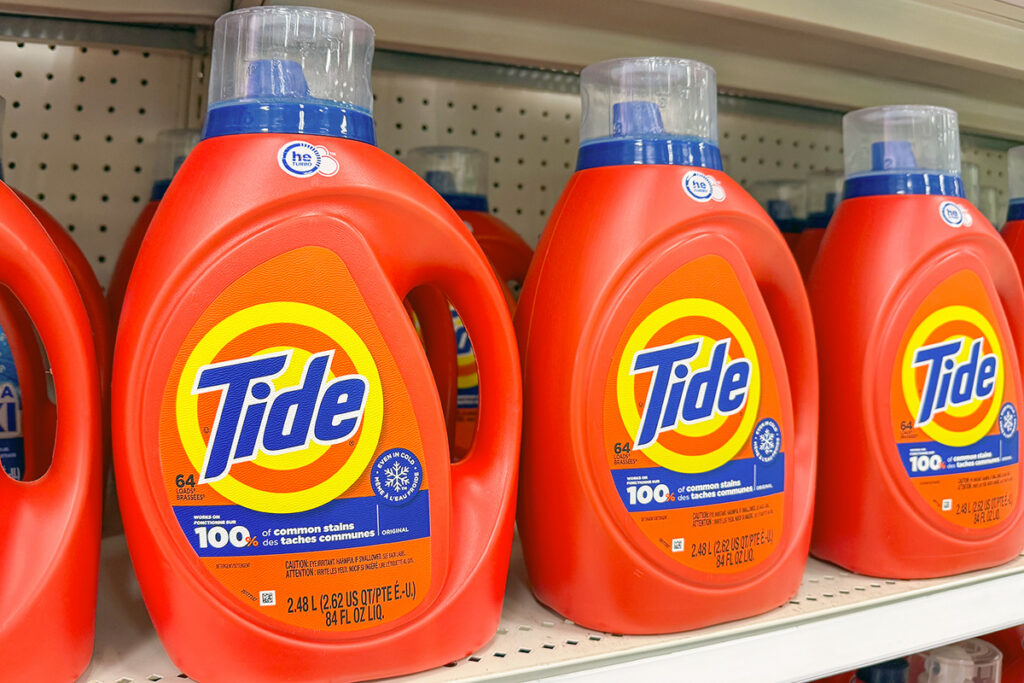
Tide detergent on a shelf
Credit: © wolterke/stock.adobe.com

What You Can Do About Hard Water

To get clothes cleaner in hard water, start with a detergent that can handle the extra minerals. In Consumer Reports’ testing, Tide’s detergents came out on top for handling hard water, including Tide Free & Gentle detergents (a liquid and a pod, respectively). Ingredients matter, too, which is why experts recommend looking for detergents that contain citrates such as sodium citrate, which bind to minerals and help soften water, allowing the detergent to clean more effectively.

Advertisement

The formula is only part of the equation, though: Make sure to follow the instructions on the detergent packaging rather than simply adding more detergent, since excess detergent can leave behind residue.

Recommended Articles

  • A Warning Sign for Heart Attack and Stroke Could Show Up on Your Face

  • 6 Holiday Scams To Watch Out For

  • Why Gift Cards Are Actually Terrible Gifts

  • The Strange Reason Why Time Feels Like It’s Moving Faster

Advertisement
Advertisement

Reader Favorites

  • Person washing part of a coffee machine

    18 Surprising Things You Should Never Put Down Your Drain

  • Woman brushing hair

    9 Surprising Signs You’re Aging

  • White car on the road

    The Best Cars for Resale Value, According to Auto Experts

For particularly hard water, adding a water conditioner to the wash can help remove minerals from each load. And if hard water is causing problems throughout your home, you may want to go a step further with a whole-home water softener, which treats the water before it reaches your washing machine. Most importantly, don’t confuse either with fabric softener — sure, it can make clothes feel softer, but it won’t soften hard water.

Finally, it could be worth checking your water’s hardness level with your local water utility or a home water hardness test kit. The results can help you decide whether you need to make any changes to your laundry routine.

Featured Image Credit: © Andrej Lišakov/Unsplash.com

More From Our Network

Better Report is part of Inbox Studio, an email-first media company. *Indicates a third-party property.

Go Retro With This 1960s Fashion Quiz

Quiz Daily

Go Retro With This 1960s Fashion Quiz

True or False: Are You a Master of U.S. Geography?

Travel Quiz

True or False: Are You a Master of U.S. Geography?

5 Reasons You Can Be Denied Boarding an Airplane

Daily Passport

5 Reasons You Can Be Denied Boarding an Airplane

What Did People Do Before Eyeglasses?

History Facts

What Did People Do Before Eyeglasses?

How To Use a Balloon To Clean Up Dust

House Outlook

How To Use a Balloon To Clean Up Dust

11 Shopping Hacks Costco Members Should Know

FinanceBuzz*

11 Shopping Hacks Costco Members Should Know

Share this article

  • Share to Facebook
  • Share to Twitter
  • Copy Url
  • Share to Email
Lauren Dana Ellman
Writer

Lauren Dana Ellman is a New York–based writer and editor specializing in lifestyle, travel, food, and shopping. A graduate of Syracuse University’s SI Newhouse School of Public Communications, she covers everything from destinations and hotels to fun product finds and personal essays. Her work has been featured in Condé Nast Traveler, AARP, Travel + Leisure, Time Out, The Knot, and more lifestyle-oriented publications.

This article is for general informational purposes only.
Affiliate Disclaimer Medical Disclaimer Financial Disclaimer

Updated: April 28, 2026
Posted In: Home
Hero Image Credit: Better Report
Advertisement

Related Articles

The Most Dangerous Things You Do With Your Christmas Tree

4 min read

12 Foods You Shouldn’t Store Together

6 min read

17 Home Safety Gifts Your Family Actually Needs

10 min read

Should You Refrigerate Peanut Butter?

6 min read

The Most Popular Car Colors in the U.S.

4 min read
Advertisement

5 Laundry Mistakes You’re Probably Making

Sponsored Content
Home | Updated: November 4, 2025
Better Report

All featured products and deals are selected independently and objectively by the author. Better Report may receive a share of sales via affiliate links in content.

I’ve been doing my own laundry for longer than I can remember, and over all these years, I haven’t given much thought to my routine. But as I’ve gotten older, I’ve come to realize that doing laundry properly can save me money by keeping clothes in good shape longer, including some handknit sweaters that mean a lot to me. If you haven’t thought much about your laundry routine, now might be a good time to reconsider it. Start by checking out this list of common mistakes people make to see if you need to make any tweaks. 

Kateryna Hliznitsova/ Unsplash+

Using the Wrong Amount of Detergent

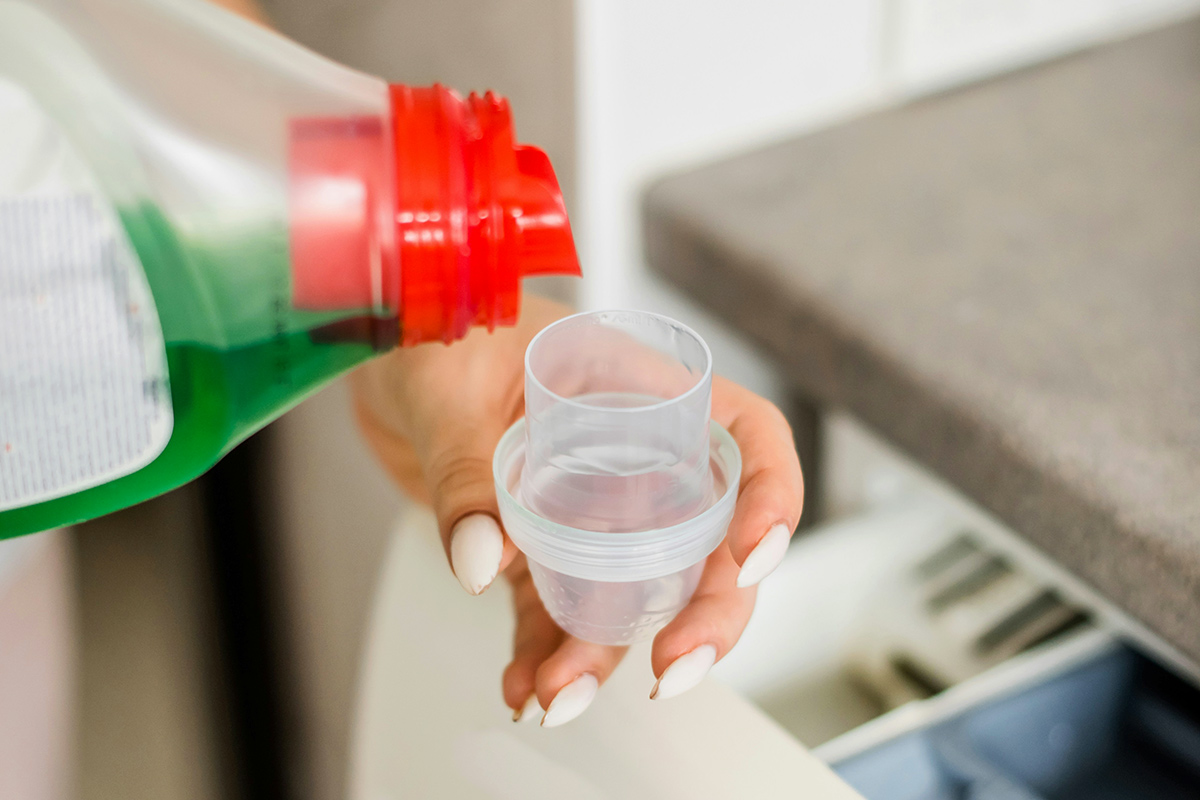
Most of us are using too much laundry detergent. For top-loading washers, most loads require only about two tablespoons of detergent. A front-loading washing machine requires even less, between two teaspoons and one tablespoon, depending on how dirty the load is. When you add too much detergent, it may not fully rinse out of clothing, leaving residue behind that makes them feel stiff or sticky. It can even trap dirt and bacteria back in the fabric you were trying to get clean in the first place. And if you’re a fan of laundry detergent pods, we have bad news. When using pods, it’s hard to know if the dose is right. The best practice is to use liquid detergent, and much less of it than you’re probably used to.

Advertisement
Advertisement
Engin Akyurt/ Pexels

Using the Hot Water Cycle

The hot water cycle can ruin your clothing over time. The heat breaks down clothing fibers, so pieces deteriorate more quickly than when washed in cold water. Hot water relaxes elastic fibers, causing leggings and swimwear to lose shape, and it fades bright colors. Use the hot water cycle only on clothes that need serious disinfecting, or on whites to keep them shining. Use a gentler cold-water cycle for shirts, pants, skirts, and delicates. 

vladdeep/ iStock

Overloading Your Washing Machine

When you overload your washing machine, clothes don’t have enough room to move around or properly soak in water,  which is essential to loosen dirt and grime. It could also mean your detergent isn’t fully rinsed away, so your clothes may end up with residue. If you’re overloading your washer and using too much detergent, your clothes have little chance of actually coming out clean.

Recommended Articles

  • A Warning Sign for Heart Attack and Stroke Could Show Up on Your Face

  • 6 Holiday Scams To Watch Out For

  • Why Gift Cards Are Actually Terrible Gifts

  • The Strange Reason Why Time Feels Like It’s Moving Faster

Advertisement
Advertisement

Reader Favorites

  • Person washing part of a coffee machine

    18 Surprising Things You Should Never Put Down Your Drain

  • Woman brushing hair

    9 Surprising Signs You’re Aging

  • White car on the road

    The Best Cars for Resale Value, According to Auto Experts

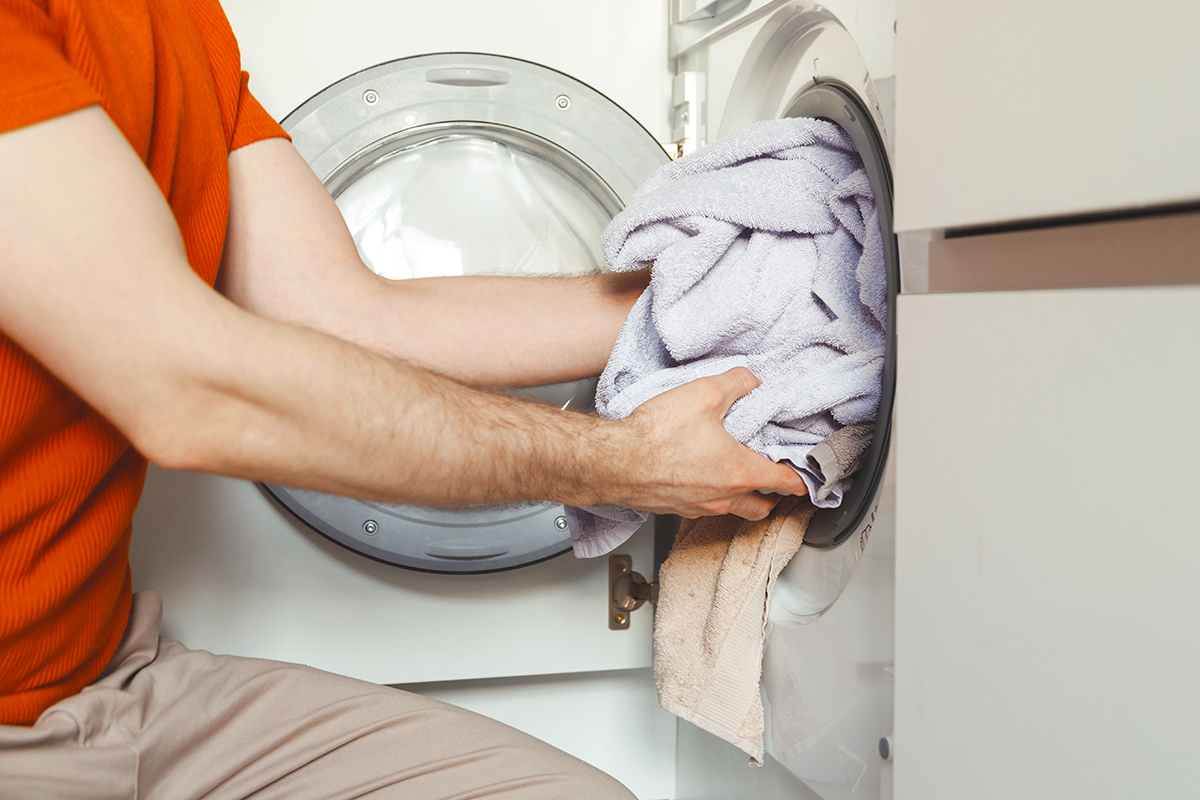
If you have a top-loading washing machine, your clothes should be loose in the tub. For a front-loading washer, you should be able to fit your hand comfortably on top of your clothes. If you have to cram things into your washing machine to get them to fit, it’s overloaded. 

Wirestock/ iStock

Using Dryer Sheets

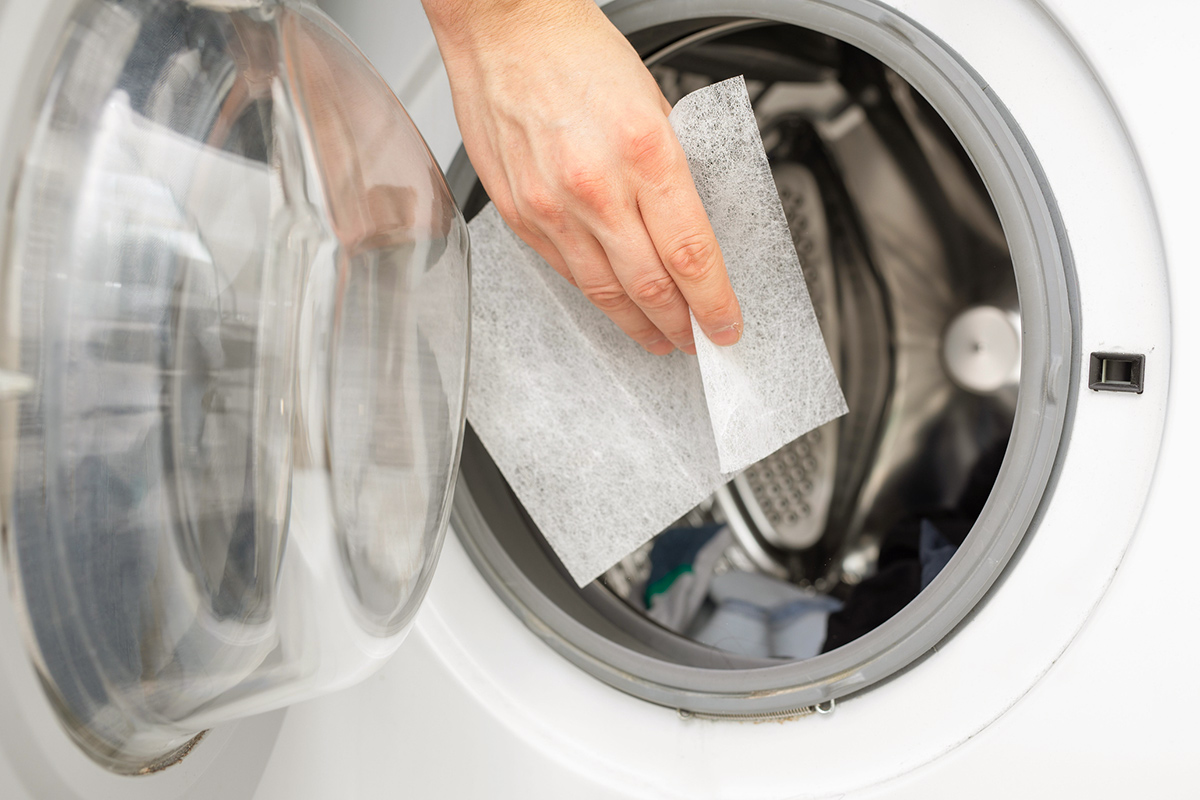
Dryer sheets are a little tricky: they work wonders on some fabrics but can ruin others. You should not use dryer sheets on synthetic fabrics like polyester, nylon, acrylic, and spandex, as they can leave a damaging buildup behind. However, dryer sheets work well on natural fibers like cotton, linen, and wool. Many t-shirts, jeans, and bedding can benefit from a cycle with a dryer sheet to reduce static cling and improve your clothing’s smell.

Advertisement
Advertisement
suteishi/ iStock

Not Hanging Your Delicate Items to Dry

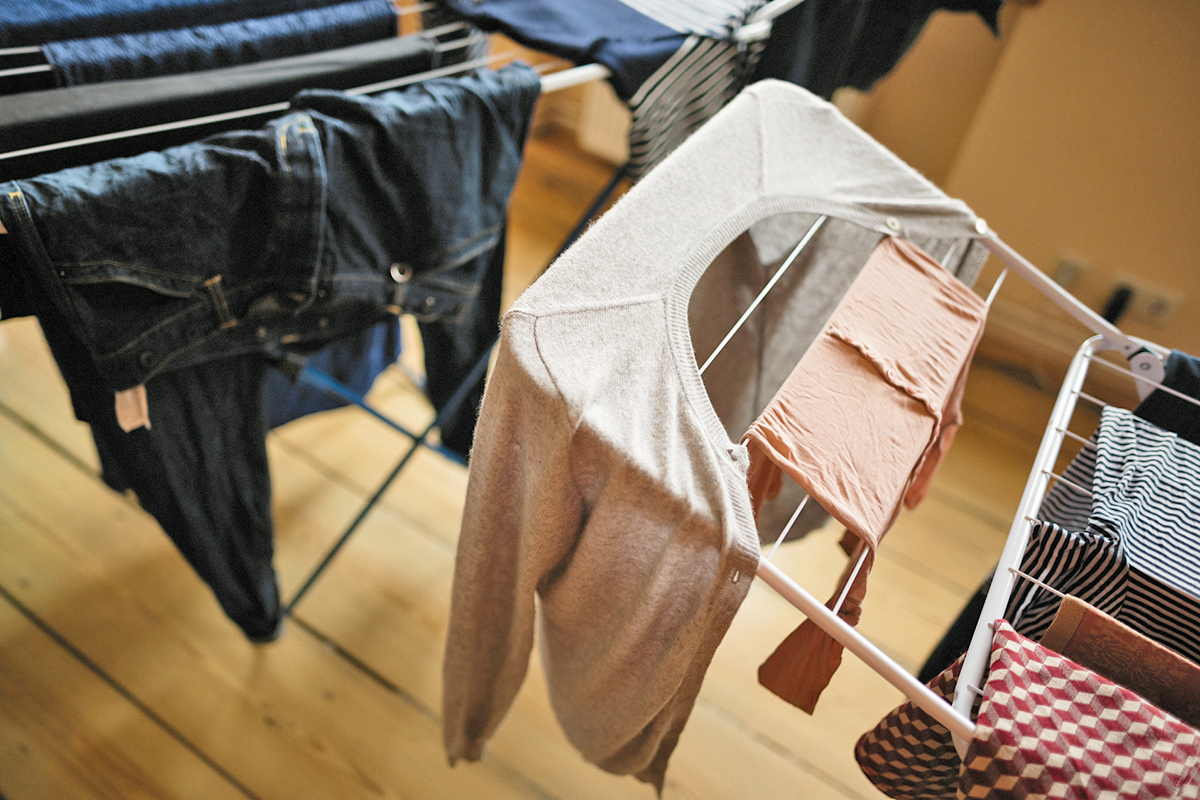
Delicate items require a little more care, both in their washing and drying. Handwashing is ideal, but you can usually machine-wash delicates in cold water on a gentle cycle. You might want to consider using a laundry soap specifically formulated for delicate fabrics. When the items are washed, hang or lay them flat to dry. Sweaters, especially, should be laid flat to dry, to help them keep their shape.

Advertisement

Featured Image Credit: Elena Helade / Unsplash+

More From Our Network

Better Report is part of Inbox Studio, an email-first media company. *Indicates a third-party property.

Go Retro With This 1960s Fashion Quiz

Quiz Daily

Go Retro With This 1960s Fashion Quiz

True or False: Are You a Master of U.S. Geography?

Travel Quiz

True or False: Are You a Master of U.S. Geography?

5 Reasons You Can Be Denied Boarding an Airplane

Daily Passport

5 Reasons You Can Be Denied Boarding an Airplane

What Did People Do Before Eyeglasses?

History Facts

What Did People Do Before Eyeglasses?

How To Use a Balloon To Clean Up Dust

House Outlook

How To Use a Balloon To Clean Up Dust

11 Shopping Hacks Costco Members Should Know

FinanceBuzz*

11 Shopping Hacks Costco Members Should Know

Share this article

  • Share to Facebook
  • Share to Twitter
  • Copy Url
  • Share to Email
Sponsored Content

This article is for general informational purposes only.
Affiliate Disclaimer Medical Disclaimer Financial Disclaimer

Updated:
Posted In: Home
Hero Image Credit: Better Report
Advertisement

Related Articles

The Most Dangerous Things You Do With Your Christmas Tree

4 min read

12 Foods You Shouldn’t Store Together

6 min read

17 Home Safety Gifts Your Family Actually Needs

10 min read

Should You Refrigerate Peanut Butter?

6 min read

The Most Popular Car Colors in the U.S.

4 min read
Advertisement

Elevate Your Laundry Experience With Scent Boosters

Home | Updated: May 14, 2025
Danielle Schlass Saliman
Author
Danielle Schlass Saliman has 24 years of experience writing and editing lifestyle content from fashion and beauty to home and money. She has worked as an Executive Editor at Woman’s World and First for Women, Assistant Editor at Working Mother Magazine, a Research Editor at InTouch Weekly Magazine and has contributed to publications such as Life & Style, Closer Magazine, The New York Post, Brides, Shape En Espanol, Rite Aid, Kmart, Sunrise Senior Living and Philadelphia Style to name a few. Danielle graduated from New York University with a Bachelor of Arts in English and then earned a Masters in Magazine Journalism from Syracuse University’s S.I. Newhouse School of Public Communications.
Better Report

All featured products and deals are selected independently and objectively by the author. Better Report may receive a share of sales via affiliate links in content.

I’m a sucker for the smell of freshly laundered clothes. That clean, crisp scent is a simple pleasure that can boost our mood while making us feel warm and cozy at the same time. But often that delightful fragrance fades all too quickly, or an extra sweaty session in the gym leaves clothes needing more than just the usual round of detergent. This is where laundry scent boosters come in. These tiny powerhouses of fragrance are designed to extend that wonderful just-washed aroma far beyond the dryer cycle.

Prices are accurate as of May 9, 2025. Subject to change.

What are laundry scent boosters?

Scent boosters are small beads or crystals added directly to your washing machine at the beginning of the wash cycle. As your clothes are being washed, they dissolve and infuse the fabric with a vibrant and long-lasting fragrance. Their concentrated formula ensures that the fragrance molecules are deeply embedded within the fibers of your garments, providing a scent that can last for days or even weeks in your closet. They can be particularly beneficial for activewear, towels, and items stored for longer periods, helping to keep them smelling fresh and preventing that musty odor. If you appreciate the power of scent and want to prolong that fresh laundry feeling, then laundry scent boosters are definitely worth considering.

But be sure to use only the amount recommended on the package and regularly wipe out your washing machine’s drum and run cleaning cycles. Laundry scent boosters are amazing for your senses, but if you overdo it, they can leave buildup behind.

Advertisement
Downy Unstopables In-Wash Scent Booster Beads
Courtesy of Amazon

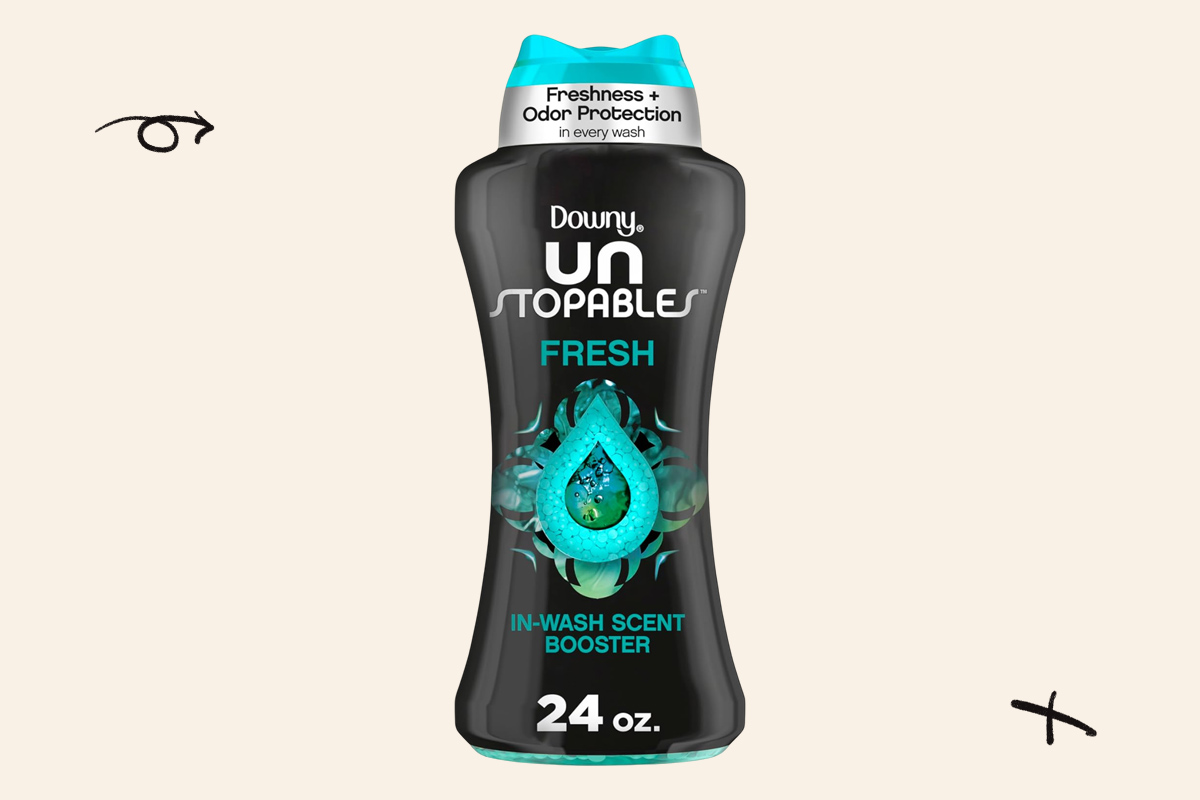
Downy Unstopables In-Wash Scent Booster Beads

I used these on a second washing of a load left sitting wet in the machine for too long. While detergents just mask that mildewy odor (I can always detect it underneath), these boosters surprisingly replaced it with their bright and airy citrus and floral notes.

BUY FOR $16 AT AMAZON
Dreft Blissfuls In-Wash Scent Booster Beads
Courtesy of Amazon

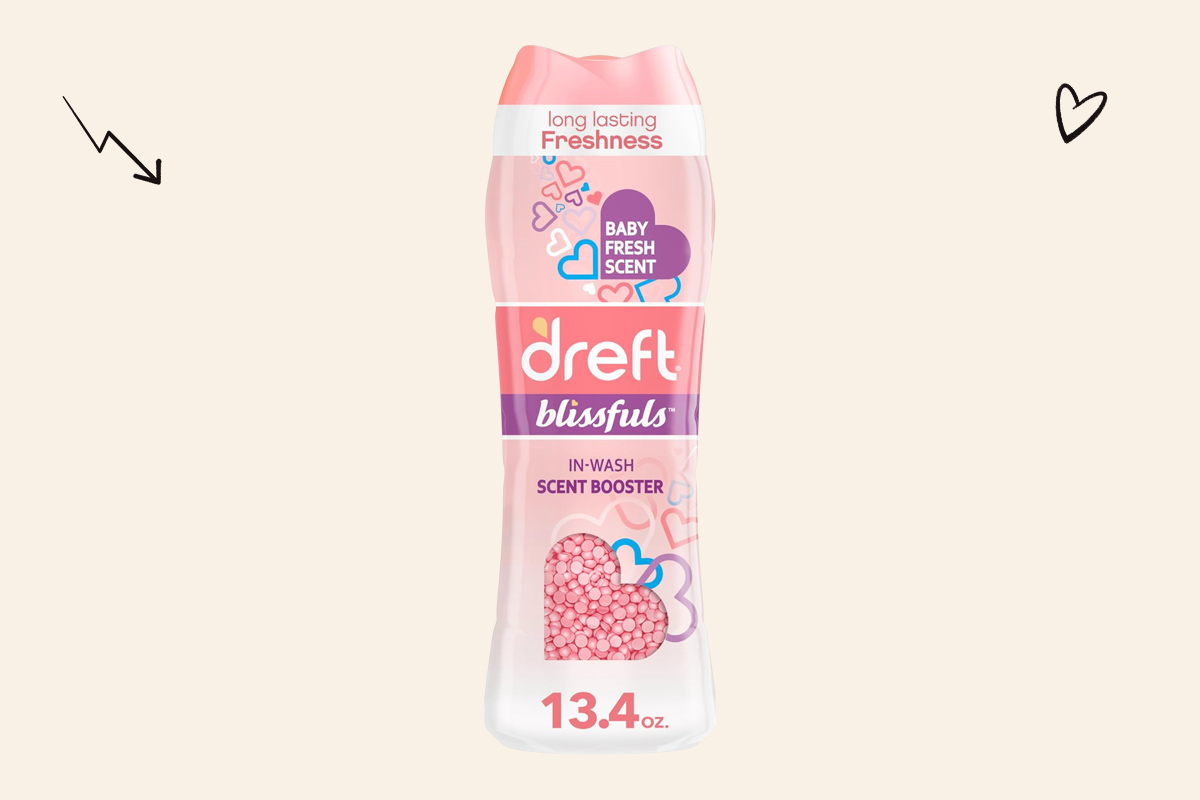
Dreft Blissfuls In-Wash Scent Booster Beads

These are for the parents who worry about using heavy detergents on their babies’ clothes but want to ensure that tell-tale spit-up or diaper blow-out smell is gone for good. I’ve used the Dreft boosters on my towels so I can relive that comforting post-bath, baby-fresh scent that I miss so much, especially now that my “babies” have gone off to college.

BUY FOR $12 AT AMAZON
Advertisement
Advertisement
Kind Laundry In-Wash Scent Booster Beads
Courtesy of Amazon

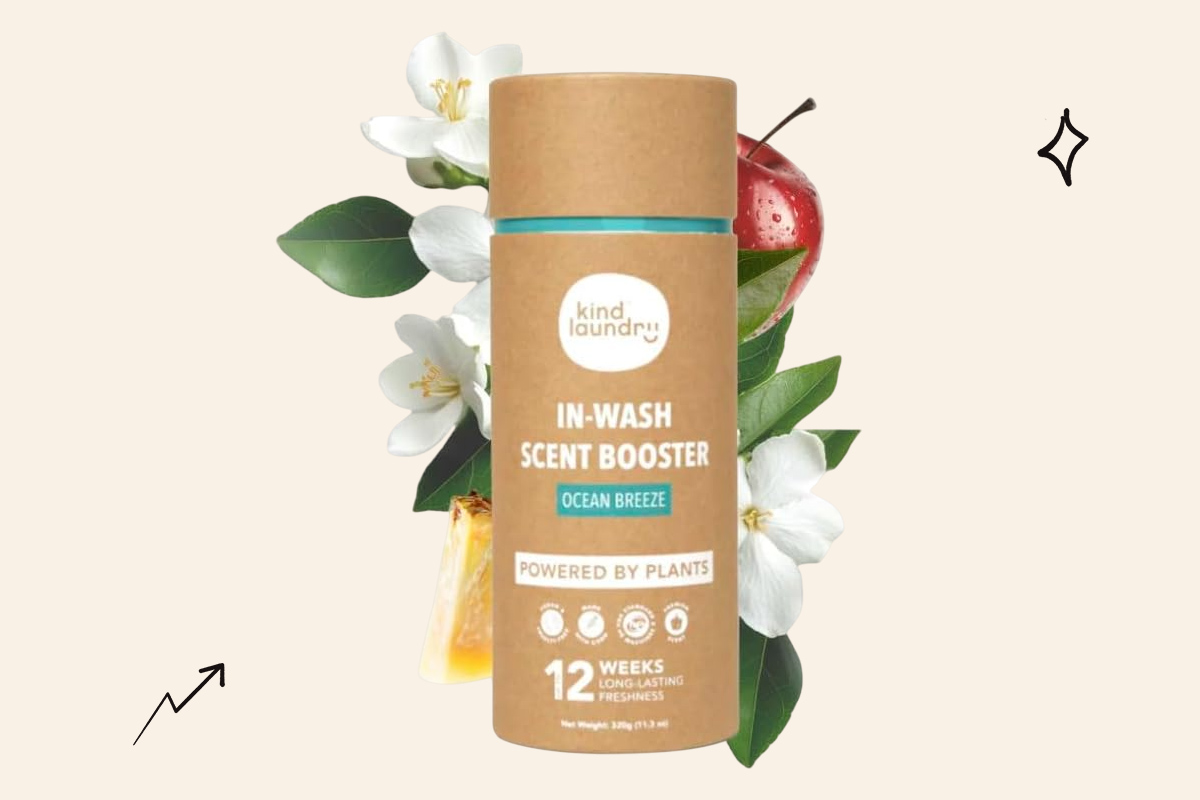
Kind Laundry In-Wash Scent Booster Beads

Made with just corn extract and fragrance, Kind Laundry beads are non-toxic and release slowly over time, so your fabrics smell fresh and vibrant for up to 12 weeks. But what really sets them apart is that the low-cost beads’ scents are inspired by expensive perfumes — Neroli Zen is inspired by Jo Malone Orange Blossom, and Wood Haven gets its inspiration from Le Labo Santal  — so you can smell like your favorite fragrance for less. Get the scent discovery sampler for just $9 to decide which one you love most. 

BUY FOR $15 AT AMAZON
Bath & Body Works White Barn Fragrance Booster
Courtesy of Bath & Body Works

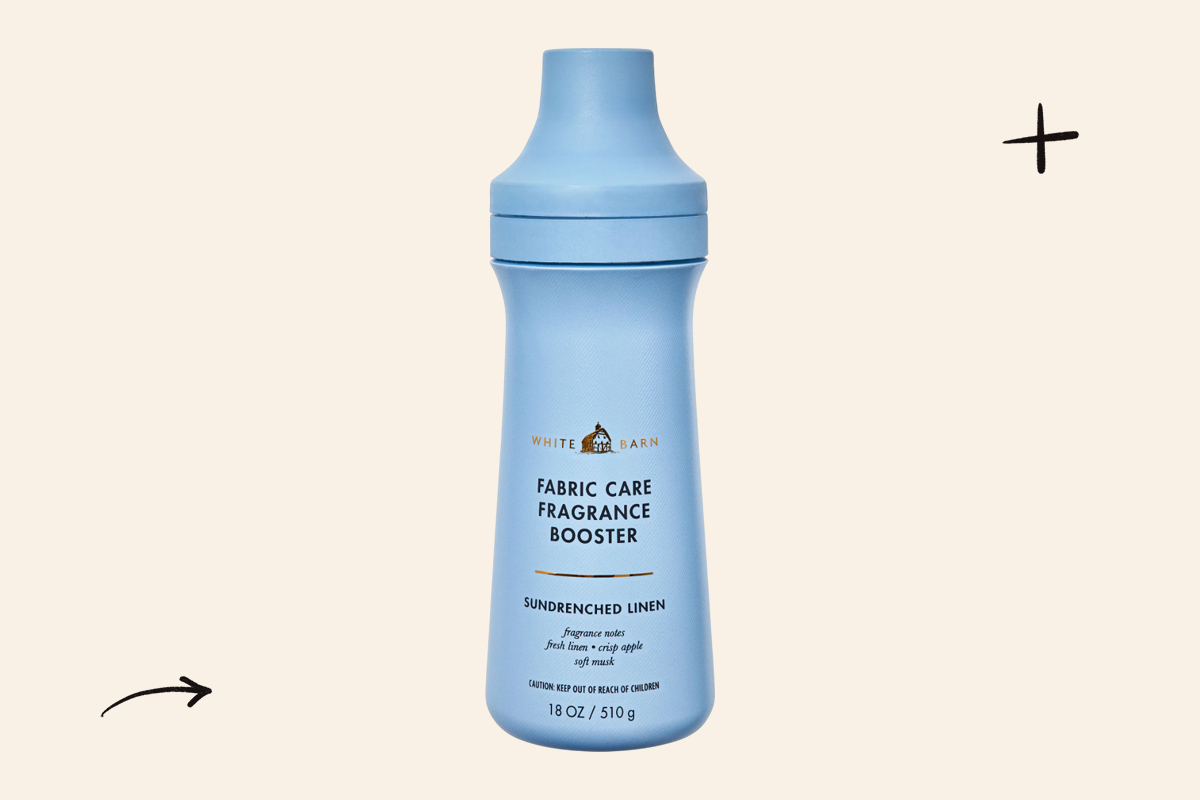
Bath & Body Works White Barn Fragrance Booster

I’m a Bath & Body Works stan so when it launched laundry care, I was first in line to extend the beloved fragrance experience to my clean clothing. My take: The fragrance boosters (my favorite is Champagne Toast) impart a subtle version of the brand’s scents that aren’t as overpowering as the candles or body mists can sometimes be, which I love.

BUY FOR $20 AT BATH & BODY WORKS

Recommended Articles

  • A Warning Sign for Heart Attack and Stroke Could Show Up on Your Face

  • 6 Holiday Scams To Watch Out For

  • Why Gift Cards Are Actually Terrible Gifts

  • The Strange Reason Why Time Feels Like It’s Moving Faster

Advertisement
Advertisement

Reader Favorites

  • Person washing part of a coffee machine

    18 Surprising Things You Should Never Put Down Your Drain

  • Woman brushing hair

    9 Surprising Signs You’re Aging

  • White car on the road

    The Best Cars for Resale Value, According to Auto Experts

Gain Fireworks In-Wash Scent Booster Beads
Courtesy of Amazon

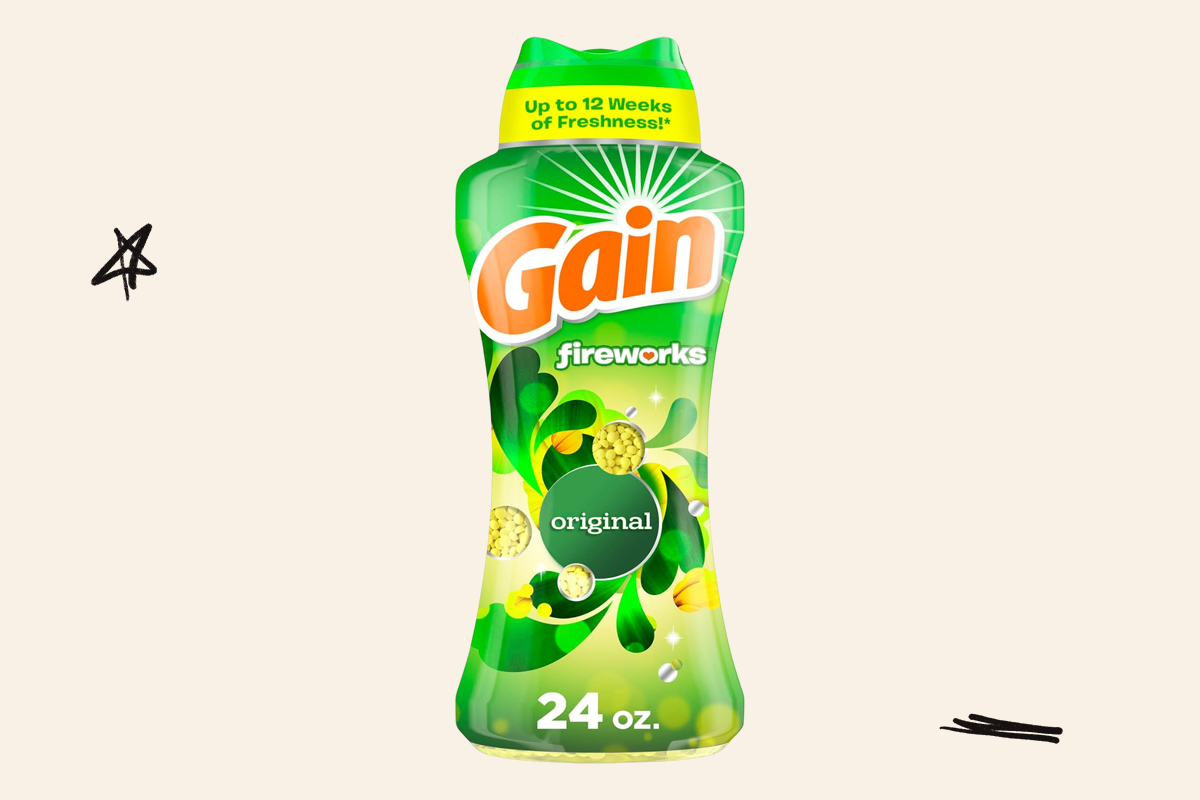
Gain Fireworks In-Wash Scent Booster Beads

We all have our favorite detergents, but Gain lovers are known for their staunch support of the unmistakable citrusy and airy scent, and these beads do it long-lasting justice. I discovered that of the many scent boosters I tried, this one works especially well when paired with Gain detergents for a cohesive fragrance experience.

BUY FOR $16 AT AMAZON
Courtesy of Snuggle

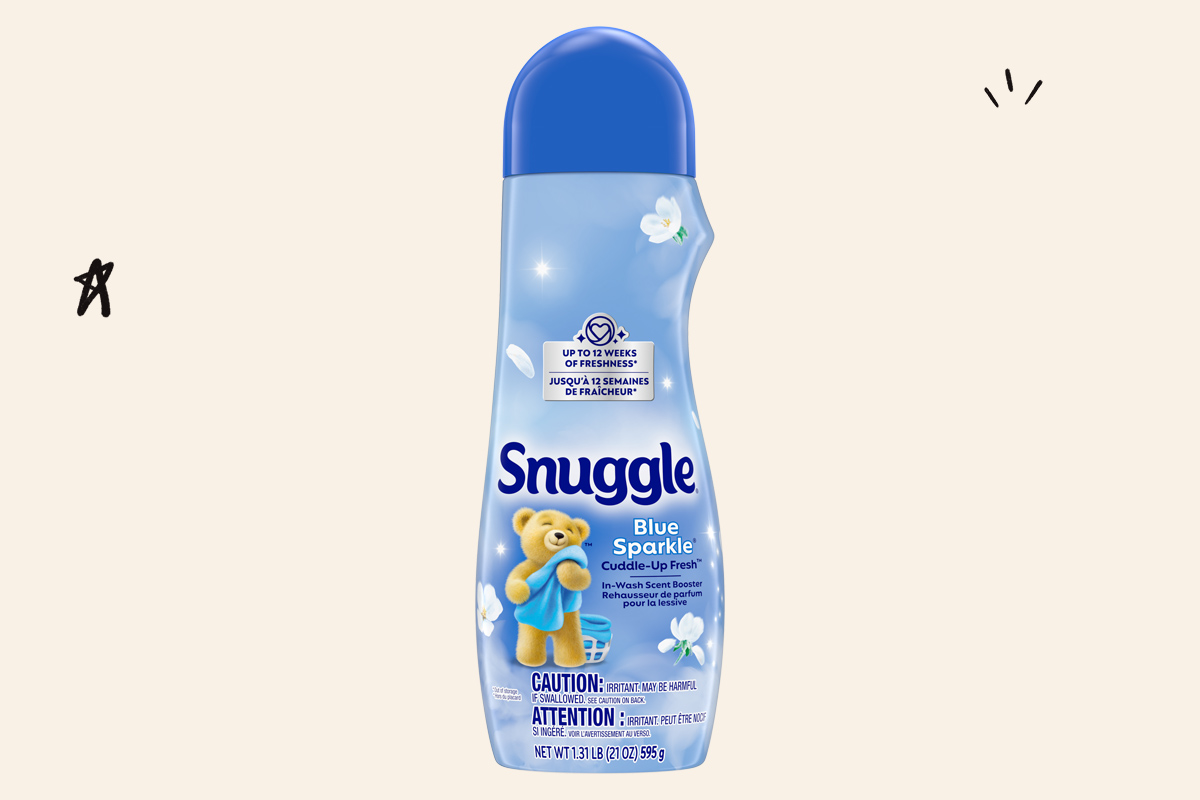
Snuggle In-Wash Scent Booster

I used to drive carpool to school when my kids were little, and my most anticipated pick-up of the morning was the sibling duo that would slide into the backseat of my minivan and infuse it with a fresh-from-the-washing-machine scent I wanted to coat my nasal cavities with. “Snuggle fabric softener!” their mom exclaimed when I asked what she used. Unfortunately, my skin becomes easily irritated by fabric softeners, so I just savored the scent on those once-weekly morning rides. But with the brand’s scent boosters, I can finally enjoy the fragrance on my clothes, softener-free!

BUY FOR $11 AT AMAZON
Advertisement
Advertisement
Mrs. Meyer's Clean Day Laundry Booster
Courtesy of Amazon

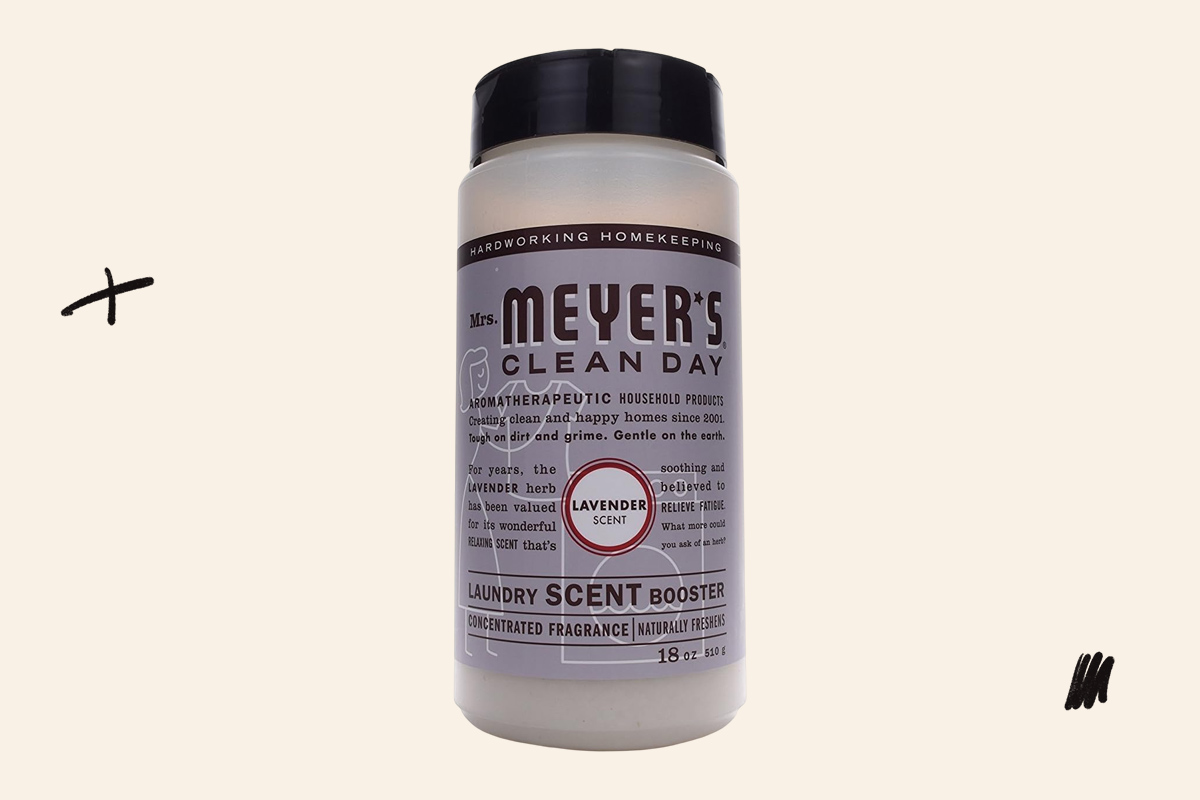
Mrs. Meyer’s Clean Day Laundry Booster

Made with plant-derived ingredients and essential oils, Mrs. Meyer’s scent boosters will appeal to those seeking more natural, aromatherapy-inspired fragrances. I like to use the lavender-scented ones on my sheets to help me relax at bedtime.

BUY FOR $10 AT AMAZON
Advertisement

Feature Image Credit: MTStock Studio/ iStock

More From Our Network

Better Report is part of Inbox Studio, an email-first media company. *Indicates a third-party property.

Go Retro With This 1960s Fashion Quiz

Quiz Daily

Go Retro With This 1960s Fashion Quiz

True or False: Are You a Master of U.S. Geography?

Travel Quiz

True or False: Are You a Master of U.S. Geography?

5 Reasons You Can Be Denied Boarding an Airplane

Daily Passport

5 Reasons You Can Be Denied Boarding an Airplane

What Did People Do Before Eyeglasses?

History Facts

What Did People Do Before Eyeglasses?

How To Use a Balloon To Clean Up Dust

House Outlook

How To Use a Balloon To Clean Up Dust

11 Shopping Hacks Costco Members Should Know

FinanceBuzz*

11 Shopping Hacks Costco Members Should Know

Share this article

  • Share to Facebook
  • Share to Twitter
  • Copy Url
  • Share to Email
Danielle Schlass Saliman
Writer

Danielle Schlass Saliman has 24 years of experience writing and editing lifestyle content from fashion and beauty to home and money. She has worked as an Executive Editor at Woman’s World and First for Women, Assistant Editor at Working Mother Magazine, a Research Editor at InTouch Weekly Magazine and has contributed to publications such as Life & Style, Closer Magazine, The New York Post, Brides, Shape En Espanol, Rite Aid, Kmart, Sunrise Senior Living and Philadelphia Style to name a few. Danielle graduated from New York University with a Bachelor of Arts in English and then earned a Masters in Magazine Journalism from Syracuse University’s S.I. Newhouse School of Public Communications.

This article is for general informational purposes only.
Affiliate Disclaimer Medical Disclaimer Financial Disclaimer

Updated: October 2, 2024
Posted In: Home
Hero Image Credit: Better Report
Advertisement

Related Articles

The Most Dangerous Things You Do With Your Christmas Tree

4 min read

12 Foods You Shouldn’t Store Together

6 min read

17 Home Safety Gifts Your Family Actually Needs

10 min read

Should You Refrigerate Peanut Butter?

6 min read

The Most Popular Car Colors in the U.S.

4 min read
Advertisement

Why Laundry Soap Is Better Than Laundry Detergent 

Sponsored Content
Home | Updated: July 8, 2024
Better Report

Many of us have been doing laundry for decades. But even after thousands of cycles worth of experience, we all succumb to the pitfalls of this loathed chore. From forgetting a red shirt in a load of white clothes to shrinking a new pair of trousers — it’s enough to drive you crazy. To further complicate things, there are so many laundry products to choose from, like laundry soap. You might be thinking, “Isn’t that just detergent?” Well, kind of. Laundry soap performs the same cleaning duties as laundry detergent but with different ingredients. To add to the confusion, some brands label their detergent as “soap” and vice versa. This can be frustrating, but don’t throw in the towel just yet. Discover the ins and outs of laundry soap and why it might be a better choice than traditional detergent.

Prices are accurate as of July 8, 2024. Subject to change. All featured products and deals are selected independently and objectively by the author. Better Report may receive a share of sales via affiliate links in content.

Credit: Liudmila Chernetska/ iStock

Detergent vs. Soap

True soaps are made with natural ingredients, including fats and oils from plants, animals, and minerals, combined with a base, such as lye. When the ingredients for soap are mixed together, a reaction called “saponification” happens. This new creation, called “soap,” removes dirt from surfaces, skin, and fabric. If something is marketed as a “natural laundry detergent,” it might be a laundry soap, but because consumers are more familiar with the word “detergent,” the term is used instead. Today, most “soaps” — hand soap, shampoo, dish soap, and more — are actually detergents. The FDA notes that there are few true soaps on the market today.

A detergent is a water-soluble cleansing agent made of artificial surfactants that penetrate fibers to remove dirt and oils. Detergents are the most popular types of laundry-washing products today. While they can eliminate stubborn stains and built-up grime, they aren’t as safe for human and environmental health as natural soaps.

Advertisement

Long-term detergent use can cause skin irritation and pose health risks. In a study published in the Journal of Chemical and Pharmaceutical Research, some surfactants found in detergents were determined harmful to human health. The study explained that surfactants are toxic and may accumulate in the body. Other studies have shown that some surfactants are absorbed through the skin, which can lead to liver damage and other chronic symptoms and possibly be carcinogenic. For this reason, some laundry doers opt for a more natural approach: laundry soap without detergents and added chemicals. By making the switch, you’re protecting your health and the environment. 

Here’s a crash course in laundry product ingredients to determine whether you’re using a detergent or a soap:

Common soap-related ingredients: Coconut oil, olive oil, sodium chloride, sodium hydroxide, potassium chloride, potassium hydroxide.

Common detergent-related ingredients: sulfates, ethoxylates, betaines, oxides.

Advertisement

Tip: If your product contains ingredients from both lists, it’s a detergent.

Advertisement
Advertisement
Credit: glebchik/ iStock

Laundry Soap 101

Switching to laundry soap is a breeze. It can replace any detergent to clean your clothes in the washing machine. It comes in a few forms — powder, liquid, and flakes — but powders and liquids are the most popular and cost-effective. Using it is as easy as using liquid detergent. Add the recommended amount into the barrel and your clothes before you start the wash. Soap should clean your laundry as well as detergent would, but read the product label to be sure. Some laundry soaps, especially flakes, work best in warm or hot water because they don’t dissolve in cooler rinses. However, plenty of powder and liquid options are made for cold-water washing.

If you want to embark on the laundry soap journey, a good starting point is the brand Ingredients Matter. Their award-winning, fragrance-free Laundry Soap received an “A” rating on the EWG’s Guide to Healthy Cleaning. It contains a blend of soaps and salts derived from plant-based ingredients like coconut and olive oils. It’s free from detergents, although it is marketed using the word “detergent.” (Who knew laundry could be so confusing?) 

What’s better, laundry soap won’t break the bank. The cost of the average laundry soap breaks down to about 30 cents per load, roughly the same as regular detergent. Even the “Laundry Evangelist” Patric Richardson prefers laundry soap to detergent. “A lot of detergents have stuff in them that we don’t need,” explains Richardson, who sells laundry soap flakes in his line of at-home products. Still, plenty of products exist for those who prefer using liquid soap. Try Liquid Laundry from Charlie’s Soap, a detergent-free liquid that is hypoallergenic and eco-friendly. It seems there is a soap out there for everyone. Hopefully, you can now decide whether ditching detergent and switching to laundry soap is right for you.

More From Our Network

Better Report is part of Inbox Studio, an email-first media company. *Indicates a third-party property.
Go Retro With This 1960s Fashion Quiz

Quiz Daily

Go Retro With This 1960s Fashion Quiz

True or False: Are You a Master of U.S. Geography?

Travel Quiz

True or False: Are You a Master of U.S. Geography?

5 Reasons You Can Be Denied Boarding an Airplane

Daily Passport

5 Reasons You Can Be Denied Boarding an Airplane

What Did People Do Before Eyeglasses?

History Facts

What Did People Do Before Eyeglasses?

How To Use a Balloon To Clean Up Dust

House Outlook

How To Use a Balloon To Clean Up Dust

11 Shopping Hacks Costco Members Should Know

FinanceBuzz*

11 Shopping Hacks Costco Members Should Know

Share this article

  • Share to Facebook
  • Share to Twitter
  • Copy Url
  • Share to Email
Sponsored Content

This article is for general informational purposes only.
Affiliate Disclaimer Medical Disclaimer Financial Disclaimer
Updated:
Posted In: Home
Hero Image Credit: Better Report

Recommended Articles

  • A Warning Sign for Heart Attack and Stroke Could Show Up on Your Face

  • 6 Holiday Scams To Watch Out For

  • Why Gift Cards Are Actually Terrible Gifts

  • The Strange Reason Why Time Feels Like It’s Moving Faster

Advertisement

Related Articles

The Most Dangerous Things You Do With Your Christmas Tree

4 min read

12 Foods You Shouldn’t Store Together

6 min read

17 Home Safety Gifts Your Family Actually Needs

10 min read

Should You Refrigerate Peanut Butter?

6 min read

The Most Popular Car Colors in the U.S.

4 min read
Advertisement
  • Home
  • Health
  • Wealth
  • Logo
  • Advertise
  • About
  • Contact Us
  • Privacy Policy
  • Terms of Use
  • Your Privacy Choices
x
Thumb Image

Elevate your everyday.

Sign up to receive the practical tips and expert advice you need to pare down the complexities of everyday living right in your inbox.

Sorry, your email address is not valid. Please try again.

Your email is:

Edit Image
Sorry, your email address is not valid. Please try again.
Thank you for subscribing...

By subscribing you are agreeing to our Terms of Use and Privacy Policy.

Close image
Thumb Image
Second Thumb Image

Elevate your everyday.

Sign up to receive the practical tips and expert advice you need to pare down the complexities of everyday living right in your inbox.

Sorry, your email address is not valid. Please try again.

By subscribing you are agreeing to our Privacy Policy and Terms of Use.

Close image