Skip to content
Better Report
  • Home
  • Health
  • Wealth
8 Low-Maintenance Plants That Thrive on Neglect
  • Search
  • Subscribe
  • Home
  • Health
  • Wealth
  • About
  • Privacy Policy
  • Terms of Use
  • Contact Us
  • SubscribeSubscribe
  • Search
Thank you for confirming your email! Welcome to the community.

Tag: Medicine

5 Things To Ask Your Doctor About the New Flu Shot

Health | Updated: September 18, 2026
Kat Long
Author
Kat Long is a freelance science journalist in the Washington, D.C. area. Previously, she was the science editor at Mental Floss and a digital editor at National Geographic. She now writes the Arctic Archives newsletter on Substack. Kat spends her free time birdwatching, road-tripping to historical sites and perusing old manuscripts at libraries.
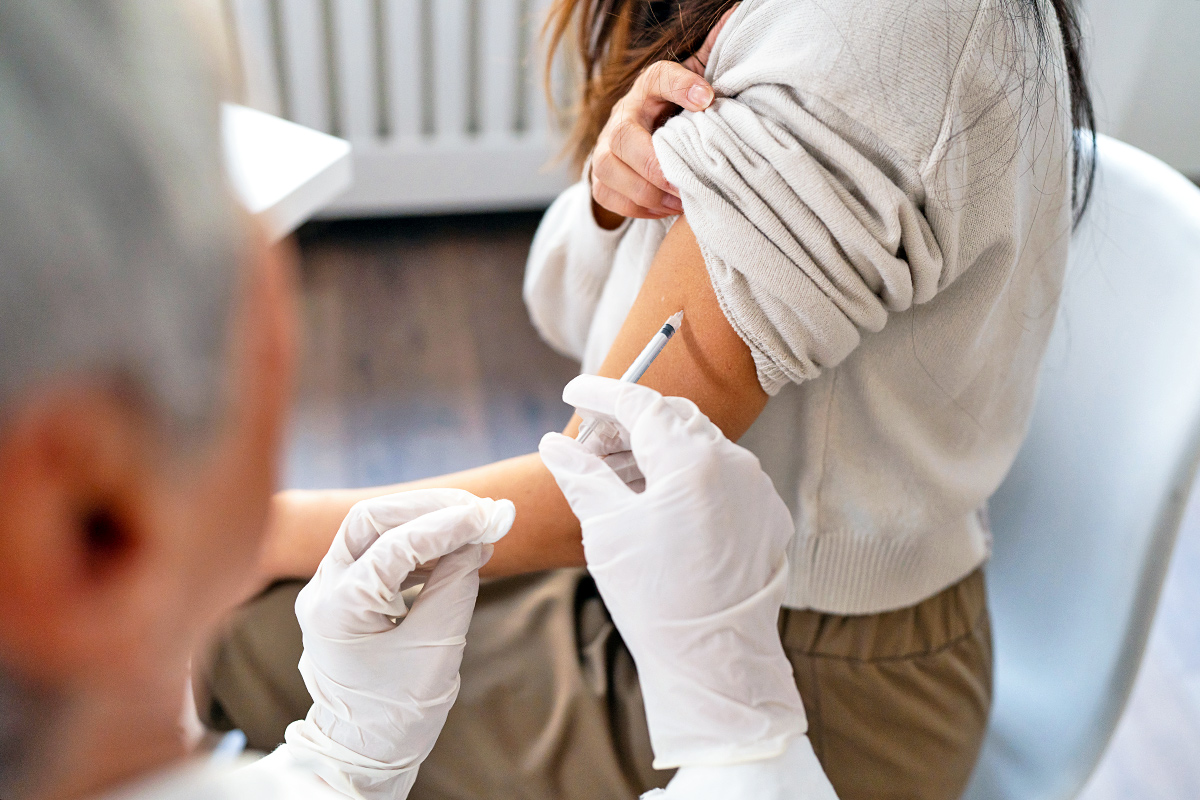
Person getting flu shot
Featured Image Credit: © SrdjanPav—E+/Getty Images

Along with pumpkin pie and holiday shopping, peak flu season is just around the corner. A new flu vaccine based on mRNA technology, the same kind used in the highly effective COVID-19 vaccines, is the biggest development on the flu front this year — and offers another option for preventing the viral infection in older adults.

Here are five important questions to ask your doctor or pharmacist about the new shot and how it can protect you from serious illness.
Advertisement
Advertisement
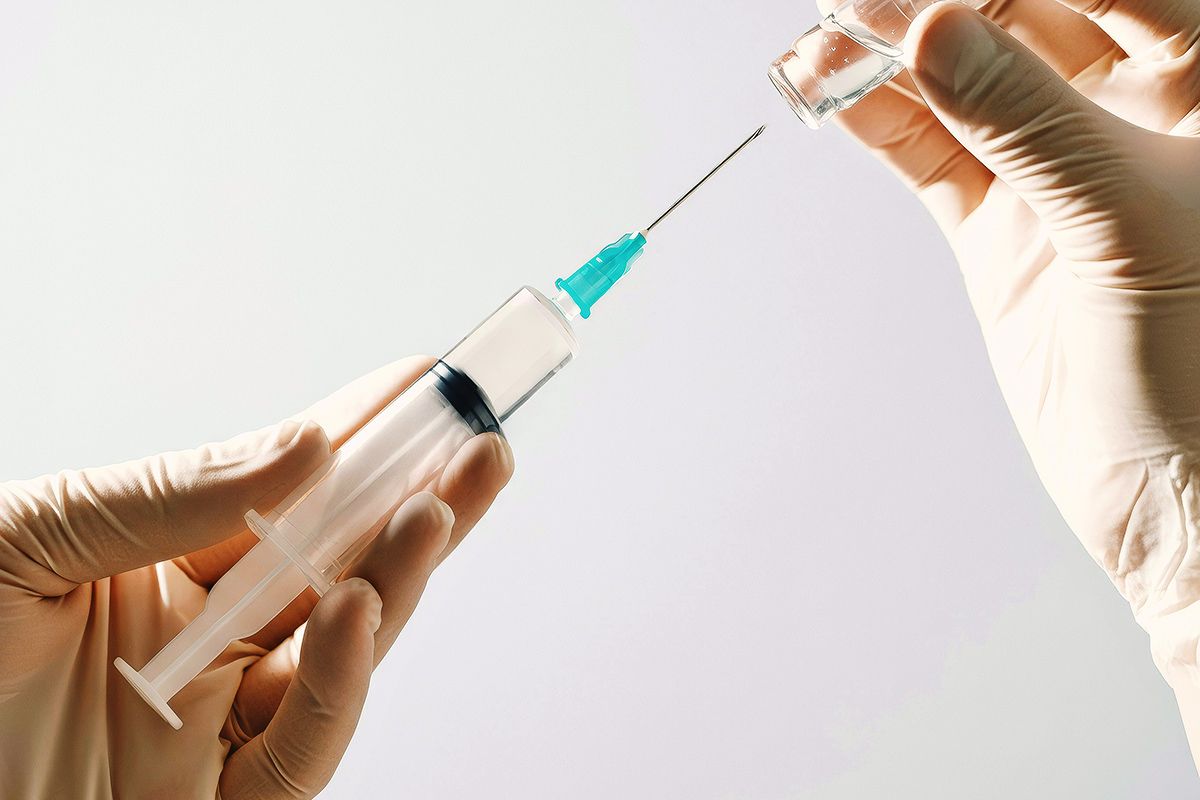
Syringe and bottle of liquid
Credit: © Alim/Unsplash.com

How Are This Year’s Flu Shots Different From Last Year’s?

The new flu shot from Moderna, called mFLUSIVA, is the first to use mRNA technology. Unlike previous flu vaccines, it doesn’t contain part of a weakened or dead virus to kick-start your immune response. mFLUSIVA works by delivering genetic “instructions” that tell your body to make a harmless flu virus protein. Your immune system then produces antibodies against the protein.

Other flu vaccines made the traditional way are still available. According to Stephen Thacker, M.D., associate professor of pediatrics and a pediatric infectious disease physician at the Medical University of South Carolina in Charleston, all of the 2026–2027 flu vaccines are trivalent, meaning they target the three subtypes of influenza A and B viruses most likely to cause flu outbreaks in humans this year.

You might want to ask your doctor about AstraZeneca’s FluMist, a relatively new flu vaccine that comes in a nasal spray. It can be self-administered or dispensed by a caregiver and promises to expand access to flu vaccination because it doesn’t require a pharmacy or doctor’s office visit, Thacker says. (You’ll still need a prescription, though.) 
Advertisement
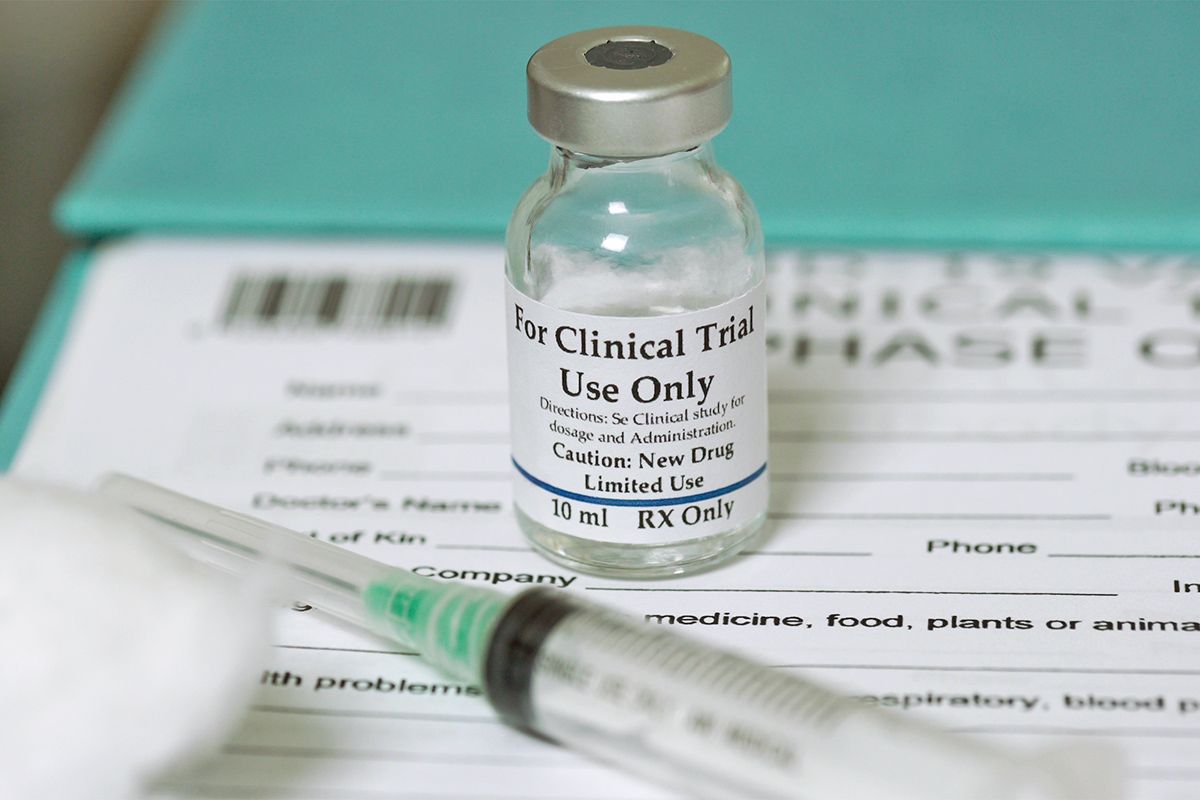
Syringe and bottle of liquid on paper
Credit: © Scott Cornell/stock.adobe.com

How Effective Is the New mRNA-Based Flu Vaccine?

Moderna conducted clinical trials to obtain FDA approval of its mRNA vaccine. One trial included 40,805 adults 50 and older in 11 countries and evaluated the safety and efficacy of mFLUSIVA. About half of the participants received mFLUSIVA, and half got a regular, standard-dose flu shot. After six months, 411 people in the mFLUSIVA group had caught the flu compared to 557 in the standard group. mFLUSIVA was about 26% more effective in people ages 50 to 64.

Recommended Articles

  • The Most Popular Car Colors in the U.S.

  • 5 Small Changes You Can Make To Decrease Your Risk of Dementia

  • First-Date Etiquette Tips for People Over 40, According to a Matchmaker

  • 6 Holiday Foods You Didn’t Know Were Healthy

Advertisement
Advertisement

Reader Favorites

  • Person breaking into a car

    The 10 Most Stolen Cars in the U.S.

  • Older man with hands on cane

    Why Do We Smell Different As We Age?

  • Man in grocery store

    6 Grocery Habits Costing You More Than You Think

“That’s a hopeful sign. We have a more beneficial tool to protect those folks in that age group,” Thacker says. Older adults make up most of the annual flu-related hospitalizations and fatalities, according to the CDC. In the 2024–2025 flu season (the most recent for which data is available), adults ages 50 to 64 accounted for 20% of hospitalizations and 21% of deaths, and those 65 and older accounted for 57% of hospitalizations and 71% of deaths.

But we won’t know exactly how effective any of the vaccines will be against this year’s viruses, he adds, until the flu season gets underway. That’s because public health officials review global and U.S.-based health data before each flu season and have to make educated guesses about which flu types will be most prevalent.

Advertisement
Advertisement
Doctor speaking with patient
Credit: © fizkes/stock.adobe.com

Can I Get the New Flu Shot?

The CDC recommends flu vaccination for anyone 6 months and older (unless there’s a contraindication to vaccination in their medical history). mFLUSIVA is fully FDA-approved for everyone ages 50 to 64. For those 65 and older, the agency has given “accelerated approval.” People in this age group can receive mFLUSIVA while clinical studies of its effectiveness against severe illness and death continue. 

Advertisement
Advertisement

According to Thacker, the new mRNA vaccine may not be available everywhere, as many places have already ordered vaccines for this year, and the rollout may take time. In that case, people over 65 can also receive one of two FDA-approved traditional flu shots designed to provoke a strong immune response. Older people tend to have weaker immune reactions to vaccines, and these shots have been shown to lower the risk of flu-related hospitalization. 

People younger than 50 can opt for one of the traditional flu shots or the FluMist nasal spray, according to their physician’s recommendations.

Woman with hand on forehead
Credit: © Getty Images/Unsplash.com 

What Are the Side Effects — And Can I Avoid Them?

Any flu shot might result in temporary side effects, including pain and inflammation at the injection site, body and joint aches, fever, or fatigue. Moderna’s clinical trials showed that side effects from the mRNA vaccine occurred about twice as often as those from the standard vaccine and most were mild to moderate. 

Advertisement
Advertisement

While unpleasant, feeling feverish and under the weather for a day or two means your immune system is working as it should. “The goal with any vaccine is to lean on how our immune system functions, and inflammation is part of that,” Thacker says, noting that swelling, redness, and body aches are signs that antibodies are “seeing the targets” and responding robustly. 

Advertisement

Ice packs or damp towels might ease injection site discomfort, and staying hydrated is important. You may want to ask your health care provider about taking over-the-counter pain relievers as well.
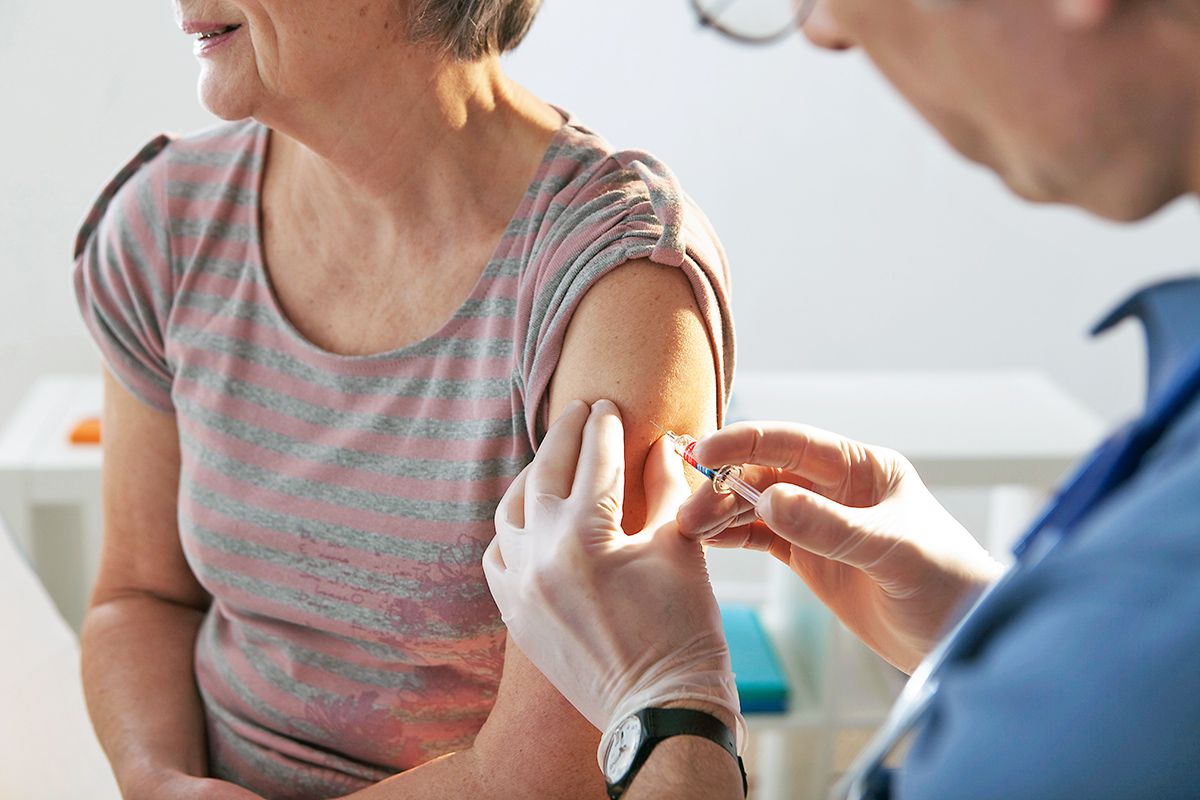
Woman getting vaccine
Credit: © RFBSIP/stock.adobe.com

When Should I Get Vaccinated?

Flu season typically lasts from October to April, and the best time to get vaccinated depends on where you live and how prevalent the flu virus is in the area — questions that your doctor can answer. “This is a really good time to connect with your primary care physician” to discuss the options, Thacker says.

As a general rule, according to Thacker, any given flu season tends to see two “spikes” in the number of cases: the first in October and November with influenza A circulating, and the second in January and February with influenza B. Consult with your doctor about the best time for you to get vaccinated.

Featured Image Credit: © SrdjanPav—E+/Getty Images

Advertisement
Advertisement

More From Our Network

Better Report is part of Inbox Studio, an email-first media company. *Indicates a third-party property.

Go Retro With This 1960s Fashion Quiz

Quiz Daily

Go Retro With This 1960s Fashion Quiz

True or False: Are You a Master of U.S. Geography?

Travel Quiz

True or False: Are You a Master of U.S. Geography?

5 Reasons You Can Be Denied Boarding an Airplane

Daily Passport

5 Reasons You Can Be Denied Boarding an Airplane

What Did People Do Before Eyeglasses?

History Facts

What Did People Do Before Eyeglasses?

How To Use a Balloon To Clean Up Dust

House Outlook

How To Use a Balloon To Clean Up Dust

11 Shopping Hacks Costco Members Should Know

FinanceBuzz*

11 Shopping Hacks Costco Members Should Know

Share this article

  • Share to Facebook
  • Share to Twitter
  • Copy Url
  • Share to Email
Kat Long
Writer

Kat Long is a freelance science journalist in the Washington, D.C. area. Previously, she was the science editor at Mental Floss and a digital editor at National Geographic. She now writes the Arctic Archives newsletter on Substack. Kat spends her free time birdwatching, road-tripping to historical sites and perusing old manuscripts at libraries.

This article is for general informational purposes only.
Affiliate Disclaimer Medical Disclaimer Financial Disclaimer

Updated: April 6, 2026
Posted In: Health
Hero Image Credit: Featured Image Credit: © SrdjanPav—E+/Getty Images
Advertisement

Related Articles

5 Small Changes You Can Make To Decrease Your Risk of Dementia

4 min read

6 Holiday Foods You Didn’t Know Were Healthy

7 min read

Is It Safe To Drink a Glass of Water That Sat Out Overnight?

3 min read

The Health Risks of Shopping at the Dollar Store

4 min read

Does Going Outside With Wet Hair Really Make You Sick?

4 min read
Advertisement

The One Number That Could Save Your Life

Health | Updated: June 29, 2026
Monica Romano
Author
With a nursing background and a passion for making health information accessible, Monica Romano brings a unique clinical perspective to her freelance writing. Based in the Pacific Northwest, she covers health, wellness, and everyday living with warmth and authority. Her work is featured in Woman's World magazine and across top health and wellness platforms.
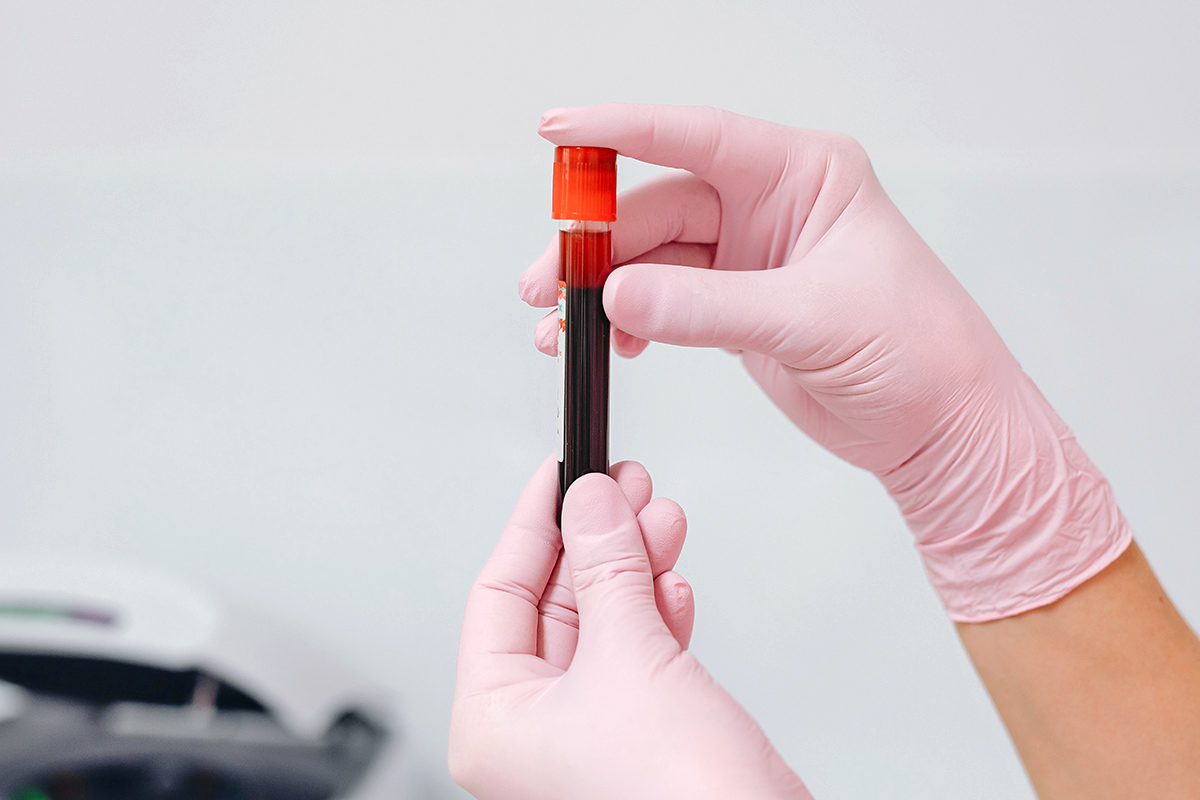
Vial of blood
Better Report

A silent health crisis is sweeping the country, and most of those at risk are unaware. 

Diabetes is surging. The disease affects over 40 million Americans, and an additional 115.2 million Americans are living with prediabetes, a condition where blood sugar is elevated but not yet high enough to qualify as Type 2 diabetes. Remarkably, 80% don’t know that they have prediabetes. The stakes are even higher for older adults: Nearly 29% of Americans over 65 have diabetes and more than half have prediabetes.

Advertisement
Advertisement

Left untreated, this progressive condition can lead to long-term health complications, so catching it early makes all the difference. Thankfully, an easy blood test known as the A1C can detect prediabetes and diabetes before irreversible damage occurs. What it reveals may be the most important number you’ve never thought about. 

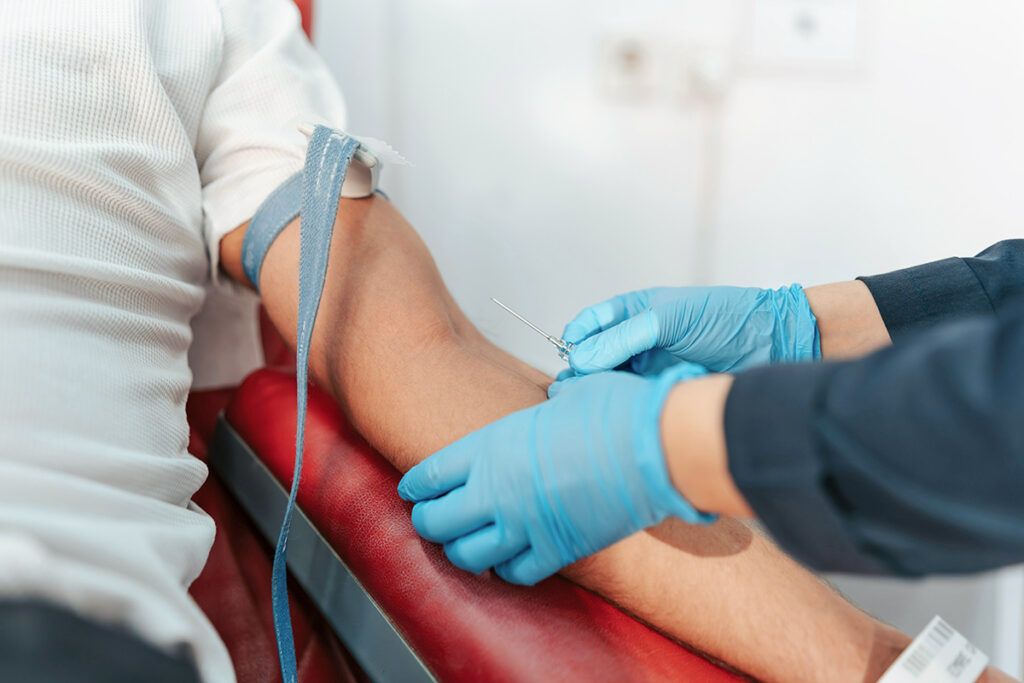
Blood getting drawn
Credit: © Yunus Tuğ/Unsplash.com

What Is the A1C Test?

The A1C is a simple blood draw that requires no fasting and measures average blood sugar levels over the past three months. (That’s roughly the lifespan of your red blood cells before they renew, so your doctor can fully evaluate your blood sugar history with a single draw.) When blood sugar rises, glucose coats the hemoglobin in your red blood cells; the A1C test measures the amount of cells with hemoglobin coated in glucose.  

Recommended Articles

  • The Most Popular Car Colors in the U.S.

  • 5 Small Changes You Can Make To Decrease Your Risk of Dementia

  • First-Date Etiquette Tips for People Over 40, According to a Matchmaker

  • 6 Holiday Foods You Didn’t Know Were Healthy

Advertisement
Advertisement

Reader Favorites

  • Person breaking into a car

    The 10 Most Stolen Cars in the U.S.

  • Older man with hands on cane

    Why Do We Smell Different As We Age?

  • Man in grocery store

    6 Grocery Habits Costing You More Than You Think

Here is what your A1C numbers actually mean: 

• Normal: below 5.7%
• Prediabetes: 5.7% to 6.4%
• Diabetes: 6.5% or above

Advertisement
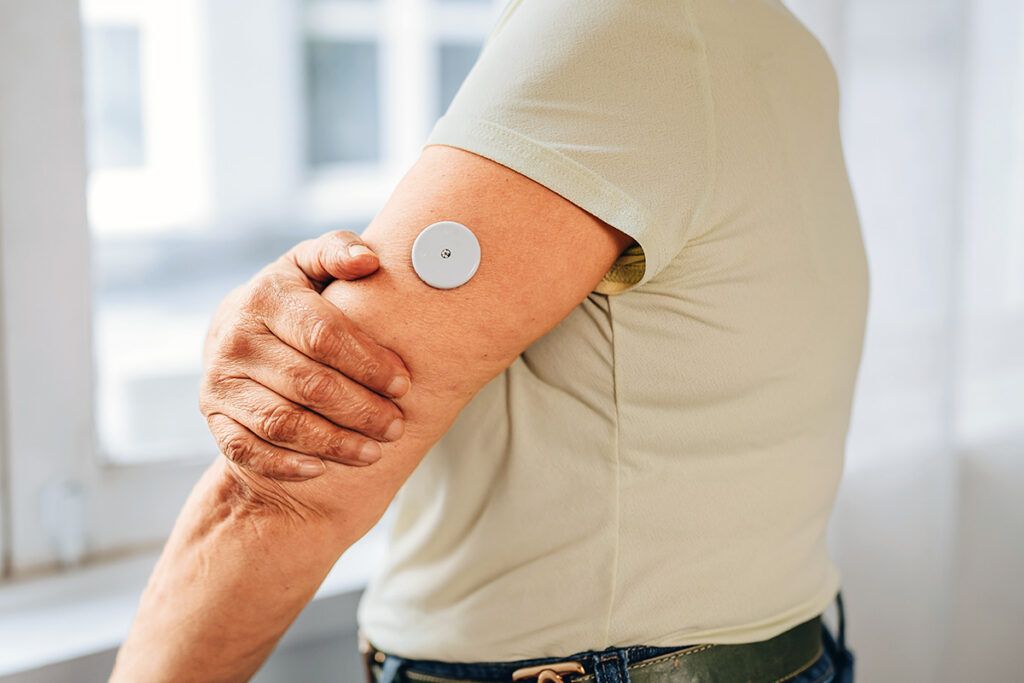
Glucose monitor in arm
Credit: © andreswd—E+/Getty Images

Why It Matters

Like high blood pressure, diabetes is known as a silent killer: People can live with high blood sugar for years without realizing it, allowing the condition to quietly damage vital parts of the body, including the kidneys, eyes, and nerves, long before a formal diagnosis is made. 

Left undetected, up to 70% of people with prediabetes will eventually develop Type 2 diabetes, many within just five years. Complications include stroke, kidney failure, nerve damage, and vision loss.

Advertisement
Advertisement

The good news is, prediabetes is reversible. It’s possible to lower your A1C back into the normal range and successfully ward off diabetes by making lifestyle changes. 

Person preparing salad
Credit: © olia danilevich/Pexels.com

What You Can Do Right Now

Researchers found that losing 5% to 7% of body weight, combined with 150 minutes of physical activity per week, can reduce the risk of developing Type 2 diabetes by 58%, and by 71% for people over age 60. 

Advertisement
Advertisement

Here are some of the most effective ways to combat prediabetes:

• Walking for 30 minutes a day, five times a week, especially after meals
• Reducing processed carbohydrates and added sugars in your diet
• Eating more fiber (aim for 25–30 grams daily)
• Managing stress

Advertisement
Credit: © Andrej Lišakov/Unsplash.com

Who Should Get Tested 

The CDC recommends A1C testing for adults over 45, and for younger adults who are overweight or have additional risk factors such as a family history of diabetes, high blood pressure, or a history of gestational diabetes during pregnancy. Notably, the American Diabetes Association now recommends screening starting at age 35. If you’re unsure whether you qualify, ask your doctor at your next visit. (You may also want to ask about a fasting insulin test, which can catch insulin resistance before it turns to prediabetes.)

Advertisement
Advertisement

The test takes minutes, and the results could alter the next decade of your health. Your body will thank you for paying attention now. 

Featured Image Credit: © kaboompics/Pexels.com

More From Our Network

Better Report is part of Inbox Studio, an email-first media company. *Indicates a third-party property.

Go Retro With This 1960s Fashion Quiz

Quiz Daily

Go Retro With This 1960s Fashion Quiz

True or False: Are You a Master of U.S. Geography?

Travel Quiz

True or False: Are You a Master of U.S. Geography?

5 Reasons You Can Be Denied Boarding an Airplane

Daily Passport

5 Reasons You Can Be Denied Boarding an Airplane

What Did People Do Before Eyeglasses?

History Facts

What Did People Do Before Eyeglasses?

How To Use a Balloon To Clean Up Dust

House Outlook

How To Use a Balloon To Clean Up Dust

11 Shopping Hacks Costco Members Should Know

FinanceBuzz*

11 Shopping Hacks Costco Members Should Know

Share this article

  • Share to Facebook
  • Share to Twitter
  • Copy Url
  • Share to Email
Monica Romano
Writer

With a nursing background and a passion for making health information accessible, Monica Romano brings a unique clinical perspective to her freelance writing. Based in the Pacific Northwest, she covers health, wellness, and everyday living with warmth and authority. Her work is featured in Woman's World magazine and across top health and wellness platforms.

This article is for general informational purposes only.
Affiliate Disclaimer Medical Disclaimer Financial Disclaimer


Updated: June 10, 2026
Posted In: Health
Hero Image Credit: Better Report
Advertisement

Related Articles

5 Small Changes You Can Make To Decrease Your Risk of Dementia

4 min read

6 Holiday Foods You Didn’t Know Were Healthy

7 min read

Is It Safe To Drink a Glass of Water That Sat Out Overnight?

3 min read

The Health Risks of Shopping at the Dollar Store

4 min read

Does Going Outside With Wet Hair Really Make You Sick?

4 min read
Advertisement
  • Home
  • Health
  • Wealth
  • Logo
  • Advertise
  • About
  • Contact Us
  • Privacy Policy
  • Terms of Use
  • Your Privacy Choices
x
Thumb Image

Elevate your everyday.

Sign up to receive the practical tips and expert advice you need to pare down the complexities of everyday living right in your inbox.

Sorry, your email address is not valid. Please try again.

Your email is:

Edit Image
Sorry, your email address is not valid. Please try again.
Thank you for subscribing...

By subscribing you are agreeing to our Terms of Use and Privacy Policy.

Close image
Thumb Image
Second Thumb Image

Elevate your everyday.

Sign up to receive the practical tips and expert advice you need to pare down the complexities of everyday living right in your inbox.

Sorry, your email address is not valid. Please try again.

By subscribing you are agreeing to our Privacy Policy and Terms of Use.

Close image