Skip to content
Better Report
  • Home
  • Health
  • Wealth
8 Low-Maintenance Plants That Thrive on Neglect
  • Search
  • Subscribe
  • Home
  • Health
  • Wealth
  • About
  • Privacy Policy
  • Terms of Use
  • Contact Us
  • SubscribeSubscribe
  • Search
Thank you for confirming your email! Welcome to the community.

Tag: Supplements

Your Calcium Supplement May Not Be Doing You Any Good

Health | Updated: August 18, 2026
Kat Long
Author
Kat Long is a freelance science journalist in the Washington, D.C. area. Previously, she was the science editor at Mental Floss and a digital editor at National Geographic. She now writes the Arctic Archives newsletter on Substack. Kat spends her free time birdwatching, road-tripping to historical sites and perusing old manuscripts at libraries.
Pills in hand
Better Report

Calcium supplements are a $6.4 billion global industry — and demand is increasing. According to the market research firm Future Market Insights, a major driver behind the continuing growth of calcium supplements is their “established use in [the] daily bone-health routines” of millions of consumers.

But studies have shown that calcium supplements don’t do much to prevent osteoporosis or bone fractures in healthy people. (Some clinical studies have demonstrated that supplements can help older people at high risk of fracture or developing osteoporosis, but more research is needed.) 

Advertisement
Advertisement

“Supplementing implies deficiency,” says Kendall Moseley, M.D., medical director of the Johns Hopkins Metabolic Bone and Osteoporosis Center in Baltimore. If you’re eating a balanced diet and getting enough calcium from food, “why supplement when you’re getting it naturally?” she adds.

Here’s what the latest research has found.
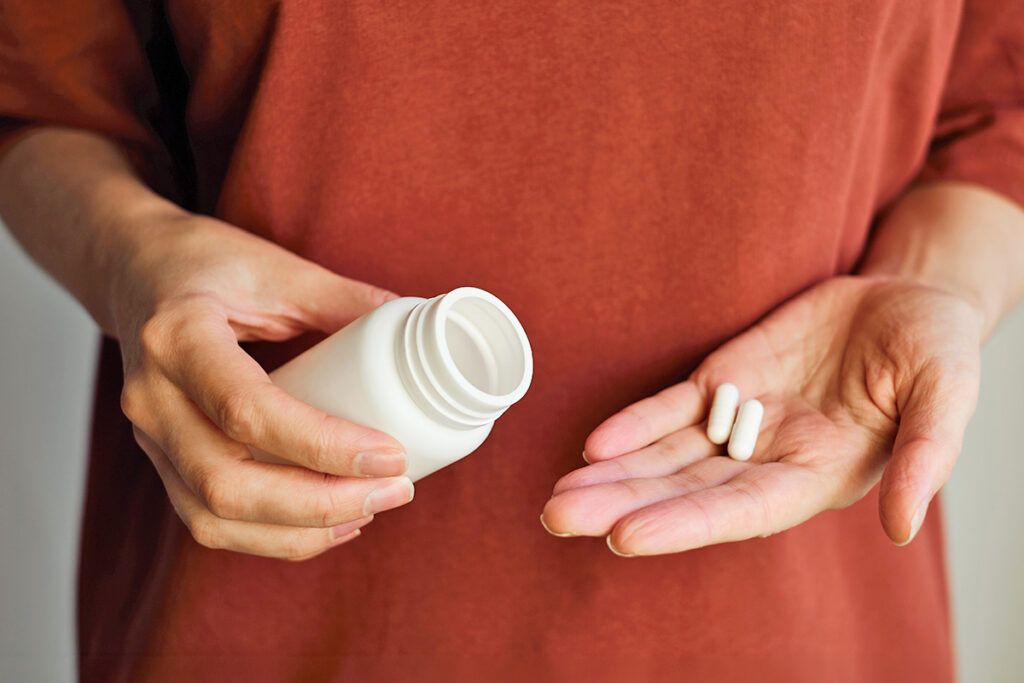
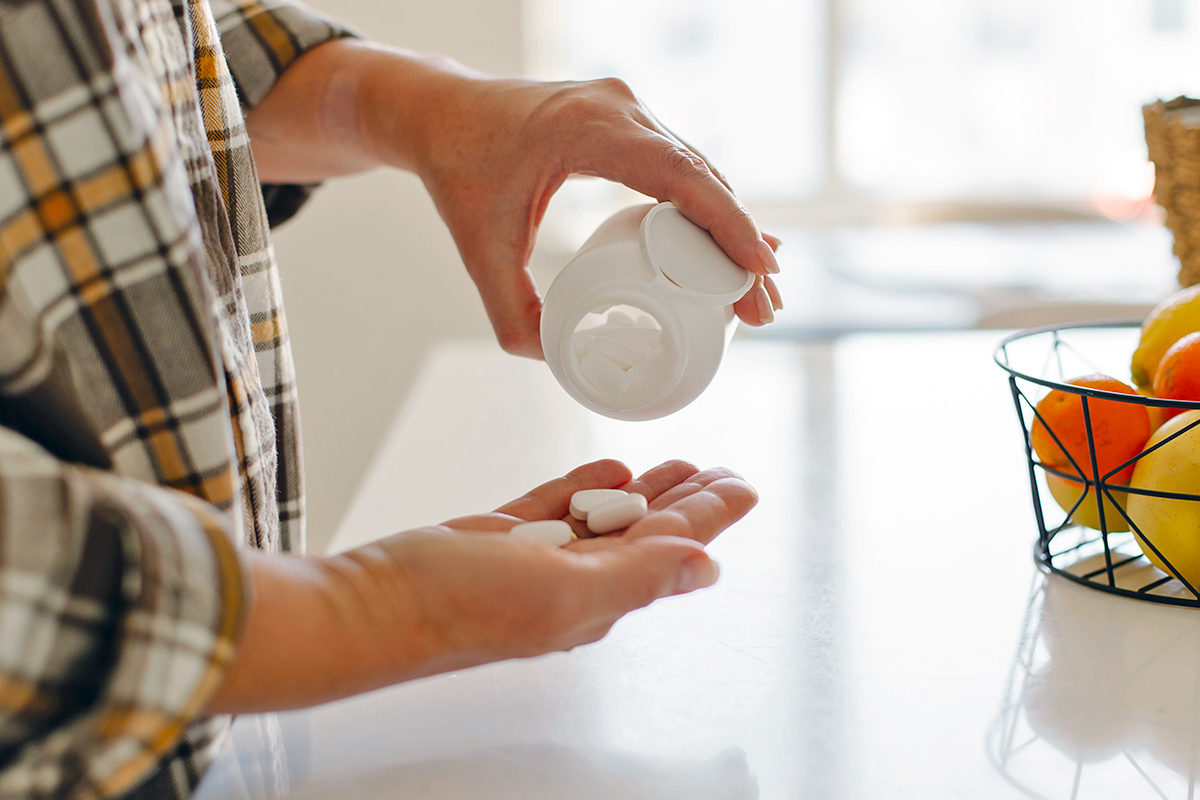
Person holding bottle in one hand and two pills in the other
Credit: © Iuliia Pilipeichenko—iStock/Getty Images

Little Benefit for Healthy People

A recent study from Canadian researchers published in The BMJ found “little to no benefits” from taking supplements of calcium, vitamin D, or a combination of both to prevent falls and fractures in a healthy population. Calcium is the main building block of bone, and vitamin D helps the body absorb calcium. 

Recommended Articles

  • 5 Small Changes You Can Make To Decrease Your Risk of Dementia

  • First-Date Etiquette Tips for People Over 40, According to a Matchmaker

  • 6 Holiday Foods You Didn’t Know Were Healthy

  • Why Doesn’t Plastic Totally Dry in the Dishwasher?

Advertisement
Advertisement

Reader Favorites

  • Person breaking into a car

    The 10 Most Stolen Cars in the U.S.

  • Older man with hands on cane

    Why Do We Smell Different As We Age?

  • Man in grocery store

    6 Grocery Habits Costing You More Than You Think

The researchers conducted a meta-analysis and systematic review of 69 randomized controlled trials, encompassing 153,902 adult participants, that studied the effects of calcium, vitamin D, or combo supplements against a placebo or no treatment to reduce falls and fractures. A majority of the participants were older (with a median age of about 71), were not at high risk for falls (73%), and were not living in a nursing home or long-term care facility (87%). None was taking medications for osteoporosis. 

Advertisement

Because the study population largely wasn’t calcium- or vitamin D-deficient, it’s not surprising that supplements had little impact on reducing falls and fractures, says Andrea Singer, M.D., division director of women’s primary care and medical director of bone densitometry at MedStar Health Georgetown University Hospital in Washington, D.C. “The results reinforce the concept that supplementation in low-risk populations is unlikely to make a difference in preventing falls and fractures,” she says.

Advertisement
Advertisement
Hands on a walker
Credit: InsideCreativeHouse/stock.adobe.com

Age-Related Risks

The study authors note their results may not apply to people with “specific bone disorders or to those receiving drug treatment for osteoporosis,” who may have a high risk for falls and fractures.

As we age, we lose bone and muscle mass, which can affect balance and gait. Unsteadiness can lead to falls, and if bones are weakened due to osteoporosis, fractures can occur. Women tend to lose bone mass and density at an earlier age and at a faster rate than men due to menopausal hormone changes; about 80% of the 10 million Americans with osteoporosis are women. But not everyone experiences the same level of risk as they age, Moseley says. Genetics, family history, previous injuries, and other factors can contribute to your chance of falls.

Advertisement
Advertisement

Among older people, fractures from falls can lead to long recovery periods or further complications like infections, blood clots, or pneumonia, impacting quality of life and independence.

Before popping any supplements, Moseley advises asking your health care provider about your risk of developing osteoporosis or experiencing falls, and doing a risk assessment first. A full rundown of your diet and all the vitamins and supplements you take should always be a part of the discussion, she says, because some multivitamins already contain supplemental calcium or vitamin D, and you don’t want to overdo it.

Advertisement
Advertisement

That’s because there are some side effects of taking too much calcium, Moseley says. Megadoses of the mineral can cause brain fog, cognitive dysfunction, abdominal pain, nausea, and constipation. You could also experience kidney stones or even kidney failure as the organs work overtime to excrete the extra calcium. You and your doctor can decide whether additional calcium or vitamin D intake would be useful along with other treatment options.
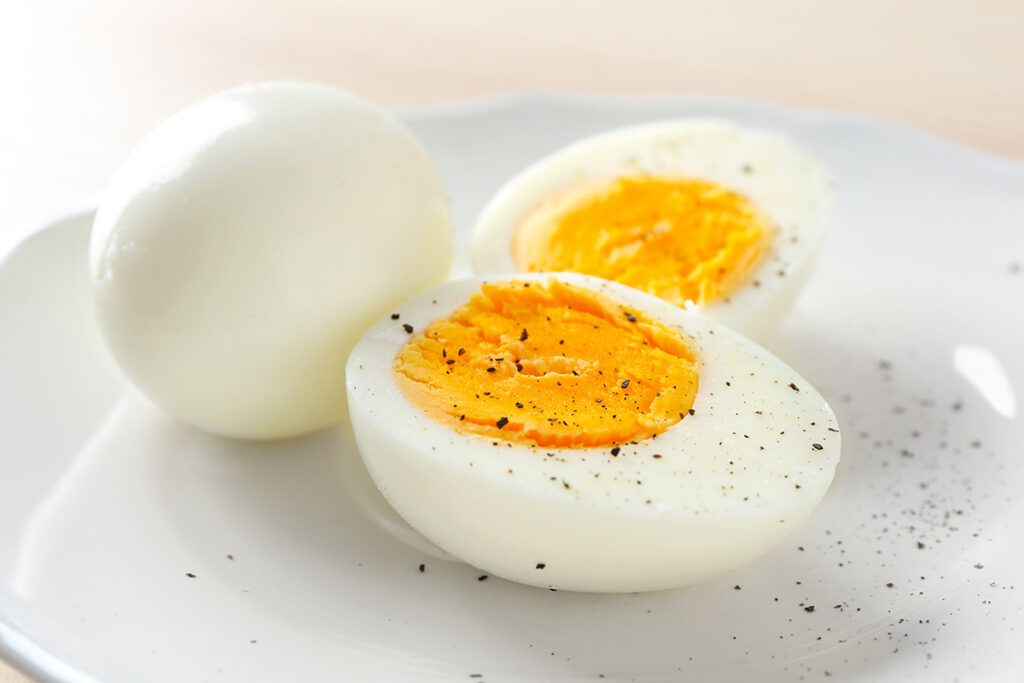
Eggs with pepper on a plate
Credit: © Africa Studio/stock.adobe.com

The Importance of Strong Bones

There are steps people can take to ensure bone health earlier in their lives before age-related issues arise. 

Advertisement
Advertisement

A healthy diet including sufficient amounts of calcium and vitamin D “is always our first go-to,” Singer says. Recommended daily intakes range from 1,000 to 1,200 milligrams of calcium (depending on sex and age) and 15 micrograms of vitamin D for adults up to age 70 or 20 micrograms for those 70 and older. Younger people need between 200 to 1,300 milligrams of calcium and 10 to 15 micrograms of vitamin D per day, depending on age. Foods containing both calcium and vitamin D include whole eggs, cheese, canned fish with bones (like sardines and salmon), and D-fortified milk and yogurt. Calcium is also abundant in dark leafy greens, broccoli, and edamame.

Advertisement

Weight-bearing or resistance exercise is essential for healthy bones because it strengthens both the bones and the muscles that support them, helping to grow and repair tissue throughout your lifespan. Older people can add balance exercises for building strong bones and reducing falls, Singer says. Of course, it’s important to speak with your health care provider before beginning any diet or exercise plan.

Advertisement
Advertisement

Featured Image Credit: © Alexandr Kolesnikov—Moment/Getty Image

More From Our Network

Better Report is part of Inbox Studio, an email-first media company. *Indicates a third-party property.

Go Retro With This 1960s Fashion Quiz

Quiz Daily

Go Retro With This 1960s Fashion Quiz

True or False: Are You a Master of U.S. Geography?

Travel Quiz

True or False: Are You a Master of U.S. Geography?

5 Reasons You Can Be Denied Boarding an Airplane

Daily Passport

5 Reasons You Can Be Denied Boarding an Airplane

What Did People Do Before Eyeglasses?

History Facts

What Did People Do Before Eyeglasses?

How To Use a Balloon To Clean Up Dust

House Outlook

How To Use a Balloon To Clean Up Dust

11 Shopping Hacks Costco Members Should Know

FinanceBuzz*

11 Shopping Hacks Costco Members Should Know

Share this article

  • Share to Facebook
  • Share to Twitter
  • Copy Url
  • Share to Email
Kat Long
Writer

Kat Long is a freelance science journalist in the Washington, D.C. area. Previously, she was the science editor at Mental Floss and a digital editor at National Geographic. She now writes the Arctic Archives newsletter on Substack. Kat spends her free time birdwatching, road-tripping to historical sites and perusing old manuscripts at libraries.

This article is for general informational purposes only.
Affiliate Disclaimer Medical Disclaimer Financial Disclaimer

Updated: April 6, 2026
Posted In: Health
Hero Image Credit: Better Report
Advertisement

Related Articles

5 Small Changes You Can Make To Decrease Your Risk of Dementia

4 min read

6 Holiday Foods You Didn’t Know Were Healthy

7 min read

Is It Safe To Drink a Glass of Water That Sat Out Overnight?

3 min read

The Health Risks of Shopping at the Dollar Store

4 min read

Does Going Outside With Wet Hair Really Make You Sick?

4 min read
Advertisement

6 Supplements You Should Never Take With Coffee

Health | Updated: July 27, 2026
Sarah Gleim
Author
Sarah Gleim is an Atlanta-based freelancer with more than 25 years of experience writing and producing explainers and features about history, science, food, and health for media outlets like AARP, WebMD, The Conversation, History.com, HowStuffWorks, CNN, and others. She’s also the editor of several cookbooks for Southern Living and Cooking Light.
Woman drinking coffee
Better Report

If part of your morning routine includes a cup of coffee, listen up. According to the 2025 National Coffee Data Trends report, two-thirds (66%) of Americans drink it every day, getting a boost of energy from an average of three cups. But if you also take supplements, you might want to think twice before you swallow them down with your cup of joe at your next breakfast.

Taking supplements with coffee isn’t dangerous, but the caffeine and polyphenols in coffee, and its diuretic effect, can change how some work — and may even prevent your body from getting needed nutrients. Here are six supplements you should never take with coffee.

Advertisement
Advertisement
Pregnant person with supplements
Credit: Maksym/stock.adobe.com

Iron

Your body needs the mineral iron for growth and hormone production. Most Americans get enough from their diet, but certain groups, including pregnant women, may need to take supplements. If you take one with coffee, though, you may not get the full benefit: One study found that doing so could decrease iron absorption by 54% to 66%.

Instead, take iron with water at least two hours before your coffee. You also can pair your iron supplement with foods or drinks high in vitamin C, such as orange juice, to help your body fully absorb it.

Cup of coffee with milk being poured in
Credit: Feyza Daştan/Pexels.com

Calcium

Calcium is a mineral you need for strong bones and teeth. If you don’t get enough, you could be at risk for osteoporosis and fractures.

Advertisement

Caffeine in coffee can reduce your body’s absorption of calcium. Studies also suggest that because coffee makes you go to the bathroom, it filters too much calcium out of your system. For every cup you drink, you lose as much as 5 milligrams of calcium through urine.

You can add dairy to your coffee to compensate for the calcium loss. But caffeine also changes how efficiently your body absorbs the vitamin D in dairy (more on that below). So it’s best to take calcium at another time of the day.

Recommended Articles

  • 5 Small Changes You Can Make To Decrease Your Risk of Dementia

  • First-Date Etiquette Tips for People Over 40, According to a Matchmaker

  • 6 Holiday Foods You Didn’t Know Were Healthy

  • Why Doesn’t Plastic Totally Dry in the Dishwasher?

Advertisement
Advertisement

Reader Favorites

  • Person breaking into a car

    The 10 Most Stolen Cars in the U.S.

  • Older man with hands on cane

    Why Do We Smell Different As We Age?

  • Man in grocery store

    6 Grocery Habits Costing You More Than You Think

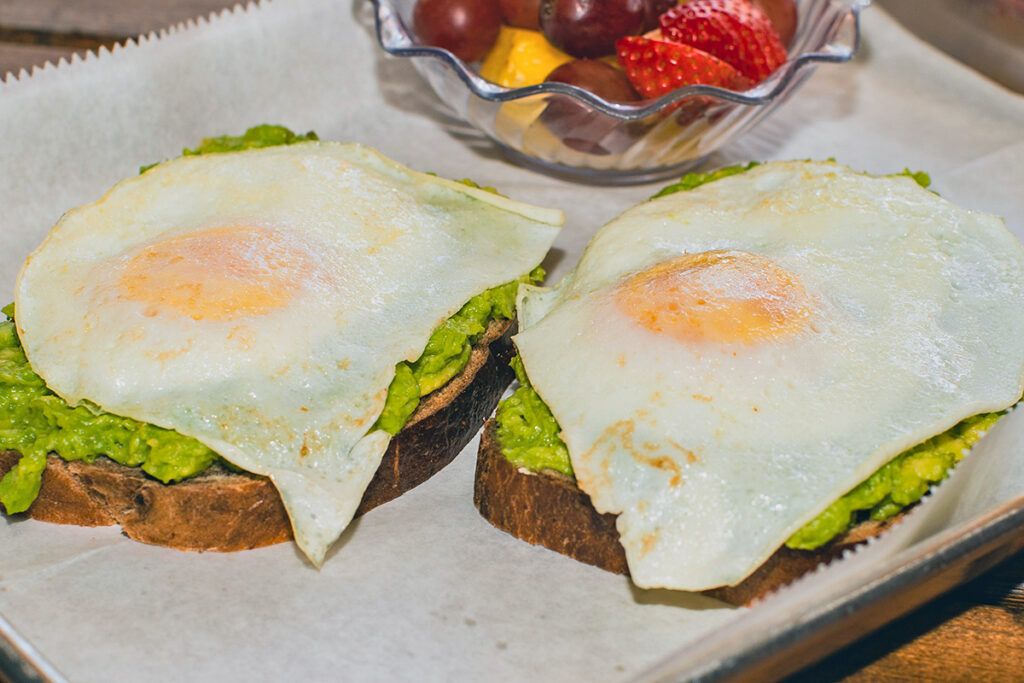
Avocado toast
Credit: Freddy G/Unsplash.com

Vitamin D

You need vitamin D to help absorb and use calcium for healthy bones, and the caffeine in coffee can inhibit how well your body absorbs vitamin D because caffeine influences how vitamin D receptors work.

Take your vitamin D with a meal such as breakfast. Vitamin D is fat-soluble, which means your body absorbs it best when you take it with healthy fats, such as eggs, yogurt, nuts, or avocado. Wait at least an hour before having any coffee. 

Advertisement
Advertisement
Pills coming out of a bottle
Credit: Odin Mcraig/Pexels.com

B Vitamins

Unlike vitamin D, B vitamins — including thiamine (B1), riboflavin (B2), niacin (B3), and folate (B9) — are water-soluble, and your body can’t produce or store them (with the exception of B12, which is stored in the liver). Instead, they need to be replaced every day, either through your diet or via supplements. 

The caffeine in coffee also increases how much of these vitamins your body eliminates through urine. Studies show drinking coffee tends to lead to lower levels of folate, pyridoxal phosphate (the active form of vitamin B6), and riboflavin. It also interferes with how some B vitamins metabolize.

Advertisement

You should take your B vitamins at least an hour after your last coffee, with or without food — but they might be easier to swallow with breakfast.

Advertisement
Advertisement
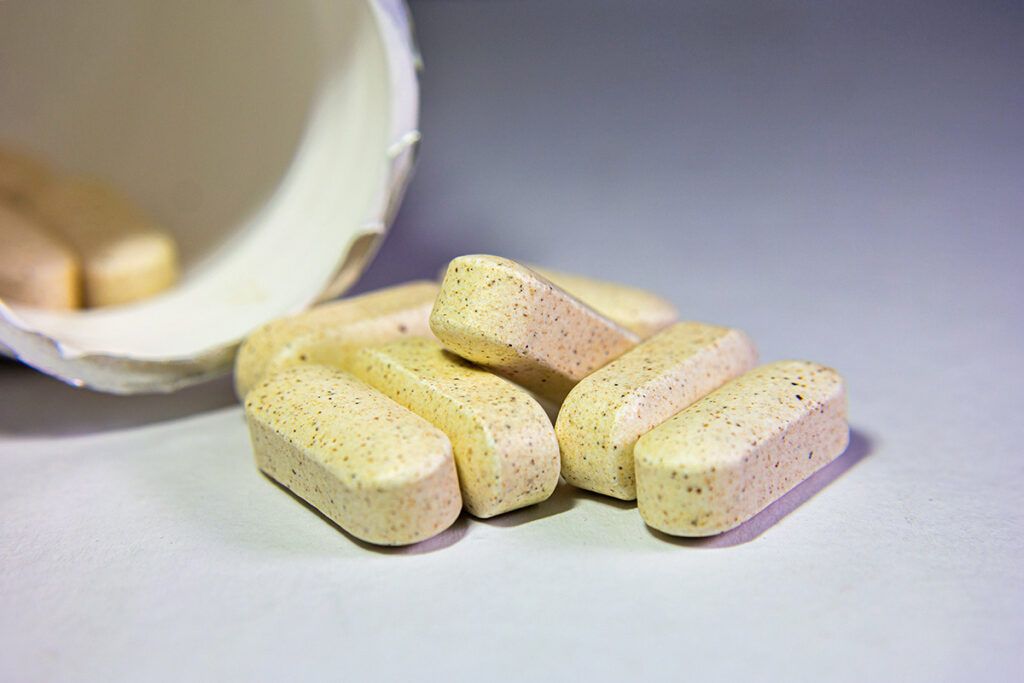
White tablets in hand
Credit: © elifilm—iStock/Getty Images

Magnesium and Zinc

Magnesium and zinc are important nutrients you need to stay healthy: The former contributes to a number of the body’s processes, including regulating blood pressure and blood sugar, and the latter is used by the body to make DNA and assist the immune system in fighting illnesses. But the polyphenols and tannins in coffee attach to the minerals and reduce how much your body can absorb. Some of the nutrients can also be filtered out as a result of  coffee’s diuretic effects. And because magnesium plays a role in how you sleep, you should avoid caffeinated coffee if you’re taking a magnesium supplement at bedtime. Zinc also can irritate an empty stomach, so take it with lunch or dinner instead of your morning coffee. 

Advertisement
Advertisement

Featured Image Credit: © Marcus Aurelius/Pexels.com

More From Our Network

Better Report is part of Inbox Studio, an email-first media company. *Indicates a third-party property.

Go Retro With This 1960s Fashion Quiz

Quiz Daily

Go Retro With This 1960s Fashion Quiz

True or False: Are You a Master of U.S. Geography?

Travel Quiz

True or False: Are You a Master of U.S. Geography?

5 Reasons You Can Be Denied Boarding an Airplane

Daily Passport

5 Reasons You Can Be Denied Boarding an Airplane

What Did People Do Before Eyeglasses?

History Facts

What Did People Do Before Eyeglasses?

How To Use a Balloon To Clean Up Dust

House Outlook

How To Use a Balloon To Clean Up Dust

11 Shopping Hacks Costco Members Should Know

FinanceBuzz*

11 Shopping Hacks Costco Members Should Know

Share this article

  • Share to Facebook
  • Share to Twitter
  • Copy Url
  • Share to Email
Sarah Gleim
Writer

Sarah Gleim is an Atlanta-based freelancer with more than 25 years of experience writing and producing explainers and features about history, science, food, and health for media outlets like AARP, WebMD, The Conversation, History.com, HowStuffWorks, CNN, and others. She’s also the editor of several cookbooks for Southern Living and Cooking Light.

This article is for general informational purposes only.
Affiliate Disclaimer Medical Disclaimer Financial Disclaimer

Updated: June 9, 2026
Posted In: Health
Hero Image Credit: Better Report
Advertisement

Related Articles

5 Small Changes You Can Make To Decrease Your Risk of Dementia

4 min read

6 Holiday Foods You Didn’t Know Were Healthy

7 min read

Is It Safe To Drink a Glass of Water That Sat Out Overnight?

3 min read

The Health Risks of Shopping at the Dollar Store

4 min read

Does Going Outside With Wet Hair Really Make You Sick?

4 min read
Advertisement

Constantly Sick? You Might Be Missing This Mineral

Jessica Levy
Health | Updated: February 12, 2026
Better Report

If it feels like you’re always sick, your immune system may be more stressed than you realize. A constant sniffle, sore throat, or run-down feeling isn’t just inconvenient. Over time, these symptoms can become normal, but they’re often a sign that your body isn’t getting everything it needs to stay resilient and fight back the way it should.

One key mineral that’s often overlooked? Zinc. While vitamin C is commonly associated with immunity, a comprehensive review of different micronutrients found that while most vitamins didn’t significantly prevent colds or reduce symptom severity, zinc actually made folks feel better faster.

Advertisement
Advertisement

On average, people who took zinc shortened their colds by about 2.25 days. That may not sound like much, but, given most colds last seven days, cutting a few days off every cold can make a meaningful difference over the course of a year, especially if you’re someone who seems to catch everything. And zinc can play a role in preventing illness, too, by helping your thymus, a small but critical gland, produce and train the immune cells your body relies on to fight infections.

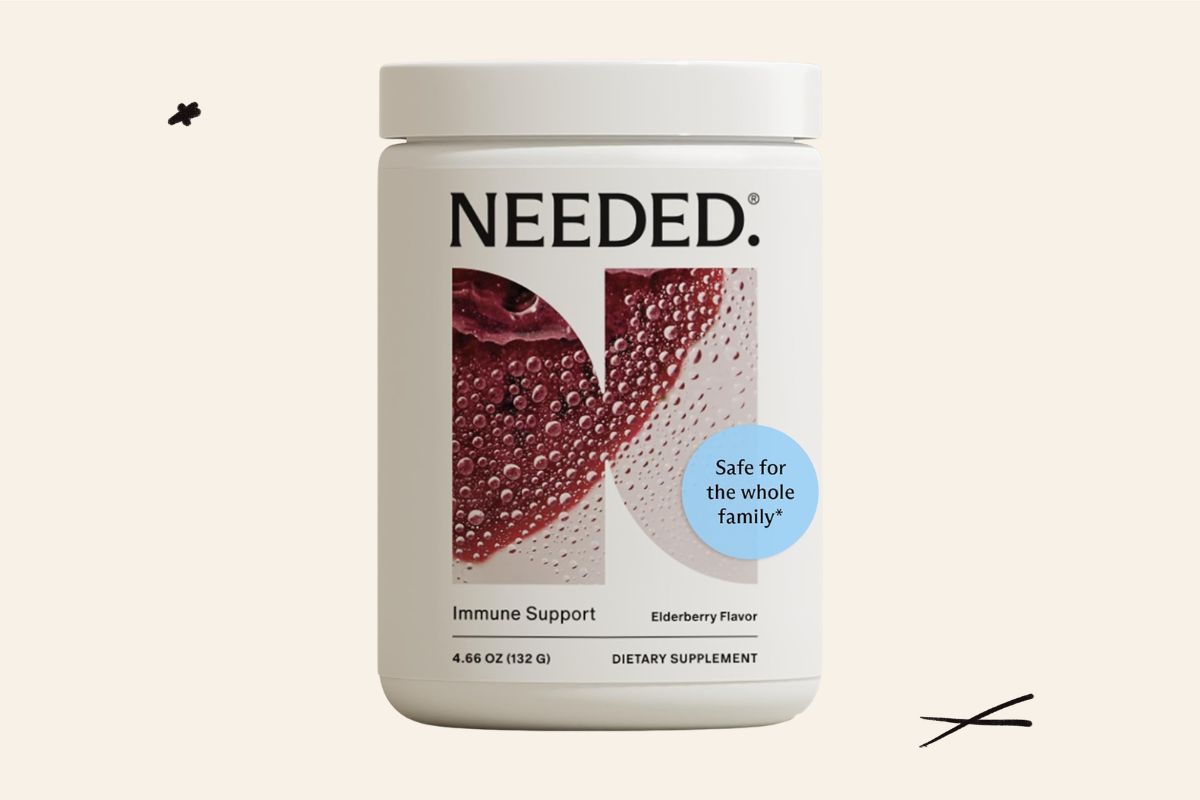
Needed. Immune Support Immunity Powder

BUY FOR $60 AT AMAZON

That’s why replenishing your zinc matters — even if the supplements are unsavory and astringent. Thankfully, there’s a powdered alternative that lets you replenish your supply no matter whether you’re at home or on the road. (The powder can successfully bypass TSA screenings.)

Recommended Articles

  • 5 Small Changes You Can Make To Decrease Your Risk of Dementia

  • First-Date Etiquette Tips for People Over 40, According to a Matchmaker

  • 6 Holiday Foods You Didn’t Know Were Healthy

  • Why Doesn’t Plastic Totally Dry in the Dishwasher?

Advertisement
Advertisement

Reader Favorites

  • Person breaking into a car

    The 10 Most Stolen Cars in the U.S.

  • Older man with hands on cane

    Why Do We Smell Different As We Age?

  • Man in grocery store

    6 Grocery Habits Costing You More Than You Think

The Needed Immune Support Powder is an easy-to-mix, surprisingly delicious daily powder made with bioavailable zinc and other immune-supporting nutrients to help address common nutrient gaps. Instead of guessing whether you’re getting enough zinc, it offers a convenient way to support your body’s natural defenses without the metallic aftertaste. Elderberry is a slightly tart, slightly sweet fruit that’s reminiscent of other berries: blackberry, especially. This mix features monk fruit for added sweetness, though, so the tartness is not too overpowering. A serving size is two scoops, and there are 30 servings per container, which means there’s more than enough to go around when the entire house is sick, several times over

Featured Image Credit: Martinns/ iStock

More From Our Network

Better Report is part of Inbox Studio, an email-first media company. *Indicates a third-party property.

Go Retro With This 1960s Fashion Quiz

Quiz Daily

Go Retro With This 1960s Fashion Quiz

True or False: Are You a Master of U.S. Geography?

Travel Quiz

True or False: Are You a Master of U.S. Geography?

5 Reasons You Can Be Denied Boarding an Airplane

Daily Passport

5 Reasons You Can Be Denied Boarding an Airplane

What Did People Do Before Eyeglasses?

History Facts

What Did People Do Before Eyeglasses?

How To Use a Balloon To Clean Up Dust

House Outlook

How To Use a Balloon To Clean Up Dust

11 Shopping Hacks Costco Members Should Know

FinanceBuzz*

11 Shopping Hacks Costco Members Should Know

Share this article

  • Share to Facebook
  • Share to Twitter
  • Copy Url
  • Share to Email
Jessica Levy

This article is for general informational purposes only.
Affiliate Disclaimer Medical Disclaimer Financial Disclaimer

Updated:
Posted In: Health
Hero Image Credit: Better Report
Advertisement

Related Articles

5 Small Changes You Can Make To Decrease Your Risk of Dementia

4 min read

6 Holiday Foods You Didn’t Know Were Healthy

7 min read

Is It Safe To Drink a Glass of Water That Sat Out Overnight?

3 min read

The Health Risks of Shopping at the Dollar Store

4 min read

Does Going Outside With Wet Hair Really Make You Sick?

4 min read
Advertisement

Women Are More Stressed Than Men, Research Shows. Here’s What Could Help

Health | Updated: January 30, 2026
Megan Rogers
Author
Based in Los Angeles, Megan blends over five years of publisher experience with a data-first approach to commerce content. She’s collaborated with leading commerce teams at Real Simple, Better Homes & Gardens, Reader’s Digest, and Taste of Home to name a few. When she’s not diving into product trends, you’ll find her exploring new adventures as a newlywed or spoiling her rescue dog, Ram Ram.
Sad and lonely girl in bedroom. Insomnia and psychological issues. Breakup with boyfriend. Conceptual of bad condition of broken hearted, sadness, loneliness or depress woman.
Better Report

Stress is the body’s natural response to pressure or change, whether it’s a significant life event like losing a job, a new baby, a divorce, or sudden financial hardship. That said, even positive changes can trigger it, and while it affects us both emotionally and physically, it often goes unnoticed because it’s such a standard part of everyday life. That doesn’t mean we should ignore it, though. And women, in particular, do.

The Weight of Stress for Women

For most women, stress is a constant backdrop. From juggling work tasks and home responsibilities to carrying the mental load of caregiving and daily decision-making for a family unit, stress can build up without women even realizing how deeply it’s affecting them, leading to burnout or worse.

Women ages 35 to 54, especially those balancing roles like parenting, caring for aging parents, and working, experience significantly higher levels of stress than men. According to one study, women carry more stress than men and are more likely to say they feel misunderstood in their stress. Unfortunately, the data shows women are suffering more and receiving less help.

Courtesy of Needed

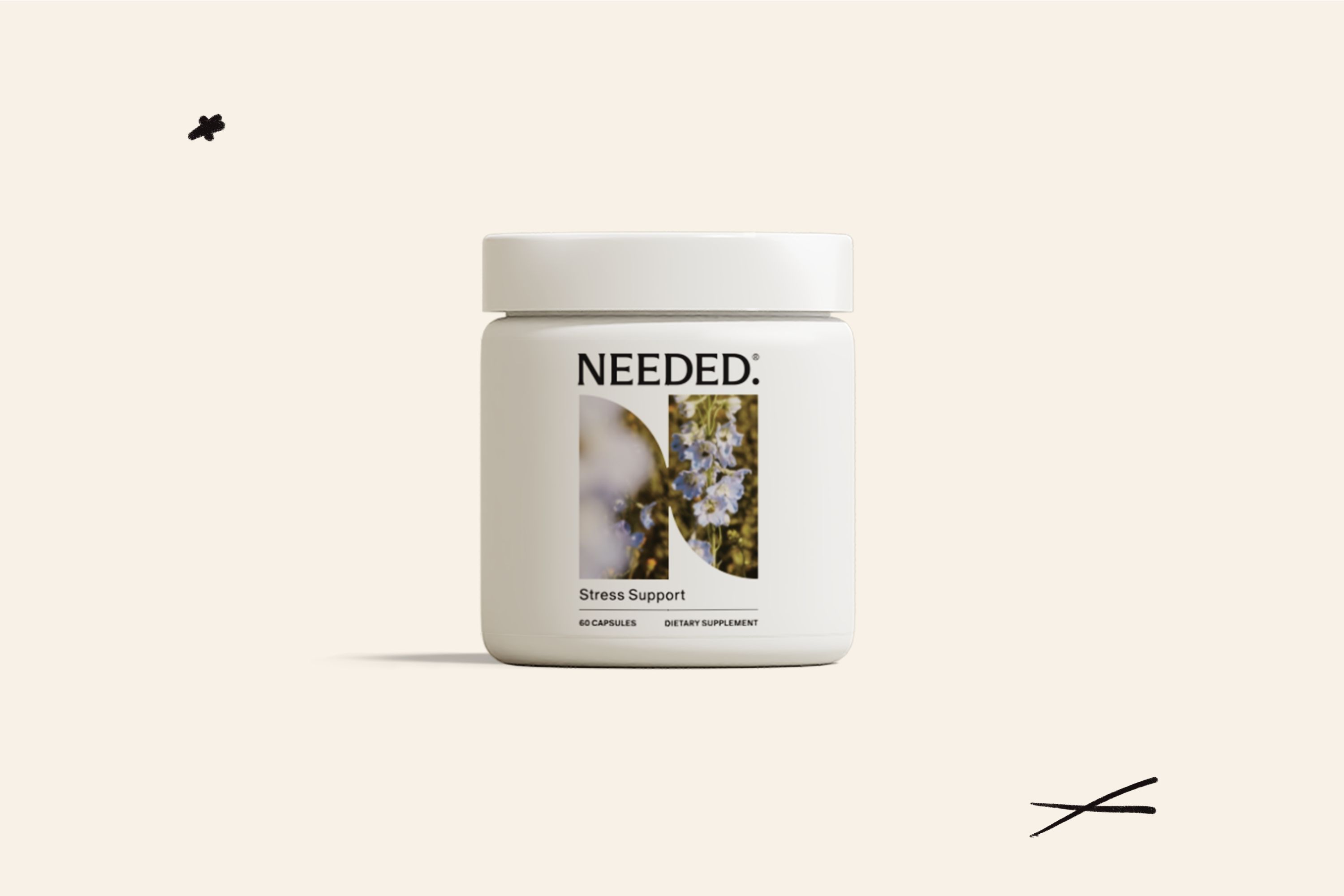
Needed Stress Support Supplements

Naturally, as with most supplements nowadays, you save more by subscribing, but you still get a discount even if you order a single bottle. Better Report readers receive 20% off their first purchase with code THISISNEEDED.

BUY FOR $38 (ORIG $50) AT NEEDED
BUY FOR $50 AT AMAZON
Advertisement

Managing Stress With Supplements

The good news? Stress can often be managed and reduced with the right tools and support. Some of the most effective strategies include spending time with people who lift you, prioritizing physical activity, centering self-care, setting boundaries to protect your time, and asking for help or professional support when needed. Still, even with lifestyle changes, stress can sneak in and make itself at home, impacting your sleep, mood, and energy.

That’s where thoughtful, supplemental support can make a real difference: Products like Needed Stress Support are designed to work with the body’s natural stress response, helping women feel more in control, grounded, and resilient. The formula includes two well-studied adaptogens — Ashwagandha and Saffron — that, through clinical research, have shown their ability to support stress response and emotional balance.

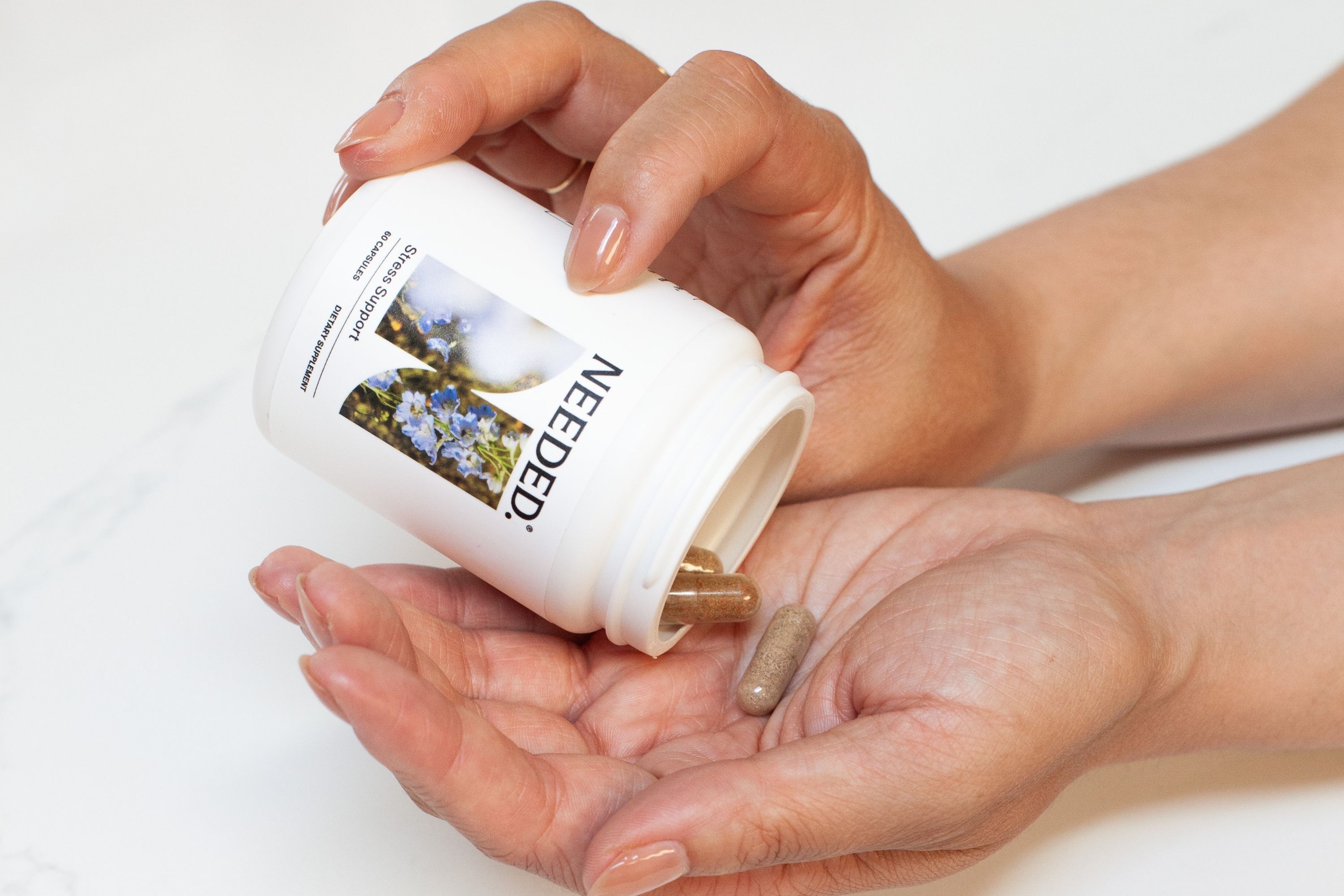
Courtesy of Needed

It also features Shatavari, an herb traditionally used in Ayurvedic medicine for stress resilience and hormonal support. With Needed’s science-backed supplement stack, you can nurture your calm, support a healthy mood, and feel more centered every day by stabilizing your cortisol levels —a studyable stress marker that rises when we’re feeling overwhelmed and becomes more regular when our bodies grow resilient to triggers, which all of Needed’s Stress Support’s active ingredients help regulate.

Featured Image Credit: Oleg Breslavtsev / Getty

Advertisement
Advertisement

More From Our Network

Better Report is part of Inbox Studio, an email-first media company. *Indicates a third-party property.

Go Retro With This 1960s Fashion Quiz

Quiz Daily

Go Retro With This 1960s Fashion Quiz

True or False: Are You a Master of U.S. Geography?

Travel Quiz

True or False: Are You a Master of U.S. Geography?

5 Reasons You Can Be Denied Boarding an Airplane

Daily Passport

5 Reasons You Can Be Denied Boarding an Airplane

What Did People Do Before Eyeglasses?

History Facts

What Did People Do Before Eyeglasses?

How To Use a Balloon To Clean Up Dust

House Outlook

How To Use a Balloon To Clean Up Dust

11 Shopping Hacks Costco Members Should Know

FinanceBuzz*

11 Shopping Hacks Costco Members Should Know

Share this article

  • Share to Facebook
  • Share to Twitter
  • Copy Url
  • Share to Email
Megan Rogers
Commerce Editor

Based in Los Angeles, Megan blends over five years of publisher experience with a data-first approach to commerce content. She’s collaborated with leading commerce teams at Real Simple, Better Homes & Gardens, Reader’s Digest, and Taste of Home to name a few. When she’s not diving into product trends, you’ll find her exploring new adventures as a newlywed or spoiling her rescue dog, Ram Ram.

This article is for general informational purposes only.
Affiliate Disclaimer Medical Disclaimer Financial Disclaimer

Updated: September 10, 2025
Posted In: Health
Hero Image Credit: Better Report

Recommended Articles

  • 5 Small Changes You Can Make To Decrease Your Risk of Dementia

  • First-Date Etiquette Tips for People Over 40, According to a Matchmaker

  • 6 Holiday Foods You Didn’t Know Were Healthy

  • Why Doesn’t Plastic Totally Dry in the Dishwasher?

Advertisement

Related Articles

5 Small Changes You Can Make To Decrease Your Risk of Dementia

4 min read

6 Holiday Foods You Didn’t Know Were Healthy

7 min read

Is It Safe To Drink a Glass of Water That Sat Out Overnight?

3 min read

The Health Risks of Shopping at the Dollar Store

4 min read

Does Going Outside With Wet Hair Really Make You Sick?

4 min read
Advertisement

The One Supplement Basically Everyone Should Take

Jessica Levy
Health | Updated: October 17, 2025
Better Report

Few things truly are one-size-fits-all — whether it’s hats, socks, gloves, or swimwear. It’s even more of a stretch to suggest any dietary supplement could be, but new research points to creatine as a contender. The powder (or, in my case, gummy) is popular with athletes, bodybuilders, and fraternity brothers, who all say it helps provide the energy needed for high-intensity, short-burst workouts (i.e., lifting weights or playing sports), and build muscle over long periods of time, often through “cycles,” where you rotate the months spent taking the supplement and the months spent off it.

But those benefits have almost always been known. Creatine is one of the simplest, most well-studied, and indisputably legal ways to enhance your physical performance: It’s an amino acid that occurs naturally in the human body, but is also abundant in sources of protein like meat and fish. For an adult, your recommended daily intake is one gram, but athletes have historically taken anywhere between five and 10 grams per day.

Advertisement
Advertisement

Regular, everyday people like you and me — especially vegetarians and seniors over 65 — could benefit from a similar dose, according to the study published by researchers at Texas A&M University. And it’s not just because we need to be in top condition for tip-off or kickoff. Their research suggests creatine does more than give athletes an edge: It powers cells, sharpens the mind, and helps you stay healthy (and ideally live) longer. (It could also protect your brain against traumatic injuries, like concussions.)

Related: 5 Supplements That Actually Help With Aging

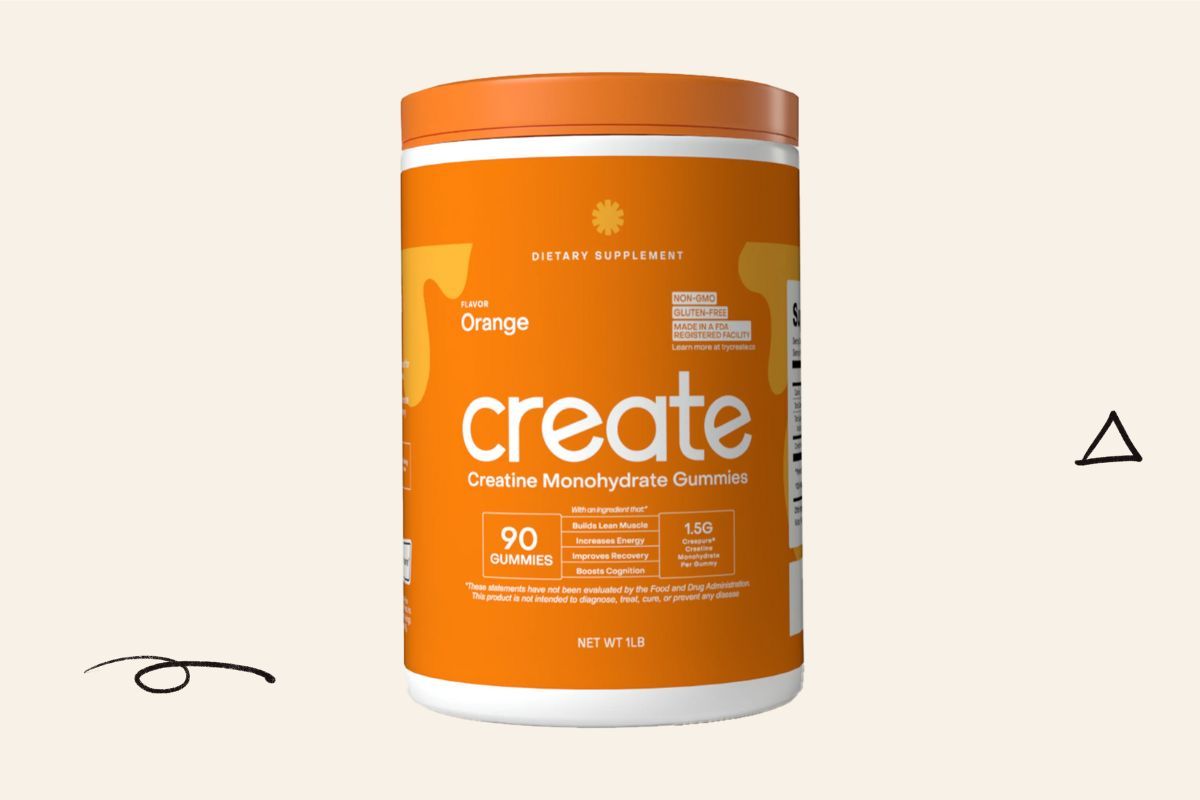
Create Creatine Monohydrate Gummies

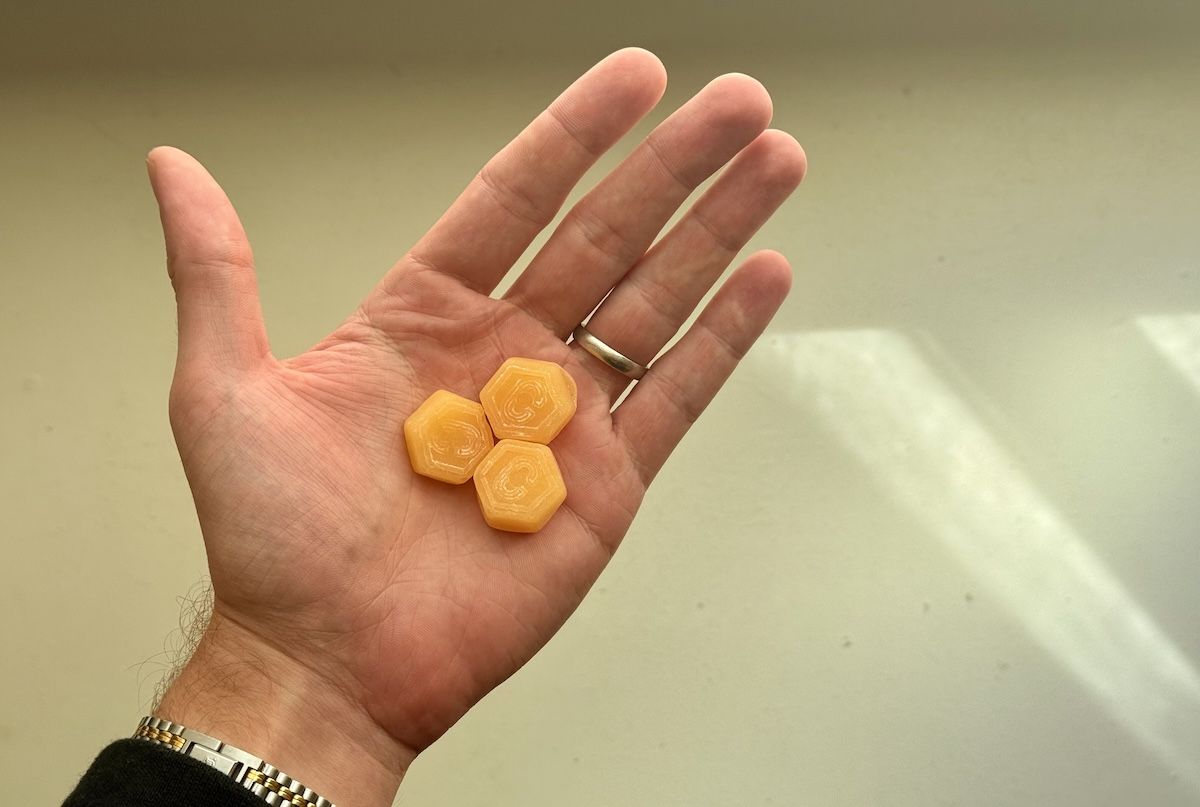
Creatine powder, which is what most people buy, always tasted horrible to me. No matter what I added it to, my tongue still picked up its potent, briny blandness. Or, if it weren’t mixed in well, I’d get a mouthful of sandy, chalky paste. So, I gave these gummies a try. And I’m happy I did. Orange is my favorite flavor so far, and it tastes like an orange Starburst, faintly like orange soda. (They’re made with real orange flavor, though.) Texturally, it’s a dense but surprisingly light gummy. It doesn’t get stuck in your teeth, though they can be of varying sizes, which made me wonder about dosing. (A little extra, or a little less, won’t make that much of a difference.) All of this said, they’re not much of a sweet treat, though they pack nominal calories each (11 and 33 per serving, because you’re supposed to eat three).

BUY FOR $60.00 AT CREATE

I’ll be the first to admit that this new research made me add creatine to my regimen. It’s not the first time I’ve tried it, though. In high school and then again in college, friends and teammates of mine would eventually come to the consensus that it was contributing to our gains in the weight room or our wins, in my adolescence, on the ice. So, we kept using it, long before it became trendy or was marketed to anyone besides professional lifters and world-class athletes (us among them, of course).

Advertisement

I’m back on it now, though, because of new indicators that it could help me live longer — or at least live better for longer, by allowing me to preserve muscle mass, maintain my strength as I age, and keep my cognitive health in check. The taste almost deterred me, though, because ask anyone who’s taken creatine before and they’ll tell you it tastes bad — memorably bad. Hauntingly bad. Salty but not savory. A little sweet but not enough so to convince your brain it’s a sweet treat, not a supplement. So, the easiest way I’ve found to add it to my routine is in gummy form. I don’t have to bother with a smoothie if I don’t want one, and I won’t need to buy a Gatorade or some other coyingly sweet beverage to mask the flavor of the powder form. I pop three of these — three is a serving — and go about my day, no matter what time it is. And they’re made with real oranges.

Recommended Articles

  • 5 Small Changes You Can Make To Decrease Your Risk of Dementia

  • First-Date Etiquette Tips for People Over 40, According to a Matchmaker

  • 6 Holiday Foods You Didn’t Know Were Healthy

  • Why Doesn’t Plastic Totally Dry in the Dishwasher?

Advertisement
Advertisement

Reader Favorites

  • Person breaking into a car

    The 10 Most Stolen Cars in the U.S.

  • Older man with hands on cane

    Why Do We Smell Different As We Age?

  • Man in grocery store

    6 Grocery Habits Costing You More Than You Think

More From Our Network

Better Report is part of Inbox Studio, an email-first media company. *Indicates a third-party property.

Go Retro With This 1960s Fashion Quiz

Quiz Daily

Go Retro With This 1960s Fashion Quiz

True or False: Are You a Master of U.S. Geography?

Travel Quiz

True or False: Are You a Master of U.S. Geography?

5 Reasons You Can Be Denied Boarding an Airplane

Daily Passport

5 Reasons You Can Be Denied Boarding an Airplane

What Did People Do Before Eyeglasses?

History Facts

What Did People Do Before Eyeglasses?

How To Use a Balloon To Clean Up Dust

House Outlook

How To Use a Balloon To Clean Up Dust

11 Shopping Hacks Costco Members Should Know

FinanceBuzz*

11 Shopping Hacks Costco Members Should Know

Share this article

  • Share to Facebook
  • Share to Twitter
  • Copy Url
  • Share to Email
Jessica Levy

This article is for general informational purposes only.
Affiliate Disclaimer Medical Disclaimer Financial Disclaimer

Updated:
Posted In: Health
Featured Image Credit: BongkarnThanyakij
Hero Image Credit: Better Report
Advertisement

Related Articles

5 Small Changes You Can Make To Decrease Your Risk of Dementia

4 min read

6 Holiday Foods You Didn’t Know Were Healthy

7 min read

Is It Safe To Drink a Glass of Water That Sat Out Overnight?

3 min read

The Health Risks of Shopping at the Dollar Store

4 min read

Does Going Outside With Wet Hair Really Make You Sick?

4 min read
Advertisement

7 Supplements That Actually Reduce Morning Stiffness

Health | Updated: January 27, 2026
Danielle Schlass Saliman
Author
Danielle Schlass Saliman has 24 years of experience writing and editing lifestyle content from fashion and beauty to home and money. She has worked as an Executive Editor at Woman’s World and First for Women, Assistant Editor at Working Mother Magazine, a Research Editor at InTouch Weekly Magazine and has contributed to publications such as Life & Style, Closer Magazine, The New York Post, Brides, Shape En Espanol, Rite Aid, Kmart, Sunrise Senior Living and Philadelphia Style to name a few. Danielle graduated from New York University with a Bachelor of Arts in English and then earned a Masters in Magazine Journalism from Syracuse University’s S.I. Newhouse School of Public Communications.
Better Report

All featured products and deals are selected independently and objectively by the author. Better Report may receive a share of sales via affiliate links in content.

If your body feels creaky, tight, or achy when you get out of bed, you’re not alone. And it’s not just because you’re getting older. “Morning stiffness is often driven by low-grade inflammation, joint immobility, or poor overnight recovery,” explains human performance and longevity expert Mark Kovacs, Ph.D,  “And while lifestyle changes such as movement and hydration matter most, there are over-the-counter supplements that can offer real benefits.” Kovacs notes that supplements should, as their name suggests, supplement, not replace, healthy habits. He recommends working with a qualified health professional and testing for deficiencies first. Once you have your results, there are science-backed options that he recommends. Try adding one or two to your routine so you can rise and shine with ease.

Omega-3 Fatty Acids With EPA and DHA

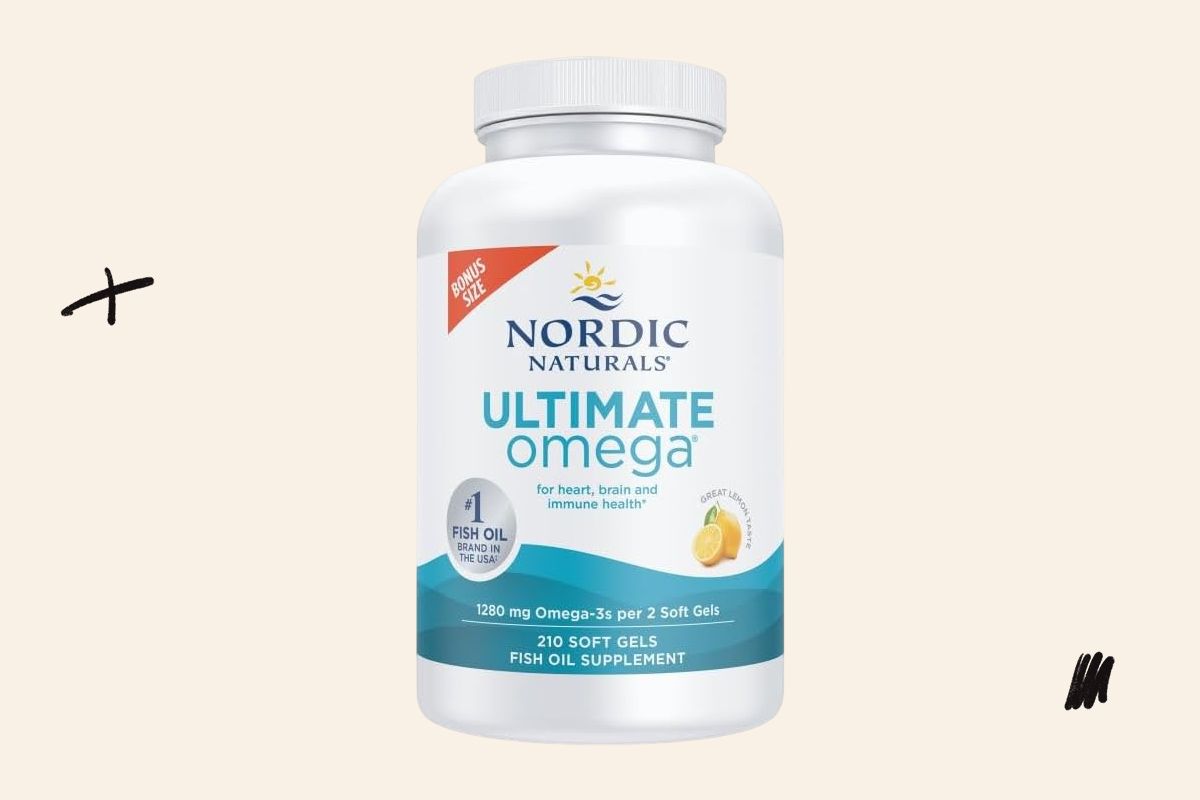
Top Picks: Nordic Naturals Ultimate Omega or Thorne Super EPA

Found in fish oil, these essential fatty acids are known for their powerful anti-inflammatory properties, which help counteract the chronic inflammation that can lead to stiffness and ease joint discomfort when taken regularly.

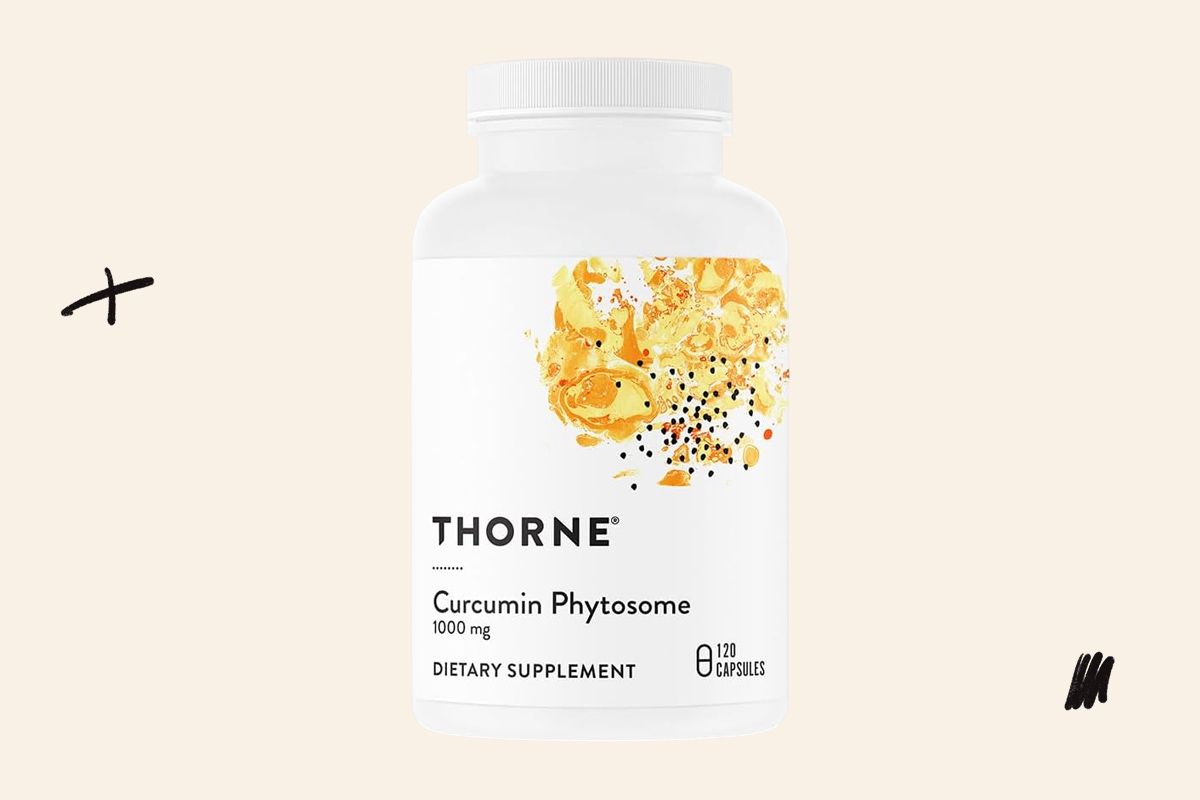
Curcumin

Top Picks: Thorne Curcumin Phytosome or Curcumin Phytosome by NOW Foods

Advertisement

Curcumin has anti-inflammatory effects and may reduce joint pain and stiffness, particularly in people with mild arthritis. Kovacs suggests looking for bioavailable forms with black pepper extract (piperine) or liposomal delivery.

Related: 5 Supplements That Actually Help With Aging

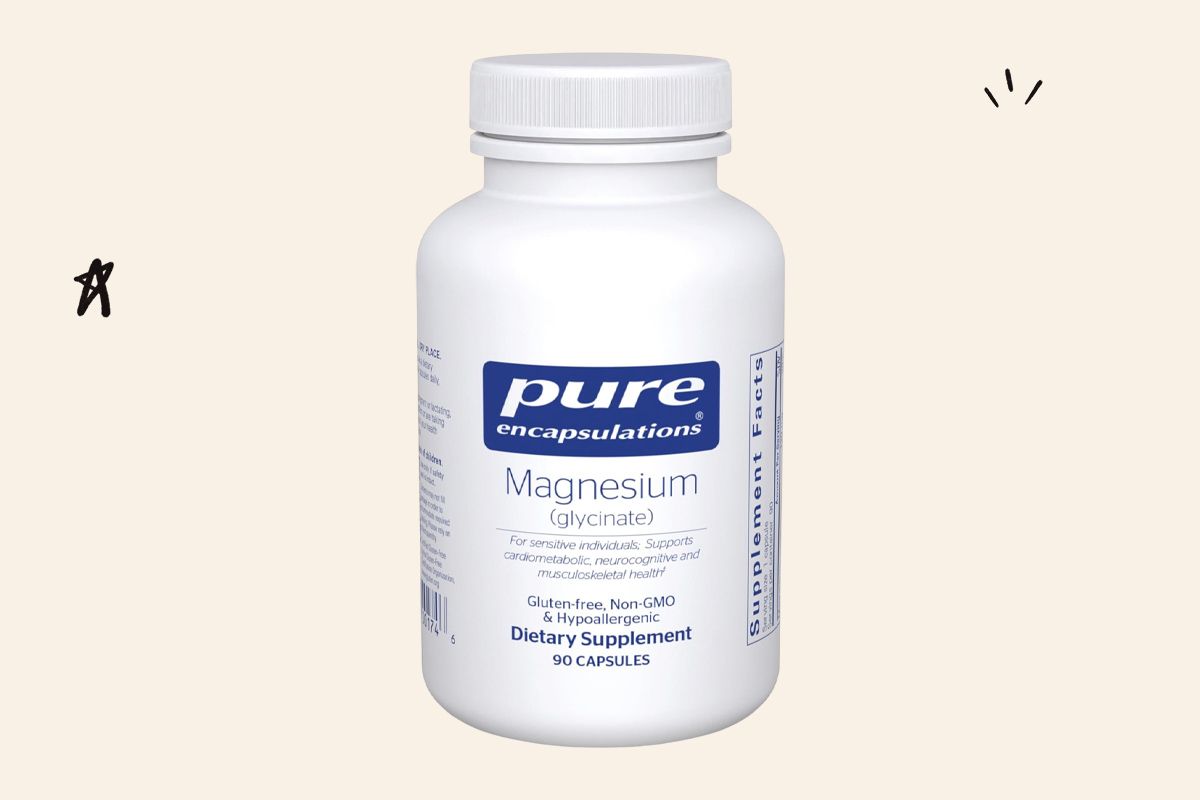
Magnesium

Top Pick: Pure Encapsulations Magnesium Glycinate

“Stiffness isn’t always joint-related — tight muscles can also be the culprit,” says Kovacs. Magnesium helps relax muscles and supports deeper, more restorative sleep. Glycinate is a gentle form that’s less likely to cause digestive upset.

Advertisement
Advertisement

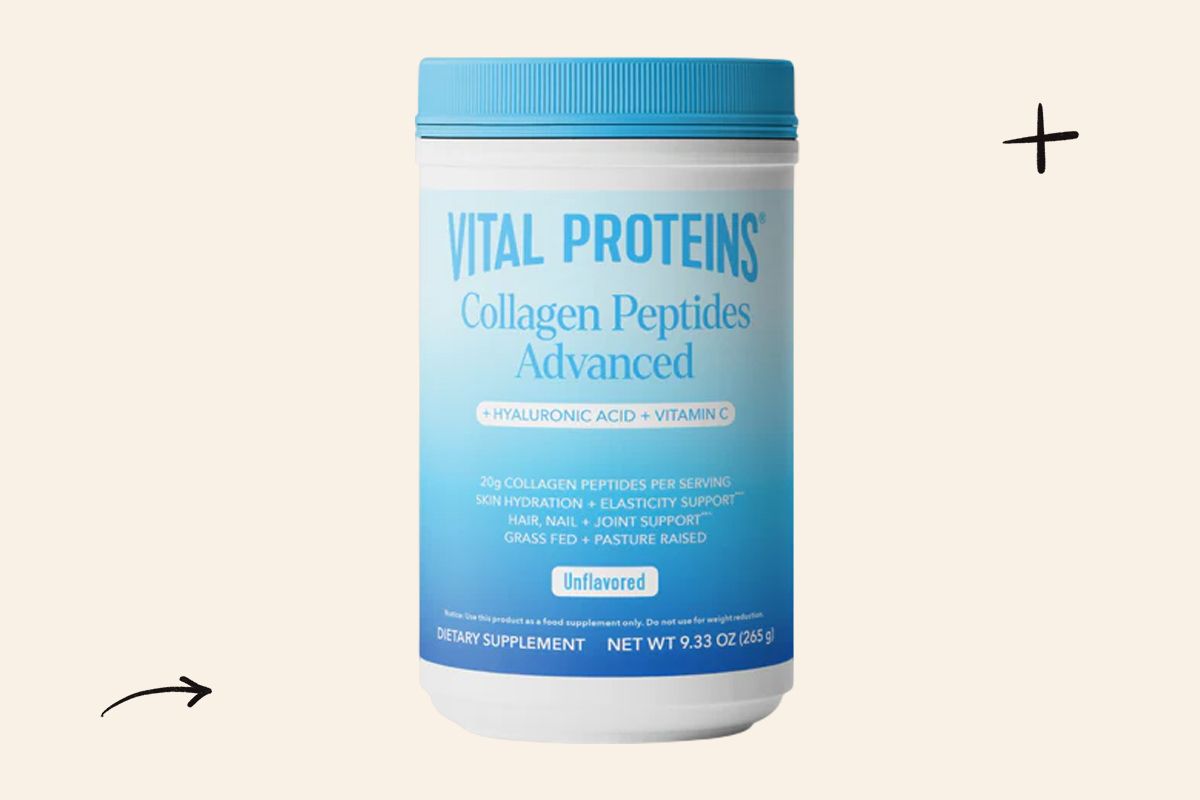
Collagen Peptides Type II

Top Pick: Vital Proteins Collagen Peptides

Collagen is a key component of joint cartilage and connective tissue. As we age, our natural collagen production declines, which can lead to achier mornings. Supplementing with hydrolyzed collagen may improve joint flexibility and reduce discomfort over time. Kovacs’ tip: Look for hydrolyzed collagen from grass-fed sources.

Advertisement

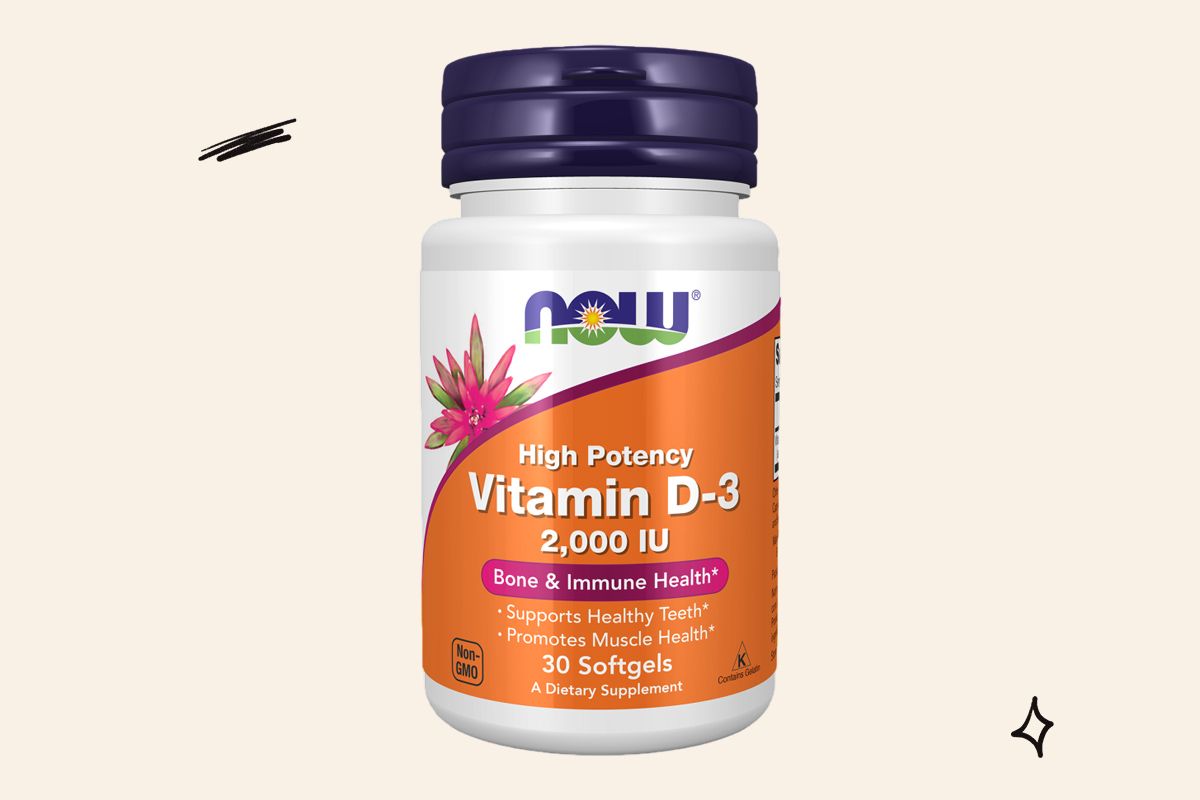
Vitamin D

Top Pick: NOW Foods Vitamin D-3 2000 IU

Vitamin D deficiency is more common than you think, and it’s been linked to muscle aches, fatigue, and stiffness, especially in those with rheumatoid arthritis. Supplementing with D3 can help support strong bones and flexible muscles.

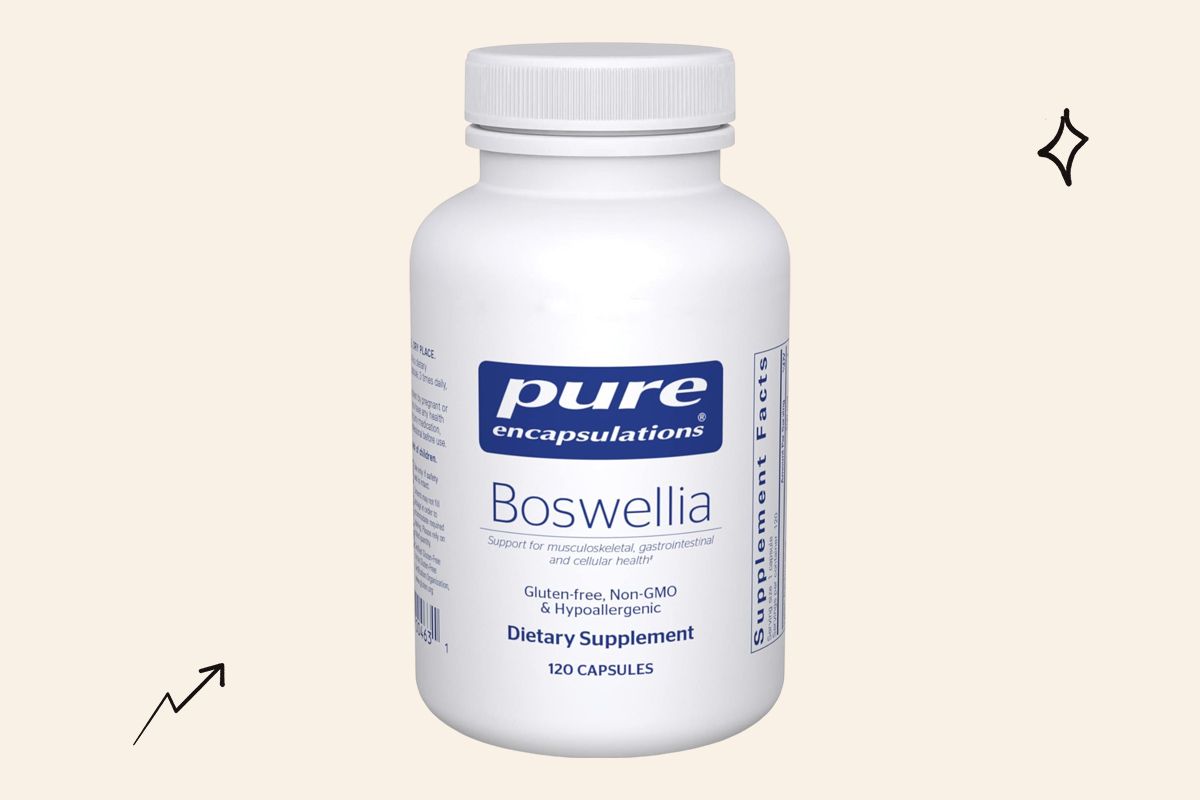
Boswellia Serrata

Top Pick: Pure Encapsulations Boswellia Extract

This herbal extract (sometimes called Indian frankincense) has been used for centuries to treat joint pain. Studies show it can reduce inflammation and improve range of motion, and it’s especially helpful for those with osteoarthritis or chronic stiffness.

Advertisement

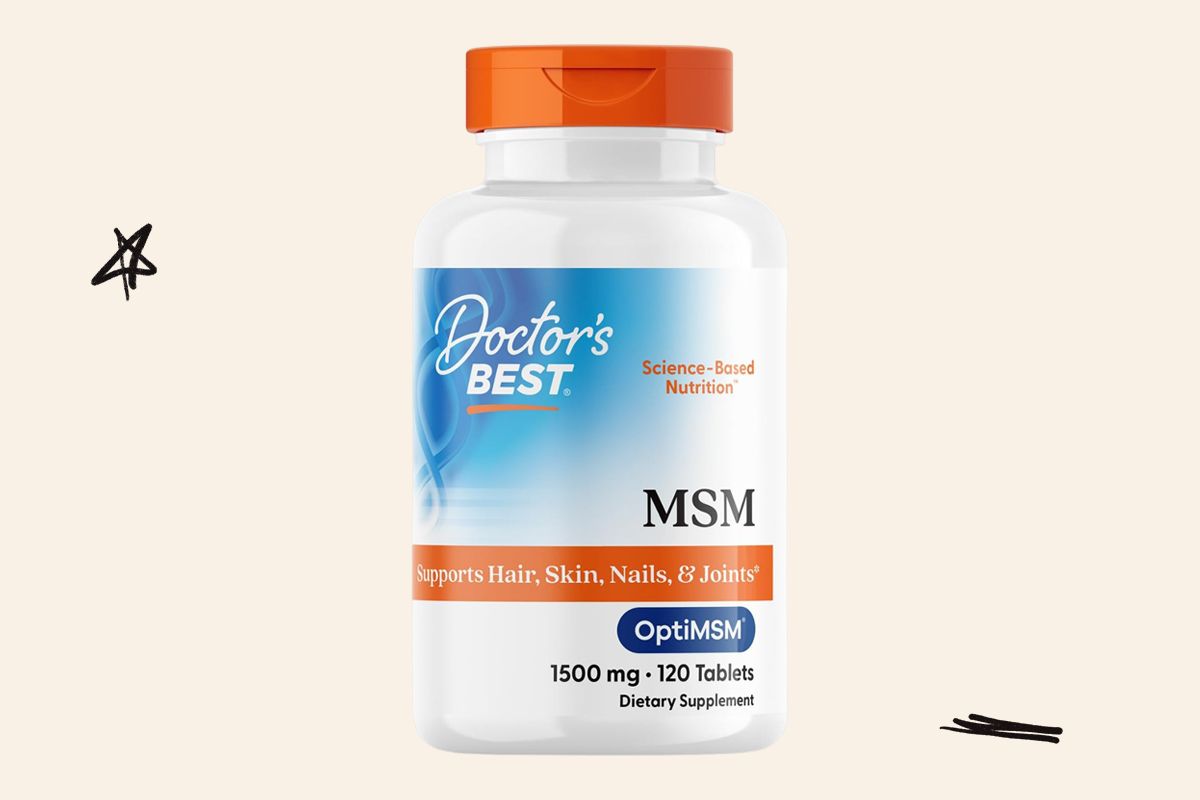
Methylsulfonylmethane (MSM)

Top Pick: Doctor’s Best MSM

MSM is a sulfur-containing compound that helps lower inflammation and improve joint comfort. It’s often found in combination supplements with glucosamine and chondroitin, making it a well-rounded choice for easing stiffness and supporting long-term joint health.

Featured Image Credit: Johnce/ iStock

More From Our Network

Better Report is part of Inbox Studio, an email-first media company. *Indicates a third-party property.

Go Retro With This 1960s Fashion Quiz

Quiz Daily

Go Retro With This 1960s Fashion Quiz

True or False: Are You a Master of U.S. Geography?

Travel Quiz

True or False: Are You a Master of U.S. Geography?

5 Reasons You Can Be Denied Boarding an Airplane

Daily Passport

5 Reasons You Can Be Denied Boarding an Airplane

What Did People Do Before Eyeglasses?

History Facts

What Did People Do Before Eyeglasses?

How To Use a Balloon To Clean Up Dust

House Outlook

How To Use a Balloon To Clean Up Dust

11 Shopping Hacks Costco Members Should Know

FinanceBuzz*

11 Shopping Hacks Costco Members Should Know

Share this article

  • Share to Facebook
  • Share to Twitter
  • Copy Url
  • Share to Email
Danielle Schlass Saliman
Writer

Danielle Schlass Saliman has 24 years of experience writing and editing lifestyle content from fashion and beauty to home and money. She has worked as an Executive Editor at Woman’s World and First for Women, Assistant Editor at Working Mother Magazine, a Research Editor at InTouch Weekly Magazine and has contributed to publications such as Life & Style, Closer Magazine, The New York Post, Brides, Shape En Espanol, Rite Aid, Kmart, Sunrise Senior Living and Philadelphia Style to name a few. Danielle graduated from New York University with a Bachelor of Arts in English and then earned a Masters in Magazine Journalism from Syracuse University’s S.I. Newhouse School of Public Communications.

This article is for general informational purposes only.
Affiliate Disclaimer Medical Disclaimer Financial Disclaimer


Updated: October 2, 2024
Posted In: Health
Hero Image Credit: Better Report

Recommended Articles

  • 5 Small Changes You Can Make To Decrease Your Risk of Dementia

  • First-Date Etiquette Tips for People Over 40, According to a Matchmaker

  • 6 Holiday Foods You Didn’t Know Were Healthy

  • Why Doesn’t Plastic Totally Dry in the Dishwasher?

Advertisement

Related Articles

5 Small Changes You Can Make To Decrease Your Risk of Dementia

4 min read

6 Holiday Foods You Didn’t Know Were Healthy

7 min read

Is It Safe To Drink a Glass of Water That Sat Out Overnight?

3 min read

The Health Risks of Shopping at the Dollar Store

4 min read

Does Going Outside With Wet Hair Really Make You Sick?

4 min read
Advertisement

Can You Take Too Many Vitamins?

Jessica Levy
Health | Updated: June 24, 2024
Person holding multiple vitamin pills in their palm
Better Report

Taking supplemental vitamins is an essential part of so many people’s daily routine, but this begs the question — can you consume too many vitamins? We all know how easy it is to eat too much pizza or drink one too many beers, which leaves our stomachs feeling worse for wear. But overdoing your vitamins can have an even greater impact from head to toe, affecting far more than just the stomach. If you’re one of the many people taking daily vitamins for nutritional deficiencies, then it’s worth being aware of which vitamins may cause complications if you consume too much.

Credit: JSB Co./ Unsplash+

Water-Soluble vs. Fat-Soluble Vitamins

We often take two common types of vitamins — water-soluble vitamins and fat-soluble vitamins. The former category includes vitamins B and C. In contrast, the latter includes vitamins A, D, and E. While consuming too much of either category is possible, excessive amounts of water-soluble vitamins will come out in urine and sweat. Fat-soluble vitamins, however, are absorbed in their entirety, meaning their potential impact on the body is potentially far greater.

Advertisement
Advertisement
Credit: Maria Shipakina/ iStock

Vitamin A

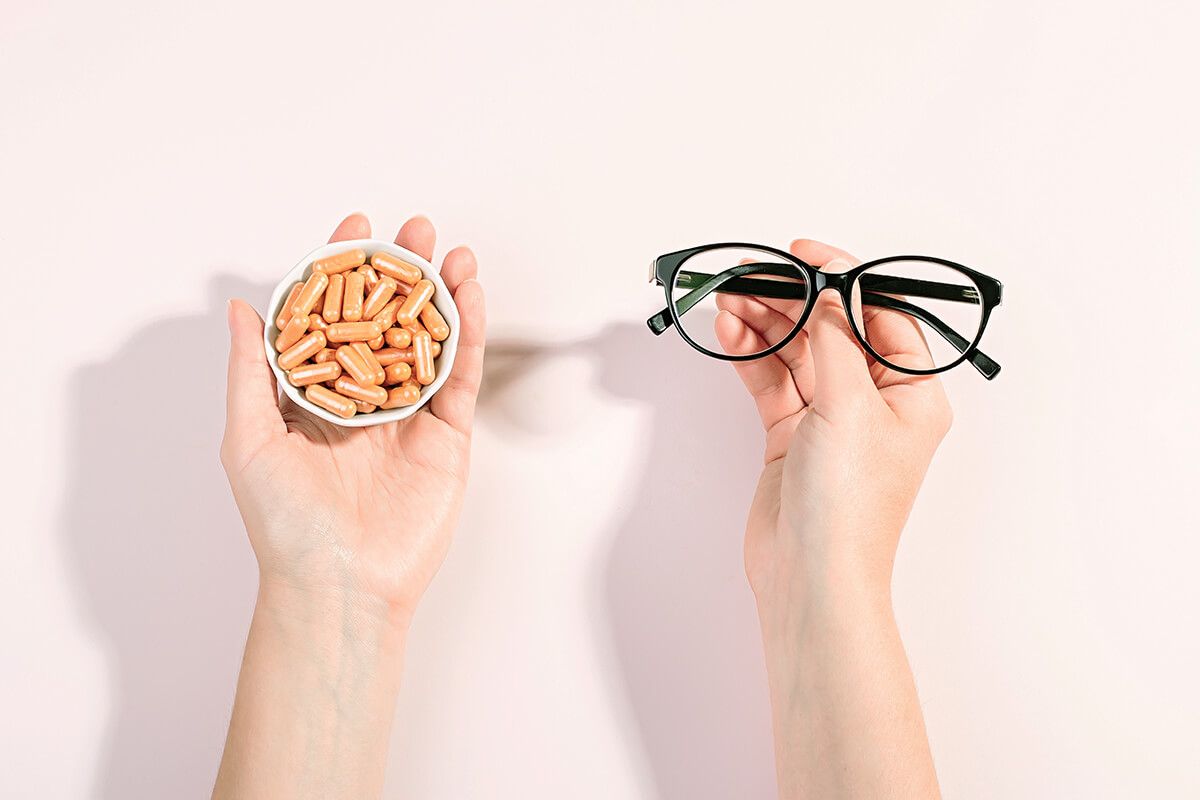
Taking vitamin A assists with eye health, but too much vitamin A may result in nausea, irritability, drowsiness, and even an increased risk of lung cancer. It’s advisable to exceed no more than 900 micrograms for most adults, though the exact limits depend on your individual age, sex, and other medical conditions such as pregnancy.

Credit: SERSOLL/ Shutterstock

B Vitamins

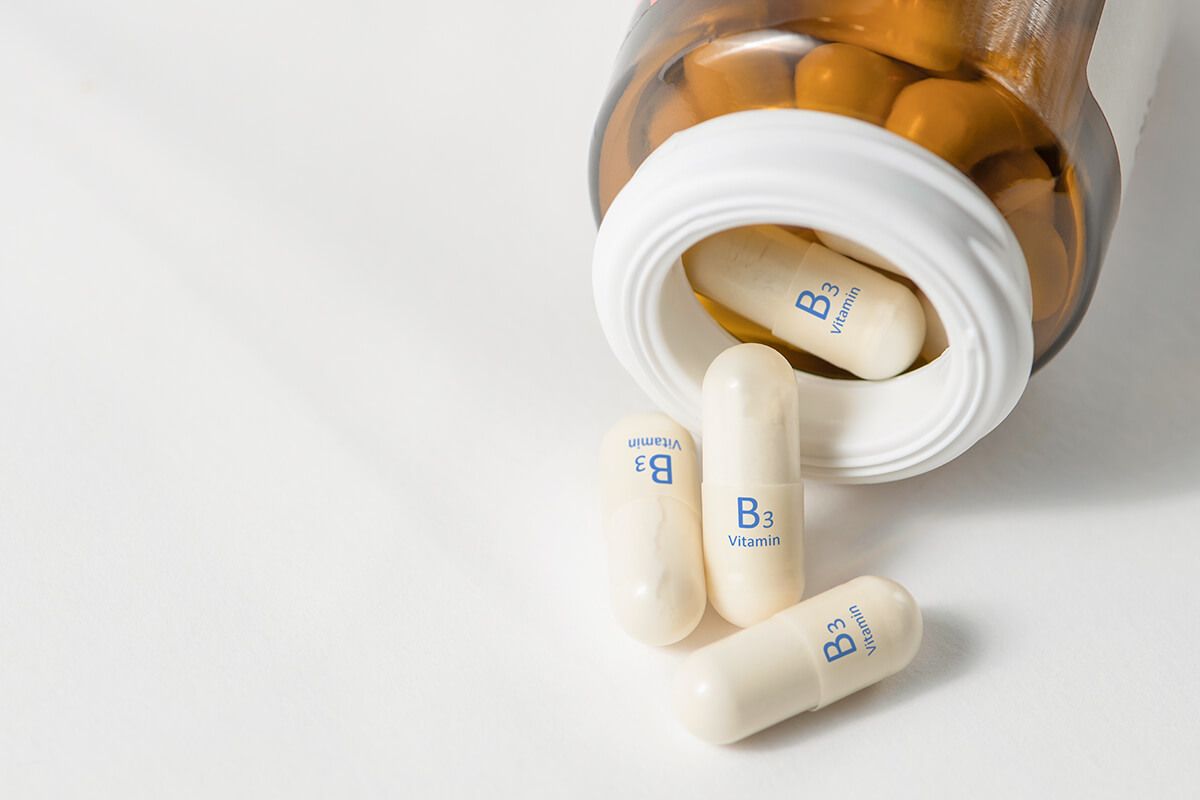
Vitamin B3 is essential for heart health and good metabolism, but consuming too much (over 14 to 16 mg) can cause itchy skin and impaired vision. Vitamin B6 is another equally essential vitamin that helps anemia, but consuming more than 1.3 to 1.7 mg each day may result in vomiting, heartburn, and light sensitivity. Then there’s folic acid, the synthetic form of vitamin B9. Folic acid is essential for proper immune function, but taking more than 1 mg daily may cause bloating and loss of appetite.

Credit: ljubaphoto/ iStock

Vitamin C

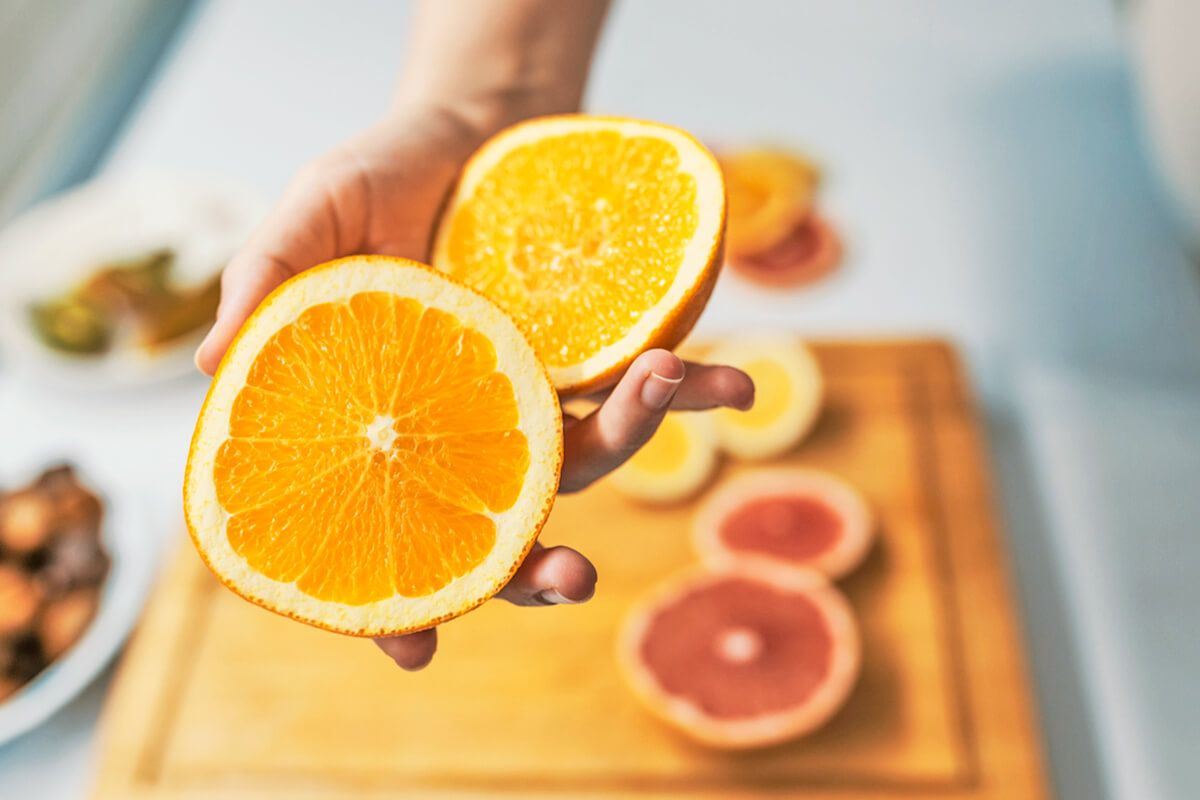
Vitamin C is a necessary tool for developing muscle and cartilage, and it also plays a critical role in the body’s healing process. But taking even a single vitamin C pill each day is inadvisable according to some, as it’s been tied to an increased likelihood of developing kidney stones in males. It also causes diarrhea and heartburn, regardless of a person’s sex. As with everything vitamin on this list, discuss dosage, frequency, and usage with your healthcare provider.

Recommended Articles

  • 5 Small Changes You Can Make To Decrease Your Risk of Dementia

  • First-Date Etiquette Tips for People Over 40, According to a Matchmaker

  • 6 Holiday Foods You Didn’t Know Were Healthy

  • Why Doesn’t Plastic Totally Dry in the Dishwasher?

Advertisement
Advertisement

Reader Favorites

  • Person breaking into a car

    The 10 Most Stolen Cars in the U.S.

  • Older man with hands on cane

    Why Do We Smell Different As We Age?

  • Man in grocery store

    6 Grocery Habits Costing You More Than You Think

Credit: kitzcorner/ Shutterstock

Vitamin D

Vitamin D helps the body with calcium absorption, meaning it’s critical for maintaining good bone health. But taking too much may result in an increased risk of hypercalcemia, which manifests as nausea, twitching muscles, general fatigue and confusion, and even fragile bones that are more vulnerable to breaks. Keep your daily vitamin D intake below 20 micrograms.

Advertisement
Credit: New Africa/ Shutterstock

Vitamin E

Vitamin E supports a wide variety of bodily functions and is even believed to delay the onset of Alzheimer’s disease and prevent liver disease. But too much vitamin E can lead to blood clots, hemorrhages, and an increased risk of prostate cancer. Stick to around 15 milligrams of vitamin E each day for the average adult.

What About Minerals?

Vitamins and minerals generally go hand in hand in the world of daily supplements. It should come as no surprise that there’s also such a thing as taking too much of any given mineral, and here are some of the ones that are worth being cautious about.

Calcium

Calcium is essential for bone strength and better muscle function. But taking too much calcium may result in the aforementioned hypercalcemia. It’s recommended that you stick to an average of 1,000 t0 1,300 mg of calcium daily — depending on your age and other medical conditions. If you’re 51 or older, you should never exceed 2,000 mg of calcium in a single day, as doing so increases the risk of medical complications.

Credit: KaryB/ Shutterstock

Iron

Many people suffer from conditions such as iron-deficient anemia, and in turn, they rely on iron supplements to get more into their system. Maintaining good iron levels is key when it comes to energy production, and also helps support the body if you’re pregnant or undoing an active menstrual cycle. But taking too much iron can lead to constipation, vomiting, liver failure, low blood pressure, and even damage to the lungs. This is why it’s so careful to limit yourself to between 7 and 27 mg of iron, depending on your age, sex, and other medical conditions.

Advertisement
Advertisement
Credit: Danijela Maksimovic/ Shutterstock

Zinc

You need zinc for proper immune function, as it can help fight off harmful bacteria. But be careful not to exceed 14 mg per day if you’re an adult male and only eight if you’re an adult female. Taking too much zinc may lead to cramping and vomiting.

Advertisement

Concerned? Talk to a Doctor

If you’re concerned about your daily vitamin intake, reach out to a medical professional who can help guide you down the right path. Going for annual physicals is an excellent way to keep tabs on your body’s vitamin and mineral levels, which can help manage your supplements. If any levels seem out of whack, your doctor can advise you about taking more or less supplements going forward.

More From Our Network

Better Report is part of Inbox Studio, an email-first media company. *Indicates a third-party property.

Go Retro With This 1960s Fashion Quiz

Quiz Daily

Go Retro With This 1960s Fashion Quiz

True or False: Are You a Master of U.S. Geography?

Travel Quiz

True or False: Are You a Master of U.S. Geography?

5 Reasons You Can Be Denied Boarding an Airplane

Daily Passport

5 Reasons You Can Be Denied Boarding an Airplane

What Did People Do Before Eyeglasses?

History Facts

What Did People Do Before Eyeglasses?

How To Use a Balloon To Clean Up Dust

House Outlook

How To Use a Balloon To Clean Up Dust

11 Shopping Hacks Costco Members Should Know

FinanceBuzz*

11 Shopping Hacks Costco Members Should Know

Share this article

  • Share to Facebook
  • Share to Twitter
  • Copy Url
  • Share to Email
Jessica Levy

This article is for general informational purposes only.
Affiliate Disclaimer Medical Disclaimer Financial Disclaimer

Updated:
Posted In: Health
Hero Image Credit: Better Report
Advertisement

Related Articles

5 Small Changes You Can Make To Decrease Your Risk of Dementia
4 min read

6 Holiday Foods You Didn’t Know Were Healthy

7 min read

Is It Safe To Drink a Glass of Water That Sat Out Overnight?

3 min read

The Health Risks of Shopping at the Dollar Store

4 min read

Does Going Outside With Wet Hair Really Make You Sick?

4 min read
Advertisement
  • Home
  • Health
  • Wealth
  • Logo
  • Advertise
  • About
  • Contact Us
  • Privacy Policy
  • Terms of Use
  • Your Privacy Choices
x
Thumb Image

Elevate your everyday.

Sign up to receive the practical tips and expert advice you need to pare down the complexities of everyday living right in your inbox.

Sorry, your email address is not valid. Please try again.

Your email is:

Edit Image
Sorry, your email address is not valid. Please try again.
Thank you for subscribing...

By subscribing you are agreeing to our Terms of Use and Privacy Policy.

Close image
Thumb Image
Second Thumb Image

Elevate your everyday.

Sign up to receive the practical tips and expert advice you need to pare down the complexities of everyday living right in your inbox.

Sorry, your email address is not valid. Please try again.

By subscribing you are agreeing to our Privacy Policy and Terms of Use.

Close image