8 Things Your Dentist Wishes You Wouldn’t Do

All featured products and deals are selected independently and objectively by the author. Better Report may receive a share of sales via affiliate links in content.
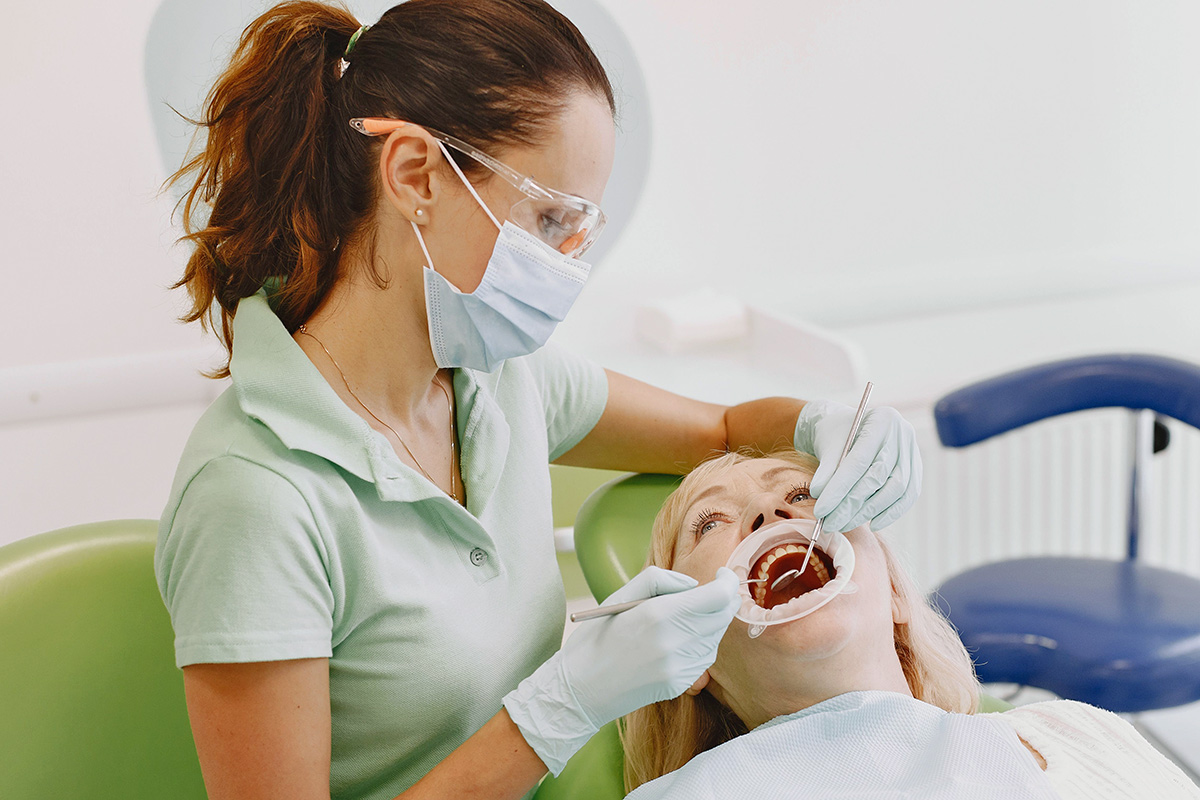
You want to keep your teeth healthy for as long as possible, and that requires practicing good oral habits. Most of us know the basics: Brush twice a day, floss at least once, and visit your dentist for regular checkups. But there are certain things that put our pearly whites at risk, from what we’re not doing (flossing, ahem) to dangerous DIY hacks. We spoke with Dr. Ann Nguyen-Chung, dentist and founder of the dental and body care brand Hippotanicals, and cosmetic dentist Dr. Bill Dorfman about what they wish their patients wouldn’t do to keep their teeth in good condition.
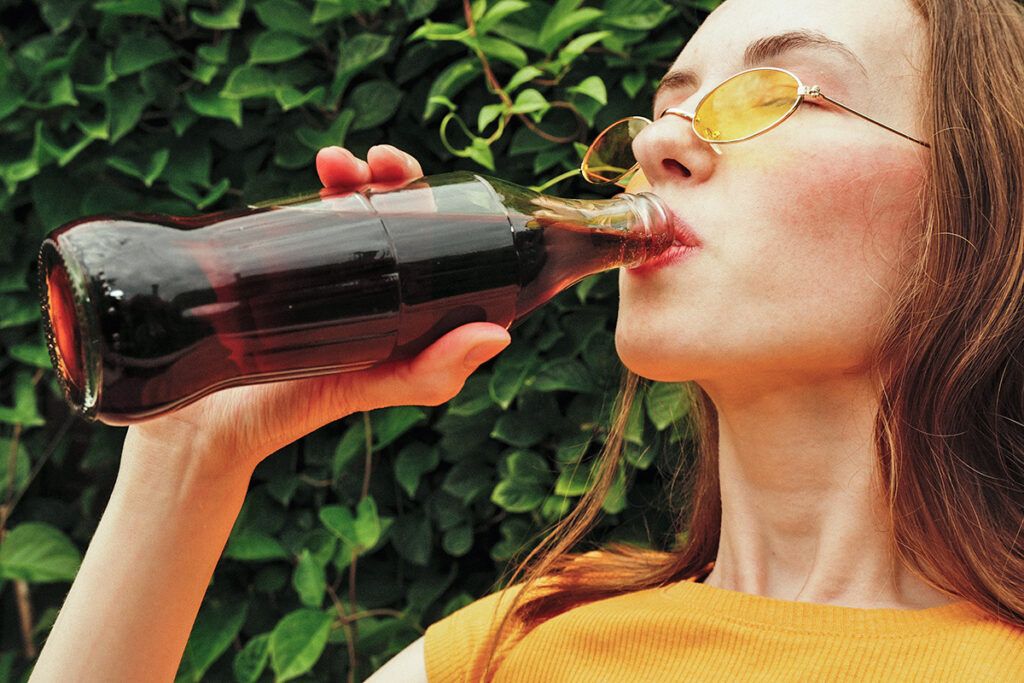
Sipping All Day Long
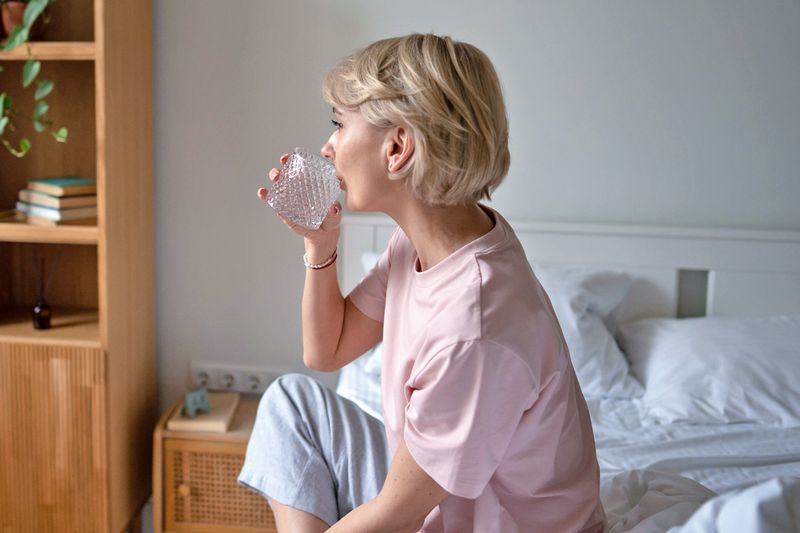
We all have our beverages of choice, but before you pour a glass, beware: All-day sipping on anything other than plain water can expose your teeth to harmful acids that erode your enamel, the hard outer shell of your tooth. “Whether it’s soda, sports drinks, energy drinks, sweetened coffee, or even fruit juice, frequent exposure gives cavity-causing bacteria and acids more opportunities to damage teeth,” Dr. Nguyen-Chung says. “If you’re going to enjoy these beverages, it’s better to have them with a meal rather than continuously sipping for hours.”
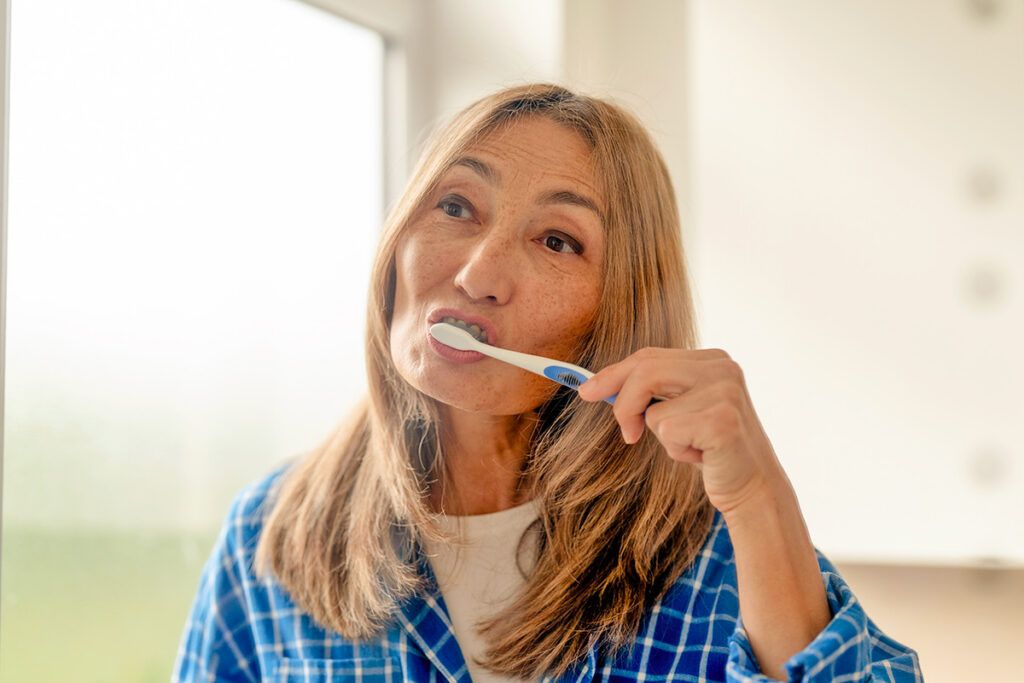
Hard Brushing
It may sound contradictory, but brushing aggressively can harm your teeth. “Many people think scrubbing harder will clean their teeth better,” Dr. Nguyen-Chung says. “But it can actually wear away enamel and contribute to gum recession and enamel loss over time.”
Instead, she recommends using a soft-bristled toothbrush and gentle techniques. Hold the brush at a 45-degree angle and brush all surfaces of your teeth with circular motions. If you’re using an electric toothbrush, apply gentle pressure, glide the brush along your teeth, and let the bristles do the work.
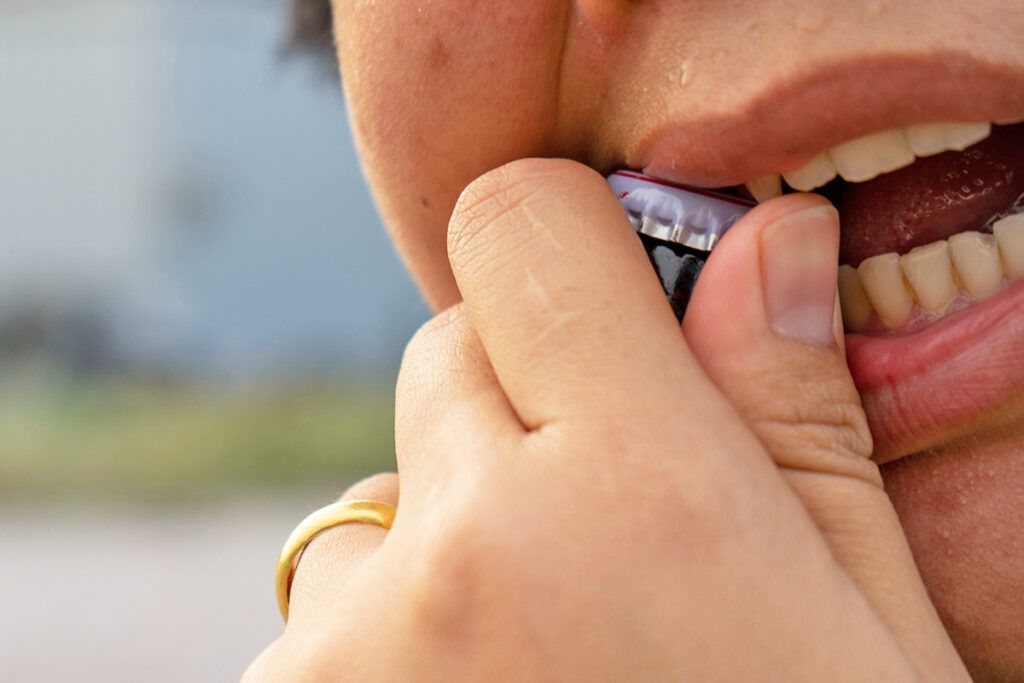
Using Your Teeth as Tools
If you’ve ever opened a bottle or a package with your teeth, you’ve put yourself at risk for a dental emergency. “I’ve seen many patients crack or fracture teeth this way,” Dr. Nguyen-Chung says. “In some cases, the damage extends into the nerve of the tooth, requiring root canal treatment and a crown to save [it].”

Reader Favorites



You can eliminate the temptation to use your pearly whites as a bottle opener or pair of scissors by keeping those utensils nearby — add a key-chain-sized bottle opener to your house keys and leave scissors throughout your home. “Our teeth are designed for chewing food, not for opening or breaking objects,” Dr. Nguyen-Chung says.
Skipping Flossing
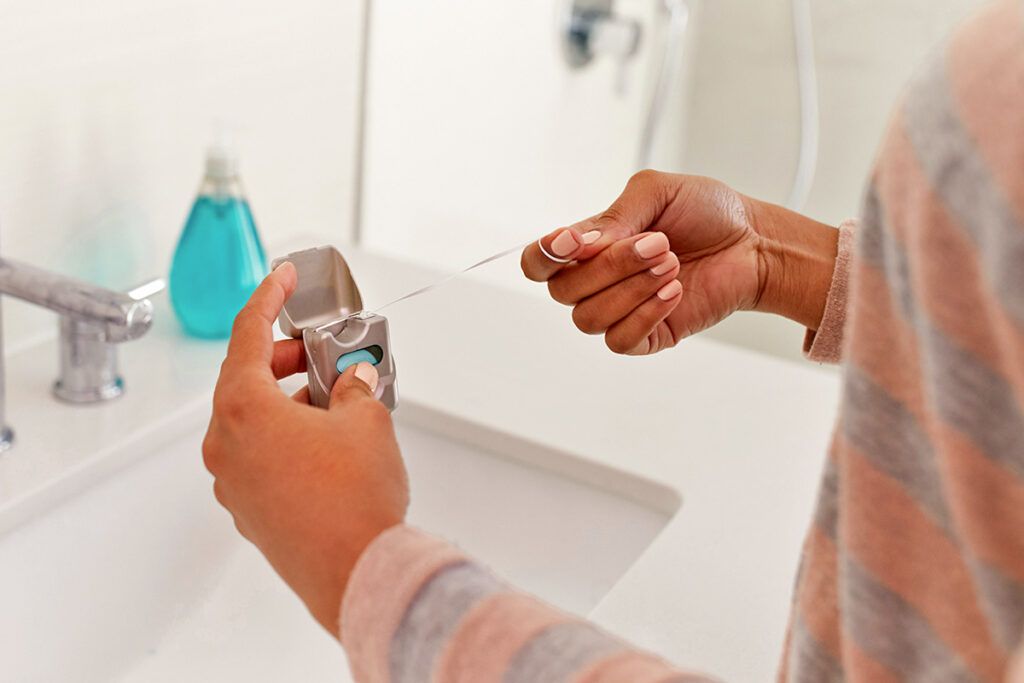
A 2014 survey by Delta Dental found that only 41% of adults floss once daily, and 20% never floss at all. That means most of us are skipping this essential part of the dental routine, which is an issue, according to Dr. Nguyen-Chung. “Since a toothbrush can’t effectively clean between teeth, plaque and food debris can accumulate in those areas, increasing the risk of cavities and gum disease,” she says.
If you don’t like traditional flossing methods, consider using interdental proxabrushes or water flossers instead. They’re great for adults with dexterity issues or those who don’t feel comfortable using traditional dental floss.
Chewing Any Nonfood Items
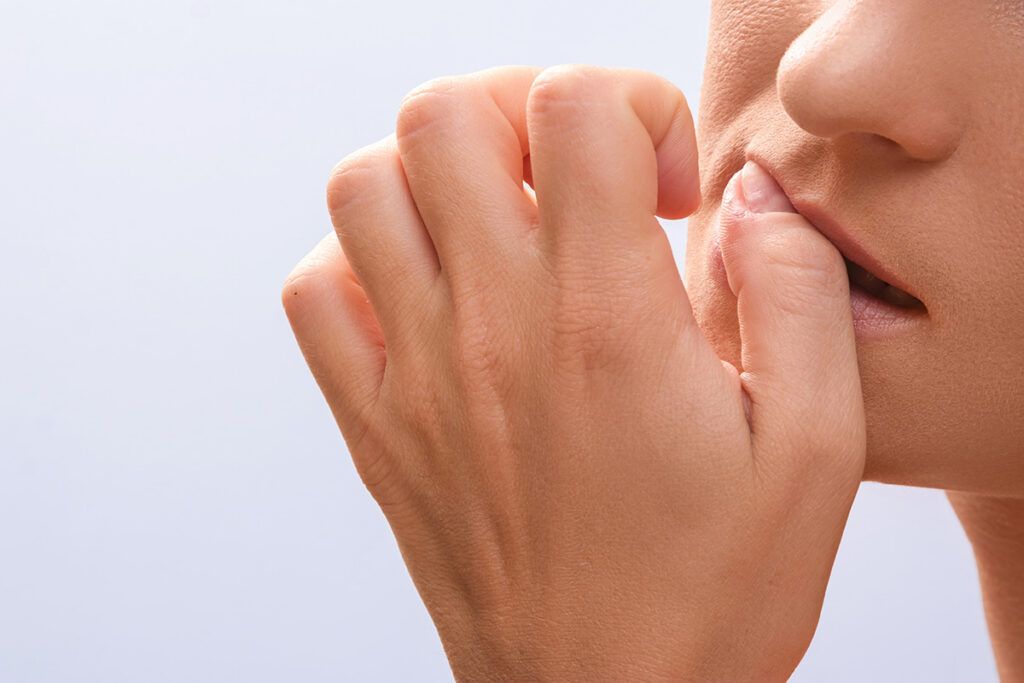
Take note if you’re a nail-biter or an ice-cruncher: These habits do more harm than good. “Biting … destroys your nails, which grow back, and your teeth, which don’t grow back,” Dr. Dorfman says. “Ice is too hard for normal biting and often cracks teeth.”
If you have a hard time quitting your nail-biting habit, cut your nails short. Ice-crunchers can chill their drinks in the fridge or by using a frosted glass. And if you just like the chewing sensation, opt for sugar-free gum when the temptation strikes.
DIY Dental Work
Visiting the dentist can come with a healthy dose of anxiety — we’re all worried that we’ll get terrible news about our teeth. Unfortunately, that can lead people to consider DIY dental procedures, one of which, Dr. Dorfman says, is teeth filing. “People who have not gone to dental school decide to reshape their teeth with a nail file,” he says. “The problem here is that, unlike hair, teeth don’t grow back.”
Dr. Dorfman has also seen an alarming trend where people get veneers from someone other than a dentist: “This can cause several problems,” he says, “from permanent tooth and gum damage to malocclusion [aka a bad bite] and TMJ problems with your jaw.”
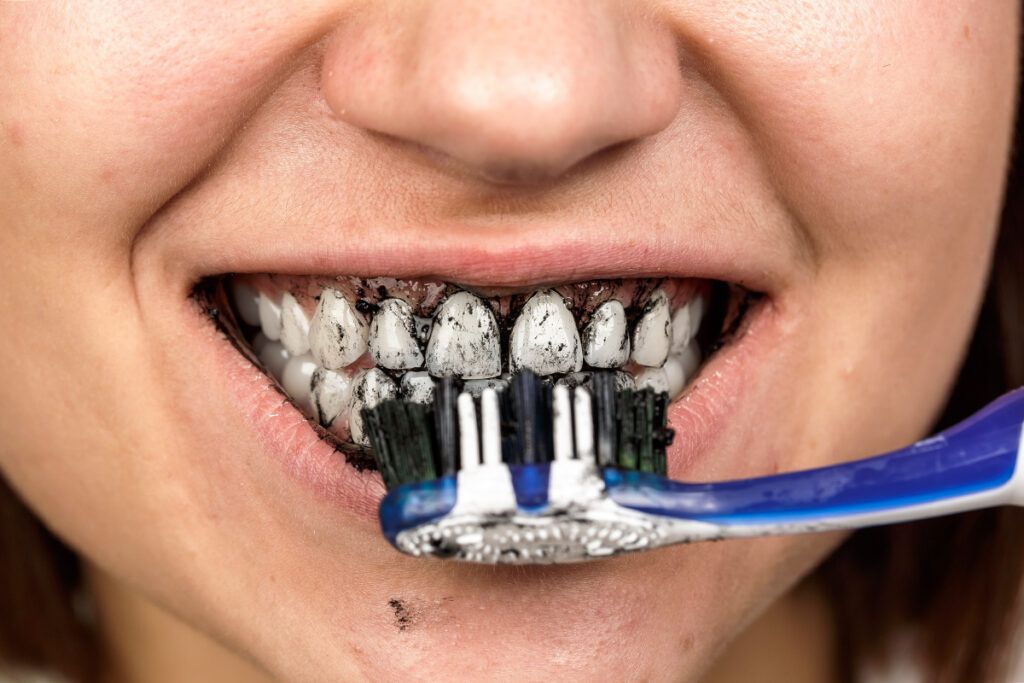
DIY whitening is also a bad idea. (This doesn’t include whitening strips, which are safe for most people when used as directed.) “Teeth whitening with hydrogen peroxide, lemon juice, or baking soda … can cause chemical burns, severe tooth sensitivity, enamel erosion, and unpredictable results,” Dr. Dorfman says. Dr. Nguyen-Chung concurs: “While [brushing with charcoal or other viral home remedies] may sound natural or effective, they can wear away enamel over time. Since enamel doesn’t grow back, the damage can be permanent.”
Frequent Snacking
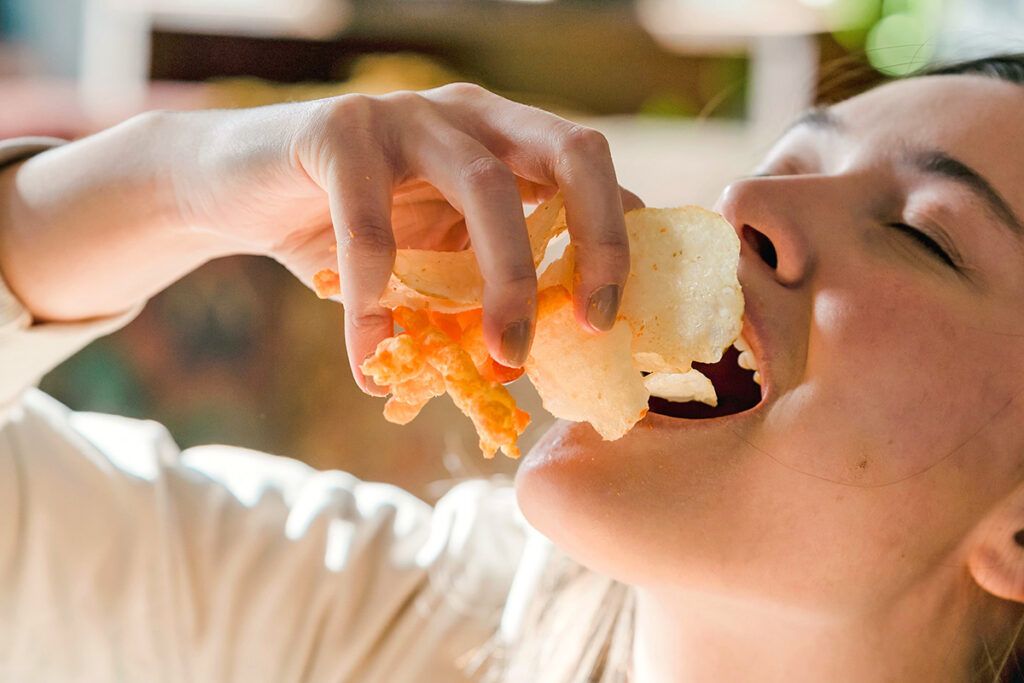
Like all-day sipping, regular snacking puts your teeth at risk. “Every time we eat, especially carbohydrate-rich foods, the bacteria in our mouths produce acids that can contribute to tooth decay,” Dr. Nguyen-Chung says. “Giving your mouth time between meals allows saliva to help neutralize acids and protect your teeth naturally.”
Instead of setting out a bag of chips to nosh on, opt for a mindful snacking choice that cuts your hunger craving and restores energy. Consider grabbing a piece of fruit, some veggies, or a handful of nuts for healthy nourishment. (If your enamel is weak, you may want to cut your fruit and veggies into more manageable pieces and soak nuts to make them easier on your teeth.) Rinse your mouth with water to remove any lingering food particles, or wait 30 minutes after snacking to brush.
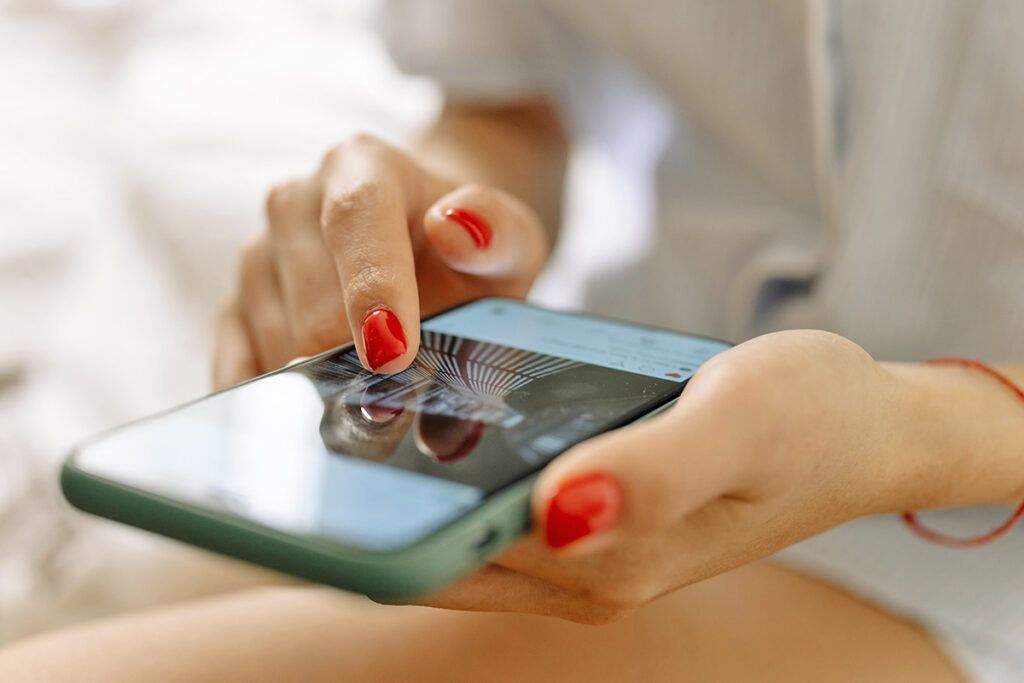
Taking Oral Health Advice From Social Media
Influencers can come across very confidently on social media, so it’s hard to resist a seemingly hot take or pro tip on dental health. But Dr. Nguyen-Chung warns against following anyone’s advice without consulting a dental professional first. “Not every viral trend is backed by science, and what’s safe for one person may not be appropriate for another,” she says. “When it comes to your teeth, prevention is often much easier and less expensive than trying to fix damage later.” If you’re curious whether a trend or life hack for your teeth is safe, ask your dentist to confirm.
Feature Image Credit: © Gustavo Fring/Pexels.com
More From Our Network
Better Report is part of Inbox Studio, an email-first media company. *Indicates a third-party property.





Based in Portland, Oregon, Nicole Pyles is an experienced freelance writer who writes about home and kitchen, health and wellness, and more. She's written for a variety of outlets, including Better Homes and Gardens, Tom's Guide, Better Report, and more.
This article is for general informational purposes only.
Affiliate Disclaimer Medical Disclaimer Financial Disclaimer