Why You Should Drink Hot Beverages on Hot Days

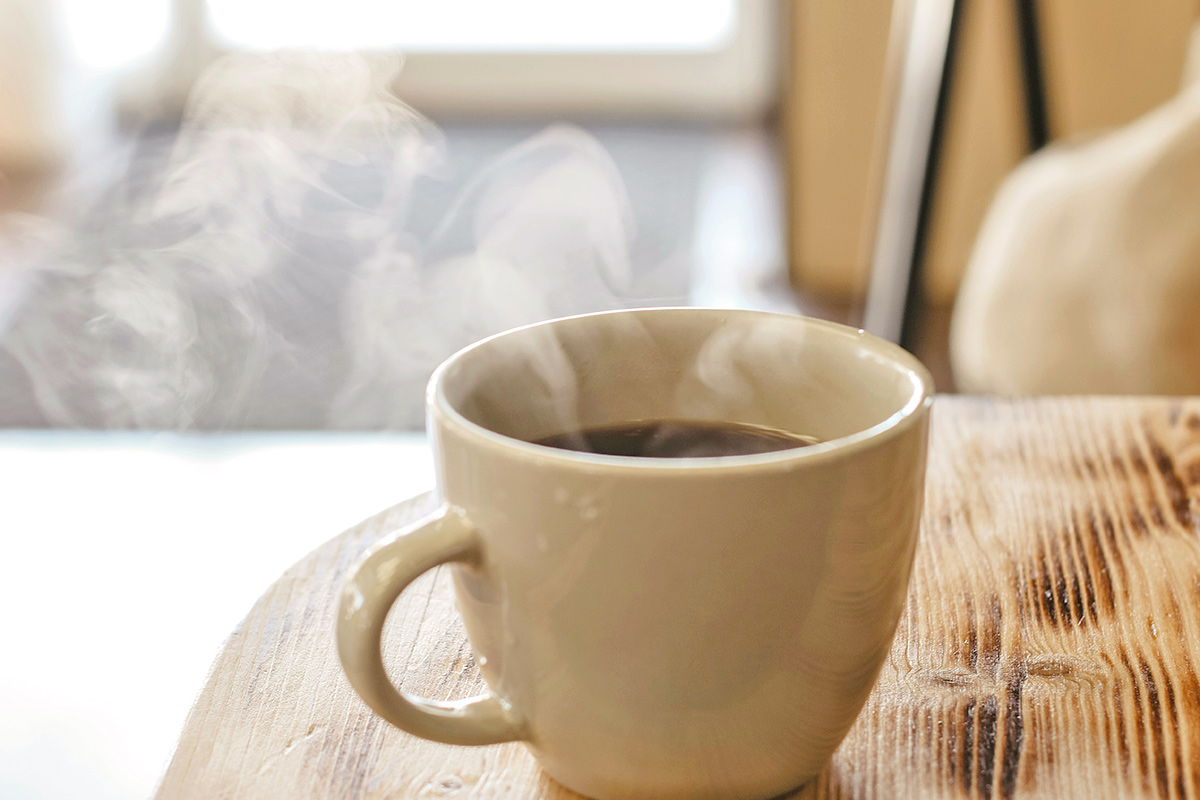
On a blazing summer day, the last thing most people want to do is sip a steaming cup of tea or take a swig of piping-hot coffee. Instead, we usually crave an icy glass of water, seltzer, or lemonade. Drinking a cold beverage feels like we’re both hydrating our bodies and efficiently lowering our core temperature, but science is here to ruin that illusion. If you really want to cool off on a warm day, consider downing that hot drink instead.
The Science of Sweat
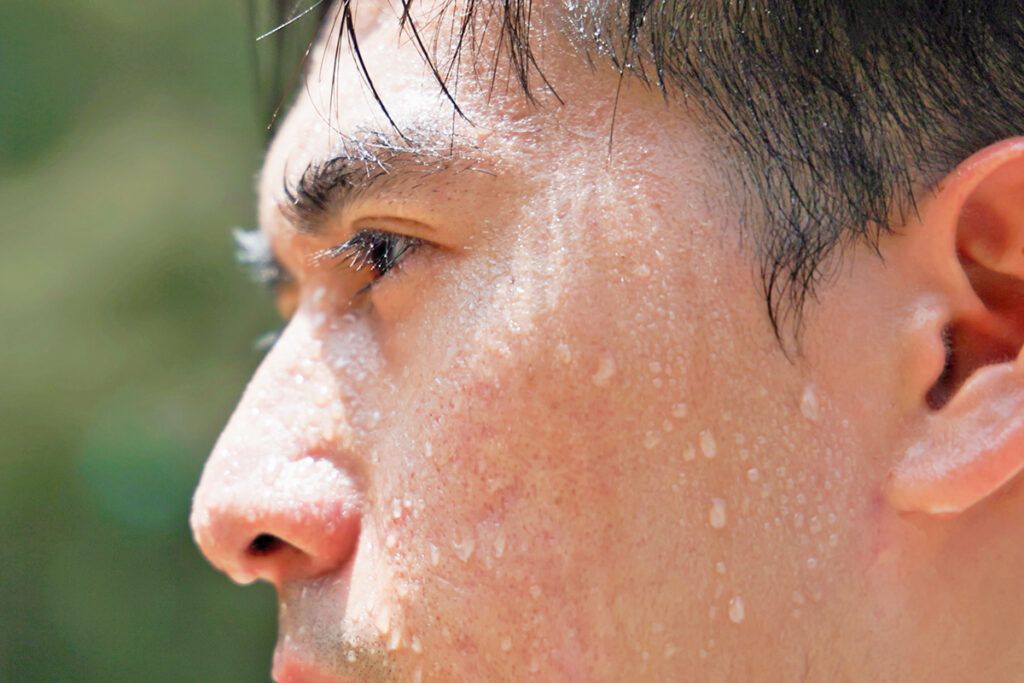
It seems counterintuitive, but drinking a hot beverage will actually make you cooler, thanks to blood and sweat.
Sweating is your body’s chief way of regulating body temperature and preventing overheating. When you consume hot food or drinks, the added heat causes your blood vessels to expand (known as vasodilation) and allow more blood to pass through them, distributing the heat from your core to your extremities. Glands in your skin begin producing sweat, which is mostly water combined with some salts and other compounds. The fluid then evaporates from the surface of your skin and transfers the heat from your body to the air around you, cooling you off.
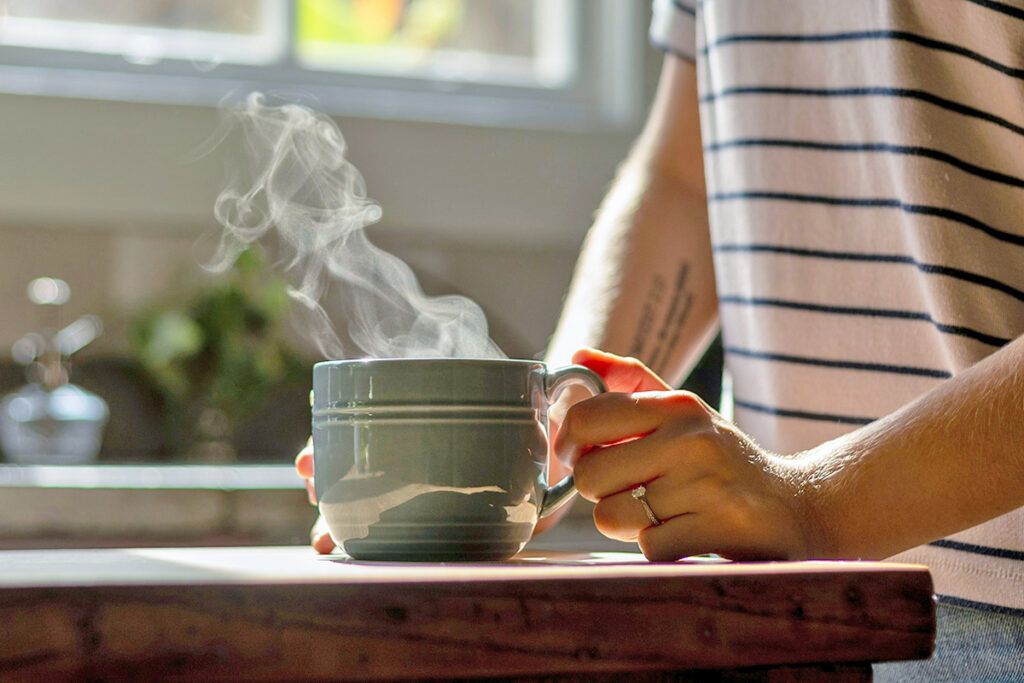
How Hot Drinks Cool You Down
Scientists have even tested the cooling power of hot versus cold drinks in a controlled environment. For a 2012 study, nine male participants rode stationary bikes for an hour and 15 minutes in a lab where the room was kept at 23.6 degrees Celsius (roughly 75 degrees Fahrenheit) with low relative humidity.
During the ride, participants drank samples of cool, warm, and hot water while wearable sensors measured their skin temperature and the amount of carbon dioxide they produced by breathing, indicating their level of baseline heat resulting from metabolism.
After the riders drank the cool water, their core body temp decreased, but so did their tendency to sweat. The hot water raised participants’ core temp slightly and, importantly, revved up sweating, which cooled their bodies more efficiently. Ultimately, the hot drinks resulted in lower body temperatures because more sweating eliminated more heat.
For this to work in the real world, though, the surrounding environment must have low relative humidity, the measurement of how much moisture is in the atmosphere. The lower the humidity, the easier it is for sweat to evaporate, whereas higher humidity inhibits sweat evaporation and makes it more difficult for your body to cool off. At about 90% relative humidity, sweat can no longer evaporate from skin.
In a hot, humid environment, drinking cool water — not hot beverages — and remaining hydrated is crucial for avoiding heat exhaustion and heat stroke.
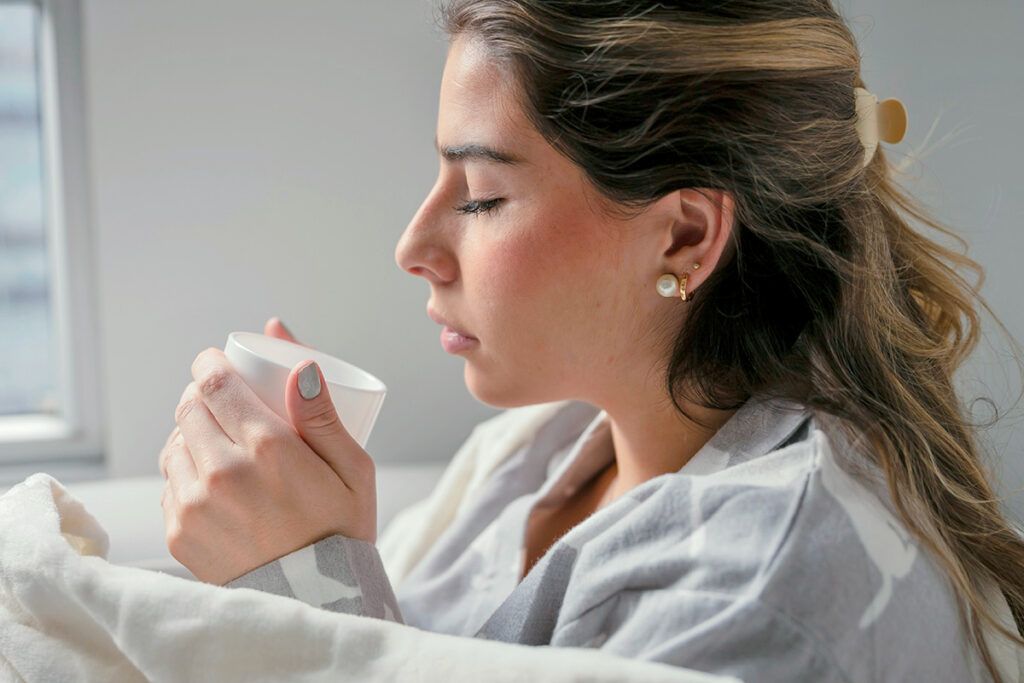
Cold Beverages on Cold Days?
Do the thermoregulatory benefits of a hot drink on a hot day mean you should, inversely, consume cold beverages in cold weather?

Reader Favorites



The answer seems to be “no.” A hot drink — ideally between 98.6 degrees and 115 degrees Fahrenheit — will dilate your blood vessels to distribute heat from your core in cold weather just as it does in hot weather. The difference in cold environments is that you’re less likely to lose that heat through sweating. A hot drink will help maintain your core at a toasty temp and make you feel warmer, too.
A cold drink, conversely, can induce shivering, which does generate body heat. But shivering wouldn’t feel nearly as nice as sipping a mug of hot cocoa on a chilly morning.
Featured Image Credit: © René Porter/Unsplash.com
More From Our Network
Better Report is part of Inbox Studio, an email-first media company. *Indicates a third-party property.







Kat Long is a freelance science journalist in the Washington, D.C. area. Previously, she was the science editor at Mental Floss and a digital editor at National Geographic. She now writes the Arctic Archives newsletter on Substack. Kat spends her free time birdwatching, road-tripping to historical sites and perusing old manuscripts at libraries.
This article is for general informational purposes only.
Affiliate Disclaimer Medical Disclaimer Financial Disclaimer