How To Repel Mosquitoes Naturally


Every summer, mosquitoes force most of us to choose between two less-than-ideal propositions: get eaten alive, or cover ourselves in an insect repellent that likely includes DEET.
DEET-based topical repellents are widely used because DEET has a reputation for being effective. But between its strong chemical smell and the sticky, skin-irritating residue it leaves behind, it’s not the most pleasant experience. And though DEET is considered safe for human use, not everyone loves to douse themselves with a substance known to break down synthetic fabrics.
There are plenty of non-DEET options on the shelves, but it’s unclear whether natural choices work as well. New research, however, brings some good news — and it involves patchouli oil. Yes, the same scent wafting out of your local health food store is actually effective at repelling mosquitoes.
What the Research Found
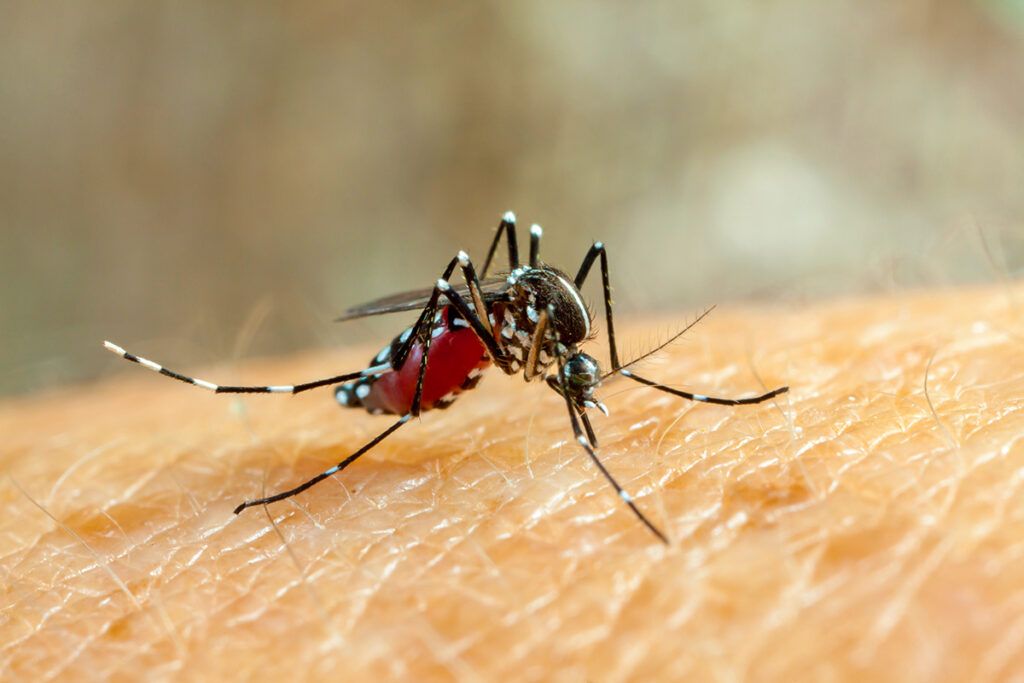
A study published in the journal ACS Omega in March found that patchouli oil mixed into an unscented lotion repelled mosquitoes just as effectively as DEET under controlled conditions.
To test it, researchers had some brave volunteers of both sexes (the exact number isn’t specified) place their bare forearms inside a cage containing 50 live Aedes aegypti mosquitoes in 30-minute segments for a total of more than three hours. Arms treated with the patchouli lotion had zero bites; arms treated with a commercial DEET product got the same result. The same cannot be said for the brave volunteer who stuck their arms in the cage without any repellent — they did not fare as well.
The study didn’t examine exactly why patchouli works, but the researchers theorized that its strong scent may block a mosquito’s ability to detect humans, essentially rendering you invisible to bugs.

Reader Favorites



Other experts say it may be that mosquitoes simply don’t care for the oil’s smell: “It’s an odiferous material that could repel mosquitoes,” Elmer Gray, an entomologist and mosquito control researcher at the University of Georgia, told Outside.com. (Gray was not involved in the study.)
How To Make Your Own
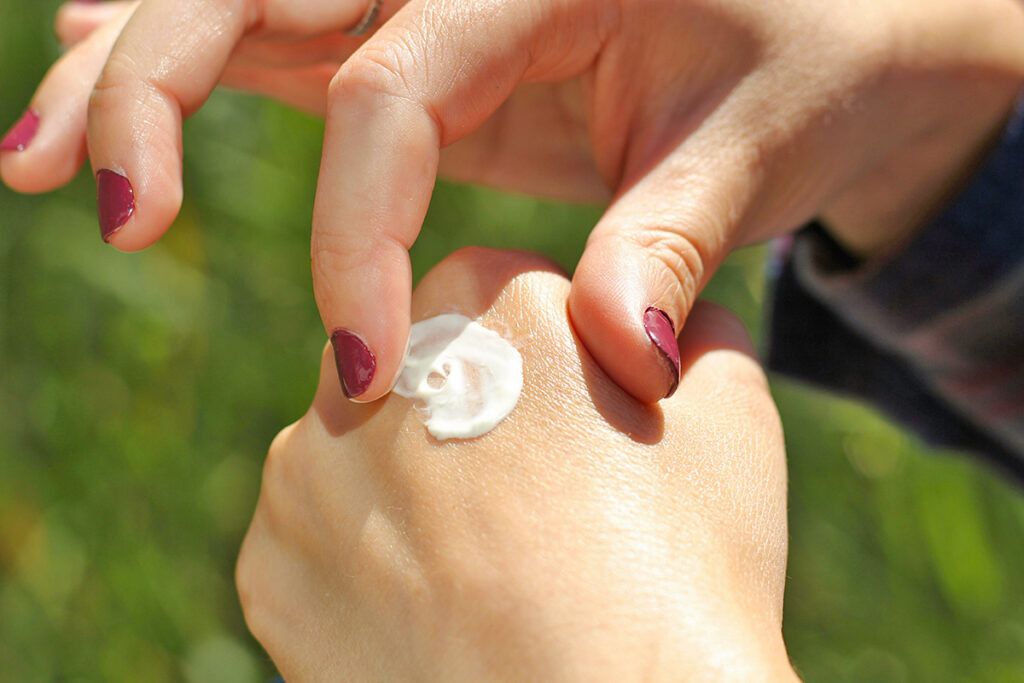
Patchouli oil breaks down quickly when exposed to air, which is why the researchers mixed it into a lotion rather than applying it straight. You can do the same at home with any standard unscented cream, like CeraVe.
Aim for a 1% solution: For every 8 ounces of lotion, add about 2.4 milliliters (roughly half a teaspoon) of patchouli oil. Mix well before applying.
It’s possible to be allergic to patchouli oil, so it’s important to do a patch test to see how your skin will react. Apply a small amount of the patchouli lotion to the inside of your elbow twice a day for seven to 10 days. No redness or irritation means you’re good to go. If you do get a reaction, though, you should wash the lotion off immediately and not use it again. (Never apply undiluted essential oils to your skin, either; doing so can cause extreme irritation.)
There’s also some evidence that patchouli oil affects blood clotting, so don’t try this DIY lotion if you have a bleeding disorder, are on blood-clotting medication, or have a major surgery coming up.

Don’t Bug Out: A Few Important Caveats
Patchouli hasn’t been registered with the EPA as an approved repellent — that requires extensive testing — and this study was conducted under controlled lab conditions, so real-world results may vary.
If you’ve tried the DIY lotion and are still getting bitten, you may end up grabbing a DEET-based repellent anyway — but there’s an interesting wrinkle there, too. A separate study published in the Journal of Experimental Biology found that mosquitoes can actually learn to associate the smell of DEET with food (that’s you), meaning that in theory, repeated exposure could make DEET-wearers more attractive to bugs over time. It’s kind of like Pavlov’s dog, except the dog is a mosquito that wants to bite you.
That said, in parts of the world where mosquito-borne diseases are a serious threat, DEET saves lives, and experts still consider it the gold standard for high-risk situations. For backyard evenings, though, a patchouli lotion will hopefully do the trick.
Featured Image Credit: © famveldman/stock.adobe.com
More From Our Network
Better Report is part of Inbox Studio, an email-first media company. *Indicates a third-party property.







Erin Scottberg is a Brooklyn-based writer, garden designer, and houseplant expert — and the founder of Full Sun Studio (fullsun.studio), a garden design and plant consulting studio in New York City. She holds an Urban Horticulture Certificate from Brooklyn Botanic Garden, an NYC Street Tree Pruner License, and an NYC Master Composter Certification, and spent three years as Head of Content and Education at The Sill. When she's not working, you can find her creating in her textile studio, running craft nights in her neighborhood, or hanging with her rescue pup, Sunny. She's an ambitious DIYer, avid composter, and has never been able to walk by a thirft store without taking a look.
This article is for general informational purposes only.
Affiliate Disclaimer Medical Disclaimer Financial Disclaimer