6 Foods That Aren’t Safe To Keep as Leftovers

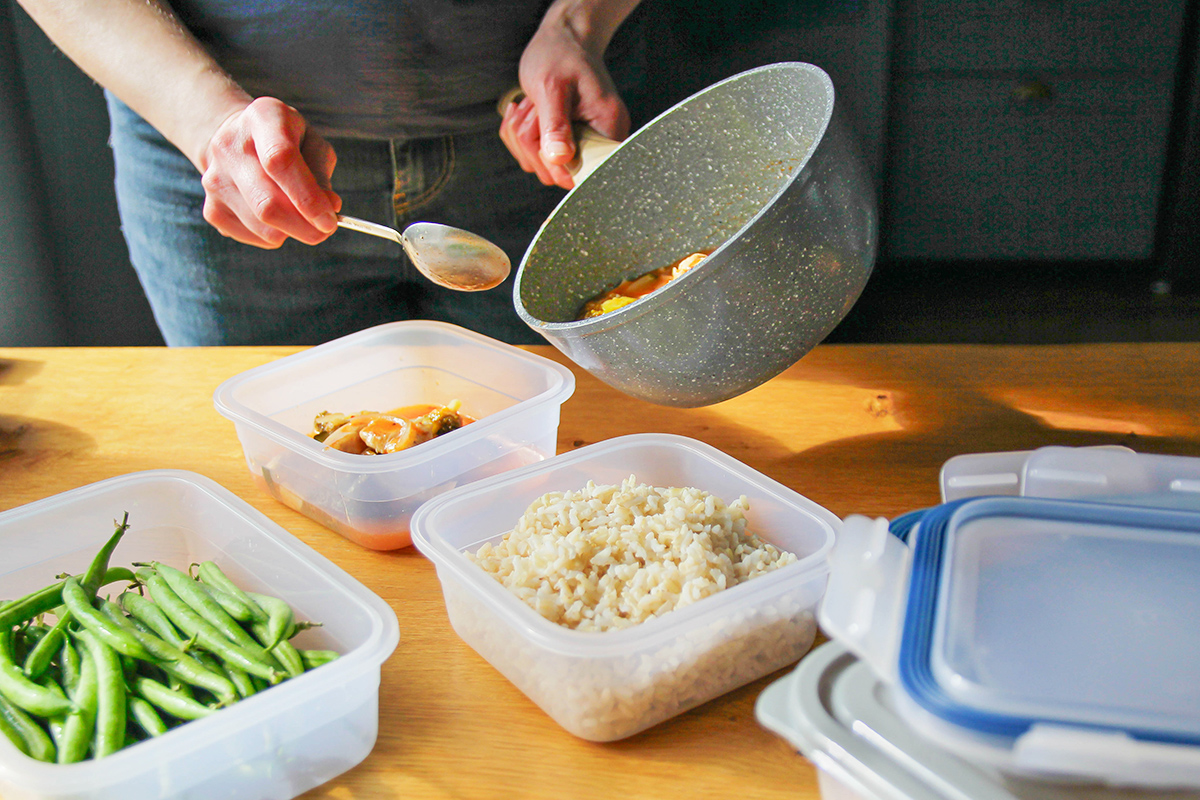
The refrigerator changed our relationship to food in ways that, in retrospect, are hard to imagine. Just picture how much harder it would have been to feed your family if you didn’t have the option of keeping meats, produce, and leftovers in the fridge. Most leftovers would have been seriously high-risk except in winter, the only time it would be cold enough to keep them at food-safe temperatures.
Today, most leftovers are safe if handled correctly — emphasis on the word “if.” From a former chef and food safety trainer, here are six kinds of high-risk leftovers you may want to think twice about keeping.
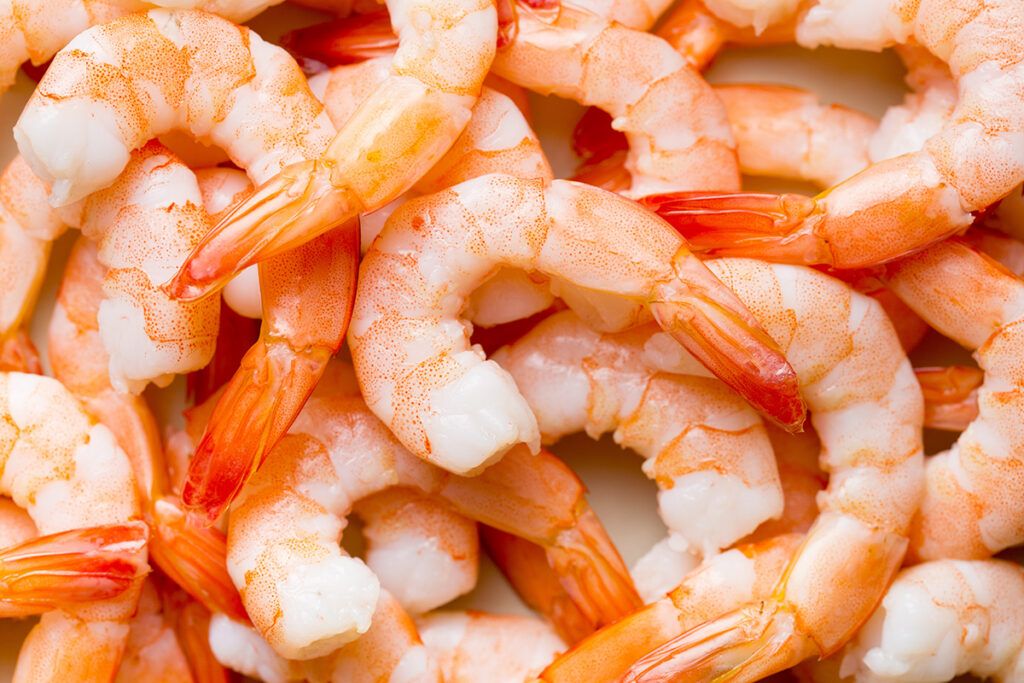
Seafood, Especially Shellfish and Crustaceans
You should be especially careful with fish and shellfish, partly because they’re among the most perishable proteins you can build a meal around, and partly because they may host some nasty pathogens that can make you sick. These include listeria, salmonella, and E. coli, as well as norovirus, hepatitis A, and the Vibrio family (which can cause cholera, among other things).
This doesn’t mean you can’t have seafood leftovers — you should be OK if you follow the FDA’s guidelines for buying and handling seafood and the USDA’s guidance for handling leftovers. But if you didn’t have those oysters or shrimp in a cooler when you left the store, or if the leftovers sat out on a summer afternoon, you’d be smarter to discard them.
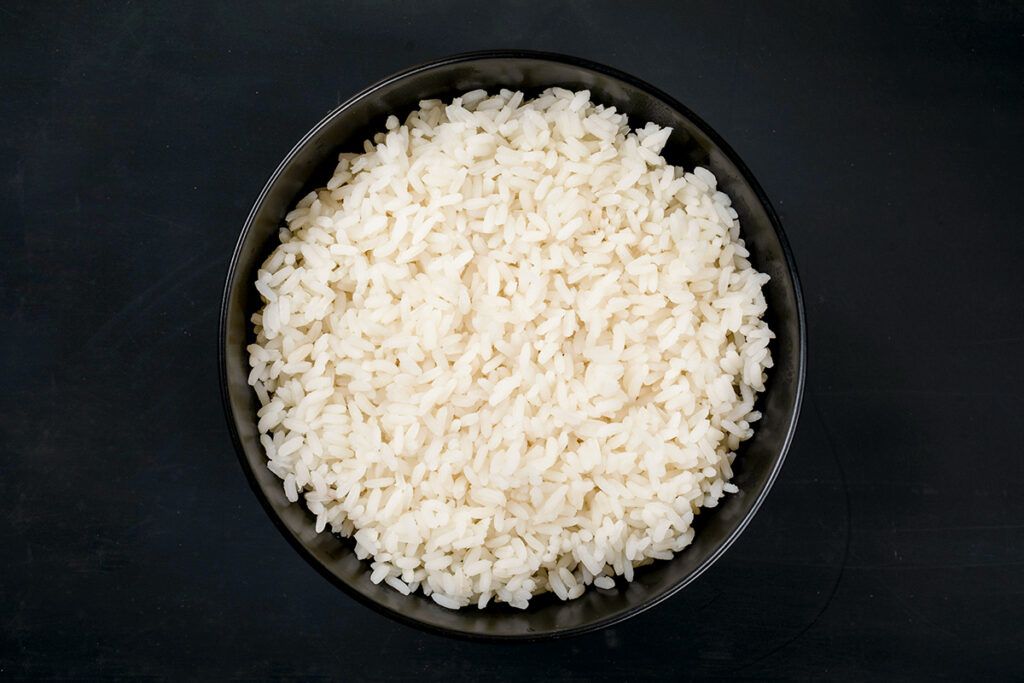
Rice and Other Grain Dishes
When you think of foods that are high-risk from the food poisoning perspective, you probably think of things like eggs or poultry. Rice? Not so much. But leftover rice can actually be problematic if it isn’t packed up and refrigerated ASAP after your meal. This is due to Bacillus cereus, which is often present in the grain.
B. cereus forms both heat-resistant spores — which can survive cooking — and a heat-stable toxin, which means it can make you sick even if you reheat your leftovers to the recommended 165 degrees Fahrenheit. It’s rarely fatal, but it’ll definitely make you regret your choices for a couple of days.

Reader Favorites

Though it’s primarily associated with rice, B. cereus can also be found in other starchy foods, including pasta and potatoes. The longer these foods linger above food-safe temperatures, the more time B. cereus spores have to come back to life, multiply, and produce toxins that will make us sick. Cool those foods quickly by getting them into the fridge as soon as you’re done eating. And if they’ve been left out for more than a couple of hours, toss them.
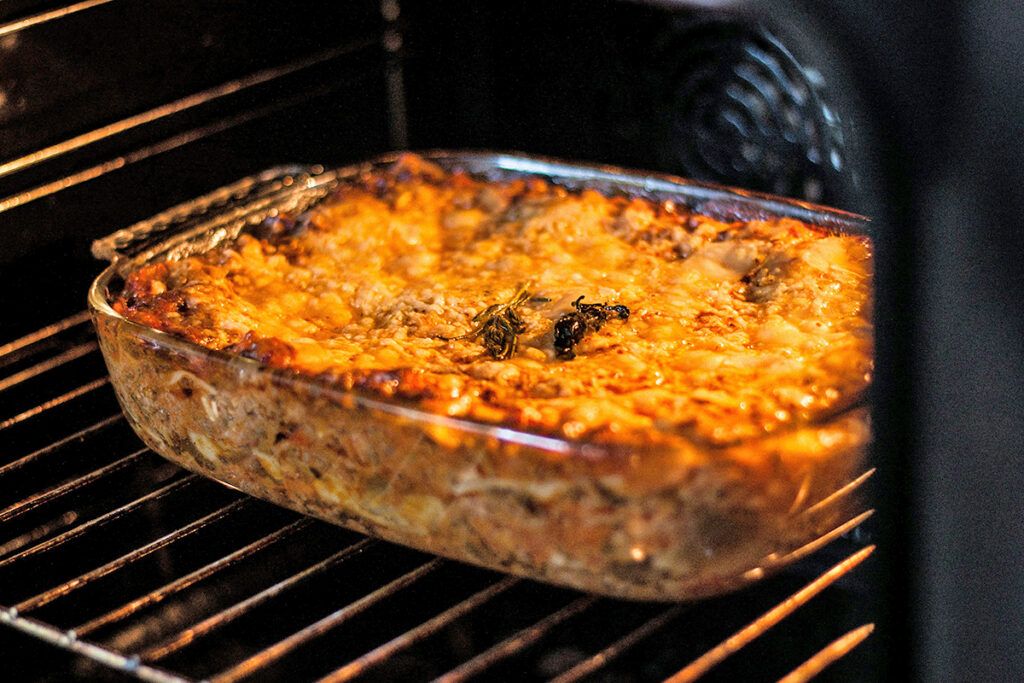
Big, Rich Casseroles
Casseroles are a great meal option, whether you think of them as an easy prep-ahead dinner or a can’t-miss contribution to a potluck. By nature, though, they’re often problematic in leftover form. There are a few reasons for this:
The Mix of Ingredients
Most casseroles contain some combination of milk or cream, eggs, cheese, meats, and a starchy base that might be potatoes, grain, or pasta. All of those rich, high-protein ingredients are a prime breeding ground for pathogens like salmonella or norovirus, and the starchy base can host B. cereus.
Retained Heat
A big casserole, and the pan you bake it in, can retain heat for a long time. Once it enters the food safety “danger zone” — temperatures below 140 degrees Fahrenheit and above 40 degrees Fahrenheit — bacteria can reproduce freely. It’s important to cool your leftovers as quickly as possible, so your best bet is to divide the casserole into small containers and refrigerate them as soon as the meal is finished.
The Social Aspect
Casseroles can easily cool enough to slip into the danger zone at potlucks or holiday gatherings. If they sit out for a couple of hours as people graze and chat, and then come home with you, your chances of illness will rise sharply.
Not Reheating Adequately
For leftovers to be reliably safe, you need to reheat them to 165 degrees Fahrenheit throughout. The only way to know that for sure is to use a thermometer and check the food in several places before you eat it. Microwaves provide uneven heating, so it’s important to let microwaved food sit for a couple of minutes so the temperature can even out before you test.
Poultry
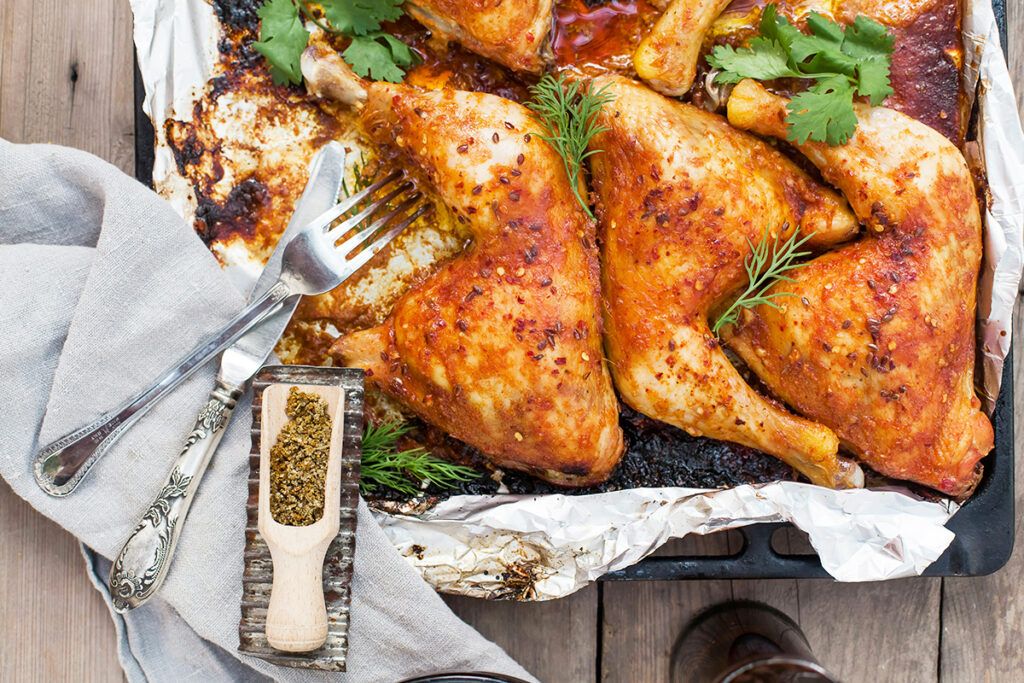
Chicken is a really popular meal option in the U.S., but it’s also responsible for a lot of illness. The CDC estimates that infected chicken alone sickens about a million Americans each year, and poultry is collectively responsible for almost one in five cases of food poisoning. Raw chicken is prone to infection by various strains of salmonella, campylobacter, and Clostridium perfringens, none of which are anybody’s idea of a good time.
So if, for example, your chicken or turkey was infected to begin with and you didn’t cook it to a food-safe temperature; or you handled utensils or surfaces that had been in contact with the raw bird, and then put away the leftovers without washing your hands in between, then your leftovers will be primed for bacterial growth by the time they make it to the fridge. If you don’t then reheat your leftovers to the recommended 165 degrees Fahrenheit, you may find yourself calling in to work with a case of food poisoning.
Appetizers, Dips, and Party Foods in General
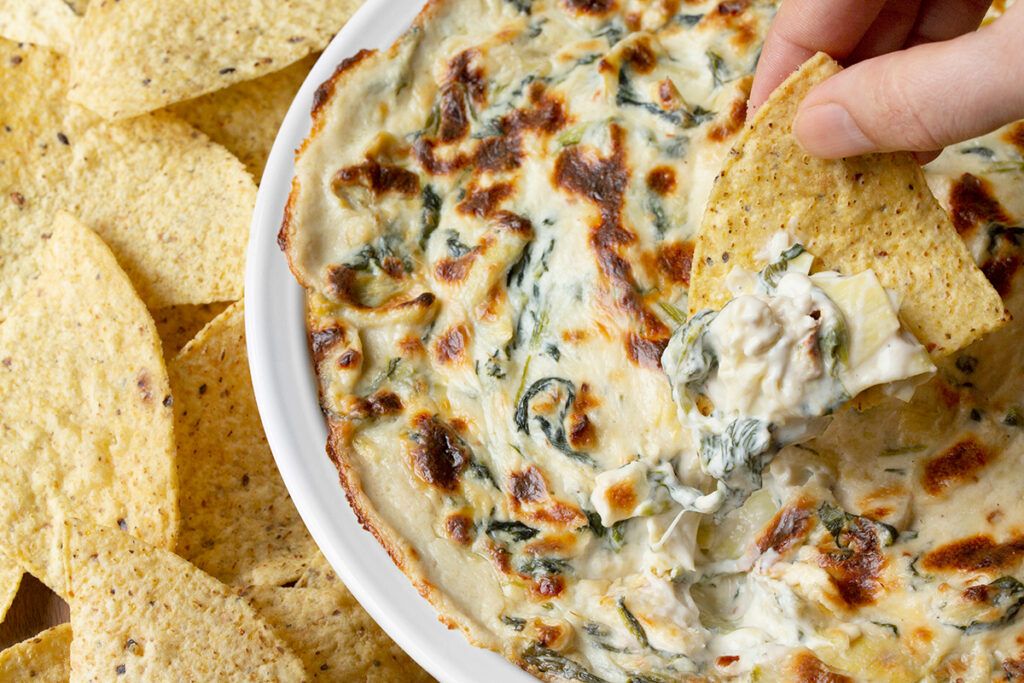
Some of the most problematic leftovers are the appetizers, dips, and other treats you prepare when you’re entertaining. Many of the issues with casseroles apply to party foods as well, especially hot dips. The biggest problem with party foods is that they’re usually left out for extended periods, so guests can help themselves over time as they feel inclined.
Two hours in the danger zone is as long as any food can safely be left out (and that drops to one hour if the ambient temperature is over 90 degrees Fahrenheit). It’s not uncommon to leave food out for much longer than that at parties. So unless you’re careful to keep hot foods above 140 degrees and cold foods below 40 degrees, as professionals do for buffets and catering, it’s safest just to discard those leftovers. You may get away with it repeatedly, but sooner or later your luck will run out.
Big-Batch Meals
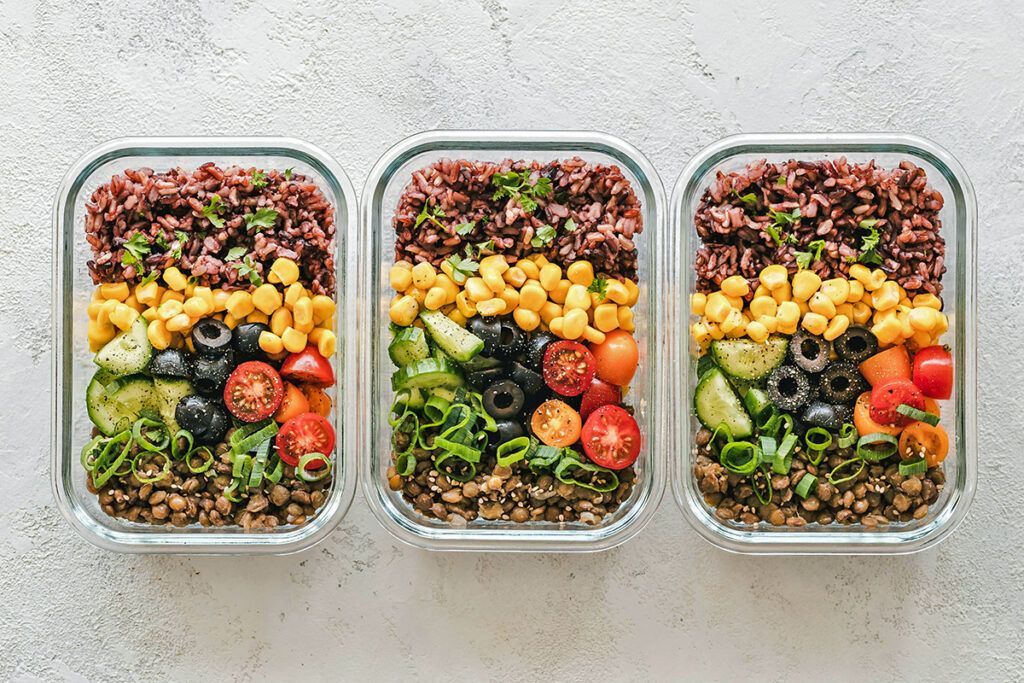
This final example is a little bit ironic. If you periodically cook up large batches of a favorite food so it’s available for quick meals (“made-aheads” rather than leftovers), you may be setting yourself up for trouble. To be clear, I’m not saying you shouldn’t do this — I often make big batches myself; it’s really practical — but you need to be diligent about food safety.
If you’ve read this far, you’ve probably picked up on most of the important rules to keep leftovers food safe:
• Wash your hands, utensils, and work surfaces after handling high-risk ingredients like raw egg or meat.
• Keep those high-risk ingredients away from anything you’ll eat raw, like your side salads.
• Cook your food to the recommended temperature, and test it with a thermometer to be sure.
• Cool your food quickly once it’s made. (Portion it into smaller, flatter containers so heat can easily escape — a whole casserole will stay warm and linger in the danger zone, even when it’s in the fridge.)
• Refrigerate or freeze the food ASAP so it doesn’t sit out past the two-hour mark.
• Don’t keep leftovers in the fridge for more than three to four days.
• Thaw the food safely.
• Reheat your meals to 165 degrees Fahrenheit before eating them.
Those guidelines are the result of long, bitter experience and high-quality research, so if you stick to them, you can feel confident about eating most leftovers or prepped-ahead meals.
Featured Image Credit: © Kinga Krzeminska—Moment/Getty Images
More From Our Network
Better Report is part of Inbox Studio, an email-first media company. *Indicates a third-party property.






Fred Decker is a trained chef and former restaurateur. Since closing his restaurants over a decade ago he has been a prolific freelance writer, publishing several thousand articles on dozens of high-volume websites including Taste Of Home, Hunker, Tasting Table, Week&, eHow, and GOBankingRates. He lives on a rural acreage shared with a big garden, chickens, rabbits, and grandkids.
This article is for general informational purposes only.
Affiliate Disclaimer Medical Disclaimer Financial Disclaimer