What Is ‘Charm Pricing’?


Retailers are always looking for ways to sell customers on their products. Sometimes they succeed because of a clever marketing campaign, while other times they may discount the item as part of a seasonal sale.
But another common sales tactic has to do with human psychology — specifically, items can be priced to manipulate buyers into thinking they’re getting a great deal. Take the concept of “charm pricing,” for example, which isn’t as charming as the name implies. Let’s look at how it works.

A Pricing Scheme That Works Like a Charm
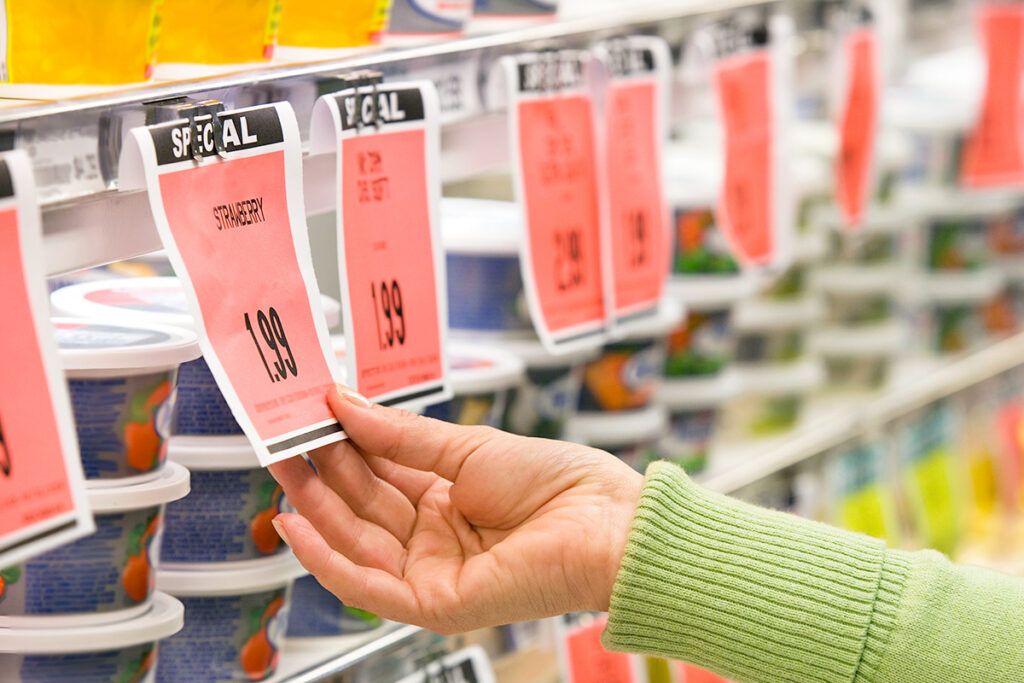
The next time you wander through the aisles of any retail establishment, take a look at all the prices. You’ll probably see far more price tags ending in .99 than .00. For instance, you may notice a package of fresh strawberries being sold for $4.99 instead of a flat $5. This is also a common phenomenon when you’re making digital purchases, as a monthly Netflix subscription costs $19.99 instead of an even $20.
That’s charm pricing, which takes advantage of what’s called left-digit bias, where buyers place an unnecessarily strong emphasis on the first number they read. In layman’s terms, the brain thinks that $2.99 is closer to $2.00 than $3.00, even though that’s not the case.

Reader Favorites



A Brief History of Charm Pricing
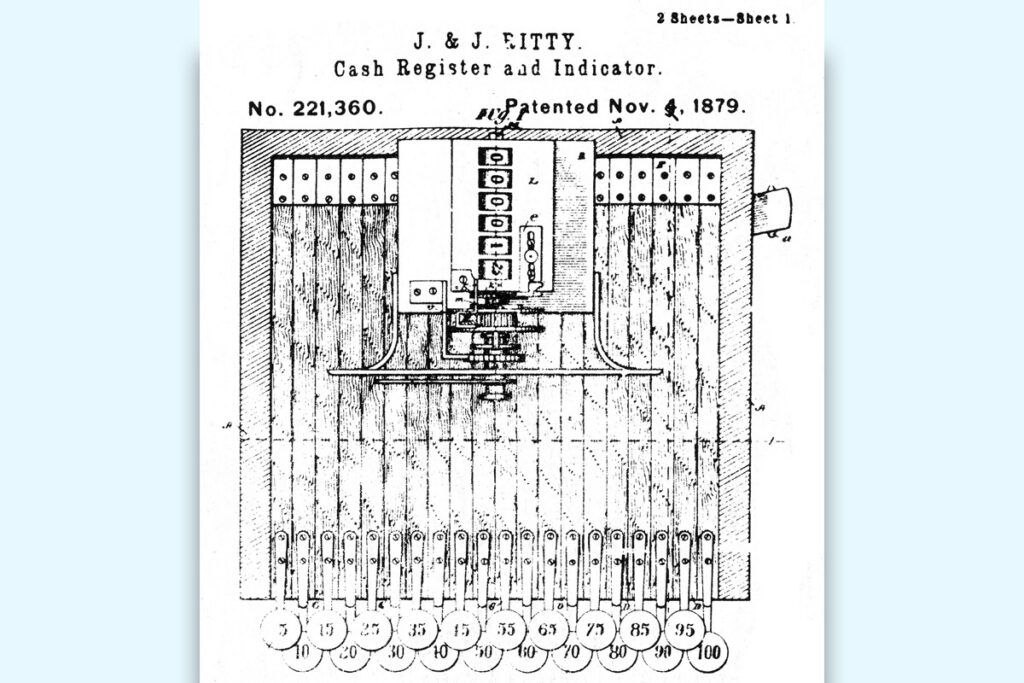
The idea of charm pricing indirectly began with a saloon owner named James Ritty. In 1879, he devised a plan to deal with clerks at his bar who he believed were pocketing money during transactions. Ritty created a new machine akin to the modern cash register so that each transaction could be recorded. Eventually, John H. Patterson — another business owner who was suspicious of his employees — bought Ritty’s company and the patent for the machines and began selling them.
As the machine became more popular, retailers soon realized they should charge non-round numbers for goods. This forced store clerks to not only record each sale but also make change for the buyer, so they couldn’t secretly pocket the money.
Those early anti-theft practices made it more common for retailers to charge non-round prices. Not only that, but products priced in such a way often sold more than items that were selling for a round number. Charm pricing came about thereafter.
Why We Fall for Charm Pricing
A 2020 study that analyzed charm pricing found that consumers believed the difference between $4.00 and $2.99 was wider than the gap between $4.01 and $3.00, despite the fact that the monetary difference in both examples is $1.01. Psychologically, however, the brain processes those prices in a way that clouds our judgment — we look at $2.99 and think “about $2” rather than “almost $3” — which in turn benefits retailers.
Of course, charm pricing is nothing more than an illusion, but it’s one that appears to actually have an impact on what we’re willing to purchase.
It’s worth noting that charm prices don’t necessarily need to end in a 9, and it’s the first digit that’s most important. This is why you may see prices end with different digits depending on where you shop. For instance, an analysis by the Hustle determined that 7 was the most common final digit in the prices of more than 500 items on Walmart’s website, popping up in 32.9% of prices. But the reason 9 is so common elsewhere is that a single cent is the minimum that retailers can lower prices by while still utilizing charm pricing.
As customers, there’s not much we can do to stop or change charm pricing. But it’s worth being aware of so you don’t get tricked into thinking that you’re getting a good deal on something, when in reality you’re saving a single penny.
Featured Image Credit: © Mint Images/Getty Images
More From Our Network
Better Report is part of Inbox Studio, an email-first media company. *Indicates a third-party property.







Bennett Kleinman is a New York City-based staff writer for Inbox Studio. He is also a freelance comedy writer, devoted New York Yankees and New Jersey Devils fan, and thinks plain seltzer is the best drink ever invented.
This article is for general informational purposes only.
Affiliate Disclaimer Medical Disclaimer Financial Disclaimer