Could Your Kitchen Cleaning Habits Be Making You Sick?

If you watch the news, you’ll frequently see stories about food recalls. They’re worth keeping tabs on, because food poisoning is no joke: The USDA estimates that Americans experience about 48 million foodborne illnesses each year from a population of about 342 million. That’s a lot.
When it comes to avoiding foodborne illnesses, food safety is important, but it’s only part of the picture — you also need a safe place to prepare your food. The unfortunate truth is that even if you pride yourself on keeping a clean kitchen, you still may be inadvertently letting bacteria thrive. Here are the issues I see most often as a former chef and food safety trainer.
Your Sponge
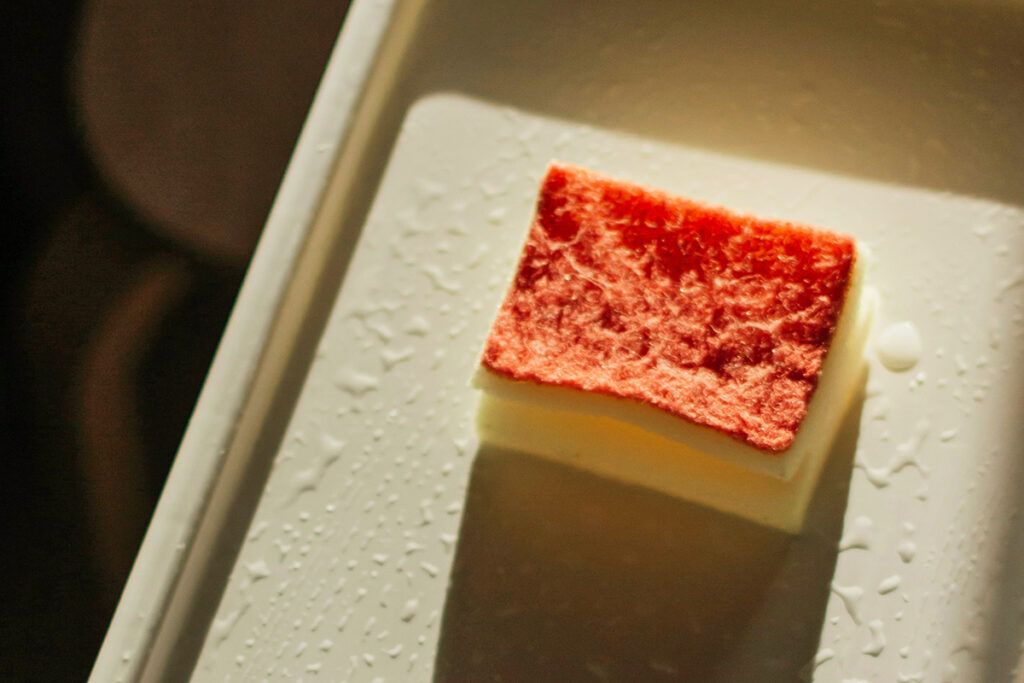
You’ve probably seen clickbait headlines telling you that “there are more bacteria on your kitchen sponge than in your toilet.” It’s true, but a little misleading: Your kitchen sponge does have a really high bacterial load, but most of the bacteria on it are harmless. The bad news? It can also harbor harmful pathogens including salmonella, E. coli, listeria, and others you might not know by name.
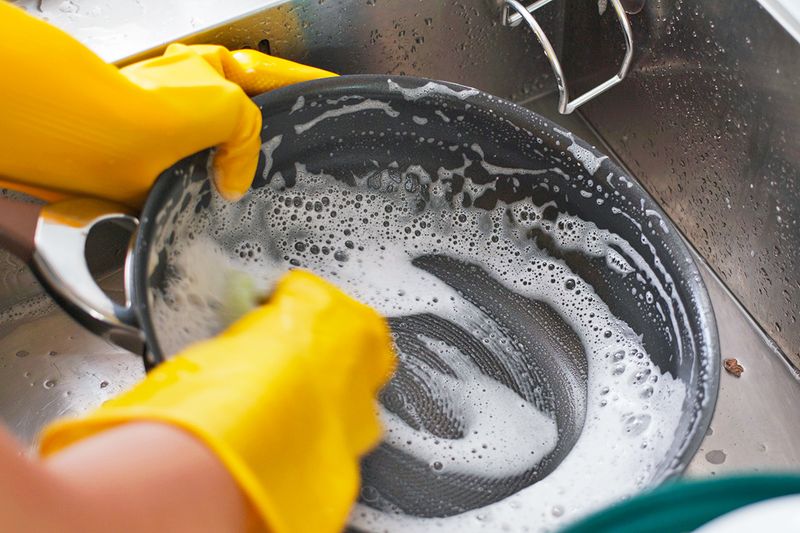
While you’re cleaning, your sponge picks up bacteria and pathogens from the surfaces you wipe (dishes, cutting boards, knives, and so on). If you clean a cutting board that just held raw chicken, for example, any salmonella on the board is now in your sponge. Your sponge also traps food particles and moisture, and then sits at room temperature for hours.
In other words, you’re creating perfect conditions for bacteria to grow. So, the next time you use your sponge, you’ll be smearing bacteria across your counters and dishes rather than cleaning them off. If you use a cloth for cleaning your counters or hand-washing dishes, you’ll face similar challenges.
So what should you do if you don’t want to spread bacteria?
How To Clean Without Spreading Bacteria
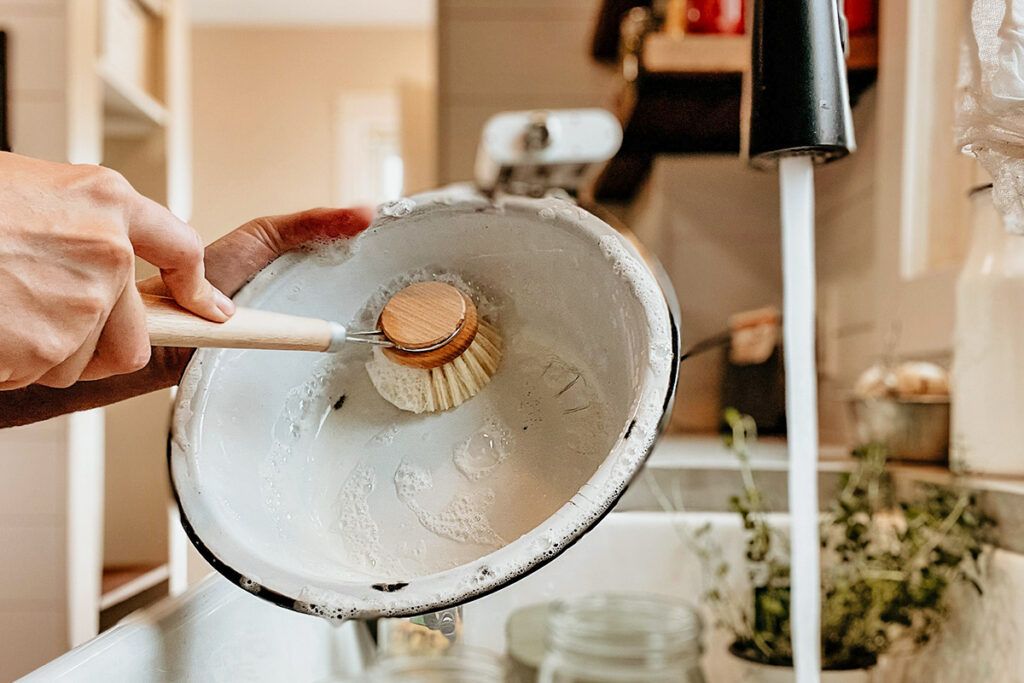
The simplest option might be to change the tool you use. A study conducted in 2022 across 10 European nations found that dish-scrubbing brushes were significantly more sanitary than sponges. Not only did their bristles retain less food waste and bacteria than sponges, but they were also easier to clean and dried faster, taking away the moisture bacteria need for survival.

Reader Favorites



For uses where brushes might not be the tool for the job, there are several methods you can use to sanitize your sponge or washcloth between uses:
• Run it through a cycle in your dishwasher, using its high heat setting and heated drying.
• Soak the sponge in pure, 10% chlorine bleach for one minute.
• Soak the sponge in 70% ethanol (i.e., overproof vodka or equivalent).
• Put the sponge through a hot water wash in your washing machine, with bleach, and dry it on your dryer’s hot setting.
• Wet the sponge or cloth thoroughly, then microwave on high for one minute.
• Boil your sponge or cloth for 10 minutes.
USDA testing showed that the microwave is the simplest and most effective option for sanitizing your sponge, as long as your sponge is microwave-safe. But additional research from other sources, including a microbiologist in her home kitchen, showed that it’s not a bulletproof option: The bleach, dishwasher, and washing machine options all worked pretty well; hydrogen peroxide and the dishwasher without hot drying were less effective; and the microwave results were variable.
Considering all the benefits that come with using brushes, and the fact that they can also be sanitized in the dishwasher, you may just want to opt for that instead. If you must use a sponge, replace it every one to two weeks, even if you’re sanitizing it.

Your Hands
You use your hands to hold food, cooking utensils, and the sponge or cloth you clean with, so they’ll be exposed to any pathogens on those things. You’ll spread those microbes to the knobs on your stove, the handles of your faucet and knives, your light switches and doorknobs, and any family members you happen to touch.
That’s why handwashing is drilled into culinary students (and medical students!) so thoroughly. It’s one of the fundamental rules of food safety. You really need to wash your hands with soap and water for at least 20 seconds every time they’ve been in contact with a possible source of contamination, whether you took a bathroom break or were touching raw meats or fresh produce (a common source of food recalls). Alternatively, you can use gloves, as long as you change them when you shift from one task to another. Doing so will help prevent any skin irritation from frequent handwashing.
Washing your hands or changing gloves often is inconvenient, sure. But touching things absentmindedly with unwashed hands is how a lot of common pathogens like norovirus, for example, spread — and I can assure you that the extra time spent washing your hands is a lot less inconvenient than getting noro.
Your Sink
Your sponge is what you use to clean a lot of things, but your kitchen sink is where you clean them. That means it sees a whole lot of foodborne bacteria, viruses, and parasites. (The cyclosporiasis outbreak that sickened thousands in July 2026 is caused by a parasite.) Your sink is a place where pathogens gather, and it might need a little more care than you’re giving it.
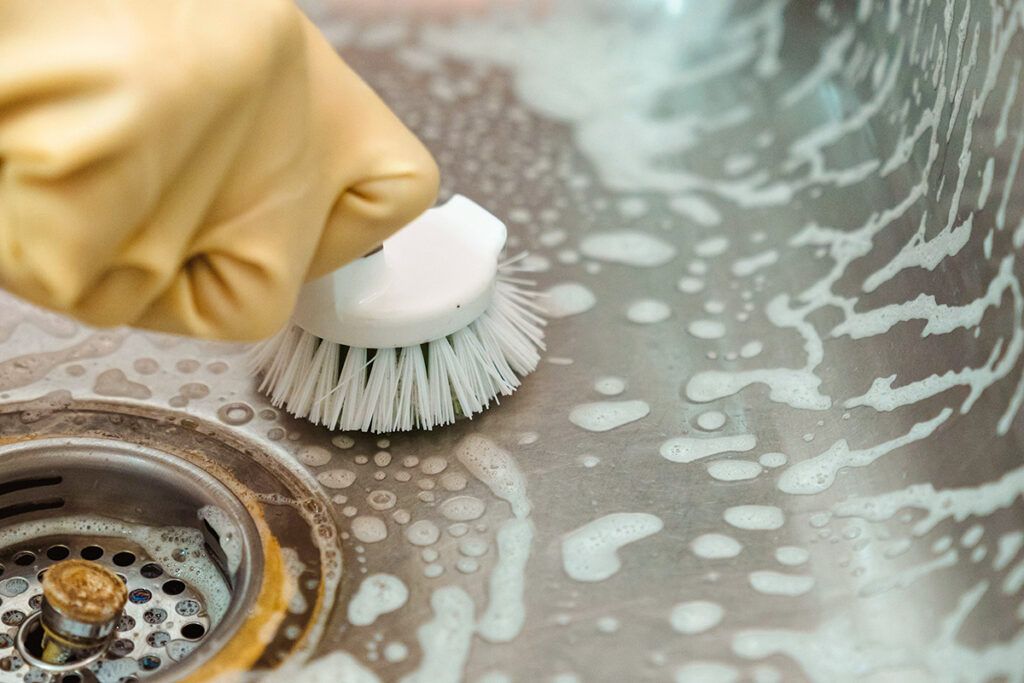
After you’ve used your sink to rinse produce or things like cutting boards, or after you’ve drained the juices from a package of fresh or thawed meat, wash it carefully with your cleanser of choice. The drain is an especially good place for bacteria to gather due to its nooks and crannies, so scrub those with a brush to get out any gunk. If your sink has a basket-type stopper, run that through a hot dishwasher cycle at least once a week to keep it sanitary. Finally, make a habit of disinfecting the whole sink and drain with diluted bleach every few days.
Your Icemaker
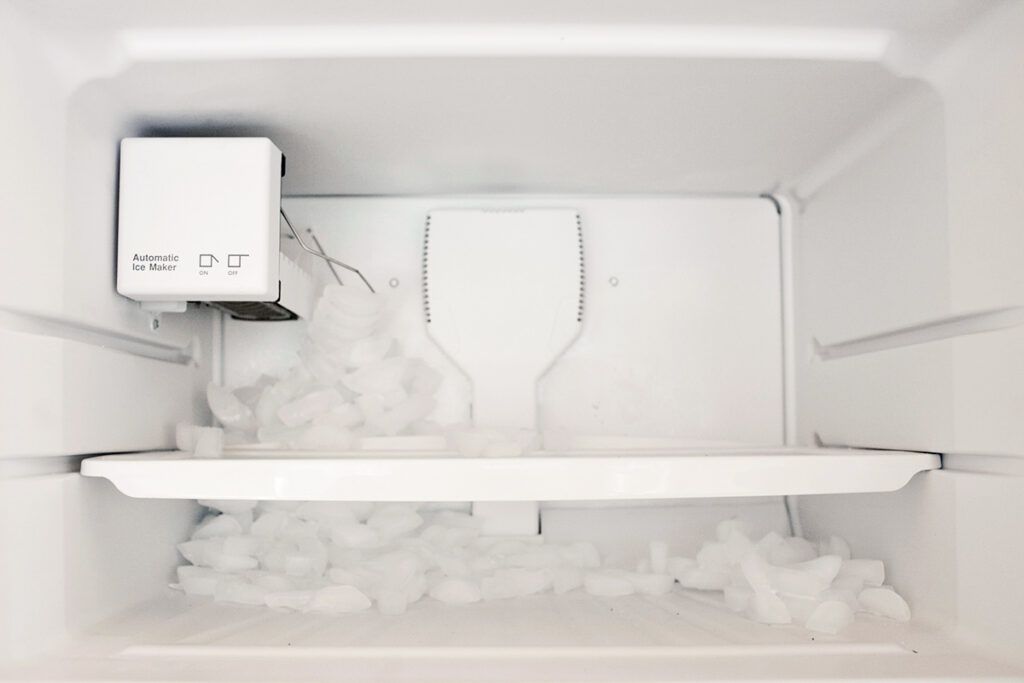
The ice maker in your fridge (or a stand-alone ice maker, if you have one) may also be one of the dirtiest things in your house. Ice makers accumulate molds and bacteria — many of which, including cold-tolerant listeria, can make you pretty ill. Cleaning it two to three times a year is relatively straightforward, and easy to remember if you schedule it to coincide with something else (holiday weekends, for example). Not only will this protect you from possible illness, but your ice cubes will also look and taste better.
Your Dishwasher
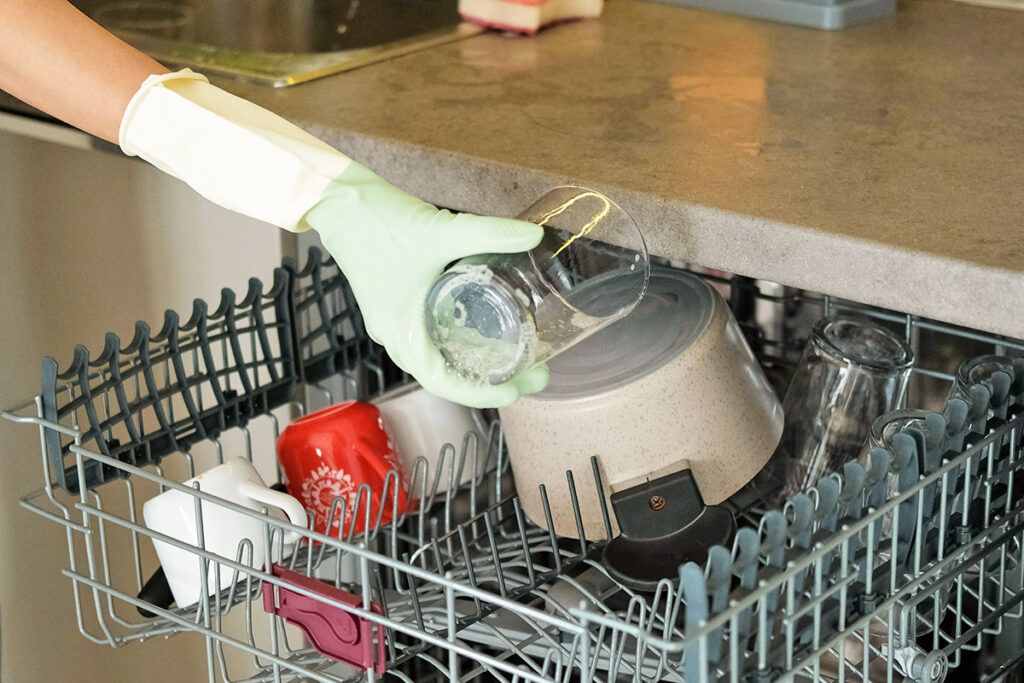
Your dishwasher plays a key role in keeping other things clean and sanitary, but only if the machine itself is clean and sanitary. If you allow gunk to build up in and around the filter, in the jets, or around the door seals, you’re providing a place where hardy bacteria can linger. Yes, a hot water wash and heat drying will probably kill them, but why take chances? Here’s a guide you can use to make sure your dishwasher is pristine.
Featured Image Credit: © Iryna/stock.adobe.com
More From Our Network
Better Report is part of Inbox Studio, an email-first media company. *Indicates a third-party property.






Fred Decker is a trained chef and former restaurateur. Since closing his restaurants over a decade ago he has been a prolific freelance writer, publishing several thousand articles on dozens of high-volume websites including Taste Of Home, Hunker, Tasting Table, Week&, eHow, and GOBankingRates. He lives on a rural acreage shared with a big garden, chickens, rabbits, and grandkids.
This article is for general informational purposes only.
Affiliate Disclaimer Medical Disclaimer Financial Disclaimer