12 Foods You Shouldn’t Store Together
All featured products and deals are selected independently and objectively by the author. Better Report may receive a share of sales via affiliate links in content.
Some foods just go together. Onions and potatoes have been paired in dishes for centuries, and who could forget apples and bananas? There’s even a song about them. But as it turns out, you shouldn’t store many classic food combinations together. Keeping certain groceries side by side in the refrigerator or pantry can make them lose freshness, absorb unwanted odors, or turn into a mushy mess before you get a chance to enjoy them. Learn why one bad apple really can spoil the bunch.
Mushrooms With Aromatics
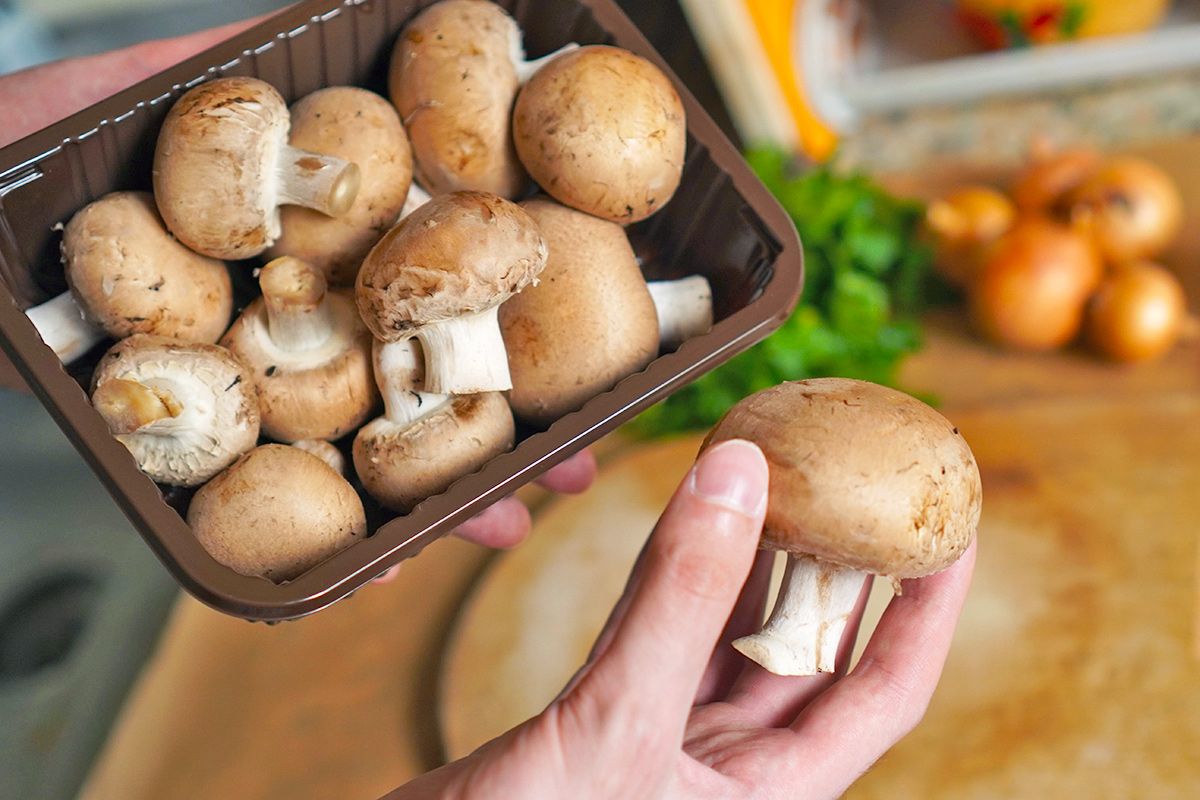
Mushrooms, garlic, and onions complete many great dishes, from soups and stir-fries to pastas and omelets. But mushrooms pair well with aromatics only while you’re cooking them — not while they’re being stored. Mushrooms tend to absorb strong odors, especially in closed spaces like a refrigerator.
For best results, store mushrooms in their original packaging or, after opening, in a paper bag in the fridge away from anything that gives off a strong odor, such as cut-up garlic and onions, shallots, scallions, pungent cheeses, and smelly leftovers. Airtight plastic bags often retain moisture and can cause mold and spoilage, so make sure to poke holes in plastic wrap or bags.
Dried mushrooms can also absorb odors, so keep them away from strong-smelling spices and other odorous pantry items.
Strong Cheeses With Mild Cheeses
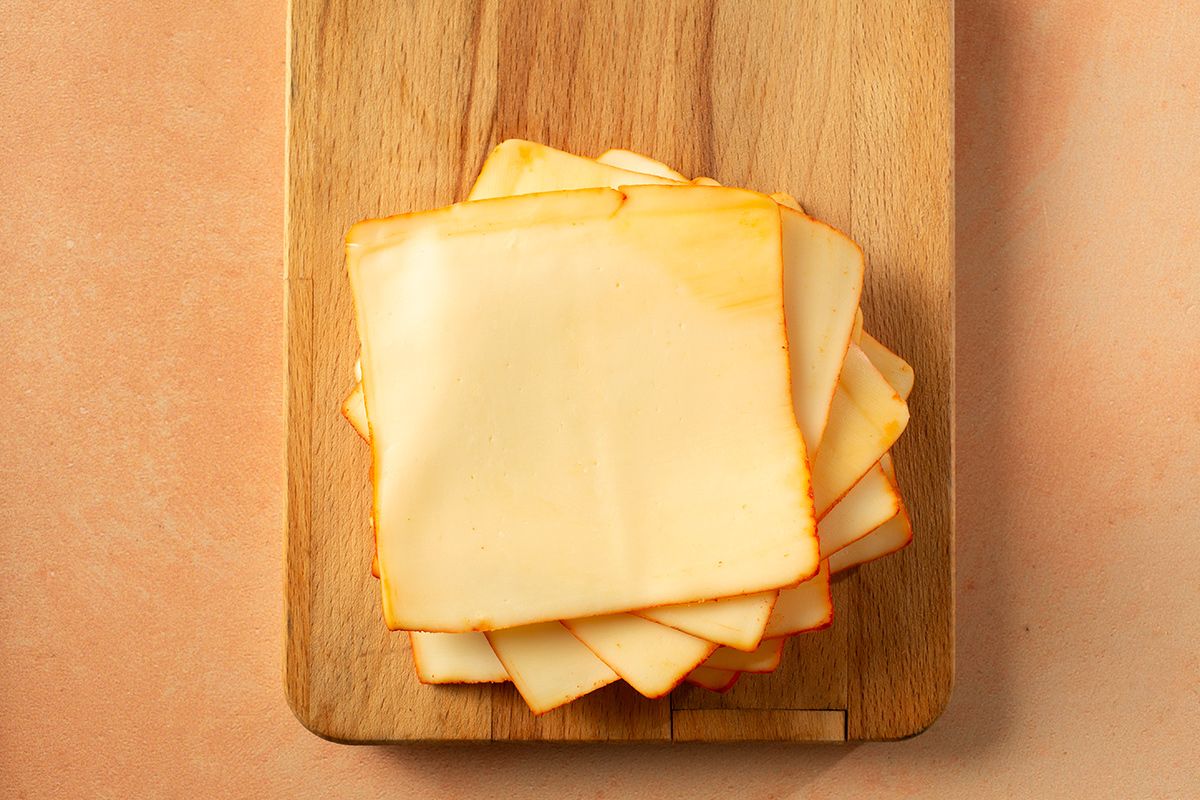
If you’re a fan of making your own charcuterie boards, you’ll want to make sure you’re storing your cheese properly. Cheese in general can take on the odor of other foods, and milder cheeses like Havarti, Muenster, and Gouda can absorb odors from potent cheeses such as Gorgonzola and Roquefort, which can really throw off their flavor profile.
According to the U.S. Dairy, soft cheeses such as cream cheese, cottage cheese, shredded cheeses, and goat cheese must be refrigerated for safety. Hard cheeses, including aged cheddar and Parmesan, can withstand longer periods without refrigeration, but keeping them in the fridge will increase their lifespan.

Reader Favorites



Cheese needs air and moisture — but not too much of either — to stay good for as long as possible. For best results, place cheese in the produce drawer (or, if your fridge has one, the deli/cheese drawer), where the temperature is consistent and humidity is slightly higher. Plastic wrap and sealed plastic bags will cause too much moisture, so your best choices for wrapping are cheese storage bags, beeswax wraps, or parchment paper. For extra odor protection, put pungent cheeses in an airtight container or wrap them again in foil — the former works well for all cheeses, according to cheesemongers, and the latter will keep in moisture and odor without suffocating the cheese.
It’s also a good idea to store cheeses separately from other components of charcuterie boards. Store leftover fruits, deli meats, jams, and nuts in their own containers to prevent the spread of odors, unwanted moisture, and even bacteria that may cause foodborne illness.
Coffee With Pungent Foods
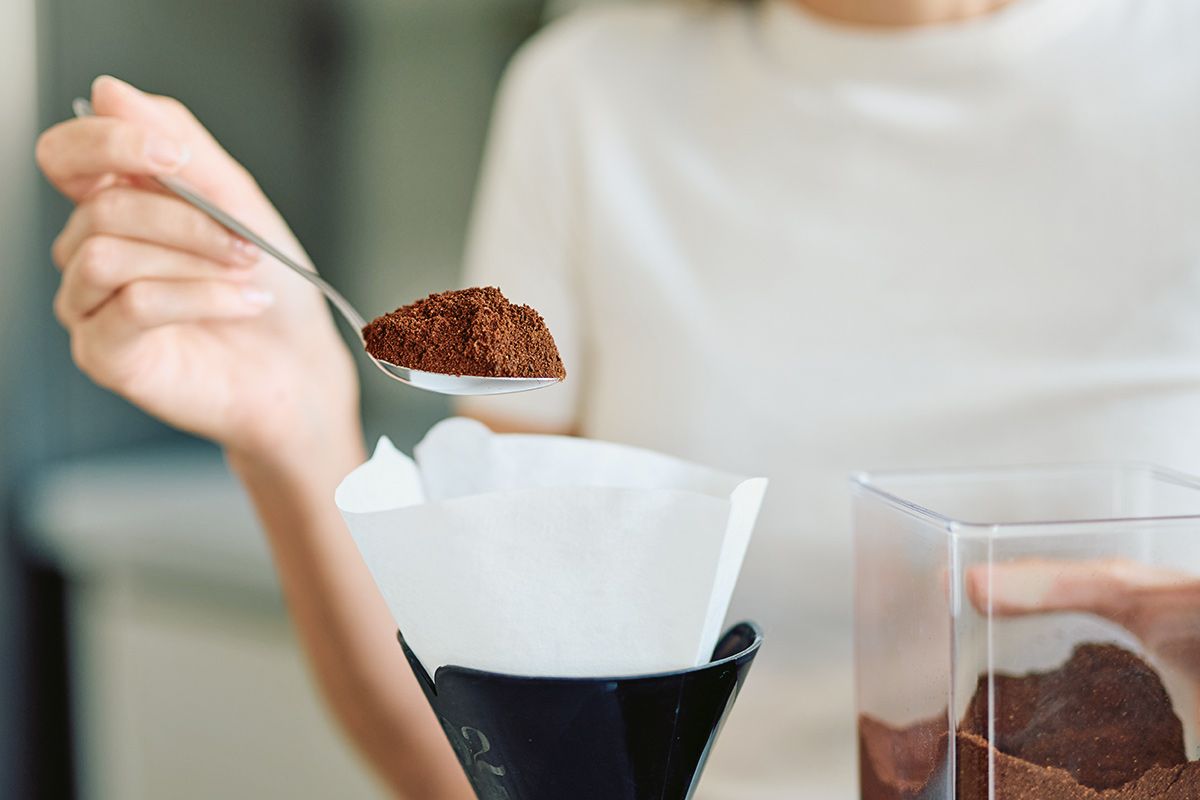
Used coffee grounds can serve as an eco-friendly fridge deodorizer, so it stands to reason that fresh grounds absorb odors just the same. This absorption is a result of the nitrogen and active compounds in coffee, such as polyphenols and essential oils, that bind with gaseous compounds (such as ammonia and hydrogen sulfide). The tiny nooks in the grounds themselves also help absorb odors.
The best place to store coffee grounds is in a cool, dark pantry in an airtight container, away from spices and other strong-smelling pantry items such as onions and garlic. You can also store coffee grounds in the fridge, but this can expose them to moisture and odors, so if you go that route, make sure to use a good airtight container and put them in a spot away from odorous foods.
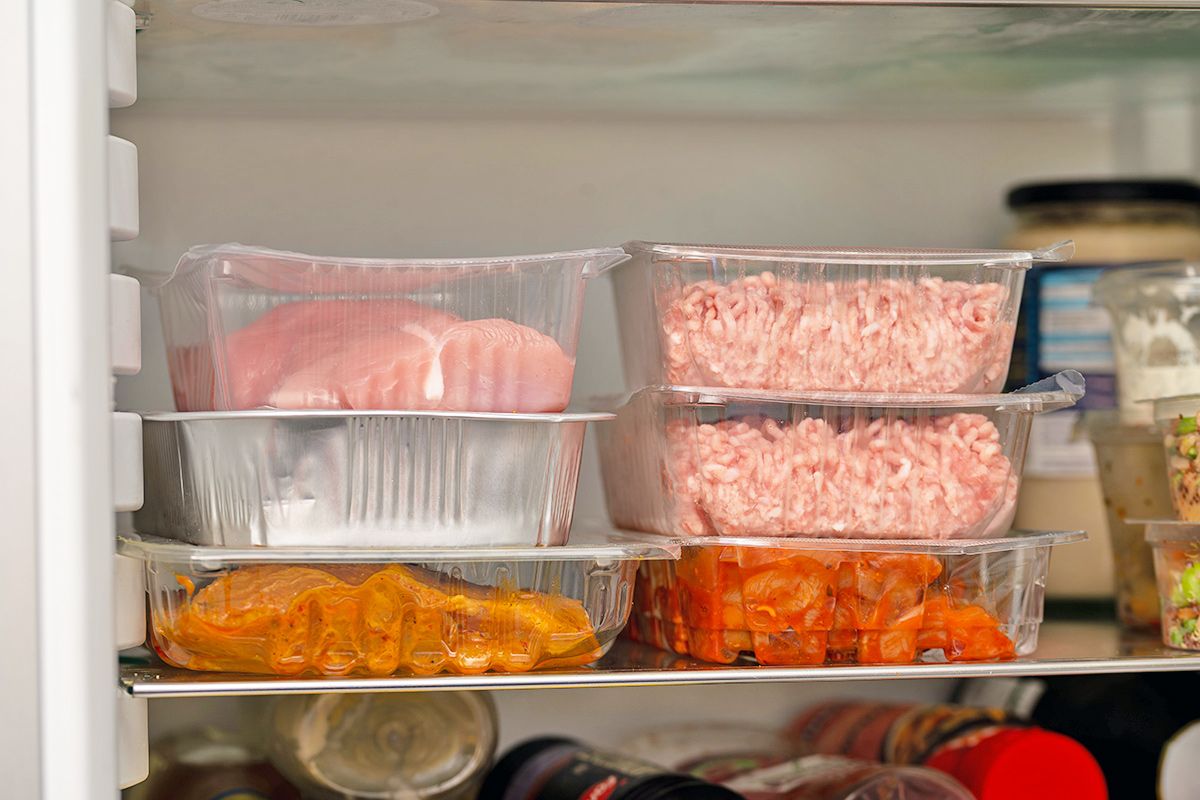
Raw Poultry, Meats, and Seafood With Ready-To-Eat Foods
Improper storage doesn’t just cause unwanted odors and spoilage — it can also be a major food safety issue. According to the CDC, it’s important to store raw or undercooked poultry, meat, seafood, or eggs (and their juices) away from ready-to-eat foods, such as cooked dishes or fresh produce eaten raw. Uncooked meat can cause serious foodborne illness from harmful bacteria, including campylobacter, E. coli, listeria, and salmonella.
The solution is simple: Store raw meats in an airtight container or on a plate on the bottom shelf of your fridge. It’s also best practice to throw away any foods contaminated by juice spills or leaks from these raw foods.
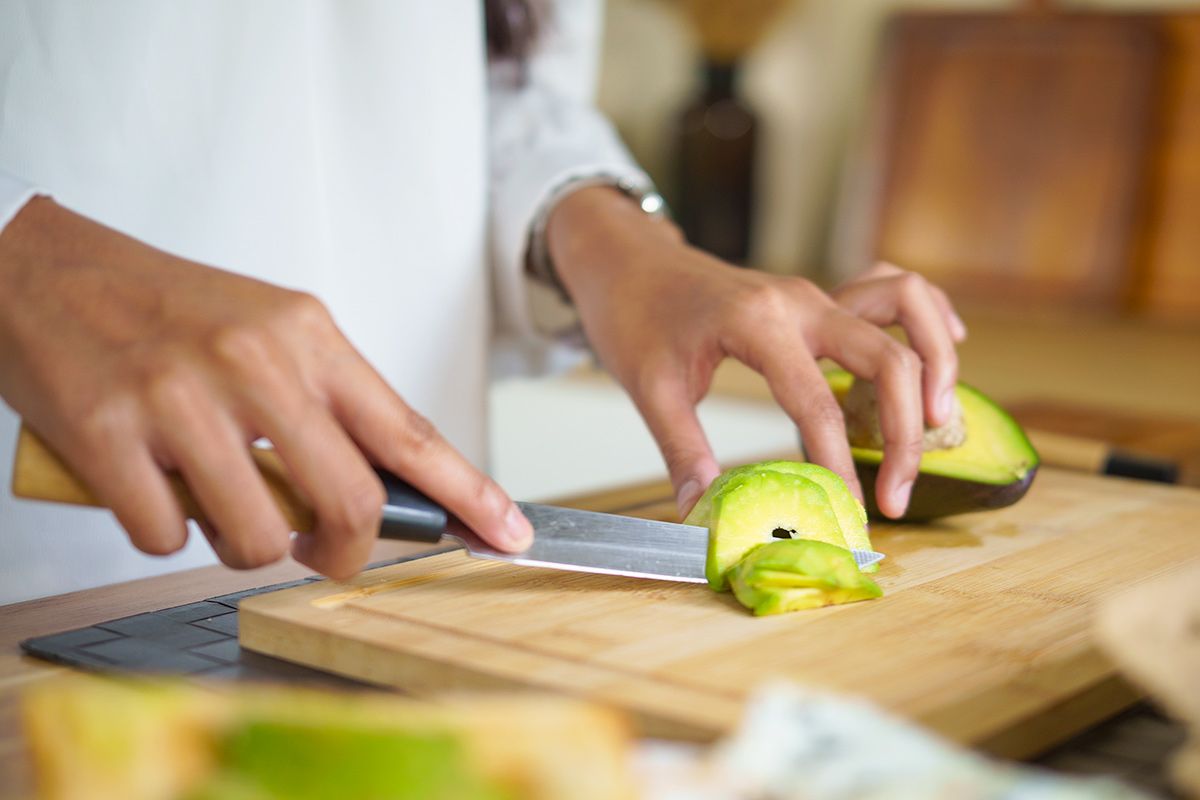
Ethylene-Producing Fruits and Vegetables With Ethylene-Sensitive Produce
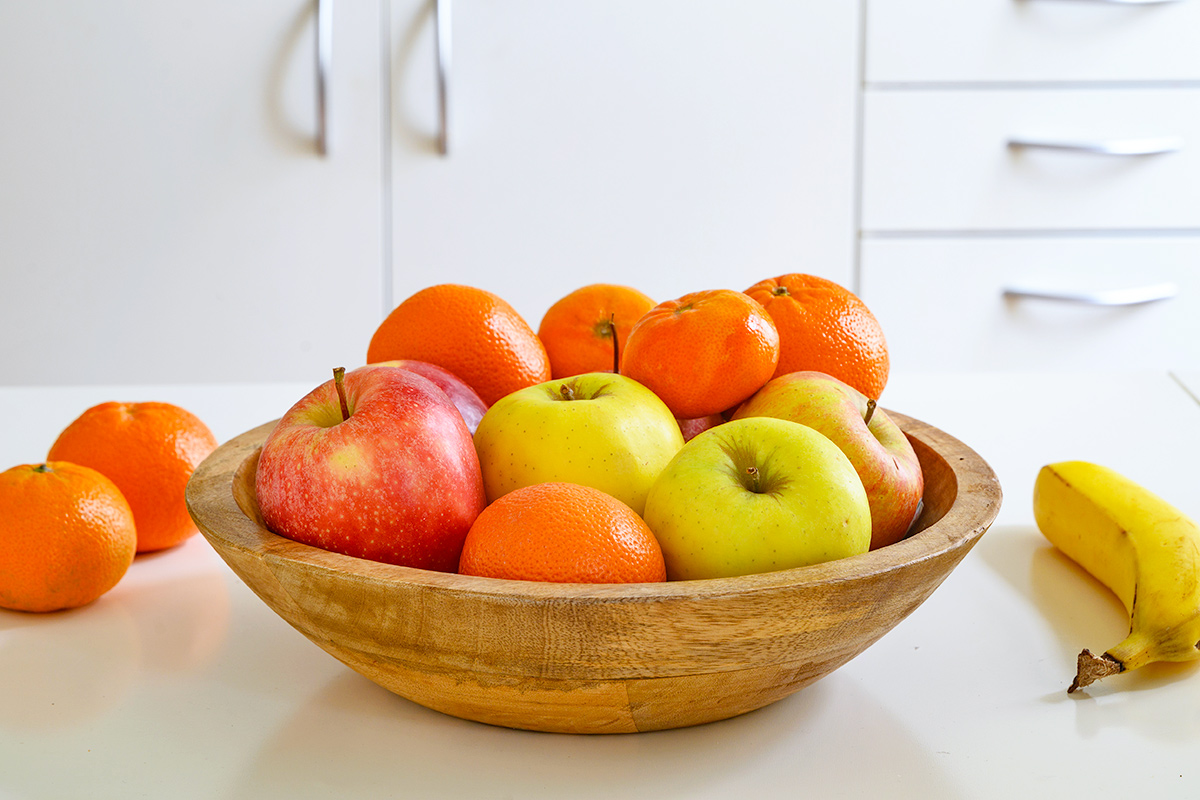
Ethylene gas is a natural plant hormone that triggers ripening, aging, and softening. It’s why bananas turn from green to yellow and why plums go from tart to sweet. But too much of it causes overripening, wilting, spotting, and spoilage. Fruits like apples and bananas generally produce much higher amounts of ethylene, while certain vegetables, such as tomatoes, emit moderate levels.
Some produce is very sensitive to this gas, so when it’s stored with high-emitting produce, it spoils quickly. Onions and potatoes, for instance, should never be stored together. The ethylene onions emit causes potatoes to ripen or spoil quickly. Plus, the high water content in potatoes can cause onions to turn brown and mushy. Store them a few feet apart in the pantry to be safe.
Other surprising combinations of produce that shouldn’t be stored together because of ethylene include apples and bananas; tomatoes and cucumbers; avocados and peppers; cantaloupe and honeydew; and peaches and mangoes. Some fruits — including apples, avocados, bananas, cantaloupe, kiwi, peaches, pears, and peppers — are ethylene-sensitive and high producers, so try not to store them in mixed fruit bowls. Not only do they ripen fast, but they can cause everything around them to ripen and spoil faster.
As a rule of thumb, separate ethylene-producing produce from ethylene-sensitive produce. The UC San Diego Center for Community Health outlined some of the most common produce and their ethylene status:
| Ethylene Sensitive | Not Ethylene Sensitive | Ethylene Producers |
| Apples Asparagus Avocados Bananas Broccoli Cantaloupe Collard Greens Cucumber Eggplant Grapes Honeydew Kiwi Lemons Lettuce Limes Mangoes Onions Peaches Pears Peppers Squash Sweet potatoes Watermelon | Beans (Snap) Blueberries Cherries Garlic Grapefruit Oranges Pineapple Potatoes Raspberries Strawberries Tomatoes Yucca | Apples Avocados Bananas Cantaloupe Kiwi Peaches Pears Peppers Tomatoes |
Featured Image Credit: © Anastasiia Surdina—iStock/Getty Images
More From Our Network
Better Report is part of Inbox Studio, an email-first media company. *Indicates a third-party property.