Skip to content
Better Report
  • Home
  • Health
  • Wealth
8 Low-Maintenance Plants That Thrive on Neglect
  • Search
  • Subscribe
  • Home
  • Health
  • Wealth
  • About
  • Privacy Policy
  • Terms of Use
  • Contact Us
  • SubscribeSubscribe
  • Search
Thank you for confirming your email! Welcome to the community.

Author: mikenewman

Is Pasta Actually Healthier As a Leftover?

Health | Updated: October 15, 2026
Bennett Kleinman
Author
Bennett Kleinman is a New York City-based staff writer for Inbox Studio. He is also a freelance comedy writer, devoted New York Yankees and New Jersey Devils fan, and thinks plain seltzer is the best drink ever invented.
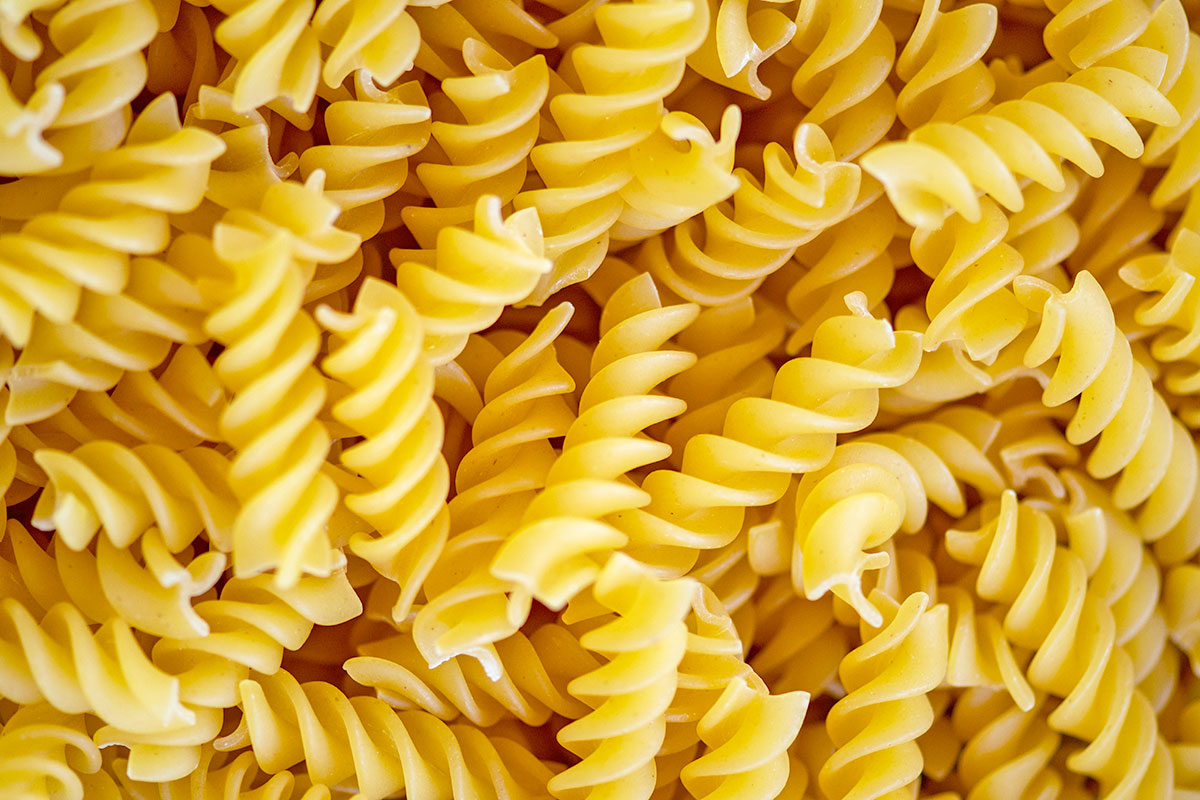
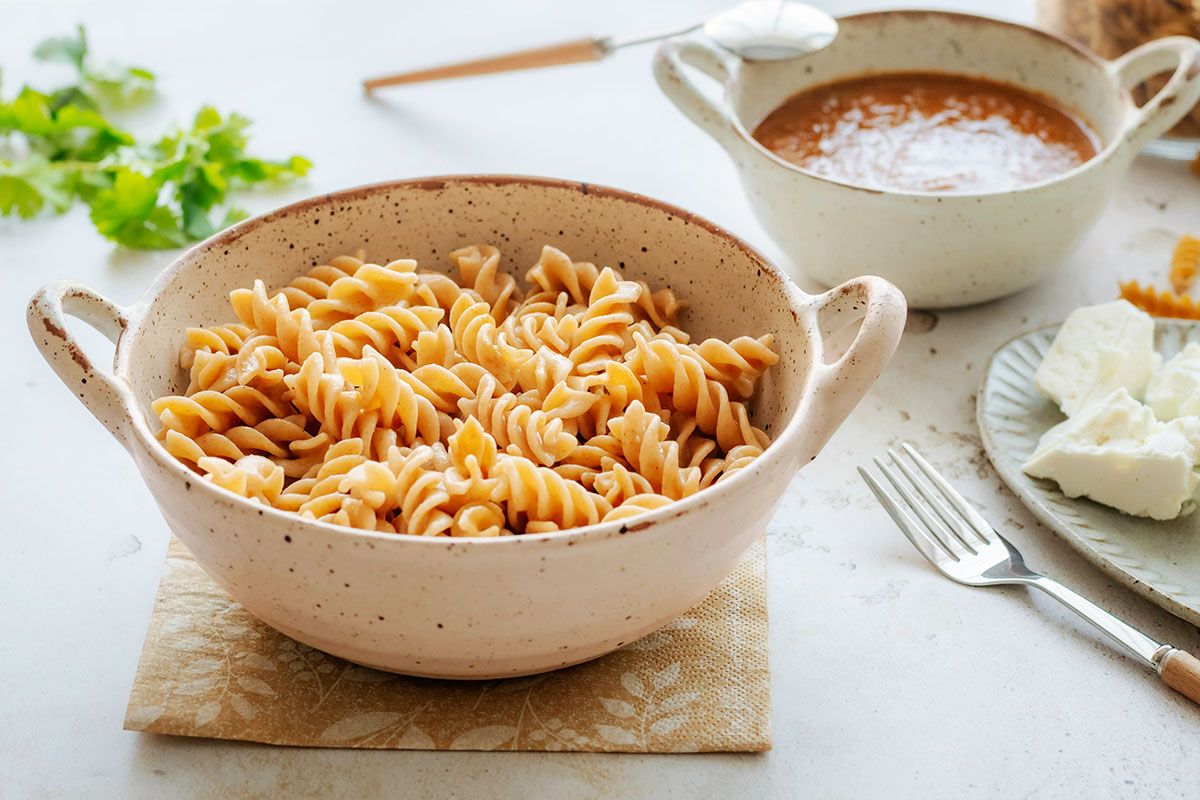
Fusilli pasta up close
Better Report

All featured products and deals are selected independently and objectively by the author. Better Report may receive a share of sales via affiliate links in content.

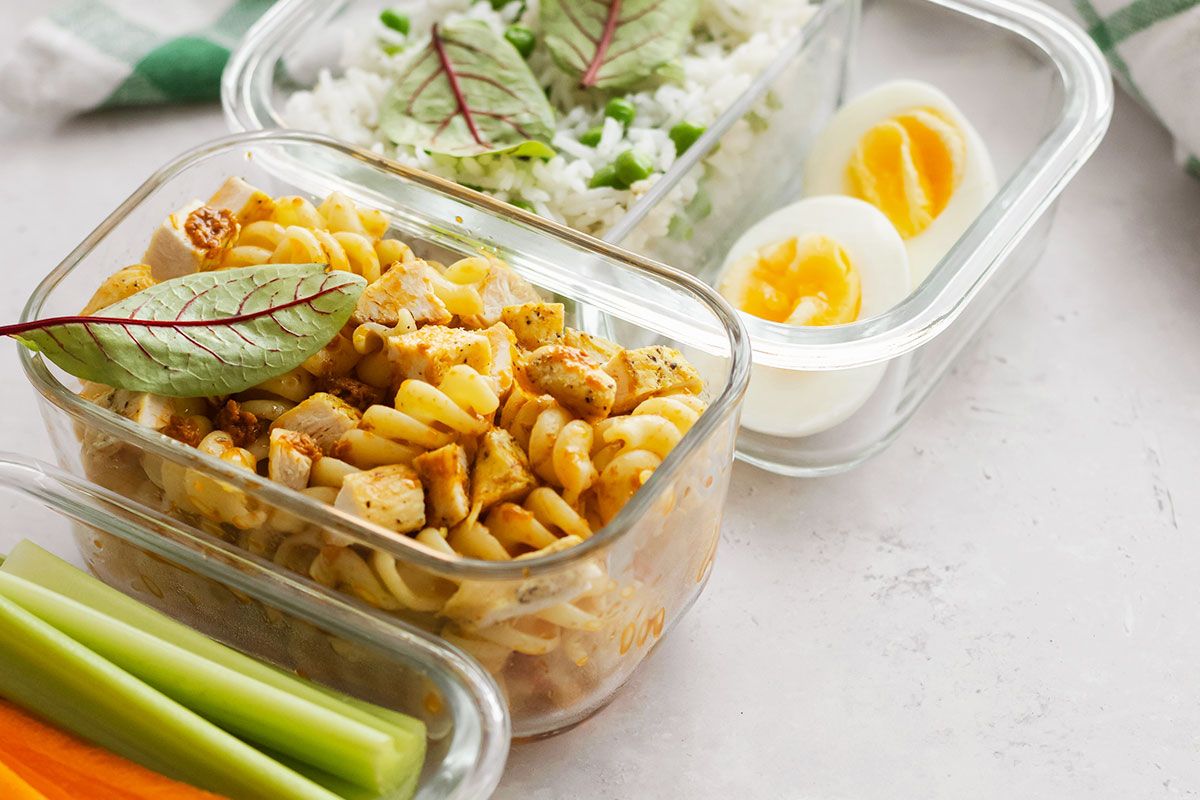
You’re eating at your favorite Italian restaurant and enjoying a plate of spaghetti that’s bigger than most newborns. While finishing the entire meal may be tempting, it would probably result in a deeply unpleasant tummy ache. Instead of pushing the limits of your stomach, you should probably ask for a to-go box to save the leftovers for dinner the next night. But what if we told you that leftover pasta is actually healthier for you than a freshly cooked plate? This isn’t some lie created by pasta manufacturers in order to sell more ravioli. Rather, it all has to do with the pasta undergoing changes on a molecular level while it cools overnight.

Credit: Karolina Kołodziejczak/ Unsplash

Regular Starches vs. Resistant Starches

Overconsuming the regular starches found in most bowls of freshly cooked pasta leads to weight gain, an increased risk of diabetes, heart disease, and other similar ailments. But there’s another type of complex carbohydrate that’s actually better for you — resistant starches. Regular starches easily break down in the small intestine and are converted into sugars that are then released into the bloodstream. But resistant starches make their way through the small intestine all the way to the large intestine, where they finally ferment and help nourish that “good” gut bacteria. Some foods that contain high amounts of resistant starches include oats, beans, and yes, leftover pasta.

Advertisement
Advertisement
Credit: Artit Wongpradu/ Shutterstock

What Happens to Pasta as It Cools?

When you cook pasta, the starch molecules become more widely spread out. This makes them much easier to digest once eaten, which means the sugars and calories are rapidly absorbed into the bloodstream. But if you take a bowl of cooked pasta and leave it in the fridge overnight to cool, the starch molecules clump together and transform into resistant starches. This is a process called retrogradation, and it happens to cooked pasta as well as other similar starchy foods like rice and potatoes.
Credit: Artit Wongpradu/ Shutterstock

The Benefits of Resistant Starches

Resistant starches provide a wide variety of nutritional benefits that are lacking in other types of common starches. The fermentation of resistant starches in the large intestine helps nourish healthy gut bacteria, which promotes better digestion and gut health. It’s also believed that eating resistant starches helps you feel fuller for longer given that the food takes more time to digest, especially if you consume more than 25 grams. Resistant starches are also tied to lower cholesterol levels, are thought to lessen inflammation, and contain high amounts of necessary fibers that lessen the risk of various heart conditions and cancers. Dishes that contain resistant starch also only contain 2.5 calories per gram, which is lower than the four calories per gram found in regular starches.
Credit:  Monika Grabkowska/ Unsplash+

Feel Free To Reheat

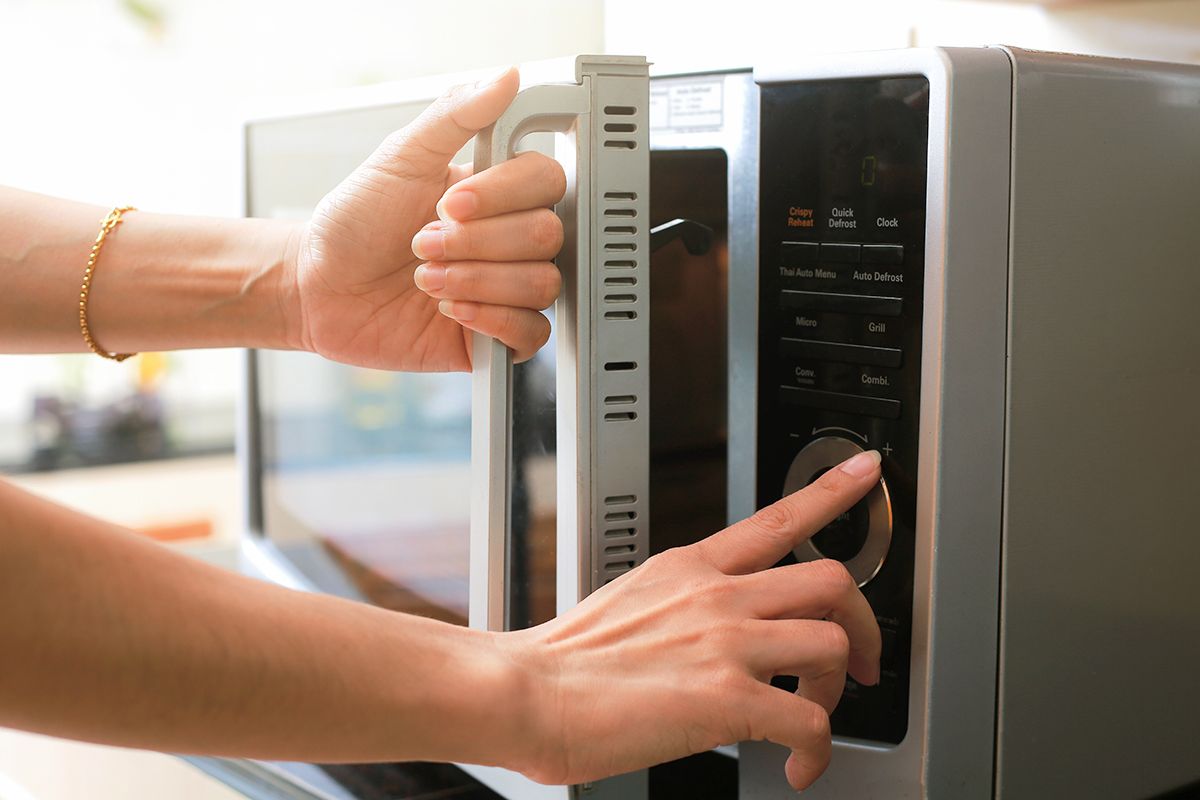
Let the pasta sit for at least 24 hours or so before enjoying your leftovers, as that allows enough time for resistant starches to properly form. Once it’s time to eat, you don’t have to settle for eating the pasta cold. You can heat up the pasta in the microwave or on the stove without compromising the resistant starches that have recently formed, as they’ll still be present even after reheating. Also don’t leave your leftover pasta sitting there for too long, as it’s best enjoyed for up to five days after cooking before it possibly goes bad.

Recommended Articles

  • The Most Popular Car Colors in the U.S.

  • 5 Small Changes You Can Make To Decrease Your Risk of Dementia

  • First-Date Etiquette Tips for People Over 40, According to a Matchmaker

  • 6 Holiday Foods You Didn’t Know Were Healthy

Advertisement
Advertisement

Reader Favorites

  • Person breaking into a car

    The 10 Most Stolen Cars in the U.S.

  • Older man with hands on cane

    Why Do We Smell Different As We Age?

  • Man in grocery store

    6 Grocery Habits Costing You More Than You Think

Credit: Zyn Chakrapong/ Shutterstock

The Perfect Pasta Products

When storing leftover pasta, food safety is paramount. That’s why you should always store your pasta and any other foods inside airtight containers that prevent bacteria from forming. When it’s time to reheat, these microwave-safe plates are an excellent option. If you’d rather reheat your pasta on the stove then there are few better options than this Tramontina nonstick pan, which comes with a silicone grip for added stability.

More From Our Network

Better Report is part of Inbox Studio, an email-first media company. *Indicates a third-party property.

Go Retro With This 1960s Fashion Quiz

Quiz Daily

Go Retro With This 1960s Fashion Quiz

True or False: Are You a Master of U.S. Geography?

Travel Quiz

True or False: Are You a Master of U.S. Geography?

5 Reasons You Can Be Denied Boarding an Airplane

Daily Passport

5 Reasons You Can Be Denied Boarding an Airplane

What Did People Do Before Eyeglasses?

History Facts

What Did People Do Before Eyeglasses?

How To Use a Balloon To Clean Up Dust

House Outlook

How To Use a Balloon To Clean Up Dust

11 Shopping Hacks Costco Members Should Know

FinanceBuzz*

11 Shopping Hacks Costco Members Should Know

Share this article

  • Share to Facebook
  • Share to Twitter
  • Copy Url
  • Share to Email
Bennett Kleinman
Staff Writer

Bennett Kleinman is a New York City-based staff writer for Inbox Studio. He is also a freelance comedy writer, devoted New York Yankees and New Jersey Devils fan, and thinks plain seltzer is the best drink ever invented.

This article is for general informational purposes only.
Affiliate Disclaimer Medical Disclaimer Financial Disclaimer

Updated: July 20, 2023
Posted In: Health
Hero Image Credit: Better Report
Advertisement

Related Articles

5 Small Changes You Can Make To Decrease Your Risk of Dementia

4 min read

6 Holiday Foods You Didn’t Know Were Healthy

7 min read

Is It Safe To Drink a Glass of Water That Sat Out Overnight?

3 min read

The Health Risks of Shopping at the Dollar Store

4 min read

Does Going Outside With Wet Hair Really Make You Sick?

4 min read
Advertisement

Why Are People Putting Shaving Cream on Their Mattresses?

Jessica Levy
Home | Updated: June 6, 2024
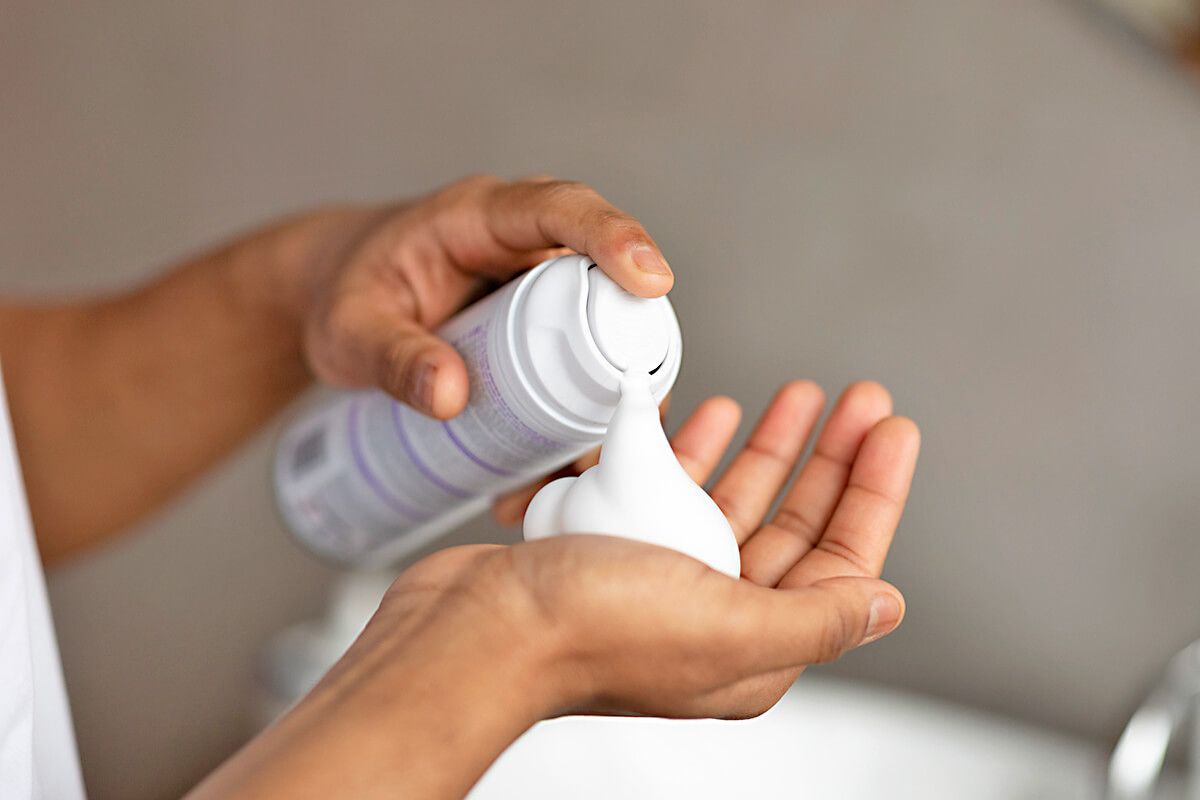
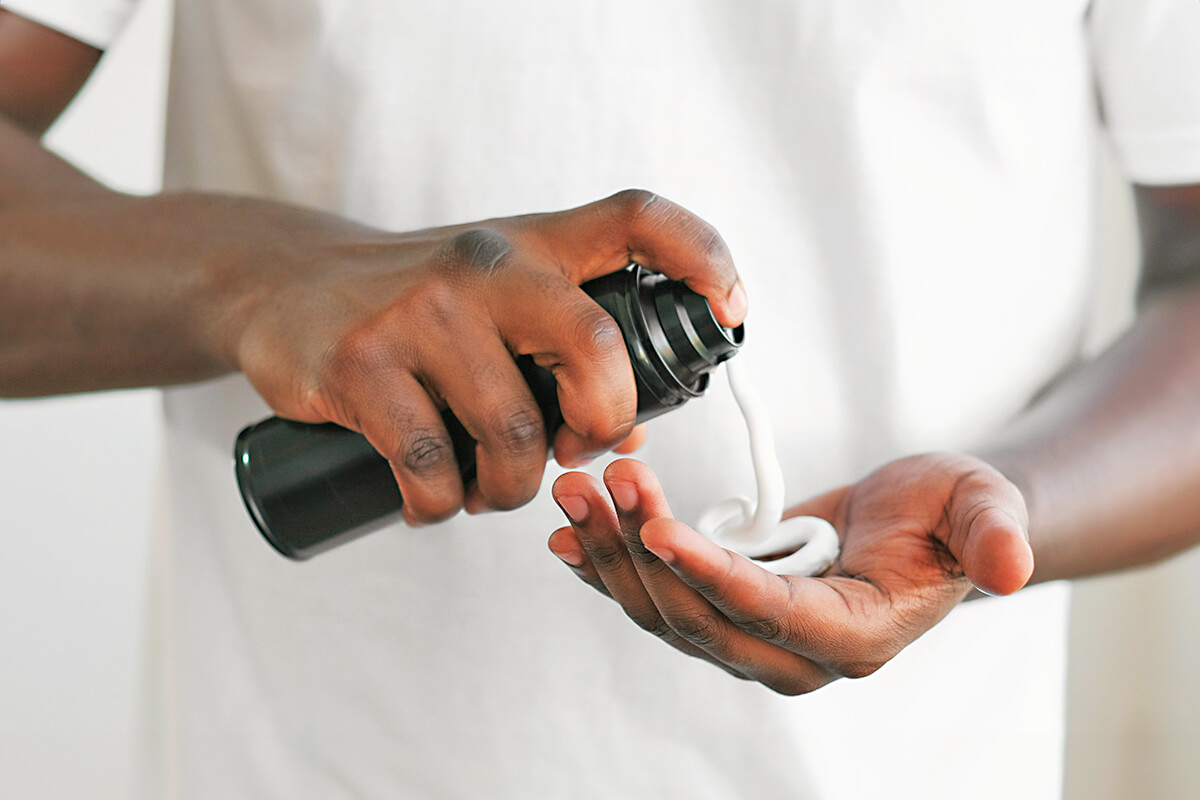
Man dispensing shaving cream from canister into his palm
Better Report

Shaving cream is a household staple. Most of us shave a body part at least once a week. But if you only use shaving cream to make swift work of stubble, listen up. A new trend is growing in popularity, involving people slathering their mattresses with shaving cream. No, we’re not kidding. This isn’t some inane social media fad, but rather a clever household hack that you should also take advantage of. Here’s the deal.

Prices are accurate as of June 4, 2024. Subject to change. All featured products and deals are selected independently and objectively by the author. Better Report may receive a share of sales via affiliate links in content.

Credit: Prostock-Studio/ iStock

Why Is This Happening?

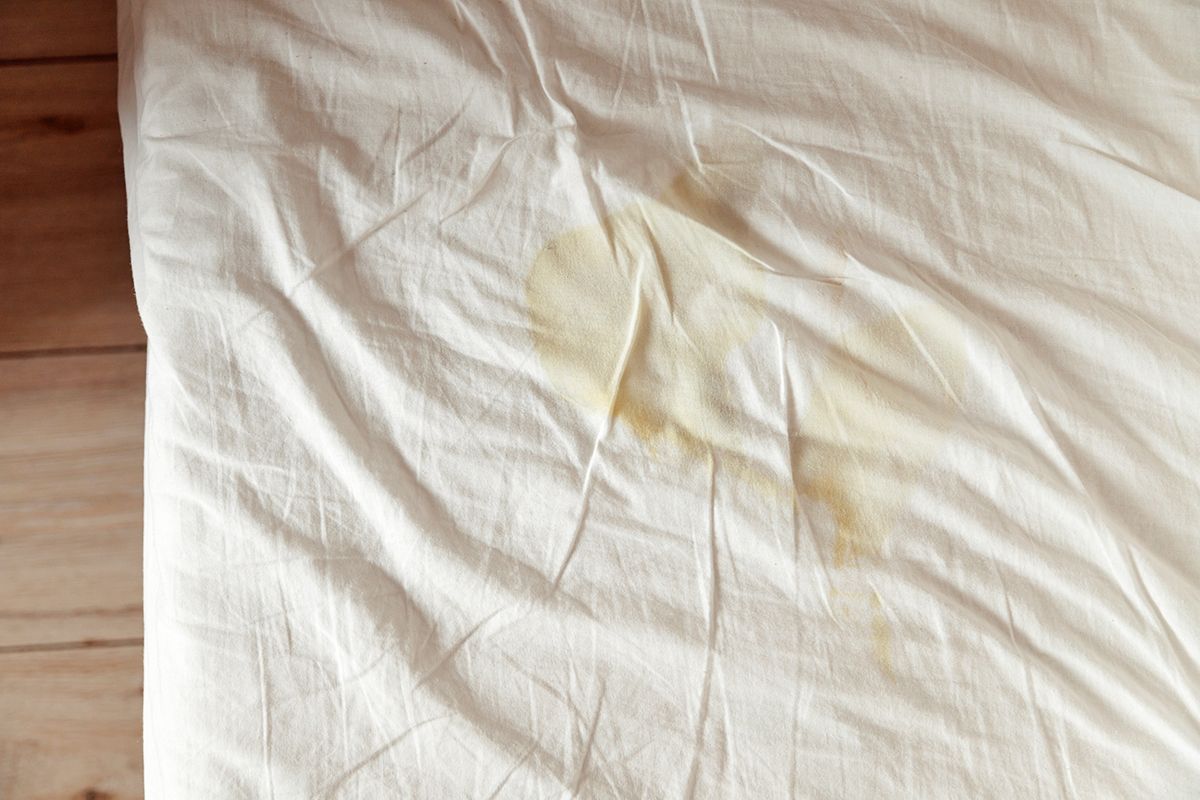
The idea of coating your bed with shaving cream sounds like an absurd premise to begin with, but it’s actually a useful method for tackling those pesky and unsightly mattress stains. That’s because shaving cream contains enzymes capable of breaking down the many proteins and oils that cause many fabric stains such as the ones you find in the bedroom. So, rather than pay a pretty penny for a professional mattress cleaning service, just buy a bottle of shaving cream and save some cash.

Advertisement
Advertisement
Credit: Vladeep/ Shutterstock

Use Shaving Cream for These Types of Stains

There are a variety of stains that shaving cream can help remove. You’re probably all too familiar with sweat stains, and shaving cream can work wonders on them. Humans shed 500 million skin cells daily, many of which end up in bed along with the 16 to 24 ounces of sweat that humans produce nightly. Thankfully, those ugly brown stains are no match for some Barbasol.

Shaving cream can also help break down greasy, oily stains that are otherwise impossible to remove. Maybe you’re using a petroleum-based skincare product, or there may be splatter from lazily eating a bowl of pasta in bed. No judgment. Either way, the enzymes in shaving cream can help break down those oils and easily remove those stains. Lastly, shaving cream can help with stains from general dirt and grime.

Advertisement
Credit: Courtesy of Amazon

Selecting the Right Shaving Cream

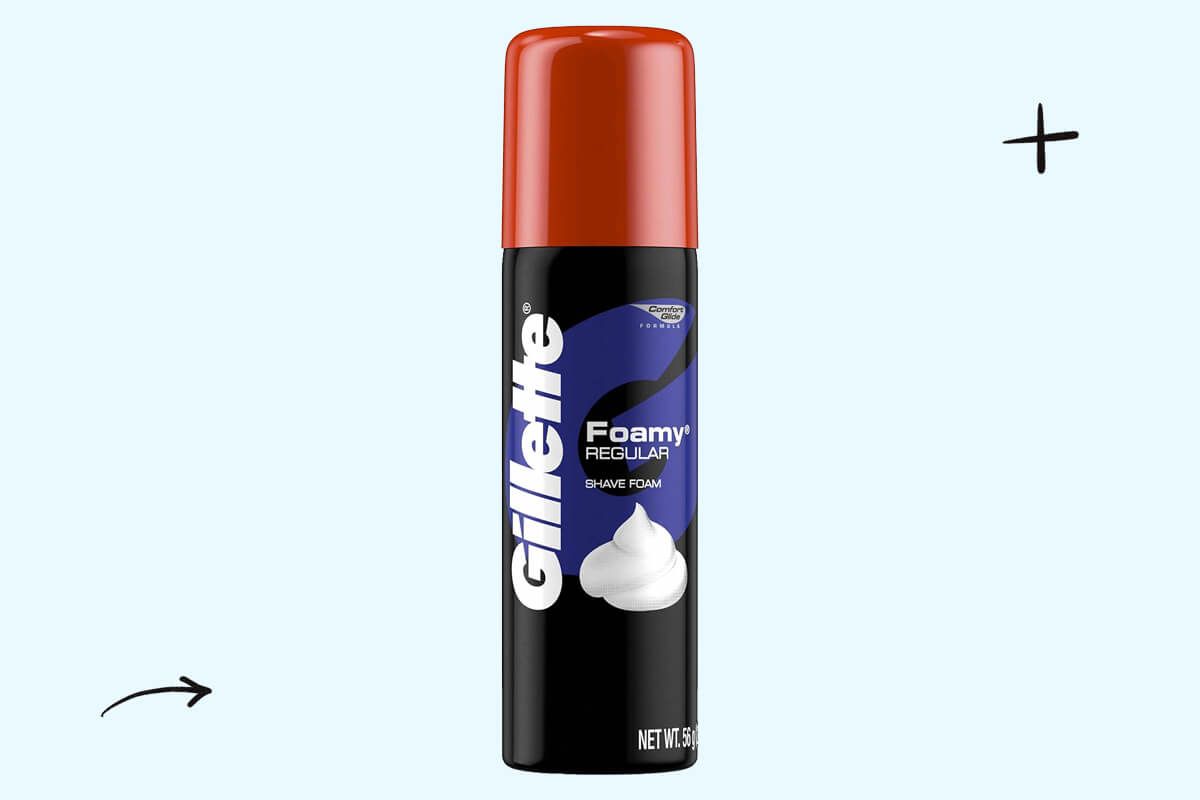
Using a foam-based shaving cream is important, as its light and airy texture prevents further discoloration. Gel-based shaving products, on the other hand, are much thicker and may lead to additional staining. You should also avoid products that contain added dyes or fragrances, as those, too, may contribute to stains and artificial-smelling odors. We recommend the exceptionally affordable regular shaving foam from Gillette.

Recommended Articles

  • The Most Popular Car Colors in the U.S.

  • 5 Small Changes You Can Make To Decrease Your Risk of Dementia

  • First-Date Etiquette Tips for People Over 40, According to a Matchmaker

  • 6 Holiday Foods You Didn’t Know Were Healthy

Advertisement
Advertisement

Reader Favorites

  • Person breaking into a car

    The 10 Most Stolen Cars in the U.S.

  • Older man with hands on cane

    Why Do We Smell Different As We Age?

  • Man in grocery store

    6 Grocery Habits Costing You More Than You Think

Credit: beton studio/ Shutterstock

How To Clean Your Mattress

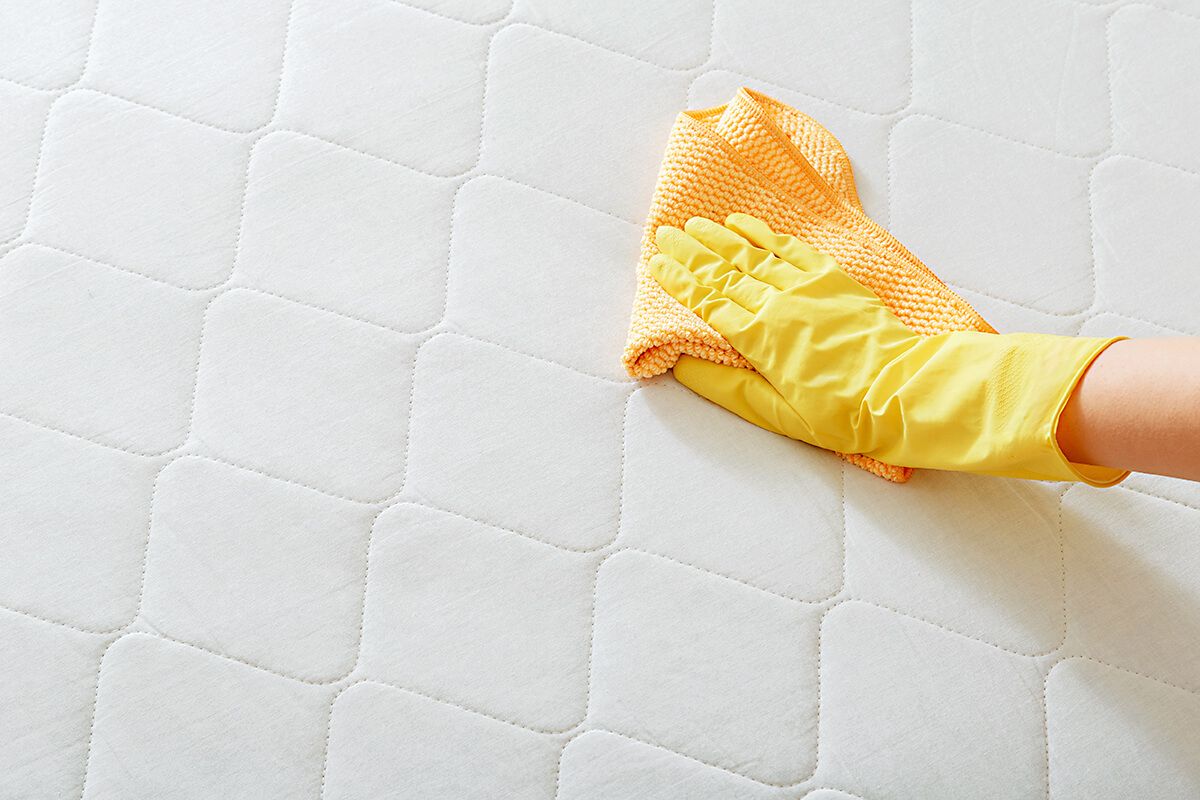
Begin by applying a generous amount of shaving foam to the stained area. Then, using either a soft-bristled brush or clean cloth, gently and repeatedly dab at the cream to help work it into the stain. Avoid intense scrubbing, which may push the stain deeper into the fabric. Once the shaving cream has been thoroughly worked into the mattress, let it sit for up to 30 minutes, allowing time for the enzymes to work their magic and break down the stain. Finally, take a damp cloth and wipe the shaving cream away. If done properly, the stain should look much lighter or be gone entirely.

We suggest spot-testing before applying shaving cream to the entire mattress. Find a small stained area and perform the above steps to ensure this cleaning method works to your liking. For extra tough stains, you can also add distilled white vinegar or baking soda as a supplement to the shaving cream.

Credit: nito/ Shutterstock

Prevent Stains Before They Form

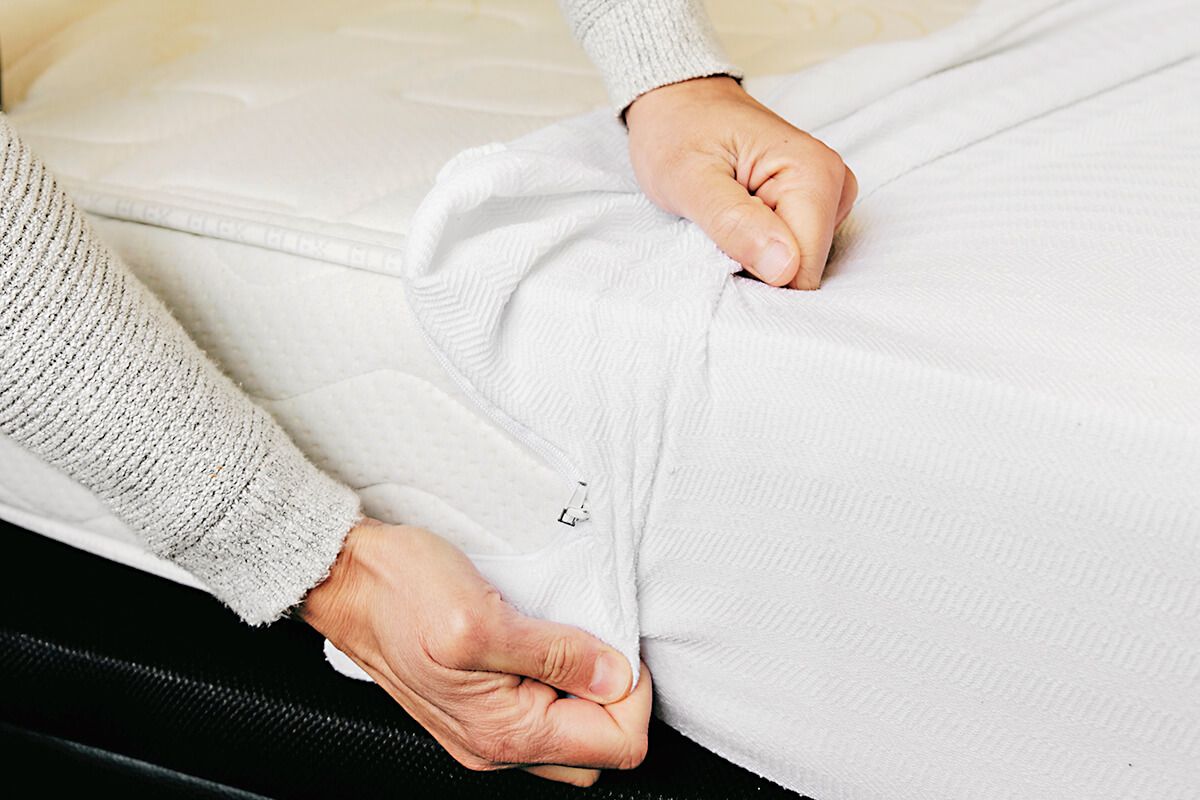
Rather than worry about mattress stains, prevent them from even forming by purchasing a mattress protector. These products are cheap, easy to install, and create a protective barrier that keeps the mattress looking pristine. These fitted, elastic mattress pads are also machine washable, making them extremely easy to clean.

More From Our Network

Better Report is part of Inbox Studio, an email-first media company. *Indicates a third-party property.

Go Retro With This 1960s Fashion Quiz

Quiz Daily

Go Retro With This 1960s Fashion Quiz

True or False: Are You a Master of U.S. Geography?

Travel Quiz

True or False: Are You a Master of U.S. Geography?

5 Reasons You Can Be Denied Boarding an Airplane

Daily Passport

5 Reasons You Can Be Denied Boarding an Airplane

What Did People Do Before Eyeglasses?

History Facts

What Did People Do Before Eyeglasses?

How To Use a Balloon To Clean Up Dust

House Outlook

How To Use a Balloon To Clean Up Dust

11 Shopping Hacks Costco Members Should Know

FinanceBuzz*

11 Shopping Hacks Costco Members Should Know

Share this article

  • Share to Facebook
  • Share to Twitter
  • Copy Url
  • Share to Email
Jessica Levy

This article is for general informational purposes only.
Affiliate Disclaimer Medical Disclaimer Financial Disclaimer

Updated:
Posted In: Home
Hero Image Credit: Better Report
Advertisement

Related Articles

The Most Popular Car Colors in the U.S.

4 min read

First-Date Etiquette Tips for People Over 40, According to a Matchmaker

3 min read

Why Doesn’t Plastic Totally Dry in the Dishwasher?

3 min read

Putting This in Your Dryer Is a Major Fire Risk

3 min read

18 Surprising Things You Should Never Put Down Your Drain

5 min read
Advertisement

The “Core 4” Method Is the Trick to Decluttering Anything

Home | Updated: June 5, 2024
Rachel Gresh
Author
Rachel Gresh is a Washington, D.C.-based freelance writer. When she's not writing, you can find her wandering a museum, exploring an unfamiliar city, or baking something new in the kitchen.
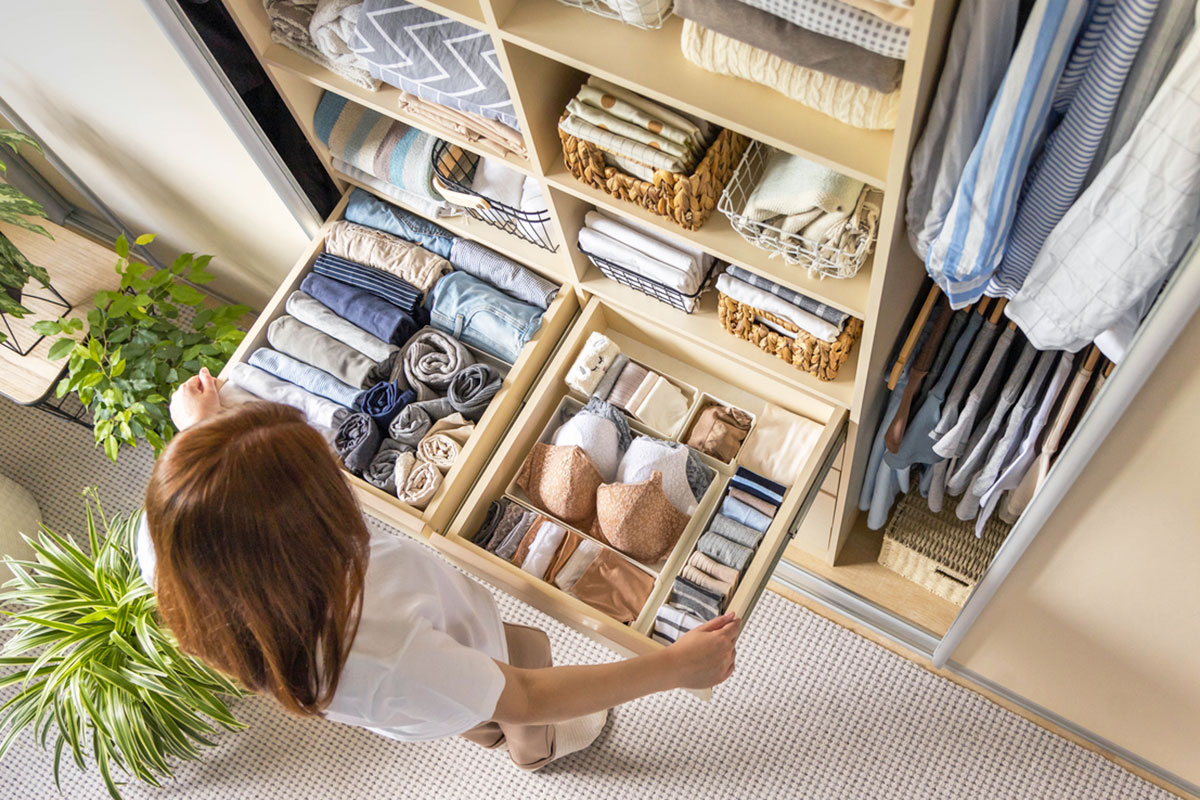
Woman pulling out an organized drawer of clothing
Better Report

If you feel like your home or office isn’t as tidy as it could be — or worse, is in a constant state of disarray — try this foolproof cleaning method. This method helps you tackle any size mess, from an unorganized pantry to an entire basement overhaul. Known as the “Core 4” Method, this clever cleaning technique was created by professional organizer Kayleen Kelly, who specializes in what she calls “chronic clutter.” She has decluttered thousands of homes during her decade of experience and has reached millions of users across her social media platforms. Thousands of families have benefited from her advice. 

Following four straightforward steps — Clear Out, Categorize, Cut Out, and Contain — many who followed her advice have seen lasting results. Kelly says this method aims to “create a functional home, quickly and confidently.” We’ve broken down the “Core 4” with some tips and tricks. Here’s how to organize any space within hours.

Credit: Meg Aghamyan/ Unsplash+

Before You Begin

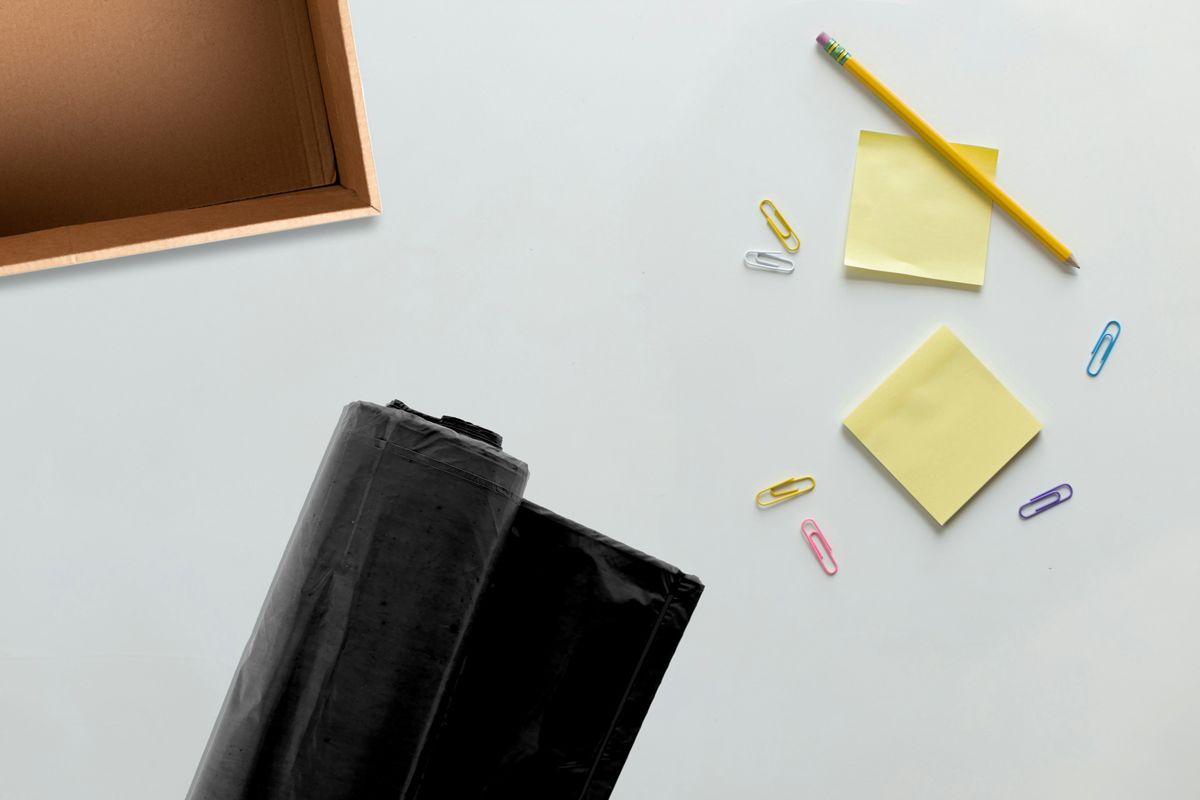
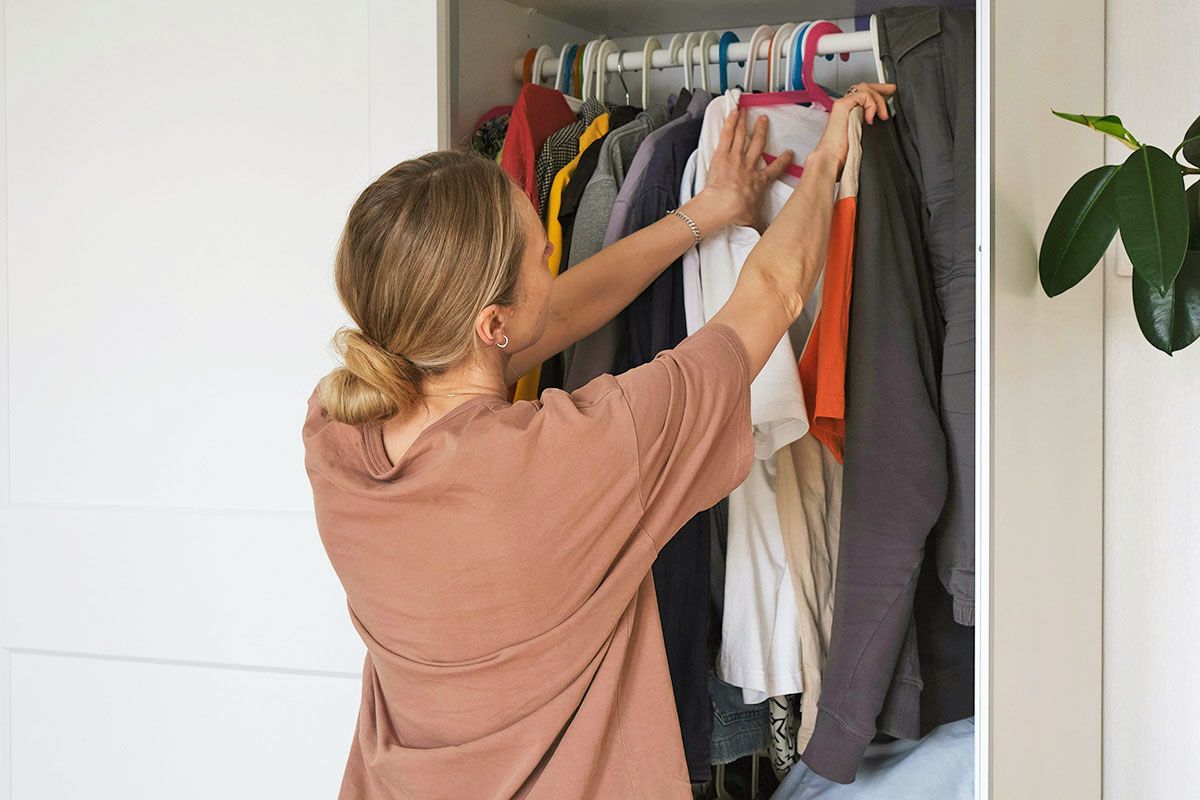
Select a space that is most in need of some TLC. If you’re overwhelmed about where to start, Kelly suggests starting small, with a bathroom or a closet. She also suggests breaking larger rooms into sections to make them more manageable. Organizing too large a space at one time can be overwhelming and lead to an even bigger mess. You’ll need a few supplies: labels or Post-It notes, a writing utensil, storage boxes, and trash bags.

Advertisement
Advertisement
Credit: Andrej Lišakov/ Unsplash+

Step 1: Clear Out

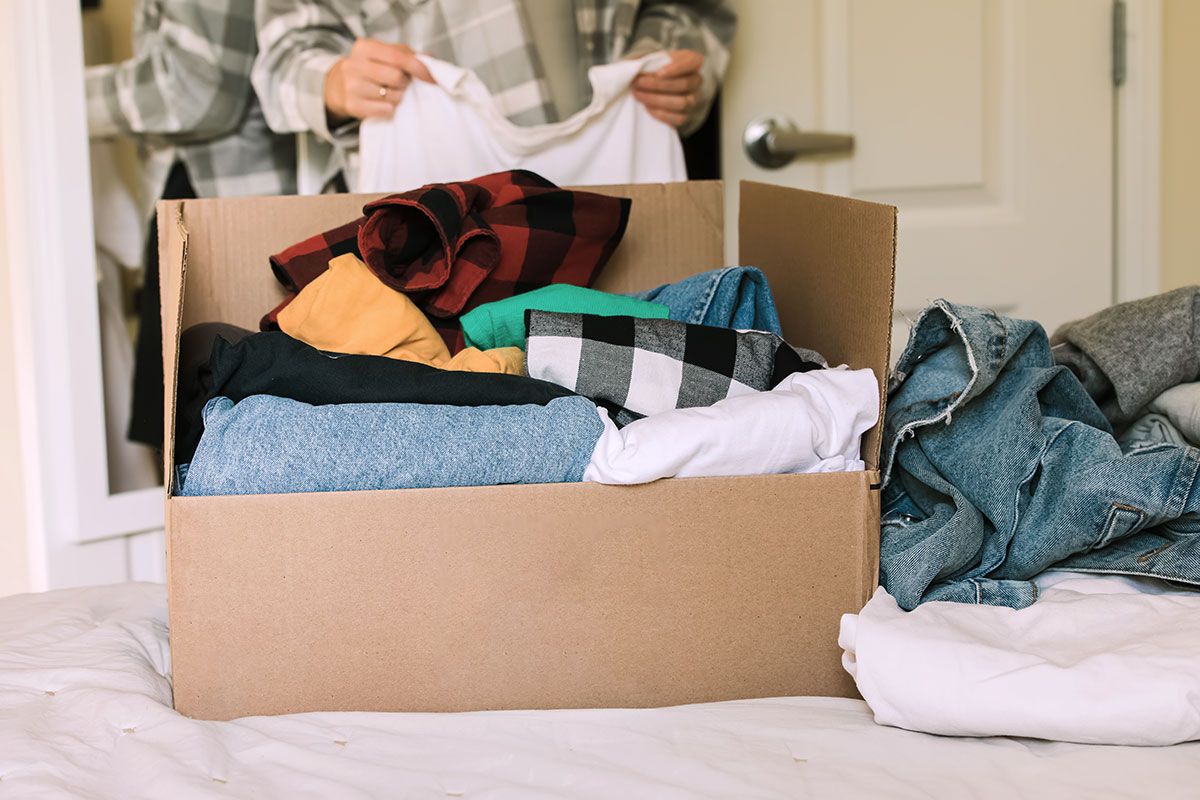
Remove everything from the area, including trash. After your cabinets, closets, bins, and drawers are empty, throw away rubbish or any broken or unusable item. (Don’t throw away donateable or sellable items.) This is an excellent time to give the area a good wipe down and vacuuming. After the trash is thrown away, you’re likely left with many items strewn across the floor. Don’t worry; you’ll tackle this in the following steps.

Credit: Chiociolla/ Shutterstock

Step 2: Categorize

Kelly suggests having your labeled bins or boxes ready before you begin sorting. Moving boxes or reusable grocery bags work well for this step.

Advertisement

Try to use one bin per category. For a bathroom, this might look like one bin for cleaning supplies, one for hair supplies, one for skincare, one for makeup, one for children’s items, etc. Kelly tries to stay very general with categories, only breaking them up into more detail if they don’t fit into one bin. Try not to use any “miscellaneous” bins because this will encourage disorganization in the future — everything should have a place.

Recommended Articles

  • The Most Popular Car Colors in the U.S.

  • 5 Small Changes You Can Make To Decrease Your Risk of Dementia

  • First-Date Etiquette Tips for People Over 40, According to a Matchmaker

  • 6 Holiday Foods You Didn’t Know Were Healthy

Advertisement
Advertisement

Reader Favorites

  • Person breaking into a car

    The 10 Most Stolen Cars in the U.S.

  • Older man with hands on cane

    Why Do We Smell Different As We Age?

  • Man in grocery store

    6 Grocery Habits Costing You More Than You Think

Credit: shironosov/ iStock

Step 3: Cut Out

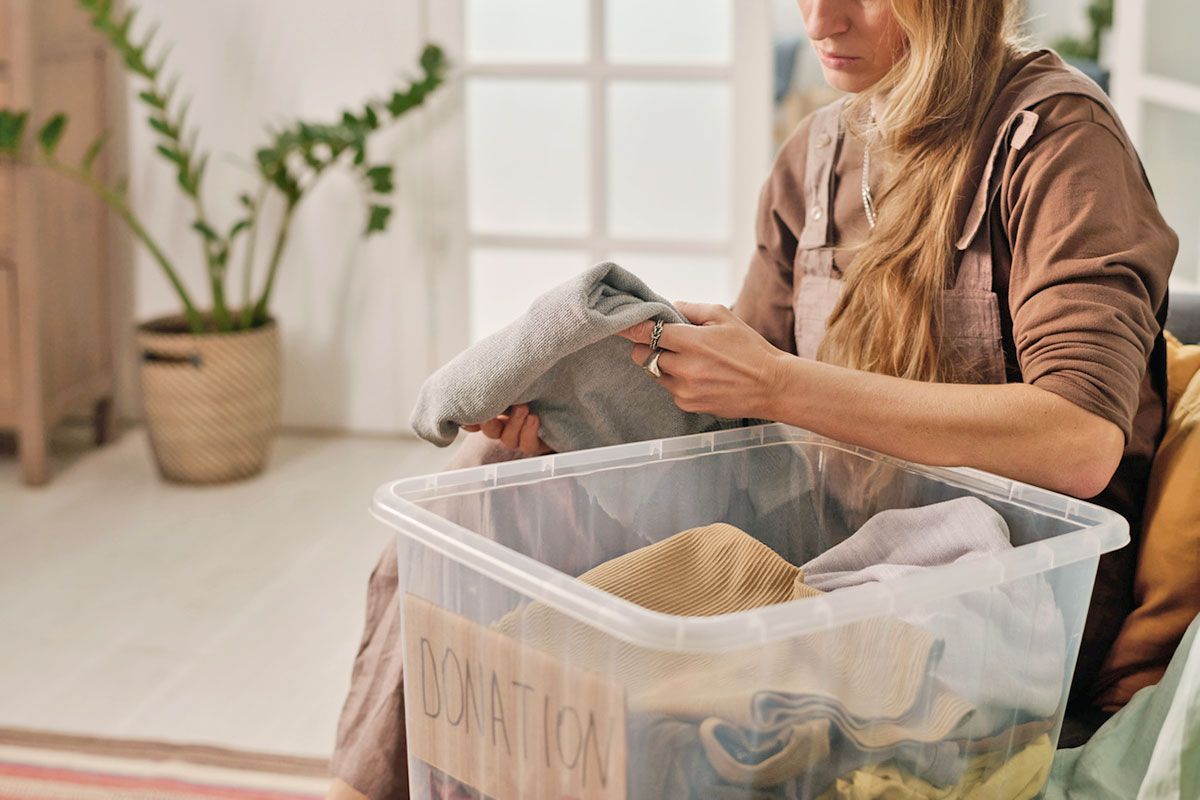
Now that everything is categorized, you can see what you have and better identify what you don’t need. By following the steps in this order, you might realize you can donate or sell items that you have multiple of. If you no longer need an item, ask yourself: Can I donate it? Can I sell it? Is it unusable? It’s always better to donate an item to someone in need or sell an item than to send it to a landfill (unless it can be recycled). Have a box on hand for donations, another box for sellable items, and a trash bag for anything broken or otherwise unusable.

Credit: Kostikova/ iStock

Step 4: Contain

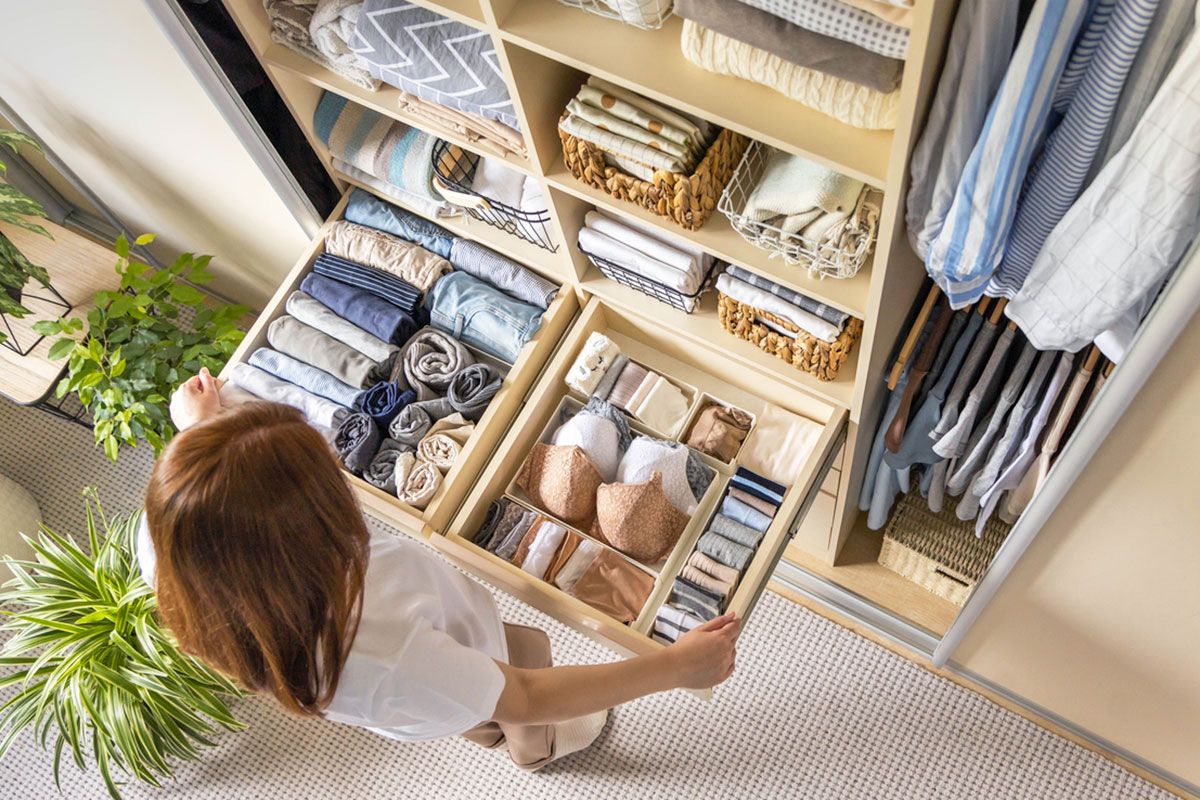
By now, all the belongings you’d like to keep are in bins, bags, or boxes. It’s time to move them into permanent storage bins. Kelly says to store similar items together and never overcrowd containers. This ensures that your storage system is usable. 

Choose storage containers based on the size of the category. Seeing and knowing what you have is vital to organizational success. Clear bins like these highly-rated stackable bins are often the best choice. She also stresses focusing on function, not aesthetics, and prefers simple, low-cost bins. When putting your items back in a closet or cabinet, place bins that you’ll use regularly toward the front and lesser-used items toward the back. If you need access to a bin multiple times daily, consider using lidless bins to keep things fast and easy. Labeling items is essential, especially if your bins have lids or aren’t transparent. Make labels with tape and markers, or invest in a label maker like this portable Bluetooth model.

“Creating a simple system of organization is all about ease of access,” explains Kayleen. After completing this final step, your newly contained belongings will be easier to find. Hopefully, the days of dreadful bathroom pile-ups and overflowing pantries are a thing of the past.

More From Our Network

Better Report is part of Inbox Studio, an email-first media company. *Indicates a third-party property.

Go Retro With This 1960s Fashion Quiz

Quiz Daily

Go Retro With This 1960s Fashion Quiz

True or False: Are You a Master of U.S. Geography?

Travel Quiz

True or False: Are You a Master of U.S. Geography?

5 Reasons You Can Be Denied Boarding an Airplane

Daily Passport

5 Reasons You Can Be Denied Boarding an Airplane

What Did People Do Before Eyeglasses?

History Facts

What Did People Do Before Eyeglasses?

How To Use a Balloon To Clean Up Dust

House Outlook

How To Use a Balloon To Clean Up Dust

11 Shopping Hacks Costco Members Should Know

FinanceBuzz*

11 Shopping Hacks Costco Members Should Know

Share this article

  • Share to Facebook
  • Share to Twitter
  • Copy Url
  • Share to Email
Rachel Gresh
Writer

Rachel Gresh is a Washington, D.C.-based freelance writer. When she's not writing, you can find her wandering a museum, exploring an unfamiliar city, or baking something new in the kitchen.

This article is for general informational purposes only.
Affiliate Disclaimer Medical Disclaimer Financial Disclaimer

Updated: December 15, 2023
Posted In: Home
Hero Image Credit: Better Report
Advertisement

Related Articles

The Most Popular Car Colors in the U.S.

4 min read

First-Date Etiquette Tips for People Over 40, According to a Matchmaker

3 min read

Why Doesn’t Plastic Totally Dry in the Dishwasher?

3 min read

Putting This in Your Dryer Is a Major Fire Risk

3 min read

18 Surprising Things You Should Never Put Down Your Drain

5 min read
Advertisement

What Temperature Should You Set Your Air Conditioner in the Summer?

Jessica Levy
Home | Updated: May 18, 2026
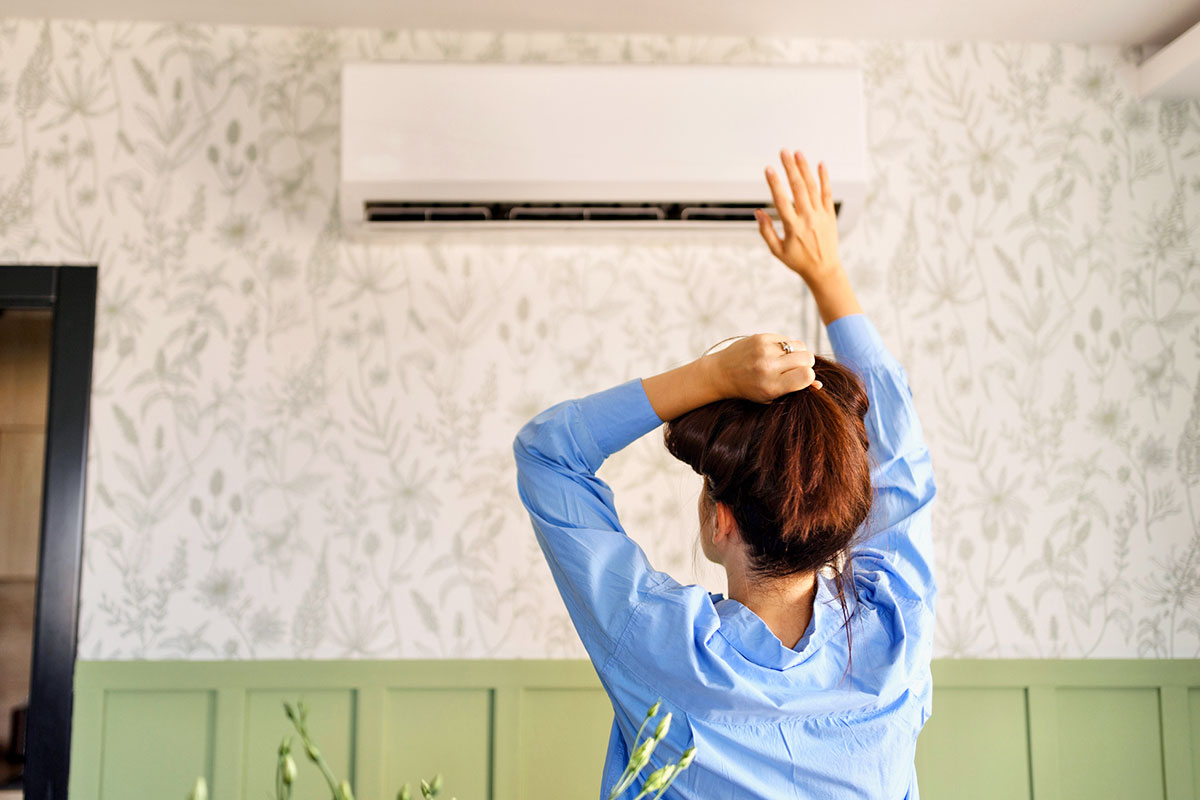
Woman standing before air conditioning unit with her hand up and holding her hair
Better Report

All featured products and deals are selected independently and objectively by the author. Better Report may receive a share of sales via affiliate links in content.

During the dog days of summer, there’s nothing like returning home, cranking the AC, and standing directly in front of the vent for a solid 30 minutes. But while it may be tempting to set the thermostat as low as possible during these warmer months, doing so isn’t such a great idea: Setting the thermostat too low could force your HVAC system to work overtime, which may result in lofty utility bills and, over time, a stressed system. Here’s how to set your thermostat during the summer to properly balance comfort and affordability.

Credit: Behnam Norouzi/ Unsplash+

The Ideal Temperature When Home

You may assume that you should lower the thermostat on hot summer days, but that’s not actually the case. According to the government energy-efficiency program Energy Star, you should keep the device set at 78 degrees Fahrenheit. The hotter it is outside, the harder it is for your HVAC system to keep the interior of the house cold — so the lower you set the temperature, the more energy and money it will take to keep your home cool.

At the end of the day, though, personal preferences matter, and those who prefer colder temperatures may vehemently disagree with this recommendation. The World Health Organization (WHO), for its part, recommends keeping the household room temperature at a minimum of 64.48 degrees Fahrenheit for healthy individuals and 68 to 69.8 degrees Fahrenheit for the young, elderly, or those who have chronic health conditions. Indoor temperatures colder than 64.4 degrees Fahrenheit are associated with health issues. (WHO doesn’t have a recommendation for maximum safe indoor temperatures. Some suggest 82 degrees Fahrenheit is the hottest your house should be, while others say even 80 degrees may be too warm. This, too, may be a matter of personal preference.)

Advertisement
Advertisement
Credit: tonchonlathorn/ Shutterstock

The Ideal Sleeping Temperature

The ideal temperature for sleeping, according to the National Sleep Foundation, is between 65 and 68 degrees Fahrenheit. That’s because cooler temperatures encourage the body to produce higher amounts of melatonin, a hormone that regulates circadian rhythm and leads to a deeper sleep.

It doesn’t cost as much to keep your house cool at night: Temperatures drop outside as soon as the sun sets, so your HVAC system won’t have to work as hard to combat the heat, and energy prices also tend to be lower. But when you’re sleeping, Energy Star recommends setting your thermostat at least 4 degrees higher than its daytime recommendation, which will help save on utility bills. Whether you choose to prioritize saving as much as possible or ramping up the AC to sleep better is up to you.

Advertisement
Credit: Pekic/ iStock

The Ideal Temperature When Not Home

When you leave the house to go to work or run an errand, the Department of Energy recommends setting your thermostat 7 to 10 degrees higher. So, if you keep it set at 78 degrees Fahrenheit, set it to 85 or 88 degrees Fahrenheit before you walk out the door. This helps you save even more on your utility bills: According to the DOE, “a higher interior temperature will slow the flow of heat into your house, saving energy on air conditioning.” Doing so for eight hours a day can save you 10% on heating and cooling costs per year. (Important caveat, though: You shouldn’t do this if you have pets — they overheat more easily than humans do. According to the American Kennel Club, dogs may overheat at temperatures above 81 degrees Fahrenheit.)

Recommended Articles

  • The Most Popular Car Colors in the U.S.

  • 5 Small Changes You Can Make To Decrease Your Risk of Dementia

  • First-Date Etiquette Tips for People Over 40, According to a Matchmaker

  • 6 Holiday Foods You Didn’t Know Were Healthy

Advertisement
Advertisement

Reader Favorites

  • Person breaking into a car

    The 10 Most Stolen Cars in the U.S.

  • Older man with hands on cane

    Why Do We Smell Different As We Age?

  • Man in grocery store

    6 Grocery Habits Costing You More Than You Think

Why not leave your AC on at the lower temperature, or turn it off completely if you’re not going to be home? It’s a misconception that an air conditioner will need to work harder to cool down a hot house. Because it cools at a steady rate, it will instead need to run longer to bring your house to a lower temperature, which will increase your utility bills. 

It’s more energy efficient to set your thermostat slightly higher when you’re not home. This will make the AC turn on every so often, keeping your home at a moderate point that will be easier to cool when you get back. It will also keep humidity low, therefore decreasing mold growth and issues such as wood warping. If you and your pets are going out of town for more than two days, however, experts say you can turn the AC off completely to save as much on your utility bills as possible.

Advertisement
Advertisement

Returning to a hot home is obviously a concern, but you can alleviate those worries by investing in a smart thermostat that can be remotely controlled with your phone. Just log in to the app on your way home, set the temperature to around 78 degrees, and you’ll come back to a cool, refreshing house.

This story was originally published in 2024 and has been updated for 2026.

More From Our Network

Better Report is part of Inbox Studio, an email-first media company. *Indicates a third-party property.
Go Retro With This 1960s Fashion Quiz

Quiz Daily

Go Retro With This 1960s Fashion Quiz

True or False: Are You a Master of U.S. Geography?

Travel Quiz

True or False: Are You a Master of U.S. Geography?

5 Reasons You Can Be Denied Boarding an Airplane

Daily Passport

5 Reasons You Can Be Denied Boarding an Airplane

What Did People Do Before Eyeglasses?

History Facts

What Did People Do Before Eyeglasses?

How To Use a Balloon To Clean Up Dust

House Outlook

How To Use a Balloon To Clean Up Dust

11 Shopping Hacks Costco Members Should Know

FinanceBuzz*

11 Shopping Hacks Costco Members Should Know

Share this article

  • Share to Facebook
  • Share to Twitter
  • Copy Url
  • Share to Email
Jessica Levy

This article is for general informational purposes only.
Affiliate Disclaimer Medical Disclaimer Financial Disclaimer

Updated:
Posted In: Home
Hero Image Credit: Better Report
Advertisement

Related Articles

The Most Popular Car Colors in the U.S.

4 min read

First-Date Etiquette Tips for People Over 40, According to a Matchmaker

3 min read

Why Doesn’t Plastic Totally Dry in the Dishwasher?

3 min read

Putting This in Your Dryer Is a Major Fire Risk

3 min read

18 Surprising Things You Should Never Put Down Your Drain

5 min read
Advertisement

The Secret to Building Generational Wealth

Wealth | Updated: June 4, 2024
Bennett Kleinman
Author
Bennett Kleinman is a New York City-based staff writer for Inbox Studio. He is also a freelance comedy writer, devoted New York Yankees and New Jersey Devils fan, and thinks plain seltzer is the best drink ever invented.
Four people walking on the beach
Better Report

The word luxury evokes images of fast cars, plush bathrobes, and endless spoonfuls of caviar, but luxuries aren’t just tangible items you’d find in a Hollywood mansion. A broader concept like generational wealth, for instance, is one of the greatest luxuries imaginable. Think of generational wealth as a snowball that grows larger as it rolls from generation to generation. Those who are lucky enough to inherit someone’s assets often experience a greater sense of financial stability than others, though not everyone has the good fortune to reap these benefits. The good news is that there are steps you can take today to help build this wealth and provide for future generations that are yet to come.

Credit: Getty Images/ Unsplash+

What Is Generational Wealth?

Generational wealth involves passing on assets over the course of several generations, which can be utilized decades down the line. Most often, these assets come from a recently deceased individual, though in some instances, they emanate from someone who chose to pass on their assets while still living. These assets include anything with a modicum of financial value — cash, stocks, property, and investments, to name a few — all of which go toward providing your children and grandchildren with greater financial security.

Advertisement
Advertisement
Credit: Getty Images/ Unsplash+

Create an Estate Plan

Estate planning goes a long way toward creating generational wealth, but a shockingly low percentage of Americans — roughly 32% as of 2024 — have an estate plan in place. That leaves 68% of the overall population without a strategy for what will happen to their money.

Having a will is extremely important, even if you don’t have many assets to your name. If you don’t plan, you’re letting the government decide how to handle your assets. Thankfully, there are plenty of easy and affordable ways to write a will without relying on expensive legal consultation; companies like LegalZoom charge just $69 to create a basic will. By putting an estate plan like this in place, you’re ensuring that your assets will end up in the right hands going forward.

Credit: Getty Images/ Unsplash+

Become a Homeowner

Owning a home is easier said than done, and not everyone has the financial means to do so. But those who can afford to become homeowners are setting up future generations for major financial success. When you pass on your home to the next generation, one of two things may happen. Maybe your descendants flip the house for a substantial amount of money. Another option is that they move into it themselves, which frees up assets to be spent elsewhere. Either way, your descendants are looking at a windfall of hundreds of thousands of dollars, which can alleviate tremendous financial stress.

Recommended Articles

  • The Most Popular Car Colors in the U.S.

  • 5 Small Changes You Can Make To Decrease Your Risk of Dementia

  • First-Date Etiquette Tips for People Over 40, According to a Matchmaker

  • 6 Holiday Foods You Didn’t Know Were Healthy

Advertisement
Advertisement

Reader Favorites

  • Person breaking into a car

    The 10 Most Stolen Cars in the U.S.

  • Older man with hands on cane

    Why Do We Smell Different As We Age?

  • Man in grocery store

    6 Grocery Habits Costing You More Than You Think

Credit: richcano/ Shutterstock

Invest Long-Term

Compound interest is a wonderful tool that helps you grow your wealth without much risk. The more money you invest and the longer you wait, the greater the benefits will be in the end. If possible, you should consider investing between 10 and 15 percent of your salary into these long-term investments and letting that interest grow for as long as you can possibly allow. When you finally withdraw the investments, you can use them to pay for expenses later in life or pass them on to the next generation.

Advertisement

Some of the best long-term, low-risk investments include certificates of deposit, which mature over the course of three months to five years on average and offer higher interest rates than most savings accounts. Treasury bonds are another excellent option, which mature over the course of several decades and are backed by the U.S. government, so you needn’t worry about losing that initial investment. Market-wide ETFs are another strategy to consider. In this case, you’re not buying stock in one company; you’re investing in many, reducing risk in the process.

Credit: FatCamera/ iStock

Be Open About Discussing Money

Many consider talking about money taboo, but this reluctance is causing more harm than good. It’s best to maintain an open dialogue about financial matters for a number of reasons. First, if your descendants know what they can expect to inherit, then that allows them to plan ahead and better allocate their own money. These discussions may also allow you to impart financial wisdom to future generations that only comes with experience and age. If you keep money matters too close to the vest, then your kids may end up suffering from the same mistakes you made all those years ago.

Credit: Getty Images/ Unsplash+

Purchase Life Insurance

Life insurance offers future generations tax-free benefits that take effect after you pass on. This can be used to pay for end-of-life expenses and provide for your family if you were the major breadwinner. Various types of life insurance plans include term life insurance that offers protection for a certain period, whole life coverage that lasts indefinitely, and universal life policies that allow you to manage the amount of money you contribute each year.

Advertisement
Advertisement
Credit: Getty Images/ Unsplash+

Set Up a Trust Fund

Trust funds are an excellent tool for protecting your money from being immediately squandered after your passing. Unfortunately, some financially irresponsible relatives may waste their entire inheritance in the blink of an eye. But if you set up a trust fund, you can make sure that those descendants only receive a certain amount of money each month, or that they only gain access to the account after reaching a certain age. These trust funds promote financial responsibility, increasing the odds of there being enough leftover assets in 10 or 20 years to pass down to future generations.

Credit: Getty Images/ Unsplash+

Issues With Generational Wealth Transfer

Generational wealth is only beneficial if the funds are managed properly. Unfortunately, an estimated 70% of families lose this wealth by the second generation, and 90% by the third generation. This loss of funds is attributable to a number of factors. Maybe it’s due to a lack of financial education, which is why it may be beneficial to bring in a financial advisor to speak with your descendants. Another issue is with the present generation, as many people feel that their kids should work for their money and don’t deserve charity. But don’t look at generational wealth as a charity case, but rather a means of supporting your loved ones financially so that they can pursue their passions without stress.

More From Our Network

Better Report is part of Inbox Studio, an email-first media company. *Indicates a third-party property.

Go Retro With This 1960s Fashion Quiz

Quiz Daily

Go Retro With This 1960s Fashion Quiz

True or False: Are You a Master of U.S. Geography?

Travel Quiz

True or False: Are You a Master of U.S. Geography?

5 Reasons You Can Be Denied Boarding an Airplane

Daily Passport

5 Reasons You Can Be Denied Boarding an Airplane

What Did People Do Before Eyeglasses?

History Facts

What Did People Do Before Eyeglasses?

How To Use a Balloon To Clean Up Dust

House Outlook

How To Use a Balloon To Clean Up Dust

11 Shopping Hacks Costco Members Should Know

FinanceBuzz*

11 Shopping Hacks Costco Members Should Know

Share this article

  • Share to Facebook
  • Share to Twitter
  • Copy Url
  • Share to Email
Bennett Kleinman
Staff Writer

Bennett Kleinman is a New York City-based staff writer for Inbox Studio. He is also a freelance comedy writer, devoted New York Yankees and New Jersey Devils fan, and thinks plain seltzer is the best drink ever invented.

This article is for general informational purposes only.
Affiliate Disclaimer Medical Disclaimer Financial Disclaimer

Updated: July 20, 2023
Posted In: Wealth
Hero Image Credit: Better Report
Advertisement

Related Articles

How Far a $100 Grocery Budget Goes in Every State

7 min read

Why You Should Never Put Your Utility Bills on Autopay

5 min read

The Best Cars for Resale Value, According to Auto Experts

5 min read

5 Common Estate Planning Mistakes (and How To Avoid Them)

6 min read

Is It OK To Snack Before Paying at the Grocery Store?

4 min read
Advertisement

6 Alternative Uses for a Storage Unit That Are Perfectly Legal

Wealth | Updated: June 4, 2024
Brett Braley
Author
Brett F. Braley-Palko is a writer and novelist living in Pennsylvania. His work has been featured in publications such as Robb Report and GQ, as well as many online publications, covering topics such as menswear, style, and writing. When not writing, Brett maintains a full-time job in the luxury pen industry. His first novel is out in spring 2024.
Storage unit with door open so you can see stacked boxes
Better Report

Did you know that there are roughly 50,000 storage facilities in the US? That’s almost two billion square feet of storage space available. But what is everyone doing with all that room? Surely, there can’t be that many tchotchkes and old pieces of furniture collecting dust around the country?!

Well, the truth is that people have gotten pretty ingenious with their units. Due to the limited space in the housing market and urbanization sprawl, many customers have turned to their storage units to have some extra real estate for their businesses, hobbies, and even bands. So, if you need some space — or just to get away from the house for a few hours — keep reading and discover some clever (and perfectly legal!) ways to use your storage unit for anything other than storage. That said, ensure you check with the facility ownership before enacting these ideas, as some companies have rules in place that could keep you from using the space to your liking.

Credit: Pablo Merchán Montes/ Unsplash+

Workspace or Studio 

Renting a storage unit as a workspace or studio offers numerous advantages. For artists, writers, or entrepreneurs, it provides an area away from home, fostering focus and productivity. Customization options create an inspiring environment tailored to individual needs, while privacy ensures uninterrupted work sessions. Accessible at any time, storage units accommodate irregular schedules and preferences, ideal for those who work best during non-standard hours. Compared to leasing commercial spaces, they offer cost-effectiveness, which is particularly beneficial for freelancers and small businesses.

Advertisement
Advertisement
Credit: NoDerog/ iStock

Inventory Storage for Small Businesses

For small businesses, efficient inventory management is vital, and renting a storage unit offers an ideal solution. It provides space for excess stock, equipment, or supplies, freeing storefronts or offices, reducing clutter, and, theoretically, improving organization. This facilitates easier access to inventory, streamlining operations. Storing items off-site in a secure facility minimizes theft or damage risks, offering peace of mind for businesses starting out. Storage units are scalable, catering to businesses of all sizes and accommodate changing inventory needs. This adaptability is advantageous during peak seasons (holidays) or promotions when stock levels fluctuate. Many facilities offer amenities like climate control and 24/7 security, letting you relax while your business thrives.

Credit: tiero/ iStock

Vehicle Storage

Storing vehicles like classic cars, motorcycles, boats, or RVs in a storage unit offers numerous benefits. Keeping them in a climate-controlled environment protects against damage from extreme temperatures, moisture, and UV radiation, preserving their value and condition. Additionally, secure storage reduces the risk of theft or vandalism compared to outdoor parking. Renting a unit also frees up property space, enhancing curb appeal, especially for homeowners with limited garage or driveway space or those living in a strict HOA community.

Advertisement
Credit: Emerson Kovacevic/ Unsplash

Workout Space

Creating a workout space in a storage unit offers privacy, convenience, and flexibility. Customizing the unit for exercise equipment allows for tailored fitness routines, whether cardio, strength training, or yoga. This space enables focused workouts without interruptions. Moreover, storing equipment frees up home space, which benefits those with smaller residences. And many storage units are at ground level, meaning you don’t have to worry about taking your bulky treadmill up three flights of stairs! 

Recommended Articles

  • The Most Popular Car Colors in the U.S.

  • 5 Small Changes You Can Make To Decrease Your Risk of Dementia

  • First-Date Etiquette Tips for People Over 40, According to a Matchmaker

  • 6 Holiday Foods You Didn’t Know Were Healthy

Advertisement
Advertisement

Reader Favorites

  • Person breaking into a car

    The 10 Most Stolen Cars in the U.S.

  • Older man with hands on cane

    Why Do We Smell Different As We Age?

  • Man in grocery store

    6 Grocery Habits Costing You More Than You Think

Credit: Jason Pofahl/ Unsplash

Band Practice Space

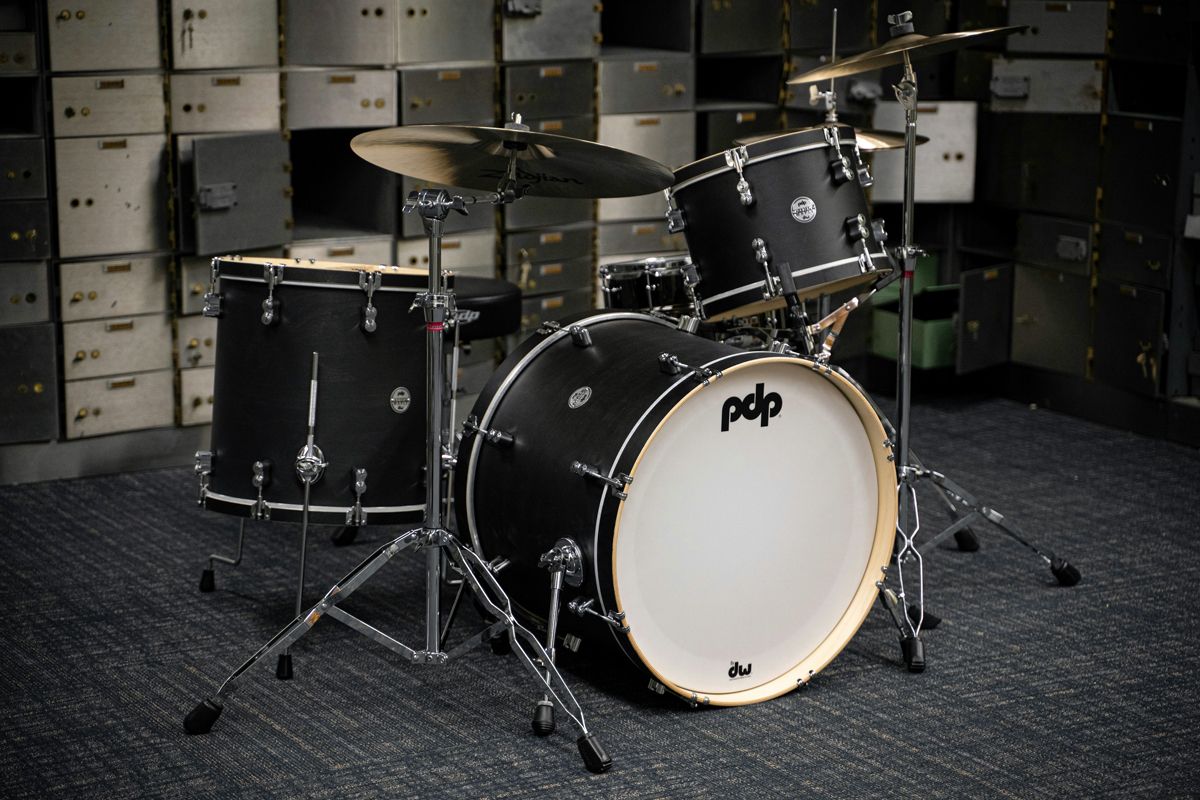
A storage unit may just be your ticket to the Grammy’s or a fun weekend with your bandmates. Renting a unit as a practice space provides musicians an environment for rehearsal and collaboration. Unlike garages or basements, storage units offer privacy and, often, noise insulation, allowing focused practice without disturbing neighbors. Furthermore, most storage facilities are open 24/7, letting you work around the various schedules of your band members. And with dedicated security available for many units, you don’t have to worry too much about keeping your equipment in one location.

Credit: Hoxton/Tom Merton/ iStock

Personal Wine Cellar

We’re sure you never thought of this one. Converting a climate-controlled storage unit into a personal wine cellar offers wine enthusiasts an optimal environment for storing and aging their collection. Precise temperature and humidity control ensure wine develops appropriately over time, maintaining its quality and integrity. Additionally, storing wine in a unit frees up home space, eliminating the need for a cellar. Whether a casual enthusiast or a serious collector, having a designated wine storage unit allows enjoyment of your collection, no matter how big or small.

More From Our Network

Better Report is part of Inbox Studio, an email-first media company. *Indicates a third-party property.

Go Retro With This 1960s Fashion Quiz

Quiz Daily

Go Retro With This 1960s Fashion Quiz

True or False: Are You a Master of U.S. Geography?

Travel Quiz

True or False: Are You a Master of U.S. Geography?

5 Reasons You Can Be Denied Boarding an Airplane

Daily Passport

5 Reasons You Can Be Denied Boarding an Airplane

What Did People Do Before Eyeglasses?

History Facts

What Did People Do Before Eyeglasses?

How To Use a Balloon To Clean Up Dust

House Outlook

How To Use a Balloon To Clean Up Dust

11 Shopping Hacks Costco Members Should Know

FinanceBuzz*

11 Shopping Hacks Costco Members Should Know

Share this article

  • Share to Facebook
  • Share to Twitter
  • Copy Url
  • Share to Email
Brett Braley
Writer

Brett F. Braley-Palko is a writer and novelist living in Pennsylvania. His work has been featured in publications such as Robb Report and GQ, as well as many online publications, covering topics such as menswear, style, and writing. When not writing, Brett maintains a full-time job in the luxury pen industry. His first novel is out in spring 2024.

This article is for general informational purposes only.
Affiliate Disclaimer Medical Disclaimer Financial Disclaimer


Updated: November 6, 2023
Posted In: Wealth
Hero Image Credit: Better Report
Advertisement

Related Articles

How Far a $100 Grocery Budget Goes in Every State

7 min read

Why You Should Never Put Your Utility Bills on Autopay

5 min read

The Best Cars for Resale Value, According to Auto Experts

5 min read

5 Common Estate Planning Mistakes (and How To Avoid Them)

6 min read

Is It OK To Snack Before Paying at the Grocery Store?

4 min read
Advertisement

The 5 Healthiest Desserts That Dietitians Swear By

Jessica Levy
Health | Updated: June 4, 2024
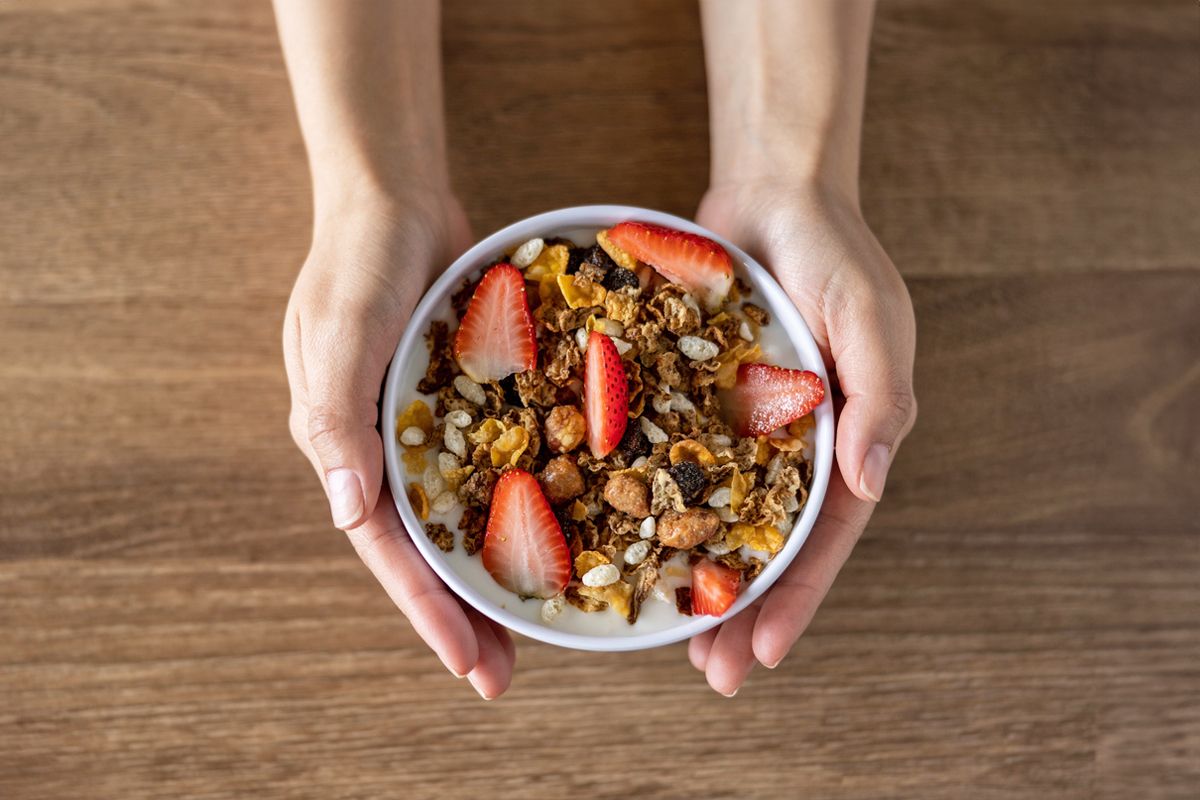
Someone holding a bowl of yogurt parfait with granola, strawberries and rice krispies in it
Better Report

“Would you like to see the dessert menu?” — no meal is complete without hearing those words. For some people, it’s not even a question, as they’re scarfing down a plate of chocolate lava cake in the blink of an eye. For others, it’s a constant struggle between eating healthy and satisfying one’s sweet tooth. But what if there were a way to enjoy dessert without compromising your diet? There are many healthy choices that dietitians swear by, and best of all, they’re still loaded with decadent goodness. So the next time you’re whipping up a sweet treat at home, here are five healthy options.

Credit: Markus Photo and video/ Shutterstock

“Nice” Cream

Nice cream is an increasingly popular ice cream alternative that lacks processed sugar and dairy, yet is still packed with flavor. You’ll need a blender and some bananas to get started. Peel three ripened bananas and place them in the freezer — the more ripe, the sweeter the dessert. Once fully frozen, slice the bananas into one-inch pieces, put them in the blender, and mix until smooth like custard. Then, place the mixture back into the freezer for an hour to develop a firmer consistency before you eat it. You’ll be amazed at how much the natural sweetness and creamy texture mimic traditional ice cream — but without any unhealthy sugars or fats.

If you’re not a fan of bananas, you can also use fruits like mango, peaches, or cantaloupe to serve as the base of this dish. However, bananas produce a texture that resembles normal ice cream most closely and contains a variety of critical nutrients. Each banana is high in fiber, aiding digestion, and they’re loaded with potassium that helps lower blood pressure levels. You can also top each bowl of nice cream with some fresh fruit or even a bit of cinnamon or chopped mint for that added flavor.

Advertisement
Advertisement
Credit: margouillat photo/ Shutterstock

Dark Chocolate Hummus

Dark chocolate contains essential nutrients such as iron, magnesium, and potassium, and it’s also loaded with antioxidants that lower cholesterol and make you feel happier. Chickpeas contain high amounts of tryptophan, which lessens anxiety levels and combats depression. Together, these superfoods make a tasty bowl of dark chocolate hummus — a sweeter alternative to the savory hummuses common in many Mediterranean restaurants.

Drain and rinse a can of chickpeas to start your dark chocolate hummus. Then add 1-½ cups of the chickpeas to a blender with ¼ cup cocoa powder, ¼ cup peanut butter for added smoothness, and ¼ maple syrup for a bit of sweetness. Blend the mixture until smooth, adding a few tablespoons of water along the way to achieve that perfect consistency. Then serve with apple slices, fresh berries, or any other healthy side for dipping.

Advertisement
Credit: Milada Vigerova/ Unsplash

Chia Pudding

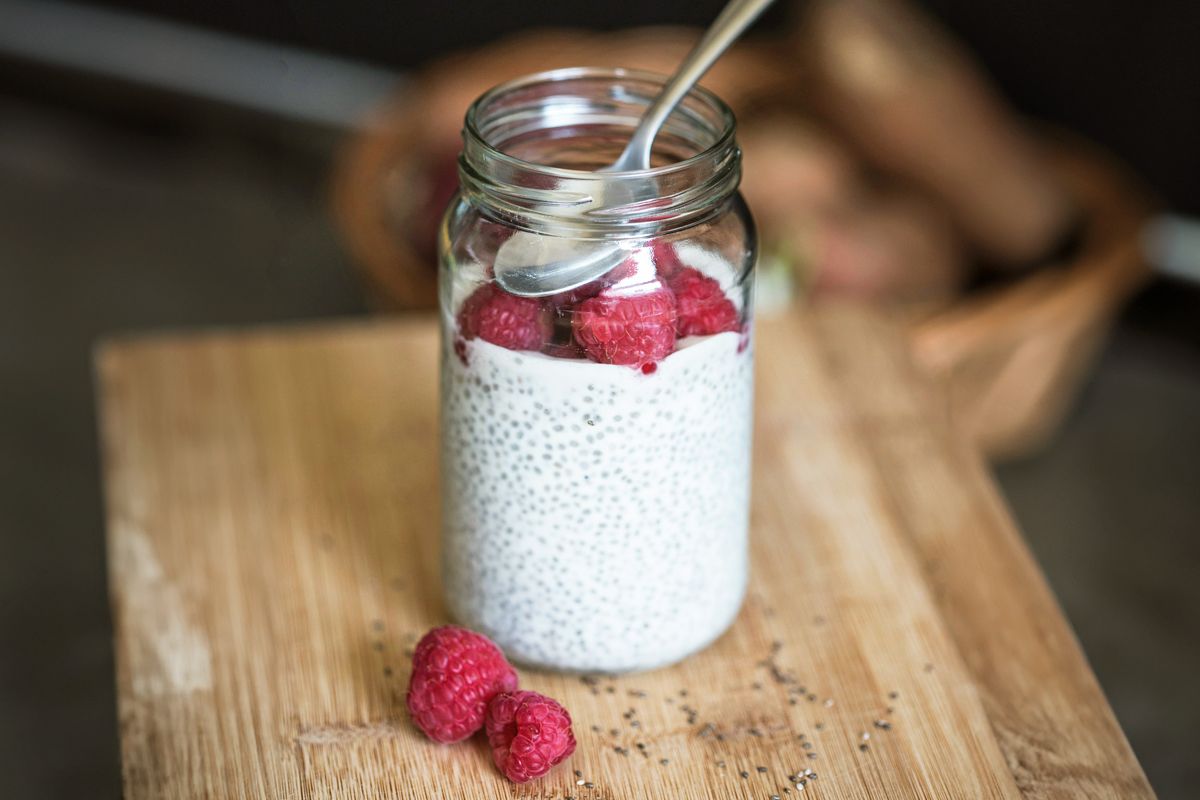
Chia seeds are a fiber-heavy ingredient that improves heart health, digestion, and reduces cholesterol. They’re also loaded with omega-3 fatty acids that lessen inflammation and may help reduce the risk of Alzheimer’s disease, arthritis, and more. So what better way to enjoy these healthy and delicious seeds than in a bowl of chia pudding, which is far better for you than the sugar-packed single-serve puddings you’d find at the supermarket?

Mix four tablespoons of white or black chia seeds with a cup of almond or coconut milk. Then add maple syrup, vanilla extract, or another sweetener. Let the mixture sit for five minutes, and then stir one final time to break up any clumps of chia seeds, before letting the bowl sit in the fridge for an hour or two. This is great to do right before you start cooking dinner, as it’ll be ready after you finish your entree. Finally, remove the pudding and enjoy it as a post-dinner delight.

Recommended Articles

  • The Most Popular Car Colors in the U.S.

  • 5 Small Changes You Can Make To Decrease Your Risk of Dementia

  • First-Date Etiquette Tips for People Over 40, According to a Matchmaker

  • 6 Holiday Foods You Didn’t Know Were Healthy

Advertisement
Advertisement

Reader Favorites

  • Person breaking into a car

    The 10 Most Stolen Cars in the U.S.

  • Older man with hands on cane

    Why Do We Smell Different As We Age?

  • Man in grocery store

    6 Grocery Habits Costing You More Than You Think

Credit: nata_vkusidey/ iStock

Black Bean Brownies

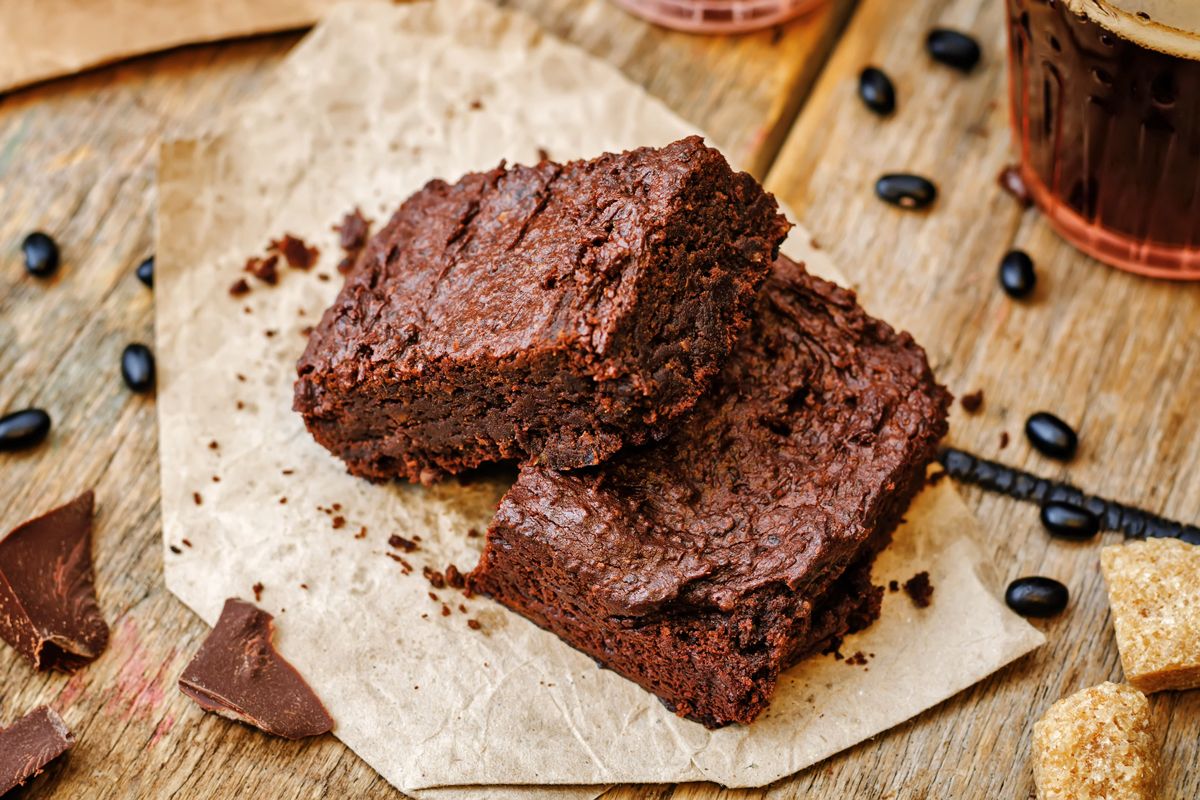
The flour used in most brownies contains starch that contributes to ailments such as heart disease and diabetes. That’s why flourless brownies are an excellent alternative, especially ones that use black beans as their base. Black beans are rich in nutrients that increase bone health, lower blood pressure, and contain plenty of fiber that helps avoid heart disease. Best of all, black bean brownies are nearly indistinguishable from sugary and fatty brownie recipes, so you can enjoy that same taste without the negative effects.

To make this sweet treat, begin by mixing together all the ingredients in a blender: 1-½ cup rinsed black beans, 2 tablespoons of heart-healthy cocoa powder, ½ cup of oats, ¼ teaspoon of salt, ½ teaspoon baking powder, ½ cup maple syrup, ¼ cup coconut oil and 2 tablespoons of vanilla extract. Once smooth, add ½ cup of dark chocolate chips and stir together. Pour the mixture into a baking pan, cook at 350°F for 15 minutes, then let the brownies cool for ten minutes more. Wait until after eating to tell your guests that you used black beans instead of flour, and watch their jaws drop!

Greek Yogurt Parfait

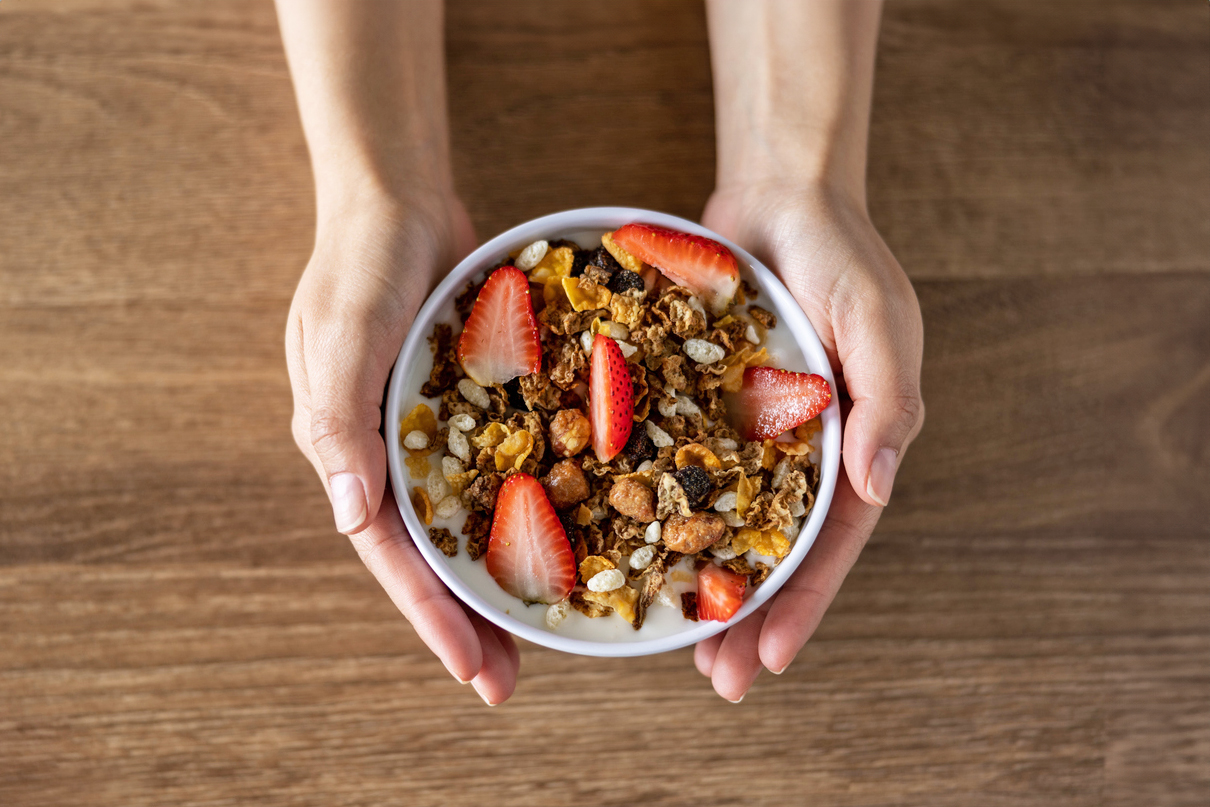
Greek yogurt parfaits are essentially a blank canvas for the culinary artist within all of us and are one of the healthiest desserts that anyone can whip up in just a few minutes. Begin with your favorite plain Greek yogurt, an ingredient loaded with probiotics that aid in gut health. Greek yogurt also contains essential minerals that help reduce inflammation, as well as iodine, which promotes proper thyroid function.

Advertisement

Once you’ve prepared a bowl of yogurt, it’s time to select from a seemingly endless list of delicious toppings. Chopped berries add some natural sweetness, granola is full of fiber and creates a delightful crunchy texture, and honey or maple syrup can provide sweetness. You can even slather on a bit of your favorite nut butter for added creaminess. The sky’s the limit with Greek yogurt parfaits, which are some of the most delicious and healthy desserts imaginable.

More From Our Network

Better Report is part of Inbox Studio, an email-first media company. *Indicates a third-party property.

Go Retro With This 1960s Fashion Quiz

Quiz Daily

Go Retro With This 1960s Fashion Quiz

True or False: Are You a Master of U.S. Geography?

Travel Quiz

True or False: Are You a Master of U.S. Geography?

5 Reasons You Can Be Denied Boarding an Airplane

Daily Passport

5 Reasons You Can Be Denied Boarding an Airplane

What Did People Do Before Eyeglasses?

History Facts

What Did People Do Before Eyeglasses?

How To Use a Balloon To Clean Up Dust

House Outlook

How To Use a Balloon To Clean Up Dust

11 Shopping Hacks Costco Members Should Know

FinanceBuzz*

11 Shopping Hacks Costco Members Should Know

Share this article

  • Share to Facebook
  • Share to Twitter
  • Copy Url
  • Share to Email
Jessica Levy

This article is for general informational purposes only.
Affiliate Disclaimer Medical Disclaimer Financial Disclaimer

Updated:
Posted In: Health
Hero Image Credit: Better Report
Advertisement

Related Articles

5 Small Changes You Can Make To Decrease Your Risk of Dementia

4 min read

6 Holiday Foods You Didn’t Know Were Healthy

7 min read

Is It Safe To Drink a Glass of Water That Sat Out Overnight?

3 min read

The Health Risks of Shopping at the Dollar Store

4 min read

Does Going Outside With Wet Hair Really Make You Sick?

4 min read
Advertisement

Is There Really a Most Productive Time of the Day?

Health | Updated: June 4, 2024
Nicole Garner Meeker
Author
Nicole Garner Meeker is a freelance writer, research editor, and Inbox Studio contributor. Based in St. Louis, she’s an enthusiastic gardener, fiber artist, and connoisseur of fine snacks.
Woman writing in notebook with a cup of coffee and computer
Better Report

There are 24 hours in a day… but they’re not at all used equally. This feels especially true when you have a full to-do list and just one day to complete it. Even with scheduled work time and a hefty dose of motivation, it can feel like your ability to get things done starts to slump throughout the day. If you find yourself slogging through your work day the longer it goes, you may have exited the most productive time of day. Turns out, there’s a daily window when you’re most likely to be at the top of your game — here’s how to find it and harness it.

Credit: Mushaboom Studio/ Unsplash+

Mornings Tend To Be Most Productive

While not everyone is an early bird, polls show most people find early mornings to be the most productive part of their day. Early mornings tend to have fewer distractions before the day gets going, allowing workers to concentrate on detail-oriented assignments. Plus, research shows that sleeping well the night before clocking into work can help boost job performance, creativity, and focus, all factors that help catapult you through the day’s checklist. However, all that beneficial energy tends to taper off throughout the day, with productivity dipping sometime between 11 a.m. and 1 p.m.

Advertisement
Advertisement
Credit: Mikey Harris/ Unsplash

Mondays Are The Most Productive Work Day

There isn’t just a best time of day to get work done — there’s also a best day of the week. Monday mornings tend to be the most productive time of the workweek, and scientists say it may have something to do with the “fresh start” effect. Dates that are meaningful or feel like a new beginning — say the start of a new week, month, or year — trick our brains into feeling more motivated and capable. Some research shows that diving into a new goal or project at the top of the week produces better results than Thursday or Friday.

Credit:  Karolina Grabowska/ Unsplash+

There’s a Least-Productive Time of Day, Too

The pesky “post-lunch slump” is a common productivity pitfall, though there’s more to it than just feeling tired after a big meal. The foods we eat for lunch do have an impact — scientists believe that less-than-healthy options packed with sugars and fats overload the digestive system, which scales back how much oxygen reaches our brains. This whole process can make you feel more groggy and ultimately less productive, though your meal is not entirely to blame. 

Researchers believe that our ability to focus tends to continue declining as the day goes on due to our circadian rhythm, which dips between 2 and 5 p.m. From there, productivity tends to reach its lowest point between 3 and 6 p.m. While some people experience a bounce-back in the later evening hours, these second winds of work power are typically reduced after a long day and never reach the same heights as the morning workflow.

Recommended Articles

  • The Most Popular Car Colors in the U.S.

  • 5 Small Changes You Can Make To Decrease Your Risk of Dementia

  • First-Date Etiquette Tips for People Over 40, According to a Matchmaker

  • 6 Holiday Foods You Didn’t Know Were Healthy

Advertisement
Advertisement

Reader Favorites

  • Person breaking into a car

    The 10 Most Stolen Cars in the U.S.

  • Older man with hands on cane

    Why Do We Smell Different As We Age?

  • Man in grocery store

    6 Grocery Habits Costing You More Than You Think

Credit: Ramiro Pianarosa/ Unsplash

How to Make the Most of Your To-Do List

These ebbs and flows in brain power can feel annoying, though knowing when they occur can help you maximize time. Scheduling tasks that require focus and attention to detail earlier in the morning can help you hone in on work. And instead of diving into your email backlog first thing in the morning, shift this and other less-demanding tasks such as administrative work to the afternoon when you’ve hit a concentration wall. However, there are some times when the day’s demands require you to power through until 5 p.m. — in which case, taking a 15-minute break or nap when you feel the most unproductive can give your brain the boost it needs.

More From Our Network

Better Report is part of Inbox Studio, an email-first media company. *Indicates a third-party property.

Go Retro With This 1960s Fashion Quiz

Quiz Daily

Go Retro With This 1960s Fashion Quiz

True or False: Are You a Master of U.S. Geography?

Travel Quiz

True or False: Are You a Master of U.S. Geography?

5 Reasons You Can Be Denied Boarding an Airplane

Daily Passport

5 Reasons You Can Be Denied Boarding an Airplane

What Did People Do Before Eyeglasses?

History Facts

What Did People Do Before Eyeglasses?

How To Use a Balloon To Clean Up Dust

House Outlook

How To Use a Balloon To Clean Up Dust

11 Shopping Hacks Costco Members Should Know

FinanceBuzz*

11 Shopping Hacks Costco Members Should Know

Share this article

  • Share to Facebook
  • Share to Twitter
  • Copy Url
  • Share to Email
Nicole Garner Meeker
Writer

Nicole Garner Meeker is a freelance writer, research editor, and Inbox Studio contributor. Based in St. Louis, she’s an enthusiastic gardener, fiber artist, and connoisseur of fine snacks.

This article is for general informational purposes only.
Affiliate Disclaimer Medical Disclaimer Financial Disclaimer

Updated: September 19, 2023
Posted In: Health
Hero Image Credit: Better Report
Advertisement

Related Articles

5 Small Changes You Can Make To Decrease Your Risk of Dementia

4 min read

6 Holiday Foods You Didn’t Know Were Healthy

7 min read

Is It Safe To Drink a Glass of Water That Sat Out Overnight?

3 min read

The Health Risks of Shopping at the Dollar Store

4 min read

Does Going Outside With Wet Hair Really Make You Sick?

4 min read
Advertisement

Why Are People Putting Aluminum Foil in Their Dishwasher? 

Home | Updated: June 4, 2024
Rachel Gresh
Author
Rachel Gresh is a Washington, D.C.-based freelance writer. When she's not writing, you can find her wandering a museum, exploring an unfamiliar city, or baking something new in the kitchen.
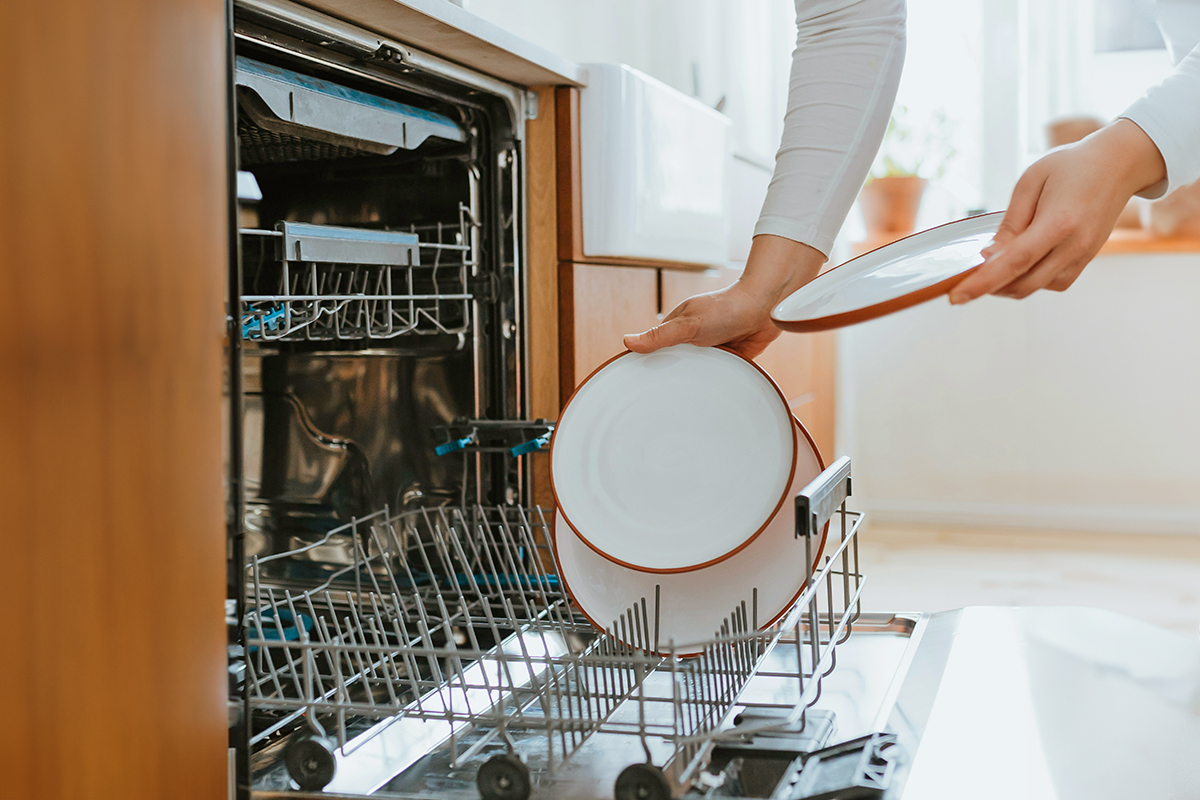
Person loading white plates into a dishwasher
Better Report

The latest viral cleaning hack involves tossing balls of aluminum foil into the dishwasher. We know, crazy, but bear with us here. If the proponents are to be believed, the bizarre move helps make your silverware gleam like never before, which sounds good to us since hard water stains, tarnish, and rust can do in even the nicest set of utensils. The trick is to crumple clean foil and tuck it into the utensil basket of your dishwasher (if it isn’t secured, it will float around the dishwasher, negating any benefits) before running your machine on a regular cycle with detergent. So, does it work? And if so, how exactly does it help keep that shine? Here’s what we learned.

Credit: Daiga Ellaby/ Unsplash+

Does it Work?

Like so many #CleanTok hacks on TikTok, this method has mixed reviews, but many social media influencers and cleaning gurus have given it a go. Some users noticed fewer hard water stains and more shine after one cleaning cycle, but as for tarnish removal, many users were disappointed with the lack of results. That said, there’s some science behind the move, which explains why it will work — but only on some utensils.

“A chemical reaction transfers the oxidized tarnish from the silverware to the aluminum foil,” explains Rich Handel from Consumer Reports. However, this only works with metal dishware or utensils because that chemical reaction will not occur with glass, wood, silicone, or other materials. 

Handal also explained that it works best when the foil touches the silverware because contact is needed for a chemical reaction. It’s unlikely that the aluminum foil ball touches many utensils at once (likely only the two pieces it’s wedged between), which is probably why this hack falls flat for some users. However, there is no harm in trying this cleaning method. “If you do want to try this hack out for yourself, you don’t have to worry about it damaging your dishwasher,” says Marla Mock, president of Molly Maid.

Advertisement
Advertisement
Credit: Nick Alias/ Shutterstock

A More Effective Aluminum Foil Method 

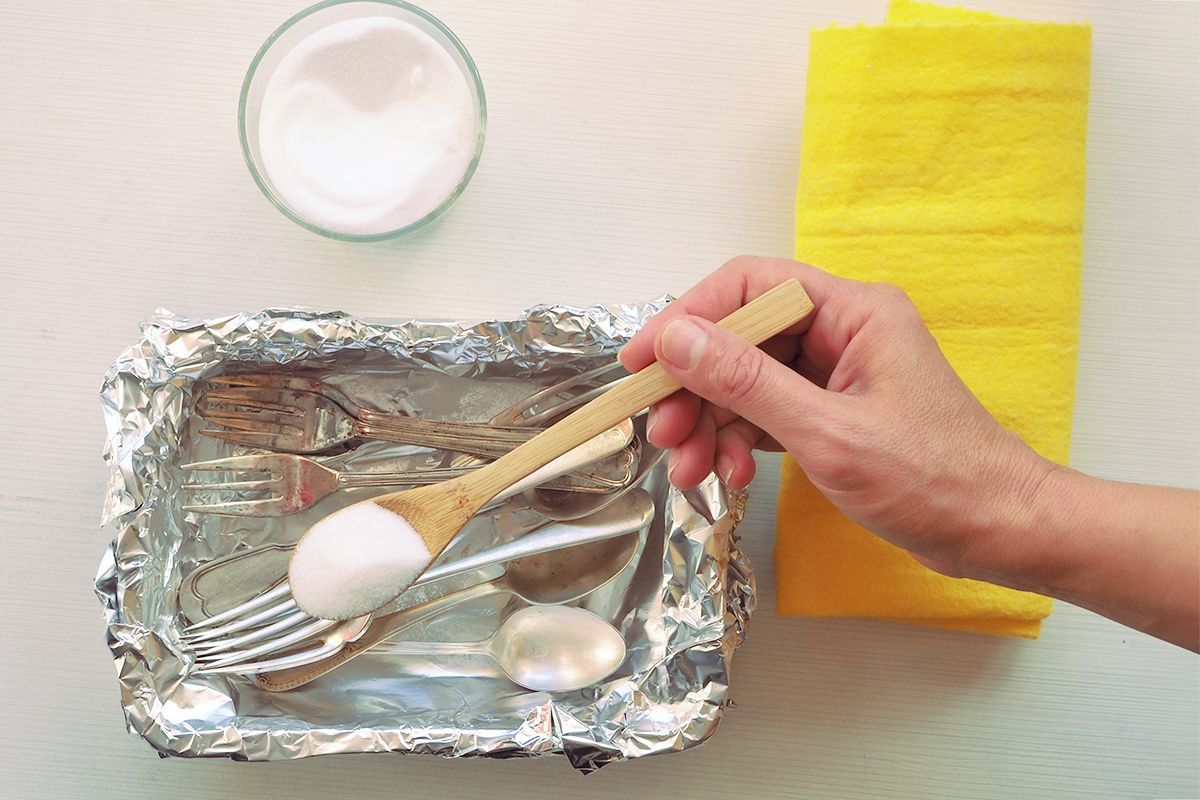
Although the team at Consumer Reports wasn’t thrilled with this hack’s results, they offered a more effective method for removing tarnish from silverware with aluminum foil. “You can clean silver with aluminum foil and a heated salt solution,” says Handel. To try this method, you’ll need salt, baking soda, aluminum foil, boiling water, and a heat-safe dish. Remember that this usually works best with silverware made out of real silver (sterling silver or silver plated). Today, most “silverware,” also called flatware, is made from stainless steel. Stainless steel utensils can still benefit from this hack, but your results might not be as drastic.

Advertisement

To try this, line an aluminum pan or glass baking dish with aluminum foil. Then, place your tarnished items on top of the foil and sprinkle two tablespoons of salt and two tablespoons of baking soda on top. Cover the items with boiling water and soak for around three minutes. As the solution cools, turn the items over with tongs so that as many sides touch the foil as possible. Rinse the items with plain water and buff them with a microfiber (or other silver-safe material) cloth. This method not only cleans the tarnish from silver utensils and serving dishes but also works for jewelry and other silver items.

Aluminum foil can also clean stainless steel pans and is recommended as a non-toxic option for burnt-on messes. Simply pour half a cup of distilled white vinegar into the pan and sprinkle a tablespoon of baking soda. Using a ball of aluminum foil, gently scrub away stains, taking care not to scratch the pan. Rinse and hand dry.

Recommended Articles

  • The Most Popular Car Colors in the U.S.

  • 5 Small Changes You Can Make To Decrease Your Risk of Dementia

  • First-Date Etiquette Tips for People Over 40, According to a Matchmaker

  • 6 Holiday Foods You Didn’t Know Were Healthy

Advertisement
Advertisement

Reader Favorites

  • Person breaking into a car

    The 10 Most Stolen Cars in the U.S.

  • Older man with hands on cane

    Why Do We Smell Different As We Age?

  • Man in grocery store

    6 Grocery Habits Costing You More Than You Think

Credit: nate samui/ Shutterstock

The Olive Oil Method for Stainless Steel Flatware

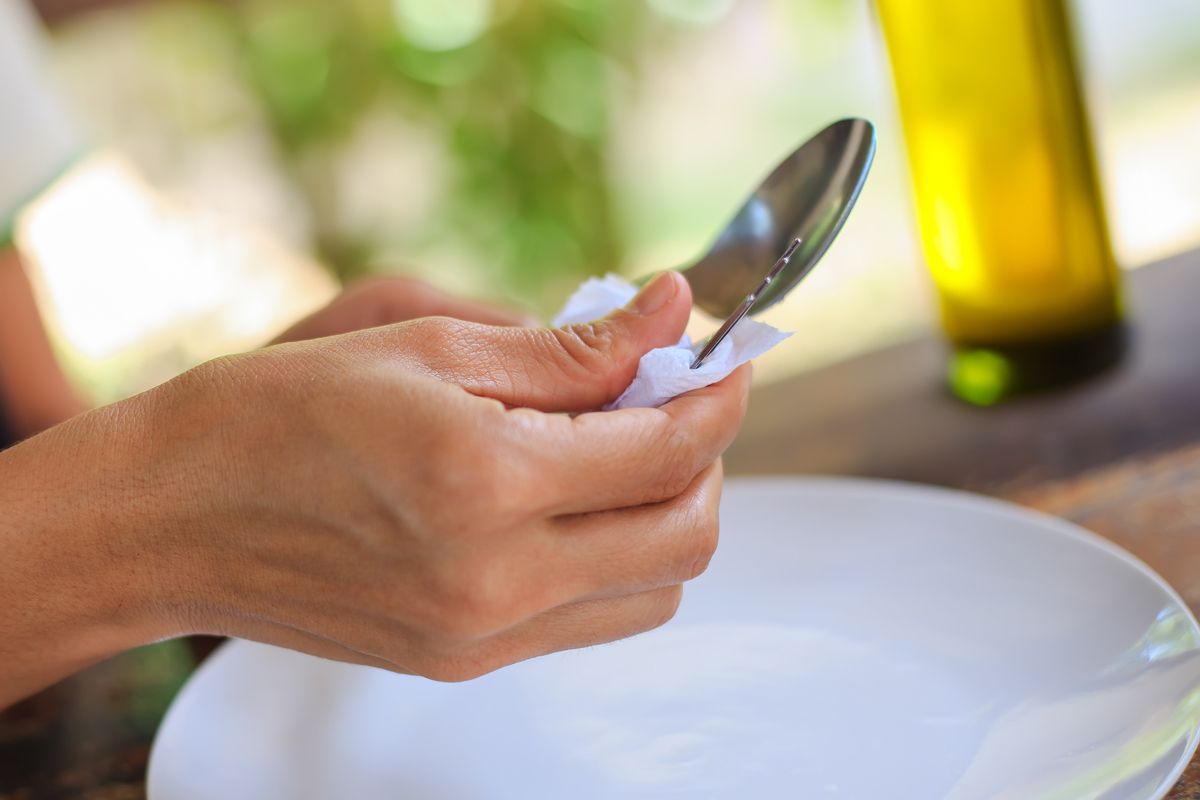
If your aluminum foil cleaning journey leads to a dead end, try olive oil instead, especially if your utensils are made from stainless steel. You’ll need a soft dish towel, olive oil, distilled white vinegar, and baking soda to remove water stains and rust. First, dampen a soft cloth with olive oil and gently wipe away streaks and hard water stains. Then, dampen a second cloth with distilled white vinegar to buff the utensils, restoring them to their former glory. For rust spots, sprinkle baking soda on the utensil and gently rub with a dry cloth until the stain is gone. When finished, rinse with plain water and immediately hand dry with a soft cloth.

More From Our Network

Better Report is part of Inbox Studio, an email-first media company. *Indicates a third-party property.

Go Retro With This 1960s Fashion Quiz

Quiz Daily

Go Retro With This 1960s Fashion Quiz

True or False: Are You a Master of U.S. Geography?

Travel Quiz

True or False: Are You a Master of U.S. Geography?

5 Reasons You Can Be Denied Boarding an Airplane

Daily Passport

5 Reasons You Can Be Denied Boarding an Airplane

What Did People Do Before Eyeglasses?

History Facts

What Did People Do Before Eyeglasses?

How To Use a Balloon To Clean Up Dust

House Outlook

How To Use a Balloon To Clean Up Dust

11 Shopping Hacks Costco Members Should Know

FinanceBuzz*

11 Shopping Hacks Costco Members Should Know

Share this article

  • Share to Facebook
  • Share to Twitter
  • Copy Url
  • Share to Email
Rachel Gresh
Writer

Rachel Gresh is a Washington, D.C.-based freelance writer. When she's not writing, you can find her wandering a museum, exploring an unfamiliar city, or baking something new in the kitchen.

This article is for general informational purposes only.
Affiliate Disclaimer Medical Disclaimer Financial Disclaimer
Updated: December 15, 2023
Posted In: Home
Hero Image Credit: Better Report
Advertisement

Related Articles

The Most Popular Car Colors in the U.S.

4 min read

First-Date Etiquette Tips for People Over 40, According to a Matchmaker

3 min read

Why Doesn’t Plastic Totally Dry in the Dishwasher?

3 min read

Putting This in Your Dryer Is a Major Fire Risk

3 min read

18 Surprising Things You Should Never Put Down Your Drain

5 min read
Advertisement

Why You Should Throw Out Your Plastic Cutting Boards

Jessica Levy
Health | Updated: February 12, 2026
Better Report

All featured products and deals are selected independently and objectively by the author. Better Report may receive a share of sales via affiliate links in content.

If it seems like microplastics are everywhere nowadays…it’s because they are. From untouched Polar regions to our kitchens, and even our bodies, microplastics are cropping up all over the place. Scientists estimate that a significant portion of our microplastic exposure comes from food intake, leaked from common kitchen items like ice trays, dishwasher pods, food storage containers, cutting boards, and more. One recent study aimed to discover the level of microplastics that cutting boards emit. After all, these plastic boards do bear the brunt of daily chopping. Here’s what the research indicates and why some people are passing on the plastic.

Credit: Khanchit Khirisutchalual/ iStock

What Are Microplastics?

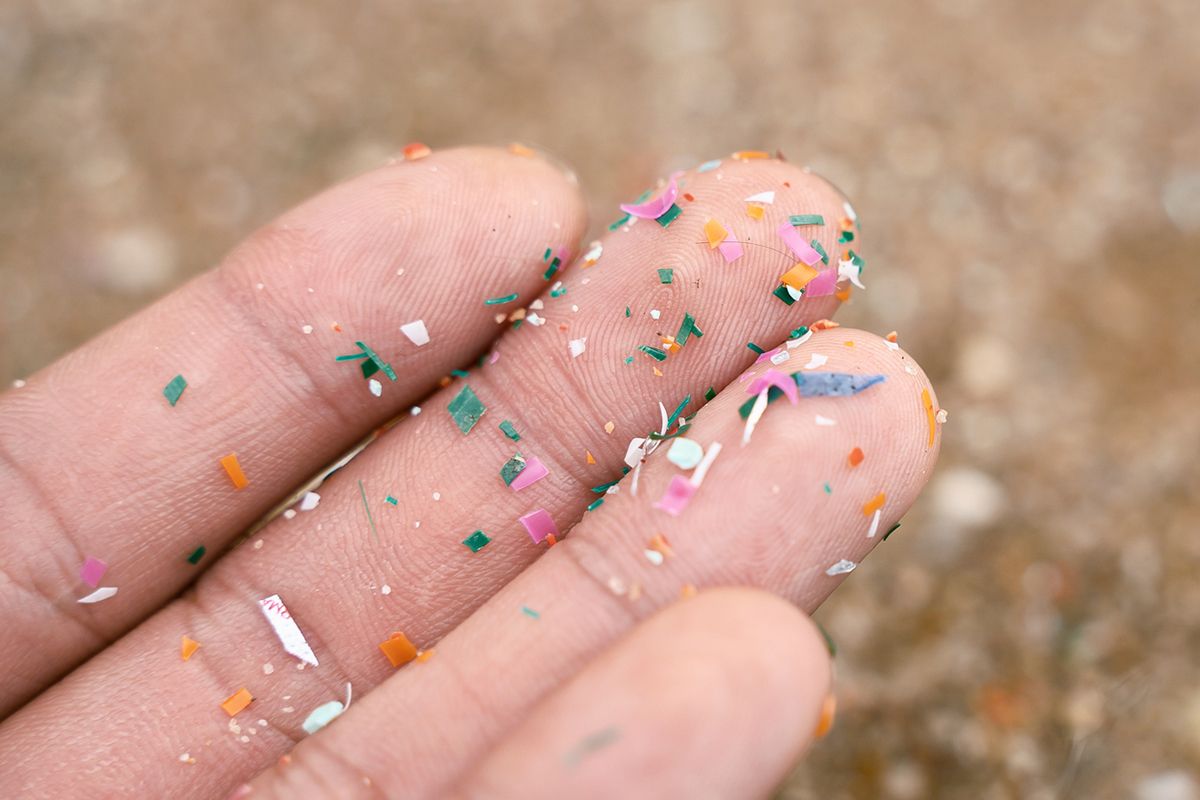
Microplastics are defined as any tiny piece of plastic less than five millimeters in diameter, about the size of a pencil eraser. However, microplastics (as the name suggests) can be much smaller and invisible to the naked eye. This is especially hazardous because they can take hundreds to thousands of years to break down. 

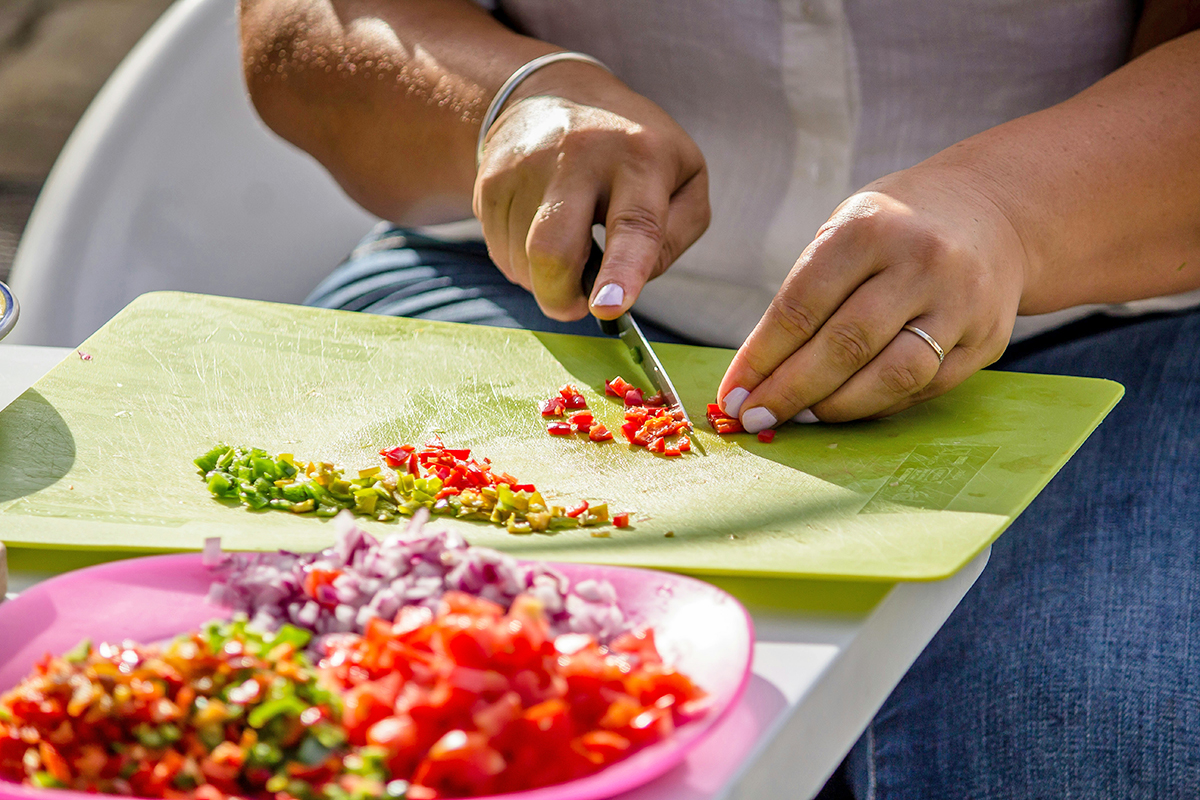
Microplastics are detected in many things people consume daily, including seafood, drinking water, beer, and even table salt. In the case of cutting boards, microplastics come straight from the source. As we cut up food, the knife blade gouges the plastic surface of the board and can redistribute plastic into the food. Hundreds of knife marks on boards show evidence of this plastic removal process. Because of this, researchers decided to test how much plastic is transferred from the board to food.

Advertisement
Advertisement
Credit: Bonnie Kittle/ Unsplash

What Does the Research Say?

A 2023 study published in the American Chemical Society’s Environmental Science & Technology journal tested annual exposure to microplastics when cutting on plastic boards. The study measured the amount of microplastics released into food as it’s chopped up. This study tested two of the most common types of plastic boards: polypropylene and polyethylene. 

It was discovered that a person using a polyethylene board was exposed to anywhere from 7.4 to 50.7 grams of microplastics annually. The findings for polypropylene boards were similar, with an annual exposure of 49.5 grams of microplastics. On the boards that leached the most plastic, up to 1,114 microplastic particles were released with every cut. To put this into perspective, compare these numbers with the average credit card. Plastic credit cards weigh around five grams, meaning we could be ingesting the equivalent of 10 plastic credit cards per year from using these chopping boards.

Advertisement
Credit: Jason Jarrach/ Unsplash

What Are the Risks of Microplastics?

Ingesting the equivalent of a deck of credit cards doesn’t sound too healthy, but just how bad is it? Unfortunately, scientists are unsure of the health impacts of microplastic consumption. Even so, the perceived danger and unknown risks are enough to have doctors warning us to limit our exposure. Medical professionals, scientists, and even the United Nations support measures to reduce this hazard for environmental and health reasons. 

Scientists do know that once microplastics are ingested, they’re nearly impossible to get rid of, and they’ve been found all over the human body, in tissues and organs. The impacts of this phenomenon vary depending on the type, size, shape, and concentration of microplastics. Some microplastics can physically block the digestive system, causing injury. More research is needed to discover the other health hazards.

Recommended Articles

  • The Most Popular Car Colors in the U.S.

  • 5 Small Changes You Can Make To Decrease Your Risk of Dementia

  • First-Date Etiquette Tips for People Over 40, According to a Matchmaker

  • 6 Holiday Foods You Didn’t Know Were Healthy

Advertisement
Advertisement

Reader Favorites

  • Person breaking into a car

    The 10 Most Stolen Cars in the U.S.

  • Older man with hands on cane

    Why Do We Smell Different As We Age?

  • Man in grocery store

    6 Grocery Habits Costing You More Than You Think

Credit: Olivie Strauss/ Unsplash+

Should You Get Rid of Plastic Cutting Boards?

It might not be the answer you want to hear, but humans are exposed to countless other sources of microplastics in our homes, workplaces, and outdoor environments. Throwing away one or two plastic cutting boards is probably not enough to significantly mitigate your risk.

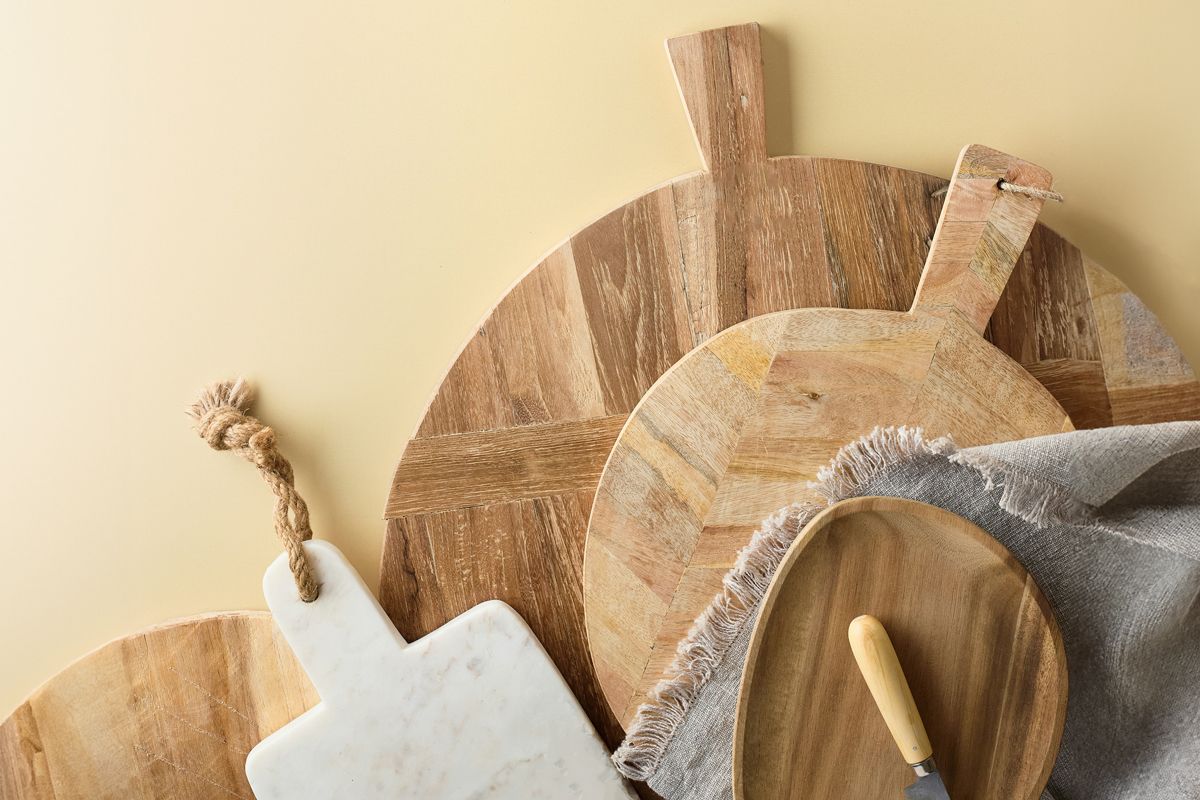
However, it might be a great step when combined with other measures — like swapping your plastic Tupperware for glass containers — that can help address your health and food safety. In this case, swapping out plastic for a wooden, bamboo, glass, or stone board might bring you peace of mind. After all, every small step is progress toward bettering our health and safeguarding our environment.

More From Our Network

Better Report is part of Inbox Studio, an email-first media company. *Indicates a third-party property.

Go Retro With This 1960s Fashion Quiz

Quiz Daily

Go Retro With This 1960s Fashion Quiz

True or False: Are You a Master of U.S. Geography?

Travel Quiz

True or False: Are You a Master of U.S. Geography?

5 Reasons You Can Be Denied Boarding an Airplane

Daily Passport

5 Reasons You Can Be Denied Boarding an Airplane

What Did People Do Before Eyeglasses?

History Facts

What Did People Do Before Eyeglasses?

How To Use a Balloon To Clean Up Dust

House Outlook

How To Use a Balloon To Clean Up Dust

11 Shopping Hacks Costco Members Should Know

FinanceBuzz*

11 Shopping Hacks Costco Members Should Know

Share this article

  • Share to Facebook
  • Share to Twitter
  • Copy Url
  • Share to Email
Jessica Levy

This article is for general informational purposes only.
Affiliate Disclaimer Medical Disclaimer Financial Disclaimer
Updated:
Posted In: Health
Hero Image Credit: Better Report

Advertisement

Related Articles

5 Small Changes You Can Make To Decrease Your Risk of Dementia

4 min read

6 Holiday Foods You Didn’t Know Were Healthy

7 min read

Is It Safe To Drink a Glass of Water That Sat Out Overnight?

3 min read

The Health Risks of Shopping at the Dollar Store

4 min read

Does Going Outside With Wet Hair Really Make You Sick?

4 min read
Advertisement

Posts navigation

Older posts
Newer posts
  • Home
  • Health
  • Wealth
  • Logo
  • Advertise
  • About
  • Contact Us
  • Privacy Policy
  • Terms of Use
  • Your Privacy Choices
x
Thumb Image

Elevate your everyday.

Sign up to receive the practical tips and expert advice you need to pare down the complexities of everyday living right in your inbox.

Sorry, your email address is not valid. Please try again.

Your email is:

Edit Image
Sorry, your email address is not valid. Please try again.
Thank you for subscribing...

By subscribing you are agreeing to our Terms of Use and Privacy Policy.

Close image
Thumb Image
Second Thumb Image

Elevate your everyday.

Sign up to receive the practical tips and expert advice you need to pare down the complexities of everyday living right in your inbox.

Sorry, your email address is not valid. Please try again.

By subscribing you are agreeing to our Privacy Policy and Terms of Use.

Close image