The Scary Scam That Could Leave You Without a Home


Your home is one of the biggest purchases you’ll ever make, so it’s essential to protect it however you can. But a sneaky scam has left an increasing number of homeowners vulnerable to fraudsters.
The scam goes by several names: Deed theft, deed fraud, title fraud, and home title theft are just a few of them. Some experts even refer to it as “house stealing,” and it’s a growing problem.
According to the FBI, between 2019 and 2023 alone, 58,141 victims reported losing a combined $1.3 billion to real estate fraud, though the bureau says the true number is likely far higher because many victims either don’t know where to report it, feel embarrassed, or don’t realize they’ve been scammed until much later.
In New York state, CBS News New York reported a 240% increase in complaints about home title thefts between 2023 and 2025 — enough to prompt Attorney General Letitia James to co-author a new law in 2024 that allowed her office to more thoroughly prosecute the crime.
“With the technology advancing and new ways of creating documents like birth certificates, Social Security numbers, any type of ID that you can make on the internet, it’s becoming much more prevalent and people are hearing that they have a voice about it now,” Queens District Attorney Melinda Katz said.
What Is Deed Theft?
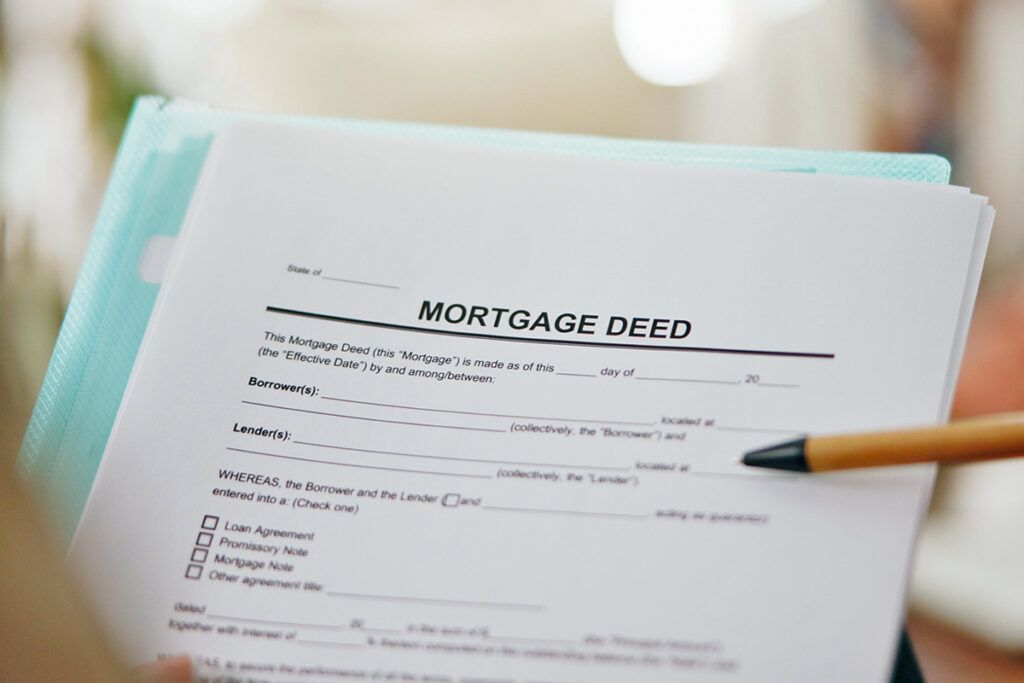
Deed theft happens when a scammer illegally transfers ownership of a property into their own name by forging documents, stealing a homeowner’s identity, or impersonating the owner in fraudulent real estate filings. In many cases, the criminal files fake paperwork, such as a forged deed, with a county recorder’s office, making it appear as though the property was legally transferred.

Reader Favorites



Once the fraudulent deed is recorded, the scammer can attempt to sell the property, take out loans against it, or even rent it out — all without the true homeowner realizing what has happened.

Who Is at Risk for Deed Theft?
In some cases, fraudsters target vacant homes or lots, rental properties, or vacation homes, since those properties may be monitored less frequently. Houses owned by the elderly may also be attractive to scammers, since those homeowners have likely paid off a lot of their mortgage, “which could equal more equity for a criminal to fraudulently borrow against,” according to the insurance company AllState. But experts warn that anyone can become a victim.
One reason deed theft can be so devastating is that it often isn’t discovered until major damage has already been done. Some homeowners learn about the scam only after receiving foreclosure notices, missing mortgage statements, receiving unfamiliar tax bills, or discovering that someone else has claimed ownership of their home.
Unlike dealing with credit card fraud, reversing deed theft can be a lengthy and expensive legal process that may require hiring attorneys and going to court to prove ownership.

How To Avoid Falling Victim to Deed Theft
While there’s no foolproof way to prevent deed theft, experts say there are several steps homeowners can take to reduce their risk:
• Regularly check your property records through your local county clerk or recorder’s office to make sure no unauthorized changes have been made.
• Sign up for property or title alerts if your county offers them. These notifications can warn you when documents are filed using your name or property address.
• Monitor your credit reports for suspicious activity, especially unexpected loans or lines of credit.
• Be wary of unsolicited offers related to your home, including requests to sign unfamiliar paperwork or pressure to refinance quickly.
• Protect sensitive personal information, since scammers often rely on stolen identities and forged signatures to commit deed fraud.
• If you own a vacant property, vacation home, or rental property, check in on it regularly and make sure mail isn’t piling up.
• Set up a Google Alert with your property address so if any activity involving your property occurs, like a real estate listing going live, you’ll see it.
Homeowners who suspect fraud should immediately contact local law enforcement, their county recorder’s office, and a real estate attorney. Among the things you’ll need are proof of your identity and original documents showing you’re the rightful owner; copies of fraudulent documents and unauthorized loan and filings; and logs of any communications you may have had with the thief.
While a stolen credit card can usually be canceled with a single phone call, a stolen home is much more complicated. That’s why experts say keeping a close eye on your property records could help prevent a nightmare scenario before it starts.
Featured Image Credit: © Clay Banks/unsplash.com
More From Our Network
Better Report is part of Inbox Studio, an email-first media company. *Indicates a third-party property.







Jennifer M. Wood has been writing about news, entertainment, culture, and travel for longer than she cares to admit. She lives just outside Philadelphia with her husband and an ever-growing menagerie of rescue pets.
This article is for general informational purposes only.
Affiliate Disclaimer Medical Disclaimer Financial Disclaimer