The 10 Holiday Foods Most Likely To Make You Sick

All featured products and deals are selected independently and objectively by the author. Better Report may receive a share of sales via affiliate links in content.
Holiday season get-togethers can be the high point of the year. They’re an opportunity to spend time with friends and family we don’t see often enough and create new memories — and they typically revolve around the meals we have together.
But these good times occasionally come at a cost, because food safety can fall by the wayside amid the hustle and bustle. The problems usually result from avoidable mistakes. With that in mind, here are eight holiday dishes that often fall victim to food safety problems — and how you can avoid them. (And don’t miss our picks for food safety products for the holiday season.)
Turkey
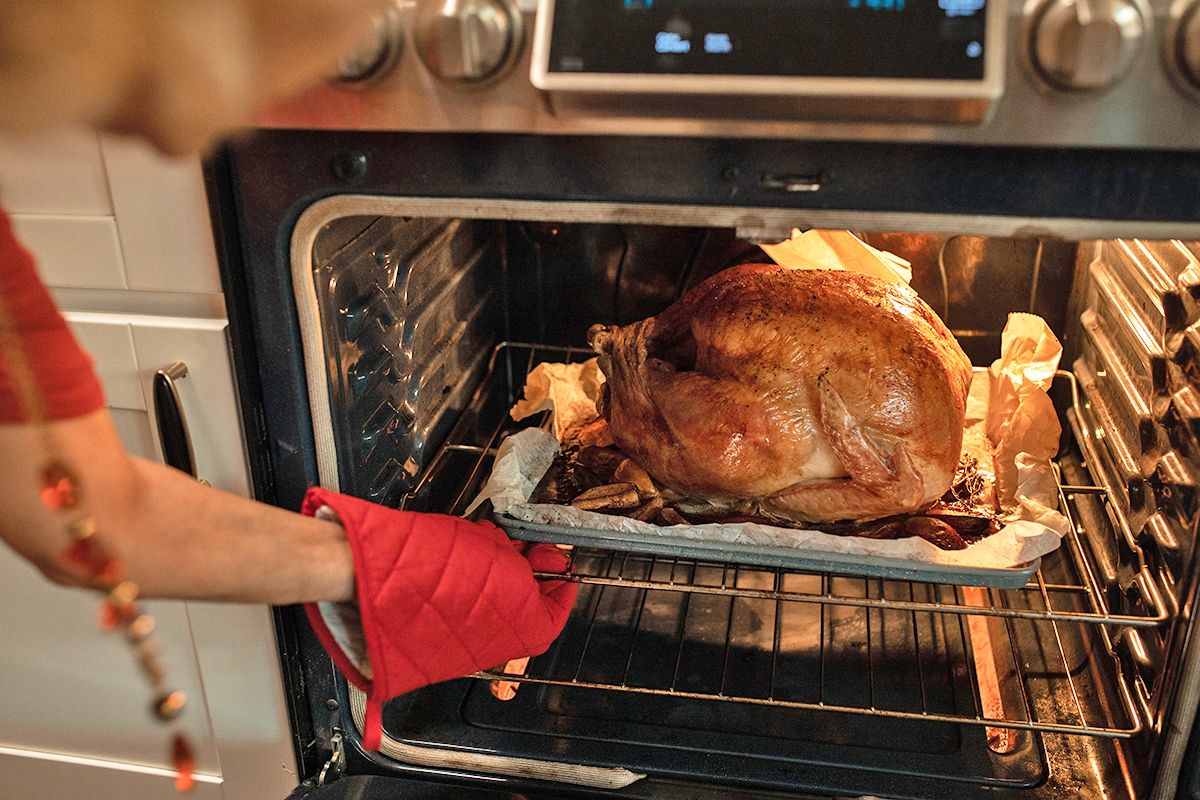
We’ll start with the very symbol of Thanksgiving: your turkey. A bird can go wrong in a number of ways, from thawing to cooking to letting it sit out too long. Let’s tackle them one by one.
Thawing
Properly thawing a frozen turkey requires careful planning because it takes a long time. Do not, under any circumstances, thaw on the counter — it gives bacteria and viruses that can make you sick the time they need to reproduce.
The best way to thaw your turkey is in your fridge, where the meat will stay at a food-safe temperature from start to finish. (It will take roughly 24 hours to thaw 5 pounds, so start a few days before you plan to eat.) Thawing in water or the microwave is also fine, but only if you cook the bird immediately afterward. Make sure to follow the USDA’s instructions for how to safely thaw using those methods.
Cooking
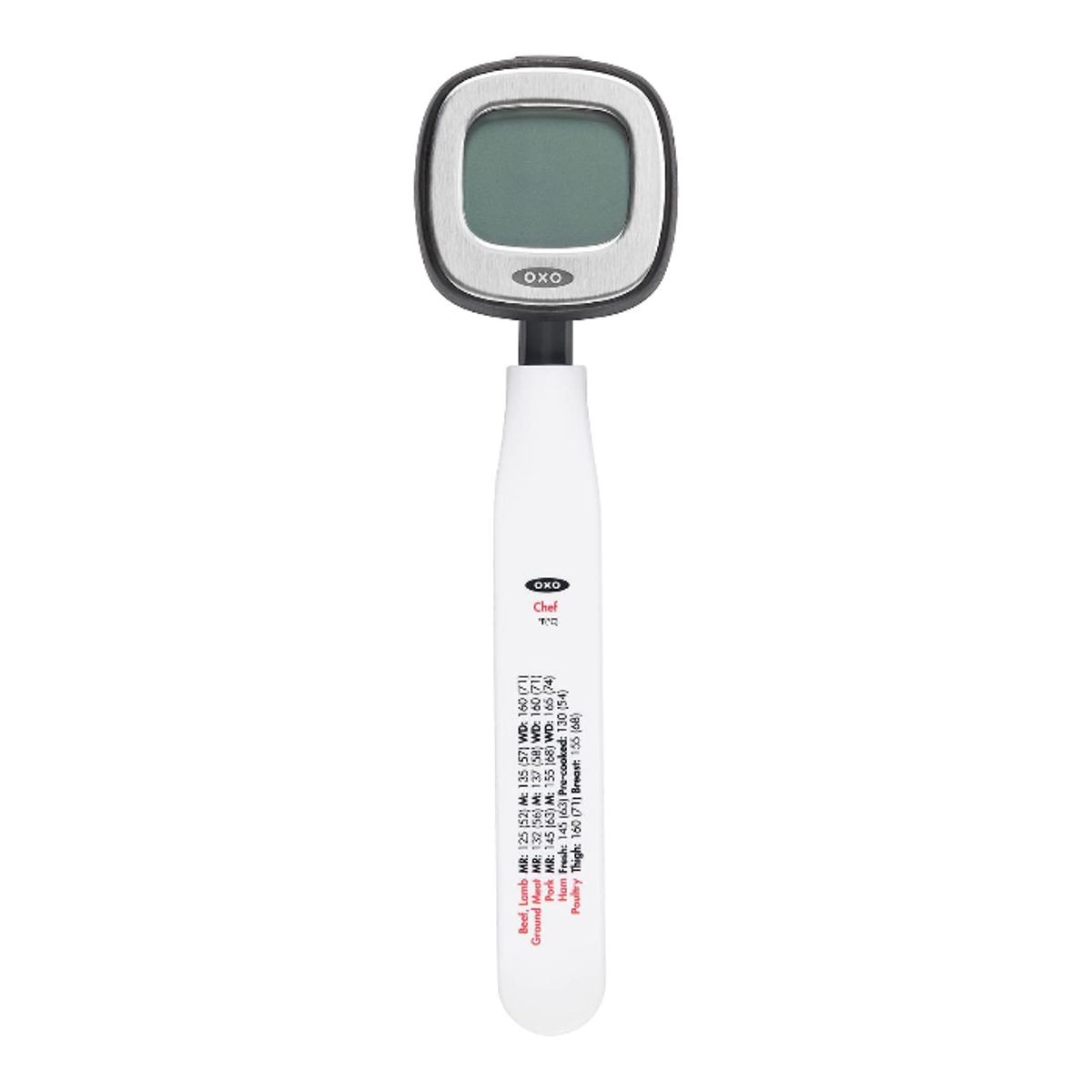
Cooking your bird slowly at a temperature that’s too low means it takes longer than it should to reach a food-safe temperature of 165 degrees Fahrenheit, which increases the bird’s bacterial load even more. It should cook at no less than 325 degrees. If you take it out of the oven before it’s fully cooked, some of those bacteria will survive and can start reproducing again as the bird cools.
Leaving It Out
Finally, leaving the turkey out on the counter for people to pick at means it ends up in the food-safety “danger zone” — between 40 degrees and 140 degrees Fahrenheit — for longer than the recommended two-hour maximum.
Each of these mistakes increases the likelihood of the bird making someone sick, and even more so if you combine them.
Stuffing
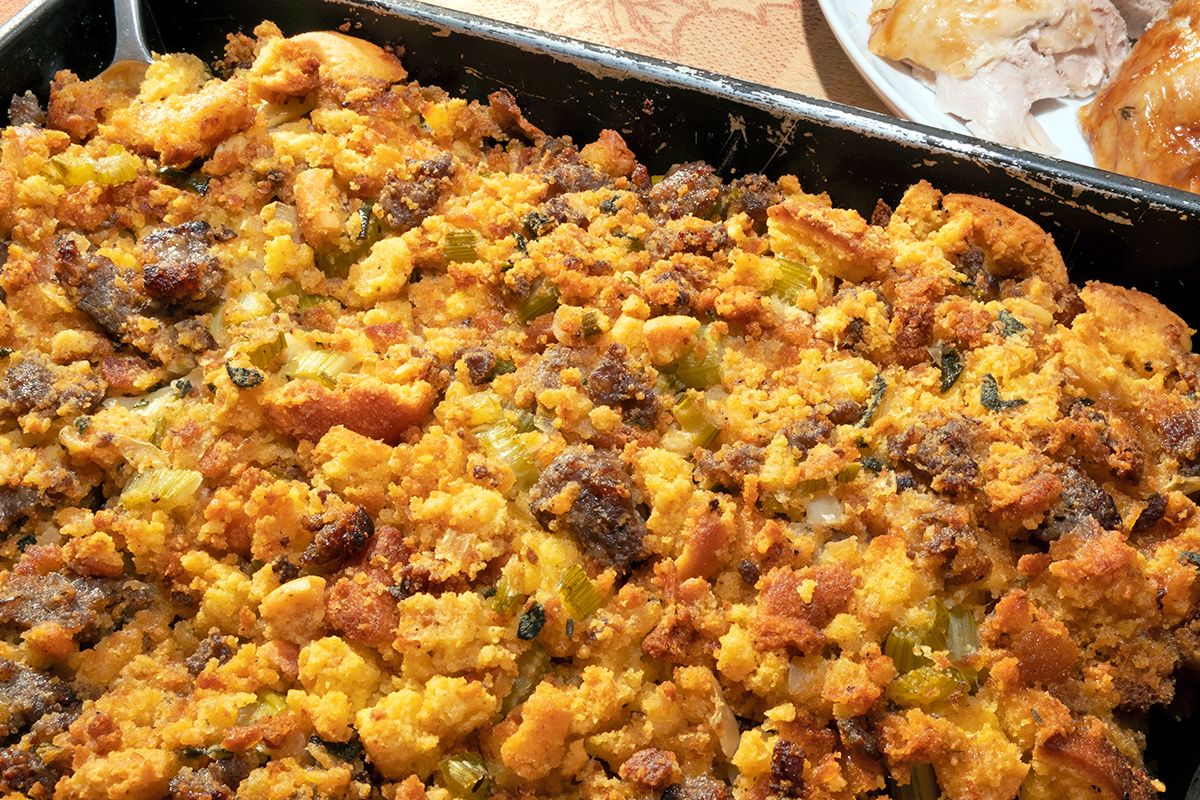
How to cook stuffing is a big argument around the holidays: inside the bird, or outside of it?
Cooking the stuffing separately in a baking dish is the commonsense choice for both safety and quality reasons. Stuffing that’s cooked in the bird will absorb juices from the raw turkey, so it’s not safe unless it gets to a food-safe temperature of 165 degrees Fahrenheit, the same temperature as the bird itself. The issue is that your turkey will reach that temperature before the middle of the stuffing, so going that route means your choices are unsafe stuffing or an overcooked turkey.
Recommended Articles

Reader Favorites



But many stuffing lovers argue that cooking it separately just isn’t the same. So if you’re wedded to stuffing in the bird, you have some options for keeping things safe. According to the USDA, you can buy a commercially inspected, prestuffed frozen turkey, and cook it from frozen. Another option is to make and fully cook your stuffing separately, then pack it loosely into the bird (no more than ¾ cup of stuffing per pound of the turkey’s weight). Starting with hot stuffing, precooked to 165 degrees Fahrenheit, means it won’t need to cook all the way through, and the parts that come into contact with the bird will be safely cooked as soon as the turkey is. Packing it loosely allows hot air to enter the cavity and helps that happen.
Homemade Eggnog
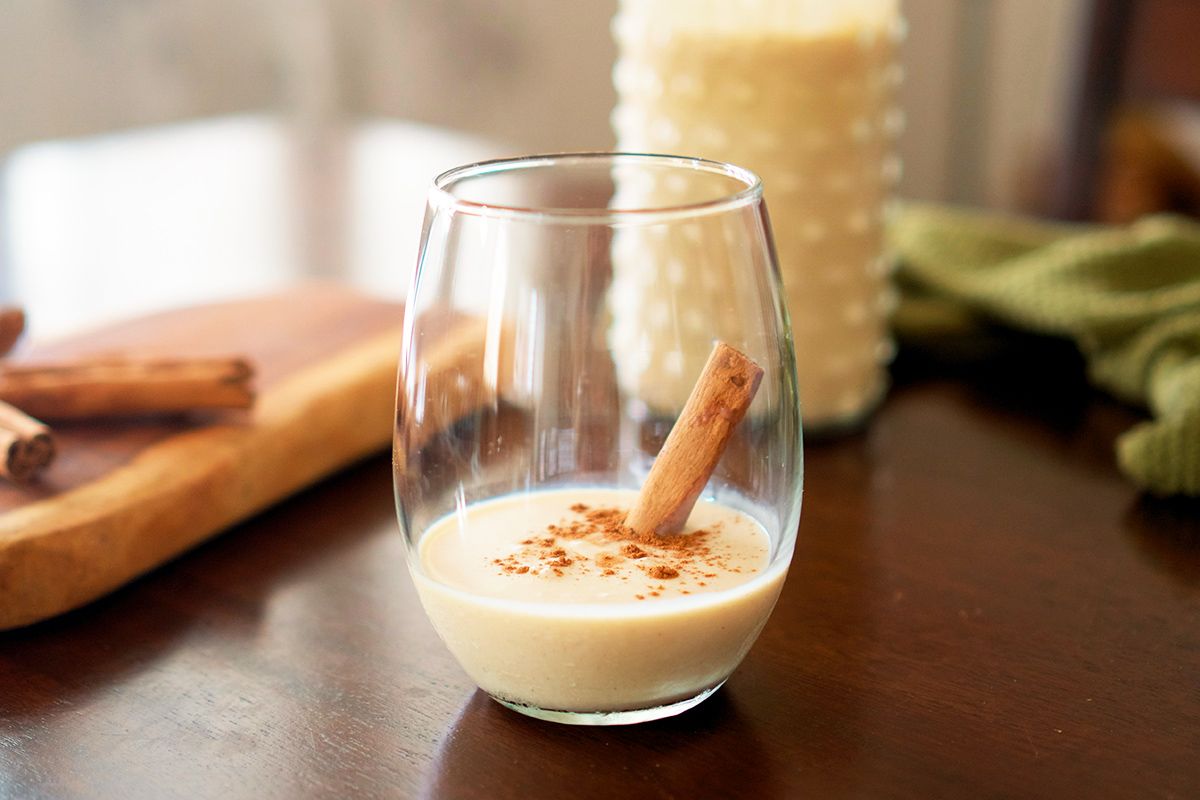
There are any number of festive beverages you can sip alongside your holiday feast, from punch and hot chocolate to mulled wine and eggnog — most of them available with or without alcohol. Obviously, anything containing alcohol can leave you feeling sick the next day if you overindulge. But in the case of eggnog, foodborne illness can also be an issue.
Commercial eggnog is made with pasteurized eggs, so it’s pretty safe to drink unless it’s left out for too long. Homemade eggnog is a different story: Recipes often call for raw eggs, and they can contain salmonella, so it’s much riskier.
If you love homemade eggnog, you can make it with pasteurized eggs from your supermarket. They’re usually sold as liquid egg products, but you can also find them in shell. (In either case, the packaging will state that they’ve been pasteurized, and whole eggs themselves may be stamped with a “P.”) A second option is looking for a recipe that cooks the eggs, killing the bacteria (like Alton Brown’s). You’ll end up with a rich, smooth eggnog that’s thick like store-bought but flavored the way you like it.
Custard-Filled Pies
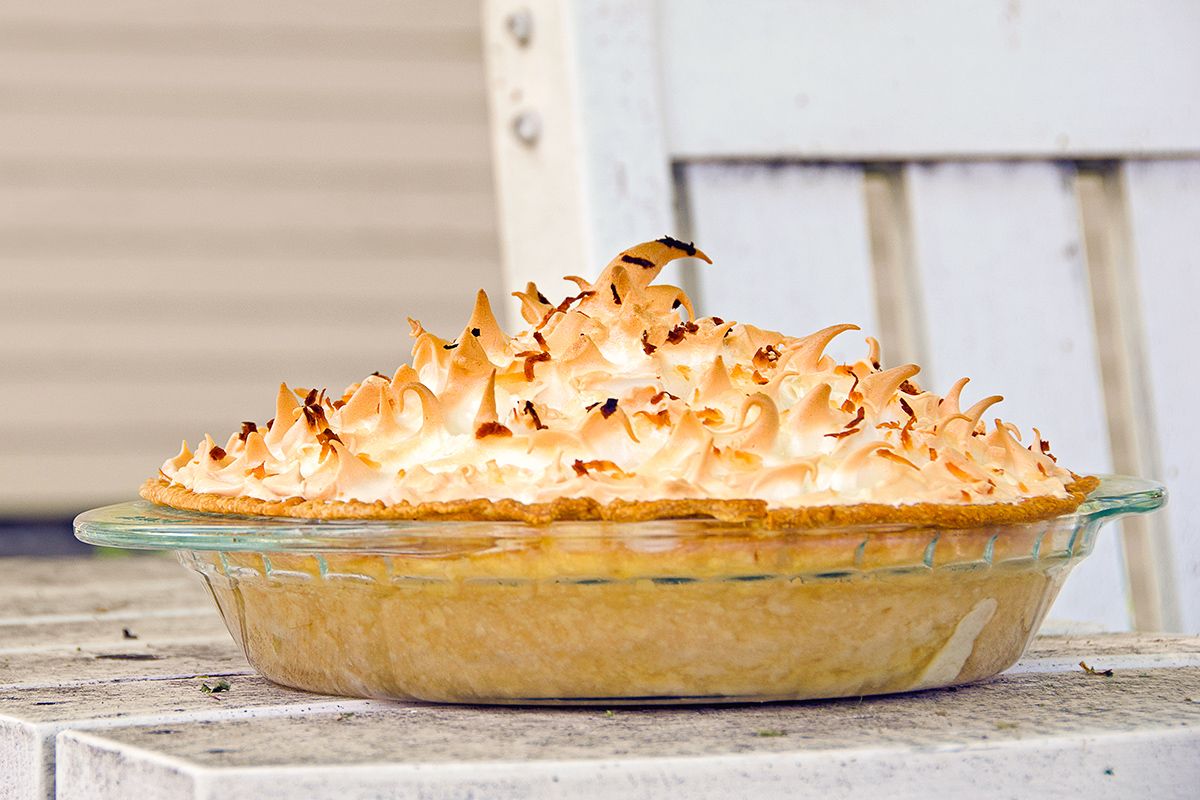
After the big holiday meal (and once you’ve loosened your belt a notch or two) comes dessert, and if you’re lucky, the spread will have a pie or two. Fruit pies aren’t a big issue where food safety is concerned, but custard-type pies containing eggs are a different story: They’re a perfect breeding ground for bacteria because they’re high in moisture and protein and low in acidity. This includes pumpkin pie, chocolate or butterscotch pie, cream of coconut pie, banana cream pie, pecan pie, and any baked cheesecakes. If your favorite bar cookies have a cheesecake-style filling, this applies to them as well.
Thankfully, you don’t need to take any unusual steps to protect yourself and your guests. Just follow standard food safety guidelines: Keep pies refrigerated until you’re ready to serve them, and never let them sit out at room temperature for more than two hours.
Cookie Dough and Cake Batter
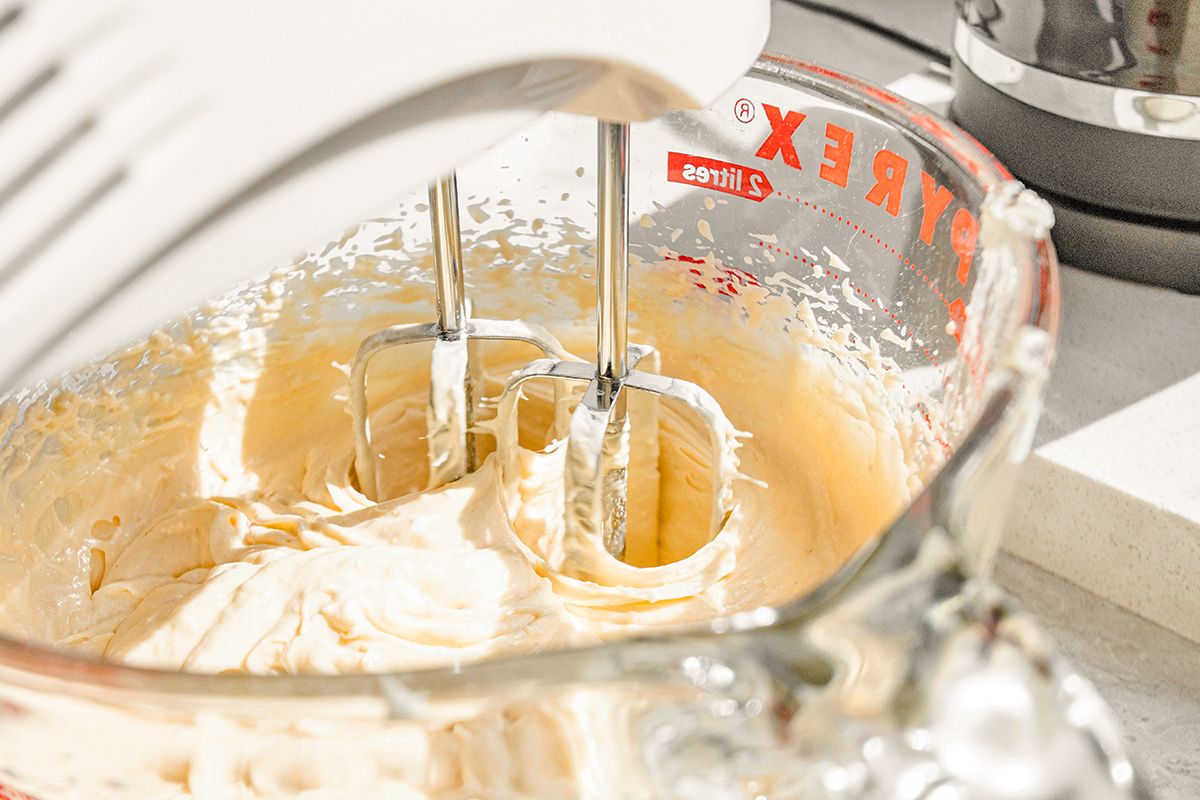
Even people who seldom bake the rest of the year go on a baking binge over the holidays, turning out cookies, cakes, and various dessert bars in quantity. We’re only human, so it’s entirely understandable if you eat some cookie dough or lick cake batter from the beater. But this bad habit can leave you feeling ill a couple of days later.
This is another spot where you can reduce the risk by using pasteurized eggs. But flour itself can also contain dangerous bacteria, and there isn’t really a reliable way to pasteurize it at home. So it’s safer if you keep your fingers out of the bowl and buy safe-to-eat cookie dough from the store to scratch that itch.
Shellfish
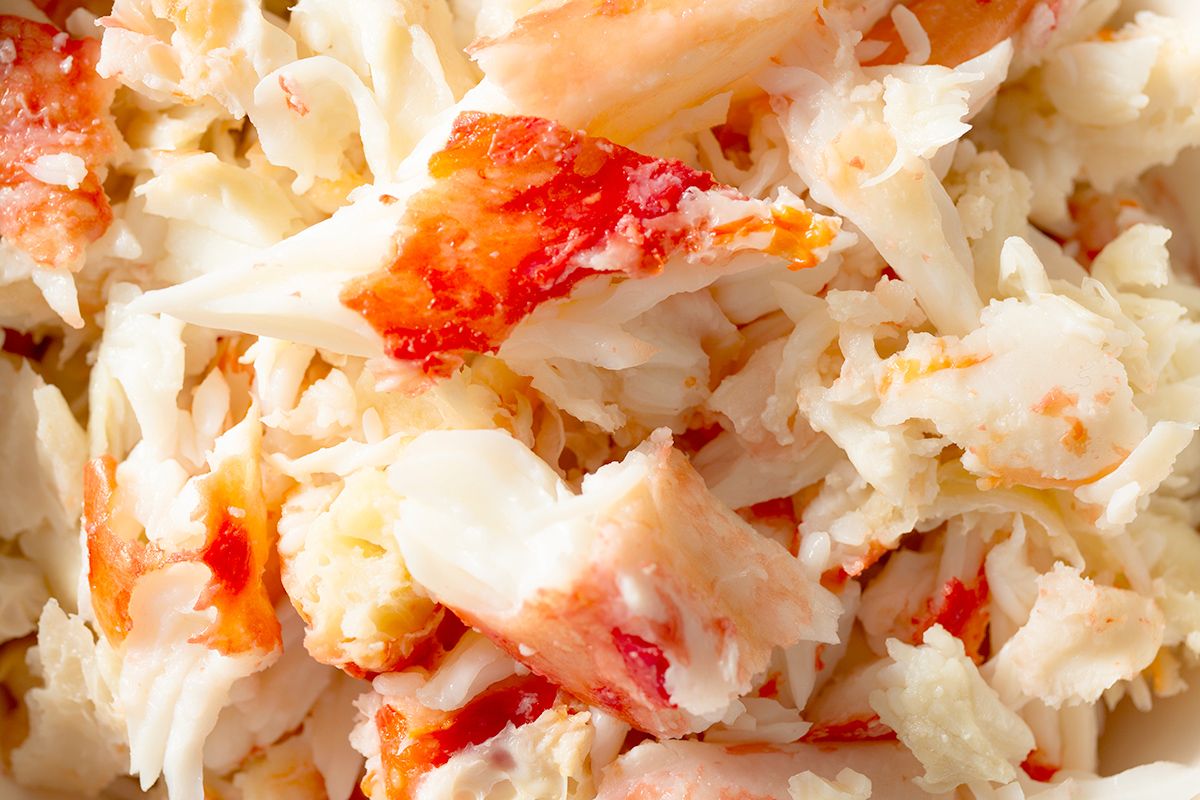
You may not picture shellfish and crustaceans as part of your holiday meal, but they’re often part of it just the same. Maybe your grandma’s turkey stuffing recipe calls for oysters, or you have a favorite crab dip you put out as an appetizer.
Shellfish are extremely perishable and often carry dangerous bacteria, so you need to be careful. Whether you buy them frozen or fresh, make sure you get them from reliable sources and keep them cold from the moment you buy them to the moment you cook them. A few specific tips:
• Cold shellfish, like shrimp cocktail, need to be kept on ice or replaced frequently. Don’t leave them at room temperature for more than two hours.
• Uncooked clams, mussels, and other mollusks should close when you tap them and open once they’re cooked. If they fail either test, discard them.
• Foods served hot (lobster, crab legs and claws, or dips containing seafood) must be kept at a food-safe temperature of 140 degrees Fahrenheit or higher, or be removed and replaced before they spend two hours at room temperature.
• Oysters should be cooked before you put them in your stuffing.
Appetizers and Dips
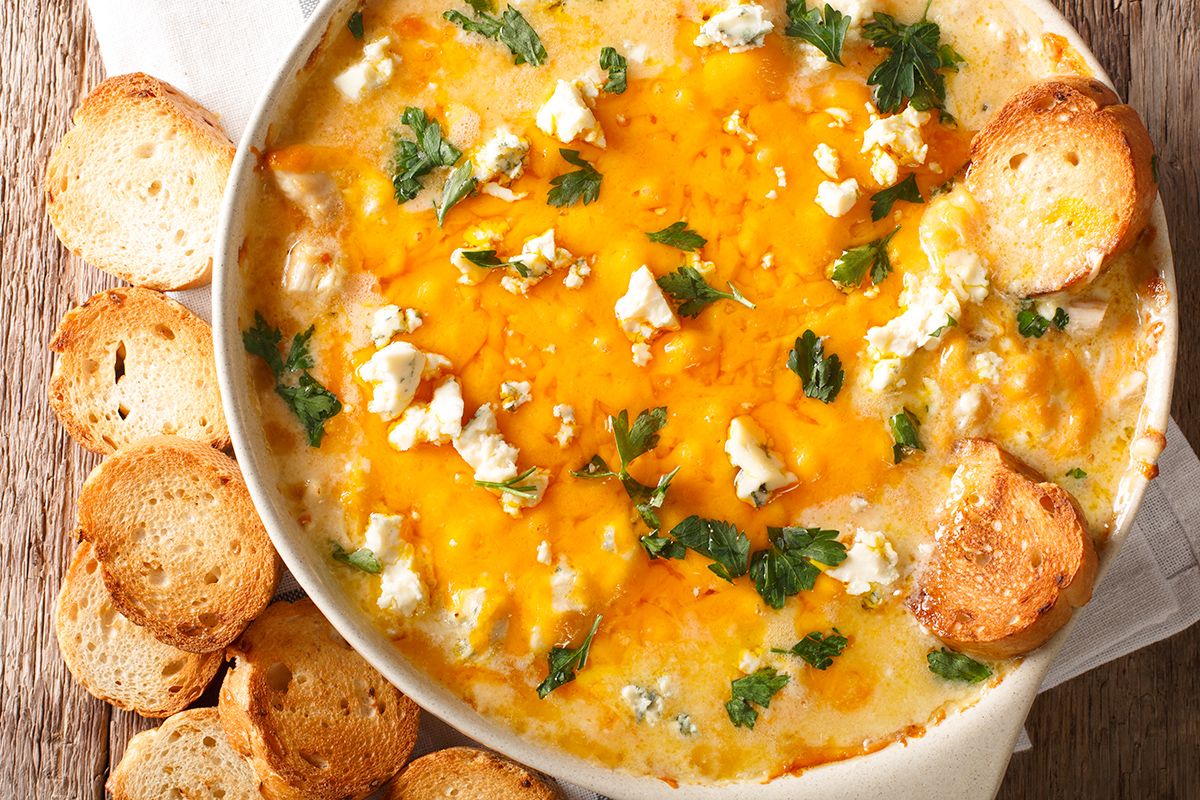
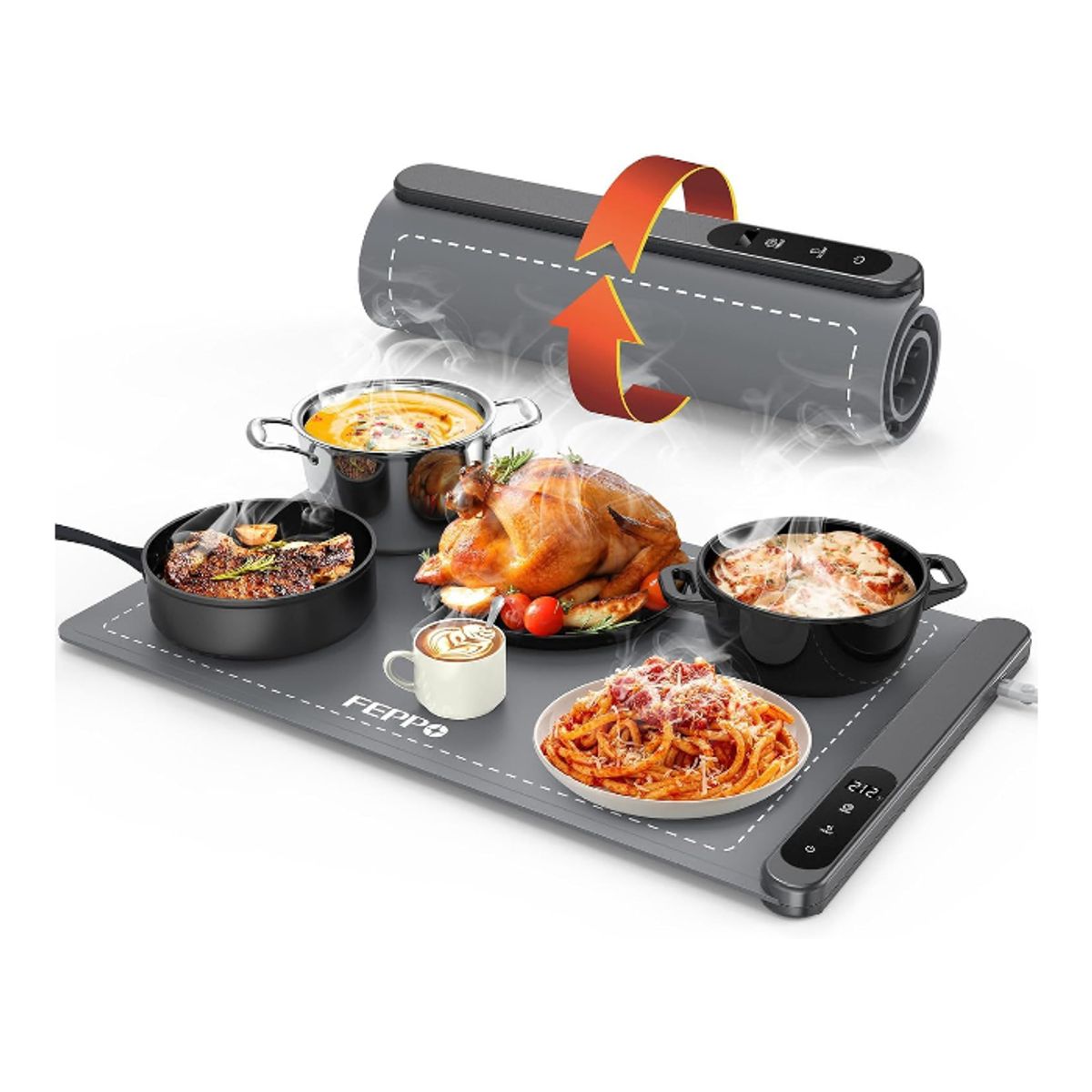
In addition to the big meal, holiday gatherings also provide an excuse to make all of your favorite apps and dips. They’re easy to set out and forget, but you still need to remember a couple of the big food safety rules: Keep hot things hot, and cold things cold; and nothing perishable sits out for more than two hours.
Some dips and appetizers are riskier than others. A bowl of salsa can sit out because it’s acidic enough to deter bacterial growth. But dips made with eggs, sour cream, cream cheese, shredded chicken, real or faux crab, or similar ingredients are all susceptible to bacterial growth. You’ll need to keep hot things above 140 degrees Fahrenheit and cold things below 40 degrees Fahrenheit to ensure they’re food-safe.
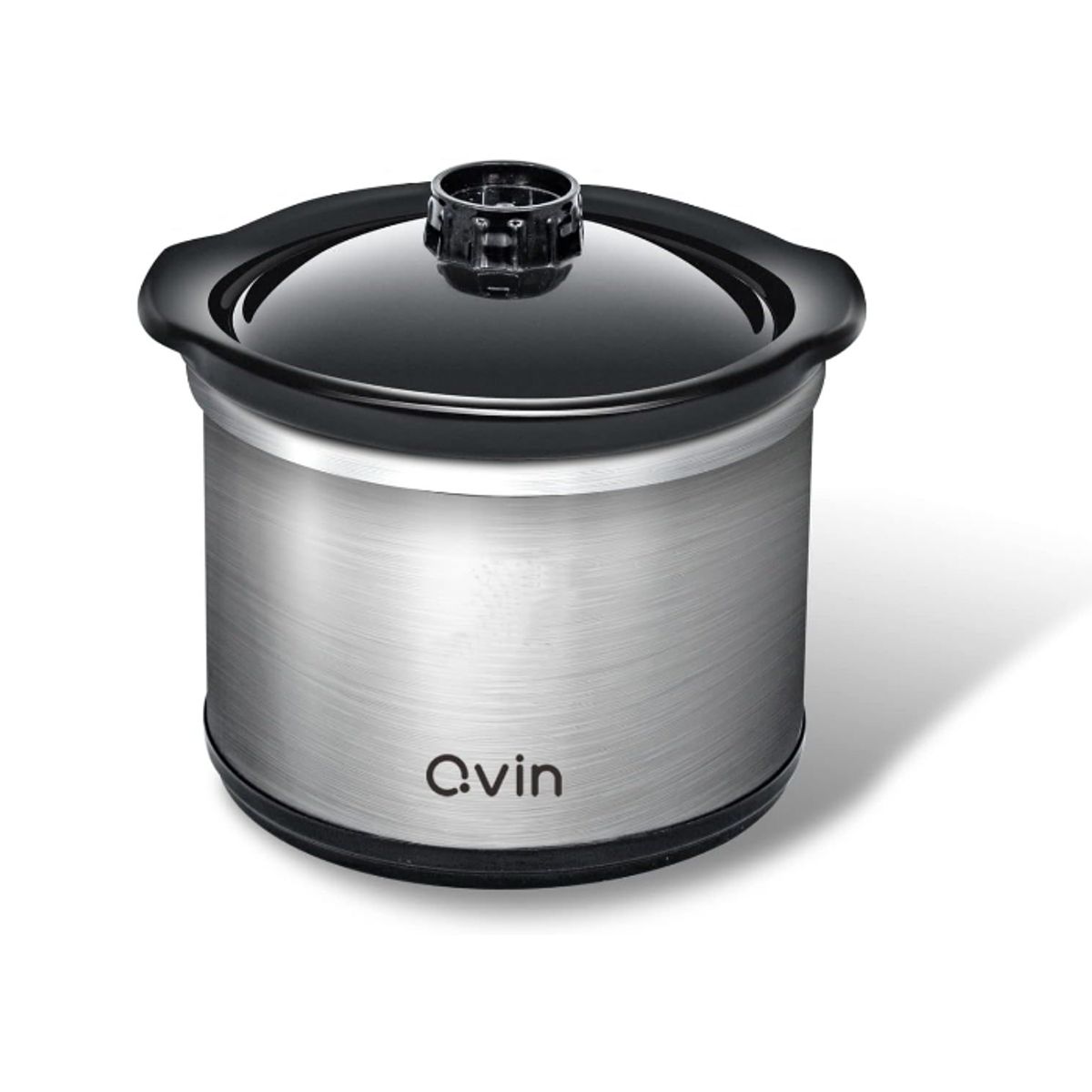
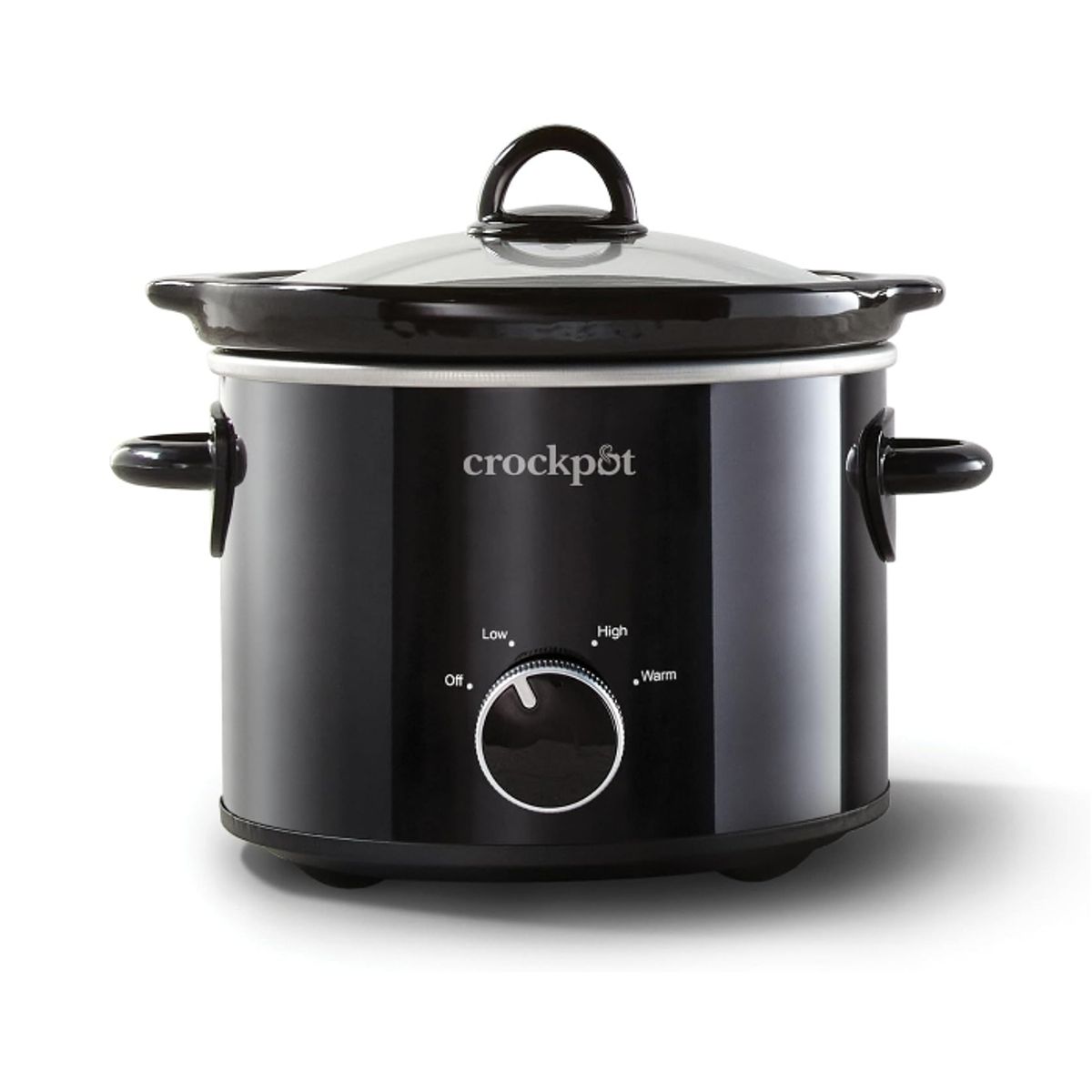
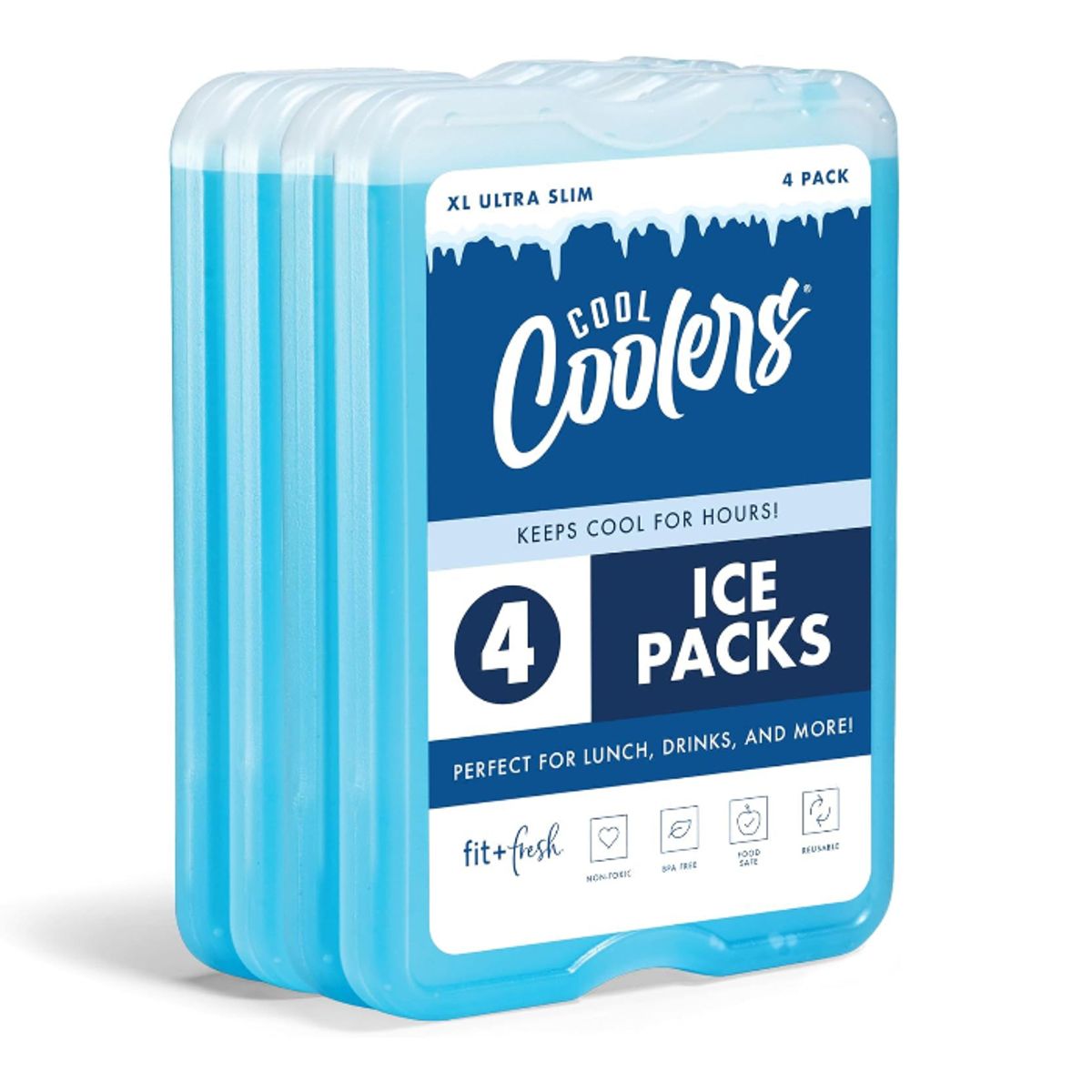
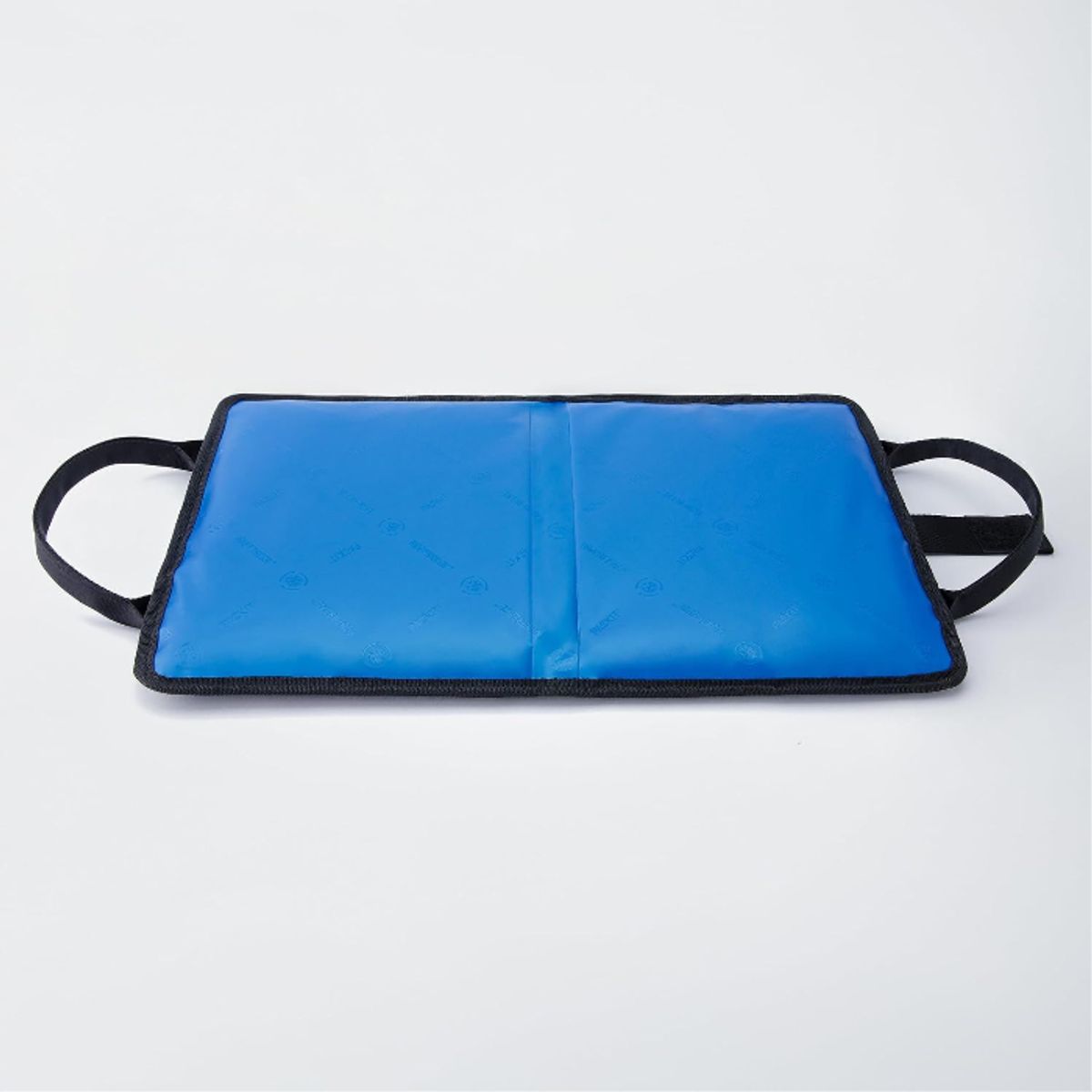
Small slow cookers (available in sizes ranging from 2 cups to 2 quarts) work well for hot things, and slim freezer packs like these can sit beneath a tablecloth and chill your charcuterie trays. Alternatively, rather than loading the tables once and worrying about their temperature all night, you can bring out hot and cold items in smaller batches throughout the evening.
Holiday Leftovers
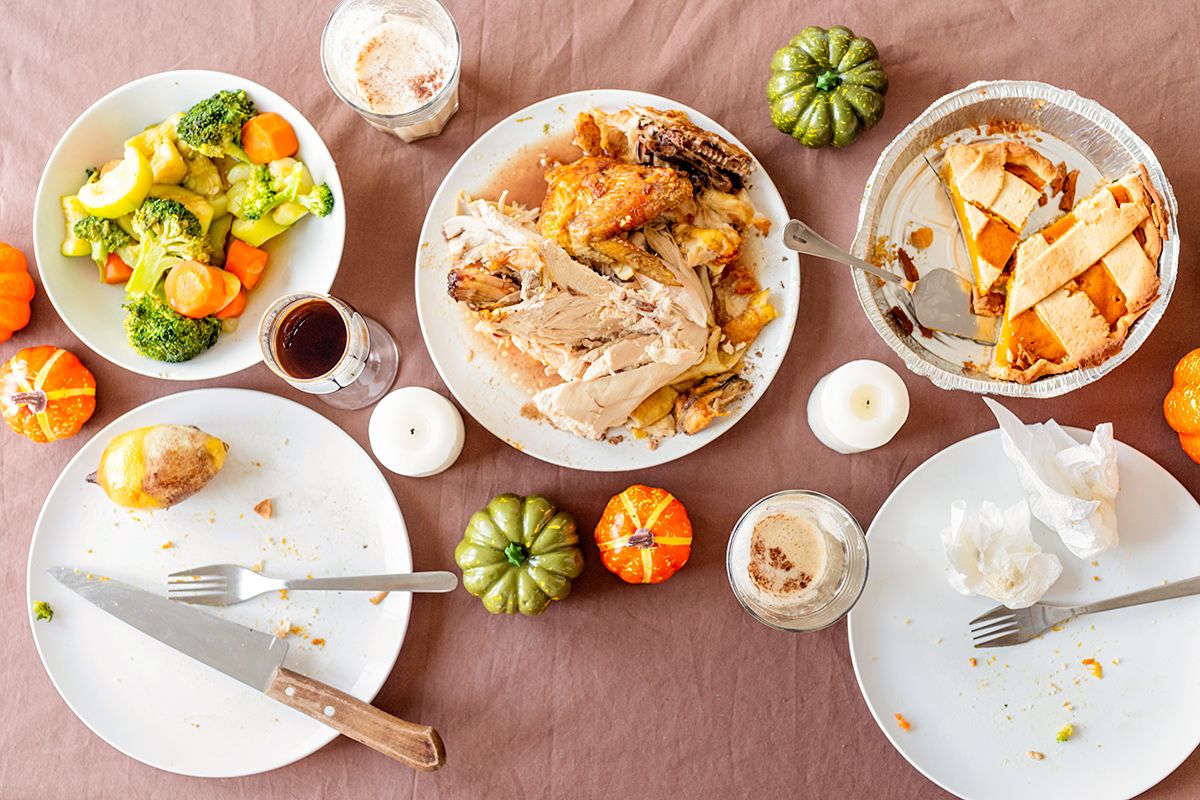
A lot of people insist that the best thing about a big holiday meal is the leftovers. If you’re one of them, you may even plan ahead so that you have extra gravy or your favorite side dish to nosh on later. But leftovers arguably give you more room for error than anything else you’ll eat over the holidays, so let’s review some basics.
First, of course, is getting your leftovers into the fridge as soon as possible after the meal. The turkey, stuffing, gravy, and any side dishes containing eggs or dairy products should be divided between small containers for faster cooling, since those are the highest-risk items. Anything you’re not going to eat tomorrow should go straight into the freezer, where it will keep for months. (It’s way too easy to forget your leftovers in the fridge, and they’re safe there for no more than three to four days.)
When you’re ready to eat your leftovers, thaw them safely in the refrigerator overnight to heat up the next day, or thaw them in water or the microwave for immediate cooking. (Heating from frozen is also an option, as is eating them cold — if you’ve handled them correctly.) If you’re heating them up, leftovers should always be brought to 165 degrees Fahrenheit to kill any bacteria that may be present. If you’ve thawed the food overnight in your fridge, and paid scrupulous attention to safe handling while you reheated it, you can safely repack and refreeze any “leftover leftovers” for another day.
Food Safety Products for the Holiday Season
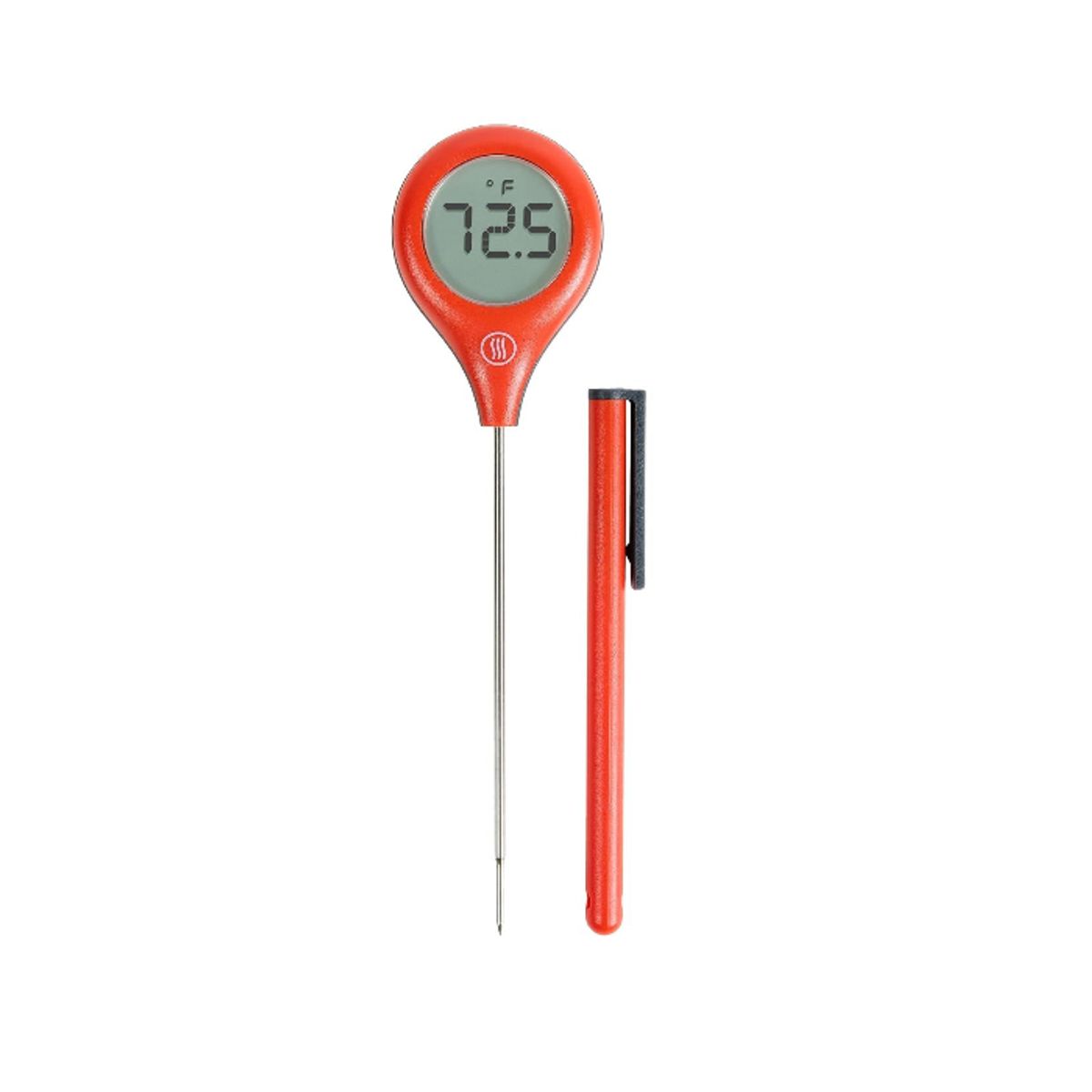
Prices accurate as of November 3, 2026. Subject to change.
Featured Image Credit: © Delcio F/peopleimages/stock.adobe.com
More From Our Network
Better Report is part of Inbox Studio, an email-first media company. *Indicates a third-party property.




Fred Decker is a trained chef and former restaurateur. Since closing his restaurants over a decade ago he has been a prolific freelance writer, publishing several thousand articles on dozens of high-volume websites including Taste Of Home, Hunker, Tasting Table, Week&, eHow, and GOBankingRates. He lives on a rural acreage shared with a big garden, chickens, rabbits, and grandkids.
This article is for general informational purposes only.
Affiliate Disclaimer Medical Disclaimer Financial Disclaimer