Skip to content
Better Report
  • Home
  • Health
  • Wealth
8 Low-Maintenance Plants That Thrive on Neglect
  • Search
  • Subscribe
  • Home
  • Health
  • Wealth
  • About
  • Privacy Policy
  • Terms of Use
  • Contact Us
  • SubscribeSubscribe
  • Search
Thank you for confirming your email! Welcome to the community.

Tag: beauty

Why You Should Never Go To Bed With Wet Hair

Health | Updated: April 27, 2026
Nicole Pyles
Author
Based in Portland, Oregon, Nicole Pyles is an experienced freelance writer who writes about home and kitchen, health and wellness, and more. She's written for a variety of outlets, including Better Homes and Gardens, Tom's Guide, Better Report, and more.
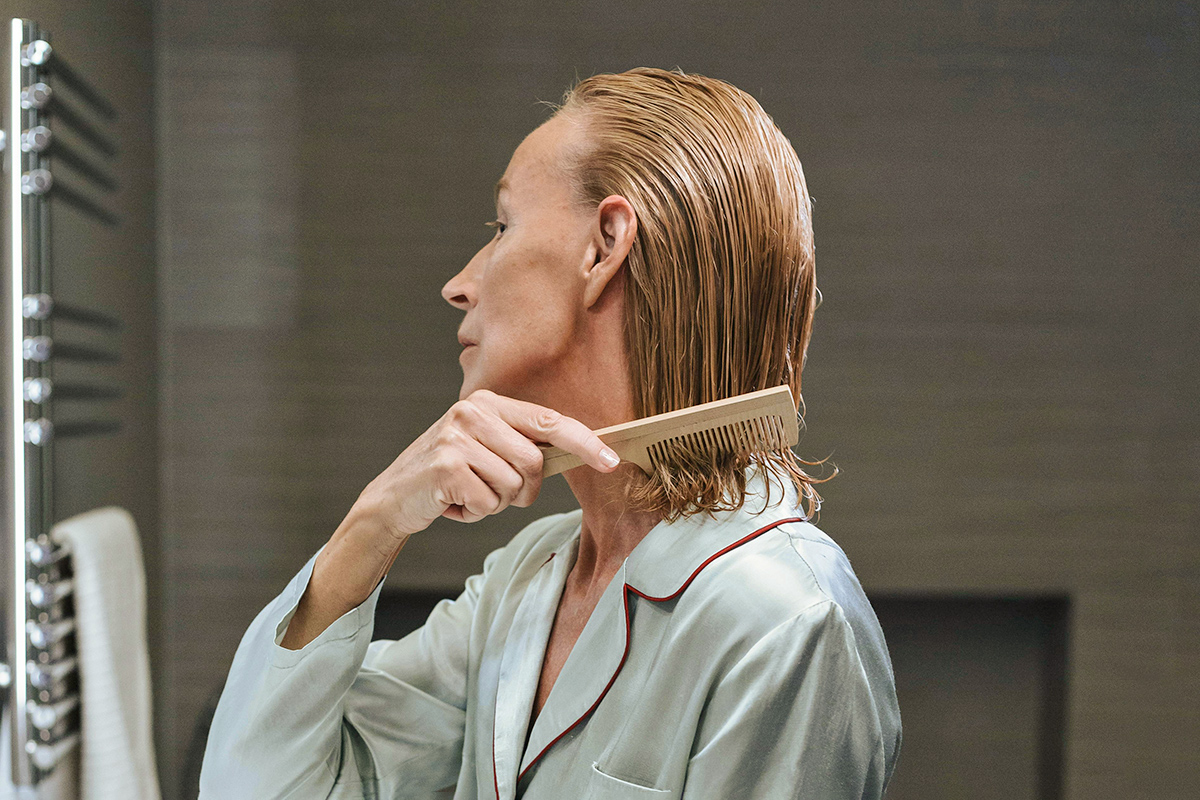
Woman brushing wet hair
Better Report

All featured products and deals are selected independently and objectively by the author. Better Report may receive a share of sales via affiliate links in content.

There are plenty of ways to save a few minutes as you go about your day. Meal prepping. Signing up for TSA PreCheck. Using the Pomodoro method. But while it might seem like a hack, going to bed with your hair wet and letting it dry while you snooze is, unfortunately, not one of them. It may be tempting — especially after a long day — but this practice does more harm to your hair, your skin, and your health than you might realize. 
Advertisement
Advertisement
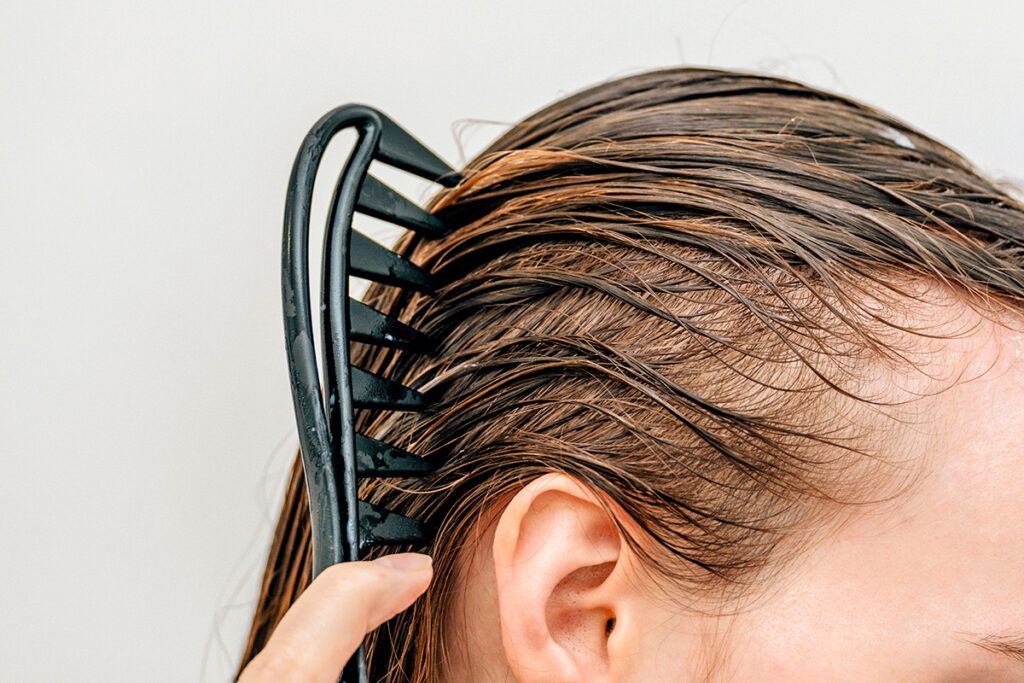
Person running comb through wet hair
Credit: © Dmitrii Shirnin/Unsplash.com

What’s So Bad About Going to Bed With Wet Hair?

“Don’t go to sleep with wet hair” sounds like an old wives’ tale — yet there is truth to it. One reason you shouldn’t do so is that you risk damaging your hair, which is most vulnerable when wet. “The cuticle is lifted, so it stretches more easily and breaks way faster,” says Erin Davis, scalp health educator and founder of the hair and skin care brand Erin & Mae Co.

Combine that with tossing and turning that happens while you sleep, and “you’re basically creating friction all night long,” she says. All of this movement can harm your luscious locks. 

But there’s more to fear than split ends. A damp environment puts your skin — including your scalp — at risk for infections. Davis says that the warm and damp environment created by wet hair  is the perfect atmosphere for “yeast and bacteria to grow,” which can lead to problems like “itchiness, flakes, or irritation.” You also increase your risk for folliculitis, a condition where pimple-like bumps appear on the scalp.

Recommended Articles

  • 5 Things To Ask Your Doctor About the New Flu Shot

  • Is Sourdough Actually Healthier Than Regular Bread?

  • Do You Really Need a Bidet in Your Home?

  • Is It Actually Better To Lease a Car?

Advertisement
Advertisement

Reader Favorites

  • Woman looking in fridge

    9 Foods You Should Toss ASAP if They’re Expired

  • Person eating salad

    7 Things a Chef Never Orders at a Restaurant

  • Cherry angioma

    Are the Tiny Red Dots on Your Skin Dangerous?

Anyone who goes to bed with wet hair could face these issues, but those with long or thick hair have increased risk. “[Long] hair holds moisture way longer, especially toward the mid-lengths and ends. So if you have long or thick hair, it’s likely staying wet for hours while you sleep,” Davis says. “Short hair usually dries faster, so the risk is lower, but your scalp is still sitting in that damp environment for a bit, so it’s not totally risk-free.” 

To make matters worse, the bacteria from your scalp can transfer to your pillowcase and end up on your face. “That moisture sits there overnight and can turn into a breeding ground for bacteria and yeast. Then you’re laying your face on it for hours,” Davis says. “This is one of those sneaky things that can contribute to breakouts or irritation, especially if you already have sensitive skin.”

Advertisement
Advertisement

Your pillowcase is also a haven for bacteria that can transfer to your head and scalp. One study showed that in just a week, pillowcases accumulated 3 million colony-forming units (CFUs) of bacteria per square inch — more than 17,000 times the CFUs on a toilet seat. 
Advertisement
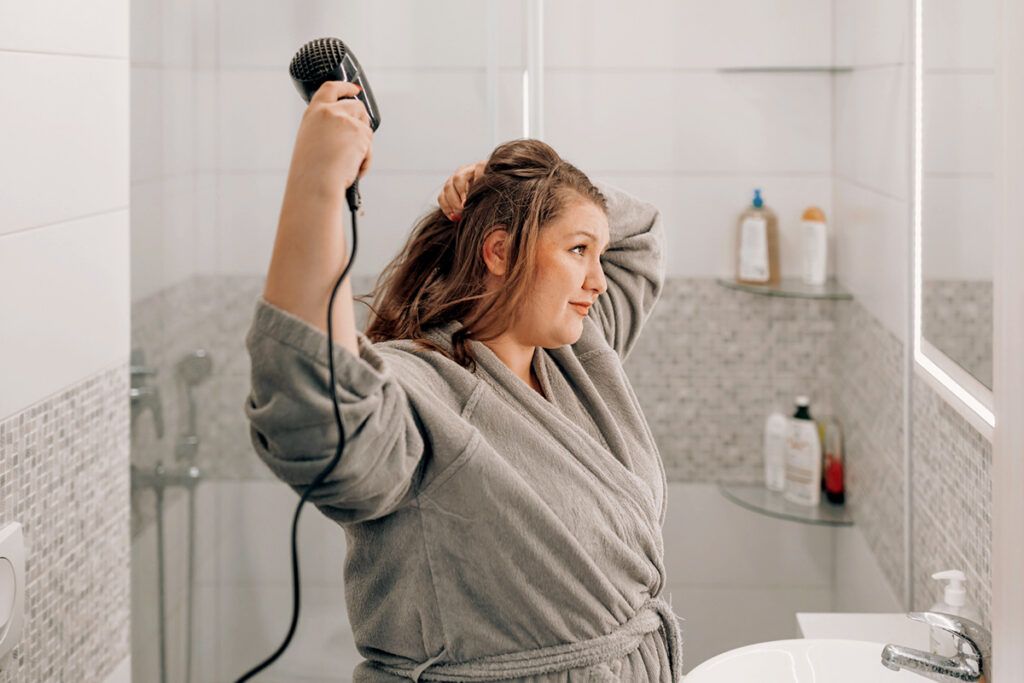
Woman blow drying hair
Credit: © RealPeopleGroup/iStock

What You Can Do If You Fall Asleep With Wet Hair

There’s no need to cut evening showers from your routine. Davis recommends hitting the hay with your hair at least 70% to 80% dry. Use a hair dryer — she recommends the CONFU Ionic Blow Dryer —  to blow dry your roots if needed. Braiding your hair will help reduce friction, and some experts also recommend picking up a silk pillowcase. 

Advertisement
Advertisement

If you can’t get your hair dry before bed, though, take comfort in the fact that a night or two of falling asleep with a wet head won’t do too much harm — it’s when it becomes a regular part of your routine that you may have problems. 

If you do end up falling asleep with wet hair, Davis recommends taking time in the morning to give your hair some TLC. “Gently detangle [your hair] starting from the ends,” she says. Then, give your scalp “a light massage to get circulation going” using your fingers or a massage brush. And don’t forget to swap out your pillowcase for a clean one — Davis recommends flipping your pillow nightly and changing your pillowcase every four days.

Advertisement
Advertisement

Feature Image Credit: © Ron Lach/Pexels.com

More From Our Network

Better Report is part of Inbox Studio, an email-first media company. *Indicates a third-party property.

Go Retro With This 1960s Fashion Quiz

Quiz Daily

Go Retro With This 1960s Fashion Quiz

True or False: Are You a Master of U.S. Geography?

Travel Quiz

True or False: Are You a Master of U.S. Geography?

5 Reasons You Can Be Denied Boarding an Airplane

Daily Passport

5 Reasons You Can Be Denied Boarding an Airplane

What Did People Do Before Eyeglasses?

History Facts

What Did People Do Before Eyeglasses?

How To Use a Balloon To Clean Up Dust

House Outlook

How To Use a Balloon To Clean Up Dust

11 Shopping Hacks Costco Members Should Know

FinanceBuzz*

11 Shopping Hacks Costco Members Should Know

Share this article

  • Share to Facebook
  • Share to Twitter
  • Copy Url
  • Share to Email
Nicole Pyles
Writer

Based in Portland, Oregon, Nicole Pyles is an experienced freelance writer who writes about home and kitchen, health and wellness, and more. She's written for a variety of outlets, including Better Homes and Gardens, Tom's Guide, Better Report, and more.

This article is for general informational purposes only.
Affiliate Disclaimer Medical Disclaimer Financial Disclaimer

Updated: September 18, 2024
Posted In: Health
Hero Image Credit: Better Report
Advertisement

Related Articles

5 Things To Ask Your Doctor About the New Flu Shot

5 min read

Is Sourdough Actually Healthier Than Regular Bread?

7 min read

Do You Really Need a Bidet in Your Home?

4 min read

3 Common Sleep Habits That May Be Aging Your Brain

5 min read

Is the Traditional Mediterranean Diet Actually the Best for Your Brain?

4 min read
Advertisement

Your Winter Skin Care Won’t Work for Spring — Here’s What Will

Health | Updated: March 26, 2026
Erin McCarthy
Author
Erin is a writer, editor, and content strategist living in the New York City area. Previously, she was the VP/Editor-in-Chief of MentalFloss.com and an editor at Popular Mechanics magazine. When she’s not working, Erin is hanging out with her cats, reading books from her never-ending TBR, traveling, karaoking, and making sourdough with her starter Stephen Sondheim.
Woman looking in mirror putting on skin care
Better Report

All featured products and deals are selected independently and objectively by the author. Better Report may receive a share of sales via affiliate links in content.

As winter’s freezing temperatures and snow give way to relatively balmy spring weather, you’re probably breathing a sigh of relief — finally, you can go outside without covering up from head to toe. But if you haven’t changed up your skin care with the seasons, your skin could be paying the price. 

There are a number of ways spring can wreak havoc on your skin, and the routine you’ve been using all winter simply can’t conquer them. We asked an expert for tips to ease the transition.

Woman looking in mirror touching face
Credit: © Riska/iStock

Why Your Skin Suffers in the Spring

If someone asked you which season is hardest on your skin, you’d probably go with either winter, thanks to its chilly weather, or summer, due to its intense sun — and you wouldn’t necessarily be wrong. But spring is surprisingly tough on the skin, too.

Advertisement
Advertisement

One reason why is allergens, which, in addition to triggering sneezing fits and causing watery eyes, can also irritate the skin. “The skin contains mast cells which store histamine. When the skin is disrupted, those cells release histamine as a defense mechanism,” Nicole Hollander, RN, BSN, says. Hollander is the owner and operator of HUSH Medical Aesthetics in Buckingham, Pennsylvania, and has spent 15 years focused on aesthetics. Allergens such as pollen, as well as things like dust and mold, can set off a histamine release that leads to itchy, rashy skin. And if you have eczema or psoriasis, you may experience flare-ups at this time due to pollen in the air getting in the skin.  

To make matters worse, temperature can be all over the place as the seasons change, and those fluctuations can cause dryness and flakiness. You might also see breakouts from rising humidity. Sweating and friction from clothing as you’re exercising can be sources of skin irritation, too, as can bug bites. 

Recommended Articles

  • 5 Things To Ask Your Doctor About the New Flu Shot

  • Is Sourdough Actually Healthier Than Regular Bread?

  • Do You Really Need a Bidet in Your Home?

  • Is It Actually Better To Lease a Car?

Advertisement
Advertisement

Reader Favorites

  • Woman looking in fridge

    9 Foods You Should Toss ASAP if They’re Expired

  • Person eating salad

    7 Things a Chef Never Orders at a Restaurant

  • Cherry angioma

    Are the Tiny Red Dots on Your Skin Dangerous?

Additionally, as the weather warms up, you’ll likely want to spend more time outdoors, exposing your skin to more sun — and therefore more harmful UV rays. Springtime sun is more intense than many people realize, which could lead to sunburns, hyperpigmentation, premature aging, and other skin damage. 

Advertisement

Transitioning From Winter to Spring

According to Hollander, a winter skin care routine will be “vastly different” from the one you want for spring and summer. The colder months’ harsh weather, combined with the hot, dry air used inside, can lead to dehydrated, sensitive skin, so winter skin care should focus on using thick, moisturizing products that will hydrate the skin, and exfoliating products should be used sparingly. 

Advertisement
Advertisement

Spring, however, is the time to switch things up — but it’s important to consult with your aesthetician and/or dermatologist before making changes to your routine, because disruptions to the skin barrier can also cause breakouts and irritation. With that in mind, here are a few general tips.

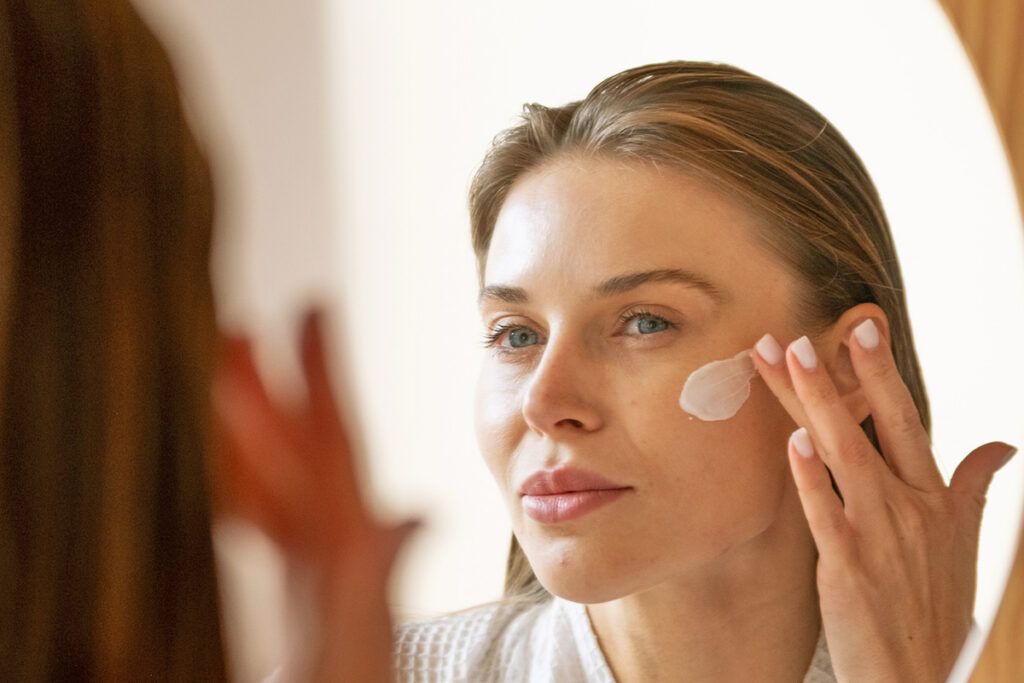
Woman putting on moisturizer
Credit: © AscentXmedia/iStock

Get a Light Moisturizer 

Spring’s rising temperatures and increasing humidity mean your skin will produce more of a natural oil called sebum. Thicker moisturizers could clog your pores and lead to breakouts, so you’ll want to opt for a lightweight moisturizer like Alastin’s Ultra Light Moisturizer or a product with hyaluronic acid (a naturally occurring substance in the body that retains moisture), like PCA SKIN Hyaluronic Acid Boosting Serum. 

Advertisement
Advertisement
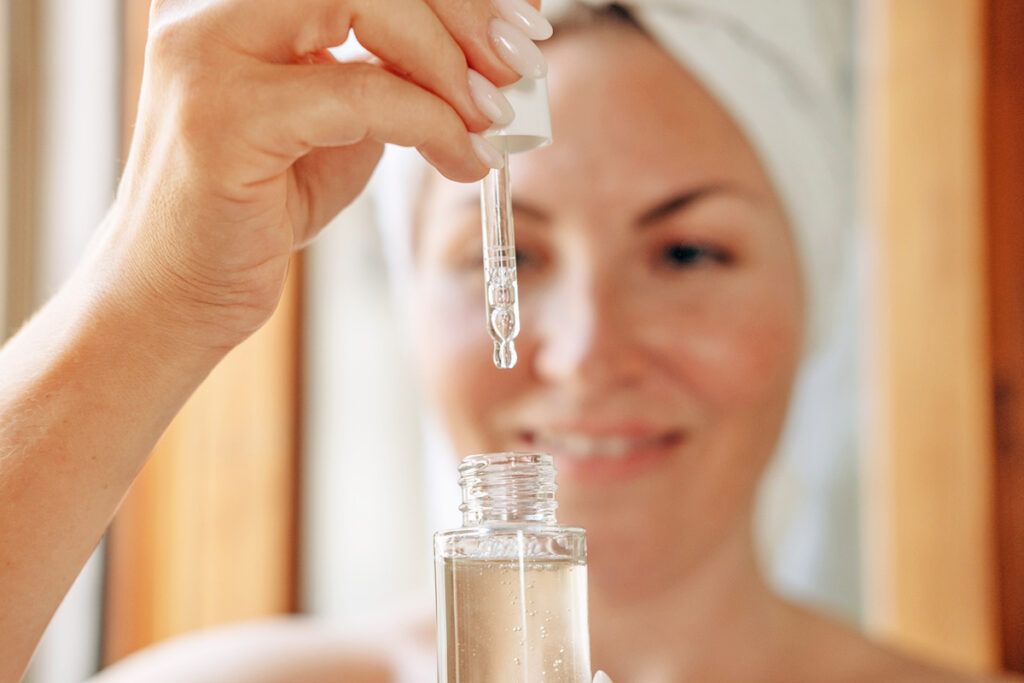
Woman using dropper to apply antioxidants
Credit: © gloria mwivanda/iStock

Use Antioxidants

Hollander says it’s “imperative” at this time of year “to layer the skin with defense mechanisms” — specifically, vitamin C and other antioxidants, which protect against things like pollution and sun damage and brighten the skin to boot. She likes Isdin Flavo-C Ultraglican Ampules or SkinMedica’s TNS Essential Advanced+ Serum. 

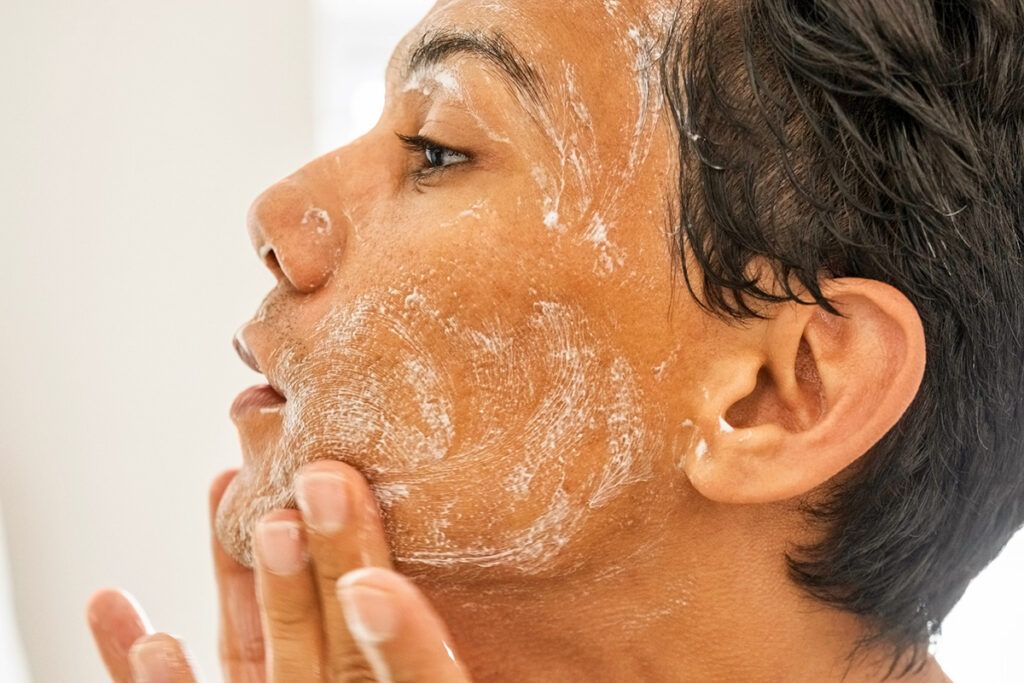
Person exfoliating face
Credit: © NickyLloyd/iStock

Exfoliate

It’s also likely that winter has left your skin dry and dull, and that spring is making you sweat more — both things that call for exfoliating to remove dead skin. Hollander likes to alternate a gentle cleanser with an exfoliating cleanser (her favorite is Obagi Medical’s Obagi360 Exfoliating Cleanser). She also recommends ZO Skin Health’s Exfoliating Polish, which she says is gentle enough to use a few times a week.

Advertisement
Advertisement
Woman holding bottle of clear serum
Credit: © Elena Katkova/iStock

Use a Retinol

Now that winter is over and your skin is less sensitive, you’ll probably want to incorporate or increase retinol or retinoid use in the spring. These vitamin A derivatives have been scientifically proven to increase skin cell turnover, stimulate collagen production, and reduce the appearance of fine lines and wrinkles. (Many over-the-counter products include retinol, but you’ll need a prescription for a retinoid.) 

Advertisement
Advertisement

Hollander recommends this step for people over the age of 25, when collagen production starts to slow down. “Retinols are a gentler version of a retinoid and a great way to introduce this [element] into your skin care routine,” she says. When you build up tolerance to retinol, you can switch over to a retinoid. Note that you may experience sensitivity and redness when adding these products into your skin care regimen. That’s normal, but it’s important to have the guidance of a skin care professional to figure out what’s best for you. 

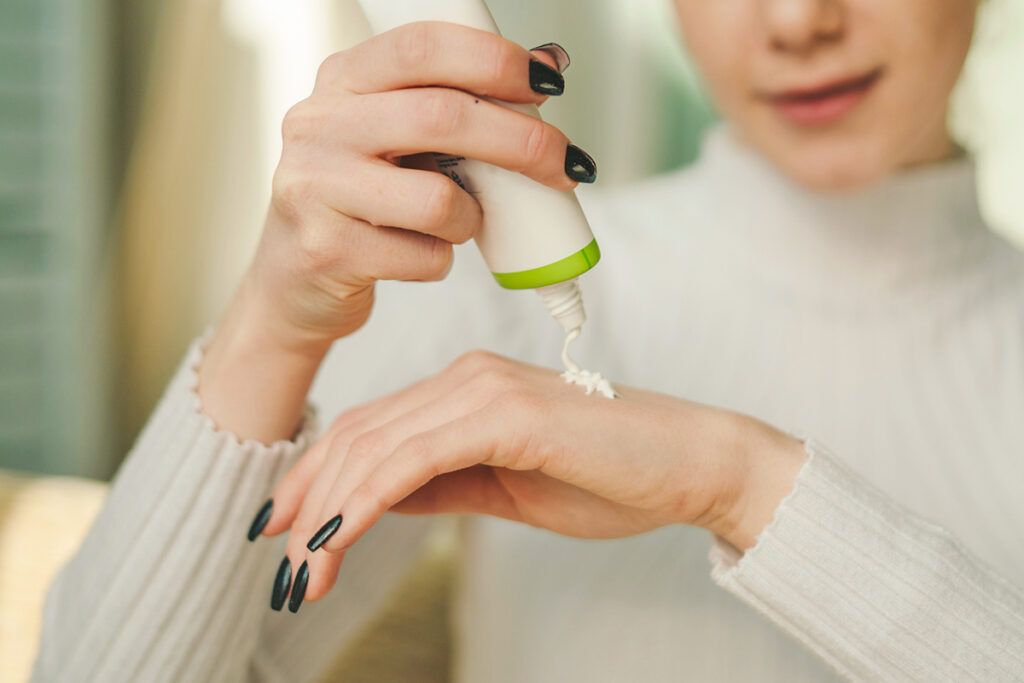
Woman putting sunscreen on hand
Credit: © Strelciuc Dumitru/iStock

Don’t Forget To Wear — and Reapply — Your Sunscreen

Hollander calls retinol one of her “two most important factors in skin care.” The other, which tops the list, is sunscreen.

Advertisement

Sunscreen should always be a part of your skin care routine, even in winter, even if it’s cloudy, and even if you’re planning to only be indoors. (And SPF in your makeup isn’t enough.) You should be aiming for at least SPF 30 for everyday use. Hollander likes Alastin HydraTint SPF for the face — which “gives the skin a glow, evens out imperfections, and can even replace a heavy foundation” — and Elta MD Skincare UV AOX Mist for the body. 

Advertisement
Advertisement

If you’re spending an extended period of time outside, make sure to use a higher SPF; Hollander recommends at least SPF 50. You might want to consider additional physical protections, too, like a hat or sun-protective clothing, “since sweating is likely and you may not be able to reapply your sunscreen,” she says. 

About that: You should be reapplying sunscreen every two hours, especially if you’re sweating or swimming, and you might want to consider reapplying even more frequently in those cases. Keeping a powder brush sunscreen in your bag will make reapplying on the face and scalp easy. Hollander suggests setting a timer when you’re outdoors so you don’t forget.

Advertisement
Advertisement

Ultimately, according to Hollander, “springtime is the time to gently ease your skin into the next season.” If you’ve established a solid routine and good habits, summer should be a breeze.

Featured Image Credit: © FilippoBacci/iStock

More From Our Network

Better Report is part of Inbox Studio, an email-first media company. *Indicates a third-party property.

Go Retro With This 1960s Fashion Quiz

Quiz Daily

Go Retro With This 1960s Fashion Quiz

True or False: Are You a Master of U.S. Geography?

Travel Quiz

True or False: Are You a Master of U.S. Geography?

5 Reasons You Can Be Denied Boarding an Airplane

Daily Passport

5 Reasons You Can Be Denied Boarding an Airplane

What Did People Do Before Eyeglasses?

History Facts

What Did People Do Before Eyeglasses?

How To Use a Balloon To Clean Up Dust

House Outlook

How To Use a Balloon To Clean Up Dust

11 Shopping Hacks Costco Members Should Know

FinanceBuzz*

11 Shopping Hacks Costco Members Should Know

Share this article

  • Share to Facebook
  • Share to Twitter
  • Copy Url
  • Share to Email
Erin McCarthy
Editor, Better Report

Erin is a writer, editor, and content strategist living in the New York City area. Previously, she was the VP/Editor-in-Chief of MentalFloss.com and an editor at Popular Mechanics magazine. When she’s not working, Erin is hanging out with her cats, reading books from her never-ending TBR, traveling, karaoking, and making sourdough with her starter Stephen Sondheim.

This article is for general informational purposes only.
Affiliate Disclaimer Medical Disclaimer Financial Disclaimer

Updated: March 23, 2026
Posted In: Health
Hero Image Credit: Better Report
Advertisement

Related Articles

5 Things To Ask Your Doctor About the New Flu Shot

5 min read

Is Sourdough Actually Healthier Than Regular Bread?

7 min read

Do You Really Need a Bidet in Your Home?

4 min read

3 Common Sleep Habits That May Be Aging Your Brain

5 min read

Is the Traditional Mediterranean Diet Actually the Best for Your Brain?

4 min read
Advertisement

Worried About Wrinkles? You Should Be Worried About This Instead

Ali Eldridge
Health | Updated: February 17, 2026
Better Report

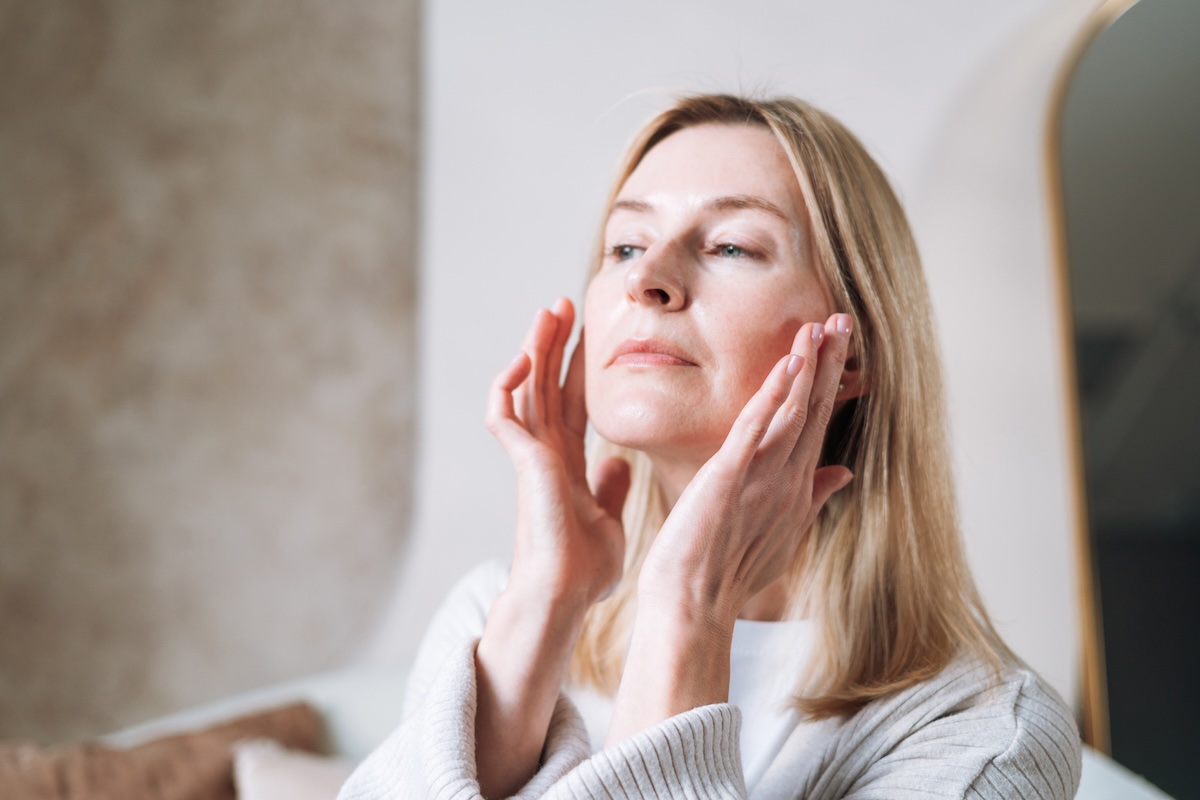
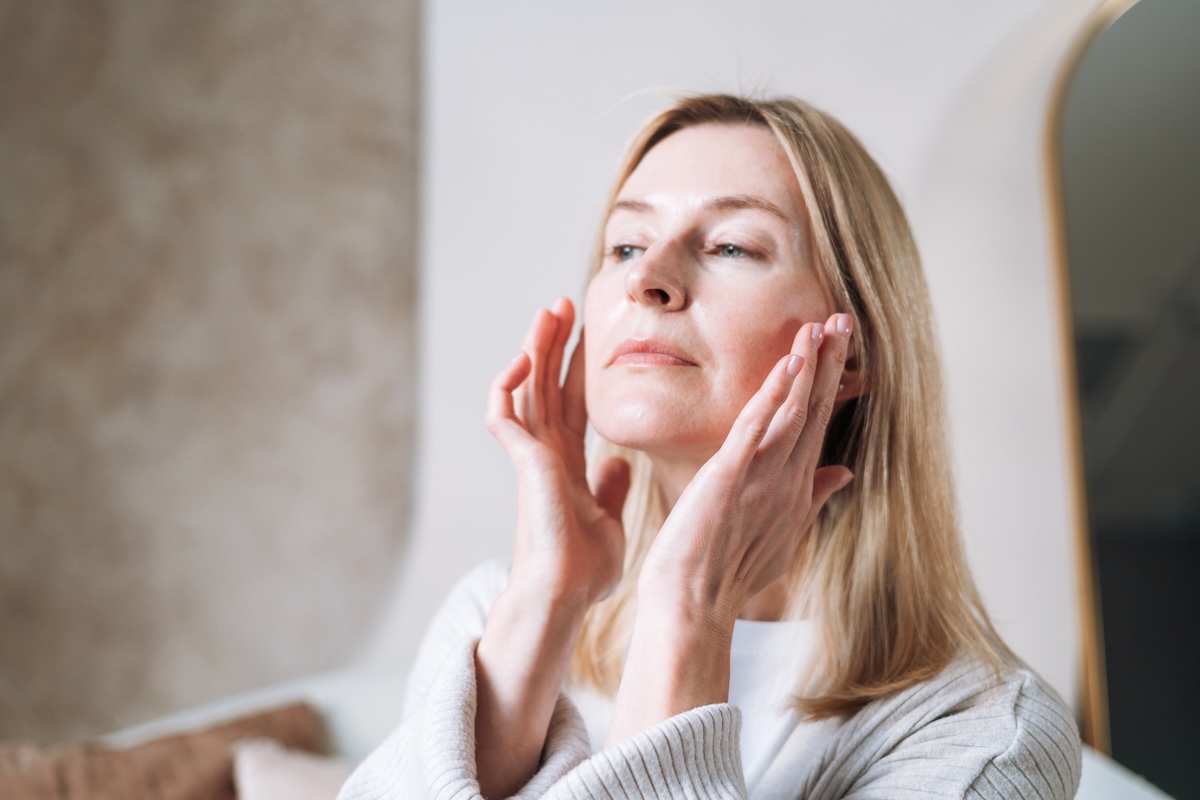
As we age, it’s not just wrinkles we should worry about. We should be mindful of the gradual loss of hydration and elasticity that makes skin seem thinner, feel less firm, and look more uneven. As we age, collagen production slows, sebum production declines, and the outermost layers of the skin lose their ability to bounce back.

Everyday habits like taking hot showers can strip away the natural oils that help skin stay hydrated and support elasticity. When that protective layer is repeatedly stripped, it weakens the skin barrier, the outermost layer responsible for keeping moisture in and irritants out. Over time, a weakened skin barrier makes skin more reactive, dry, and vulnerable to sun damage, which is why dark spots also become more noticeable with age.

That’s why I’ve built my routine around ingredients that support both firmness and barrier health: Collagen peptides help counter the natural decline in collagen that begins in our 20s. As collagen and elastin fibers break down, skin loses firmness, and fine lines become more visible. Peptides provide amino acids that support collagen production and improve elasticity, which can help smooth and plump the look of skin over time. Think of them as building blocks that help reinforce the skin’s structure as natural collagen declines. Niacinamide (a form of vitamin B3) works differently but just as importantly. It strengthens the skin barrier, helps it retain moisture, improves uneven tone, and softens the appearance of pores and fine lines. It’s an ingredient that makes skin look healthier overall, not just younger.

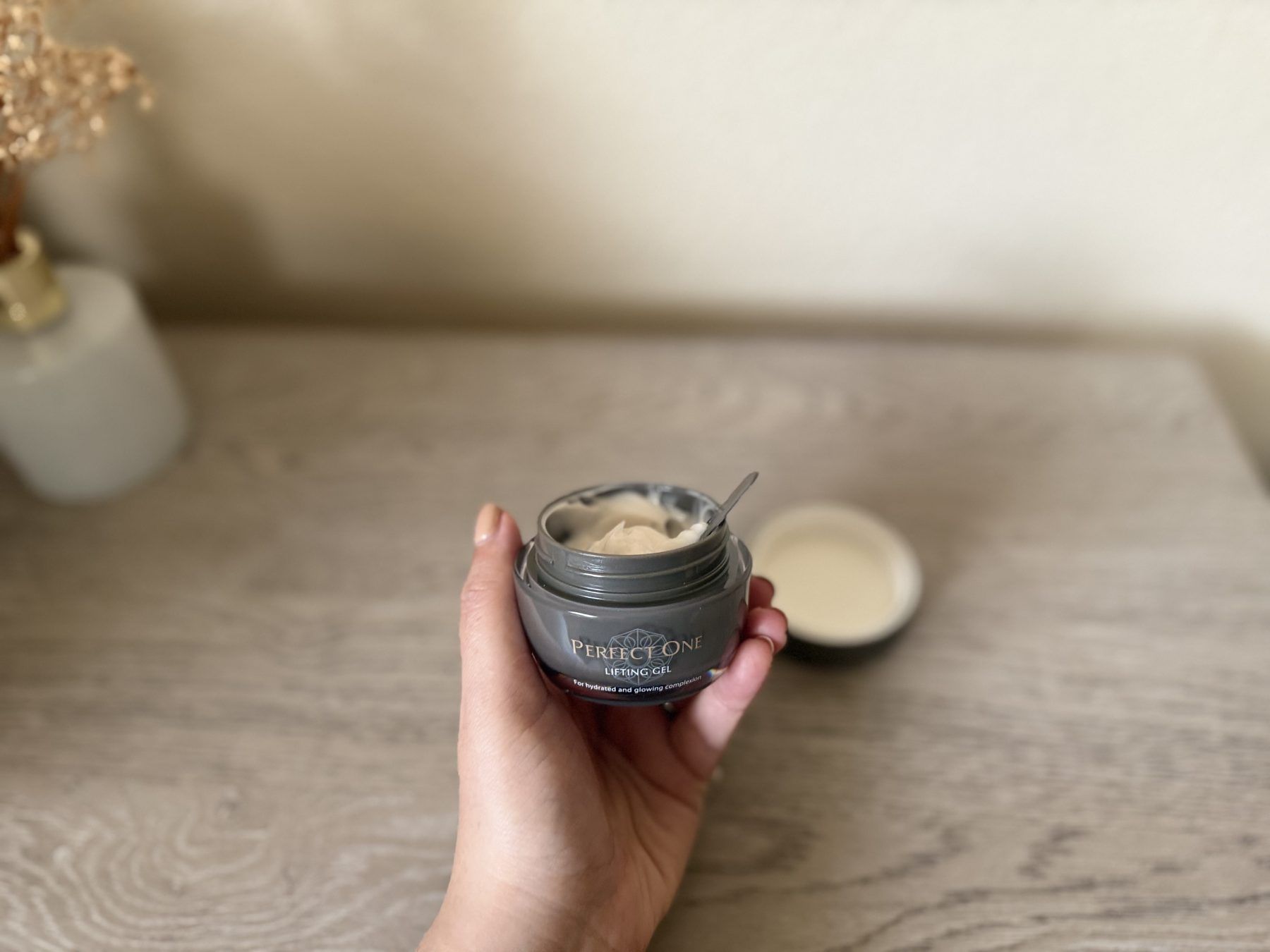
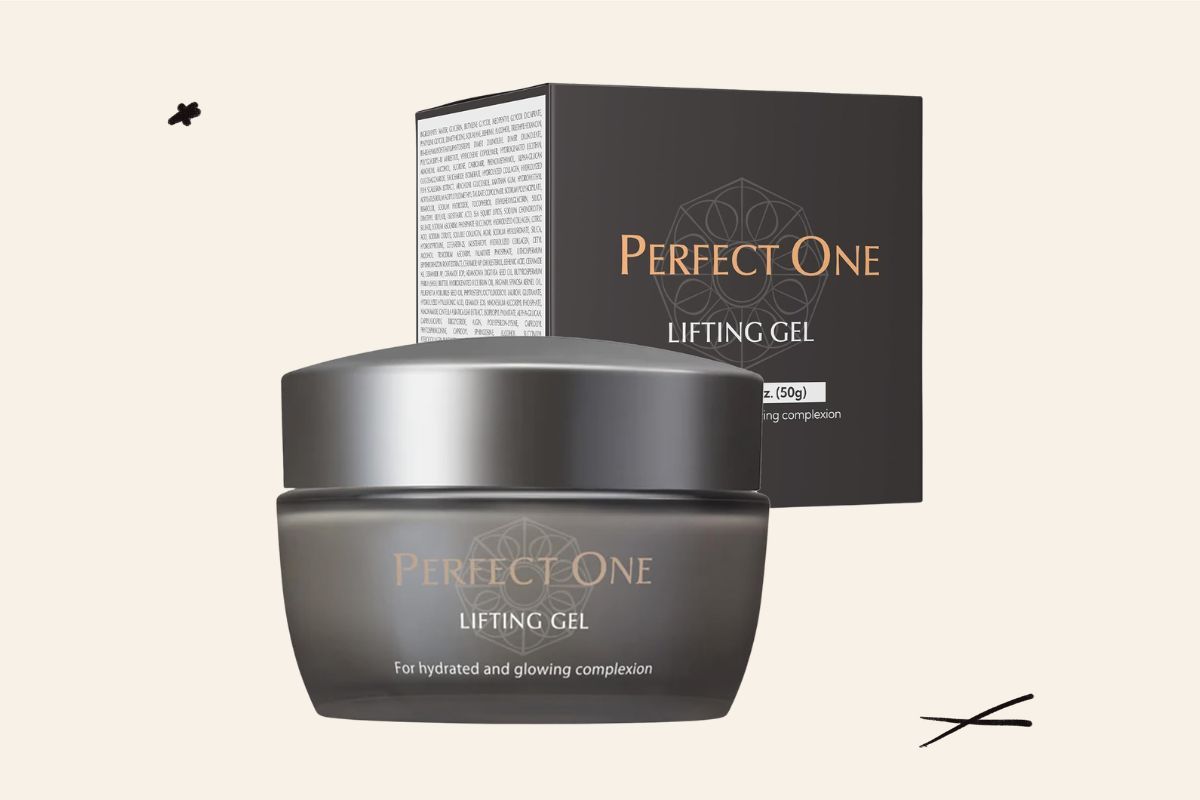
Perfect One Lifting Gel

BUY FOR $58 AT AMAZON

Lately, I’ve been using PERFECT ONE Lifting Gel, a Japan-made product with an all-in-one formula designed for mature skin. It combines the aforementioned ingredients, collagen peptides and niacinamide, with retinol, squalane, centella, and botanical extracts in one lightweight gel. I like applying it before bed because it moisturizes without feeling heavy. By morning, my skin looks “dewey” and smoother, especially in areas where fine lines tend to show first. On nights when I’m using stronger serums, I’ll alternate, but on simpler nights, this works as both my serum and moisturizer.

Advertisement

If your goal is to slow the visible signs of aging,  whether that’s fine lines or loss of elasticity, focusing on hydration, barrier support, and collagen-stimulating ingredients is a great place, I’ve found, to start.

Featured Image Credit: Galina Zhigalova / Getty Images

Advertisement
Advertisement

Related Articles

5 Things To Ask Your Doctor About the New Flu Shot

5 min read

Is Sourdough Actually Healthier Than Regular Bread?

7 min read

Do You Really Need a Bidet in Your Home?

4 min read

3 Common Sleep Habits That May Be Aging Your Brain

5 min read

Is the Traditional Mediterranean Diet Actually the Best for Your Brain?

4 min read
Advertisement

Why You Should Care About Your Skin Barrier

Health | Updated: December 18, 2025
Megan Rogers
Author
Based in Los Angeles, Megan blends over five years of publisher experience with a data-first approach to commerce content. She’s collaborated with leading commerce teams at Real Simple, Better Homes & Gardens, Reader’s Digest, and Taste of Home to name a few. When she’s not diving into product trends, you’ll find her exploring new adventures as a newlywed or spoiling her rescue dog, Ram Ram.
A focused adult woman practices facial self-massage in her well-lit bathroom. Using her fingertips, she gently smoothes her skin to improve circulation, reduce tension, and promote a healthy, natural glow. This authentic at-home wellness moment captures the popular beauty and self-care trend

Most of us think of aging skin simply as the emergence of deep-rooted wrinkles. In reality, the process begins much closer to the surface. Long before those lines appear, the outermost layers of your skin start to lose the ability to stay hydrated, resilient, and even-toned. As we age, skin naturally becomes thinner, produces less oil, and loses elasticity. These changes weaken the skin barrier, making it more vulnerable to everyday stressors like sun exposure, pollution, dry air, and harsh skincare ingredients. When the barrier struggles, skin doesn’t just look older, it often feels more reactive, dry, and uneven, too.

What Is the Skin Barrier?

Your skin barrier is the outermost layer of your skin, also known as the stratum corneum.  Dermatologist Melissa Piliang, MD, explains that your skin barrier is, in fact, dead, not alive, and is made up of dead cells, lipids, proteins, and fats that help protect your skin from the environment. That means you should think of the skin barrier as a brick wall. Skin cells are the bricks, while lipids such as ceramides, cholesterol, and fatty acids serve as the mortar that holds everything together. When that structure is intact, moisture stays in, and irritants stay out. Over time, your skin produces fewer of the lipids that keep the barrier intact, especially ceramides and fatty acids. Without enough of these, tiny gaps form in the barrier, making it harder for skin to stay hydrated and calm.

Signs Your Skin Barrier May Be Compromised

Most people start noticing barrier-related changes in their mid-30s or early 40s. Your skin may suddenly feel drier, more sensitive, or slower to recover after irritation, even if you haven’t changed your routine. Environmental exposure and daily habits can accelerate this process, especially when combined with natural aging. You might notice persistent tightness, flaking, or rough texture that doesn’t seem to improve with moisturizer. Products that once felt fine may suddenly sting, and redness or irritation can become more common. Studies show that skin barrier disruption and sensitivity often go hand in hand, which helps explain why redness, stinging, and irritation are usually early warning signs. Healing tends to slow down as well, leaving the skin looking dull or uneven for longer periods.

How to Protect and Strengthen Your Skin Barrier

Barrier damage usually happens gradually. Daily exposure to sun, pollution, wind, and dry air all takes a toll, especially over time. That said, your skincare habits can play a role, too: Harsh cleansers, frequent exfoliation, or overly active routines can strip away the lipids skin relies on. Strengthening the skin barrier is less about simply doing more and more about supporting what your skin naturally needs as it changes. Hydration is essential, but so is replenishing the lipids and nutrients that decline with age.

Advertisement

Ingredients like ceramides help reinforce the barrier’s structure and prevent moisture loss, while niacinamide supports ceramide production and calms inflammation. Hyaluronic acid also plays an important role and has a unique capacity to retain water for a happy, healthy-looking barrier, making it especially valuable as natural levels decline with age. Antioxidants round things out by helping protect skin from free radical damage caused by sun exposure and pollution.

Advertisement
Advertisement

Barrier-Friendly Products for Those Over 35

As skin moves through its mid-30s and beyond, it often becomes less forgiving. Making the switch to gentler, barrier-supportive products can be one of the most impactful changes you make, and it doesn’t have to mean overhauling everything at once. Skin barrier repair takes time. As the Cleveland Clinic notes, skin barrier damage doesn’t happen overnight; nor does its repair, and it may take up to four months to see noticeable improvement.

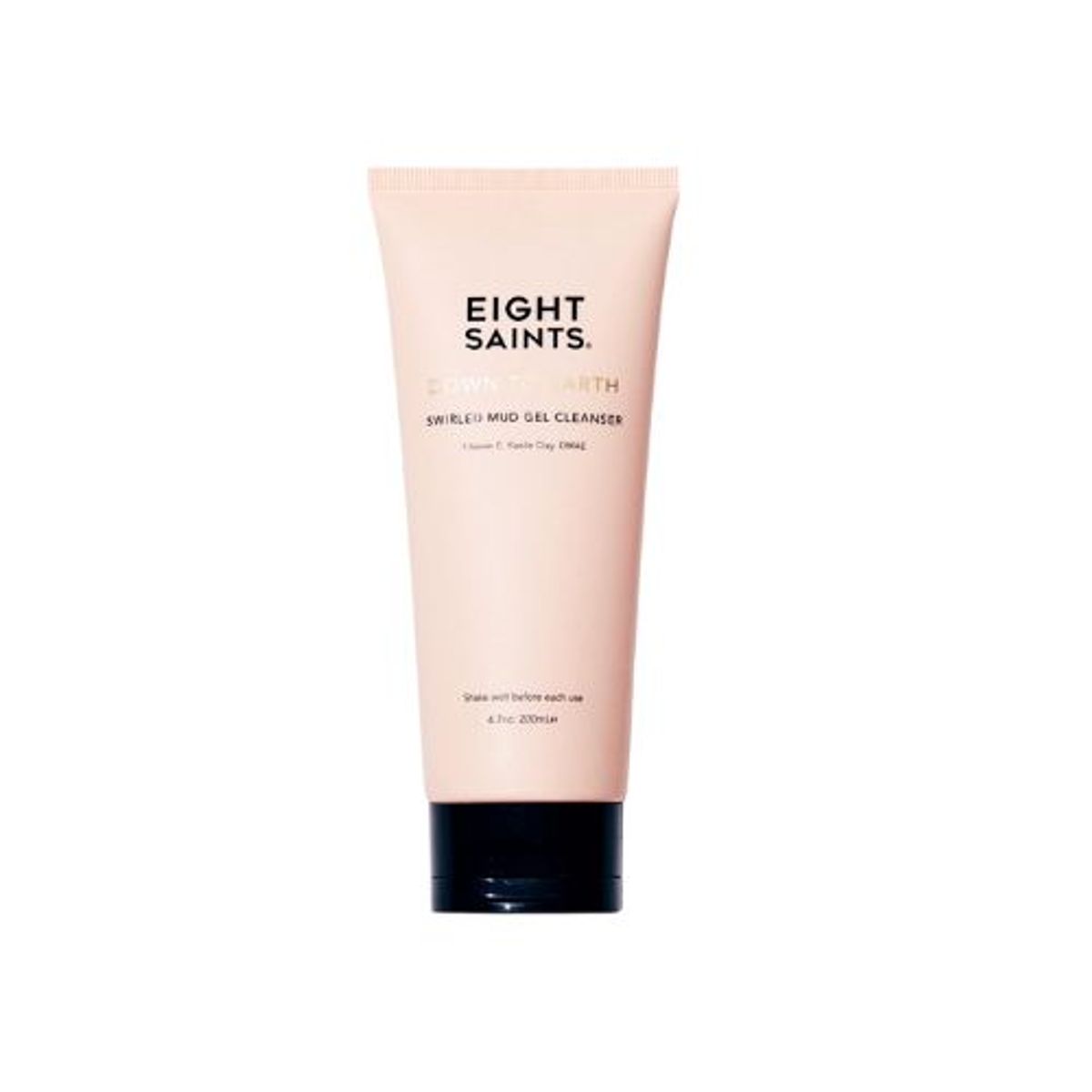
Eight Saints Down To Earth Mud Gel Face Wash
$33
BUY NOW Amazon
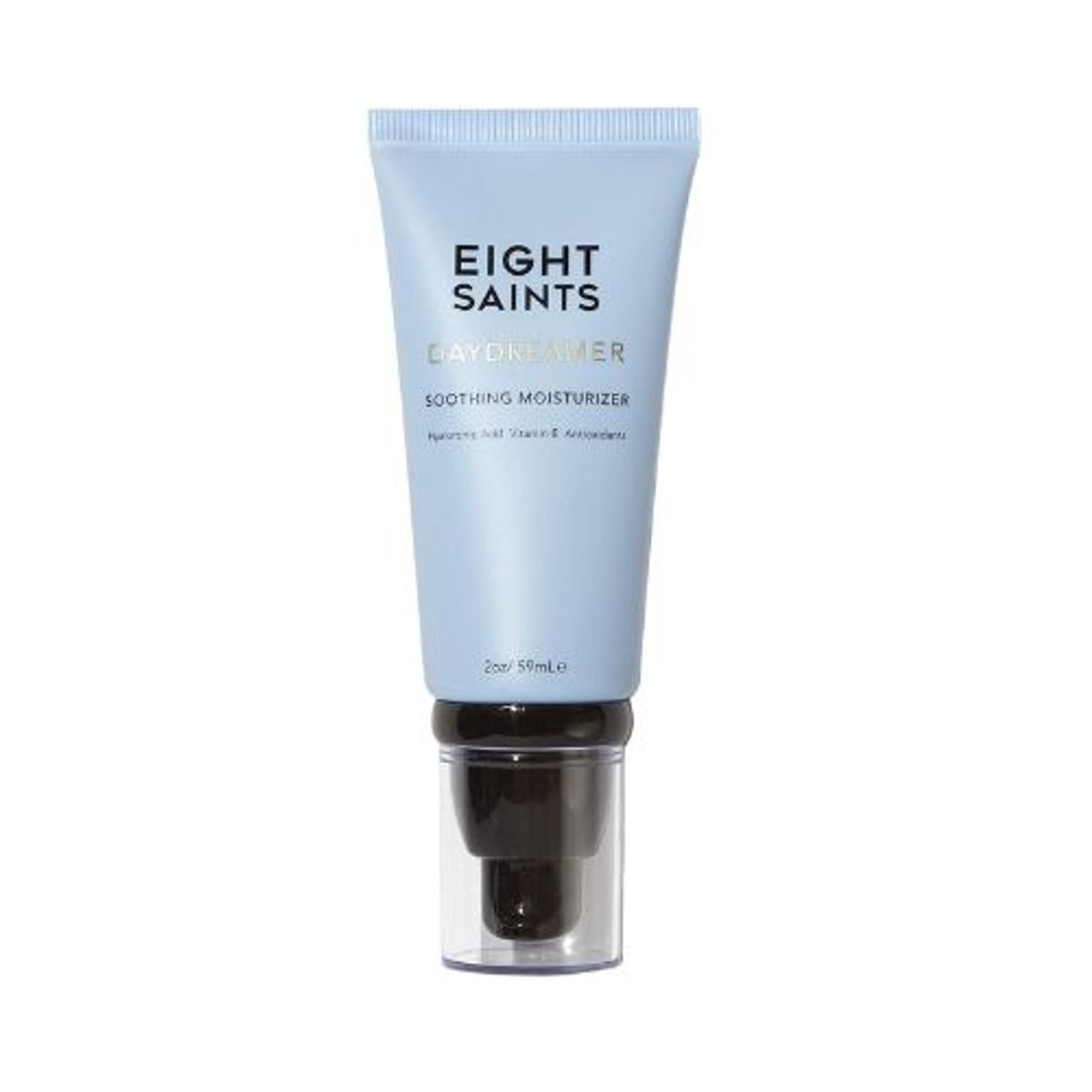
Eight Saints Daydreamer Soothing Moisturizer
$40
$32
BUY NOW Amazon
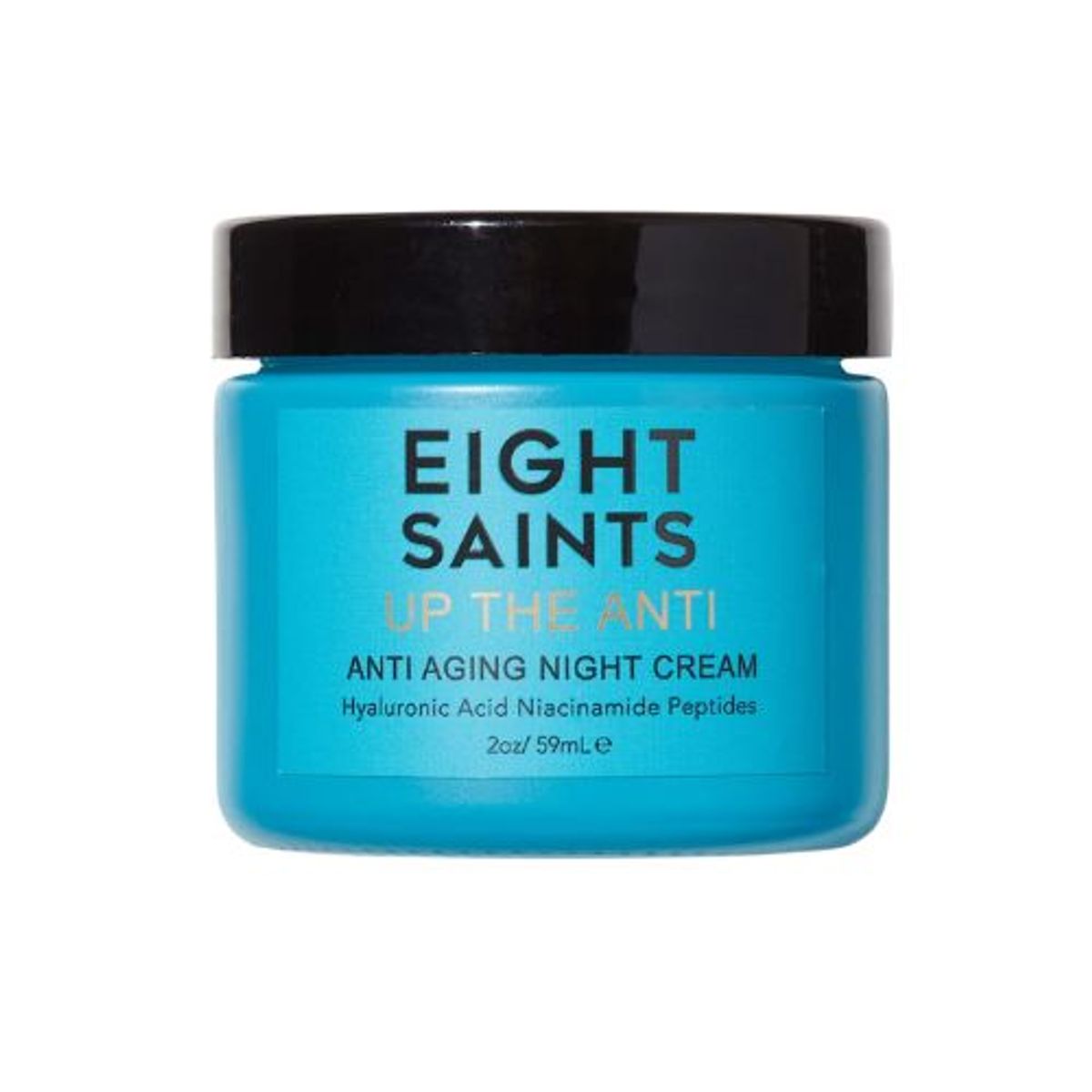
Eight Saints Up the Anti Night Cream
$44
$34
BUY NOW Amazon

A good place to start is with your cleanser. Something gentle and non-stripping can help remove makeup, oil, and daily buildup without leaving skin dry. The Eight Saints Down To Earth Mud Gel Face Wash does precisely that, using natural clays to purify and antioxidants to make it gentle on sensitive skin.

A daily moisturizer is where barrier repair really happens. A lightweight yet hydrating formula like Eight Saints Daydreamer Soothing Moisturizer replenishes moisture with hyaluronic acid, while the jojoba oil locks in hydration with the same properties as the oils produced by your skin’s sebaceous glands.

At night, skin does its best repair work. A richer option, my personal favorite, is the Eight Saints Up the Anti Night Cream. It supports overnight recovery with ingredients like niacinamide, peptides, and hyaluronic acid, ideal if dryness or sensitivity tends to show up by morning. It makes my dry skin feel moisturized and soft when I wake up and cleanse.

Advertisement

Finally, sunscreen remains essential year-round. Daily UV exposure slowly weakens the skin barrier, even on cloudy days. Eight Saints Chase the Sun Broad Spectrum SPF 30 offers mineral protection and moisturizes, making it easier to wear every day.

The goal isn’t to sell you more skin products; it’s to give it what it needs to stay balanced, calm, and resilient as it changes over time.

Recommended Articles

  • 5 Things To Ask Your Doctor About the New Flu Shot

  • Is Sourdough Actually Healthier Than Regular Bread?

  • Do You Really Need a Bidet in Your Home?

  • Is It Actually Better To Lease a Car?

Advertisement
Advertisement

Reader Favorites

  • Woman looking in fridge

    9 Foods You Should Toss ASAP if They’re Expired

  • Person eating salad

    7 Things a Chef Never Orders at a Restaurant

  • Cherry angioma

    Are the Tiny Red Dots on Your Skin Dangerous?

Featured Image Credit: Galina Zhigalova / Getty Images

More From Our Network

Better Report is part of Inbox Studio, an email-first media company. *Indicates a third-party property.

Go Retro With This 1960s Fashion Quiz

Quiz Daily

Go Retro With This 1960s Fashion Quiz

True or False: Are You a Master of U.S. Geography?

Travel Quiz

True or False: Are You a Master of U.S. Geography?

5 Reasons You Can Be Denied Boarding an Airplane

Daily Passport

5 Reasons You Can Be Denied Boarding an Airplane

What Did People Do Before Eyeglasses?

History Facts

What Did People Do Before Eyeglasses?

How To Use a Balloon To Clean Up Dust

House Outlook

How To Use a Balloon To Clean Up Dust

11 Shopping Hacks Costco Members Should Know

FinanceBuzz*

11 Shopping Hacks Costco Members Should Know

Share this article

  • Share to Facebook
  • Share to Twitter
  • Copy Url
  • Share to Email
Megan Rogers
Commerce Editor

Based in Los Angeles, Megan blends over five years of publisher experience with a data-first approach to commerce content. She’s collaborated with leading commerce teams at Real Simple, Better Homes & Gardens, Reader’s Digest, and Taste of Home to name a few. When she’s not diving into product trends, you’ll find her exploring new adventures as a newlywed or spoiling her rescue dog, Ram Ram.

This article is for general informational purposes only.
Affiliate Disclaimer Medical Disclaimer Financial Disclaimer

Updated: September 10, 2025
Posted In: Health
Featured Image Credit: Galina Zhigalova
Hero Image Credit: A focused adult woman practices facial self-massage in her well-lit bathroom. Using her fingertips, she gently smoothes her skin to improve circulation, reduce tension, and promote a healthy, natural glow. This authentic at-home wellness moment captures the popular beauty and self-care trend
Advertisement

Related Articles

5 Things To Ask Your Doctor About the New Flu Shot

5 min read

Is Sourdough Actually Healthier Than Regular Bread?

7 min read

Do You Really Need a Bidet in Your Home?

4 min read

3 Common Sleep Habits That May Be Aging Your Brain

5 min read

Is the Traditional Mediterranean Diet Actually the Best for Your Brain?

4 min read
Advertisement

Your Beauty Products Could Secretly Be Causing Dry Skin

Ali Eldridge
Health | Updated: January 21, 2026
Better Report

Behind Scarlett Johansson’s red-carpet-ready glow is a lifetime of struggling with sensitive, reactive skin. After years of dealing with dryness, breakouts, and irritation, Johansson set out to collaborate on a line of products that were equally restorative and glam — what she wished she had: Products that would nourish, not strip, her skin, because she, like so many others, traced her skin issues back to the products she was using. “When I finally started taking care of my skin — nourishing it, moisturizing it — that’s when my skin started healing itself,” she said of her inspiration for founding The Outset.

Born from what Johansson calls a “radically gentle” approach to skincare, her sheer frustration with harsh products led her to go back to basics. Within a week, her skin began to heal, a transformation that became the foundation for The Outset’s clean, minimalist philosophy. The brand focuses on simple, hydrating essentials formulated for all skin types, especially for those who, like Scarlett, have struggled to find balance and were always either too oily or far too dry. Simply put, The Outset has something for everyone (and every skin type).  

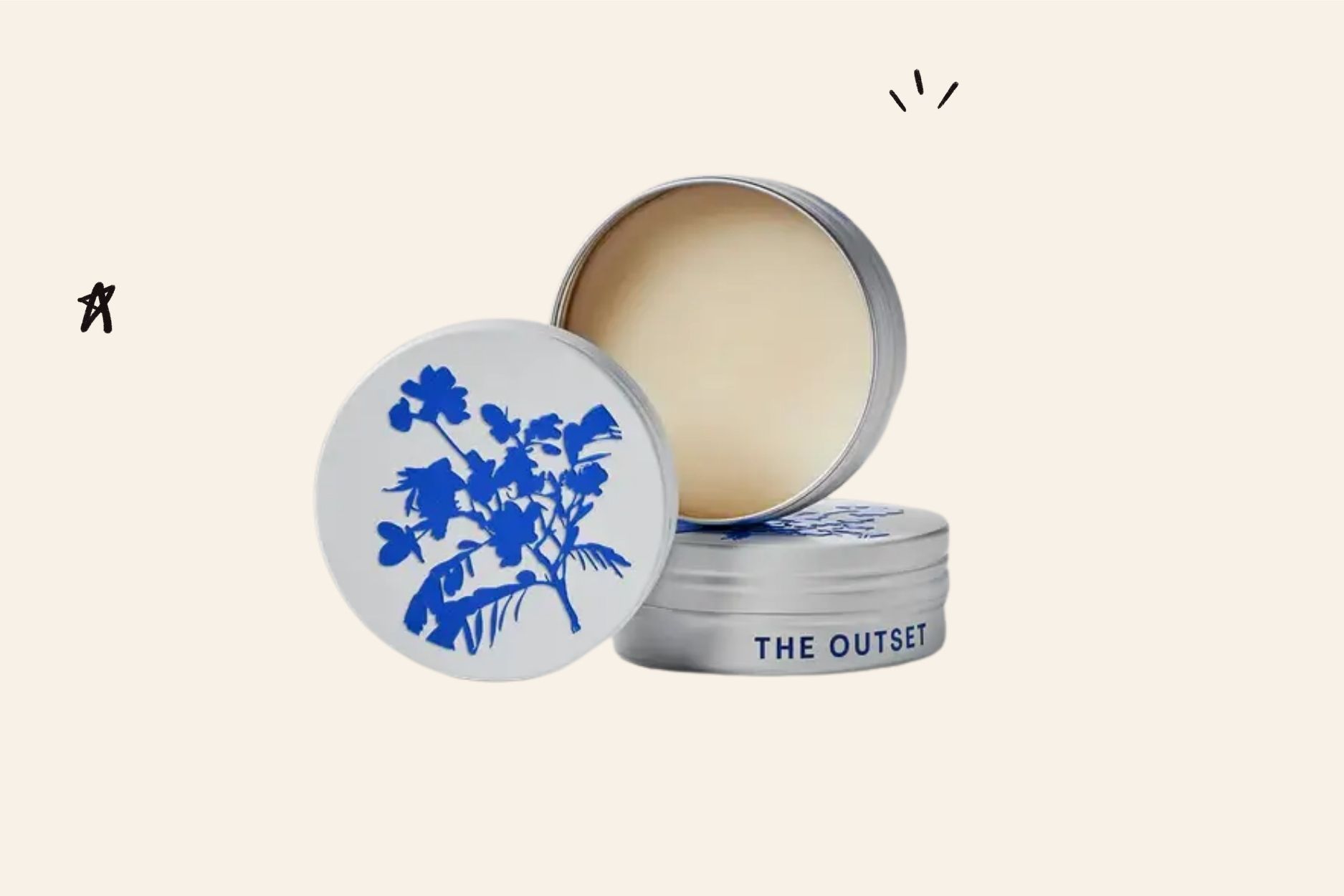
Botanical Barrier Rescue Balm

Soothe, soften, and restore with this ultra-rich, multi-purpose balm that rescues dry skin from head to toe. Infused with a blend of 10 nourishing oils, this luxurious yet non-greasy formula melts right in for instant comfort. I love keeping it in my bag for flights when my skin loses moisture; just a quick dab revives dry cuticles, chapped lips, or rough patches in seconds. It’s the ultimate multitasker for travel and everyday use.

BUY FOR $38 AT THE OUTSET

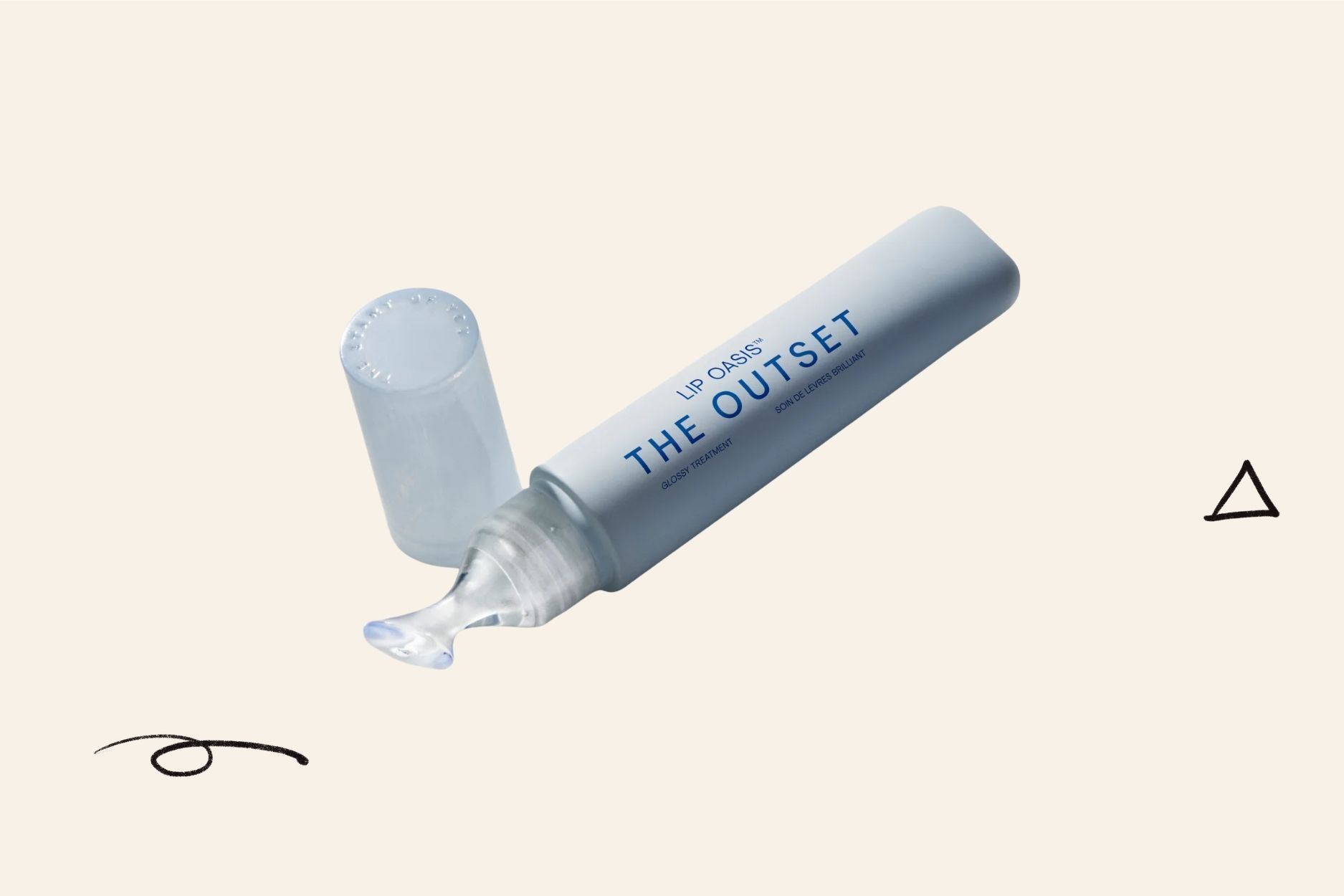
Lip Oasis Glossy Treatment

This one’s a standout. Scarlett Johansson spent years perfecting Lip Oasis™, a conditioning treatment that hydrates, defines, and delivers a lasting, glossy finish. It’s the perfect hybrid between a balm and a gloss, giving you shine without the stickiness. In just four weeks, it boosts hydration by 48% and strengthens the lip barrier by 25%. You can also grab The Complete Collection, which includes all four sheer shades: Clear, Dune, Sun Kiss, and Mirage. Mirage, a soft blackberry tone, is my personal favorite for fall and winter.

BUY FOR $28 AT THE OUTSET
Advertisement
Advertisement

Gift Sets

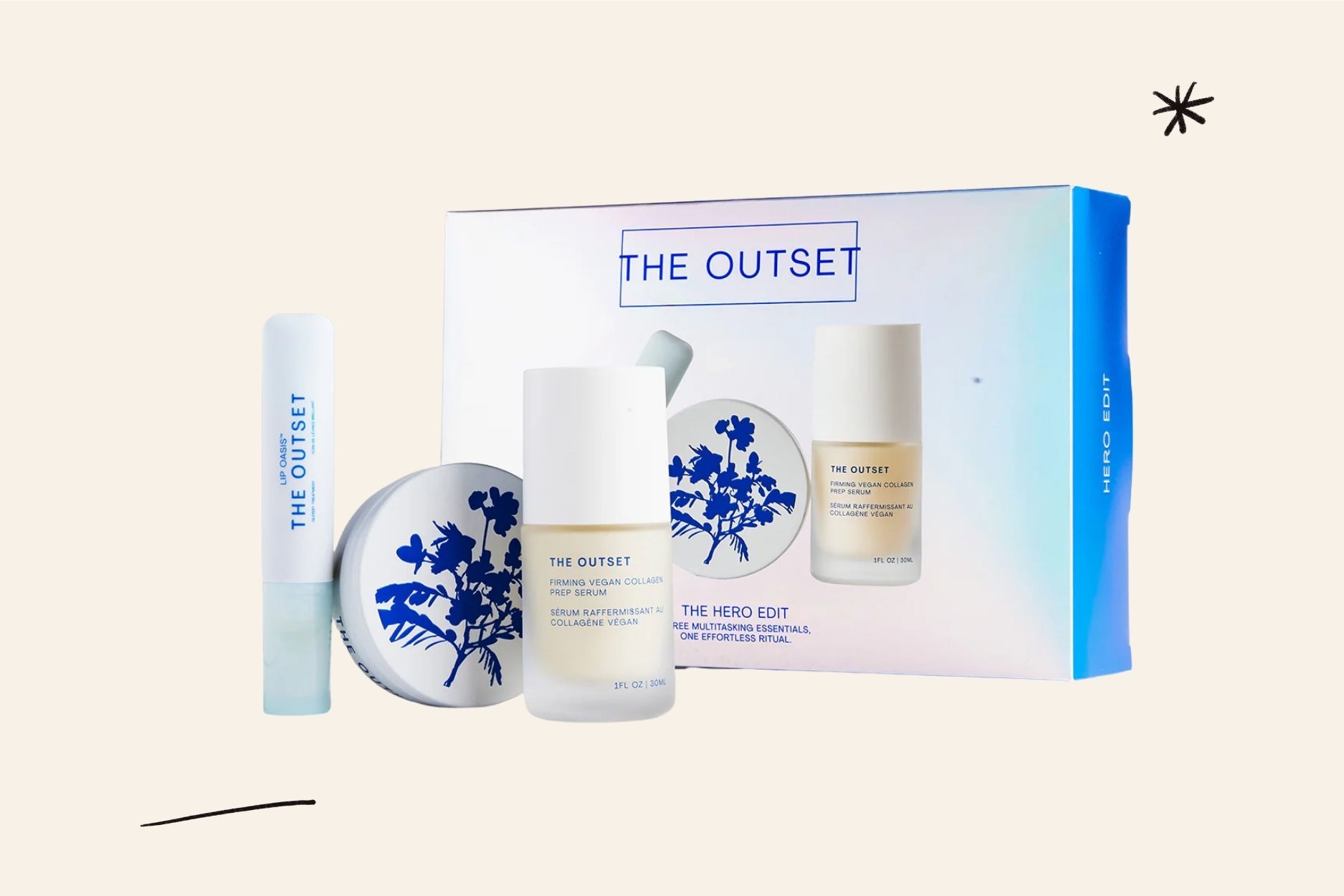
The Hero Edit

Three multitasking essentials, a straightforward ritual. This set includes the Prep Serum, Rescue Balm, and Lip Oasis Glossy Treatment, each designed to hydrate, soothe, and support your skin barrier. It’s the perfect starter kit for someone who wants an easy, effective routine that feels luxurious without being complicated.

BUY FOR $88 AT THE OUTSET
Advertisement

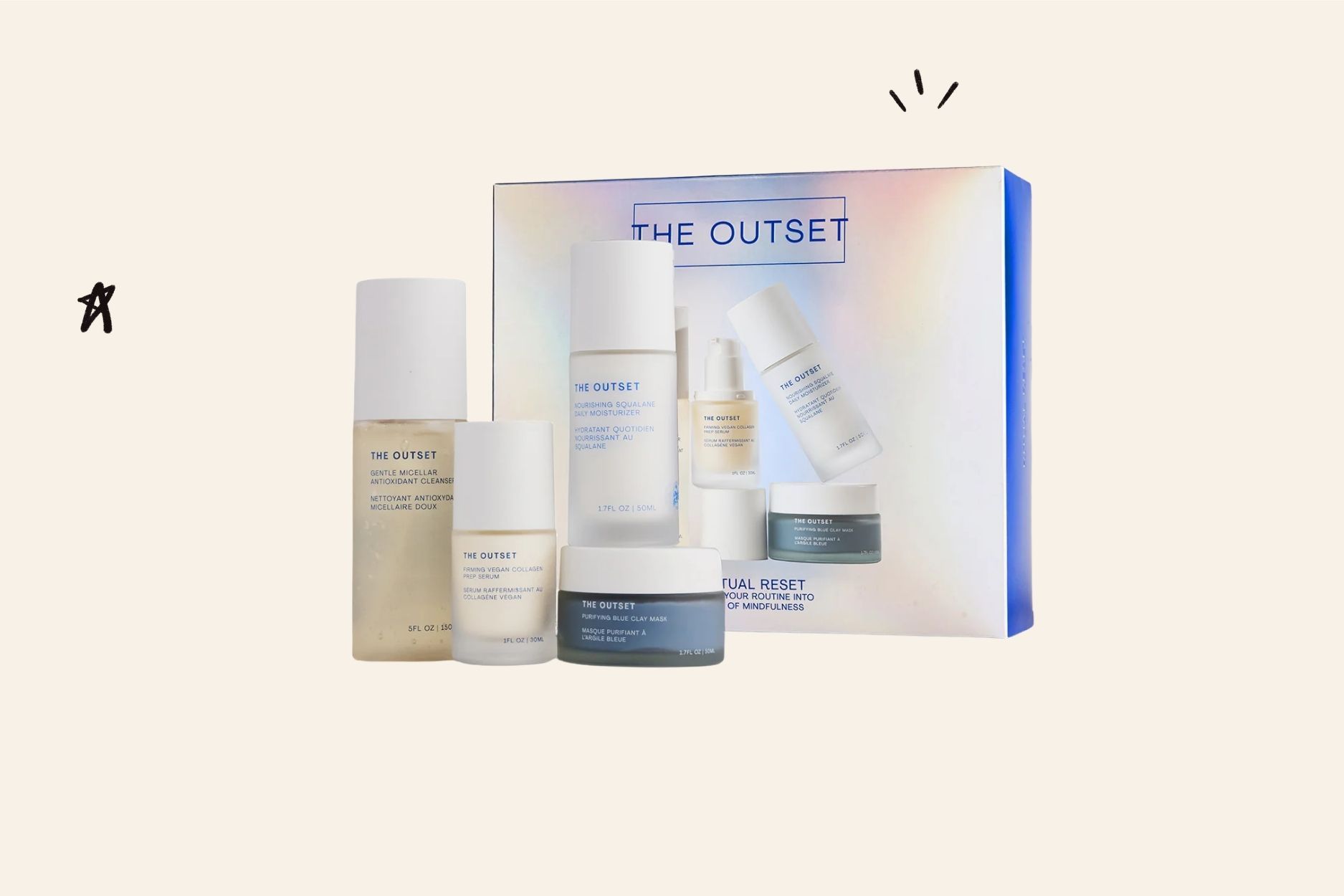
The Ritual Reset

Turn your skincare routine into a moment of mindfulness with this restorative set. It features The Outset’s bestselling 3-Step Regimen along with the Purifying Blue Clay Mask for a deep yet gentle detox. I can’t get enough of this mask; it clears blackheads and refines pores without drying my skin, leaving it soft and hydrated instead. It’s fragrance-free and perfect for sensitive skin, making it a relaxing treat to unwind with at the end of a long day.

BUY FOR $125 AT THE OUTSET

Recommended Articles

  • 5 Things To Ask Your Doctor About the New Flu Shot

  • Is Sourdough Actually Healthier Than Regular Bread?

  • Do You Really Need a Bidet in Your Home?

  • Is It Actually Better To Lease a Car?

Advertisement
Advertisement

Reader Favorites

  • Woman looking in fridge

    9 Foods You Should Toss ASAP if They’re Expired

  • Person eating salad

    7 Things a Chef Never Orders at a Restaurant

  • Cherry angioma

    Are the Tiny Red Dots on Your Skin Dangerous?

The Overnight Refresh Duo

My pick for anyone who loves cozy nights in. This duo pairs The Outset’s silky satin sleep mask with the Restorative Niacinamide Night Cream for the ultimate bedtime ritual. Designed to hydrate and replenish your skin overnight, you’ll wake up refreshed and radiant.

BUY FOR $68 AT THE OUTSET

Featured Image Credit: Viktoriya Skorikova / Getty Images

More From Our Network

Better Report is part of Inbox Studio, an email-first media company. *Indicates a third-party property.
Go Retro With This 1960s Fashion Quiz

Quiz Daily

Go Retro With This 1960s Fashion Quiz

True or False: Are You a Master of U.S. Geography?

Travel Quiz

True or False: Are You a Master of U.S. Geography?

5 Reasons You Can Be Denied Boarding an Airplane

Daily Passport

5 Reasons You Can Be Denied Boarding an Airplane

What Did People Do Before Eyeglasses?

History Facts

What Did People Do Before Eyeglasses?

How To Use a Balloon To Clean Up Dust

House Outlook

How To Use a Balloon To Clean Up Dust

11 Shopping Hacks Costco Members Should Know

FinanceBuzz*

11 Shopping Hacks Costco Members Should Know

Share this article

  • Share to Facebook
  • Share to Twitter
  • Copy Url
  • Share to Email
Ali Eldridge

This article is for general informational purposes only.
Affiliate Disclaimer Medical Disclaimer Financial Disclaimer

Updated:
Posted In: Health
Hero Image Credit: Better Report
Advertisement

Related Articles

5 Things To Ask Your Doctor About the New Flu Shot

5 min read

Is Sourdough Actually Healthier Than Regular Bread?

7 min read

Do You Really Need a Bidet in Your Home?

4 min read

3 Common Sleep Habits That May Be Aging Your Brain

5 min read

Is the Traditional Mediterranean Diet Actually the Best for Your Brain?

4 min read
Advertisement

The Best Vitamin for Brighter, Younger-Looking Skin

Health | Updated: August 11, 2026
Megan Rogers
Author
Based in Los Angeles, Megan blends over five years of publisher experience with a data-first approach to commerce content. She’s collaborated with leading commerce teams at Real Simple, Better Homes & Gardens, Reader’s Digest, and Taste of Home to name a few. When she’s not diving into product trends, you’ll find her exploring new adventures as a newlywed or spoiling her rescue dog, Ram Ram.
Johner Images/Getty Images

All featured products and deals are selected independently and objectively by the author. Better Report may receive a share of sales via affiliate links in content.

Finding the proper skincare routine requires effort, especially if you’re aiming to address the effects of aging, including fine lines, wrinkles, dark spots, and other concerns. You want a regimen that makes a noticeable difference in the near term but also contributes to better, younger-looking skin in the long term. Minor tweaks, like properly removing your makeup before bed, can help your skin repair itself overnight. During the day, incorporating powerhouse ingredients like vitamin C can help keep your complexion bright, youthful, and protected. 

The Power of Vitamin C

Every day, your skin is exposed to the sun, pollution, smoke (from a nearby cigarette or an afar wildfire), and even blue light from screens. All of these can create free radicals that break down collagen, the main structural protein in your skin, weakening skin elasticity and potentially causing discoloration, wrinkles, and sagging. While your body naturally fights free radicals with antioxidants, topical vitamin C provides extra support where your skin needs it most. Which is why, simply put, it’s the best vitamin for brighter, younger-looking skin. Bar none. Found in serums, moisturizers, and masks, this hero ingredient is one of the most trusted ways to achieve healthy, glowing skin.

Vitamin C, which is listed as ascorbic acid, is a powerful antioxidant that helps neutralize free radicals, stimulates collagen production, and brightens your complexion. Regular use can reduce visible signs of aging, even out skin tone, and leave you looking radiant, not rung out or wrinkly. 

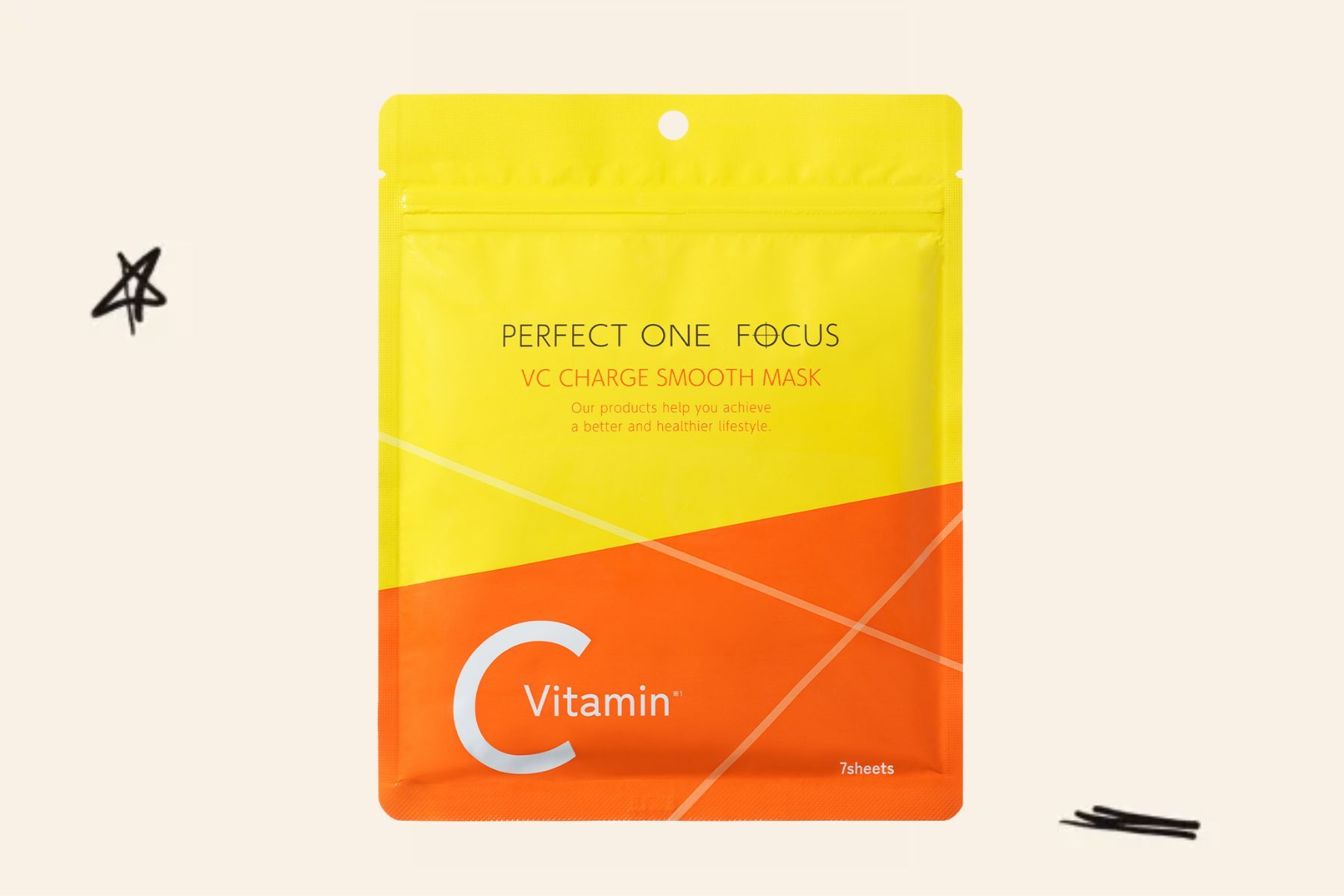
Perfect One Focus VC Charge Smooth Mask

BUY FOR $8.99 AT AMAZON

Each pack contains a week’s worth of masks (7). As noted below, though, you shouldn’t use one every day at first. So, a single pack should last you more than a week, and, with their current deal, you can get (more than) a month’s supply for the price of three packs. If you do two a week, a pack will last you three and a half months, which means that four of them will last you a year, and right now, when you buy four sets, you receive one free. A commitment to brighter skin, on sale for a limited time only. (To take advantage of the deal, add four sets to your cart and use the coupon code GIFTMASK2510 at checkout.)

Advertisement
Advertisement

The Easiest Way to Add Vitamin C to Your Routine

For a quick and effective way to reap the benefits of vitamin C, try incorporating a face mask into your routine. (There are plenty of serums and salves, too, if masks are hard to manage or, understandably, make you feel claustrophobic.) Masks are ideal for revitalizing dull or tired skin, minimizing fine lines, and delivering hydration in just a few minutes. The Perfect One Focus VC Charge Smooth Mask sheet mask infuses your skin with a blend of 10 vitamins, including Vitamin C derivatives, niacinamide, and panthenol. In just five minutes, it helps leave skin looking smoother, visibly brighter, and more hydrated.

Advertisement

This mask delivers a quick vitamin boost to refresh and restore the skin, while azelaic acid, glycine, and fruit-derived AHAs work together to smooth texture, reduce dullness, and minimize the look of pores. Its breathable VitaVeil sheet technology hugs the skin closely, allowing the potent ingredients to fully sink in, all without clogging. Plus, with its naturally uplifting citrus scent derived from bergamot and mandarin essential oils, it transforms your routine into a moment of self-care.

Johner Images/Getty Images

Recommended Articles

  • 5 Things To Ask Your Doctor About the New Flu Shot

  • Is Sourdough Actually Healthier Than Regular Bread?

  • Do You Really Need a Bidet in Your Home?

  • Is It Actually Better To Lease a Car?

Advertisement
Advertisement

Reader Favorites

  • Woman looking in fridge

    9 Foods You Should Toss ASAP if They’re Expired

  • Person eating salad

    7 Things a Chef Never Orders at a Restaurant

  • Cherry angioma

    Are the Tiny Red Dots on Your Skin Dangerous?

How to Use a Vitamin C Mask in Your Routine

Using a sheet mask is as easy as, well, applying the mask to your face, lining up your eyes, nose, and mouth, and letting the sheet’s ingredients soak into your skin. Super-hydrating masks often come… wet. And, when in packs of four or more, they occasionally arrive clumped together. Gently find the edge of one and slip it out from the centerfold, being careful not to rip it.

Unlike stronger actives such as retinol, vitamin C is generally gentle enough for most skin types. Start by using vitamin C-infused products a few times per week — like this face mask — then work up to daily use if your skin tolerates it well. Dermatologists recommend applying vitamin C in the morning to help protect your skin against free radical damage throughout the day. For best results, pair it with a broad-spectrum sunscreen. (Vitamin C and SPF are a great duo for preventing premature aging.) And while Vitamin C can also be applied at night, using it during the day maximizes its protective benefits and avoids potential interactions with nighttime ingredients (like the more abrasive retinol).

Related: 5 Supplements That Actually Help With Aging
Related: Is Your Deodorant Doing More Harm Than Good?

More From Our Network

Better Report is part of Inbox Studio, an email-first media company. *Indicates a third-party property.

Go Retro With This 1960s Fashion Quiz

Quiz Daily

Go Retro With This 1960s Fashion Quiz

True or False: Are You a Master of U.S. Geography?

Travel Quiz

True or False: Are You a Master of U.S. Geography?

5 Reasons You Can Be Denied Boarding an Airplane

Daily Passport

5 Reasons You Can Be Denied Boarding an Airplane

What Did People Do Before Eyeglasses?

History Facts

What Did People Do Before Eyeglasses?

How To Use a Balloon To Clean Up Dust

House Outlook

How To Use a Balloon To Clean Up Dust

11 Shopping Hacks Costco Members Should Know

FinanceBuzz*

11 Shopping Hacks Costco Members Should Know

Share this article

  • Share to Facebook
  • Share to Twitter
  • Copy Url
  • Share to Email
Megan Rogers
Commerce Editor

Based in Los Angeles, Megan blends over five years of publisher experience with a data-first approach to commerce content. She’s collaborated with leading commerce teams at Real Simple, Better Homes & Gardens, Reader’s Digest, and Taste of Home to name a few. When she’s not diving into product trends, you’ll find her exploring new adventures as a newlywed or spoiling her rescue dog, Ram Ram.

This article is for general informational purposes only.
Affiliate Disclaimer Medical Disclaimer Financial Disclaimer

Updated: September 10, 2025
Posted In: Health
Featured Image Credit: Johner Images/Getty Images
Hero Image Credit: Johner Images/Getty Images
Advertisement

Related Articles

5 Things To Ask Your Doctor About the New Flu Shot

5 min read

Is Sourdough Actually Healthier Than Regular Bread?

7 min read

Do You Really Need a Bidet in Your Home?

4 min read

3 Common Sleep Habits That May Be Aging Your Brain

5 min read

Is the Traditional Mediterranean Diet Actually the Best for Your Brain?

4 min read
Advertisement

Are You Removing Your Makeup Wrong?

Ali Eldridge
Health | Updated: August 23, 2025
Better Report

All featured products and deals are selected independently and objectively by the author. Better Report may receive a share of sales via affiliate links in content.

Night is a pivotal time for your skin. While you’re catching your zzzs, your skin undergoes a renewal process where cells regenerate, improving your skin’s barrier and repairing the damage it took during the day. It’s what keeps your skin looking healthy, plump, and youthful. That means, one of the worst things you can do for your skin is sleep with your makeup on.

Credit: Halfpoint/ Adobe Stock

What Happens When You Sleep in Makeup?

When you sleep with makeup on, it disrupts that natural renewal process, trapping the dead skin that would normally be shed. This can lead to clogged pores and breakouts, as well as an overall dullness. The more your skin doesn’t get a chance to renew, the more stress, dirt, and other daily factors affect it. 

Taking an extra few minutes to look after your skin before you go to bed helps eliminate issues such as breakouts, premature aging, and eye irritation. Furthermore, applying your skincare in the correct order at night means you wake up to plump, supple, radiant, and refreshed skin.

Even if you don’t wear foundation and powders, your face picks up grime and dirt throughout the day, which all need to be washed off. A quick once-over with a cleansing wipe isn’t sufficient to rid your face of products, SPF, and daily impurities, but neither is going in with one cleanser. 

Advertisement

Always Double Cleanse 

Courtesy of Perfect One

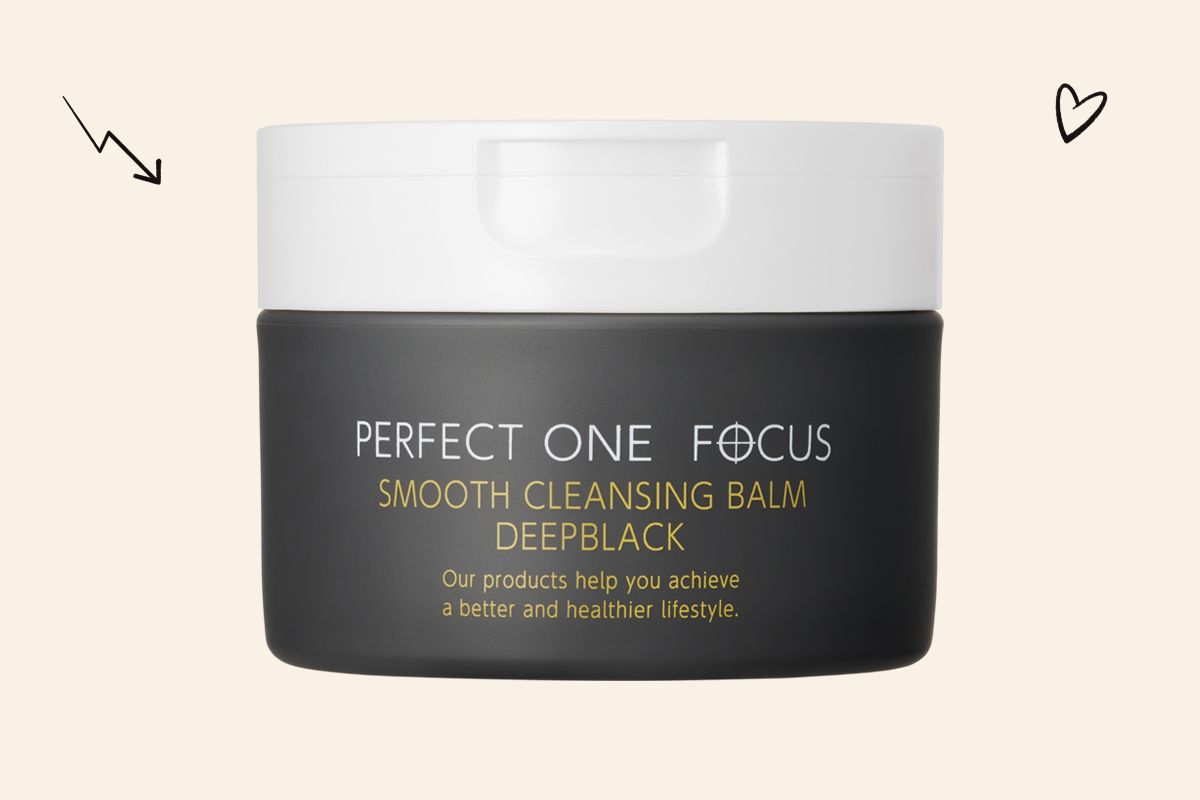
Perfect One Focus Smooth Cleansing Balm Deep Black

Get one of Better Report’s favorite cleansing balms for 10% off with code PERFECT2507.

BUY FOR $25 AT AMAZON

Yep, one cleanse isn’t enough; you should always be double cleansing, starting first with an oil or balm meant to break down makeup, sunscreen, and other products.

 “Double cleansing can be highly effective for individuals with oily or acne-prone skin, as it provides a thorough cleanse of dead skin cells, excess oil, and other impurities,” says board-certified cosmetic dermatologist Dr. Michele Green. The first cleanse breaks down products and dirt, while the second ensures your skin is fully cleared and any residue has been successfully washed away. Pour a small amount of your chosen cleanser into the palm of your hands, then, in small circular motions, work the product into your skin. Do this for 60 seconds, rinse with warm water, and repeat with the second cleanser that works for your particular skin needs. 

Cleansing balms are a particularly effective way to remove makeup without harshly scrubbing, as they gently melt into the skin, removing liquid, powder, and even waterproof products. The Smooth Cleansing Balm from Japanese brand Perfect One combines charcoal and peat mud to remove makeup and dirt, with gold vitamin C to brighten and even skin, an enzyme complex for smoothing and renewing skin, and oils and ceramides to hydrate and strengthen the skin barrier. Unlike many other popular balms, it won’t cost you half your monthly budget.

Advertisement
Credit: MelkiNimages/ iStock

Ditch the Face Wipes 

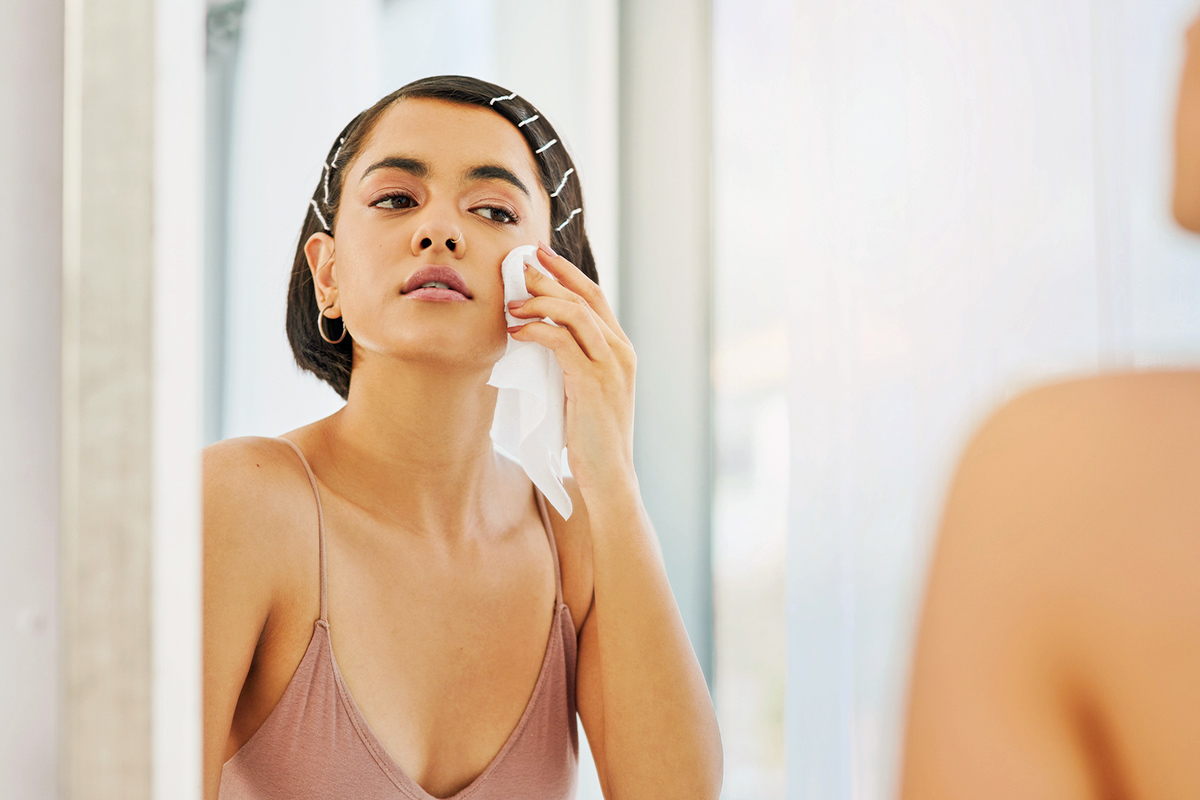
Some nights, the thought of doing a full routine is exhausting. We get it. But face wipes tug and pull at the skin, causing irritation and even premature wrinkles. They are also formulated with harsh ingredients that end up sitting on the skin’s surface, exacerbating dryness and irritation, and ultimately, just don’t clean the face enough. For both environmental purposes and your skin’s health, invest in some cotton face cloths to complete your cleansing routine. “The texture of the cloth provides additional exfoliating benefits to the skin,” Dr. Green explains. “While the combination of water and cleanser on the cloth provides a deeper cleanse than a face wipe.” They can also be used first thing in the morning, by running the cloth under warm water and pressing it gently on the face. 

Credit: Elena Katkova/ iStock

Create a Full Nighttime Skincare Routine

Not only does cleansing your face help you to avoid breakouts, but it also means your skincare works more effectively. A clean base allows products to be absorbed completely, enhancing their capabilities. And because your skin is working in overdrive overnight, it’s the perfect time for skincare ingredients to work their magic.

When it comes to choosing products for your nighttime skincare routine post-cleanse, Dr. Green says there are two essential ingredients to include. The first is the vitamin A derivative retinol. “[Retinol] accelerates skin cell turnover and increases collagen production to reduce the appearance of fine lines, wrinkles, uneven skin texture or tone, acne scars, and enlarged pores,” says Dr. Green.  Because retinol increases skin photosensitivity, always apply SPF the following day. The second is vitamin C, which brightens skin and enhances skin cell renewal. “Vitamin C can repair damage caused by free radical damage and oxidative stress,” she says. Ideal for skin cycling, these two ingredients can be applied on alternative nights to avoid irritation. 

Another product you might consider after washing your face is toner. While not everyone needs a toner, those with extremely dry skin may find adding a hydrating toner beneficial. Using an exfoliating toner, once or twice a week, is also a great option if you find your skin is looking slightly dull. Next, apply any serums, then retinol on dry skin once or twice a week to start. Once it’s completely absorbed, follow it with a night cream and eye cream.  

Advertisement

Featured Image Credit: Adene Sanchez/ iStock

Advertisement
Advertisement

Related Articles

5 Things To Ask Your Doctor About the New Flu Shot

5 min read

Is Sourdough Actually Healthier Than Regular Bread?

7 min read

Do You Really Need a Bidet in Your Home?

4 min read

3 Common Sleep Habits That May Be Aging Your Brain

5 min read

Is the Traditional Mediterranean Diet Actually the Best for Your Brain?

4 min read
Advertisement

Is Gray Hair Reversible?

Health | Updated: August 26, 2025
Brittany Natale
Author
Brittany is a New York City-based writer who crafts fashion, beauty, and lifestyle commerce stories. A Fashion Institute of Technology graduate, she has over eight years of experience testing and writing about products. Her work has appeared in Elle, Glamour, Self, Bustle, and Harper's Bazaar, among others. You can find her wandering around the Metropolitan Museum of Art or at home playing with her two cats when she's not writing.
A woman with gray hair wearing a vibrant blue sweater
Better Report

All featured products and deals are selected independently and objectively by the author. Better Report may receive a share of sales via affiliate links in content.

It might seem like gray hair is an inevitable part of aging, and for most of us, it is. But science has found that it may not be as simple, or as permanent, as once thought.  Research shows that in certain instances, gray hair might be reversible.

Prices are accurate as of August 26, 2025. Subject to change.

Credit: Federica Giacomazzi/ Unsplash+

Why Does Hair Turn Gray?

Hair gets its color from melanin produced by melanocyte cells. As you age, those cells become less active or die, which means new hair follicles grow with less melanin and therefore, less pigment.

For most, it is a natural part of the aging process. One survey found that 74% of people between the ages of 45 and 65 experienced some degree of gray hair, with the average intensity clocking in at 27%. But some see early grays, which can come from anything like genetics, stress, or smoking.

Advertisement
A woman with gray hair wearing a vibrant blue sweater
Credit: AaronAmat/ iStock

Can You Prevent Hair From Graying?

A 2021 study found that hair can regain its natural pigment under certain conditions, challenging the idea that going gray is always a forever thing. 

Among the methods used by researchers in this study were HPP (Hair Pigmentation Pattern) profiling and proteomics, the study of proteins. These tools allowed researchers to observe that gray hair and re-pigmentation occurred in connection with psychological stress. In some cases, a person’s natural hair color returned after the stress subsided. This phenomenon was seen across people of all different genders, ages, and ethnicities.

Beyond stress, according to Harvard Health, premature graying may sometimes be linked to underlying health issues such as vitamin B12 deficiency, which poses the question: Can graying be reversed once the issue at hand, whether it’s stress or a vitamin deficiency, is resolved?

More research needs to be done on the topic as a whole, but, in the meantime, there are plenty of products out there that can camouflage, or even revitalize, dull gray hair, from a quick-dry spray that holds you over between salon appointments to shampoos specifically formulated to keep gray hair from looking dull or brassy.

Advertisement
Courtesy of Amazon

Shampoos

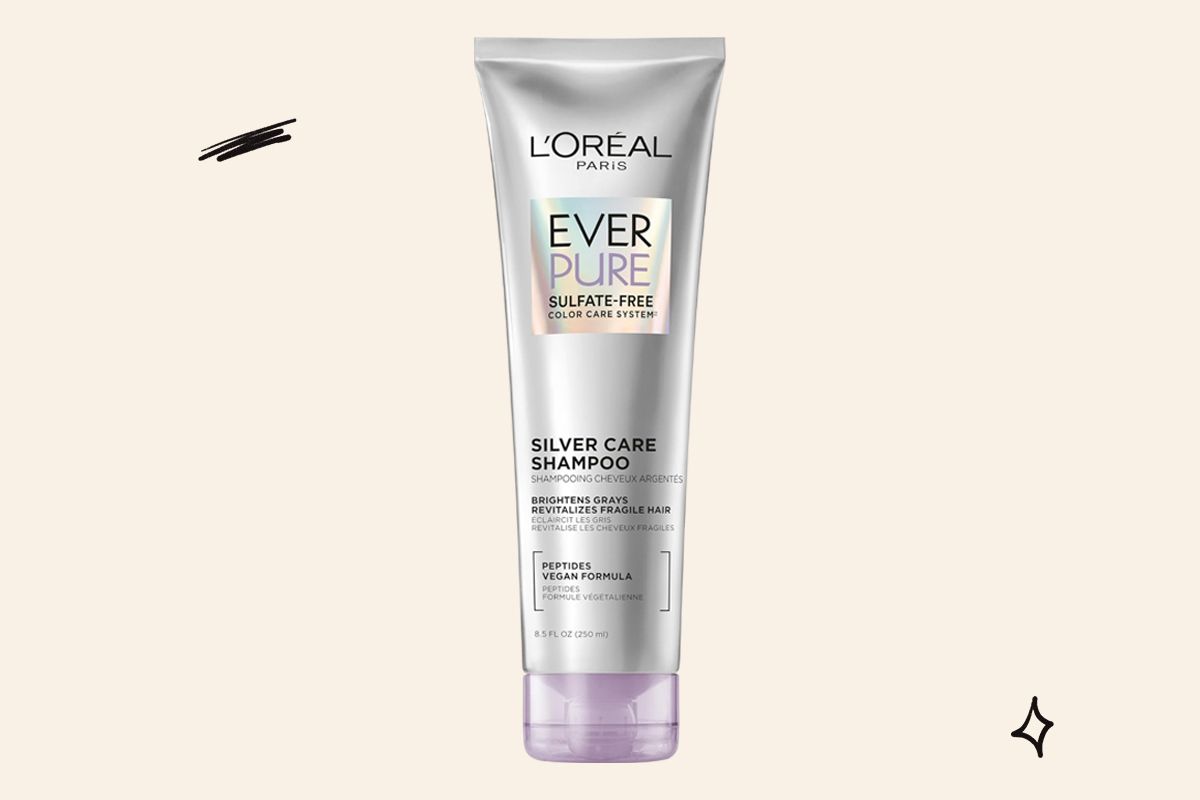
Shampoo won’t reverse gray hair, but it can give some life to your locks. The L’Oreal Paris EverPure Silver Care Shampoo is made without sulfates, parabens, added phthalates, or gluten, and has a pleasant magnolia and bergamot scent. It brightens all shades of gray and adds silkiness. For toning gray that has gone brassy, consider Olaplex’s Toning Shampoo. It’s a game-changer, helping neutralize yellow tones while hydrating, softening, and strengthening your strands. Use it weekly for best results.

Courtesy of Amazon

Dyes

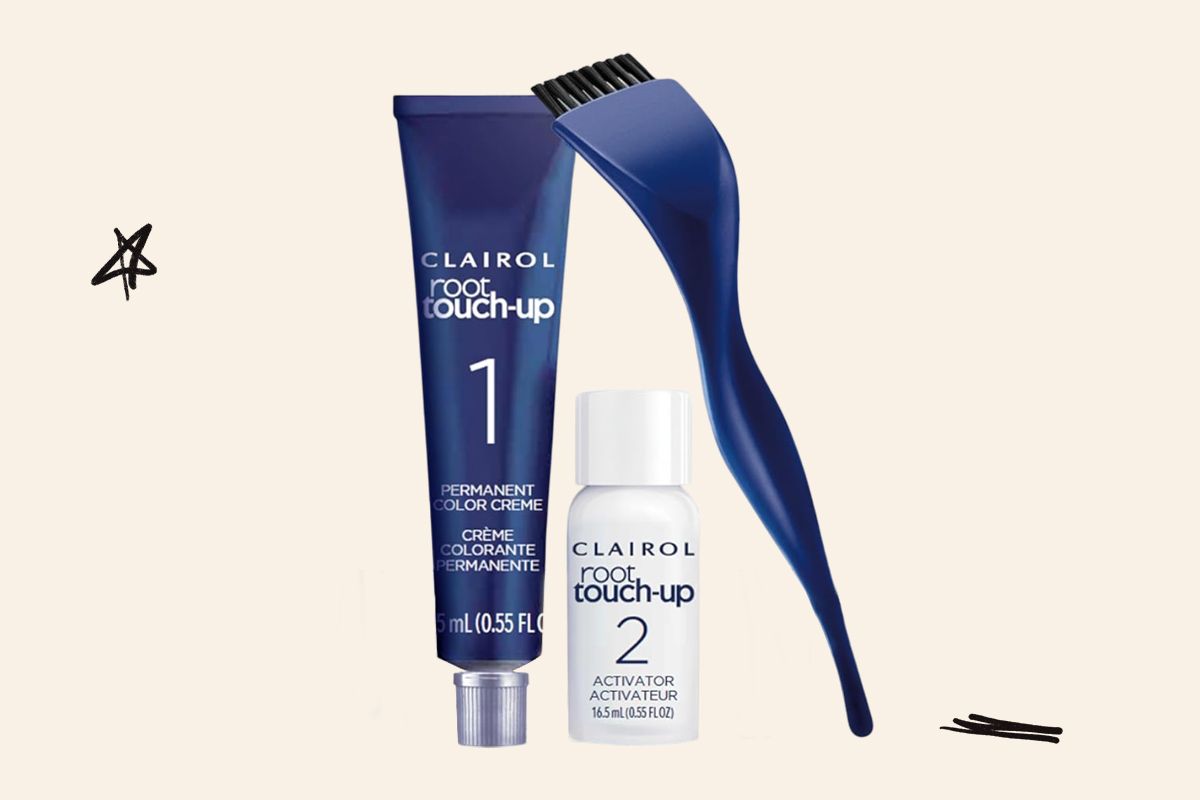
One day, science might be able to reverse gray hair caused by the natural aging process, but for now, you don’t have to live with grays if you don’t want to! Nor do you have to make frequent, pricey visits to the salon. Garnier Nutrisse’s Ultra Creme Hair Dye is formulated with color boost technology, delivering rich, long-lasting color with 100% gray coverage. It also has nourishing ingredients like avocado, olive, and shea oils to keep your hair soft and shiny. Clairol’s Root Touch-Up provides 100% gray coverage for up to three weeks, is super easy to use — it only takes 10 minutes from start to finish — and is available at a more-than-reasonable price. 

Advertisement
Advertisement
Courtesy of Amazon

Powders and Fibers

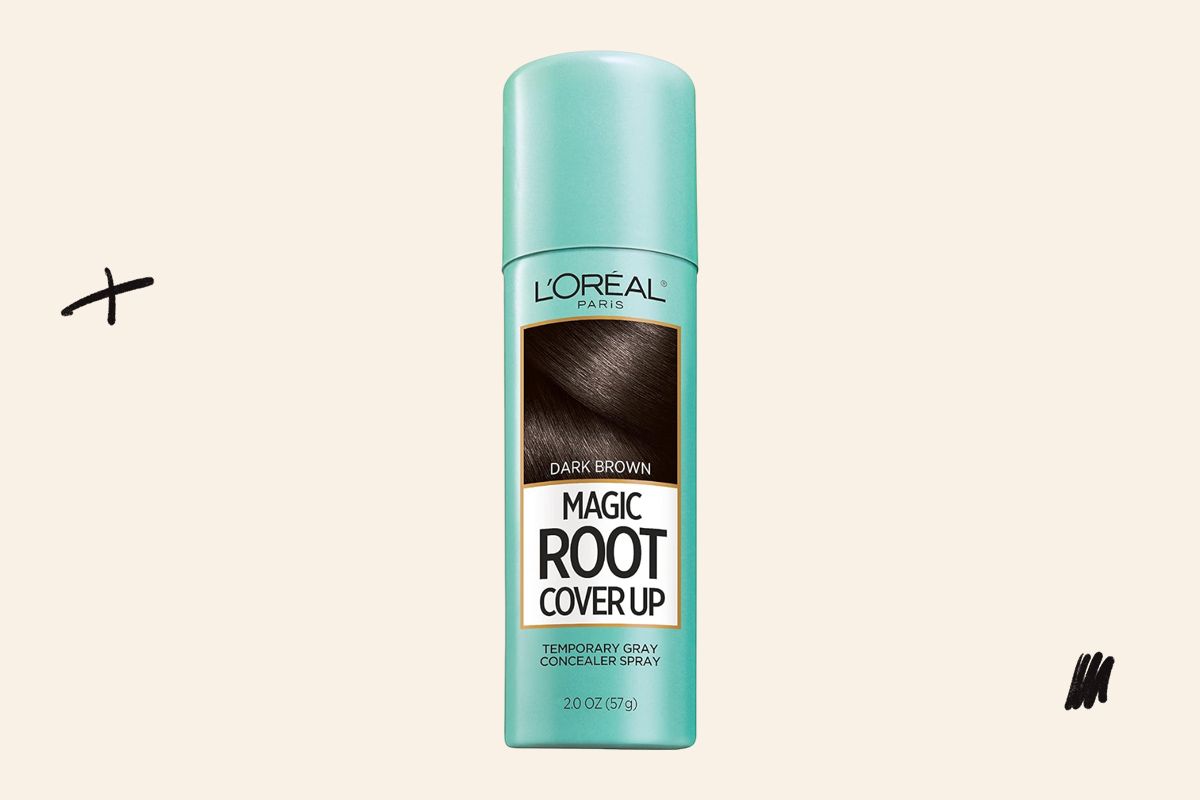
If you’re trying to blend gray strands or roots, rather than a whole head of hair, powders and fibers give temporary results. Cover Your Gray Fill-In Fiber blends gray strands and, as a bonus, gives a thickening effect to thinning hair. Clairol Root Touch-Up Powder is like having two products in one. You can use it on your roots to cover grays or on your eyebrows for a bolder, more defined shape. If you prefer a spray cover-up, try L’Oreal’s Magic Root Cover Up. It’s lightweight, dries in one minute, and doesn’t leave any sticky, tacky residue. It also won’t smudge during wear.

Courtesy of Sephora

Serums

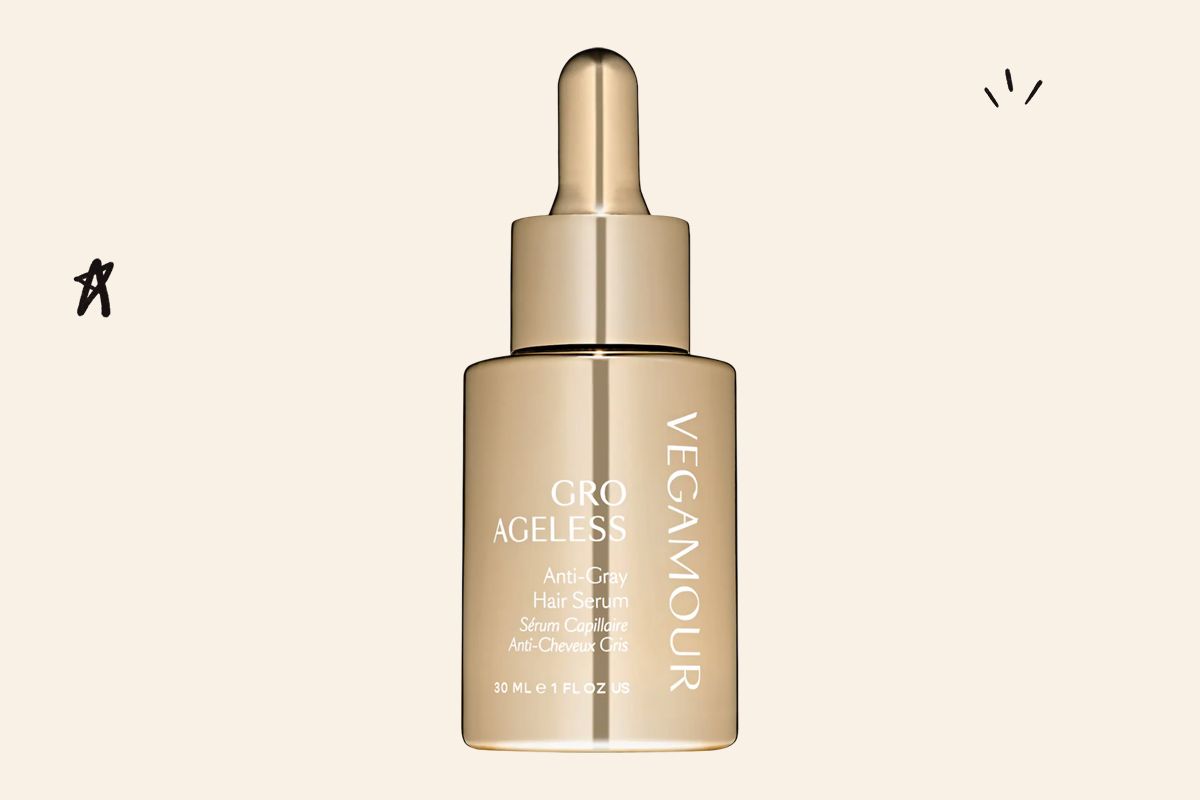
Customers rave about Vegamour’s Gro Ageless Serum. This plant-based formula is designed to reduce the appearance of new gray hairs while helping to restore your hair’s natural color and shine in just 90 days. Best of all, it’s suitable for all hair types.

Featured Image Credit: AaronAmat/ iStock

More From Our Network

Better Report is part of Inbox Studio, an email-first media company. *Indicates a third-party property.

Go Retro With This 1960s Fashion Quiz

Quiz Daily

Go Retro With This 1960s Fashion Quiz

True or False: Are You a Master of U.S. Geography?

Travel Quiz

True or False: Are You a Master of U.S. Geography?

5 Reasons You Can Be Denied Boarding an Airplane

Daily Passport

5 Reasons You Can Be Denied Boarding an Airplane

What Did People Do Before Eyeglasses?

History Facts

What Did People Do Before Eyeglasses?

How To Use a Balloon To Clean Up Dust

House Outlook

How To Use a Balloon To Clean Up Dust

11 Shopping Hacks Costco Members Should Know

FinanceBuzz*

11 Shopping Hacks Costco Members Should Know

Share this article

  • Share to Facebook
  • Share to Twitter
  • Copy Url
  • Share to Email
Brittany Natale
Writer

Brittany is a New York City-based writer who crafts fashion, beauty, and lifestyle commerce stories. A Fashion Institute of Technology graduate, she has over eight years of experience testing and writing about products. Her work has appeared in Elle, Glamour, Self, Bustle, and Harper's Bazaar, among others. You can find her wandering around the Metropolitan Museum of Art or at home playing with her two cats when she's not writing.

This article is for general informational purposes only.
Affiliate Disclaimer Medical Disclaimer Financial Disclaimer


Updated: October 16, 2024
Posted In: Health
Hero Image Credit: Better Report

Recommended Articles

  • 5 Things To Ask Your Doctor About the New Flu Shot

  • Is Sourdough Actually Healthier Than Regular Bread?

  • Do You Really Need a Bidet in Your Home?

  • Is It Actually Better To Lease a Car?

Advertisement

Related Articles

5 Things To Ask Your Doctor About the New Flu Shot

5 min read

Is Sourdough Actually Healthier Than Regular Bread?

7 min read

Do You Really Need a Bidet in Your Home?

4 min read

3 Common Sleep Habits That May Be Aging Your Brain

5 min read

Is the Traditional Mediterranean Diet Actually the Best for Your Brain?

4 min read
Advertisement

Is SPF in Your Makeup a Scam?

Ali Eldridge
Health | Updated: June 27, 2026
Better Report

All featured products and deals are selected independently and objectively by the author. Better Report may receive a share of sales via affiliate links in content.

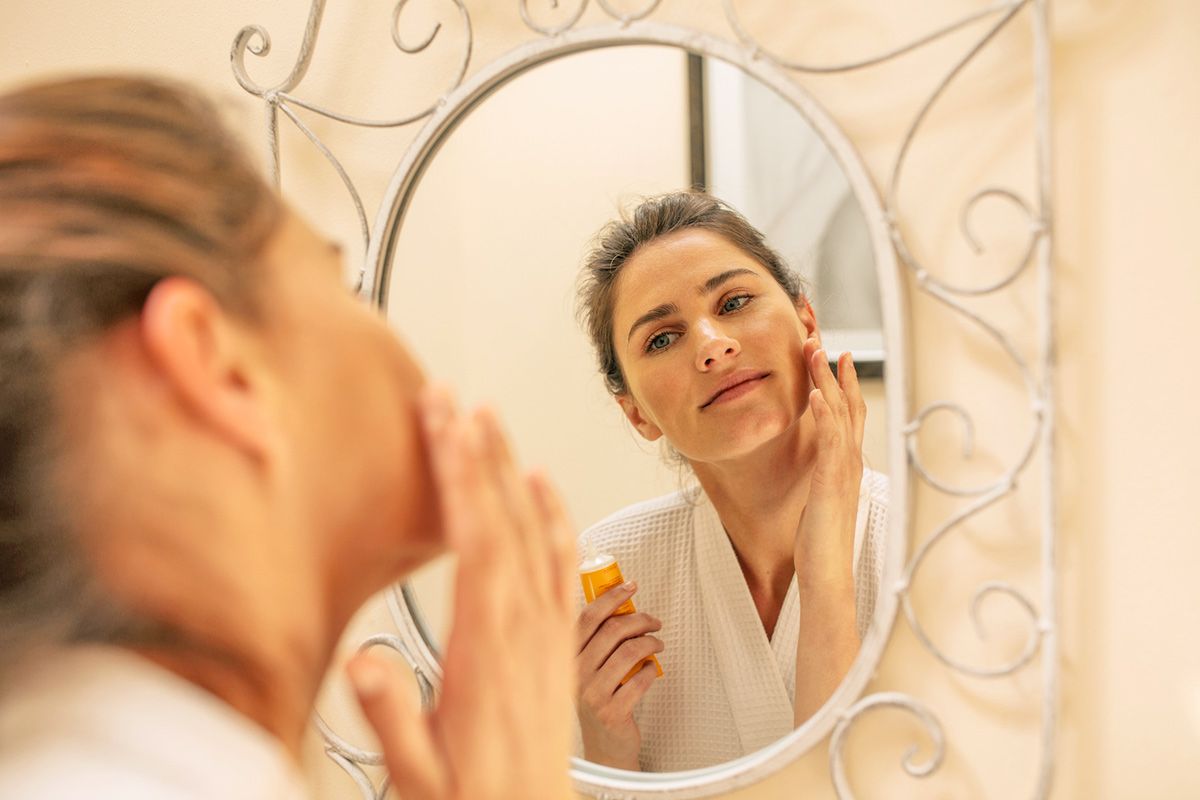
You probably slather on sunscreen if you’re sitting at the beach or lounging by the pool. Or at least, you know you’re supposed to. But what about the rest of the year? Wearing sunscreen is one of the easiest things we can do to protect ourselves from the sun’s harmful rays (even in the winter) and keep ourselves looking young. Not only does SPF help prevent skin cancer — one in five Americans develops skin cancer by age 70, according to the Skin Cancer Foundation —  but as a bonus, it’s also one of the best anti-aging ingredients. Rather than treating wrinkles and sun spots that have already formed with pricey serums or professional treatments, you can prevent them if used properly. But for some reason, adding yet another skincare product into our routines can feel exhausting. For that reason, you may turn to makeup to handle skin protection. But is it enough?

Prices are accurate as of June 26, 2026. Subject to change.

Credit: Юлиана Маринина/ Pexels

What’s the Deal With SPF in Makeup?

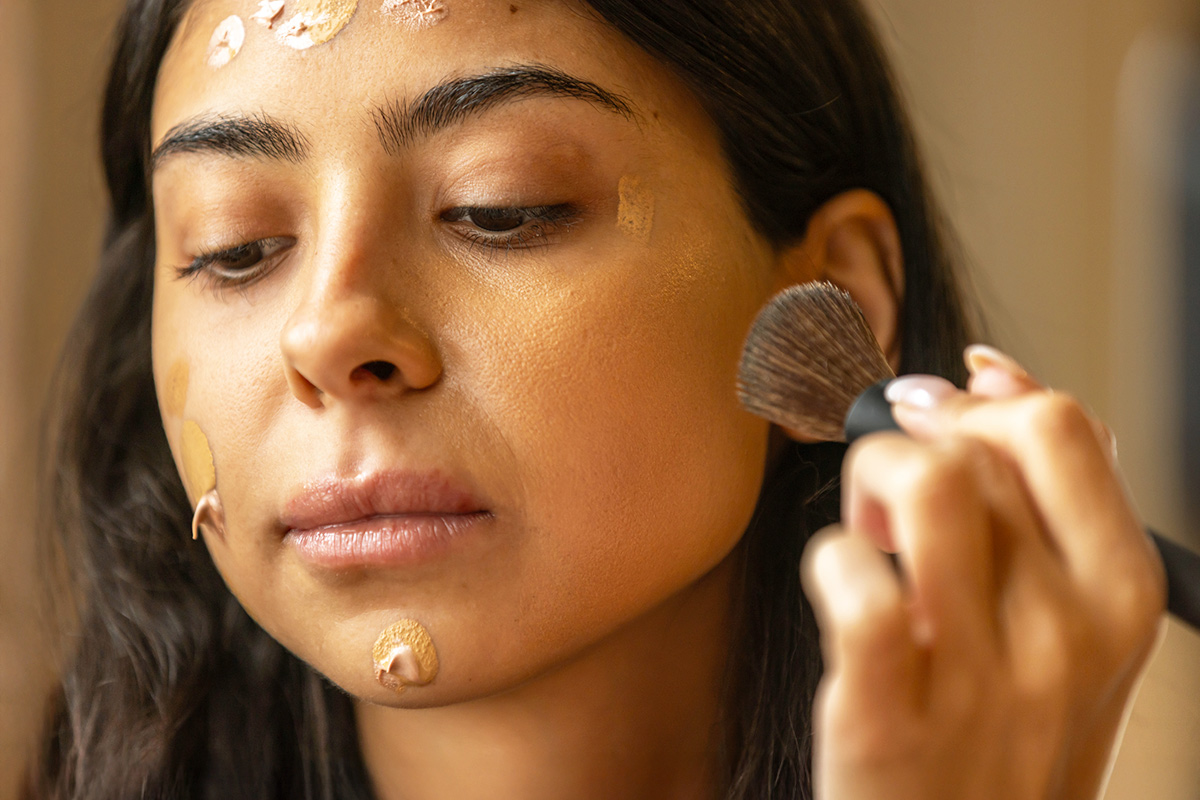
It can be difficult to find a face sunscreen that you love. Some formulas pill under makeup, others feel too thick and heavy for everyday wear. It’s easy to turn to the base products you already love that include protection, some even claiming SPF 50. That’s what I’ve always done, until I learned the truth. SPF in makeup should be considered an additional layer of sun protection, not your only way of blocking harmful rays.

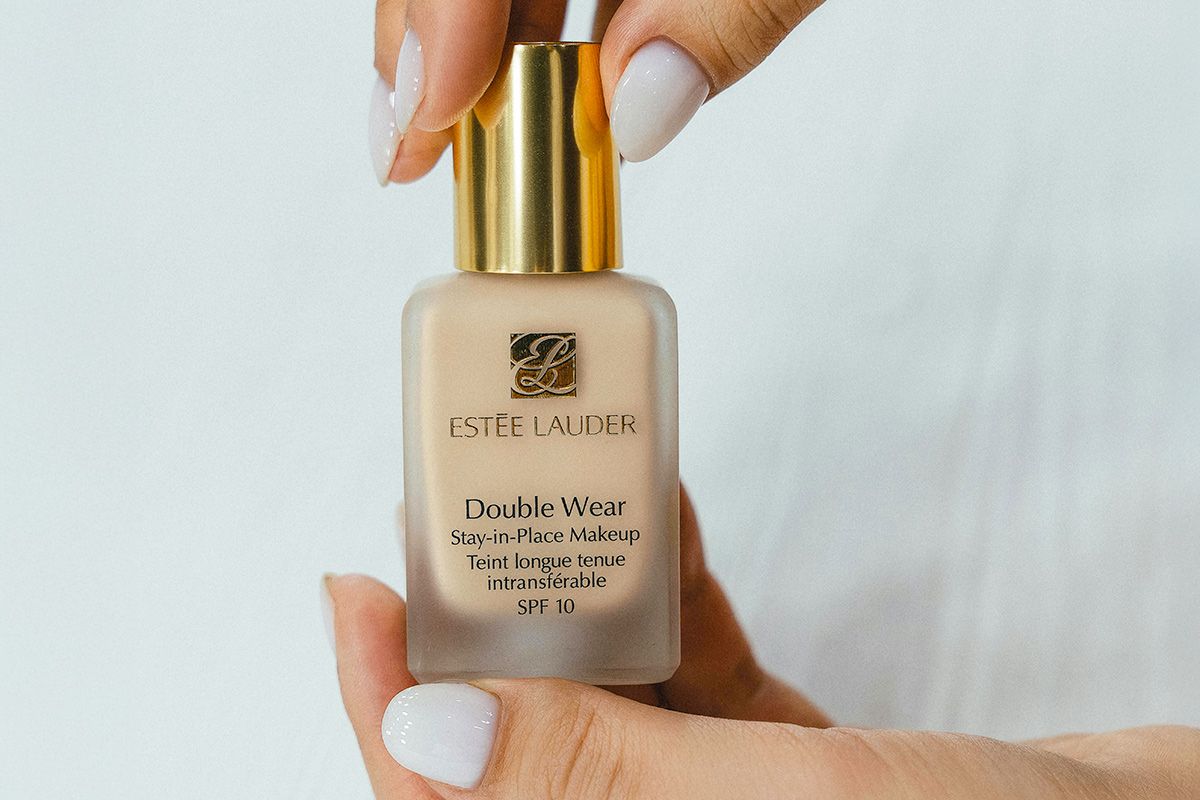
“To really get the full SPF listed on your makeup, you’d have to apply seven to 10 times more than the usual amount of foundation or powder, which is just not practical,” says board-certified dermatologist Dr. Susan Binder.

Advertisement

Pump out your typical amount of foundation on your hand. Now times that by seven. That’s a lot of makeup, more than you’d wear for even the most full-coverage glam look.

“Think of SPF makeup as a backup, not your main shield,” says Dr. Binder. “I always say, start with a large-number sunscreen of at least SPF 30 before you apply makeup. This way, your skin gets the solid protection it needs right from the start. And when you add on your makeup that has SPF, you are just adding another protective layer, which is better for your skin.”

Credit: jacoblund/ iStock

How Much SPF Do You Need?

You may have heard of the “two-finger rule” when it comes to sunscreen, which is applying a line of product down two fingers and then rubbing that in. But according to Dr. Binder, it’s more like the four-finger rule, amounting to about 1/2 teaspoon of product to cover your face, neck, and ears.

“Many people still adhere to the older ‘two-finger rule,’” she says. “But it’s not really sufficient, especially if you have a larger face or are out in sunlight for long periods. Not using enough can reduce your sunscreen’s effectiveness, increasing your risk of sun damage.”

Advertisement

But what about reapplying over makeup? Try powder sunscreens or face mists, some of which include makeup-setting ingredients. “Using these can improve your sun protection all day without affecting your makeup,” says Dr. Binder

Credit: Julia Cherkasova/ iStock

Chemical vs. Mineral Sunscreen

Sunscreen falls into two categories: chemical and mineral. Mineral sunscreens sit on the skin’s surface and reflect UV rays. Chemical sunscreens penetrate the skin and absorb the rays, converting to them to heat and releasing them from the skin.

Chemical sunscreens are often better at leaving no white cast behind and feel lighter, since they don’t sit on top of the skin. Mineral sunscreens might work better for those with sensitive skin or rosacea, as they won’t irritate the skin further. Both are effective, so it’s up to your personal preference to decide which type you go with. As Dr. Binder says, the best sunscreen is the one you’ll use.

Our Favorite Sunscreens

If you, too, have been relying on your favorite makeup to protect you from the sun, it’s time to invest in a great SPF. We have a list of our favorite clean sunscreens, some of which are included here, along with other personal favorites.

Advertisement
Courtesy of Amazon

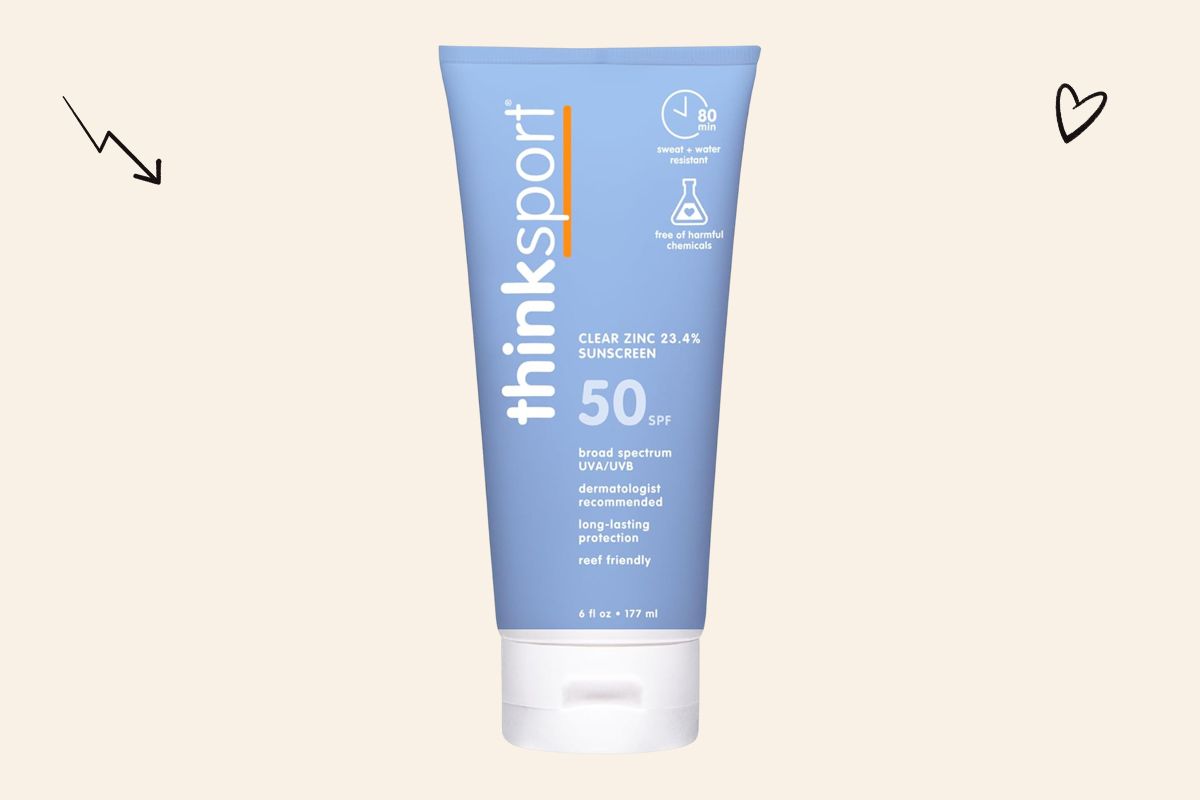
Thinksport Zinc-Oxide Sunscreen SPF 50

Sunscreen does not need to cost a lot. Get the protection of SPF 50 for just $15 with Thinksport’s matte sunscreen. It’s one of our top clean picks, and it lasts if you’re swimming or sweating.

BUY FOR $16 AT AMAZON
Courtesy of Amazon

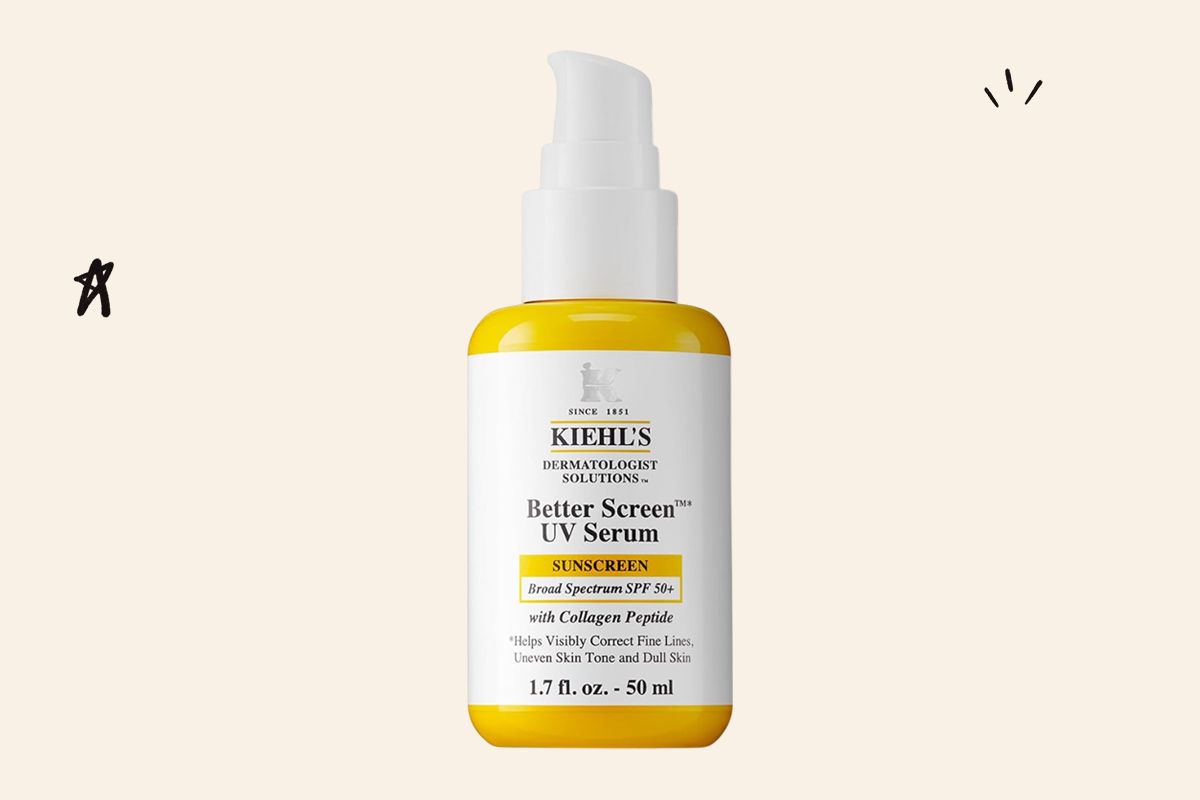
Kiehl’s Better Screen UV Serum SPF 50

Kiehl’s adds sun protection to a skincare-packed formula, and its price reflects it. But if you’re also utilizing serums for fine lines and uneven skin tone, this could be a one-and-done product.

BUY FOR $45 AT AMAZON
Courtesy of Tower 28

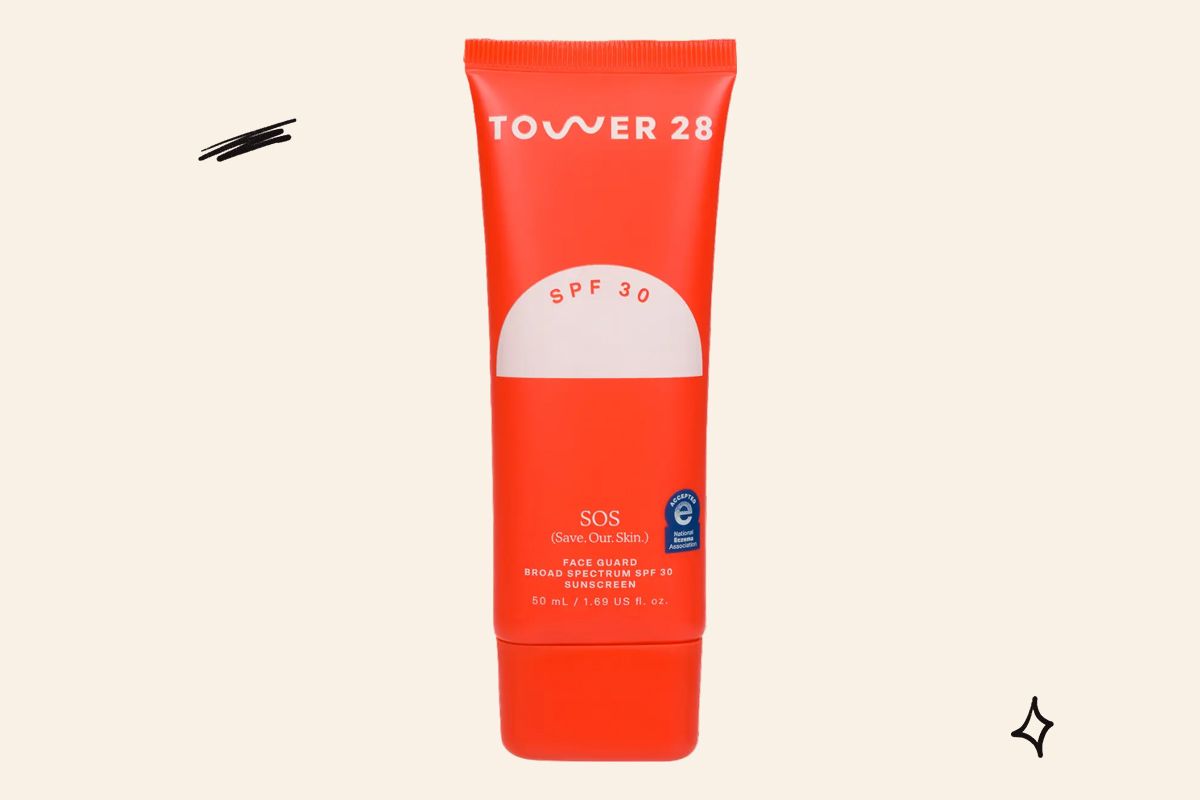
Tower 28 SOS FaceGuard SPF 30

All of Tower 28’s products are tested by dermatologists and allergists to guarantee they’re effective, gentle, and safe. So you know its mineral sunscreen is great for those of us who need a little extra care. It’s fragrance-free and rubs in smoothly with no white cast or greasy feeling left behind. If you hate the feeling of most sunscreens, you should like the lightweight moisturizer feel.

BUY FOR $32 AT TOWER 28
Advertisement
Advertisement
Courtesy of Amazon

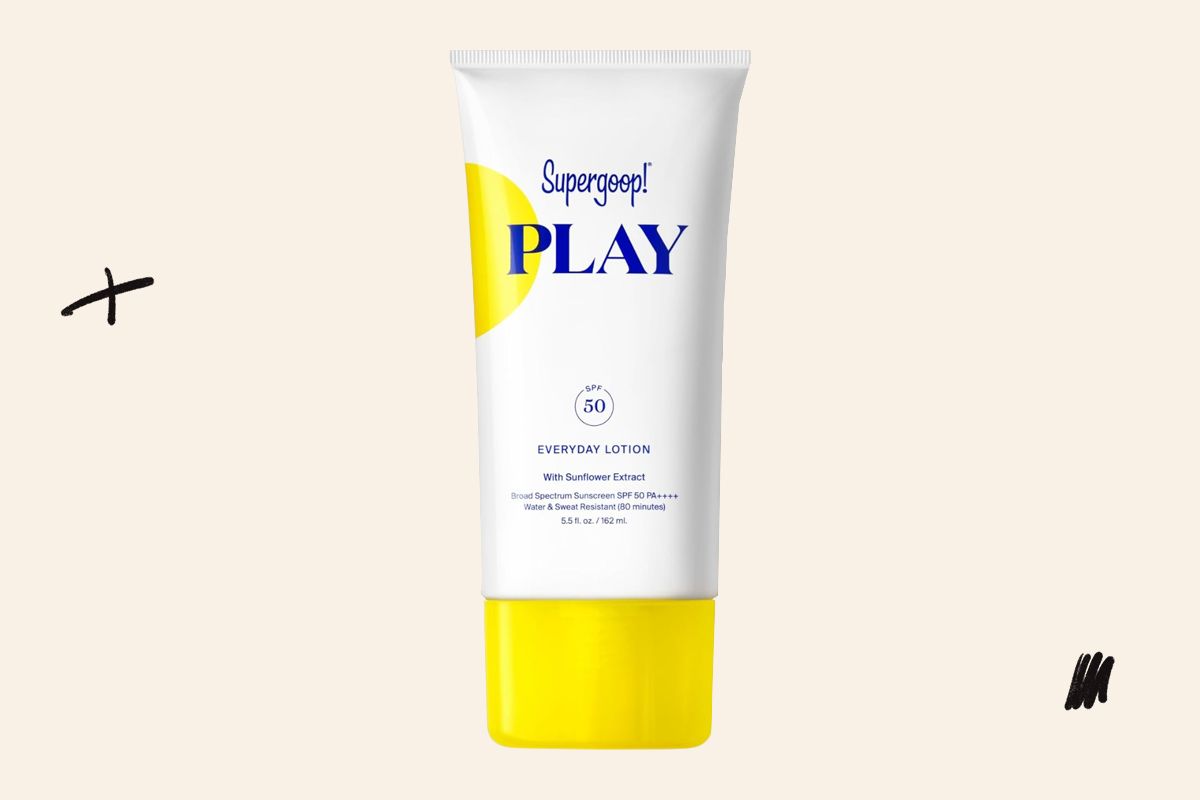
Supergoop! PLAY Everyday Lotion SPF 50

Supergoop is like the cool girl of the sunscreen world. It has a few different formulas, but we love its Play sunscreen, which feels similar to your tried and true moisturizer. One Better Report writer called it the only sunscreen she’ll use.

BUY FOR $28 AT AMAZON
Courtesy of Ulta

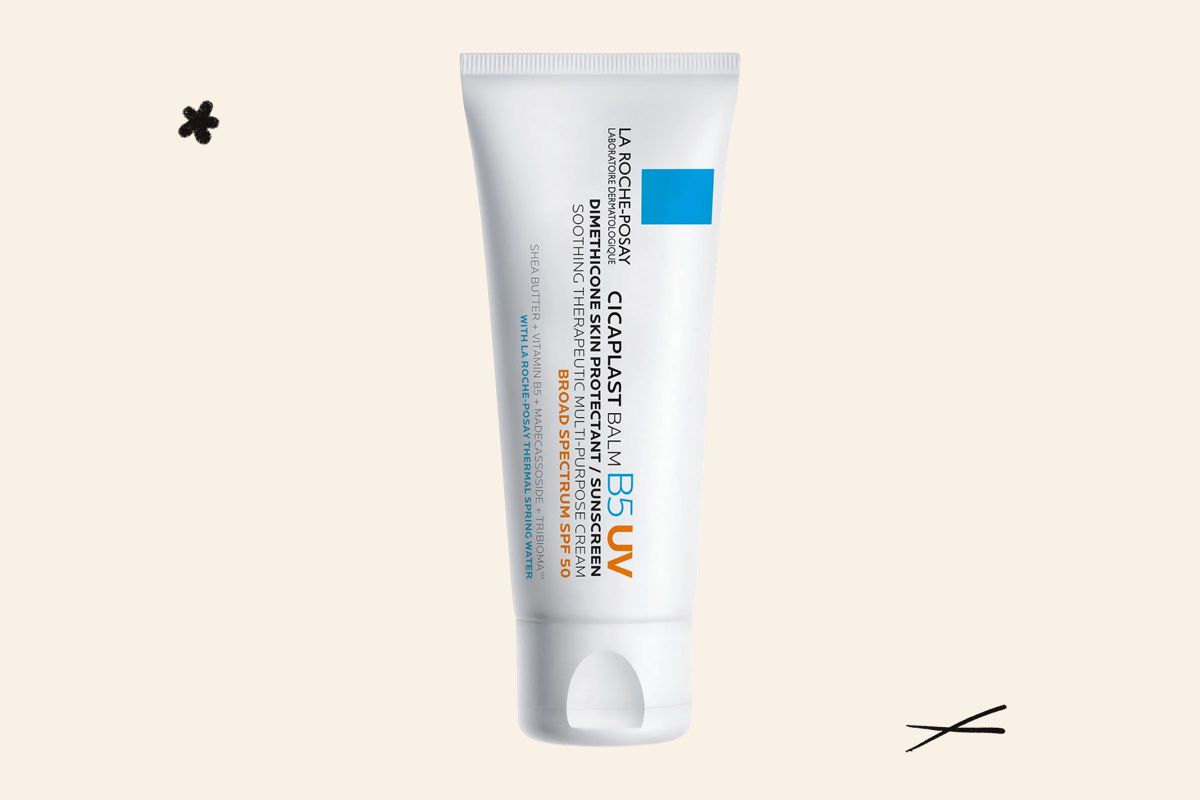
La Roche-Posay Cicaplast Balm B5 SPF 50

La Roche-Posay’s original cicaplast balm is a miracle product for my dry, eczema-prone skin, so I was ecstatic to find the brand’s new SPF version. It’s thick and moisturizing, just like its classic balm, but absorbs easily and gives me a glowy, but not greasy, look. My first introduction to this brand was over a decade ago when I tried the Anthelios AOX Daily Antioxidant Serum with SPF. I love it, but at $45, I can’t use it consistently. The Cicaplast Balm is a great everyday option.

BUY FOR $20 AT AMAZON
Advertisement

Featured Image Credit: gpointstudio/ iStock

More From Our Network

Better Report is part of Inbox Studio, an email-first media company. *Indicates a third-party property.

Go Retro With This 1960s Fashion Quiz

Quiz Daily

Go Retro With This 1960s Fashion Quiz

True or False: Are You a Master of U.S. Geography?

Travel Quiz

True or False: Are You a Master of U.S. Geography?

5 Reasons You Can Be Denied Boarding an Airplane

Daily Passport

5 Reasons You Can Be Denied Boarding an Airplane

What Did People Do Before Eyeglasses?

History Facts

What Did People Do Before Eyeglasses?

How To Use a Balloon To Clean Up Dust

House Outlook

How To Use a Balloon To Clean Up Dust

11 Shopping Hacks Costco Members Should Know

FinanceBuzz*

11 Shopping Hacks Costco Members Should Know

Share this article

  • Share to Facebook
  • Share to Twitter
  • Copy Url
  • Share to Email
Ali Eldridge

This article is for general informational purposes only.
Affiliate Disclaimer Medical Disclaimer Financial Disclaimer

Updated:
Posted In: Health
Hero Image Credit: Better Report

Recommended Articles

  • 5 Things To Ask Your Doctor About the New Flu Shot

  • Is Sourdough Actually Healthier Than Regular Bread?

  • Do You Really Need a Bidet in Your Home?

  • Is It Actually Better To Lease a Car?

Advertisement

Related Articles

5 Things To Ask Your Doctor About the New Flu Shot

5 min read

Is Sourdough Actually Healthier Than Regular Bread?

7 min read

Do You Really Need a Bidet in Your Home?

4 min read

3 Common Sleep Habits That May Be Aging Your Brain

5 min read

Is the Traditional Mediterranean Diet Actually the Best for Your Brain?

4 min read
Advertisement

Why Everyone’s Talking About Skin Tints

Home | Updated: July 10, 2025
Danielle Schlass Saliman
Author
Danielle Schlass Saliman has 24 years of experience writing and editing lifestyle content from fashion and beauty to home and money. She has worked as an Executive Editor at Woman’s World and First for Women, Assistant Editor at Working Mother Magazine, a Research Editor at InTouch Weekly Magazine and has contributed to publications such as Life & Style, Closer Magazine, The New York Post, Brides, Shape En Espanol, Rite Aid, Kmart, Sunrise Senior Living and Philadelphia Style to name a few. Danielle graduated from New York University with a Bachelor of Arts in English and then earned a Masters in Magazine Journalism from Syracuse University’s S.I. Newhouse School of Public Communications.
Better Report

All featured products and deals are selected independently and objectively by the author. Better Report may receive a share of sales via affiliate links in content.

The quest for a flawless complexion has us navigating a dizzying array of products, each promising perfection. We’ve tried them all, from the multitasking BB creams, aka beauty balms, that emerged from South Korea, offering a blend of skincare benefits like hydration and SPF with light coverage, to the color-correcting prowess of CC creams designed to neutralize redness and uneven tones. But now, a new contender has stepped into the spotlight, quickly becoming the darling of the beauty world: the skin tint. What exactly is a skin tint, and how does it differ from its predecessors?

Prices are accurate as of July 10, 2025. Subject to change.

What is a Skin Tint?

Think of it as the ultimate “your skin, but better” product. Skin tints are designed to provide the sheerest wash of skin-moisturizing coverage without feeling heavy — perfect for warmer months. These more natural, breathable formulas also include skin-nourishing ingredients that can fade dark spots, calm irritation, and blur wrinkles for a luminous finish with effortless application. 

Advertisement
Advertisement

How to Find the Right Shade

Like foundations and concealers, skin tints come in a range of shades that work best when matched to your skin’s undertone: warm, cool, or neutral.

You’re Cool if:

– Your veins appear blue or purple in natural light.
– Silver jewelry tends to look best on you.
– You burn easily in the sun and rarely tan.

Advertisement

You’re Warm if:

– Your veins look more green in natural light.
– Gold jewelry is more flattering on your skin.
– You tan easily and rarely burn.

You’re Neutral if:

– Your veins are a mix of blue and green, or it’s hard to categorize.
– Both gold and silver jewelry look equally good on you.
– You sometimes tan and sometimes burn, depending on sun exposure.

Recommended Articles

  • 5 Things To Ask Your Doctor About the New Flu Shot

  • Is Sourdough Actually Healthier Than Regular Bread?

  • Do You Really Need a Bidet in Your Home?

  • Is It Actually Better To Lease a Car?

Advertisement
Advertisement

Reader Favorites

  • Woman looking in fridge

    9 Foods You Should Toss ASAP if They’re Expired

  • Person eating salad

    7 Things a Chef Never Orders at a Restaurant

  • Cherry angioma

    Are the Tiny Red Dots on Your Skin Dangerous?

Tip: Avoid testing the color on your arm or hand, and instead apply a few different shades on your jawline in natural light where you’ll find the best match for your complexion. Then choose the shade that most seamlessly blends into your neck and cheeks. If you’re buying online, many brands and beauty sites offer online tools to help you match shades to your skin. 

Courtesy of Amazon and Kylie Cosmetics

Have Super Dry Skin?

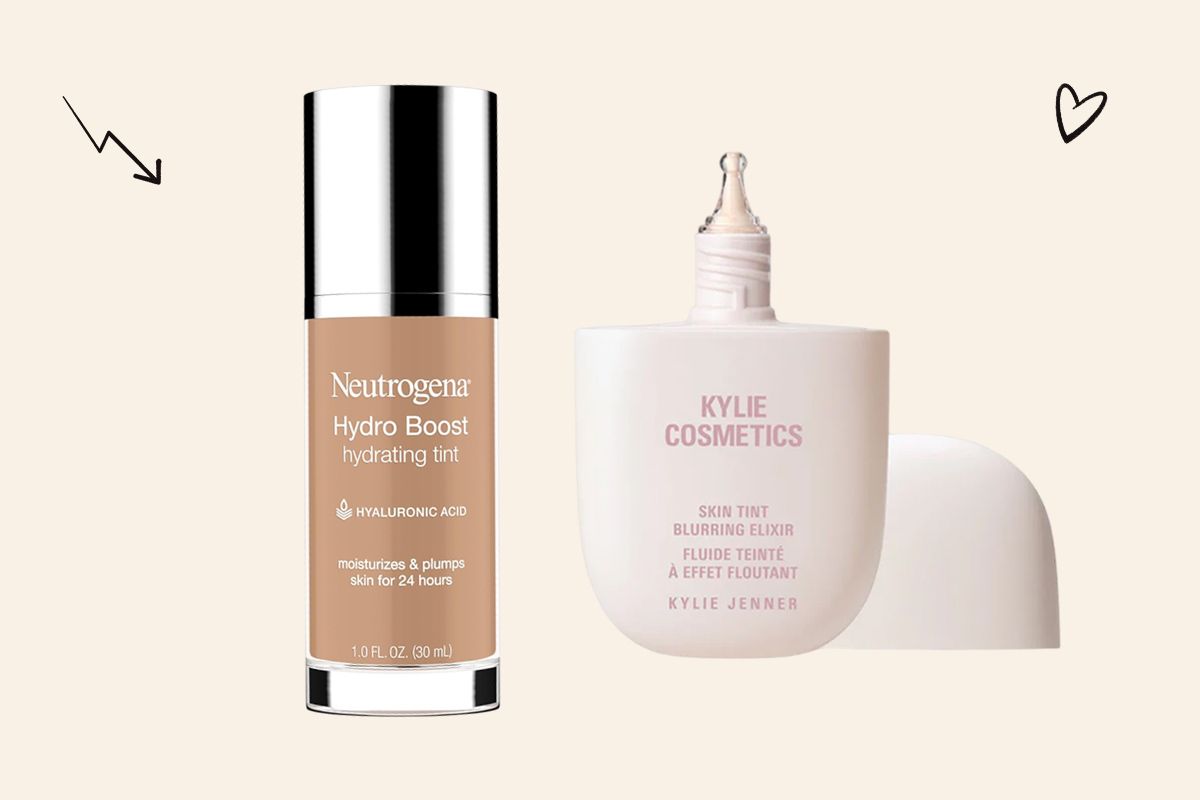
Look for skin tints that contain hyaluronic acid, a powerful humectant that draws moisture from the air into the skin. It helps keep skin hydrated while plumping and strengthening the skin’s barrier to help prevent future moisture loss — especially beneficial for dehydrated skin. Our picks: Neutrogena Hydro Boost Hydrating Tint and Kylie Cosmetics Skin Tint Blurring Elixir

Courtesy of Arbonne and Sephora

Have Fine Lines? 

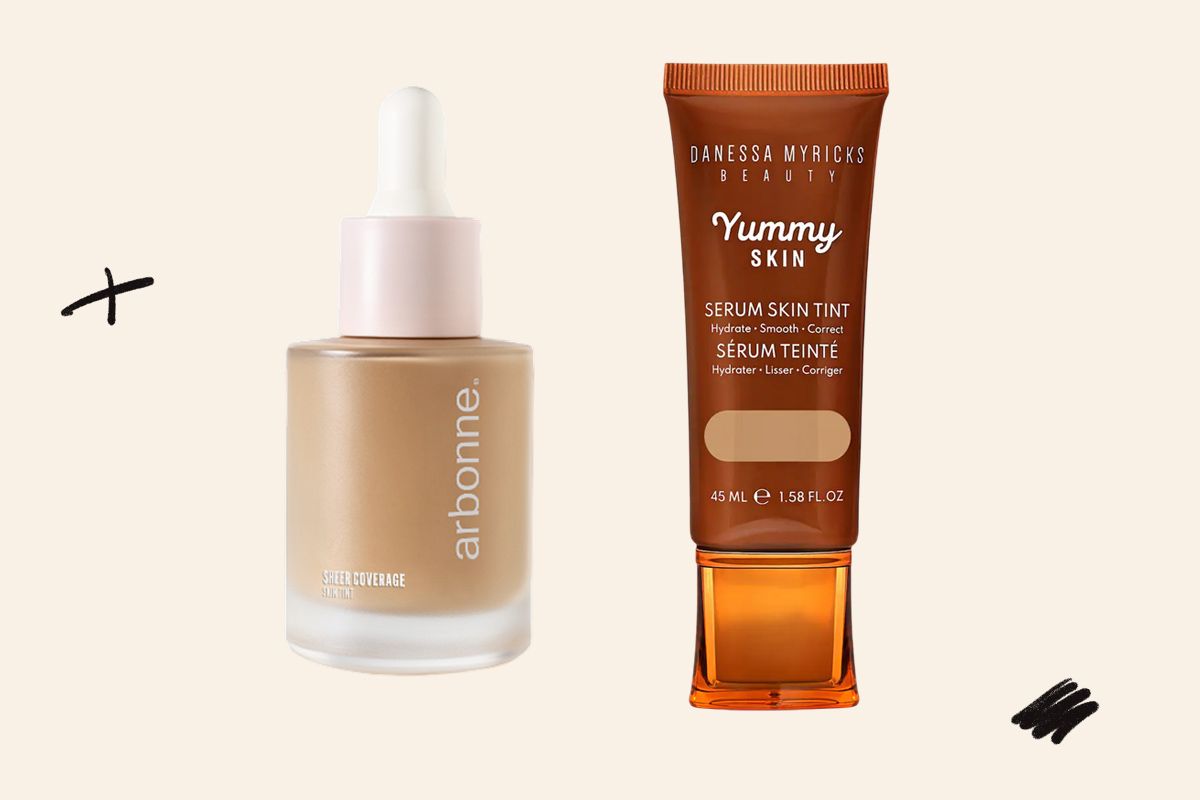
Look for skin tints that contain peptides — short chains of amino acids  — which can improve firmness and elasticity by signaling the skin to produce collagen and elastin, and repair the skin barrier. Our picks: Danessa Myricks Beauty Yummy Skin Tint and Arbonne Sheer Coverage Skin Tint

Advertisement
Advertisement
Courtesy of Amazon

Have Dark Spots or Uneven Skin Tone?

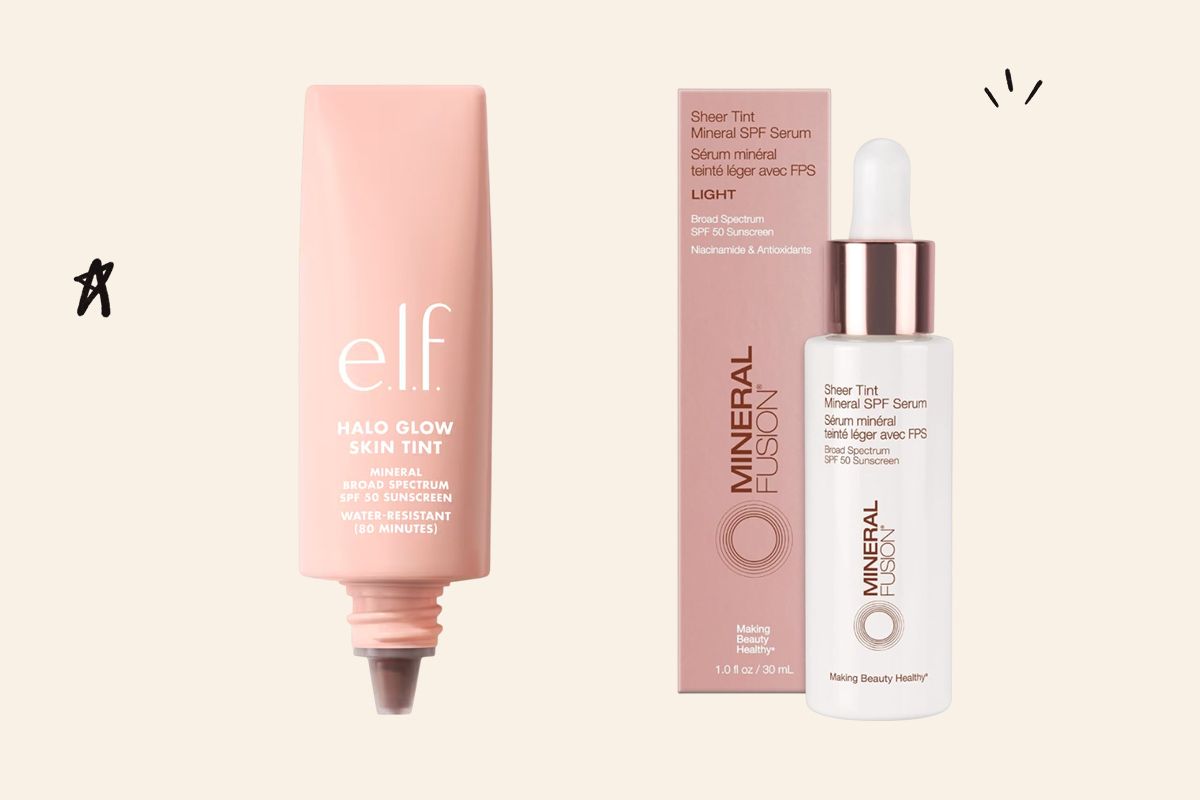
Look for skin tints that contain niacinamide. It inhibits the transfer of melanin (skin’s pigment) to skin cells, helping fade hyperpigmentation while calming inflammation and strengthening the skin barrier, supporting a more even skin tone.  Added SPF helps prevent further discoloration. Our picks: e.l.f. Halo Glow Skin Tint and Mineral Fusion Sheer Tint Serum 

Advertisement
Courtesy of Amazon

Have Dull Skin?

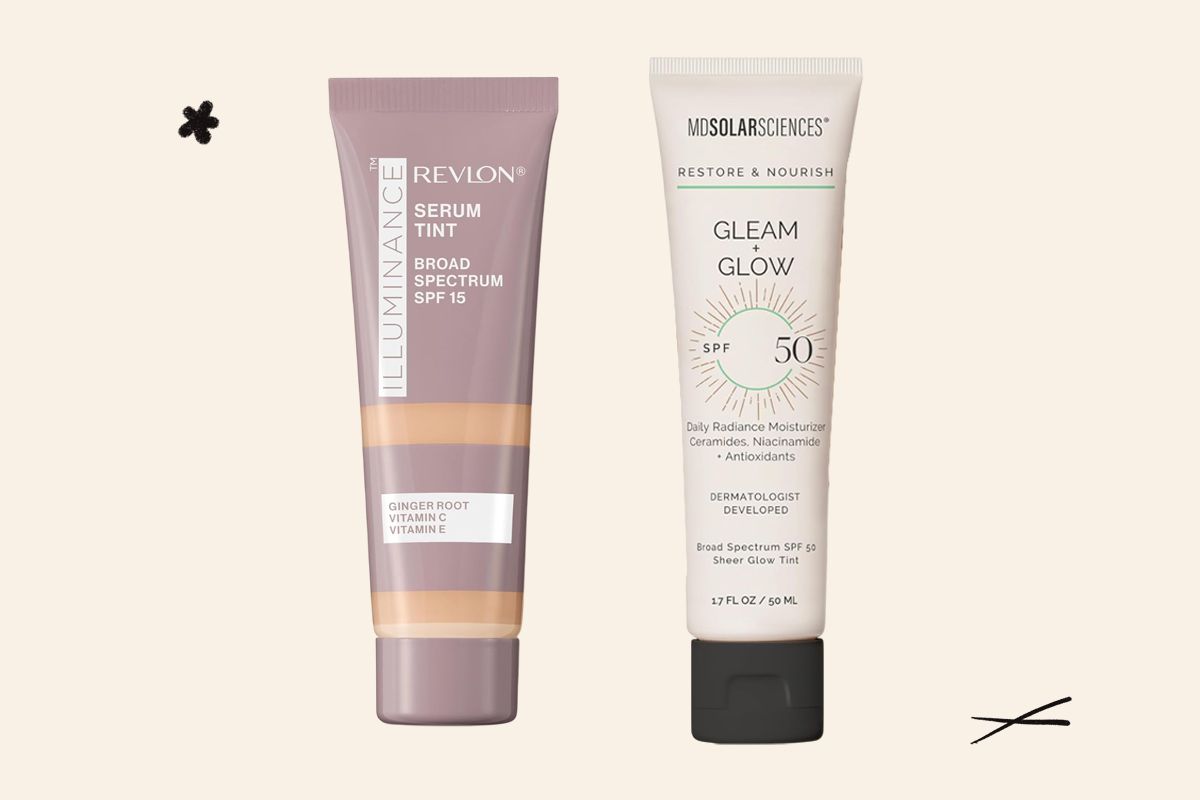
Look for skin tints that contain vitamin C. Its antioxidant properties help protect skin from free radical damage, contributing to brighter and more radiant-looking skin. SPF prevents further dulling. Our picks: Revlon Illuminance Serum Tint  and MDSolarSciences Gleam + Glow Mineral Tinted Creme 

Advertisement
Advertisement
Courtesy of Amazon

Have Sensitive Skin? 

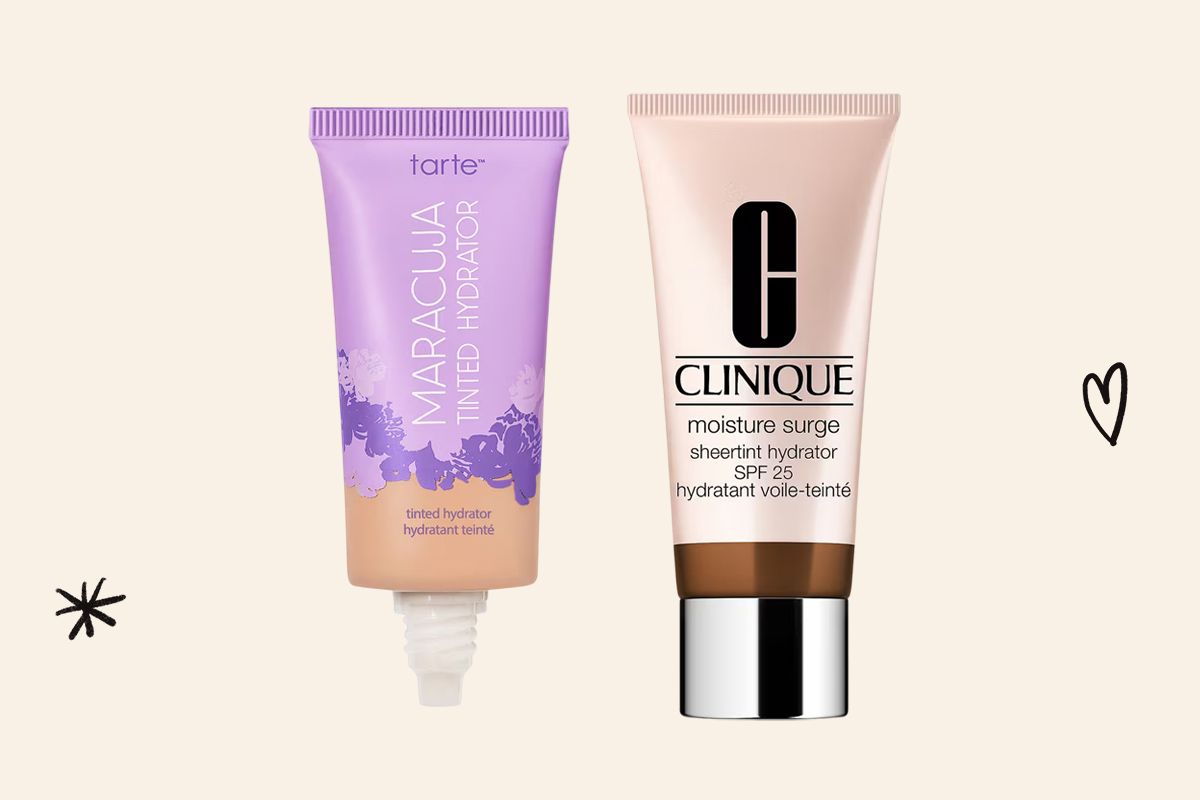
Look for skin tints that contain aloe, which has soothing, moisturizing, and anti-inflammatory properties. Our picks: Tarte Maracuja Tinted Moisturizer and Clinique Moisture Surge SheerTint Hydrator

Featured Image Credit: Berk Ucak/ iStock

More From Our Network

Better Report is part of Inbox Studio, an email-first media company. *Indicates a third-party property.

Go Retro With This 1960s Fashion Quiz

Quiz Daily

Go Retro With This 1960s Fashion Quiz

True or False: Are You a Master of U.S. Geography?

Travel Quiz

True or False: Are You a Master of U.S. Geography?

5 Reasons You Can Be Denied Boarding an Airplane

Daily Passport

5 Reasons You Can Be Denied Boarding an Airplane

What Did People Do Before Eyeglasses?

History Facts

What Did People Do Before Eyeglasses?

How To Use a Balloon To Clean Up Dust

House Outlook

How To Use a Balloon To Clean Up Dust

11 Shopping Hacks Costco Members Should Know

FinanceBuzz*

11 Shopping Hacks Costco Members Should Know

Share this article

  • Share to Facebook
  • Share to Twitter
  • Copy Url
  • Share to Email
Danielle Schlass Saliman
Writer

Danielle Schlass Saliman has 24 years of experience writing and editing lifestyle content from fashion and beauty to home and money. She has worked as an Executive Editor at Woman’s World and First for Women, Assistant Editor at Working Mother Magazine, a Research Editor at InTouch Weekly Magazine and has contributed to publications such as Life & Style, Closer Magazine, The New York Post, Brides, Shape En Espanol, Rite Aid, Kmart, Sunrise Senior Living and Philadelphia Style to name a few. Danielle graduated from New York University with a Bachelor of Arts in English and then earned a Masters in Magazine Journalism from Syracuse University’s S.I. Newhouse School of Public Communications.

This article is for general informational purposes only.
Affiliate Disclaimer Medical Disclaimer Financial Disclaimer

Updated: October 2, 2024

Posted In: Home
Hero Image Credit: Better Report

Advertisement

Related Articles

9 Items in Your Basement You Should Toss Right Now

5 min read

5 Vegetables You Should Never Store in the Fridge

3 min read

Why a Flashing Check Engine Light Is Different From a Solid One

3 min read

Why Does Your Sink Have a Tiny Hole?

3 min read

Is Hard Water Ruining Your Clothes?

3 min read
Advertisement

Posts navigation

Older posts
  • Home
  • Health
  • Wealth
  • Logo
  • Advertise
  • About
  • Contact Us
  • Privacy Policy
  • Terms of Use
  • Your Privacy Choices
x
Thumb Image

Elevate your everyday.

Sign up to receive the practical tips and expert advice you need to pare down the complexities of everyday living right in your inbox.

Sorry, your email address is not valid. Please try again.

Your email is:

Edit Image
Sorry, your email address is not valid. Please try again.
Thank you for subscribing...

By subscribing you are agreeing to our Terms of Use and Privacy Policy.

Close image
Thumb Image
Second Thumb Image

Elevate your everyday.

Sign up to receive the practical tips and expert advice you need to pare down the complexities of everyday living right in your inbox.

Sorry, your email address is not valid. Please try again.

By subscribing you are agreeing to our Privacy Policy and Terms of Use.

Close image