Skip to content
Better Report
  • Home
  • Health
  • Wealth
8 Low-Maintenance Plants That Thrive on Neglect
  • Search
  • Subscribe
  • Home
  • Health
  • Wealth
  • About
  • Privacy Policy
  • Terms of Use
  • Contact Us
  • SubscribeSubscribe
  • Search
Thank you for confirming your email! Welcome to the community.

Tag: Cleaning

Could Your Kitchen Cleaning Habits Be Making You Sick?

Health | Updated: August 13, 2026
Fred Decker
Author
Fred Decker is a trained chef and former restaurateur. Since closing his restaurants over a decade ago he has been a prolific freelance writer, publishing several thousand articles on dozens of high-volume websites including Taste Of Home, Hunker, Tasting Table, Week&, eHow, and GOBankingRates. He lives on a rural acreage shared with a big garden, chickens, rabbits, and grandkids.
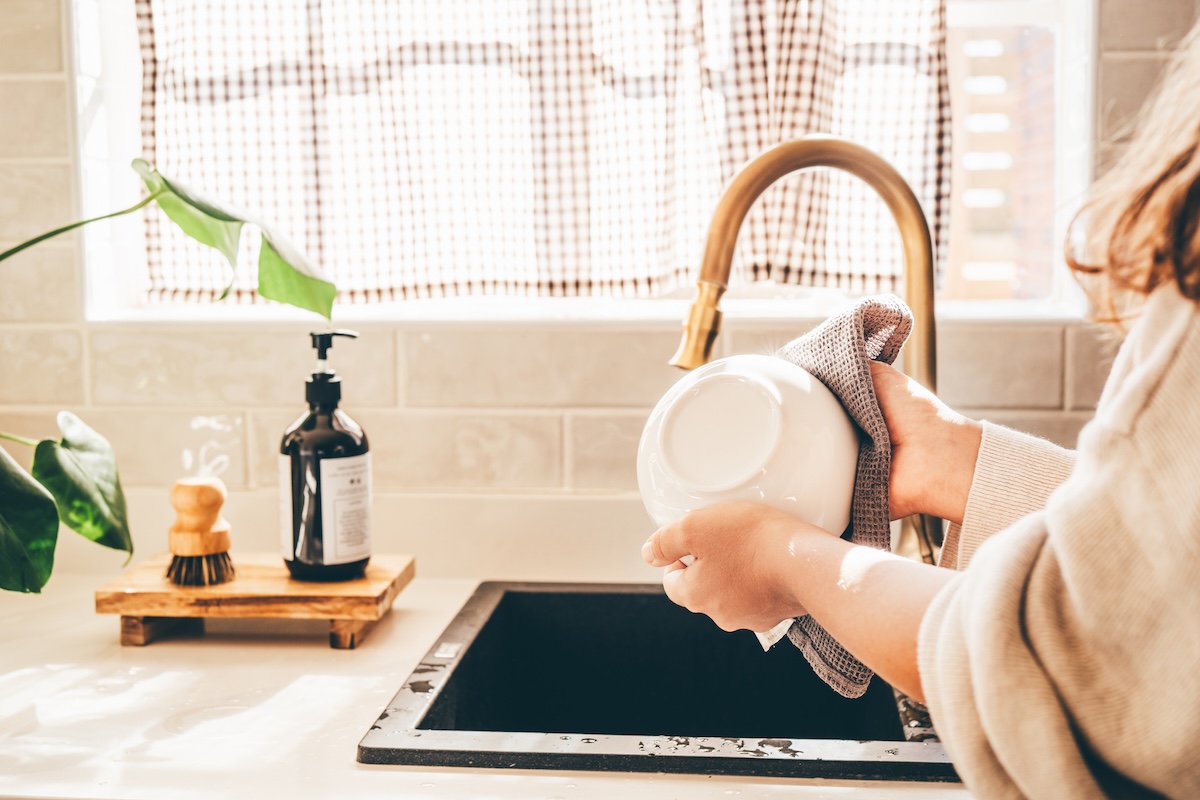
Person washing dishes
Better Report

If you watch the news, you’ll frequently see stories about food recalls. They’re worth keeping tabs on, because food poisoning is no joke: The USDA estimates that Americans experience about 48 million foodborne illnesses each year from a population of about 342 million. That’s a lot.

When it comes to avoiding foodborne illnesses, food safety is important, but it’s only part of the picture — you also need a safe place to prepare your food. The unfortunate truth is that even if you pride yourself on keeping a clean kitchen, you still may be inadvertently letting bacteria thrive. Here are the issues I see most often as a former chef and food safety trainer. 
Sponge on counter
Credit: © Alina Bondar/Unsplash.com

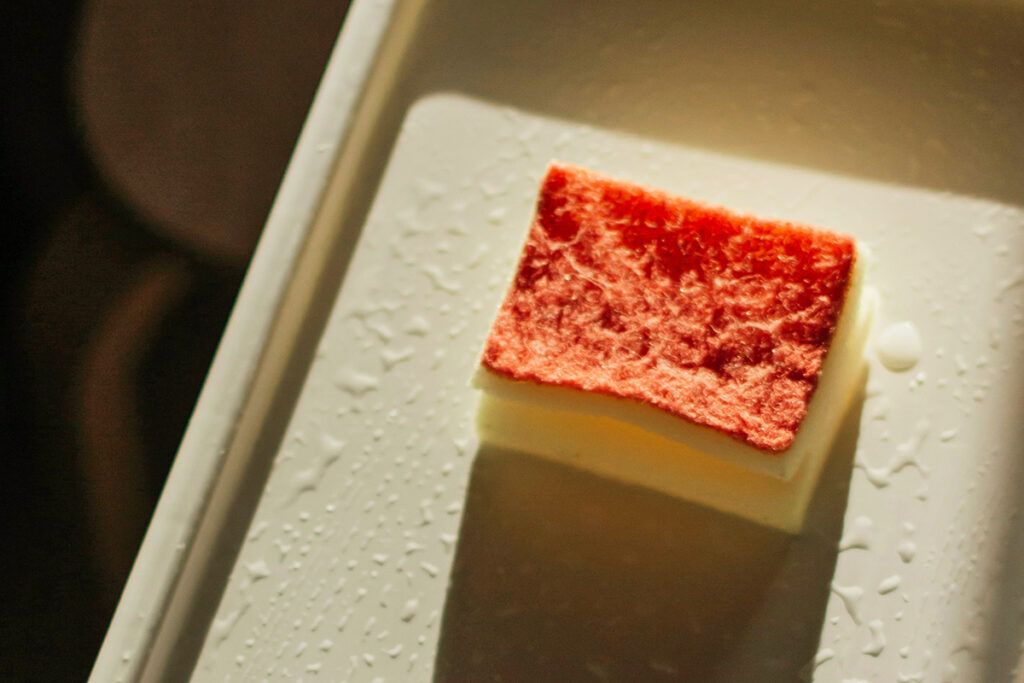
Your Sponge

You’ve probably seen clickbait headlines telling you that “there are more bacteria on your kitchen sponge than in your toilet.” It’s true, but a little misleading: Your kitchen sponge does have a really high bacterial load, but most of the bacteria on it are harmless. The bad news? It can also harbor harmful pathogens including salmonella, E. coli, listeria, and others you might not know by name. 

While you’re cleaning, your sponge picks up bacteria and pathogens from the surfaces you wipe (dishes, cutting boards, knives, and so on). If you clean a cutting board that just held raw chicken, for example, any salmonella on the board is now in your sponge. Your sponge also traps food particles and moisture, and then sits at room temperature for hours. 

Advertisement
Advertisement

In other words, you’re creating perfect conditions for bacteria to grow. So, the next time you use your sponge, you’ll be smearing bacteria across your counters and dishes rather than cleaning them off. If you use a cloth for cleaning your counters or hand-washing dishes, you’ll face similar challenges. 

Advertisement

So what should you do if you don’t want to spread bacteria? 
Cleaning dish with brush
Credit: © Hannah Grapp/Pexels.com

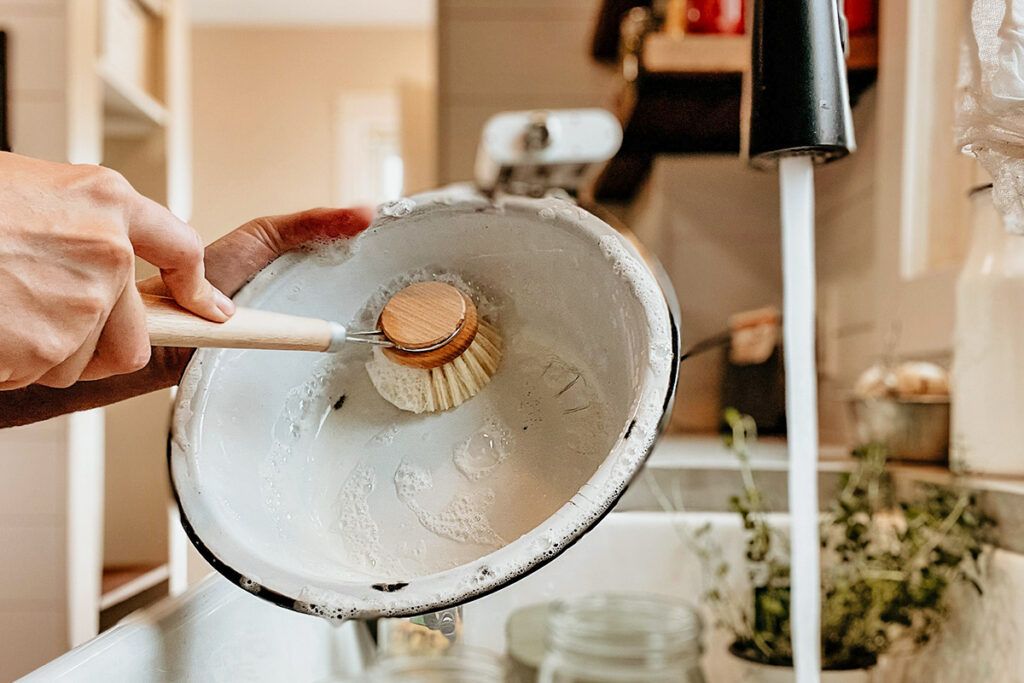
How To Clean Without Spreading Bacteria

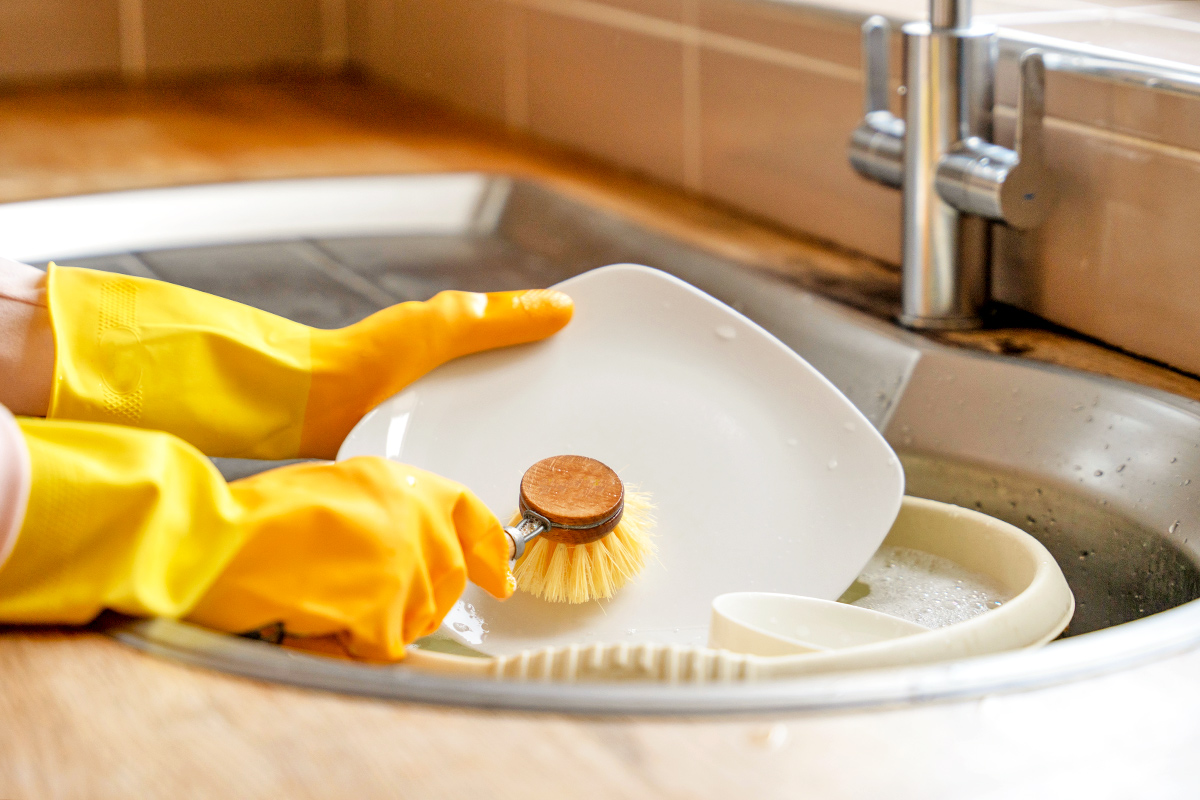
The simplest option might be to change the tool you use. A study conducted in 2022 across 10 European nations found that dish-scrubbing brushes were significantly more sanitary than sponges. Not only did their bristles retain less food waste and bacteria than sponges, but they were also easier to clean and dried faster, taking away the moisture bacteria need for survival. 

Recommended Articles

  • The Safety Rules for Candles You Probably Don’t Know

  • 5 Things Your Car Needs Before the First Freeze

  • 6 Amazon Prime Day Hacks

  • 5 Things To Ask Your Doctor About the New Flu Shot

Advertisement
Advertisement

Reader Favorites

  • Woman looking in fridge

    9 Foods You Should Toss ASAP if They’re Expired

  • Person eating salad

    7 Things a Chef Never Orders at a Restaurant

  • Cherry angioma

    Are the Tiny Red Dots on Your Skin Dangerous?

For uses where brushes might not be the tool for the job, there are several methods you can use to sanitize your sponge or washcloth between uses:

• Run it through a cycle in your dishwasher, using its high heat setting and heated drying.
• Soak the sponge in pure, 10% chlorine bleach for one minute.
• Soak the sponge in 70% ethanol (i.e., overproof vodka or equivalent). 
• Put the sponge through a hot water wash in your washing machine, with bleach, and dry it on your dryer’s hot setting.
• Wet the sponge or cloth thoroughly, then microwave on high for one minute.
• Boil your sponge or cloth for 10 minutes.

USDA testing showed that the microwave is the simplest and most effective option for sanitizing your sponge, as long as your sponge is microwave-safe. But additional research from other sources, including a microbiologist in her home kitchen, showed that it’s not a bulletproof option: The bleach, dishwasher, and washing machine options all worked pretty well; hydrogen peroxide and the dishwasher without hot drying were less effective; and the microwave results were variable. 

Advertisement
Advertisement

Considering all the benefits that come with using brushes, and the fact that they can also be sanitized in the dishwasher, you may just want to opt for that instead. If you must use a sponge, replace it every one to two weeks, even if you’re sanitizing it. 

Advertisement
Cutting meat
Credit: © Getty Images/Unsplash.com

Your Hands

You use your hands to hold food, cooking utensils, and the sponge or cloth you clean with, so they’ll be exposed to any pathogens on those things. You’ll spread those microbes to the knobs on your stove, the handles of your faucet and knives, your light switches and doorknobs, and any family members you happen to touch. 

Advertisement
Advertisement

That’s why handwashing is drilled into culinary students (and medical students!) so thoroughly. It’s one of the fundamental rules of food safety. You really need to wash your hands with soap and water for at least 20 seconds every time they’ve been in contact with a possible source of contamination, whether you took a bathroom break or were touching raw meats or fresh produce (a common source of food recalls). Alternatively, you can use gloves, as long as you change them when you shift from one task to another. Doing so will help prevent any skin irritation from frequent handwashing. 

Washing your hands or changing gloves often is inconvenient, sure. But touching things absentmindedly with unwashed hands is how a lot of common pathogens like norovirus, for example, spread — and I can assure you that the extra time spent washing your hands is a lot less inconvenient than getting noro. 
Advertisement
Advertisement
Cleaning sink
Credit: © Liliana Drew/Pexels.com

Your Sink

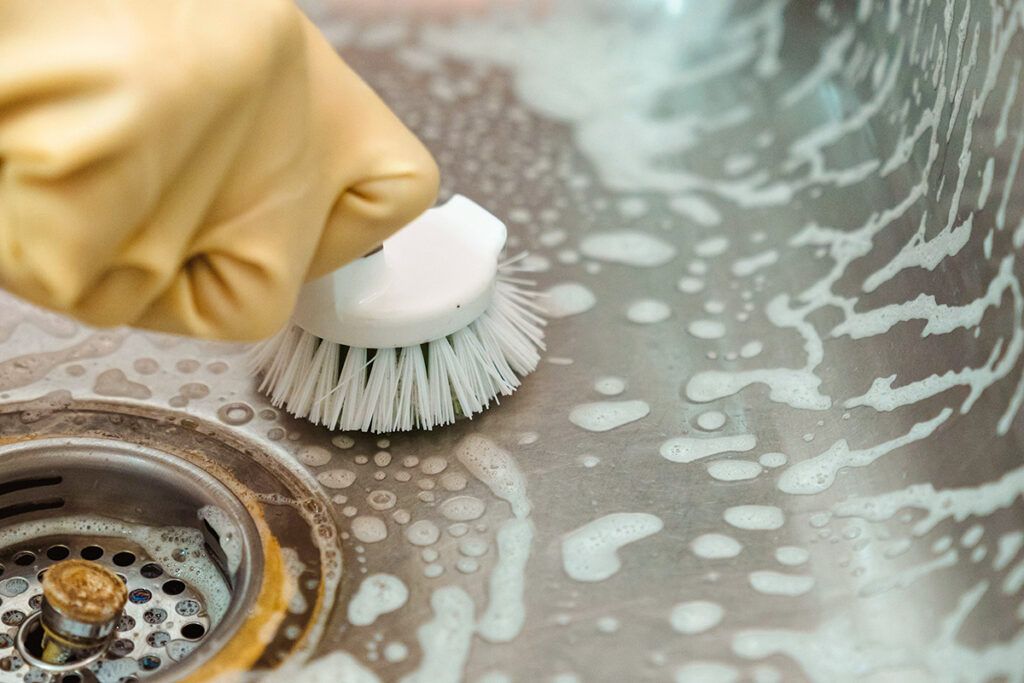
Your sponge is what you use to clean a lot of things, but your kitchen sink is where you clean them. That means it sees a whole lot of foodborne bacteria, viruses, and parasites. (The cyclosporiasis outbreak that sickened thousands in July 2026 is caused by a parasite.) Your sink is a place where pathogens gather, and it might need a little more care than you’re giving it. 

After you’ve used your sink to rinse produce or things like cutting boards, or after you’ve drained the juices from a package of fresh or thawed meat, wash it carefully with your cleanser of choice. The drain is an especially good place for bacteria to gather due to its nooks and crannies, so scrub those with a brush to get out any gunk. If your sink has a basket-type stopper, run that through a hot dishwasher cycle at least once a week to keep it sanitary. Finally, make a habit of disinfecting the whole sink and drain with diluted bleach every few days. 
Advertisement
Advertisement
Icemaker
Credit: © Sarah Palmer—Moment/Getty Images

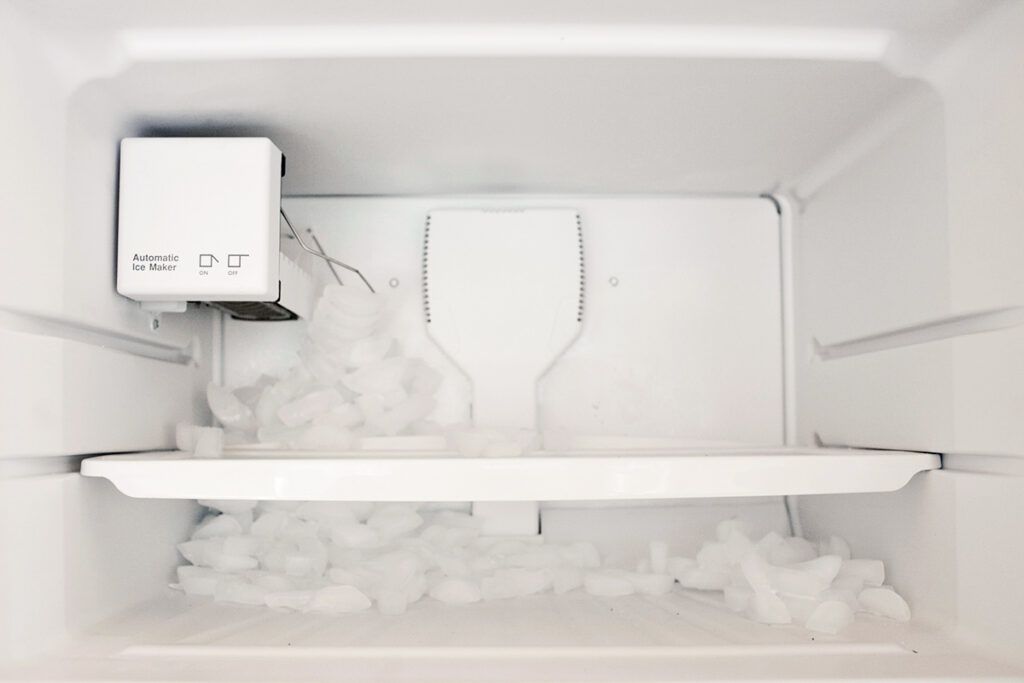
Your Icemaker

The ice maker in your fridge (or a stand-alone ice maker, if you have one) may also be one of the dirtiest things in your house. Ice makers accumulate molds and bacteria — many of which, including cold-tolerant listeria, can make you pretty ill. Cleaning it two to three times a year is relatively straightforward, and easy to remember if you schedule it to coincide with something else (holiday weekends, for example). Not only will this protect you from possible illness, but your ice cubes will also look and taste better. 
Advertisement
Advertisement
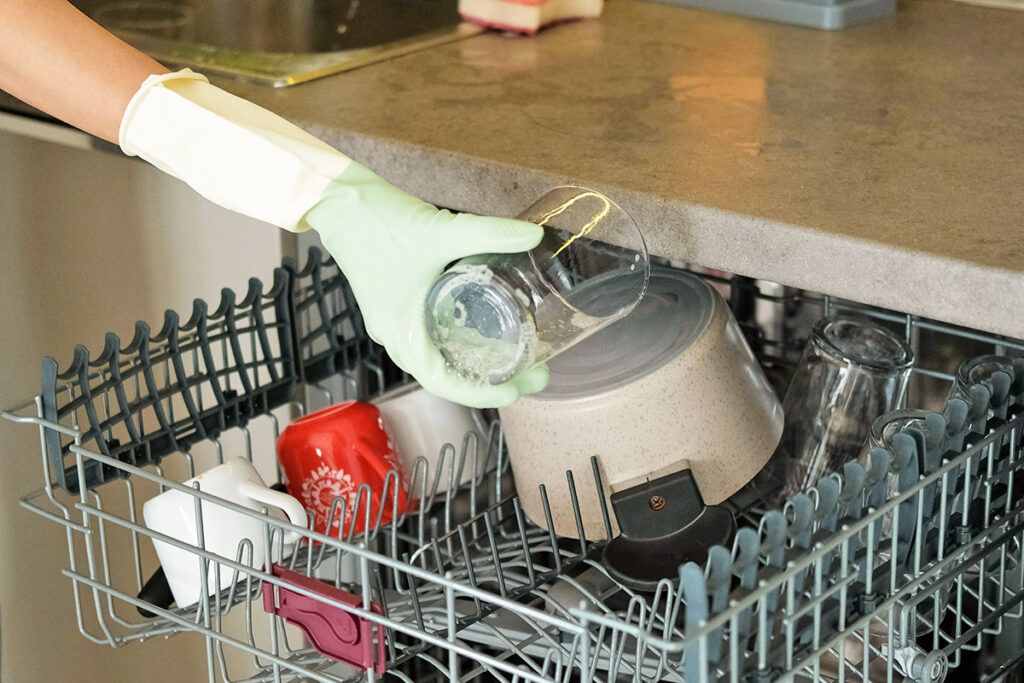
Person loading dishwasher
Credit: © Kübra Arslaner/ Unsplash.com

Your Dishwasher 

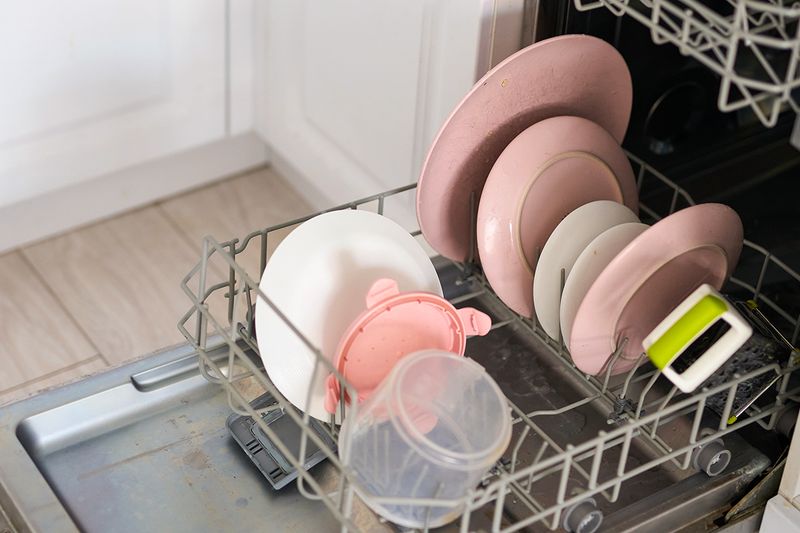
Your dishwasher plays a key role in keeping other things clean and sanitary, but only if the machine itself is clean and sanitary. If you allow gunk to build up in and around the filter, in the jets, or around the door seals, you’re providing a place where hardy bacteria can linger. Yes, a hot water wash and heat drying will probably kill them, but why take chances? Here’s a guide you can use to make sure your dishwasher is pristine. 

Advertisement
Advertisement

Featured Image Credit: © Iryna/stock.adobe.com

More From Our Network

Better Report is part of Inbox Studio, an email-first media company. *Indicates a third-party property.

Go Retro With This 1960s Fashion Quiz

Quiz Daily

Go Retro With This 1960s Fashion Quiz

True or False: Are You a Master of U.S. Geography?

Travel Quiz

True or False: Are You a Master of U.S. Geography?

5 Reasons You Can Be Denied Boarding an Airplane

Daily Passport

5 Reasons You Can Be Denied Boarding an Airplane

What Did People Do Before Eyeglasses?

History Facts

What Did People Do Before Eyeglasses?

How To Use a Balloon To Clean Up Dust

House Outlook

How To Use a Balloon To Clean Up Dust

11 Shopping Hacks Costco Members Should Know

FinanceBuzz*

11 Shopping Hacks Costco Members Should Know

Share this article

  • Share to Facebook
  • Share to Twitter
  • Copy Url
  • Share to Email
Fred Decker
Writer

Fred Decker is a trained chef and former restaurateur. Since closing his restaurants over a decade ago he has been a prolific freelance writer, publishing several thousand articles on dozens of high-volume websites including Taste Of Home, Hunker, Tasting Table, Week&, eHow, and GOBankingRates. He lives on a rural acreage shared with a big garden, chickens, rabbits, and grandkids.

This article is for general informational purposes only.
Affiliate Disclaimer Medical Disclaimer Financial Disclaimer

Updated: April 14, 2026
Posted In: Health
Hero Image Credit: Better Report
Advertisement

Related Articles

5 Things To Ask Your Doctor About the New Flu Shot

5 min read

Is Sourdough Actually Healthier Than Regular Bread?

7 min read

Do You Really Need a Bidet in Your Home?

4 min read

3 Common Sleep Habits That May Be Aging Your Brain

5 min read

Is the Traditional Mediterranean Diet Actually the Best for Your Brain?

4 min read
Advertisement

6 Things You Can Wash in the Dishwasher That Aren’t Dishes

Home | Updated: July 22, 2026
Lauren Dana Ellman
Author
Lauren Dana Ellman is a New York–based writer and editor specializing in lifestyle, travel, food, and shopping. A graduate of Syracuse University’s SI Newhouse School of Public Communications, she covers everything from destinations and hotels to fun product finds and personal essays. Her work has been featured in Condé Nast Traveler, AARP, Travel + Leisure, Time Out, The Knot, and more lifestyle-oriented publications.
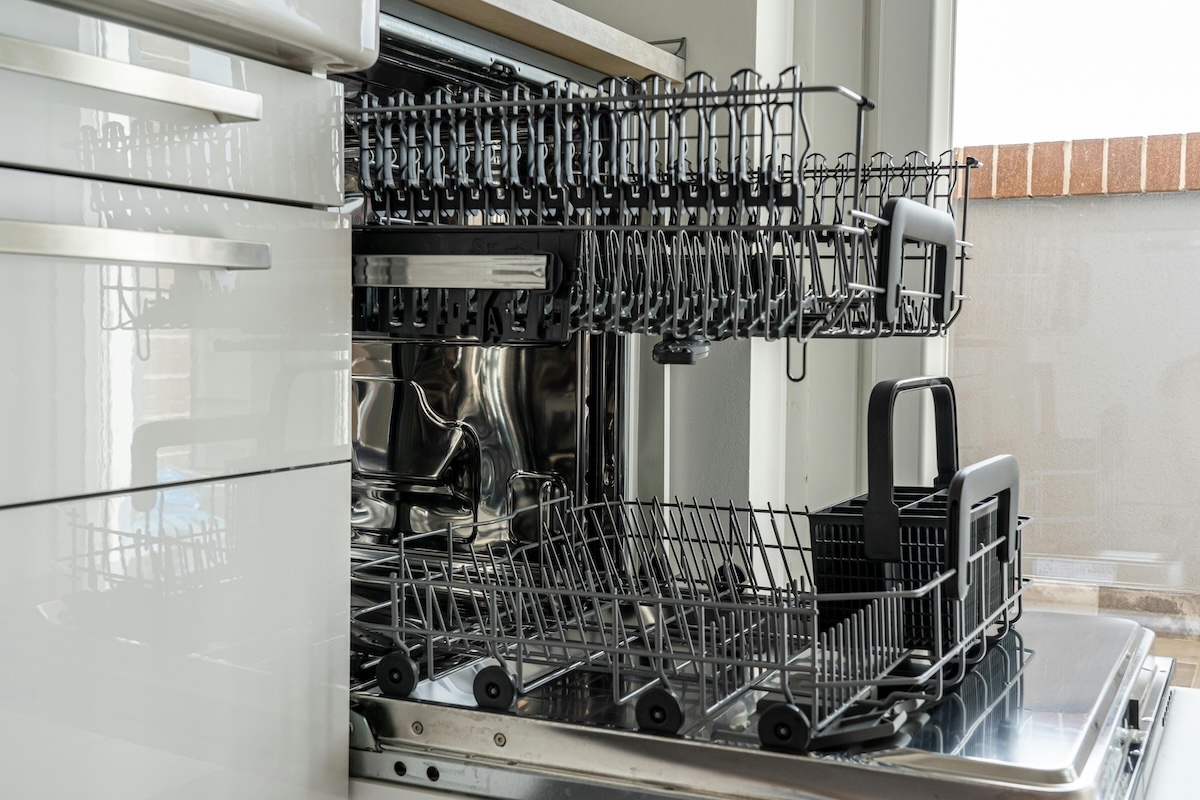
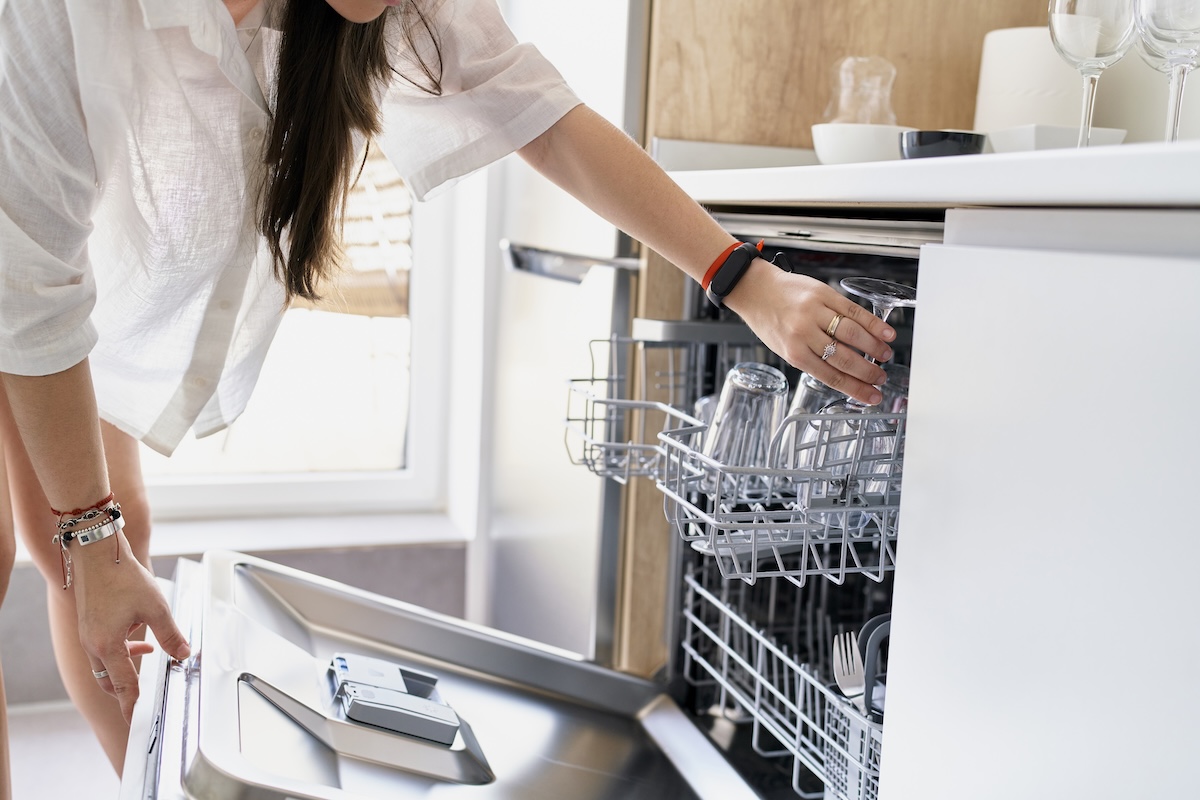
Open, empty dishwasher
Better Report

All featured products and deals are selected independently and objectively by the author. Better Report may receive a share of sales via affiliate links in content.

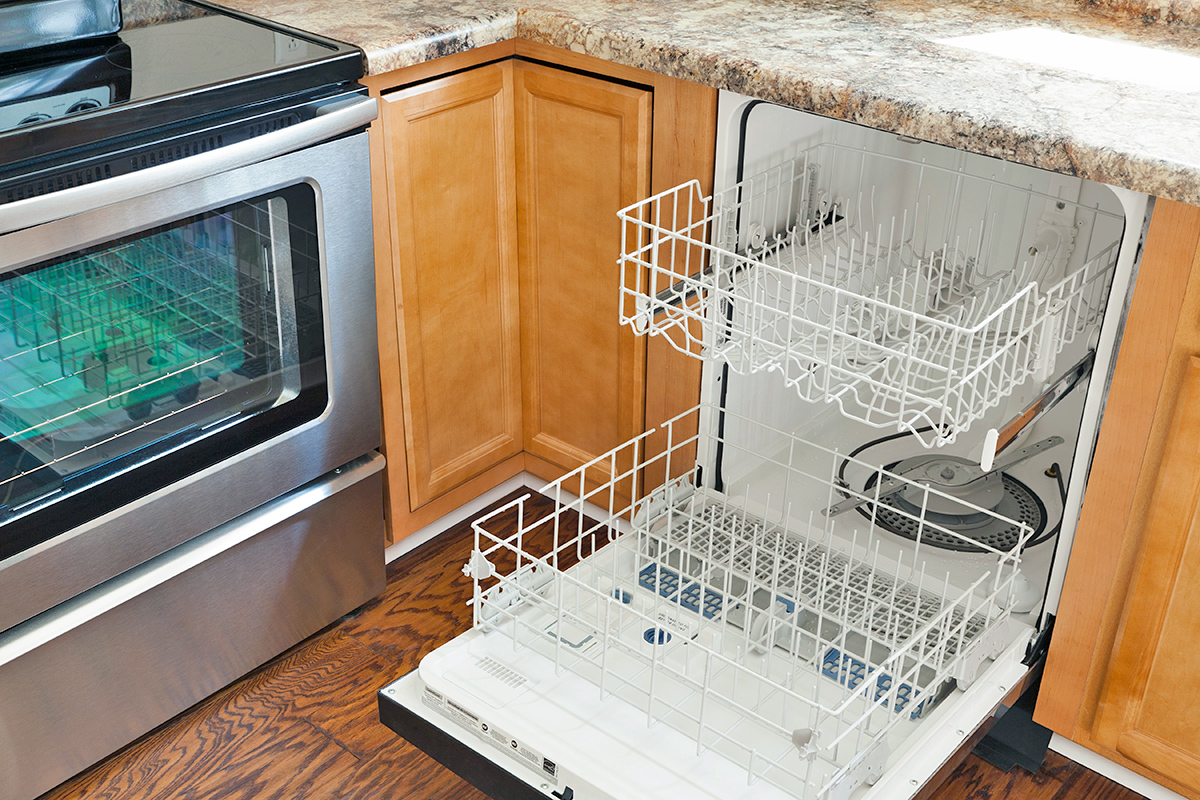
Your dishwasher may be one of the hardest-working appliances in your home, but chances are, you’re only using it for plates, cups, and cutlery. This kitchen staple can tackle way more than that, though. From bath toys to sports gear, a dishwasher can help clean a variety of household items that rarely get the attention they deserve — just be sure to check care instructions before loading them in.

Hair brush in hair
Credit: © Mathilde Langevin/Unsplash.com 

Beauty and Personal Care Tools

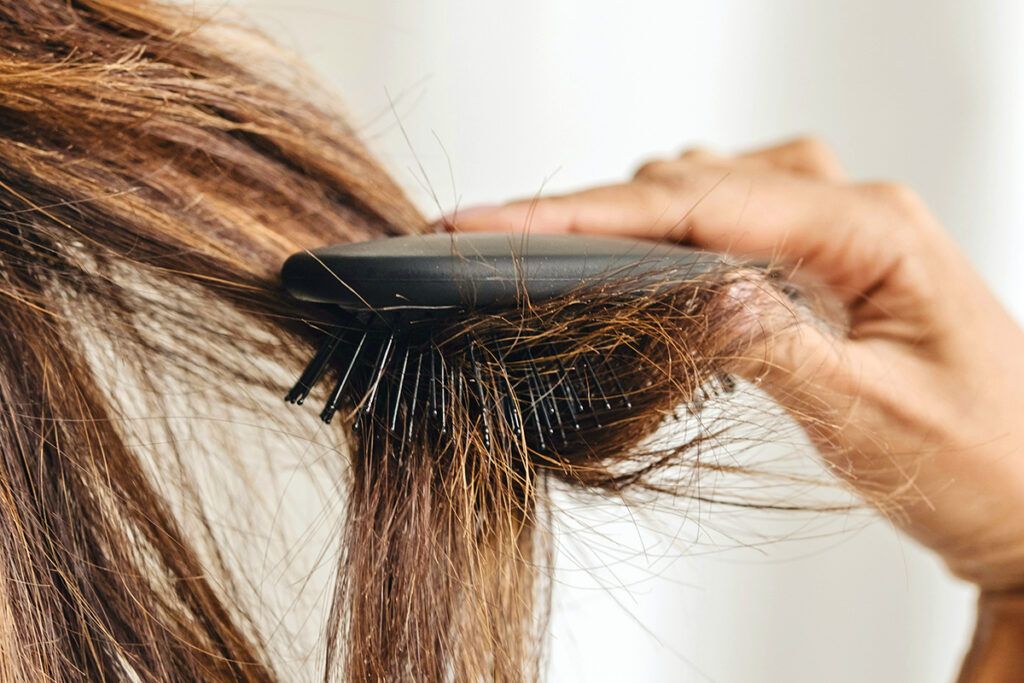
Hairbrushes pick up more than just loose locks: Over time, hair products, natural oils, dust, and dead skin cells accumulate in them. If you want to clean them in the dishwasher, start by pulling out any trapped hair and clearing debris from the bristles, then pop them in the top rack. (Never put brushes with wooden handles or natural bristles in the dishwasher, though, since the heat and moisture can damage them.) 

Advertisement
Advertisement

Other personal care items like metal manicure tools can go through a dishwasher cycle in the utensil section to help remove buildup and everyday grime. Dry them thoroughly to prevent rusting. 

Lastly, the reservoir of your water flosser may also be safe to clean in the dishwasher. Since they’re constantly exposed to moisture, they can accumulate mineral deposits over time. The New York Times advises sticking them on the top rack of your dishwasher, removing them before the heated drying cycle, and allowing them to air-dry completely before reassembling the device.

Woman in baseball cap
Credit: © Andrej Lišakov/Unsplash.com 

Baseball Caps

A sweaty, dirty baseball cap doesn’t always require a run in the washing machine. In fact, the dishwasher can be a surprisingly good alternative: It will help clean away grime without flattening the hat. All you need to do is place it in the top rack in either a special plastic frame or on one of the prongs to hold it in place. You should avoid detergents with bleach or citric acid, and skip the heated-dry setting in favor of air-drying.

Recommended Articles

  • The Safety Rules for Candles You Probably Don’t Know

  • 5 Things Your Car Needs Before the First Freeze

  • 6 Amazon Prime Day Hacks

  • 5 Things To Ask Your Doctor About the New Flu Shot

Advertisement
Advertisement

Reader Favorites

  • Woman looking in fridge

    9 Foods You Should Toss ASAP if They’re Expired

  • Person eating salad

    7 Things a Chef Never Orders at a Restaurant

  • Cherry angioma

    Are the Tiny Red Dots on Your Skin Dangerous?

Cabinet knob
Credit: © Ruan Richard Rodrigues/Unsplash.com 

Cabinet Knobs and Handles

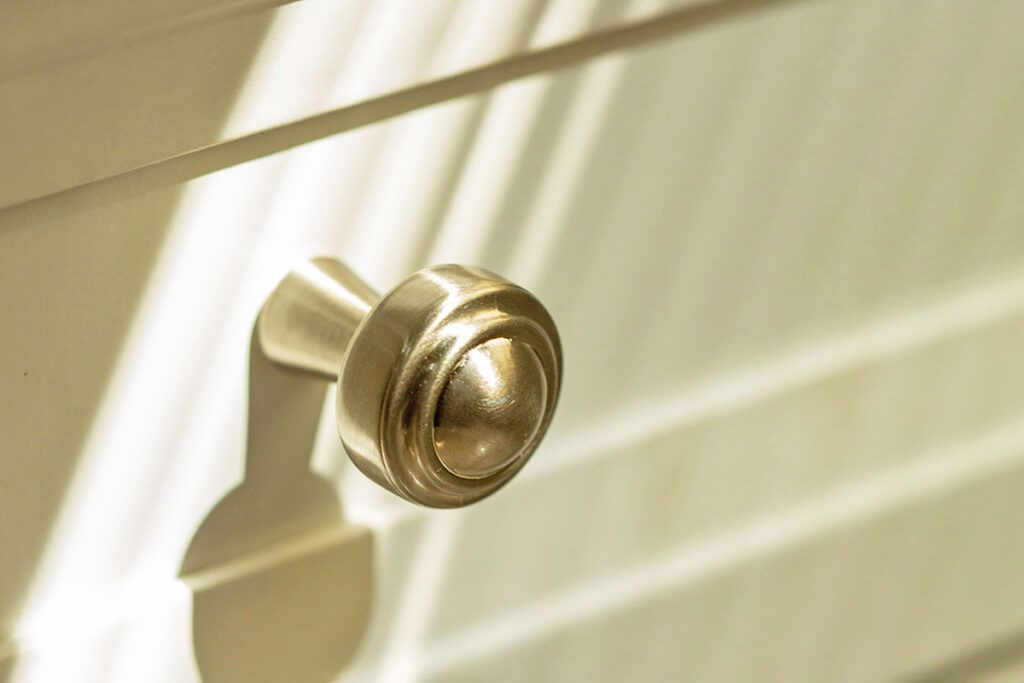
The hardware in your kitchen and bathroom is touched countless times throughout the day, making it a magnet for fingerprints, grime, and germs. Metal knobs, pulls, and handles — especially if they have grooves or crevices — can be refreshed in the dishwasher if they’re made of a dishwasher-safe metal or ceramic. Just place small pieces securely in a mesh bag or the utensil holder to prevent them from slipping through the racks.

Advertisement
Mouth guards
Credit: © Aneduard—iStock/Getty Images

Sports Equipment

Between practices, games, and time spent outdoors, sports equipment can accumulate plenty of sweat, dirt, and grime. According to Whirlpool, certain items — including shin guards, mouth guards, protective cups, and even golf balls — can often be cleaned in the dishwasher. Golf balls should be placed in a mesh bag or enclosed container on the top rack to keep them from rolling around during the wash cycle.

Advertisement
Advertisement
Glass light cover
Credit: © Eva Bronzini/Pexels.com 

Light Fixtures

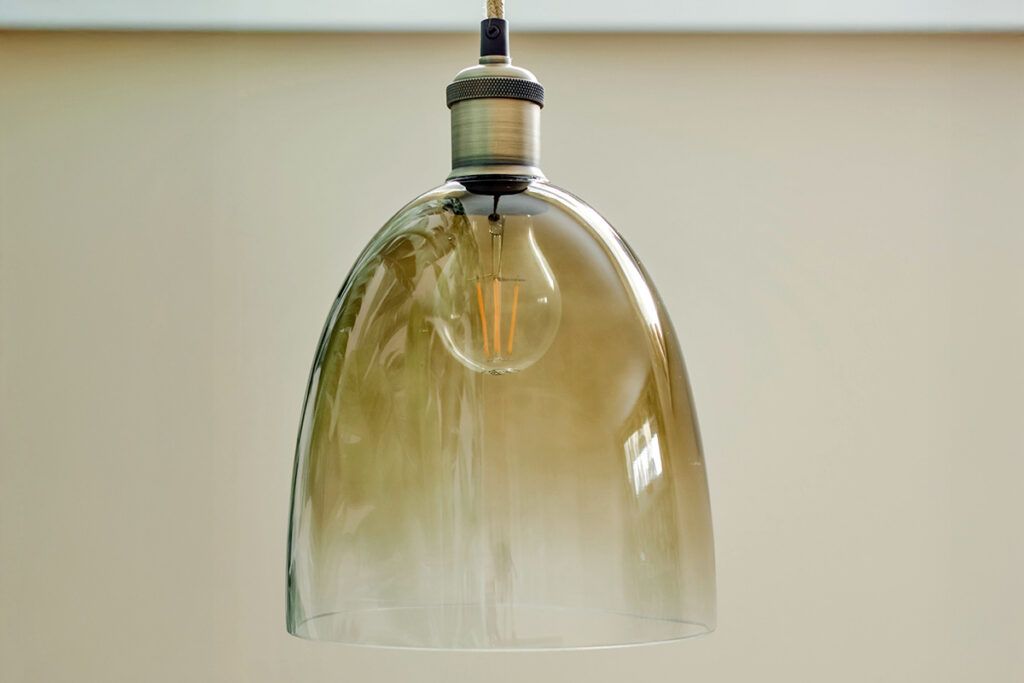
Certain nonporous home décor items, including vases, sturdy soap dishes, and light fixtures, can often be cleaned in the dishwasher. Glass light fixtures should be placed in the top rack far enough apart that they don’t rub together. Forgo the heated cycle, and make sure not to put them back in place until they’re completely dry. Whirlpool advises against putting antiques, hand-painted pieces, and anything with delicate finishes that may not withstand high heat in the dishwasher. 

Rubber ducks in water from above
Credit: © Irina Alekseevskaya/Pexels.com  

Bath Toys and Kids’ Accessories

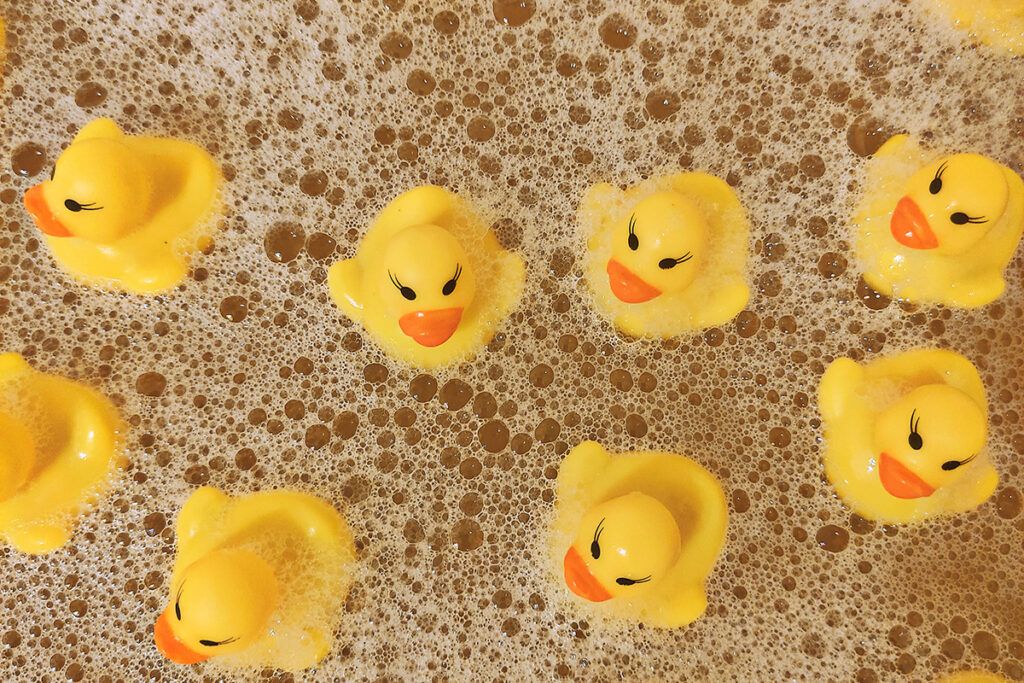
If you have grandkids, you know bath toys with small holes can get gross fast, since trapped water can lead to mold and mildew growth. If the bath toys you have are labeled dishwasher-safe, place them on the top rack and run a hot cycle to help remove buildup. Some small plastic baby items, including teething toys and pacifier holders, can often be cleaned the same way. But before placing them in the dishwasher, check the manufacturer’s instructions and make sure they don’t contain any electronic components.

Advertisement
Advertisement

Featured Image Credit: © Tetra Images/Getty Images

More From Our Network

Better Report is part of Inbox Studio, an email-first media company. *Indicates a third-party property.

Go Retro With This 1960s Fashion Quiz

Quiz Daily

Go Retro With This 1960s Fashion Quiz

True or False: Are You a Master of U.S. Geography?

Travel Quiz

True or False: Are You a Master of U.S. Geography?

5 Reasons You Can Be Denied Boarding an Airplane

Daily Passport

5 Reasons You Can Be Denied Boarding an Airplane

What Did People Do Before Eyeglasses?

History Facts

What Did People Do Before Eyeglasses?

How To Use a Balloon To Clean Up Dust

House Outlook

How To Use a Balloon To Clean Up Dust

11 Shopping Hacks Costco Members Should Know

FinanceBuzz*

11 Shopping Hacks Costco Members Should Know

Share this article

  • Share to Facebook
  • Share to Twitter
  • Copy Url
  • Share to Email
Lauren Dana Ellman
Writer

Lauren Dana Ellman is a New York–based writer and editor specializing in lifestyle, travel, food, and shopping. A graduate of Syracuse University’s SI Newhouse School of Public Communications, she covers everything from destinations and hotels to fun product finds and personal essays. Her work has been featured in Condé Nast Traveler, AARP, Travel + Leisure, Time Out, The Knot, and more lifestyle-oriented publications.

This article is for general informational purposes only.
Affiliate Disclaimer Medical Disclaimer Financial Disclaimer

Updated: April 28, 2026
Posted In: Home
Hero Image Credit: Better Report
Advertisement

Related Articles

The Safety Rules for Candles You Probably Don’t Know

5 min read

9 Items in Your Basement You Should Toss Right Now

5 min read

5 Vegetables You Should Never Store in the Fridge

3 min read

Why a Flashing Check Engine Light Is Different From a Solid One

3 min read

Why Does Your Sink Have a Tiny Hole?

3 min read
Advertisement

9 Things in Your Kitchen You Should Toss Right Now

Home | Updated: May 27, 2026
Erin Scottberg
Author
Erin Scottberg is a Brooklyn-based writer, garden designer, and houseplant expert — and the founder of Full Sun Studio (fullsun.studio), a garden design and plant consulting studio in New York City. She holds an Urban Horticulture Certificate from Brooklyn Botanic Garden, an NYC Street Tree Pruner License, and an NYC Master Composter Certification, and spent three years as Head of Content and Education at The Sill. When she's not working, you can find her creating in her textile studio, running craft nights in her neighborhood, or hanging with her rescue pup, Sunny. She's an ambitious DIYer, avid composter, and has never been able to walk by a thirft store without taking a look.
Woman in kitchen
Better Report

All featured products and deals are selected independently and objectively by the author. Better Report may receive a share of sales via affiliate links in content.

The kitchen is one of the most-used rooms in the house — and for many of us, it’s also a den of expired, outdated, and unneeded items. Between the overstuffed junk drawer, overflowing utensil jars, and pantry staples from decades past, things accumulate fast. 

But unlike clutter you can shove behind a closet door, old or worn kitchen items actually work against you by making cooking harder or wasting your grocery budget. Whether you’re doing a full clean or just finally dealing with that one drawer (you can do it!), here are the kitchen items worth ditching today.

Scratched pan
Credit: © Maliflower73—istock/Getty Images

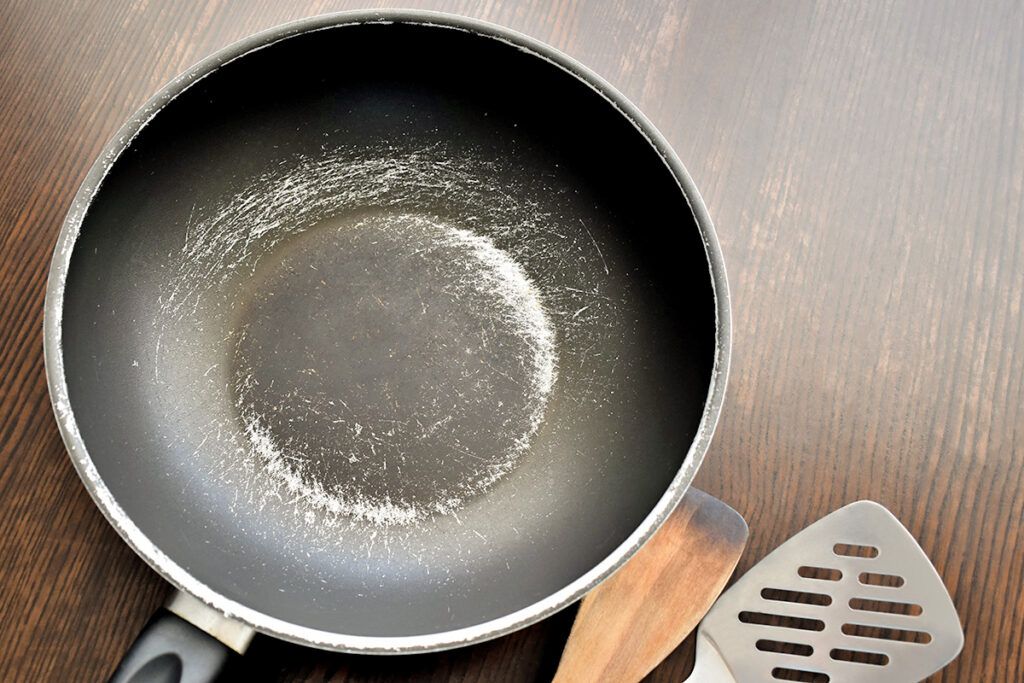
Dull, Warped, or Scratched Nonstick Pans

Nonstick coatings don’t last forever. If your pan is visibly scratched or flaking, has developed a warped bottom that wobbles on the burner, or was purchased more than five years ago, it’s time to toss it. Scratched coatings can end up in your food, and a warped pan won’t heat evenly — which means hot spots, food sticking, and frustration every time you use it. 

Spices
Credit: © alma.photo/stock.adobe.com

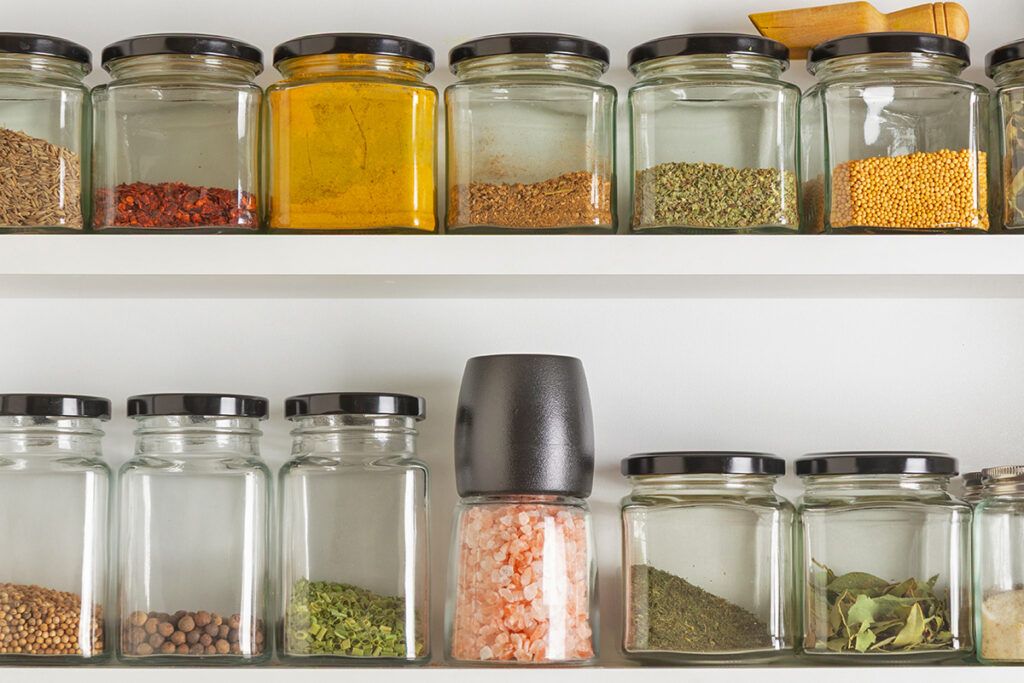
Expired Spices

When spices get old, the problem is not so much that they get dangerous but that they get flat. Some spices can last years, while others lose their oomph much more quickly. A good way to tell? Do a sniff test: If a spice doesn’t have a strong, immediate aroma, it’s past its prime and you’re essentially seasoning with dust. Ground spices generally last a  year, and experts suggest using whole spices within two. 

Advertisement
Food containers
Credit: © Os Tartarouchos—Moment/Getty Images

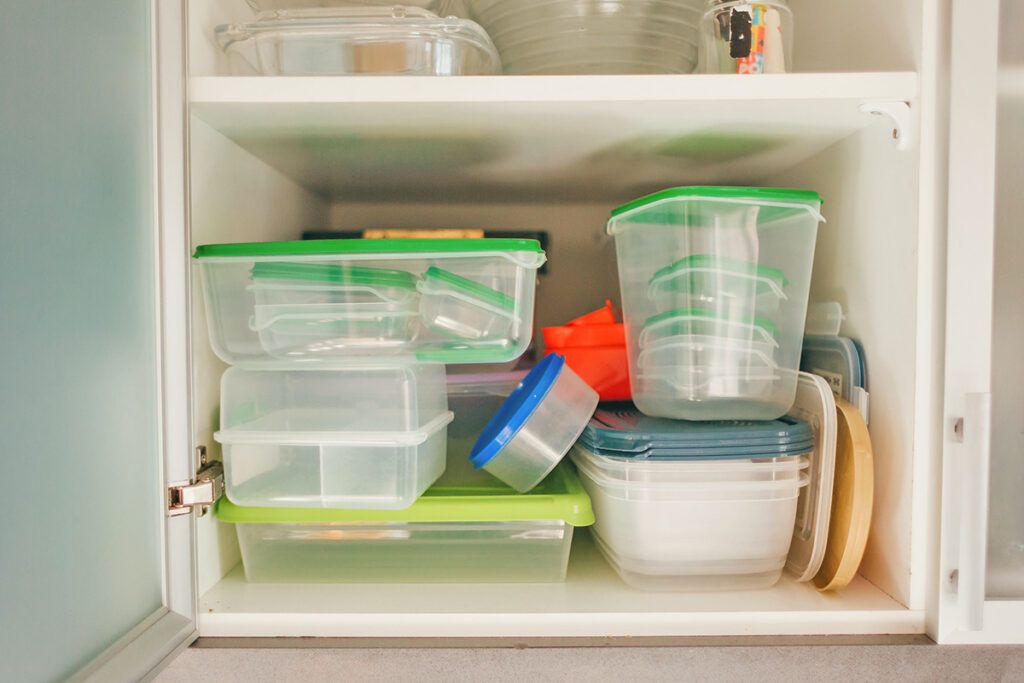
Any Food Storage Container With Stains, Cracks, or No Match

The container cabinet may be the most daunting of all areas when it comes to purging — which is exactly why you need to get in there, stat. Cracked or deeply scratched plastic can harbor bacteria; staining and lingering odors may also be signs of bacteria. Texture means that the material has degraded and needs to go. Also look for anything where the lid no longer seals correctly, and anything that doesn’t have a match.

Quick tip: Before you toss a glass container that’s missing a lid, check to see if the company offers or sells replacement lids.

Knife cutting tomato
Credit: © Nicola Barts/Pexels.com

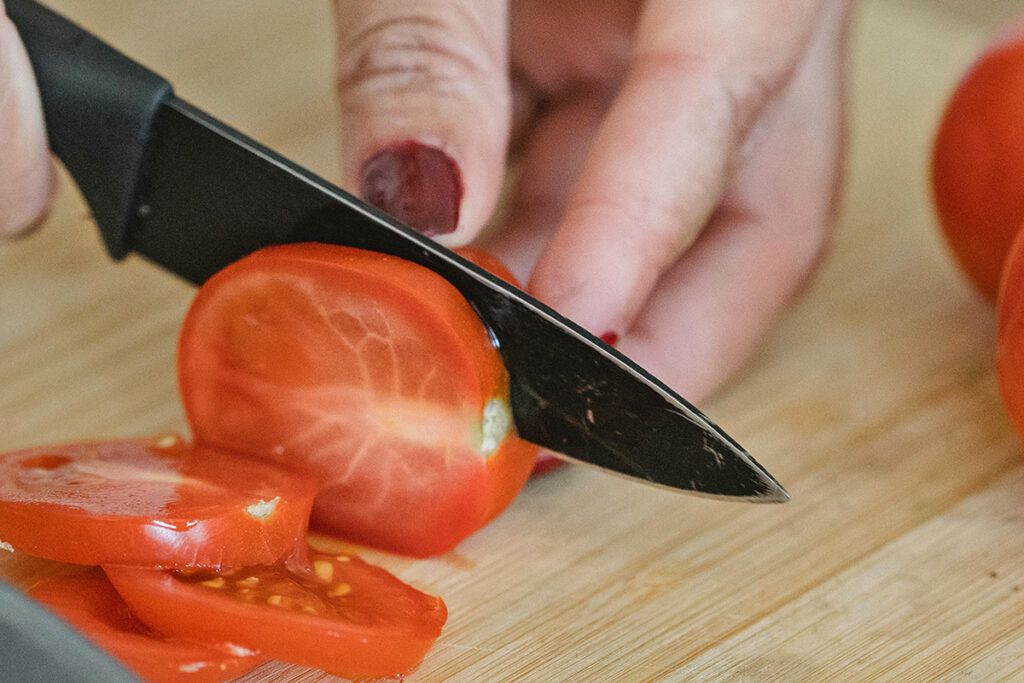
The Knife You Never Sharpen (and Never Use)

Most home cooks use only two or three knives regularly, which means that giant knife block full of blades is taking up valuable counter real estate. Toss or donate anything that’s rusted or chipped, or that you haven’t reached for in the past year. (Don’t just toss them in the garbage, though; wrap them in paper or cloth and secure them in a box before putting them in the trash.) And if the knives you keep aren’t sharp, invest in a sharpener or take them to a professional — a dull knife is less effective and more dangerous than a sharp one.

Scratched wooden cutting board
Credit: © Andriy/stock.adobe.com

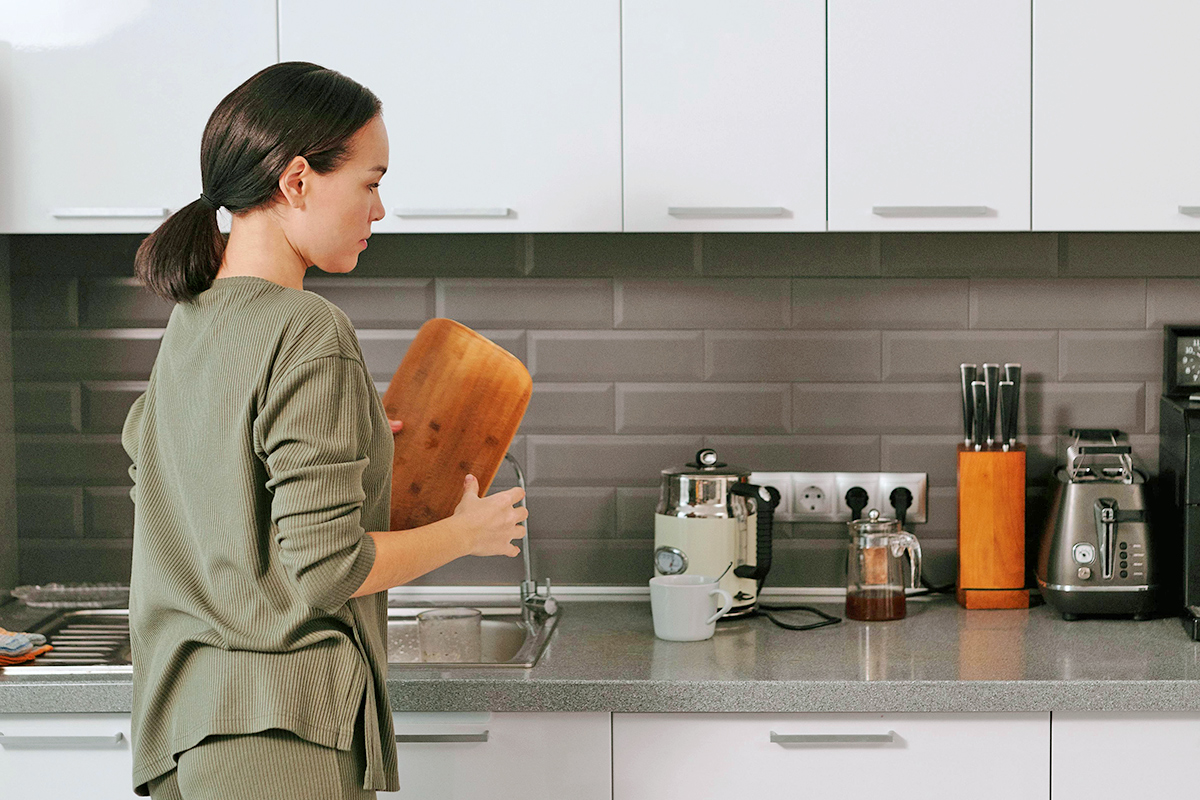
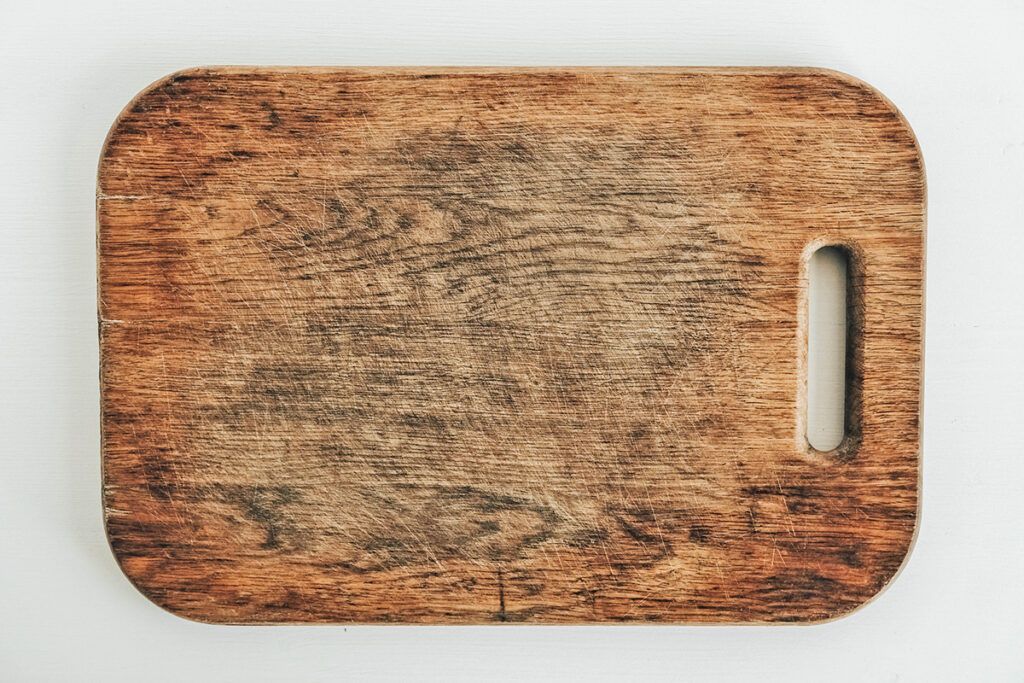
Old Cutting Boards With Deep Grooves

Knife marks on a cutting board aren’t just cosmetic wear — they’re places where bacteria can hide, even after washing. Plastic boards with major scoring should be replaced entirely. Wooden boards can be sanded down and re-oiled if the grooves are minor, but if your board is badly scarred, warped, or has developed a persistent odor, it’s time for a new one. 

Advertisement
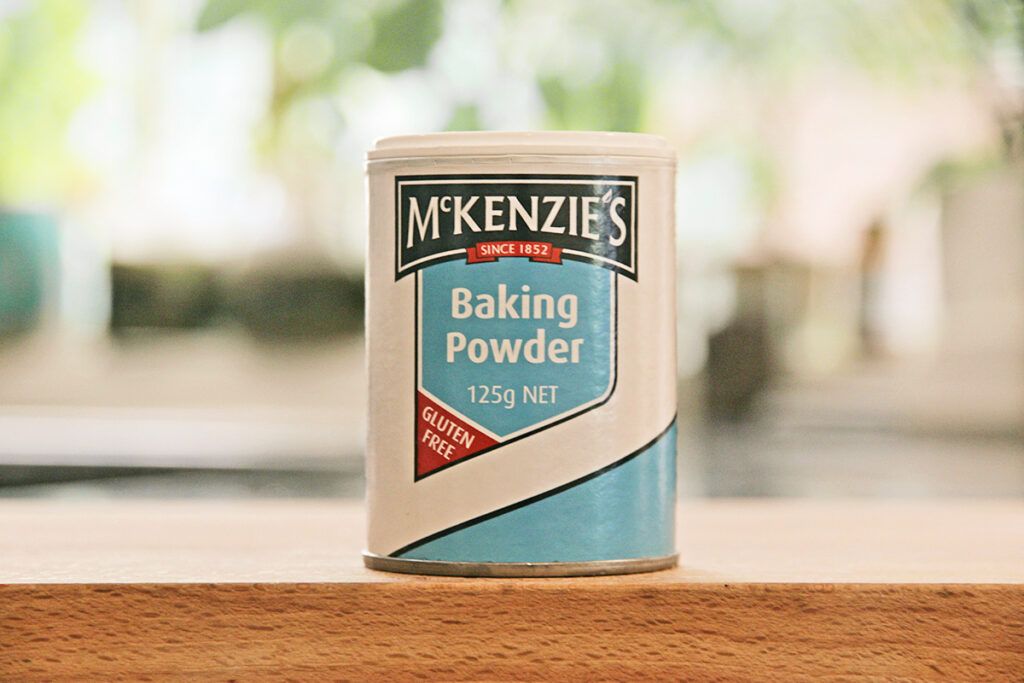
Baking powder
Credit: © Addilyn Ragsdill/unsplash.com

Expired Pantry Staples

Baking powder, baking soda, and yeast all have a shelf life, and using them past their prime is usually why baked goods don’t rise the way they should. To test baking powder, put a teaspoon in a bowl and pour in boiling water: It should bubble vigorously. Test baking soda with vinegar or lemon juice — if there’s no reaction, it’s dead. To tell if dried yeast is still good, add 1 teaspoon sugar to 1/4 cup warm water (approximately 100 degrees Fahrenheit). Stir in an envelope of yeast (2 1/4 teaspoons) and let it sit for 10 minutes. Yeast that’s good to go will foam to the 1/2-cup mark. (And you can still use the test batch — just reduce the amount of liquid you’d normally add to the recipe by 1/4 cup.)

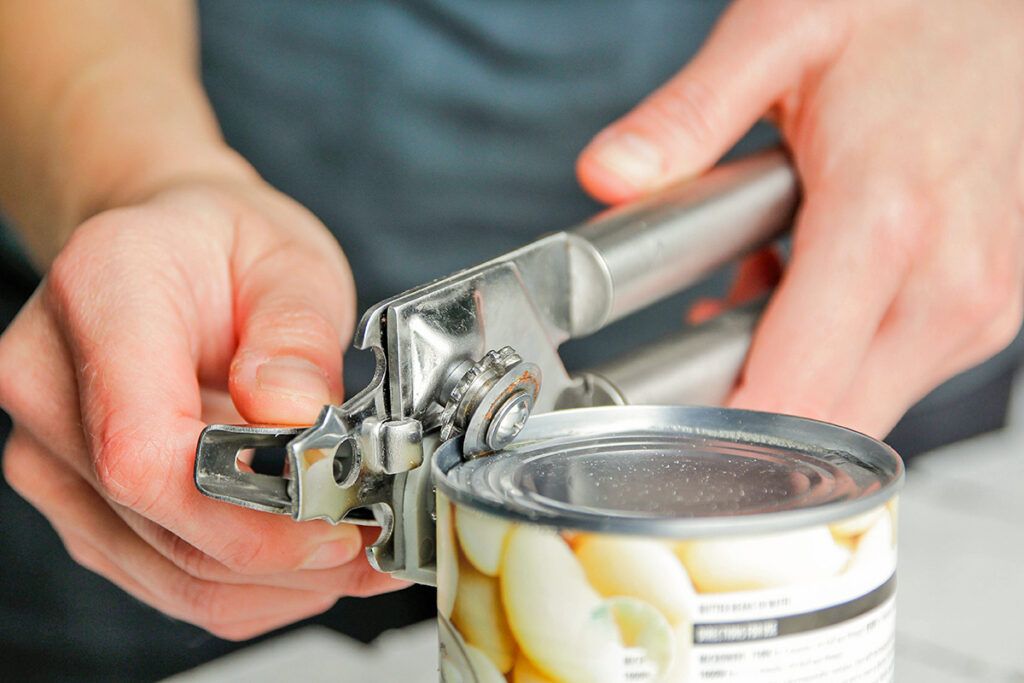
Dirty can opener
Credit: © Kinga Krzeminska—Moment/Getty Images

A Clogged or Gunky Can Opener

Manual can openers are breeding grounds for grime, and most people never clean them thoroughly enough (even though all it takes is a paper towel). If yours has rust or visible buildup along the cutting wheel, or it’s starting to slip and tear rather than cut cleanly, replace it. A clean, sharp can opener is genuinely one of those small quality-of-life upgrades that make a difference.

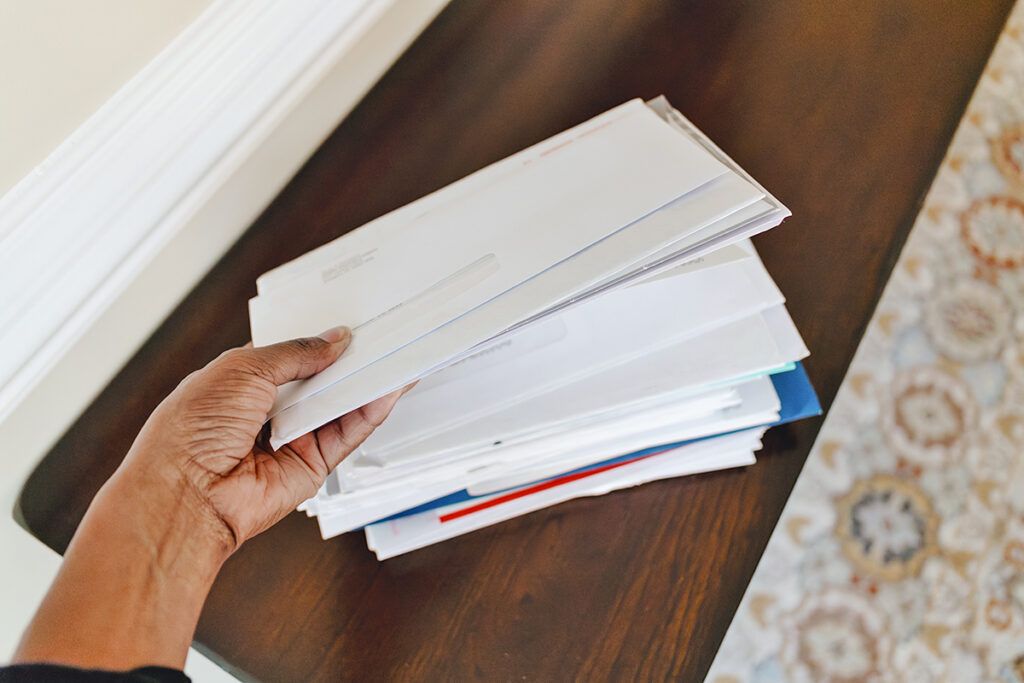
Junk mail
Credit: © Grace Cary—Moment/Getty Images

Old Takeout Menus and Junk Mail

Now is the time: Expired coupons, old to-go menus, mystery keys, and dead batteries have no business in your kitchen. Set a timer for 25 minutes and deal with it head on — your future self will thank you.

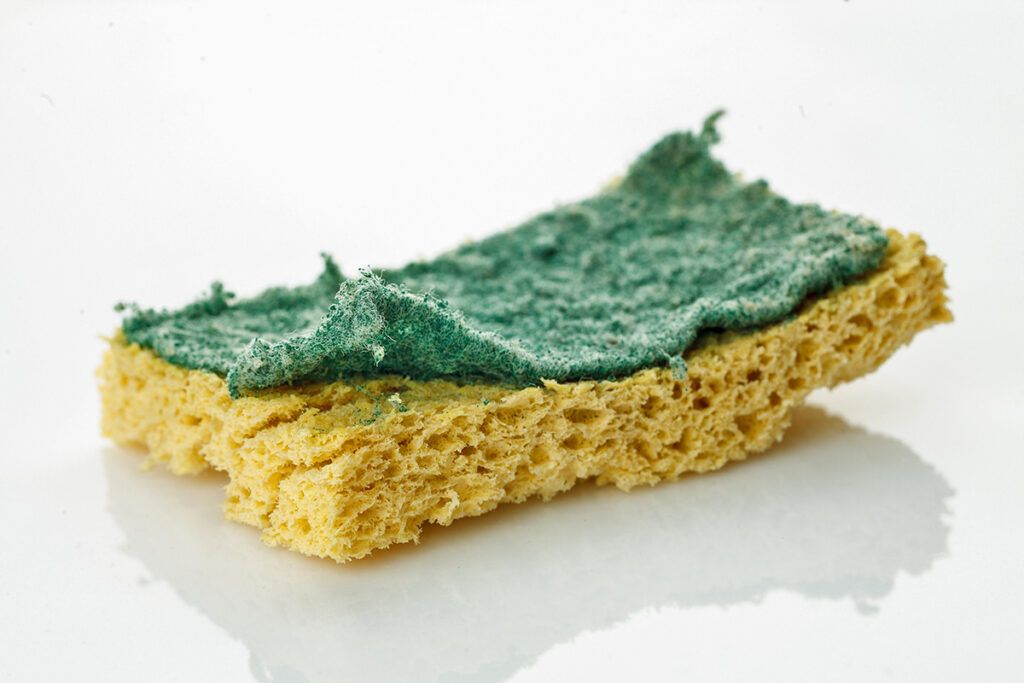
Old sponge
Credit: © Glevalex/stock.adobe.com

Dish Sponges and Brushes That Are Way Past Their Prime

Experts recommend that you should swap out your kitchen sponge every one to two weeks. While that may seem excessive for something that spends most of its time in hot, soapy water, kitchen sponges are bacteria traps. To extend the life of your sponges, try running them through a dishwasher with a dry cycle, or microwaving for one minute — according to the USDA, that will kill 99.9% of germs on your sponge. The Food Network recommends sanitizing your sponge daily, while the cleaning professionals at MaidPro suggest you should do so every two or three days. But no matter what, toss it once that one- to two-week window has passed. Dish brushes have a shelf life, too: If the bristles are flattened, fraying, or smelly, swap it out.

Advertisement

A little kitchen purge goes a long way. You’ll be amazed at how much more pleasant your counters and cabinets will feel once you’ve cleared out the expired, broken, and never-used nonsense. Your kitchen will probably be easier to navigate, too. Final tip: If you’re not sure whether something’s worth keeping, use the closet rule — if you haven’t used it in the past year and can’t name a specific upcoming use for it, it’s time to say goodbye. 

Featured Image Credit: © Jep Gambardella/Pexels.com

Advertisement
Advertisement

Related Articles

The Safety Rules for Candles You Probably Don’t Know

5 min read

9 Items in Your Basement You Should Toss Right Now

5 min read

5 Vegetables You Should Never Store in the Fridge

3 min read

Why a Flashing Check Engine Light Is Different From a Solid One

3 min read

Why Does Your Sink Have a Tiny Hole?

3 min read
Advertisement

6 Reasons Your Washing Machine Smells

Ali Eldridge
Home | Updated: May 4, 2026
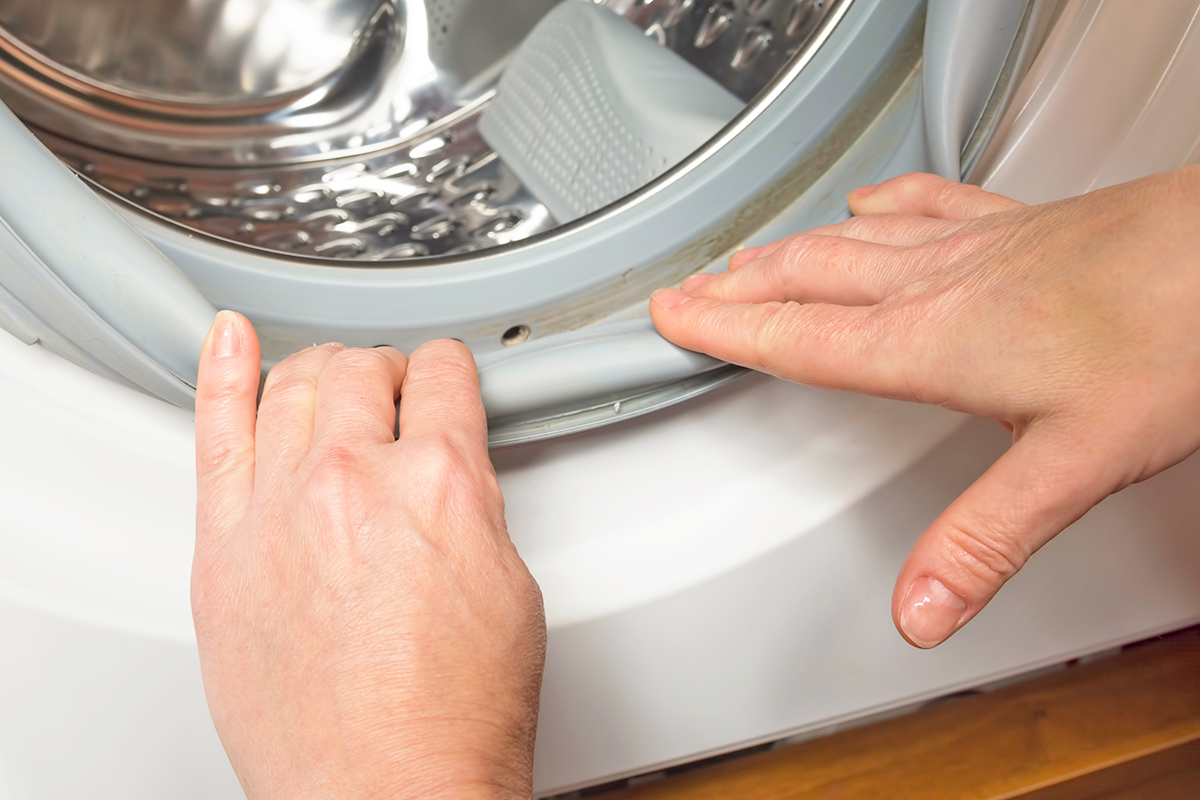
Checking washing machine gasket
Better Report

Of all the household appliances we’d expect to smell not-so-fresh after a while, the washing machine probably isn’t one of them — it’s continuously cleaning our clothes, after all, so shouldn’t it be clean itself? But over time, even the items in our household that clean other things need a little TLC. If you’ve noticed a musty or mildewy smell coming from the heart of your laundry room, it’s time to add it to your cleaning to-do list. Here are a few common causes behind unfortunate smells in your washing machine, along with cleaning tips to help freshen it up.

Advertisement
Advertisement
Cleaning washing machine gasket
Credit: © Sergey Mironov/stock.adobe.com

Buildup in the Gasket

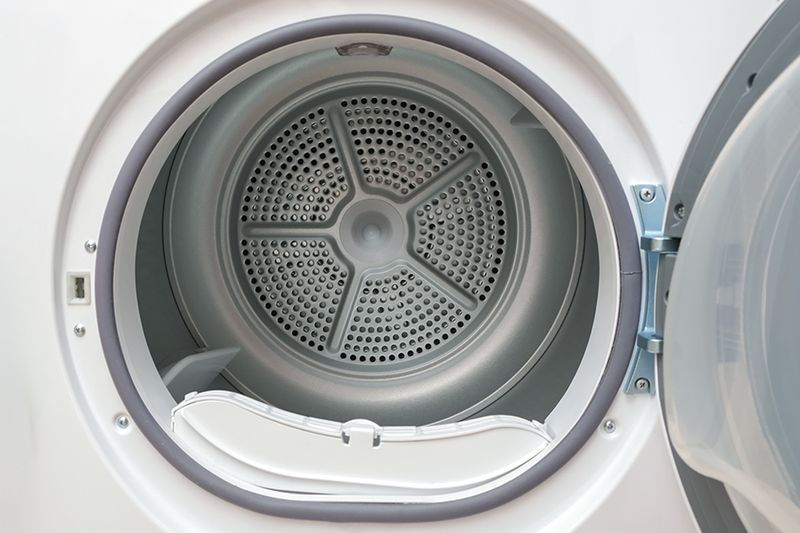
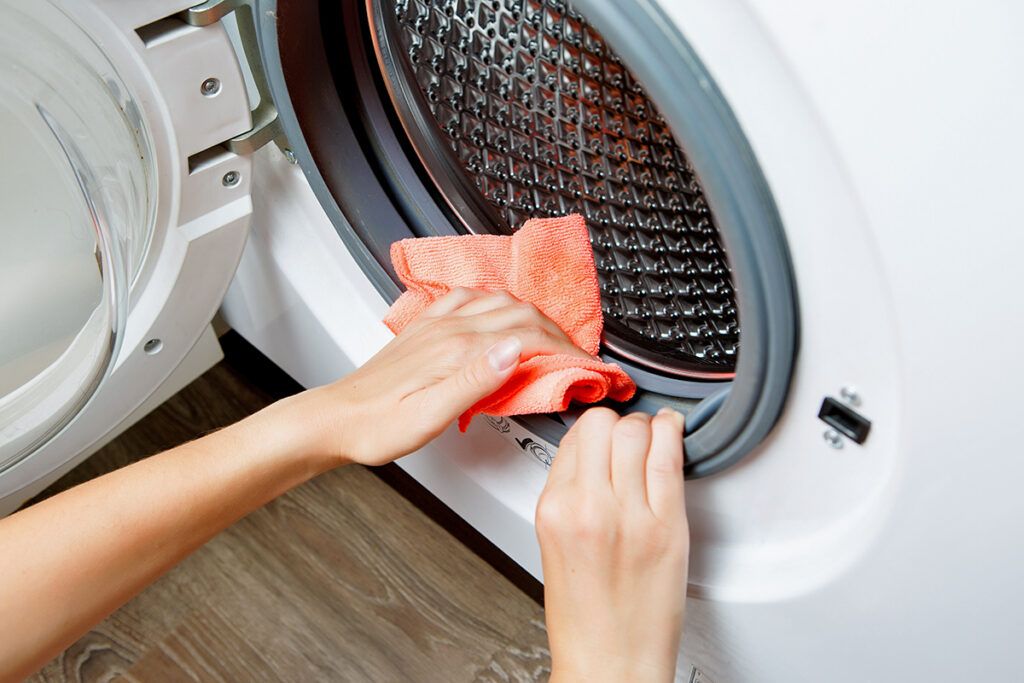
Whether you have a top-loading or front-loading washing machine, the gasket — the large rubber ring that acts as a water barrier — can start to smell due to mold and soap scum buildup. This will be more of an issue on front-loading washing machines than top-loading ones, but both should be cleaned regularly.

Clean the exterior of the seal using hot, soapy water and a microfiber cloth. To get into the seal’s narrow crevices, use an old toothbrush dipped in a vinegar and warm water solution. Wipe the seal down with a cloth and leave the door open until everything is dry. 

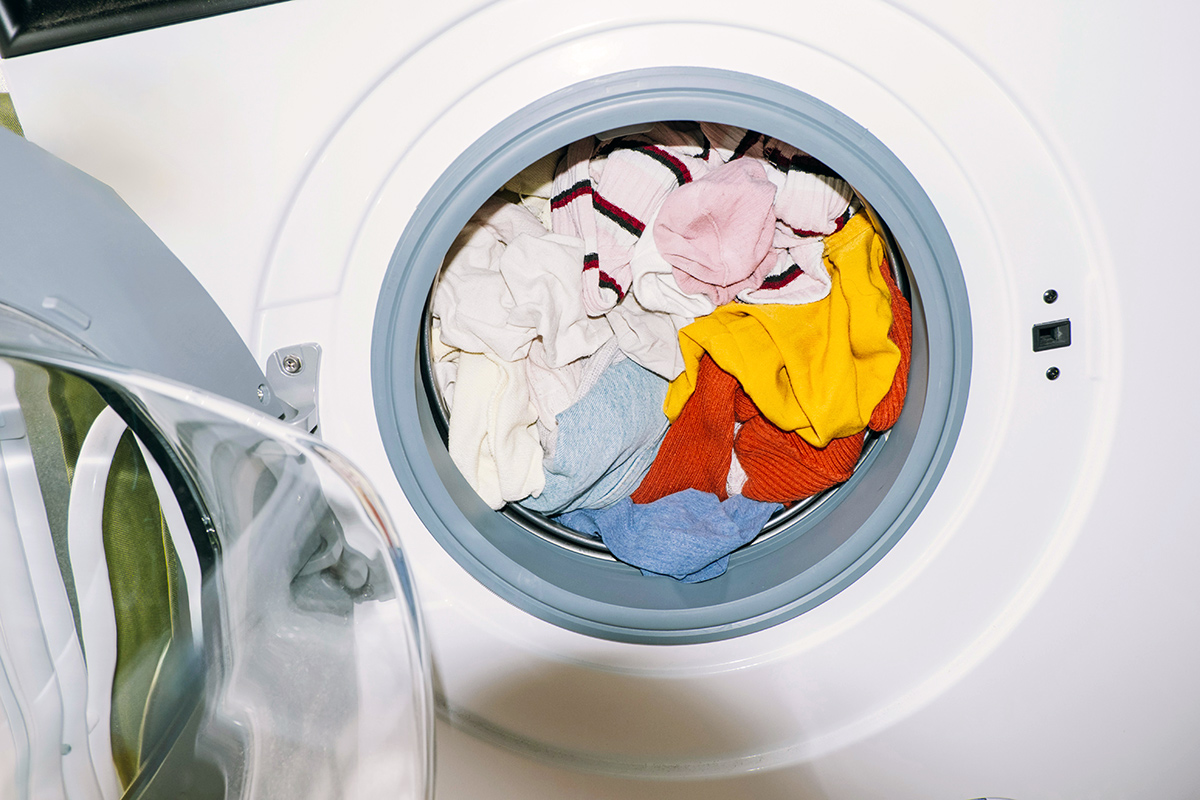
Clothes in washing machine
Credit: © pkanchana/stock.adobe.com

Wet Clothes Left in the Tub

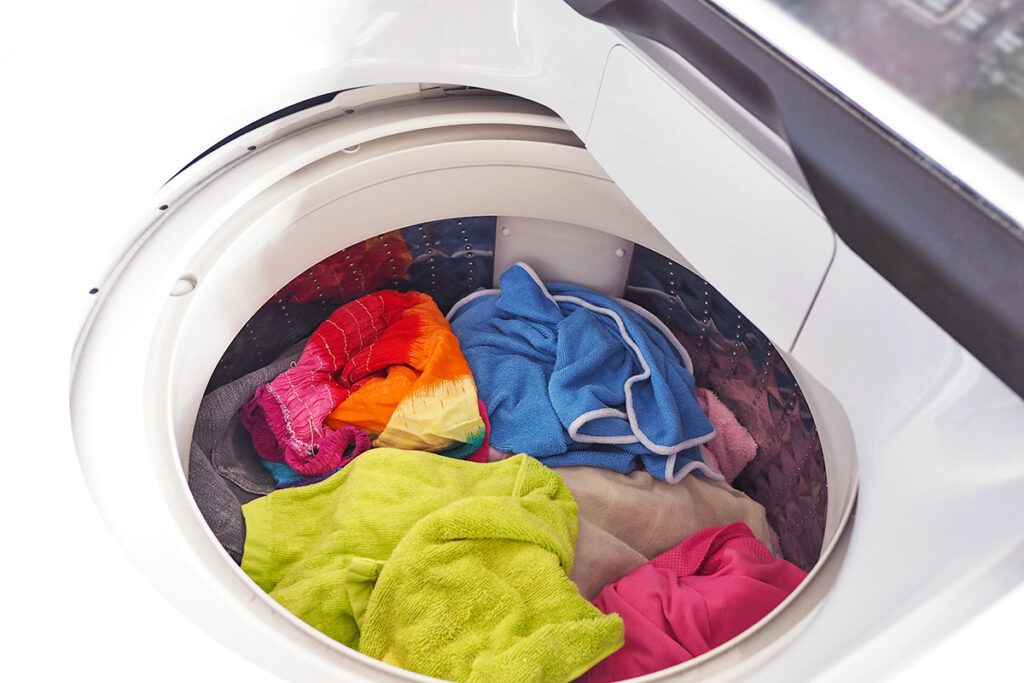
While we’ve all made this mistake, leaving wet clothes in the tub for long periods after a cycle can lead to a musty smell. Remove clothes as soon as possible after the cycle is complete to keep your tub smelling fresh. To remove any lingering odors, wash your tub (more on that below).

Recommended Articles

  • The Safety Rules for Candles You Probably Don’t Know

  • 5 Things Your Car Needs Before the First Freeze

  • 6 Amazon Prime Day Hacks

  • 5 Things To Ask Your Doctor About the New Flu Shot

Advertisement
Advertisement

Reader Favorites

  • Woman looking in fridge

    9 Foods You Should Toss ASAP if They’re Expired

  • Person eating salad

    7 Things a Chef Never Orders at a Restaurant

  • Cherry angioma

    Are the Tiny Red Dots on Your Skin Dangerous?

Empty washing machine tub
Credit: © Vlad Ivantcov/stock.adobe.com

A Dirty Tub

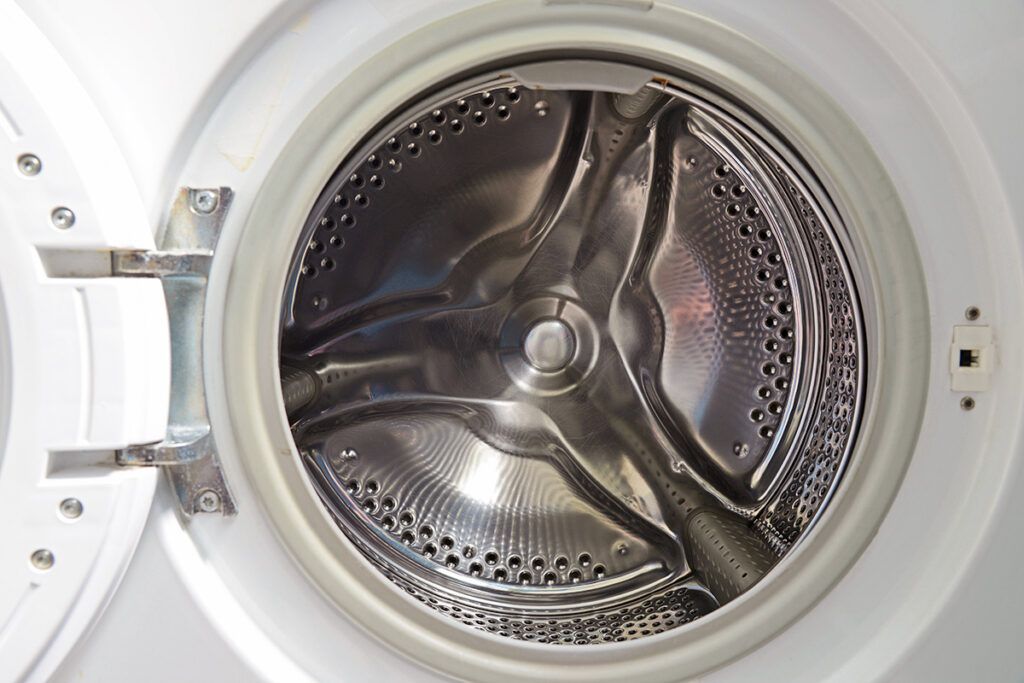
Whether it’s from last week’s wet laundry or an accumulation of hard-water minerals, detergent residue, or hidden grime, your washing machine tub itself may be the source of unwanted odors. 

Advertisement
Advertisement

To clean, pour one cup of bleach into the bleach dispenser and set your washer to the hottest cycle. (Make sure there’s no laundry in the tub.) When that’s done, run a final rinse cycle to remove any remaining bleach from the tub and clean the dispensers. Leave the door open for a while to allow everything to dry, and repeat once monthly to keep odors at bay.

Dirty dispenser tub
Credit: © bukhta79/stock.adobe.com

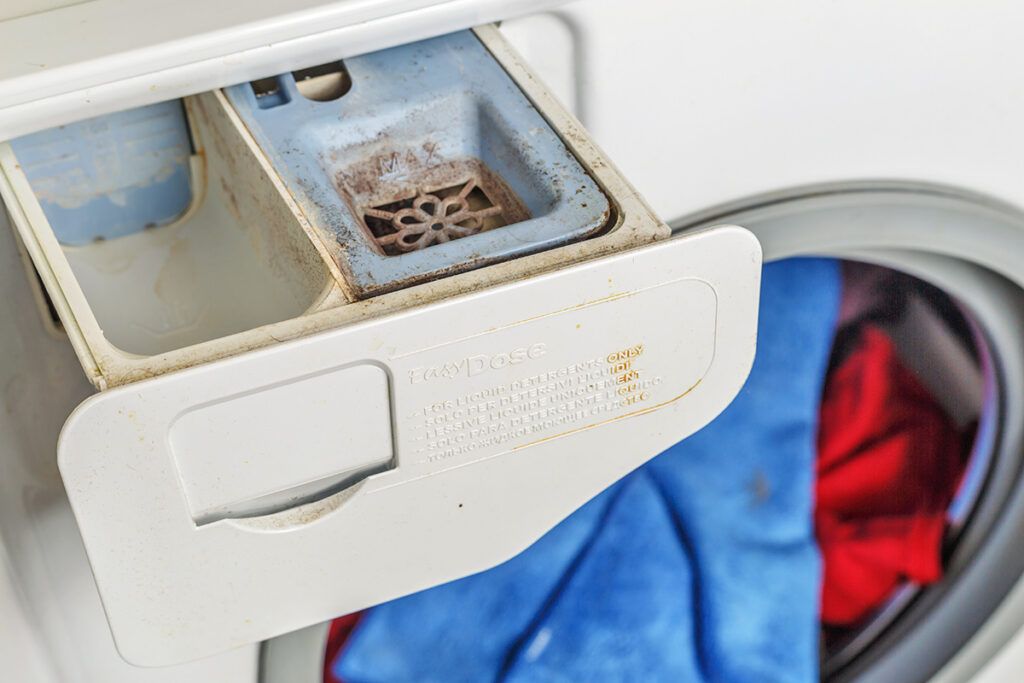
A Neglected Dispenser Drawer

Your dispenser drawer can smell because of the accumulation of soap and liquid softeners as well as mineral deposits from hard water. Remove the drawer, take out its inserts, and wash it all with mild soap and hot water using a soft brush. If you can’t remove the drawer, use a damp cloth to wipe it clean.

Advertisement
Advertisement
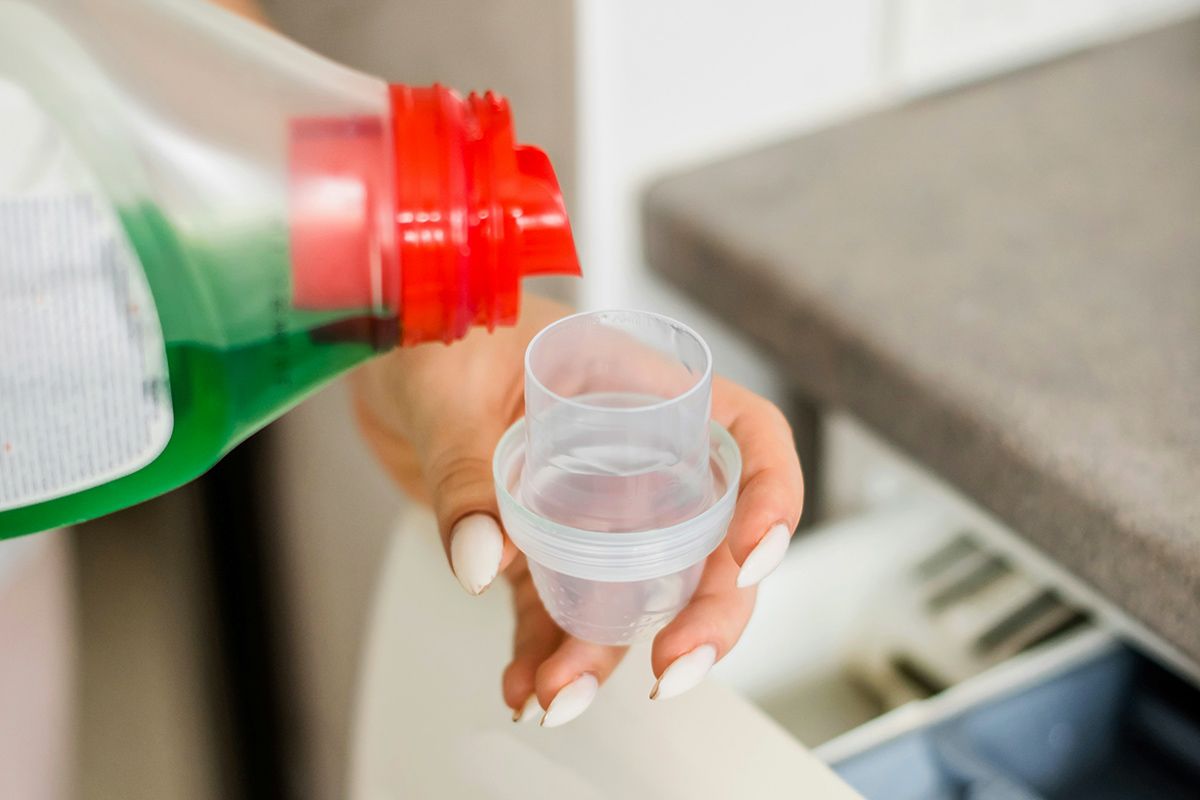
Detergent in cap
Credit: © ungvar/stock.adobe.com

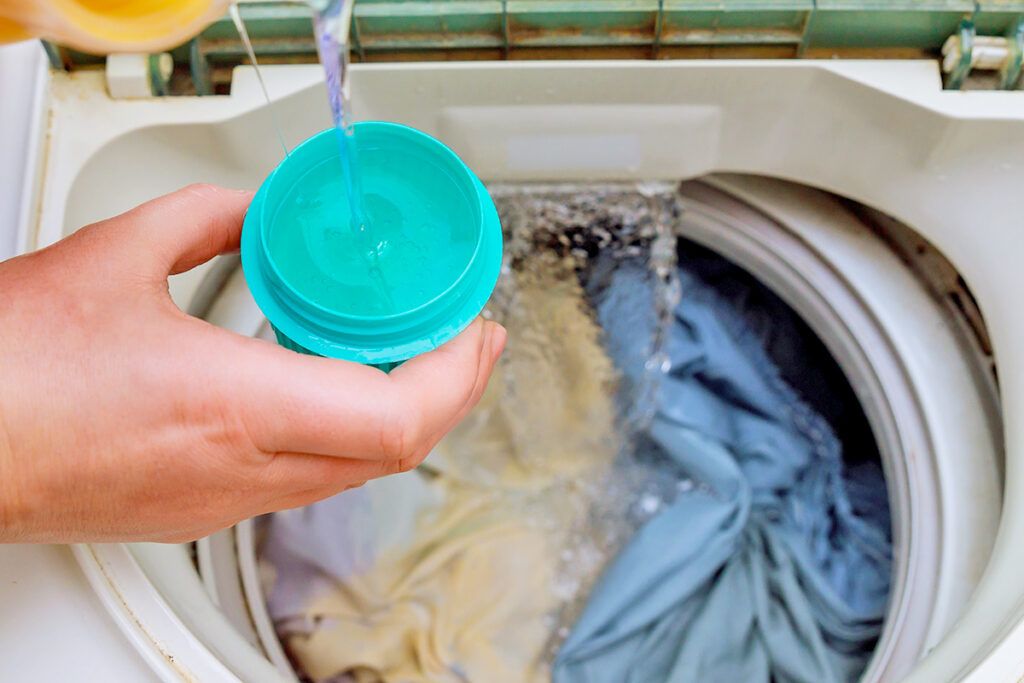
Using Too Much Detergent

Using an excessive amount of detergent is bad not only for your clothes, but also for the washing machine — high-efficiency (HE) washing machines typically don’t need as much detergent. 

Advertisement
Advertisement

The exact amount you need will vary based on the size of the load, the soil level of your clothes, the type of detergent you use, and your washing machine. You should refer to your manufacturer’s guidelines to find out the ideal amount to use per cycle, but a good guideline for an average load is to use half an ounce of laundry detergent per cycle for HE machines and 1 ounce per cycle for non-HE machines. 

Advertisement
Washing machine mid-cycle
Credit: © nerksi/stock.adobe.com

Using Only Cold Water

While using only cool water can certainly save money on your electric bill, it isn’t good for removing bacteria from clothes or residue from your washing machine tub, which can lead to increased mold and mildew that cause a smell. 

Advertisement
Advertisement

You don’t need to switch to hot cycles to combat this problem. Just run the hot-water cycle in an empty tub occasionally to sanitize the machine.

Featured Image Credit: © denklim/stock.adobe.com

More From Our Network

Better Report is part of Inbox Studio, an email-first media company. *Indicates a third-party property.
Go Retro With This 1960s Fashion Quiz

Quiz Daily

Go Retro With This 1960s Fashion Quiz

True or False: Are You a Master of U.S. Geography?

Travel Quiz

True or False: Are You a Master of U.S. Geography?

5 Reasons You Can Be Denied Boarding an Airplane

Daily Passport

5 Reasons You Can Be Denied Boarding an Airplane

What Did People Do Before Eyeglasses?

History Facts

What Did People Do Before Eyeglasses?

How To Use a Balloon To Clean Up Dust

House Outlook

How To Use a Balloon To Clean Up Dust

11 Shopping Hacks Costco Members Should Know

FinanceBuzz*

11 Shopping Hacks Costco Members Should Know

Share this article

  • Share to Facebook
  • Share to Twitter
  • Copy Url
  • Share to Email
Ali Eldridge

This article is for general informational purposes only.
Affiliate Disclaimer Medical Disclaimer Financial Disclaimer

Updated:
Posted In: Home
Hero Image Credit: Better Report
Advertisement

Related Articles

The Safety Rules for Candles You Probably Don’t Know

5 min read

9 Items in Your Basement You Should Toss Right Now

5 min read

5 Vegetables You Should Never Store in the Fridge

3 min read

Why a Flashing Check Engine Light Is Different From a Solid One

3 min read

Why Does Your Sink Have a Tiny Hole?

3 min read
Advertisement

9 Unusual Uses for Paper Towels

Home | Updated: April 3, 2026
Erin McCarthy
Author
Erin is a writer, editor, and content strategist living in the New York City area. Previously, she was the VP/Editor-in-Chief of MentalFloss.com and an editor at Popular Mechanics magazine. When she’s not working, Erin is hanging out with her cats, reading books from her never-ending TBR, traveling, karaoking, and making sourdough with her starter Stephen Sondheim.
Paper towels on a table
Better Report

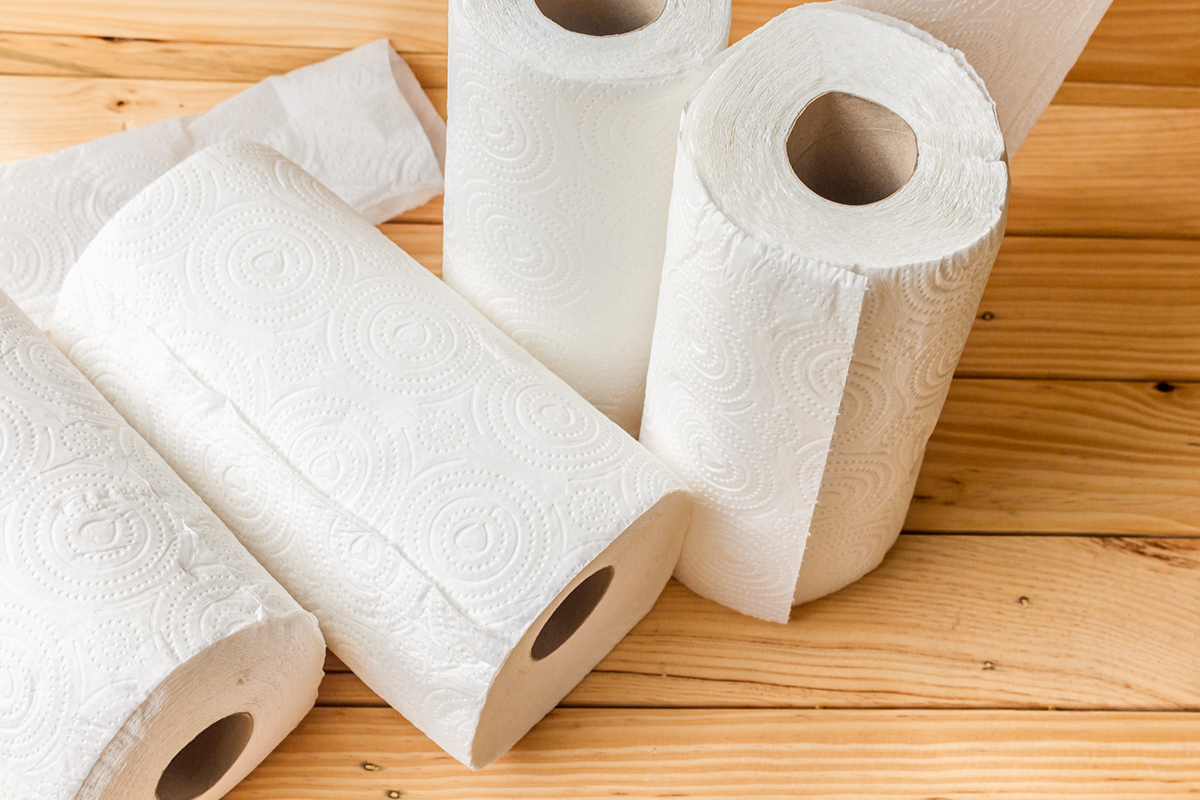
If you encounter a mess of any kind — whether it’s a spilled cup of coffee or crumbs on the counter — chances are you’ll be reaching for a paper towel to deal with it. We tend to think of these wipes as our go-to tool to handle mess, but there are plenty of other smart ways to use them that go way beyond spills. Here are nine ways to get more out of every roll.

Advertisement
Advertisement
Woman holding shoes, pinching her nose
Credit: © AndreyPopov/iStock

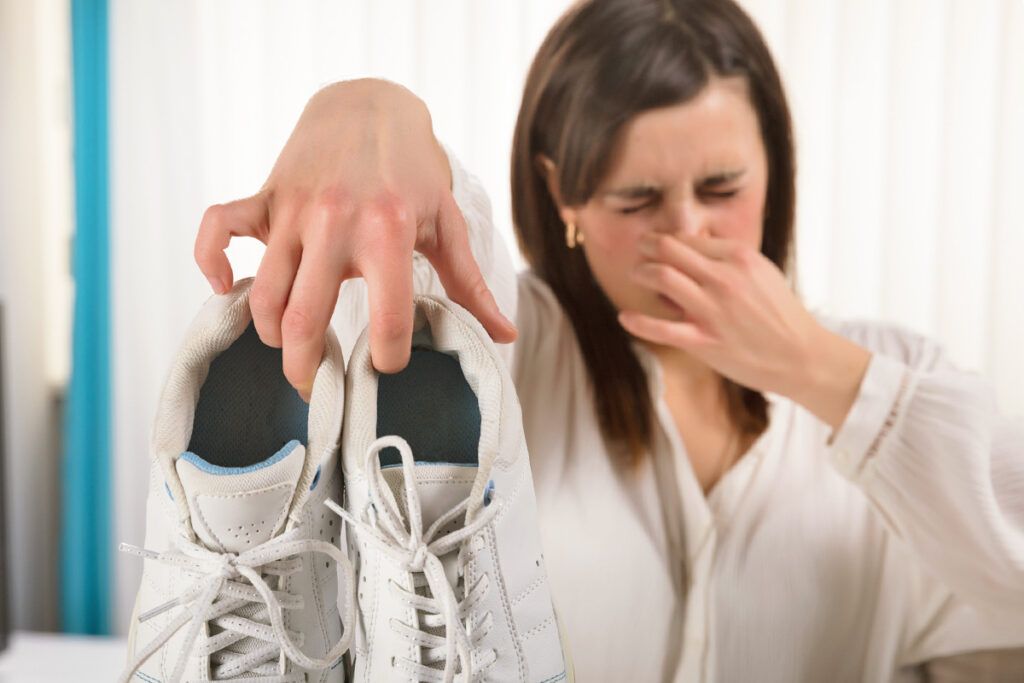
Freshen Your Shoes

Shoes can take on a funky odor due to bacteria that thrive in the damp, dark environment they provide. Give them a quick refresh by putting a few drops of your favorite essential oil on a paper towel, crumpling it up, and placing it in your footwear. They’ll smell much better the next day.

Recommended Articles

  • The Safety Rules for Candles You Probably Don’t Know

  • 5 Things Your Car Needs Before the First Freeze

  • 6 Amazon Prime Day Hacks

  • 5 Things To Ask Your Doctor About the New Flu Shot

Advertisement
Advertisement

Reader Favorites

  • Woman looking in fridge

    9 Foods You Should Toss ASAP if They’re Expired

  • Person eating salad

    7 Things a Chef Never Orders at a Restaurant

  • Cherry angioma

    Are the Tiny Red Dots on Your Skin Dangerous?

Chopping vegetables on cutting board
Credit: © PeopleImages/iStock

Keep Cutting Boards in Place

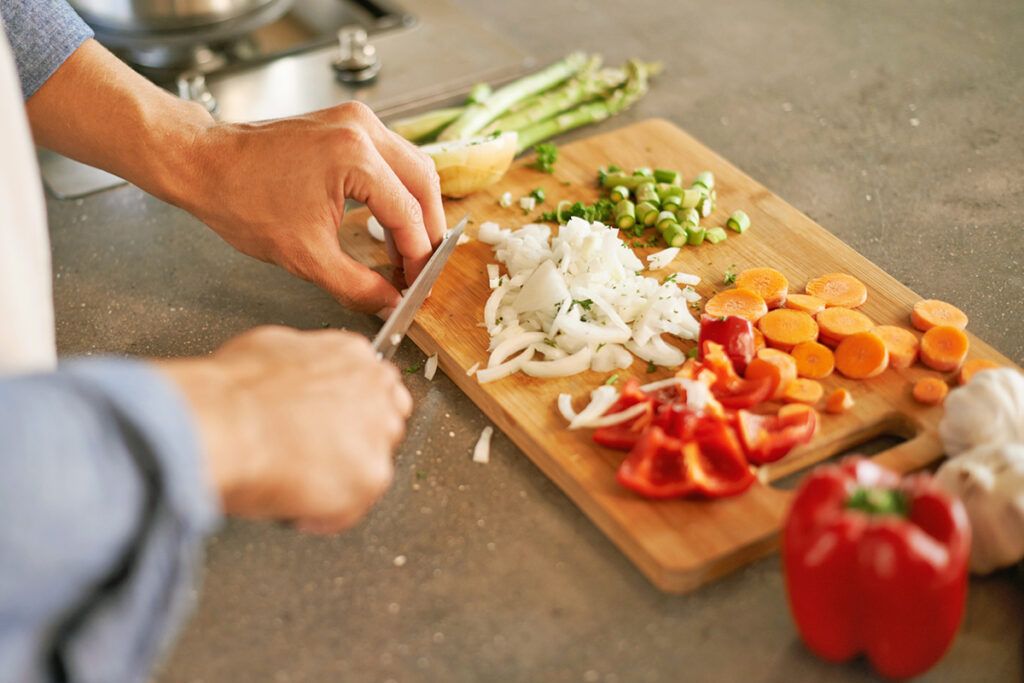
It’s frustrating — not to mention dangerous — when your cutting board slides all over your counter during food prep. Chefs swear by a hack to keep it in place that requires nothing more than a paper towel. 

Advertisement
Advertisement

Simply rip a piece off the roll, run it under water, wring it out, and place it on your counter with your cutting board on top. The dampness creates friction that keeps the cutting board in one spot, allowing you to chop food safely. And when you’re finished, you can use the paper towel to wipe down your counter.  

Seeds on a paper towel
Credit: © ThamKC/stock.adobe.com

Germinate Seeds

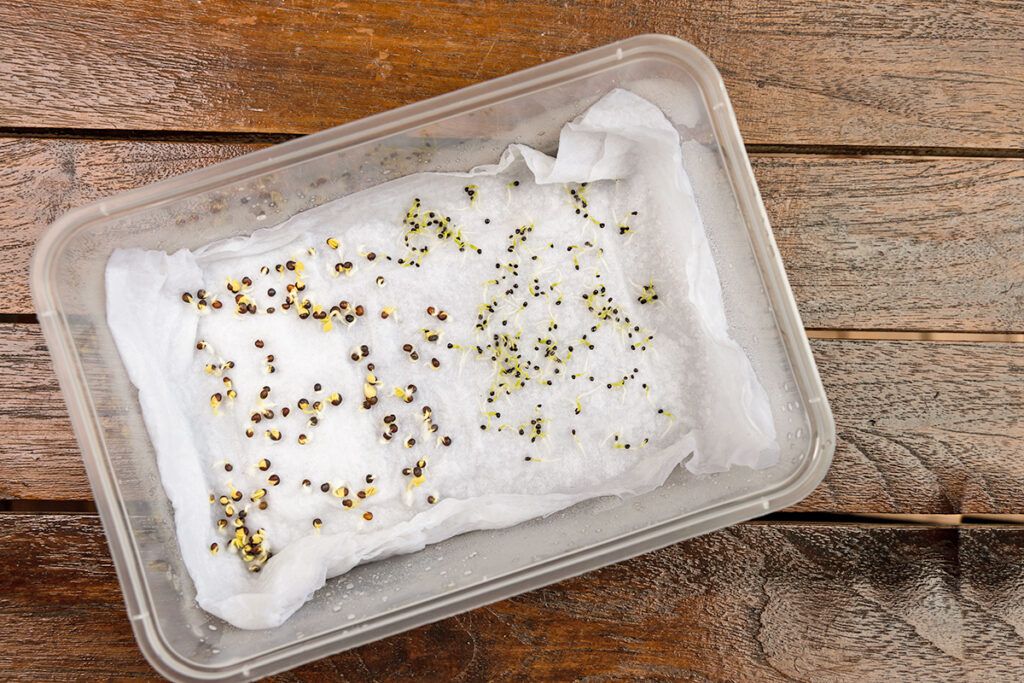
Speed up the gardening process by germinating fruit, vegetable, and herb seeds in paper towels. Line a food storage container with three or four damp sheets and place the seeds on them. Loosely cover the container with the lid so that air can circulate and place the container in a warm spot. Check daily and remoisten the paper towels as necessary. Once the seeds have sprouted, transfer them to soil.

Advertisement
Advertisement
Blueberries in a container with a paper towel
Credit: © Dani VG/iStock

Keep Produce and Cheese Fresh

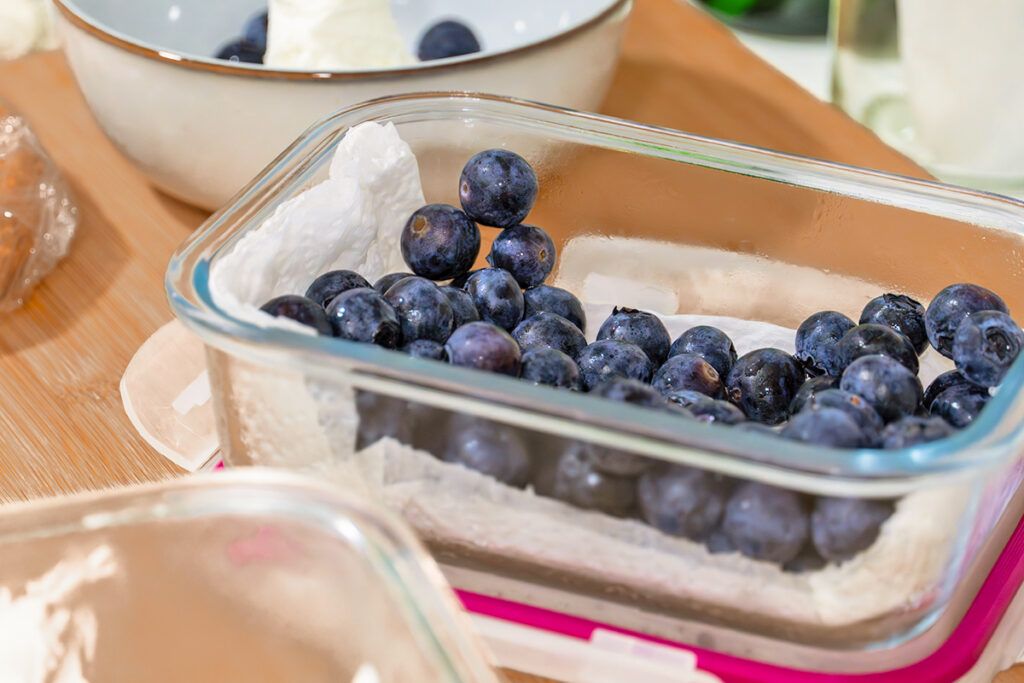
There’s nothing worse than shelling out a ton of money for fresh fruit and veggies only to have them go bad in your fridge. But paper towels come in handy here: Slipping one into your produce containers will soak up excess moisture that would otherwise cause the food to rot. You can even go a step further and line your fridge shelves and drawers with paper towels — this cuts down on the need to clean the shelves themselves and soaks up food-destroying moisture. According to The Kitchn, these paper towels will last three to four weeks before you need to re-line shelves and drawers.  

Advertisement
Advertisement

You can also use a paper towel to extend the life of your hard cheeses: Dunk a paper towel sheet in white vinegar, wring it out, and wrap it around your cheese. If the towel dries, wet it in vinegar again. According to All Recipes, white vinegar has antifungal properties because it’s high in acetic acid. This trick will help your hard cheeses last up to three times longer than they would normally, and your cheese won’t taste like vinegar, either.

Candle wax on fabric
Credit: © Halyna Romaniv/iStock

Get Wax Out of Carpets

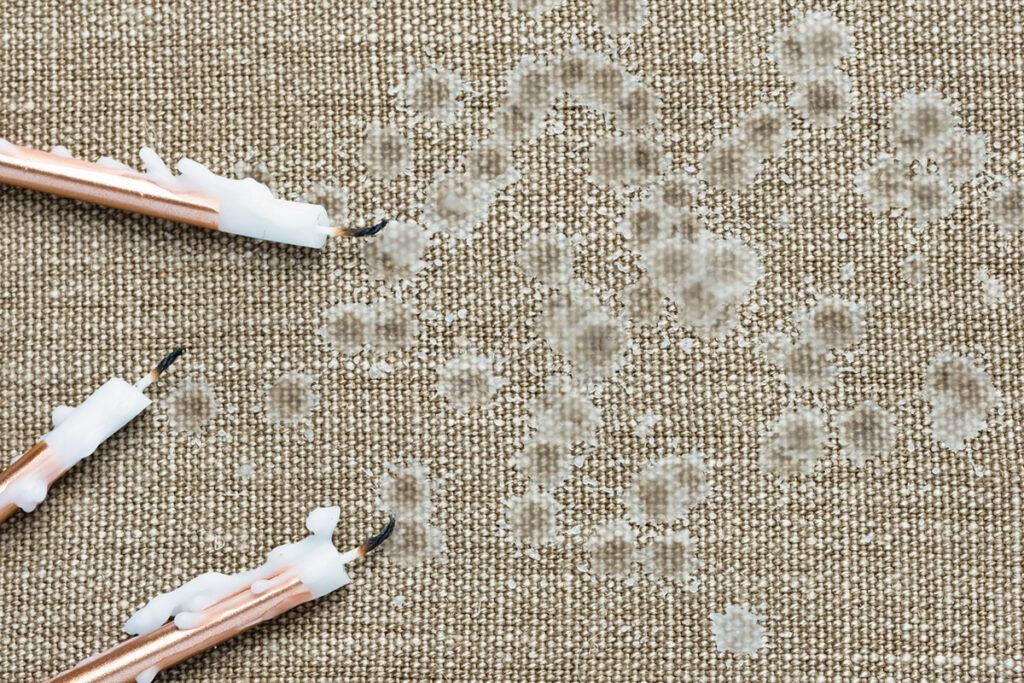
Wax on a carpet or fabric is no big deal when you have a paper towel nearby. Lay two paper towels over the wax and hold a hot iron to the paper towels for a couple of minutes — the wax will melt and transfer to the paper towels.

Advertisement
Advertisement
Kitchen with wooden cabinets
Credit: © zhudifeng/iStock

Keep Cabinet Tops Grease-Free

The tops of your kitchen cabinets are out of sight, out of mind … until you need to clean them and discover they’re coated with a sticky layer of dust and grease that’s incredibly difficult to remove. Cleaning it is a task you won’t want to repeat, so once it’s done, grab a roll of paper towels and completely cover the top of the cabinets with them. Now all you have to do is pull them down when they get grimy and replace them with fresh ones — no elbow grease necessary. 

Advertisement
Advertisement
Bread in a freezer
Credit: © qwartm/stock.adobe.com

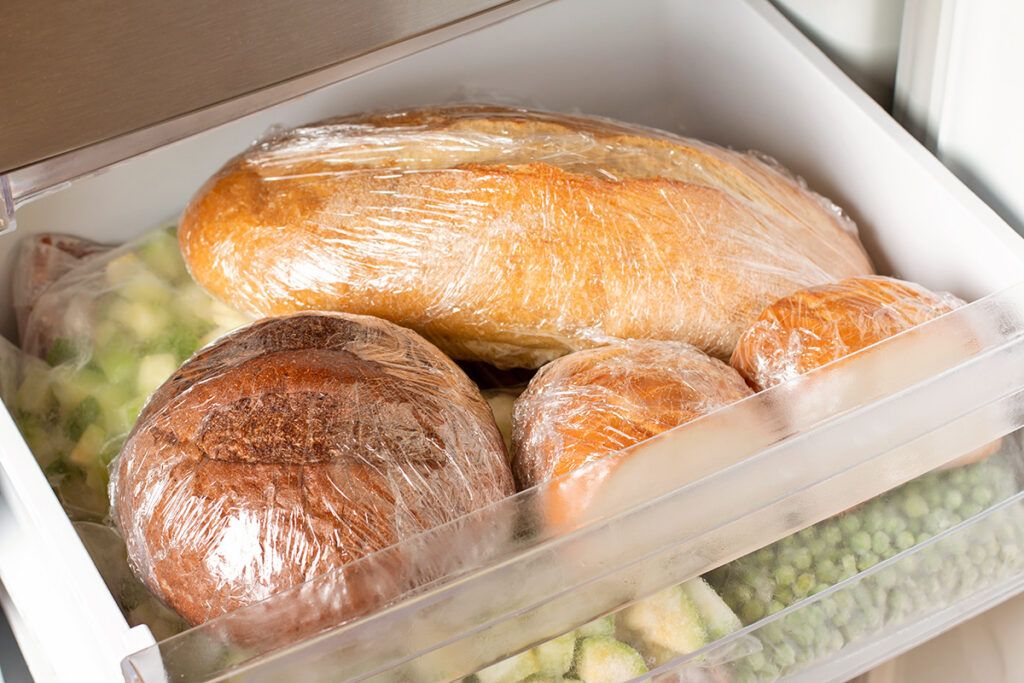
Stop Thawing Bread From Becoming Soggy

No one ever wants to waste bread — particularly if it’s homemade sourdough you spent days on and froze to enjoy later. Thaw it the right way by placing a paper towel in the bag. It will absorb the excess moisture as the bread thaws out. 

Advertisement
Advertisement

If you’re in a rush, wrap slices in damp paper towels and microwave them for 30 seconds. You’ll need to eat them right away, though; microwaved slices will quickly get tough as the moisture in the bread evaporates.  

Person holding paper towel over oily pan
Credit: © Oleg Opryshko/stock.adobe.com

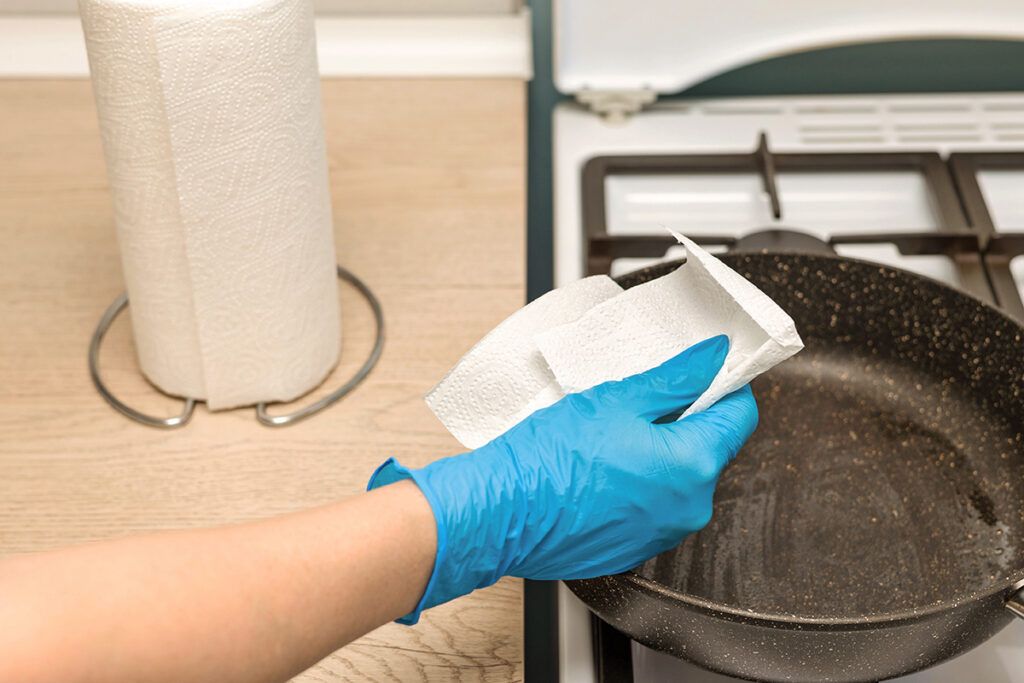
Soak Up Oil

Oil and grease are two things you never want to put down your drain or in your dishwasher — it’s bad for your pipes, sewer systems, and the environment. Use a Martha Stewart-approved trick to get rid of oil instead: Take a handful of paper towels and place them in a pan filled with oil. Move the towels around to get all the oil, throw them away, and clean the pan as usual.

Advertisement
Advertisement

You can also use paper towels to get rid of oil that’s accumulated on soups or stock: Just lay a sheet gently on the surface, pull it off, and repeat with fresh paper towels as necessary until the oil is gone.

Advertisement
Can opener on a table
Credit: © Olga Yastremska/iStock

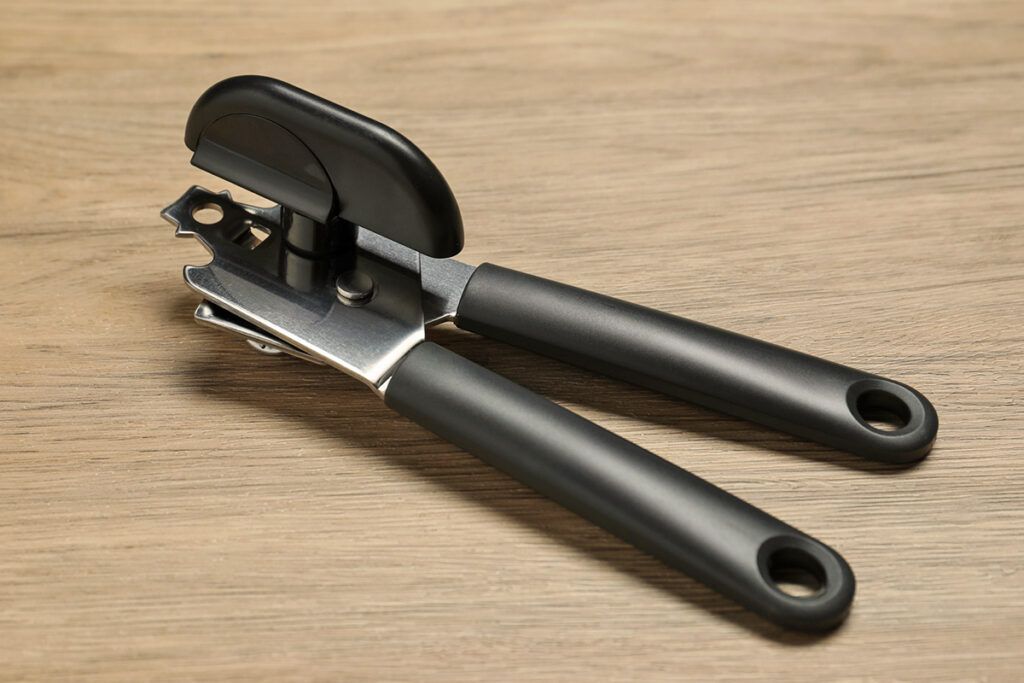
Clean Can Openers and Stained Plastic Food Storage

If you haven’t given any thought to cleaning your manual can opener, you probably should: Its blades are just as capable of picking up food and gunk as every other tool you use regularly. To clean it, feed a paper towel through the blades and crank the can opener; the paper towel will clean the blades as it makes its way through.

Advertisement
Advertisement

Paper towels can also be the key to cleaning stubborn stains from food like pasta sauce in plastic storage containers. Put a sheet in the container, add a few drops of soap and some water, put on the lid, and shake. The stain might not be completely gone when you’re done, particularly if the container has been sitting for a while, but it’s likely to be better than when you started.

Featured Image Credit: © arto_canon/iStock

Advertisement
Advertisement

More From Our Network

Better Report is part of Inbox Studio, an email-first media company. *Indicates a third-party property.

Go Retro With This 1960s Fashion Quiz

Quiz Daily

Go Retro With This 1960s Fashion Quiz

True or False: Are You a Master of U.S. Geography?

Travel Quiz

True or False: Are You a Master of U.S. Geography?

5 Reasons You Can Be Denied Boarding an Airplane

Daily Passport

5 Reasons You Can Be Denied Boarding an Airplane

What Did People Do Before Eyeglasses?

History Facts

What Did People Do Before Eyeglasses?

How To Use a Balloon To Clean Up Dust

House Outlook

How To Use a Balloon To Clean Up Dust

11 Shopping Hacks Costco Members Should Know

FinanceBuzz*

11 Shopping Hacks Costco Members Should Know

Share this article

  • Share to Facebook
  • Share to Twitter
  • Copy Url
  • Share to Email
Erin McCarthy
Editor, Better Report

Erin is a writer, editor, and content strategist living in the New York City area. Previously, she was the VP/Editor-in-Chief of MentalFloss.com and an editor at Popular Mechanics magazine. When she’s not working, Erin is hanging out with her cats, reading books from her never-ending TBR, traveling, karaoking, and making sourdough with her starter Stephen Sondheim.

This article is for general informational purposes only.
Affiliate Disclaimer Medical Disclaimer Financial Disclaimer

Updated: March 23, 2026
Posted In: Home
Hero Image Credit: Better Report
Advertisement

Related Articles

The Safety Rules for Candles You Probably Don’t Know

5 min read

9 Items in Your Basement You Should Toss Right Now

5 min read

5 Vegetables You Should Never Store in the Fridge

3 min read

Why a Flashing Check Engine Light Is Different From a Solid One

3 min read

Why Does Your Sink Have a Tiny Hole?

3 min read
Advertisement

Common Foods Ruining Your Dishwasher

Ali Eldridge
Home | Updated: February 6, 2026
Better Report

Is your dishwasher running smoothly, or does it seem slightly off? Maybe it’s become smelly or makes a weird, unfamiliar noise. Are your dishes not coming out clean anymore? You might need a repair technician, or it’s possible that your dishwasher just needs a thorough cleaning. To reduce the risk of either, avoid these common foods that can damage your dishwasher. 

Starchy Foods

Starch itself isn’t necessarily bad, as modern detergents contain enzymes that break it down. However, starchy foods like pasta or potatoes are sticky and can clog the filter, drain hose, or pump, causing costly damage or reducing your dishwasher’s efficiency. 

Advertisement
Advertisement

Eggshells, Bones, and Seeds

Eggshells, bones, and seeds won’t break down – they might clog or damage the filter, drain hose, or pump. If your filter has holes, replace it, as they can allow food particles to enter the pump impeller or motor seals, which is a more extensive repair. 

While you might wonder why someone would be sticking eggshells, bones, or seeds in their dishwasher, think of what foods might contain these. A tiny bone from a fish or an eggshell stuck to the mixing bowl could easily make it into the dishwasher. Personally, I have to clean out my overnight oats jars before washing because the chia seeds get stuck everywhere (including my toothbrush!). 

Grease

Just as grease can be problematic to pour down the sink, too much in the dishwasher could solidify and create clogs. Scrape off solidified grease into the trash or pour it into a container that can be tossed (or saved for another use). 

Recommended Articles

  • The Safety Rules for Candles You Probably Don’t Know

  • 5 Things Your Car Needs Before the First Freeze

  • 6 Amazon Prime Day Hacks

  • 5 Things To Ask Your Doctor About the New Flu Shot

Advertisement
Advertisement

Reader Favorites

  • Woman looking in fridge

    9 Foods You Should Toss ASAP if They’re Expired

  • Person eating salad

    7 Things a Chef Never Orders at a Restaurant

  • Cherry angioma

    Are the Tiny Red Dots on Your Skin Dangerous?

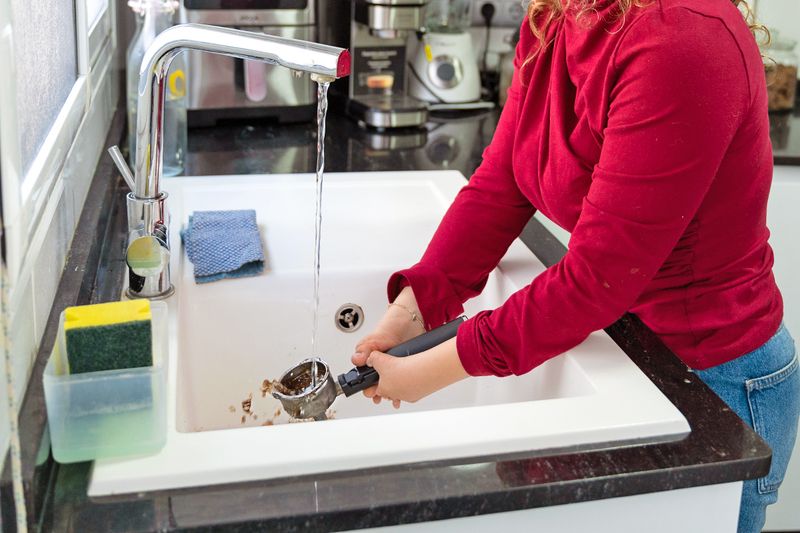
Coffee Grounds

Coffee grounds or tea leaves can build up over time, creating the potential for odors or clogs. Make sure your reusable coffee pods or tea strainers are thoroughly emptied before tossing them in the dishwasher. These might be better hand-washed with a toothbrush, or at least soaked before being placed in the dishwasher.

Advertisement

Sourdough Starter

Sourdough starter can solidify like cement, both in the dishwasher and down the sink. Scrape as much as possible off of your container before loading it into the dishwasher. I frequently wipe mine out with a paper towel before washing. Overkill, maybe, but it keeps the sink and dishwasher lines clear. It may be necessary to pretreat the container before loading in the dishwasher. 

Advertisement
Advertisement

The Truth About Pre-Rinsing

But wait, I thought we weren’t supposed to pre-rinse dishes? The commercials are correct — it’s not recommended, as modern detergents and dishwashers are made to break down the grime and efficiently clean dishes right off the dinner table. Today’s dishwashers are actually more efficient when there is some dirt and grime; otherwise, they might detect clean dishes and run a shorter cycle. Pre-rinsing also wastes water, and some food safety experts note that it can cause cross-contamination of other kitchen surfaces (like your sink, countertop, or sponge). Additionally, the detergent enzymes are less effective without food particles to cling onto and digest. 

How Can I Fix My Mistakes?

Have you already made one of these mistakes? Check out your dishwasher manual for cleaning instructions. Emptying the filter, unclogging the sprayer arms, wiping down the seal, and running a vinegar cycle (or using dishwasher cleaning tablets) with an empty machine should all be part of your cleaning routine. This can help catch stray food pieces that can commonly cause dishwasher problems before they cause damage.

Feature Image Credit: Castorly Stock

More From Our Network

Better Report is part of Inbox Studio, an email-first media company. *Indicates a third-party property.
Go Retro With This 1960s Fashion Quiz

Quiz Daily

Go Retro With This 1960s Fashion Quiz

True or False: Are You a Master of U.S. Geography?

Travel Quiz

True or False: Are You a Master of U.S. Geography?

5 Reasons You Can Be Denied Boarding an Airplane

Daily Passport

5 Reasons You Can Be Denied Boarding an Airplane

What Did People Do Before Eyeglasses?

History Facts

What Did People Do Before Eyeglasses?

How To Use a Balloon To Clean Up Dust

House Outlook

How To Use a Balloon To Clean Up Dust

11 Shopping Hacks Costco Members Should Know

FinanceBuzz*

11 Shopping Hacks Costco Members Should Know

Share this article

  • Share to Facebook
  • Share to Twitter
  • Copy Url
  • Share to Email
Ali Eldridge

This article is for general informational purposes only.
Affiliate Disclaimer Medical Disclaimer Financial Disclaimer

Updated:
Posted In: Home
Hero Image Credit: Better Report
Advertisement

Related Articles

The Safety Rules for Candles You Probably Don’t Know

5 min read

9 Items in Your Basement You Should Toss Right Now

5 min read

5 Vegetables You Should Never Store in the Fridge

3 min read

Why a Flashing Check Engine Light Is Different From a Solid One

3 min read

Why Does Your Sink Have a Tiny Hole?

3 min read
Advertisement

Why Your Dishwasher Is Leaving Dishes Dirty

Home | Updated: January 21, 2026
Evan Malachosky
Author
Evan is a writer and editor based in Pittsburgh, Pennsylvania. His work has appeared in GQ, Esquire, Popular Mechanics, Gear Patrol, and more.
Better Report

All featured products and deals are selected independently and objectively by the author. Better Report may receive a share of sales via affiliate links in content.

Doing the dishes by hand isn’t for the faint of heart, which is why homes have a dishwasher in the center of their kitchen. Most of them look (and operate) the same: you fill it, insert your pod (or liquid detergent), and select your cycle. It runs, chimes incessantly, and then your dishes are sparkly clean, ready to be used again. Right? Right? Too often, dishes that go into your dishwasher dirty come out the same way — cleaner but not completely clean.

So, what are you supposed to do? Well, you shouldn’t scrub dishes by hand before putting them in: Though it seems counterintuitive, modern detergents and dishwashers are designed to work more effectively with some food residue. It’s true; the enzymes in your detergent need food particles to activate, and the dishwasher’s sensors may adjust the wash cycle based on the level of dirtiness. (Smart, huh?) But if that isn’t your problem, it could be a dirty filter or the detergent you’re buying.

Advertisement
Advertisement

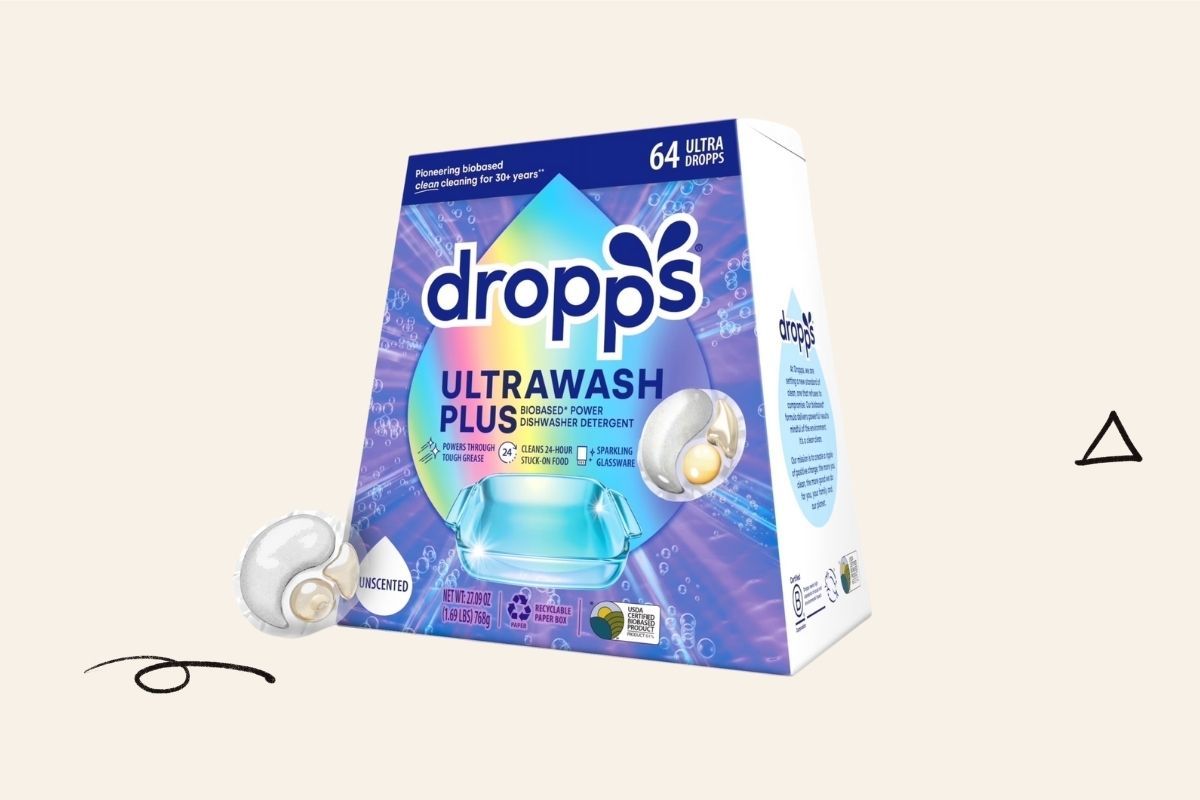
Dropps Ultrawash Plus (64 Pods)

BUY FOR $34 AT DROPPS
BUY FOR $35 AT AMAZON

You see, dishwasher detergent has become an oddly crowded category. You can buy pods that promise streak-free glassware, powders that insist they’re safer for the planet, liquids engineered for “tough jobs,” or tablets wrapped in materials no one can pronounce. Somewhere in that mix sits Dropps, a brand that built its name on sustainability long before it was a trendy marketing move. Their latest product, the UltraWash Plus pods, is the company’s most confident attempt to move from “eco-friendly alternative” to “everyday essential.”

The UltraWash Plus is a pod-style detergent with a biobased certification from the U.S. Department of Agriculture. That certification means most of the ingredients come from biological sources rather than petroleum, making it ideal for shoppers who care about environmental impact but don’t have the patience to decode ingredient lists. The pods themselves use a chambered design — separate compartments that hold detergent, enzymes, and a degreasing liquid. This isn’t just for show, though it looks cool. Dishwasher detergents rely heavily on enzymes to break down food, and when those enzymes mingle with the wrong ingredients too early, they lose their effectiveness. By isolating them until the wash cycle begins, UltraWash Plus aims to deliver better cleaning power without relying on harsher chemicals.

Recommended Articles

  • The Safety Rules for Candles You Probably Don’t Know

  • 5 Things Your Car Needs Before the First Freeze

  • 6 Amazon Prime Day Hacks

  • 5 Things To Ask Your Doctor About the New Flu Shot

Advertisement
Advertisement

Reader Favorites

  • Woman looking in fridge

    9 Foods You Should Toss ASAP if They’re Expired

  • Person eating salad

    7 Things a Chef Never Orders at a Restaurant

  • Cherry angioma

    Are the Tiny Red Dots on Your Skin Dangerous?

Of course, your detergent ultimately has to work, and while the UltraWash Plus pods don’t surmount the strongest, most aggressive pods on the market, they sit comfortably near the top. They clean standard daily messes without drama, handle proteins and sauces effectively, and don’t require pre-rinsing dishes. And that last point matters more than people realize: pre-rinsing wastes water and time, and needing to do it undercuts whatever a detergent claims about convenience or cleaning strength. So, if you want a pod that aligns with your sustainability goals without feeling like a step backward, Dropps makes that decision easy.

Featured Image Credit: Maria Korneeva/Getty

More From Our Network

Better Report is part of Inbox Studio, an email-first media company. *Indicates a third-party property.

Go Retro With This 1960s Fashion Quiz

Quiz Daily

Go Retro With This 1960s Fashion Quiz

True or False: Are You a Master of U.S. Geography?

Travel Quiz

True or False: Are You a Master of U.S. Geography?

5 Reasons You Can Be Denied Boarding an Airplane

Daily Passport

5 Reasons You Can Be Denied Boarding an Airplane

What Did People Do Before Eyeglasses?

History Facts

What Did People Do Before Eyeglasses?

How To Use a Balloon To Clean Up Dust

House Outlook

How To Use a Balloon To Clean Up Dust

11 Shopping Hacks Costco Members Should Know

FinanceBuzz*

11 Shopping Hacks Costco Members Should Know

Share this article

  • Share to Facebook
  • Share to Twitter
  • Copy Url
  • Share to Email
Evan Malachosky
Managing Editor

Evan is a writer and editor based in Pittsburgh, Pennsylvania. His work has appeared in GQ, Esquire, Popular Mechanics, Gear Patrol, and more.

This article is for general informational purposes only.
Affiliate Disclaimer Medical Disclaimer Financial Disclaimer


Updated: May 21, 2024
Posted In: Home
Hero Image Credit: Better Report
Advertisement

Related Articles

The Safety Rules for Candles You Probably Don’t Know

5 min read

9 Items in Your Basement You Should Toss Right Now

5 min read

5 Vegetables You Should Never Store in the Fridge

3 min read

Why a Flashing Check Engine Light Is Different From a Solid One

3 min read

Why Does Your Sink Have a Tiny Hole?

3 min read
Advertisement

5 Laundry Mistakes You’re Probably Making

Home | Updated: November 4, 2025
Laura Falin
Author
Laura Falin is a freelance writer in Colorado who has written for Business Insider, BabyCenter, Colorado Parent Magazine, and more. She's an avid hiker who loves getting outdoors and taking ridiculously long road trips with her family.
Better Report

All featured products and deals are selected independently and objectively by the author. Better Report may receive a share of sales via affiliate links in content.

I’ve been doing my own laundry for longer than I can remember, and over all these years, I haven’t given much thought to my routine. But as I’ve gotten older, I’ve come to realize that doing laundry properly can save me money by keeping clothes in good shape longer, including some handknit sweaters that mean a lot to me. If you haven’t thought much about your laundry routine, now might be a good time to reconsider it. Start by checking out this list of common mistakes people make to see if you need to make any tweaks. 

Kateryna Hliznitsova/ Unsplash+

Using the Wrong Amount of Detergent

Most of us are using too much laundry detergent. For top-loading washers, most loads require only about two tablespoons of detergent. A front-loading washing machine requires even less, between two teaspoons and one tablespoon, depending on how dirty the load is. When you add too much detergent, it may not fully rinse out of clothing, leaving residue behind that makes them feel stiff or sticky. It can even trap dirt and bacteria back in the fabric you were trying to get clean in the first place. And if you’re a fan of laundry detergent pods, we have bad news. When using pods, it’s hard to know if the dose is right. The best practice is to use liquid detergent, and much less of it than you’re probably used to.

Advertisement
Advertisement
Engin Akyurt/ Pexels

Using the Hot Water Cycle

The hot water cycle can ruin your clothing over time. The heat breaks down clothing fibers, so pieces deteriorate more quickly than when washed in cold water. Hot water relaxes elastic fibers, causing leggings and swimwear to lose shape, and it fades bright colors. Use the hot water cycle only on clothes that need serious disinfecting, or on whites to keep them shining. Use a gentler cold-water cycle for shirts, pants, skirts, and delicates. 

vladdeep/ iStock

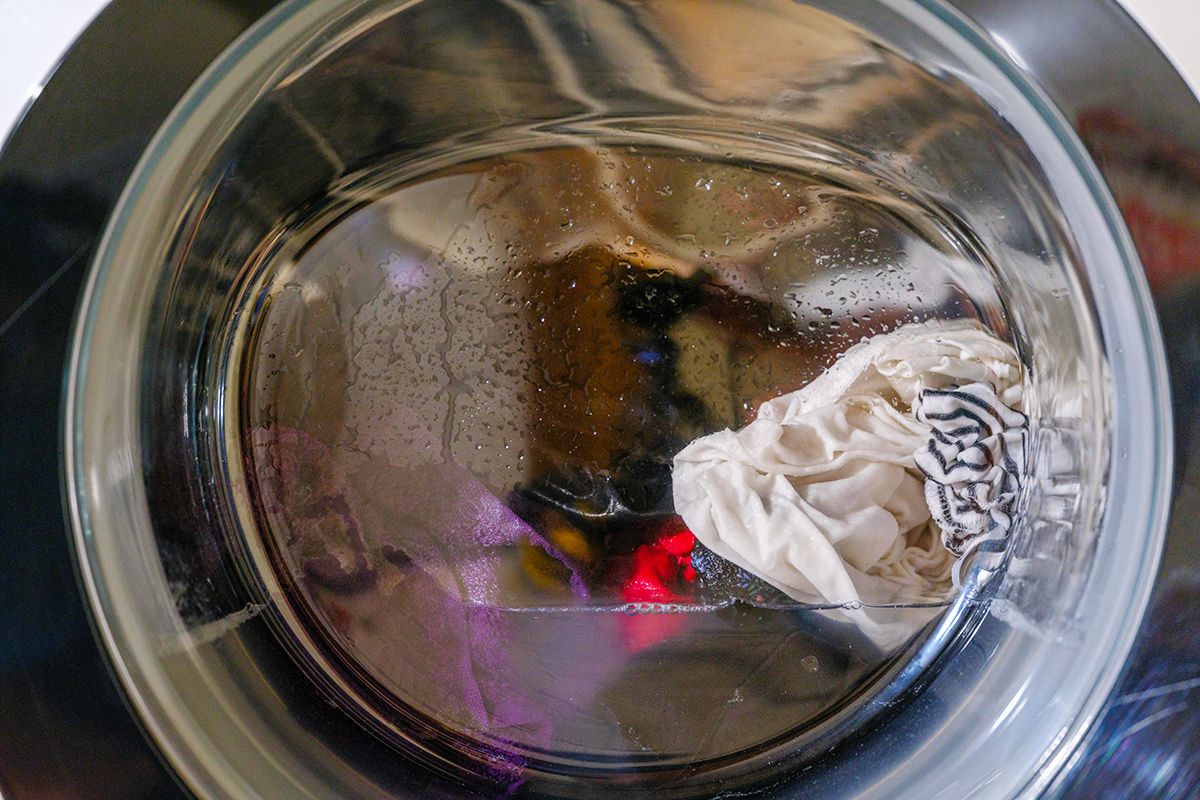
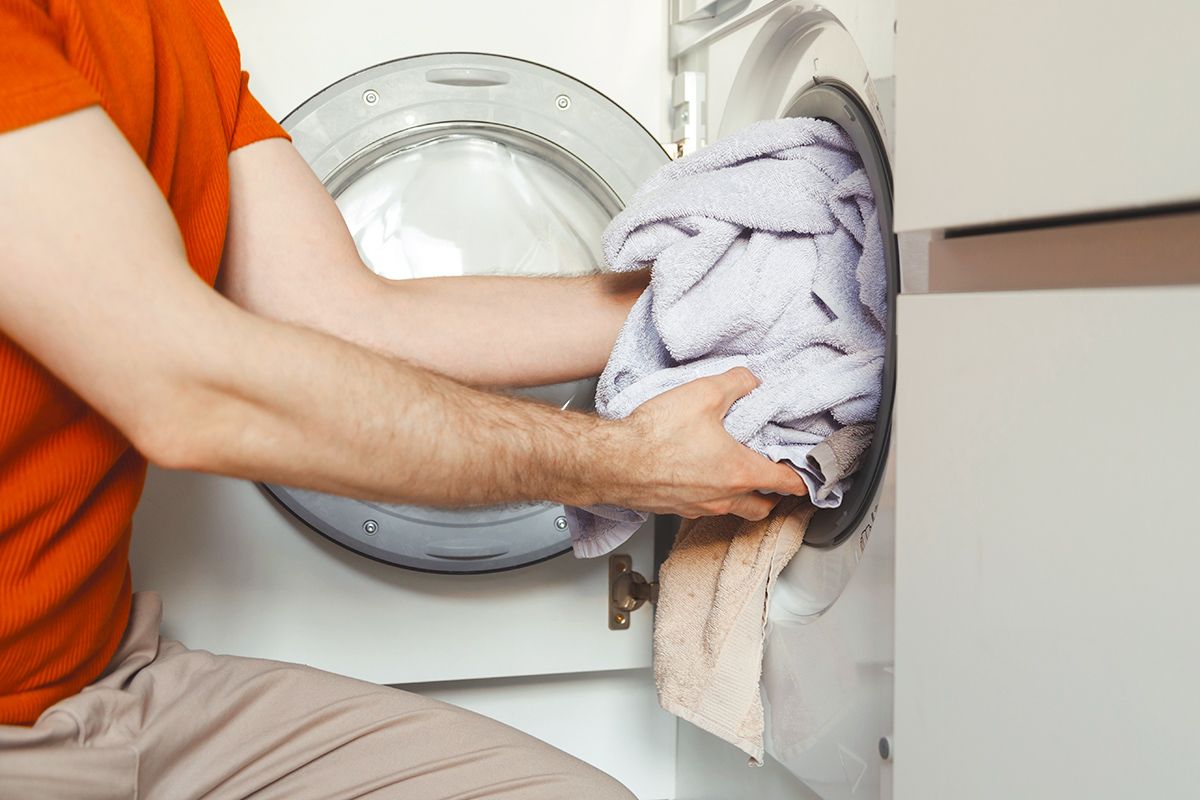
Overloading Your Washing Machine

When you overload your washing machine, clothes don’t have enough room to move around or properly soak in water,  which is essential to loosen dirt and grime. It could also mean your detergent isn’t fully rinsed away, so your clothes may end up with residue. If you’re overloading your washer and using too much detergent, your clothes have little chance of actually coming out clean.

Recommended Articles

  • The Safety Rules for Candles You Probably Don’t Know

  • 5 Things Your Car Needs Before the First Freeze

  • 6 Amazon Prime Day Hacks

  • 5 Things To Ask Your Doctor About the New Flu Shot

Advertisement
Advertisement

Reader Favorites

  • Woman looking in fridge

    9 Foods You Should Toss ASAP if They’re Expired

  • Person eating salad

    7 Things a Chef Never Orders at a Restaurant

  • Cherry angioma

    Are the Tiny Red Dots on Your Skin Dangerous?

If you have a top-loading washing machine, your clothes should be loose in the tub. For a front-loading washer, you should be able to fit your hand comfortably on top of your clothes. If you have to cram things into your washing machine to get them to fit, it’s overloaded. 

Wirestock/ iStock

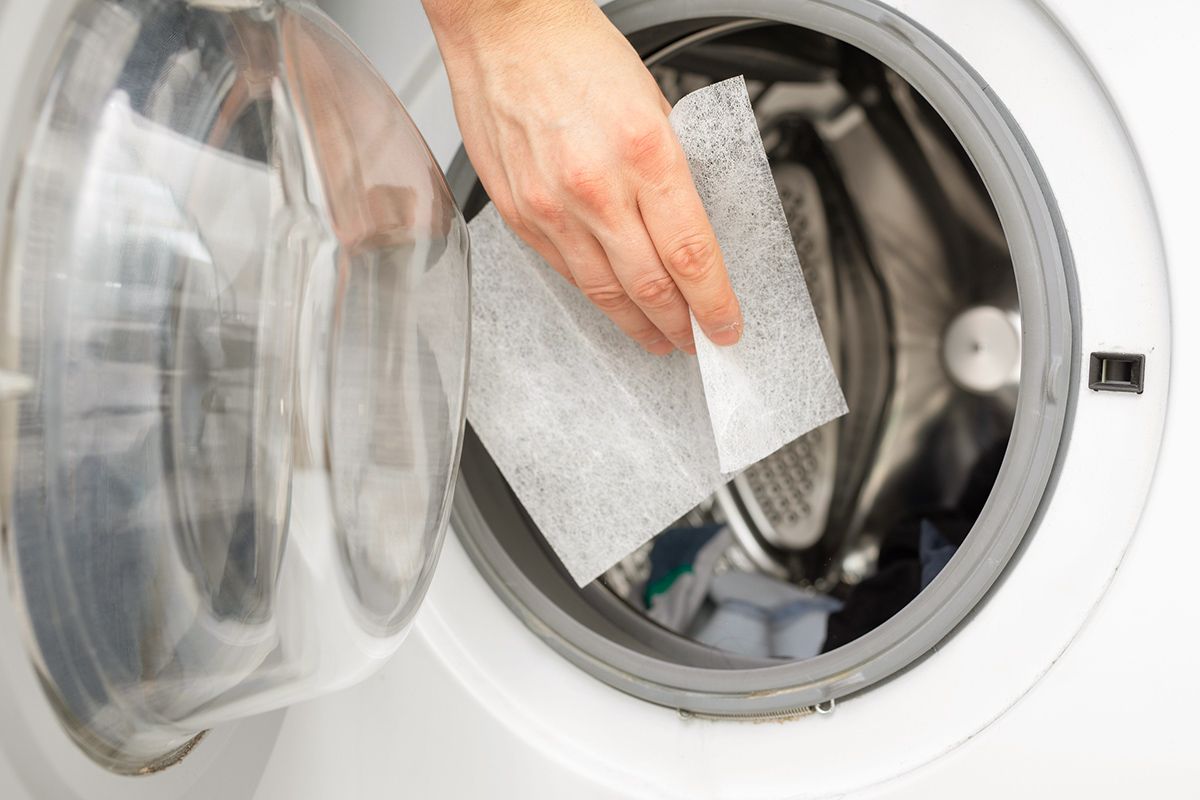
Using Dryer Sheets

Dryer sheets are a little tricky: they work wonders on some fabrics but can ruin others. You should not use dryer sheets on synthetic fabrics like polyester, nylon, acrylic, and spandex, as they can leave a damaging buildup behind. However, dryer sheets work well on natural fibers like cotton, linen, and wool. Many t-shirts, jeans, and bedding can benefit from a cycle with a dryer sheet to reduce static cling and improve your clothing’s smell.

Advertisement
Advertisement
suteishi/ iStock

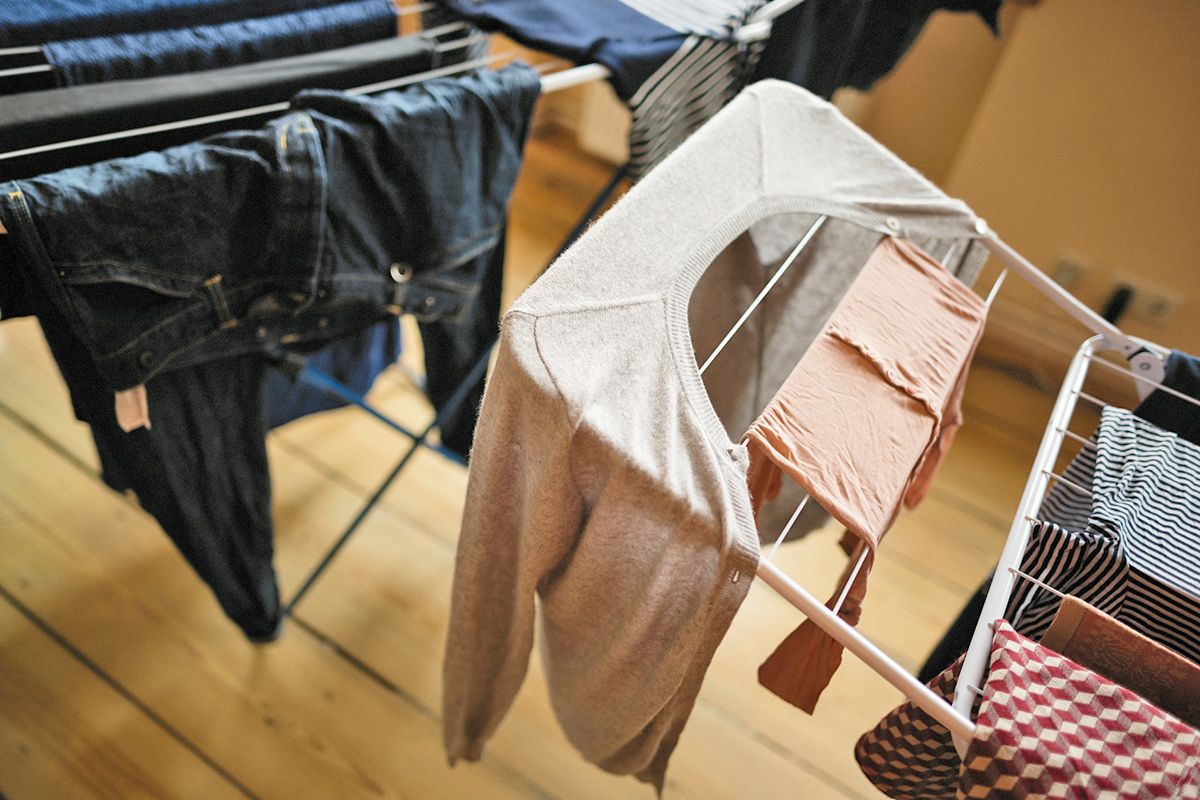
Not Hanging Your Delicate Items to Dry

Delicate items require a little more care, both in their washing and drying. Handwashing is ideal, but you can usually machine-wash delicates in cold water on a gentle cycle. You might want to consider using a laundry soap specifically formulated for delicate fabrics. When the items are washed, hang or lay them flat to dry. Sweaters, especially, should be laid flat to dry, to help them keep their shape.

Advertisement

Featured Image Credit: Elena Helade / Unsplash+

More From Our Network

Better Report is part of Inbox Studio, an email-first media company. *Indicates a third-party property.

Go Retro With This 1960s Fashion Quiz

Quiz Daily

Go Retro With This 1960s Fashion Quiz

True or False: Are You a Master of U.S. Geography?

Travel Quiz

True or False: Are You a Master of U.S. Geography?

5 Reasons You Can Be Denied Boarding an Airplane

Daily Passport

5 Reasons You Can Be Denied Boarding an Airplane

What Did People Do Before Eyeglasses?

History Facts

What Did People Do Before Eyeglasses?

How To Use a Balloon To Clean Up Dust

House Outlook

How To Use a Balloon To Clean Up Dust

11 Shopping Hacks Costco Members Should Know

FinanceBuzz*

11 Shopping Hacks Costco Members Should Know

Share this article

  • Share to Facebook
  • Share to Twitter
  • Copy Url
  • Share to Email
Laura Falin
Writer

Laura Falin is a freelance writer in Colorado who has written for Business Insider, BabyCenter, Colorado Parent Magazine, and more. She's an avid hiker who loves getting outdoors and taking ridiculously long road trips with her family.

This article is for general informational purposes only.
Affiliate Disclaimer Medical Disclaimer Financial Disclaimer

Updated: November 14, 2024
Posted In: Home
Hero Image Credit: Better Report
Advertisement

Related Articles

The Safety Rules for Candles You Probably Don’t Know

5 min read

9 Items in Your Basement You Should Toss Right Now

5 min read

5 Vegetables You Should Never Store in the Fridge

3 min read

Why a Flashing Check Engine Light Is Different From a Solid One

3 min read

Why Does Your Sink Have a Tiny Hole?

3 min read
Advertisement

Bissell’s Little Green Mini Is the Best Carpet Cleaner Under $100

Ali Eldridge
Home | Updated: January 21, 2026
Better Report

All featured products and deals are selected independently and objectively by the author. Better Report may receive a share of sales via affiliate links in content.

I’ve relied on Bissell to keep my home clean for years, putting several of its carpet and upholstery cleaners to the test against pet stains and foot traffic. Its products have cleaned furniture after moves in a dirty U-Haul, sucked away cat accidents, and assured I always got my security deposit back from carpeted apartments. Of all the stand-up carpet cleaners and handhelds the brand has, the Little Green Machine has been the fan favorite. Bissell outdid itself with the Little Green Mini version, which you can get for under $100.

Prices are accurate as of January 20, 2026. Subject to change.

A photo of the Bissell Little Green Mini Carpet Cleaner
Courtesy of Bissell

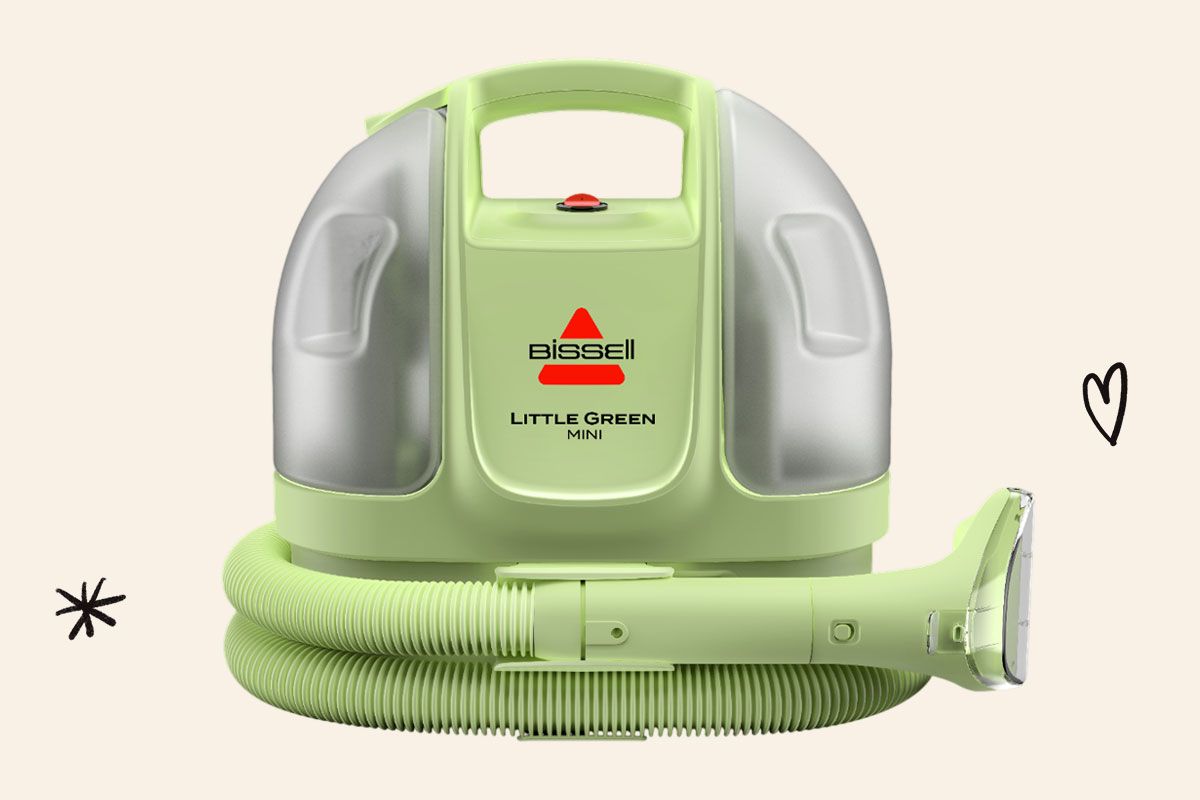
Bissell Little Green Mini Carpet Cleaner

BUY FOR $99.99 AT BISSELL
BUY FOR $99.99 AT AMAZON
Advertisement
Advertisement

Why I Like the Bissell Little Green Mini

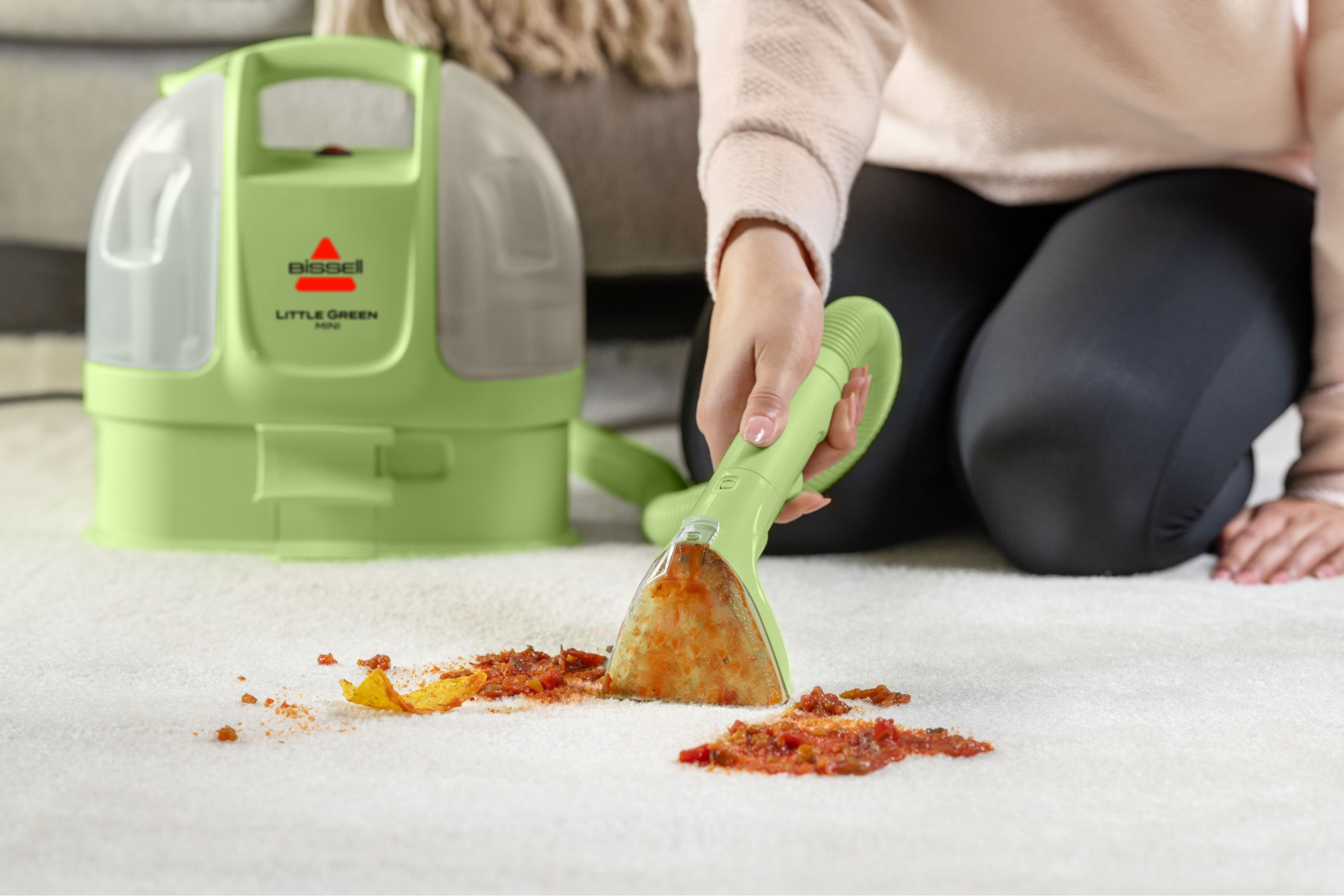
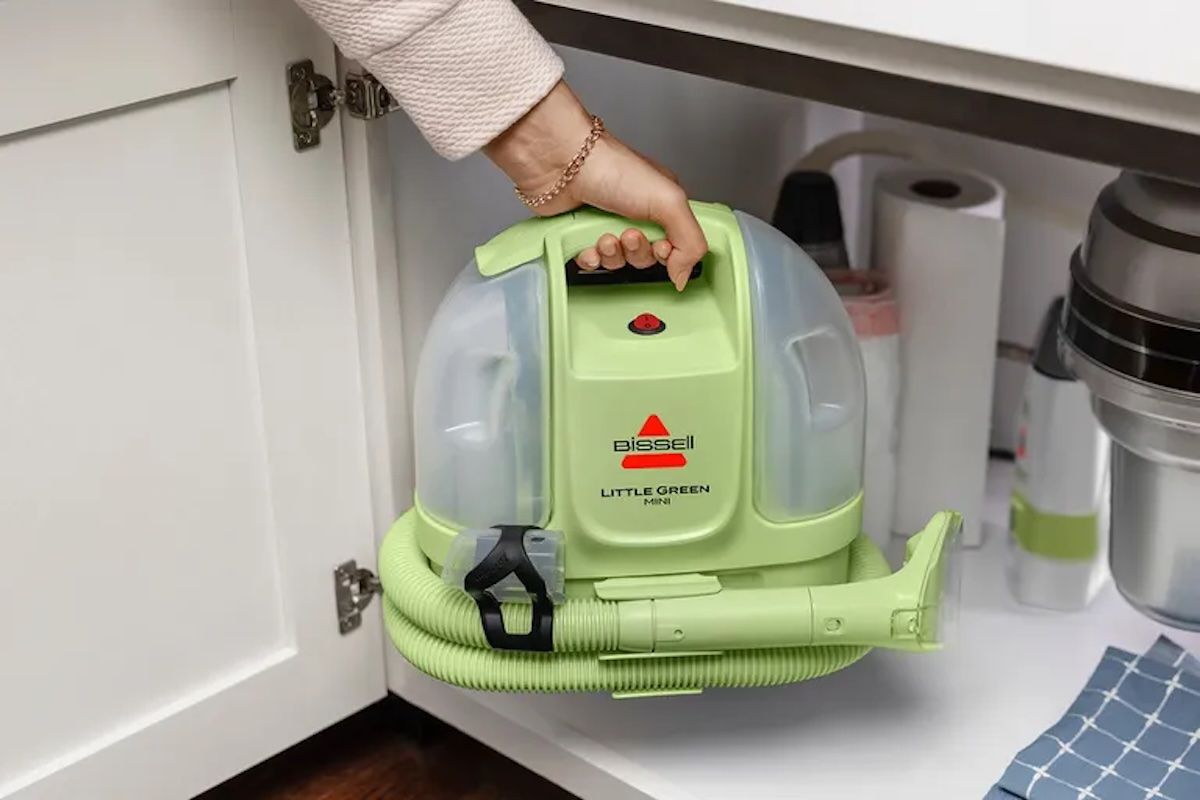
The original Little Green Machine is a hit for its size and power. The Mini is even smaller without losing suction, so anyone short on space can still have a spotless home. I suggest everyone has a portable machine on hand, like the Mini, for spills on rugs, couches, pillows, mattresses, or pet beds. Its 16-ounce capacity water tank is smaller than the original Little Green cleaner, of course, but that’s still plenty for cleaning most spots — if you need to clean an entire carpet, you’d want one of the brand’s stand-up carpet cleaners. Weighing in at just seven pounds, you can easily tote the Mini up the stairs or to the garage for cleaning stains in the car. Its compact body should fit in small closets, under the sink, or potentially even under your bed.

Plus, the Mini comes with a Tough Stain Tool, equipped with bristles that let you spray, scrub, and suck up whatever mess you’re tackling. One of my biggest peeves about carpet cleaners is that the gunk sucked up from surfaces tends to hang out in the hoses, but Bissell’s HydroRinse Self-Cleaning Hose Tool solves that problem by rinsing out the hose after every use. Just clean the dirty water tank, and your machine should keep running for a long time, tackling thousands of stains. Maintenance is straightforward; as with all wet vacuums, the tanks and hoses must be cleaned thoroughly after use to prevent odors, even if there is no visible debris.

Advertisement
Courtesy of Bissell

Overall, this unit is best viewed as a quick-grab cleaner for smaller messes rather than a heavy-duty machine. If portability and ease of use are top priorities, it hits the mark. If you’re after serious power or larger capacity, it may fall short. But when you’re just managing the occasional accident or an unintentional spill, the Bissell Little Green Mini is more than enough machine. And fellow animal lovers will also appreciate that every Bissell purchase benefits the Bissell Pet Foundation, which partners with shelters across the country to try to find loving homes for all pets in need. I can clean up after my cats and help other cats and dogs? That’s a win-win in my book.

Feature Image Credit: Image Courtesy of Bissell

More From Our Network

Better Report is part of Inbox Studio, an email-first media company. *Indicates a third-party property.

Go Retro With This 1960s Fashion Quiz

Quiz Daily

Go Retro With This 1960s Fashion Quiz

True or False: Are You a Master of U.S. Geography?

Travel Quiz

True or False: Are You a Master of U.S. Geography?

5 Reasons You Can Be Denied Boarding an Airplane

Daily Passport

5 Reasons You Can Be Denied Boarding an Airplane

What Did People Do Before Eyeglasses?

History Facts

What Did People Do Before Eyeglasses?

How To Use a Balloon To Clean Up Dust

House Outlook

How To Use a Balloon To Clean Up Dust

11 Shopping Hacks Costco Members Should Know

FinanceBuzz*

11 Shopping Hacks Costco Members Should Know

Share this article

  • Share to Facebook
  • Share to Twitter
  • Copy Url
  • Share to Email
Ali Eldridge

This article is for general informational purposes only.
Affiliate Disclaimer Medical Disclaimer Financial Disclaimer

Updated:
Posted In: Home
Hero Image Credit: Better Report

Recommended Articles

  • The Safety Rules for Candles You Probably Don’t Know

  • 5 Things Your Car Needs Before the First Freeze

  • 6 Amazon Prime Day Hacks

  • 5 Things To Ask Your Doctor About the New Flu Shot

Advertisement

Related Articles

The Safety Rules for Candles You Probably Don’t Know

5 min read

9 Items in Your Basement You Should Toss Right Now

5 min read

5 Vegetables You Should Never Store in the Fridge

3 min read

Why a Flashing Check Engine Light Is Different From a Solid One

3 min read

Why Does Your Sink Have a Tiny Hole?

3 min read
Advertisement

5 Common Foods That Are Ruining Your Dishwasher

Home | Updated: October 22, 2025
Anne James
Author
Anne James is a freelance writer, freelance health editor, research lab technician, and mom.
Better Report

Is your dishwasher running smoothly, or does it seem a little bit off? Do dishes still come out dirty? Maybe it’s become smelly or makes a weird, unfamiliar noise. You might need a repair technician, but it’s also totally possible that your dishwasher just needs a thorough cleaning. If it’s visibly leaking or emits an air of burning rubber or plastic, you should probably call a professional. If not, remove the filter and check if anything is stuck inside. (Warning: wear gloves.) If there are large food particles, you probably left one of these common foods on a plate, bowl, or utensil when you last loaded your dishwasher.

Wait. Aren’t You Supposed to Pre-Rinse Your Dishes?

The commercials are correct – pre-rinsing is not recommended, as modern detergents and dishwashers are made to break down the grime and efficiently clean dishes right off the dinner table. Pre-rinsing wastes water, and some food safety experts note that it can cause cross-contamination of other kitchen surfaces (sink, countertop, or sponge). Today’s dishwashers are actually more efficient when there is some dirt and grime; otherwise, they might detect clean dishes and run a shorter cycle. Additionally, the detergent enzymes are less effective without food particles to cling to and digest. 

Starchy Foods

Starch itself isn’t necessarily bad, as modern detergents contain enzymes that break down starch. However, starchy foods like pasta or potatoes are sticky and can create clogs in the filter, drain hose, or pump, which can cause expensive damage or make your dishwasher less efficient. 

Pieces of Hard Food

Eggshells, bones, and seeds won’t break down – they might clog or damage the filter, drain hose, or pump. If your filter has holes in it, replace it immediately, as these holes can allow food items, like these, to enter the pump impeller or motor seals, leading to a more extensive repair. 

Advertisement

While you might wonder why someone would be sticking eggshells, bones, or seeds in their dishwasher, think of what foods might contain these. A tiny bone from fish or an eggshell stuck to the mixing bowl could easily make it into the dishwasher. Personally, I have to clean out my overnight oats jars before washing because the chia seeds get stuck everywhere (including my toothbrush!). 

Advertisement
Advertisement

Grease

Just as grease can be problematic to pour down the sink, too much in the dishwasher could solidify and create clogs. Scrape off solidified grease into the trash or pour it into a container that can be tossed (or saved for another use). 

Coffee Grounds

Coffee grounds or tea leaves can build up over time, creating the potential for odors or clogs. Make sure your reusable coffee pods or tea strainers are thoroughly emptied before tossing them in the dishwasher. These might be better hand-washed with a toothbrush, or at least soaked before being put in the dishwasher.

Sourdough Starter

Sourdough starter can solidify like cement, both in the dishwasher and down the sink. Scrape as much as possible off of your container before loading it into the dishwasher. I also frequently wipe mine out with a paper towel before washing. Overkill, maybe, but it keeps the sink and dishwasher lines clear. In this case, it may be necessary to pretreat the container before loading it into the dishwasher. 

Recommended Articles

  • The Safety Rules for Candles You Probably Don’t Know

  • 5 Things Your Car Needs Before the First Freeze

  • 6 Amazon Prime Day Hacks

  • 5 Things To Ask Your Doctor About the New Flu Shot

Advertisement
Advertisement

Reader Favorites

  • Woman looking in fridge

    9 Foods You Should Toss ASAP if They’re Expired

  • Person eating salad

    7 Things a Chef Never Orders at a Restaurant

  • Cherry angioma

    Are the Tiny Red Dots on Your Skin Dangerous?

I Already Put These in the Dishwasher. Now What?

Have you already made one of these mistakes? Check out your dishwasher manual for cleaning instructions. Emptying the filter, unclogging the sprayer arms, wiping down the seal, and running a vinegar cycle (or using dishwasher cleaning tablets) with an empty machine should all be part of your cleaning routine. This helps catch stray pieces of food that can commonly cause dishwasher problems before they cause damage. 

More From Our Network

Better Report is part of Inbox Studio, an email-first media company. *Indicates a third-party property.

Go Retro With This 1960s Fashion Quiz

Quiz Daily

Go Retro With This 1960s Fashion Quiz

True or False: Are You a Master of U.S. Geography?

Travel Quiz

True or False: Are You a Master of U.S. Geography?

5 Reasons You Can Be Denied Boarding an Airplane

Daily Passport

5 Reasons You Can Be Denied Boarding an Airplane

What Did People Do Before Eyeglasses?

History Facts

What Did People Do Before Eyeglasses?

How To Use a Balloon To Clean Up Dust

House Outlook

How To Use a Balloon To Clean Up Dust

11 Shopping Hacks Costco Members Should Know

FinanceBuzz*

11 Shopping Hacks Costco Members Should Know

Share this article

  • Share to Facebook
  • Share to Twitter
  • Copy Url
  • Share to Email
Anne James
Writer

Anne James is a freelance writer, freelance health editor, research lab technician, and mom.

This article is for general informational purposes only.
Affiliate Disclaimer Medical Disclaimer Financial Disclaimer
Updated: April 9, 2025
Posted In: Home
Featured Image Credit: Aire Images
Hero Image Credit: Better Report
Advertisement

Related Articles

The Safety Rules for Candles You Probably Don’t Know

5 min read

9 Items in Your Basement You Should Toss Right Now

5 min read

5 Vegetables You Should Never Store in the Fridge

3 min read

Why a Flashing Check Engine Light Is Different From a Solid One

3 min read

Why Does Your Sink Have a Tiny Hole?

3 min read
Advertisement

Posts navigation

Older posts
  • Home
  • Health
  • Wealth
  • Logo
  • Advertise
  • About
  • Contact Us
  • Privacy Policy
  • Terms of Use
  • Your Privacy Choices
x
Thumb Image

Elevate your everyday.

Sign up to receive the practical tips and expert advice you need to pare down the complexities of everyday living right in your inbox.

Sorry, your email address is not valid. Please try again.

Your email is:

Edit Image
Sorry, your email address is not valid. Please try again.
Thank you for subscribing...

By subscribing you are agreeing to our Terms of Use and Privacy Policy.

Close image
Thumb Image
Second Thumb Image

Elevate your everyday.

Sign up to receive the practical tips and expert advice you need to pare down the complexities of everyday living right in your inbox.

Sorry, your email address is not valid. Please try again.

By subscribing you are agreeing to our Privacy Policy and Terms of Use.

Close image