Skip to content
Better Report
  • Home
  • Health
  • Wealth
8 Low-Maintenance Plants That Thrive on Neglect
  • Search
  • Subscribe
  • Home
  • Health
  • Wealth
  • About
  • Privacy Policy
  • Terms of Use
  • Contact Us
  • SubscribeSubscribe
  • Search
Thank you for confirming your email! Welcome to the community.

Tag: Dental Health

7 Gross Things That Could Be on Your Toothbrush

Health | Updated: September 4, 2026
Nicole Pyles
Author
Based in Portland, Oregon, Nicole Pyles is an experienced freelance writer who writes about home and kitchen, health and wellness, and more. She's written for a variety of outlets, including Better Homes and Gardens, Tom's Guide, Better Report, and more.
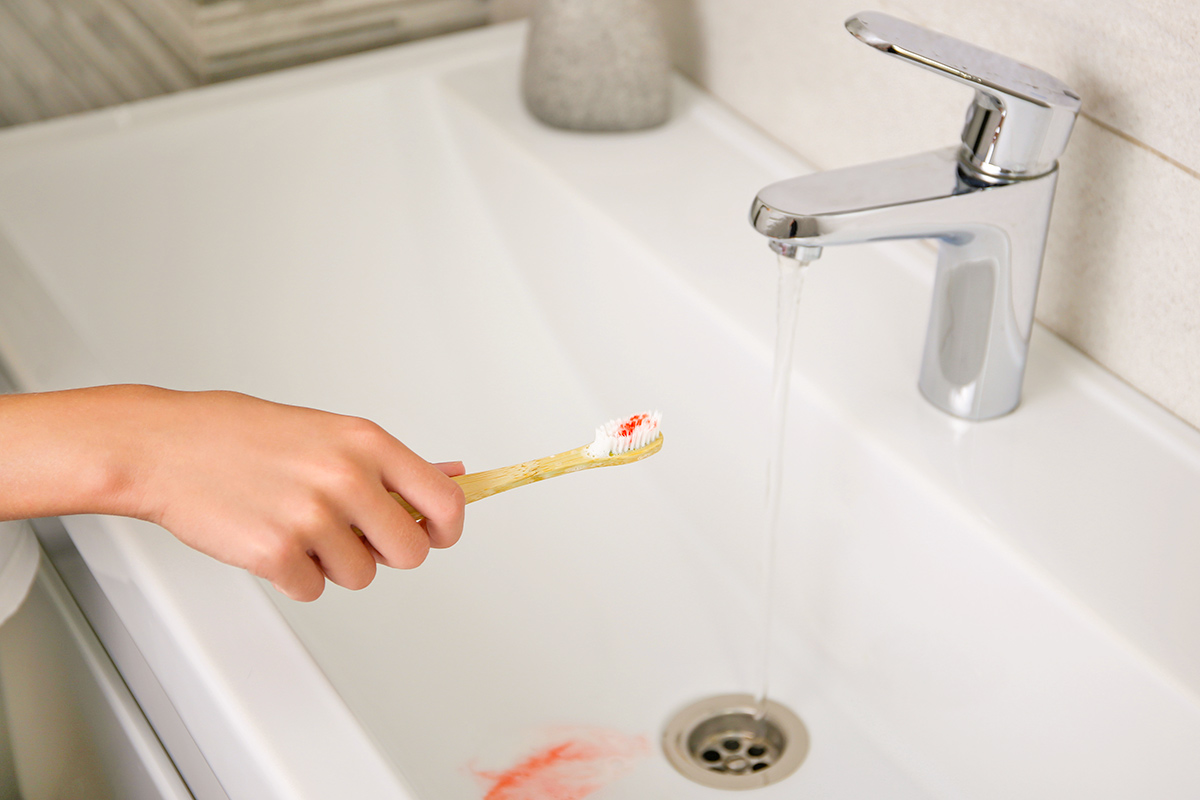
blood on toothbrush
Better Report

The American Dental Association (ADA) recommends that you brush your teeth twice a day for two minutes to get the most effective cleaning. That makes your toothbrush one of the most-used tools in your oral hygiene kit — which is why the ADA also advises swapping it every three to four months for better cleaning and oral health. 

But when was the last time you replaced your manual toothbrush or electric toothbrush head? If it’s been more than a few months, or you just can’t remember, now’s the time to make the swap — especially after you learn about all the gross germs and bacteria that could be living on those bristles. 
Advertisement
Advertisement
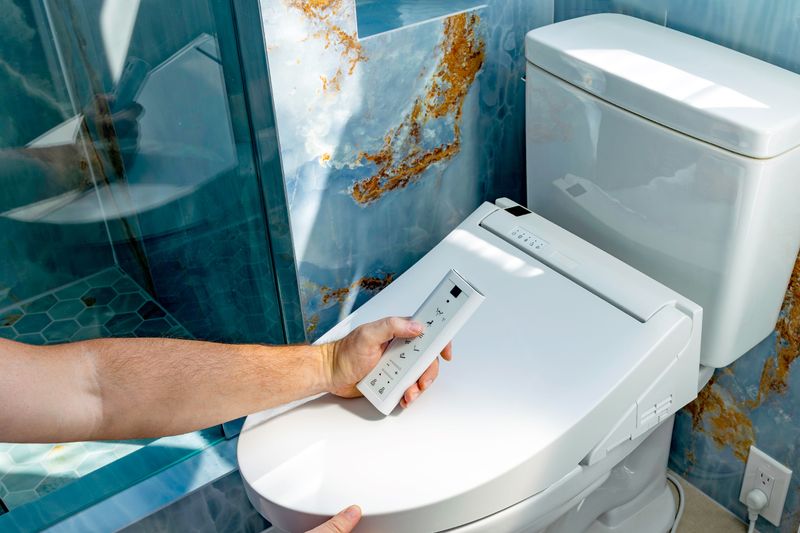
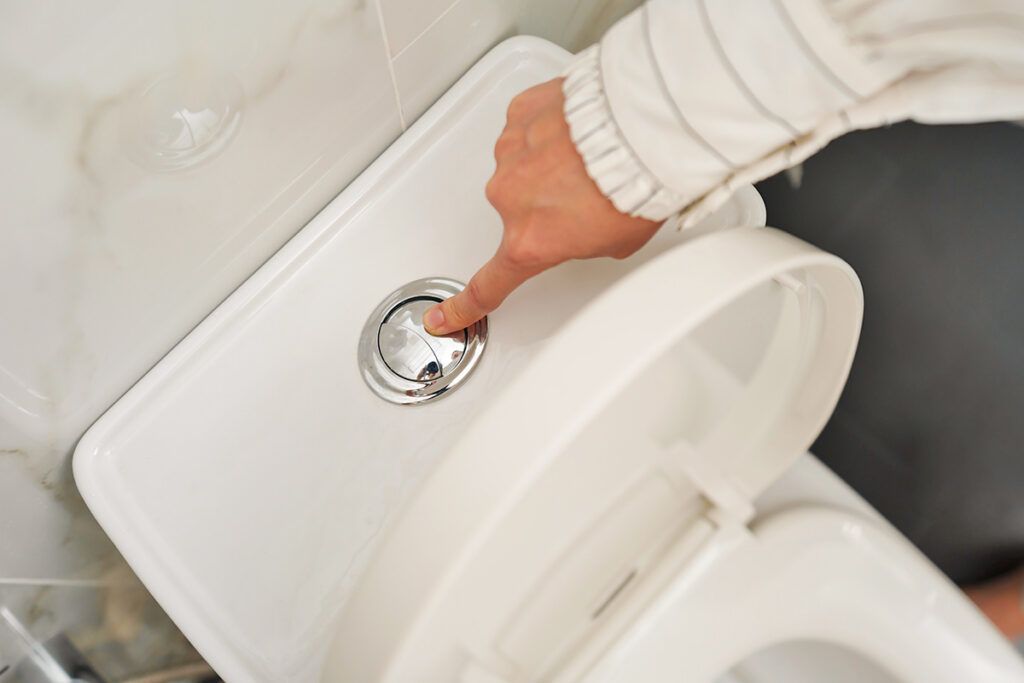
Person pressing button on toilet
Credit: © geargodz—iStock/Getty Images

Fecal Matter and E. Coli

Yes, fecal matter might be on your toothbrush. Every time you flush the toilet and leave the lid up, aerosolized fecal matter or urine can travel up to 6 feet around the room and land on any surrounding items, such as faucets, hair brushes, toiletries, and, perhaps grossest of all, your toothbrush. 

Another harmful bacterium that can come from your toilet and end up on your toothbrush is E. coli. Exposure can cause an infection, triggering symptoms like diarrhea, stomach pain, and more. So make sure you shut the lid when you flush — it won’t totally contain the spray, according to experts, but it should help.

Recommended Articles

  • The Safety Rules for Candles You Probably Don’t Know

  • 5 Things Your Car Needs Before the First Freeze

  • 6 Amazon Prime Day Hacks

  • 5 Things To Ask Your Doctor About the New Flu Shot

Advertisement
Advertisement

Reader Favorites

  • Woman looking in fridge

    9 Foods You Should Toss ASAP if They’re Expired

  • Person eating salad

    7 Things a Chef Never Orders at a Restaurant

  • Cherry angioma

    Are the Tiny Red Dots on Your Skin Dangerous?

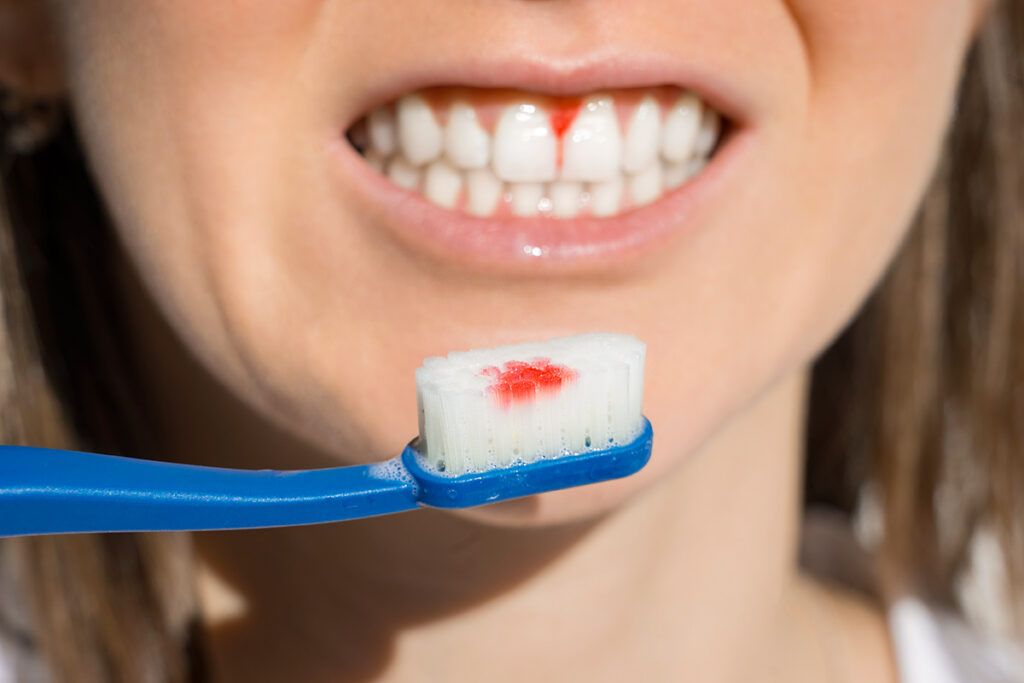
Bloody gums and toothbrush
Credit: © Creative Cat Studio/stock.adobe.com

Blood

There may be traces of blood on your toothbrush, especially if you have oral health issues such as gum disease or mouth sores. If you’re noticing pink spots on your toothbrush or when spitting after brushing your teeth, it’s time to make an appointment with your dentist. 
Advertisement
Advertisement
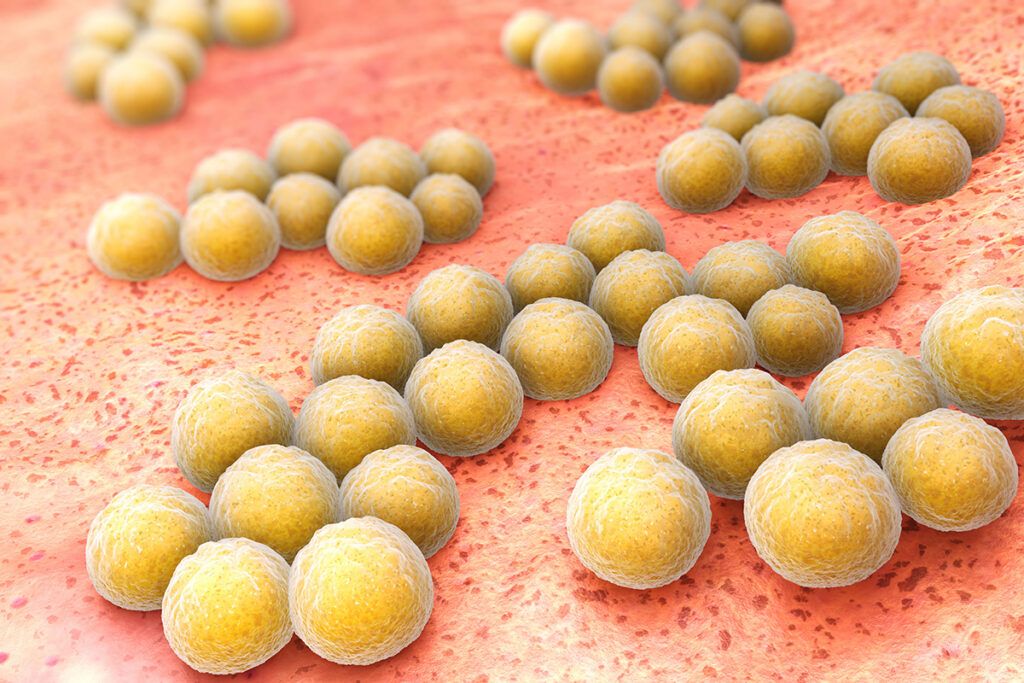
Illustration of Staphylococcus Aureus bacteria
Credit: © Tatiana Shepeleva/stock.adobe.com 

Staphylococcus Aureus and Streptococcus Mutans

Staphylococcus aureus is a type of bacteria found on our skin and inside our noses — and that’s one reason it can end up on toothbrushes. But it may also get there via aerosolized droplets from the toilet; in fact, one study found that it wasn’t present on the bristles of toothbrushes kept in bathrooms without a toilet. Once in the air, S. aureus can settle on surfaces and proliferate fast, so touching a contaminated surface is another way it can end up on your toothbrush and in your mouth. While there’s not a huge risk of disease from exposure, you certainly don’t want to let it multiply  — if it gets into a break in your skin or gums, you could get an infection. 

Staphylococcus aureus isn’t the only staph bacteria you need to worry about: Streptococcus mutans is found in your mouth — primarily in the biofilms that form on your teeth — so it’s no surprise that it’s also on your toothbrush. Unfortunately, this bacterium causes tooth decay, and buildup such as dried toothpaste, calcium, and minerals from hard water can create hard deposits that trap the bacteria and increase your exposure. Studies have also shown that if you’ve recently had gum disease treatment, you have an increased risk of this type of bacteria in your mouth. 

Advertisement
Advertisement
Woman sick in bed
Credit: © Getty Images/Unsplash.com

Flu Virus

Did you know that flu viruses can live on toothbrushes for more than 72 hours? If you or a family member has been sick, it’s time to get a new toothbrush.  Experts say you should replace it within three to four days of feeling better.
Advertisement
Advertisement
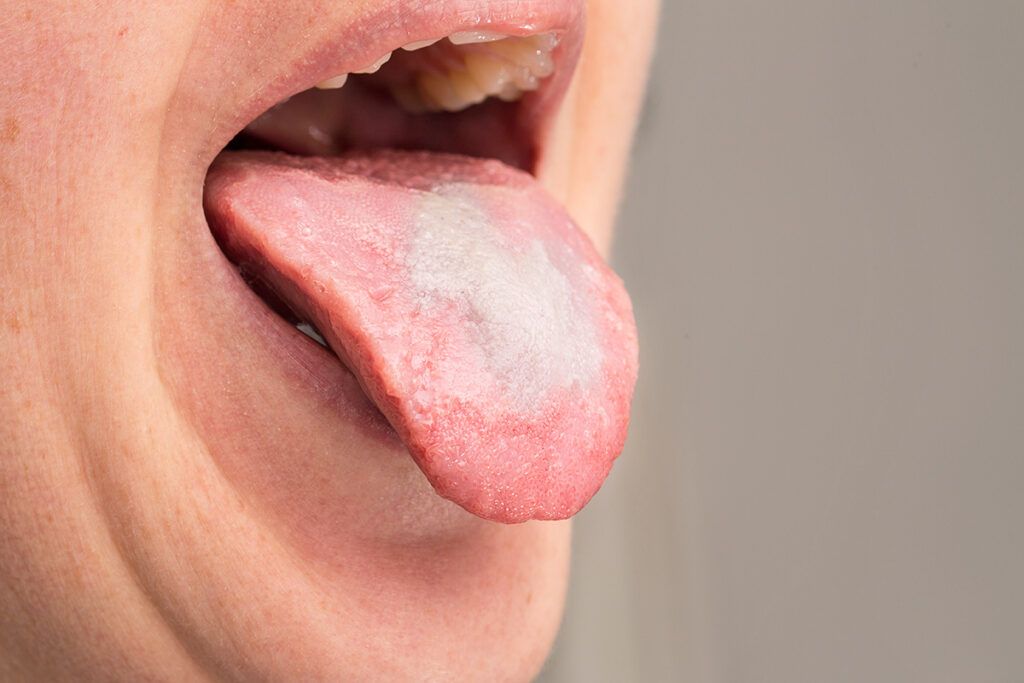
Tongue with candida overgrowth
Credit: © Alessandro Grandini/stock.adobe.com

Candida Fungus

Candida is a type of yeast that naturally lives on our skin, and an overgrowth of it can cause an infection. In the mouth, it can result in tongue thrush. Your toothbrush can contain this fungus as a result of toilet-flushing plumes if you had a previous infection, or if your toothbrush touches another one harboring candida. 
Advertisement
Advertisement
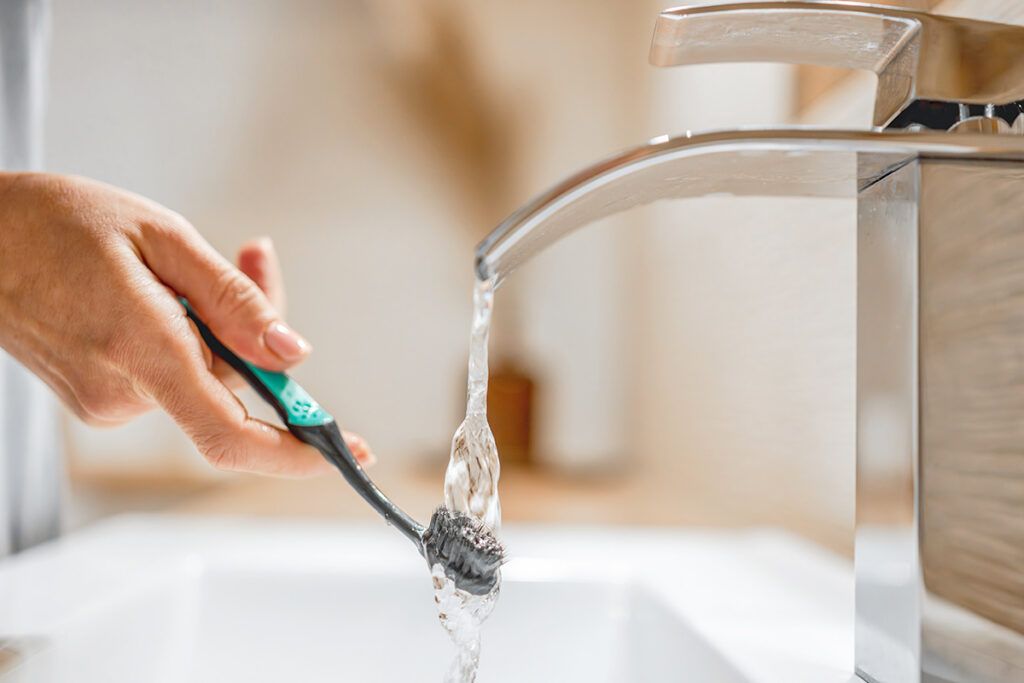
Hand holding toothbrush under running water
Credit: © VYCHEGZHANINA—iStock/Getty Images

How To Keep Your Toothbrush Clean

After reading this list, you’ll probably want to keep your new toothbrush as clean as possible. Here are a few maintenance tips to keep in mind.

Advertisement

Thoroughly rinse it with hot water after every use. While this isn’t enough on its own, thorough rinsing can remove particles that accumulate with regular brushing.

Store your toothbrush in a dry, upright location away from the toilet. Keep it in your medicine cabinet or dresser drawer to limit exposure to harmful bacteria. 

Advertisement
Advertisement

Skip the toothbrush cap. It may sound contradictory, but that plastic toothbrush cover can create a moist environment that prevents your toothbrush from drying fully and allows bacteria to thrive.

Clean your toothbrush regularly. Once a week, mix one teaspoon of peroxide with one cup of water and let your toothbrush soak for about 15 minutes. Rinse with hot water thoroughly after.

Replace your toothbrush or toothbrush head every three to four months. Mark the calendar or set a reminder to swap out your brush. Do it sooner if you or a family member has been sick or if you notice damaged bristles.

Advertisement

Avoid using anyone else’s toothbrush. Sharing toothbrushes is a fast way to also share germs, so it’s best to use your own toothbrush. If you’re in a bind, just rinse your mouth thoroughly with water until you can pick up a new one.

Featured Image Credit: © VYCHEGZHANINA—iStock/Getty Images

More From Our Network

Better Report is part of Inbox Studio, an email-first media company. *Indicates a third-party property.

Go Retro With This 1960s Fashion Quiz

Quiz Daily

Go Retro With This 1960s Fashion Quiz

True or False: Are You a Master of U.S. Geography?

Travel Quiz

True or False: Are You a Master of U.S. Geography?

5 Reasons You Can Be Denied Boarding an Airplane

Daily Passport

5 Reasons You Can Be Denied Boarding an Airplane

What Did People Do Before Eyeglasses?

History Facts

What Did People Do Before Eyeglasses?

How To Use a Balloon To Clean Up Dust

House Outlook

How To Use a Balloon To Clean Up Dust

11 Shopping Hacks Costco Members Should Know

FinanceBuzz*

11 Shopping Hacks Costco Members Should Know

Share this article

  • Share to Facebook
  • Share to Twitter
  • Copy Url
  • Share to Email
Nicole Pyles
Writer

Based in Portland, Oregon, Nicole Pyles is an experienced freelance writer who writes about home and kitchen, health and wellness, and more. She's written for a variety of outlets, including Better Homes and Gardens, Tom's Guide, Better Report, and more.

This article is for general informational purposes only.
Affiliate Disclaimer Medical Disclaimer Financial Disclaimer

Updated: September 18, 2024
Posted In: Health
Hero Image Credit: Better Report
Advertisement

Related Articles

5 Things To Ask Your Doctor About the New Flu Shot

5 min read

Is Sourdough Actually Healthier Than Regular Bread?

7 min read

Do You Really Need a Bidet in Your Home?

4 min read

3 Common Sleep Habits That May Be Aging Your Brain

5 min read

Is the Traditional Mediterranean Diet Actually the Best for Your Brain?

4 min read
Advertisement

Is Mouthwash Bad for You?

Ali Eldridge
Health | Updated: July 31, 2026
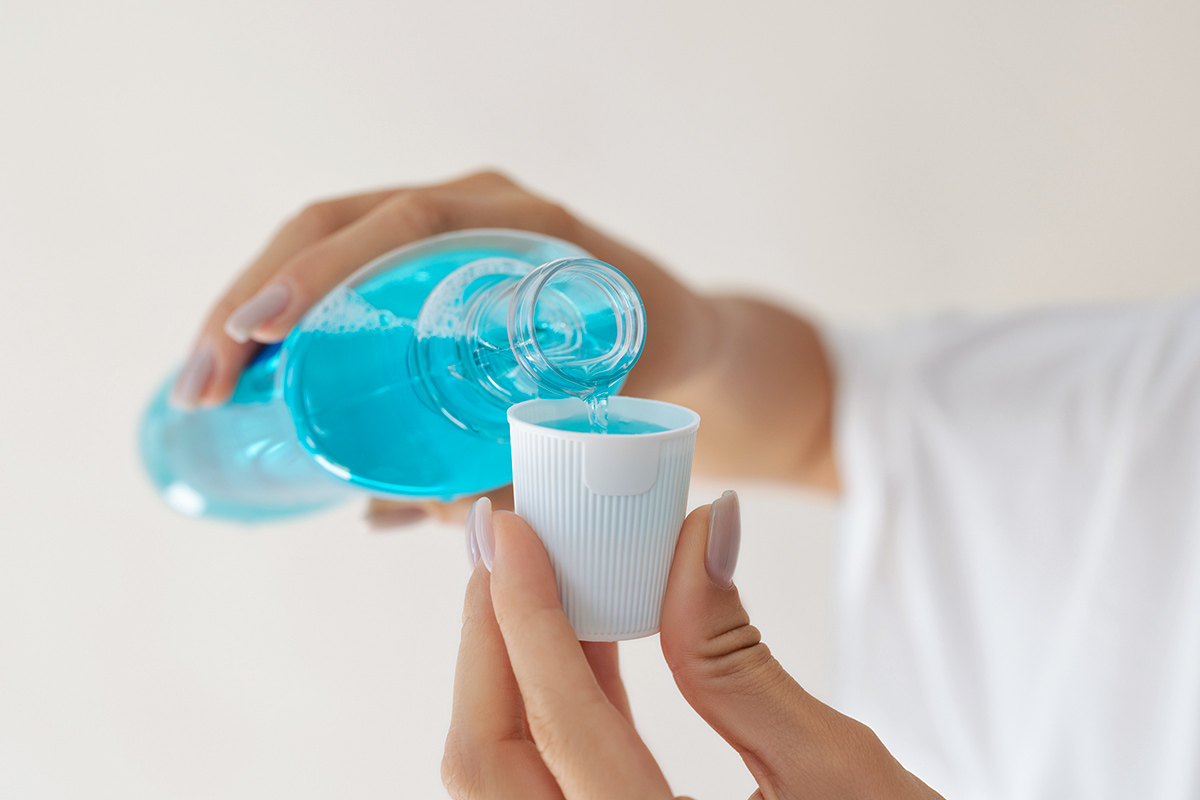
Pouring mouthwash in cap
Better Report

Most of us brush twice a day, and some of us floss at least once. You may even include a quick swish of mouthwash in your routine, whether it’s to freshen your breath after lunch or give your mouth that super-clean feeling at the end of the night. But what if your mouthwash is doing more harm than good? 

Is Mouthwash Bad for You?

There are two main categories of mouthwashes: cosmetic and therapeutic. Cosmetic mouthwashes briefly relieve bad breath, while therapeutic mouthwashes address concerns such as halitosis (chronic bad breath), gum disease, or tooth decay. You may even have a prescription for a therapeutic mouthwash from your dentist, though they’re also available over the counter. 

Advertisement
Advertisement

Problems with mouthwash typically arise from the ingredients and their effects on your mouth. Here are some signs you may want to set your mouthwash aside.

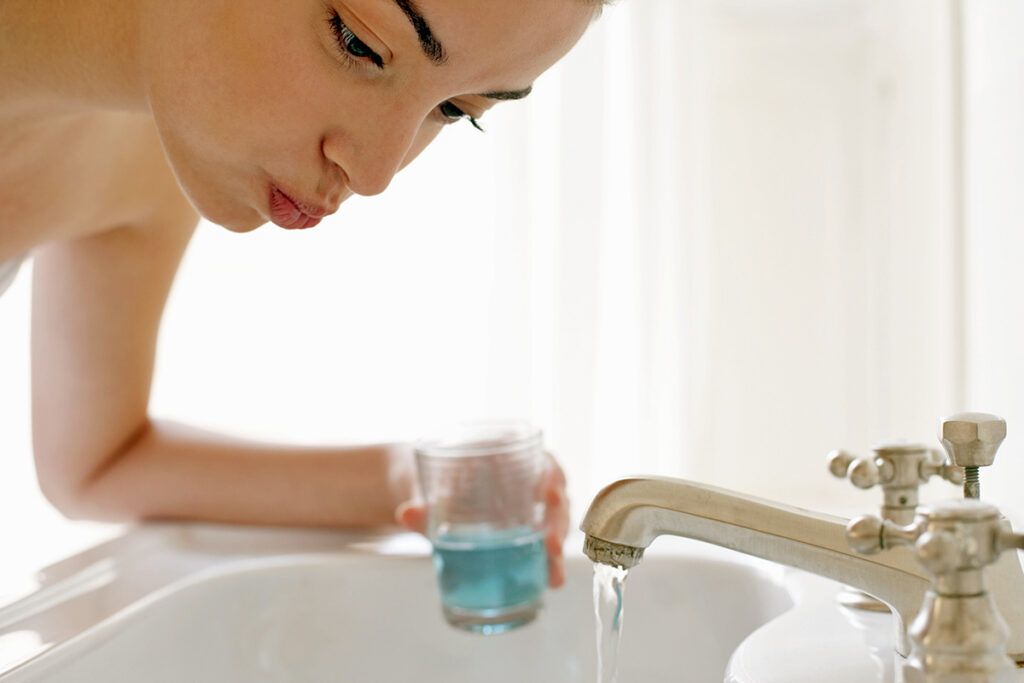
Woman hovering over sink
Credit: © Christopher Robbins—Photodisc/Getty Images

It Irritates or Burns Your Mouth

Ever notice a slight burning sensation after using mouthwash? Some mouthwash formulas can contain an ingredient known as sodium lauryl sulfate (SLS). It’s why toothpaste and soap foam when they interact with water. SLS can irritate your mouth and in some small studies has been associated with triggering canker sores or irritating existing sores. It’s especially aggravating if you’re undergoing cancer treatment — not because SLS is a carcinogen (it’s not), but because treatments for cancer can make the skin more sensitive. If you’ve experienced this problem, check your mouthwash for the ingredient and look for an alternative that doesn’t include it.

Recommended Articles

  • The Safety Rules for Candles You Probably Don’t Know

  • 5 Things Your Car Needs Before the First Freeze

  • 6 Amazon Prime Day Hacks

  • 5 Things To Ask Your Doctor About the New Flu Shot

Advertisement
Advertisement

Reader Favorites

  • Woman looking in fridge

    9 Foods You Should Toss ASAP if They’re Expired

  • Person eating salad

    7 Things a Chef Never Orders at a Restaurant

  • Cherry angioma

    Are the Tiny Red Dots on Your Skin Dangerous?

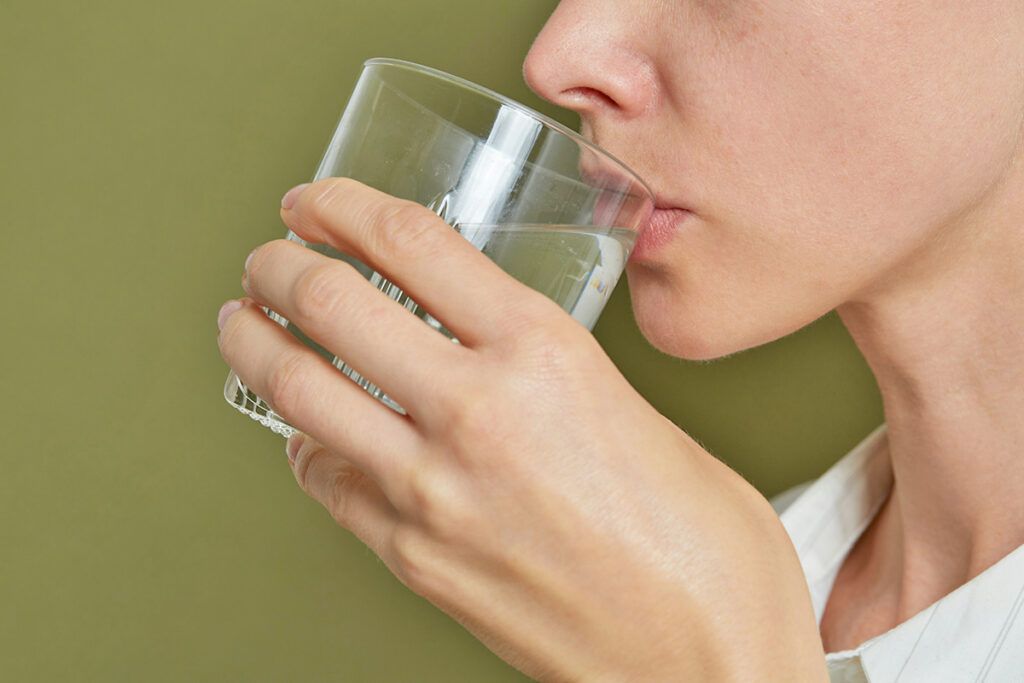
Person drinking water
Credit: © Lia Bekyan/Unsplash.com

It Triggers Dry Mouth

Saliva helps our mouths stay healthy: It removes food particles from the teeth and around the gums, and it aids digestion. Regular use of an alcohol-based mouthwash can lead to dry mouth, a condition in which your salivary glands don’t produce as much saliva. Choose an alcohol-free mouthwash to help minimize the risk of this condition.

Advertisement
Advertisement
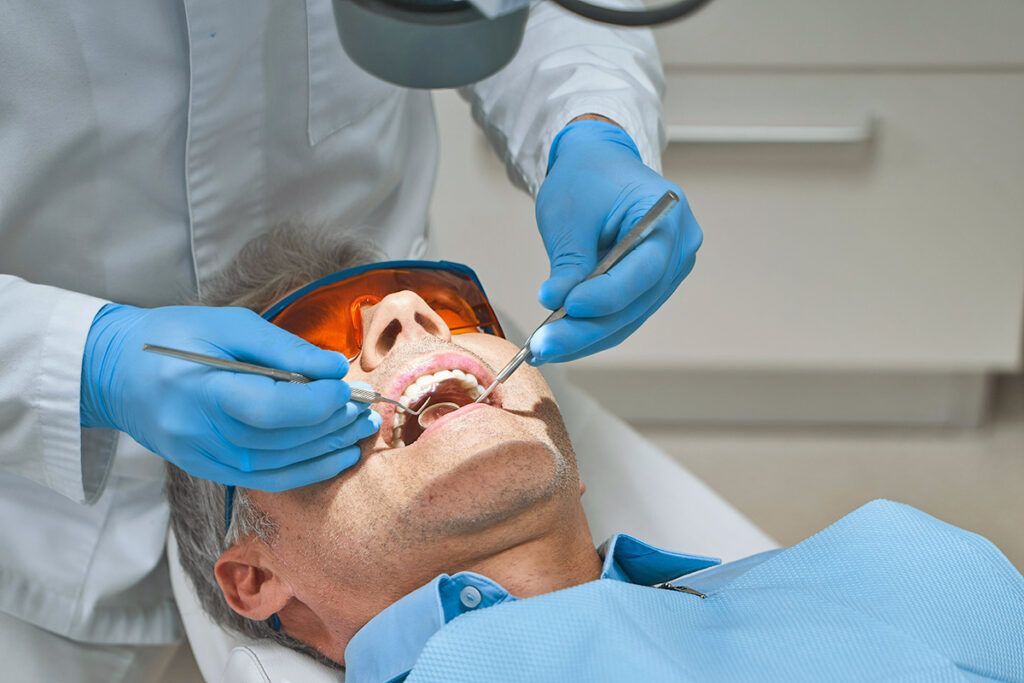
Man at dentist
Credit: © Getty Images/Unsplash.com

It Minimizes Good Bacteria

Most of us think of bacteria as harmful. Your mouth has all kinds of bacteria — some bad, but also some good. Adding an alcohol-based mouthwash or a chlorhexidine mouthwash (which helps reduce gum disease) to your regular oral hygiene routine can eliminate both harmful and beneficial bacteria. Ask your dentist about the risks of prolonged use of your mouthwash and their recommendation for the best option to protect your oral (and overall) health.

Advertisement
Advertisement
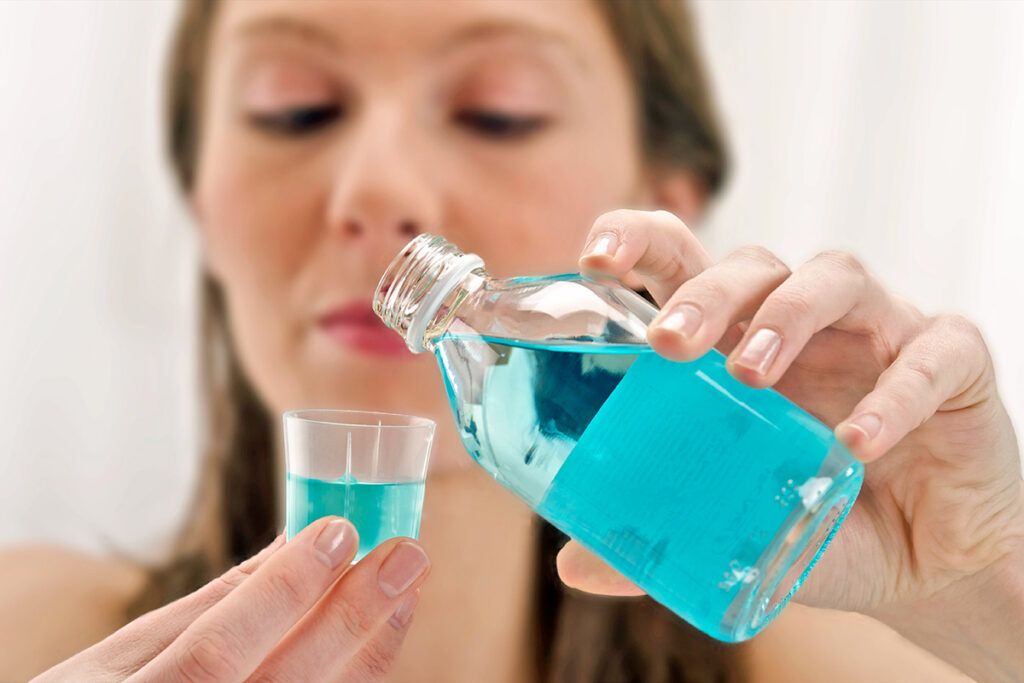
Woman pouring mouthwash into cup
Credit: © LEA PATERSON—Science Photo Library/Getty Images

What Are the Benefits of Mouthwash?

Despite the risks, there can be some benefits to mouthwash. Studies have shown it can reduce plaque in your mouth and your risk for gum disease. Your dentist may even have recommended that you include it in your oral care routine. To make the most of mouthwash without overdoing it, make sure to:

• Choose one with minimal synthetic ingredients, and avoid alcohol-based options.
• Use a mouthwash that includes fluoride, an ingredient known to help reduce the risk of cavities.
• Skip mouthwashes including artificial sweeteners, but look for ones with the sugar alternative xylitol.
• Use any prescription mouthwash as directed, but no more than the recommended use.
• Look for ones with the seal of approval by the ADA (American Dental Association).

Advertisement
Advertisement

Most importantly, talk to your dentist about your mouthwash. You should mention any concerns you have about your oral health during your next checkup. You can also bring your mouthwash with you, or take a photograph of it and its ingredients, to confirm it’s safe for regular use, especially if it hasn’t been prescribed or recommended by your regular dentist. And be sure to follow any guidance intended specifically for you, as everyone’s oral health needs are unique.

Advertisement

Featured Image Credit: © bymuratdeniz—iStock/Getty Images

More From Our Network

Better Report is part of Inbox Studio, an email-first media company. *Indicates a third-party property.

Go Retro With This 1960s Fashion Quiz

Quiz Daily

Go Retro With This 1960s Fashion Quiz

True or False: Are You a Master of U.S. Geography?

Travel Quiz

True or False: Are You a Master of U.S. Geography?

5 Reasons You Can Be Denied Boarding an Airplane

Daily Passport

5 Reasons You Can Be Denied Boarding an Airplane

What Did People Do Before Eyeglasses?

History Facts

What Did People Do Before Eyeglasses?

How To Use a Balloon To Clean Up Dust

House Outlook

How To Use a Balloon To Clean Up Dust

11 Shopping Hacks Costco Members Should Know

FinanceBuzz*

11 Shopping Hacks Costco Members Should Know

Share this article

  • Share to Facebook
  • Share to Twitter
  • Copy Url
  • Share to Email
Ali Eldridge

This article is for general informational purposes only.
Affiliate Disclaimer Medical Disclaimer Financial Disclaimer

Updated:
Posted In: Health
Hero Image Credit: Better Report
Advertisement

Related Articles

5 Things To Ask Your Doctor About the New Flu Shot

5 min read

Is Sourdough Actually Healthier Than Regular Bread?

7 min read

Do You Really Need a Bidet in Your Home?

4 min read

3 Common Sleep Habits That May Be Aging Your Brain

5 min read

Is the Traditional Mediterranean Diet Actually the Best for Your Brain?

4 min read
Advertisement

8 Things Your Dentist Wishes You Wouldn’t Do

Health | Updated: June 18, 2026
Nicole Pyles
Author
Based in Portland, Oregon, Nicole Pyles is an experienced freelance writer who writes about home and kitchen, health and wellness, and more. She's written for a variety of outlets, including Better Homes and Gardens, Tom's Guide, Better Report, and more.
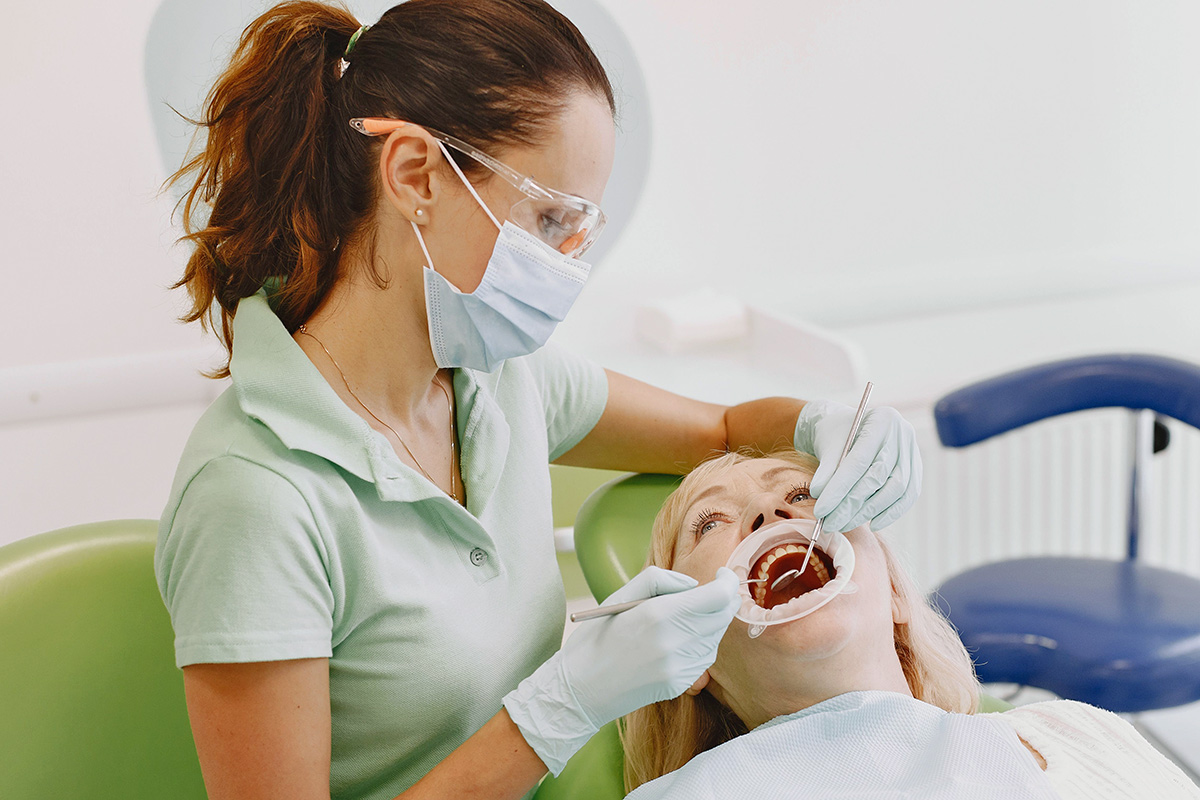
Dentist looking in a patient's mouth
Better Report

All featured products and deals are selected independently and objectively by the author. Better Report may receive a share of sales via affiliate links in content.

You want to keep your teeth healthy for as long as possible, and that requires practicing good oral habits. Most of us know the basics: Brush twice a day, floss at least once, and visit your dentist for regular checkups. But there are certain things that put our pearly whites at risk, from what we’re not doing (flossing, ahem) to dangerous DIY hacks. We spoke with Dr. Ann Nguyen-Chung, dentist and founder of the dental and body care brand Hippotanicals, and cosmetic dentist Dr. Bill Dorfman about what they wish their patients wouldn’t do to keep their teeth in good condition.

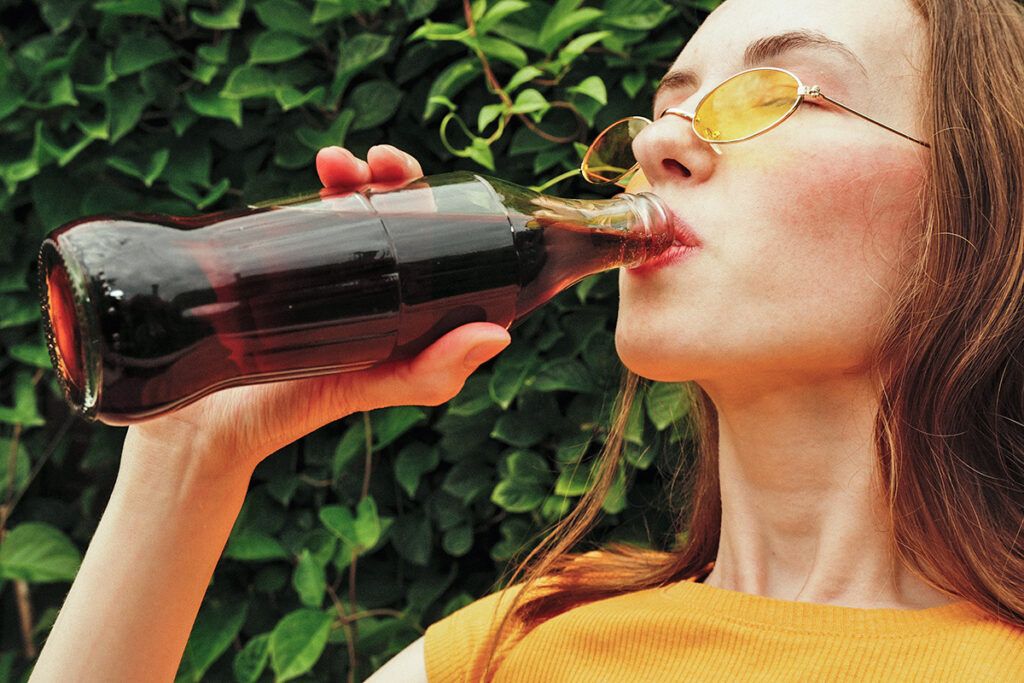
Woman drinking a soda
Credit: © Dmitrii Shirnin/Unsplash.com

Sipping All Day Long

We all have our beverages of choice, but before you pour a glass, beware: All-day sipping on anything other than plain water can expose your teeth to harmful acids that erode your enamel, the hard outer shell of your tooth. “Whether it’s soda, sports drinks, energy drinks, sweetened coffee, or even fruit juice, frequent exposure gives cavity-causing bacteria and acids more opportunities to damage teeth,” Dr. Nguyen-Chung says. “If you’re going to enjoy these beverages, it’s better to have them with a meal rather than continuously sipping for hours.”

Advertisement
Advertisement
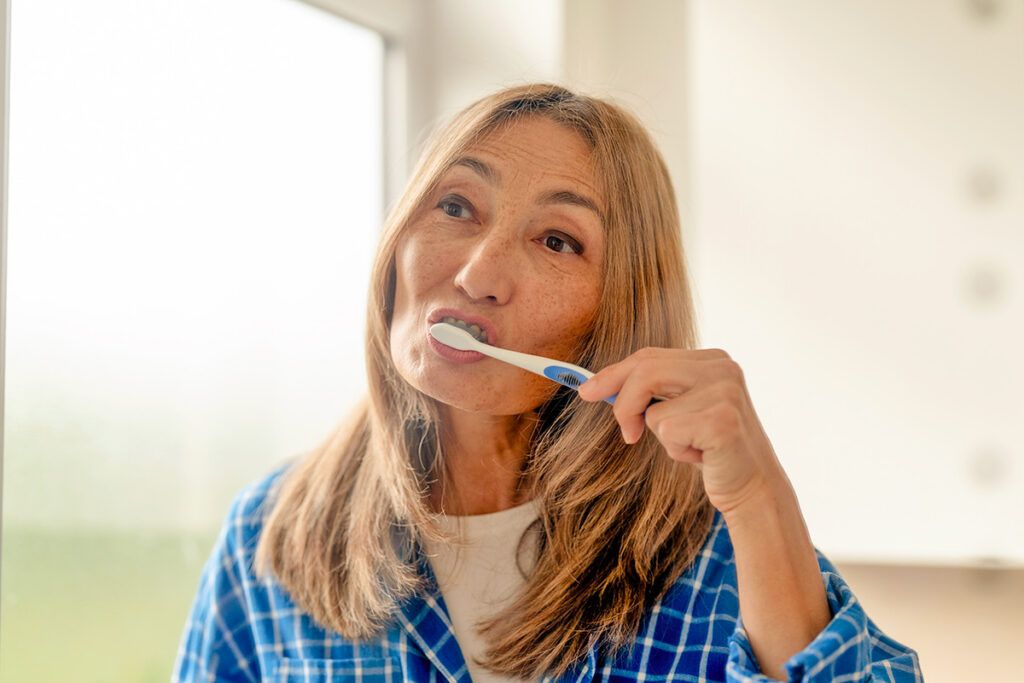
Woman brushing teeth
Credit: © Iryna Melnyk—iStock/Getty Images

Hard Brushing

It may sound contradictory, but brushing aggressively can harm your teeth. “Many people think scrubbing harder will clean their teeth better,” Dr. Nguyen-Chung says. “But it can actually wear away enamel and contribute to gum recession and enamel loss over time.”

Instead, she recommends using a soft-bristled toothbrush and gentle techniques. Hold the brush at a 45-degree angle and brush all surfaces of your teeth with circular motions. If you’re using an electric toothbrush, apply gentle pressure, glide the brush along your teeth, and let the bristles do the work. 

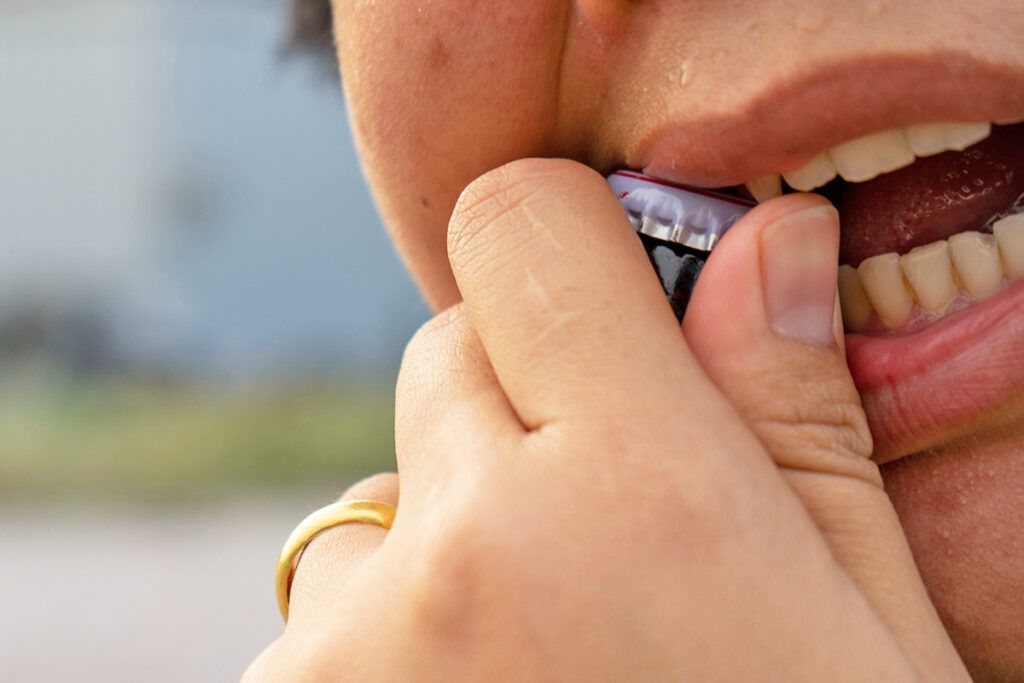
Opening bottle with teeth
Credit: © SIMONE/stock.adobe.com

Using Your Teeth as Tools

If you’ve ever opened a bottle or a package with your teeth, you’ve put yourself at risk for a dental emergency. “I’ve seen many patients crack or fracture teeth this way,” Dr. Nguyen-Chung says. “In some cases, the damage extends into the nerve of the tooth, requiring root canal treatment and a crown to save [it].”

Recommended Articles

  • The Safety Rules for Candles You Probably Don’t Know

  • 5 Things Your Car Needs Before the First Freeze

  • 6 Amazon Prime Day Hacks

  • 5 Things To Ask Your Doctor About the New Flu Shot

Advertisement
Advertisement

Reader Favorites

  • Woman looking in fridge

    9 Foods You Should Toss ASAP if They’re Expired

  • Person eating salad

    7 Things a Chef Never Orders at a Restaurant

  • Cherry angioma

    Are the Tiny Red Dots on Your Skin Dangerous?

You can eliminate the temptation to use your pearly whites as a bottle opener or pair of scissors by keeping those utensils nearby — add a key-chain-sized bottle opener to your house keys and leave scissors throughout your home. “Our teeth are designed for chewing food, not for opening or breaking objects,” Dr. Nguyen-Chung says.

Advertisement
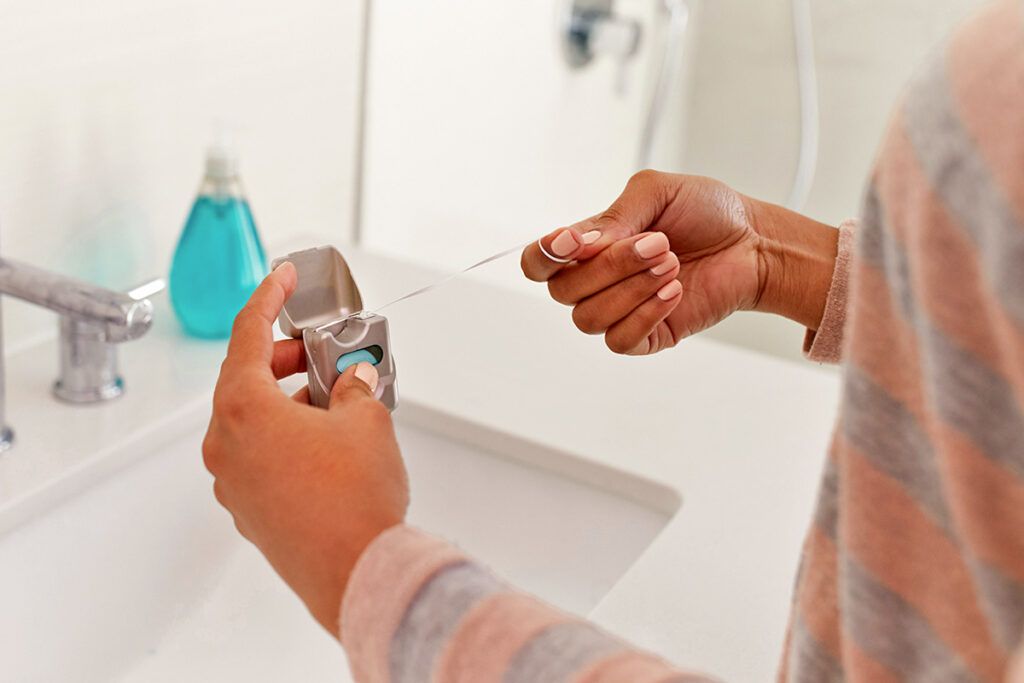
Hands holding floss
Credit: © Monkey Business/stock.adobe.com

Skipping Flossing

A 2014 survey by Delta Dental found that only 41% of adults floss once daily, and 20% never floss at all. That means most of us are skipping this essential part of the dental routine, which is an issue, according to Dr. Nguyen-Chung. “Since a toothbrush can’t effectively clean between teeth, plaque and food debris can accumulate in those areas, increasing the risk of cavities and gum disease,” she says.

Advertisement
Advertisement

If you don’t like traditional flossing methods, consider using interdental proxabrushes or water flossers instead. They’re great for adults with dexterity issues or those who don’t feel comfortable using traditional dental floss.

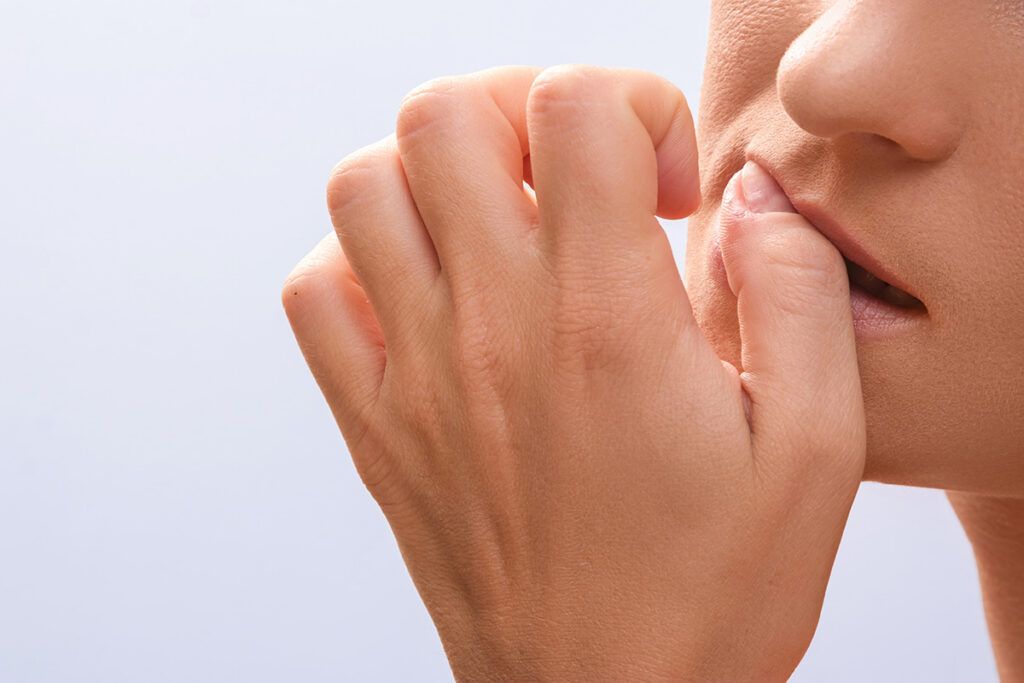
Biting nails
Credit: © blackday/stock.adobe.com

Chewing Any Nonfood Items

Take note if you’re a nail-biter or an ice-cruncher: These habits do more harm than good. “Biting … destroys your nails, which grow back, and your teeth, which don’t grow back,” Dr. Dorfman says. “Ice is too hard for normal biting and often cracks teeth.” 

Advertisement
Advertisement

If you have a hard time quitting your nail-biting habit, cut your nails short. Ice-crunchers can chill their drinks in the fridge or by using a frosted glass. And if you just like the chewing sensation, opt for sugar-free gum when the temptation strikes.

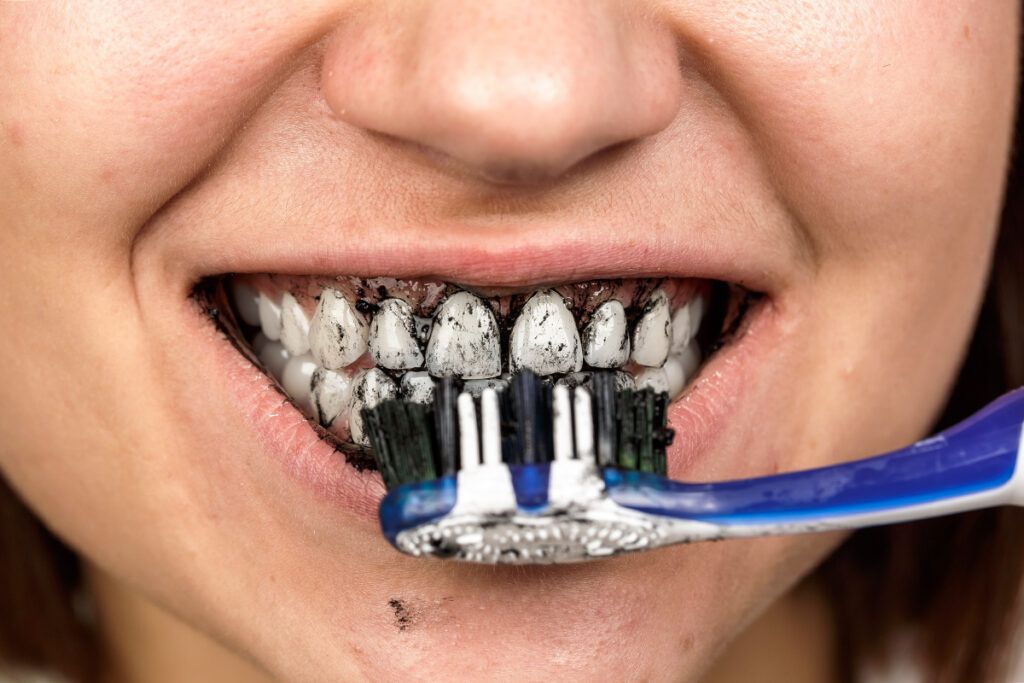
Brushing teeth with charcoal toothpaste
Credit: © Alex/stock.adobe.com

DIY Dental Work

Visiting the dentist can come with a healthy dose of anxiety — we’re all worried that we’ll get terrible news about our teeth. Unfortunately, that can lead people to consider DIY dental procedures, one of which, Dr. Dorfman says, is teeth filing. “People who have not gone to dental school decide to reshape their teeth with a nail file,” he says. “The problem here is that, unlike hair, teeth don’t grow back.”

Dr. Dorfman has also seen an alarming trend where people get veneers from someone other than a dentist: “This can cause several problems,” he says, “from permanent tooth and gum damage to malocclusion [aka a bad bite] and TMJ problems with your jaw.”

Advertisement
Advertisement

DIY whitening is also a bad idea. (This doesn’t include whitening strips, which are safe for most people when used as directed.) “Teeth whitening with hydrogen peroxide, lemon juice, or baking soda … can cause chemical burns, severe tooth sensitivity, enamel erosion, and unpredictable results,” Dr. Dorfman says. Dr. Nguyen-Chung concurs: “While [brushing with charcoal or other viral home remedies] may sound natural or effective, they can wear away enamel over time. Since enamel doesn’t grow back, the damage can be permanent.”

Advertisement
Woman eating chips
Credit: © Tim Samuel/Pexels.com

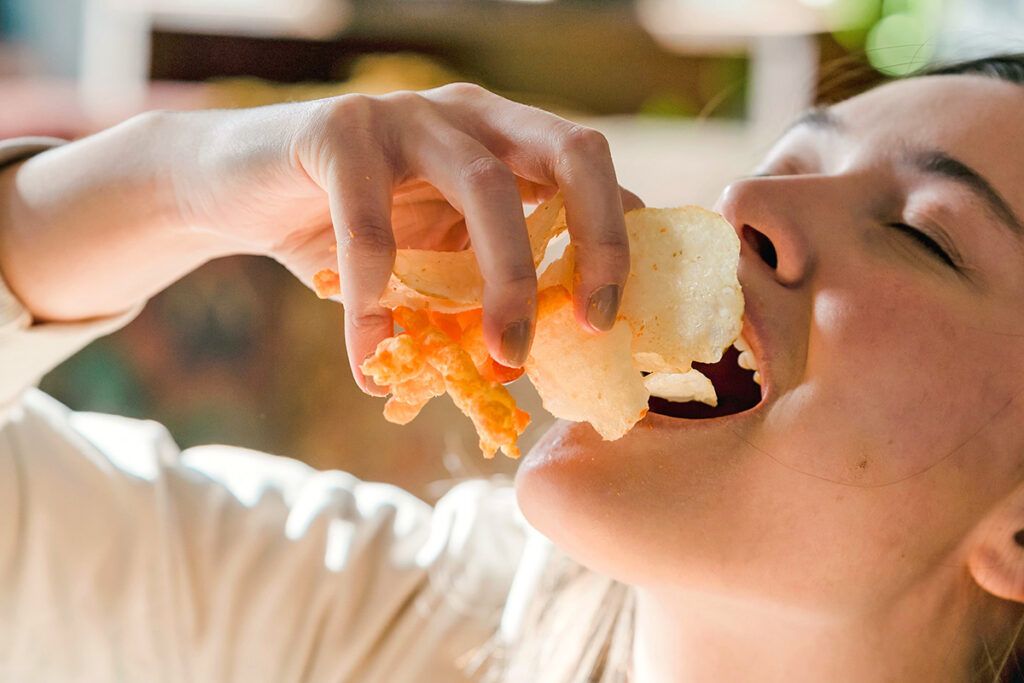
Frequent Snacking

Like all-day sipping, regular snacking puts your teeth at risk. “Every time we eat, especially carbohydrate-rich foods, the bacteria in our mouths produce acids that can contribute to tooth decay,” Dr. Nguyen-Chung says. “Giving your mouth time between meals allows saliva to help neutralize acids and protect your teeth naturally.” 

Advertisement
Advertisement

Instead of setting out a bag of chips to nosh on, opt for a mindful snacking choice that cuts your hunger craving and restores energy. Consider grabbing a piece of fruit, some veggies, or a handful of nuts for healthy nourishment. (If your enamel is weak, you may want to cut your fruit and veggies into more manageable pieces and soak nuts to make them easier on your teeth.) Rinse your mouth with water to remove any lingering food particles, or wait 30 minutes after snacking to brush.

Hands holding phone
Credit: © cottonbro studio/Pexels.com

Taking Oral Health Advice From Social Media

Influencers can come across very confidently on social media, so it’s hard to resist a seemingly hot take or pro tip on dental health. But Dr. Nguyen-Chung warns against following anyone’s advice without consulting a dental professional first. “Not every viral trend is backed by science, and what’s safe for one person may not be appropriate for another,” she says. “When it comes to your teeth, prevention is often much easier and less expensive than trying to fix damage later.” If you’re curious whether a trend or life hack for your teeth is safe, ask your dentist to confirm.

Feature Image Credit: © Gustavo Fring/Pexels.com

More From Our Network

Better Report is part of Inbox Studio, an email-first media company. *Indicates a third-party property.

Go Retro With This 1960s Fashion Quiz

Quiz Daily

Go Retro With This 1960s Fashion Quiz

True or False: Are You a Master of U.S. Geography?

Travel Quiz

True or False: Are You a Master of U.S. Geography?

5 Reasons You Can Be Denied Boarding an Airplane

Daily Passport

5 Reasons You Can Be Denied Boarding an Airplane

What Did People Do Before Eyeglasses?

History Facts

What Did People Do Before Eyeglasses?

How To Use a Balloon To Clean Up Dust

House Outlook

How To Use a Balloon To Clean Up Dust

11 Shopping Hacks Costco Members Should Know

FinanceBuzz*

11 Shopping Hacks Costco Members Should Know

Share this article

  • Share to Facebook
  • Share to Twitter
  • Copy Url
  • Share to Email
Nicole Pyles
Writer

Based in Portland, Oregon, Nicole Pyles is an experienced freelance writer who writes about home and kitchen, health and wellness, and more. She's written for a variety of outlets, including Better Homes and Gardens, Tom's Guide, Better Report, and more.

This article is for general informational purposes only.
Affiliate Disclaimer Medical Disclaimer Financial Disclaimer

Updated: September 18, 2024
Posted In: Health
Hero Image Credit: Better Report
Advertisement

Related Articles

5 Things To Ask Your Doctor About the New Flu Shot

5 min read

Is Sourdough Actually Healthier Than Regular Bread?

7 min read

Do You Really Need a Bidet in Your Home?

4 min read

3 Common Sleep Habits That May Be Aging Your Brain

5 min read

Is the Traditional Mediterranean Diet Actually the Best for Your Brain?

4 min read
Advertisement

Is Sparkling Water Bad for Your Teeth?

Ali Eldridge
Health | Updated: June 8, 2026
Glass of sparkling water
Better Report

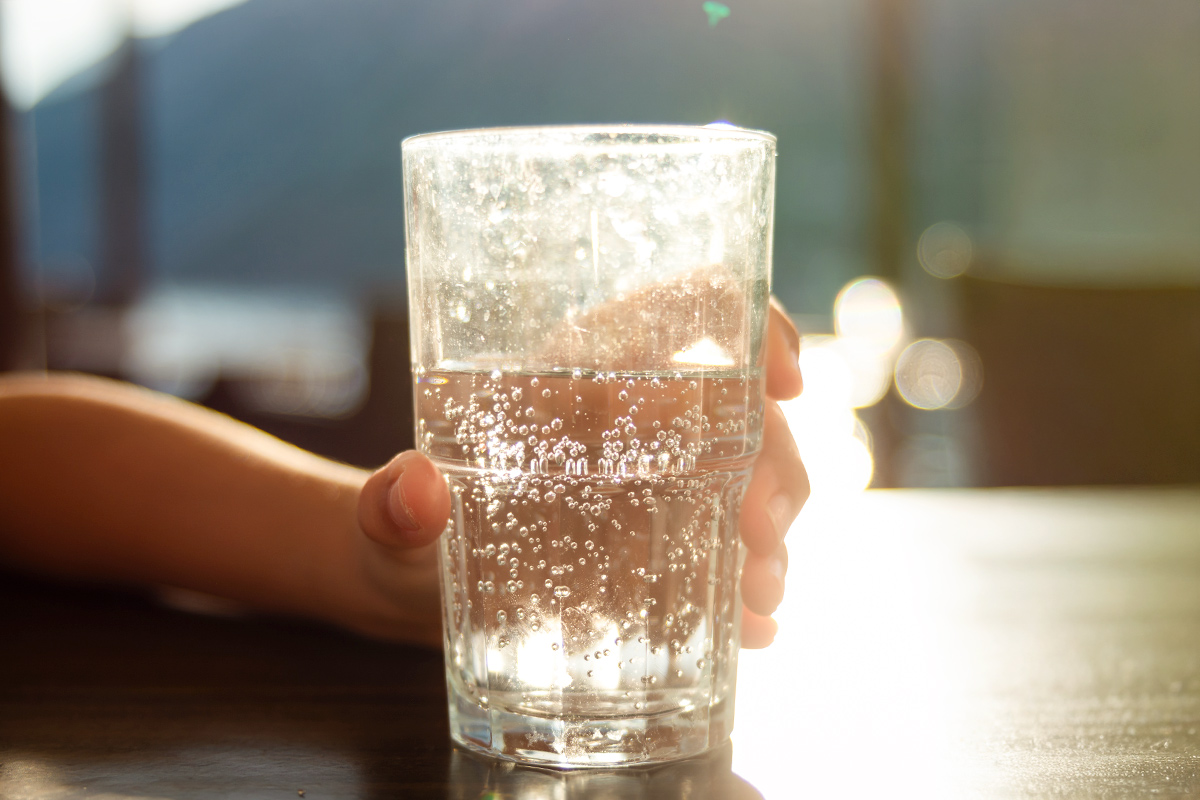
As temperatures rise, it’s nice to have an alternative to plain ice water that doesn’t come with the high sugar content commonly found in sodas, fruit drinks, and sweet teas. Sparkling water is a satisfying option: Its refreshing effervescence satisfies a need for a bubbly kick, its sharp taste cleanses the palate, and it may make you feel full. It’s also as hydrating as water and, when infused with citrus fruits, feels like a more special drink than plain H2O. But if sparkling water has become your go-to summer beverage, it’s hard not to wonder: What’s it doing to your teeth? 

Woman at dentist
Credit: © Getty Images/Unsplash.com

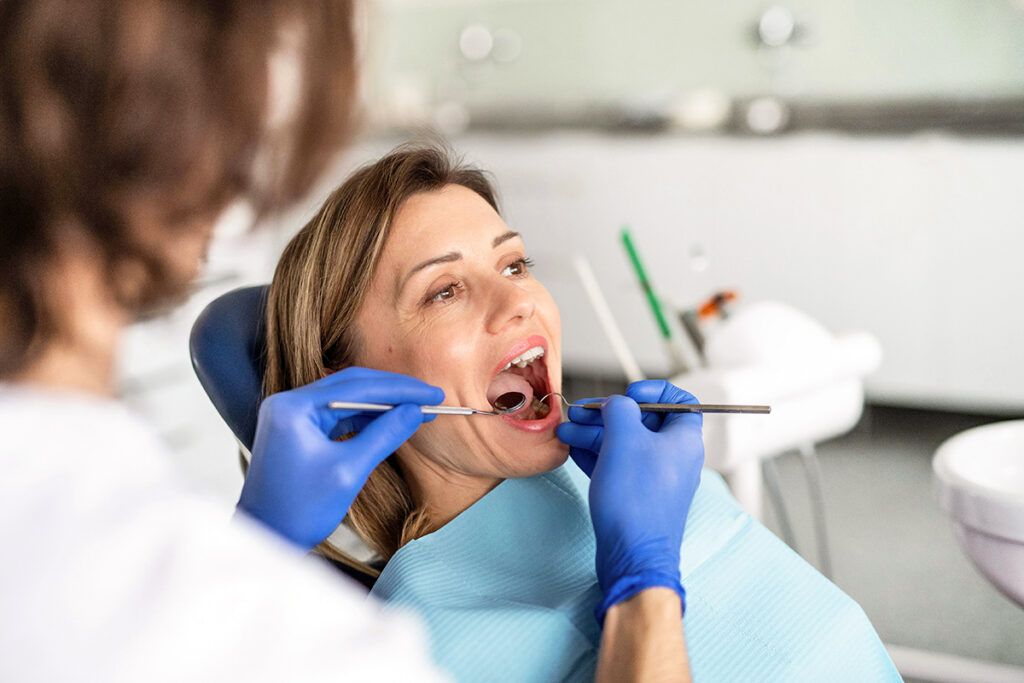
The Impact of Sparkling Water on Your Teeth

The concern about drinking sparkling water comes from the acidity in its carbonation. Pressurized CO2 gets added to regular water, creating bubbles. Unfortunately, when consumed regularly, acidic beverages can erode your enamel, the protective outer layer of your tooth. 

Advertisement
Advertisement

But here’s the good news: Sparkling water on its own isn’t as bad for your teeth as you might think. It’s only weakly acidic, and according to the American Dental Association, a study that exposed teeth to both sparkling water and regular water showed little difference in enamel erosion.

However, the risk can increase if you consume it frequently, because you’re still exposing your teeth to acids. (Rather than sipping it all day long, dentists generally recommend consuming sparkling water in one sitting or with a meal — more on that below — so that you’re not constantly exposing your teeth to acidity.) Flavored options tend to have higher acidity due to added acids that enhance taste, as do those containing citrus fruits (which tend to be naturally acidic). And if you opt for a sparkling drink with added sugar, you’re providing bacteria in your mouth with food; those bacteria, in turn, will create more acid that further erodes enamel. 

How To Limit the Risk of Sipping Sparkling Water

If you can’t resist your favorite carbonated alternative to plain water and want to remain mindful of your dental health, there are a few ways to minimize the impact.

Advertisement
People having a meal
Credit: © lisegagne—E+/Getty images

Enjoy It With a Meal

Eating helps your body produce more saliva, which is essential for neutralizing acids in your mouth and remineralizing enamel. Drink sparkling water with a meal or a low-acid snack, like cheese, to minimize the acidity of your bubbly brew.  

Recommended Articles

  • The Safety Rules for Candles You Probably Don’t Know

  • 5 Things Your Car Needs Before the First Freeze

  • 6 Amazon Prime Day Hacks

  • 5 Things To Ask Your Doctor About the New Flu Shot

Advertisement
Advertisement

Reader Favorites

  • Woman looking in fridge

    9 Foods You Should Toss ASAP if They’re Expired

  • Person eating salad

    7 Things a Chef Never Orders at a Restaurant

  • Cherry angioma

    Are the Tiny Red Dots on Your Skin Dangerous?

Woman drinking sparkling water
Credit: © Jari Hindström/stock.adobe.com

Drink in Moderation

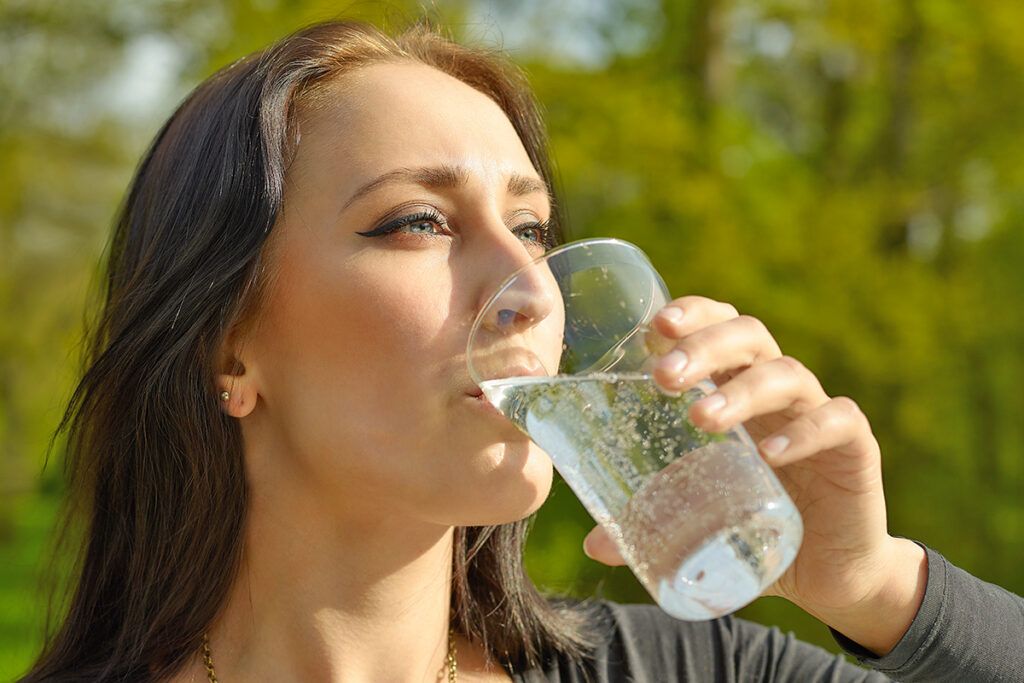
While plain water can seem boring, it’s one of the best ways to hydrate — and if you live in an area where your drinking water contains fluoride, drinking plain water can also improve your dental health, since fluoride remineralizes enamel. So, while drinking sparkling water occasionally is fine, make sure you’re drinking plain water to balance it out. Rinsing with regular H2O after drinking sparkling water will also help.

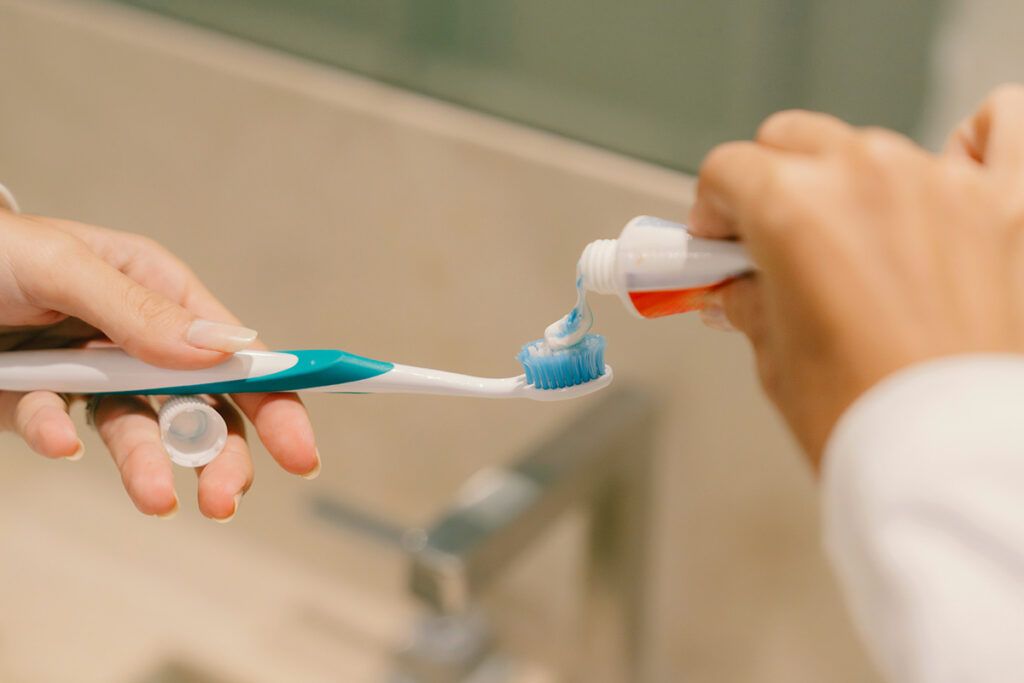
Putting toothpaste on toothbrush
Credit: © Fellipe Ditadi/Unsplash.com

Wait 30 Minutes Before Brushing

Brushing immediately after consuming sparkling water can do more harm than good. Acidic foods or beverages, including sparkling water, soften your enamel, and brushing your teeth will wear down this hard outer layer. Make sure to wait at least 30 minutes to an hour before picking up a toothbrush. 

Advertisement
Advertisement
Drinking with a straw
Credit: © hxyume—iStock/Getty Images

Sip With a Straw

Another way to minimize the impact of sparkling water is to use a straw while drinking, which helps the carbonation bypass your teeth. If you’re trying to reduce single-use plastics, opt for bamboo or silicone straws.

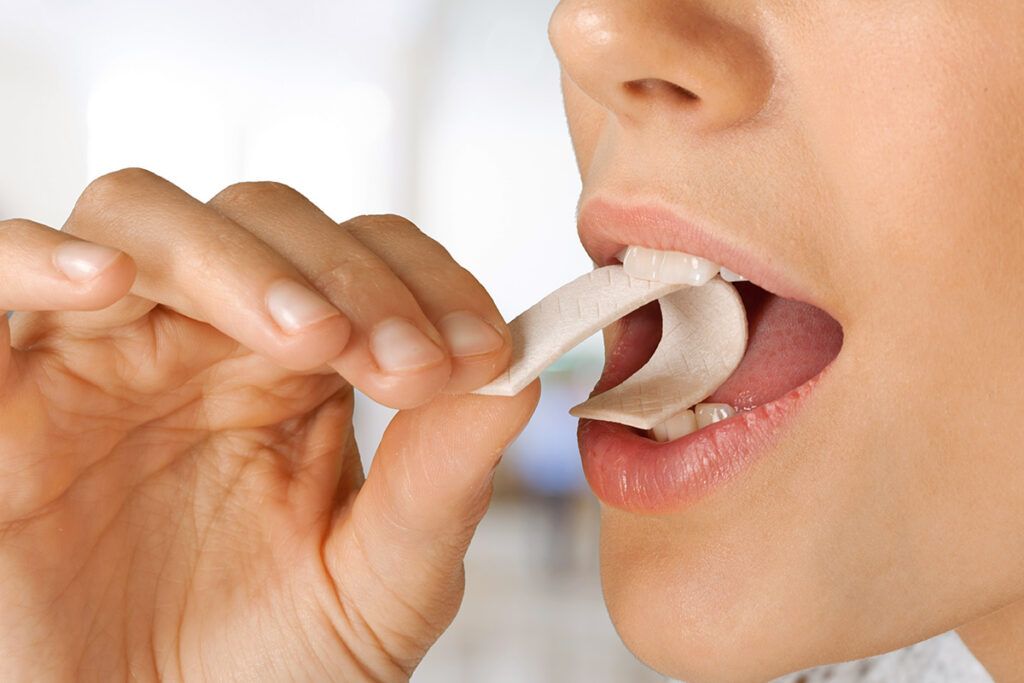
Woman putting gum in mouth
Credit: © BillionPhotos/stock.adobe.com

Chew Sugar-Free Gum

Saliva helps neutralize the acids in your mouth. You can chew sugar-free gum after finishing your bubbly water to increase saliva production.

Featured Image Credit: © Marizza—iStock/Getty Images

More From Our Network

Better Report is part of Inbox Studio, an email-first media company. *Indicates a third-party property.

Go Retro With This 1960s Fashion Quiz

Quiz Daily

Go Retro With This 1960s Fashion Quiz

True or False: Are You a Master of U.S. Geography?

Travel Quiz

True or False: Are You a Master of U.S. Geography?

5 Reasons You Can Be Denied Boarding an Airplane

Daily Passport

5 Reasons You Can Be Denied Boarding an Airplane

What Did People Do Before Eyeglasses?

History Facts

What Did People Do Before Eyeglasses?

How To Use a Balloon To Clean Up Dust

House Outlook

How To Use a Balloon To Clean Up Dust

11 Shopping Hacks Costco Members Should Know

FinanceBuzz*

11 Shopping Hacks Costco Members Should Know

Share this article

  • Share to Facebook
  • Share to Twitter
  • Copy Url
  • Share to Email
Ali Eldridge

This article is for general informational purposes only.
Affiliate Disclaimer Medical Disclaimer Financial Disclaimer

Updated:
Posted In: Health
Hero Image Credit: Better Report
Advertisement

Related Articles

5 Things To Ask Your Doctor About the New Flu Shot

5 min read

Is Sourdough Actually Healthier Than Regular Bread?

7 min read

Do You Really Need a Bidet in Your Home?

4 min read

3 Common Sleep Habits That May Be Aging Your Brain

5 min read

Is the Traditional Mediterranean Diet Actually the Best for Your Brain?

4 min read
Advertisement

The Dental Habit You’re Not Doing — But Should

Health | Updated: May 21, 2026
Bennett Kleinman
Author
Bennett Kleinman is a New York City-based staff writer for Inbox Studio. He is also a freelance comedy writer, devoted New York Yankees and New Jersey Devils fan, and thinks plain seltzer is the best drink ever invented.
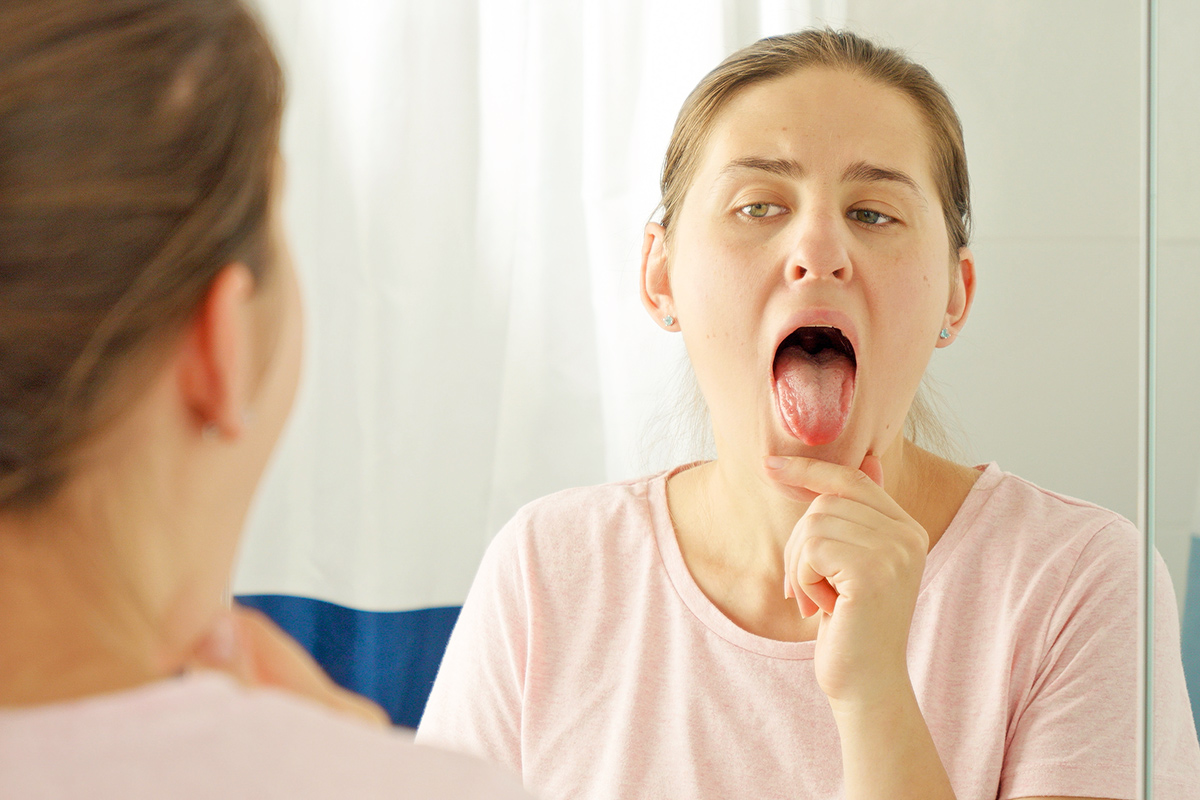
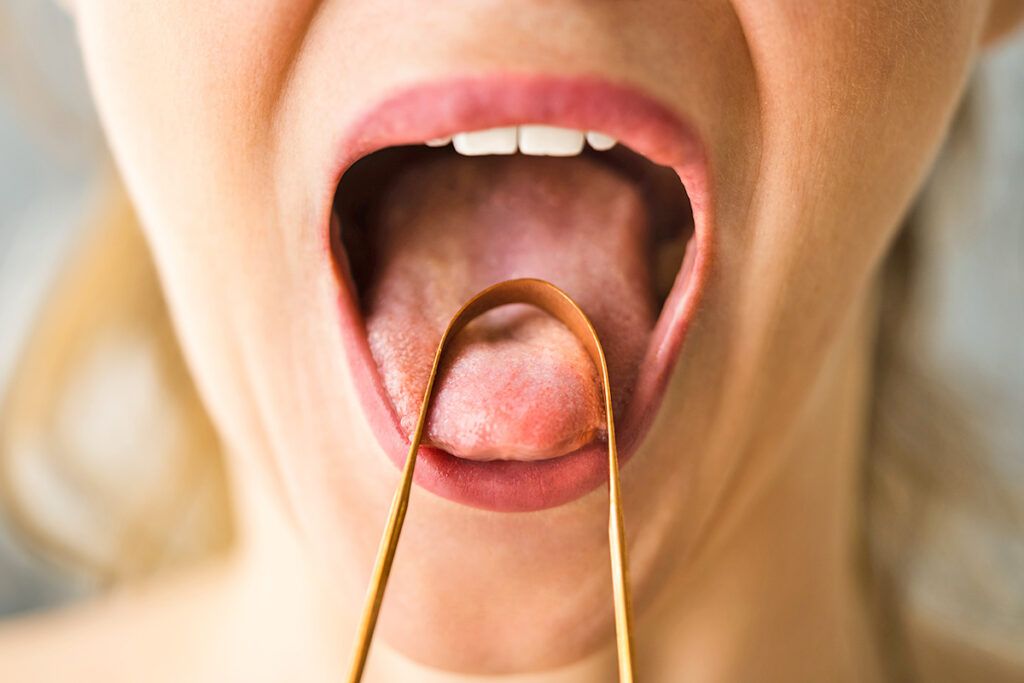
Woman scraping tongue
Better Report

When it comes to good dental hygiene, we’ve all been told to brush our teeth twice a day, floss regularly, and rinse with mouthwash. But there’s one dental habit that people overlook far too often, despite the fact that it’s recommended by many dentists: cleaning the tongue.

We know that it can be challenging to shake up a routine, but incorporating this particular habit is simple and well worth it. Here’s why you should start tongue scraping ASAP.

Advertisement
Advertisement
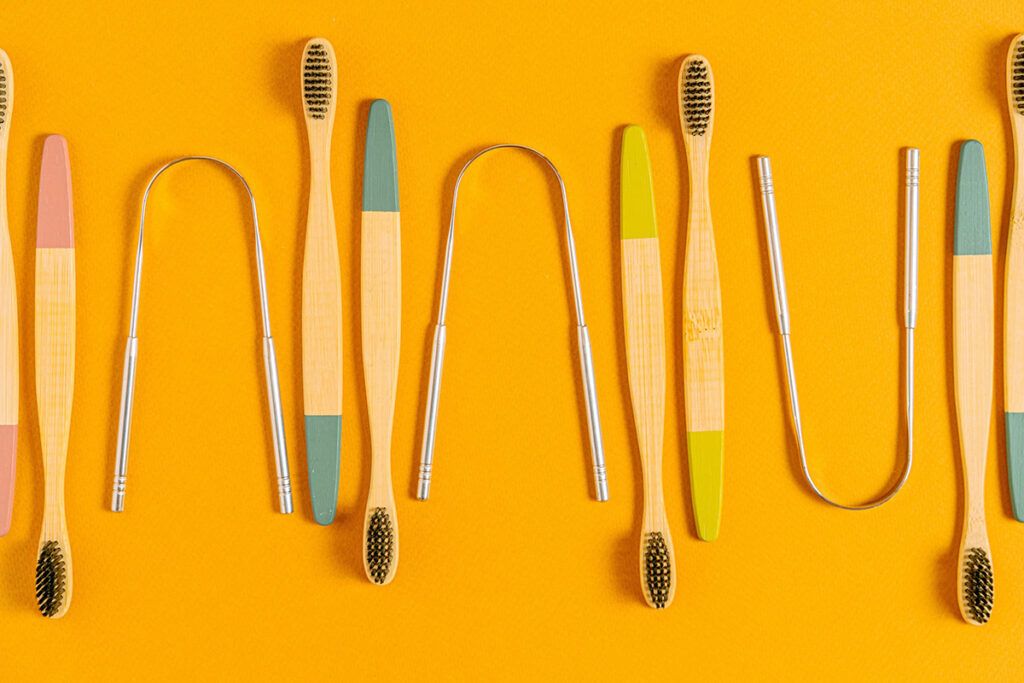
Tongue scrapers and toothbrushes
Credit: © AI25.Studio Studio/pexels.com

Use a Tongue Scraper

Our tongues come into contact with so much bacteria, and yet we don’t often treat them with the same attention that we do our teeth and gums. That makes our breath worse: Of the 20 million or so bacteria in our mouths at any given time, the most “odorous” bacteria (i.e., the ones that cause bad breath) live in the crevices of the tongue.

Recommended Articles

  • The Safety Rules for Candles You Probably Don’t Know

  • 5 Things Your Car Needs Before the First Freeze

  • 6 Amazon Prime Day Hacks

  • 5 Things To Ask Your Doctor About the New Flu Shot

Advertisement
Advertisement

Reader Favorites

  • Woman looking in fridge

    9 Foods You Should Toss ASAP if They’re Expired

  • Person eating salad

    7 Things a Chef Never Orders at a Restaurant

  • Cherry angioma

    Are the Tiny Red Dots on Your Skin Dangerous?

These bacteria can also create a whitish or yellowish discoloration of the tongue known as biofilm, which, if left untreated, can lead to conditions such as tooth decay and gum disease.  

Thankfully, it’s easy to clean your tongue. All you need is a tongue scraper. Experts recommend purchasing a metal scraper, which will be more durable than plastic.

Advertisement
Advertisement

According to Healthline, tongue scraping has several benefits. One of them is removing unwanted bacteria that causes both odor and tooth decay: A 2005 study  found that using a tongue scraper twice daily for two minutes resulted in a nearly 12% reduction in bad breath. Scraping also helps remove discoloration, and research suggests that tongue scrapers can even clean off the taste buds and improve one’s sense of taste.

Tongue scraper on tongue
Credit: © Andrey Popov/stock.adobe.com

How To Clean Your Tongue

You may already use your toothbrush to clean your tongue, and while that’s better than doing nothing, it’s not ideal. According to a 2004 study, tongue scrapers get rid of 30% more odor-causing compounds than toothbrushes. That’s why you should upgrade to using a tongue scraper. Don’t assume you’ll see results overnight, though. As with brushing, flossing, or anything else dental-related, you need to be consistent.

Advertisement
Advertisement

One way to make tongue scraping a part of your routine is by habit stacking, which helps you incorporate a new habit by tacking it onto an existing one. In this case, we’d suggest scraping your tongue either before or after flossing and brushing (but before using mouthwash) to establish that consistency.

Advertisement

Here’s how to use your tongue scraper: First, stick out your tongue. Then, take the scraper and place it as far back on your tongue as possible. If you find it makes you gag at first, try placing it in the middle of the tongue to start, and then move it further back as you grow more accustomed to it. Gently and slowly pull the scraper toward the tip of your tongue, wipe it clean, and repeat once or twice more. (Never scrape from the tip toward the back, or you’ll push bacteria further into your mouth.) Finally, wash the scraper with warm water and mild antibacterial soap and store it in a dry location until its next use. 

Advertisement
Advertisement

Within a week you should notice some improvement in your breath as well as the color of your tongue. But don’t take these improvements as a sign to stop: You should continue scraping your tongue as often as you brush your teeth going forward. Just make sure you don’t scrape too hard or more than twice daily — you don’t want to wipe out your oral microbiome, which includes good bacteria, too.

Featured Image Credit: © Kyrylo Ryzhov/stock.adobe.com

More From Our Network

Better Report is part of Inbox Studio, an email-first media company. *Indicates a third-party property.

Go Retro With This 1960s Fashion Quiz

Quiz Daily

Go Retro With This 1960s Fashion Quiz

True or False: Are You a Master of U.S. Geography?

Travel Quiz

True or False: Are You a Master of U.S. Geography?

5 Reasons You Can Be Denied Boarding an Airplane

Daily Passport

5 Reasons You Can Be Denied Boarding an Airplane

What Did People Do Before Eyeglasses?

History Facts

What Did People Do Before Eyeglasses?

How To Use a Balloon To Clean Up Dust

House Outlook

How To Use a Balloon To Clean Up Dust

11 Shopping Hacks Costco Members Should Know

FinanceBuzz*

11 Shopping Hacks Costco Members Should Know

Share this article

  • Share to Facebook
  • Share to Twitter
  • Copy Url
  • Share to Email
Bennett Kleinman
Staff Writer

Bennett Kleinman is a New York City-based staff writer for Inbox Studio. He is also a freelance comedy writer, devoted New York Yankees and New Jersey Devils fan, and thinks plain seltzer is the best drink ever invented.

This article is for general informational purposes only.
Affiliate Disclaimer Medical Disclaimer Financial Disclaimer
Updated: July 20, 2023
Posted In: Health
Hero Image Credit: Better Report
Advertisement

Related Articles

5 Things To Ask Your Doctor About the New Flu Shot

5 min read

Is Sourdough Actually Healthier Than Regular Bread?

7 min read

Do You Really Need a Bidet in Your Home?

4 min read

3 Common Sleep Habits That May Be Aging Your Brain

5 min read

Is the Traditional Mediterranean Diet Actually the Best for Your Brain?

4 min read
Advertisement
  • Home
  • Health
  • Wealth
  • Logo
  • Advertise
  • About
  • Contact Us
  • Privacy Policy
  • Terms of Use
  • Your Privacy Choices
x
Thumb Image

Elevate your everyday.

Sign up to receive the practical tips and expert advice you need to pare down the complexities of everyday living right in your inbox.

Sorry, your email address is not valid. Please try again.

Your email is:

Edit Image
Sorry, your email address is not valid. Please try again.
Thank you for subscribing...

By subscribing you are agreeing to our Terms of Use and Privacy Policy.

Close image
Thumb Image
Second Thumb Image

Elevate your everyday.

Sign up to receive the practical tips and expert advice you need to pare down the complexities of everyday living right in your inbox.

Sorry, your email address is not valid. Please try again.

By subscribing you are agreeing to our Privacy Policy and Terms of Use.

Close image