Skip to content
Better Report
  • Home
  • Health
  • Wealth
8 Low-Maintenance Plants That Thrive on Neglect
  • Search
  • Subscribe
  • Home
  • Health
  • Wealth
  • About
  • Privacy Policy
  • Terms of Use
  • Contact Us
  • SubscribeSubscribe
  • Search
Thank you for confirming your email! Welcome to the community.

Tag: Emergencies

What Can You Call Firefighters for Besides Fires?

Home | Updated: June 15, 2026
Bennett Kleinman
Author
Bennett Kleinman is a New York City-based staff writer for Inbox Studio. He is also a freelance comedy writer, devoted New York Yankees and New Jersey Devils fan, and thinks plain seltzer is the best drink ever invented.
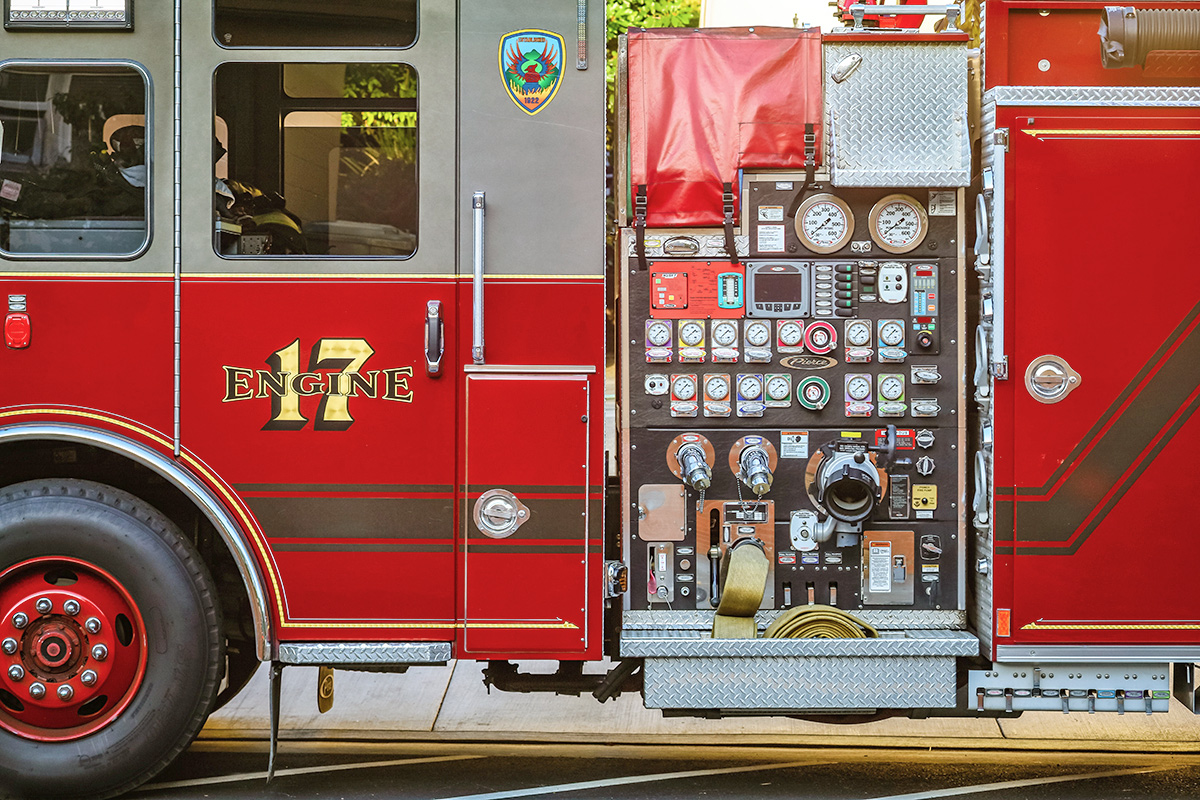
Fire truck
Better Report

Firefighters are an essential part of any community, working tirelessly to keep blazes at bay. But don’t be misled by their name, because they do much more than just fight fires. These everyday heroes respond to all sorts of emergencies, perform urgent rescues, and do public outreach events to help educate and engage with those they serve. Let’s look at five situations that firefighters can help with beyond putting out fires.
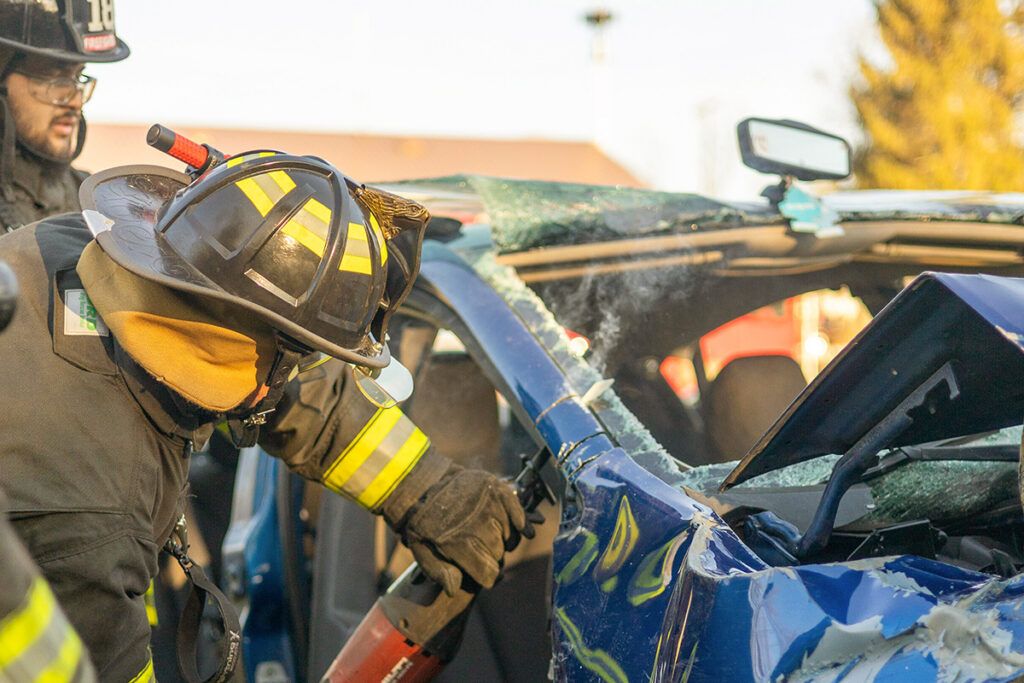
Firefighters at car accident
Credit: © Dallas Penner/Unsplash.com

Vehicle Accidents

Road accidents are among the most common calls that firefighters receive, and they’re well equipped to help: Not only are many firefighters trained as EMTs or licensed paramedics, but they also have access to special lifesaving equipment such as the “Jaws of Life,” which are used to cut through metal and extract victims from vehicles. And fire trucks can be used to create a barrier between the accident and oncoming traffic, protecting emergency responders and allowing teams to divert other drivers in order to safely secure the scene.
Advertisement
Advertisement
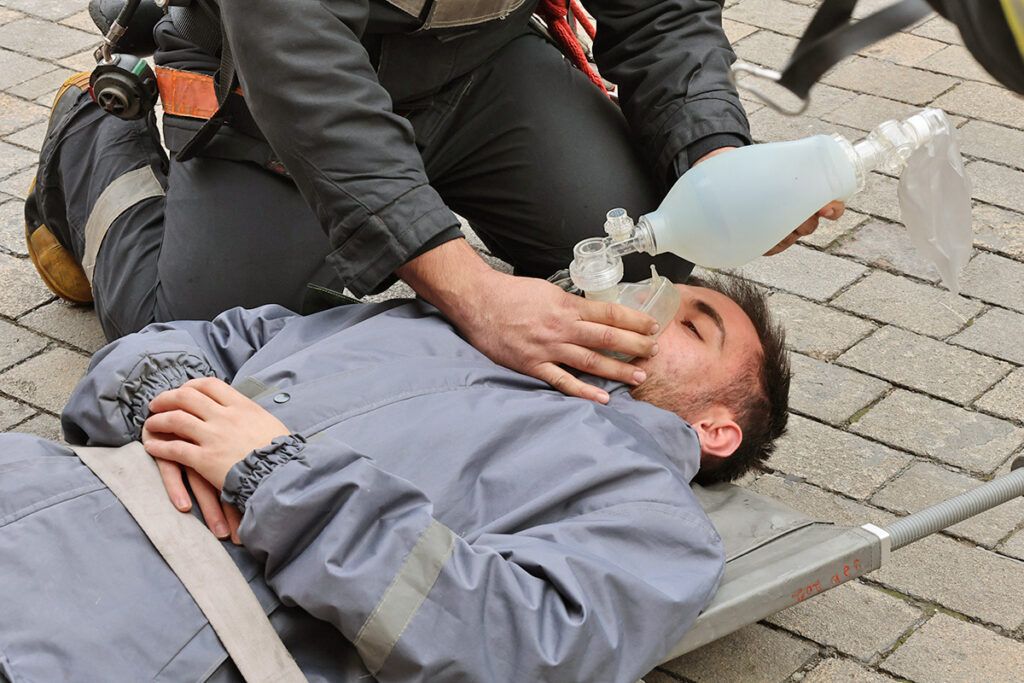
Firefighter putting oxygen bag over mouth of man on the ground
Credit: © Tahir Xəlfə/Pexels.com

Medical Emergencies

Statistics show that medical emergencies account for the majority of the incidents that the New York City Fire Department (the largest fire department in the nation) responds to, and there’s a good reason for that.

Because many firefighters are trained as EMTs or paramedics, they can perform CPR, stop the loss of blood, or provide other care that’s medical in nature. It’s also worth noting that firefighters may arrive on scene sooner than other medical professionals because fire stations are evenly dispersed through communities to provide a rapid response to emergencies. Where an ambulance comes from depends on where you live and whether it’s publicly operated, hospital-based, or privately owned, but there are more fire stations than hospitals: According to the American Hospital Association, there are 6,100 hospitals in the United States. Compare that with more than 27,000 fire departments in the U.S., with over 52,000 stations collectively, per the National Fire Department Registry. 
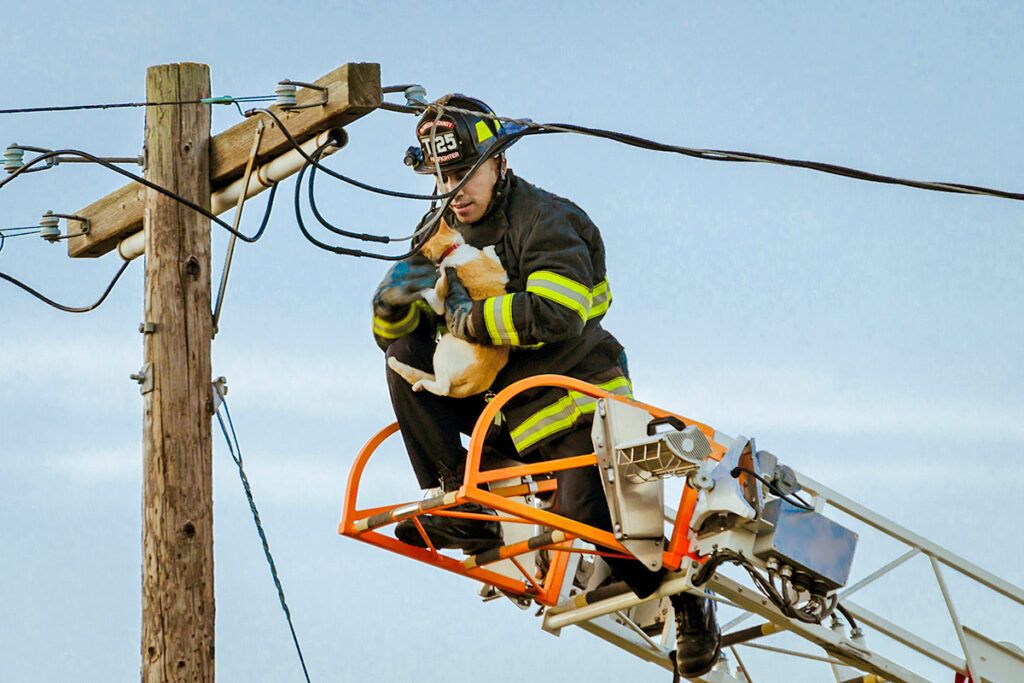
Firefighter rescuing cat
Credit: © Chris Briggs/Unsplash.com

Rescue Operations

Firefighters are well equipped to handle various rescue operations, whether they involve a human or an animal. Firefighters may be called to rescue a person trapped in a car in rising floodwaters, people in a stalled elevator, or someone who’s gotten a limb stuck in a fence.

Recommended Articles

  • The Safety Rules for Candles You Probably Don’t Know

  • 5 Things Your Car Needs Before the First Freeze

  • 6 Amazon Prime Day Hacks

  • 5 Things To Ask Your Doctor About the New Flu Shot

Advertisement
Advertisement

Reader Favorites

  • Woman looking in fridge

    9 Foods You Should Toss ASAP if They’re Expired

  • Person eating salad

    7 Things a Chef Never Orders at a Restaurant

  • Cherry angioma

    Are the Tiny Red Dots on Your Skin Dangerous?

Firefighters also respond to rescue situations for both pets and wildlife. For instance, if your dog crawls through a sewer grate and can’t get out, firefighters can help get your pup back. Or if you open up the toilet and find a snake in the bowl, you can call the fire department for assistance. And yes, they also rescue cats from trees.
Advertisement
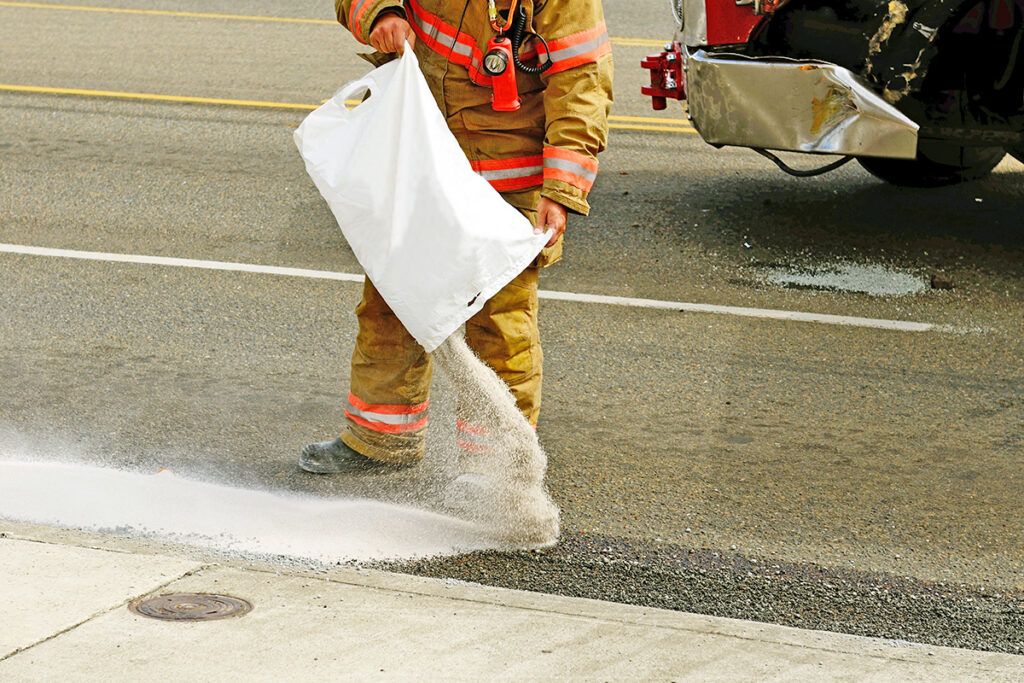
Firefighter putting down something at wreck
Credit: © ftfoxfoto/stock.adobe.com

Hazardous Conditions

From chemical spills to gas leaks to downed power lines, firefighters are trained to handle hazardous conditions and ensure public safety. They may employ an “isolate, evacuate, and deny entry” strategy, which involves isolating the scene, evacuating anyone at risk, and keeping folks at a safe distance thereafter. 

Advertisement
Advertisement

In the case of chemical spills, firefighters not only ensure the safety of everyone around the site, but also work to stop the spill from contaminating the surrounding environment. When power lines go down, firefighters will come to the scene and communicate with local utility companies to de-energize live wires before they tackle any fires that may have arisen. Firefighters also handle 200,000 natural gas leaks annually. In those situations, they’ll locate the source of the leak using a monitor, evacuate if necessary, shut off the gas supply, and control potential sources of ignition before ventilating the area and coordinating with the gas company on next steps.  
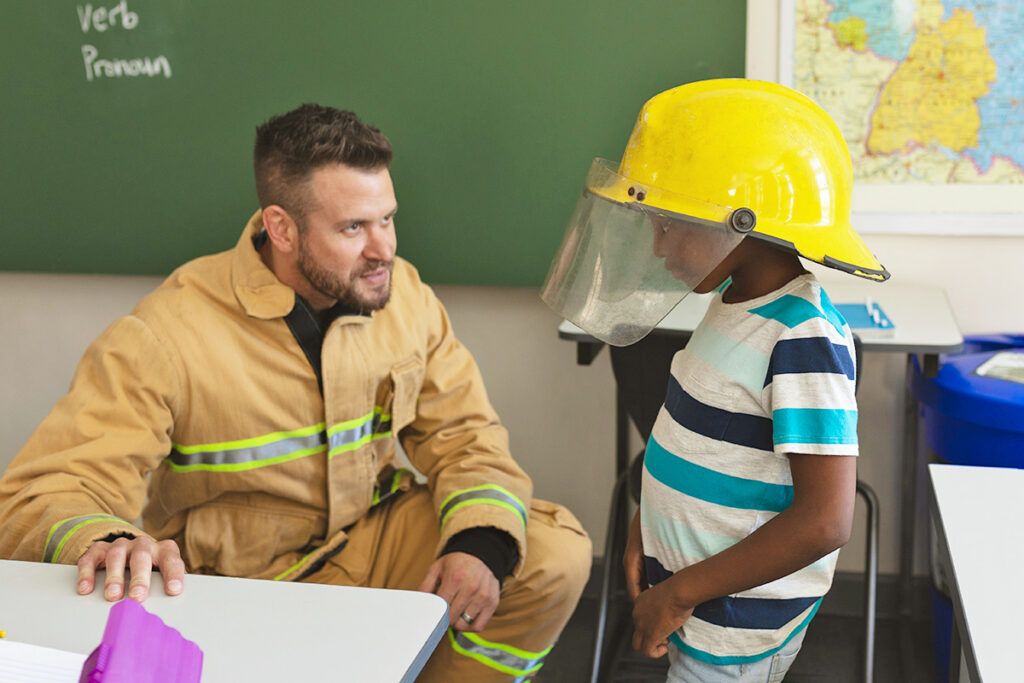
Firefighter with student at school
Credit: © wavebreak3/stock.adobe.com

Community Service

Part of a firefighter’s job is giving back to the community. For instance, workplaces and schools may contact the local fire department to deliver an educational talk to students or employees. Firefighters may also show up at community events like street fairs or markets, where they can answer questions you may have about the department or fire safety in general. Many fire stations also host open houses each year where you can speak with the people keeping you safe, experience educational demonstrations about fire safety, and learn about potential careers if you’re interested in fire service. 

Featured Image Credit: © Robert So/Pexels.com

More From Our Network

Better Report is part of Inbox Studio, an email-first media company. *Indicates a third-party property.

Go Retro With This 1960s Fashion Quiz

Quiz Daily

Go Retro With This 1960s Fashion Quiz

True or False: Are You a Master of U.S. Geography?

Travel Quiz

True or False: Are You a Master of U.S. Geography?

5 Reasons You Can Be Denied Boarding an Airplane

Daily Passport

5 Reasons You Can Be Denied Boarding an Airplane

What Did People Do Before Eyeglasses?

History Facts

What Did People Do Before Eyeglasses?

How To Use a Balloon To Clean Up Dust

House Outlook

How To Use a Balloon To Clean Up Dust

11 Shopping Hacks Costco Members Should Know

FinanceBuzz*

11 Shopping Hacks Costco Members Should Know

Share this article

  • Share to Facebook
  • Share to Twitter
  • Copy Url
  • Share to Email
Bennett Kleinman
Staff Writer

Bennett Kleinman is a New York City-based staff writer for Inbox Studio. He is also a freelance comedy writer, devoted New York Yankees and New Jersey Devils fan, and thinks plain seltzer is the best drink ever invented.

This article is for general informational purposes only.
Affiliate Disclaimer Medical Disclaimer Financial Disclaimer

Updated: July 20, 2023
Posted In: Home
Hero Image Credit: Better Report
Advertisement

Related Articles

The Safety Rules for Candles You Probably Don’t Know

5 min read

9 Items in Your Basement You Should Toss Right Now

5 min read

5 Vegetables You Should Never Store in the Fridge

3 min read

Why a Flashing Check Engine Light Is Different From a Solid One

3 min read

Why Does Your Sink Have a Tiny Hole?

3 min read
Advertisement

Why You Need a Go Bag  —  And What Should Be in It

Home | Updated: June 30, 2026
Lauren Dana Ellman
Author
Lauren Dana Ellman is a New York–based writer and editor specializing in lifestyle, travel, food, and shopping. A graduate of Syracuse University’s SI Newhouse School of Public Communications, she covers everything from destinations and hotels to fun product finds and personal essays. Her work has been featured in Condé Nast Traveler, AARP, Travel + Leisure, Time Out, The Knot, and more lifestyle-oriented publications.
Person packing bag
Better Report

All featured products and deals are selected independently and objectively by the author. Better Report may receive a share of sales via affiliate links in content.

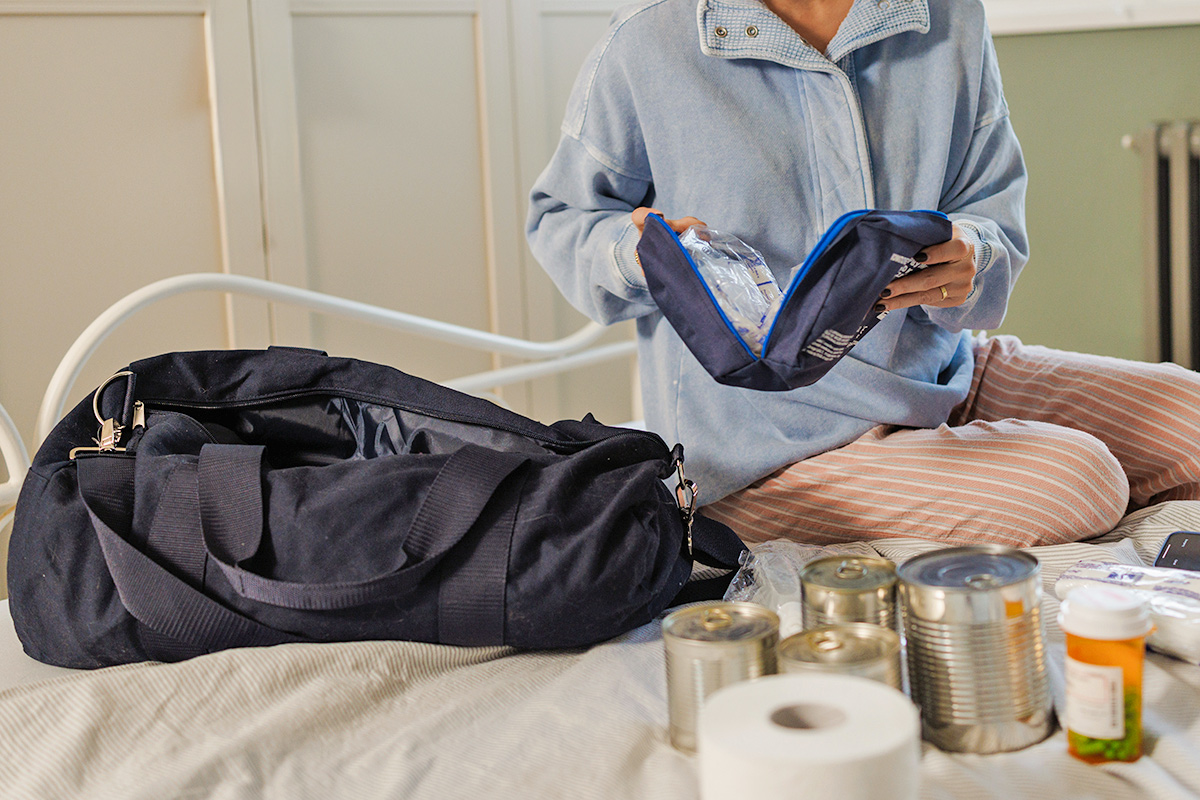
Most people don’t think about what they would take with them in an emergency, at least not until they have to — but when something does happen, there’s rarely time to stop and think about what matters. You take what you can carry, often in a rush, and hope you haven’t forgotten anything important. 

That uncertainty is exactly why being prepared is so crucial, particularly when help may not arrive straight away and access to basic supplies isn’t guaranteed. As the name suggests, a go bag is simply a bag you pack in advance so you can leave quickly if needed. Sure, it takes a bit of planning and effort, but having one makes things easier if you find yourself in an emergency. And while a go bag won’t fix everything, it can help you get through those first hours (or days) with a bit more control. Here’s what you need.

Advertisement
Advertisement

What To Pack

There’s no single version of a perfect go bag, and what you pack will differ depending on where you live and your specific situation. Most follow the same basic idea, though: Cover your essential needs for (at least) a few days.

File of documents
Credit: © Anete Lusina/Pexels.com

Essential Documents and Valuables 

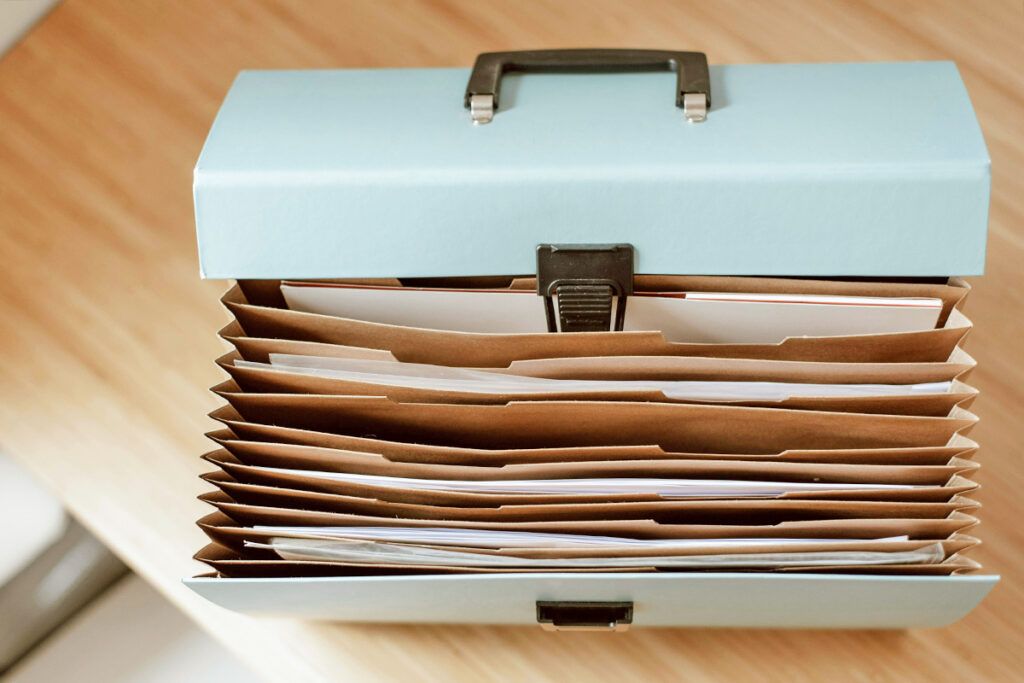
These can include copies of birth certificates, Social Security cards, passports, driver’s licenses, and insurance cards and policies, along with emergency contact information and a small amount of cash. You may also want to keep copies of the front and back of your credit cards in your go bag in the event that you can’t grab your wallet as you’re evacuating. It’s wise to keep everything together in a waterproof and fireproof pouch so it’s protected from the elements. (If you don’t want paper copies of these documents, you can store them on an encrypted flash drive instead.)

Recommended Articles

  • The Safety Rules for Candles You Probably Don’t Know

  • 5 Things Your Car Needs Before the First Freeze

  • 6 Amazon Prime Day Hacks

  • 5 Things To Ask Your Doctor About the New Flu Shot

Advertisement
Advertisement

Reader Favorites

  • Woman looking in fridge

    9 Foods You Should Toss ASAP if They’re Expired

  • Person eating salad

    7 Things a Chef Never Orders at a Restaurant

  • Cherry angioma

    Are the Tiny Red Dots on Your Skin Dangerous?

Granola bars
Credit: © ange1011/stock.adobe.com

Food and Water

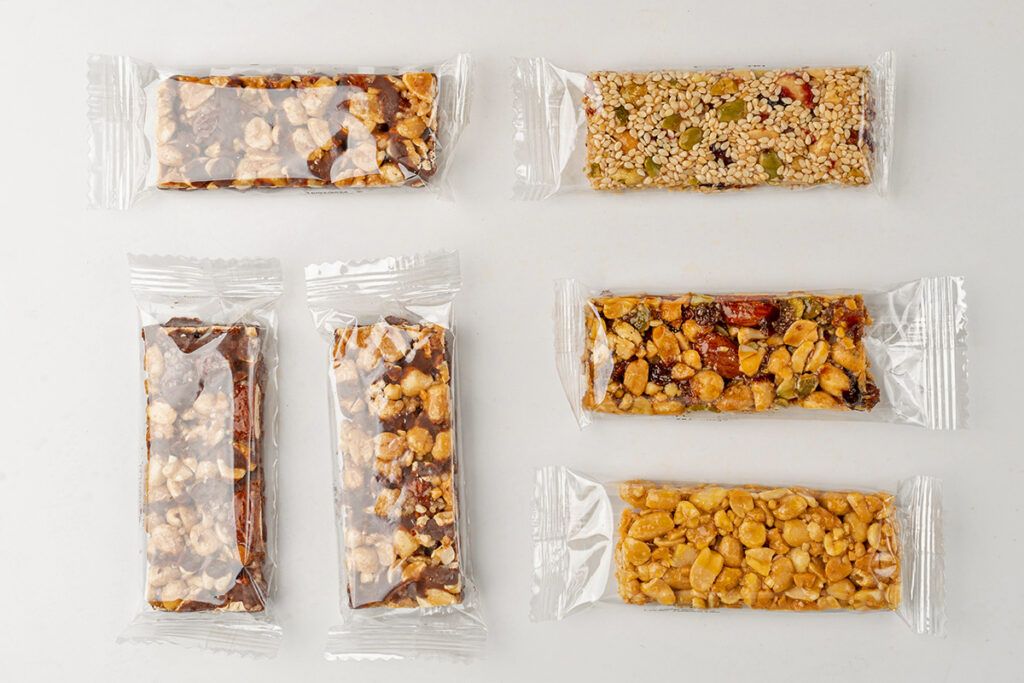
You’ll need a small supply of nonperishable food — think lightweight, ready-to-eat items like energy bars, canned goods, or dried foods — and enough water for at least three days of drinking and basic hygiene. If you have pets, you’ll want to pack food and water for them, too.

Advertisement
Advertisement
First aid kit
Credit: © Mathurin NAPOLY / matnapo/Unsplash.com

Medical Supplies

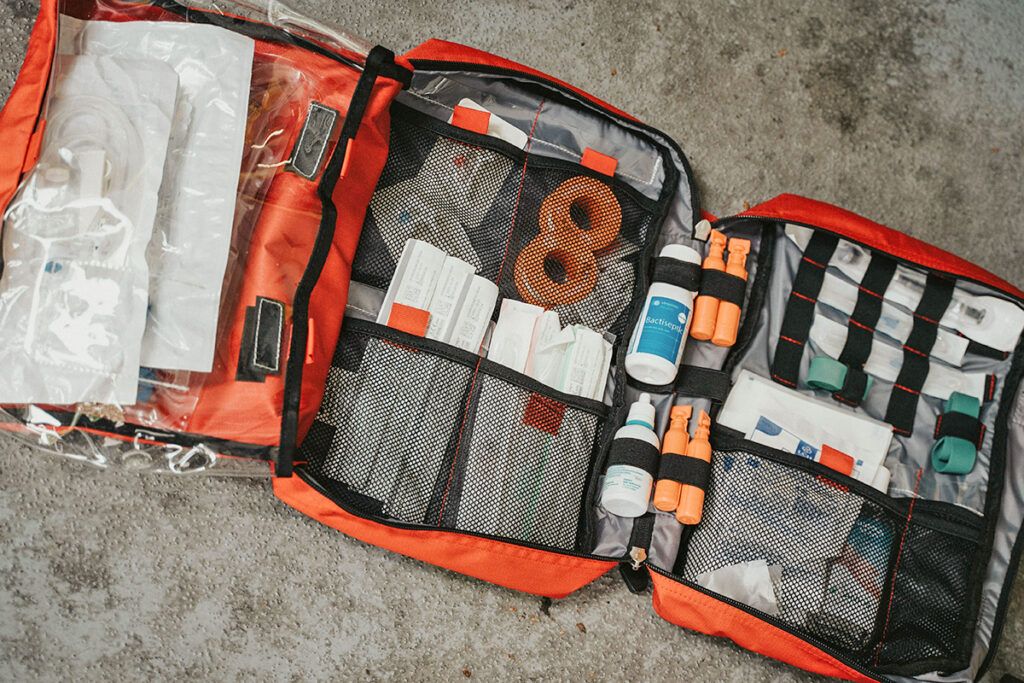
A basic first-aid kit — which includes bandages, antiseptic wipes, and pain relief — along with any prescription or over-the-counter medications you rely on, are essentials. It’s also worth packing a few simple hygiene items, such as hand sanitizer or wipes, and keeping copies of prescriptions in case you need them. You should also pack an extra set of eyeglasses (if you have them) or contact lenses, and you’ll want to bring along your pet’s medications and vaccine records, too.

Advertisement
Advertisement
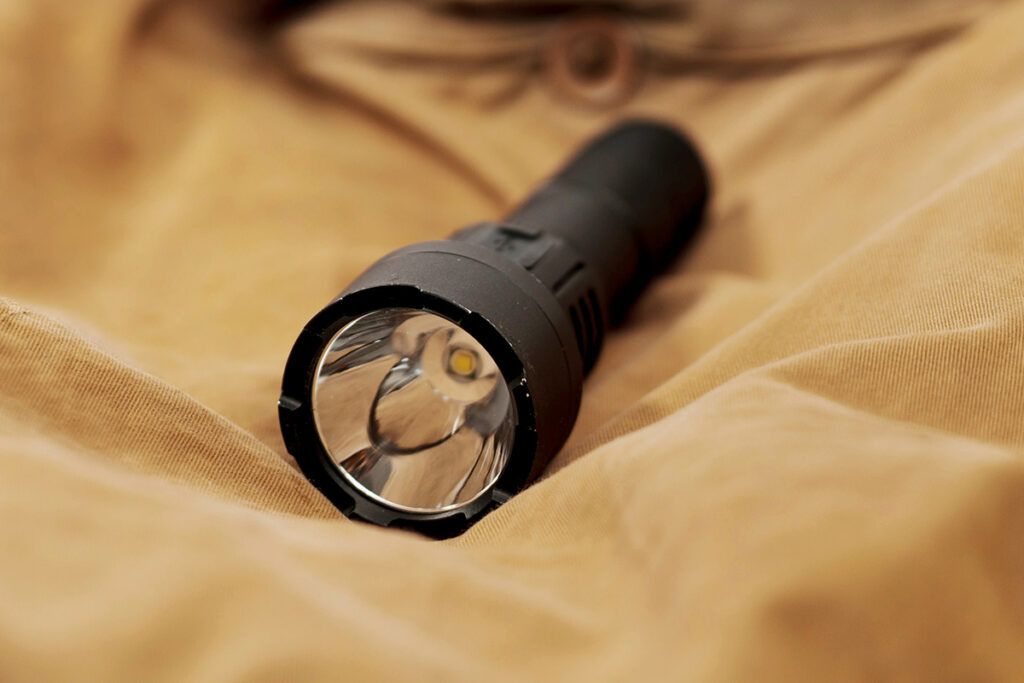
Flashlight
Credit: Serhii Prystupa—Moment/Getty Images

Lighting and Communication

A flashlight and spare batteries are important if the power goes out, and a portable radio can help you stay informed if internet access or cell service is unavailable. Similarly, something like a whistle might seem trivial, but it can come in especially handy if you need to get someone’s attention quickly. Don’t forget to pack extra chargers for your phone and other devices.

Advertisement
Advertisement
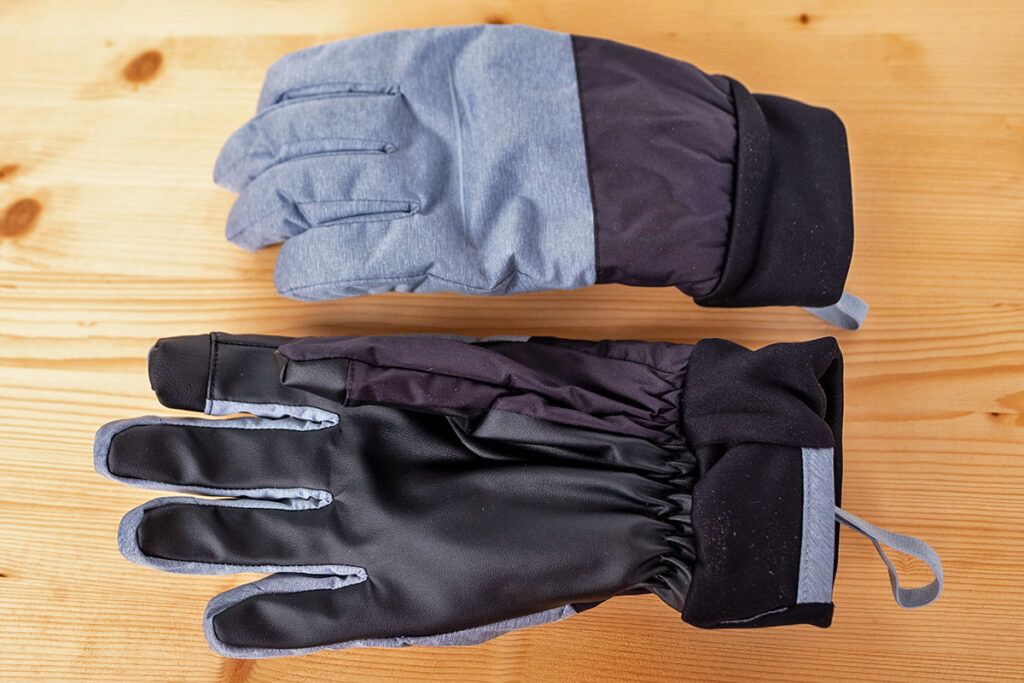
Gloves
Credit: © kittyfly/stock.adobe.com

Protective Items

Think in terms of practicality — clothing suited to the weather, waterproof gloves and outerwear (depending on the season or climate), and an emergency blanket. You should pack at least one change of clothing and a durable pair of shoes for each member of your family. 

Advertisement
Advertisement
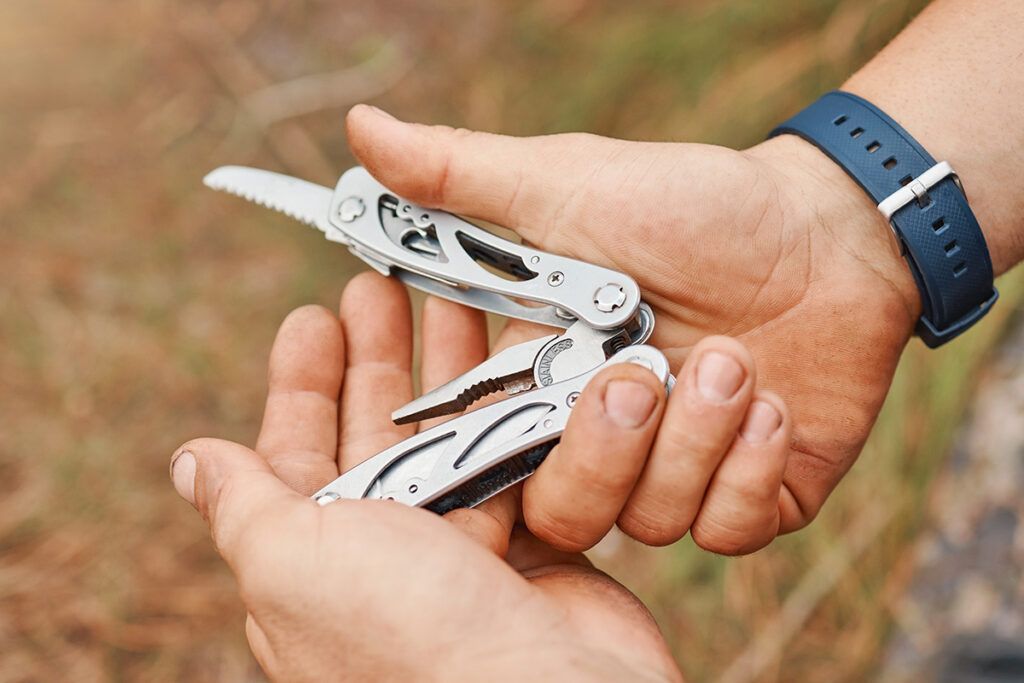
Person holding multitool
Credit: © PeopleImages—iStock/Getty Images

Basic Tools

It’s a good idea to stash a couple of basic tools, such as a multitool, duct tape, and a manual can opener, in your kit. They can come in handy for quick fixes, turning off utilities, or setting up a temporary shelter if necessary.

Advertisement
Advertisement
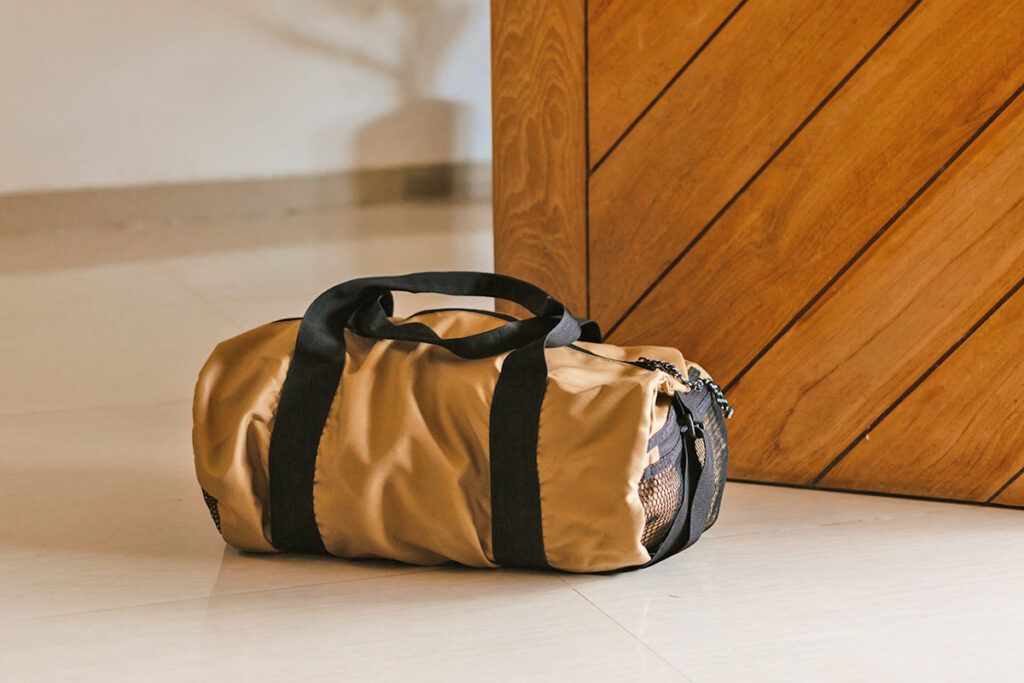
Packed bag by door
Credit: © Anastasiya Mihailovna—Moment/Getty Images

Your Go Bag Is Packed — Now What? 

Keep your go bag in a designated spot in your home and make sure everyone knows where it is so they can grab it if necessary. (You may also want to consider keeping similar kits at work and in your car.)

Advertisement
Advertisement

An important note: A go bag isn’t something you pack once and forget about. Supplies run out, batteries die, and your needs change over time, so it’s worth checking it every so often. That might mean updating it for the season, replacing expired items, or making sure it still fits your situation — whether your health has changed or you now have a child or pet.

Featured Image Credit: © Riska—E+/Getty Images

More From Our Network

Better Report is part of Inbox Studio, an email-first media company. *Indicates a third-party property.
Go Retro With This 1960s Fashion Quiz

Quiz Daily

Go Retro With This 1960s Fashion Quiz

True or False: Are You a Master of U.S. Geography?

Travel Quiz

True or False: Are You a Master of U.S. Geography?

5 Reasons You Can Be Denied Boarding an Airplane

Daily Passport

5 Reasons You Can Be Denied Boarding an Airplane

What Did People Do Before Eyeglasses?

History Facts

What Did People Do Before Eyeglasses?

How To Use a Balloon To Clean Up Dust

House Outlook

How To Use a Balloon To Clean Up Dust

11 Shopping Hacks Costco Members Should Know

FinanceBuzz*

11 Shopping Hacks Costco Members Should Know

Share this article

  • Share to Facebook
  • Share to Twitter
  • Copy Url
  • Share to Email
Lauren Dana Ellman
Writer

Lauren Dana Ellman is a New York–based writer and editor specializing in lifestyle, travel, food, and shopping. A graduate of Syracuse University’s SI Newhouse School of Public Communications, she covers everything from destinations and hotels to fun product finds and personal essays. Her work has been featured in Condé Nast Traveler, AARP, Travel + Leisure, Time Out, The Knot, and more lifestyle-oriented publications.

This article is for general informational purposes only.
Affiliate Disclaimer Medical Disclaimer Financial Disclaimer
Updated: April 28, 2026
Posted In: Home
Hero Image Credit: Better Report
Advertisement

Related Articles

The Safety Rules for Candles You Probably Don’t Know

5 min read

9 Items in Your Basement You Should Toss Right Now

5 min read

5 Vegetables You Should Never Store in the Fridge

3 min read

Why a Flashing Check Engine Light Is Different From a Solid One

3 min read

Why Does Your Sink Have a Tiny Hole?

3 min read
Advertisement
  • Home
  • Health
  • Wealth
  • Logo
  • Advertise
  • About
  • Contact Us
  • Privacy Policy
  • Terms of Use
  • Your Privacy Choices
x
Thumb Image

Elevate your everyday.

Sign up to receive the practical tips and expert advice you need to pare down the complexities of everyday living right in your inbox.

Sorry, your email address is not valid. Please try again.

Your email is:

Edit Image
Sorry, your email address is not valid. Please try again.
Thank you for subscribing...

By subscribing you are agreeing to our Terms of Use and Privacy Policy.

Close image
Thumb Image
Second Thumb Image

Elevate your everyday.

Sign up to receive the practical tips and expert advice you need to pare down the complexities of everyday living right in your inbox.

Sorry, your email address is not valid. Please try again.

By subscribing you are agreeing to our Privacy Policy and Terms of Use.

Close image