We all remember from childhood science classes that the human body is made up of about 70% water. All of your organs need water to function. From your skin to your heart, your body runs on water. Hydration is crucial for a healthy lifestyle. Dehydration can lead to dizziness and confusion, and even more serious issues like kidney failure, heatstroke, and hypovolemic shock. There are a few obvious signs you need to hydrate, without having to make an appointment with a doctor.
Signs of Dehydration
If you’re having trouble hitting your daily water goals, there are a few signs of dehydration to look out for. The first sign is a dry mouth or dry-feeling tongue. This is a clear sign to refill your water bottle and start sipping.
When you use the bathroom, your urine should be as close to clear as possible. Dark urine is a sign of poor hydration, and you should start rehydrating. However, taking multivitamins can also affect the color of your urine, so it’s not the only way to tell.
Advertisement
Advertisement
Other common signs of dehydration include dizziness and headaches. If you start feeling faint, it’s best to sit down and start slowly sipping water.
The Skin Turgor Test
Shelley Balls, MDA, RDN, LDN, a registered dietitian and nutritionist for WOWMD, also recommends the skin turgor test. “Skin turgor” is the ability of your skin to stretch and bounce back. Without enough water, your skin starts to lose elasticity. To do the test, pinch a part of your skin and see if it stays tented from the pinch. If it instantly goes back, you’re likely ok, but if your skin stays lifted, that’s a sign of dehydration. Shelley also notes, “The best location of skin to test dehydration status is over your breastbone or on your forehead as these areas maintain better skin elasticity even with age.”
Advertisement
Rehydration
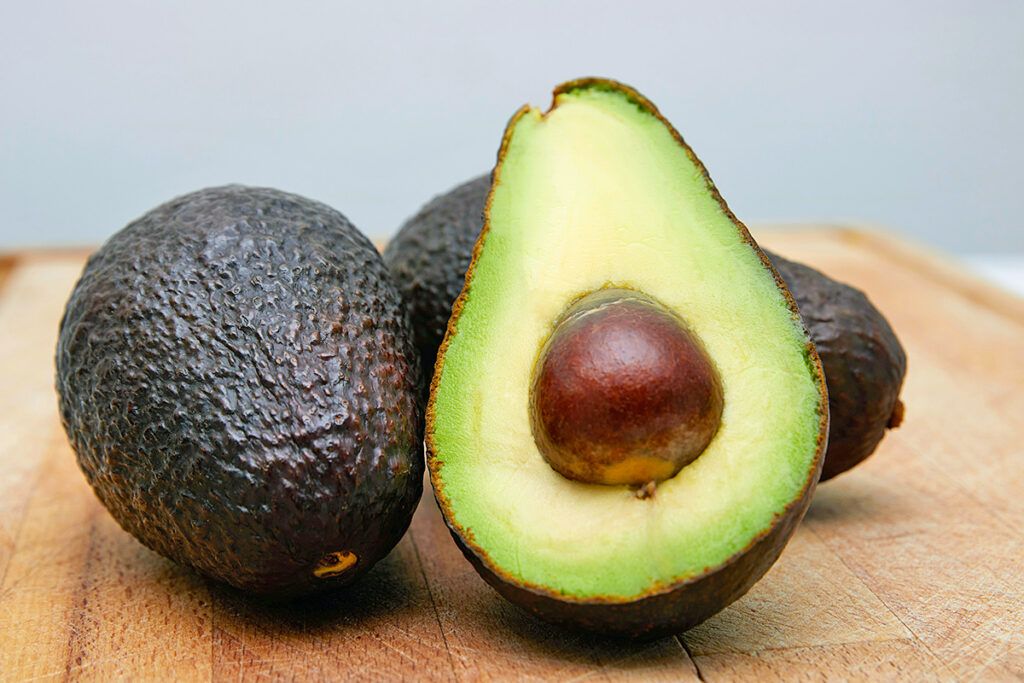
To stay hydrated, divide your body weight by two and drink that number of ounces. “If you weigh 160 pounds, aim for 80 ounces,” says Kristie Alicea, founder of ABC Fit Collective. To rehydrate effectively, you should start with slow sips of water. Chugging water will likely make you feel worse. You can also work foods with high water content into your diet, like watermelon and cucumber.
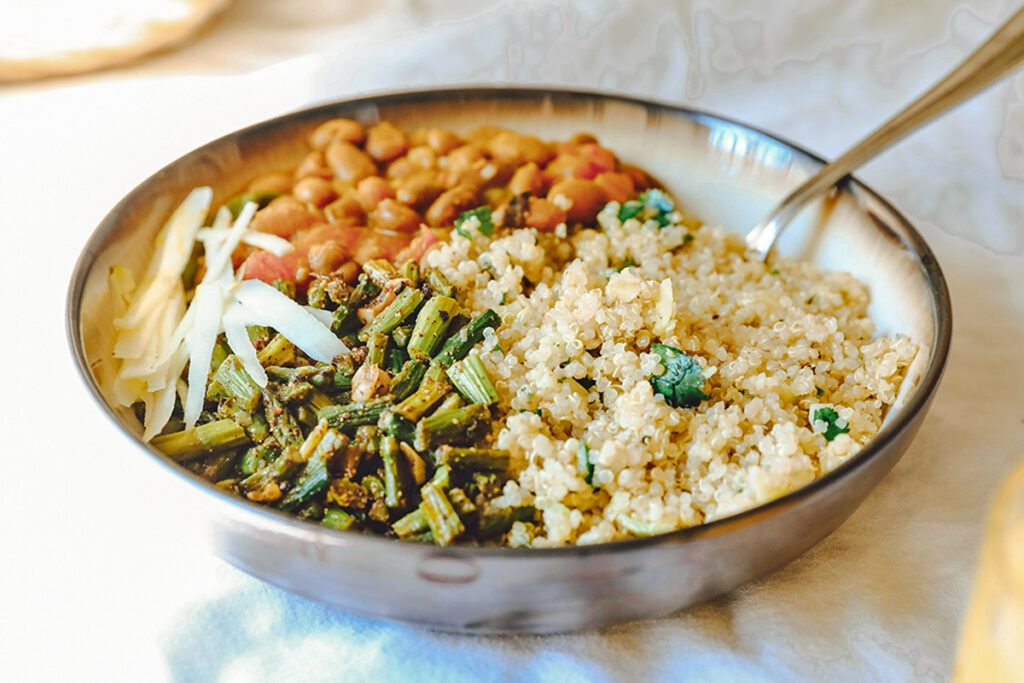
In general, you should eat more foods with potassium and magnesium to help your body absorb the water you’re drinking. If you continue to feel chronically under-hydrated, limiting the amount of alcohol you drink and avoiding extremely sweaty workouts will help as well.
If you lead an active lifestyle, hydration is critical. Kristie Alicea is also a certified personal trainer and advises tailoring your hydration habits to your exercise routine. “On days with intense activity, I recommend increasing [water intake] to 100 ounces or adding about 20 percent to your usual amount,” she says. Kristie also offers tips on how to hydrate effectively during different types of workouts. “If you’re lifting, sip between sets. On a cardio machine, drink during your rest periods. In a yoga class, drink between flows.”
You should pre-plan your hydration for high-intensity workouts. Drinking water with electrolytes or hydration aids like Liquid IV will help you stay hydrated. You should also plan to hydrate more than you usually do if you’re traveling to a location with a higher altitude than you’re accustomed to.
Advertisement
Advertisement
Pregnancy and Hydration
Pregnant people have a special interest in hydration. In addition to keeping themselves hydrated, they’re adding to the amniotic fluid for the growing fetus and ensuring the future healthy production of breast milk.
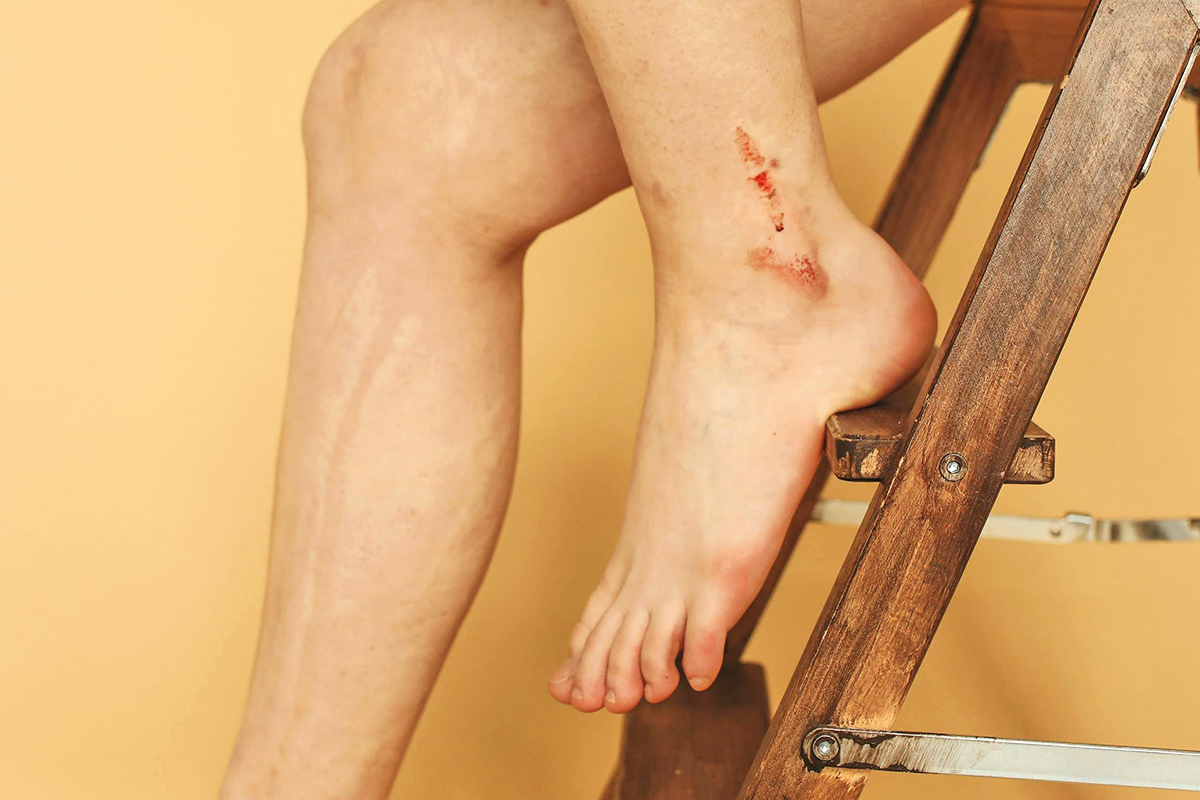
If you’re pregnant, you should watch out for the regular signs of dehydration, but also for muscle cramps. Again, you can rehydrate by taking small sips of water slowly and relaxing for a bit.
Julia Rittenberg is a culture writer and content strategist driven by a love of good stories. She writes most often about books for Book Riot. She lives in Brooklyn with a ton of vintage tchotchkes that her cat politely does not knock over.
All featured products and deals are selected independently and objectively by the author. Better Report may receive a share of sales via affiliate links in content.
Most of us know that a good night’s sleep is important to our overall health. Along with eating a nutrient-rich diet and exercising, it’s important that we get between seven and nine hours of sleep each night. It’s easy to say that everyone should get plenty of rest. But it can be hard to actually achieve that. Lots of us struggle to fall asleep or constantly wake up at night. Since we know we should be asleep, we can even make our insomnia worse by worrying about it. Take a deep breath. Relax. And try some of these tips the next time you have trouble falling — or staying — asleep.
Keep Your Room Cooler Than You Think
I usually pile on the blankets because it’s chilly when I go to bed, only to kick them all off while sweltering in the middle of the night. The Cleveland Clinic recommends keeping your bedroom between 60 and 67 degrees Fahrenheit for optimal sleep and to avoid this temperature seesaw.
One strange trick to keep your body temperature down is to try sleeping with socks on. Although there aren’t any real high-quality studies that prove it, some sleep scientists say that this could lower your core body temperature. If you’re desperate for sleep, it can’t hurt to try and see if it works for you.
Advertisement
Advertisement
Get Bright, Natural Light Early in the Day
Artificial light later in the evening messes up our circadian rhythms. But getting light in the morning can help us set our natural sleep timing earlier and improve our overall sleep quality. If you live in an area that doesn’t get natural light early in the day during winter, try a light therapy lamp or alarm to wake you up in the morning.
Keep a Journal
If your brain keeps spinning after you lie down to sleep, try journaling. Spend some time before bed writing down your worries, tasks to do the next day, or other things you find yourself ruminating on, so you can rest knowing you’ve dealt with your concerns.
Transitions are important for kids because they help them understand that it’s time to move from one task or event to another. But they can continue to help us as adults as well. Spend a few minutes after work meditating, sitting outdoors, or going for a short walk to decompress from your busy workday. But the most important step toward better rest is establishing a nighttime sleep routine. It might begin with a final check of your phone 30 to 60 minutes before bed. You might do a skincare routine, or a few minutes of meditation, or you could dim the lights and read a physical book for a bit. When you do the same routine each night, it signals to your brain that it’s time to wind down and go to sleep.
Advertisement
Exercise
It makes sense that wearing yourself out during the day can lead to more restful sleep at night. But I tend to make exercise an all-or-nothing proposition — if I can’t do my normal workout, I assume I won’t exercise that day. However, little bits of physical activity can help. If you miss your 4-mile run, a walk around the block can still be beneficial. Small amounts of activity can help tire your body out so you sleep better at night.
Stay Hydrated
This idea is tricky. Obviously, if you’re too hydrated, you’ll be getting up for middle-of-the-night bathroom trips. But not being hydrated enough can also cause you to wake up at night. Try staying well hydrated throughout the day and reducing your water intake as bedtime approaches.
Advertisement
Advertisement
Declutter Your Bedroom
Visible clutter increases stress and keeps you from getting a restful night’s sleep. It’s also a reminder of the chores that are waiting for you in the morning. There’s a reason the most upscale hotel rooms are minimalist and, frankly, visually boring. Put away clothes and other items, and keep knick-knacks and decor to a minimum. You might want your brain stimulated during other parts of the day, but at night, you want it to rest. It helps to start with a peaceful, uncluttered space.
Sleep Scandinavian Style
The Scandinavian sleep method is a rising trend, and it can be useful for those of us who sleep with a partner. Especially a partner known for stealing the covers. Scandi-sleeping gives each person their own little mini-bed inside the larger bed. Each partner gets their own sheet, comforter, or blanket. Everyone can choose the level of warmth they want at night, and no one needs to share.
Avoid Certain Foods and Drinks
Avoiding some drinks for better sleep may seem obvious — you don’t want to down an espresso right before bed. But others, like alcohol, are less apparent. It’s true that alcohol makes many people sleepy, but it doesn’t lead to quality sleep. Alcohol reduces REM sleep and causes you to wake up frequently after that initial nap. It can also cause you to have more vivid dreams or nightmares, and to sweat more as your body processes the alcohol.
Advertisement
Advertisement
Other foods and drinks to avoid include chocolate (for the sugar and caffeine), heavy or fatty foods that can cause indigestion (like creamy sauces or fried foods), spicy foods, sugary foods, and acidic drinks. You should stop consuming most of these foods and drinks two to four hours before bed. Stop consuming caffeinated drinks six to eight hours before bedtime.
Advertisement
When You Can’t Sleep, Get Up
Sleep experts say if you can’t sleep in the first 15 to 20 minutes after lying down, get up and do something relaxing. Don’t lie in bed for hours, trying to force yourself to go to sleep. Your brain builds habits through association. If you unconsciously begin to associate your bed with restlessness and wakefulness, it may make it harder to actually fall asleep there. Also, the longer you lie in bed worrying about not sleeping, the more stressed you get, and the inability to sleep gets worse. Instead, get up. Avoid turning on your phone, TV, or computer — the light will keep you awake longer. Keep the lights low and try a relaxing activity, such as reading a book or journaling. When you begin to feel drowsy, go back to bed.
Laura Falin is a freelance writer in Colorado who has written for Business Insider, BabyCenter, Colorado Parent Magazine, and more. She's an avid hiker who loves getting outdoors and taking ridiculously long road trips with her family.
Scents can take you somewhere else — to the past or to another place. Maybe it’s the aroma of fresh-baked cookies conjuring your childhood, or a familiar perfume recalling a lost love. Unlike other senses, our sense of smell has a direct line to the part of the brain that controls emotions and memory. When you inhale a scent, it sends signals to your limbic system, triggering the release of feel-good hormones like serotonin, dopamine, and endorphins. It’s why certain scents can help you feel calmer, more focused, or even more energized, sometimes almost instantly.
That’s the foundation of aromatherapy. It can feel more spiritual, but biology plays a major role. Essential oils release tiny molecules into the air that interact with your nervous system, influencing your mood, balancing stress levels, and offering a sense of stability. Rather than being a passive background detail, scent becomes an intentional part of how you support your mental and emotional state throughout the day. Each essential oil interacts with the limbic system in a slightly different way, which is why certain scents are associated with different mood-boosting outcomes.
Advertisement
Advertisement
The Most Popular Aromatherapy Scents
Lavender is widely used for its calming, grounding properties and is a prominent part of popular evening routines and stress-supporting rituals thanks to its ability to promote relaxation and rest. Personally, lavender is my go-to at night, and I genuinely noticed more restful sleep once it became part of my evening routine. It’s subtle, but it makes a difference. Cinnamon is known for its warm, cozy aroma and is often used to create a comforting atmosphere while supporting mental stimulation and an uplifted mood. Citrus scents, like lemon or bergamot, are naturally bright and invigorating, and are commonly used to boost energy and focus, making them a good go-to for the mornings or moments when mental clarity dips. Neroli, valued for its soft floral notes, can foster emotional balance and promote calm in moments of restlessness or overwhelm.
Easy Ways to Start Aromatherapy on Your Own
If you’re curious about incorporating aromatherapy into your routine, I suggest keeping it simple. Using a diffuser during work hours, winding down with something calming at night, or even using scent in the car. (For me, living in Los Angeles means plenty of time stuck in traffic.) Sometimes wellness doesn’t have to mean adding more to your morning routine, adding stress to your day — just tuning into one sense you might’ve been overlooking. If you’re new to aromatherapy, starting with a diffuser makes it easy to incorporate scent into your routine with minimal effort.
A home option like the Aroma360 Mini360 Pro Scent Diffuser makes it easy to enjoy a consistent, mess-free dry mist of fragrance oils throughout the day. It’s waterless and low-maintenance, so you can set it and forget it. The Smart Car Diffuser is perfect for commuting, especially if you live in a traffic-heavy city and want a calmer drive.
Once you have a diffuser, choosing oils becomes about matching scent to mood. Aroma360’s Wellness Collection includes blends designed for different moments. Blends like Peaceful (lavender and cinnamon for winding down at night), Zen (bergamot and lemon for focus and mental clarity), and Zing (bright neroli and mandarin for an energizing boost when you need it most).
Based in Los Angeles, Megan blends over five years of publisher experience with a data-first approach to commerce content. She’s collaborated with leading commerce teams at Real Simple, Better Homes & Gardens, Reader’s Digest, and Taste of Home to name a few. When she’s not diving into product trends, you’ll find her exploring new adventures as a newlywed or spoiling her rescue dog, Ram Ram.
All featured products and deals are selected independently and objectively by the author. Better Report may receive a share of sales via affiliate links in content.
When your shoes don’t fit, the signs are obvious: hot spots, blisters, pinching, or even claw toes from a tight toebox. Over time, though, even comfortable shoes can do damage. In most cases, this manifests as knee pain — both sharp, sudden waves of it and dull, unending discomfort. That said, it’s surprisingly easy to overlook how much a sneaker’s fit impacts the rest of your body — until your knees start aching.
With every step, your feet absorb downward force equal to several times your body weight, and when your shoe is out of alignment, lacks support, or doesn’t provide proper shock absorption, that stress doesn’t just transfer through you into the ground. It travels back up the chain, through the leg, and puts pressure on your knee. That means you should always buy shoes based on their ability to reduce the pressure put on your knees, especially if they already feel achy or creaky. That said, even good, supportive shoes can wear out, and sometimes unevenly, depending on your gait (your pattern of movement).
Advertisement
Advertisement
“Appropriate footwear is important for knee pain because footwear characteristics directly influence the mechanical loads placed on the knee joint, which can either exacerbate or alleviate symptoms,” Michael Fishkin, a Certified Pedorthist at Northern Illinois Foot & Ankle Specialists, said. “Shock-absorbing midsoles represent another beneficial design feature.”
A smart way to shop for supportive shoes that won’t cause knee pain is to look for sneakers that have earned the American Podiatric Medical Association (APMA) seal of approval. Awarded only to products deemed good for foot health, the seal has been granted to manufacturers since 1967. As of January 2026, there are just over 1,600 sneakers and slides with this designation. A cult-favorite from this exclusive club? HOKA ONE ONE’s Bondi 9, a wide-based sneaker with a double-stacked outsole designed to last longer and wear evenly, and a moderate heel-to-toe drop that won’t cause joint pain flare-ups. Available in a variety of colors, they’ve grown in popularity partly because of their looks — they’re a hit with those committed to getting their 10,000 steps each day (and documenting the task on social media) — but they’re pedorthist-approved, too.
“The Hoka Bondi 9 possesses design characteristics that align with footwear features shown to benefit individuals with knee pain,” Fishkin added. “Specifically, it features maximal cushioning and shock absorption, which are properties demonstrated to reduce knee pain… The Bondi 9 also has a relatively flat profile with minimal heel-to-toe drop and a flexible construction, characteristics associated with lower knee joint loading.”
Every year, as the next one draws near, we collectively commit to some change. We pin the transformation to the following year, anxiously await its approach, and vow to start it anew. This annual tradition has a name — and its fair share of doubters. Dubbed New Year’s Resolutions, the practice dates back to Babylonian times, albeit under a different name.
According to Britannica, “Babylonian kings offered resolutions in the form of a ‘negative confession’ — a list of sins one has not committed that can serve as a pledge to continue avoiding those sins; the kings would kneel and recite these confessions as part of a rite of humiliation and purification during the spring festival of Akitu.”
Advertisement
Advertisement
Sure, their timing differed from ours, but understandably so: From 380 BCE, the beginning of the year was marked by the start of spring, not the flipping from December to January. In this case, the tradition hasn’t changed much, even since antiquity. Every year, it seems, we commit ourselves to similar goals — some that have sustained since ye olde times; others that have evolved with the times. These are the most popular New Year’s Resolutions Americans vow to uphold but often (not always) fail to keep past “Quitter’s Day,” the second Friday in January.
The Most Popular New Year’s Resolutions, According to Pew Research Center
Improving My Health, Changing My Diet, or Exercising More
79% of respondents were concerned about their health and vowed to improve it in the year that followed. This is a recurring trend that triggers annual deals on gym memberships, meal plans, and personal trainers.
Saving More Money or Improving My Financial Situation
61% wanted to save more money (or spend less). Rising costs and economic uncertainty tend to keep these concerns at the forefront of respondents’ (and most other Americans’) minds.
Advertisement
Advertisement
Improving My Relationship With Family or Making New Friends
57% wanted to get closer to their families or find more like-minded friends. It makes sense that the pandemic’s lingering impact has evoked a desire for deeper connections after years of social strain and isolation.
Advertisement
Finding a New Hobby or Investing More Time in Personal Interests
55% thought they spent too much time focusing on fruitless pursuits and wanted to dedicate more time to their passions. This resolution often reflects a push for better work-life balance and personal joy.
Advertisement
Advertisement
Getting a New Job
49% wanted to switch jobs — or just quit theirs. As layoffs loom, unemployment rises and sinks, the search for better pay and more flexibility makes sense.
Something Else
Of those surveyed, 42% put something else as their top priority. Their goals ranged widely, underscoring how personal and varied (and difficult) resolution-setting can be.
Featured Image Credit: JLco – Julia Amaral / Getty Images
Advertisement
Advertisement
More From Our Network
Better Report is part of Inbox Studio, an email-first media company. *Indicates a third-party property.
These Strangely Smart Earplugs Helped Me Sleep Better
Woman sleeping under duvet at the sunny morning, top view.
My wife is an on-and-off earplug user, but she only ever uses the silicone ones — albeit the trendy, slightly more expensive Loop earplugs. They were dense and blocked out noise — the dull roar of a nearby highway, our air purifier, the heat kicking on, a car parallel parking on our narrow city street, a bar emptying, my snoring, so she says — but regularly disappeared into our bed. And, she has a habit of falling asleep to a podcast — one, I’ll add, that I particularly like. So, when sleep evades her, she’ll ask, “Can we put a podcast on?” Together, her earplugs and my podcast would be an unbeatable force in our bedroom — she’d be fast asleep every night. Unfortunately, it doesn’t work that way. If she wears the earplugs, she can’t hear my podcast. While silence might eventually help her get some shut-eye, the podcast works quicker, and falling asleep to them is an increasingly common habit — there are even dedicated “sleep podcasts.”
Ozlo Sleepbuds
My wife said they worked wonders only a few nights into testing Ozlo’s Sleepbuds. Often on sale, the set comprises your buds, a case (with a non-slip silicone base), four sizes of silicone tips, and a USB charging cable. The accompanying app is free, and stores valuable insights into your rest habits, but also allows you to pick your soundscape, control your regular music, or read more about sleep science.
They’re Earplugs That Can Play a Podcast, Automatically Switch to Sleep Sounds, and Still Play an Alarm
So, fulfilling my husbandly duties, I sought out a solution: find her earplugs that could play her favorite podcast — I say that sarcastically, though, because, when awake, she does like listening to it too — but power off once she fell asleep. Something with a sleep timer and sound quality like an earbud, but with the ability to block out noise — and not just with omnipresent whirr of noise cancellation tech. The Ozlo Sleepbuds let her choose music, a podcast, a meditation, or an audiobook from separate apps (e.g., Spotify) or one of Ozlo’s pre-loaded white- or pink-noise soundtracks. They’re expectedly fluid, rising and fading within each minute, but actually adjust to your body metrics and what’s happening around you. So, if light is polluting your room, the accompanying case, which you’re supposed to keep at your bedside, detects it and adjusts accordingly, reshaping the soundscape to keep you asleep. The same goes for noise pollution or temperature changes. (It’s a little weird that the pocket-sized case can do this, I’ll admit.)
Advertisement
Advertisement
The best part is that she didn’t have to choose one or the other, so she didn’t have to commit to white noise if she really wanted to listen to a TED Talk instead. She could set herself up, get tucked in, put on the playlist, album, or podcast of her choosing, fall asleep to it, and then be gently switched over to one of their “masking” sounds, which range from Crimson Cloak, a hand gliding across fabric-like wave that evokes the color red, to Soar, which recalls the roar of an airplane cabin, as soon as her Sleepbuds determined she was asleep. She preferred the one that sounded the least like a real-world thing, which meant we went with Crimson Cloak. (This feature was still in a beta phase at the time of testing, but it works by quietly pausing your song or podcast and replacing it with your chosen sleep sound.) And while other earplugs would make her miss her alarm the next morning, the Ozlo Sleepbuds have one, as expected, built in. The chime will play directly in your ears, slightly louder than the sleepscapes, to ensure you do indeed wake up.
Photo by Evan Malachosky
They’re Barely There, But Is That a Bad Thing?
Throughout the night, without her noticing (because she was asleep, which, I guess, is the point), it tweaked itself to her body and her environment: her temperature, the room’s temperature, her breathing pattern, the light levels. But, like that famous philosophical thought experiment about trees falling in the forest, can my wife really know the soundscape responded to either if she wasn’t awake to notice? You see, that’s, in theory, the entire point, but we both couldn’t get past this. To date, she’s only used the earplugs when she needs them, so someone who is constantly exposed to the soundtrack might pick up on the subtleties it deploys after midnight better than my wife would, who, so long as the Sleepbuds worked, would never hear other iterations.
Advertisement
As for fit, to her surprise, they were wedgely snugly into her ear. A suite of silicone tips helps you find the right size for your ear, ensuring they don’t feel loose and do indeed create an additional sound-blocking seal. The base of the Sleepbud sits in what she and I called her ear’s “pocket.” Technically, it’s the “concha,” the deep, bowl-shaped hollow in the center of the external ear. The Sleepbud is the right size to sit comfortably in there, even when she sleeps on her side, without pressing into her ear or causing any skull pain. When I tried them on, albeit with one of the larger silicone tips, I thought they were among the most comfortable earbuds I’d worn, even if I have ones with better audio quality.
Courtesy of Ozlo
We could see these events and a snapshot report of her prior night’s sleep in the app as soon as her Sleepbuds were placed back into their smart case, which is only slightly bigger than your regular plastic earplug container. This generated report, which Ozlo calls Sleep Patterns, assigns scores to three essential goals: duration, consistency, and efficiency. Using a mix of self-reporting and app-tracked metrics, you get a holistic sense of how you slept, complete with insights you probably wouldn’t have picked up on — like how your husband’s habit of staying up late to watch sports impacts your nighttime routine. The self-reporting part does have to happen in the AM, though, and typically first thing: when your buds get put back into their case, your sleep data starts to sync. Then, you’re asked to rate how you are feeling and how you slept. Options range from “OK” to “Tired” to “Refreshed.”
Women Are More Stressed Than Men, Research Shows. Here’s What Could Help
Better Report
Stress is the body’s natural response to pressure or change, whether it’s a significant life event like losing a job, a new baby, a divorce, or sudden financial hardship. That said, even positive changes can trigger it, and while it affects us both emotionally and physically, it often goes unnoticed because it’s such a standard part of everyday life. That doesn’t mean we should ignore it, though. And women, in particular, do.
The Weight of Stress for Women
For most women, stress is a constant backdrop. From juggling work tasks and home responsibilities to carrying the mental load of caregiving and daily decision-making for a family unit, stress can build up without women even realizing how deeply it’s affecting them, leading to burnout or worse.
Women ages 35 to 54, especially those balancing roles like parenting, caring for aging parents, and working, experience significantly higher levels of stress than men. According to one study, women carry more stress than men and are more likely to say they feel misunderstood in their stress. Unfortunately, the data shows women are suffering more and receiving less help.
Courtesy of Needed
Needed Stress Support Supplements
Naturally, as with most supplements nowadays, you save more by subscribing, but you still get a discount even if you order a single bottle. Better Report readers receive 20% off their first purchase with code THISISNEEDED.
The good news? Stress can often be managed and reduced with the right tools and support. Some of the most effective strategies include spending time with people who lift you, prioritizing physical activity, centering self-care, setting boundaries to protect your time, and asking for help or professional support when needed. Still, even with lifestyle changes, stress can sneak in and make itself at home, impacting your sleep, mood, and energy.
That’s where thoughtful, supplemental support can make a real difference: Products like Needed Stress Support are designed to work with the body’s natural stress response, helping women feel more in control, grounded, and resilient. The formula includes two well-studied adaptogens — Ashwagandha and Saffron — that, through clinical research, have shown their ability to support stress response and emotional balance.
Courtesy of Needed
It also features Shatavari, an herb traditionally used in Ayurvedic medicine for stress resilience and hormonal support. With Needed’s science-backed supplement stack, you can nurture your calm, support a healthy mood, and feel more centered every day by stabilizing your cortisol levels —a studyable stress marker that rises when we’re feeling overwhelmed and becomes more regular when our bodies grow resilient to triggers, which all of Needed’s Stress Support’s active ingredients help regulate.
Featured Image Credit: Oleg Breslavtsev / Getty
Advertisement
Advertisement
More From Our Network
Better Report is part of Inbox Studio, an email-first media company. *Indicates a third-party property.
Based in Los Angeles, Megan blends over five years of publisher experience with a data-first approach to commerce content. She’s collaborated with leading commerce teams at Real Simple, Better Homes & Gardens, Reader’s Digest, and Taste of Home to name a few. When she’s not diving into product trends, you’ll find her exploring new adventures as a newlywed or spoiling her rescue dog, Ram Ram.


Few things truly are one-size-fits-all — whether it’s hats, socks, gloves, or swimwear. It’s even more of a stretch to suggest any dietary supplement could be, but new research points to creatine as a contender. The powder (or, in my case, gummy) is popular with athletes, bodybuilders, and fraternity brothers, who all say it helps provide the energy needed for high-intensity, short-burst workouts (i.e., lifting weights or playing sports), and build muscle over long periods of time, often through “cycles,” where you rotate the months spent taking the supplement and the months spent off it.
But those benefits have almost always been known. Creatine is one of the simplest, most well-studied, and indisputably legal ways to enhance your physical performance: It’s an amino acid that occurs naturally in the human body, but is also abundant in sources of protein like meat and fish. For an adult, your recommended daily intake is one gram, but athletes have historically taken anywhere between five and 10 grams per day.
Advertisement
Advertisement
Regular, everyday people like you and me — especially vegetarians and seniors over 65 — could benefit from a similar dose, according to the study published by researchers at Texas A&M University. And it’s not just because we need to be in top condition for tip-off or kickoff. Their research suggests creatine does more than give athletes an edge: It powers cells, sharpens the mind, and helps you stay healthy (and ideally live) longer. (It could also protect your brain against traumatic injuries, like concussions.)
Creatine powder, which is what most people buy, always tasted horrible to me. No matter what I added it to, my tongue still picked up its potent, briny blandness. Or, if it weren’t mixed in well, I’d get a mouthful of sandy, chalky paste. So, I gave these gummies a try. And I’m happy I did. Orange is my favorite flavor so far, and it tastes like an orange Starburst, faintly like orange soda. (They’re made with real orange flavor, though.) Texturally, it’s a dense but surprisingly light gummy. It doesn’t get stuck in your teeth, though they can be of varying sizes, which made me wonder about dosing. (A little extra, or a little less, won’t make that much of a difference.) All of this said, they’re not much of a sweet treat, though they pack nominal calories each (11 and 33 per serving, because you’re supposed to eat three).
I’ll be the first to admit that this new research made me add creatine to my regimen. It’s not the first time I’ve tried it, though. In high school and then again in college, friends and teammates of mine would eventually come to the consensus that it was contributing to our gains in the weight room or our wins, in my adolescence, on the ice. So, we kept using it, long before it became trendy or was marketed to anyone besides professional lifters and world-class athletes (us among them, of course).
Advertisement
I’m back on it now, though, because of new indicators that it could help me live longer — or at least live better for longer, by allowing me to preserve muscle mass, maintain my strength as I age, and keep my cognitive health in check. The taste almost deterred me, though, because ask anyone who’s taken creatine before and they’ll tell you it tastes bad — memorably bad. Hauntingly bad. Salty but not savory. A little sweet but not enough so to convince your brain it’s a sweet treat, not a supplement. So, the easiest way I’ve found to add it to my routine is in gummy form. I don’t have to bother with a smoothie if I don’t want one, and I won’t need to buy a Gatorade or some other coyingly sweet beverage to mask the flavor of the powder form. I pop three of these — three is a serving — and go about my day, no matter what time it is. And they’re made with real oranges.
The Best Vitamin for Brighter, Younger-Looking Skin
Johner Images/Getty Images
Finding the proper skincare routine requires effort, especially if you’re aiming to address the effects of aging, including fine lines, wrinkles, dark spots, and other concerns. You want a regimen that makes a noticeable difference in the near term but also contributes to better, younger-looking skin in the long term. Minor tweaks, like properly removing your makeup before bed, can help your skin repair itself overnight. During the day, incorporating powerhouse ingredients like vitamin C can help keep your complexion bright, youthful, and protected.
The Power of Vitamin C
Every day, your skin is exposed to the sun, pollution, smoke (from a nearby cigarette or an afar wildfire), and even blue light from screens. All of these can create free radicals that break down collagen, the main structural protein in your skin, weakening skin elasticity and potentially causing discoloration, wrinkles, and sagging. While your body naturally fights free radicals with antioxidants, topical vitamin C provides extra support where your skin needs it most. Which is why, simply put, it’s the best vitamin for brighter, younger-looking skin. Bar none. Found in serums, moisturizers, and masks, this hero ingredient is one of the most trusted ways to achieve healthy, glowing skin.
Vitamin C, which is listed as ascorbic acid, is a powerful antioxidant that helps neutralize free radicals, stimulates collagen production, and brightens your complexion. Regular use can reduce visible signs of aging, even out skin tone, and leave you looking radiant, not rung out or wrinkly.
Each pack contains a week’s worth of masks (7). As noted below, though, you shouldn’t use one every day at first. So, a single pack should last you more than a week, and, with their current deal, you can get (more than) a month’s supply for the price of three packs. If you do two a week, a pack will last you three and a half months, which means that four of them will last you a year, and right now, when you buy four sets, you receive one free. A commitment to brighter skin, on sale for a limited time only. (To take advantage of the deal, add four sets to your cart and use the coupon code GIFTMASK2510 at checkout.)
Advertisement
Advertisement
The Easiest Way to Add Vitamin C to Your Routine
For a quick and effective way to reap the benefits of vitamin C, try incorporating a face mask into your routine. (There are plenty of serums and salves, too, if masks are hard to manage or, understandably, make you feel claustrophobic.) Masks are ideal for revitalizing dull or tired skin, minimizing fine lines, and delivering hydration in just a few minutes. The Perfect One Focus VC Charge Smooth Mask sheet mask infuses your skin with a blend of 10 vitamins, including Vitamin C derivatives, niacinamide, and panthenol. In just five minutes, it helps leave skin looking smoother, visibly brighter, and more hydrated.
Advertisement
This mask delivers a quick vitamin boost to refresh and restore the skin, while azelaic acid, glycine, and fruit-derived AHAs work together to smooth texture, reduce dullness, and minimize the look of pores. Its breathable VitaVeil sheet technology hugs the skin closely, allowing the potent ingredients to fully sink in, all without clogging. Plus, with its naturally uplifting citrus scent derived from bergamot and mandarin essential oils, it transforms your routine into a moment of self-care.
Using a sheet mask is as easy as, well, applying the mask to your face, lining up your eyes, nose, and mouth, and letting the sheet’s ingredients soak into your skin. Super-hydrating masks often come… wet. And, when in packs of four or more, they occasionally arrive clumped together. Gently find the edge of one and slip it out from the centerfold, being careful not to rip it.
Unlike stronger actives such as retinol, vitamin C is generally gentle enough for most skin types. Start by using vitamin C-infused products a few times per week — like this face mask — then work up to daily use if your skin tolerates it well. Dermatologists recommend applying vitamin C in the morning to help protect your skin against free radical damage throughout the day. For best results, pair it with a broad-spectrum sunscreen. (Vitamin C and SPF are a great duo for preventing premature aging.) And while Vitamin C can also be applied at night, using it during the day maximizes its protective benefits and avoids potential interactions with nighttime ingredients (like the more abrasive retinol).
Based in Los Angeles, Megan blends over five years of publisher experience with a data-first approach to commerce content. She’s collaborated with leading commerce teams at Real Simple, Better Homes & Gardens, Reader’s Digest, and Taste of Home to name a few. When she’s not diving into product trends, you’ll find her exploring new adventures as a newlywed or spoiling her rescue dog, Ram Ram.
When I started taking a GLP-1 medication in October 2023, I had one goal: lose a lot of weight. Now, almost two years later, I’m 50 pounds lighter. After a lifetime of yo-yo diets and exercise classes, I was relieved that this weight loss came with very little thought, effort, or deprivation — all it took was a weekly injection.
The process has been, dare I say, easy — but I had questions: Should I be more proactive in the process? How can I build strength and preserve muscle as I continue to lose weight? Am I getting enough protein — or the right nutrients at all — as my appetite changes on the medication? And, because the number on the scale remained unchanged for a few months, I wondered if there was something I could do to continue progressing.
For me, the weight loss was no longer the finish line — it was the starting point for the next phase. I didn’t just want to be lighter; I wanted to be stronger, more energetic, and confident that I could keep this up for good. That’s what led me to Noom.
I wasn’t looking for another fad diet that would make me give up my favorite foods. I wanted structure, accountability, and guidance. I wanted an affordable way to learn how to fuel my body better, train to make smarter choices more intrinsically, and feel in control as I continued my weight-loss journey. So, I gave Noom a try — and after testing, I can see the benefits of pairing its app and systems with your GLP-1 use, even if you aren’t prescribed one through Noom (which they do offer).
(Through Noom, GLP-1s start at $99 – no insurance required. If that’s not right for you — for whatever reason — you can always sign up for Noom’s accompanying Weight Loss app, which we review below.)
Advertisement
Danielle Schlass Saliman / Noom
Signing Up Is Surprisingly Simple
From the start, the sign-up process felt personal. Instead of simply asking for my current height and weight to establish a target to build my plan around, it walked me through a thoughtful questionnaire that homed in on my habits, mindset, and motivations — knowing that eating entails so much more than just hunger. It asked questions like: “What’s your goal? Is it to lose weight, improve your energy, or be more active? How motivated are you feeling? Does your motivation ebb and flow? Does it stay consistent? Are you active? Do you sit all day, or are you on your feet? Are you on a weight-loss medication? And, if so, which one? Is there anything else you want to explore? (i.e., healthy aging, stress reduction, emotional well-being, or digestion)”
The quiz took about five-ish minutes to complete, and it immediately made the program feel tailored to me. Instead of a generic plan, Noom was crafting a holistic roadmap that fit my personality, my preferences, and my real life.
After finishing the quiz, Noom showed me a projected weight-loss timeline based on the goal weight I provided earlier. It set a daily calorie target and asked how much time I could realistically commit each day to working out. (Even five minutes counts). That detail made the process feel approachable and encouraging instead of overwhelming or unnecessarily critical. Plus, because I’m on a GLP-1, I was able to opt into Noom’s GLP-1 Companion program, a specialized version of the plan tailored to using these medications. It emphasizes things like hitting your protein goals, protecting and strengthening muscle, and building healthy habits while the medication does its work. For those not on a GLP-1 but are considering it, Noom recently launched Noom Med, a personalized health care program combining both solutions: a medical aid like Noom’s GLP-1 Program, along with behavior change support, the Noom GLP-1 Companion with Muscle Defense.
During the first week, I was impressed by how motivating and easy to follow Noom was. Each morning, I opened the app and read the quick lessons, which are one- to two-minute articles — you can adjust the time spent to your preference — that cover everything from nutrition basics and how-tos to habit-building strategies and mindset shifts. They’re short but surprisingly eye-opening, even for a lifelong dieter.
Advertisement
I used the app to track my food — I’m not great at adding everything; I’m a work in progress — and I liked that after entering my meals, the app provided a breakdown of the calories and protein consumed and used a color-coded food system to help me see patterns at a glance: Green foods (lean proteins, veggies, whole grains) are lowest in calorie density. Yellow foods (red meats, starches) are higher in calories but should still be eaten in moderation. Orange foods (highly processed foods and dessert dishes) are the most calorie-dense and contain few healthy nutrients.
Nothing was off-limits, which made the whole process feel supportive instead of restrictive. Because my diet focuses on protein right now, I loved being able to see how many grams I’d consumed and how many more I needed for the day.
I could also track my water intake and my mood, and I linked Noom to my iPhone’s Health app so that I could track my daily activity as well — even small bursts of movement (like walks or quick stretches) count. After just a week, I was already more aware of my activity and more intentional about staying active. The app offers a list of weekly commitments meant to help you form new habits or make changes in your routine. Think: This week I’ll walk 30,000 steps,” or “This week I’ll add a green food to every meal.” I chose: “This week I’ll replace my snacks with water,” and I did so nine times out of 10.
It’s Not “All or Nothing”
What stands out still, even now that my program is well underway, is how positive the whole experience feels. The tone is upbeat, the steps are doable, and the focus is on progress — not perfection.
Advertisement
It’s easy to fall into “all or nothing” thinking during weight loss, especially after a big transformation like mine, but Noom is helping me break that mindset and adopt a healthier outlook. The app encourages curiosity about my choices instead of guilt, and that’s exactly the shift I needed.
And I’m clearly not alone. There’s a community feature that lets you connect with others who are going through the same process. Reading other people’s small victories made me feel less alone and more inspired to keep showing up.
Danielle Schlass Saliman / Noom
It’s There to Help You Keep Going
After 14 days of using Noom, I reflected and felt optimistic about what was ahead. I haven’t had a dramatic transformation; I’m not suddenly a totally new person who craves the gym at 6 a.m.; I haven’t stopped eating cookies. What has changed, though, is that I’m slowly building habits that feel sustainable. After years of yo-yo dieting and obsessing over the number on the scale, that feels like a win.
One thing I wanted to work on when I started Noom was movement. I lost 50 pounds on my GLP-1 journey without any real exercise. Still, one of my goals with Noom was to get help integrating physical activity into my daily routine without feeling overwhelmed. I still haven’t made it to the gym, but I’ve been walking outside most days. As I mentioned earlier, I connected Noom to my iPhone’s Health app, so it tracks my daily steps automatically. Walking has always been the kind of movement that doesn’t feel like a chore, and Noom has helped me feel accomplished with whatever I do get in — whether it’s a quick walk with my dog or a longer one with a friend. Instead of pushing intense workouts or rigid expectations, the app celebrates the daily goal of 2,000 steps. Even though I often exceed 10,000 steps, on days when I only hit 2,000, I still feel like I’ve accomplished something.
Advertisement
It Offers Guilt-Free Encouragement
That’s been the most significant difference for me with Noom so far: it keeps me accountable without making me feel anxious or guilty. There were definitely days I didn’t log any food and days I fell short of my step goal. When I came back to the app, there was no guilt trip waiting — no pushy notifications demanding I return or to maintain a streak. It simply picked up where I left off. That might sound small, but it makes consistency feel realistic — and new habits less of a prescription.
Noom also exposed my protein intake. I had no idea how hard it actually is to get enough in a day. I thought I was doing fine — a couple of eggs here, some chicken at dinner, a yogurt as a snack — but once I started logging, I saw I was falling short. One day, I logged what I thought was a healthy day of eating, and I was still 40 grams under my target. That’s when I found Noom’s high-protein food list, among other lists, in the app. It breaks down exactly how much protein is in the most common foods and color codes them based on the green, yellow, and orange food lists, so you know which ones are the better choices. Now, I’m more intentional about it, even if I still don’t reach my goal — I’ll add cottage cheese to my breakfast, choose tuna or turkey for lunch, or sprinkle roast chickpeas on a salad. They’re small changes, but they add up.
I still have progress ahead of me, and up next is trying some of the app’s more than 3,000 recipes and myriad movement classes.
One of the things I’ve been loving most about Noom is how it personalizes everything to my own pace. The more I move, the more my goals adapt. When I first started, my daily step target was 2,000, but as I’ve kept up my walks, the app gradually raised it — now I’m hitting 3,500 a day. I also earn extra calories when I burn more than usual, which makes the process feel flexible and encouraging. It’s not just working with me — it’s working for me: As I mentioned when I first started, weight loss is no longer my finish line, and it’s definitely not my primary focus. But before I joined Noom, my progress had stalled, and I’m thrilled to say the scale has started to move again.
Advertisement
It Offers Practical Solutions to GLP-1 Side Effects
The app has also been a big help in managing some of my GLP-1 medication’s side effects. Throughout my journey, I’ve struggled with heartburn and random bouts of nausea. My go-to has always been Pepcid, but there are only so many you can take in a day.
In the “Manage Your Side Effects” section under Noom’s Success Kit, you can click on each common symptom — indigestion, constipation, headaches, fatigue, and more — and get practical, easy-to-implement tips. A few that have worked well for me include sipping ginger tea when I’m feeling queasy, taking a short walk after meals when heartburn hits, and staying hydrated throughout the day to ease constipation. Small, simple changes — but they’ve really made a difference.
It Helps You Build Better Habits for the Long Run
This month, I planned to focus on Noom’s recipes and workout classes. I started the first of 10 weight-free workouts (each under 25 minutes) in the Beginner Muscle Defense program and made a delicious butternut squash soup I found through the app’s recipe search.
One night, I got sidetracked and ended up deep-diving into a section I hadn’t realized would be so helpful. Because Noom emphasizes managing emotions that can lead to overeating, I began exploring the meditations in the Create Inner Calm section. My favorite discovery? The one-minute meditation called Feel More Present. When I’m anxious or stressed — feelings that used to send me straight to a family-size bag of Ruffles — I press play, close my eyes, and follow the guided meditation. A few deep breaths later, and the calm sets in. And while I may not always have access to this particular meditation, it’s helping me get into the habit of turning to it, not food, when I feel stressed.