Skip to content
Better Report
  • Home
  • Health
  • Wealth
8 Low-Maintenance Plants That Thrive on Neglect
  • Search
  • Subscribe
  • Home
  • Health
  • Wealth
  • About
  • Privacy Policy
  • Terms of Use
  • Contact Us
  • SubscribeSubscribe
  • Search
Thank you for confirming your email! Welcome to the community.

Tag: Health

6 Things Your Doctor Wishes You’d Do

Health | Updated: April 27, 2026
Rachel Gresh
Author
Rachel Gresh is a Washington, D.C.-based freelance writer. When she's not writing, you can find her wandering a museum, exploring an unfamiliar city, or baking something new in the kitchen.
Doctor and patient
Better Report

Most of us can think of ways we could take better care of ourselves, but the good news is, our doctors aren’t expecting perfection. Often, they’re just looking for small, consistent habits that add up over time to improve your overall health. The best part is that it’s never too late to make meaningful changes.

We spoke with board-certified emergency medicine physician Dr. Joseph Radachy about what he wishes more patients would prioritize. From simple ways to avoid everyday accidents to daily practices that support long-term health, here are six things your doctor wishes you’d do.

Advertisement
Advertisement
Women doing a jigsaw puzzle
Credit: © Kateryna Hliznitsova/Unsplash.com

Stay Active Physically and Mentally

One of the most powerful ways to support your overall health is to stay active. “This is somewhat cliché, but this means mentally and physically, as much as possible,” Dr. Radachy says. “Activity helps everything.”

Your mental health might seem secondary to the health of your body, but it deserves just as much attention, because “keeping your brain active helps you stay mentally sharp.” Staying in touch with friends and family is key: These connections reduce the incidence of depression in older adults. Reading, doing puzzles, and learning new skills are other excellent ways to keep your mind busy.

Getting adequate physical activity is equally important. “Gentle physical activity as tolerated helps to reduce the risk of osteoporosis and can also help with arthritis,” Dr. Radachy says. The CDC recommends at least 150 minutes of moderate physical activity a week; taking a brisk 30-minute walk five days a week would do the trick. That said, your routine should reflect your abilities and any health conditions you may have, so it’s always wise to check with your doctor before starting something new.

Recommended Articles

  • The Safety Rules for Candles You Probably Don’t Know

  • How Old Are the Apples in the Grocery Store?

  • How To Tell if You’re Brushing Your Teeth Too Hard

  • 5 Things Your Car Needs Before the First Freeze

Advertisement
Advertisement

Reader Favorites

  • Woman looking in fridge

    9 Foods You Should Toss ASAP if They’re Expired

  • Person eating salad

    7 Things a Chef Never Orders at a Restaurant

  • Cherry angioma

    Are the Tiny Red Dots on Your Skin Dangerous?

If you’re struggling to find motivation for daily activity, consider joining a group class or a local walking group. According to Dr. Radachy, an easy-to-care-for pet, such as a cat or a small dog, is also a great option — companionship paired with daily movement can be a powerful combination.

Advertisement
Woman cleaning house
Credit: © Blake Cheek/Unsplash.com

Make Your House Safer

Safety-proofing a home isn’t just for toddlers: Studies show that at-home accidents are a leading cause of injury and death. The National Safety Council estimates that 77% of all preventable injury-related deaths in 2024 occurred in homes and communities, along with 45.8 million injuries that required a medical consultation. Poisoning accounts for 49% of these injury-related deaths, followed by falls (31%) and choking (4%).

Advertisement
Advertisement

Because tripping and falling are major concerns, especially among older adults, Dr. Radachy offers simple accident-prevention tips. Scan your house room by room for trip hazards on floors and stairways. This might include old, curled-up rugs, uneven flooring, furniture, and cluttered walkways. Clean up those areas, “because inevitably, you or someone else will trip over [them] and end up with a broken hip, leg, whatever,” he says. Don’t neglect the outside of your home, either, where seasonal hazards such as wet leaves, ice, snow, and debris can make sidewalks and driveways hazardous.

You can also protect yourself by wearing tight-fitting slippers with treads rather than socks indoors, particularly if your home has hardwood or tile floors. Falls and other accidents can lead to a long, difficult recovery that could have been easily avoided.
Advertisement
Advertisement
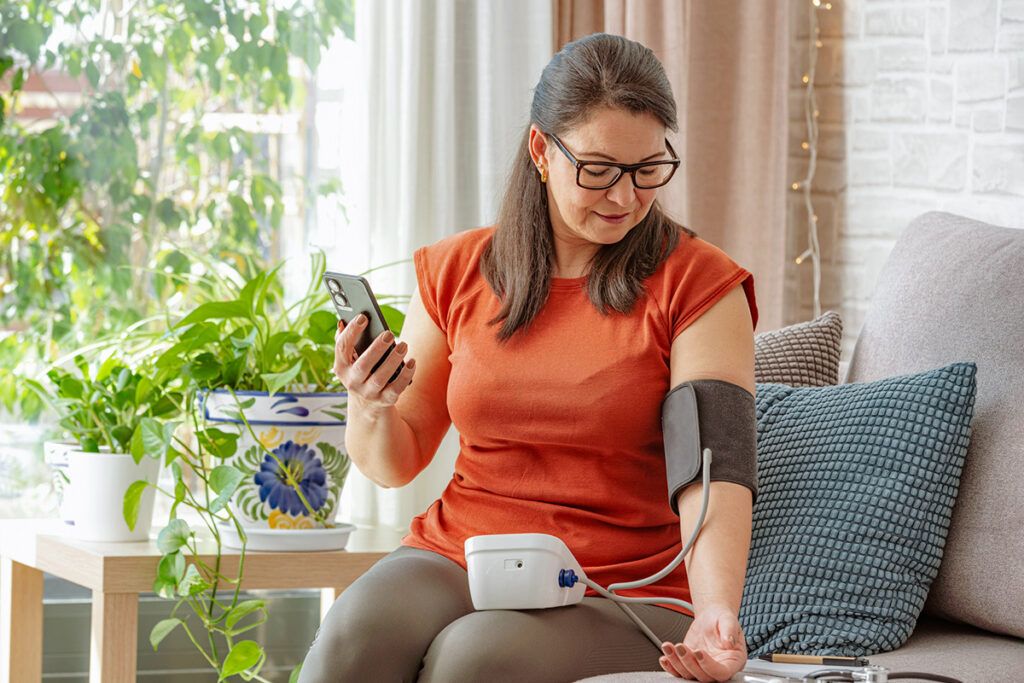
Woman taking blood pressure at home
Credit: © fcafotodigital/iStock

Advocate for Yourself

Your health concerns matter, and letting your doctor know about new or recurring symptoms can make all the difference. “You are your own best advocate,” Dr. Radachy says. “Notice a new rash or spot on your skin, unintentional weight gain or weight loss, abnormal swelling or masses, etc.? Don’t be afraid to speak up about your concerns so that potential issues can get addressed early.” This can lead to faster diagnosis and better outcomes — you know your body best.

Advertisement
Advertisement

Dr. Radachy also recommends monitoring your blood pressure, which is a key indicator of overall health. Many retail pharmacies offer free, self-service blood pressure kiosks for this purpose. Report any changes or consistently high readings to your doctor.

Doctor and patient in an appointment
Credit: © Getty Images/Unsplash.com

Know Your Medical History

As an emergency room doctor, Dr. Radachy sees it all while caring for very sick patients — often with very little information. There is an easy way to ensure you’re getting the care you need, whether you’re at the ER or getting a routine check-up: Know your medical history.

Advertisement
Advertisement

“Make a list of your medical problems, medications, and emergency contacts and keep it handy,” Dr. Radachy advises. This includes things like allergies, past surgeries, chronic illnesses, disabilities, prescription medications, and supplements. While electronic medical records are popular nowadays, the systems aren’t perfect, and document sharing can be delayed or unavailable.

A printed copy on your refrigerator can be invaluable for first responders, and carrying one in your wallet or purse ensures you’re prepared wherever you go. It’s a simple step that can save critical time and prevent confusion.

Advertisement
Advertisement
Gummy bears in hand
Credit: © Tim Samuel/Pexels.com

Remember: Everything in Moderation

When it comes to health, balance is key. “A discussion about health would not be complete without mentioning ‘everything in moderation,’” Dr. Radachy says. “It is certainly OK to indulge” in things like sweet treats or alcoholic beverages, he adds, “but everything must be done in moderation to avoid potential problems.”

Advertisement
Advertisement

Dr. Radachy notes that one worry with overindulgence is weight gain and obesity. “Obesity is a major problem in this country and brings with it its own host of complications,” he says. “It is a major cause of morbidity and mortality in older adults and is easily avoidable.”

Advertisement

The CDC estimates that more than two in five U.S. adults have obesity, and many of these adults have other serious chronic diseases, such as high blood pressure and diabetes. While obesity is a complex and costly disease, one of the best ways to prevent it is to consume healthy foods and beverages. Focus on nutrient-rich whole foods, stay mindful of portion sizes, and limit highly processed foods. Small daily changes tend to be more effective than strict dieting.

Advertisement
Advertisement
Man smoking
Credit: © Fellipe Ditadi/Unsplash.com

Stop Smoking

If there’s one habit doctors consistently urge people to quit, it’s smoking. “Cigarette smoking is probably the single worst thing you can do for your health,” Dr. Radachy says, adding that smoking is “directly linked to cardiovascular disease, stroke, and lung cancer.” In the U.S., adults ages 45 to 64 have the highest prevalence of cigarette smoking, according to the CDC.

Advertisement
Advertisement

The encouraging news is that the benefits of quitting are clear, regardless of your age or how long you’ve been smoking. They include an increased life expectancy of up to 10 years and a lower risk of 12 types of cancer. It’s not always easy to quit, but support is available through counseling and medications. Every step toward quitting is an important step toward better overall health.

Featured Image Credit: © cottonbro studio/Pexels.com

Advertisement
Advertisement

More From Our Network

Better Report is part of Inbox Studio, an email-first media company. *Indicates a third-party property.

Go Retro With This 1960s Fashion Quiz

Quiz Daily

Go Retro With This 1960s Fashion Quiz

True or False: Are You a Master of U.S. Geography?

Travel Quiz

True or False: Are You a Master of U.S. Geography?

5 Reasons You Can Be Denied Boarding an Airplane

Daily Passport

5 Reasons You Can Be Denied Boarding an Airplane

What Did People Do Before Eyeglasses?

History Facts

What Did People Do Before Eyeglasses?

How To Use a Balloon To Clean Up Dust

House Outlook

How To Use a Balloon To Clean Up Dust

11 Shopping Hacks Costco Members Should Know

FinanceBuzz*

11 Shopping Hacks Costco Members Should Know

Share this article

  • Share to Facebook
  • Share to Twitter
  • Copy Url
  • Share to Email
Rachel Gresh
Writer

Rachel Gresh is a Washington, D.C.-based freelance writer. When she's not writing, you can find her wandering a museum, exploring an unfamiliar city, or baking something new in the kitchen.

This article is for general informational purposes only.
Affiliate Disclaimer Medical Disclaimer Financial Disclaimer

Updated: December 15, 2023
Posted In: Health
Hero Image Credit: Better Report
Advertisement

Related Articles

How Old Are the Apples in the Grocery Store?

4 min read

How To Tell if You’re Brushing Your Teeth Too Hard

4 min read

5 Things To Ask Your Doctor About the New Flu Shot

5 min read

Is Sourdough Actually Healthier Than Regular Bread?

7 min read

Do You Really Need a Bidet in Your Home?

4 min read
Advertisement

Can Your Smartwatch Tell You If You Have This Condition?

Health | Updated: April 27, 2026
Kat Long
Author
Kat Long is a freelance science journalist in the Washington, D.C. area. Previously, she was the science editor at Mental Floss and a digital editor at National Geographic. She now writes the Arctic Archives newsletter on Substack. Kat spends her free time birdwatching, road-tripping to historical sites and perusing old manuscripts at libraries.
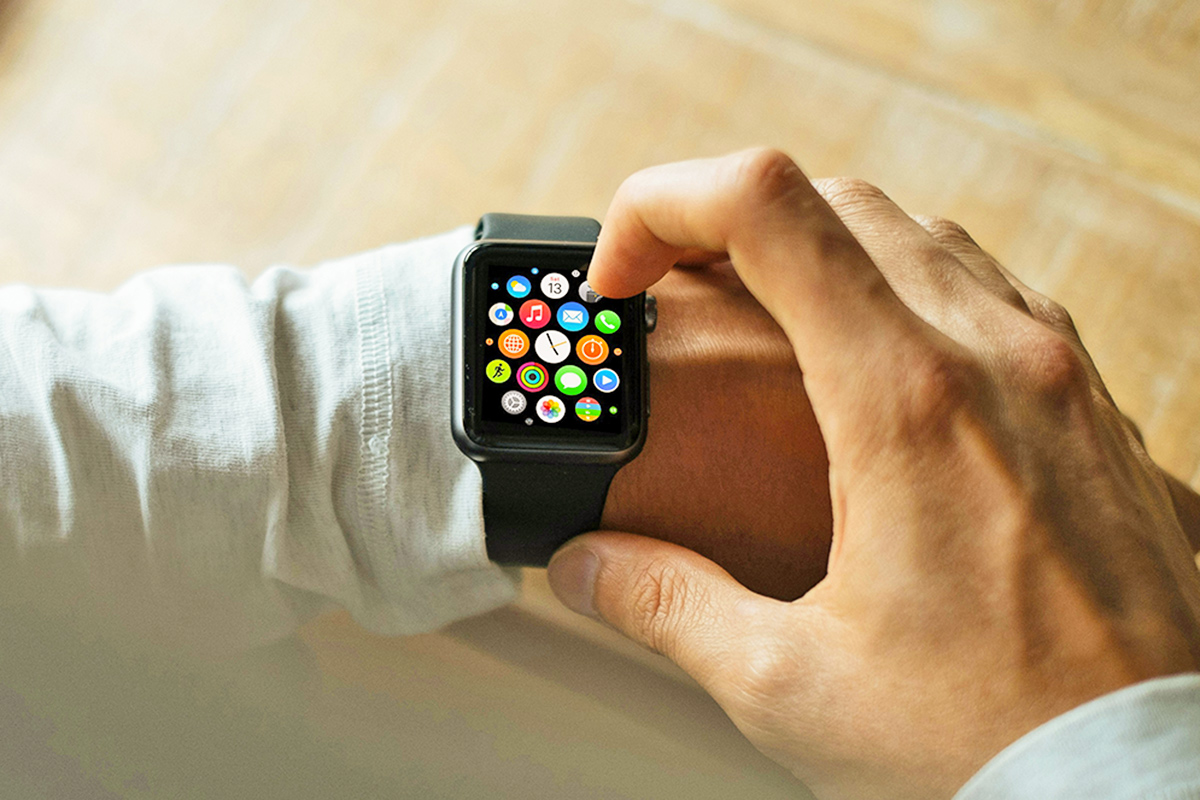
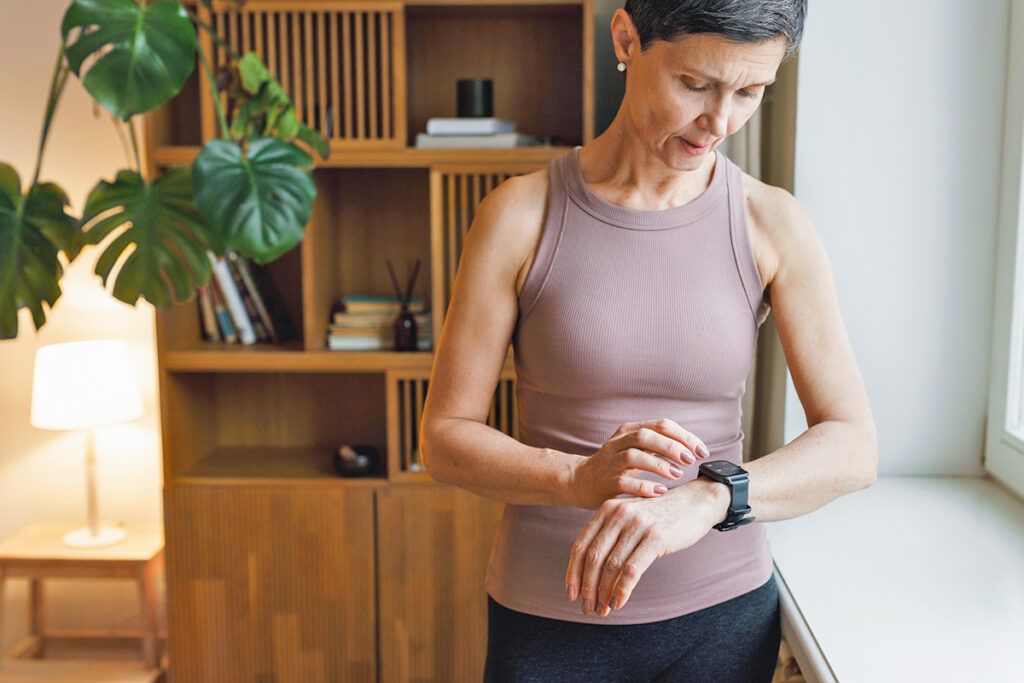
Image of smartwatch
Better Report

Smartwatches can produce an amazingly detailed picture of your overall health, from the number of steps you take each day to the quality of your sleep to your heart rate and blood oxygen level. And over the last few years, devices such as the Apple Watch, Samsung Galaxy Watch, and Fitbit have even incorporated sensors and apps that can pick up signs of a potentially dangerous heart condition. 

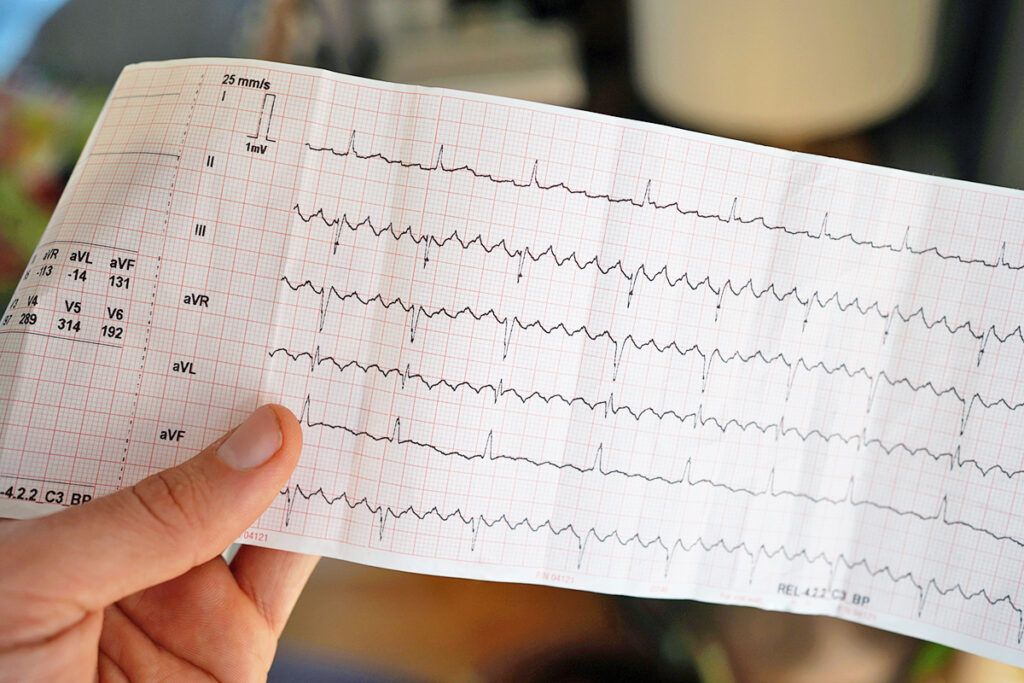
Afib on an ECG
Credit: © TG23/iStock

On Alert for A-Fib

Many smartwatches have the power to monitor your heart rhythm and identify possible atrial fibrillation (A-fib for short). 

Advertisement
Advertisement

A-fib is a serious chronic condition in which the electrical system that regulates your heartbeats gets disrupted. The misfired signals cause the atria, the two upper chambers of your heart, to pump blood irregularly. Pooled blood in the heart may form clots that can make their way to the brain and cause a stroke. People with A-fib are about five times more likely to experience a stroke than those without A-fib. 

People who have the condition may not know it because the irregular rhythms come and go unpredictably, and symptoms like dizziness, fatigue, feeling out of breath, and heart palpitations can be hard to identify as a heart problem. Doctors diagnose A-fib by taking an electrocardiogram (ECG) — the same heart rhythm test that smartwatches now offer — and treat it with blood-thinning medications or other interventions depending on the severity of your condition.

Close up of smartwatch
Credit: © Mikhail Nilov/Pexels.com

How Smartwatches Watch for Problems

If your smartwatch has these capabilities, it can alert you to signs of A-fib via irregular heart rhythm notifications and on-demand ECGs.

Recommended Articles

  • The Safety Rules for Candles You Probably Don’t Know

  • How Old Are the Apples in the Grocery Store?

  • How To Tell if You’re Brushing Your Teeth Too Hard

  • 5 Things Your Car Needs Before the First Freeze

Advertisement
Advertisement

Reader Favorites

  • Woman looking in fridge

    9 Foods You Should Toss ASAP if They’re Expired

  • Person eating salad

    7 Things a Chef Never Orders at a Restaurant

  • Cherry angioma

    Are the Tiny Red Dots on Your Skin Dangerous?

With the notifications enabled, the watch will periodically check your heart rhythm when it detects you have been sitting or resting for about 10 minutes. If it picks up an arrhythmia, it will send a notification and suggest you speak with your doctor. It’s important to note that the watches don’t continuously monitor for irregular rhythms and may not see every instance, so this function isn’t designed for people already diagnosed with A-fib (who are usually monitored continuously under a doctor’s care).

Advertisement

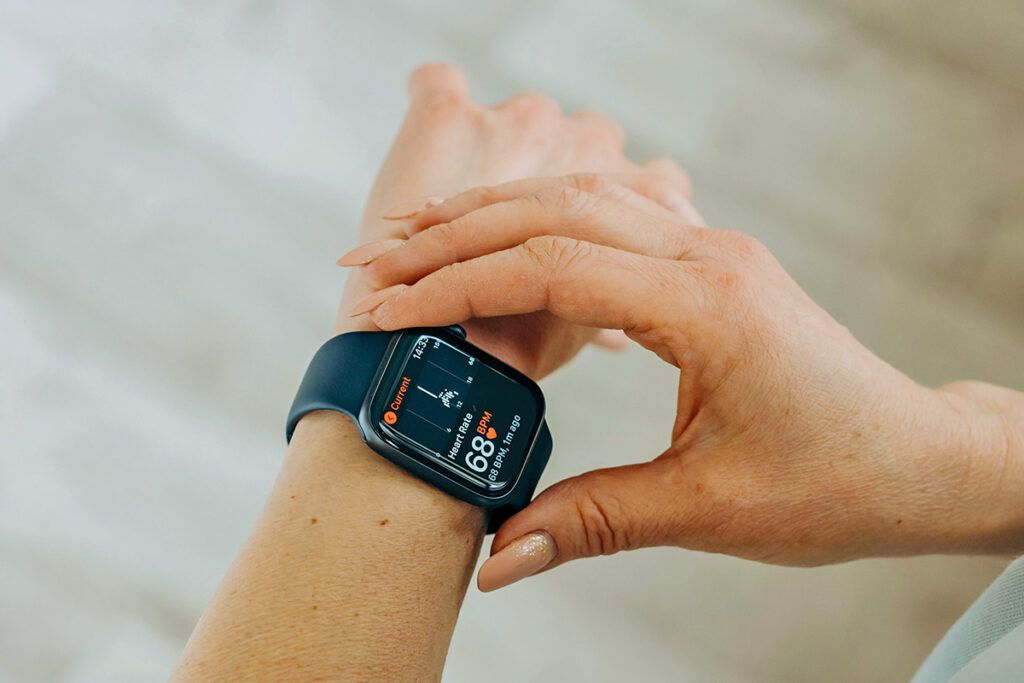
ECG apps on smartwatches let you capture your heart rhythm in real time. After downloading and linking the app on your phone and watch, you’ll be prompted to put the watch on your wrist, rest your arm on a flat surface, and press the sides of the watch with your other hand to initiate the ECG. The sensors on the watch pick up your heart’s electrical signals over 30 seconds or so and then provide a readout indicating regular (sinus) rhythm, an irregular rhythm suggestive of A-fib, or an inconclusive reading. The apps may give you the option to save your ECG as a PDF that can be emailed to your doctor. 

Advertisement
Advertisement

If your watch catches irregular rhythms repeatedly, take the hint and call your health care provider. That’s exactly what Florida resident Juan Ravelo did, and he ended up having an minimally invasive ablation procedure to correct his heart rhythm.

Woman checking smartwatch
Credit: © shurkin_son/iStock

A Few Caveats

Smartwatches aren’t foolproof. They might misdiagnose a rhythm or give you an inconclusive result if their sensors aren’t properly aligned with your skin. They could also give false alarms or detect legit but harmless irregularities. The smartwatch companies make it clear that the ECG apps look only for potential A-fib events — not for heart failure, blood clots, heart attack, or stroke, and they can’t assess your risk for these conditions. If you receive an ECG showing an irregular rhythm, have your doctor interpret the data and determine a treatment plan if necessary.

Advertisement
Advertisement

Featured Image Credit: © Luke Chesser/Unsplash.com

More From Our Network

Better Report is part of Inbox Studio, an email-first media company. *Indicates a third-party property.

Go Retro With This 1960s Fashion Quiz

Quiz Daily

Go Retro With This 1960s Fashion Quiz

True or False: Are You a Master of U.S. Geography?

Travel Quiz

True or False: Are You a Master of U.S. Geography?

5 Reasons You Can Be Denied Boarding an Airplane

Daily Passport

5 Reasons You Can Be Denied Boarding an Airplane

What Did People Do Before Eyeglasses?

History Facts

What Did People Do Before Eyeglasses?

How To Use a Balloon To Clean Up Dust

House Outlook

How To Use a Balloon To Clean Up Dust

11 Shopping Hacks Costco Members Should Know

FinanceBuzz*

11 Shopping Hacks Costco Members Should Know

Share this article

  • Share to Facebook
  • Share to Twitter
  • Copy Url
  • Share to Email
Kat Long
Writer

Kat Long is a freelance science journalist in the Washington, D.C. area. Previously, she was the science editor at Mental Floss and a digital editor at National Geographic. She now writes the Arctic Archives newsletter on Substack. Kat spends her free time birdwatching, road-tripping to historical sites and perusing old manuscripts at libraries.

This article is for general informational purposes only.
Affiliate Disclaimer Medical Disclaimer Financial Disclaimer

Updated: April 6, 2026
Posted In: Health
Hero Image Credit: Better Report
Advertisement

Related Articles

How Old Are the Apples in the Grocery Store?

4 min read

How To Tell if You’re Brushing Your Teeth Too Hard

4 min read

5 Things To Ask Your Doctor About the New Flu Shot

5 min read

Is Sourdough Actually Healthier Than Regular Bread?

7 min read

Do You Really Need a Bidet in Your Home?

4 min read
Advertisement

Why You Should Never Go To Bed With Wet Hair

Ali Eldridge
Health | Updated: April 27, 2026
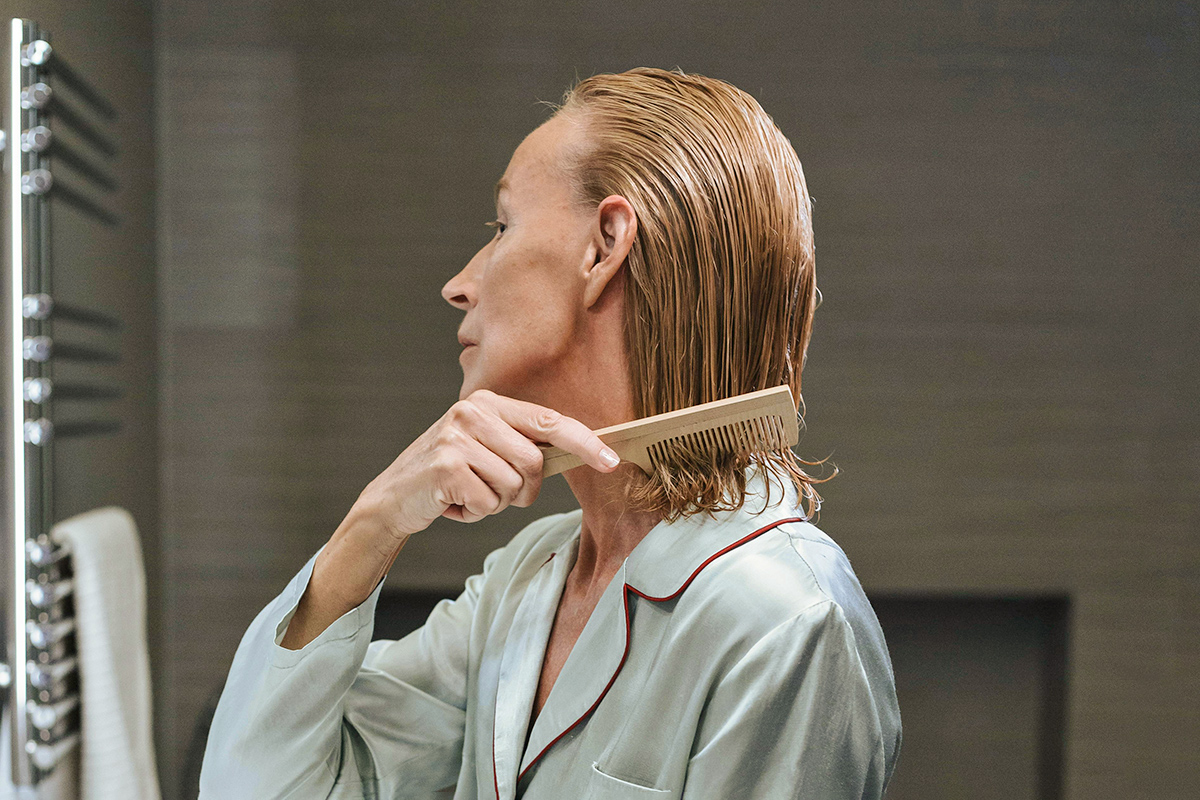
Woman brushing wet hair
Better Report

All featured products and deals are selected independently and objectively by the author. Better Report may receive a share of sales via affiliate links in content.

There are plenty of ways to save a few minutes as you go about your day. Meal prepping. Signing up for TSA PreCheck. Using the Pomodoro method. But while it might seem like a hack, going to bed with your hair wet and letting it dry while you snooze is, unfortunately, not one of them. It may be tempting — especially after a long day — but this practice does more harm to your hair, your skin, and your health than you might realize. 

Advertisement
Advertisement
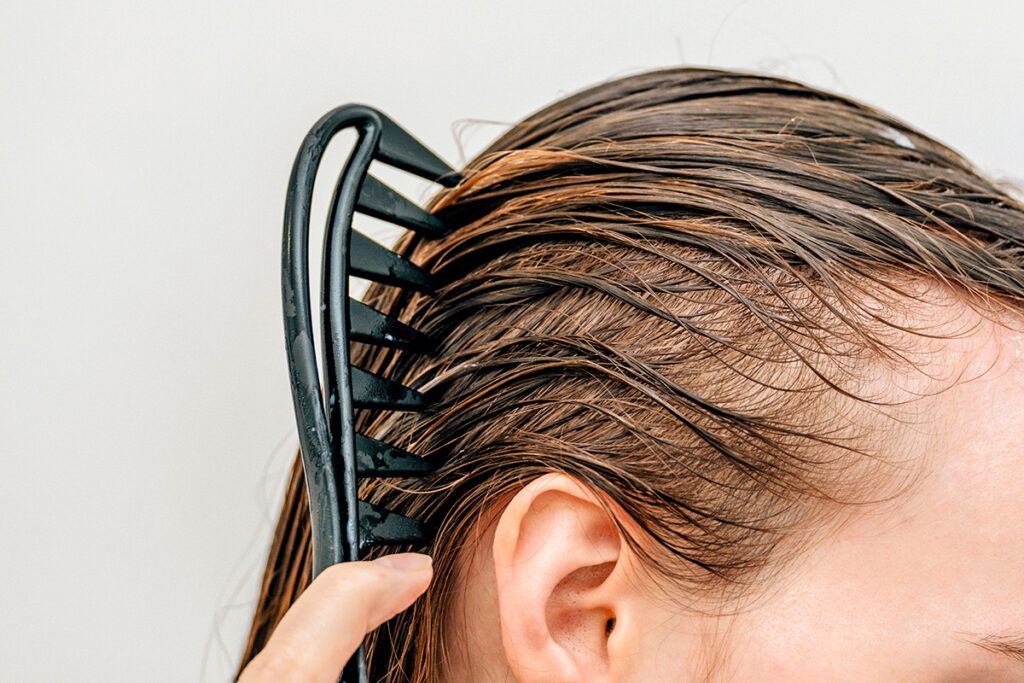
Person running comb through wet hair
Credit: © Dmitrii Shirnin/Unsplash.com

What’s So Bad About Going to Bed With Wet Hair?

“Don’t go to sleep with wet hair” sounds like an old wives’ tale — yet there is truth to it. One reason you shouldn’t do so is that you risk damaging your hair, which is most vulnerable when wet. “The cuticle is lifted, so it stretches more easily and breaks way faster,” says Erin Davis, scalp health educator and founder of the hair and skin care brand Erin & Mae Co.

Combine that with tossing and turning that happens while you sleep, and “you’re basically creating friction all night long,” she says. All of this movement can harm your luscious locks. 

But there’s more to fear than split ends. A damp environment puts your skin — including your scalp — at risk for infections. Davis says that the warm and damp environment created by wet hair  is the perfect atmosphere for “yeast and bacteria to grow,” which can lead to problems like “itchiness, flakes, or irritation.” You also increase your risk for folliculitis, a condition where pimple-like bumps appear on the scalp.

Recommended Articles

  • The Safety Rules for Candles You Probably Don’t Know

  • How Old Are the Apples in the Grocery Store?

  • How To Tell if You’re Brushing Your Teeth Too Hard

  • 5 Things Your Car Needs Before the First Freeze

Advertisement
Advertisement

Reader Favorites

  • Woman looking in fridge

    9 Foods You Should Toss ASAP if They’re Expired

  • Person eating salad

    7 Things a Chef Never Orders at a Restaurant

  • Cherry angioma

    Are the Tiny Red Dots on Your Skin Dangerous?

Anyone who goes to bed with wet hair could face these issues, but those with long or thick hair have increased risk. “[Long] hair holds moisture way longer, especially toward the mid-lengths and ends. So if you have long or thick hair, it’s likely staying wet for hours while you sleep,” Davis says. “Short hair usually dries faster, so the risk is lower, but your scalp is still sitting in that damp environment for a bit, so it’s not totally risk-free.” 

To make matters worse, the bacteria from your scalp can transfer to your pillowcase and end up on your face. “That moisture sits there overnight and can turn into a breeding ground for bacteria and yeast. Then you’re laying your face on it for hours,” Davis says. “This is one of those sneaky things that can contribute to breakouts or irritation, especially if you already have sensitive skin.”

Advertisement
Advertisement

Your pillowcase is also a haven for bacteria that can transfer to your head and scalp. One study showed that in just a week, pillowcases accumulated 3 million colony-forming units (CFUs) of bacteria per square inch — more than 17,000 times the CFUs on a toilet seat. 

Advertisement
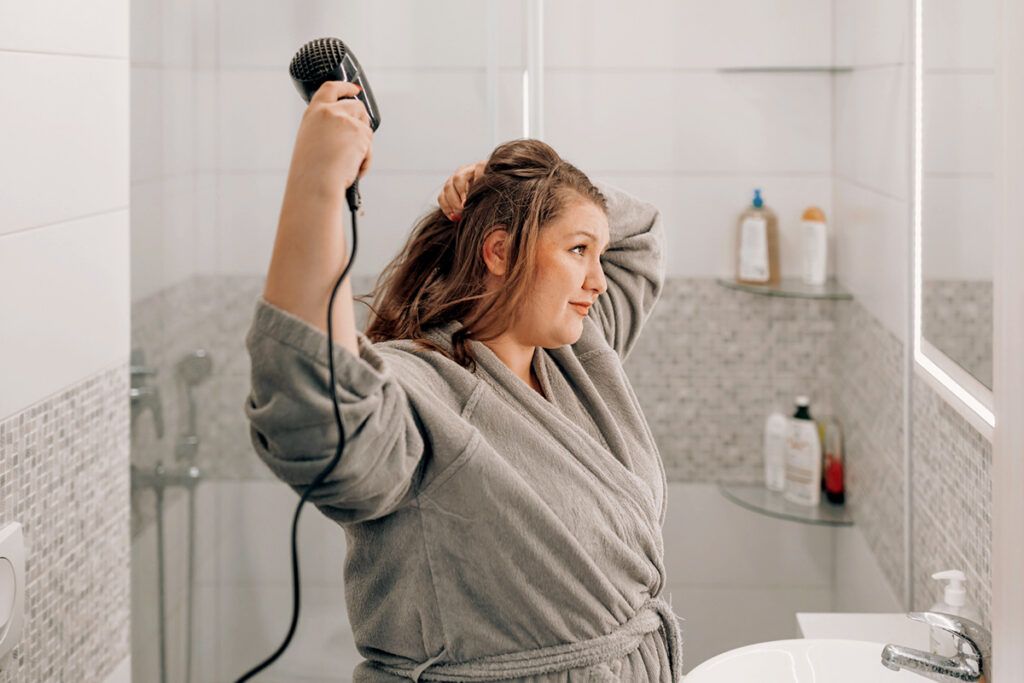
Woman blow drying hair
Credit: © RealPeopleGroup/iStock

What You Can Do If You Fall Asleep With Wet Hair

There’s no need to cut evening showers from your routine. Davis recommends hitting the hay with your hair at least 70% to 80% dry. Use a hair dryer — she recommends the CONFU Ionic Blow Dryer —  to blow dry your roots if needed. Braiding your hair will help reduce friction, and some experts also recommend picking up a silk pillowcase. 

Advertisement
Advertisement

If you can’t get your hair dry before bed, though, take comfort in the fact that a night or two of falling asleep with a wet head won’t do too much harm — it’s when it becomes a regular part of your routine that you may have problems. 

If you do end up falling asleep with wet hair, Davis recommends taking time in the morning to give your hair some TLC. “Gently detangle [your hair] starting from the ends,” she says. Then, give your scalp “a light massage to get circulation going” using your fingers or a massage brush. And don’t forget to swap out your pillowcase for a clean one — Davis recommends flipping your pillow nightly and changing your pillowcase every four days.

Advertisement
Advertisement

Feature Image Credit: © Ron Lach/Pexels.com

More From Our Network

Better Report is part of Inbox Studio, an email-first media company. *Indicates a third-party property.

Go Retro With This 1960s Fashion Quiz

Quiz Daily

Go Retro With This 1960s Fashion Quiz

True or False: Are You a Master of U.S. Geography?

Travel Quiz

True or False: Are You a Master of U.S. Geography?

5 Reasons You Can Be Denied Boarding an Airplane

Daily Passport

5 Reasons You Can Be Denied Boarding an Airplane

What Did People Do Before Eyeglasses?

History Facts

What Did People Do Before Eyeglasses?

How To Use a Balloon To Clean Up Dust

House Outlook

How To Use a Balloon To Clean Up Dust

11 Shopping Hacks Costco Members Should Know

FinanceBuzz*

11 Shopping Hacks Costco Members Should Know

Share this article

  • Share to Facebook
  • Share to Twitter
  • Copy Url
  • Share to Email
Ali Eldridge

This article is for general informational purposes only.
Affiliate Disclaimer Medical Disclaimer Financial Disclaimer

Updated:
Posted In: Health
Hero Image Credit: Better Report
Advertisement

Related Articles

How Old Are the Apples in the Grocery Store?

4 min read

How To Tell if You’re Brushing Your Teeth Too Hard

4 min read

5 Things To Ask Your Doctor About the New Flu Shot

5 min read

Is Sourdough Actually Healthier Than Regular Bread?

7 min read

Do You Really Need a Bidet in Your Home?

4 min read
Advertisement

What Your Earlobes Can Tell You About Your Heart Health

Health | Updated: April 27, 2026
Kat Long
Author
Kat Long is a freelance science journalist in the Washington, D.C. area. Previously, she was the science editor at Mental Floss and a digital editor at National Geographic. She now writes the Arctic Archives newsletter on Substack. Kat spends her free time birdwatching, road-tripping to historical sites and perusing old manuscripts at libraries.
Close up of earlobe with crease
Better Report

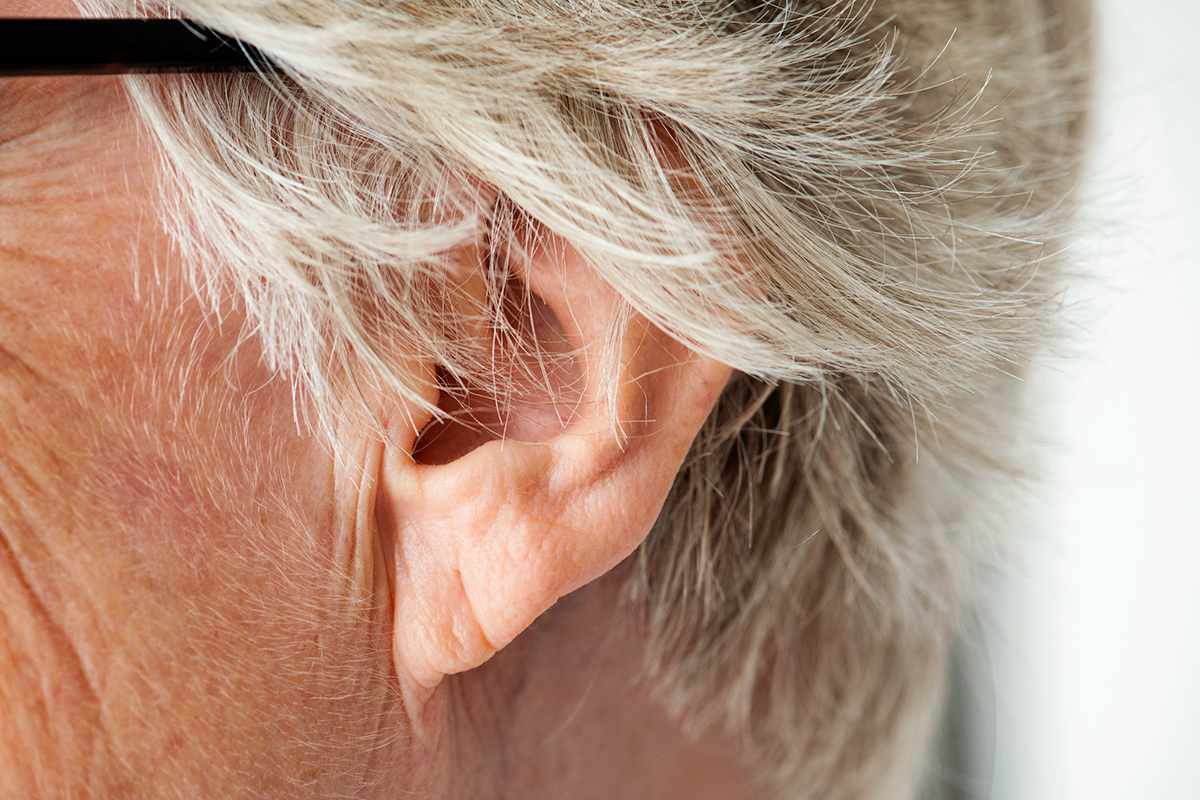
There are some body parts you probably don’t think about that often, like your eyebrows, or your tonsils, or your earlobes. But when it comes to the latter, you may want to reconsider. If your lobes have a particular feature, they could reveal important clues about your health — specifically, your potential for heart problems.  

Advertisement
Advertisement
Close up of ear with crease circled
Credit:© simarik/iStock

A Telltale Crease

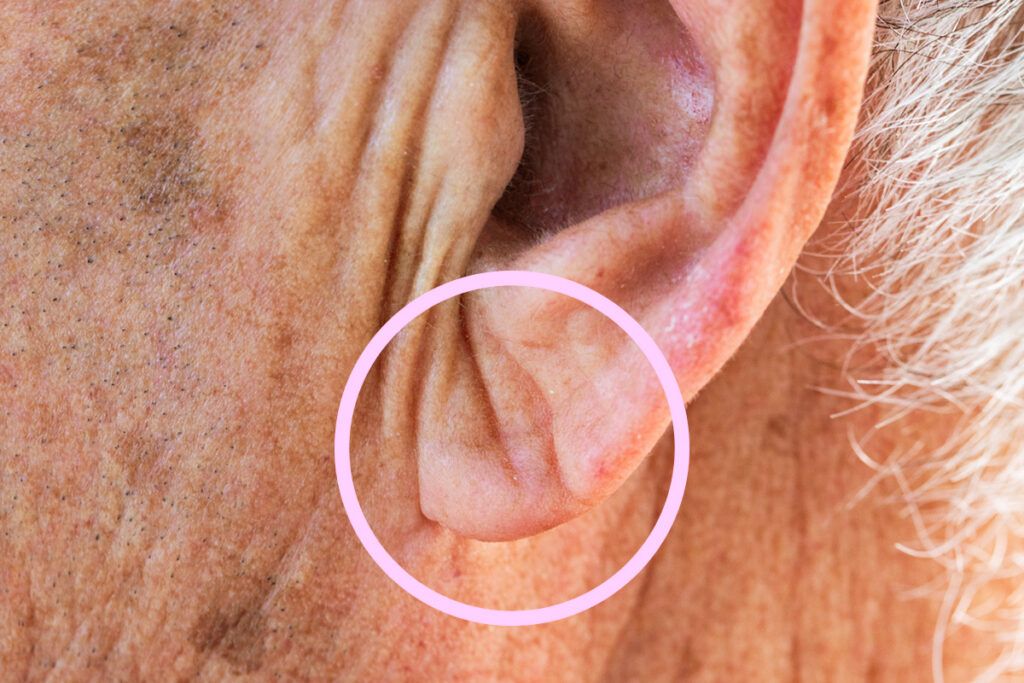
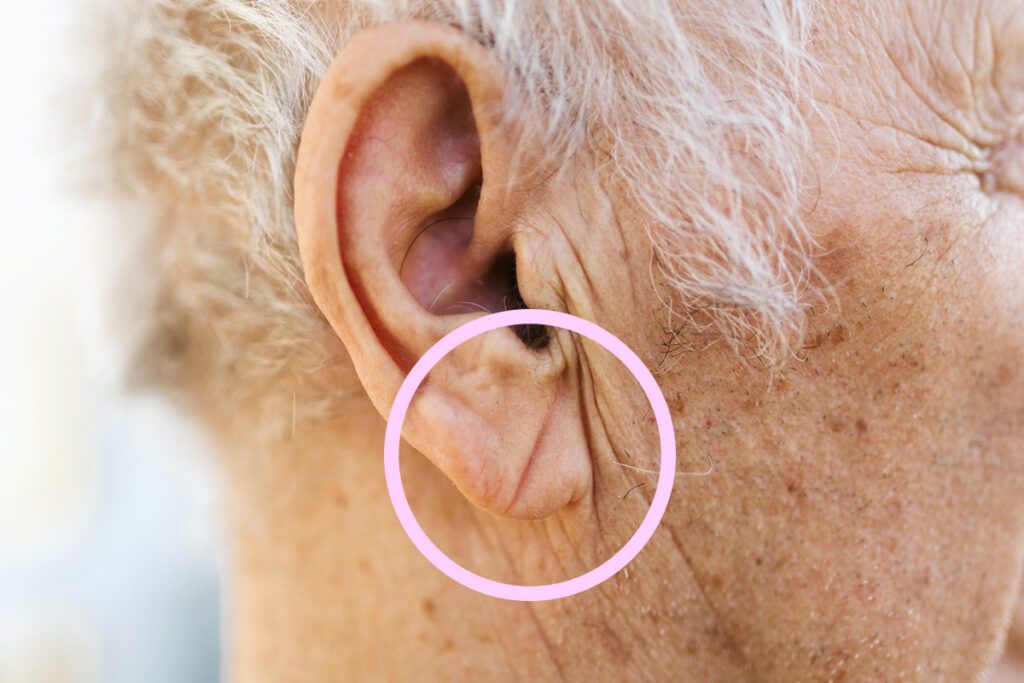
The feature to look for is a diagonal crease on the earlobes called Frank’s sign. It’s named for the pulmonologist who first described it in 1973 after noticing that his patients with symptoms of coronary artery disease also shared the telltale earlobe fold. 

Subsequent studies have shown a strong link between the presence of the crease and heart disease. An early investigation of the relationship found 47% of heart attack patients had Frank’s sign in one or both earlobes, compared to 30% of a control group, while a study conducted some 40 years later showed 43% of people with cardiovascular disease had Frank’s sign in both earlobes, compared to 29% of the controls.

Technically, Frank’s sign is a diagonal crease from the tragus, the little bump of cartilage above the earlobe, to the pinna, the lobe’s outer edge. Physicians categorize the crease into grades, from Grade 1 (a superficial wrinkle) to Grade 3 (a deep skin fold that covers the entire lobe). Some studies have found the crease’s grade, length, and other factors may relate to the severity of cardiovascular symptoms. 

Recommended Articles

  • The Safety Rules for Candles You Probably Don’t Know

  • How Old Are the Apples in the Grocery Store?

  • How To Tell if You’re Brushing Your Teeth Too Hard

  • 5 Things Your Car Needs Before the First Freeze

Advertisement
Advertisement

Reader Favorites

  • Woman looking in fridge

    9 Foods You Should Toss ASAP if They’re Expired

  • Person eating salad

    7 Things a Chef Never Orders at a Restaurant

  • Cherry angioma

    Are the Tiny Red Dots on Your Skin Dangerous?

Close up of ear with crease circled
Credit: © themacx/iStock

Let’s Be Frank

So, how does an obscure furrow in one’s earlobe often indicate disease in an entirely different body part? Researchers have a few theories. One is that the correlation comes from the fact that both the earlobe and heart are fed by terminal arteries; when blood flow in these arteries is obstructed, the resulting tissue damage shows up as Frank’s sign. Another theory suggests that the loss of elastic fibers in creased earlobes reflects a similar hardening in the heart’s tiniest blood vessels.

Advertisement
Advertisement

Researchers continue to debate whether Frank’s sign is a predictor of heart issues, a potential marker of heart disease in some but not all people, or a sign of premature biological aging. Frank’s sign and heart disease are both more common in older populations, so the crease may be more useful for pinpointing heart problems among people under 65.

Though its origins and significance are still a bit mysterious, Frank’s sign has been noticed for centuries. Sculpted busts of the Roman emperor Hadrian often reveal a deep crease in his outer ears, and Renaissance painters captured a crease in portraits of Cardinal Ludovico Trevisan and  members of the Medici family. Photos of General Robert E. Lee also show a fold across his right earlobe, and he frequently described heart disease-like symptoms in his letters.

Advertisement
Advertisement

Listen to Your Lobes

All of these studies show only correlations between Frank’s sign and cardiovascular conditions — they don’t prove that heart disease causes the crease, or vice versa. If you think you might sport Frank’s sign, researchers suggest mentioning it to your doctor and discussing your heart health. It also wouldn’t hurt to focus on preventing cardiovascular problems by eating a healthy diet, not smoking, getting enough quality sleep, and exercising regularly.

Advertisement
Advertisement

Featured Image Credit: © Rawpixel/iStock

More From Our Network

Better Report is part of Inbox Studio, an email-first media company. *Indicates a third-party property.

Go Retro With This 1960s Fashion Quiz

Quiz Daily

Go Retro With This 1960s Fashion Quiz

True or False: Are You a Master of U.S. Geography?

Travel Quiz

True or False: Are You a Master of U.S. Geography?

5 Reasons You Can Be Denied Boarding an Airplane

Daily Passport

5 Reasons You Can Be Denied Boarding an Airplane

What Did People Do Before Eyeglasses?

History Facts

What Did People Do Before Eyeglasses?

How To Use a Balloon To Clean Up Dust

House Outlook

How To Use a Balloon To Clean Up Dust

11 Shopping Hacks Costco Members Should Know

FinanceBuzz*

11 Shopping Hacks Costco Members Should Know

Share this article

  • Share to Facebook
  • Share to Twitter
  • Copy Url
  • Share to Email
Kat Long
Writer

Kat Long is a freelance science journalist in the Washington, D.C. area. Previously, she was the science editor at Mental Floss and a digital editor at National Geographic. She now writes the Arctic Archives newsletter on Substack. Kat spends her free time birdwatching, road-tripping to historical sites and perusing old manuscripts at libraries.

This article is for general informational purposes only.
Affiliate Disclaimer Medical Disclaimer Financial Disclaimer

Updated: April 6, 2026
Posted In: Health
Hero Image Credit: Better Report
Advertisement

Related Articles

How Old Are the Apples in the Grocery Store?

4 min read

How To Tell if You’re Brushing Your Teeth Too Hard

4 min read

5 Things To Ask Your Doctor About the New Flu Shot

5 min read

Is Sourdough Actually Healthier Than Regular Bread?

7 min read

Do You Really Need a Bidet in Your Home?

4 min read
Advertisement

Why Is Everyone Talking About Fiber?

Ali Eldridge
Health | Updated: April 8, 2026
Person putting lid on a jar of grains
Better Report

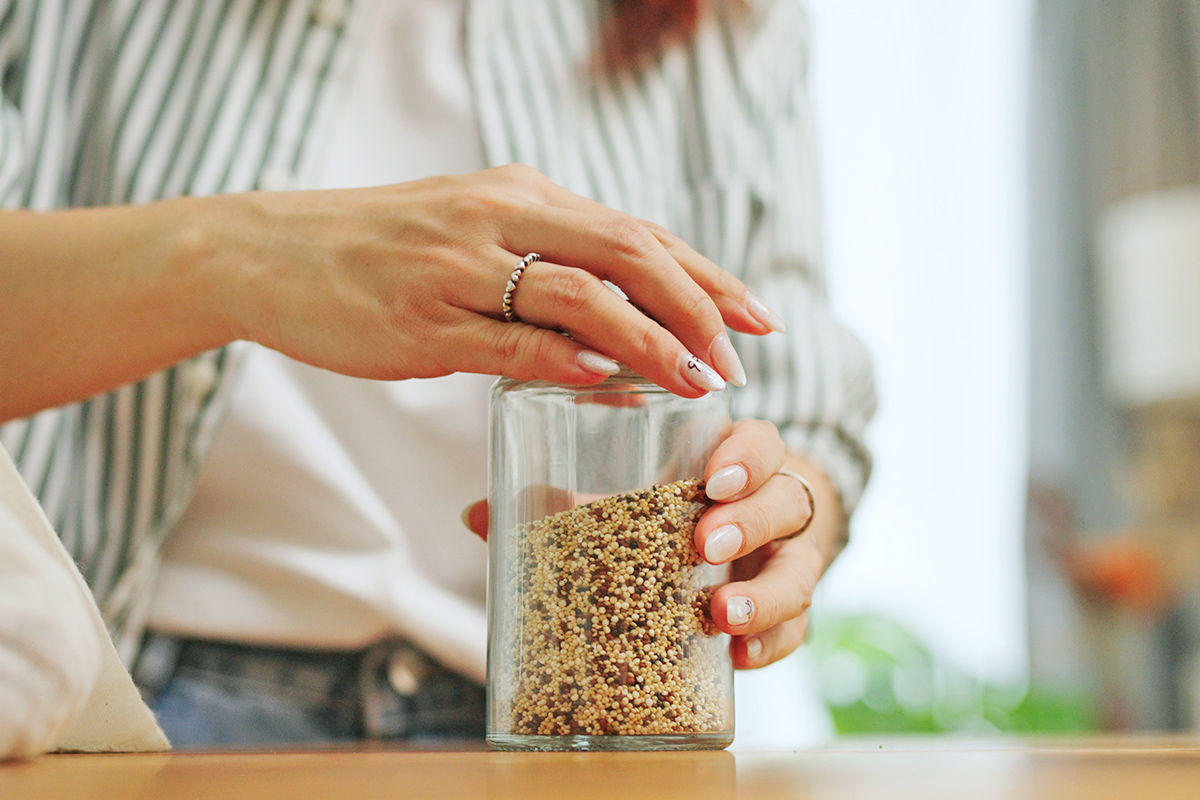
Fiber has become a nutrition buzzword lately, popping up everywhere from morning talk shows to grocery store labels. You’ve likely heard that fiber is good for you — but what exactly is it, and why does it matter? 

Dietary fiber, found in plant-based foods, plays a key role in digestive health. Beyond that, it supports overall wellness and may help reduce the risk of certain chronic diseases. Despite its importance, however, the American Society for Nutrition estimates that only 7% of adults meet daily fiber recommendations, leaving plenty of room for improvement. Here’s what you need to know about this essential nutrient and how to incorporate more of it into your diet.

Advertisement
Advertisement
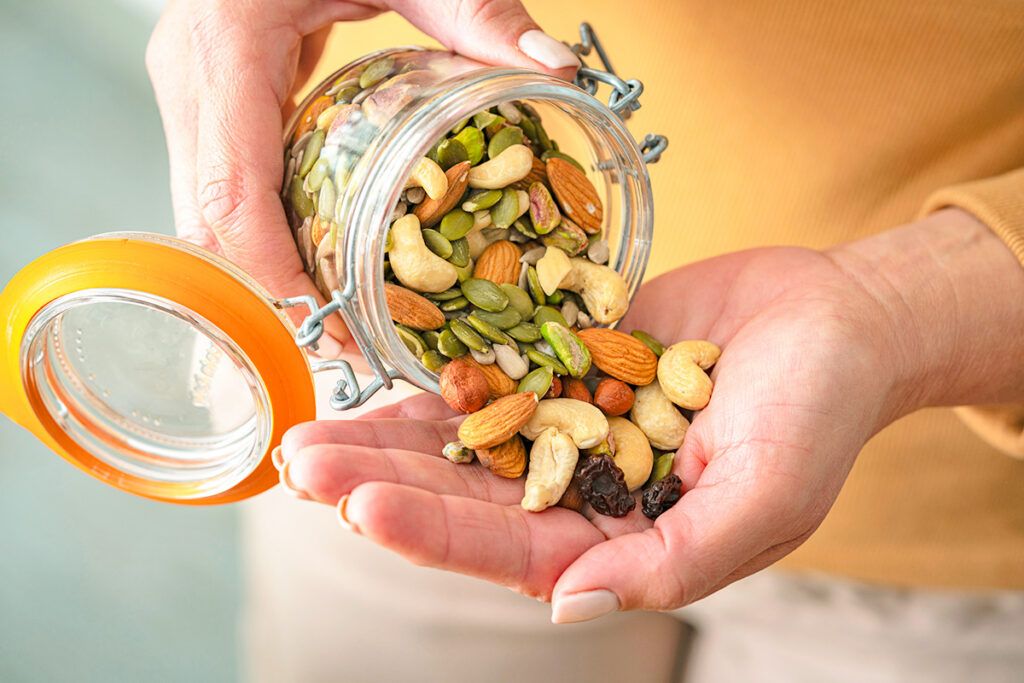
Person holding jar of nuts
Credit: © fcafotodigital/iStock

Why Is Fiber Important?

Dietary fiber is a type of carbohydrate found in the indigestible parts of plants. Unlike other nutrients, such as fats and proteins, fiber cannot be broken down or absorbed by the human body. Instead, it moves through the digestive tract, supporting several key functions along the way.

Recommended Articles

  • The Safety Rules for Candles You Probably Don’t Know

  • How Old Are the Apples in the Grocery Store?

  • How To Tell if You’re Brushing Your Teeth Too Hard

  • 5 Things Your Car Needs Before the First Freeze

Advertisement
Advertisement

Reader Favorites

  • Woman looking in fridge

    9 Foods You Should Toss ASAP if They’re Expired

  • Person eating salad

    7 Things a Chef Never Orders at a Restaurant

  • Cherry angioma

    Are the Tiny Red Dots on Your Skin Dangerous?

“[Fiber] aids in satiety because it adds bulk to your food without adding calories, can help reduce cholesterol, slows the spike of blood sugar from eating, and promotes gut health by providing food for your healthy gut bacteria,” Devon Kroesche, a registered dietitian nutritionist who specializes in women’s health, explains. Getting more fiber is also linked to overall longevity, including a decreased risk of heart disease and type 2 diabetes, according to the Mayo Clinic.

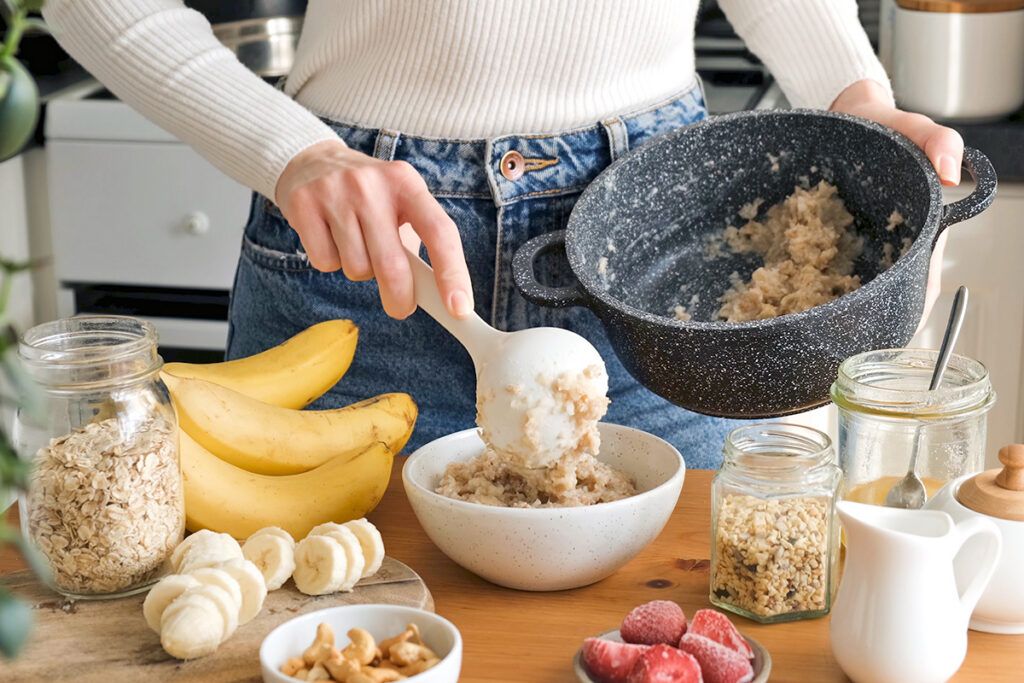
Person scooping oats into a bowl
Credit: © Arx0nt/iStock

What Are Some High-Fiber Foods?

There are two main types of dietary fiber: soluble and insoluble. Soluble fiber dissolves in water, forming a gel-like material that slows digestion. This can lower cholesterol and stabilize blood sugar levels. Kroesche recommends oats, bananas, and sweet potatoes as good sources of soluble fiber; peas, beans, apples, citrus fruits, and carrots are also excellent options.

Advertisement
Advertisement

Insoluble fiber, as its name suggests, does not dissolve in water. It helps move nutrients through the digestive system and adds bulk to stool, which can ease constipation. To increase your intake, focus on whole grains, nuts, seeds, and whole vegetables with skins.

It’s worth noting that many high-fiber plant foods contain both types of fiber, so variety is key to meeting your daily needs.

Advertisement
Advertisement
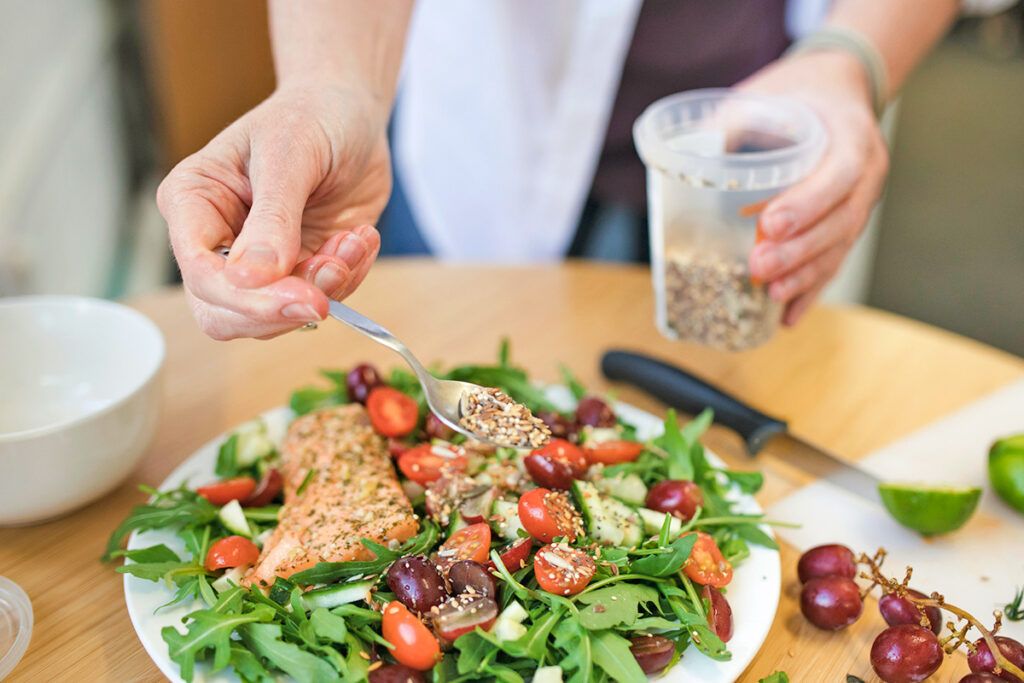
Person adding seeds to salad
Credit: © SolStock/iStock

What Are Some Easy Ways To Increase Fiber Intake?

Adding more fiber to your diet doesn’t have to be complicated. Amanda Callenberg, a London-based registered nutritional therapist specializing in gut health and IBS, offers several simple strategies: “Add an extra serving of vegetables to meals, include beans or lentils, swap to whole grains, and add nuts or seeds where you can.”

Advertisement
Advertisement

Why prioritize whole grains? Refined or processed foods are lower in fiber because the bran (the outer portion) is removed from the grain. This strips away nutrients, including fiber. Choosing whole-grain pastas, cereals, and breads allows you to retain those benefits without sacrificing taste. Similarly, removing skin or pulp from fruits and vegetables reduces fiber levels, so opt for whole foods whenever possible.

Advertisement
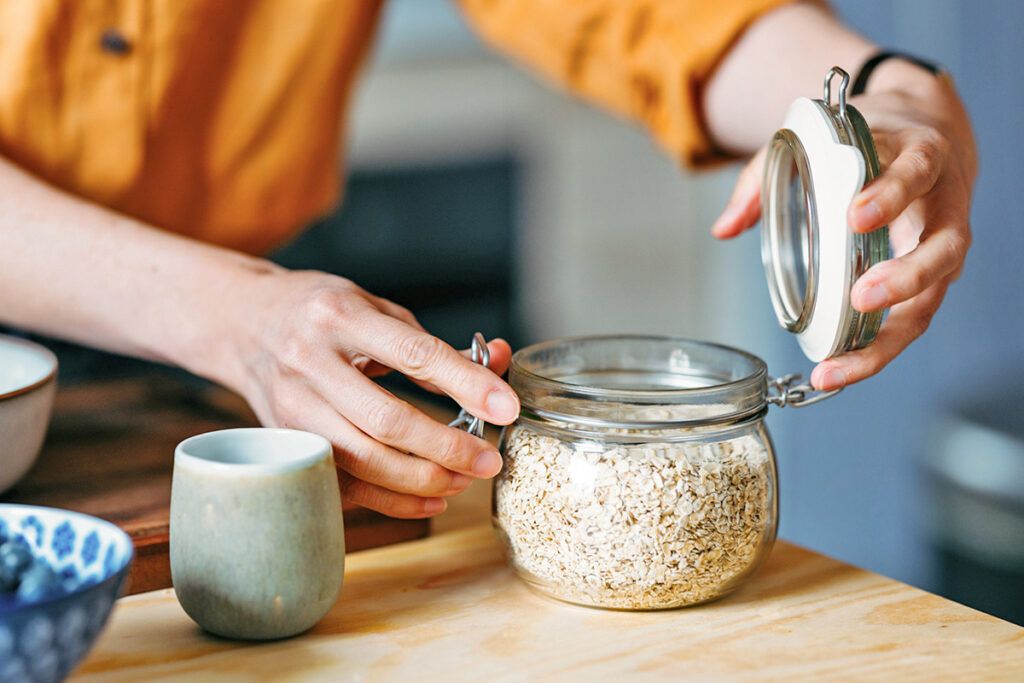
Person opening jar of oats
Credit: © FreshSplash/iStock

How Much Daily Fiber Do We Really Need?

A recent social media trend known as “fibermaxxing” encourages a very high daily fiber intake — but is there a limit? 

Advertisement
Advertisement

“There can be a misconception that more is always better when it comes to fiber,” Kroesche says. “In reality, we want just the right amount of fiber — not more or less.” Consuming too much fiber, she warns, can cause digestive discomfort or more serious issues, such as digestive tract blockages.

While there isn’t a strict upper limit to how much fiber you can consume, the Mayo Clinic recommends a daily goal of 25 grams of dietary fiber for women and 38 grams for men. As with all aspects of nutrition, these goals should be tailored to your health, including any current digestive issues, your age, and your activity level. Kroesche also recommends gradually increasing your daily intake by about 5 grams per week. “Your gut is a muscle and may need some time to adapt to a higher-fiber diet to prevent gas and bloating,” she says. 

Advertisement
Advertisement
Older man drinking water
Credit: © Pressmaster/iStock

Do Older Adults Need To Think About Fiber Differently?

Fiber is important at all stages of life, and according to Callenberg, “meeting those needs can become more challenging with age, as appetite and activity levels often decrease.” Other challenges older adults face include reduced stomach acid and slowed digestion, which may affect how well fiber is tolerated.

Advertisement
Advertisement

To reduce fiber-related digestive issues, focus on a consistent intake spread throughout the day and drink plenty of water to prevent blockages. Hydration and fiber efficacy go hand in hand.

Fiber needs also decrease slightly with age. The Mayo Clinic recommends a daily intake of 21 grams for women over 50 and 30 grams for men over 50. Meeting these targets — without overdoing it — can help you maintain digestive system balance.

Advertisement
Advertisement
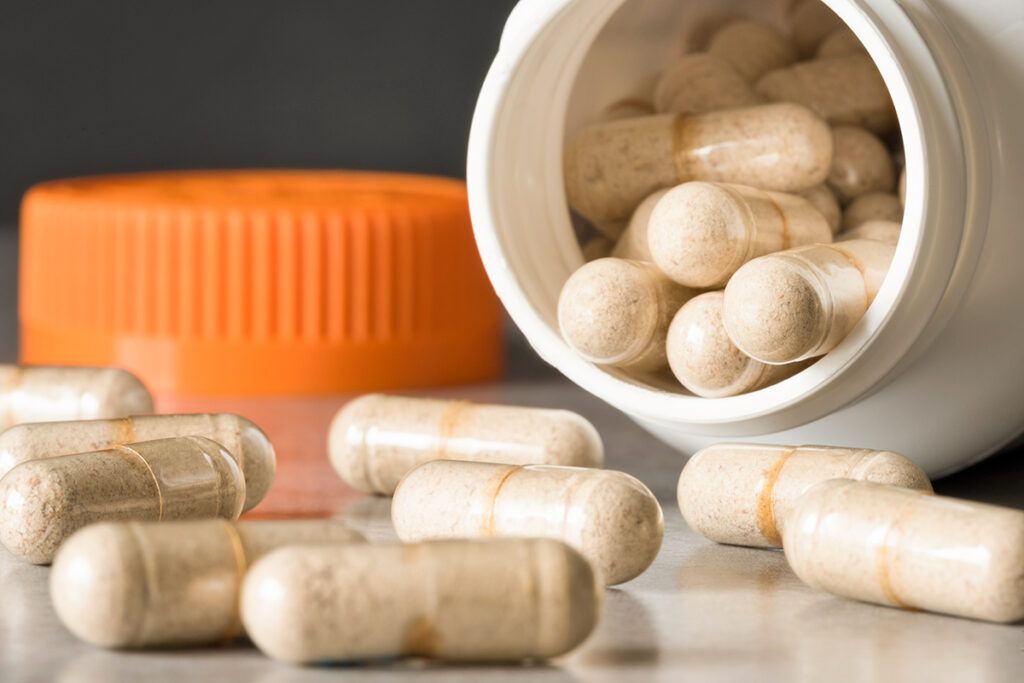
Fiber supplements
Credit: © Michelle/stock.adobe.com

Are Fiber Supplements as Effective as Whole Foods?

Fiber supplements can be helpful if you’re struggling to meet your needs through diet alone. However, whole foods are generally preferred. If you decide to start a fiber supplement, consult your doctor.

Advertisement
Advertisement

“Many other nutrients, such as vitamins and minerals, [are] contained in high-fiber foods,” Kroesche says. “Incorporating more of these foods often displaces less nutrient-dense foods,” such as processed foods. A whole-food-first approach not only supports digestion but also contributes to a more nourishing diet with long-lasting health benefits. 

Featured Image Credit: © Happy Kikky/iStock

More From Our Network

Better Report is part of Inbox Studio, an email-first media company. *Indicates a third-party property.

Go Retro With This 1960s Fashion Quiz

Quiz Daily

Go Retro With This 1960s Fashion Quiz

True or False: Are You a Master of U.S. Geography?

Travel Quiz

True or False: Are You a Master of U.S. Geography?

5 Reasons You Can Be Denied Boarding an Airplane

Daily Passport

5 Reasons You Can Be Denied Boarding an Airplane

What Did People Do Before Eyeglasses?

History Facts

What Did People Do Before Eyeglasses?

How To Use a Balloon To Clean Up Dust

House Outlook

How To Use a Balloon To Clean Up Dust

11 Shopping Hacks Costco Members Should Know

FinanceBuzz*

11 Shopping Hacks Costco Members Should Know

Share this article

  • Share to Facebook
  • Share to Twitter
  • Copy Url
  • Share to Email
Ali Eldridge

This article is for general informational purposes only.
Affiliate Disclaimer Medical Disclaimer Financial Disclaimer

Updated:
Posted In: Health
Hero Image Credit: Better Report
Advertisement

Related Articles

How Old Are the Apples in the Grocery Store?

4 min read

How To Tell if You’re Brushing Your Teeth Too Hard

4 min read

5 Things To Ask Your Doctor About the New Flu Shot

5 min read

Is Sourdough Actually Healthier Than Regular Bread?

7 min read

Do You Really Need a Bidet in Your Home?

4 min read
Advertisement

7 Things Getting More Expensive in 2026

Wealth | Updated: July 27, 2026
Rachel Gresh
Author
Rachel Gresh is a Washington, D.C.-based freelance writer. When she's not writing, you can find her wandering a museum, exploring an unfamiliar city, or baking something new in the kitchen.
Person counting money
Better Report

Many Americans are searching for ways to cut costs this year, and unfortunately, the prices of goods in some categories are rising much faster than in others. The good news: Some costs are leveling off. Egg prices, which surged following the bird flu outbreaks in 2022, were nearly 28% lower in June 2026 than in June 2025. Used-vehicle prices have also eased from their pandemic-era highs. But other categories still deliver sticker shock due to a complex web of global economic factors, domestic inflation, supply shortages, and tariffs. From dining out to streaming movies, here’s where Americans’ budgets are being stretched thin in 2026 — and why.

Advertisement
Advertisement
Person holding a fork eating a meal
Credit: © George Dagerotip/Unsplash.com

Restaurant Meals

Dining out is quietly becoming a luxury again. According to the Consumer Price Index (CPI), restaurant costs were up 3.4% in June 2026 compared to June 2025. In a press release in February, the National Restaurant Association forecast that both revenue and jobs will continue to grow in the restaurant industry this year, but noted that higher operating costs are squeezing profits.

Recommended Articles

  • The Safety Rules for Candles You Probably Don’t Know

  • How Old Are the Apples in the Grocery Store?

  • How To Tell if You’re Brushing Your Teeth Too Hard

  • 5 Things Your Car Needs Before the First Freeze

Advertisement
Advertisement

Reader Favorites

  • Woman looking in fridge

    9 Foods You Should Toss ASAP if They’re Expired

  • Person eating salad

    7 Things a Chef Never Orders at a Restaurant

  • Cherry angioma

    Are the Tiny Red Dots on Your Skin Dangerous?

Those costs — labor, rent, ingredients, and shipping — are typically passed on to restaurant-goers, forcing them to foot the bill. Another major consideration in the industry is uneven traffic. With consumer budgets becoming increasingly stretched, many Americans are cutting back on dining out.

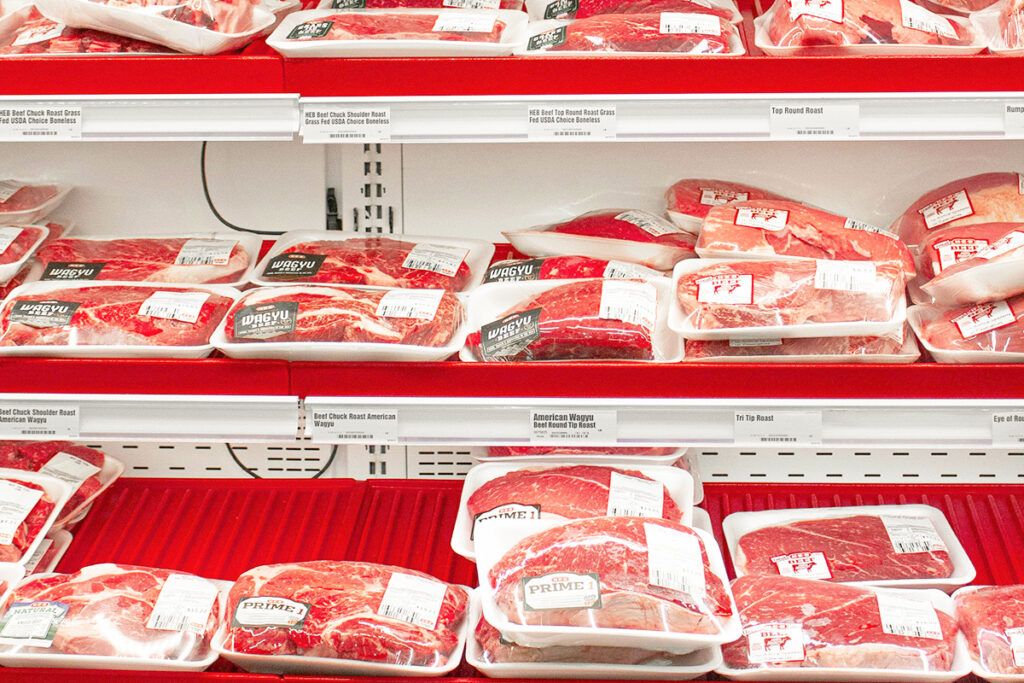
Meat in a grocery store
Credit: © S. Laiba Ali/Unsplash.com

Groceries: Beef and Sweets

Overall grocery inflation is up 2.7% in June 2026 compared to the previous year. Beef and veal prices are climbing significantly: They were 11.8% higher in June 2026 than in June 2025. This is due to high consumer demand and limited livestock supply, with the U.S. cattle herd at its lowest level since the 1950s. Droughts, cattle disease, and tariffs for imported beef also contribute to costs.

Advertisement
Advertisement

Sweets are another standout: They’re up 6.9% compared to June 2025. This increase is a spillover from 2025, due to a worldwide cocoa shortage, inflation, and tariffs. Other grocery categories expected to increase in 2026 include nonalcoholic beverages (projected to increase 3.9%), fresh vegetables (6.8%), and pork (1.6%), which all have higher prices than they did in June 2025.

Phones on a table
Credit: © Andrey Matveev/Unsplash.com

Electronics: Computers, Smartphones, and Gaming Consoles

Consumers are paying more to upgrade tech this year. One major factor is a global shortage of integrated circuit chips, the tiny devices on which RAM is stored. Manufacturers are shifting their business models, prioritizing high-performance memory to support AI data centers, which limits the supply of consumer-grade products for personal electronics. According to Counterpoint Research, memory prices increased by as much as 90% between Q4 of 2025 and Q1 of 2026.

Advertisement
Advertisement

As a result, prices for PCs, smartphones, tablets, smart TVs, and wearable tech such as smartwatches are expected to rise. In February 2026, research firm Gartner projected that PC prices would increase by 17% and smartphone prices by 13% by the end of 2026, compared to 2025 prices.

Woman rubbing her forehead looking at bill
Credit: © blackCAT/iStock

Utility Bills: Electricity and Gas

If you’ve noticed your monthly utility bills going up, you aren’t alone. Across the country, residents are experiencing price hikes for energy services, which, according to the CPI, rose about 3.9% nationally between June 2025 and June 2026. Electricity costs are up 4%.

Advertisement

The World Resources Institute notes that there’s no single cause for these rising costs. While data centers and AI are impacting some parts of the country, the increase is driven by a mix of factors: the effects of extreme weather on infrastructure, power grid upgrades, and fluctuations in the fossil fuel market.

Advertisement
Advertisement

Piped gas service costs, meanwhile, are up 3% over June 2025. Most of a household’s gas bill covers supply, distribution, and maintenance, which are affected by rising transportation costs and geopolitical events. In some parts of the country with aging infrastructure, new pipeline construction is further increasing consumer bills.

Person browsing Amazon's streaming offerings
Credit: © Kaspars Grinvalds/stock.adobe.com

Streaming Services: Netflix and Prime Video

Streaming services may no longer be a cheaper alternative to cable: Many at-home streaming services are raising their prices in 2026. Some of these price hikes are part of annual profit goals, while others reflect production costs, account sharing with friends and family, and ad-free upgrades. The trend has been dubbed “streamflation.”

Advertisement
Advertisement

Case in point: For the second time in one year, Netflix raised its subscription prices for all tiers. As of March 2026, costs had increased by $1 to $2 per month, ranging from $8.99 with ads to $26.99 for premium. Other video platforms raising their prices in 2026 include Prime Video, Paramount Plus, and Sling TV, as well as the audio streaming services Amazon Music and Spotify.

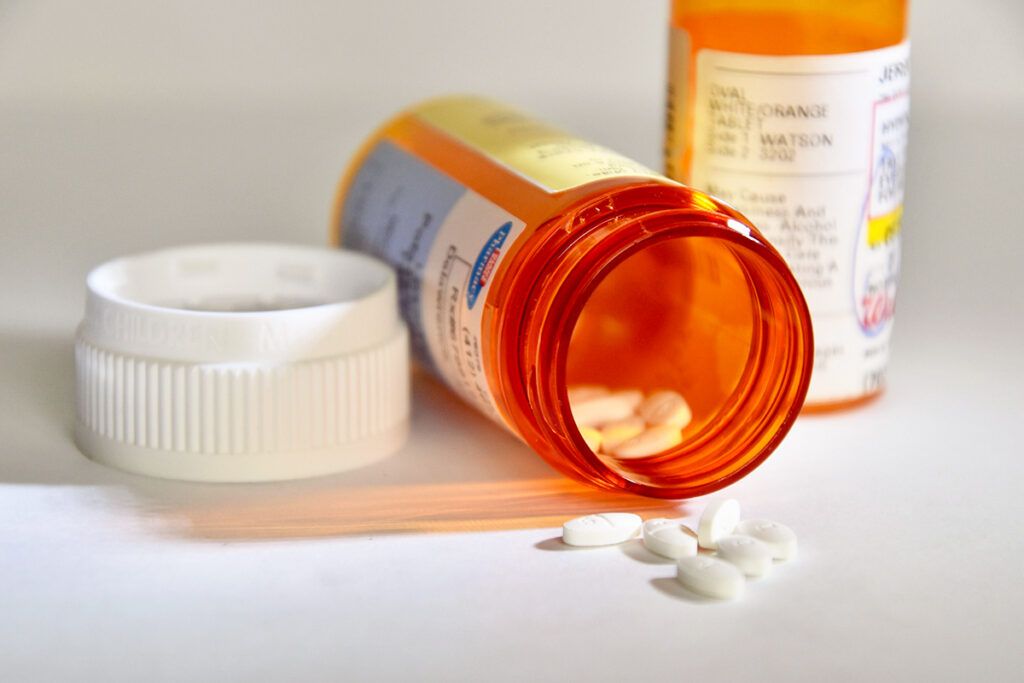
Medications spilling out of prescription bottles
Credit: Olga DeLawrence/unsplash.com

Prescription Drugs: Vaccines and Cancer Treatments

Medication costs continue to rise, even as policy changes try to limit out-of-pocket expenses. According to a recent price analysis, 872 brand-name medications saw price increases during the first two weeks of 2026, with a median increase of 4%. Some of these drugs included vaccines, cancer treatments, Type 2 diabetes medications, and cardiovascular disease treatments.

Advertisement
Advertisement

In a recent statement, drug manufacturer Pfizer noted that these price increases are necessary for research and development and to keep up with inflation and rising manufacturing and distribution costs. Other manufacturers have cited similar reasons. The changes drive up insurance premiums, and patients are facing higher out-of-pocket costs at the pharmacy as a result.

Health insurance application
Credit: © Annap/stock.adobe.com

Health Insurance Premiums

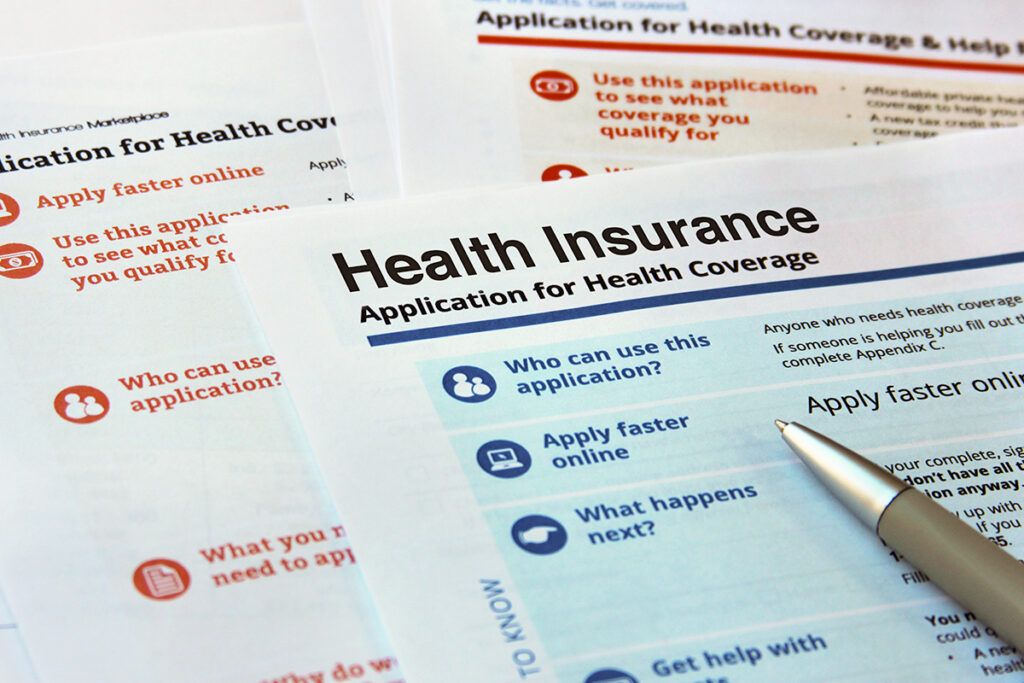
Most Americans will experience some increase in their health insurance costs in 2026, as the employer-sponsored insurance market is expected to see premium increases of 6% to 7%. An estimated 60% of Americans under 65 — roughly 165 million people — have employment-sponsored health insurance.

Advertisement

Meanwhile, Americans receiving health insurance through the Affordable Care Act (ACA) saw premiums increase by a median rate of 20%, largely because the ACA’s premium tax credits have expired. Premiums are expected to increase in 2027 as well.

Advertisement
Advertisement

The Harvard T.H. Chan School of Public Health notes that other increases contribute to rising health insurance costs, including prescription drugs, physician services, hospital care, and advanced diagnostics and therapies. While health care and other consumer price hikes can add up, staying aware of these trends can help households budget and adjust their spending for the year ahead. 

Featured Image Credit: © kaboompics/Pexels.com

More From Our Network

Better Report is part of Inbox Studio, an email-first media company. *Indicates a third-party property.

Go Retro With This 1960s Fashion Quiz

Quiz Daily

Go Retro With This 1960s Fashion Quiz

True or False: Are You a Master of U.S. Geography?

Travel Quiz

True or False: Are You a Master of U.S. Geography?

5 Reasons You Can Be Denied Boarding an Airplane

Daily Passport

5 Reasons You Can Be Denied Boarding an Airplane

What Did People Do Before Eyeglasses?

History Facts

What Did People Do Before Eyeglasses?

How To Use a Balloon To Clean Up Dust

House Outlook

How To Use a Balloon To Clean Up Dust

11 Shopping Hacks Costco Members Should Know

FinanceBuzz*

11 Shopping Hacks Costco Members Should Know

Share this article

  • Share to Facebook
  • Share to Twitter
  • Copy Url
  • Share to Email
Rachel Gresh
Writer

Rachel Gresh is a Washington, D.C.-based freelance writer. When she's not writing, you can find her wandering a museum, exploring an unfamiliar city, or baking something new in the kitchen.

This article is for general informational purposes only.
Affiliate Disclaimer Medical Disclaimer Financial Disclaimer

Updated: December 15, 2023
Posted In: Wealth
Hero Image Credit: Better Report
Advertisement

Related Articles

5 Things Your Car Needs Before the First Freeze

4 min read

6 Amazon Prime Day Hacks

6 min read

Is It Actually Better To Lease a Car?

9 min read

7 Free MIT Classes You Can Experience From Home

4 min read

The Bedroom Color That Adds $2,000 to Your Home Value

3 min read
Advertisement

Worried About Wrinkles? You Should Be Worried About This Instead

Health | Updated: February 17, 2026
Megan Rogers
Author
Based in Los Angeles, Megan blends over five years of publisher experience with a data-first approach to commerce content. She’s collaborated with leading commerce teams at Real Simple, Better Homes & Gardens, Reader’s Digest, and Taste of Home to name a few. When she’s not diving into product trends, you’ll find her exploring new adventures as a newlywed or spoiling her rescue dog, Ram Ram.
Better Report

As we age, it’s not just wrinkles we should worry about. We should be mindful of the gradual loss of hydration and elasticity that makes skin seem thinner, feel less firm, and look more uneven. As we age, collagen production slows, sebum production declines, and the outermost layers of the skin lose their ability to bounce back.

Everyday habits like taking hot showers can strip away the natural oils that help skin stay hydrated and support elasticity. When that protective layer is repeatedly stripped, it weakens the skin barrier, the outermost layer responsible for keeping moisture in and irritants out. Over time, a weakened skin barrier makes skin more reactive, dry, and vulnerable to sun damage, which is why dark spots also become more noticeable with age.

That’s why I’ve built my routine around ingredients that support both firmness and barrier health: Collagen peptides help counter the natural decline in collagen that begins in our 20s. As collagen and elastin fibers break down, skin loses firmness, and fine lines become more visible. Peptides provide amino acids that support collagen production and improve elasticity, which can help smooth and plump the look of skin over time. Think of them as building blocks that help reinforce the skin’s structure as natural collagen declines. Niacinamide (a form of vitamin B3) works differently but just as importantly. It strengthens the skin barrier, helps it retain moisture, improves uneven tone, and softens the appearance of pores and fine lines. It’s an ingredient that makes skin look healthier overall, not just younger.

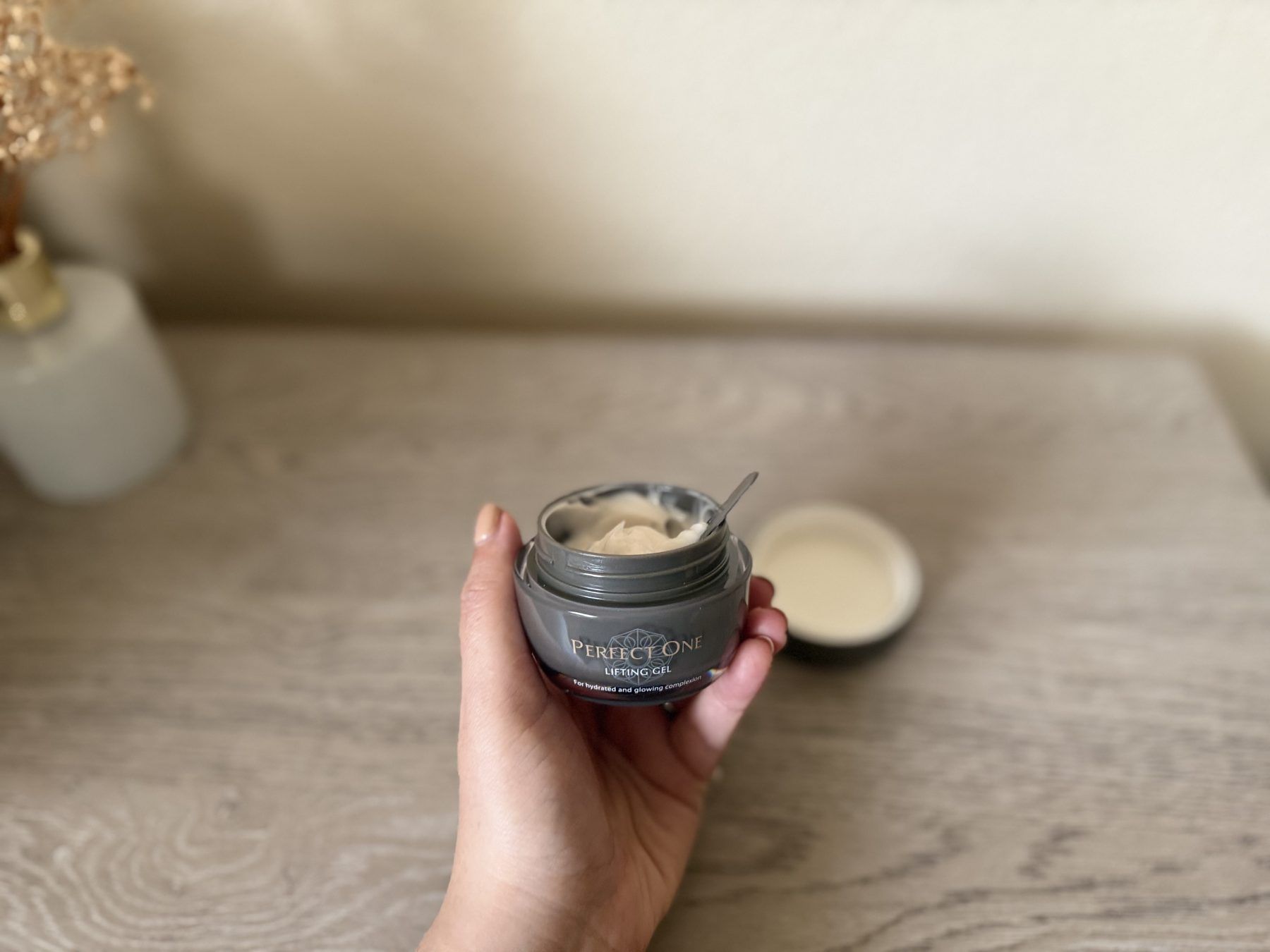
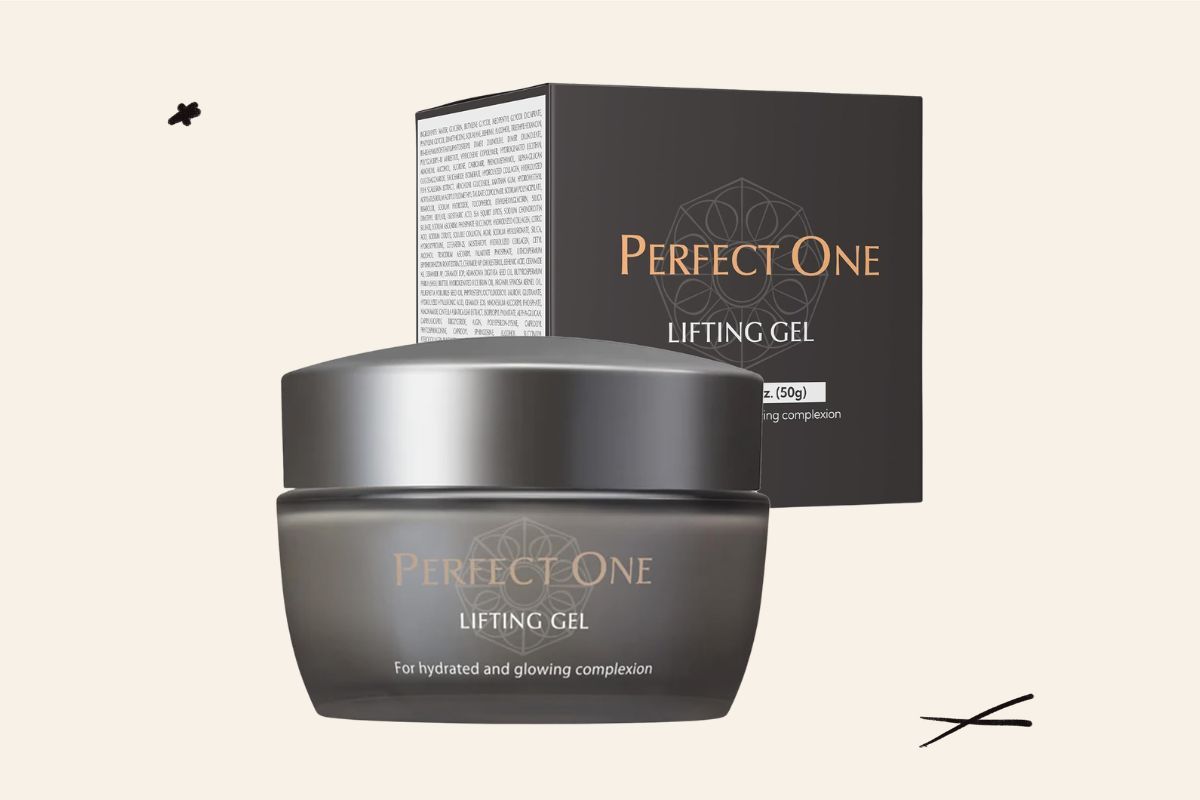
Perfect One Lifting Gel

BUY FOR $58 AT AMAZON

Lately, I’ve been using PERFECT ONE Lifting Gel, a Japan-made product with an all-in-one formula designed for mature skin. It combines the aforementioned ingredients, collagen peptides and niacinamide, with retinol, squalane, centella, and botanical extracts in one lightweight gel. I like applying it before bed because it moisturizes without feeling heavy. By morning, my skin looks “dewey” and smoother, especially in areas where fine lines tend to show first. On nights when I’m using stronger serums, I’ll alternate, but on simpler nights, this works as both my serum and moisturizer.

Advertisement

If your goal is to slow the visible signs of aging,  whether that’s fine lines or loss of elasticity, focusing on hydration, barrier support, and collagen-stimulating ingredients is a great place, I’ve found, to start.

Featured Image Credit: Galina Zhigalova / Getty Images

Advertisement
Advertisement

Related Articles

How Old Are the Apples in the Grocery Store?

4 min read

How To Tell if You’re Brushing Your Teeth Too Hard

4 min read

5 Things To Ask Your Doctor About the New Flu Shot

5 min read

Is Sourdough Actually Healthier Than Regular Bread?

7 min read

Do You Really Need a Bidet in Your Home?

4 min read
Advertisement

Constantly Sick? You Might Be Missing This Mineral

Ali Eldridge
Health | Updated: February 12, 2026
Better Report

If it feels like you’re always sick, your immune system may be more stressed than you realize. A constant sniffle, sore throat, or run-down feeling isn’t just inconvenient. Over time, these symptoms can become normal, but they’re often a sign that your body isn’t getting everything it needs to stay resilient and fight back the way it should.

One key mineral that’s often overlooked? Zinc. While vitamin C is commonly associated with immunity, a comprehensive review of different micronutrients found that while most vitamins didn’t significantly prevent colds or reduce symptom severity, zinc actually made folks feel better faster.

Advertisement
Advertisement

On average, people who took zinc shortened their colds by about 2.25 days. That may not sound like much, but, given most colds last seven days, cutting a few days off every cold can make a meaningful difference over the course of a year, especially if you’re someone who seems to catch everything. And zinc can play a role in preventing illness, too, by helping your thymus, a small but critical gland, produce and train the immune cells your body relies on to fight infections.

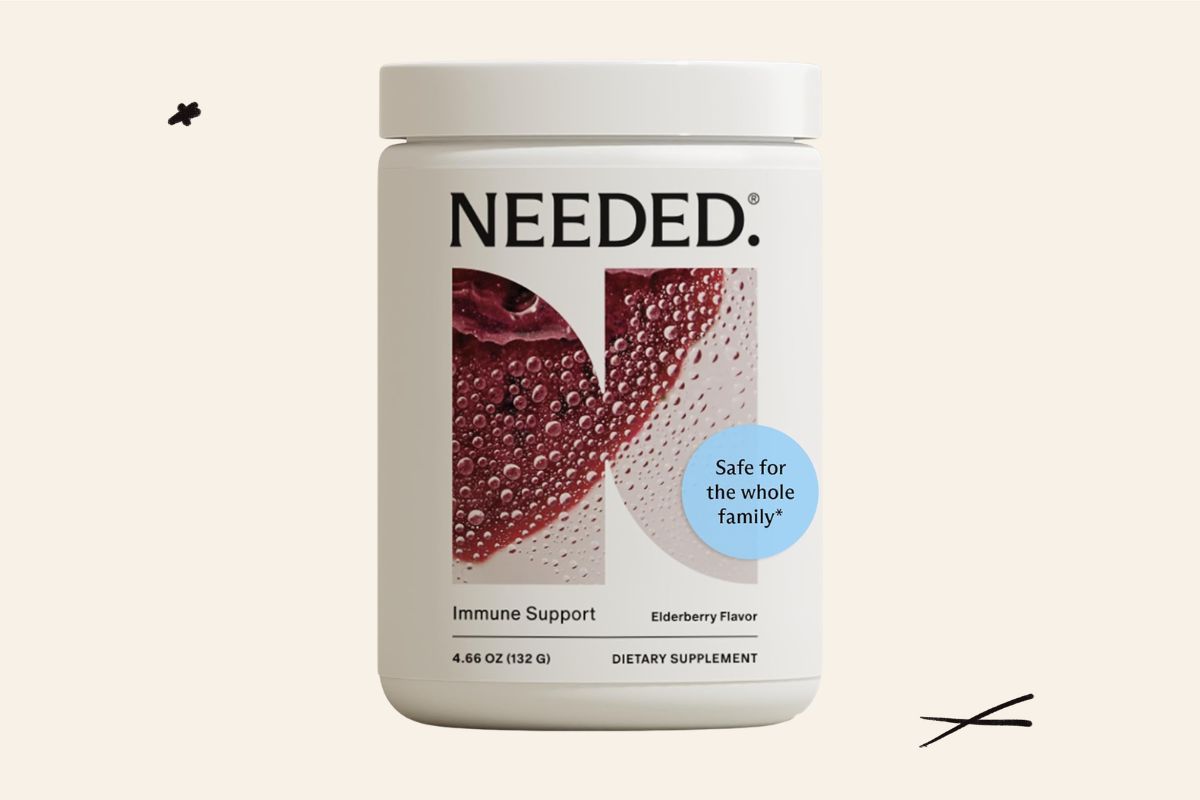
Needed. Immune Support Immunity Powder

BUY FOR $60 AT AMAZON

That’s why replenishing your zinc matters — even if the supplements are unsavory and astringent. Thankfully, there’s a powdered alternative that lets you replenish your supply no matter whether you’re at home or on the road. (The powder can successfully bypass TSA screenings.)

Recommended Articles

  • The Safety Rules for Candles You Probably Don’t Know

  • How Old Are the Apples in the Grocery Store?

  • How To Tell if You’re Brushing Your Teeth Too Hard

  • 5 Things Your Car Needs Before the First Freeze

Advertisement
Advertisement

Reader Favorites

  • Woman looking in fridge

    9 Foods You Should Toss ASAP if They’re Expired

  • Person eating salad

    7 Things a Chef Never Orders at a Restaurant

  • Cherry angioma

    Are the Tiny Red Dots on Your Skin Dangerous?

The Needed Immune Support Powder is an easy-to-mix, surprisingly delicious daily powder made with bioavailable zinc and other immune-supporting nutrients to help address common nutrient gaps. Instead of guessing whether you’re getting enough zinc, it offers a convenient way to support your body’s natural defenses without the metallic aftertaste. Elderberry is a slightly tart, slightly sweet fruit that’s reminiscent of other berries: blackberry, especially. This mix features monk fruit for added sweetness, though, so the tartness is not too overpowering. A serving size is two scoops, and there are 30 servings per container, which means there’s more than enough to go around when the entire house is sick, several times over

Featured Image Credit: Martinns/ iStock

More From Our Network

Better Report is part of Inbox Studio, an email-first media company. *Indicates a third-party property.
Go Retro With This 1960s Fashion Quiz

Quiz Daily

Go Retro With This 1960s Fashion Quiz

True or False: Are You a Master of U.S. Geography?

Travel Quiz

True or False: Are You a Master of U.S. Geography?

5 Reasons You Can Be Denied Boarding an Airplane

Daily Passport

5 Reasons You Can Be Denied Boarding an Airplane

What Did People Do Before Eyeglasses?

History Facts

What Did People Do Before Eyeglasses?

How To Use a Balloon To Clean Up Dust

House Outlook

How To Use a Balloon To Clean Up Dust

11 Shopping Hacks Costco Members Should Know

FinanceBuzz*

11 Shopping Hacks Costco Members Should Know

Share this article

  • Share to Facebook
  • Share to Twitter
  • Copy Url
  • Share to Email
Ali Eldridge

This article is for general informational purposes only.
Affiliate Disclaimer Medical Disclaimer Financial Disclaimer

Updated:
Posted In: Health
Hero Image Credit: Better Report
Advertisement

Related Articles

How Old Are the Apples in the Grocery Store?

4 min read

How To Tell if You’re Brushing Your Teeth Too Hard

4 min read

5 Things To Ask Your Doctor About the New Flu Shot

5 min read

Is Sourdough Actually Healthier Than Regular Bread?

7 min read

Do You Really Need a Bidet in Your Home?

4 min read
Advertisement

How to Tell If You’re Dehydrated Without a Doctor

Health | Updated: February 6, 2026
Julia Rittenberg
Author
Julia Rittenberg is a culture writer and content strategist driven by a love of good stories. She writes most often about books for Book Riot. She lives in Brooklyn with a ton of vintage tchotchkes that her cat politely does not knock over.
Better Report

We all remember from childhood science classes that the human body is made up of about 70% water. All of your organs need water to function. From your skin to your heart, your body runs on water. Hydration is crucial for a healthy lifestyle. Dehydration can lead to dizziness and confusion, and even more serious issues like kidney failure, heatstroke, and hypovolemic shock. There are a few obvious signs you need to hydrate, without having to make an appointment with a doctor.

Signs of Dehydration

If you’re having trouble hitting your daily water goals, there are a few signs of dehydration to look out for. The first sign is a dry mouth or dry-feeling tongue. This is a clear sign to refill your water bottle and start sipping. 

When you use the bathroom, your urine should be as close to clear as possible. Dark urine is a sign of poor hydration, and you should start rehydrating. However, taking multivitamins can also affect the color of your urine, so it’s not the only way to tell. 

Advertisement
Advertisement

Other common signs of dehydration include dizziness and headaches. If you start feeling faint, it’s best to sit down and start slowly sipping water. 

The Skin Turgor Test

Shelley Balls, MDA, RDN, LDN, a registered dietitian and nutritionist for WOWMD, also recommends the skin turgor test. “Skin turgor” is the ability of your skin to stretch and bounce back. Without enough water, your skin starts to lose elasticity. To do the test, pinch a part of your skin and see if it stays tented from the pinch. If it instantly goes back, you’re likely ok, but if your skin stays lifted, that’s a sign of dehydration. Shelley also notes, “The best location of skin to test dehydration status is over your breastbone or on your forehead as these areas maintain better skin elasticity even with age.” 

Advertisement

Rehydration 

To stay hydrated, divide your body weight by two and drink that number of ounces. “If you weigh 160 pounds, aim for 80 ounces,” says Kristie Alicea, founder of ABC Fit Collective. To rehydrate effectively, you should start with slow sips of water. Chugging water will likely make you feel worse. You can also work foods with high water content into your diet, like watermelon and cucumber. 

In general, you should eat more foods with potassium and magnesium to help your body absorb the water you’re drinking. If you continue to feel chronically under-hydrated, limiting the amount of alcohol you drink and avoiding extremely sweaty workouts will help as well. 

Recommended Articles

  • The Safety Rules for Candles You Probably Don’t Know

  • How Old Are the Apples in the Grocery Store?

  • How To Tell if You’re Brushing Your Teeth Too Hard

  • 5 Things Your Car Needs Before the First Freeze

Advertisement
Advertisement

Reader Favorites

  • Woman looking in fridge

    9 Foods You Should Toss ASAP if They’re Expired

  • Person eating salad

    7 Things a Chef Never Orders at a Restaurant

  • Cherry angioma

    Are the Tiny Red Dots on Your Skin Dangerous?

Exercise and Hydration 

If you lead an active lifestyle, hydration is critical. Kristie Alicea is also a certified personal trainer and advises tailoring your hydration habits to your exercise routine. “On days with intense activity, I recommend increasing [water intake] to 100 ounces or adding about 20 percent to your usual amount,” she says. Kristie also offers tips on how to hydrate effectively during different types of workouts. “If you’re lifting, sip between sets. On a cardio machine, drink during your rest periods. In a yoga class, drink between flows.” 

You should pre-plan your hydration for high-intensity workouts. Drinking water with electrolytes or hydration aids like Liquid IV will help you stay hydrated. You should also plan to hydrate more than you usually do if you’re traveling to a location with a higher altitude than you’re accustomed to.  

Advertisement
Advertisement

Pregnancy and Hydration 

Pregnant people have a special interest in hydration. In addition to keeping themselves hydrated, they’re adding to the amniotic fluid for the growing fetus and ensuring the future healthy production of breast milk. 

If you’re pregnant, you should watch out for the regular signs of dehydration, but also for muscle cramps. Again, you can rehydrate by taking small sips of water slowly and relaxing for a bit. 

Advertisement

Featured Image Credit: Valeriy_G/ iStock

More From Our Network

Better Report is part of Inbox Studio, an email-first media company. *Indicates a third-party property.
Go Retro With This 1960s Fashion Quiz

Quiz Daily

Go Retro With This 1960s Fashion Quiz

True or False: Are You a Master of U.S. Geography?

Travel Quiz

True or False: Are You a Master of U.S. Geography?

5 Reasons You Can Be Denied Boarding an Airplane

Daily Passport

5 Reasons You Can Be Denied Boarding an Airplane

What Did People Do Before Eyeglasses?

History Facts

What Did People Do Before Eyeglasses?

How To Use a Balloon To Clean Up Dust

House Outlook

How To Use a Balloon To Clean Up Dust

11 Shopping Hacks Costco Members Should Know

FinanceBuzz*

11 Shopping Hacks Costco Members Should Know

Share this article

  • Share to Facebook
  • Share to Twitter
  • Copy Url
  • Share to Email
Julia Rittenberg
Writer

Julia Rittenberg is a culture writer and content strategist driven by a love of good stories. She writes most often about books for Book Riot. She lives in Brooklyn with a ton of vintage tchotchkes that her cat politely does not knock over.

This article is for general informational purposes only.
Affiliate Disclaimer Medical Disclaimer Financial Disclaimer

Updated: September 26, 2024
Posted In: Health
Hero Image Credit: Better Report
Advertisement

Related Articles

How Old Are the Apples in the Grocery Store?

4 min read

How To Tell if You’re Brushing Your Teeth Too Hard

4 min read

5 Things To Ask Your Doctor About the New Flu Shot

5 min read

Is Sourdough Actually Healthier Than Regular Bread?

7 min read

Do You Really Need a Bidet in Your Home?

4 min read
Advertisement

10 Surprising Tips for Better Sleep

Health | Updated: February 6, 2026
Laura Falin
Author
Laura Falin is a freelance writer in Colorado who has written for Business Insider, BabyCenter, Colorado Parent Magazine, and more. She's an avid hiker who loves getting outdoors and taking ridiculously long road trips with her family.
Better Report

All featured products and deals are selected independently and objectively by the author. Better Report may receive a share of sales via affiliate links in content.

Most of us know that a good night’s sleep is important to our overall health. Along with eating a nutrient-rich diet and exercising, it’s important that we get between seven and nine hours of sleep each night. It’s easy to say that everyone should get plenty of rest. But it can be hard to actually achieve that. Lots of us struggle to fall asleep or constantly wake up at night. Since we know we should be asleep, we can even make our insomnia worse by worrying about it. Take a deep breath. Relax. And try some of these tips the next time you have trouble falling — or staying — asleep. 

Keep Your Room Cooler Than You Think

I usually pile on the blankets because it’s chilly when I go to bed, only to kick them all off while sweltering in the middle of the night. The Cleveland Clinic recommends keeping your bedroom between 60 and 67 degrees Fahrenheit for optimal sleep and to avoid this temperature seesaw. 

One strange trick to keep your body temperature down is to try sleeping with socks on. Although there aren’t any real high-quality studies that prove it, some sleep scientists say that this could lower your core body temperature. If you’re desperate for sleep, it can’t hurt to try and see if it works for you. 

Advertisement
Advertisement

Get Bright, Natural Light Early in the Day

Artificial light later in the evening messes up our circadian rhythms. But getting light in the morning can help us set our natural sleep timing earlier and improve our overall sleep quality. If you live in an area that doesn’t get natural light early in the day during winter, try a light therapy lamp or alarm to wake you up in the morning. 

Keep a Journal

If your brain keeps spinning after you lie down to sleep, try journaling. Spend some time before bed writing down your worries, tasks to do the next day, or other things you find yourself ruminating on, so you can rest knowing you’ve dealt with your concerns.

Recommended Articles

  • The Safety Rules for Candles You Probably Don’t Know

  • How Old Are the Apples in the Grocery Store?

  • How To Tell if You’re Brushing Your Teeth Too Hard

  • 5 Things Your Car Needs Before the First Freeze

Advertisement
Advertisement

Reader Favorites

  • Woman looking in fridge

    9 Foods You Should Toss ASAP if They’re Expired

  • Person eating salad

    7 Things a Chef Never Orders at a Restaurant

  • Cherry angioma

    Are the Tiny Red Dots on Your Skin Dangerous?

Have Rituals and Transitions During the Day

Transitions are important for kids because they help them understand that it’s time to move from one task or event to another. But they can continue to help us as adults as well. Spend a few minutes after work meditating, sitting outdoors, or going for a short walk to decompress from your busy workday. But the most important step toward better rest is establishing a nighttime sleep routine. It might begin with a final check of your phone 30 to 60 minutes before bed. You might do a skincare routine, or a few minutes of meditation, or you could dim the lights and read a physical book for a bit. When you do the same routine each night, it signals to your brain that it’s time to wind down and go to sleep.

Advertisement

Exercise

It makes sense that wearing yourself out during the day can lead to more restful sleep at night. But I tend to make exercise an all-or-nothing proposition — if I can’t do my normal workout, I assume I won’t exercise that day. However, little bits of physical activity can help. If you miss your 4-mile run, a walk around the block can still be beneficial. Small amounts of activity can help tire your body out so you sleep better at night. 

Stay Hydrated

This idea is tricky. Obviously, if you’re too hydrated, you’ll be getting up for middle-of-the-night bathroom trips. But not being hydrated enough can also cause you to wake up at night. Try staying well hydrated throughout the day and reducing your water intake as bedtime approaches. 

Advertisement
Advertisement

Declutter Your Bedroom

Visible clutter increases stress and keeps you from getting a restful night’s sleep. It’s also a reminder of the chores that are waiting for you in the morning. There’s a reason the most upscale hotel rooms are minimalist and, frankly, visually boring. Put away clothes and other items, and keep knick-knacks and decor to a minimum. You might want your brain stimulated during other parts of the day, but at night, you want it to rest. It helps to start with a peaceful, uncluttered space. 

Sleep Scandinavian Style

The Scandinavian sleep method is a rising trend, and it can be useful for those of us who sleep with a partner. Especially a partner known for stealing the covers. Scandi-sleeping gives each person their own little mini-bed inside the larger bed. Each partner gets their own sheet, comforter, or blanket. Everyone can choose the level of warmth they want at night, and no one needs to share. 

Avoid Certain Foods and Drinks

Avoiding some drinks for better sleep may seem obvious — you don’t want to down an espresso right before bed. But others, like alcohol, are less apparent. It’s true that alcohol makes many people sleepy, but it doesn’t lead to quality sleep. Alcohol reduces REM sleep and causes you to wake up frequently after that initial nap. It can also cause you to have more vivid dreams or nightmares, and to sweat more as your body processes the alcohol. 

Advertisement
Advertisement

Other foods and drinks to avoid include chocolate (for the sugar and caffeine), heavy or fatty foods that can cause indigestion (like creamy sauces or fried foods), spicy foods, sugary foods, and acidic drinks. You should stop consuming most of these foods and drinks two to four hours before bed. Stop consuming caffeinated drinks six to eight hours before bedtime. 

Advertisement

When You Can’t Sleep, Get Up

Sleep experts say if you can’t sleep in the first 15 to 20 minutes after lying down, get up and do something relaxing. Don’t lie in bed for hours, trying to force yourself to go to sleep. Your brain builds habits through association. If you unconsciously begin to associate your bed with restlessness and wakefulness, it may make it harder to actually fall asleep there. Also, the longer you lie in bed worrying about not sleeping, the more stressed you get, and the inability to sleep gets worse. Instead, get up. Avoid turning on your phone, TV, or computer — the light will keep you awake longer. Keep the lights low and try a relaxing activity, such as reading a book or journaling. When you begin to feel drowsy, go back to bed. 

Feature Image Credit: Alina Bitta/ iStock

More From Our Network

Better Report is part of Inbox Studio, an email-first media company. *Indicates a third-party property.

Go Retro With This 1960s Fashion Quiz

Quiz Daily

Go Retro With This 1960s Fashion Quiz

True or False: Are You a Master of U.S. Geography?

Travel Quiz

True or False: Are You a Master of U.S. Geography?

5 Reasons You Can Be Denied Boarding an Airplane

Daily Passport

5 Reasons You Can Be Denied Boarding an Airplane

What Did People Do Before Eyeglasses?

History Facts

What Did People Do Before Eyeglasses?

How To Use a Balloon To Clean Up Dust

House Outlook

How To Use a Balloon To Clean Up Dust

11 Shopping Hacks Costco Members Should Know

FinanceBuzz*

11 Shopping Hacks Costco Members Should Know

Share this article

  • Share to Facebook
  • Share to Twitter
  • Copy Url
  • Share to Email
Laura Falin
Writer

Laura Falin is a freelance writer in Colorado who has written for Business Insider, BabyCenter, Colorado Parent Magazine, and more. She's an avid hiker who loves getting outdoors and taking ridiculously long road trips with her family.
This article is for general informational purposes only.

Affiliate Disclaimer Medical Disclaimer Financial Disclaimer

Updated: November 14, 2024
Posted In: Health
Hero Image Credit: Better Report
Advertisement

Related Articles

How Old Are the Apples in the Grocery Store?

4 min read

How To Tell if You’re Brushing Your Teeth Too Hard

4 min read

5 Things To Ask Your Doctor About the New Flu Shot

5 min read

Is Sourdough Actually Healthier Than Regular Bread?

7 min read

Do You Really Need a Bidet in Your Home?

4 min read
Advertisement

Posts navigation

Older posts
Newer posts
  • Home
  • Health
  • Wealth
  • Logo
  • Advertise
  • About
  • Contact Us
  • Privacy Policy
  • Terms of Use
  • Your Privacy Choices
x
Thumb Image

Elevate your everyday.

Sign up to receive the practical tips and expert advice you need to pare down the complexities of everyday living right in your inbox.

Sorry, your email address is not valid. Please try again.

Your email is:

Edit Image
Sorry, your email address is not valid. Please try again.
Thank you for subscribing...

By subscribing you are agreeing to our Terms of Use and Privacy Policy.

Close image
Thumb Image
Second Thumb Image

Elevate your everyday.

Sign up to receive the practical tips and expert advice you need to pare down the complexities of everyday living right in your inbox.

Sorry, your email address is not valid. Please try again.

By subscribing you are agreeing to our Privacy Policy and Terms of Use.

Close image