Skip to content
Better Report
  • Home
  • Health
  • Wealth
8 Low-Maintenance Plants That Thrive on Neglect
  • Search
  • Subscribe
  • Home
  • Health
  • Wealth
  • About
  • Privacy Policy
  • Terms of Use
  • Contact Us
  • SubscribeSubscribe
  • Search
Thank you for confirming your email! Welcome to the community.

Tag: Kitchen

Are Teflon Pans Really That Bad for You?

Health | Updated: April 27, 2026
Kat Long
Author
Kat Long is a freelance science journalist in the Washington, D.C. area. Previously, she was the science editor at Mental Floss and a digital editor at National Geographic. She now writes the Arctic Archives newsletter on Substack. Kat spends her free time birdwatching, road-tripping to historical sites and perusing old manuscripts at libraries.
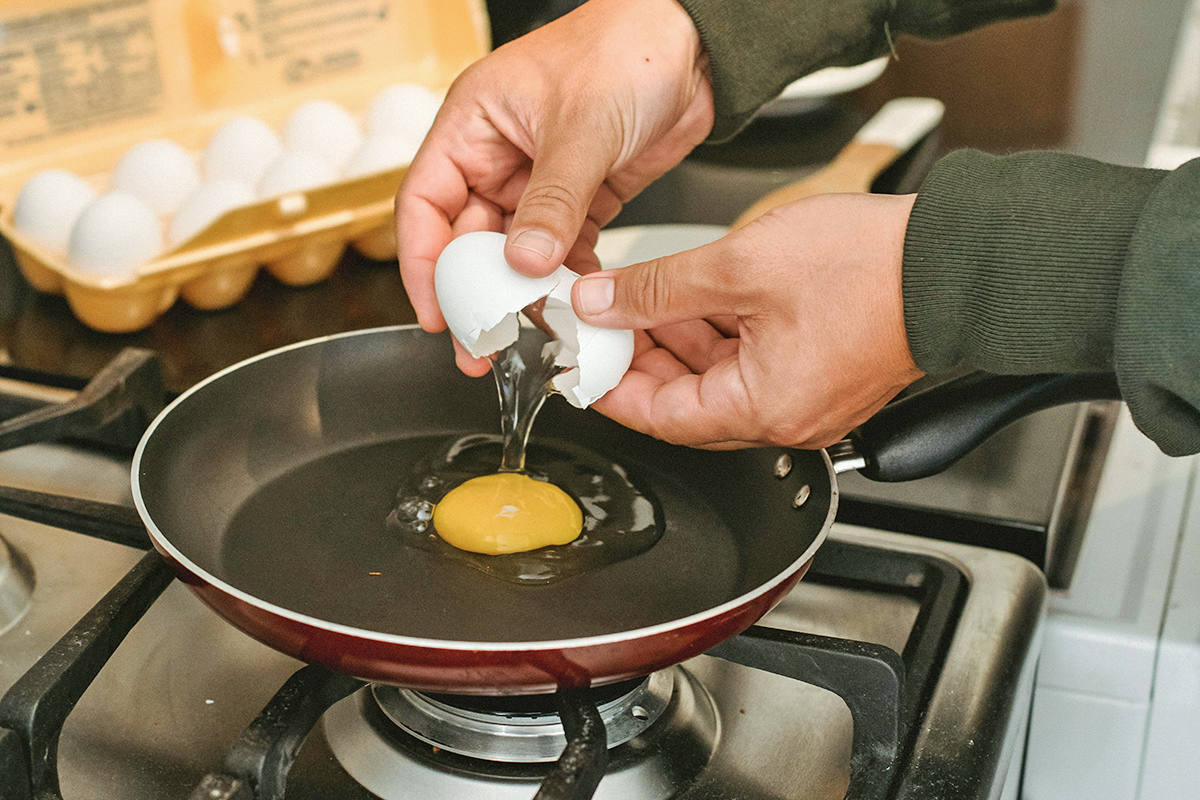
Egg in a nonstick pan
Better Report

In 1938, a chemist at the DuPont company accidentally discovered an exciting new polymer. It repelled water, it was chemically stable and nonreactive, and nothing stuck to it. The material (brand name: Teflon) has been used in countless consumer products since then to reduce friction between surfaces. Among its best-known applications is in nonstick cookware, allowing home chefs to sauté, pan fry, and bake without a stuck-on mess to clean up afterward. 

In the past few decades, however, the chemicals that go into nonstick surfaces have been linked to certain health issues and environmental pollution. A 2025 poll conducted by Consumer Reports found 65% of the cooks and bakers surveyed were “very concerned” or “somewhat concerned” about the presence of the chemicals in nonstick cookware.    

Advertisement
Advertisement

Are pans coated in Teflon a health risk? Should you toss the ones you have in your cabinets? Let’s take a look.
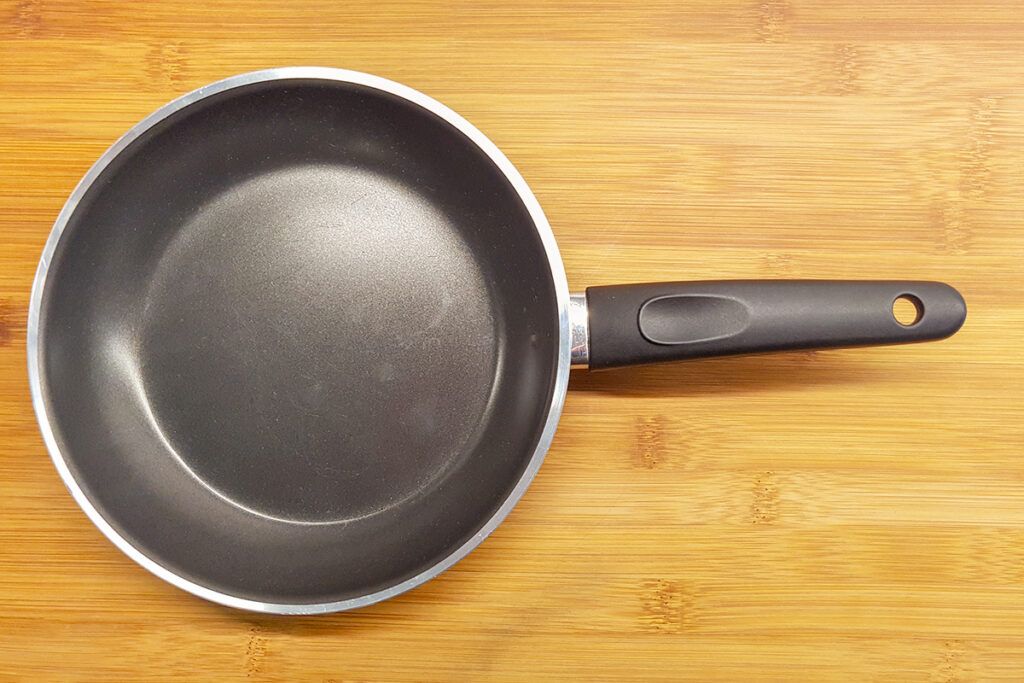
Non-stick pan
Credit: © Rob Jorg/iStock

Pots, Pans, and PTFE

The chemical name of Teflon is polytetrafluoroethylene (PTFE). This incredibly versatile material is inert — meaning it doesn’t chemically react with other substances around it — and it’s highly resistant to breaking down from wear or corrosion.

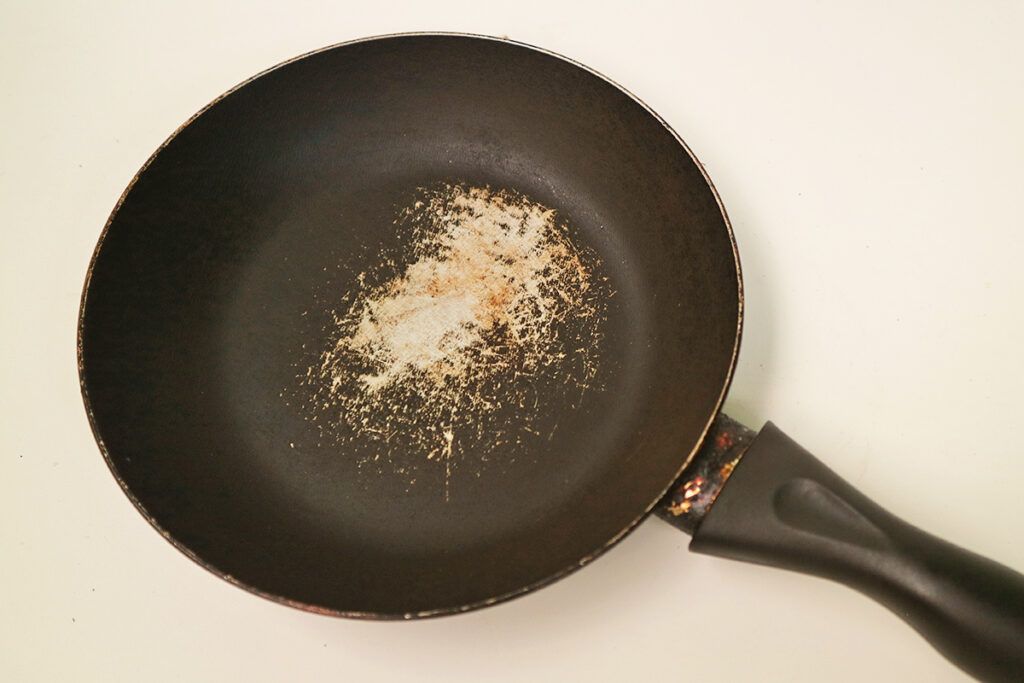
When used according to the manufacturer’s directions, nonstick PTFE-coated pots and pans are nontoxic and will not leach chemicals into food. Even if the nonstick coating gets scratched from a utensil and you happen to ingest small pieces of PTFE, they will pass through your system without being metabolized. (To avoid the possibility of ingesting the plastic, replace scratched cookware promptly.)

Advertisement

That said, using PTFE-coated cookware incorrectly isn’t a good idea. Overheating empty pots and pans to PTFE’s melting point of 327 degrees Celsius (620.6 degrees Fahrenheit) can release fumes that cause “polymer-fume fever,” which can bring on temporary symptoms including fever, sore throat, chills, and headache. People with lung conditions may experience more serious symptoms. Because of this, manufacturers’ recommended maximum temperature for Teflon-coated pans is usually 260 degrees Celsius (500 degrees Fahrenheit). Fortunately, most types of cooking don’t require that level of heat. 

Recommended Articles

  • 5 Things To Ask Your Doctor About the New Flu Shot

  • Is Sourdough Actually Healthier Than Regular Bread?

  • Do You Really Need a Bidet in Your Home?

  • Is It Actually Better To Lease a Car?

Advertisement
Advertisement

Reader Favorites

  • Woman looking in fridge

    9 Foods You Should Toss ASAP if They’re Expired

  • Person eating salad

    7 Things a Chef Never Orders at a Restaurant

  • Cherry angioma

    Are the Tiny Red Dots on Your Skin Dangerous?

Non-stick pan with scratches
Credit: © Octopus16/stock.adobe.com

The Problems With PFAS

Some of the concern with the safety of PTFE-coated pans stems from their relationship to PFAS (per- and polyfluoroalkyl substances), the “forever chemicals” known to pollute and persist in the environment. The extremely widespread use of PFAS in manufacturing means nearly all people on Earth have some PFAS in their blood from exposure to polluted water, soil, or air. 

Advertisement
Advertisement

PTFE is considered a PFAS, though one that is less harmful to the environment than others because it doesn’t break down chemically. Instead, it disintegrates into microplastics over decades or centuries in landfills. 

The manufacturing process for PTFE-coated cookware used to include a type of PFAS called perfluorooctanoic acid, or PFOA, which would end up in the finished products. PFOA exposure is associated with higher cholesterol levels, weaker immune system response to some vaccines, pregnancy-induced high blood pressure, and kidney and testicular cancer. Studies on animals exposed to high doses of PFOA have shown additional harms, but it’s not clear if these effects translate to humans.

Advertisement
Advertisement

Because of these risks, manufacturers began phasing out production and general use of PFOA in the early 2000s and stopped using it at the end of 2015. Nonstick cookware sold after that year should be free of the substance, though Consumer Reports tested three “nontoxic” pans in 2022 and found one PTFE-coated pan had measurable traces of PFOA and other PFAS due to how the pan was manufactured. The other two pans were ceramic-coated and did not contain any of the 96 PFAS in the test.

Most nonstick pans last between two and five years, so if you have any you think could date back to 2015, toss them. And to be sure your cookware contains no PFAS, uncoated pans may be your best bet. Carbon steel and cast-iron pans won’t have the ultra-slippery coating right out of the box, but seasoning them will eventually build up a suitably nonstick surface.

Advertisement
Advertisement

Featured Image Credit: © Amina Filkins/Pexels.com

More From Our Network

Better Report is part of Inbox Studio, an email-first media company. *Indicates a third-party property.

Go Retro With This 1960s Fashion Quiz

Quiz Daily

Go Retro With This 1960s Fashion Quiz

True or False: Are You a Master of U.S. Geography?

Travel Quiz

True or False: Are You a Master of U.S. Geography?

5 Reasons You Can Be Denied Boarding an Airplane

Daily Passport

5 Reasons You Can Be Denied Boarding an Airplane

What Did People Do Before Eyeglasses?

History Facts

What Did People Do Before Eyeglasses?

How To Use a Balloon To Clean Up Dust

House Outlook

How To Use a Balloon To Clean Up Dust

11 Shopping Hacks Costco Members Should Know

FinanceBuzz*

11 Shopping Hacks Costco Members Should Know

Share this article

  • Share to Facebook
  • Share to Twitter
  • Copy Url
  • Share to Email
Kat Long
Writer

Kat Long is a freelance science journalist in the Washington, D.C. area. Previously, she was the science editor at Mental Floss and a digital editor at National Geographic. She now writes the Arctic Archives newsletter on Substack. Kat spends her free time birdwatching, road-tripping to historical sites and perusing old manuscripts at libraries.

This article is for general informational purposes only.
Affiliate Disclaimer Medical Disclaimer Financial Disclaimer

Updated: April 6, 2026
Posted In: Health
Hero Image Credit: Better Report
Advertisement

Related Articles

5 Things To Ask Your Doctor About the New Flu Shot

5 min read

Is Sourdough Actually Healthier Than Regular Bread?

7 min read

Do You Really Need a Bidet in Your Home?

4 min read

3 Common Sleep Habits That May Be Aging Your Brain

5 min read

Is the Traditional Mediterranean Diet Actually the Best for Your Brain?

4 min read
Advertisement

Common Foods Ruining Your Dishwasher

Ali Eldridge
Home | Updated: February 6, 2026
Better Report

Is your dishwasher running smoothly, or does it seem slightly off? Maybe it’s become smelly or makes a weird, unfamiliar noise. Are your dishes not coming out clean anymore? You might need a repair technician, or it’s possible that your dishwasher just needs a thorough cleaning. To reduce the risk of either, avoid these common foods that can damage your dishwasher. 

Starchy Foods

Starch itself isn’t necessarily bad, as modern detergents contain enzymes that break it down. However, starchy foods like pasta or potatoes are sticky and can clog the filter, drain hose, or pump, causing costly damage or reducing your dishwasher’s efficiency. 

Advertisement
Advertisement

Eggshells, Bones, and Seeds

Eggshells, bones, and seeds won’t break down – they might clog or damage the filter, drain hose, or pump. If your filter has holes, replace it, as they can allow food particles to enter the pump impeller or motor seals, which is a more extensive repair. 

While you might wonder why someone would be sticking eggshells, bones, or seeds in their dishwasher, think of what foods might contain these. A tiny bone from a fish or an eggshell stuck to the mixing bowl could easily make it into the dishwasher. Personally, I have to clean out my overnight oats jars before washing because the chia seeds get stuck everywhere (including my toothbrush!). 

Grease

Just as grease can be problematic to pour down the sink, too much in the dishwasher could solidify and create clogs. Scrape off solidified grease into the trash or pour it into a container that can be tossed (or saved for another use). 

Recommended Articles

  • 5 Things To Ask Your Doctor About the New Flu Shot

  • Is Sourdough Actually Healthier Than Regular Bread?

  • Do You Really Need a Bidet in Your Home?

  • Is It Actually Better To Lease a Car?

Advertisement
Advertisement

Reader Favorites

  • Woman looking in fridge

    9 Foods You Should Toss ASAP if They’re Expired

  • Person eating salad

    7 Things a Chef Never Orders at a Restaurant

  • Cherry angioma

    Are the Tiny Red Dots on Your Skin Dangerous?

Coffee Grounds

Coffee grounds or tea leaves can build up over time, creating the potential for odors or clogs. Make sure your reusable coffee pods or tea strainers are thoroughly emptied before tossing them in the dishwasher. These might be better hand-washed with a toothbrush, or at least soaked before being placed in the dishwasher.

Advertisement

Sourdough Starter

Sourdough starter can solidify like cement, both in the dishwasher and down the sink. Scrape as much as possible off of your container before loading it into the dishwasher. I frequently wipe mine out with a paper towel before washing. Overkill, maybe, but it keeps the sink and dishwasher lines clear. It may be necessary to pretreat the container before loading in the dishwasher. 

Advertisement
Advertisement

The Truth About Pre-Rinsing

But wait, I thought we weren’t supposed to pre-rinse dishes? The commercials are correct — it’s not recommended, as modern detergents and dishwashers are made to break down the grime and efficiently clean dishes right off the dinner table. Today’s dishwashers are actually more efficient when there is some dirt and grime; otherwise, they might detect clean dishes and run a shorter cycle. Pre-rinsing also wastes water, and some food safety experts note that it can cause cross-contamination of other kitchen surfaces (like your sink, countertop, or sponge). Additionally, the detergent enzymes are less effective without food particles to cling onto and digest. 

How Can I Fix My Mistakes?

Have you already made one of these mistakes? Check out your dishwasher manual for cleaning instructions. Emptying the filter, unclogging the sprayer arms, wiping down the seal, and running a vinegar cycle (or using dishwasher cleaning tablets) with an empty machine should all be part of your cleaning routine. This can help catch stray food pieces that can commonly cause dishwasher problems before they cause damage.

Feature Image Credit: Castorly Stock

More From Our Network

Better Report is part of Inbox Studio, an email-first media company. *Indicates a third-party property.

Go Retro With This 1960s Fashion Quiz

Quiz Daily

Go Retro With This 1960s Fashion Quiz

True or False: Are You a Master of U.S. Geography?

Travel Quiz

True or False: Are You a Master of U.S. Geography?

5 Reasons You Can Be Denied Boarding an Airplane

Daily Passport

5 Reasons You Can Be Denied Boarding an Airplane

What Did People Do Before Eyeglasses?

History Facts

What Did People Do Before Eyeglasses?

How To Use a Balloon To Clean Up Dust

House Outlook

How To Use a Balloon To Clean Up Dust

11 Shopping Hacks Costco Members Should Know

FinanceBuzz*

11 Shopping Hacks Costco Members Should Know

Share this article

  • Share to Facebook
  • Share to Twitter
  • Copy Url
  • Share to Email
Ali Eldridge

This article is for general informational purposes only.
Affiliate Disclaimer Medical Disclaimer Financial Disclaimer

Updated:
Posted In: Home
Hero Image Credit: Better Report
Advertisement

Related Articles

9 Items in Your Basement You Should Toss Right Now

5 min read

5 Vegetables You Should Never Store in the Fridge

3 min read

Why a Flashing Check Engine Light Is Different From a Solid One

3 min read

Why Does Your Sink Have a Tiny Hole?

3 min read

Is Hard Water Ruining Your Clothes?

3 min read
Advertisement

Why Your Dishwasher Is Leaving Dishes Dirty

Home | Updated: January 21, 2026
Evan Malachosky
Author
Evan is a writer and editor based in Pittsburgh, Pennsylvania. His work has appeared in GQ, Esquire, Popular Mechanics, Gear Patrol, and more.
Better Report

All featured products and deals are selected independently and objectively by the author. Better Report may receive a share of sales via affiliate links in content.

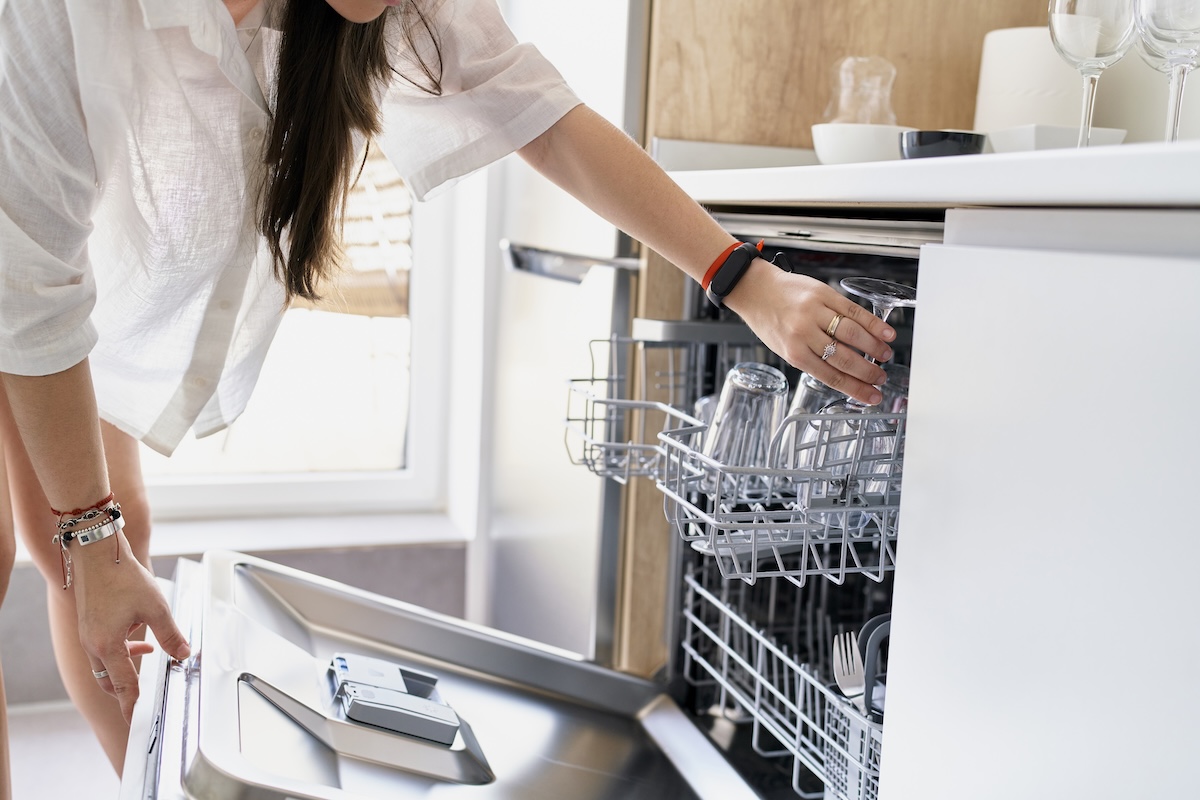
Doing the dishes by hand isn’t for the faint of heart, which is why homes have a dishwasher in the center of their kitchen. Most of them look (and operate) the same: you fill it, insert your pod (or liquid detergent), and select your cycle. It runs, chimes incessantly, and then your dishes are sparkly clean, ready to be used again. Right? Right? Too often, dishes that go into your dishwasher dirty come out the same way — cleaner but not completely clean.

So, what are you supposed to do? Well, you shouldn’t scrub dishes by hand before putting them in: Though it seems counterintuitive, modern detergents and dishwashers are designed to work more effectively with some food residue. It’s true; the enzymes in your detergent need food particles to activate, and the dishwasher’s sensors may adjust the wash cycle based on the level of dirtiness. (Smart, huh?) But if that isn’t your problem, it could be a dirty filter or the detergent you’re buying.

Advertisement
Advertisement

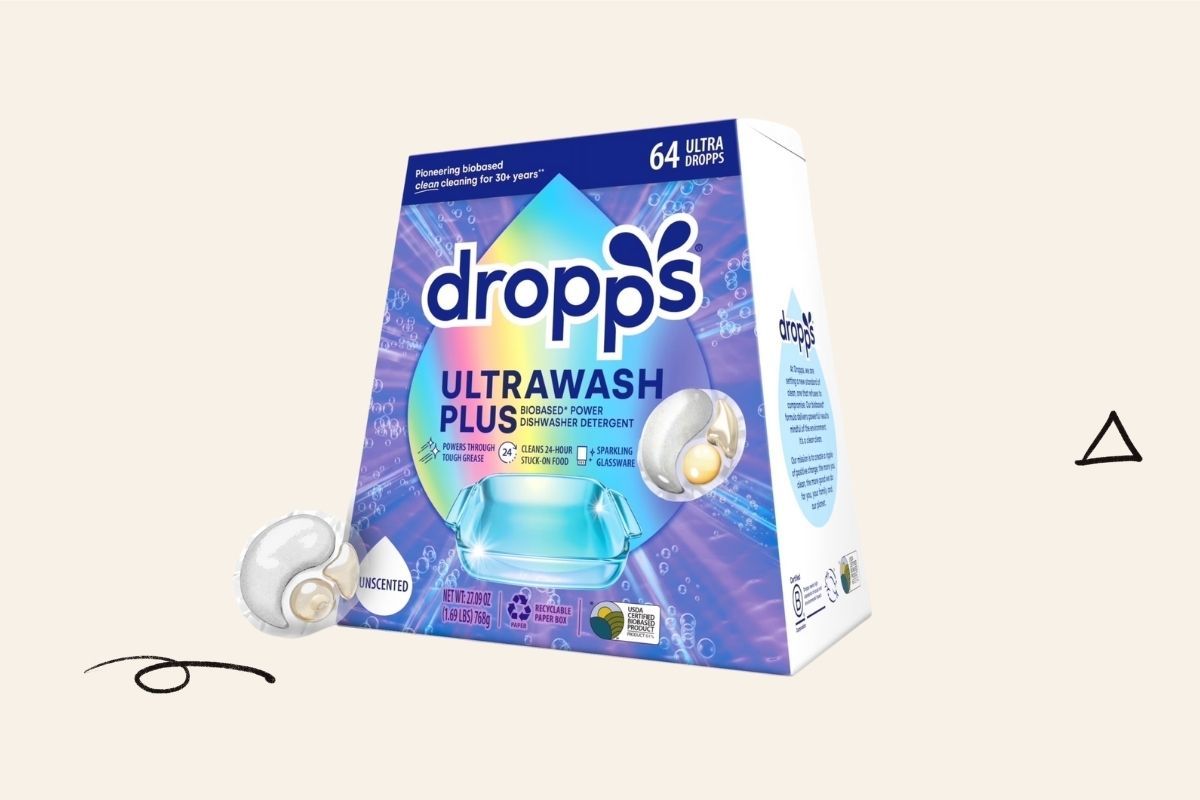
Dropps Ultrawash Plus (64 Pods)

BUY FOR $34 AT DROPPS
BUY FOR $35 AT AMAZON

You see, dishwasher detergent has become an oddly crowded category. You can buy pods that promise streak-free glassware, powders that insist they’re safer for the planet, liquids engineered for “tough jobs,” or tablets wrapped in materials no one can pronounce. Somewhere in that mix sits Dropps, a brand that built its name on sustainability long before it was a trendy marketing move. Their latest product, the UltraWash Plus pods, is the company’s most confident attempt to move from “eco-friendly alternative” to “everyday essential.”

The UltraWash Plus is a pod-style detergent with a biobased certification from the U.S. Department of Agriculture. That certification means most of the ingredients come from biological sources rather than petroleum, making it ideal for shoppers who care about environmental impact but don’t have the patience to decode ingredient lists. The pods themselves use a chambered design — separate compartments that hold detergent, enzymes, and a degreasing liquid. This isn’t just for show, though it looks cool. Dishwasher detergents rely heavily on enzymes to break down food, and when those enzymes mingle with the wrong ingredients too early, they lose their effectiveness. By isolating them until the wash cycle begins, UltraWash Plus aims to deliver better cleaning power without relying on harsher chemicals.

Recommended Articles

  • 5 Things To Ask Your Doctor About the New Flu Shot

  • Is Sourdough Actually Healthier Than Regular Bread?

  • Do You Really Need a Bidet in Your Home?

  • Is It Actually Better To Lease a Car?

Advertisement
Advertisement

Reader Favorites

  • Woman looking in fridge

    9 Foods You Should Toss ASAP if They’re Expired

  • Person eating salad

    7 Things a Chef Never Orders at a Restaurant

  • Cherry angioma

    Are the Tiny Red Dots on Your Skin Dangerous?

Of course, your detergent ultimately has to work, and while the UltraWash Plus pods don’t surmount the strongest, most aggressive pods on the market, they sit comfortably near the top. They clean standard daily messes without drama, handle proteins and sauces effectively, and don’t require pre-rinsing dishes. And that last point matters more than people realize: pre-rinsing wastes water and time, and needing to do it undercuts whatever a detergent claims about convenience or cleaning strength. So, if you want a pod that aligns with your sustainability goals without feeling like a step backward, Dropps makes that decision easy.

Featured Image Credit: Maria Korneeva/Getty

More From Our Network

Better Report is part of Inbox Studio, an email-first media company. *Indicates a third-party property.

Go Retro With This 1960s Fashion Quiz

Quiz Daily

Go Retro With This 1960s Fashion Quiz

True or False: Are You a Master of U.S. Geography?

Travel Quiz

True or False: Are You a Master of U.S. Geography?

5 Reasons You Can Be Denied Boarding an Airplane

Daily Passport

5 Reasons You Can Be Denied Boarding an Airplane

What Did People Do Before Eyeglasses?

History Facts

What Did People Do Before Eyeglasses?

How To Use a Balloon To Clean Up Dust

House Outlook

How To Use a Balloon To Clean Up Dust

11 Shopping Hacks Costco Members Should Know

FinanceBuzz*

11 Shopping Hacks Costco Members Should Know

Share this article

  • Share to Facebook
  • Share to Twitter
  • Copy Url
  • Share to Email
Evan Malachosky
Managing Editor

Evan is a writer and editor based in Pittsburgh, Pennsylvania. His work has appeared in GQ, Esquire, Popular Mechanics, Gear Patrol, and more.

This article is for general informational purposes only.
Affiliate Disclaimer Medical Disclaimer Financial Disclaimer

Updated: May 21, 2024
Posted In: Home
Hero Image Credit: Better Report
Advertisement

Related Articles

9 Items in Your Basement You Should Toss Right Now

5 min read

5 Vegetables You Should Never Store in the Fridge

3 min read

Why a Flashing Check Engine Light Is Different From a Solid One

3 min read

Why Does Your Sink Have a Tiny Hole?

3 min read

Is Hard Water Ruining Your Clothes?

3 min read
Advertisement

5 Common Foods That Are Ruining Your Dishwasher

Home | Updated: October 22, 2025
Anne James
Author
Anne James is a freelance writer, freelance health editor, research lab technician, and mom.
Better Report

Is your dishwasher running smoothly, or does it seem a little bit off? Do dishes still come out dirty? Maybe it’s become smelly or makes a weird, unfamiliar noise. You might need a repair technician, but it’s also totally possible that your dishwasher just needs a thorough cleaning. If it’s visibly leaking or emits an air of burning rubber or plastic, you should probably call a professional. If not, remove the filter and check if anything is stuck inside. (Warning: wear gloves.) If there are large food particles, you probably left one of these common foods on a plate, bowl, or utensil when you last loaded your dishwasher.

Wait. Aren’t You Supposed to Pre-Rinse Your Dishes?

The commercials are correct – pre-rinsing is not recommended, as modern detergents and dishwashers are made to break down the grime and efficiently clean dishes right off the dinner table. Pre-rinsing wastes water, and some food safety experts note that it can cause cross-contamination of other kitchen surfaces (sink, countertop, or sponge). Today’s dishwashers are actually more efficient when there is some dirt and grime; otherwise, they might detect clean dishes and run a shorter cycle. Additionally, the detergent enzymes are less effective without food particles to cling to and digest. 

Starchy Foods

Starch itself isn’t necessarily bad, as modern detergents contain enzymes that break down starch. However, starchy foods like pasta or potatoes are sticky and can create clogs in the filter, drain hose, or pump, which can cause expensive damage or make your dishwasher less efficient. 

Pieces of Hard Food

Eggshells, bones, and seeds won’t break down – they might clog or damage the filter, drain hose, or pump. If your filter has holes in it, replace it immediately, as these holes can allow food items, like these, to enter the pump impeller or motor seals, leading to a more extensive repair. 

Advertisement

While you might wonder why someone would be sticking eggshells, bones, or seeds in their dishwasher, think of what foods might contain these. A tiny bone from fish or an eggshell stuck to the mixing bowl could easily make it into the dishwasher. Personally, I have to clean out my overnight oats jars before washing because the chia seeds get stuck everywhere (including my toothbrush!). 

Advertisement
Advertisement

Grease

Just as grease can be problematic to pour down the sink, too much in the dishwasher could solidify and create clogs. Scrape off solidified grease into the trash or pour it into a container that can be tossed (or saved for another use). 

Coffee Grounds

Coffee grounds or tea leaves can build up over time, creating the potential for odors or clogs. Make sure your reusable coffee pods or tea strainers are thoroughly emptied before tossing them in the dishwasher. These might be better hand-washed with a toothbrush, or at least soaked before being put in the dishwasher.

Sourdough Starter

Sourdough starter can solidify like cement, both in the dishwasher and down the sink. Scrape as much as possible off of your container before loading it into the dishwasher. I also frequently wipe mine out with a paper towel before washing. Overkill, maybe, but it keeps the sink and dishwasher lines clear. In this case, it may be necessary to pretreat the container before loading it into the dishwasher. 

Recommended Articles

  • 5 Things To Ask Your Doctor About the New Flu Shot

  • Is Sourdough Actually Healthier Than Regular Bread?

  • Do You Really Need a Bidet in Your Home?

  • Is It Actually Better To Lease a Car?

Advertisement
Advertisement

Reader Favorites

  • Woman looking in fridge

    9 Foods You Should Toss ASAP if They’re Expired

  • Person eating salad

    7 Things a Chef Never Orders at a Restaurant

  • Cherry angioma

    Are the Tiny Red Dots on Your Skin Dangerous?

I Already Put These in the Dishwasher. Now What?

Have you already made one of these mistakes? Check out your dishwasher manual for cleaning instructions. Emptying the filter, unclogging the sprayer arms, wiping down the seal, and running a vinegar cycle (or using dishwasher cleaning tablets) with an empty machine should all be part of your cleaning routine. This helps catch stray pieces of food that can commonly cause dishwasher problems before they cause damage. 

More From Our Network

Better Report is part of Inbox Studio, an email-first media company. *Indicates a third-party property.

Go Retro With This 1960s Fashion Quiz

Quiz Daily

Go Retro With This 1960s Fashion Quiz

True or False: Are You a Master of U.S. Geography?

Travel Quiz

True or False: Are You a Master of U.S. Geography?

5 Reasons You Can Be Denied Boarding an Airplane

Daily Passport

5 Reasons You Can Be Denied Boarding an Airplane

What Did People Do Before Eyeglasses?

History Facts

What Did People Do Before Eyeglasses?

How To Use a Balloon To Clean Up Dust

House Outlook

How To Use a Balloon To Clean Up Dust

11 Shopping Hacks Costco Members Should Know

FinanceBuzz*

11 Shopping Hacks Costco Members Should Know

Share this article

  • Share to Facebook
  • Share to Twitter
  • Copy Url
  • Share to Email
Anne James
Writer

Anne James is a freelance writer, freelance health editor, research lab technician, and mom.

This article is for general informational purposes only.
Affiliate Disclaimer Medical Disclaimer Financial Disclaimer

Updated: April 9, 2025
Posted In: Home
Featured Image Credit: Aire Images
Hero Image Credit: Better Report
Advertisement

Related Articles

9 Items in Your Basement You Should Toss Right Now

5 min read

5 Vegetables You Should Never Store in the Fridge

3 min read

Why a Flashing Check Engine Light Is Different From a Solid One

3 min read

Why Does Your Sink Have a Tiny Hole?

3 min read

Is Hard Water Ruining Your Clothes?

3 min read
Advertisement

The Cheap Pantry Gadgets Professional Chefs Swear By

Ali Eldridge
Home | Updated: August 11, 2025
Better Report

All featured products and deals are selected independently and objectively by the author. Better Report may receive a share of sales via affiliate links in content.

Stocking a kitchen can feel like navigating a sea of gimmicky gadgets, each promising to revolutionize your cooking experience. But these pieces often end up as clutter or garage sale go-tos. I know from experience that things like mango slicers, avocado holders, and egg toppers might have their once-a-year appearance, but the real MVPs are the versatile gadgets that consistently deliver, making cooking easier, faster, and all the more enjoyable!

We decided to reach out to the true experts who are in the kitchen each and every day – professional chefs – to get their take on the most indispensable and affordable kitchen gadgets that make a real difference in your everyday cooking and kitchen routines. While you might not be breaking down a pig, preparing crisp, colorful macarons, or fileting fish on a daily basis, these expert-trusted gadgets are guaranteed to streamline and simplify your cooking process. Get ready to discover the secret arsenal your home kitchen is missing that’ll take your cooking from meh to mesmerizing! 

Credit: cottonbro studio/ Pexels

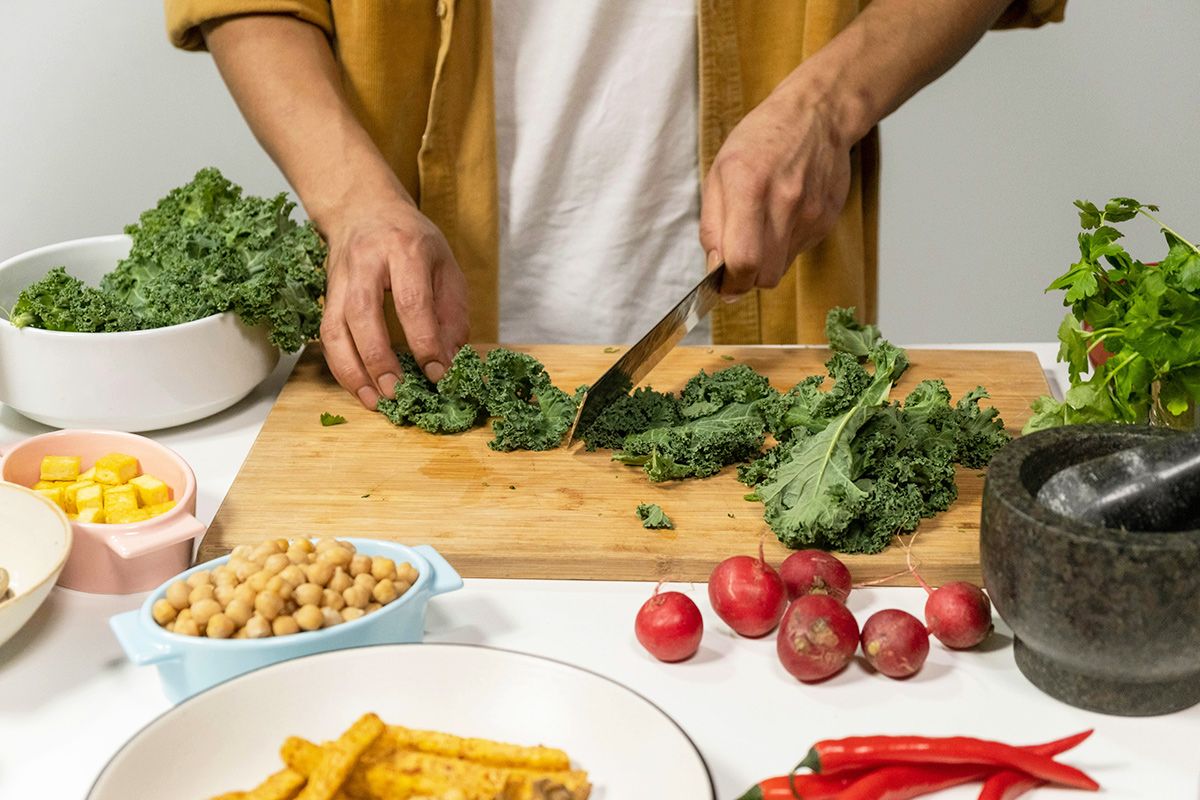
Large Wood Cutting Board

There’s a never-ending debate between home chefs over whether plastic or wooden cutting boards are superior. But Chef Jane Wild, owner of Jane and The Lion Bakehouse, recommends wood. They’re aesthetically pleasing, and, if you take proper care of them, can last a lifetime. “I use one side for prep, cutting, and chopping,” she says. “I flip it to use when baking and shaping dough.” Wooden boards should be thoroughly cleaned by hand — never put one in the dishwasher.

Advertisement
Advertisement
Credit: akatz66/ Adobe Stock

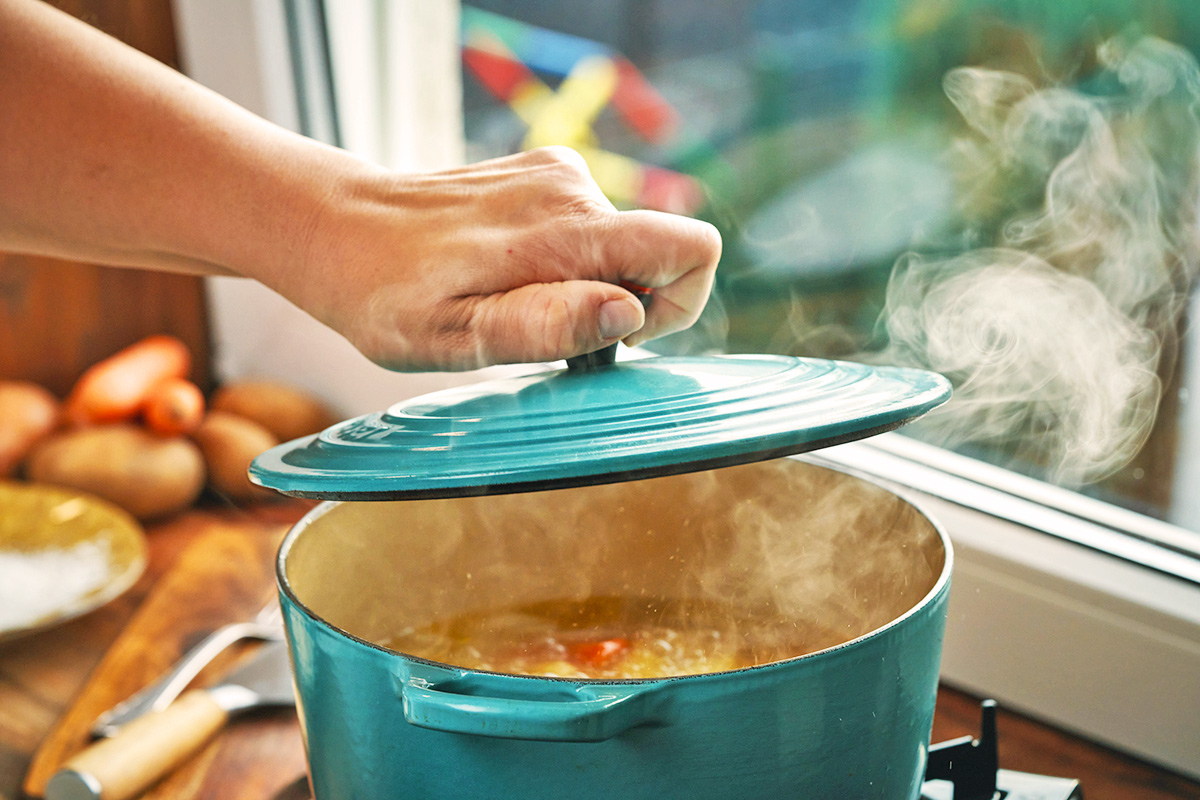
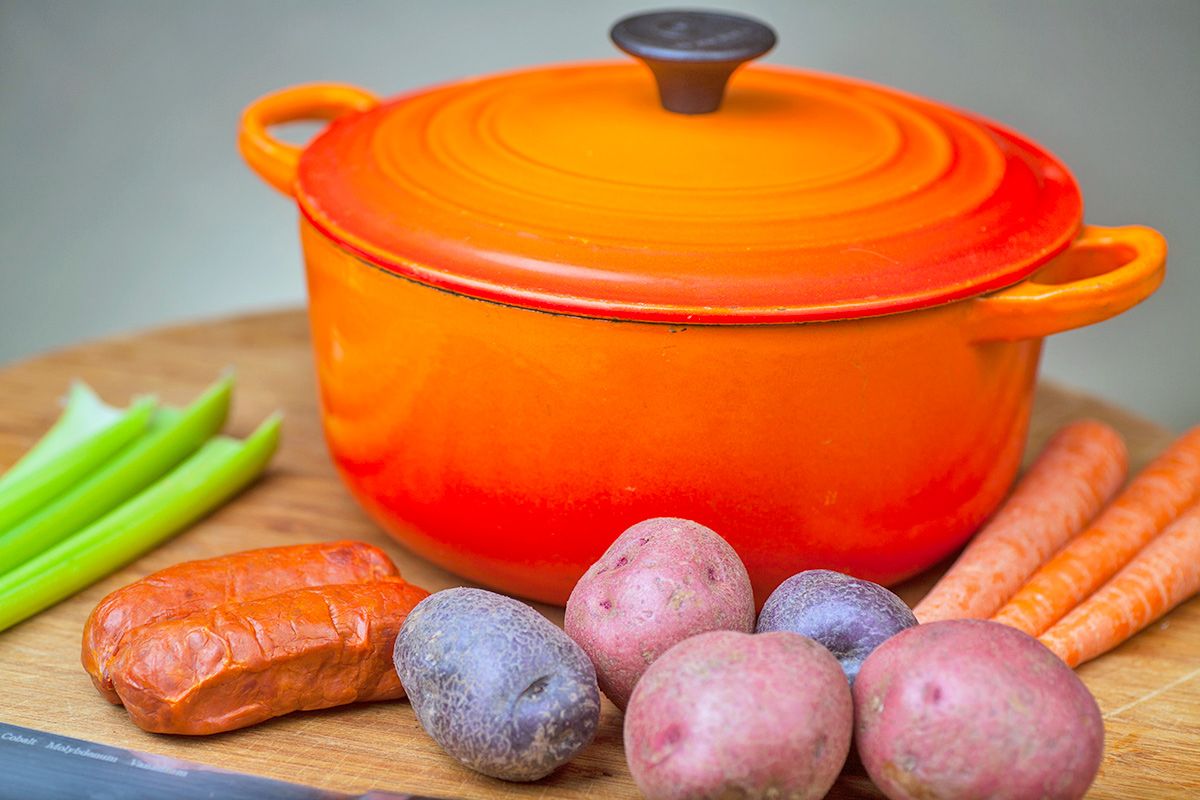
Enamel Cast Iron Dutch Oven  

If your cabinet is full of cheap, chipped cookware, it’s time to upgrade to an enameled cast iron Dutch oven — and you don’t have to spend a ton for quality. Wild uses a Dutch oven almost daily for baking bread, roasting chicken, or making soups. “I use it to cook on the stove, boil, fry, sauté, and in the oven to roast and bake,” she says. “It’s non-stick, non-toxic, and holds heat evenly. This one is a workhorse that can do so much and simplify your kitchen!”

Credit: Natureveryday/ iStock

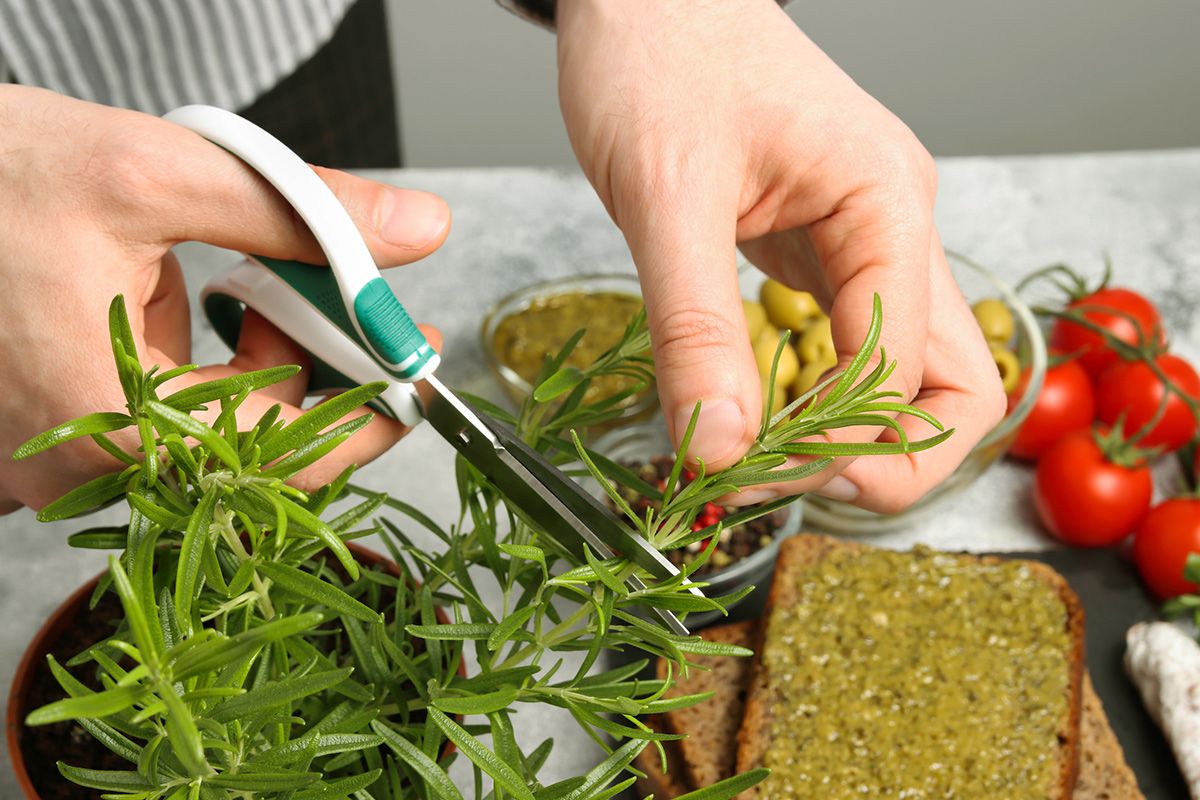
Kitchen Scissors

The scissors that come in packs of kitchen knives are not just for opening boxes or cutting tags off clothing. Those are actually meant to assist you in the kitchen. Take a tip from Wild and use them for trimming herbs and cutting pie dough, or even arranging flowers and cutting masking tape if you need to label food in your fridge. 

Recommended Articles

  • 5 Things To Ask Your Doctor About the New Flu Shot

  • Is Sourdough Actually Healthier Than Regular Bread?

  • Do You Really Need a Bidet in Your Home?

  • Is It Actually Better To Lease a Car?

Advertisement
Advertisement

Reader Favorites

  • Woman looking in fridge

    9 Foods You Should Toss ASAP if They’re Expired

  • Person eating salad

    7 Things a Chef Never Orders at a Restaurant

  • Cherry angioma

    Are the Tiny Red Dots on Your Skin Dangerous?

Credit: fdastudillo/ iStock

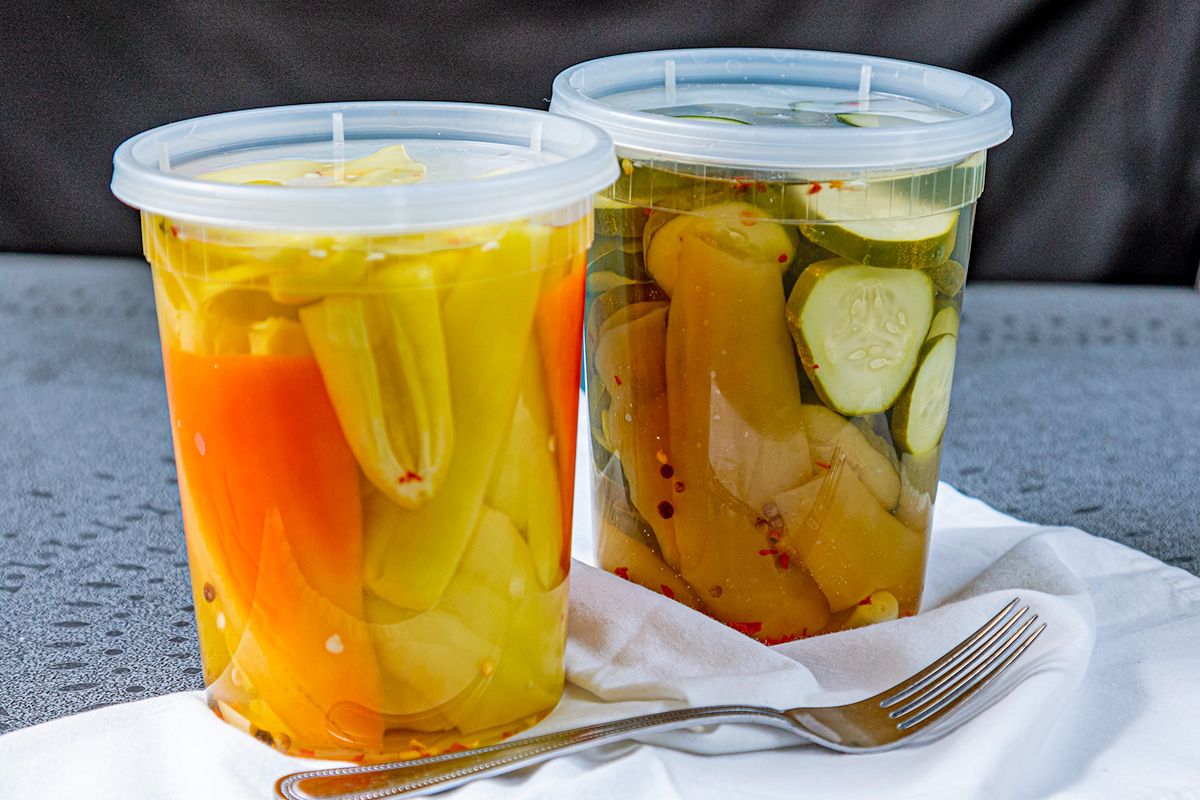
Deli Food Storage Containers

Chris Shepherd, James Beard Award-winning chef, founding director of Southern Smoke Foundation, and host of Eat Like a Local, recommends keeping a stock of these affordable food storage containers. “I have these containers at home at all times,” he says. “Deli containers are used in professional kitchens on a daily basis. It helps to organize your leftovers and your prepped items in your refrigerator. It also is a great vessel for an ice water when you need one!”

Advertisement
Credit: evgeniiaK/ iStock

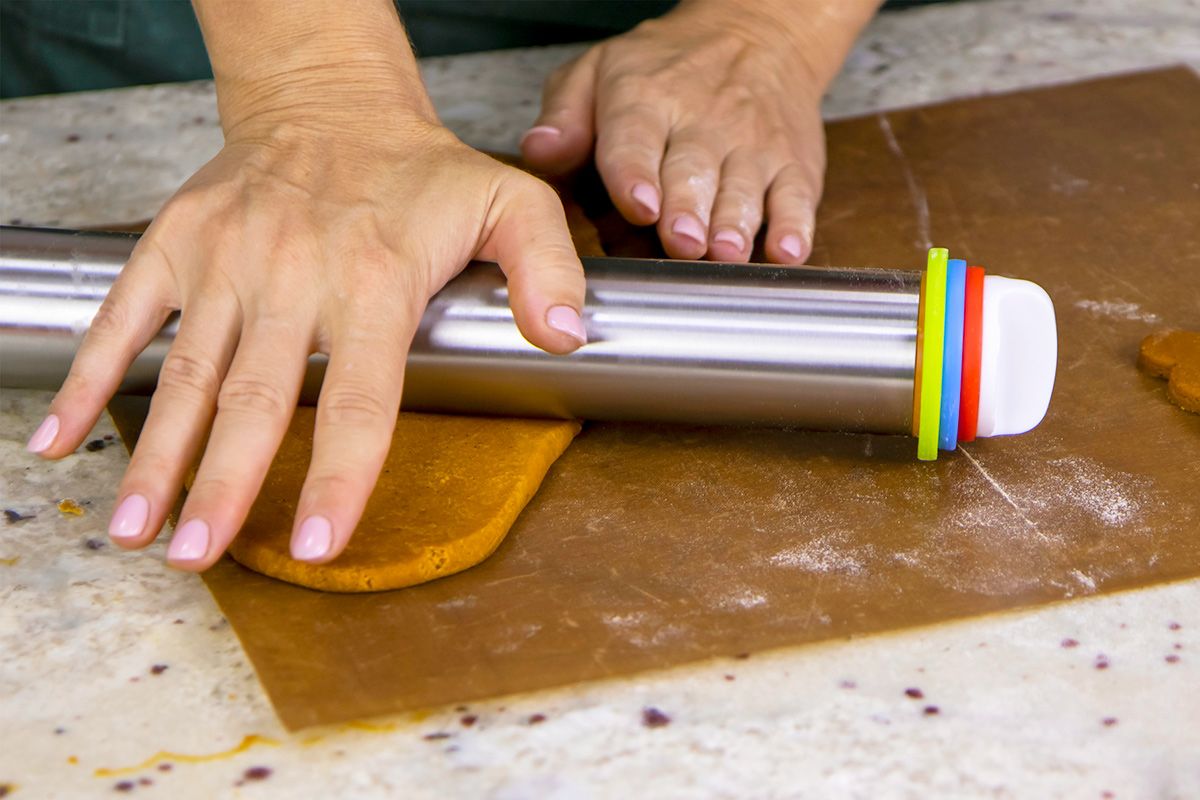
Adjustable Rolling Pin

Bakers know the importance of a great rolling pin. Caty Johnston, pastry chef and co-owner of Suzybeez Bakery, suggests an adjustable rolling pin so you can choose your desired thickness for whatever you’re crafting. They’re especially great for rolled sugar cookies or pie dough.

Advertisement
Advertisement
Credit: photo_Pawel/ iStock

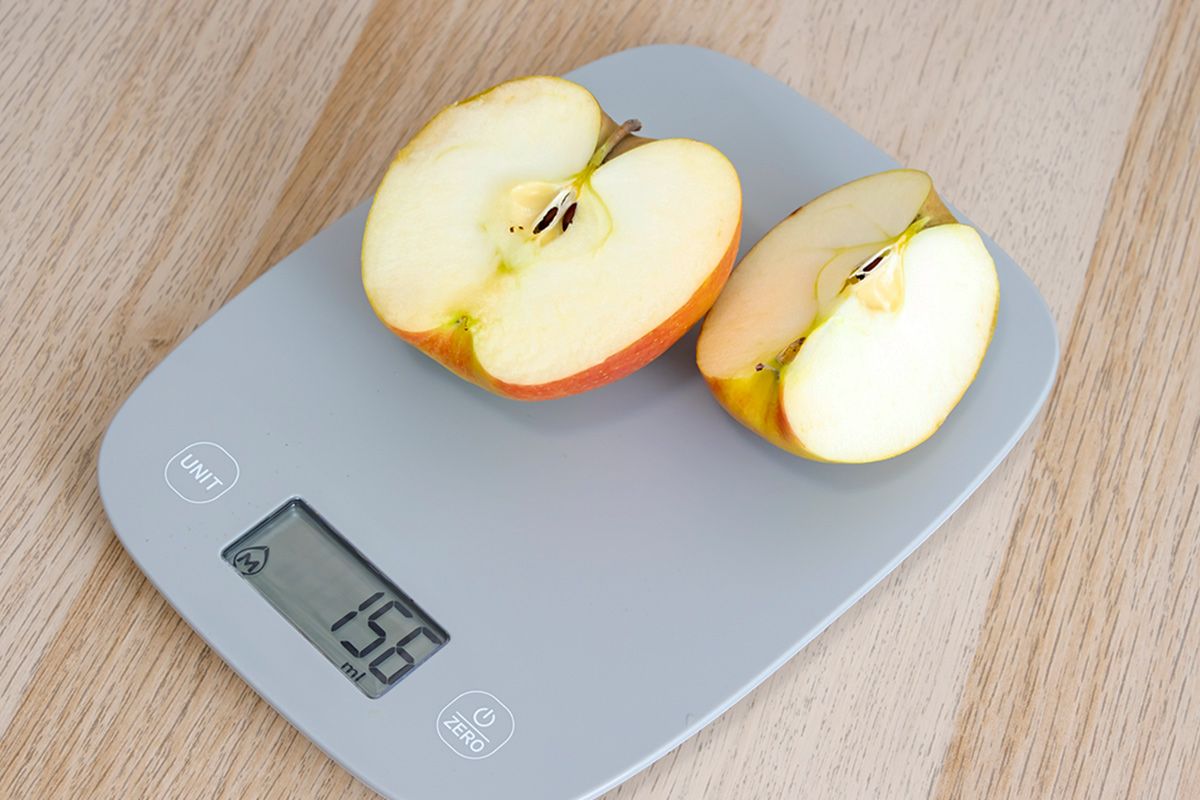
Food Scale

Baking requires precise measurements, more so than savory dinners do, so Johnston recommends keeping a kitchen food scale. “Baking is like a science,” she says. “So it’s best to use recipes that have ingredients measured via weight for a more precise measurement.” 

Credit: Image courtesy of Amazon

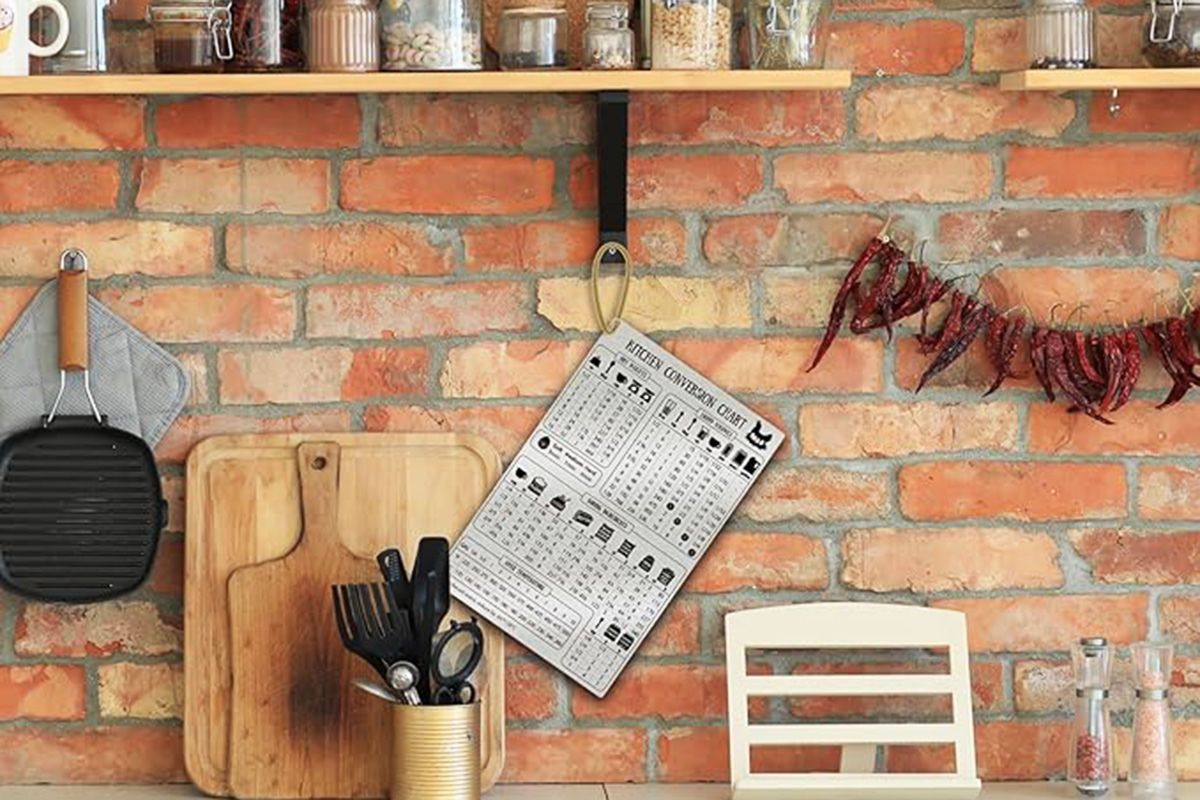
Magnetic Conversion Chart

You don’t want to be Googling recipe conversions while you’re mid-mix with dough all over your fingers. Instead, keep a magnetic conversion chart right on your fridge.

Featured image credit: GMVozd/ iStock

More From Our Network

Better Report is part of Inbox Studio, an email-first media company. *Indicates a third-party property.
Go Retro With This 1960s Fashion Quiz

Quiz Daily

Go Retro With This 1960s Fashion Quiz

True or False: Are You a Master of U.S. Geography?

Travel Quiz

True or False: Are You a Master of U.S. Geography?

5 Reasons You Can Be Denied Boarding an Airplane

Daily Passport

5 Reasons You Can Be Denied Boarding an Airplane

What Did People Do Before Eyeglasses?

History Facts

What Did People Do Before Eyeglasses?

How To Use a Balloon To Clean Up Dust

House Outlook

How To Use a Balloon To Clean Up Dust

11 Shopping Hacks Costco Members Should Know

FinanceBuzz*

11 Shopping Hacks Costco Members Should Know

Share this article

  • Share to Facebook
  • Share to Twitter
  • Copy Url
  • Share to Email
Ali Eldridge

This article is for general informational purposes only.
Affiliate Disclaimer Medical Disclaimer Financial Disclaimer

Updated:
Posted In: Home
Hero Image Credit: Better Report
Advertisement

Related Articles

9 Items in Your Basement You Should Toss Right Now

5 min read

5 Vegetables You Should Never Store in the Fridge

3 min read

Why a Flashing Check Engine Light Is Different From a Solid One

3 min read

Why Does Your Sink Have a Tiny Hole?

3 min read

Is Hard Water Ruining Your Clothes?

3 min read
Advertisement

5 Vegetables You Should Never Buy Frozen

Home | Updated: June 18, 2025
Laura Falin
Author
Laura Falin is a freelance writer in Colorado who has written for Business Insider, BabyCenter, Colorado Parent Magazine, and more. She's an avid hiker who loves getting outdoors and taking ridiculously long road trips with her family.
Better Report

All featured products and deals are selected independently and objectively by the author. Better Report may receive a share of sales via affiliate links in content.

Frozen vegetables are tasty to eat, and can be even better for you than fresh. But there are some veggies you shouldn’t buy frozen. If you grow them at home, don’t attempt to freeze them yourself, either. Most of these veggies have the same root issue: they’re high in water content and end up mushy or slimy after you thaw them.

High-water-content vegetables form ice crystals inside their cells, where that water is stored. Those ice crystals pierce and damage the cell walls and membranes. When they thaw, all the water that was inside those cells leaks out, leaving you with a broken and limp structure. And this is how those vegetables end up looking wilted and sad. 

With some vegetables, you can preserve their structure by blanching or quick-freezing them. But others can’t be salvaged even with this process. Here are five kinds of vegetables you should never buy frozen, or bother trying to freeze yourself without treating them.

Advertisement
Advertisement
Credit: Michael Burrows/ Pexels

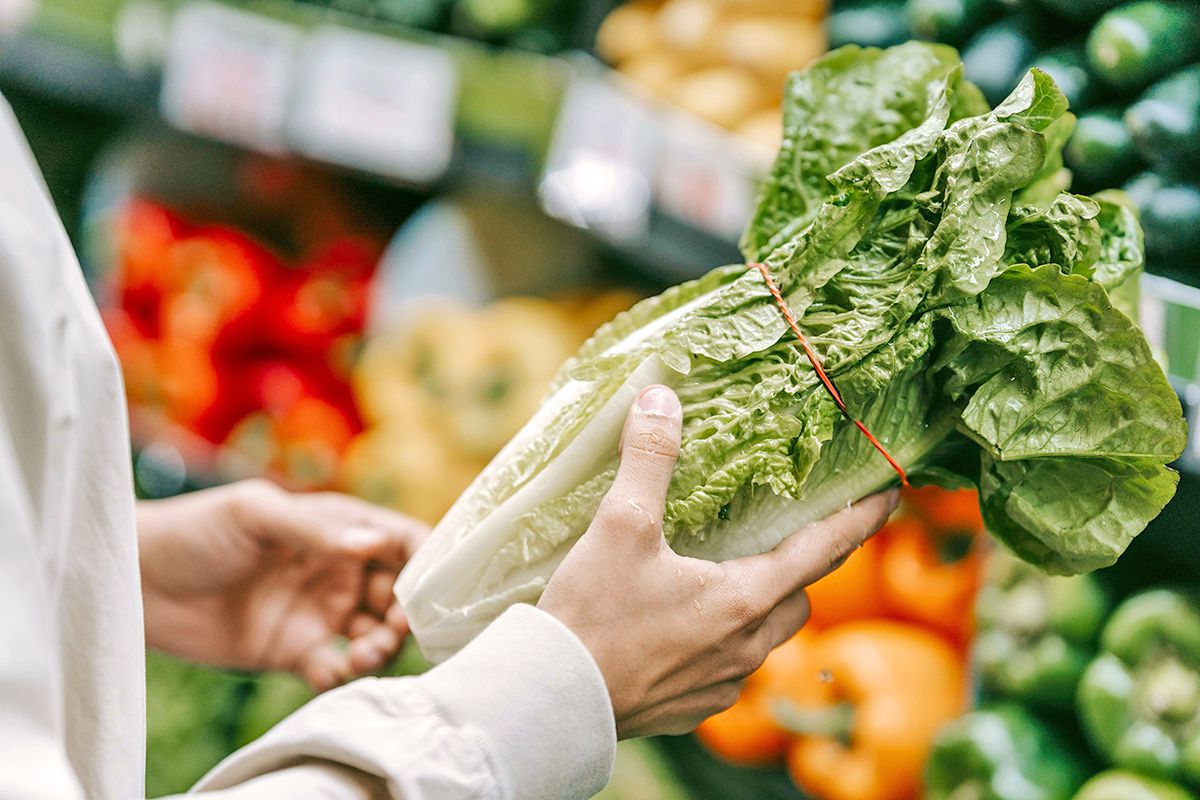
Lettuce

Lettuce has an extremely high water content, so you don’t want to buy it frozen. It’s at the top of the list of vegetables that turn into a squishy mess when thawed. In general, lettuce has a short shelf life and can’t really be preserved for long. However, since moisture speeds up the rotting process, you can lengthen lettuce’s life by using a salad spinner after washing. Wrap washed and dried lettuce in paper towels and store it in a reusable container. For even better results, store the lettuce in a produce keeper in the fridge. 

Credit: yanguolin/ iStock

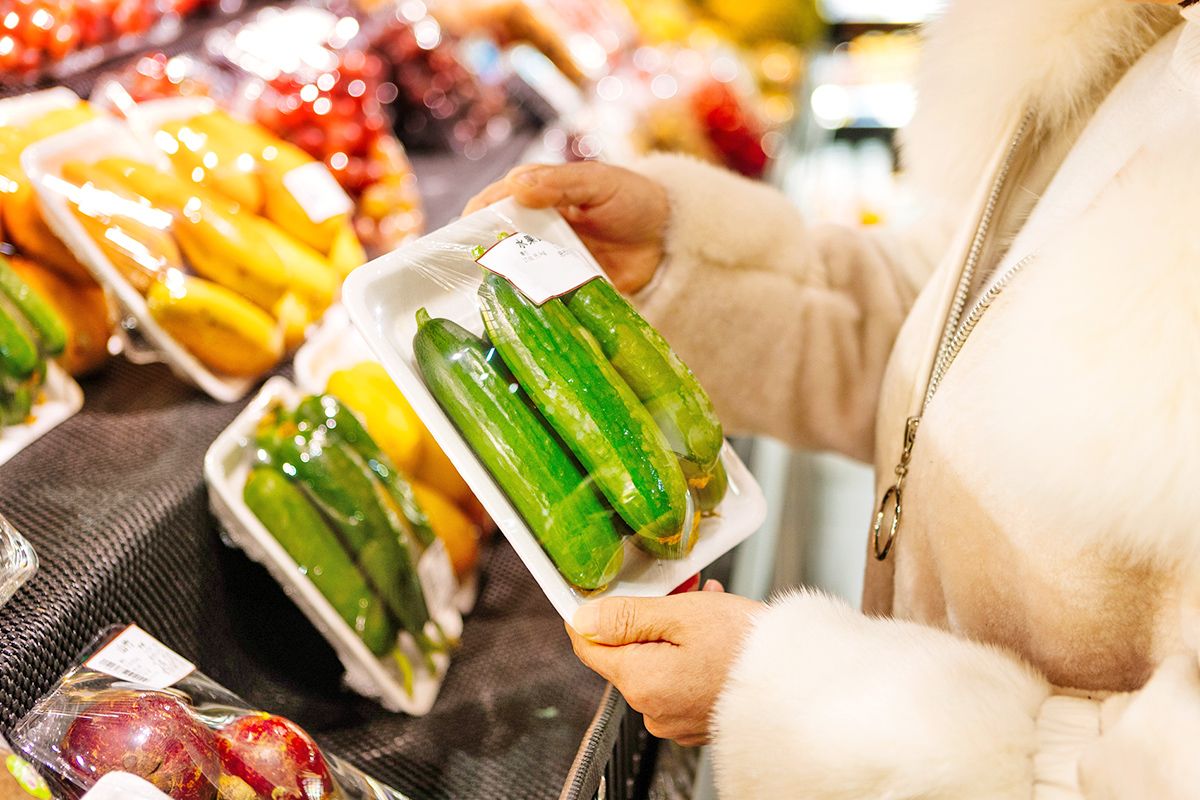
Cucumbers

Like lettuce, cucumbers have a high water content and will fall apart after thawing. You don’t want to try freezing them, but there are a few ways to make them last longer in your fridge. Wrap each cuke in a paper towel, and store it in a loose plastic bag or produce bag. The paper towel will absorb excess moisture and keep cucumbers from rotting as quickly. Since moisture is the enemy, don’t wash your cucumbers until right before you use them. Cucumbers are sensitive to cold, so keep them away from the coldest part of the refrigerator.

Advertisement

Of course, you can also preserve cucumbers by pickling them or making refrigerator pickles, which are simpler than canning.

Recommended Articles

  • 5 Things To Ask Your Doctor About the New Flu Shot

  • Is Sourdough Actually Healthier Than Regular Bread?

  • Do You Really Need a Bidet in Your Home?

  • Is It Actually Better To Lease a Car?

Advertisement
Advertisement

Reader Favorites

  • Woman looking in fridge

    9 Foods You Should Toss ASAP if They’re Expired

  • Person eating salad

    7 Things a Chef Never Orders at a Restaurant

  • Cherry angioma

    Are the Tiny Red Dots on Your Skin Dangerous?

Credit: TheCrimsonMonkey/ iStock

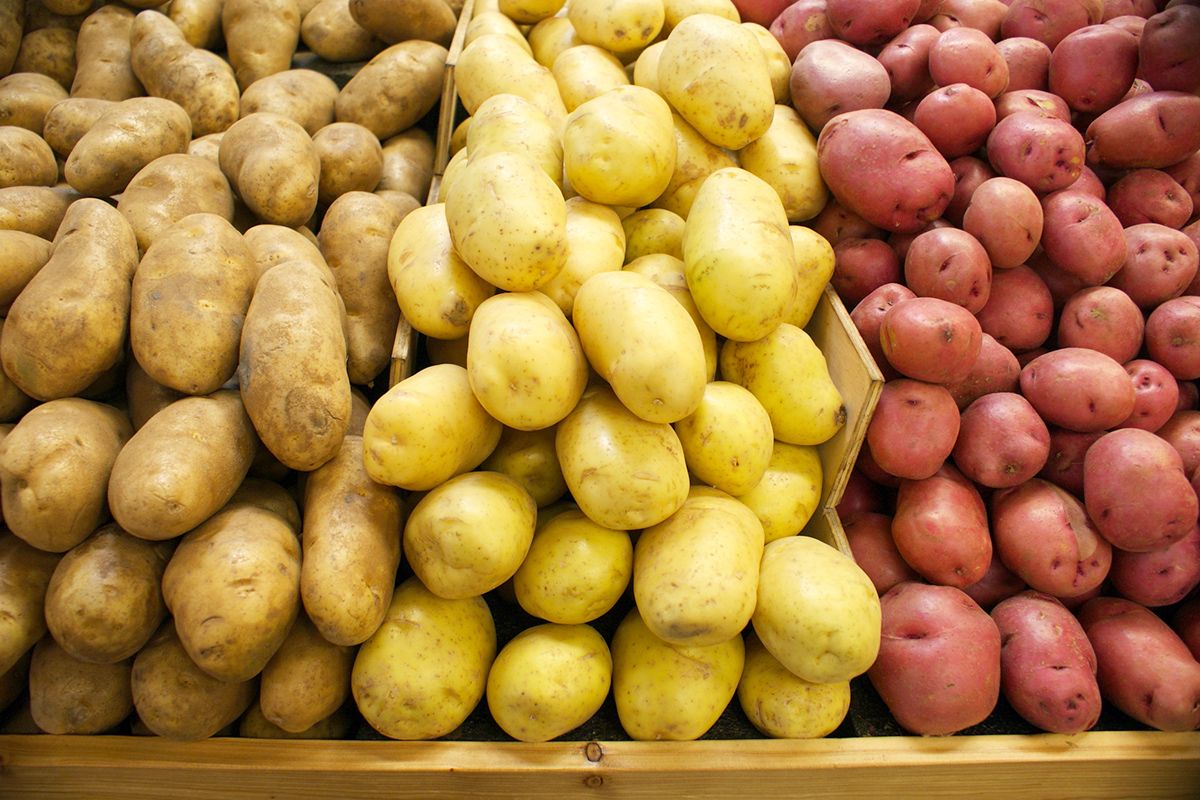
Potatoes

It is actually possible to freeze potatoes in various forms, including fries and tater tots. But, once again, due to their high water content, you can’t simply freeze fresh, raw potatoes. Frozen potatoes at the store have also been cooked in some form. 

If you’re freezing your own potatoes, parboil or blanch them first by cutting them into chunks, slices, or fries and boiling for three to five minutes until they’re slightly tender but still firm. Drain and plunge them into ice water to stop them from continuing to cook. Dry thoroughly. Then, you can spread the potatoes on a baking sheet and flash freeze for one to two hours before transferring to a freezer bag. Using this method helps potatoes keep their texture without going slimy, for up to a year in the freezer.

You can also freeze mashed potatoes if you have leftovers. Once they’re cool, scoop them into freezer bags or containers and store in the freezer. You can freeze roasted or baked potatoes by cooling them, wrapping each individually, and storing them in a container.

Credit: TheCrimsonMonkey/ iStock

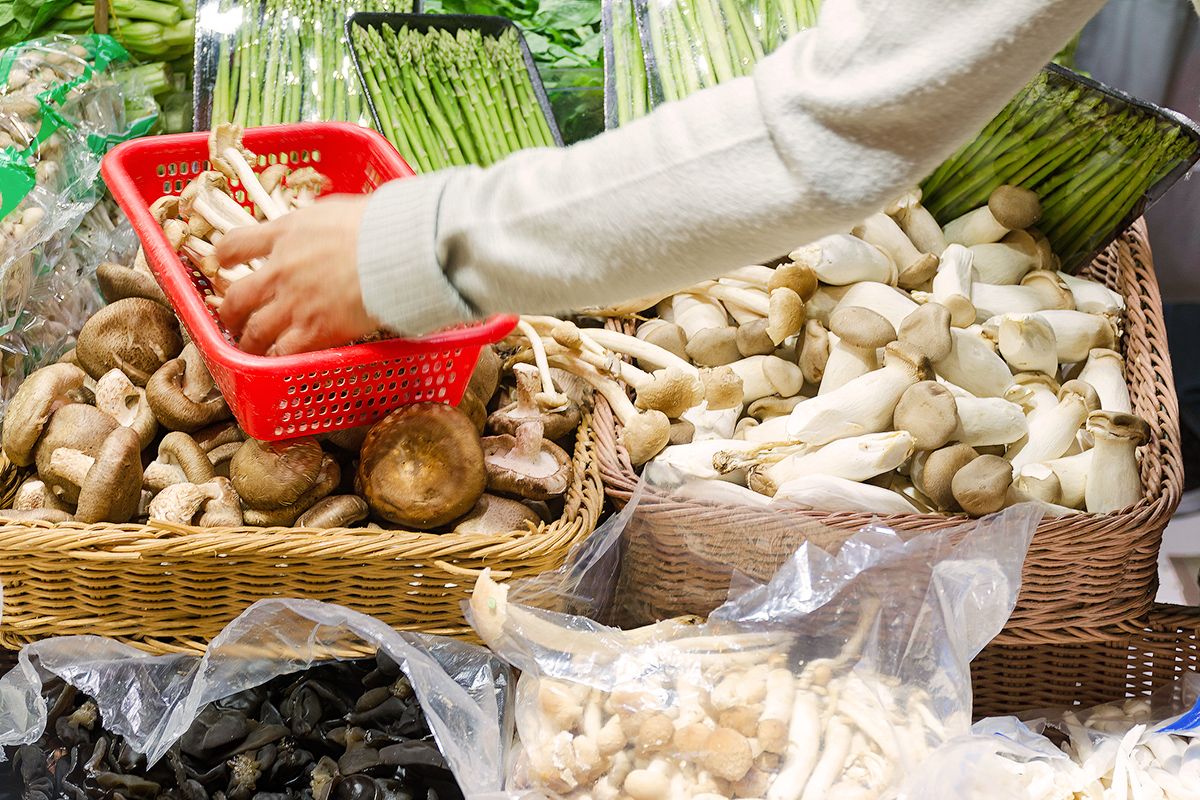
Mushrooms

Similar to potatoes, you can purchase frozen mushrooms or freeze them yourself, but they need to be cooked first. Mushrooms also have a lot of water, and raw mushrooms that are frozen will be slimy and possibly rubbery. They also lose their flavor. 

Advertisement

If you want to freeze mushrooms, they should be sautéed first. Clean them with a damp paper towel, slice, and sauté them in a little olive oil or butter for five to seven minutes until they’re just cooked. Let cool. Spread the mushrooms on a tray and flash freeze them before transferring to a freezer bag or freezer-safe container. They’ll last from six to eight months in the freezer. 

You can also roast or air fry mushrooms before freezing. Roast at 400 degrees Fahrenheit for about 15 minutes, cool, and then freeze. 

Advertisement
Advertisement
Credit: Mike Jones/ Pexels

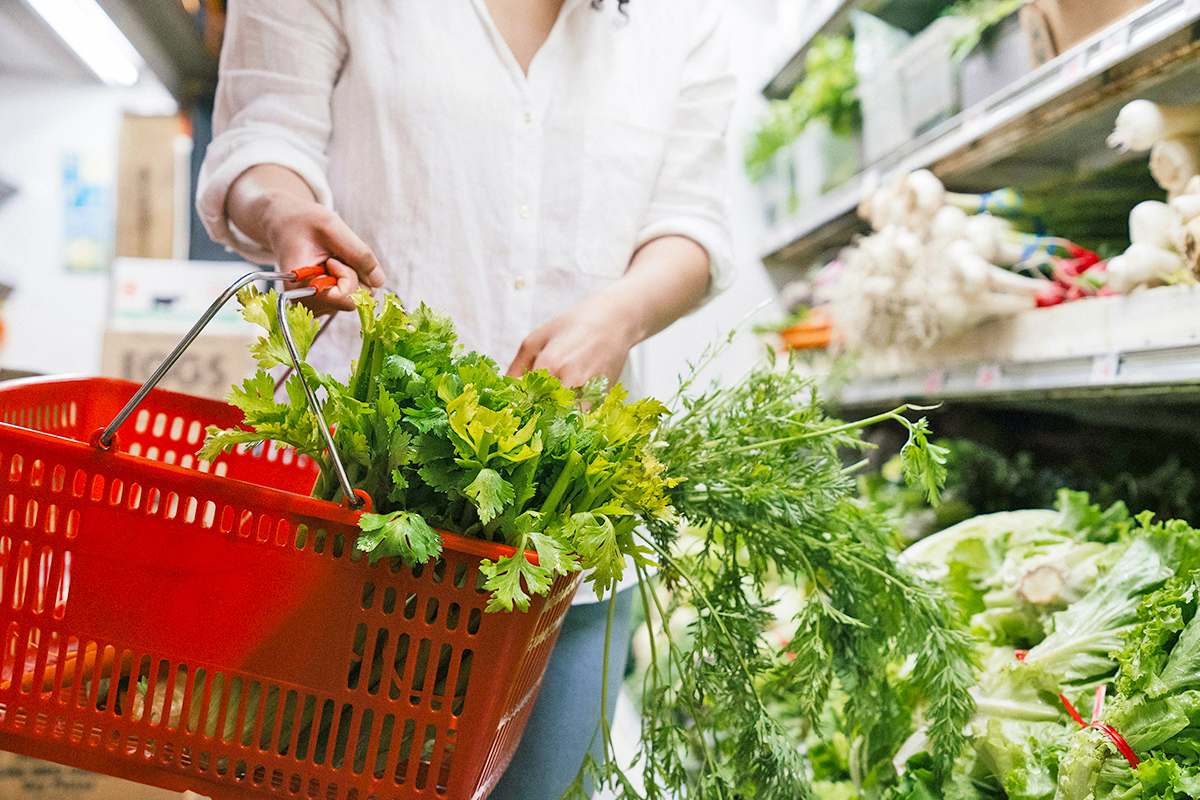
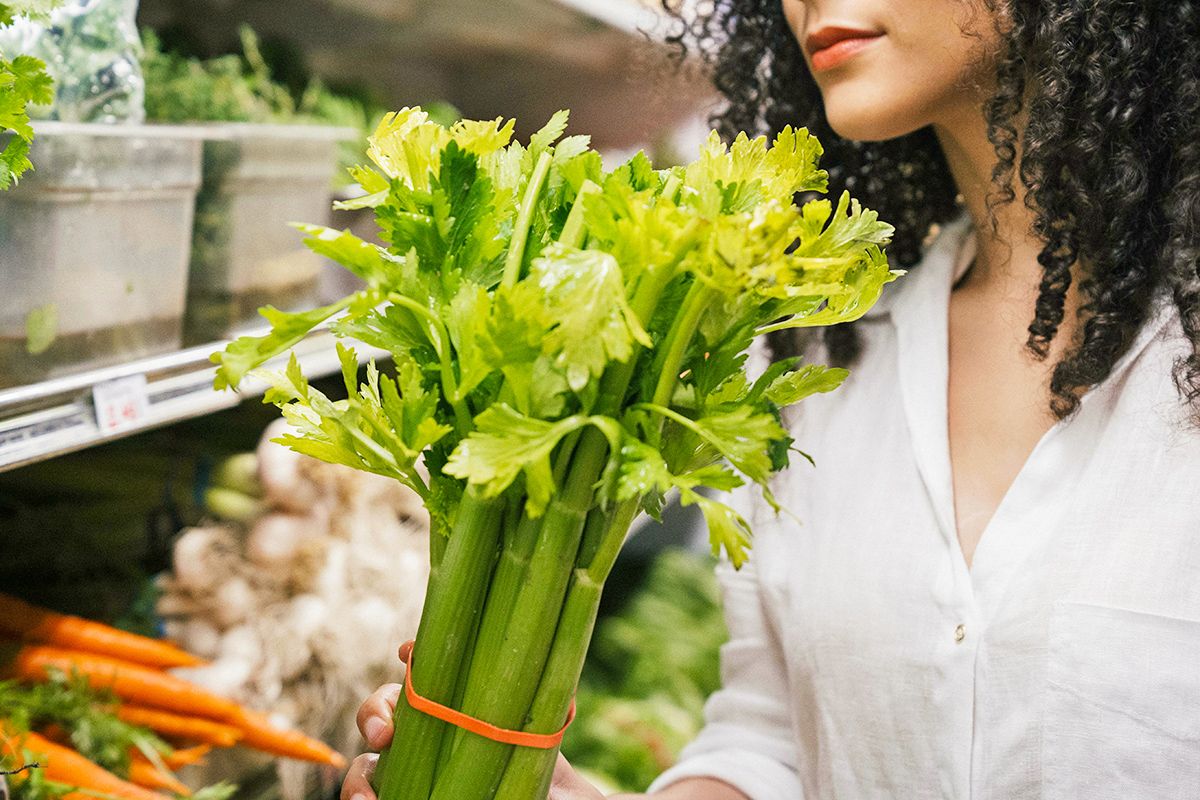
Celery

Celery is another vegetable that, frozen raw, can be mushy and squishy because of all its water. It can be treated so that it keeps some of its structural integrity — it won’t stay crispy when thawed, but it will be suitable for soups, stews, stuffings, and other cooked dishes. 

If you want to freeze celery so it’s good for cooking, blanch it first. Wash and chop your celery into slices or chunks. Boil it for two to three minutes and transfer to an ice bath to stop it from continuing to cook. Drain it and pat dry to remove the moisture. Spread the slices on a baking sheet and flash freeze. When it’s frozen, transfer it to a freezer bag or freezer-safe container. It will last up to a year. 

Featured Image Credit: Mike Jones/ Pexels

More From Our Network

Better Report is part of Inbox Studio, an email-first media company. *Indicates a third-party property.

Go Retro With This 1960s Fashion Quiz

Quiz Daily

Go Retro With This 1960s Fashion Quiz

True or False: Are You a Master of U.S. Geography?

Travel Quiz

True or False: Are You a Master of U.S. Geography?

5 Reasons You Can Be Denied Boarding an Airplane

Daily Passport

5 Reasons You Can Be Denied Boarding an Airplane

What Did People Do Before Eyeglasses?

History Facts

What Did People Do Before Eyeglasses?

How To Use a Balloon To Clean Up Dust

House Outlook

How To Use a Balloon To Clean Up Dust

11 Shopping Hacks Costco Members Should Know

FinanceBuzz*

11 Shopping Hacks Costco Members Should Know

Share this article

  • Share to Facebook
  • Share to Twitter
  • Copy Url
  • Share to Email
Laura Falin
Writer

Laura Falin is a freelance writer in Colorado who has written for Business Insider, BabyCenter, Colorado Parent Magazine, and more. She's an avid hiker who loves getting outdoors and taking ridiculously long road trips with her family.

This article is for general informational purposes only.
Affiliate Disclaimer Medical Disclaimer Financial Disclaimer

Updated: November 14, 2024
Posted In: Home
Hero Image Credit: Better Report
Advertisement

Related Articles

9 Items in Your Basement You Should Toss Right Now

5 min read

5 Vegetables You Should Never Store in the Fridge

3 min read

Why a Flashing Check Engine Light Is Different From a Solid One

3 min read

Why Does Your Sink Have a Tiny Hole?

3 min read

Is Hard Water Ruining Your Clothes?

3 min read
Advertisement

The One Refrigerator Shelf Sabotaging Your Groceries

Ali Eldridge
Home | Updated: May 27, 2025
Better Report

Organizing your fridge can feel like a useless task. The whole thing is cold — why does it matter where anything is? But not all fridge locations are created equal. The recommended temperature for keeping your fridge in the best state to avoid food spoilage is 35 to 38 degrees Fahrenheit (1.7 to 3.3 degrees Celsius). However, the entire fridge is not going to be at this exact temperature all the time. You have to organize it efficiently to make sure your food stays fresh as long as possible.

It seems reasonable to place your most-used items in the door, like the milk you grab every morning for your coffee. However, the refrigerator door immediately hits the warmth of your kitchen, and is where you lose most of the necessary cold air. If it needs to last a decent amount of time, don’t put it in your fridge door. Your perishable items should be pushed into the cooler areas of the shelves in your fridge. 

Advertisement
Advertisement
Credit: shurkin_son/ iStock

What Should You Store in the Door

The USDA advises against storing perishables, like milk, eggs, and any dairy products, in the door. But there are still multiple items to keep there. The door is best for things like condiments, drinks, and anything in a jar (or something with a lid) that’s non-perishable. So you’ll have to reach into the fridge for your daily milk, but you still have easy access to your soft drinks, ketchup, and mayo.

Credit: fcafotodigital/ iStock

What to Store in Refrigerator Drawers and on Shelves

To make sure everything stays cool, you should also be deliberate about how you organize the rest of your fridge. 

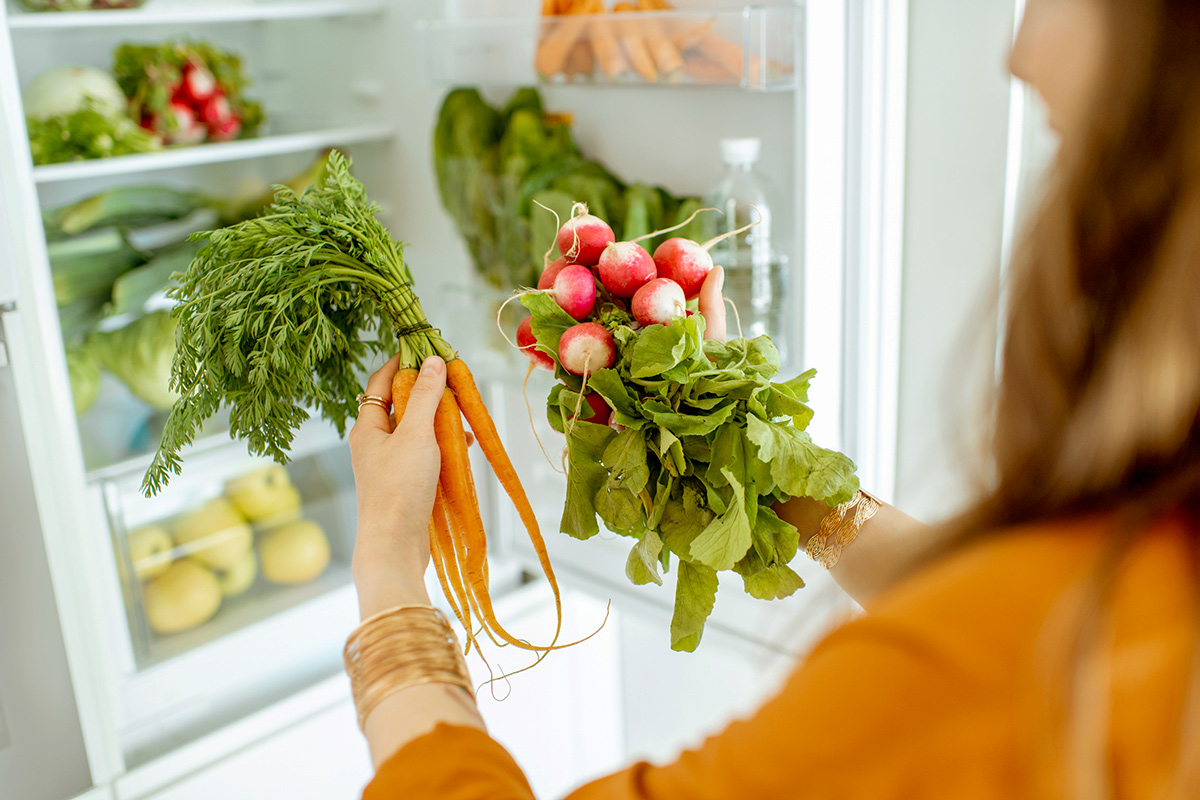
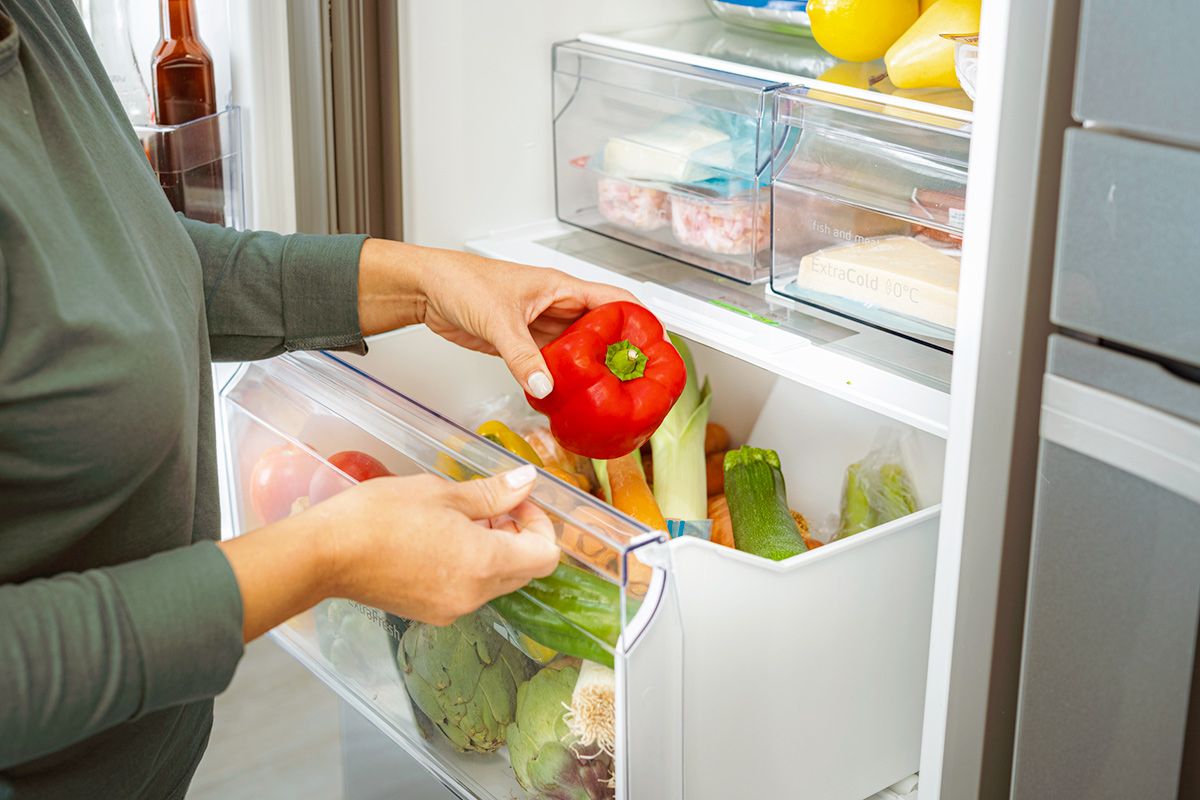
The drawers in your fridge are called crisper drawers, and they offer more humid environments than the shelves. Think about how fruit and vegetables are stored under a misting spray in the grocery store. Since that’s how they stay fresh there, you can apply the same logic to your fruits and veggies at home. You should store your fruit in one and vegetables in another. Keeping them separated is important — fruits give off gases that make vegetables spoil more quickly.

Recommended Articles

  • 5 Things To Ask Your Doctor About the New Flu Shot

  • Is Sourdough Actually Healthier Than Regular Bread?

  • Do You Really Need a Bidet in Your Home?

  • Is It Actually Better To Lease a Car?

Advertisement
Advertisement

Reader Favorites

  • Woman looking in fridge

    9 Foods You Should Toss ASAP if They’re Expired

  • Person eating salad

    7 Things a Chef Never Orders at a Restaurant

  • Cherry angioma

    Are the Tiny Red Dots on Your Skin Dangerous?

Store more non-perishables on the top shelf. It’s another good spot for the easy-access items. The middle shelf can be your milk, cheese, eggs, and prepared foods area. The bottom shelf should be for raw meat and fish to cut down on cross-contamination. 

Advertisement
Credit: Jevtic/ iStock

Organization and Cleaning Methods for Your Refrigerator

A good organization tip is to put your newest items at the back of the fridge. Make sure you’re pushing your older items to the front so you use up the half-eaten cheese before you break open a new one. 

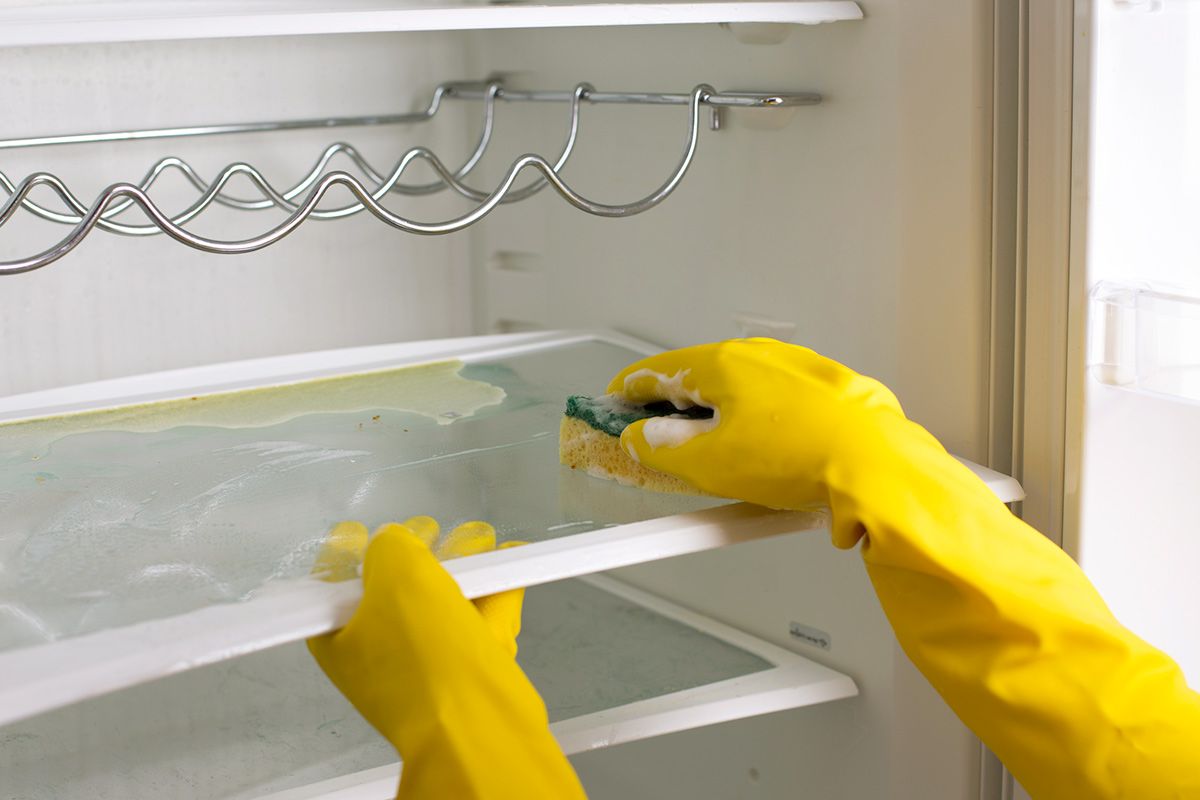
Cleaning your entire refrigerator is a big task. To make it easier, you can choose to clean one shelf at a time. Take the approach of going shelf by shelf so the task seems less daunting. 

Advertisement
Advertisement

Overall, your refrigerator is a space that needs some regular organization and cleaning to make sure your food is in the best state. It’s important to keep your food fresh and good organization means it’s easier to plan your meals, and you’ll save money on avoiding food spoilage. 

Feature Image Credit: RossHelen/ iStock

More From Our Network

Better Report is part of Inbox Studio, an email-first media company. *Indicates a third-party property.

Go Retro With This 1960s Fashion Quiz

Quiz Daily

Go Retro With This 1960s Fashion Quiz

True or False: Are You a Master of U.S. Geography?

Travel Quiz

True or False: Are You a Master of U.S. Geography?

5 Reasons You Can Be Denied Boarding an Airplane

Daily Passport

5 Reasons You Can Be Denied Boarding an Airplane

What Did People Do Before Eyeglasses?

History Facts

What Did People Do Before Eyeglasses?

How To Use a Balloon To Clean Up Dust

House Outlook

How To Use a Balloon To Clean Up Dust

11 Shopping Hacks Costco Members Should Know

FinanceBuzz*

11 Shopping Hacks Costco Members Should Know

Share this article

  • Share to Facebook
  • Share to Twitter
  • Copy Url
  • Share to Email
Ali Eldridge

This article is for general informational purposes only.
Affiliate Disclaimer Medical Disclaimer Financial Disclaimer
Updated:
Posted In: Home
Hero Image Credit: Better Report
Advertisement

Related Articles

9 Items in Your Basement You Should Toss Right Now

5 min read

5 Vegetables You Should Never Store in the Fridge

3 min read

Why a Flashing Check Engine Light Is Different From a Solid One

3 min read

Why Does Your Sink Have a Tiny Hole?

3 min read

Is Hard Water Ruining Your Clothes?

3 min read
Advertisement

Use This and You’ll Never Throw Out Stale Bread Again

Home | Updated: March 9, 2026
Matt Jancer
Author
Matt Jancer has been in the industry for 15 years and lives in the greatest city on Earth, New York City. He’s traded words for money on behalf of more than 15 magazines. Some of his longest-running bylines were spent covering motorcycles, electric cars, outdoors gear, and other cutting-edge technology for Car and Driver, Outside, Esquire, Popular Mechanics, and Wired. When he isn't writing up deals and guides on how to live your life more easily, he's writing for enjoyment or out enjoying the great outdoors.
Better Report

All featured products and deals are selected independently and objectively by the author. Better Report may receive a share of sales via affiliate links in content.

As my New York-Italian family always says, “It’s not a meal without bread.” Between all the loaves I bake from scratch and the bagels, muffins, and pastries I hoard from local bakeries, it’s clear I take that sentiment seriously.  But with baked goods comes mold and staleness, and I hate throwing out food. I was skeptical that a bread box was a functional kitchen tool, but seven years after buying my first, I’m convinced. All my baked goods last nearly a week longer. Bread boxes work because the enclosed space becomes a controlled environment regulating the humidity inside. It traps some moisture, keeping the bread from going stale as quickly, but allows for that air to circulate and slowly escape so that it doesn’t stay damp enough to grow mold. Whether homemade or store-bought, keep your bread tasty longer with one of the boxes below. 

Prices are accurate as of March 9, 2026. Subject to change.

An image of the Culinary Couture white bread box
Courtesy of Amazon

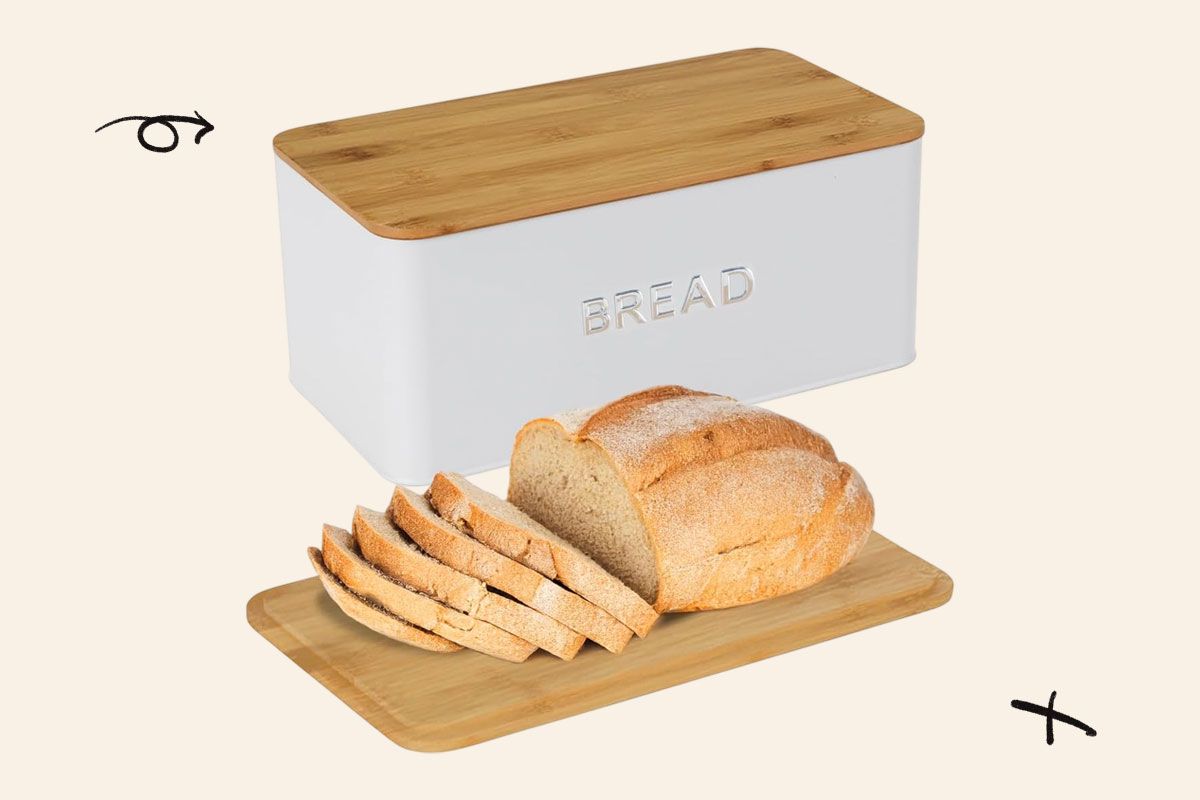
Culinary Couture White Bread Box

Going for a rustic look in your kitchen? You need the sort of bread box you’d have seen on the countertop of a country farmhouse back before stainless steel was even invented. The Culinary Couture’s white-painted steel leans heavily into the vintage look, and its bamboo lid doubles as a cutting board for your bread loaves. It’s sized perfectly to hold one typical loaf of bread, although you may be able to fit in a few cookies. You know, just for emergencies when you need a quick treat.

BUY FOR $23 AT AMAZON
An image of the Oggi roll top bread box
Courtesy of Amazon

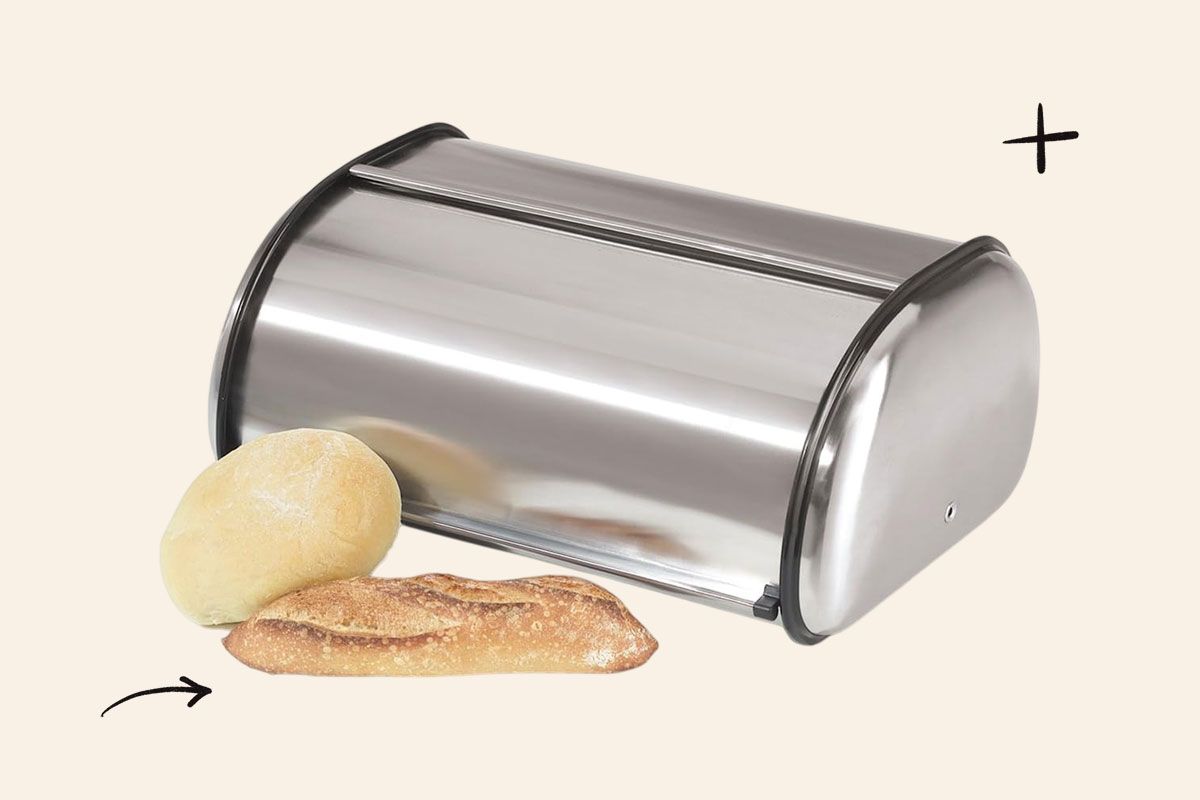
Oggi Stainless Steel Roll-Top Bread Box

Enraptured by the Brabantia’s gleaming stainless steel, but wish for a more affordable price tag? The Oggi offers premium stainless steel materials with the option of a stainless steel, bamboo, or frosted plexiglass lid. At 15 inches long, you could fit a couple of loaves in the Oggi if you stack them and if the one on top isn’t too wide. Stack smaller baked goods, such as cookies and bagels, in the remaining room.

BUY FOR $29 AT AMAZON
Advertisement
An image of the Homekoko bamboo two-tier bread box
Courtesy of Amazon

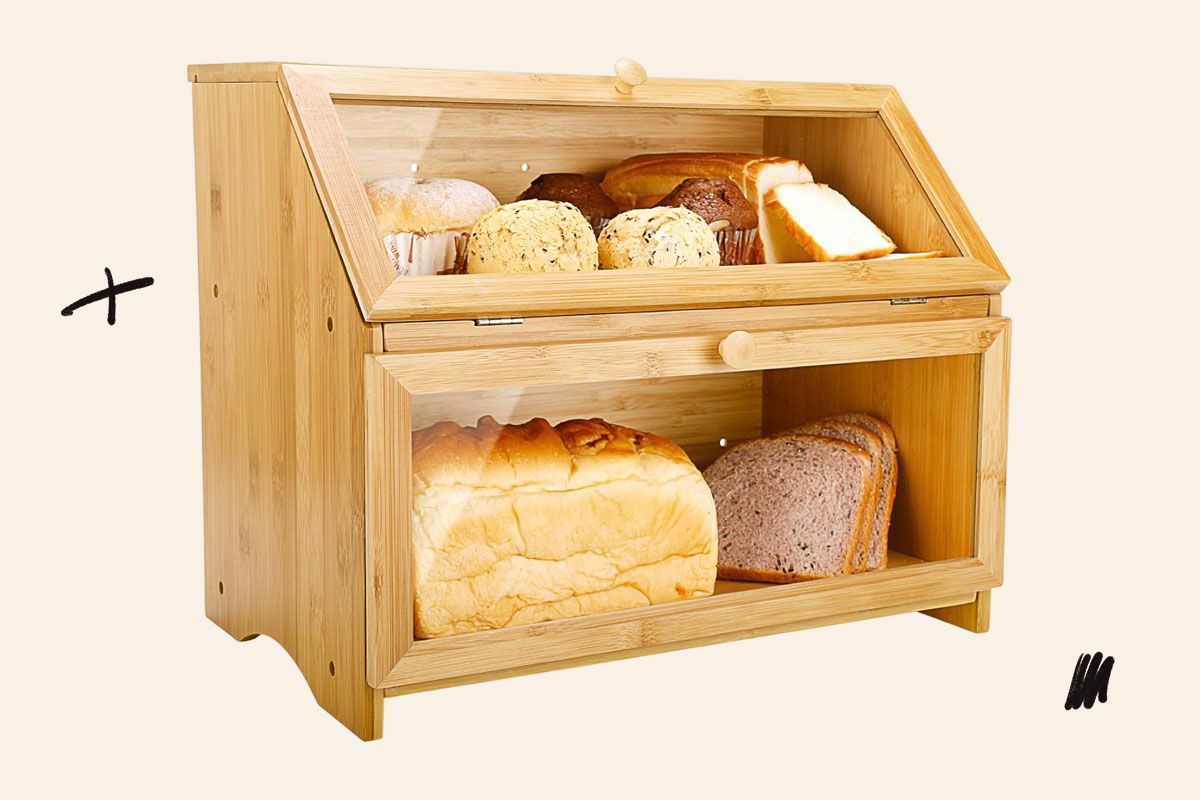
Homekoko Bamboo Two-Tier Bread Box

Larger families seem to go through bread as quickly as they go through drinking water. This solid bamboo bread box doubles the amount of space available for loaves compared to most without increasing its footprint on your countertop. Both windowed lids flip downward on simple hinges and let the whole family see what goodies are inside for the taking.

BUY FOR $40 AT AMAZON
An image of the Brabantia fall front bread box
Courtesy of Sur La Table

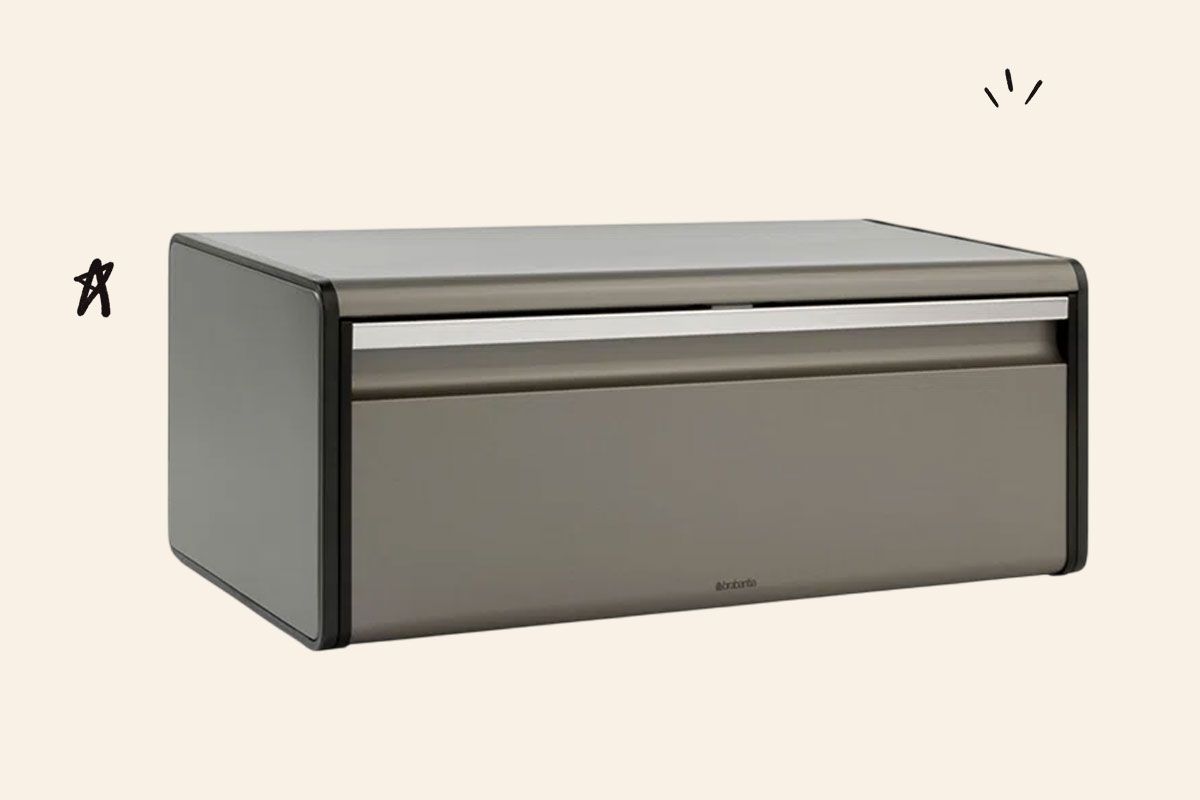
Brabantia Fall Front Bread Box

The Belgian-made Brabantia has a build quality that most other bread boxes could only dream of. Its stainless steel construction practically shouts sturdiness, which is the only noise it makes. Utterly silently, noise-damping materials do an excellent job of keeping the door clatter-free when opening or closing, and a magnetic seal keeps the door tightly shut when down. It’ll hold two large bread loaves, plus a few odds and ends, such as English muffins and croissants.

BUY FOR $51 AT WALMART (STAINLESS ONLY)
BUY FOR $71 AT SUR LA TABLE
An image of the Williams Sonoma walnut bread box
Courtesy of Williams Sonoma

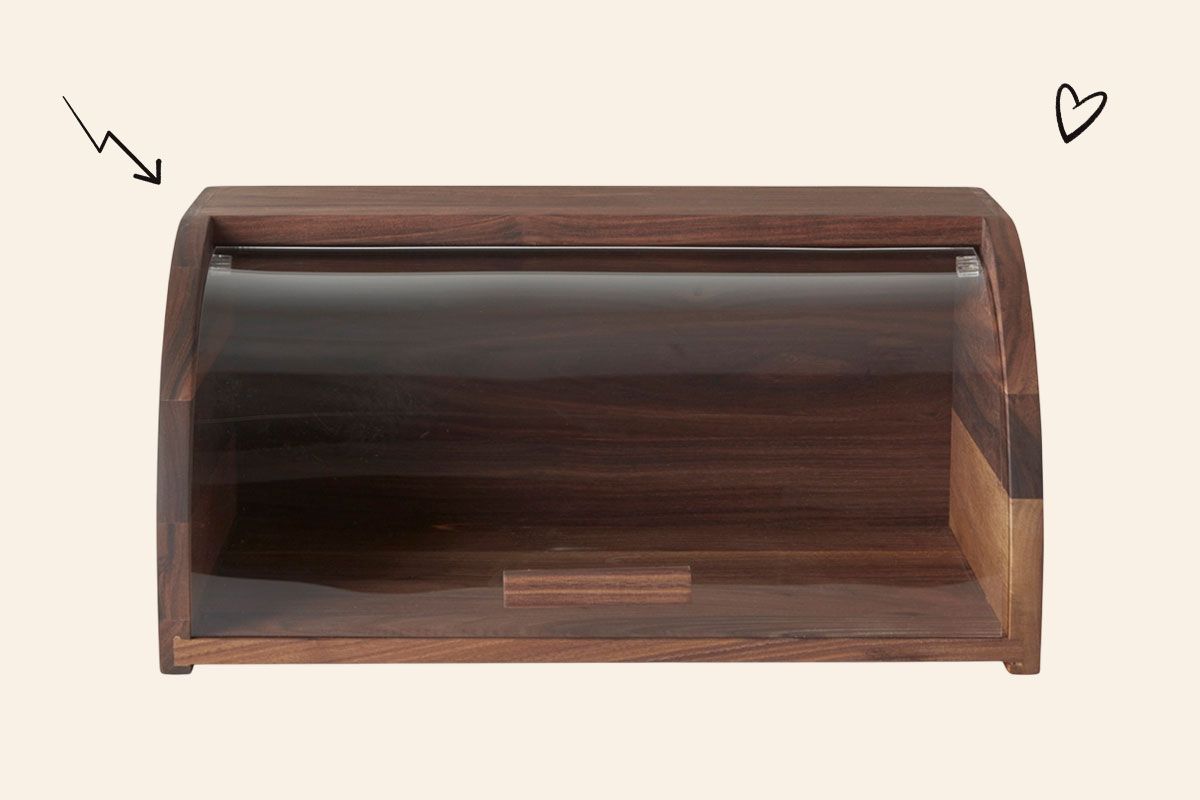
Williams Sonoma Walnut Bread Box

Solid walnut wood frames this exclusive bread box available only at Williams Sonoma. The dark, reddish-brown hue displays a wonderfully varied and natural wood grain. Steal a quick glance at its contents through the clear, sliding lid to know whenever you’re running low on ciabatta, sourdough, or whichever two loaves you’ve tucked inside. There’s an olivewood version for $200 if you’d prefer a lighter shade.

BUY FOR $160 AT WILLIAMS SONOMA

Featured Image Credit: stock1000/ Shutterstock

Advertisement
Advertisement

Related Articles

9 Items in Your Basement You Should Toss Right Now

5 min read

5 Vegetables You Should Never Store in the Fridge

3 min read

Why a Flashing Check Engine Light Is Different From a Solid One

3 min read

Why Does Your Sink Have a Tiny Hole?

3 min read

Is Hard Water Ruining Your Clothes?

3 min read
Advertisement

Make the Most of Your Stand Mixer With These KitchenAid Attachments

Ali Eldridge
Home | Updated: February 25, 2025
Better Report

All featured products and deals are selected independently and objectively by the author. Better Report may receive a share of sales via affiliate links in content.

So prestigious, it may as well be considered the Rolls-Royce hood ornament of any covetable kitchen, the KitchenAid Artisan is our pick for an overall stand mixer. It’s best for anybody who desires this powerful status symbol that, hey, is also actually a wildly versatile machine for home cooks and professional chefs alike. Behind that gleaming metal cap on the front, there’s a portal to a wide, wide range of attachments that utilize the KitchenAid’s powerful motor to do so much more than mix. From pasta roller to ice cream maker, these are our favorite KitchenAid accessories.

Prices are accurate as of February 24, 2025. Subject to change.

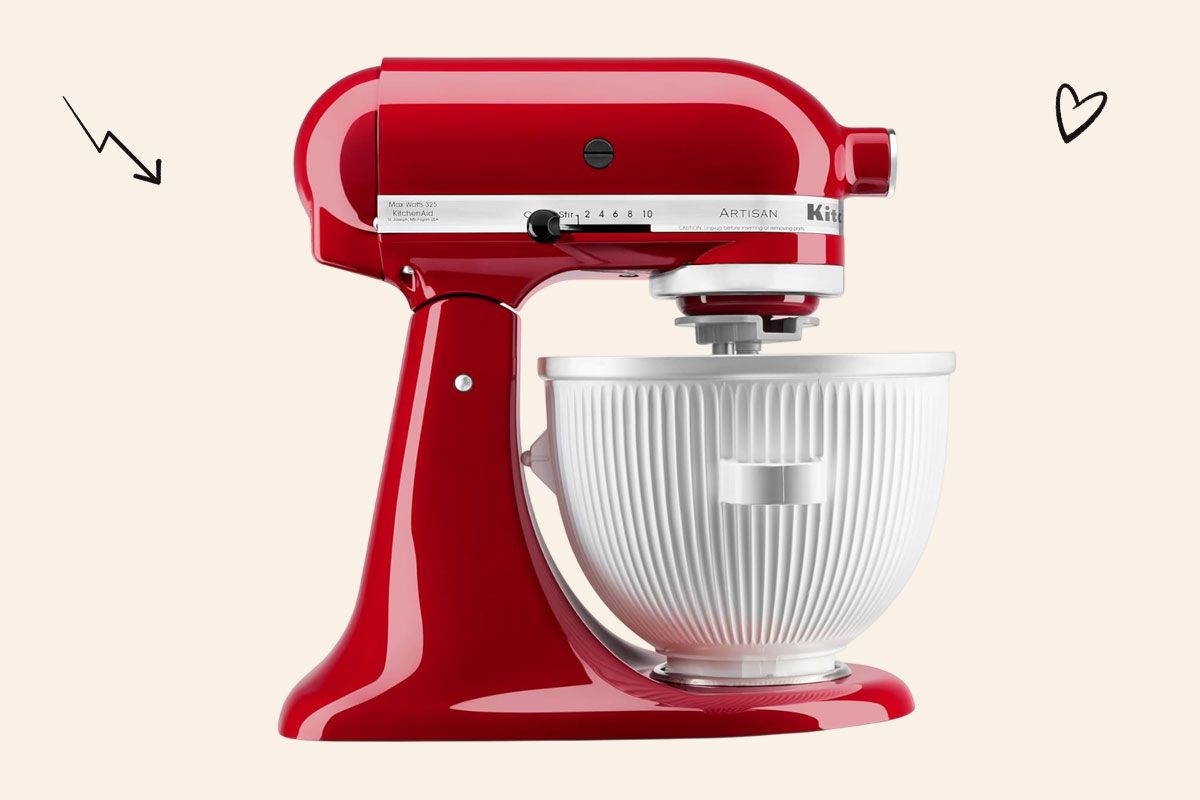
A photo of the KitchenAid ice cream maker attachment
Courtesy of Amazon

Ice Cream Maker

You don’t need a separate ice cream maker taking up valuable real estate in your cabinets. Pop the bowl in the freezer for 15 hours to chill it, and then prep your ice cream ingredients. Whether you want to mix up a bowl of classic strawberry or get avant-garde with a batch of sweet corn ice cream, the KitchenAid Ice Cream Maker attachment makes up to two quarts per batch in about 30 minutes.

BUY FOR $80 AT AMAZON
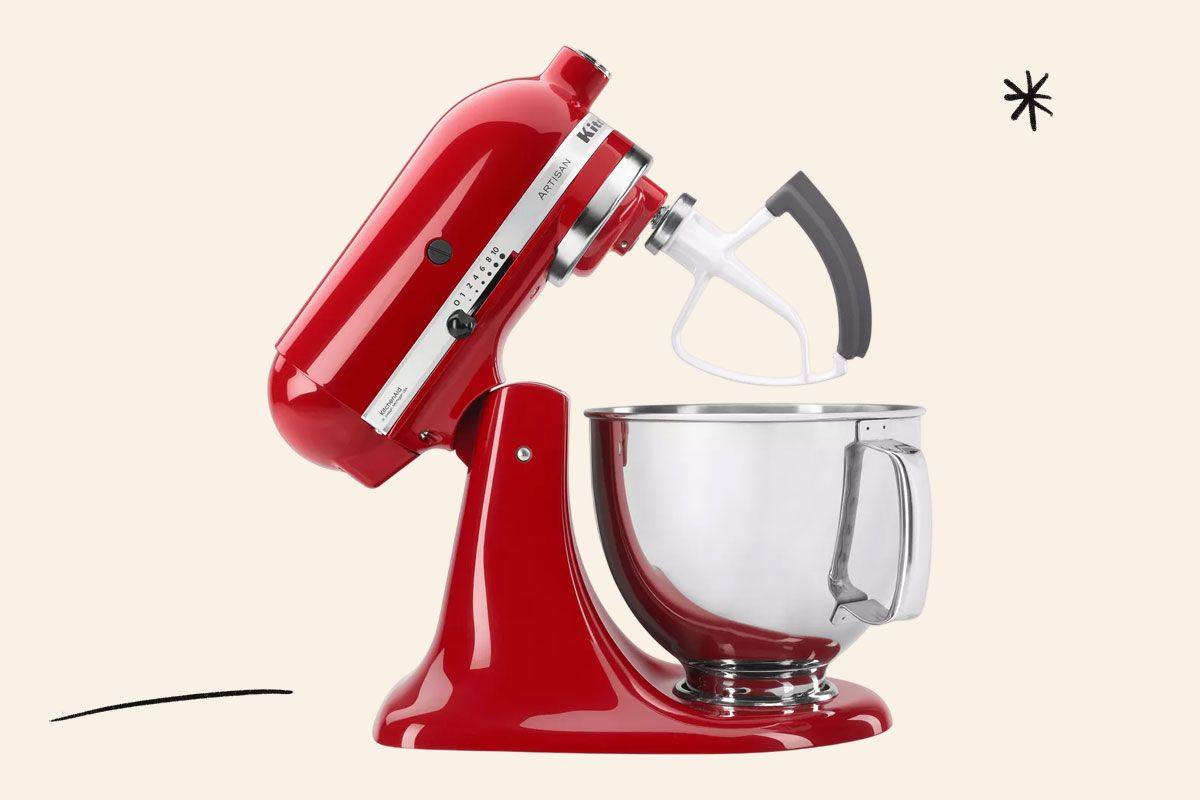
A photo of the KitchenAid flex edge beater attachment
Courtesy of Amazon

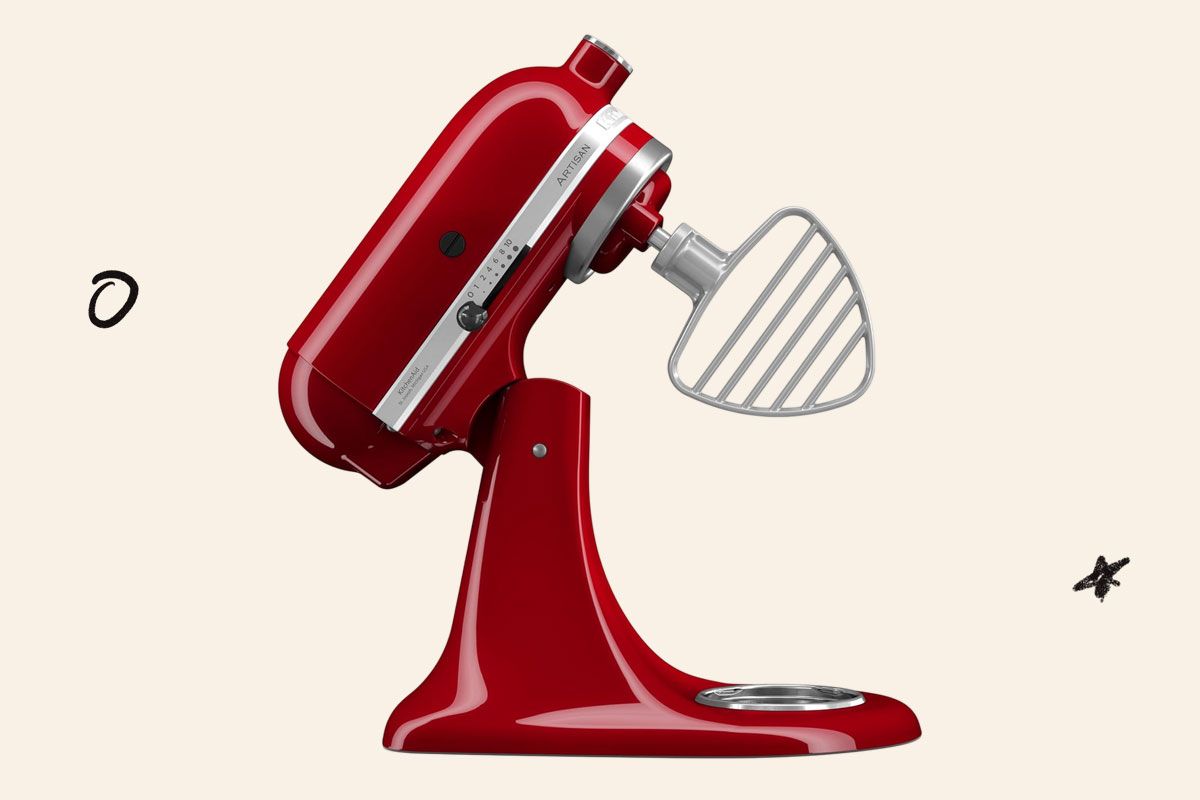
Flex Edge Beater

Ever use the KitchenAid’s standard flat beater to make a wet batter for pancakes or brownies? It mixes dry dough perfectly, such as for bread and most cookies, but it doesn’t reach the edges of the bowl, leaving unmixed batter on the sides. This substitute, dishwasher-safe beater features a flexible rubber edge that contours to the bowl’s edges, scraping every last bit of batter to be thoroughly mixed.

BUY FOR $35 AT AMAZON
Advertisement
Advertisement
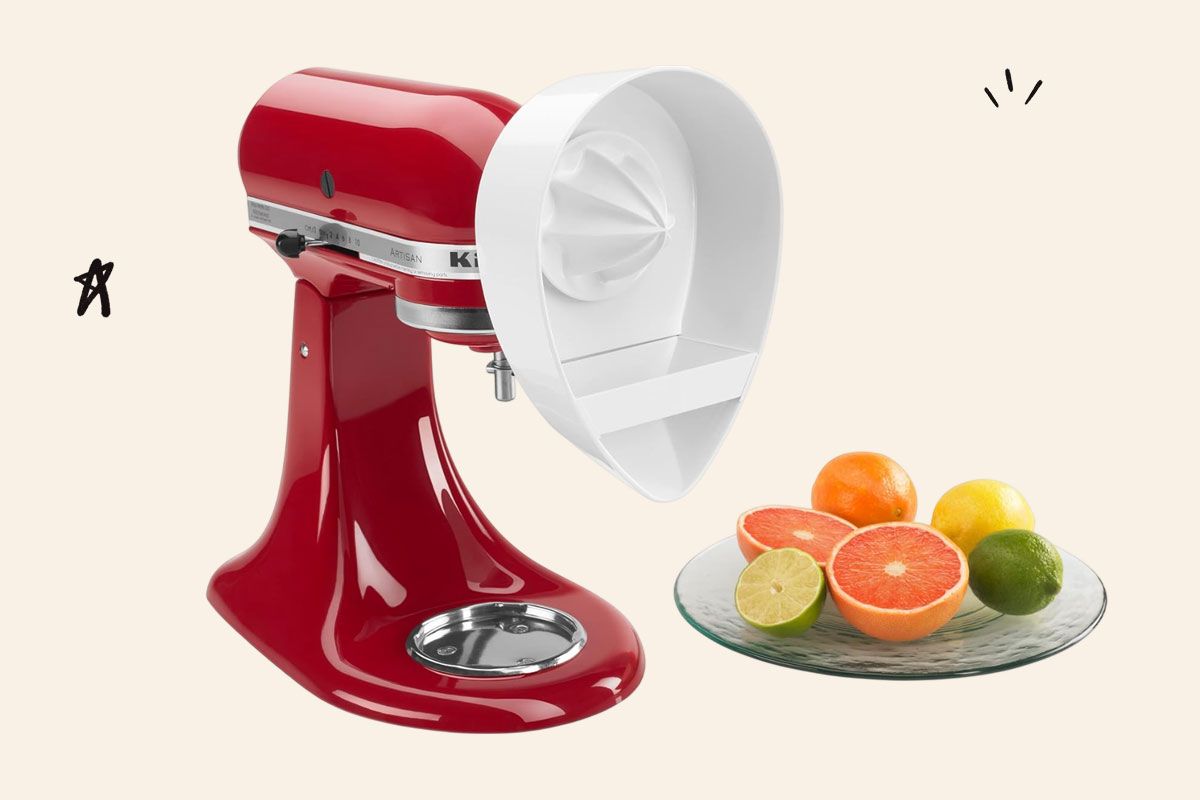
A photo of the KitchenAid citrus juicer attachment
Courtesy of Amazon

Citrus Juicer

It may look simplistic, but hiding in plain view are a few clever design touches, such as the strainer basket that catches stray seeds and pulp before they can drop into your drinking glass. This attachment will handle citrus fruits of any size, from small limes to grapefruit. And of course, it’ll handle the fruit in between, such as oranges and lemons.

BUY FOR $28 AT AMAZON
Advertisement
A photo of the KitchenAid pasta roller and cutter attachment
Courtesy of Amazon

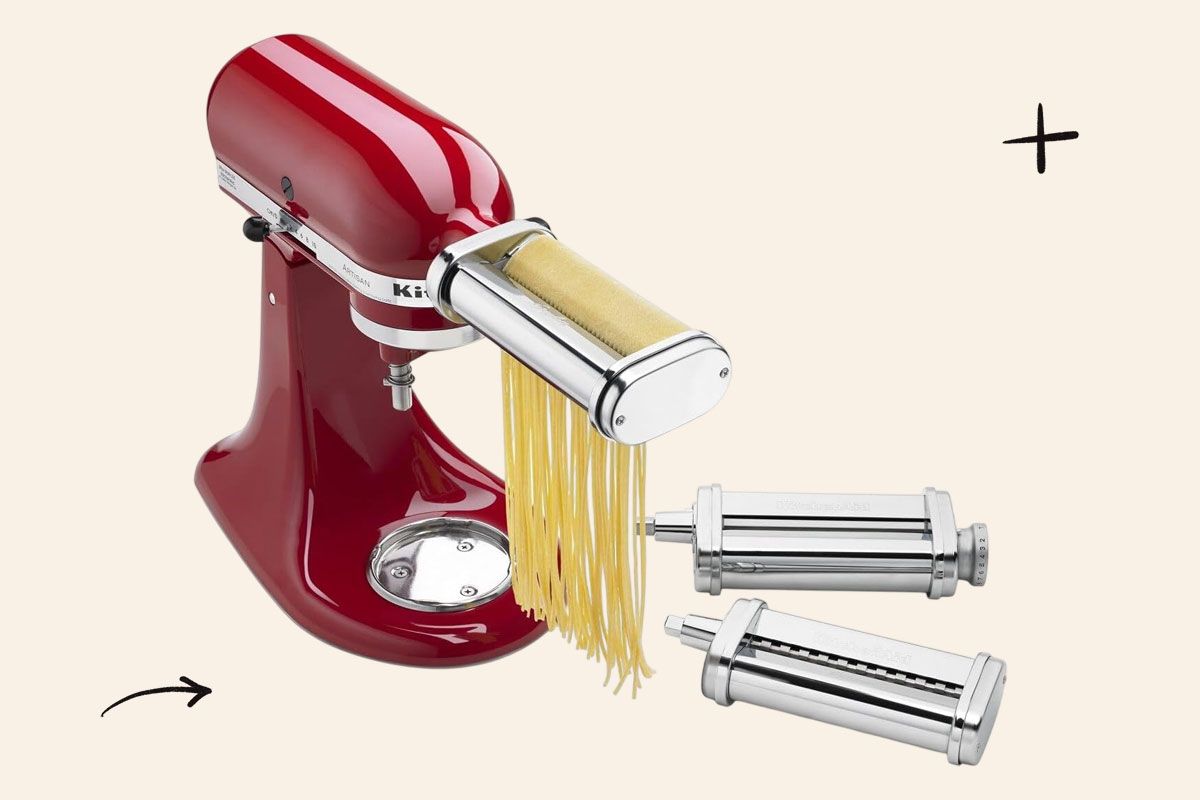
Pasta Roller and Cutter

Few things come from the kitchen that are as heavenly as homemade pasta, so ditch the boxed spaghetti. This stainless steel three-piece set comes with a sheet roller that’ll make 6-inch sheets of pasta dough in one of eight thicknesses. Then pop on either the spaghetti or fettuccine cutter, depending on your mood. All three included attachments work smoothly and are particularly sturdy.

BUY FOR $176 AT AMAZON

Recommended Articles

  • 5 Things To Ask Your Doctor About the New Flu Shot

  • Is Sourdough Actually Healthier Than Regular Bread?

  • Do You Really Need a Bidet in Your Home?

  • Is It Actually Better To Lease a Car?

Advertisement
Advertisement

Reader Favorites

  • Woman looking in fridge

    9 Foods You Should Toss ASAP if They’re Expired

  • Person eating salad

    7 Things a Chef Never Orders at a Restaurant

  • Cherry angioma

    Are the Tiny Red Dots on Your Skin Dangerous?

A photo of the KitchenAid pastry head attachment
Courtesy of Amazon

Pastry Head

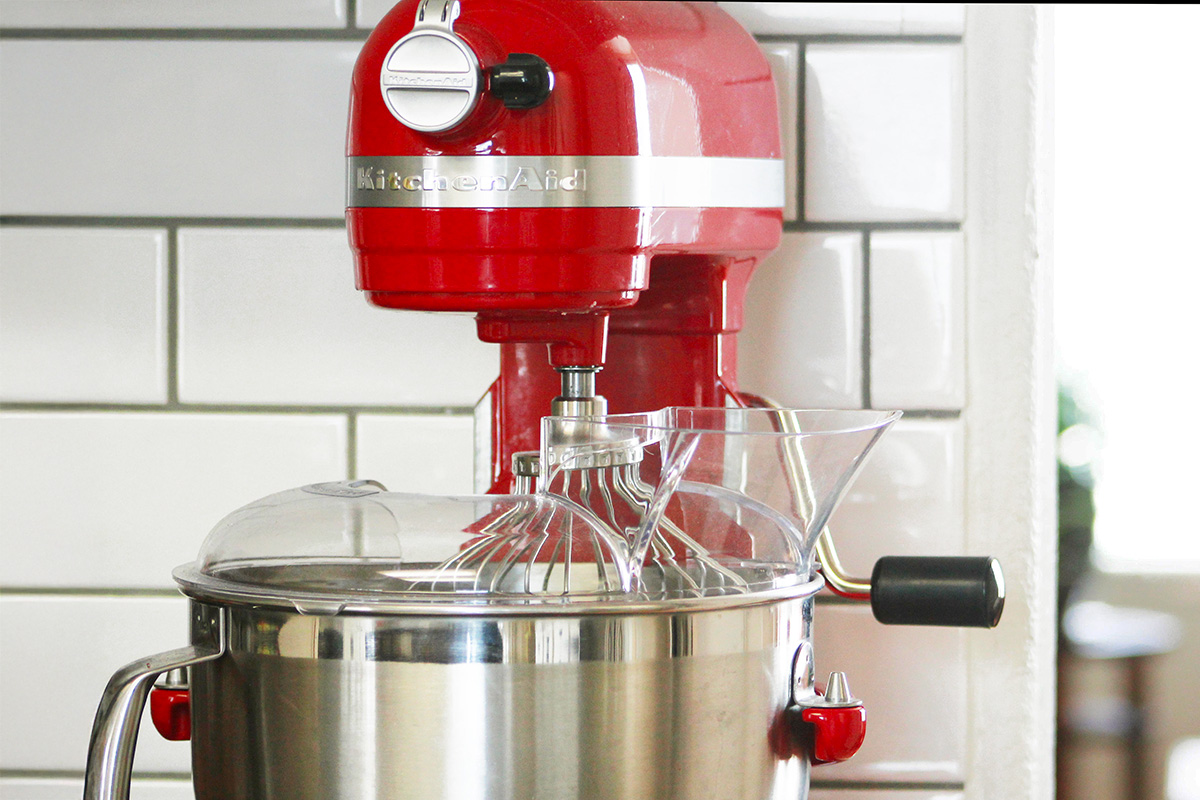
Don’t let the name fool you. This head attachment does so much more than just break cold butter into tiny pieces for making pastry dough. It’s also perfect for shredding meats and mashing fruits and vegetables to make mashed potatoes, applesauce, mashed pinto beans, egg salad, and fruit preserves, as well as cutting butter into flour to make biscuits, scones, and tarts. You can also buy a version for the bowl-lift if your KitchenAid is a Professional model.

BUY FOR $30 AT AMAZON
A photo of the KitchenAid food processor attachment
Courtesy of Amazon

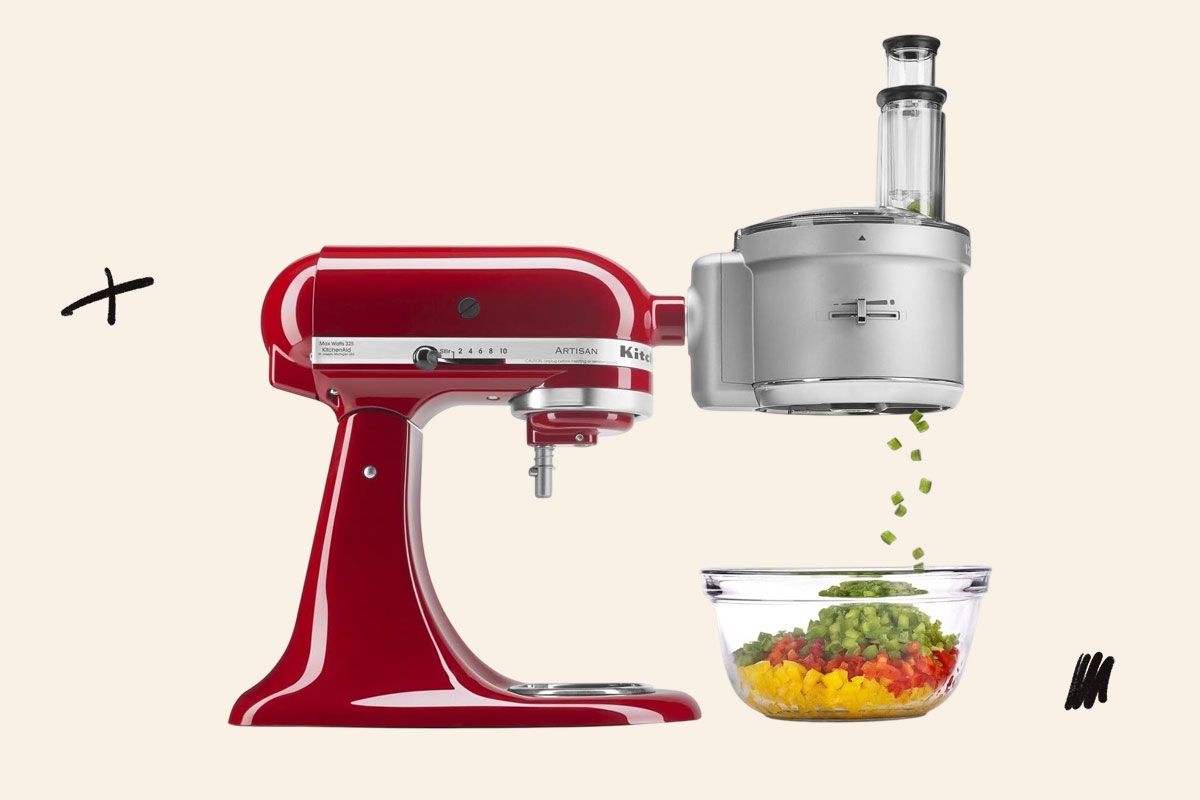
Food Processor

Want to cut your food prep time way down? Splurge for a food processor. None of the good ones are cheap, but consider not just the time saved from chopping your produce. You won’t have to wash a cutting board or knives, either. As quickly as you can feed it fruit, vegetables, and even cheese, it’ll dice, slice, shred, and julienne it. By running off the KitchenAid’s powerful motor, you don’t have to worry about it struggling with large volumes of produce for those epic meals.

BUY FOR $160 AT AMAZON
A photo of the KitchenAid slicer and shredder attachment
Courtesy of Amazon

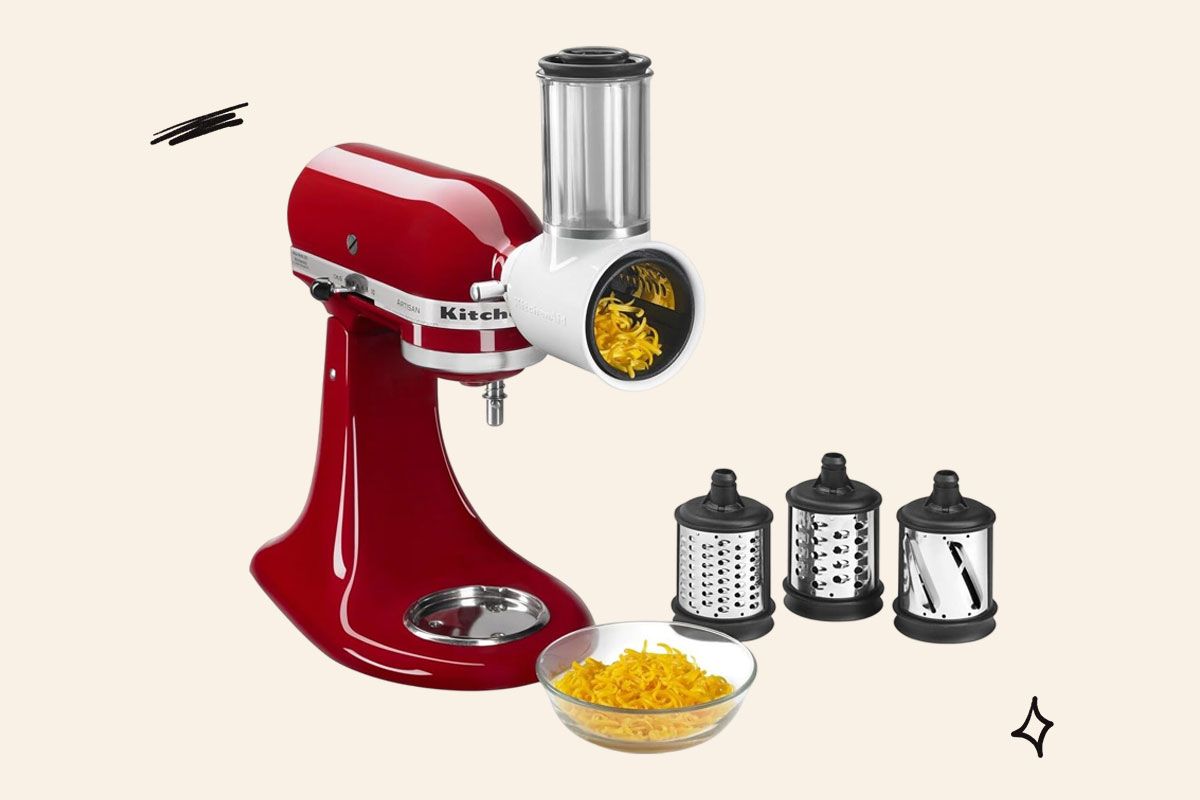
Slicer and Shredder

Would you be willing to trade away the food processor’s versatility for a dishwasher-safe alternative more specialized for slicing and shredding ingredients into thin strands? This four-piece kit includes three blades: a 3-millimeter slicing blade for cucumbers, carrots, celery, and zucchini; a 4-millimeter medium shredding blade for cheeses and firm vegetables, such as carrots; and a 6-millimeter coarse shredding blade for more robust produce, such as cabbages and potatoes. There’s also a food pusher to keep your fingers safe as you feed this slicer/shredder’s insatiable appetite… and then feed yours.

BUY FOR $50 AT AMAZON

Featured Image Credit: Angel Krause/ Alamy Stock Photo

More From Our Network

Better Report is part of Inbox Studio, an email-first media company. *Indicates a third-party property.

Go Retro With This 1960s Fashion Quiz

Quiz Daily

Go Retro With This 1960s Fashion Quiz

True or False: Are You a Master of U.S. Geography?

Travel Quiz

True or False: Are You a Master of U.S. Geography?

5 Reasons You Can Be Denied Boarding an Airplane

Daily Passport

5 Reasons You Can Be Denied Boarding an Airplane

What Did People Do Before Eyeglasses?

History Facts

What Did People Do Before Eyeglasses?

How To Use a Balloon To Clean Up Dust

House Outlook

How To Use a Balloon To Clean Up Dust

11 Shopping Hacks Costco Members Should Know

FinanceBuzz*

11 Shopping Hacks Costco Members Should Know

Share this article

  • Share to Facebook
  • Share to Twitter
  • Copy Url
  • Share to Email
Ali Eldridge

This article is for general informational purposes only.
Affiliate Disclaimer Medical Disclaimer Financial Disclaimer

Updated:
Posted In: Home
Hero Image Credit: Better Report
Advertisement

Related Articles

9 Items in Your Basement You Should Toss Right Now

5 min read

5 Vegetables You Should Never Store in the Fridge

3 min read

Why a Flashing Check Engine Light Is Different From a Solid One

3 min read

Why Does Your Sink Have a Tiny Hole?

3 min read

Is Hard Water Ruining Your Clothes?

3 min read
Advertisement

Why Are People Putting Aluminum Foil in Their Dishwasher? 

Home | Updated: June 4, 2024
Rachel Gresh
Author
Rachel Gresh is a Washington, D.C.-based freelance writer. When she's not writing, you can find her wandering a museum, exploring an unfamiliar city, or baking something new in the kitchen.
Person loading white plates into a dishwasher
Better Report

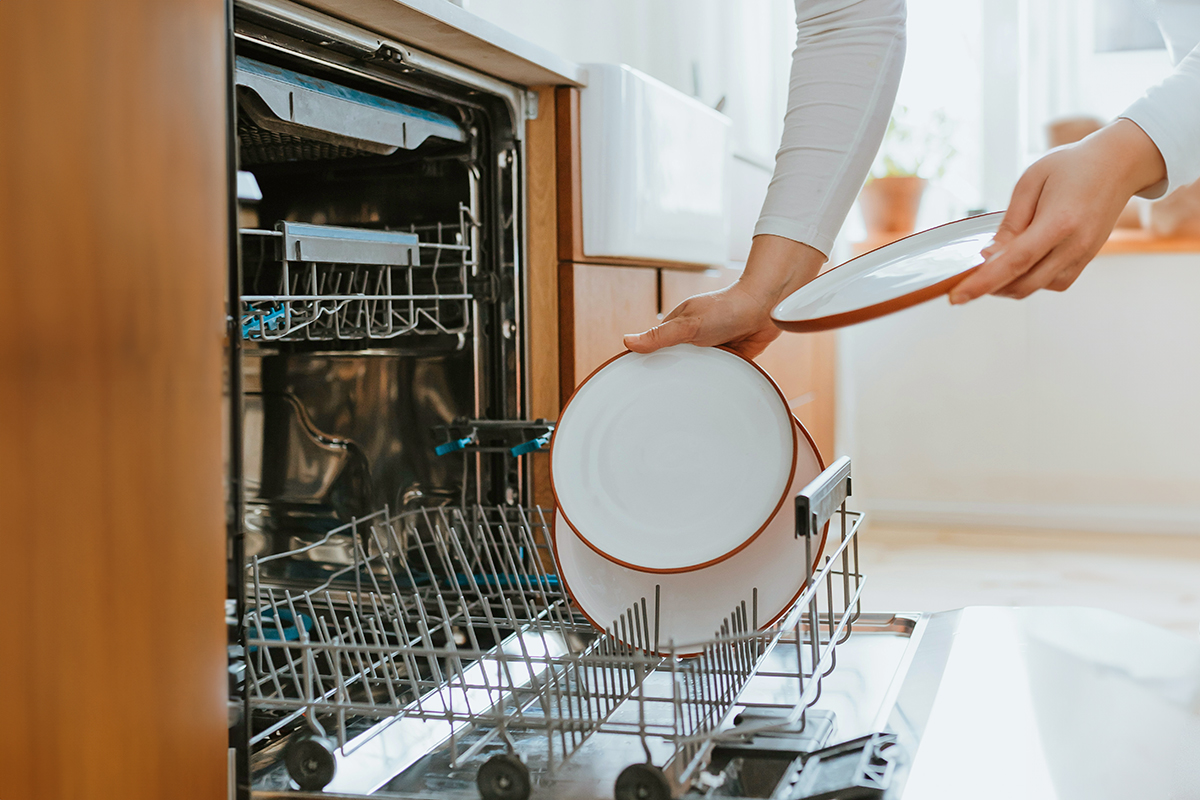
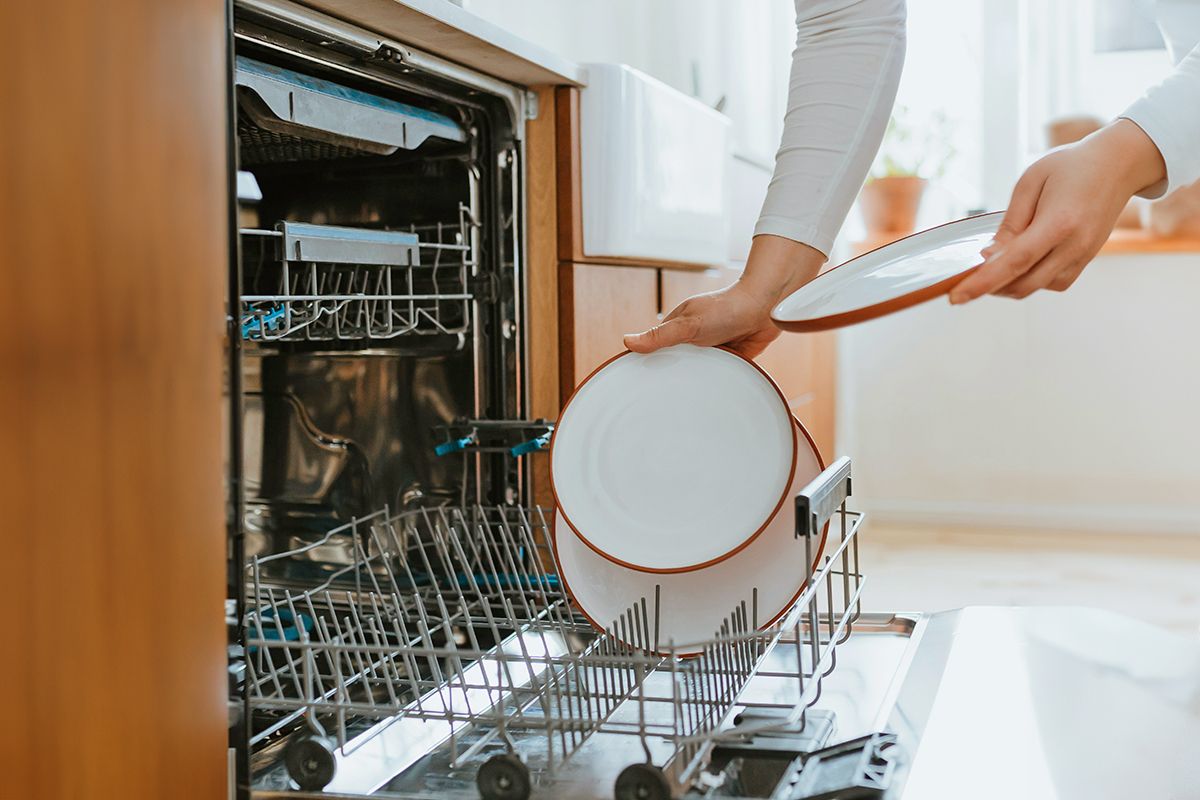
The latest viral cleaning hack involves tossing balls of aluminum foil into the dishwasher. We know, crazy, but bear with us here. If the proponents are to be believed, the bizarre move helps make your silverware gleam like never before, which sounds good to us since hard water stains, tarnish, and rust can do in even the nicest set of utensils. The trick is to crumple clean foil and tuck it into the utensil basket of your dishwasher (if it isn’t secured, it will float around the dishwasher, negating any benefits) before running your machine on a regular cycle with detergent. So, does it work? And if so, how exactly does it help keep that shine? Here’s what we learned.

Credit: Daiga Ellaby/ Unsplash+

Does it Work?

Like so many #CleanTok hacks on TikTok, this method has mixed reviews, but many social media influencers and cleaning gurus have given it a go. Some users noticed fewer hard water stains and more shine after one cleaning cycle, but as for tarnish removal, many users were disappointed with the lack of results. That said, there’s some science behind the move, which explains why it will work — but only on some utensils.

“A chemical reaction transfers the oxidized tarnish from the silverware to the aluminum foil,” explains Rich Handel from Consumer Reports. However, this only works with metal dishware or utensils because that chemical reaction will not occur with glass, wood, silicone, or other materials. 

Handal also explained that it works best when the foil touches the silverware because contact is needed for a chemical reaction. It’s unlikely that the aluminum foil ball touches many utensils at once (likely only the two pieces it’s wedged between), which is probably why this hack falls flat for some users. However, there is no harm in trying this cleaning method. “If you do want to try this hack out for yourself, you don’t have to worry about it damaging your dishwasher,” says Marla Mock, president of Molly Maid.

Advertisement
Advertisement
Credit: Nick Alias/ Shutterstock

A More Effective Aluminum Foil Method 

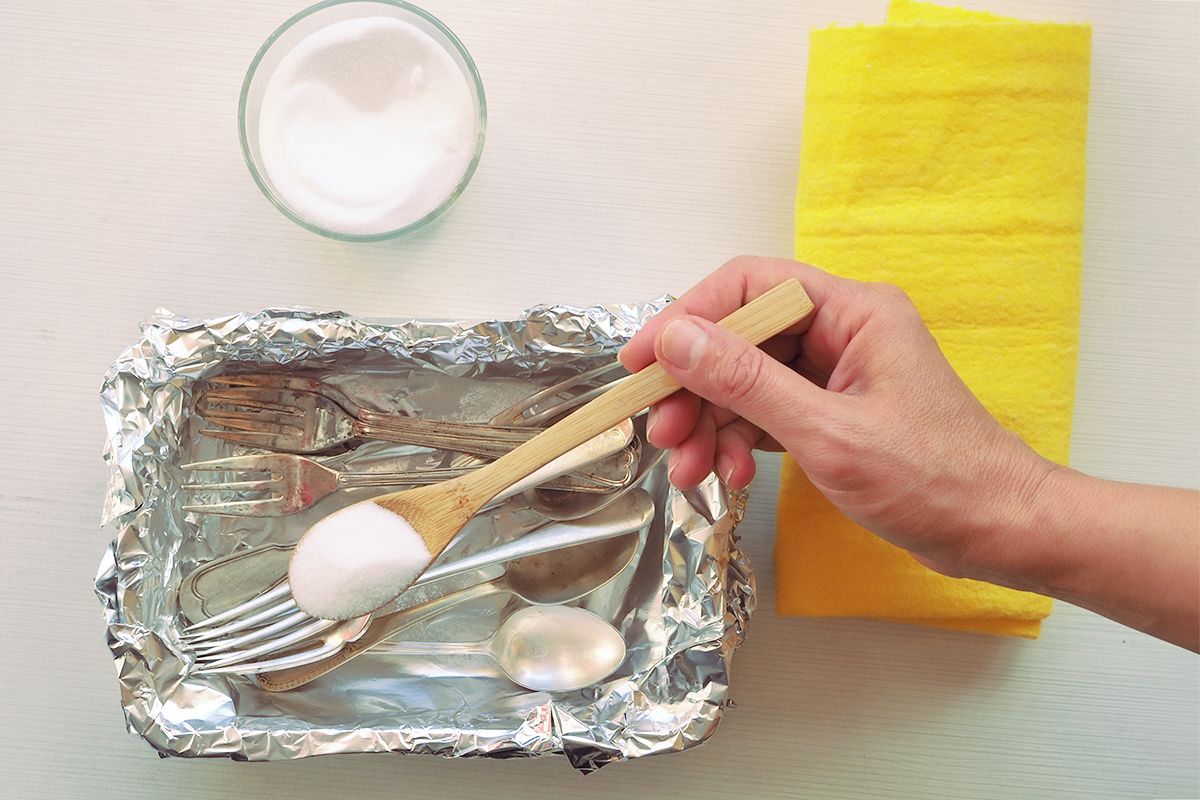
Although the team at Consumer Reports wasn’t thrilled with this hack’s results, they offered a more effective method for removing tarnish from silverware with aluminum foil. “You can clean silver with aluminum foil and a heated salt solution,” says Handel. To try this method, you’ll need salt, baking soda, aluminum foil, boiling water, and a heat-safe dish. Remember that this usually works best with silverware made out of real silver (sterling silver or silver plated). Today, most “silverware,” also called flatware, is made from stainless steel. Stainless steel utensils can still benefit from this hack, but your results might not be as drastic.

Advertisement

To try this, line an aluminum pan or glass baking dish with aluminum foil. Then, place your tarnished items on top of the foil and sprinkle two tablespoons of salt and two tablespoons of baking soda on top. Cover the items with boiling water and soak for around three minutes. As the solution cools, turn the items over with tongs so that as many sides touch the foil as possible. Rinse the items with plain water and buff them with a microfiber (or other silver-safe material) cloth. This method not only cleans the tarnish from silver utensils and serving dishes but also works for jewelry and other silver items.

Aluminum foil can also clean stainless steel pans and is recommended as a non-toxic option for burnt-on messes. Simply pour half a cup of distilled white vinegar into the pan and sprinkle a tablespoon of baking soda. Using a ball of aluminum foil, gently scrub away stains, taking care not to scratch the pan. Rinse and hand dry.

Recommended Articles

  • 5 Things To Ask Your Doctor About the New Flu Shot

  • Is Sourdough Actually Healthier Than Regular Bread?

  • Do You Really Need a Bidet in Your Home?

  • Is It Actually Better To Lease a Car?

Advertisement
Advertisement

Reader Favorites

  • Woman looking in fridge

    9 Foods You Should Toss ASAP if They’re Expired

  • Person eating salad

    7 Things a Chef Never Orders at a Restaurant

  • Cherry angioma

    Are the Tiny Red Dots on Your Skin Dangerous?

Credit: nate samui/ Shutterstock

The Olive Oil Method for Stainless Steel Flatware

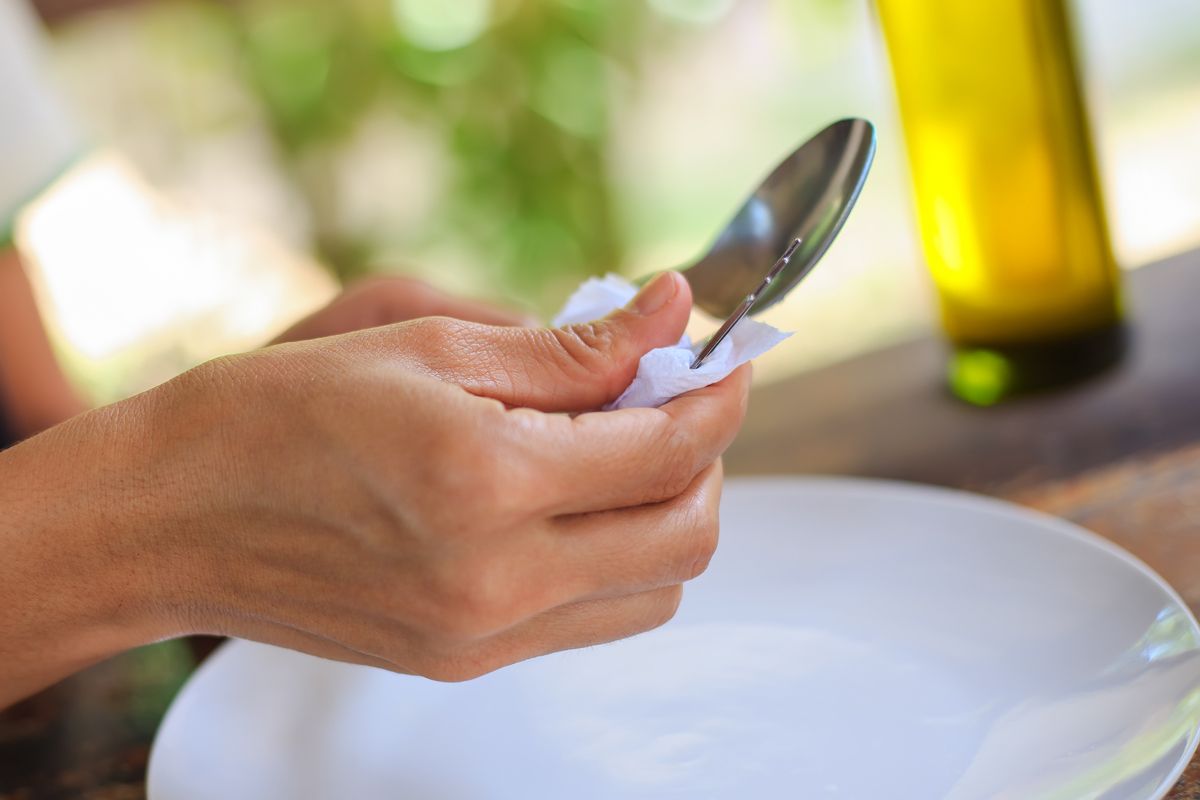
If your aluminum foil cleaning journey leads to a dead end, try olive oil instead, especially if your utensils are made from stainless steel. You’ll need a soft dish towel, olive oil, distilled white vinegar, and baking soda to remove water stains and rust. First, dampen a soft cloth with olive oil and gently wipe away streaks and hard water stains. Then, dampen a second cloth with distilled white vinegar to buff the utensils, restoring them to their former glory. For rust spots, sprinkle baking soda on the utensil and gently rub with a dry cloth until the stain is gone. When finished, rinse with plain water and immediately hand dry with a soft cloth.

More From Our Network

Better Report is part of Inbox Studio, an email-first media company. *Indicates a third-party property.

Go Retro With This 1960s Fashion Quiz

Quiz Daily

Go Retro With This 1960s Fashion Quiz

True or False: Are You a Master of U.S. Geography?

Travel Quiz

True or False: Are You a Master of U.S. Geography?

5 Reasons You Can Be Denied Boarding an Airplane

Daily Passport

5 Reasons You Can Be Denied Boarding an Airplane

What Did People Do Before Eyeglasses?

History Facts

What Did People Do Before Eyeglasses?

How To Use a Balloon To Clean Up Dust

House Outlook

How To Use a Balloon To Clean Up Dust

11 Shopping Hacks Costco Members Should Know

FinanceBuzz*

11 Shopping Hacks Costco Members Should Know

Share this article

  • Share to Facebook
  • Share to Twitter
  • Copy Url
  • Share to Email
Rachel Gresh
Writer

Rachel Gresh is a Washington, D.C.-based freelance writer. When she's not writing, you can find her wandering a museum, exploring an unfamiliar city, or baking something new in the kitchen.

This article is for general informational purposes only.
Affiliate Disclaimer Medical Disclaimer Financial Disclaimer

Updated: December 15, 2023

Posted In: Home
Hero Image Credit: Better Report
Advertisement

Related Articles

9 Items in Your Basement You Should Toss Right Now

5 min read

5 Vegetables You Should Never Store in the Fridge

3 min read

Why a Flashing Check Engine Light Is Different From a Solid One

3 min read

Why Does Your Sink Have a Tiny Hole?

3 min read

Is Hard Water Ruining Your Clothes?

3 min read
Advertisement
  • Home
  • Health
  • Wealth
  • Logo
  • Advertise
  • About
  • Contact Us
  • Privacy Policy
  • Terms of Use
  • Your Privacy Choices
x
Thumb Image

Elevate your everyday.

Sign up to receive the practical tips and expert advice you need to pare down the complexities of everyday living right in your inbox.

Sorry, your email address is not valid. Please try again.

Your email is:

Edit Image
Sorry, your email address is not valid. Please try again.
Thank you for subscribing...

By subscribing you are agreeing to our Terms of Use and Privacy Policy.

Close image
Thumb Image
Second Thumb Image

Elevate your everyday.

Sign up to receive the practical tips and expert advice you need to pare down the complexities of everyday living right in your inbox.

Sorry, your email address is not valid. Please try again.

By subscribing you are agreeing to our Privacy Policy and Terms of Use.

Close image