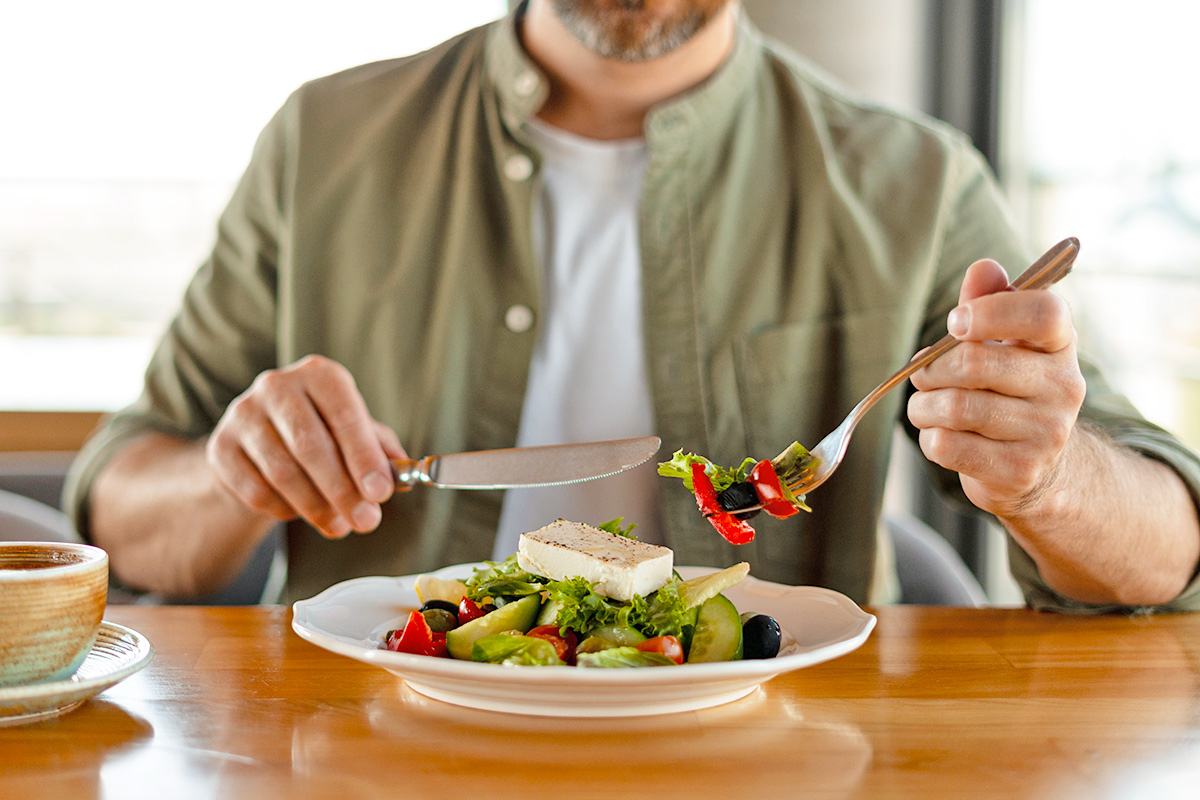
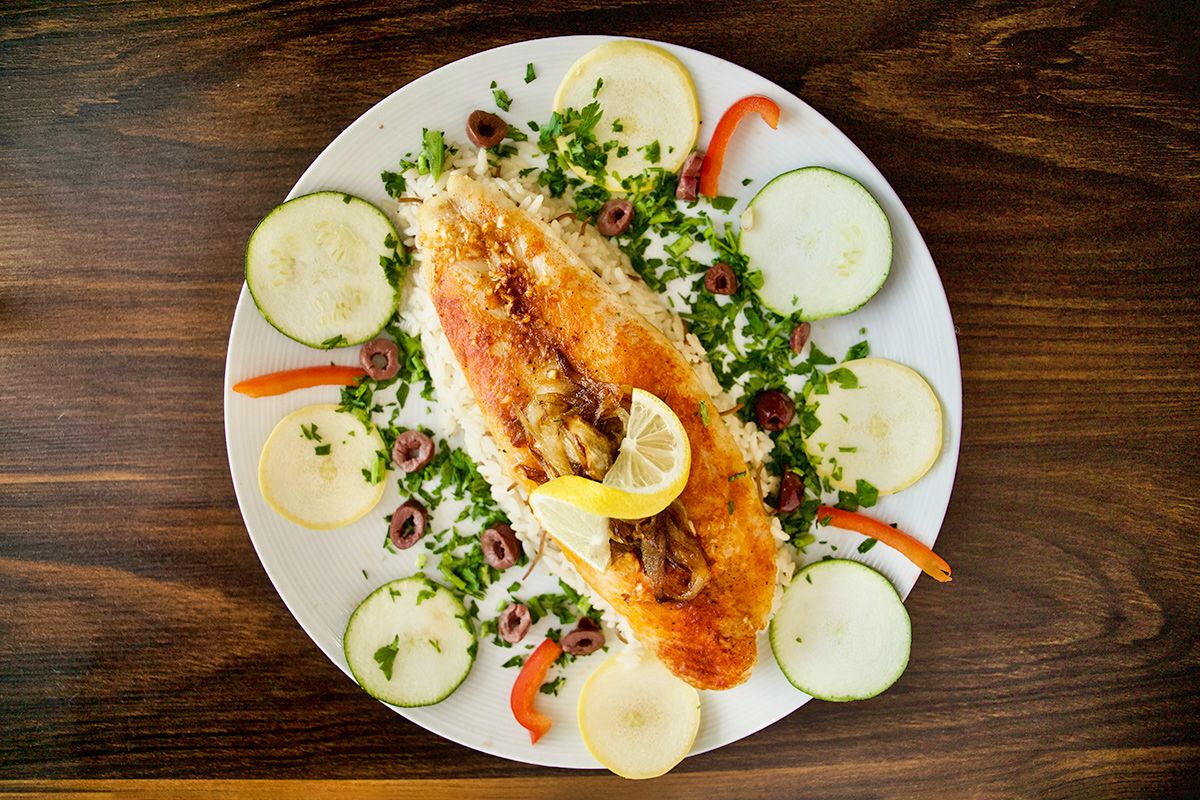
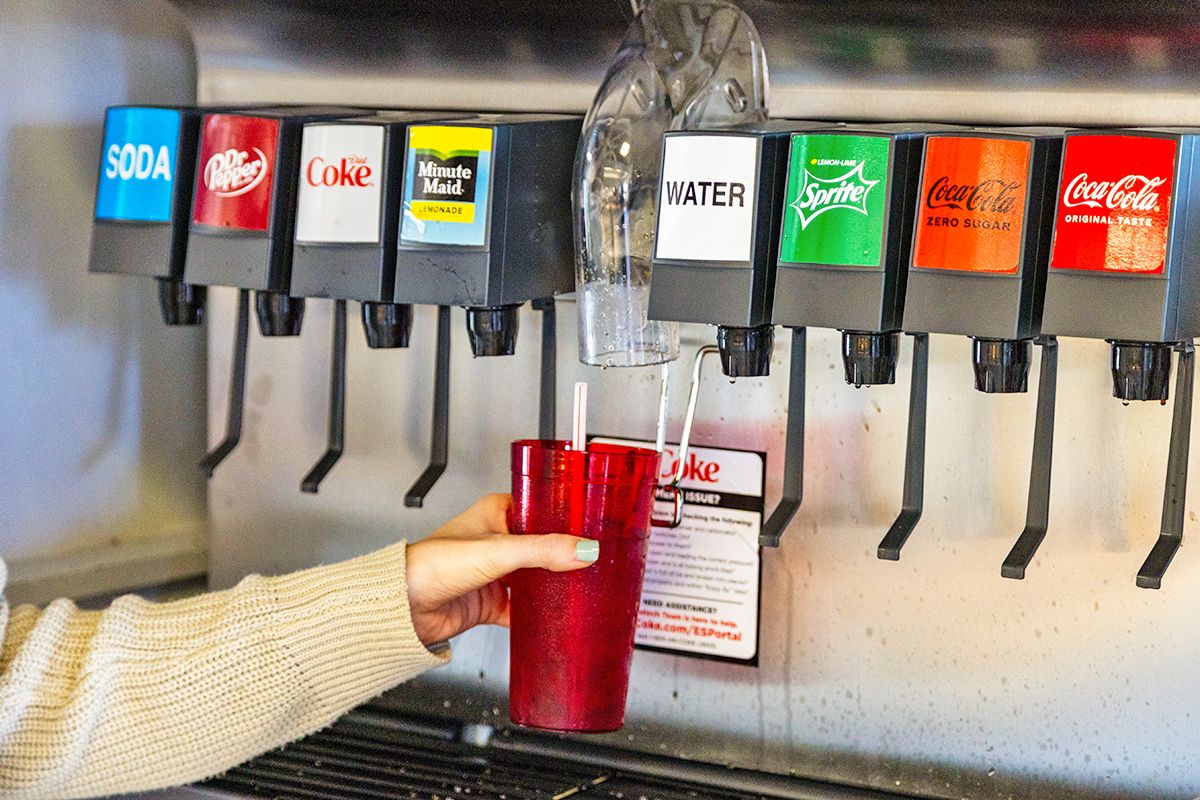
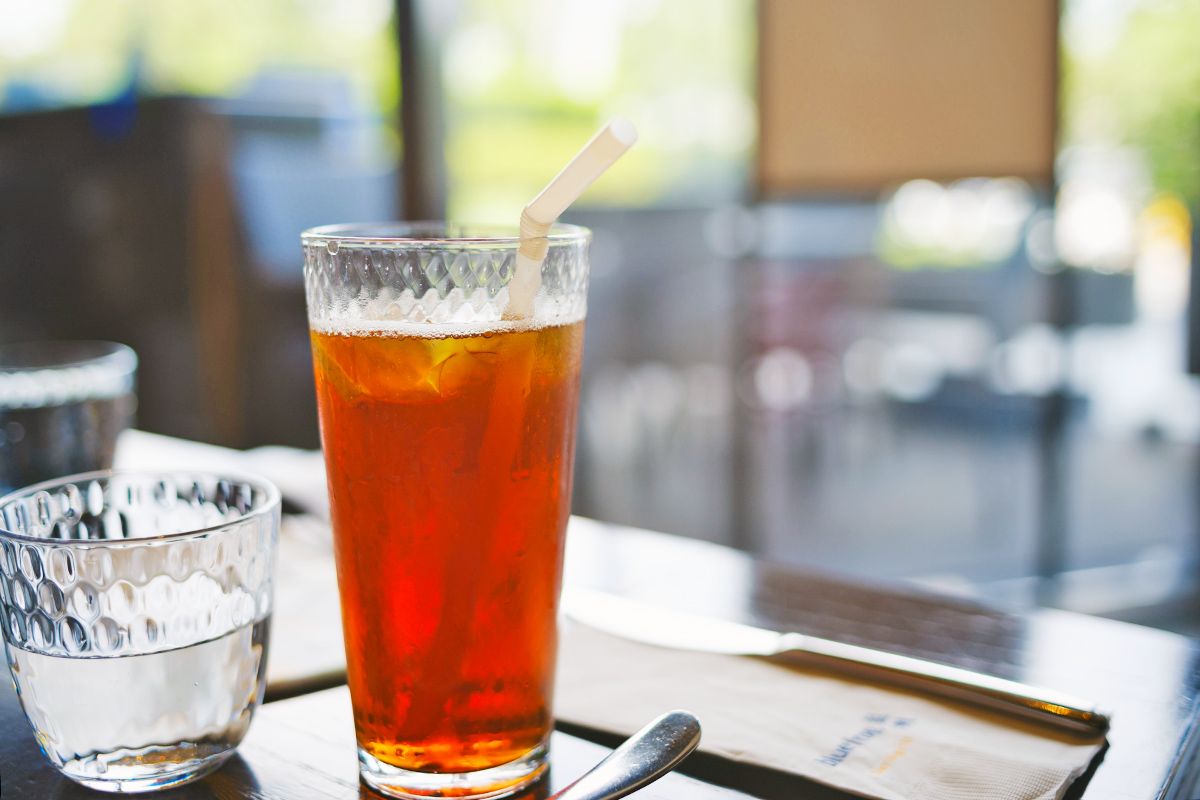
Skip to content
Better Report
  • Home
  • Health
  • Wealth
8 Low-Maintenance Plants That Thrive on Neglect
  • Search
  • Subscribe
  • Home
  • Health
  • Wealth
  • About
  • Privacy Policy
  • Terms of Use
  • Contact Us
  • SubscribeSubscribe
  • Search
Thank you for confirming your email! Welcome to the community.

Author: erin

The Safety Rules for Candles You Probably Don’t Know

Home | Updated: September 21, 2026
Erin Scottberg
Author
Erin Scottberg is a Brooklyn-based writer, garden designer, and houseplant expert — and the founder of Full Sun Studio (fullsun.studio), a garden design and plant consulting studio in New York City. She holds an Urban Horticulture Certificate from Brooklyn Botanic Garden, an NYC Street Tree Pruner License, and an NYC Master Composter Certification, and spent three years as Head of Content and Education at The Sill. When she's not working, you can find her creating in her textile studio, running craft nights in her neighborhood, or hanging with her rescue pup, Sunny. She's an ambitious DIYer, avid composter, and has never been able to walk by a thirft store without taking a look.
Person holding lit candle
Featured Image Credit: © Vlada Karpovich/Pexels.com

All featured products and deals are selected independently and objectively by the author. Better Report may receive a share of sales via affiliate links in content.

Candles are a simple way to make a room feel cozier and smell better. They’re affordable, easy to find, and make a great housewarming or white elephant gift. But they’re also easy to get careless with. Let’s be honest: How many times have you left a candle burning unattended — maybe in the bathroom, or in the kitchen while you head to the dining room for dinner — despite knowing better?

That’s one safety rule you may be knowingly breaking, but there are plenty of others you may not even be aware of. You can find them in small print on the bottom of your candles, and they’re there for a reason. According to the National Fire Protection Association, an average of 20 home candle fires are reported each day. Here’s what you need to keep in mind the next time you light that wick. 

Advertisement
Advertisement
Trimming candle wick
Credit: © Yan Krukau/Pexels.com

Always Trim the Wick

This is the rule almost nobody follows. Before each burn, trim the wick down to about ¼ inch. A long wick burns a taller, hotter flame that flickers, throws soot, and can flare up without warning. A short wick keeps the flame small and steady, and therefore safer. One more thing: Keep the wick trimmings and spent matches away from melted wax — anything floating in there is just added fuel to the fire (literally).

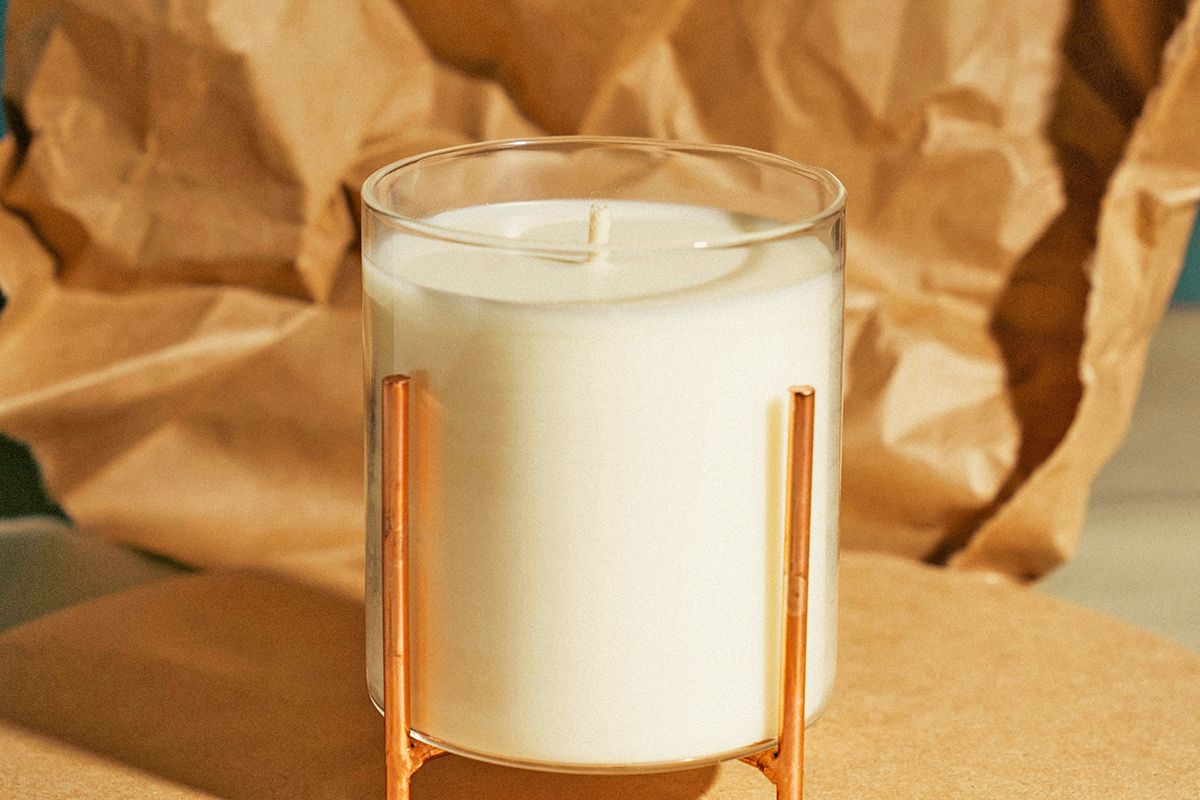
Unlit candle in glass container
Credit: © Vinicius Amano/Unsplash.com

If Your Candle Is in a Glass Container, Don’t Burn It All the Way Down

Here’s the reasoning for this lesser-known rule: As a candle burns low, heat builds up in its container, and without a lot of wax to absorb the heat, the temperature of the glass climbs. This can cause it to crack or, in extreme cases, shatter. To avoid that situation, stop burning your candle when about ½ inch of wax is left.

Recommended Articles

  • 5 Things Your Car Needs Before the First Freeze

  • 6 Amazon Prime Day Hacks

  • 5 Things To Ask Your Doctor About the New Flu Shot

  • Is Sourdough Actually Healthier Than Regular Bread?

Advertisement
Advertisement

Reader Favorites

  • Woman looking in fridge

    9 Foods You Should Toss ASAP if They’re Expired

  • Person eating salad

    7 Things a Chef Never Orders at a Restaurant

  • Cherry angioma

    Are the Tiny Red Dots on Your Skin Dangerous?

Burning candle
Credit: © thevibrantmachine/Pexels.com

Cap Burns at Four Hours

Long, uninterrupted burns are another no-no. The longer a flame is lit, the more heat is transferred to the wax and the glass. Eventually, the wax can reach what’s called the flash point, which is when the wax itself catches on fire, causing the glass to break. Extended burns can also cause issues with soot that clog the wick, leading to improper burning that could cause the candle to explode.

Advertisement
Advertisement
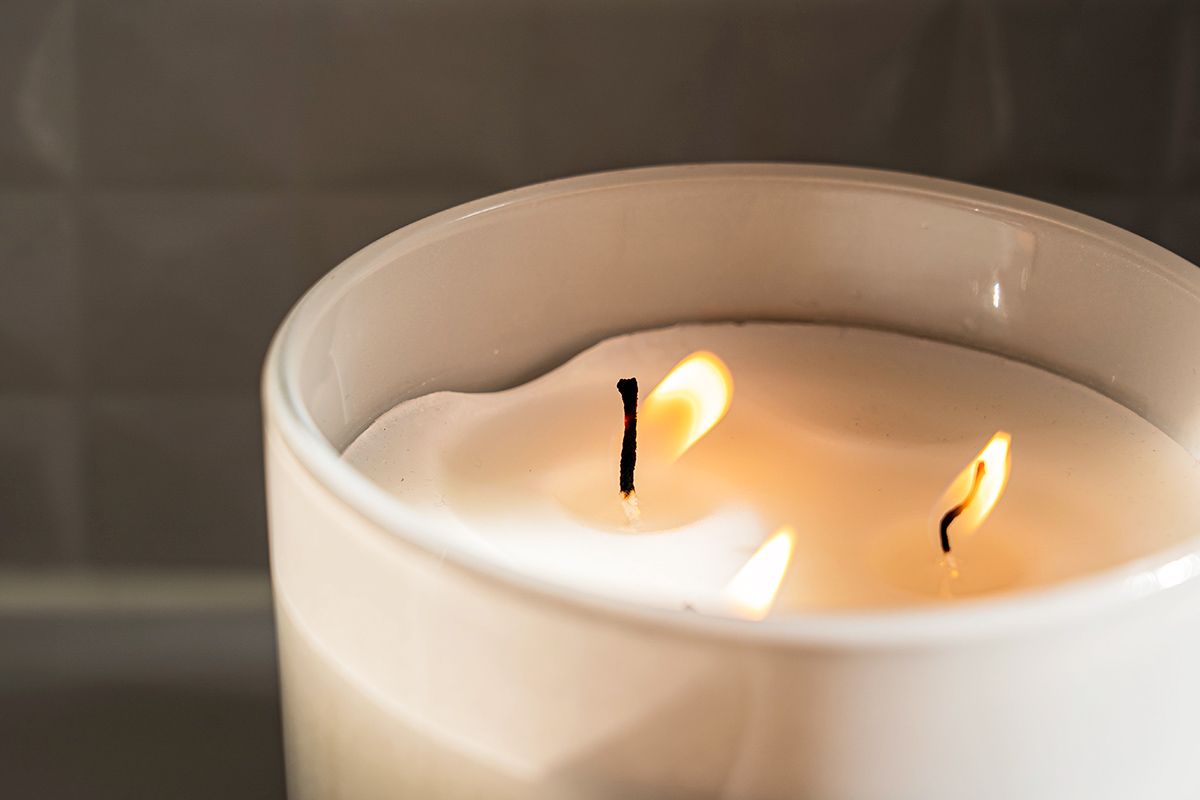
Candle with three flames
Credit: © Castorly Stock/Pexels.com

Only Burn Candles in Containers Made for Candles

That thrifted juice glass or cute mason jar might look charming with a candle in it, but not all glassware is built to take the heat. Glass made for candles is manufactured to handle the temperature swings of a burning flame; regular glass isn’t. You should also be cautious during cleanup: Never scrape wax off of a glass holder with a knife or other sharp tool. Doing so can scratch the surface of the glass, weakening it enough to crack the next time you light the candle.

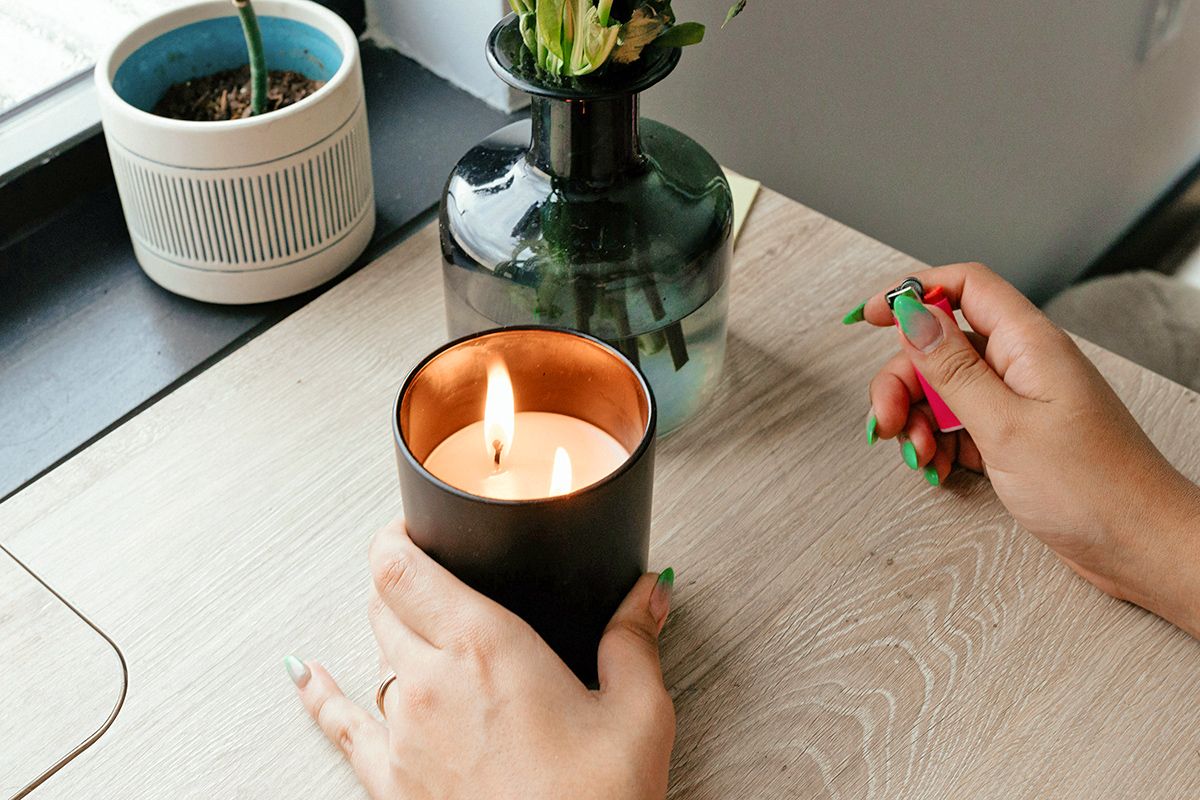
Lit candle on desk
Credit: © Ivana Cajina/Unsplash.com

Set a 1-Foot Perimeter on All Sides

A candle needs at least 12 inches of clearance from anything that can catch — curtains, bedding, books, that stack of napkins on the dining table. It sounds obvious until you notice how often a lit candle ends up tucked next to something flammable. Burning several candles at once? Allow about 3 inches of space between them. If grouped too tightly, the candles can generate enough heat to cause them all to flare up. 

Advertisement
Advertisement
Candle flame
Credit: © bsone—iStock/Getty Images

Keep Candles Away From Drafts

The goal with candles is a calm, steady flame, so avoid putting yours in spots near open windows, ceiling fans, or air vents. Drafts will push the flame around and disturb its teardrop shape, which can mean more soot. A draft can also send a flame leaning toward whatever’s nearby (another reason for at least 12 inches of clearance!).

Advertisement
Advertisement
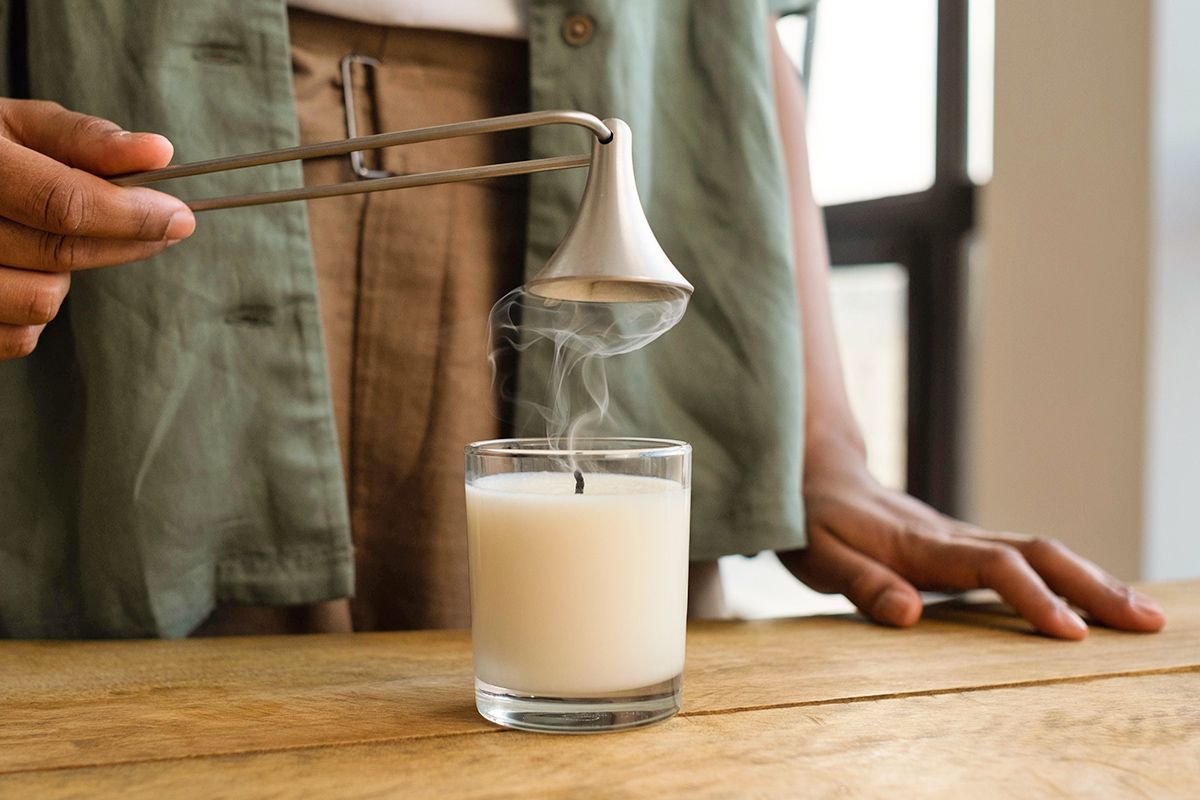
Putting out candle
Credit: © Ron Lach/Pexels.com

Never Put Out a Candle With Water

It’s tempting to splash a little water on a flame that won’t go out, but doing so can make hot wax splatter or even crack the glass. (It’s also why the rim of the tub or a spot right beside the sink isn’t a great home for a lit candle — a few stray drops are all it takes to create a wax fire, which a writer for The Kitchn called “an instantly huge fireball.”) Use a snuffer instead, or set the lid on top to starve the flame of oxygen. 

Advertisement
Advertisement
Blown out candle
Credit: © Curated Lifestyle/Unsplash.com

Don’t Walk Away — or Fall Asleep

The oldest rule still gets broken constantly. Blow out every candle before you leave the room, and keep them out of bedrooms or places where you may nod off. 

Advertisement

The bottom line? Read the label on the candle — that fine print is there for a reason. And if you’d rather skip the flame altogether, you can use a candle warmer or pick up some battery-powered flameless candles that look (and smell!) like the real thing. 

Featured Image Credit: © Vlada Karpovich/Pexels.com

Advertisement
Advertisement

More From Our Network

Better Report is part of Inbox Studio, an email-first media company. *Indicates a third-party property.

Go Retro With This 1960s Fashion Quiz

Quiz Daily

Go Retro With This 1960s Fashion Quiz

True or False: Are You a Master of U.S. Geography?

Travel Quiz

True or False: Are You a Master of U.S. Geography?

5 Reasons You Can Be Denied Boarding an Airplane

Daily Passport

5 Reasons You Can Be Denied Boarding an Airplane

What Did People Do Before Eyeglasses?

History Facts

What Did People Do Before Eyeglasses?

How To Use a Balloon To Clean Up Dust

House Outlook

How To Use a Balloon To Clean Up Dust

11 Shopping Hacks Costco Members Should Know

FinanceBuzz*

11 Shopping Hacks Costco Members Should Know

Share this article

  • Share to Facebook
  • Share to Twitter
  • Copy Url
  • Share to Email
Erin Scottberg
Writer

Erin Scottberg is a Brooklyn-based writer, garden designer, and houseplant expert — and the founder of Full Sun Studio (fullsun.studio), a garden design and plant consulting studio in New York City. She holds an Urban Horticulture Certificate from Brooklyn Botanic Garden, an NYC Street Tree Pruner License, and an NYC Master Composter Certification, and spent three years as Head of Content and Education at The Sill. When she's not working, you can find her creating in her textile studio, running craft nights in her neighborhood, or hanging with her rescue pup, Sunny. She's an ambitious DIYer, avid composter, and has never been able to walk by a thirft store without taking a look.

This article is for general informational purposes only.
Affiliate Disclaimer Medical Disclaimer Financial Disclaimer

Updated: May 27, 2026
Posted In: Home
Hero Image Credit: Featured Image Credit: © Vlada Karpovich/Pexels.com
Advertisement

Related Articles

9 Items in Your Basement You Should Toss Right Now

5 min read

5 Vegetables You Should Never Store in the Fridge

3 min read

Why a Flashing Check Engine Light Is Different From a Solid One

3 min read

Why Does Your Sink Have a Tiny Hole?

3 min read

Is Hard Water Ruining Your Clothes?

3 min read
Advertisement

5 Things Your Car Needs Before the First Freeze

Ali Eldridge
Wealth | Updated: September 21, 2026
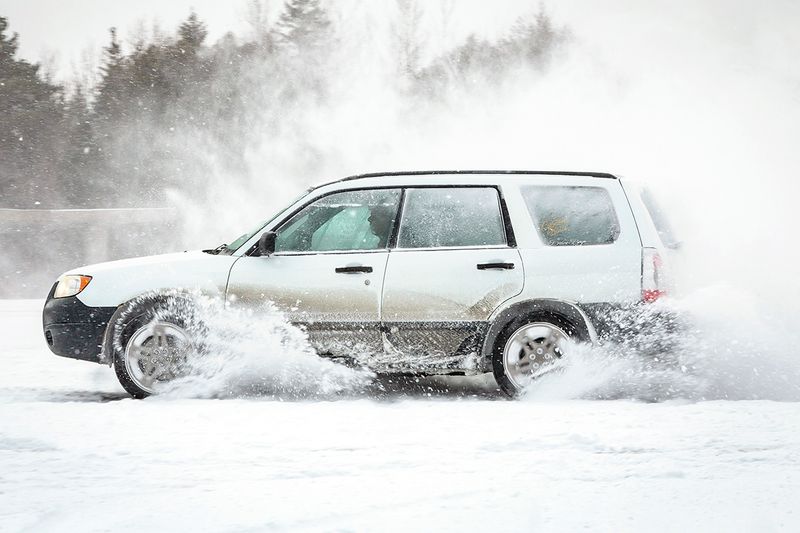
Car in the snow
Featured Image Credit: © Ryan/Unsplash.com

All featured products and deals are selected independently and objectively by the author. Better Report may receive a share of sales via affiliate links in content.

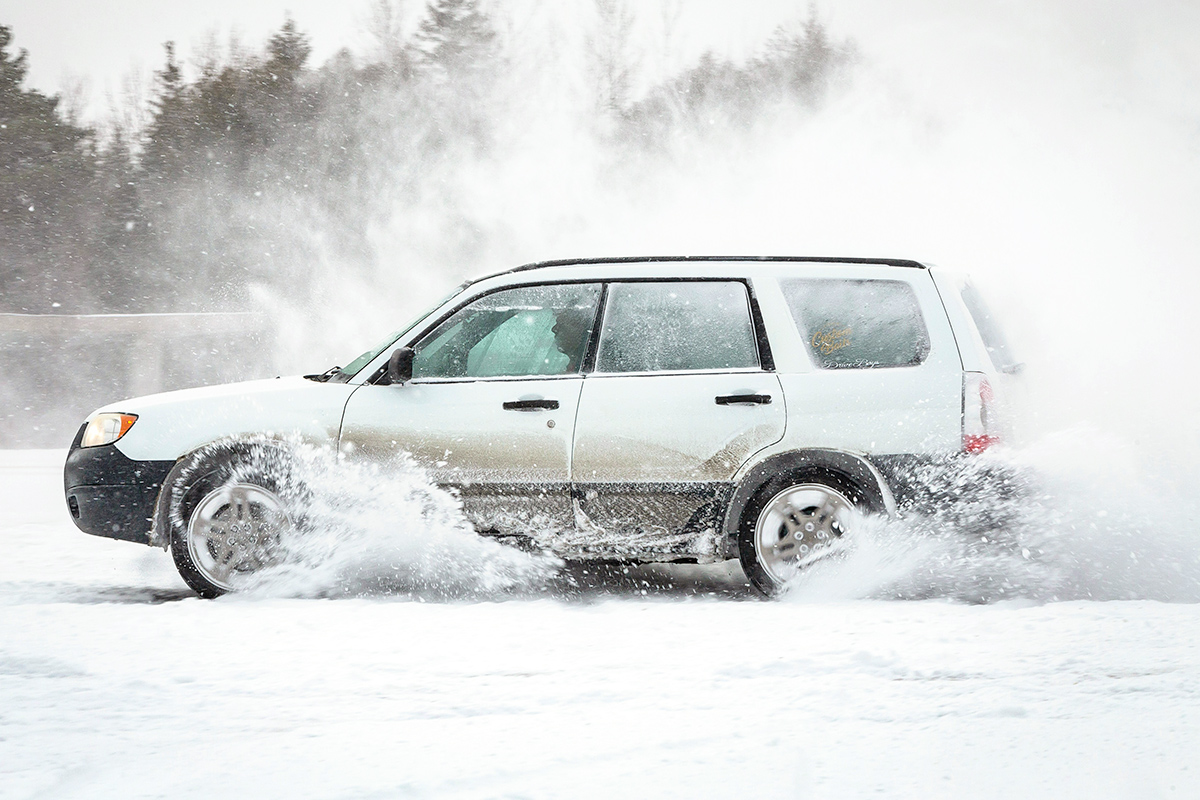
We’ve only recently made the transition from summer to fall, but it won’t be long until winter weather creeps in — and it’s important for car owners to prepare now so they don’t get caught flat-footed when temperatures plummet. Here are five important supplies you need before the first freeze to ensure your vehicle is ready for potentially perilous wintertime driving conditions.

Stacks of tires
Credit: © Zigmunds Dizgalvis—iStock/Getty Images

Winter Tires

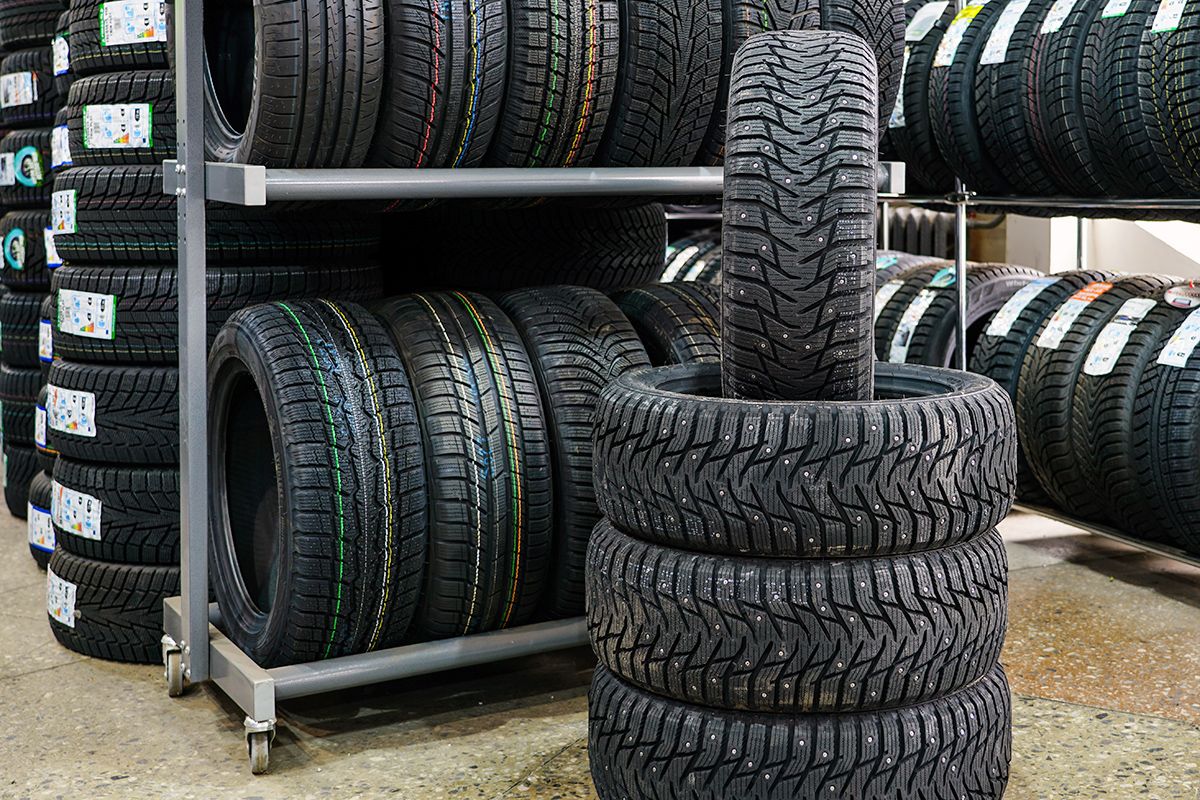
Switching to winter tires isn’t cheap — the cost can be $400 to $1,200 or even more, according to AAA — but it may be the most important factor for safe winter driving. Research has shown that swapping your regular tires for winter ones reduces braking distances by as much as 30%. (Thankfully, you don’t need to get rid of your all-season tires; simply keep them off to the side until winter passes.).

According to Kelley Blue Book, you should switch your tires when temperatures are set to drop below 45 degrees Fahrenheit for at least a week. When temperatures dip to 44 or lower, the material that comprises all-season tires hardens, inhibiting traction. This happens whether it’s snowy, icy, or dry, because cold affects traction regardless of precipitation.

Advertisement
Advertisement
Jumper Cables
Credit: © Daniel/Unsplash.com

Emergency Kit

It’s a good idea to have an emergency kit in your car in the event of an unexpected  situation. There’s no exact list for what the kit should include, though it should certainly have items that can help you stay warm if your car’s battery dies. That could include gloves, blankets, and an emergency thermal sleeping bag for the rare worst-case scenarios where you may end up stranded overnight. 

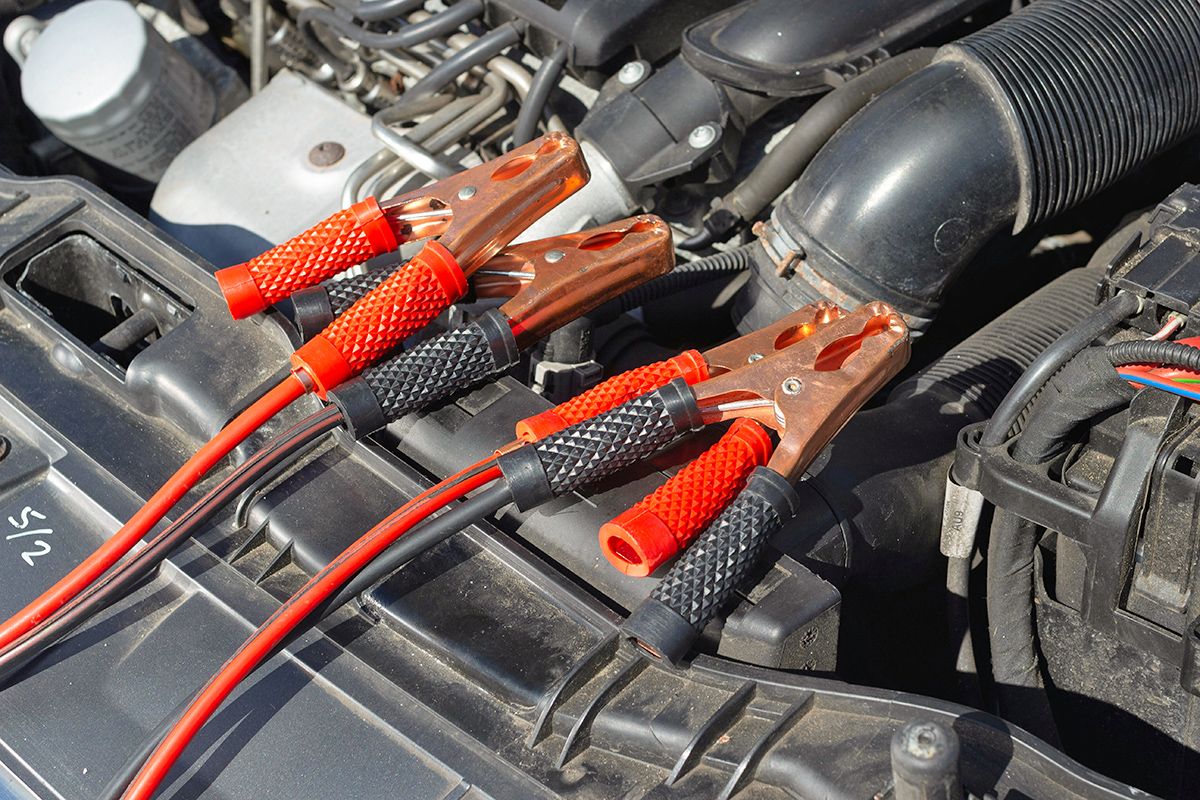
You should also travel with things that keep the car in working shape, such as an ice scraper to clear the windows, duct tape for temporary repairs, and a tire pressure gauge to ensure the tires are adequately inflated. Lastly, make sure you have a first aid kit, water, a flashlight, jumper cables, and LED road flares, the latter of which helps alert other drivers of your presence in low visibility conditions.

Advertisement
Putting antifreeze fluid in car
Credit: © Artur Nyk/stock.adobe.com

Essential Fluids

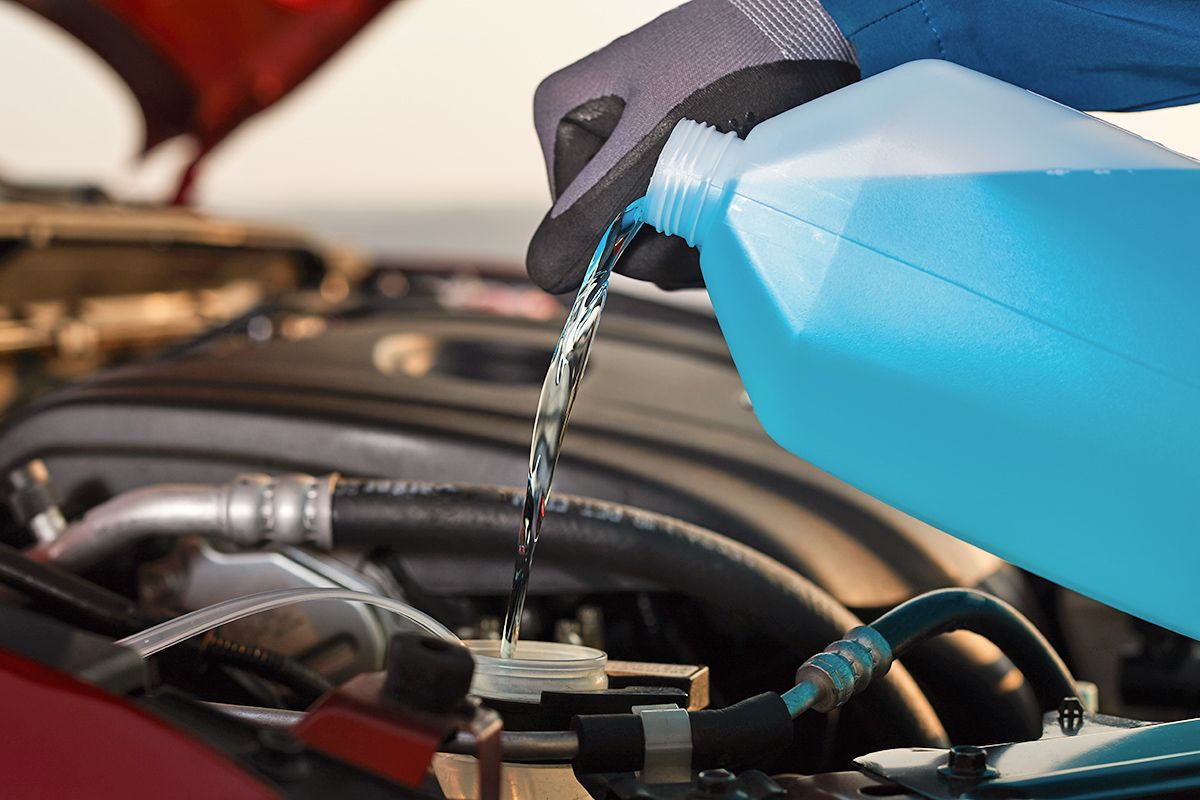
Don’t just assume your car’s fluid levels are adequate: Check them before the weather gets cold and replace or top off fluids as needed. For instance, make sure all engine fluids are at a good level — especially antifreeze, which prevents your engine from freezing over in frigid conditions. Top off the brake fluid and transmission fluid, too, and get an oil change to ensure your car functions as well as possible.

Finally, don’t forget to fill up your windshield washer fluid, preferably using one that’s designed to withstand freezing temperatures. And while you’re at it, replace any frayed windshield wipers with new ones. Low fluid levels and ragged wipers can result in cloudy and streaky windshields, making it difficult to see. This can pose problems when it’s snowing or hailing and you need to keep the windshields clear, so don’t risk it.

Recommended Articles

  • The Safety Rules for Candles You Probably Don’t Know

  • 6 Amazon Prime Day Hacks

  • 5 Things To Ask Your Doctor About the New Flu Shot

  • Is Sourdough Actually Healthier Than Regular Bread?

Advertisement
Advertisement

Reader Favorites

  • Woman looking in fridge

    9 Foods You Should Toss ASAP if They’re Expired

  • Person eating salad

    7 Things a Chef Never Orders at a Restaurant

  • Cherry angioma

    Are the Tiny Red Dots on Your Skin Dangerous?

Man with traction mat
Credit: © Zoran Jesic/stock.adobe.com

Traction Aids

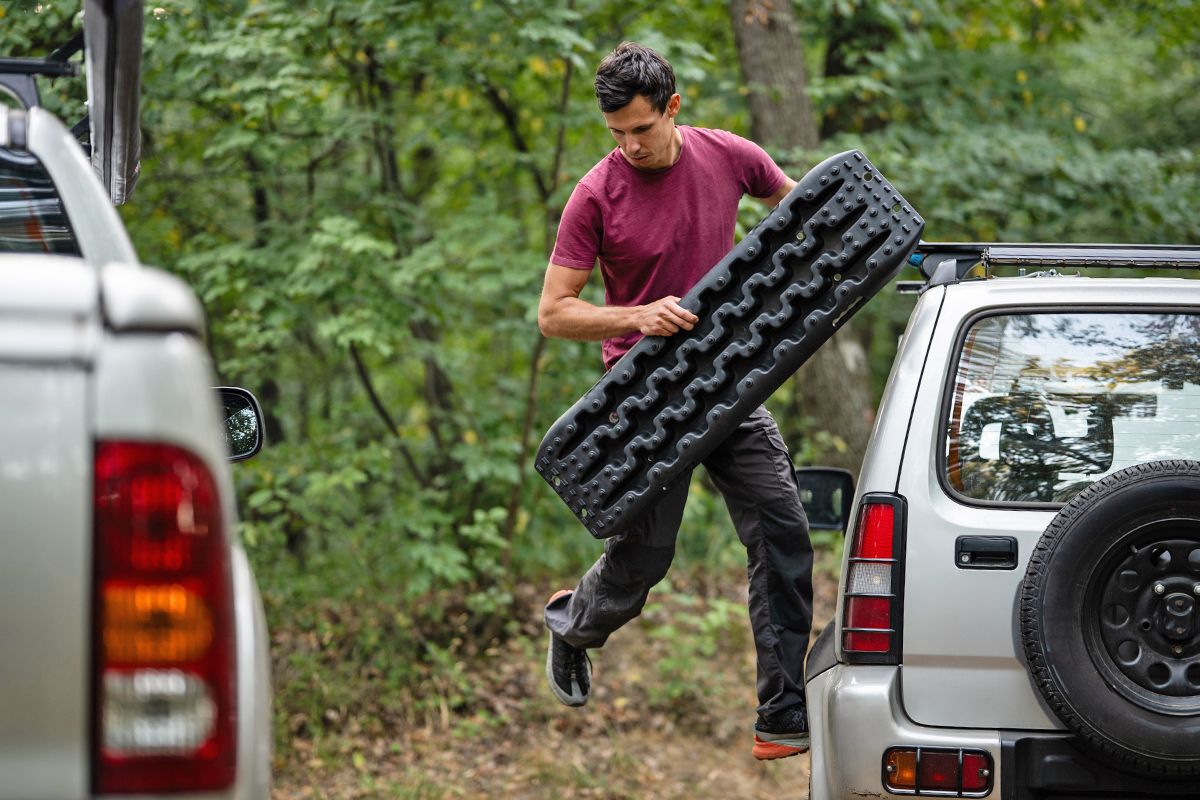
When the road is snowy or icy, your vehicle may struggle to get enough traction. Let’s say your driveway is angled slightly uphill, for example, and you keep pressing on the gas pedal, only to go nowhere. Or perhaps you had to pull off to the side of the road due to an emergency, and now your tires are spinning in the snow.

In these cases, traction mats can be a huge help. Clear out some space around your tires, place the mats underneath them in the direction you want to go, and press the gas. These durable and slip-resistant mats give your tire tread something to grip so that your car can move. Once you’re unstuck, roll up the mats, put them back into your car, and proceed on your way.

Advertisement
Advertisement
Heavy duty rubber mats in car
Credit: © Kenneth Cheung—iStock via Getty Images

Winter Car Mats

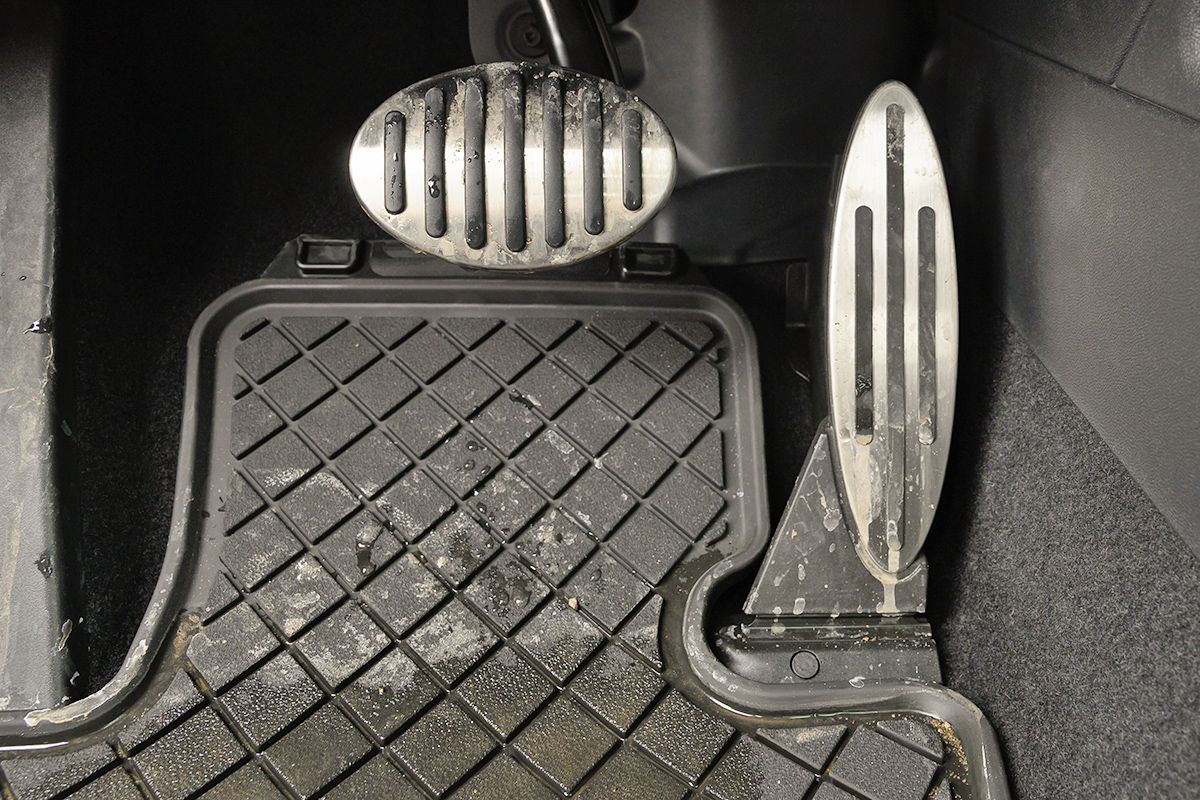
You may already have rubber mats on the floor of your car, but if you don’t, you may want to consider swapping out your regular mats for ones that are better suited to handle winter weather. Winter car mats are typically made of rubber (or a similarly durable material) and a bit wider than flimsier felt mats. They provide protection against moisture, an essential task considering how much snow you’ll likely track in on the bottom of your boots. They also protect the floor against salt, which can otherwise lead to corrosion. And once they’re installed, you can leave them in year-round — they’ll come in handy for capturing sand on your next beach day.

Featured Image Credit: © Ryan/Unsplash.com

Advertisement
Advertisement

More From Our Network

Better Report is part of Inbox Studio, an email-first media company. *Indicates a third-party property.

Go Retro With This 1960s Fashion Quiz

Quiz Daily

Go Retro With This 1960s Fashion Quiz

True or False: Are You a Master of U.S. Geography?

Travel Quiz

True or False: Are You a Master of U.S. Geography?

5 Reasons You Can Be Denied Boarding an Airplane

Daily Passport

5 Reasons You Can Be Denied Boarding an Airplane

What Did People Do Before Eyeglasses?

History Facts

What Did People Do Before Eyeglasses?

How To Use a Balloon To Clean Up Dust

House Outlook

How To Use a Balloon To Clean Up Dust

11 Shopping Hacks Costco Members Should Know

FinanceBuzz*

11 Shopping Hacks Costco Members Should Know

Share this article

  • Share to Facebook
  • Share to Twitter
  • Copy Url
  • Share to Email
Ali Eldridge

This article is for general informational purposes only.
Affiliate Disclaimer Medical Disclaimer Financial Disclaimer

Updated:
Posted In: Wealth
Hero Image Credit: Featured Image Credit: © Ryan/Unsplash.com
Advertisement

Related Articles

6 Amazon Prime Day Hacks

6 min read

Is It Actually Better To Lease a Car?

9 min read

7 Free MIT Classes You Can Experience From Home

4 min read

The Bedroom Color That Adds $2,000 to Your Home Value

3 min read

Is It Rude To Ask for Leftovers at Fancy Restaurants?

5 min read
Advertisement

6 Amazon Prime Day Hacks

Wealth | Updated: September 21, 2026
Jennifer M. Wood
Author
Jennifer M. Wood has been writing about news, entertainment, culture, and travel for longer than she cares to admit. She lives just outside Philadelphia with her husband and an ever-growing menagerie of rescue pets.
Amazon on a laptop
Featured Image Credit: © Thaspol/stock.adobe.com

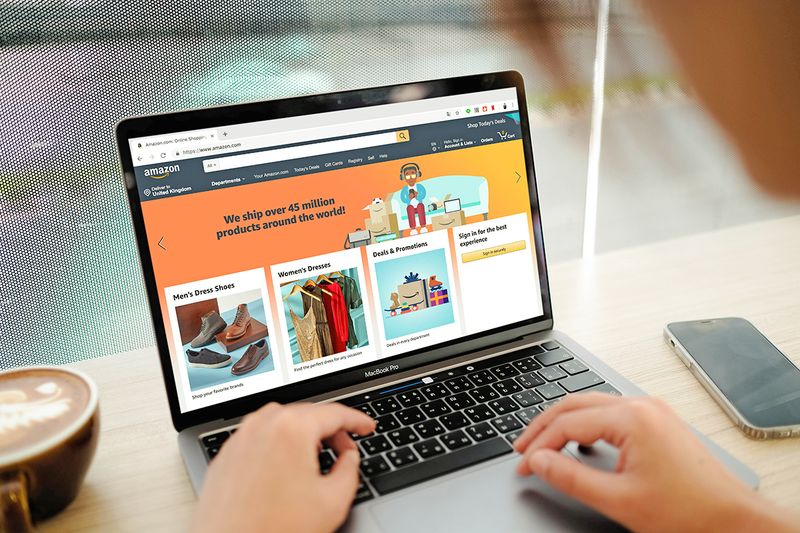
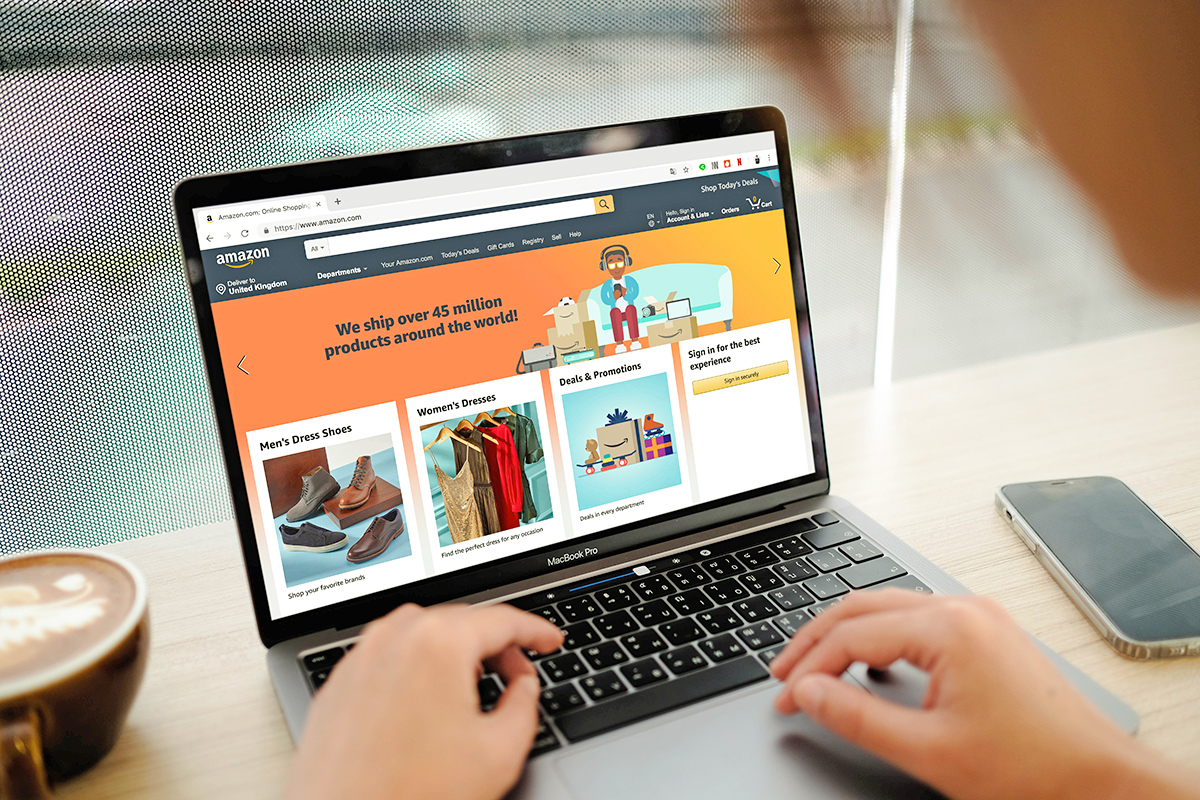
Amazon Prime Day is designed to make you shop. The limited-time deals, countdown clocks, and barrage of discounts can make it feel like everything is a bargain — and like you’d better buy now before what you have your eye on is gone.

But just because Amazon says you’re getting a deal doesn’t always mean you’re getting a good deal. A little preparation can help you separate the true bargains from the carefully marketed ones, avoid impulse purchases, and get more out of the discounts that are actually worth your money.

Advertisement
Advertisement

Officially, Prime Day is for Prime members only, but here’s a bonus tip: If you’re not already a Prime subscriber (and haven’t been one in the past), you can take advantage of Prime Day sales without committing to a yearlong membership by signing up for a free 30-day trial. That will give you plenty of time to access Prime Day deals, along with all the other Prime perks (we’ve rounded up 15 of the best of them here). Just set a reminder to cancel before the trial ends if you don’t want to keep the membership.

Here are the Prime Day hacks worth knowing before you start shopping.

Add to Cart button on Amazon
Credit: © photo for everything/stock.adobe.com

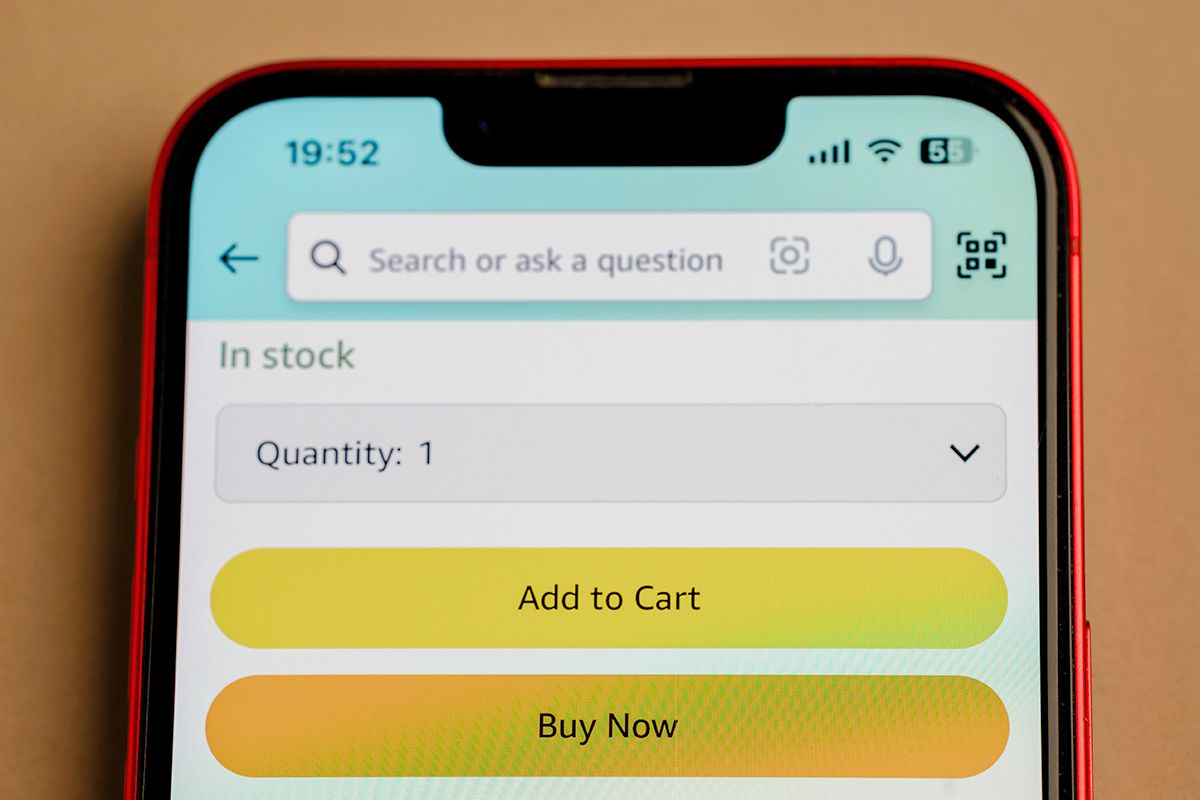
Add Items to Your Cart Before Prime Day

Prime Day is a terrible time to start figuring out what you actually want to buy. Instead, do your homework beforehand. Add the products you’re considering to your Amazon cart — or save them for later — so you have a ready-made shopping list when the sale begins.

Advertisement

This gives you a baseline for what the items cost before Prime Day and makes it easier to spot meaningful price drops once the deals start popping up. It can also save you from making an impulse purchase simply because Amazon tells you something is on sale for a limited time.

Don’t assume that putting something in your cart locks in its current price, though. Amazon prices can change at any time, so think of your cart as a watchlist, not a reservation.

Recommended Articles

  • The Safety Rules for Candles You Probably Don’t Know

  • 5 Things Your Car Needs Before the First Freeze

  • 5 Things To Ask Your Doctor About the New Flu Shot

  • Is Sourdough Actually Healthier Than Regular Bread?

Advertisement
Advertisement

Reader Favorites

  • Woman looking in fridge

    9 Foods You Should Toss ASAP if They’re Expired

  • Person eating salad

    7 Things a Chef Never Orders at a Restaurant

  • Cherry angioma

    Are the Tiny Red Dots on Your Skin Dangerous?

Stack of coins with red arrow pointing downward
Credit: © Planet Volumes/Unsplash.com 

Use a Tracker To Confirm the Discount Is Real

A big discount is only a good deal if the price was actually high to begin with. Before you click “buy,” check what the item has cost over time to determine whether you’re getting a genuine bargain.

Amazon recently rolled out a feature that allows users to look at 365 days of price history, but you can also use a tool like CamelCamelCamel, which tracks Amazon’s prices and lets you see an item’s lowest recorded price, average price, and price fluctuations over time. There are also browser extensions, such as Keepa, which displays an item’s price history right on the Amazon product page. Both tools can alert you when an item drops to a price you’ve specified. Or you may want to consider Amazon’s Auto Buy feature, which will allow you to automatically buy items that have dropped to (or below) a price you’ve chosen.

Remember, though, that a Prime Day badge doesn’t automatically make Amazon the cheapest place to buy. So if you’re contemplating a big purchase, such as an appliance or a computer, it also makes sense to check the price of the same product on the manufacturer’s site and big-box retailers like Walmart, Target, or Best Buy. 

Advertisement
Advertisement
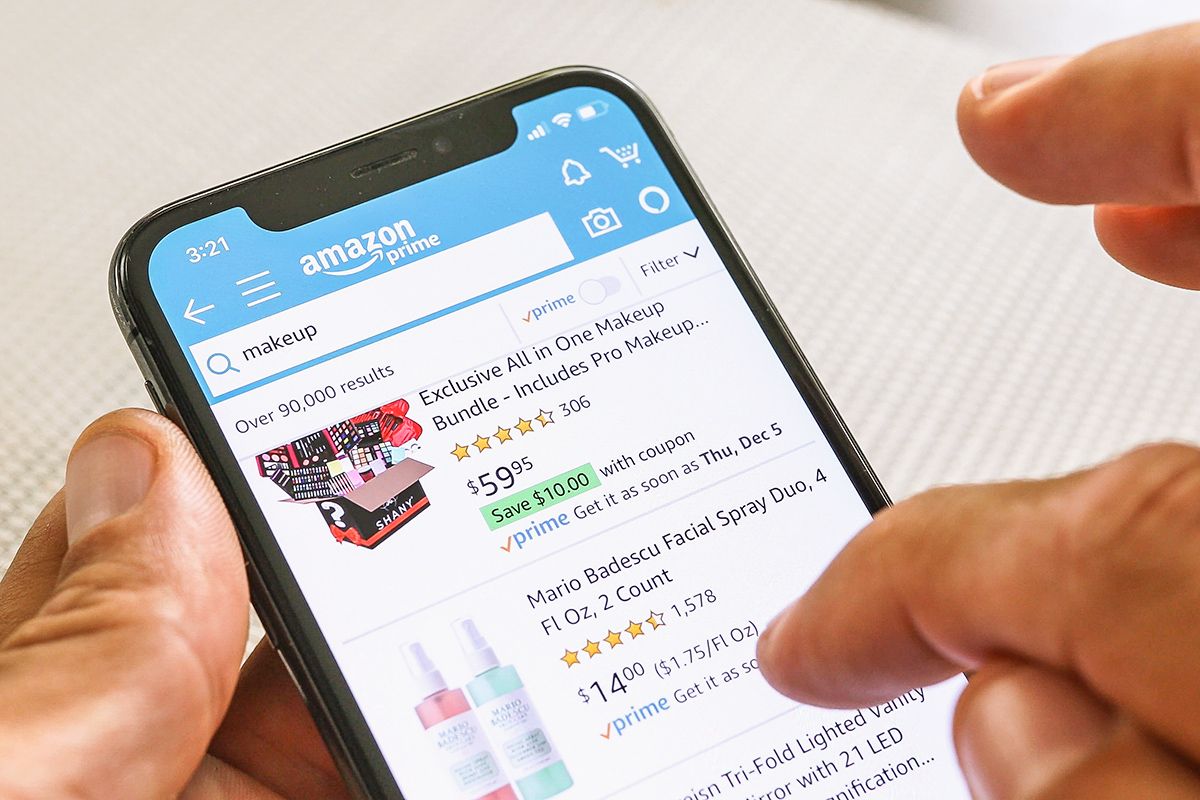
Amazon app
Credit: © RightFramePhotoVideo/stock.adobe.com

Download the Amazon App

If you’re serious about catching the best Prime Day deals, the Amazon app can give you a slight advantage. Its biggest benefit during a major sale is that it can alert you when products you’re watching go on sale, so you don’t have to keep checking the site yourself.

Advertisement

That can be particularly useful for Lightning Deals, which are available for a limited time and may sell out quickly. The app can also alert Prime members to upcoming deals, giving you a chance to decide whether something is worth buying before the clock starts ticking. Just make sure your notifications are turned on so you don’t miss them.

The app can even send personalized deal alerts based on your shopping activity, including products you’ve searched for or added to your lists. In other words, instead of scrolling through Amazon’s endless Prime Day offerings, you can let the app tell you when something you actually want goes on sale.

Advertisement
Advertisement
Woman looking at computer
Credit: Look Studio/Unsplash.com

Get on the Waitlist

There are downsides to Lightning Deals: They’re available for only a short period of time, quantities are usually limited, and the clock is always ticking. If you find a deal you want after it has sold out, however, don’t necessarily give up. Some Lightning Deals offer a waitlist that lets you join the queue for a chance to buy the item if another shopper doesn’t complete their purchase.

If a spot opens up, Amazon can notify you and give you a limited amount of time to check out. There’s no guarantee you’ll get the item, and not every sold-out Lightning Deal has a waitlist, but it can be worth joining when the option appears.

Advertisement
Advertisement
Coupons on Amazon
Credit: © RightFramePhotoVideo/stock.adobe.com

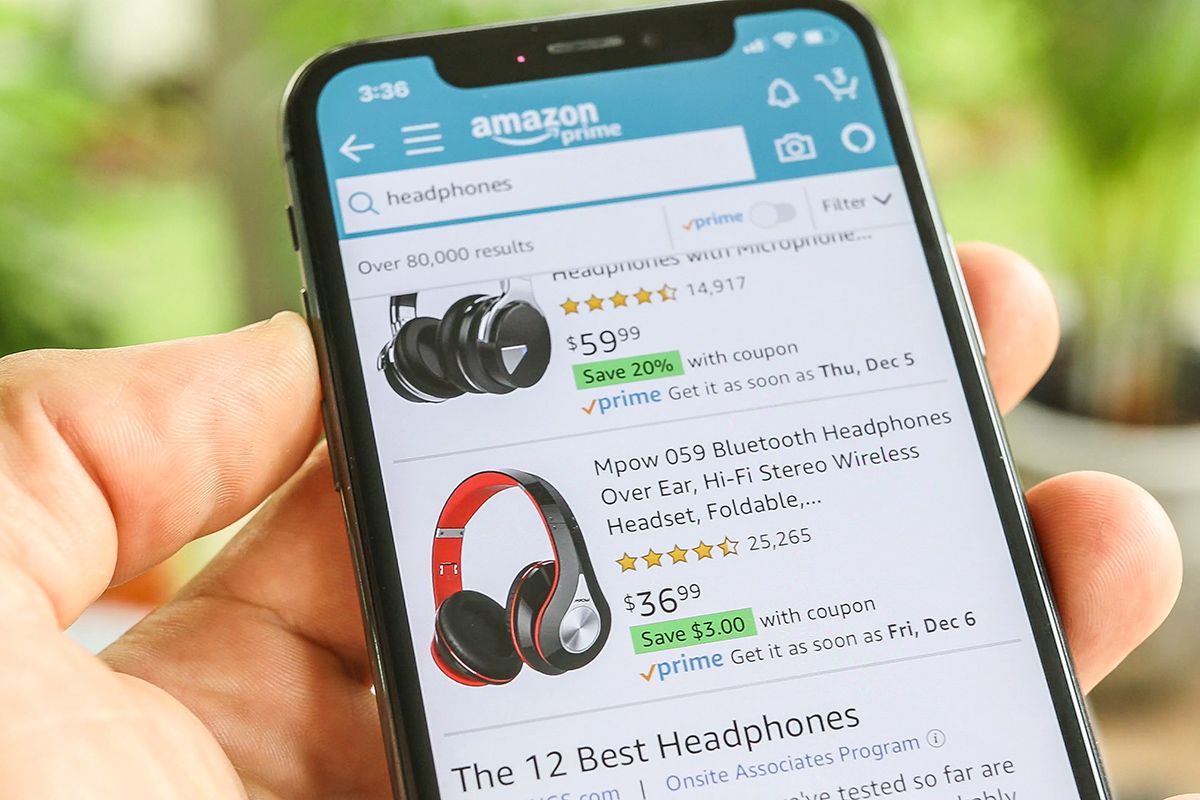
Don’t Forget the Coupon Box

Amazon’s coupons are easy to overlook because they’re often tucked into the product listing rather than prominently advertised with the main deal price. Before you check out, look for a box offering something like “Apply $20 coupon” or “Save 10%” and click it to activate the discount.

Advertisement
Advertisement
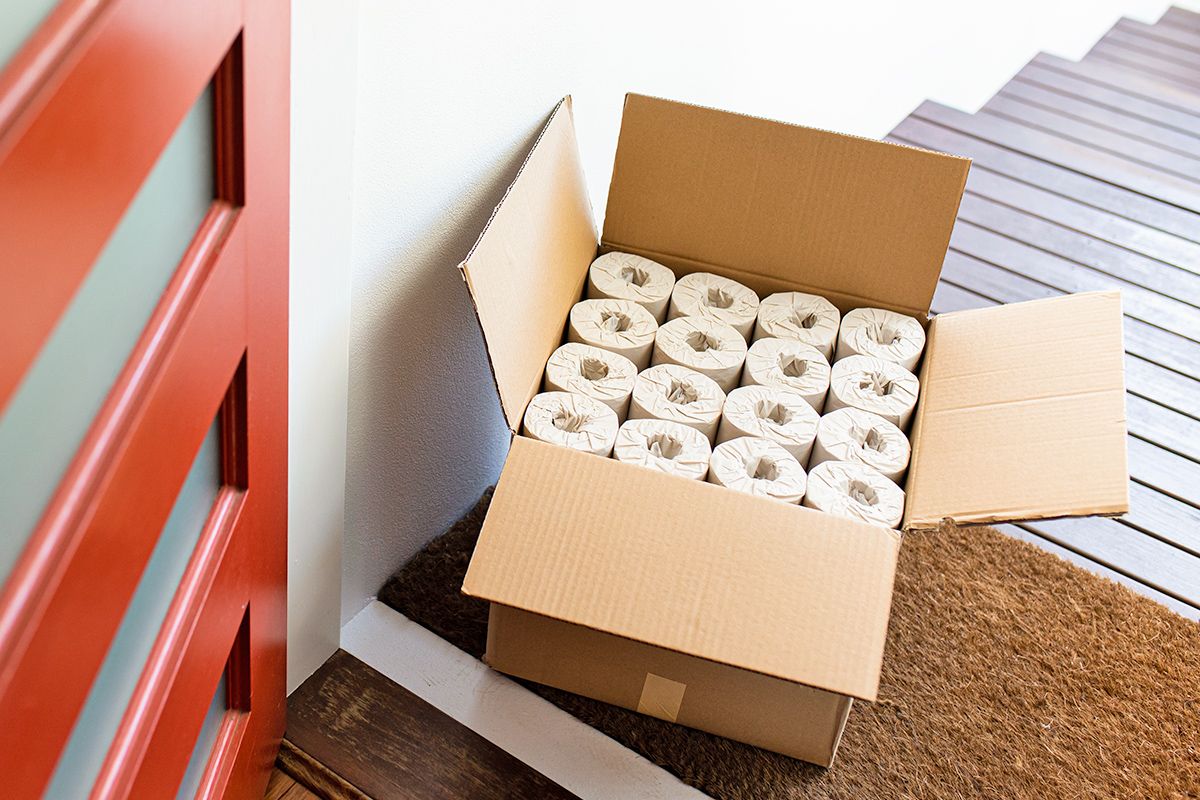
Toilet paper in a box
Credit: © LOUISE BEAUMONT—E+/Getty Images

Check Your Past Purchases

Prime Day isn’t just an opportunity to buy something new. It’s also a good excuse to check whether the things you already buy regularly are on sale.

Go to “Accounts & Lists,” then “Buy Again” to see your previous purchases. Look for household staples such as pet supplies, toiletries, cleaning products, filters, batteries, and other items you know you’ll need eventually. Amazon sometimes offers targeted discounts to repeat customers, so you may find a deal waiting on something you were going to buy anyway.

Advertisement

Featured Image Credit: © Thaspol/stock.adobe.com

Advertisement
Advertisement

More From Our Network

Better Report is part of Inbox Studio, an email-first media company. *Indicates a third-party property.

Go Retro With This 1960s Fashion Quiz

Quiz Daily

Go Retro With This 1960s Fashion Quiz

True or False: Are You a Master of U.S. Geography?

Travel Quiz

True or False: Are You a Master of U.S. Geography?

5 Reasons You Can Be Denied Boarding an Airplane

Daily Passport

5 Reasons You Can Be Denied Boarding an Airplane

What Did People Do Before Eyeglasses?

History Facts

What Did People Do Before Eyeglasses?

How To Use a Balloon To Clean Up Dust

House Outlook

How To Use a Balloon To Clean Up Dust

11 Shopping Hacks Costco Members Should Know

FinanceBuzz*

11 Shopping Hacks Costco Members Should Know

Share this article

  • Share to Facebook
  • Share to Twitter
  • Copy Url
  • Share to Email
Jennifer M. Wood
Writer

Jennifer M. Wood has been writing about news, entertainment, culture, and travel for longer than she cares to admit. She lives just outside Philadelphia with her husband and an ever-growing menagerie of rescue pets.

This article is for general informational purposes only.
Affiliate Disclaimer Medical Disclaimer Financial Disclaimer

Updated: May 8, 2026
Posted In: Wealth
Hero Image Credit: Featured Image Credit: © Thaspol/stock.adobe.com
Advertisement

Related Articles

5 Things Your Car Needs Before the First Freeze

4 min read

Is It Actually Better To Lease a Car?

9 min read

7 Free MIT Classes You Can Experience From Home

4 min read

The Bedroom Color That Adds $2,000 to Your Home Value

3 min read

Is It Rude To Ask for Leftovers at Fancy Restaurants?

5 min read
Advertisement

5 Things To Ask Your Doctor About the New Flu Shot

Ali Eldridge
Health | Updated: September 18, 2026
Person getting flu shot
Featured Image Credit: © SrdjanPav—E+/Getty Images

Along with pumpkin pie and holiday shopping, peak flu season is just around the corner. A new flu vaccine based on mRNA technology, the same kind used in the highly effective COVID-19 vaccines, is the biggest development on the flu front this year — and offers another option for preventing the viral infection in older adults.

Here are five important questions to ask your doctor or pharmacist about the new shot and how it can protect you from serious illness.

Advertisement
Advertisement
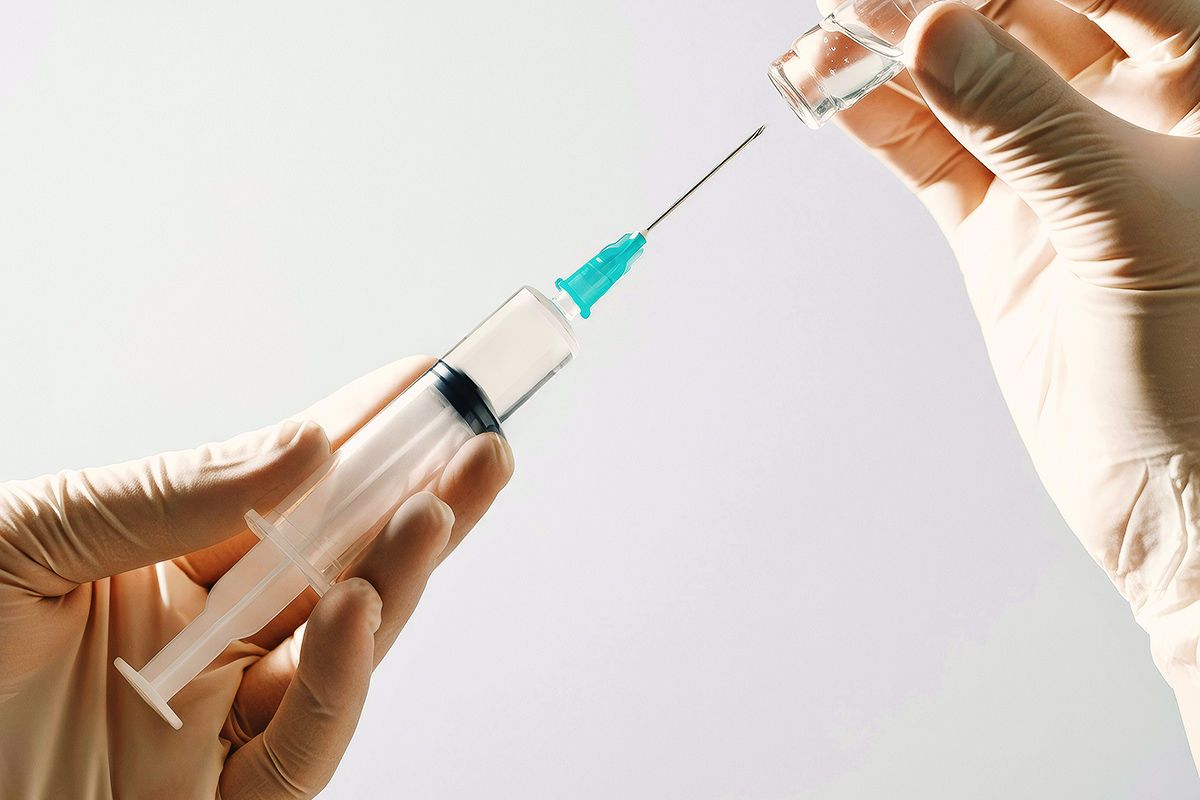
Syringe and bottle of liquid
Credit: © Alim/Unsplash.com

How Are This Year’s Flu Shots Different From Last Year’s?

The new flu shot from Moderna, called mFLUSIVA, is the first to use mRNA technology. Unlike previous flu vaccines, it doesn’t contain part of a weakened or dead virus to kick-start your immune response. mFLUSIVA works by delivering genetic “instructions” that tell your body to make a harmless flu virus protein. Your immune system then produces antibodies against the protein.

Other flu vaccines made the traditional way are still available. According to Stephen Thacker, M.D., associate professor of pediatrics and a pediatric infectious disease physician at the Medical University of South Carolina in Charleston, all of the 2026–2027 flu vaccines are trivalent, meaning they target the three subtypes of influenza A and B viruses most likely to cause flu outbreaks in humans this year.

You might want to ask your doctor about AstraZeneca’s FluMist, a relatively new flu vaccine that comes in a nasal spray. It can be self-administered or dispensed by a caregiver and promises to expand access to flu vaccination because it doesn’t require a pharmacy or doctor’s office visit, Thacker says. (You’ll still need a prescription, though.) 

Advertisement
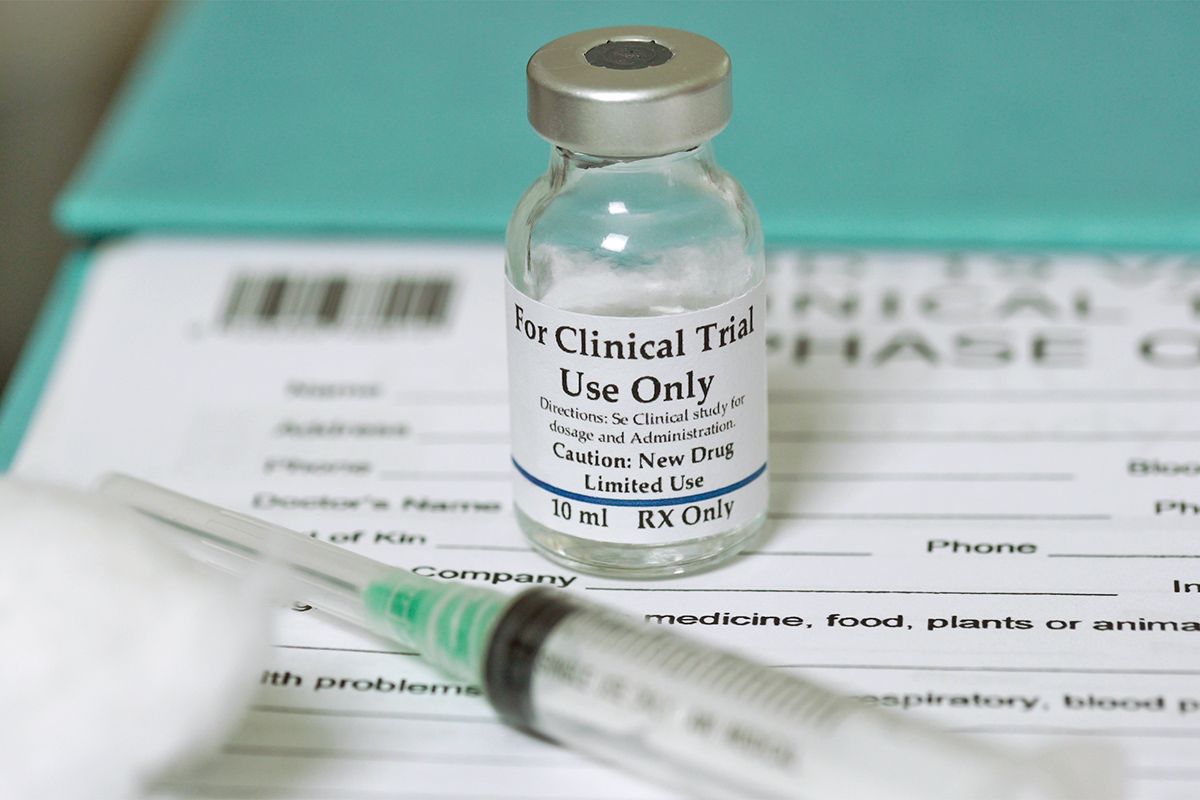
Syringe and bottle of liquid on paper
Credit: © Scott Cornell/stock.adobe.com

How Effective Is the New mRNA-Based Flu Vaccine?

Moderna conducted clinical trials to obtain FDA approval of its mRNA vaccine. One trial included 40,805 adults 50 and older in 11 countries and evaluated the safety and efficacy of mFLUSIVA. About half of the participants received mFLUSIVA, and half got a regular, standard-dose flu shot. After six months, 411 people in the mFLUSIVA group had caught the flu compared to 557 in the standard group. mFLUSIVA was about 26% more effective in people ages 50 to 64.

Recommended Articles

  • The Safety Rules for Candles You Probably Don’t Know

  • 5 Things Your Car Needs Before the First Freeze

  • 6 Amazon Prime Day Hacks

  • Is Sourdough Actually Healthier Than Regular Bread?

Advertisement
Advertisement

Reader Favorites

  • Woman looking in fridge

    9 Foods You Should Toss ASAP if They’re Expired

  • Person eating salad

    7 Things a Chef Never Orders at a Restaurant

  • Cherry angioma

    Are the Tiny Red Dots on Your Skin Dangerous?

“That’s a hopeful sign. We have a more beneficial tool to protect those folks in that age group,” Thacker says. Older adults make up most of the annual flu-related hospitalizations and fatalities, according to the CDC. In the 2024–2025 flu season (the most recent for which data is available), adults ages 50 to 64 accounted for 20% of hospitalizations and 21% of deaths, and those 65 and older accounted for 57% of hospitalizations and 71% of deaths.

But we won’t know exactly how effective any of the vaccines will be against this year’s viruses, he adds, until the flu season gets underway. That’s because public health officials review global and U.S.-based health data before each flu season and have to make educated guesses about which flu types will be most prevalent.

Advertisement
Advertisement
Doctor speaking with patient
Credit: © fizkes/stock.adobe.com

Can I Get the New Flu Shot?

The CDC recommends flu vaccination for anyone 6 months and older (unless there’s a contraindication to vaccination in their medical history). mFLUSIVA is fully FDA-approved for everyone ages 50 to 64. For those 65 and older, the agency has given “accelerated approval.” People in this age group can receive mFLUSIVA while clinical studies of its effectiveness against severe illness and death continue. 

Advertisement
Advertisement

According to Thacker, the new mRNA vaccine may not be available everywhere, as many places have already ordered vaccines for this year, and the rollout may take time. In that case, people over 65 can also receive one of two FDA-approved traditional flu shots designed to provoke a strong immune response. Older people tend to have weaker immune reactions to vaccines, and these shots have been shown to lower the risk of flu-related hospitalization. 

People younger than 50 can opt for one of the traditional flu shots or the FluMist nasal spray, according to their physician’s recommendations.

Woman with hand on forehead
Credit: © Getty Images/Unsplash.com 

What Are the Side Effects — And Can I Avoid Them?

Any flu shot might result in temporary side effects, including pain and inflammation at the injection site, body and joint aches, fever, or fatigue. Moderna’s clinical trials showed that side effects from the mRNA vaccine occurred about twice as often as those from the standard vaccine and most were mild to moderate. 

Advertisement
Advertisement

While unpleasant, feeling feverish and under the weather for a day or two means your immune system is working as it should. “The goal with any vaccine is to lean on how our immune system functions, and inflammation is part of that,” Thacker says, noting that swelling, redness, and body aches are signs that antibodies are “seeing the targets” and responding robustly. 

Advertisement

Ice packs or damp towels might ease injection site discomfort, and staying hydrated is important. You may want to ask your health care provider about taking over-the-counter pain relievers as well.

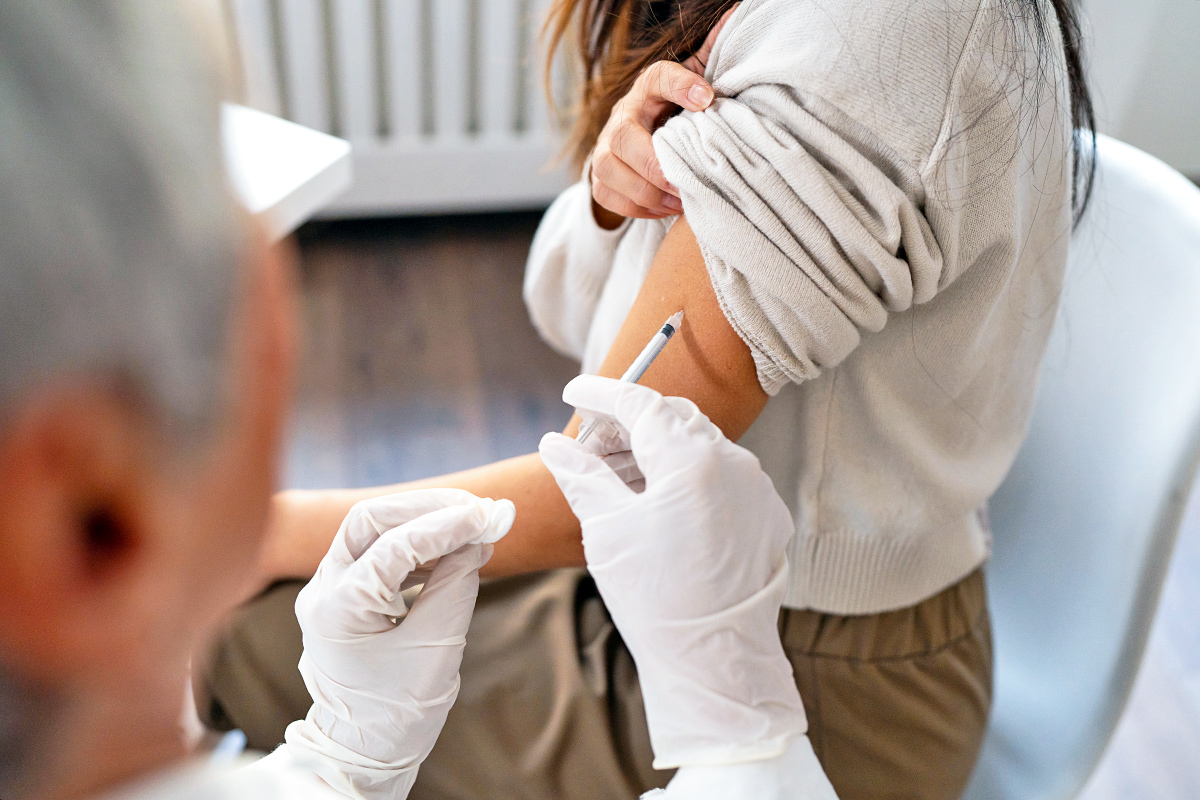
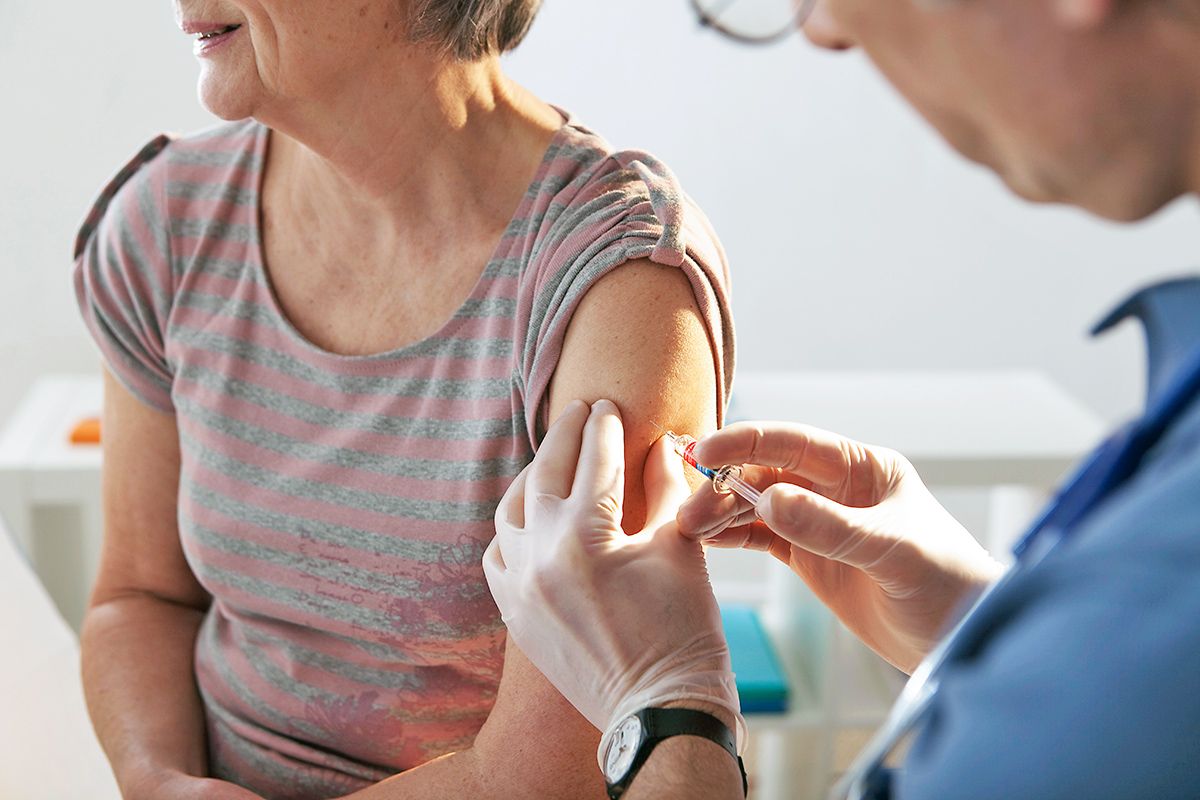
Woman getting vaccine
Credit: © RFBSIP/stock.adobe.com

When Should I Get Vaccinated?

Flu season typically lasts from October to April, and the best time to get vaccinated depends on where you live and how prevalent the flu virus is in the area — questions that your doctor can answer. “This is a really good time to connect with your primary care physician” to discuss the options, Thacker says.

As a general rule, according to Thacker, any given flu season tends to see two “spikes” in the number of cases: the first in October and November with influenza A circulating, and the second in January and February with influenza B. Consult with your doctor about the best time for you to get vaccinated.

Featured Image Credit: © SrdjanPav—E+/Getty Images

Advertisement
Advertisement

More From Our Network

Better Report is part of Inbox Studio, an email-first media company. *Indicates a third-party property.

Go Retro With This 1960s Fashion Quiz

Quiz Daily

Go Retro With This 1960s Fashion Quiz

True or False: Are You a Master of U.S. Geography?

Travel Quiz

True or False: Are You a Master of U.S. Geography?

5 Reasons You Can Be Denied Boarding an Airplane

Daily Passport

5 Reasons You Can Be Denied Boarding an Airplane

What Did People Do Before Eyeglasses?

History Facts

What Did People Do Before Eyeglasses?

How To Use a Balloon To Clean Up Dust

House Outlook

How To Use a Balloon To Clean Up Dust

11 Shopping Hacks Costco Members Should Know

FinanceBuzz*

11 Shopping Hacks Costco Members Should Know

Share this article

  • Share to Facebook
  • Share to Twitter
  • Copy Url
  • Share to Email
Ali Eldridge

This article is for general informational purposes only.
Affiliate Disclaimer Medical Disclaimer Financial Disclaimer

Updated:
Posted In: Health
Hero Image Credit: Featured Image Credit: © SrdjanPav—E+/Getty Images
Advertisement

Related Articles

Is Sourdough Actually Healthier Than Regular Bread?

7 min read

Do You Really Need a Bidet in Your Home?

4 min read

3 Common Sleep Habits That May Be Aging Your Brain

5 min read

Is the Traditional Mediterranean Diet Actually the Best for Your Brain?

4 min read

The 5 Worst Sugary Drinks You Can Order at Restaurants

5 min read
Advertisement

Is Sourdough Actually Healthier Than Regular Bread?

Health | Updated: September 18, 2026
Erin McCarthy
Author
Erin is a writer, editor, and content strategist living in the New York City area. Previously, she was the VP/Editor-in-Chief of MentalFloss.com and an editor at Popular Mechanics magazine. When she’s not working, Erin is hanging out with her cats, reading books from her never-ending TBR, traveling, karaoking, and making sourdough with her starter Stephen Sondheim.
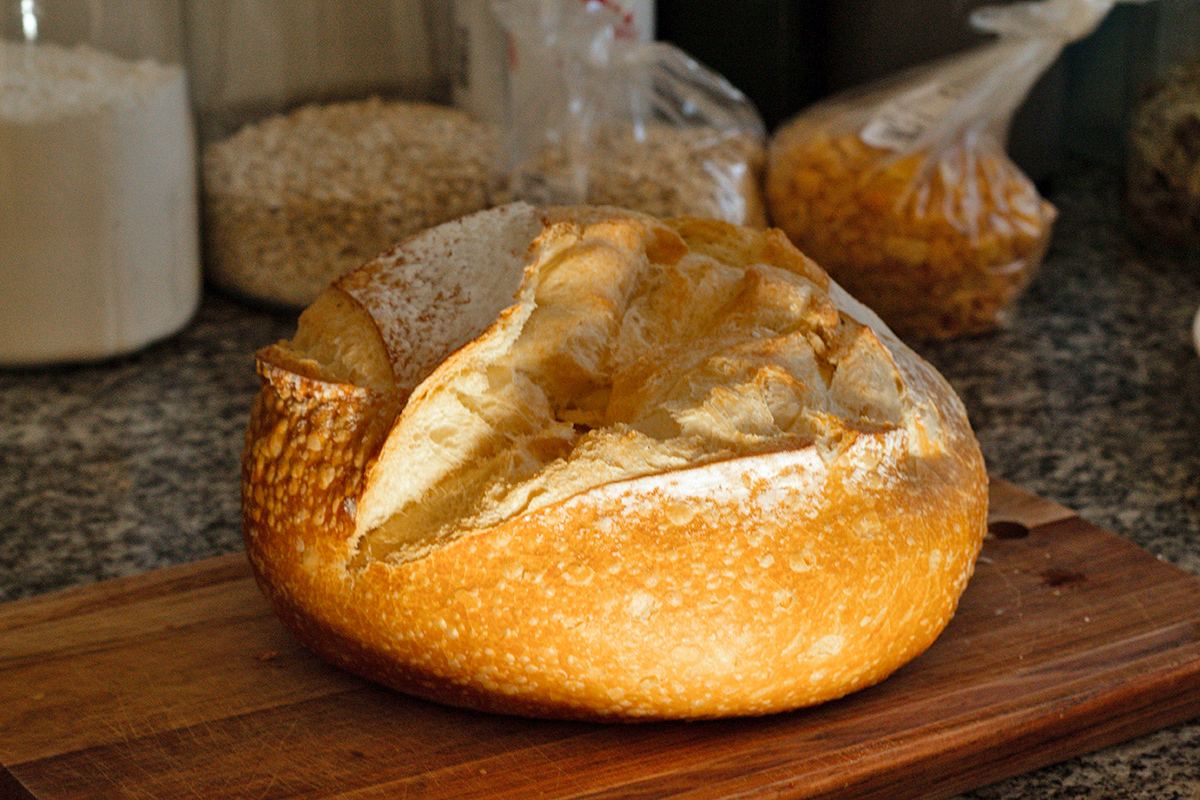
Sourdough bread on a cutting board
Featured Image Credit: © Giovanna Kamimura/Pexels.com

Sourdough bread has taken the world by storm. During the pandemic, many people grew their own starters to get around the shortage of commercial yeast, and from there the trend snowballed into a phenomenon. Today, there are tons of sourdough content creators showing off their crumbs on social media. Even Taylor Swift is in her sourdough era, talking about her bread everywhere from podcasts to late-night talk shows.

Sourdough’s recent spike in popularity has come with claims that it’s healthier for you than regular bread. But is it actually? To find out, we asked Lakelyn Lumpkin, a registered dietitian at Top Nutrition Coaching. 

Advertisement
Advertisement
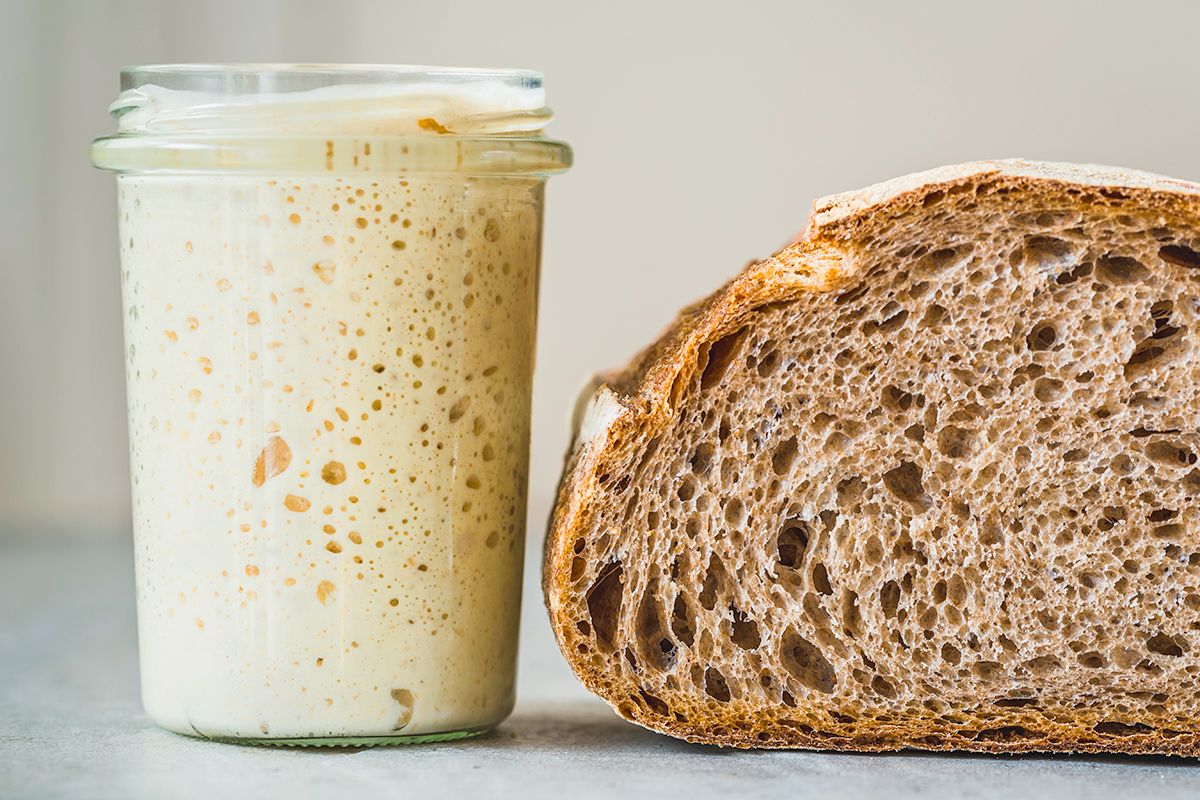
Sourdough bread and starter
Credit: © leonori—iStock/Getty Images

Sourdough vs. Traditional Bread

Let’s start with the basics: Sourdough bread and traditional bread are made differently. Regular bread relies on commercial yeast to rise, and the process of kneading, proofing, and baking it usually takes just a few hours total. Sourdough, on the other hand, “uses a fermented starter made up of wild yeast and lactic acid bacteria,” Lumpkin says. That means it rises more slowly and takes longer to make — sometimes several days.

Fermentation is what gives sourdough its signature sour flavor, but according to Lumpkin, it does other things, too: “The fermentation process changes some of the carbohydrates and proteins in the flour to then affect how we digest the bread and how our bodies respond to it.” 

Recommended Articles

  • The Safety Rules for Candles You Probably Don’t Know

  • 5 Things Your Car Needs Before the First Freeze

  • 6 Amazon Prime Day Hacks

  • 5 Things To Ask Your Doctor About the New Flu Shot

Advertisement
Advertisement

Reader Favorites

  • Woman looking in fridge

    9 Foods You Should Toss ASAP if They’re Expired

  • Person eating salad

    7 Things a Chef Never Orders at a Restaurant

  • Cherry angioma

    Are the Tiny Red Dots on Your Skin Dangerous?

Person dipping bread in soup
Credit: © hxyume—E+/Getty Images

Sourdough’s Supposed Health Benefits

Indeed, most articles covering the potential health benefits of sourdough credit the fermentation process. We know that fermented foods are good for gut health, but does fermentation make sourdough easier to digest than regular bread? 

It turns out there may be something to that. “There is definitely some research suggesting that sourdough may be easier for certain people to tolerate,” Lumpkin says, “but I wouldn’t say that it’s automatically easier to digest for everyone.”

Advertisement
Advertisement

In sourdough, she explains, fermentation helps break down substances in wheat such as fructans, a type of oligosaccharide  that’s hard for our small intestines to absorb. (People with sensitive stomachs may know oligosaccharides as one of the FODMAPs, aka fermentable oligosaccharides, disaccharides, monosaccharides, and polyols.) Fructans “can cause bloating, gas, or other digestive symptoms in some people,” Lumpkin says. “Fermentation also reduces [the plant compound] phytate, which can make minerals such as iron and zinc a little more available for absorption.”

Advertisement

By processing these substances, sourdough fermentation acts as a kind of predigestion. “So, for someone who notices that regular wheat bread doesn’t sit particularly well, a traditionally fermented sourdough may be worth trying,” Lumpkin says. “But everyone’s digestion is different, and things like the flour used, how long the dough fermented, and even how much bread someone eats can make a difference.”

The fermentation process also degrades some of the gluten in the bread, but Lumpkin cautions that “that does not mean a regular wheat sourdough is safe for someone with celiac disease. People with celiac should stick with products specifically labeled gluten-free and still be cautious about cross-contact with gluten-containing products.”  

Advertisement
Advertisement

Another claim is that because fermentation breaks down some of the sugars in sourdough, it has a lower glycemic index (GI) than regular bread — meaning your blood sugar won’t spike as high if you’re eating sourdough. 

According to Lumpkin, this supposed benefit is a bit more complicated. “There is research showing that some sourdough breads can produce a lower blood glucose and insulin response after a meal compared with certain conventional breads,” she says. “One possible reason is that the acids produced during fermentation can slow gastric emptying and the digestion of starch.”

But that doesn’t mean that a bread labeled “sourdough” always has a low GI. That’s because “the type of flour, fiber content, processing, fermentation time, and the overall recipe all matter,” Lumpkin says. “A refined white-flour sourdough and a whole-grain sourdough can have very different nutritional profiles.” 

Advertisement

The bottom line? According to Lumpkin, “Research reviews have found some promising effects of sourdough fermentation on blood glucose and insulin responses, but the results aren’t perfectly consistent, so I think it’s more accurate to say sourdough may have an advantage in some situations rather than saying it always has a lower GI.”

Advertisement
Advertisement
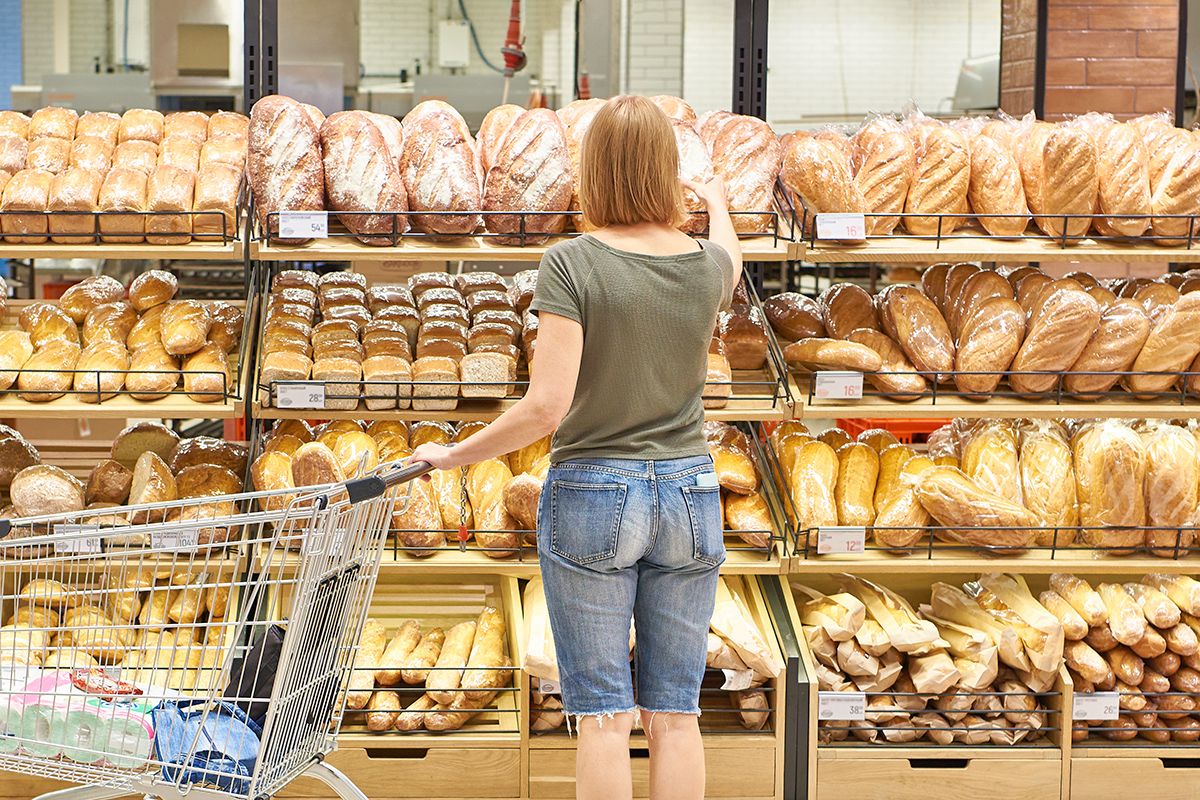
Woman shopping for bread at grocery store
Credit: © Sergey Ryzhov/stock.adobe.com

Homemade vs. Store-Bought Sourdough

Many people feel strongly that homemade is always better. And while there are some advantages to baking your own bread (not the least of which is how enjoyable it can be), the sourdough you make at home isn’t necessarily healthier than what you get at the supermarket. “The nice thing about making it yourself is that you have complete control over the ingredients and fermentation time, which can be fun if you’re someone who likes baking,” Lumpkin says. “But there are plenty of perfectly nutritious store-bought options, too.”

Advertisement
Advertisement

When picking up bread from the store, remember that the word “sourdough” doesn’t tell you the whole story. “Some commercial products use sourdough starter for flavor but also use commercial yeast and other ingredients,” Lumpkin says. “That doesn’t make them bad, but it does mean that two loaves labeled ‘sourdough’ can be pretty different.”

She recommends taking a close look at a bread’s ingredients list and nutrition label before you buy. You’ll want to pick a loaf that has a whole grain as the first ingredient and also contains plenty of fiber. Bread can be surprisingly high in sodium, so you’ll want to check that, too, to make sure you’re not adding too much to your diet. 

Another reason to check the ingredients? Even if a loaf is on the darker side, it may not be made with whole grain. “The ingredient list will tell you much more than the color will,” Lumpkin says.

Advertisement
Advertisement
Avocado on bread
Credit: © Thai Liang Lim—iStock/Getty Images

How To Make Your Own Sourdough More Nutritious

According to Lumpkin, there are some easy tweaks that will boost the nutritional value of your homemade sourdough. One is to substitute white all-purpose or bread flour for a whole-grain flour. “That adds more fiber, vitamins, minerals, and other beneficial plant compounds compared with using only refined white flour,” she says. You can also add inclusions such as oats, flax, and pumpkin or sunflower seeds.

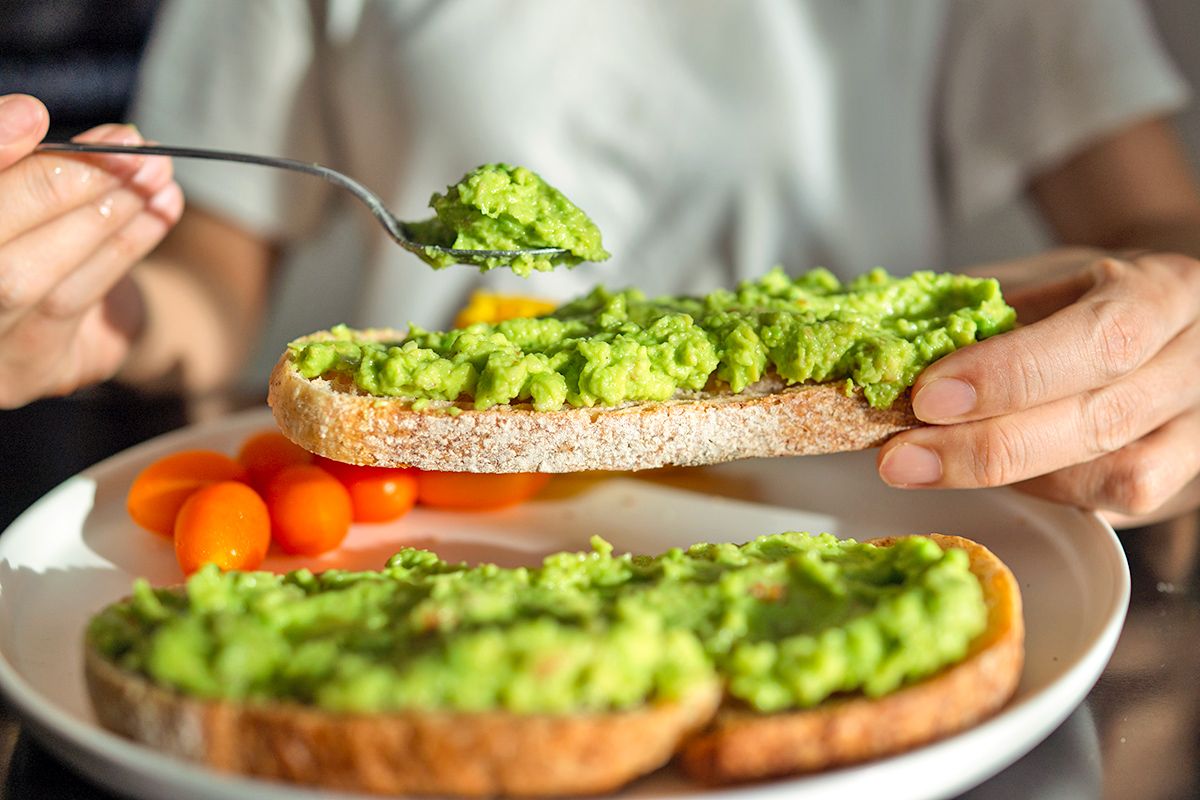
Keep in mind, though, that it’s not just what you put in the bread that matters. “Don’t forget about what you’re putting on the bread!” Lumpkin says. “A piece of sourdough topped with avocado and eggs, hummus and vegetables, or nut or seed butter and fruit is going to be a much more balanced and satisfying meal than bread eaten by itself.”

Advertisement
Advertisement
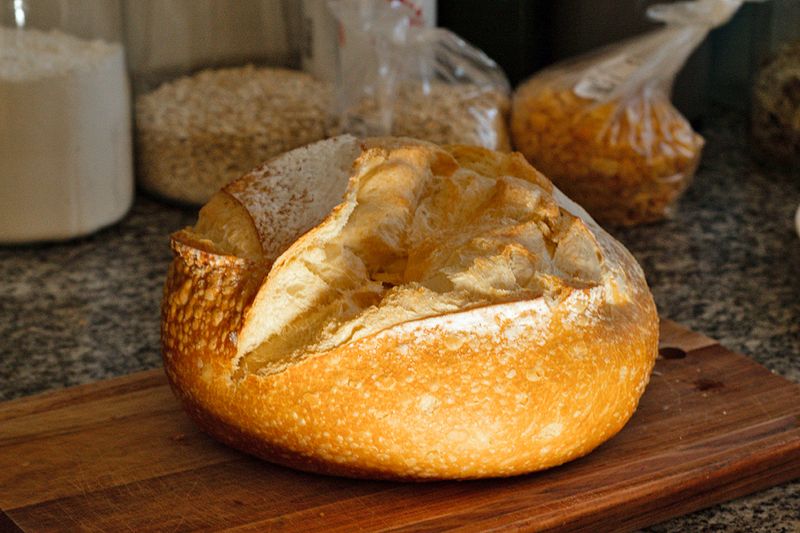
Bread on a counter
Credit: © Ben Stein/Unsplash.com

Is Sourdough Healthier Than Regular Bread?

As with the debate over homemade versus store-bought sourdough, there isn’t a clear answer as to whether sourdough bread is healthier than regular bread. And it’s certainly not a health food. 

Advertisement

“I wouldn’t necessarily put sourdough in the ‘health food’ category,” Lumpkin says. “I think it’s better to think of it as a type of bread that has some potentially unique benefits because of the fermentation process.”

Advertisement
Advertisement

What matters more than the “sourdough” label, according to Lumpkin, is what’s in the bread. “A whole-grain sourdough can absolutely be a nutritious choice, but so can a high-fiber whole-grain bread made with conventional yeast. If I had to choose between a refined white sourdough and a high-fiber whole-grain bread, I wouldn’t automatically pick the sourdough just because it has that trendy label. I’d look at the whole nutritional picture.” 

Ultimately, she says, “sourdough isn’t some sort of special, magic bread! … [T]he word ‘sourdough’ alone doesn’t tell you whether a bread is nutritious. The flour, fiber content, ingredients, fermentation process, and portion all matter.” 

But if you simply like sourdough and want to eat it, “absolutely enjoy it,” Lumpkin says. “You don’t need to eat sourdough to have a healthy diet, but there’s certainly no reason to avoid it either.”

Featured Image Credit: © Giovanna Kamimura/Pexels.com

Advertisement
Advertisement

More From Our Network

Better Report is part of Inbox Studio, an email-first media company. *Indicates a third-party property.

Go Retro With This 1960s Fashion Quiz

Quiz Daily

Go Retro With This 1960s Fashion Quiz

True or False: Are You a Master of U.S. Geography?

Travel Quiz

True or False: Are You a Master of U.S. Geography?

5 Reasons You Can Be Denied Boarding an Airplane

Daily Passport

5 Reasons You Can Be Denied Boarding an Airplane

What Did People Do Before Eyeglasses?

History Facts

What Did People Do Before Eyeglasses?

How To Use a Balloon To Clean Up Dust

House Outlook

How To Use a Balloon To Clean Up Dust

11 Shopping Hacks Costco Members Should Know

FinanceBuzz*

11 Shopping Hacks Costco Members Should Know

Share this article

  • Share to Facebook
  • Share to Twitter
  • Copy Url
  • Share to Email
Erin McCarthy
Editor, Better Report

Erin is a writer, editor, and content strategist living in the New York City area. Previously, she was the VP/Editor-in-Chief of MentalFloss.com and an editor at Popular Mechanics magazine. When she’s not working, Erin is hanging out with her cats, reading books from her never-ending TBR, traveling, karaoking, and making sourdough with her starter Stephen Sondheim.

This article is for general informational purposes only.
Affiliate Disclaimer Medical Disclaimer Financial Disclaimer

Updated: March 23, 2026
Posted In: Health
Hero Image Credit: Featured Image Credit: © Giovanna Kamimura/Pexels.com
Advertisement

Related Articles

5 Things To Ask Your Doctor About the New Flu Shot

5 min read

Do You Really Need a Bidet in Your Home?

4 min read

3 Common Sleep Habits That May Be Aging Your Brain

5 min read

Is the Traditional Mediterranean Diet Actually the Best for Your Brain?

4 min read

The 5 Worst Sugary Drinks You Can Order at Restaurants

5 min read
Advertisement

Is It Actually Better To Lease a Car?

Wealth | Updated: September 17, 2026
Jennifer M. Wood
Author
Jennifer M. Wood has been writing about news, entertainment, culture, and travel for longer than she cares to admit. She lives just outside Philadelphia with her husband and an ever-growing menagerie of rescue pets.
Car salesman and couple in a lot with cars
Featured Image Credit: © Hispanolistic—E+/Getty Images

The decision to get a new vehicle comes with plenty of questions: New or used? Which make and model? What color? And perhaps most importantly, buy or lease?

That last question may be the hardest of all to answer. A lease can offer a lower monthly payment and a shiny new car every few years, while buying can eventually leave you with a vehicle you own outright. The better choice depends on several factors, from how much you drive to how long you plan to keep your vehicle.

Advertisement
Advertisement

With new car prices still hovering near record highs, the choice has become even more consequential. Higher interest rates, inflation, and the growing cost of the technology packed into today’s vehicles have pushed the price of buying a new car higher, making leasing an appealing alternative for some drivers.

But there’s a catch: A lower monthly payment doesn’t necessarily mean you’re spending less overall.

Lot full of cars for sale
Credit: © Tom Fisk/Pexels.com

What You’re Really Paying for When You Lease

The biggest difference between buying and leasing is simple: When you buy a car, you’re paying to own it. When you lease, you’re essentially paying to use it for a set period of time.

Advertisement

With a traditional three-year lease, you make monthly payments based largely on the vehicle’s expected depreciation during those three years, plus interest and fees. At the end of the lease, you generally have one of two options: return the vehicle to the dealership and walk away — or buy the car for its predetermined residual value. Most standard consumer car leases allow the latter, with the details for purchasing the vehicle laid out in the Purchase Option section of your contract.

Recommended Articles

  • The Safety Rules for Candles You Probably Don’t Know

  • 5 Things Your Car Needs Before the First Freeze

  • 6 Amazon Prime Day Hacks

  • 5 Things To Ask Your Doctor About the New Flu Shot

Advertisement
Advertisement

Reader Favorites

  • Woman looking in fridge

    9 Foods You Should Toss ASAP if They’re Expired

  • Person eating salad

    7 Things a Chef Never Orders at a Restaurant

  • Cherry angioma

    Are the Tiny Red Dots on Your Skin Dangerous?

When you buy a car, every payment brings you closer to owning an asset outright. With a lease, you’re continually paying for the portion of the vehicle you use. 

That distinction makes the decision less about which option is universally “better” and more about which option is better for your specific circumstances. You should consider factors such as how long you plan to keep the car, how much you drive, how much cash you have available, and what you want your monthly expenses to look like.

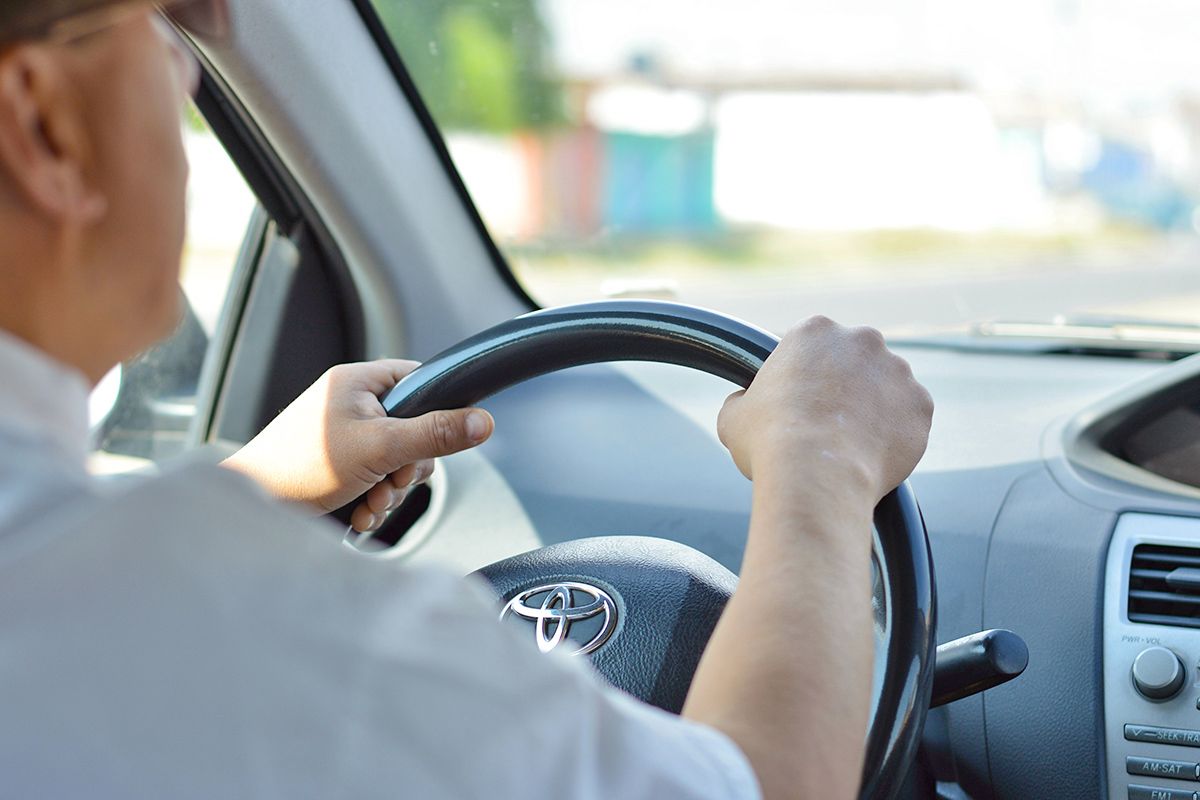
Person with hands on steering wheel
Credit: © Rolando Garrido/Unsplash.com

When Leasing Can Actually Make Sense

Leasing isn’t necessarily the better choice for everyone, but it can be a good fit for drivers whose habits and priorities align with the way leases work.

You Want a New Car Every Few Years: If you’re someone who likes driving a new vehicle and typically replaces your car every three years or so, leasing can make more sense than repeatedly buying and selling vehicles. Because you don’t have to worry about selling the vehicle at the end of the term, you aren’t responsible for its depreciation beyond what was built into the lease.

Advertisement
Advertisement

You Don’t Drive Very Much: Most leases limit you to a predetermined number of miles — often 10,000, 12,000, or 15,000 per year. If you routinely drive far less than that, you’re paying for relatively little vehicle use. 

Advertisement

If you regularly exceed the mileage allowance, leasing can become expensive very quickly because you’ll generally owe a per-mile charge for the excess mileage. Typically, the cost is between 15 cents and 30 cents per mile. So if you drive 20,000 miles per year on a three-year lease with a 15,000-mile annual allowance, you could face a bill of anywhere from $2,250 to $4,500 when you turn in the vehicle.

You Want Lower Monthly Payments: This is probably one of the biggest reasons people lease. Because you’re generally paying for depreciation over the lease term rather than the entire purchase price, the monthly payment can be lower than financing the same vehicle. A lower monthly payment doesn’t necessarily mean a lower overall cost, though. For instance, using the mileage overage example above, a $4,500 excess-mileage bill at the end of a three-year lease works out to the equivalent of another $125 per month over the life of the lease.

Advertisement
Advertisement

You Don’t Want To Worry About Resale Value: When you buy a car, you’re taking on the risk that it will be worth less than expected when you’re ready to sell it. With a lease, the leasing company generally takes that risk. That can be particularly attractive if you’re buying a vehicle with uncertain resale value.

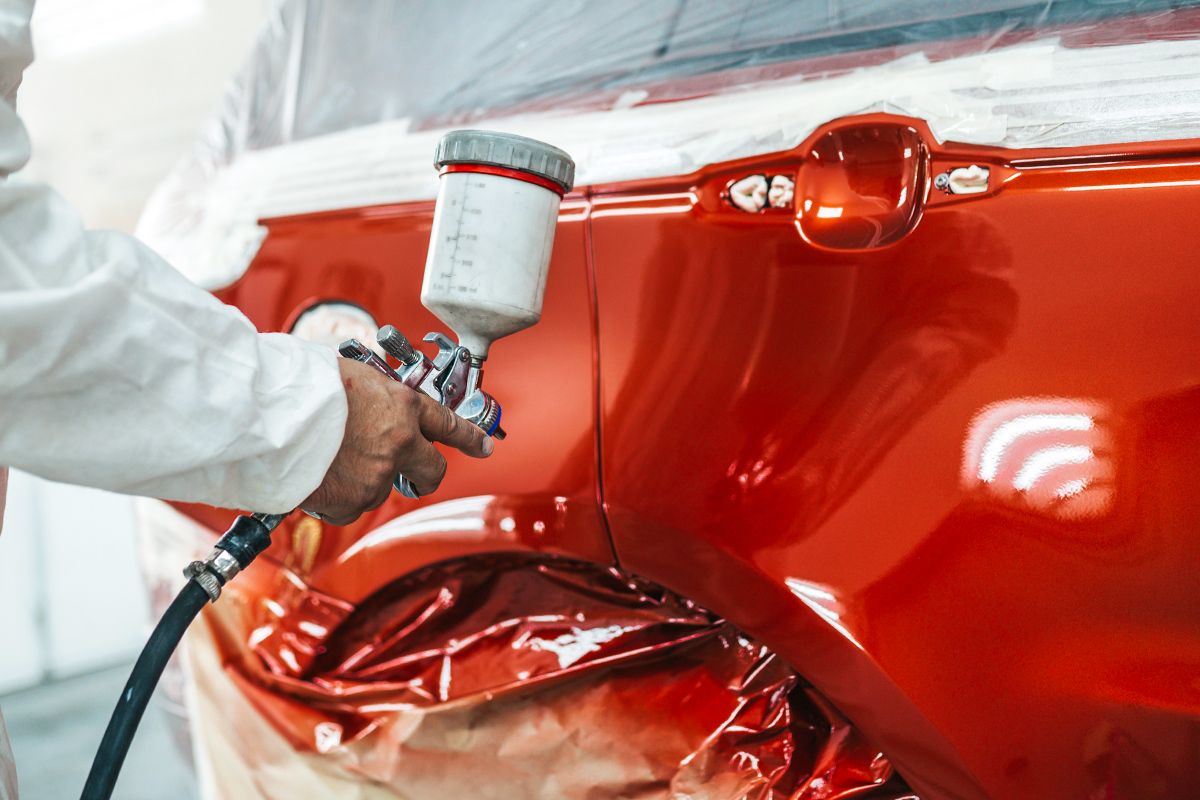
Painting a car
Credit: © Group4 Studio—E+/Getty Images

When Buying Is Probably the Better Choice

Leasing can offer plenty of advantages, but buying may be the better option if your priorities are long-term savings, flexibility, and eventually eliminating your monthly car payment.

You Plan To Keep Your Car for a Long Time: Once you’ve paid off a purchased vehicle, you can continue driving it without a monthly car payment. With leasing, the payments never really stop — you generally return the vehicle and start another lease if you want to remain in a newer car.

Advertisement
Advertisement

You Drive a Lot: If you’re putting 20,000 miles a year on your vehicle, a typical lease can be a poor fit because you’ll either need a higher-mileage lease or potentially face significant excess-mileage charges.

Advertisement

You Want To Modify Your Car: Leases generally aren’t a good fit for someone who wants to make significant modifications to a car. Because you don’t own the vehicle, your lease agreement will typically require you to return it in an agreed-upon condition. 

You Want To Build Equity: With a purchase, you eventually own the car. With a lease, you don’t build ownership equity through your monthly payments.

You’re a Business Owner or Self-Employed: As Investopedia notes, there can be tax advantages to leasing for some business owners and self-employed people who use their vehicle for work. Depending on how the vehicle is used and how the lease is structured, some or all of certain vehicle expenses may be deductible. However, the rules can be complicated, and the tax treatment varies based on your individual circumstances, so it’s worth consulting a tax professional before making a decision based on potential tax savings.

Advertisement
Advertisement
Older woman driving car
Credit: © Getty Images/Unsplash.com

What About Retirees?

Retirement can change the equation, particularly when it comes to how much you drive and how you want to manage your monthly expenses.

A retiree who drives relatively few miles, wants a reliable vehicle, prefers predictable expenses, and doesn’t want to worry about selling a car every few years may find leasing attractive.

Advertisement
Advertisement

Having access to a new car — and its newest safety features — can also be a benefit to retirees. According to Kiplinger, “One benefit to the lease is that you are getting a new car with the latest and greatest safety features every couple of years. As you age … mobility decreases, and those blind-spot monitors and cameras become even more useful.”

Advertisement

But retirees should also consider how long they expect their driving needs to remain the same and whether they’ll want to keep their vehicle longer than the typical lease term. Someone living on a fixed income who wants to minimize long-term transportation costs may actually be better off buying a reliable vehicle and keeping it for many years.

Advertisement
Advertisement
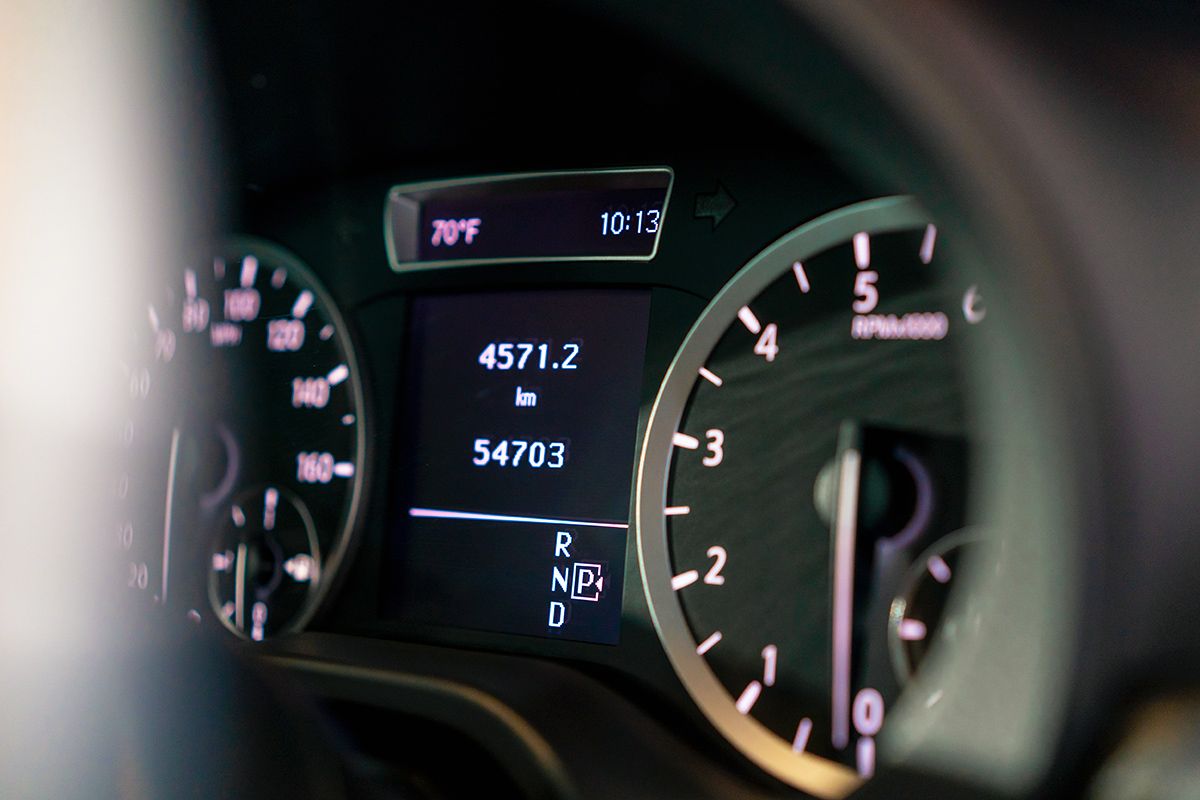
Car dashboard
Credit: © Guys Who Shoot/stock.adobe.com

The Hidden Costs of Leasing

Before you decide that a lower monthly payment makes leasing the better deal, make sure you understand the other costs that can come with it.

Up-front costs: A lease can require a down payment, acquisition fee, taxes, registration, and other charges.

Mileage charges: As discussed above, going over your lease’s set mileage limit can be costly at the end of your term.

Advertisement
Advertisement

Wear and tear: At the end of the lease, you can potentially be charged for damage beyond what’s considered normal wear and tear. That could include things like significant scratches or dents, cracked glass, damaged wheels, ripped or stained upholstery, or missing equipment. 

Disposition fees: Some leases charge a fee when you return the vehicle, known as a disposition or lease-end fee. These fees typically run about $300 to $500, although some luxury brands charge more. This is essentially an administrative charge for processing the vehicle’s return and preparing it for resale. The fee is typically disclosed in the lease agreement and may be waived if you lease or purchase another vehicle from the same manufacturer or dealership.

Advertisement

Early termination: Getting out of a lease before the agreed-upon end date can be expensive. Depending on the terms of your contract, you could be responsible for all remaining lease payments, an early-termination fee, the difference between the car’s current value and the amount owed on the lease, or other charges.

Advertisement
Advertisement

Insurance: Leased vehicles typically require full-coverage auto insurance, rather than the state-minimum coverage that may be sufficient when you own a car outright. Because the leasing company owns the vehicle, it requires more extensive coverage to protect its investment — and that can mean significantly higher insurance costs. 

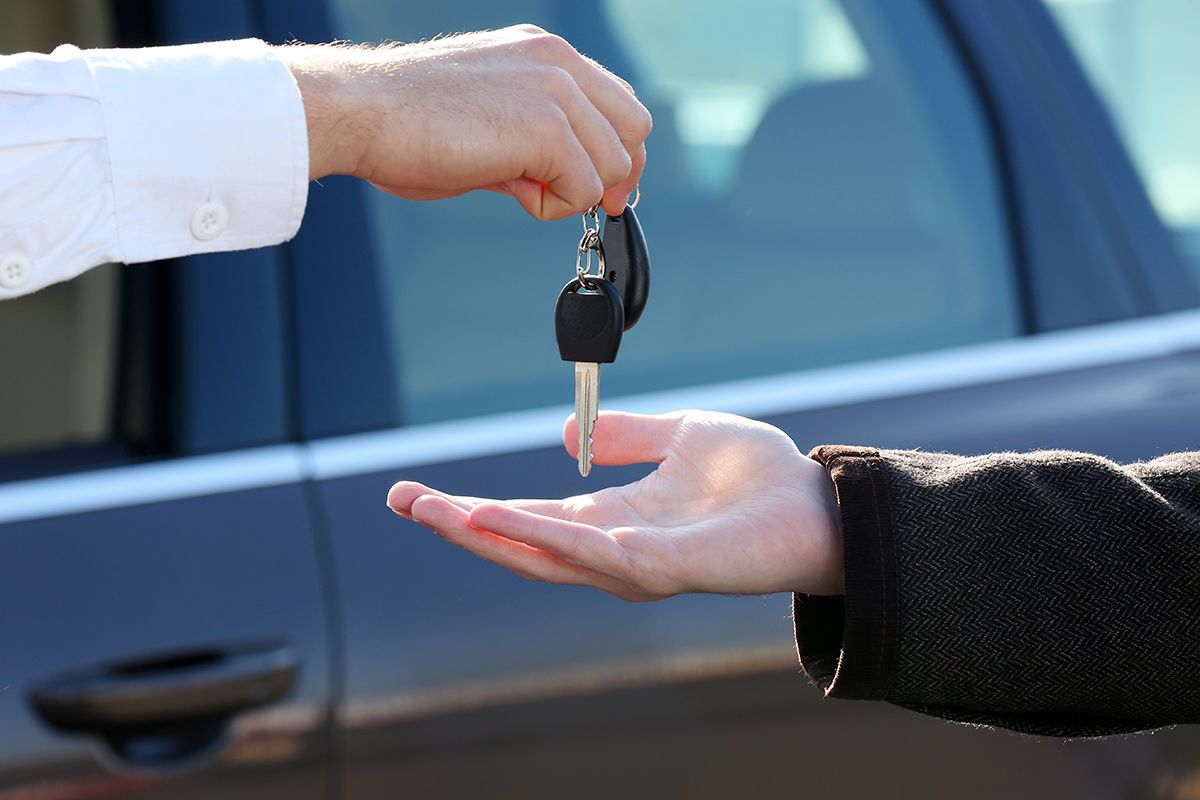
Person holding car keys out to another person
Credit: © Africa Studio/stock.adobe.com

Leasing vs. Buying: Which Is Better for You?

Still not sure which option makes the most sense? Here’s how buying and leasing stack up in some of the most common scenarios.

If you … Leasing may be betterBuying may be better
Want a new car every 2–3 yearsX
Drive fewer than 12,000 miles per yearX
Want a lower monthly paymentX
Want to avoid resale riskX
Drive 15,000+ miles per yearX
Want to keep your car for 7+ yearsX
Want to modify your vehicleX
Want to eventually eliminate your car paymentX
Have cash or equity to put toward a purchaseX
Advertisement
Advertisement

So, Is It Actually Better To Lease a Car?

There isn’t a definitive, one-size-fits-all answer.

Leasing can be a good financial choice if you value a newer vehicle, drive relatively few miles, want predictable monthly costs, and don’t intend to keep the car for many years. But if your goal is to minimize the amount you spend on transportation over the long term, buying a vehicle and keeping it well beyond the point when the loan is paid off is generally the more compelling option.

Advertisement

The most important thing is not to compare the two scenarios based solely on the monthly payment, because the cheapest monthly car payment isn’t necessarily the cheapest way to drive. Calculate the total cost over the period you expect to have the vehicle — including the down payment, taxes, fees, interest, insurance, mileage charges, and what you’ll have to pay when the agreement ends. And, as Consumer Reports notes, whether you choose to lease or buy, don’t forget to negotiate.

Featured Image Credit: © Hispanolistic—E+/Getty Images

Advertisement
Advertisement

More From Our Network

Better Report is part of Inbox Studio, an email-first media company. *Indicates a third-party property.
Go Retro With This 1960s Fashion Quiz

Quiz Daily

Go Retro With This 1960s Fashion Quiz

True or False: Are You a Master of U.S. Geography?

Travel Quiz

True or False: Are You a Master of U.S. Geography?

5 Reasons You Can Be Denied Boarding an Airplane

Daily Passport

5 Reasons You Can Be Denied Boarding an Airplane

What Did People Do Before Eyeglasses?

History Facts

What Did People Do Before Eyeglasses?

How To Use a Balloon To Clean Up Dust

House Outlook

How To Use a Balloon To Clean Up Dust

11 Shopping Hacks Costco Members Should Know

FinanceBuzz*

11 Shopping Hacks Costco Members Should Know

Share this article

  • Share to Facebook
  • Share to Twitter
  • Copy Url
  • Share to Email
Jennifer M. Wood
Writer

Jennifer M. Wood has been writing about news, entertainment, culture, and travel for longer than she cares to admit. She lives just outside Philadelphia with her husband and an ever-growing menagerie of rescue pets.

This article is for general informational purposes only.
Affiliate Disclaimer Medical Disclaimer Financial Disclaimer

Updated: May 8, 2026
Posted In: Wealth
Hero Image Credit: Featured Image Credit: © Hispanolistic—E+/Getty Images
Advertisement

Related Articles

5 Things Your Car Needs Before the First Freeze

4 min read

6 Amazon Prime Day Hacks

6 min read

7 Free MIT Classes You Can Experience From Home

4 min read

The Bedroom Color That Adds $2,000 to Your Home Value

3 min read

Is It Rude To Ask for Leftovers at Fancy Restaurants?

5 min read
Advertisement

Do You Really Need a Bidet in Your Home?

Health | Updated: September 17, 2026
Sarah Gleim
Author
Sarah Gleim is an Atlanta-based freelancer with more than 25 years of experience writing and producing explainers and features about history, science, food, and health for media outlets like AARP, WebMD, The Conversation, History.com, HowStuffWorks, CNN, and others. She’s also the editor of several cookbooks for Southern Living and Cooking Light.
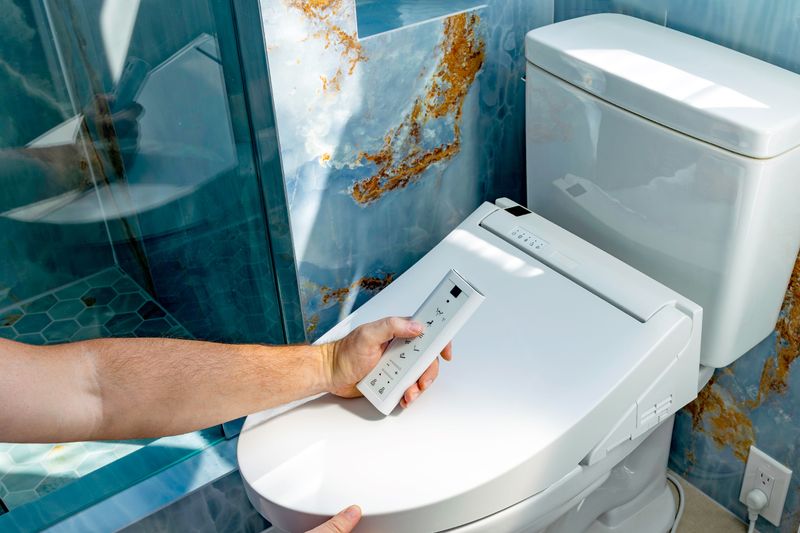
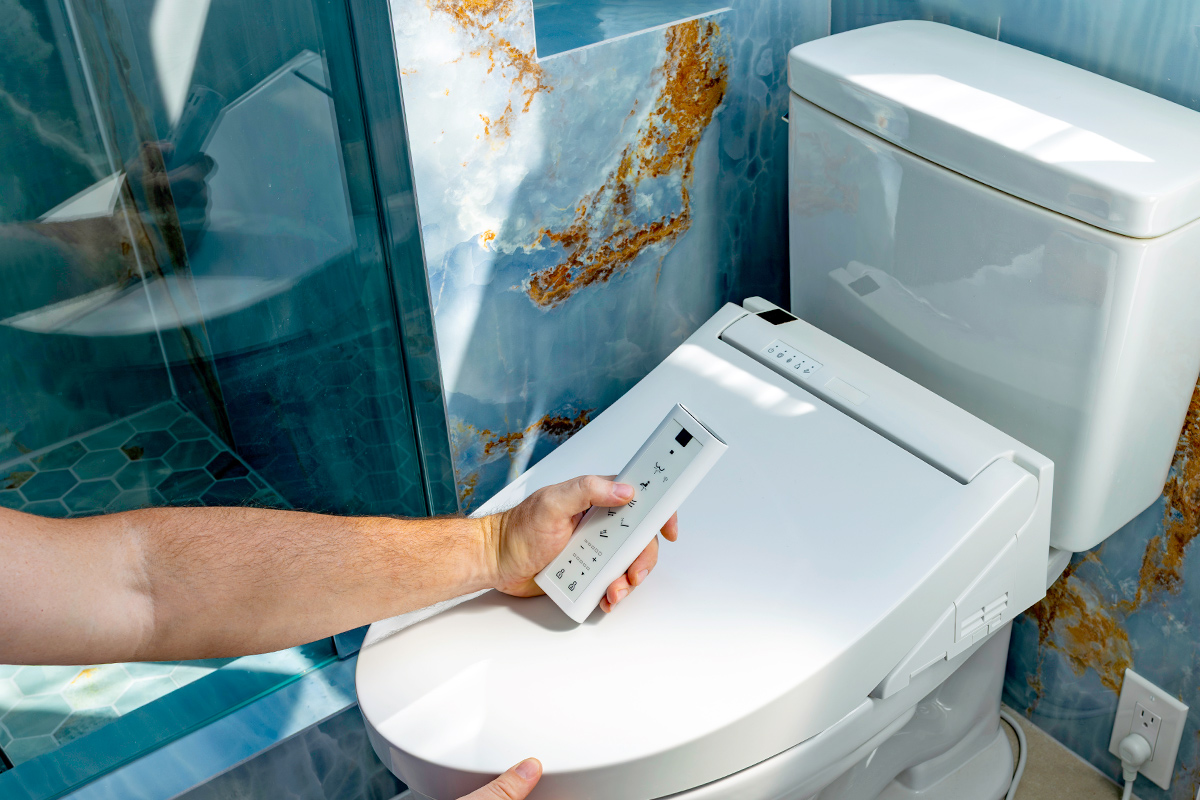
Person holding controller for bidet
Featured Image Credit: © Andrei Liashchou/stock.adobe.com

All featured products and deals are selected independently and objectively by the author. Better Report may receive a share of sales via affiliate links in content.

Is a bidet at home just what the doctor ordered? It could be. Water cleans better than paper, especially when it comes to wiping after you go to the bathroom — dry toilet tissue just can’t sanitize your undercarriage the way a warm stream of water can. So, if you’re thinking about getting a bidet, here’s what to consider.

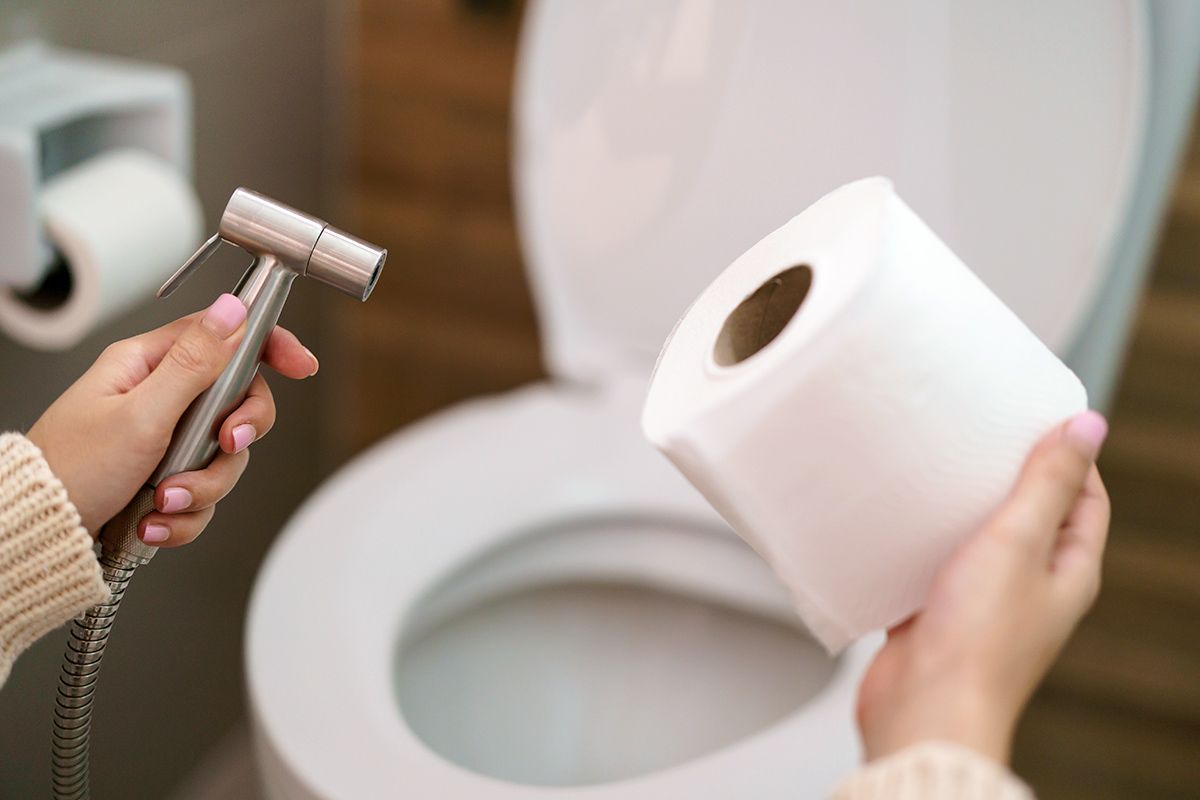
Person holding bidet nozzle and toilet paper
Credit: © marchsirawit/stock.adobe.com

What Is a Bidet?

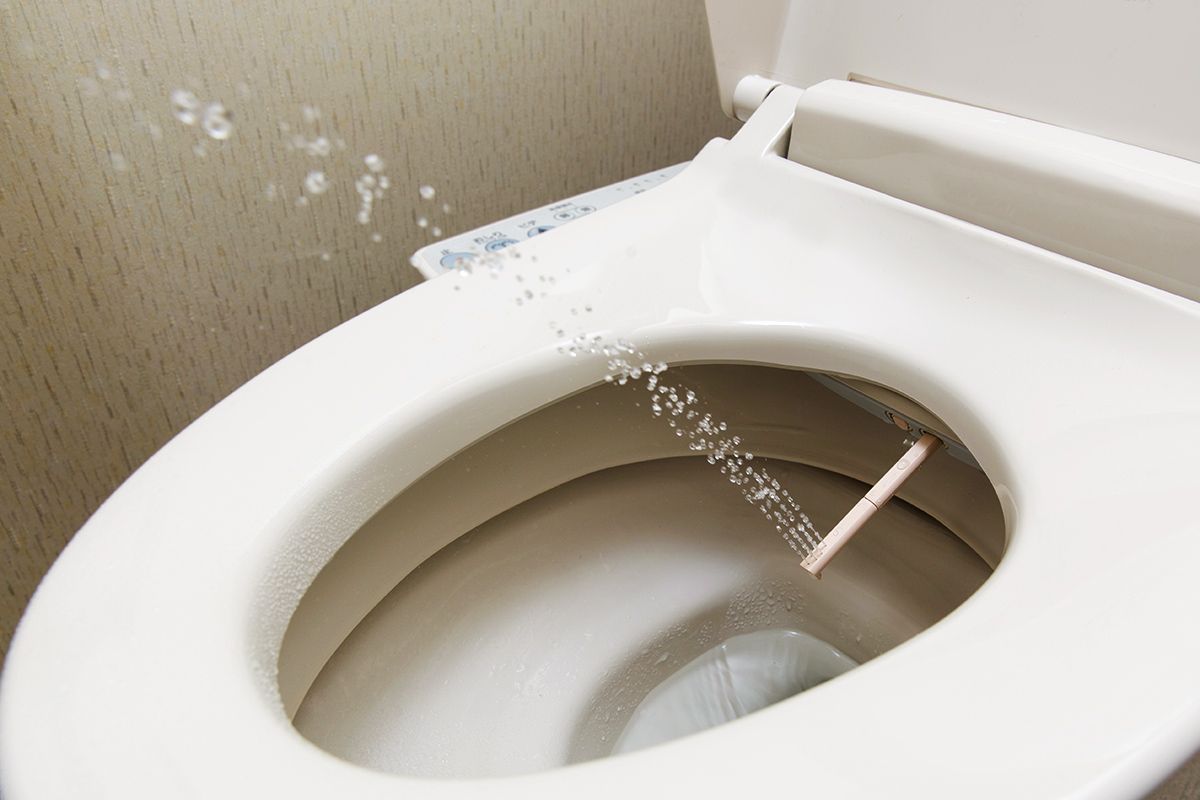
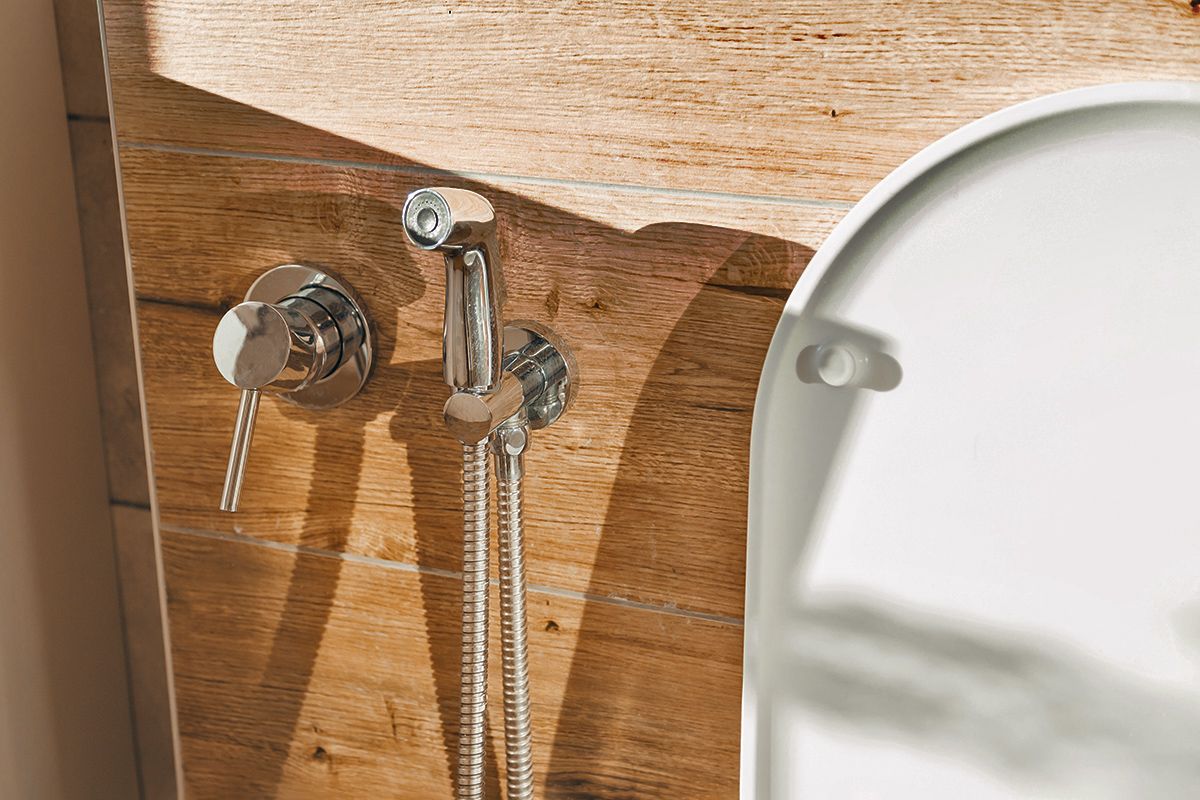
You use a bidet to clean yourself after you urinate or have a bowel movement. It’s connected to your plumbing and uses plain water, so you don’t have to use toilet paper. Some bidets are seats that attach to your existing toilet, and others are stand-alone systems.

Bidets are common in Asia and Europe and getting more popular in the United States.

Advertisement
Advertisement
Roll of toilet paper
Credit: © fcafotodigital—iStock/Getty Images

Benefits of a Bidet

Using a bidet regularly comes with a lot of benefits, including wasting less toilet paper.

“Bidets are significantly more hygienic and effective [than toilet paper] because they use gentle fluid dynamics to thoroughly cleanse the area rather than smearing fecal material across the skin,” says Yale-trained gastroenterologist Dr. Savita Srivastava. You’re also less likely to contaminate your hands when you wipe.

Advertisement

Constant wiping can inflame your skin and strip its protective layers, which can create micro-tears or aggravate hemorrhoids. “A bidet eliminates the mechanical friction that causes skin breakdown and hemorrhoidal flare-ups,” Srivastava explains. Its gentle stream of water can reduce trauma to the skin and calm inflammation, especially if you have frequent bowel movements, she adds.

A bidet can also help if you have mobility issues. You can clean yourself without reaching, twisting, or bending, and you can use it without assistance.

Recommended Articles

  • The Safety Rules for Candles You Probably Don’t Know

  • 5 Things Your Car Needs Before the First Freeze

  • 6 Amazon Prime Day Hacks

  • 5 Things To Ask Your Doctor About the New Flu Shot

Advertisement
Advertisement

Reader Favorites

  • Woman looking in fridge

    9 Foods You Should Toss ASAP if They’re Expired

  • Person eating salad

    7 Things a Chef Never Orders at a Restaurant

  • Cherry angioma

    Are the Tiny Red Dots on Your Skin Dangerous?

Bidet sprayer water
Credit: © kazoka303030/stock.adobe.com

Do Bidets Spread Germs?

Srivastava says one the biggest misconceptions about bidets is that they’re unsanitary. “Modern bidets pull fresh water directly from your home’s clean supply line — not the toilet bowl — and offer far superior hygiene,” she notes. 

Proper cleaning of the bidet is still important, of course. Srivastava says you should follow the manufacturer’s instructions for routine bidet cleanings, unless someone in your home is sick with a GI infection. Then, she says, wipe down the bidet wand, seat, and controls using a chlorine bleach or hydrogen peroxide-based disinfectant after each use, even if the bidet has a “self-cleaning” cycle. And close the toilet lid before you flush to prevent airborne pathogens from spreading.

Advertisement
Advertisement
Toilet and bidet nozzle
Credit: © vladdeep/stock.adobe.com

Tips for Safe Use

Srivastava says a home bidet can be a game changer, especially if you have chronic or acute diarrhea, hemorrhoids, anal fissures, or limited mobility. But she reiterates you need to use the bidet properly to ensure your safety. Here are her tips:

Adjust the pressure: Keep it set at low to moderate; too much pressure can irritate and splash back on your skin.

Advertisement

Get the right angle: Aim to flow front to the back to keep bacteria away from your urethra.

Control the temperature: Keep it warm so it won’t scald your skin.

Pat, don’t rub: After use, gently pat the area dry with a soft towel or use the built-in air dryer.

And of course, don’t forget to clean your bidet regularly.

Advertisement
Advertisement
Bidet controller
Credit: © Tfilm—Moment/Getty Images

What To Look for in a Bidet

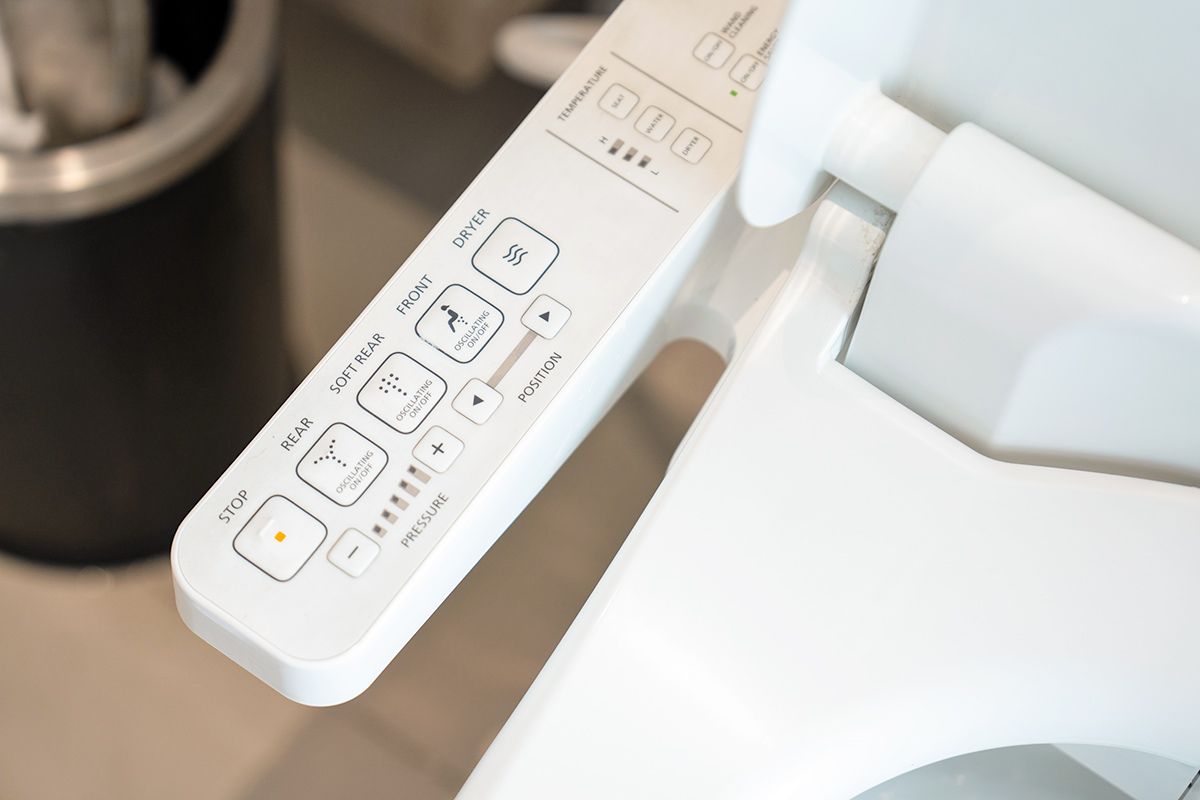
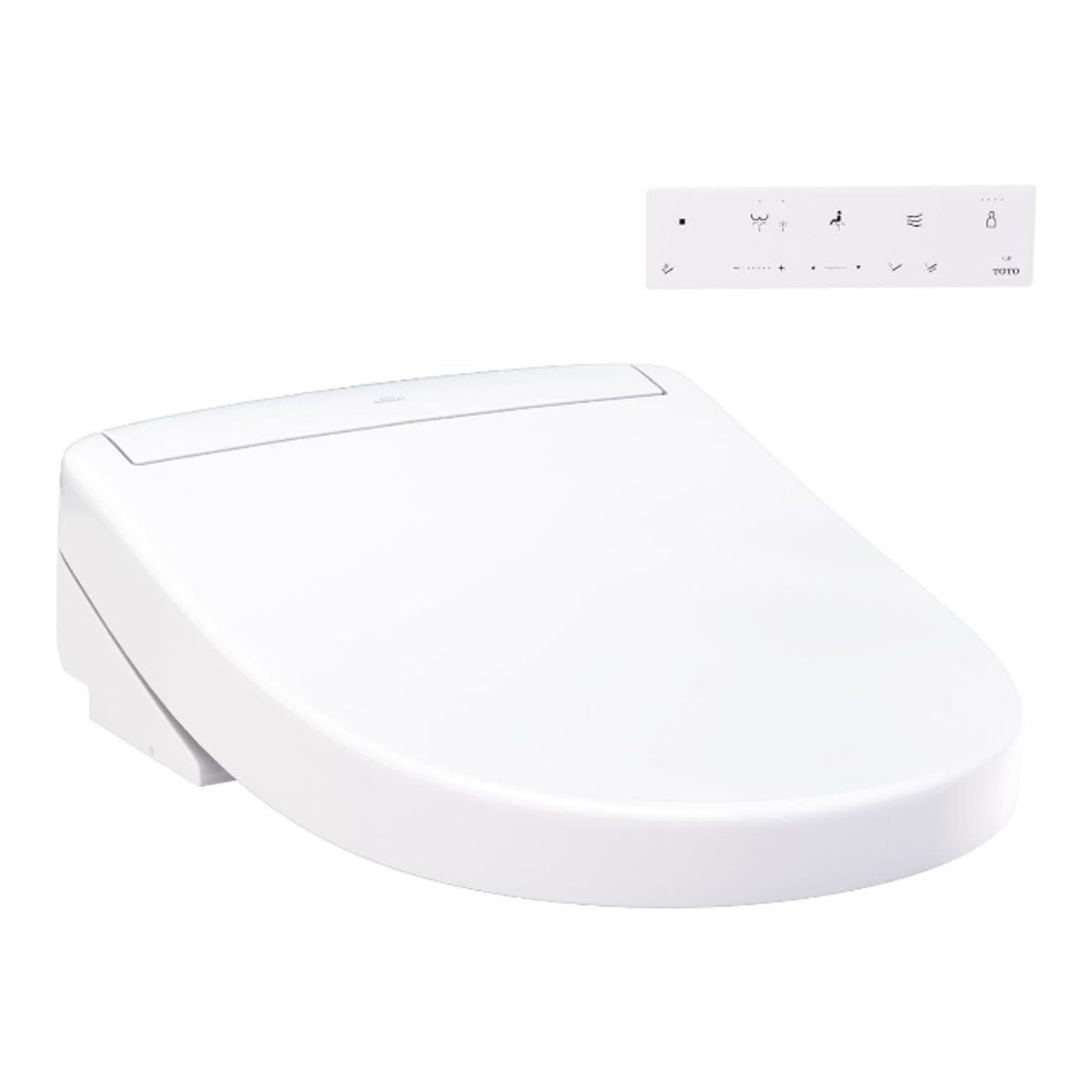
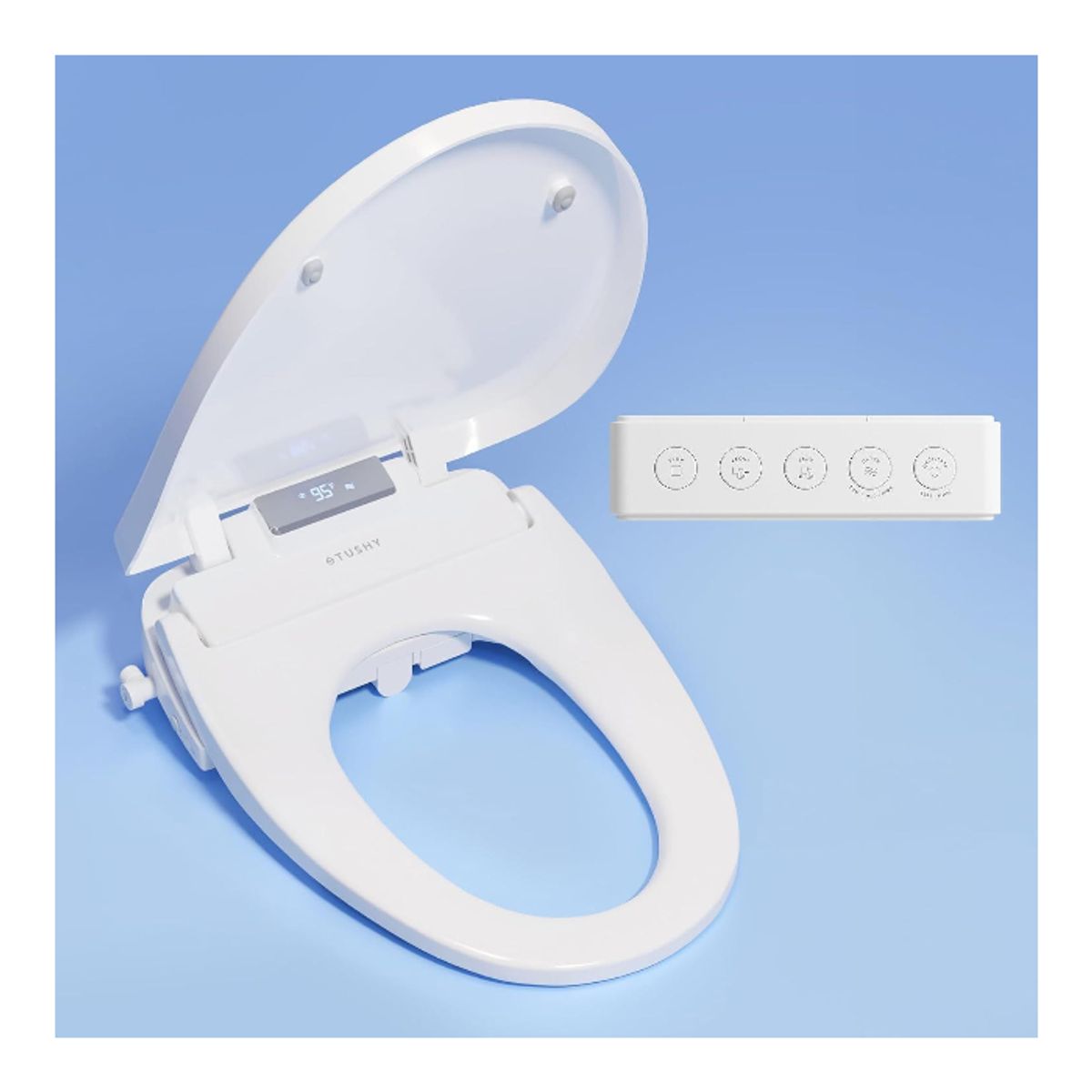
“An electronic bidet toilet seat attachment is usually the best and most practical choice for most homes,” Srivastava says, “as stand-alone bidets require dedicated plumbing and excess floor space.” Just look for features like adjustable water pressure, temperature settings, adjustable nozzle angles, and an integrated air dryer. Below are a few bidets to consider.

Advertisement
Bio Bidet
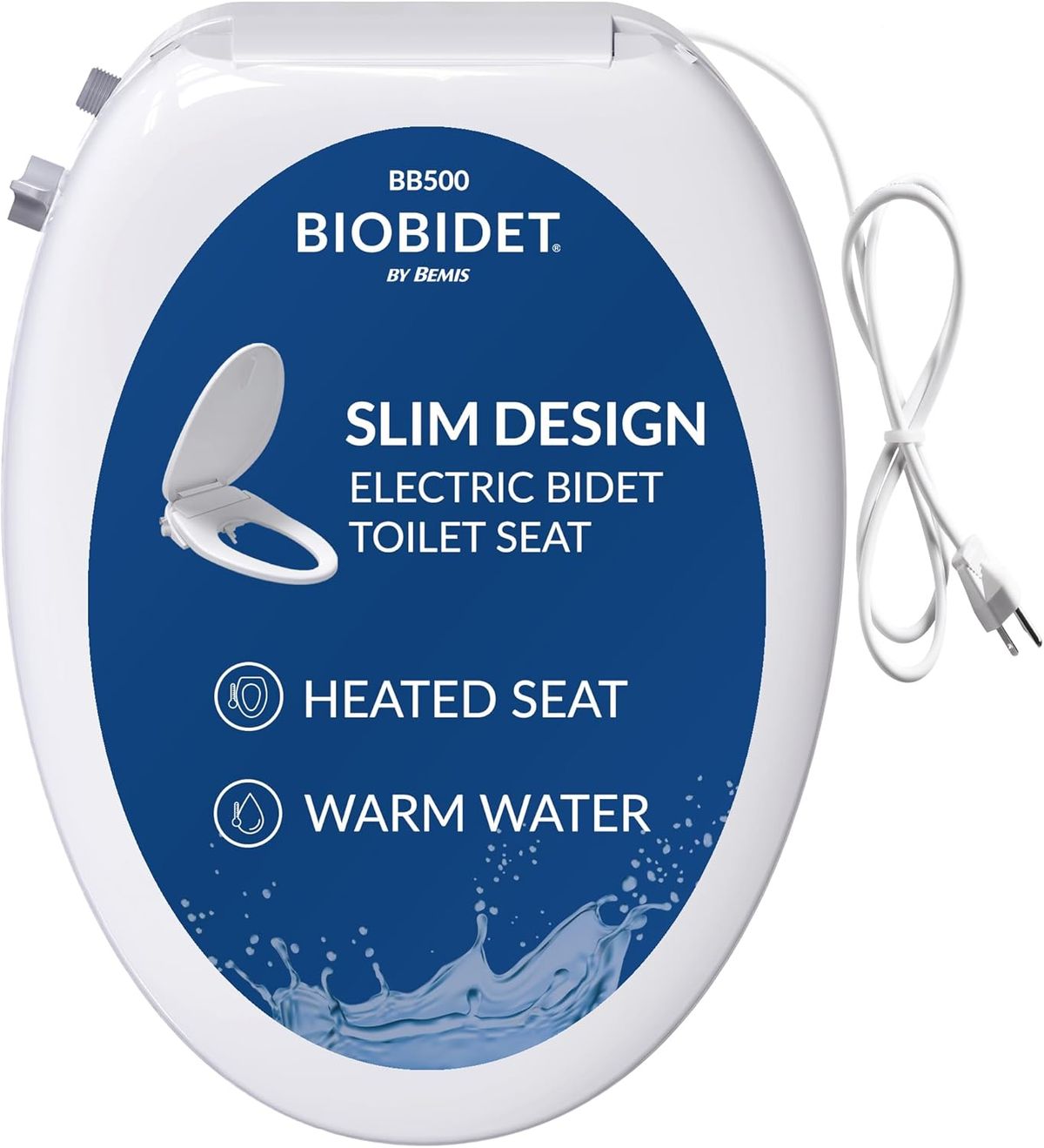
Bio Bidet Bliss BB500
$207
BUY NOW Amazon
Toto Bidet
Toto Tankless Instant Warm Water Bidet
$682
BUY NOW Amazon
Tushy Bidet
Tushy TUSHY Aura Luxury Electric Bidet Seat
$599
BUY NOW Amazon

Featured Image Credit: © Andrei Liashchou/stock.adobe.com

Advertisement
Advertisement

More From Our Network

Better Report is part of Inbox Studio, an email-first media company. *Indicates a third-party property.

Go Retro With This 1960s Fashion Quiz

Quiz Daily

Go Retro With This 1960s Fashion Quiz

True or False: Are You a Master of U.S. Geography?

Travel Quiz

True or False: Are You a Master of U.S. Geography?

5 Reasons You Can Be Denied Boarding an Airplane

Daily Passport

5 Reasons You Can Be Denied Boarding an Airplane

What Did People Do Before Eyeglasses?

History Facts

What Did People Do Before Eyeglasses?

How To Use a Balloon To Clean Up Dust

House Outlook

How To Use a Balloon To Clean Up Dust

11 Shopping Hacks Costco Members Should Know

FinanceBuzz*

11 Shopping Hacks Costco Members Should Know

Share this article

  • Share to Facebook
  • Share to Twitter
  • Copy Url
  • Share to Email
Sarah Gleim
Writer

Sarah Gleim is an Atlanta-based freelancer with more than 25 years of experience writing and producing explainers and features about history, science, food, and health for media outlets like AARP, WebMD, The Conversation, History.com, HowStuffWorks, CNN, and others. She’s also the editor of several cookbooks for Southern Living and Cooking Light.

This article is for general informational purposes only.
Affiliate Disclaimer Medical Disclaimer Financial Disclaimer
Updated: June 9, 2026
Posted In: Health
Hero Image Credit: Featured Image Credit: © Andrei Liashchou/stock.adobe.com
Advertisement

Related Articles

5 Things To Ask Your Doctor About the New Flu Shot

5 min read

Is Sourdough Actually Healthier Than Regular Bread?

7 min read

3 Common Sleep Habits That May Be Aging Your Brain

5 min read

Is the Traditional Mediterranean Diet Actually the Best for Your Brain?

4 min read

The 5 Worst Sugary Drinks You Can Order at Restaurants

5 min read
Advertisement

7 Free MIT Classes You Can Experience From Home

Ali Eldridge
Wealth | Updated: September 15, 2026
Exterior of MIT
Featured Image Credit: © Owen Franken—The Image Bank Unreleased/Getty Images

The annual cost to be a full-time student at the Massachusetts Institute of Technology is a whopping $92,760 — but there’s a more affordable and convenient way to experience an MIT-quality education from the comfort of your own home. MIT OpenCourseWare, an online database containing materials from over 2,500 MIT classes, is a wonderful resource that doesn’t cost a dime. There are topics for every interest, but let’s take a look at seven offerings in particular that caught our eye.

Woman looking at laptop
Credit: © saltdium/stock.adobe.com

How It Works

Here’s a quick explainer of how the database works: First, select and click on whichever topic intrigues you. From there you can explore the actual syllabus, calendar, readings, lecture notes, assignments, and other relevant materials, all accessed through your web browser. Alternatively, you can choose “Download Course” and have the materials (minus video files, which need to be downloaded from the course page) loaded directly onto your computer so you can browse them offline. Either way, you go through the classes at your own pace, and choose which parts to complete or skip. If you’re having issues accessing the files, visit the FAQ page for help. 

Advertisement
Advertisement
Mount Rushmore
Credit: © Getty Images/Unsplash.com

American History Since 1865

Whether you’re a history buff yourself or looking to have conversations with the people in your life who are, it’s worth taking a look at “American History Since 1865.” Learn about the social, cultural, political, and economic progression of the United States from the end of the Civil War in 1865 all the way to present day. Topics within the course include Reconstruction, the Gilded Age, the Cold War, and the rise of the digital age.

Person reading a printed play
Credit: © Ron Lach/Pexels.com

Playwriting I

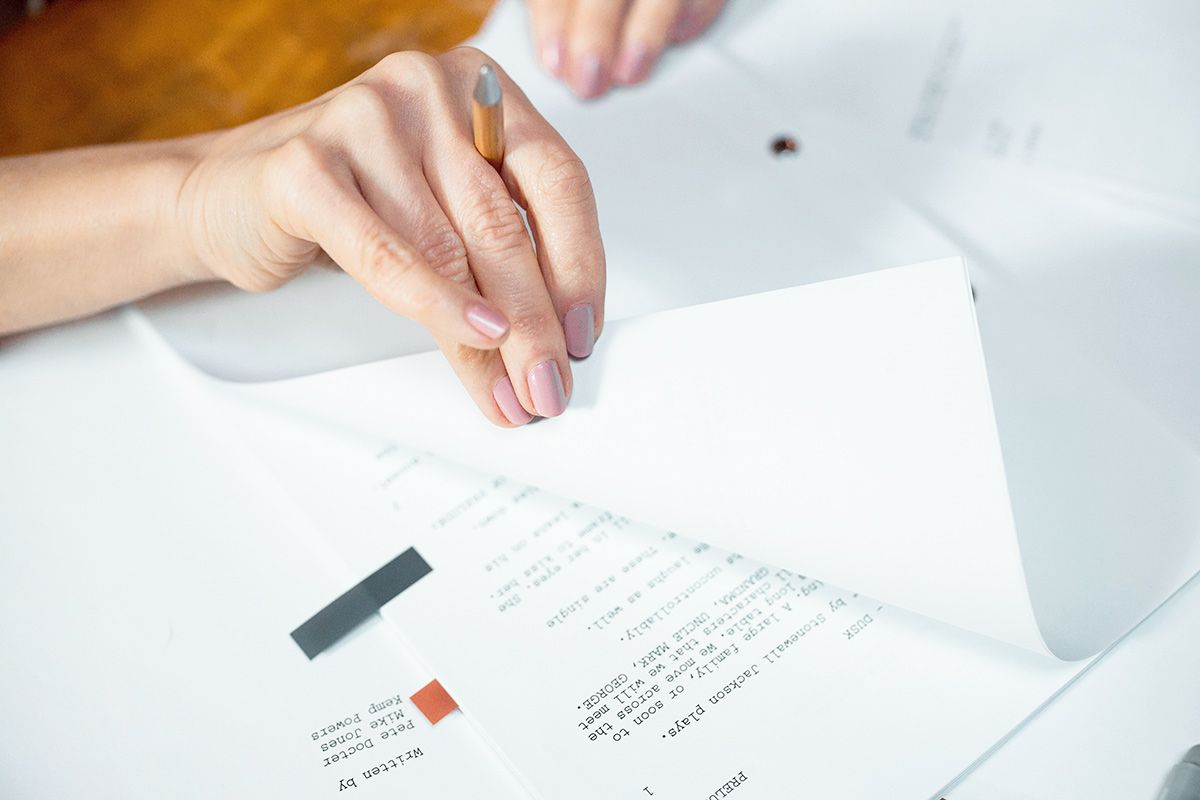
Many people have a creative idea they’ve been sitting on forever, but they lack guidance on how to get started and actually put pen to paper. If you can relate, “Playwriting I” may be the course for you. This introductory class outlines the basics of theatrical content, encouraging students to learn how to write plays by actually writing plays. The class assignments (which you can do as self-guided activities) include penning several 10-page, one-act plays, culminating in a 20- to 30-page final project.

Recommended Articles

  • The Safety Rules for Candles You Probably Don’t Know

  • 5 Things Your Car Needs Before the First Freeze

  • 6 Amazon Prime Day Hacks

  • 5 Things To Ask Your Doctor About the New Flu Shot

Advertisement
Advertisement

Reader Favorites

  • Woman looking in fridge

    9 Foods You Should Toss ASAP if They’re Expired

  • Person eating salad

    7 Things a Chef Never Orders at a Restaurant

  • Cherry angioma

    Are the Tiny Red Dots on Your Skin Dangerous?

Stock market on phone
Credit: © JOURNEY STUDIO7/stock.adobe.com 

Blockchain and the Design of Financial Systems

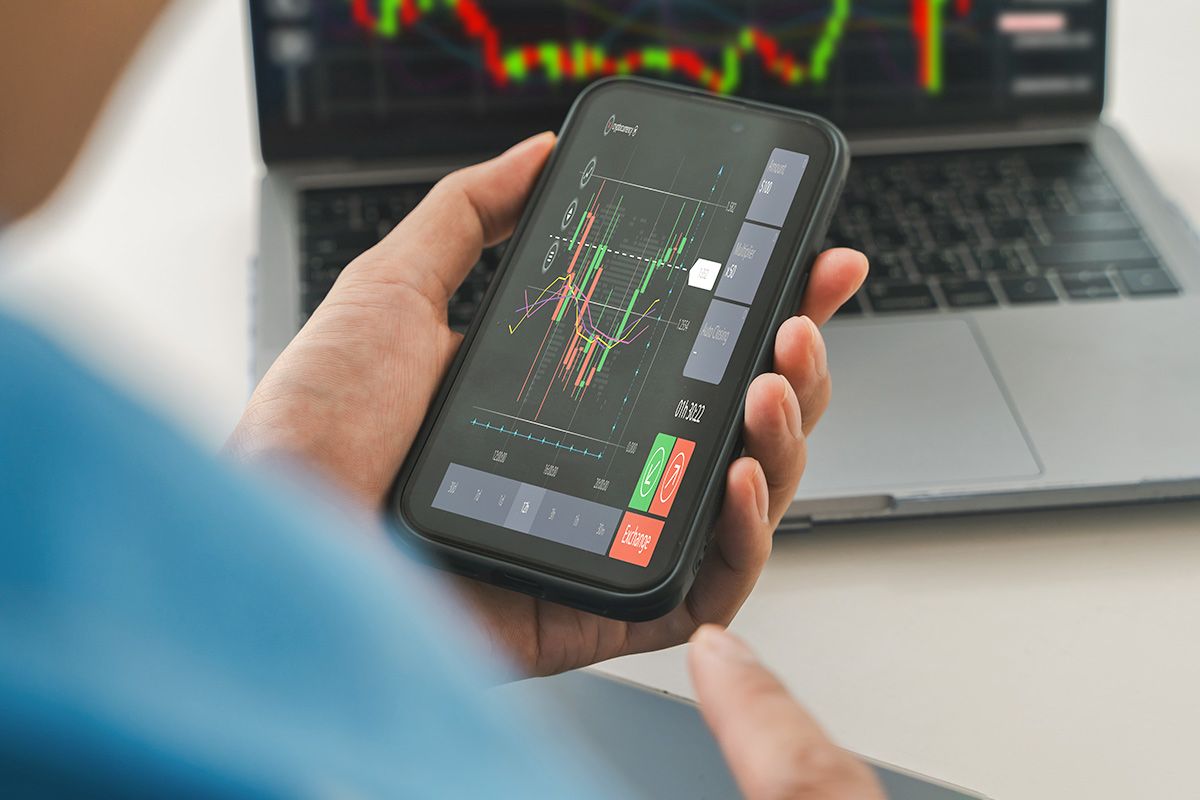
You’ve probably heard words like “blockchain” and “crypto,” but may struggle to understand what that terminology actually means. Enter “Blockchain and the Design of Financial Systems,” an educational introduction to this financial system. With the help of video lectures, you’ll learn all about the benefits, flaws, and future of this technology.

Advertisement
Advertisement
World War I soldiers
Credit: © Library of Congress/Unsplash.com 

Causes and Prevention of War

One of the surest ways to prevent or control future conflicts is to know the common causes. That’s the aim of “Causes and Prevention of War,” where students examine this too common global phenomenon. Detailed lecture notes will help you analyze major historical conflicts such as WWI and WWII, and take a look at future wars that may occur.

Advertisement
Advertisement
Hands playing drums
Credit: © Fibonacci Edits/Pexels.com

Introduction to World Music

We all have our favorite playlists that we’ve listened to hundreds of times. But if you’re looking to branch out and explore genres you’ve never heard before, “Introduction to World Music” is a fantastic starting point. The class exposes students to a vast array of songs and cultures from around the world and even encourages participants to practice music-making on their own.

Advertisement
Advertisement
Clown on stage
Credit: © SAULO LEITE/Pexels.com

Comedy

Love to laugh, but curious to learn more about what tickles our funny bones? Then take “Comedy” — an MIT course that begins back in the time of ancient comedic playwrights who shaped the art form. Through readings, you’ll learn more about the different styles of comedy, such as slapstick, satire, and parody. You’ll also try your hand at writing assignments meant to teach you about analyzing comedy with a more critical lens.

Advertisement
Advertisement
Solar panels and wind turbines
Credit: © Peter Adams/stock.adobe.com

Introduction to Sustainable Energy

Many people know just how important sustainable energy is, but fewer folks understand the nuances of how to achieve goals related to sustainability. “Introduction to Sustainability” aims to educate students about sustainable energy sources both current and future. The course takes a look at harmful fossil fuels, the pros and cons of nuclear energy, and potential energy systems of the future.

Featured Image Credit: © Owen Franken—The Image Bank Unreleased/Getty Images

More From Our Network

Better Report is part of Inbox Studio, an email-first media company. *Indicates a third-party property.

Go Retro With This 1960s Fashion Quiz

Quiz Daily

Go Retro With This 1960s Fashion Quiz

True or False: Are You a Master of U.S. Geography?

Travel Quiz

True or False: Are You a Master of U.S. Geography?

5 Reasons You Can Be Denied Boarding an Airplane

Daily Passport

5 Reasons You Can Be Denied Boarding an Airplane

What Did People Do Before Eyeglasses?

History Facts

What Did People Do Before Eyeglasses?

How To Use a Balloon To Clean Up Dust

House Outlook

How To Use a Balloon To Clean Up Dust

11 Shopping Hacks Costco Members Should Know

FinanceBuzz*

11 Shopping Hacks Costco Members Should Know

Share this article

  • Share to Facebook
  • Share to Twitter
  • Copy Url
  • Share to Email
Ali Eldridge

This article is for general informational purposes only.
Affiliate Disclaimer Medical Disclaimer Financial Disclaimer
Updated:
Posted In: Wealth
Hero Image Credit: Featured Image Credit: © Owen Franken—The Image Bank Unreleased/Getty Images
Advertisement

Related Articles

5 Things Your Car Needs Before the First Freeze

4 min read

6 Amazon Prime Day Hacks

6 min read

Is It Actually Better To Lease a Car?

9 min read

The Bedroom Color That Adds $2,000 to Your Home Value

3 min read

Is It Rude To Ask for Leftovers at Fancy Restaurants?

5 min read
Advertisement

Is the Traditional Mediterranean Diet Actually the Best for Your Brain?

Health | Updated: September 15, 2026
Kat Long
Author
Kat Long is a freelance science journalist in the Washington, D.C. area. Previously, she was the science editor at Mental Floss and a digital editor at National Geographic. She now writes the Arctic Archives newsletter on Substack. Kat spends her free time birdwatching, road-tripping to historical sites and perusing old manuscripts at libraries.
Man eating salad
Featured Image Credit: © Mariia Vitkovska—iStock/Getty Images

Two hundred years ago, French epicure Jean Anthelme Brillat-Savarin coined the phrase “tell me what you eat; I will tell you what you are” — later paraphrased as “you are what you eat.” Science continues to reveal elements of truth in the saying, especially when it comes to dietary recommendations for optimal brain health. 

Research has shown the benefits of following a Mediterranean diet to maintain cognitive and cardiovascular health, but a new study suggests that another eating plan, different from the traditional Mediterranean diet in key ways, may be more beneficial for your brain.

Advertisement
Advertisement
Fish and vegetables on a plate
Credit: © Zohair Mirza/Unsplash.com

DASH, MIND, and More

The term “Mediterranean diet” refers to the traditional eating patterns of southern Europe. As a healthy eating plan, the diet emphasizes fresh fruits and vegetables, whole grains, fish, legumes, nuts, and extra-virgin olive oil, with a few servings of poultry, low-fat dairy products, and eggs per week. The diet allows wine with meals but recommends avoiding red meat, butter, and sugar.

Nutrition experts have adapted this basic eating plan for specific health benefits. One example is Dietary Approaches to Stop Hypertension (DASH), designed by the National Heart, Lung, and Blood Institute, which generally follows the Mediterranean diet but also recommends limiting sodium and saturated fats to prevent high blood pressure and other cardiovascular diseases. (So, for example, halloumi is OK in moderation in the Mediterranean diet, but the cheese would not be part of a DASH diet because it’s high in both sodium and saturated fat.)   

Recommended Articles

  • The Safety Rules for Candles You Probably Don’t Know

  • 5 Things Your Car Needs Before the First Freeze

  • 6 Amazon Prime Day Hacks

  • 5 Things To Ask Your Doctor About the New Flu Shot

Advertisement
Advertisement

Reader Favorites

  • Woman looking in fridge

    9 Foods You Should Toss ASAP if They’re Expired

  • Person eating salad

    7 Things a Chef Never Orders at a Restaurant

  • Cherry angioma

    Are the Tiny Red Dots on Your Skin Dangerous?

Another well-known plan, Mediterranean-DASH Diet Intervention for Neurodegenerative Delay (MIND), is based on research from the Rush University Medical Center and the Harvard T.H. Chan School of Public Health. It targets brain health with mostly plant-based foods and specifies eating whole grains, leafy and non-leafy vegetables, nuts, beans, and berries, with fewer servings of meat, fish, dairy, and sweets to limit saturated and trans fat consumption. The decision to drink alcohol in moderation is up to the individual.

Food prep
Credit: © ready made/Pexels.com

Best of Six

The new study, published in JAMA Neurology, analyzed DASH and five other primarily plant-based diets to assess their associations with cognitive function.

Advertisement
Advertisement

Researchers examined diet and cognitive data for 159,347 adults collected as part of three long-term studies in the U.S. They gave each participant a score indicating how well they stuck to any of six dietary patterns: the Alternate Healthy Eating Index 2010 (AHEI-2010), DASH, the Healthful Plant-Based Diet Index (hPDI), the Planetary Health Diet Index (PHDI), and the reversed empirical dietary indices for hyperinsulinemia (rEDIH) and inflammatory pattern (rEDIP). Participants also answered a questionnaire about their perceived cognitive health and had their cognitive function measured in phone interviews. 

Advertisement

While all six eating patterns were associated with a lower risk of cognitive decline, the DASH diet demonstrated the strongest link to participants’ perception of their cognitive health. Higher adherence to the DASH plan also had the strongest association to higher cognitive function. 

RankingDiet PatternRisk Ratio Associated With Subjective Cognitive Decline
1DASH0.59
2hPDI0.76
3rEDIH0.76
4PHDI0.80
5AHEI-20100.84
6rEDIP0.89
Advertisement
Advertisement

“One reason the DASH diet may support cognitive function is its focus on lowering blood pressure, in part by reducing sodium intake,” says Heather M. Snyder, Ph.D., senior vice president of medical and scientific relations at the Alzheimer’s Association, who was not involved in the study. “The diet is also associated with lower levels of inflammation, which plays a significant role in cognitive impairment.” 

Woman eating salad
Credit: © Getty Images/Unsplash.com

Mind-ful Eating

While more research is needed to understand the exact connections between diet, nutrition, and an individual’s risk of developing dementia, Snyder says multiple studies have linked better nutrition and Mediterranean-style diets to lower risks of heart disease and Type 2 diabetes, conditions that also increase the risk of cognitive decline and possible dementia.

Advertisement
Advertisement

“Eating a balanced, nutritious diet that includes the necessary nutrients for overall health is one of the best steps we can take for our brain health,” Snyder says, “whether or not we have a greater risk of cognitive decline or dementia due to family history or other risk factors.”

If you feel like your diet could use improvement and aren’t sure where to start, Snyder suggests making small changes and building on them, adding, “It’s never too early or too late to make healthy habit changes to help you live better now and protect your memory and thinking as you get older.”

Advertisement

Featured Image Credit: © Mariia Vitkovska—iStock/Getty Images

Advertisement
Advertisement

More From Our Network

Better Report is part of Inbox Studio, an email-first media company. *Indicates a third-party property.

Go Retro With This 1960s Fashion Quiz

Quiz Daily

Go Retro With This 1960s Fashion Quiz

True or False: Are You a Master of U.S. Geography?

Travel Quiz

True or False: Are You a Master of U.S. Geography?

5 Reasons You Can Be Denied Boarding an Airplane

Daily Passport

5 Reasons You Can Be Denied Boarding an Airplane

What Did People Do Before Eyeglasses?

History Facts

What Did People Do Before Eyeglasses?

How To Use a Balloon To Clean Up Dust

House Outlook

How To Use a Balloon To Clean Up Dust

11 Shopping Hacks Costco Members Should Know

FinanceBuzz*

11 Shopping Hacks Costco Members Should Know

Share this article

  • Share to Facebook
  • Share to Twitter
  • Copy Url
  • Share to Email
Kat Long
Writer

Kat Long is a freelance science journalist in the Washington, D.C. area. Previously, she was the science editor at Mental Floss and a digital editor at National Geographic. She now writes the Arctic Archives newsletter on Substack. Kat spends her free time birdwatching, road-tripping to historical sites and perusing old manuscripts at libraries.

This article is for general informational purposes only.
Affiliate Disclaimer Medical Disclaimer Financial Disclaimer
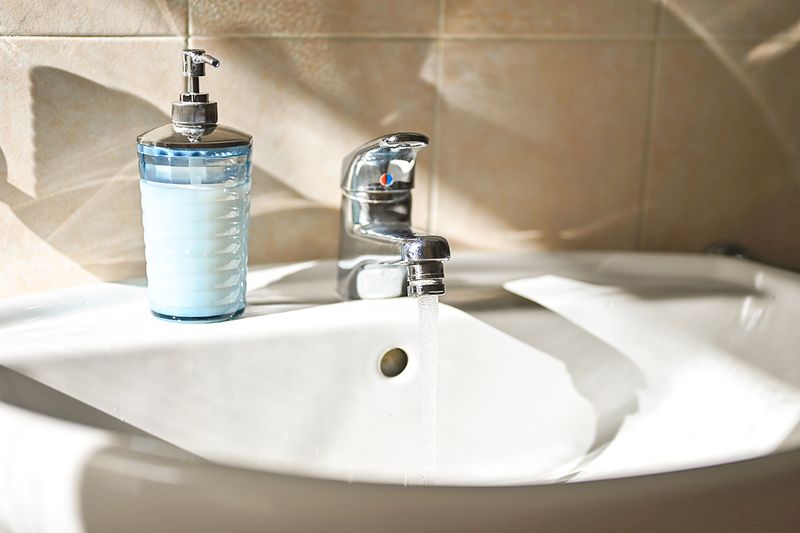
Updated: April 6, 2026
Posted In: Health
Hero Image Credit: Featured Image Credit: © Mariia Vitkovska—iStock/Getty Images
Advertisement

Related Articles

5 Things To Ask Your Doctor About the New Flu Shot

5 min read

Is Sourdough Actually Healthier Than Regular Bread?

7 min read

Do You Really Need a Bidet in Your Home?

4 min read

3 Common Sleep Habits That May Be Aging Your Brain

5 min read

The 5 Worst Sugary Drinks You Can Order at Restaurants

5 min read
Advertisement

The 5 Worst Sugary Drinks You Can Order at Restaurants

Ali Eldridge
Health | Updated: September 15, 2026
Woman taking a sip of drink
Featured Image Credit: © Boy_Anupong—Moment/Getty Images

Salmon or chicken instead of a cheeseburger, salad instead of fries, and dressing on the side — these are the choices we make when eating out while trying to maintain a healthy diet. But even people for whom dessert is strictly an occasional treat can overlook the nutritional time bomb lurking in their glass. 

“Drinks can be an easy source of added sugar that people may not realize is adding up throughout the day,” says Emily Clark, M.S., R.D., LDN, lead dietitian for Morrison Healthcare at Ochsner Main Campus in New Orleans. “Unlike many foods, beverages typically don’t provide as much satiety, so it can be easy to consume a significant amount of sugar without feeling particularly full.”

Advertisement
Advertisement

According to the American Heart Association (AHA), sugary drinks are the largest source of added sugar in the American diet; AHA guidelines recommend no more than 36 grams (9 teaspoons) of added sugar a day for men and 25 grams (6 teaspoons) for women. So before you let the server top off your free refill, take another look at these five sugary drinks — you may want to choose their tasty, less-sweetened alternatives instead. 

Person getting ice for fountain soda
Credit: © Chad Robertson/stock.adobe.com

Fountain Soda

Sugar-sweetened soft drinks are No. 1 on Clark’s “caution” list. The exact amount of sugar depends on which soda you choose, but a single 12-ounce can may contain around 37 grams or more of added sugar — which exceeds the daily recommendation for both men and women. But that’s just the tip of the (big) ice-filled cup: A small soft drink at  restaurants may be 16 ounces, and some fast-food chains have cups containing 30 ounces or more that amount to almost 65 grams of sugar. And that’s before free refills. If you have to have a soda, your best bet may be to choose a zero-calorie option. But don’t consume those in excess, either — some studies have linked non-sugar sweeteners with adverse health effects.

Glass of sweet tea
Credit: © Frank Lee—Moment/Getty Images

Sweet Tea

Freshly brewed tea is hot when it’s sweetened, making it possible for much more sugar to dissolve in the liquid often called the “house wine of the South.” According to data from the USDA, one small glass of sweetened iced tea (roughly 13 ounces) can contain nearly 29 grams of added sugar. Size that up to an extra large, and you’re looking at around 80 grams of added sugar. So, rather than ordering sweet tea — another drink that’s often refilled liberally when dining out — Clark recommends learning to love unsweetened tea (it’s delicious) or asking for “half-sweet/half-unsweet” when quenching your thirst. 

Recommended Articles

  • The Safety Rules for Candles You Probably Don’t Know

  • 5 Things Your Car Needs Before the First Freeze

  • 6 Amazon Prime Day Hacks

  • 5 Things To Ask Your Doctor About the New Flu Shot

Advertisement
Advertisement

Reader Favorites

  • Woman looking in fridge

    9 Foods You Should Toss ASAP if They’re Expired

  • Person eating salad

    7 Things a Chef Never Orders at a Restaurant

  • Cherry angioma

    Are the Tiny Red Dots on Your Skin Dangerous?

Putting whipped cream on a milkshake
Credit: © leotenorio—iStock/Getty Images

Milkshakes

These creamy frozen concoctions are basically dessert in a glass, and the sky’s the limit when it comes to sugar content. For example, a small vanilla shake at McDonald’s has 51 grams of sugar, a vanilla shake at Shake Shack has 71 grams, and Chick Fil A’s vanilla shake comes in at 80 grams. That doesn’t mean you can’t have one (although dietitians recommend a child-sized glass), but treat milkshakes like the special-occasion splurge they are. 

Advertisement
Advertisement
Chocolate frappe with whipped cream
Credit: © agencies/stock.adobe.com

Fancy Coffee

That double-mocha-matcha-ube-whipped cream coffee can enter milkshake sugar territory easily, because the sugar comes at you from multiple directions. Sweetened syrups, sweetened whipped cream, and flavored toppings can turn your coffee shop treat into a triple sugar threat. And getting it hot instead of blended doesn’t help: A venti-sized white chocolate mocha with whipped cream from Starbucks contains a whopping 58 grams of sugar — more than two times the recommended daily amount for women. Thankfully, there are tasty caffeinated alternatives that won’t blow your sugar budget, such as a collagen-enhanced café frappe you can make yourself. If you’re on the go, you can try some of Smoothie King’s options, which include a vegan mocha naturally sweetened with dates and bananas.

Advertisement
Advertisement
Two cocktails on a table
Credit: © Anna Holodna/Pexels.com

Cocktails

Happy hour can come with a high sugar cost when you’re ordering margaritas, daiquiris, and other intoxicating concoctions. The problem in this case isn’t the alcohol: Anything built around a sugar-sweetened mixer or bottled syrup can quickly add up. According to the USDA, a standard serving of that kind of drink can contain 36 grams of sugar — an entire day’s worth for a man. And when you order that second (or third) round, the gram counts keep accumulating.

Advertisement
Advertisement

“The simplest way you can do a cocktail that’s enjoyable without so much sugar is to order alcohol and soda water plus a splash of fill-in-the-blank of whatever you like,” says Grow Nutrition’s Kelly Dwyer, BCHN, MNT. “For some people, it’s going to be a splash of OJ, cranberry juice, or lime. When you go more in that direction, you’re really going to cut way, way, way back on sugar.”

Advertisement

Regardless of what you choose to wet your whistle with, Clark believes there’s no need to completely give up the drinks you enjoy. “Being mindful of portion size, choosing a less-sweet version, or making simple swaps can help reduce added sugar without feeling deprived,” she says. “The goal is to be aware of how much added sugar is in your drink and make choices that fit into your overall diet.”

Featured Image Credit: © Boy_Anupong—Moment/Getty Images

Advertisement
Advertisement

More From Our Network

Better Report is part of Inbox Studio, an email-first media company. *Indicates a third-party property.

Go Retro With This 1960s Fashion Quiz

Quiz Daily

Go Retro With This 1960s Fashion Quiz

True or False: Are You a Master of U.S. Geography?

Travel Quiz

True or False: Are You a Master of U.S. Geography?

5 Reasons You Can Be Denied Boarding an Airplane

Daily Passport

5 Reasons You Can Be Denied Boarding an Airplane

What Did People Do Before Eyeglasses?

History Facts

What Did People Do Before Eyeglasses?

How To Use a Balloon To Clean Up Dust

House Outlook

How To Use a Balloon To Clean Up Dust

11 Shopping Hacks Costco Members Should Know

FinanceBuzz*

11 Shopping Hacks Costco Members Should Know

Share this article

  • Share to Facebook
  • Share to Twitter
  • Copy Url
  • Share to Email
Ali Eldridge

This article is for general informational purposes only.
Affiliate Disclaimer Medical Disclaimer Financial Disclaimer
Updated:
Posted In: Health
Hero Image Credit: Featured Image Credit: © Boy_Anupong—Moment/Getty Images
Advertisement

Related Articles

5 Things To Ask Your Doctor About the New Flu Shot

5 min read

Is Sourdough Actually Healthier Than Regular Bread?


7 min read

Do You Really Need a Bidet in Your Home?

4 min read

3 Common Sleep Habits That May Be Aging Your Brain

5 min read

Is the Traditional Mediterranean Diet Actually the Best for Your Brain?

4 min read
Advertisement

Posts navigation

Older posts
  • Home
  • Health
  • Wealth
  • Logo
  • Advertise
  • About
  • Contact Us
  • Privacy Policy
  • Terms of Use
  • Your Privacy Choices
x
Thumb Image

Elevate your everyday.

Sign up to receive the practical tips and expert advice you need to pare down the complexities of everyday living right in your inbox.

Sorry, your email address is not valid. Please try again.

Your email is:

Edit Image
Sorry, your email address is not valid. Please try again.
Thank you for subscribing...

By subscribing you are agreeing to our Terms of Use and Privacy Policy.

Close image
Thumb Image
Second Thumb Image

Elevate your everyday.

Sign up to receive the practical tips and expert advice you need to pare down the complexities of everyday living right in your inbox.

Sorry, your email address is not valid. Please try again.

By subscribing you are agreeing to our Privacy Policy and Terms of Use.

Close image