Skip to content
Better Report
  • Home
  • Health
  • Wealth
8 Low-Maintenance Plants That Thrive on Neglect
  • Search
  • Subscribe
  • Home
  • Health
  • Wealth
  • About
  • Privacy Policy
  • Terms of Use
  • Contact Us
  • SubscribeSubscribe
  • Search
Thank you for confirming your email! Welcome to the community.

Author: erin

The Bedroom Color That Adds $2,000 to Your Home Value

Wealth | Updated: September 14, 2026
Bennett Kleinman
Author
Bennett Kleinman is a New York City-based staff writer for Inbox Studio. He is also a freelance comedy writer, devoted New York Yankees and New Jersey Devils fan, and thinks plain seltzer is the best drink ever invented.
Woman looking at paint colors against wall
Featured Image Credit: SDI Productions—E+/Getty Images

They say that a picture is worth a thousand words, but certain paint colors are worth $2,000. If you’re considering selling your home, data suggests it’s financially beneficial to apply a fresh coat of paint before doing so. Changing the tone of the walls in your bedroom, living room, and kitchen has been shown to boost the value of an average home — if you pick the right paint colors at least. Otherwise, you may end up leaving thousands in potential profit on the table.

Bedroom with brown walls
Credit: © Elliott Kaufman—The Image Bank Unreleased/Getty Images

What Can Brown Do for You?

According to Zillow’s 2026 Paint Color Analysis, the average home buyer is inclined to offer an additional $2,227 if the bedroom is painted chocolate brown rather than plain white. This warm, dark hue is desirable for the cozy atmosphere that it helps create in the bedroom. Buyers are also willing to pay more if bedrooms are painted shades of sage green ($1,035) and pale blue ($839). 

Advertisement
Advertisement

In the living room, buyers typically prefer less of a warm feeling and more of an open, airy environment. For this reason, pale blue-painted walls top the list, earning sellers an extra $1,723 on the final sale price of their home. Dark gray paint also substantially boosts value — to the tune of an extra $1,509 — while sage green ranks highly yet again, resulting in a $471 increase in the home’s value.

If you’re looking to paint your home a bolder color, then the kitchen is the best place to do so to increase value. Zillow notes that sellers make the most ($1,373) by painting their kitchen cabinets a charcoal gray rather than white. Reddish-violet paint colors akin to dark plum are a good alternative, netting sellers an additional $867 in cash.

Green walls
Credit: © Goodboy Picture Company—E+/Getty Images

Money Down the Drain

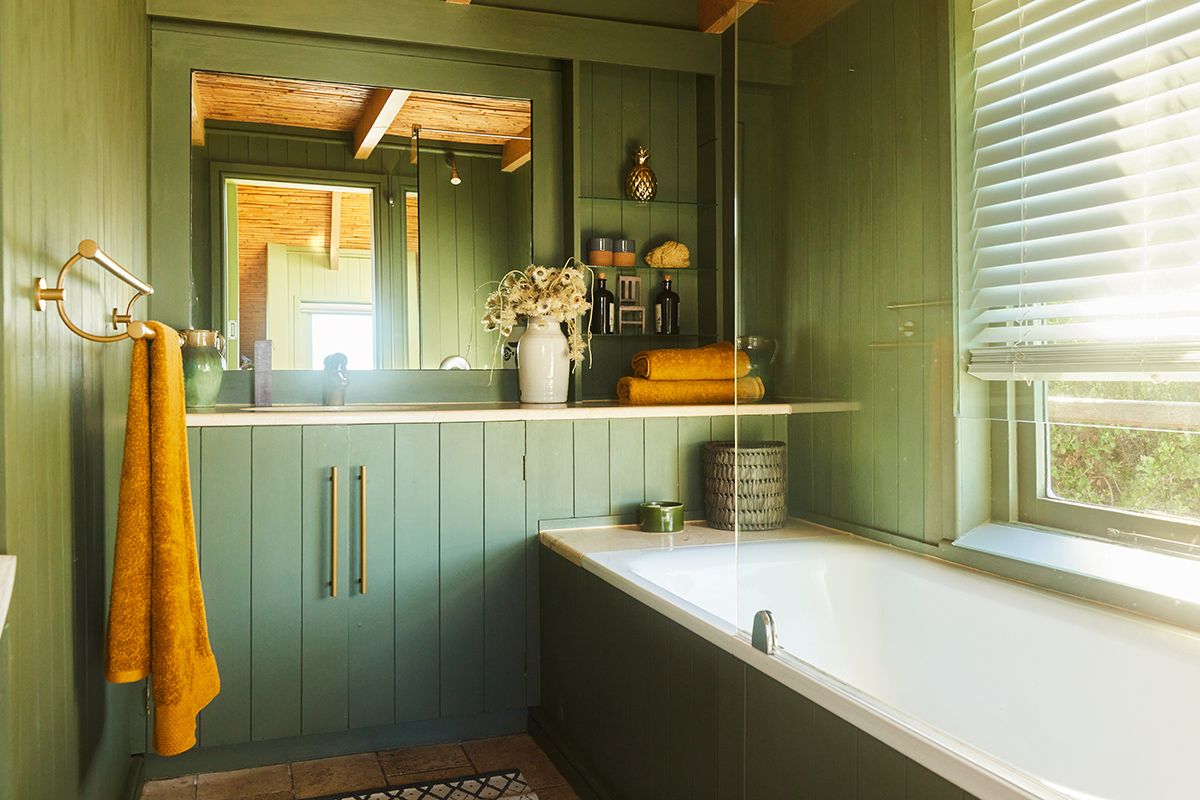
There’s one final space worth looking at: the bathroom. Zillow notes that colors such as sage green, pure white, or dark gray are all excellent choices for a bathroom. Appealing as these tones may be to home buyers, though, none of them will increase a home’s value to any notable degree.

Advertisement

That said, painting the bathroom the wrong color can definitely hurt a home’s value. For instance, data shows that a bathroom painted pale pink can lower the value of a home by as much as $6,013, and $4,201 if you use pale pink in the kitchen. It’s also smart to steer clear of using bright red paint in your bathroom — that bold choice can lower a home’s value by as much as $8,000.

Recommended Articles

  • The Safety Rules for Candles You Probably Don’t Know

  • 5 Things Your Car Needs Before the First Freeze

  • 6 Amazon Prime Day Hacks

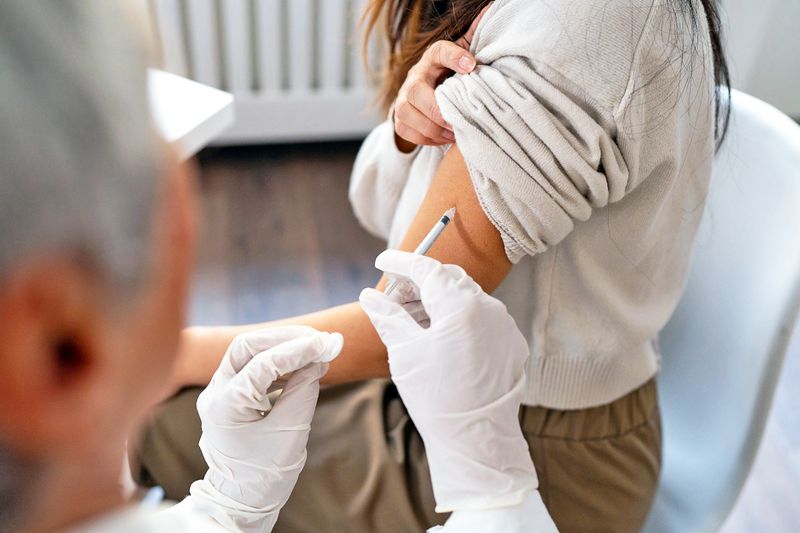
  • 5 Things To Ask Your Doctor About the New Flu Shot

Advertisement
Advertisement

Reader Favorites

  • Woman looking in fridge

    9 Foods You Should Toss ASAP if They’re Expired

  • Person eating salad

    7 Things a Chef Never Orders at a Restaurant

  • Cherry angioma

    Are the Tiny Red Dots on Your Skin Dangerous?

But according to Zillow’s analysis, no paint hue is more financially foolish than ochre yellow. If you were to paint your bedroom, living room, kitchen, and bathroom using this earthy, golden tone, it would knock as much as $18,164 off your home’s value.

Featured Image Credit: SDI Productions—E+/Getty Images

More From Our Network

Better Report is part of Inbox Studio, an email-first media company. *Indicates a third-party property.

Go Retro With This 1960s Fashion Quiz

Quiz Daily

Go Retro With This 1960s Fashion Quiz

True or False: Are You a Master of U.S. Geography?

Travel Quiz

True or False: Are You a Master of U.S. Geography?

5 Reasons You Can Be Denied Boarding an Airplane

Daily Passport

5 Reasons You Can Be Denied Boarding an Airplane

What Did People Do Before Eyeglasses?

History Facts

What Did People Do Before Eyeglasses?

How To Use a Balloon To Clean Up Dust

House Outlook

How To Use a Balloon To Clean Up Dust

11 Shopping Hacks Costco Members Should Know

FinanceBuzz*

11 Shopping Hacks Costco Members Should Know

Share this article

  • Share to Facebook
  • Share to Twitter
  • Copy Url
  • Share to Email
Bennett Kleinman
Staff Writer

Bennett Kleinman is a New York City-based staff writer for Inbox Studio. He is also a freelance comedy writer, devoted New York Yankees and New Jersey Devils fan, and thinks plain seltzer is the best drink ever invented.

This article is for general informational purposes only.
Affiliate Disclaimer Medical Disclaimer Financial Disclaimer

Updated: July 20, 2023
Posted In: Wealth
Hero Image Credit: Featured Image Credit: SDI Productions—E+/Getty Images
Advertisement

Related Articles

5 Things Your Car Needs Before the First Freeze

4 min read

6 Amazon Prime Day Hacks

6 min read

Is It Actually Better To Lease a Car?

9 min read

7 Free MIT Classes You Can Experience From Home

4 min read

Is It Rude To Ask for Leftovers at Fancy Restaurants?

5 min read
Advertisement

3 Common Sleep Habits That May Be Aging Your Brain

Health | Updated: September 14, 2026
Kat Long
Author
Kat Long is a freelance science journalist in the Washington, D.C. area. Previously, she was the science editor at Mental Floss and a digital editor at National Geographic. She now writes the Arctic Archives newsletter on Substack. Kat spends her free time birdwatching, road-tripping to historical sites and perusing old manuscripts at libraries.
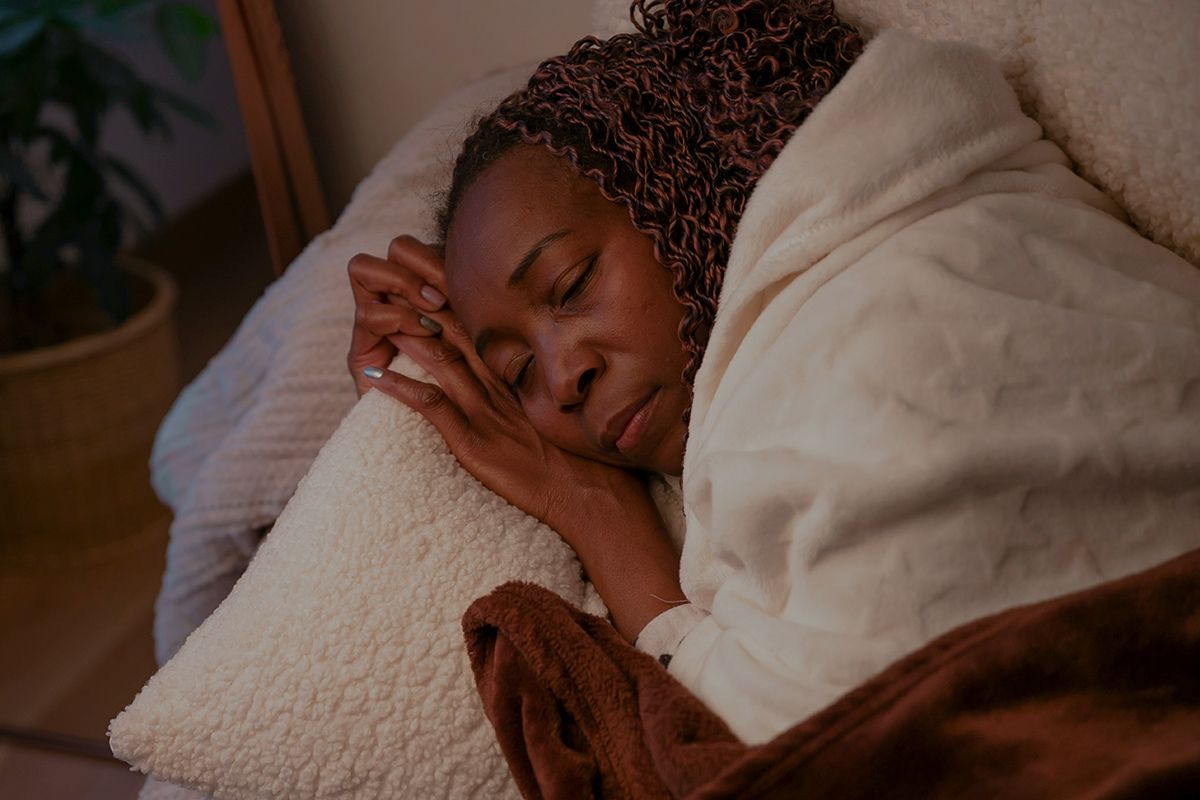
Woman sleeping on couch
Featured Image Credit: © Cate M—Moment/Getty Images

All featured products and deals are selected independently and objectively by the author. Better Report may receive a share of sales via affiliate links in content.

Getting quality sleep is one of the most important things you can do for your overall health, along with eating a balanced diet and exercising regularly. Seven to nine hours of good sleep each night benefits both body and mind by lowering blood pressure, controlling inflammation, regulating metabolism, and allowing your brain to organize information. While you’re dreaming, your brain consolidates memories and even gets rid of harmful proteins that can lead to disease. Those processes enhance your ability to learn and concentrate when you’re awake.

Chronic poor sleep, however, doesn’t allow this nightly decluttering. It can result in higher stress levels, less ability to focus and learn, and poor mental health. Some research shows that not getting enough quality shut-eye may also accelerate brain aging, a collection of physical and cognitive changes that typically manifest later in life but may appear earlier in people who don’t get enough good sleep. 

Advertisement
Advertisement

“Unlike the gentle, predictable pace of normal aging, sleep‑related lapses are more abrupt and inconsistent, [but] on the bright side, they often rebound once healthy sleep returns,” says Joseph M. Dzierzewski, Ph.D., senior vice president of research and scientific affairs at the National Sleep Foundation.

A recent study in the journal Alzheimer’s & Dementia linked three common sleep habits to a biomarker for brain aging that may influence the risk of dementia. Here’s what you should know — and a few steps for improving your nightly rest.

Brain on a blue background
Credit: © Mohamed Nohassi/Unsplash.com

What Is Brain Aging?

Even in healthy people, the brain goes through natural changes with age, according to the American Brain Foundation. Parts of the brain change physical shape and decrease in volume, which can lead to cognitive differences related to memory and recall, problem-solving, and focus. On the cellular level, neurons shrink and become less adept at sending and receiving electrical signals. The brain also produces fewer neurotransmitters like serotonin and dopamine that regulate mood and memory. 

Advertisement

“As the brain ages, the speed at which it processes information naturally slows, which can make word‑finding or multitasking feel a bit less snappy,” Dzierzewski says. “These are timing changes, not losses in intelligence or judgment. A misplaced name or set of keys is usually nothing to worry about.”

Studies have found these changes typically begin in a person’s 40s and accelerate after age 70, but the rate of decline is variable and can be affected by behavioral, genetic, and environmental factors.

Recommended Articles

  • The Safety Rules for Candles You Probably Don’t Know

  • 5 Things Your Car Needs Before the First Freeze

  • 6 Amazon Prime Day Hacks

  • 5 Things To Ask Your Doctor About the New Flu Shot

Advertisement
Advertisement

Reader Favorites

  • Woman looking in fridge

    9 Foods You Should Toss ASAP if They’re Expired

  • Person eating salad

    7 Things a Chef Never Orders at a Restaurant

  • Cherry angioma

    Are the Tiny Red Dots on Your Skin Dangerous?

Woman with head down on couch
Credit: © buritora/stock.adobe.com

Three Sleep Habits To Avoid

Poor sleep is one of the factors increasingly associated with faster brain aging. In the recent study, researchers at the University of Arizona and the University of Southern California, Los Angeles, showed that suboptimal sleep was linked to physical brain changes that may lead to a higher risk of developing dementia, including Alzheimer’s disease. 

The researchers analyzed self-reported sleep data and brain MRI scans from 23,377 healthy, middle-aged and older participants in a large biomedical database. The scans recorded a biomarker for healthy brain aging called white matter hyperintensities, which show up as white spots during the MRI. The more bright white spots on the scan, the older a brain appears, and the higher the risk of developing disease. 

Advertisement
Advertisement

The scientists compared the images with five indicators of poor sleep quality that participants reported: sleep duration of more or less than seven to nine hours; daytime napping (sleeping intentionally); sleeplessness; snoring; and daytime dozing (falling asleep without meaning to). They found that all five were associated with higher volumes of white matter hyperintensities. After the results were adjusted to account for common vascular health and lifestyle factors, three habits — sleep duration, daytime napping, and sleeplessness — still showed a significant association with an increased presence of white matter spots, suggesting the habits may be tied to a higher risk of dementia. Though the study didn’t include an analysis of nap duration on brain aging, future research should examine the effects of shorter or longer naps over time, researchers said in a statement.

These findings indicate that “maintaining enough, consistent, high-quality sleep is a key part of protecting brain health,” Dzierzewski says.

Advertisement
Advertisement
Sleeping woman
Credit: © Pablo Merchán Montes/Unsplash.com

Steps to Superior Sleep

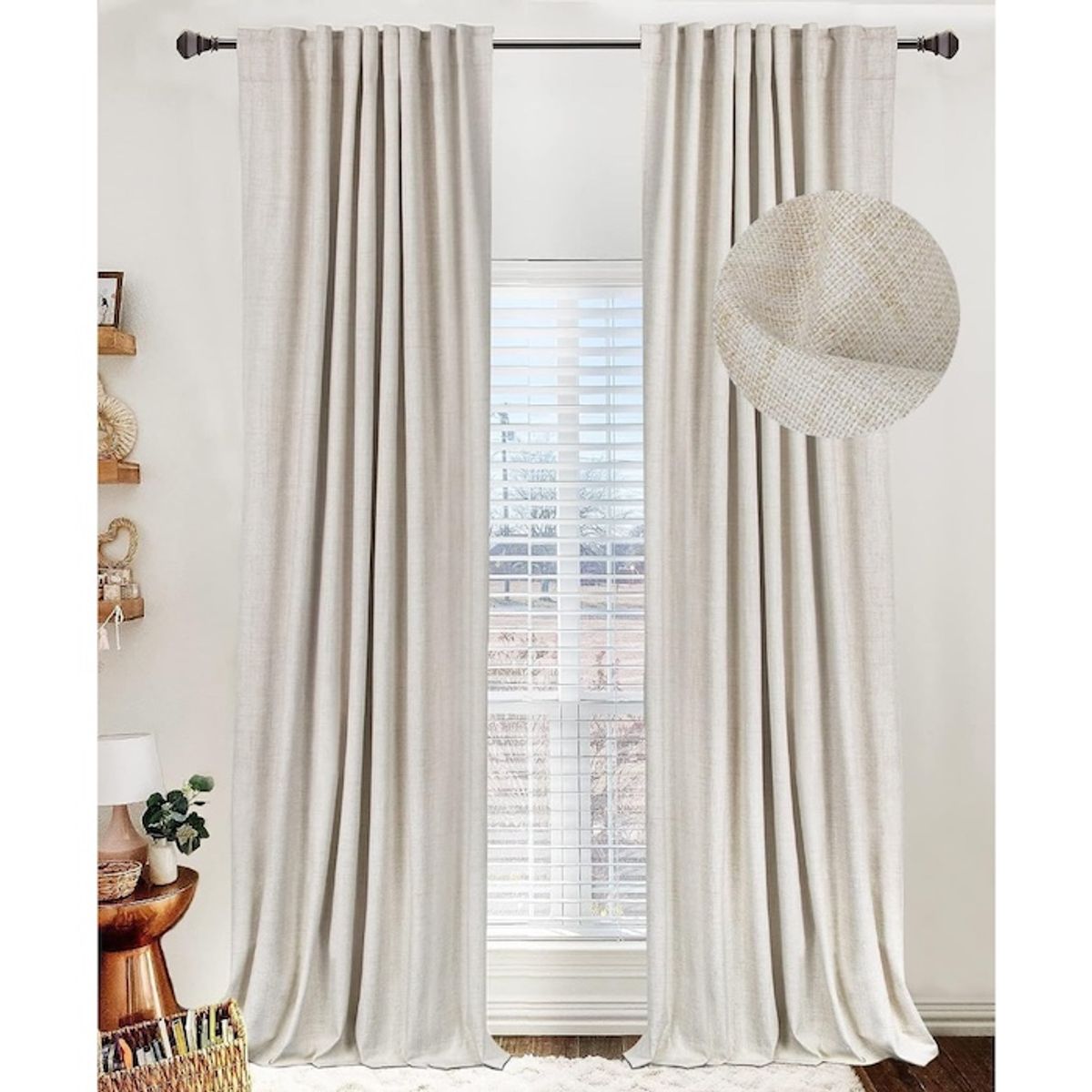
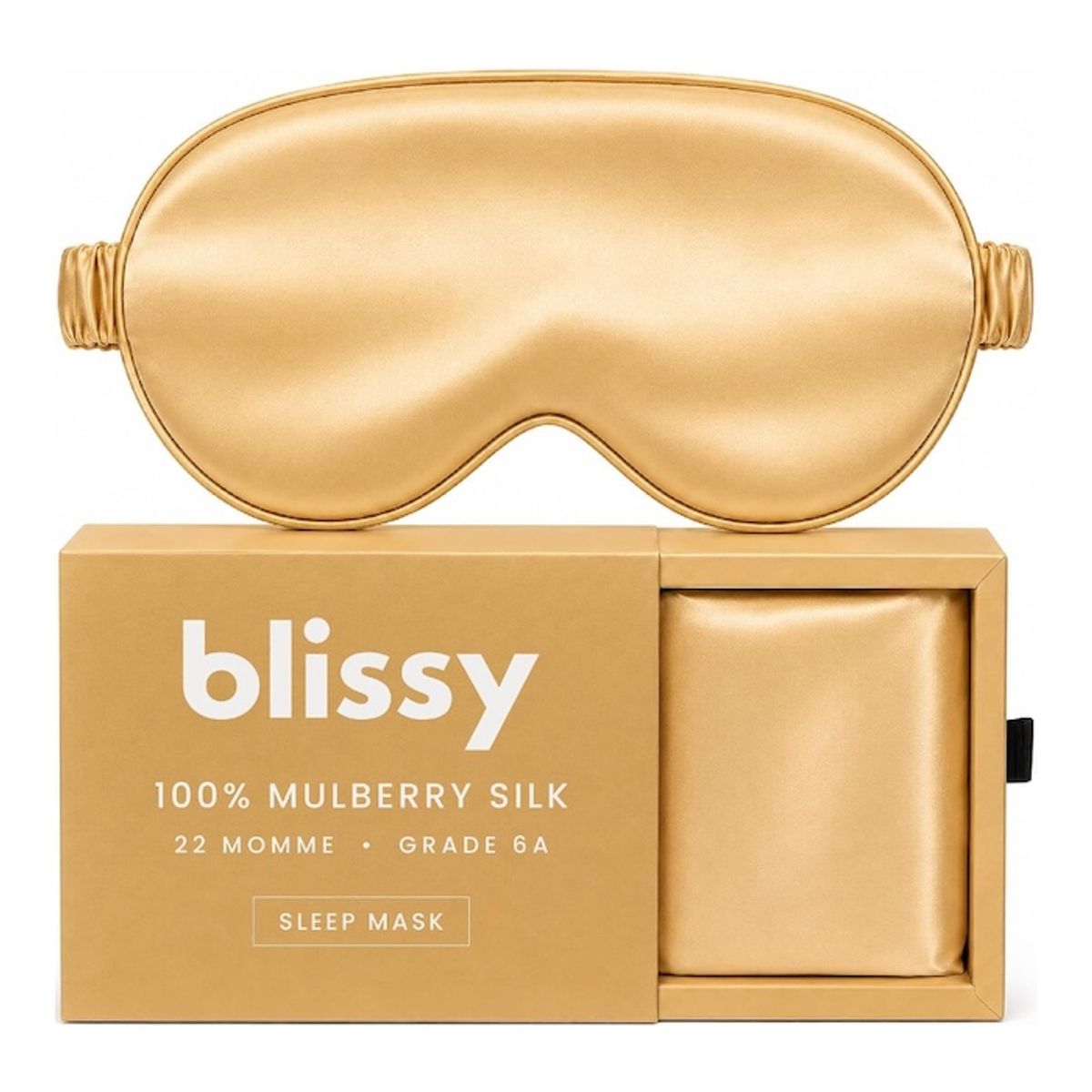
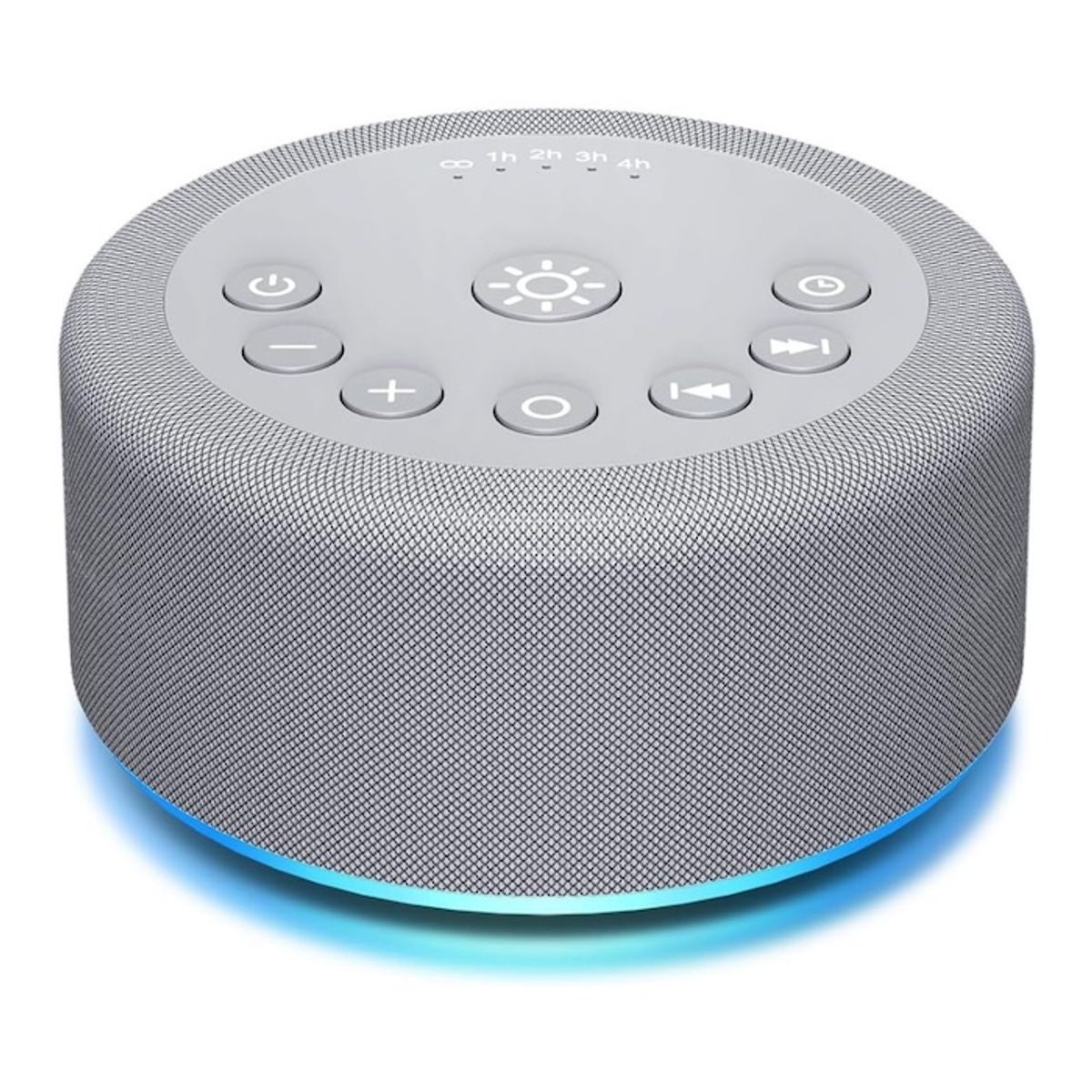
To improve the quality of your sleep, experts suggest creating a bedroom environment that is “cool, dark, and quiet,” Dzierzewski says. If possible, adjust your thermostat so your home’s nighttime temperature falls between 60 and 67 degrees Fahrenheit, since excessive heat and cold are known to disrupt sleep cycles. Use blackout curtains or a sleep mask to block ambient light from outside your home. (Many streetlights use superbright LEDs that emit blue light, another known sleep interrupter.) And consider noise levels: Though there’s not a lot of scientific consensus on whether white noise machines or broadband noise-streaming sleep apps help or hinder sleep quality, white noise effectively masks unwanted sounds, which may make it easier to fall asleep in a less-than-quiet environment.

Advertisement
Advertisement

Your bedtime routine also affects how well you sleep. Try to prioritize seven to eight hours of sleep each night while sticking to consistent sleeping and waking times, Dzierzewski says. Avoiding TV, phones or computers, caffeine, alcohol, and heavy meals before bed will also prep your brain for rest. Finally, “during the day,” Dzierzewski advises, “aim for 45 to 60 minutes of bright outdoor light and regular physical activity to help regulate the sleep-wake cycle.”

Advertisement

Products for More Restful Sleep

Blackout Curtains
Blackout Shield Store Linen Total Blackout Curtains
$40
$30
BUY NOW Amazon
Blissy Face Mask
Blissy Silk Sleep Mask
$50
$28
BUY NOW Amazon
Hushing Store Sound Machine
$23
BUY NOW Amazon

Prices accurate as of September 14, 2026.

Featured Image Credit: © Cate M—Moment/Getty Images

More From Our Network

Better Report is part of Inbox Studio, an email-first media company. *Indicates a third-party property.

Go Retro With This 1960s Fashion Quiz

Quiz Daily

Go Retro With This 1960s Fashion Quiz

True or False: Are You a Master of U.S. Geography?

Travel Quiz

True or False: Are You a Master of U.S. Geography?

5 Reasons You Can Be Denied Boarding an Airplane

Daily Passport

5 Reasons You Can Be Denied Boarding an Airplane

What Did People Do Before Eyeglasses?

History Facts

What Did People Do Before Eyeglasses?

How To Use a Balloon To Clean Up Dust

House Outlook

How To Use a Balloon To Clean Up Dust

11 Shopping Hacks Costco Members Should Know

FinanceBuzz*

11 Shopping Hacks Costco Members Should Know

Share this article

  • Share to Facebook
  • Share to Twitter
  • Copy Url
  • Share to Email
Kat Long
Writer

Kat Long is a freelance science journalist in the Washington, D.C. area. Previously, she was the science editor at Mental Floss and a digital editor at National Geographic. She now writes the Arctic Archives newsletter on Substack. Kat spends her free time birdwatching, road-tripping to historical sites and perusing old manuscripts at libraries.

This article is for general informational purposes only.
Affiliate Disclaimer Medical Disclaimer Financial Disclaimer

Updated: April 6, 2026
Posted In: Health
Hero Image Credit: Featured Image Credit: © Cate M—Moment/Getty Images
Advertisement

Related Articles

5 Things To Ask Your Doctor About the New Flu Shot

5 min read

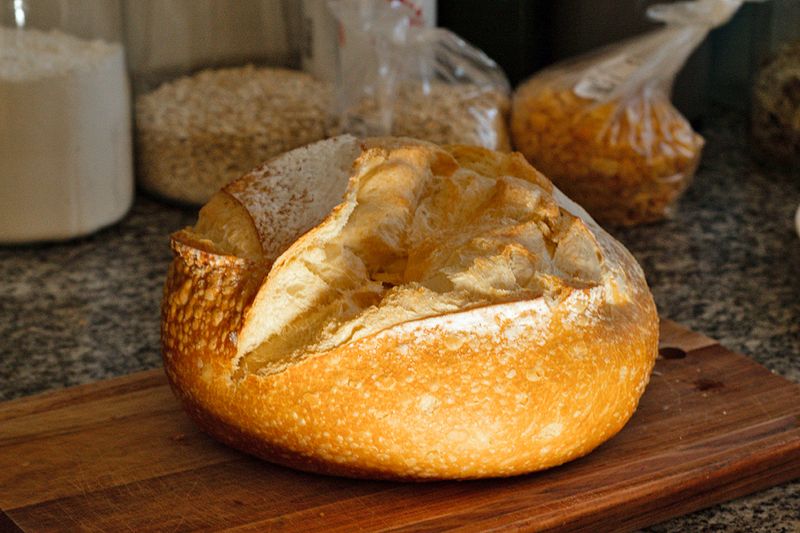
Is Sourdough Actually Healthier Than Regular Bread?

7 min read

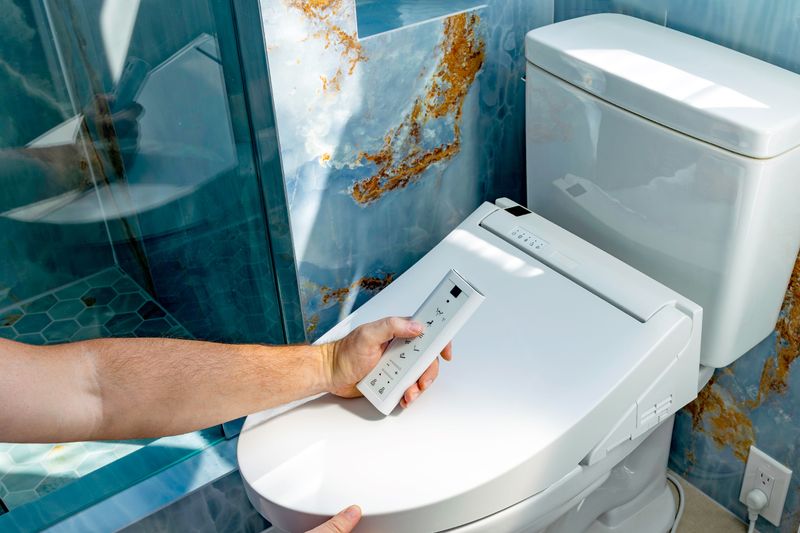
Do You Really Need a Bidet in Your Home?

4 min read

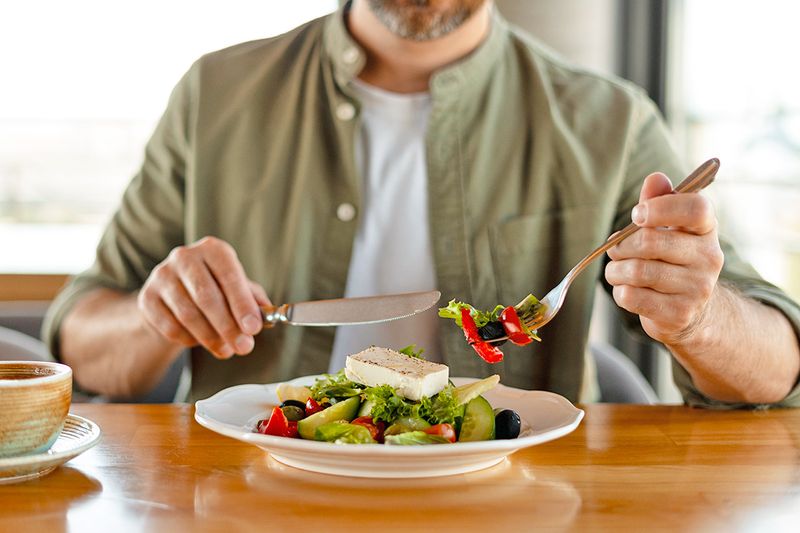
Is the Traditional Mediterranean Diet Actually the Best for Your Brain?

4 min read

The 5 Worst Sugary Drinks You Can Order at Restaurants

5 min read
Advertisement

The Best Time To Drink Your Morning Coffee

Ali Eldridge
Health | Updated: September 14, 2026
Woman drinking coffee
Featured Image Credit: © Getty Images/Unsplash.com

If you ask people about the best time to drink their morning coffee, you’ll likely get a wide variety of responses: Some may say it’s during their commute to work, others sip it with breakfast while reading the newspaper at the kitchen table, and then there are those who’d prefer to enjoy their steaming cup of mud while still in bed. 

Personal preferences aside, studies show that if you’re hoping to maximize the benefits of your daily coffee, there may be times to drink it that are better than others. Here’s a look at what you need to know before sipping your morning joe.

Advertisement
Advertisement
Woman pouring coffee
Credit: © Gary Barnes/Pexels.com

Timing Is Everything

A 2025 study in the European Heart Journal  looked at more than 40,000 adults who had participated in a long-term nutrition study and identified three groups: People who had coffee in the morning; people who drank it all day; and people who didn’t drink coffee at all.

After making adjustments for various factors including caffeinated and decaffeinated intake and sleep hours, “we found that a morning-type coffee drinking pattern was significantly associated with lower risks of all-cause mortality and CVD-specific mortality, independent of the amount of coffee intake,” the authors wrote. “In contrast, an all-day-type pattern was not significantly associated with mortality compared with non-drinking.”  More specifically, people who drank coffee between the hours of 4 a.m. and noon were 31% less likely to die from cardiovascular disease and 16% less likely to die from any cause than those who didn’t drink coffee at all. 

The authors of the analysis theorize that drinking coffee in the morning instead of later in the day means that the caffeine is less likely to negatively affect your sleep patterns, and better sleep means better heart health. The study also notes that coffee can act as an anti-inflammatory. Bodily inflammation levels tend to peak in the morning, so drinking a cup of coffee in the hours after waking up may help offset some of that inflammation. However, they note that more research is needed on both fronts, and on coffee’s health benefits overall.

Recommended Articles

  • The Safety Rules for Candles You Probably Don’t Know

  • 5 Things Your Car Needs Before the First Freeze

  • 6 Amazon Prime Day Hacks

  • 5 Things To Ask Your Doctor About the New Flu Shot

Advertisement
Advertisement

Reader Favorites

  • Woman looking in fridge

    9 Foods You Should Toss ASAP if They’re Expired

  • Person eating salad

    7 Things a Chef Never Orders at a Restaurant

  • Cherry angioma

    Are the Tiny Red Dots on Your Skin Dangerous?

There’s another belief that coffee should be drunk when the body’s level of the stress hormone cortisol — which can also enhance alertness — is at its lowest. Though there have been no studies to back up this idea, coffee can increase cortisol, so the thinking is that drinking it when your cortisol levels are high will cause undue stress. Elevated cortisol can cause health issues over time.

Advertisement

Typically, cortisol levels peak 30 to 45 minutes after waking up and then slowly decline for the rest of the day. It’s been suggested that most people reach lower levels of cortisol roughly three to five hours after rising out of bed. So if you get up at 7 a.m., consider having your morning coffee between 10 a.m. and noon.

Another factor worth considering is whether you work out in the morning. It’s said that the caffeine in a cup of coffee increases strength, endurance, alertness, and energy levels during a workout, but only if you allow ample time for the caffeine to be absorbed before hitting the gym. Research suggests waiting 45 to 60 minutes between the time you finish your coffee (no more than one to two cups is necessary) and when you begin your workout. 

Pouring coffee into cup
Credit: © Sandra Seitamaa/Unsplash.com

Getting the Most Out of Your Roast

Ultimately, there’s no golden rule to follow when it comes to enjoying your morning cup of joe. “Everyone’s sensitivity, or internal response, to caffeine is different,” registered dietitian Anthony DiMarino told the Cleveland Clinic, adding that the stimulant runs through some people in as little as two hours and through others in as many as 10, depending on their metabolism.

Advertisement
Advertisement

Given all the information out there, and considering the vast metabolic and lifestyle differences that everyone has, it’s hard to settle on one “best time” for morning coffee consumption. But as a general guideline, consider having your coffee before noon. And if you work out in the morning, consider having coffee and hitting the gym 45 minutes to an hour later. This won’t work for every lifestyle, but it’s what the facts suggest.

Featured Image Credit: © Getty Images/Unsplash.com

More From Our Network

Better Report is part of Inbox Studio, an email-first media company. *Indicates a third-party property.

Go Retro With This 1960s Fashion Quiz

Quiz Daily

Go Retro With This 1960s Fashion Quiz

True or False: Are You a Master of U.S. Geography?

Travel Quiz

True or False: Are You a Master of U.S. Geography?

5 Reasons You Can Be Denied Boarding an Airplane

Daily Passport

5 Reasons You Can Be Denied Boarding an Airplane

What Did People Do Before Eyeglasses?

History Facts

What Did People Do Before Eyeglasses?

How To Use a Balloon To Clean Up Dust

House Outlook

How To Use a Balloon To Clean Up Dust

11 Shopping Hacks Costco Members Should Know

FinanceBuzz*

11 Shopping Hacks Costco Members Should Know

Share this article

  • Share to Facebook
  • Share to Twitter
  • Copy Url
  • Share to Email
Ali Eldridge

This article is for general informational purposes only.
Affiliate Disclaimer Medical Disclaimer Financial Disclaimer

Updated:
Posted In: Health
Hero Image Credit: Featured Image Credit: © Getty Images/Unsplash.com
Advertisement

Related Articles

5 Things To Ask Your Doctor About the New Flu Shot

5 min read

Is Sourdough Actually Healthier Than Regular Bread?

7 min read

Do You Really Need a Bidet in Your Home?

4 min read

3 Common Sleep Habits That May Be Aging Your Brain

5 min read

Is the Traditional Mediterranean Diet Actually the Best for Your Brain?

4 min read
Advertisement

9 Items in Your Basement You Should Toss Right Now

Home | Updated: September 11, 2026
Lauren Dana Ellman
Author
Lauren Dana Ellman is a New York–based writer and editor specializing in lifestyle, travel, food, and shopping. A graduate of Syracuse University’s SI Newhouse School of Public Communications, she covers everything from destinations and hotels to fun product finds and personal essays. Her work has been featured in Condé Nast Traveler, AARP, Travel + Leisure, Time Out, The Knot, and more lifestyle-oriented publications.
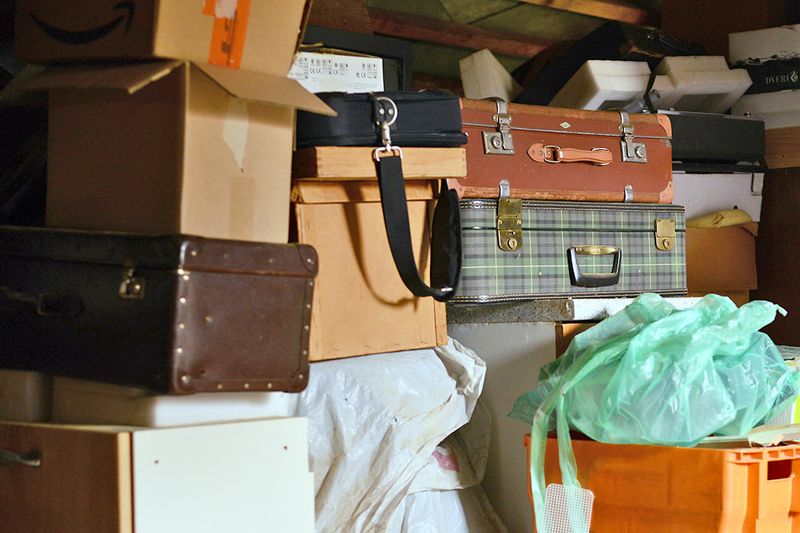
Stacks of luggage, boxes, and bags in a basement
Featured Image Credit: © LitterART/stock.adobe.com

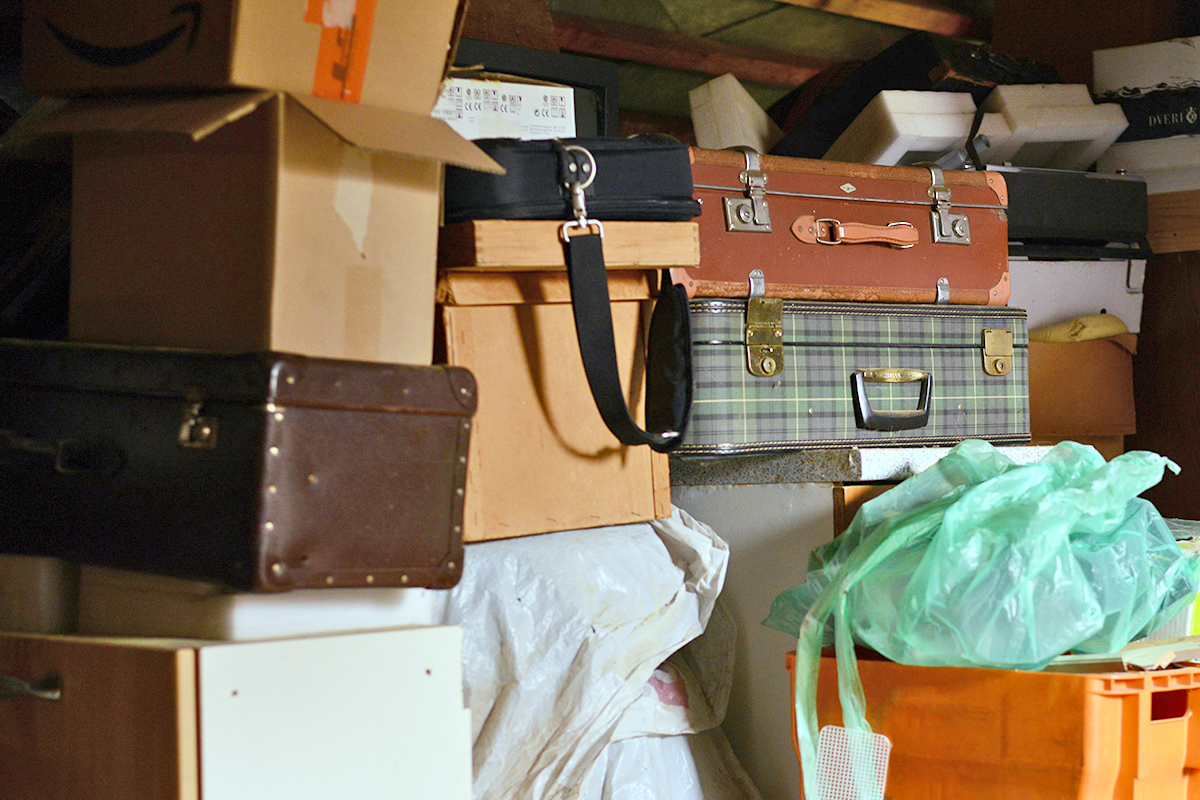
While it’s nice to have the extra space, basements can quickly become so cluttered that you barely get to use them, defeating the purpose altogether. If yours is getting harder to navigate — or you simply want to reclaim some of that square footage — there are plenty of things you can probably part with right now (and never miss!).

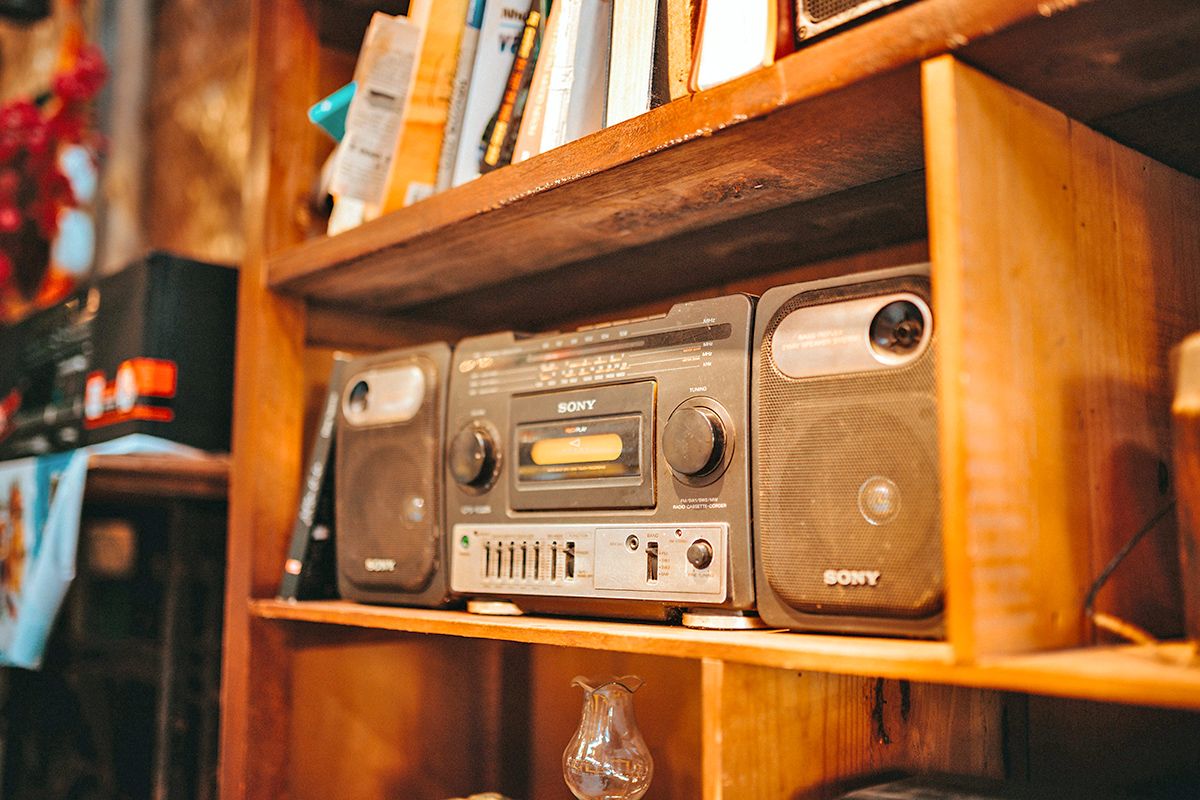
Old stereo
Credit: © Thái Trường Giang/Pexels.com

Broken or Outdated Electronics

Basements tend to end up as the final destination for old laptops, DVD players, gaming consoles, and mystery chargers and cables after you stop using them. Keep what still serves a purpose (move it elsewhere for storage, though; basements can be both humid and damp, which spells disaster for electronics) and get rid of the rest — but don’t just toss electronics in the trash. Check your local recycling requirements to find out how to best dispose of them, and make sure to wipe personal data from computers, phones, and other devices first.

Advertisement
Advertisement
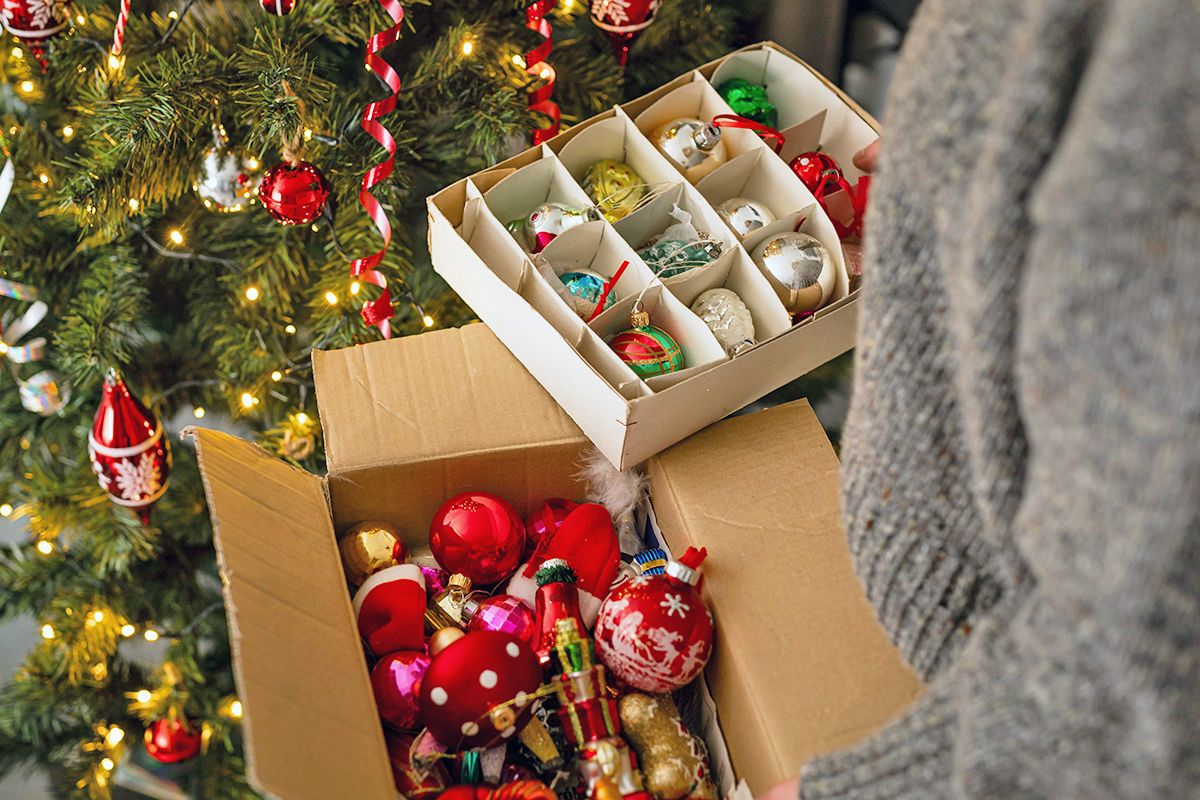
Holiday decorations in a box
Credit: © Karolina Grabowska/Unsplash.com

Holiday Decorations You Never Use

When was the last time you actually used everything in your holiday bins? As you unpack them this year, weed out broken ornaments, damaged garlands, dead strands of lights, and decorations that haven’t made it upstairs in years. And rather than haul everything back downstairs at the end of the season, keep only the pieces you still reach for and donate anything in good condition that you’ve outgrown.

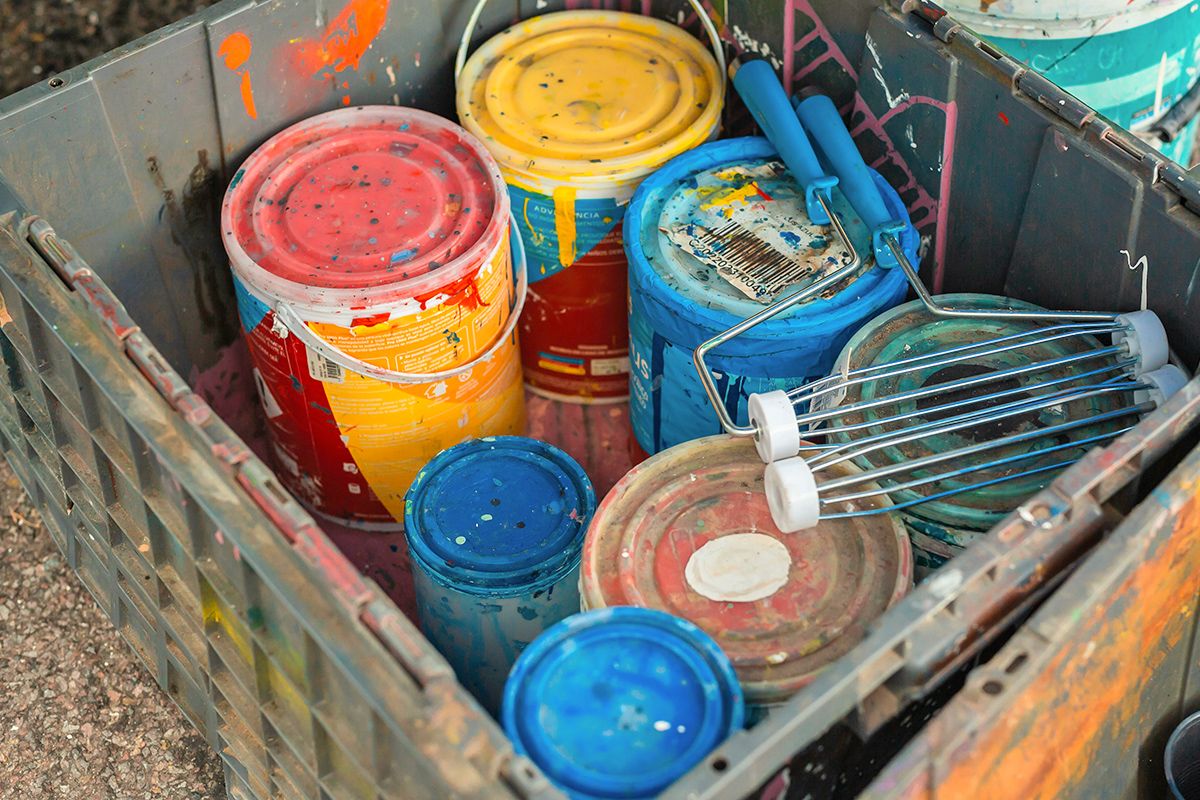
Old cans of paint
Credit: © Jordan González/Unsplash.com

Old Paint and Construction Materials

A little leftover paint can be useful for touch-ups, but there’s no need to keep open cans around — not only does paint have a shelf life (how long depends on factors such as the brand and how much air is in the can), but it’s also hazardous waste. Spare tile, lumber, and other remnants from projects you finished years ago also don’t belong in your basement. 

Take stock of what could realistically come in handy for future repairs and toss the rest, following local disposal guidelines for paint and other materials that shouldn’t go in household trash. Usable building materials may also find a second home through a local donation or reuse organization.

Recommended Articles

  • The Safety Rules for Candles You Probably Don’t Know

  • 5 Things Your Car Needs Before the First Freeze

  • 6 Amazon Prime Day Hacks

  • 5 Things To Ask Your Doctor About the New Flu Shot

Advertisement
Advertisement

Reader Favorites

  • Woman looking in fridge

    9 Foods You Should Toss ASAP if They’re Expired

  • Person eating salad

    7 Things a Chef Never Orders at a Restaurant

  • Cherry angioma

    Are the Tiny Red Dots on Your Skin Dangerous?

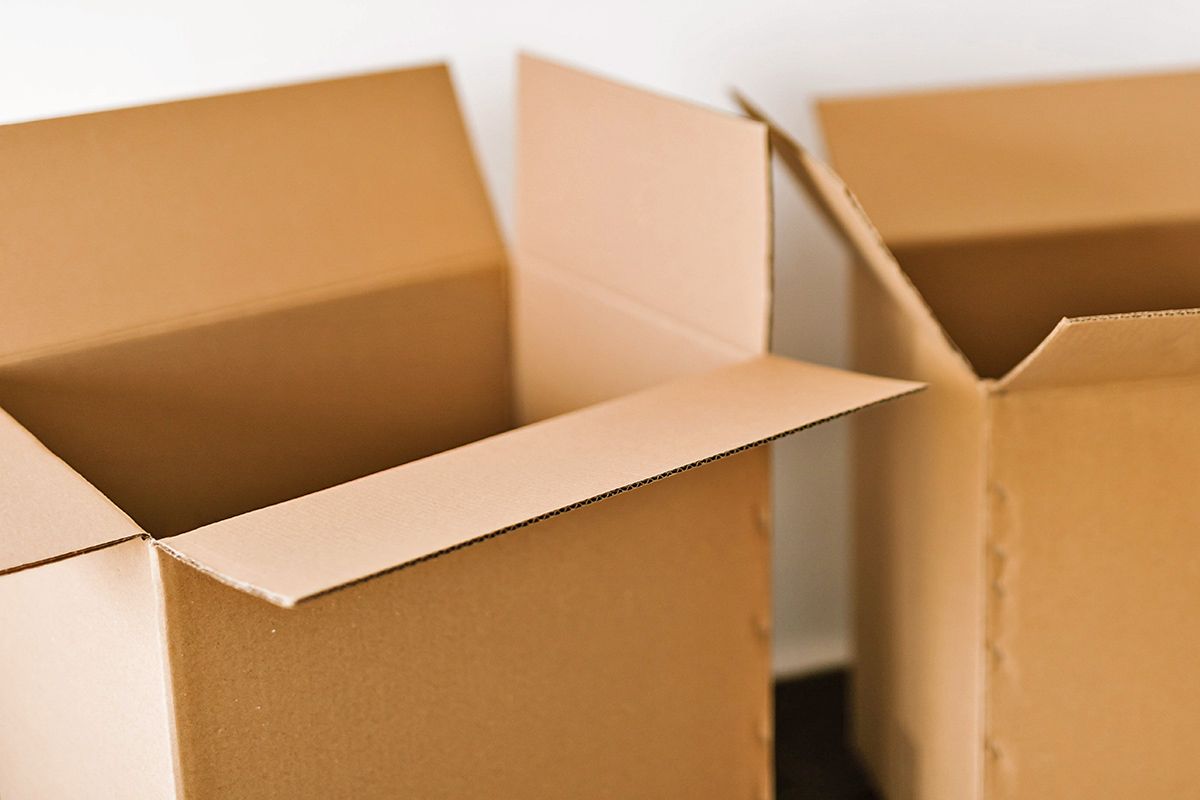
Cardboard boxes
Credit: © kaboompics/Pexels.com

Cardboard Boxes

If your basement is full of cardboard boxes from old moves or deliveries, it’s probably time to clear some out. Not only do they take up space, but in a damp basement, the cardboard can absorb moisture, making it more prone to mold and pests. Recycle the boxes and use sturdy bins with lids for anything you’re keeping downstairs long-term.

Advertisement
Advertisement
Furniture in a basement
Credit: © Jonas Adner—Moment/Getty Images

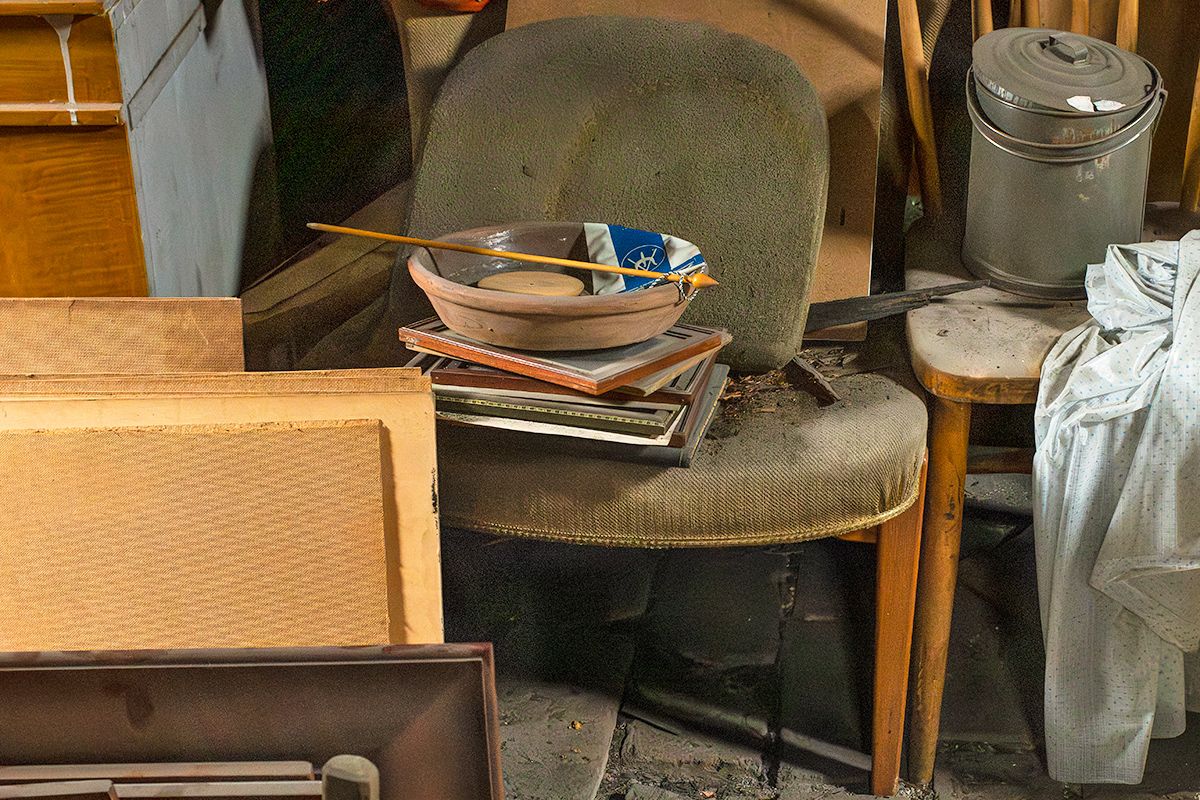
Furniture and Dishware

Furniture and dishware you no longer want upstairs but aren’t quite ready to part with often find their way to the basement. Consider this your sign to be realistic about whether that extra chair, old set of dishes, or stack of mismatched mugs will ever make its way back into regular use. If the answer is no, donate or sell pieces that are still in good condition and toss anything broken, chipped, or beyond repair.

Advertisement
Advertisement
Yarn and crochet hooks
Credit: © Kos6ka/sotck.adobe.com

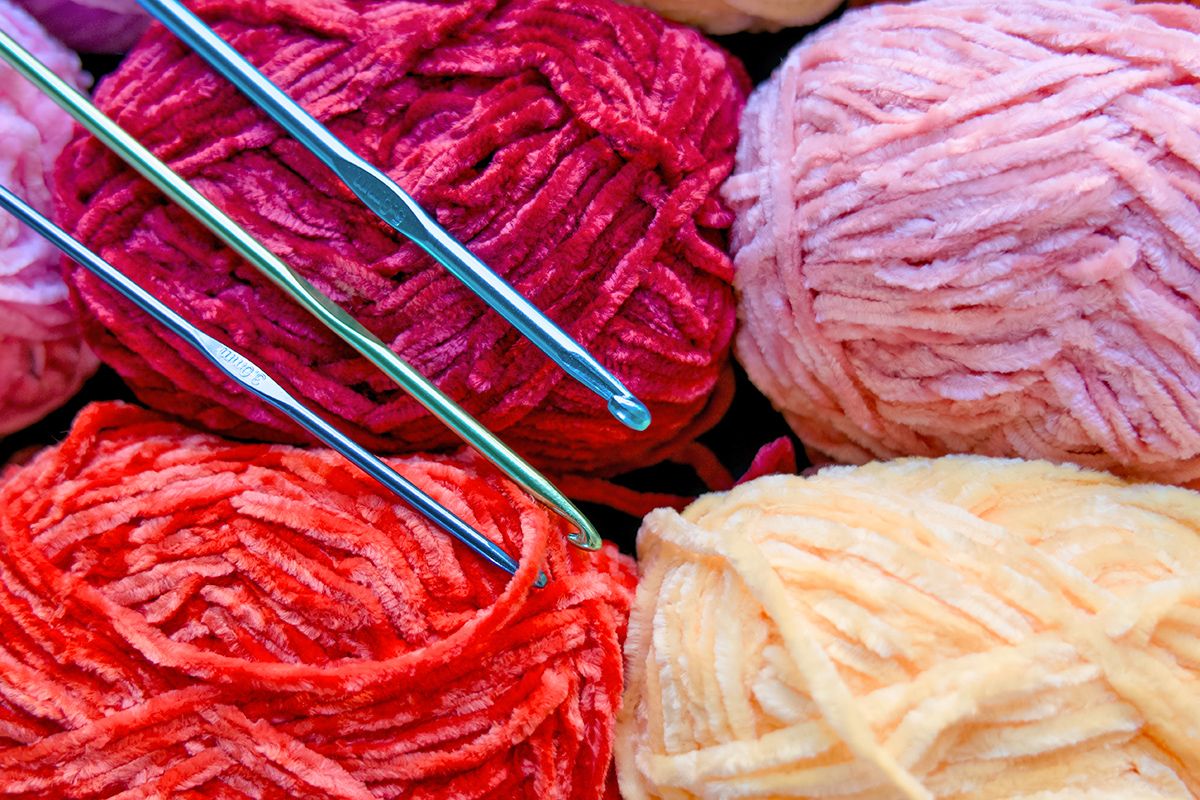
Abandoned Projects and Hobby Supplies

That half-finished chair or abandoned craft project isn’t doing you much good gathering dust in the basement. If you’ve been meaning to get back to it for years, consider whether you’re still genuinely interested in finishing it — or simply reluctant to let it go.

Advertisement
Advertisement
Old weights
Credit: © dimas830/stock.adobe.com

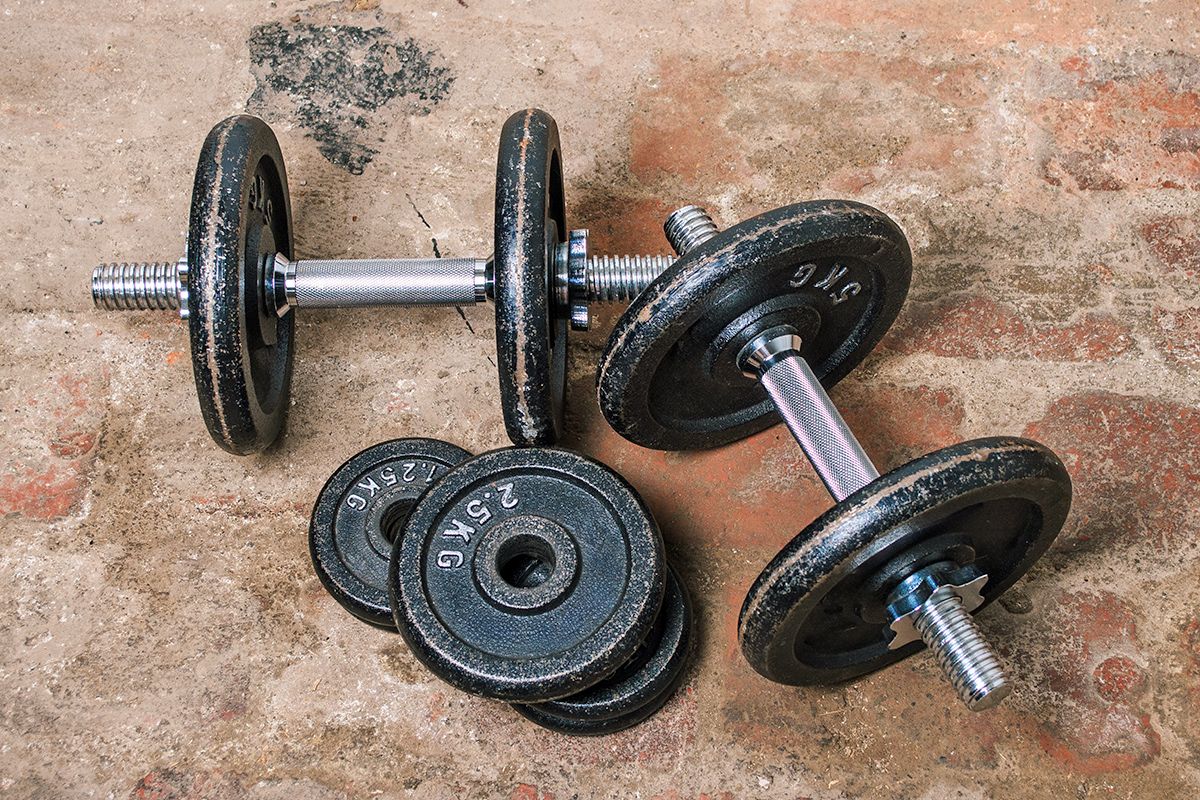
Unused Exercise Equipment

Few things eat up basement square footage faster than exercise equipment you don’t actually use. The truth is, the treadmill doubling as a clothes rack or the stationary bike gathering dust can be more useful to someone else than it is sitting downstairs. If it’s still in working condition, consider selling or donating it. You’ll clear a sizable amount of floor space in one shot — and won’t have to awkwardly maneuver around it every time you head downstairs​​.

Advertisement
Advertisement
Old toys
Credit: © charles taylor—iStock/Getty Images

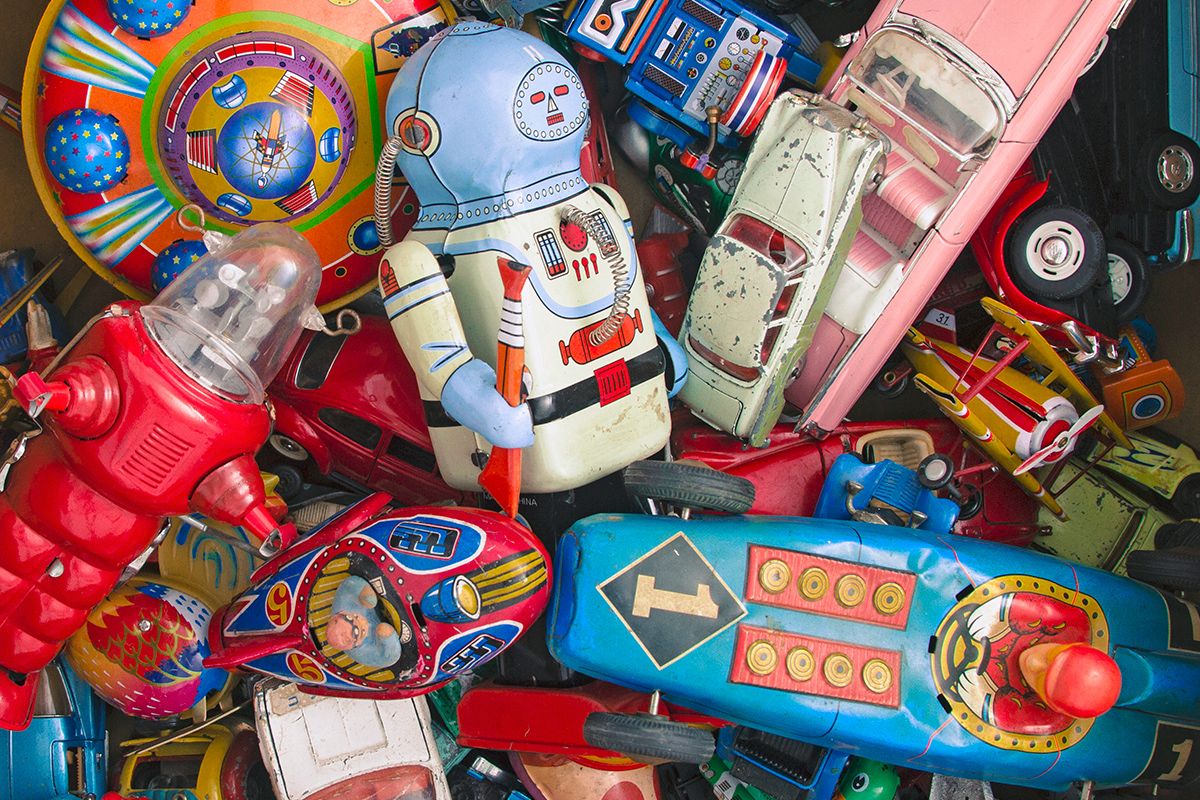
Outgrown Kids’ Stuff

As any parent or grandparent will tell you, baby gear, toys, clothes, school projects, and artwork can pile up fast. And while you should absolutely keep the things that matter, don’t feel guilty about letting go of the rest. Photograph or digitize favorite pieces of artwork, then donate clothes, toys, and gear that your family has outgrown.

Advertisement
Advertisement
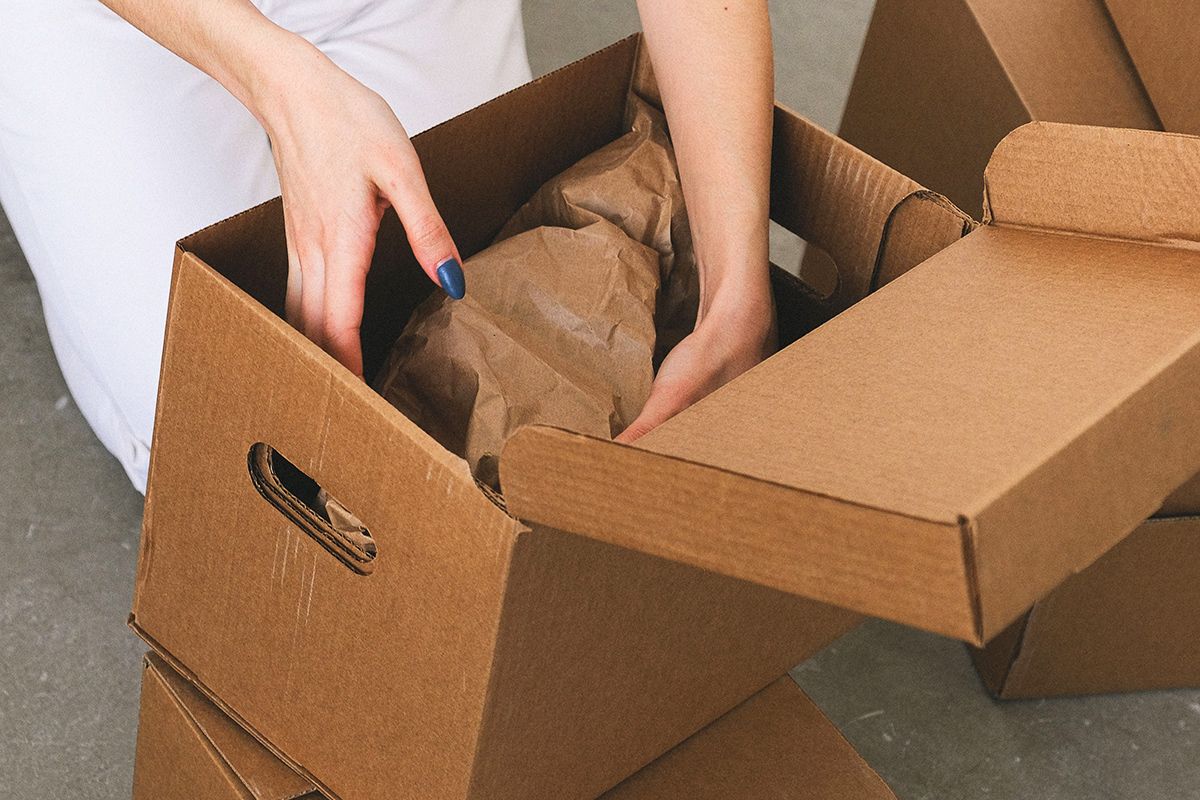
Opening a box
Credit: © SHVETS production/pdxelx.com

Boxes You Haven’t Opened in Years

You know exactly what we’re referring to — those boxes that have followed you through move after move without ever being opened. Instead of continuing to shuffle them around, take the time to open those mystery boxes to see what’s actually inside. Pull out anything useful, sentimental, or irreplaceable, then tackle the rest. If you haven’t used — or even remembered — something for years, you may be ready to finally let it go.

Advertisement
Advertisement

Featured Image Credit: © LitterART/stock.adobe.com

More From Our Network

Better Report is part of Inbox Studio, an email-first media company. *Indicates a third-party property.

Go Retro With This 1960s Fashion Quiz

Quiz Daily

Go Retro With This 1960s Fashion Quiz

True or False: Are You a Master of U.S. Geography?

Travel Quiz

True or False: Are You a Master of U.S. Geography?

5 Reasons You Can Be Denied Boarding an Airplane

Daily Passport

5 Reasons You Can Be Denied Boarding an Airplane

What Did People Do Before Eyeglasses?

History Facts

What Did People Do Before Eyeglasses?

How To Use a Balloon To Clean Up Dust

House Outlook

How To Use a Balloon To Clean Up Dust

11 Shopping Hacks Costco Members Should Know

FinanceBuzz*

11 Shopping Hacks Costco Members Should Know

Share this article

  • Share to Facebook
  • Share to Twitter
  • Copy Url
  • Share to Email
Lauren Dana Ellman
Writer

Lauren Dana Ellman is a New York–based writer and editor specializing in lifestyle, travel, food, and shopping. A graduate of Syracuse University’s SI Newhouse School of Public Communications, she covers everything from destinations and hotels to fun product finds and personal essays. Her work has been featured in Condé Nast Traveler, AARP, Travel + Leisure, Time Out, The Knot, and more lifestyle-oriented publications.

This article is for general informational purposes only.
Affiliate Disclaimer Medical Disclaimer Financial Disclaimer

Updated: April 28, 2026
Posted In: Home
Hero Image Credit: Featured Image Credit: © LitterART/stock.adobe.com
Advertisement

Related Articles

The Safety Rules for Candles You Probably Don’t Know

5 min read

5 Vegetables You Should Never Store in the Fridge

3 min read

Why a Flashing Check Engine Light Is Different From a Solid One

3 min read

Why Does Your Sink Have a Tiny Hole?

3 min read

Is Hard Water Ruining Your Clothes?

3 min read
Advertisement

5 Vegetables You Should Never Store in the Fridge

Ali Eldridge
Home | Updated: September 10, 2026
Hand holding a red onion
Better Report

It can be tempting, after a trip to the grocery store, to throw anything that’s seemingly perishable into the fridge. And while it’s true that the fridge keeps many foods good for far longer than they would be outside of it, that’s not true of all foods. In fact, refrigerating certain foods actually decreases their shelf life. We all know the usual suspects that don’t belong in the fridge (tomatoes, avocados, and bananas, for example), but the vegetables below may surprise you. 

Red onions on cutting board
Credit: © Justus Menke/Unsplash.com

Certain Onions

There are some onions, such as scallions, that should go in the fridge — but yellow, white, and red onions don’t belong there (unless they’ve been peeled or cut). Your fridge is both cold and humid, creating an environment that causes them to go soft and spoil. Instead, store them in a perforated bag or mesh basket in a cool, dark spot that gets lots of ventilation. Avoid plastic bags, which encourage mold growth, and don’t place them in a well-lit area, which will cause them to sprout and change their flavor.

Advertisement
Advertisement
Bulbs of garlic
Credit: © Daniel Dan/Pexels.com

Garlic

Storing bulbs of garlic in the fridge will cause them to go soft and sprout — and while you can still eat those sprouts, they tend to taste pretty bitter. To keep your garlic fresh for as long as possible, store the bulb whole in a dark, cool place such as your pantry, and make sure it’s well ventilated. 

Sweet potatoes and potatoes
Credit: © Matheus Bertelli/Pexels.com

Potatoes and Sweet Potatoes

Whole potatoes and sweet potatoes fare better outside the fridge; inside, the chilly temp turns the starch in the vegetables to sugar. Both taste and texture suffer as a result. Store them in a cool, dark, well-ventilated area, and they should last for weeks. (But make sure your potatoes are far away from your garlic and onions, which emit gases that will cause the potatoes to sprout. If that occurs, you should throw your potatoes out.)

Recommended Articles

  • The Safety Rules for Candles You Probably Don’t Know

  • 5 Things Your Car Needs Before the First Freeze

  • 6 Amazon Prime Day Hacks

  • 5 Things To Ask Your Doctor About the New Flu Shot

Advertisement
Advertisement

Reader Favorites

  • Woman looking in fridge

    9 Foods You Should Toss ASAP if They’re Expired

  • Person eating salad

    7 Things a Chef Never Orders at a Restaurant

  • Cherry angioma

    Are the Tiny Red Dots on Your Skin Dangerous?

Person cutting butternut squash
Credit: © Nungning20—iStock/Getty Images

Winter Squash

Winter squashes like butternut, acorn, and delicata are planted in the spring and left on the vine until they grow to full size; their outer skin gets harder as they mature, which means when they’re whole, they can be stored without refrigeration and consumed much later when the weather has turned colder. 

As with potatoes, your fridge’s cold temperatures will convert a winter squash’s starches to sugars, causing the vegetable to become very sweet, soggy, or even rubbery. Instead, find a spot like a root cellar or basement where the temperatures are between 50 and 55 degrees Fahrenheit and the humidity is between 50% and 70%. (Too humid and your squash will rot; too dry and it will shrivel up.) Depending on the type of squash, it’ll last two to six months when properly stored. 

Advertisement
Advertisement

Featured Image Credit: © Getty Images/Unsplash.com

More From Our Network

Better Report is part of Inbox Studio, an email-first media company. *Indicates a third-party property.

Go Retro With This 1960s Fashion Quiz

Quiz Daily

Go Retro With This 1960s Fashion Quiz

True or False: Are You a Master of U.S. Geography?

Travel Quiz

True or False: Are You a Master of U.S. Geography?

5 Reasons You Can Be Denied Boarding an Airplane

Daily Passport

5 Reasons You Can Be Denied Boarding an Airplane

What Did People Do Before Eyeglasses?

History Facts

What Did People Do Before Eyeglasses?

How To Use a Balloon To Clean Up Dust

House Outlook

How To Use a Balloon To Clean Up Dust

11 Shopping Hacks Costco Members Should Know

FinanceBuzz*

11 Shopping Hacks Costco Members Should Know

Share this article

  • Share to Facebook
  • Share to Twitter
  • Copy Url
  • Share to Email
Ali Eldridge

This article is for general informational purposes only.
Affiliate Disclaimer Medical Disclaimer Financial Disclaimer

Updated:
Posted In: Home
Hero Image Credit: Better Report
Advertisement

Related Articles

The Safety Rules for Candles You Probably Don’t Know

5 min read

9 Items in Your Basement You Should Toss Right Now

5 min read

Why a Flashing Check Engine Light Is Different From a Solid One

3 min read

Why Does Your Sink Have a Tiny Hole?

3 min read

Is Hard Water Ruining Your Clothes?

3 min read
Advertisement

Is It Dangerous To Scratch Mosquito Bites?

Health | Updated: September 10, 2026
Kat Long
Author
Kat Long is a freelance science journalist in the Washington, D.C. area. Previously, she was the science editor at Mental Floss and a digital editor at National Geographic. She now writes the Arctic Archives newsletter on Substack. Kat spends her free time birdwatching, road-tripping to historical sites and perusing old manuscripts at libraries.
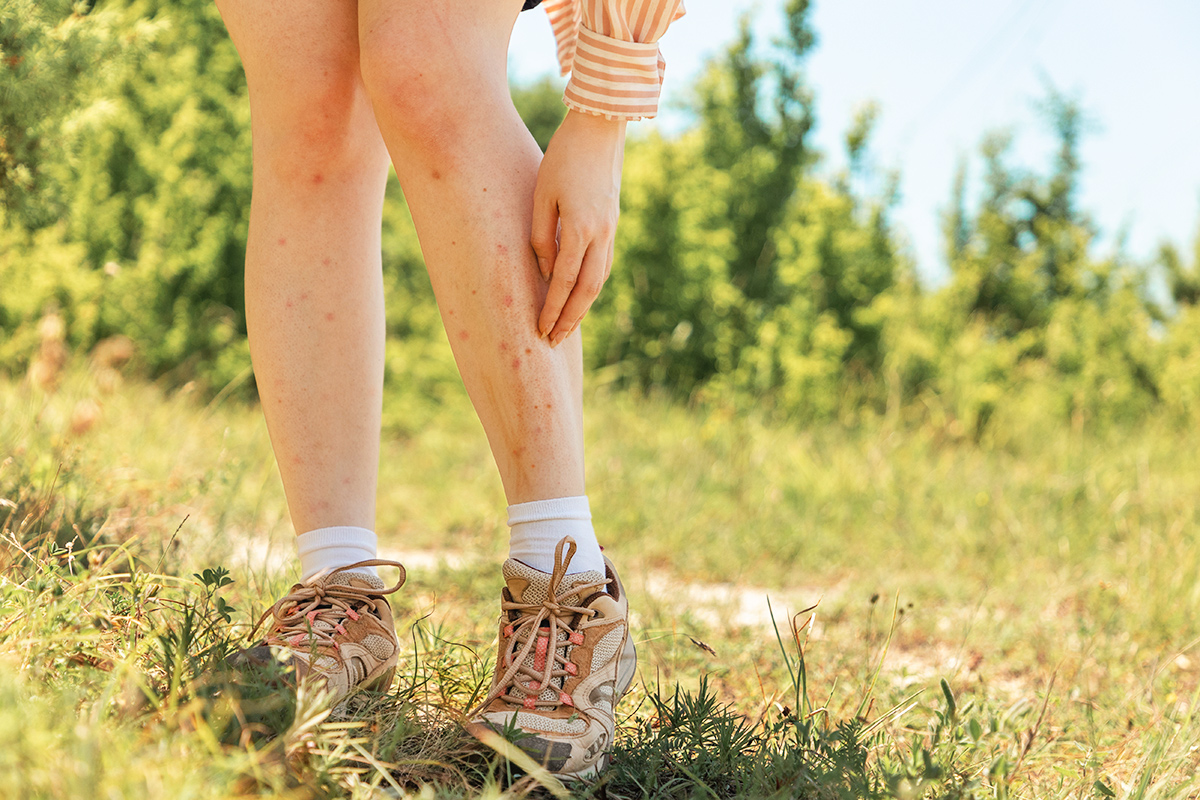
Person scratching bug bites on leg
Better Report

All featured products and deals are selected independently and objectively by the author. Better Report may receive a share of sales via affiliate links in content.

They come out at dusk. As soon as temperatures creep above 50 degrees Fahrenheit, mosquitoes emerge in force when the sun goes down, zeroing in on any exposed skin to grab a blood meal to go. Their bites leave behind an annoyingly itchy, reddened bump that practically begs you to scratch it. But you should think twice before giving in to the urge. Here’s why.

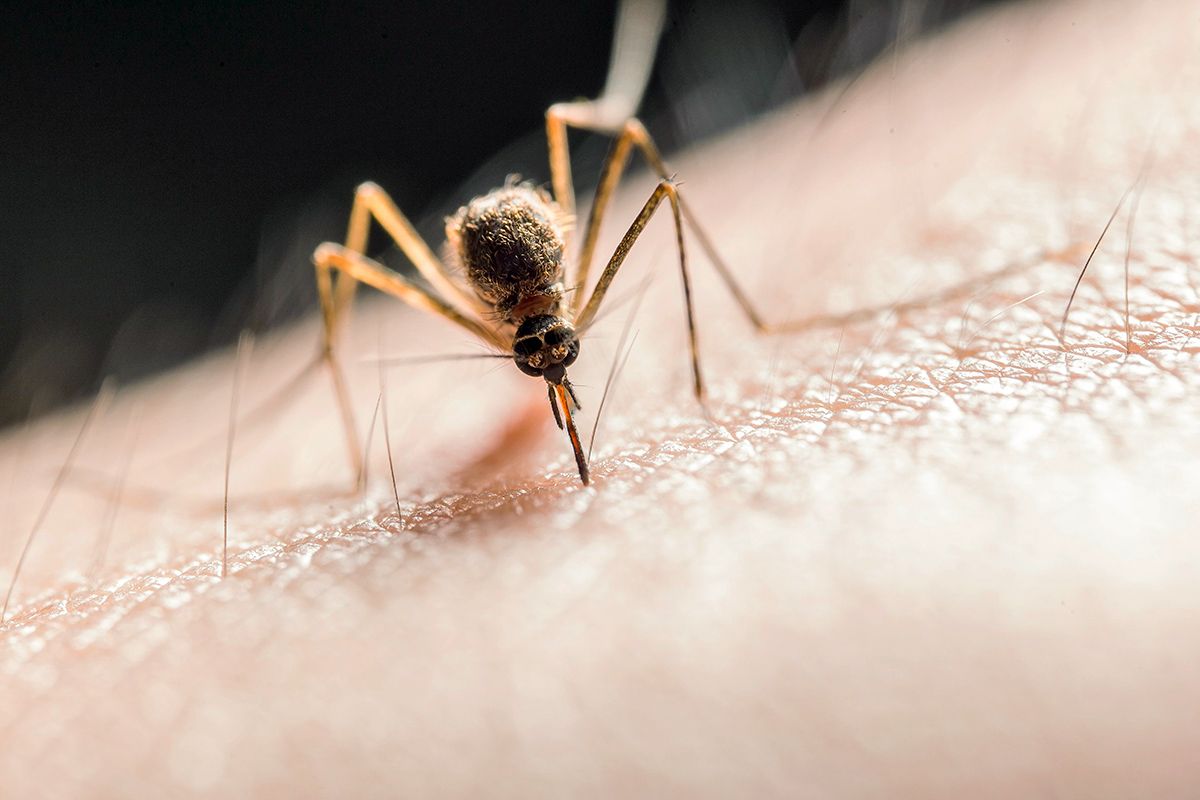
Mosquito biting a person
Credit: © Jimmy Chan/Pexels.com

Mosquito Bites 101

Only female mosquitoes bite, and they use a complex palette of sensory cues to guide them to their victims. The insects pick up clues from wind speed and direction, concentrations of carbon dioxide, color, temperature, and odor to locate a potential host. When a mosquito lands on you for a meal, it pierces your skin with specialized mouthparts and injects a dose of anticlotting saliva to extract your blood. 

Advertisement
Advertisement

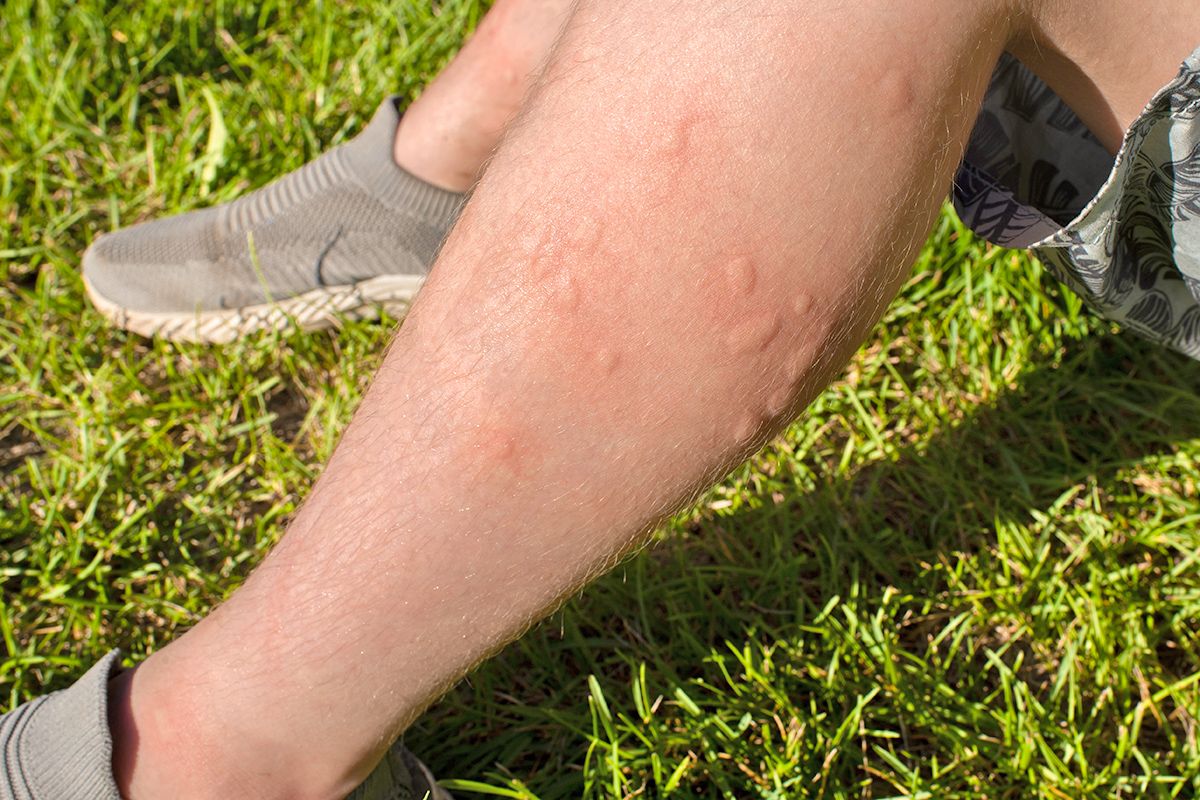
Your immune system then reacts to the saliva: Antibodies detect the invader and activate immune cells in the skin, called mast cells, which release histamine at the bite site. The histamine opens up blood vessels and fills the local tissues with fluid so immune cells can carry off the foreign substance. While all this happens under the skin, you’ll notice the bite swelling and reddening into the classic itchy bump.

If you can resist the urge to scratch, the itchiness will usually fade after a day or two, and the bump will disappear soon after that. For many people, though, not scratching is easier said than done. 

Bug bites on leg
Credit: © Ruslan Russland/stock.adobe.com

Why Scratching Is a Bad Idea

Experts argue against scratching insect bites for two main reasons: It can actually make the bite itch more, and it can lead to more serious complications.

Recommended Articles

  • The Safety Rules for Candles You Probably Don’t Know

  • 5 Things Your Car Needs Before the First Freeze

  • 6 Amazon Prime Day Hacks

  • 5 Things To Ask Your Doctor About the New Flu Shot

Advertisement
Advertisement

Reader Favorites

  • Woman looking in fridge

    9 Foods You Should Toss ASAP if They’re Expired

  • Person eating salad

    7 Things a Chef Never Orders at a Restaurant

  • Cherry angioma

    Are the Tiny Red Dots on Your Skin Dangerous?

A 2025 study of contact dermatitis in mice suggested that scratching, even though it might temporarily relieve dermatological discomfort, can actually compound swelling, inflammation, and itchiness at the site. When an irritant was applied to mice’s ears, their immediate scratching brought a flood of immune cells to the site and resulted in swelling. A second set of mice, bred without itch-sensing nerve cells, showed less immune activity after the irritant was applied. And when a third group of normal mice were put into little collars to prevent them from scratching their irritated ears, they showed much less immune cell activity and inflammation than the mice who had scratched — meaning that scratching seemed to trigger more problems. 

Advertisement

In people, scratching a mosquito bite can intensify the immune system’s reactions. Mast cells kick into overdrive and release even more histamine at the site, increasing inflammation and itchiness and prolonging the unpleasant symptoms. Scratching can also damage the skin and allow bacteria or viruses on your hands to enter the wound and lead to infections. Cellulitis and impetigo, both caused by strep or staph bacteria, are two of the most common; in rare cases, cellulitis can lead to complications such as infections in the bones, joints, and bloodstream, while some of the bacteria that cause impetigo can lead to kidney problems. 

Advertisement
Advertisement
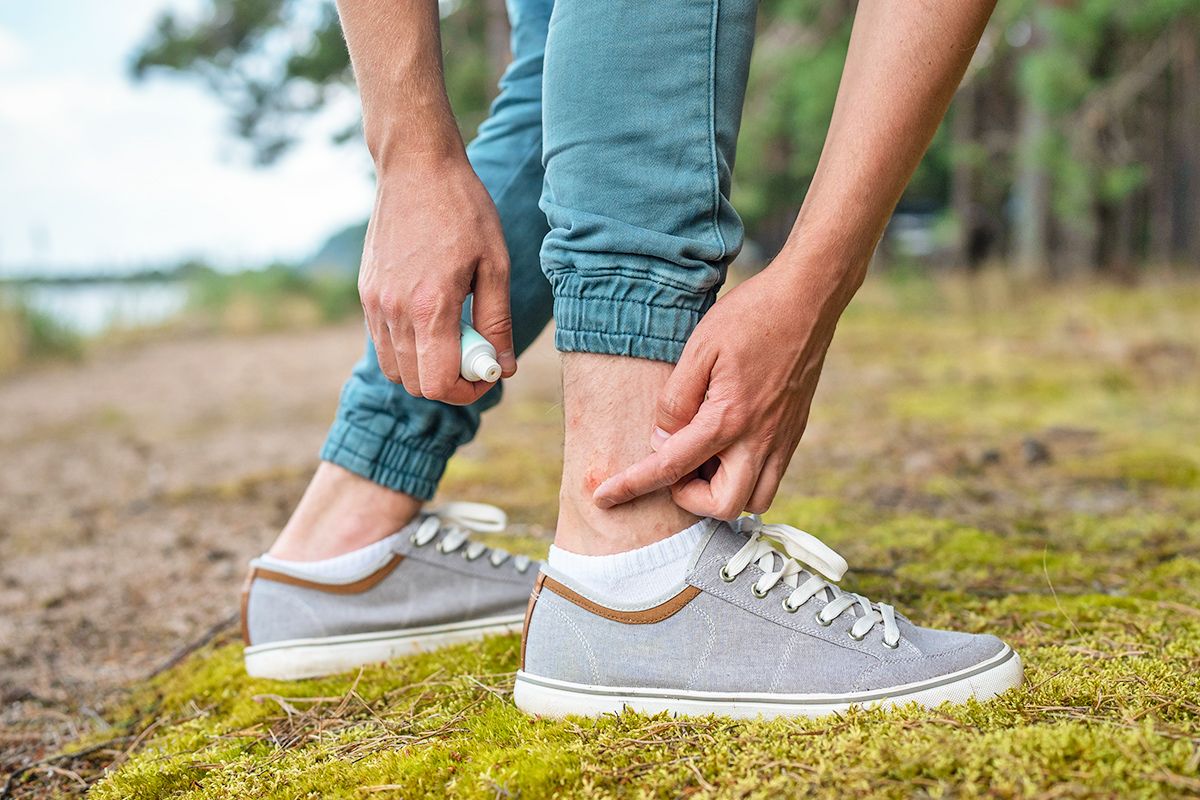
Person putting cream on bug bite
Credit: © DimaBerlin/stock.adobe.com

What To Do Instead 

Health experts recommend washing a pesky mosquito bite with soap and water and then treating it with one of several types of over-the-counter medications. People who typically experience mild itch and minimal swelling can apply calamine lotion or an OTC antihistamine cream or spray to the site, or try a DIY remedy like rubbing the bite with an ice cube to numb the itch. You can also coat it with a paste made of baking soda and water a few times a day until the itching fades.

Advertisement
Advertisement

Some people experience more pronounced swelling, extreme itching, or skeeter syndrome — an intense allergic reaction to mosquito saliva characterized by pain and larger areas of inflammation. These symptoms can be tamped down with an oral antihistamine like cetirizine HCl (Zyrtec), fexofenadine (Allegra), or loratadine (Claritin). Before starting any treatment, it’s worth speaking with your doctor or allergist about your symptoms and discomfort level.


Anti-Itch Supplies

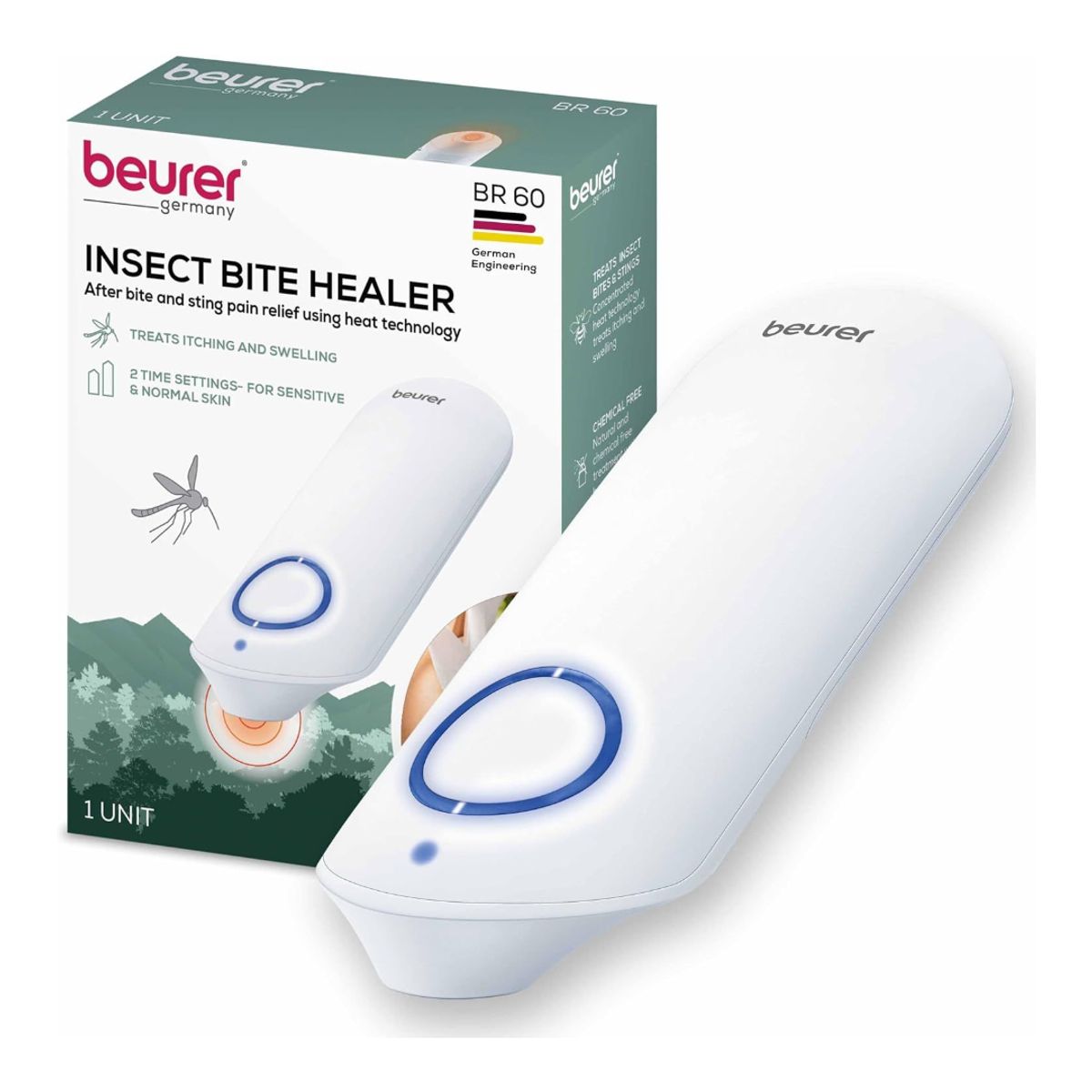
Insect Bite Healer
Beurer BiteX Original Insect Sting & Bite Relief BR60
$23
BUY NOW Amazon
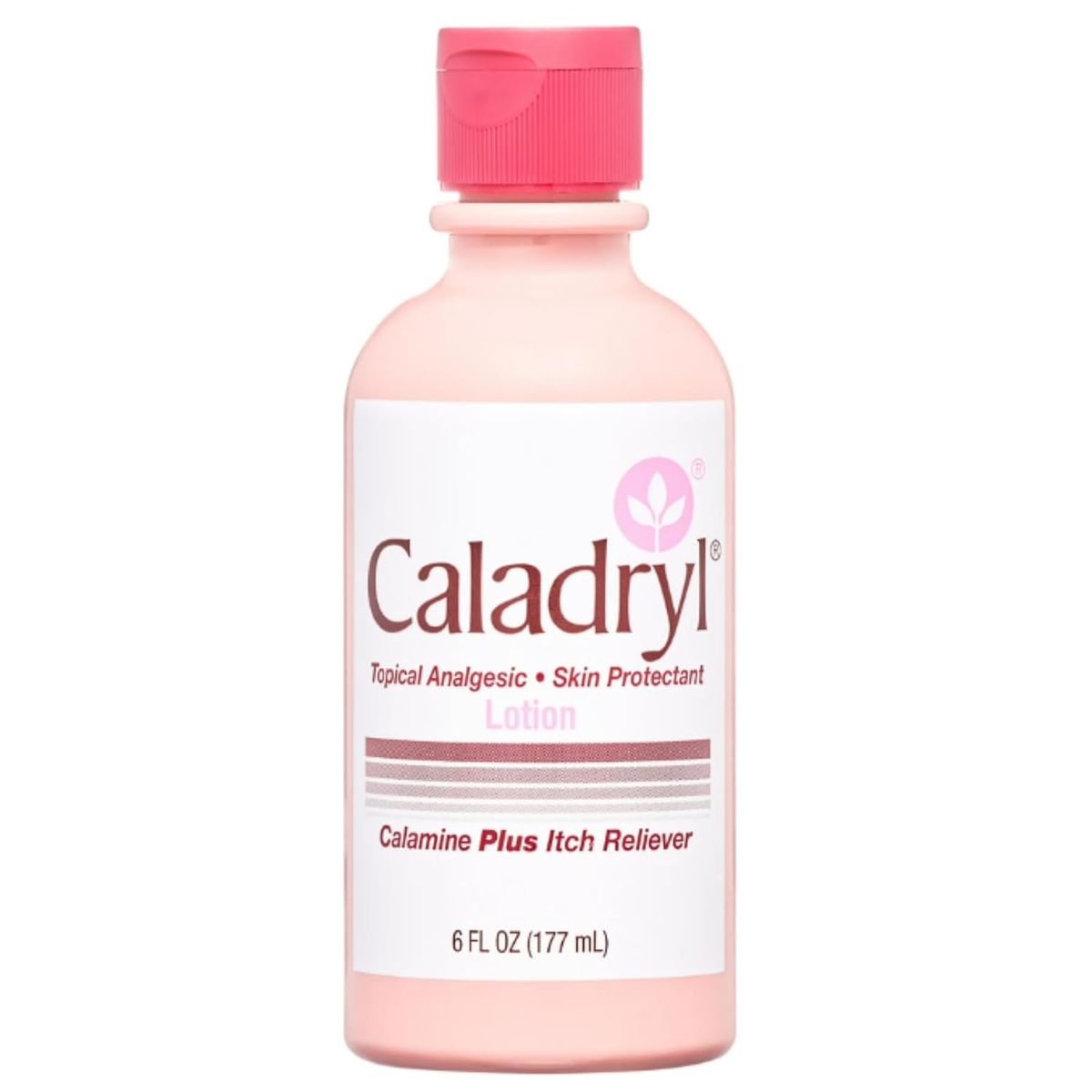
Calamine Lotion
Caladryl Calamine Lotion
$6
BUY NOW Amazon
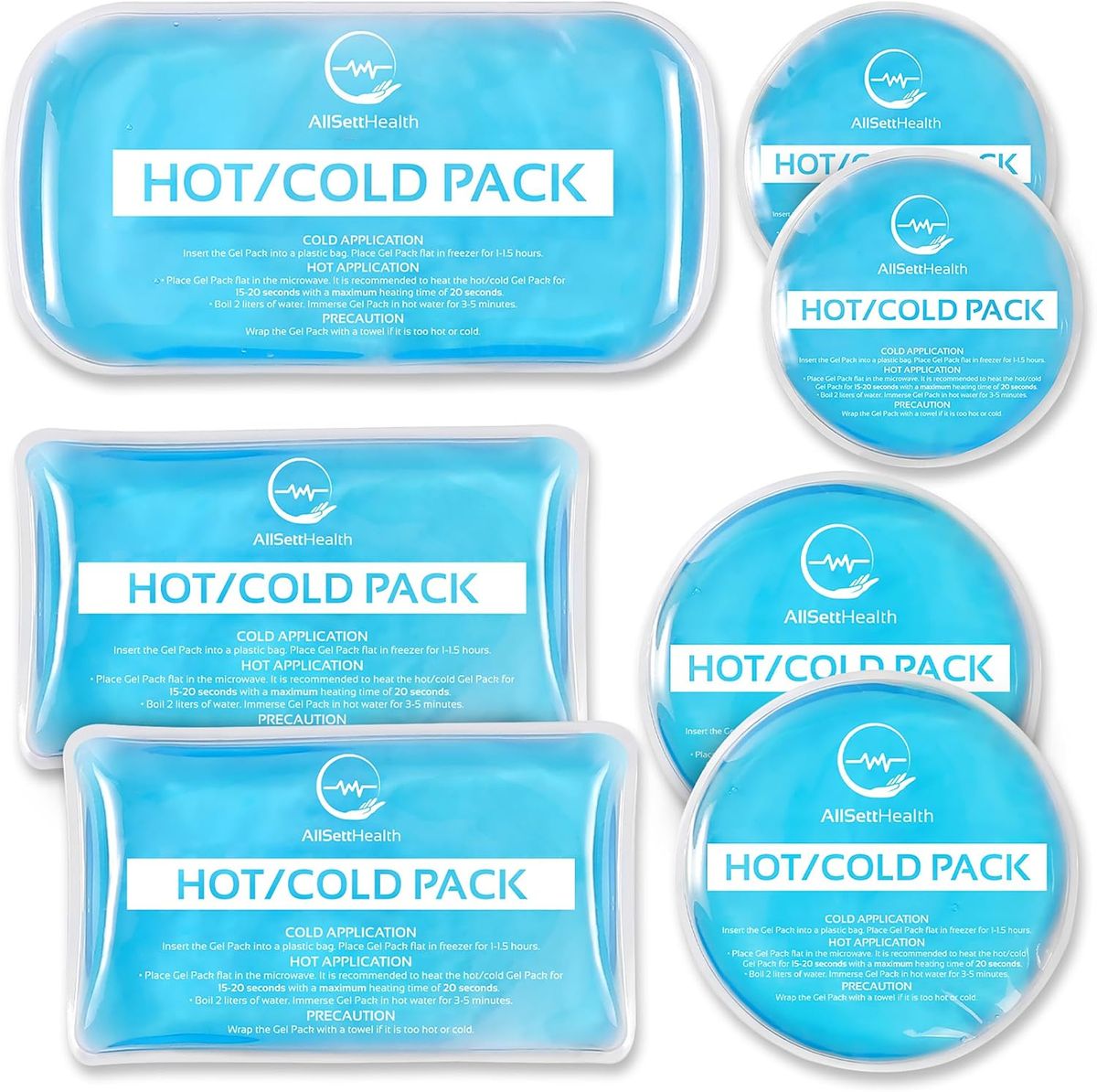
Gel ice packs
AllSett Health 7 Piece Reusable Ice Pack
$15
BUY NOW Amazon

Featured Image Credit: © _KUBE_/stock.adobe.com

More From Our Network

Better Report is part of Inbox Studio, an email-first media company. *Indicates a third-party property.

Go Retro With This 1960s Fashion Quiz

Quiz Daily

Go Retro With This 1960s Fashion Quiz

True or False: Are You a Master of U.S. Geography?

Travel Quiz

True or False: Are You a Master of U.S. Geography?

5 Reasons You Can Be Denied Boarding an Airplane

Daily Passport

5 Reasons You Can Be Denied Boarding an Airplane

What Did People Do Before Eyeglasses?

History Facts

What Did People Do Before Eyeglasses?

How To Use a Balloon To Clean Up Dust

House Outlook

How To Use a Balloon To Clean Up Dust

11 Shopping Hacks Costco Members Should Know

FinanceBuzz*

11 Shopping Hacks Costco Members Should Know

Share this article

  • Share to Facebook
  • Share to Twitter
  • Copy Url
  • Share to Email
Kat Long
Writer

Kat Long is a freelance science journalist in the Washington, D.C. area. Previously, she was the science editor at Mental Floss and a digital editor at National Geographic. She now writes the Arctic Archives newsletter on Substack. Kat spends her free time birdwatching, road-tripping to historical sites and perusing old manuscripts at libraries.

This article is for general informational purposes only.
Affiliate Disclaimer Medical Disclaimer Financial Disclaimer

Updated: April 6, 2026
Posted In: Health
Hero Image Credit: Better Report
Advertisement

Related Articles

5 Things To Ask Your Doctor About the New Flu Shot

5 min read

Is Sourdough Actually Healthier Than Regular Bread?

7 min read

Do You Really Need a Bidet in Your Home?

4 min read

3 Common Sleep Habits That May Be Aging Your Brain

5 min read

Is the Traditional Mediterranean Diet Actually the Best for Your Brain?

4 min read
Advertisement

The 10 Healthiest Trader Joe’s Meals, According to a Dietitian

Health | Updated: September 10, 2026
Monica Romano
Author
With a nursing background and a passion for making health information accessible, Monica Romano brings a unique clinical perspective to her freelance writing. Based in the Pacific Northwest, she covers health, wellness, and everyday living with warmth and authority. Her work is featured in Woman's World magazine and across top health and wellness platforms.
Exterior of a trader joe's
Better Report

Since 1967, Trader Joe’s has built a devoted following by offering a unique variety of foods, from frozen meals and snacks to affordable pantry staples and fresh produce. While shoppers love discovering the chain’s latest products, many dietitians are fans too, swearing by specific items for their nutritional value. 

We asked registered dietitian and fitness specialist Cynthia Ray, author of the books The 21-Day Sugar Detox and The Faster Way to Fat Loss After 40, to share her top premade breakfast, lunch, and dinner picks.

When choosing the healthiest fare, Ray looked for meals that were relatively low in sodium and added sugar; prioritized fiber and blood-sugar-stabilizing protein; included plenty of vegetables; and were made with healthy fats and “simple, recognizable ingredients.” Here are her favorites. 

Advertisement
Advertisement

Breakfast

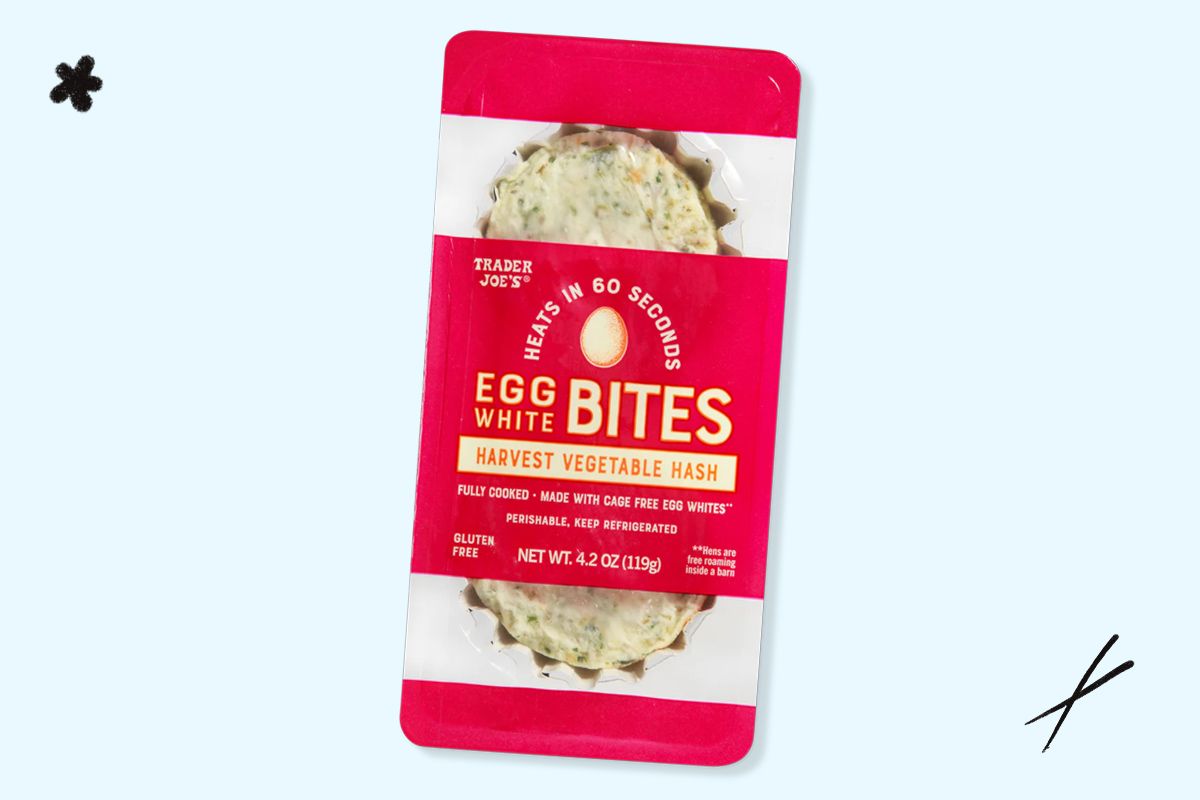
Harvest Vegetable Hash Egg White Bites
Credit: Image Courtesy of Trader Joe’s

Best Overall: Harvest Vegetable Hash Egg White Bites

Ray’s top breakfast pick is made with egg whites, cottage cheese, and whole-food carbohydrates like sweet potato and butternut squash. “These ingredients make a balanced meal that is nourishing and filling,” she says, so these bites are ideal for a quick, nutritious breakfast or afternoon snack. She also loves that there are no added sugars or seed oils. (Seed oils are a hotly debated topic due in part to their presence in processed foods — which Americans eat a lot of, and which are often loaded with fat, sugar, and sodium — and the idea that consuming too much of the oils may contribute to inflammation, among other issues. Not all experts agree that seed oils are bad for you, however, and institutions like the American Heart Association recommend them over other sources of fat such as butter, which are high in saturated fats. You should focus on eating a healthy diet and make choices based on your dietary needs. For her part, Ray prefers to avoid seed oils and recommends using olive or avocado oil and getting fats from whole food sources instead.)

Recommended Articles

  • The Safety Rules for Candles You Probably Don’t Know

  • 5 Things Your Car Needs Before the First Freeze

  • 6 Amazon Prime Day Hacks

  • 5 Things To Ask Your Doctor About the New Flu Shot

Advertisement
Advertisement

Reader Favorites

  • Woman looking in fridge

    9 Foods You Should Toss ASAP if They’re Expired

  • Person eating salad

    7 Things a Chef Never Orders at a Restaurant

  • Cherry angioma

    Are the Tiny Red Dots on Your Skin Dangerous?

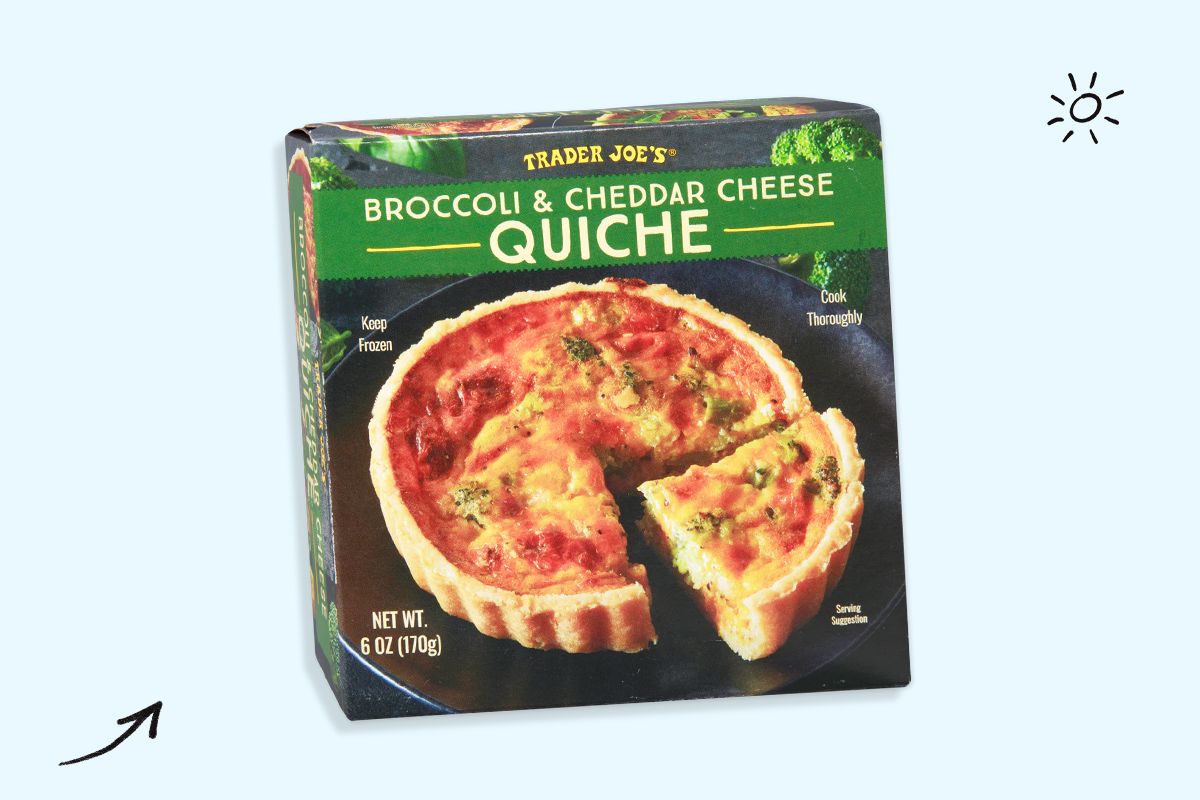
Broccoli & Cheddar Quiche
Credit: Image Courtesy of Trader Joe’s

Best Sit-Down Breakfast: Broccoli & Cheddar Quiche

“I’d definitely recommend this over most frozen breakfast sandwiches or other pastry options,” Ray says. That’s because it’s made mostly with whole-food ingredients, including eggs, cheese, broccoli, and onions. That said, it’s not a perfect dish due to its refined-flour crust and a modest amount of canola oil. She suggests adding antioxidant-rich fresh berries or another fiber-rich fruit to add more nutrients. 

Advertisement
Advertisement
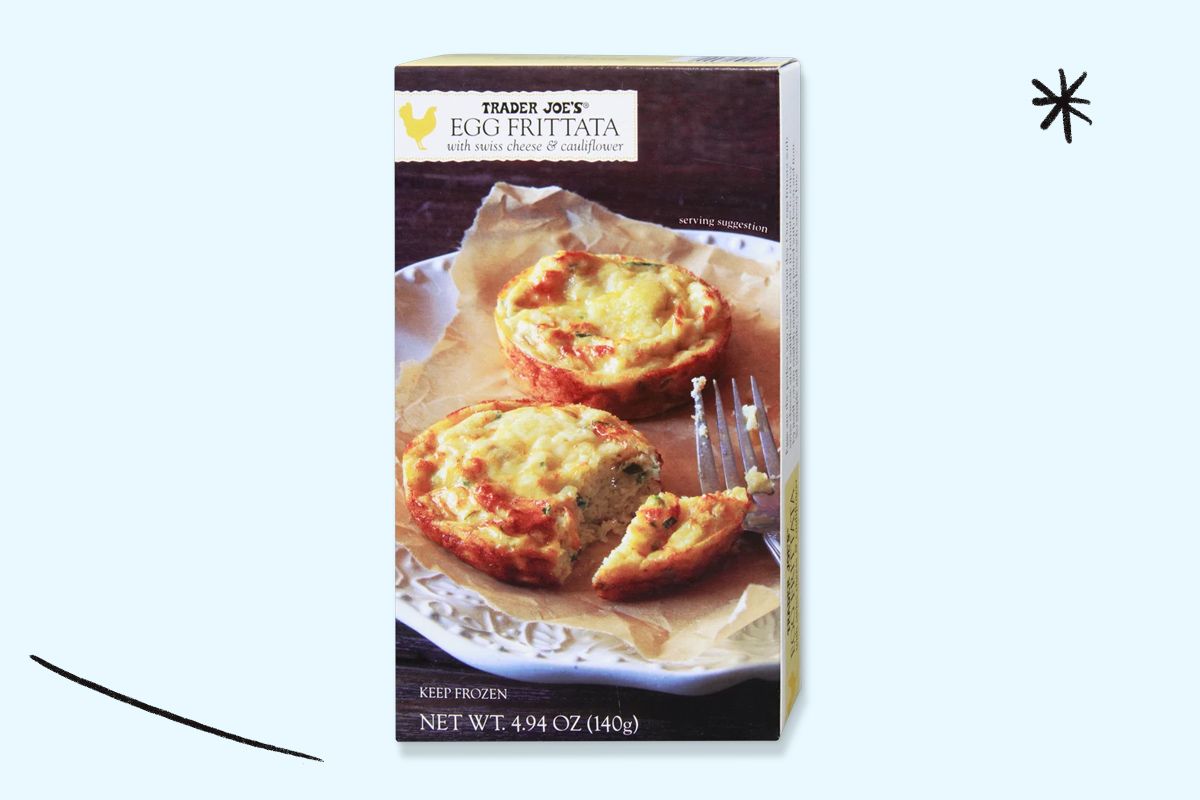
Egg Frittata
Credit: Image Courtesy of Trader Joe’s

Best High-Protein, Low-Carb Breakfast: Egg Frittata

This dish makes Ray’s list because it’s made with eggs, Swiss cheese, and other protein-packed ingredients that will balance blood sugar and energy throughout the morning. She loves the fluffy texture, but docks it slightly for canola oil and some ingredients used for texture and stability. Ray still calls it “one of the healthier prepared breakfasts at Trader Joe’s.”

Advertisement
Advertisement

Lunch

Fiesta Salad With Shrimp
Credit: Image Courtesy of Trader Joe’s

Best Overall: Fiesta Salad With Shrimp

“This meal provides three servings, the ideal balance of 12 grams of total protein, plenty of vegetables, fiber-rich black beans, quality carbohydrates, and very little added sugar in the dressing,” Ray says. Her main critiques are the 570 milligrams of sodium, which is “a bit higher than ideal,” and the seed oils in the dressing. She suggests using less dressing or using a seed-oil-free option instead.

Advertisement
Advertisement
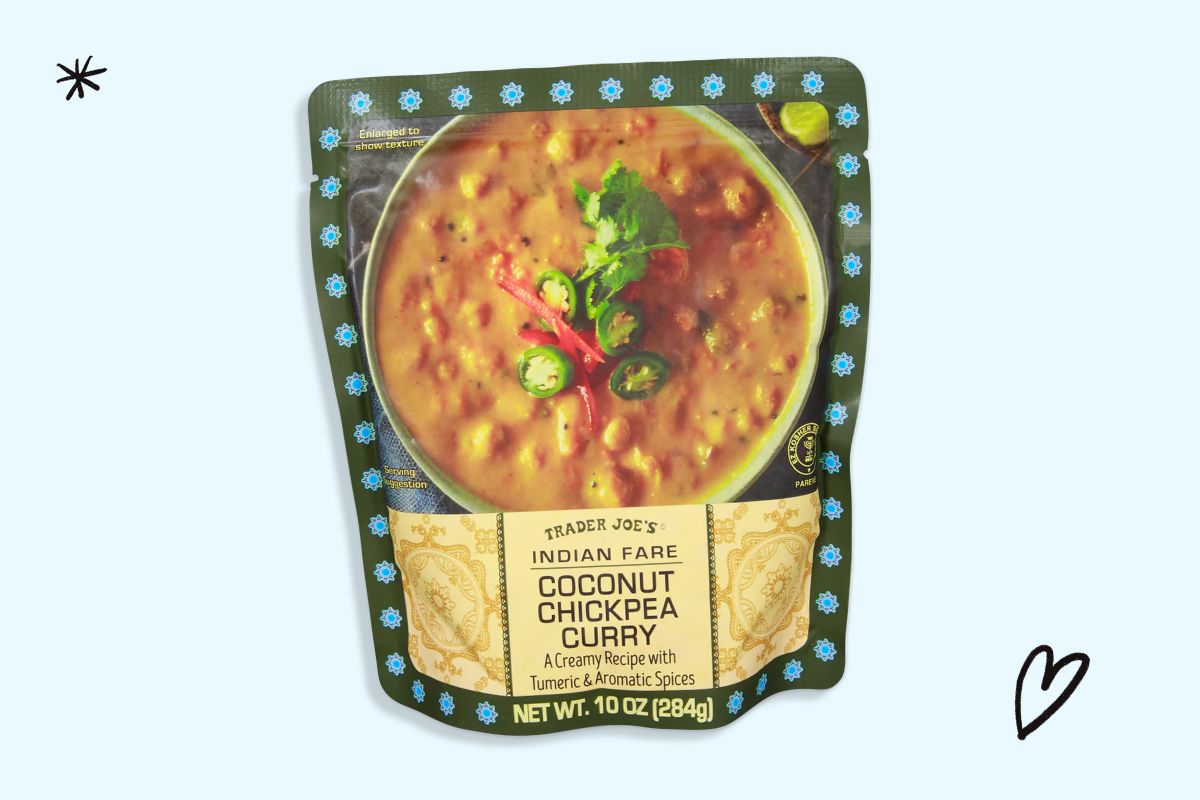
Coconut Chickpea Curry
Credit: Image Courtesy of Trader Joe’s

Best Plant-Based Meal: Coconut Chickpea Curry

Ray considers this high-fiber, shelf-stable pouch meal one of the healthiest options at Trader Joe’s and praises its whole-food and clean ingredients. However, “it only has 6 grams of protein per serving,” Ray says. She recommends adding grilled chicken, eggs, shrimp, cottage cheese, or plain Greek yogurt to boost protein. 

Advertisement
Advertisement
Greek-Style Chicken Salad
Credit: Image Courtesy of Trader Joe’s

Best Mediterranean Lunch: Greek-Style Chicken Salad

This salad bursts with Mediterranean flavors and delivers 10 grams of protein per serving, along with crisp vegetables, artichoke hearts, sun-dried tomatoes, and dill. Ray flags the higher sodium content of 670 milligrams and notes the mayonnaise lists canola oil as its first ingredient. Even so, “it’s still one of my favorite healthy lunch options,” Ray says. 

Advertisement
Advertisement
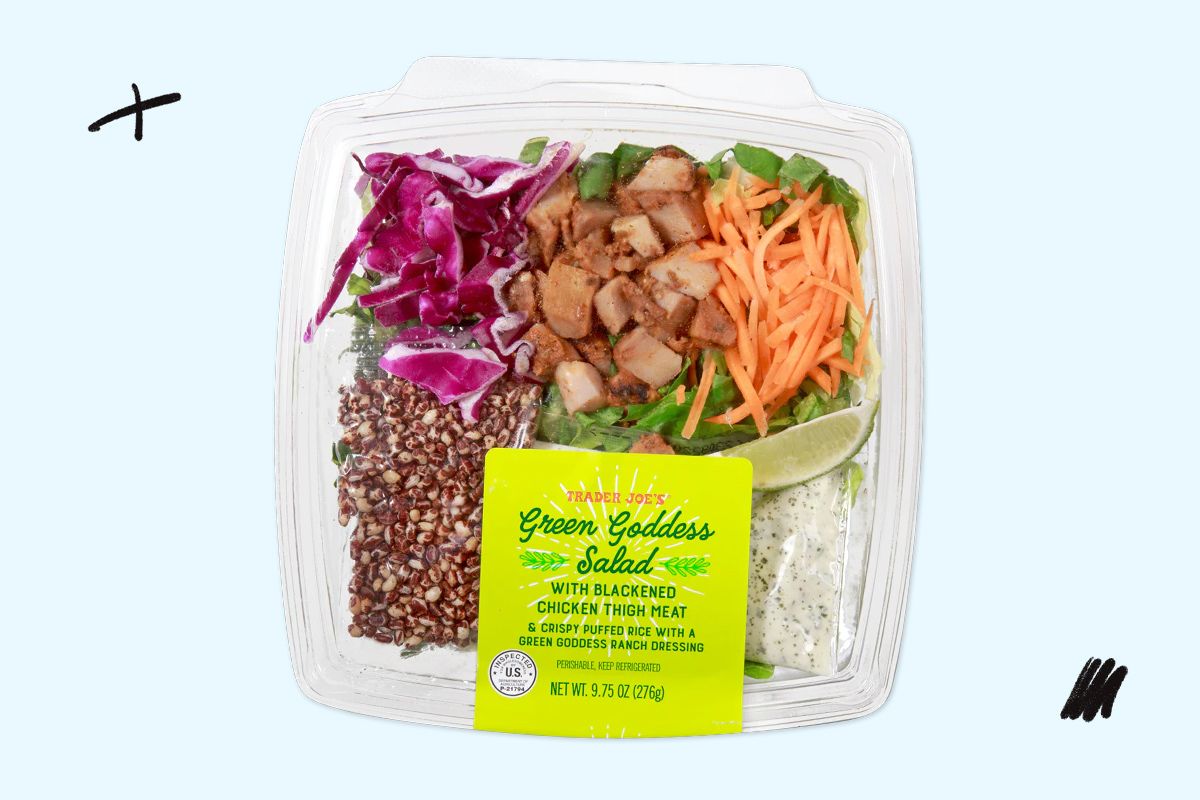
Green Goddess Salad
Credit: Image Courtesy of Trader Joe’s

Best Vegetable-Packed Lunch: Green Goddess Salad

Ray calls this salad “one of the healthier grab-and-go lunch options at Trader Joe’s.” It’s packed with leafy greens, colorful vegetables, and lean chicken. Her only critique is the dressing, which is made primarily with canola oil; she suggests using less of it or swapping in olive oil and lemon juice instead. 

Advertisement
Advertisement

Dinner

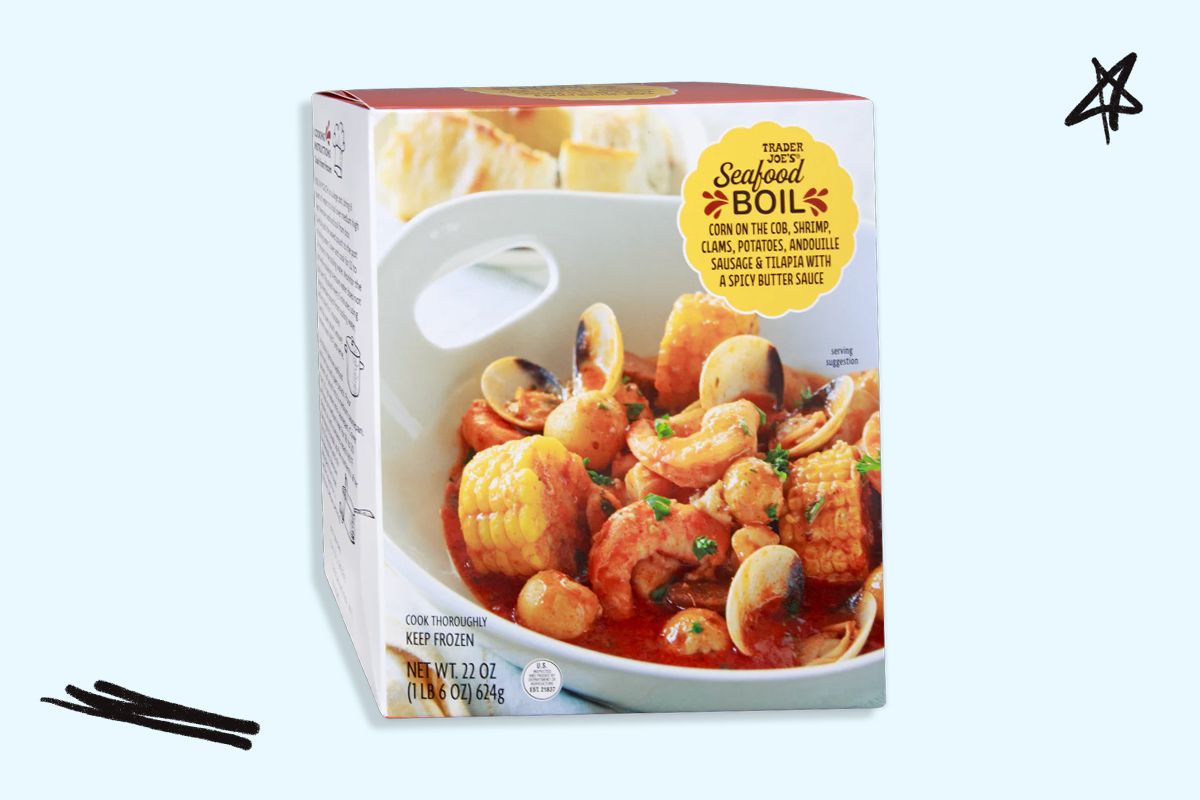
Seafood Boil
Credit: Image Courtesy of Trader Joe’s

Best Overall: Seafood Boil

“This is truly one of the healthiest complete prepared dinners I have found at Trader Joe’s,” Ray says. It has 21 grams of protein per serving, 6 grams of fiber, 520 milligrams of sodium, and 2 grams of added sugars. She notes that this Louisiana-style dish is loaded with whole-food ingredients, including tilapia, shrimp, and clams, along with potatoes, corn, and a butter-based sauce. The only drawback, she says, is a small amount of processed andouille sausage. “This is a meal I would bring home to my family and enjoy myself,” she says. “If you are looking for a well-rounded, whole-food, satisfying, healthy clean-food meal to make on a busy night, this is the one to bring home.”

Advertisement
Advertisement
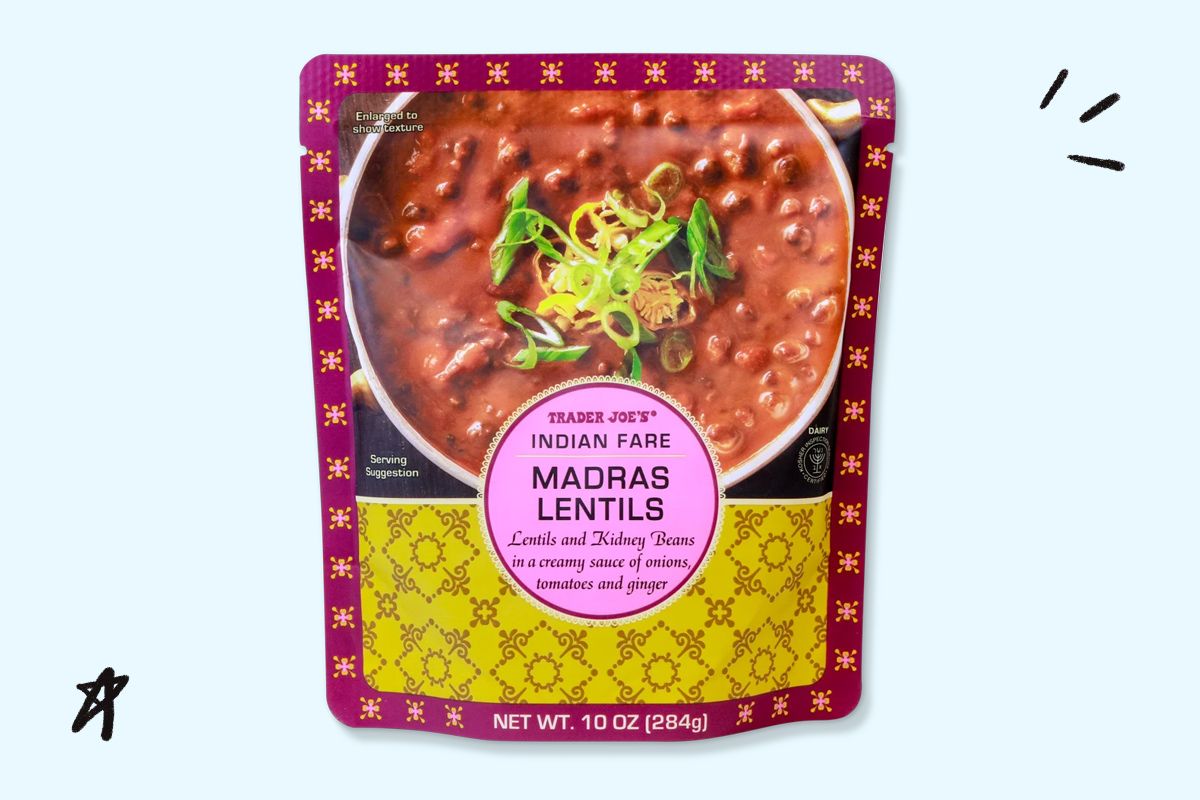
Madras Lentils
Credit: Image Courtesy of Trader Joe’s

Best Light Vegan Meal or Protein Boost: Madras Lentils

This shelf-stable dish is one of Ray’s personal favorite pantry staples. “I love the rich flavor provided by the variety of spices in the ingredients,” she says. On its own, it’s a simple vegan meal loaded with fiber, but it’s “lower in protein than I recommend for a complete meal,” Ray says. She suggests adding grilled chicken, shrimp, tofu, or plain Greek yogurt to make the dinner more filling. 

Advertisement
Advertisement
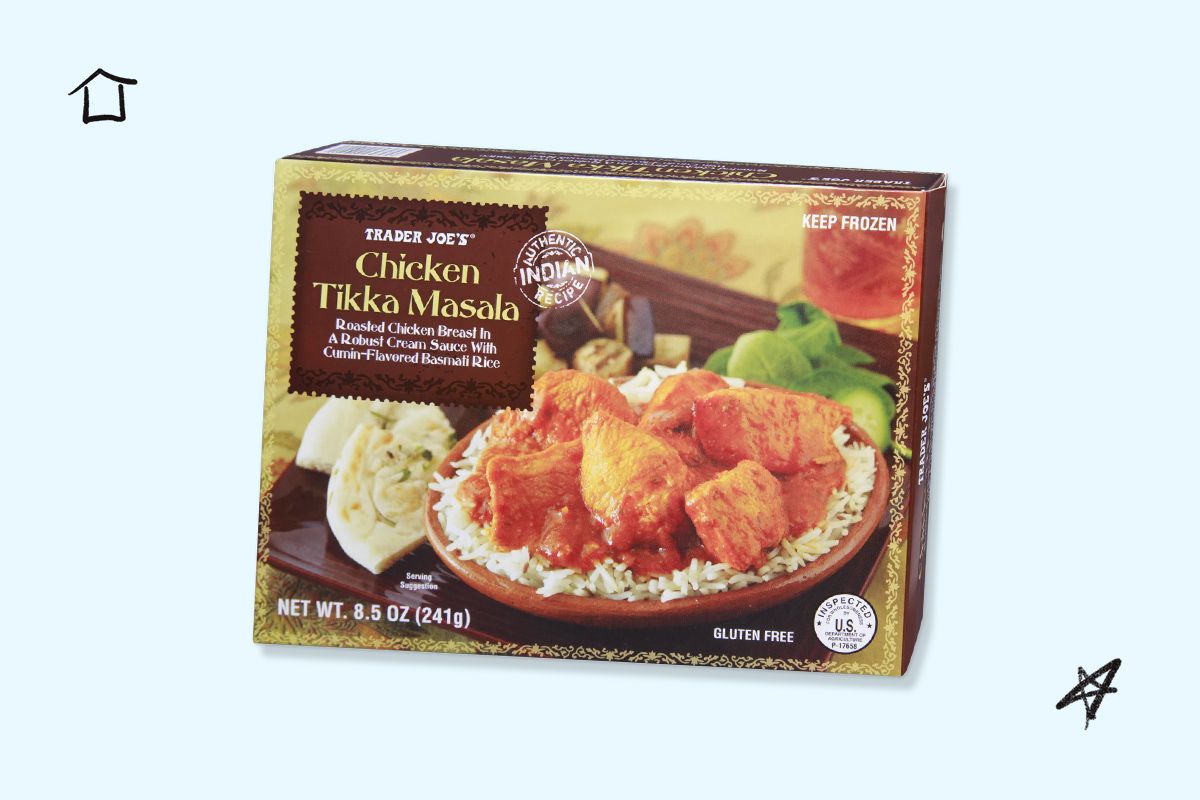
Chicken Tikka Masala
Credit: Image Courtesy of Trader Joe’s

Best High-Protein Dinner: Chicken Tikka Masala

“Another one of my longtime favorites,” Ray says of this hearty, flavorful frozen entree. It has 21 grams of protein, under 600 milligrams of sodium, and a clean ingredient list, “making it one of the better frozen entrees” at Trader Joe’s. The dish is low in fiber due to white rice and a lack of plant foods, so Ray suggests adding a side of vegetables to boost fiber content.

Advertisement
Advertisement

Featured Image Credit: © Walter Cicchetti/stock.adobe.com

More From Our Network

Better Report is part of Inbox Studio, an email-first media company. *Indicates a third-party property.

Go Retro With This 1960s Fashion Quiz

Quiz Daily

Go Retro With This 1960s Fashion Quiz

True or False: Are You a Master of U.S. Geography?

Travel Quiz

True or False: Are You a Master of U.S. Geography?

5 Reasons You Can Be Denied Boarding an Airplane

Daily Passport

5 Reasons You Can Be Denied Boarding an Airplane

What Did People Do Before Eyeglasses?

History Facts

What Did People Do Before Eyeglasses?

How To Use a Balloon To Clean Up Dust

House Outlook

How To Use a Balloon To Clean Up Dust

11 Shopping Hacks Costco Members Should Know

FinanceBuzz*

11 Shopping Hacks Costco Members Should Know

Share this article

  • Share to Facebook
  • Share to Twitter
  • Copy Url
  • Share to Email
Monica Romano
Writer

With a nursing background and a passion for making health information accessible, Monica Romano brings a unique clinical perspective to her freelance writing. Based in the Pacific Northwest, she covers health, wellness, and everyday living with warmth and authority. Her work is featured in Woman's World magazine and across top health and wellness platforms.

This article is for general informational purposes only.
Affiliate Disclaimer Medical Disclaimer Financial Disclaimer

Updated: June 10, 2026
Posted In: Health
Hero Image Credit: Better Report
Advertisement

Related Articles

5 Things To Ask Your Doctor About the New Flu Shot

5 min read

Is Sourdough Actually Healthier Than Regular Bread?

7 min read

Do You Really Need a Bidet in Your Home?

4 min read

3 Common Sleep Habits That May Be Aging Your Brain

5 min read

Is the Traditional Mediterranean Diet Actually the Best for Your Brain?

4 min read
Advertisement

Why a Flashing Check Engine Light Is Different From a Solid One

Ali Eldridge
Home | Updated: September 8, 2026
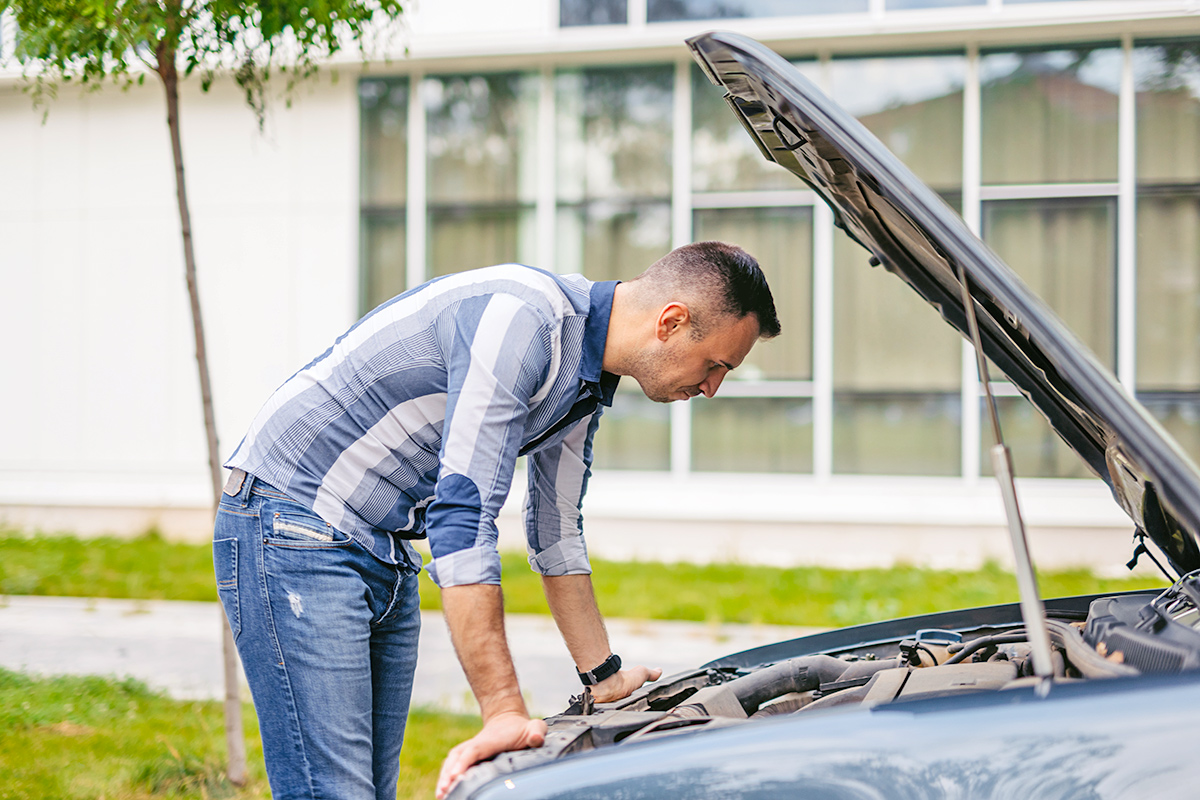
Man looking at engine
Better Report

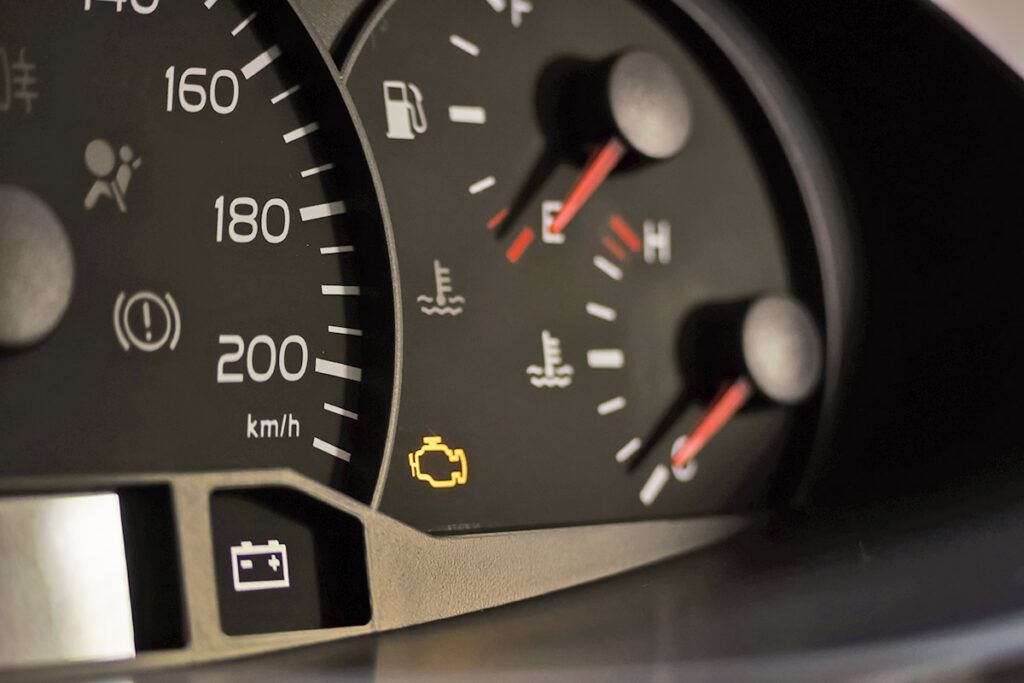
There are likely more than a few car owners who’ve delayed taking their vehicle to the shop after their check engine light has turned on. But should this ever happen to you, pay attention: Is that light solid? Or is it blinking? One indicates a far more pressing concern than the other. Here’s a look at what these two possibilities mean, and how soon you should see a mechanic.

Shedding Light on Check Engine Lights

The check engine light is a warning that there’s an issue with your vehicle, regardless of whether the light is solid or blinking. That issue will almost certainly need to be assessed in the near future, and the type of light indicates how imminently that assessment needs to happen.

Advertisement
Advertisement
Solid check engine light
Credit: © yaroslav1986/stock.adobe.com

What a Solid Light Means

A solid light is a heads up that suggests it would be smart to see someone in the coming days or maybe weeks (though weeks might be pushing it). It’s like a person coming down with a cold — it may not be too bad right at this moment, but it’s likely to get worse if left untreated.

There are a number of nonurgent reasons your check engine light may turn solid, and they don’t necessarily have to do exclusively with the engine: The light can be a sign that something amiss elsewhere in the vehicle is affecting the engine’s performance. For instance, the light may appear because of loose fuel caps, faulty sensors, or batteries that don’t provide as much electricity as they used to, among other problems.

Recommended Articles

  • The Safety Rules for Candles You Probably Don’t Know

  • 5 Things Your Car Needs Before the First Freeze

  • 6 Amazon Prime Day Hacks

  • 5 Things To Ask Your Doctor About the New Flu Shot

Advertisement
Advertisement

Reader Favorites

  • Woman looking in fridge

    9 Foods You Should Toss ASAP if They’re Expired

  • Person eating salad

    7 Things a Chef Never Orders at a Restaurant

  • Cherry angioma

    Are the Tiny Red Dots on Your Skin Dangerous?

As long as the light remains solid and there are no issues with the handling, you can usually drive the car short distances, and even try troubleshooting yourself to see if it remedies the problem. You may be shocked to find that tightening the gas cap is all it takes to make the light disappear. 

If the light persists, however, book an appointment with a mechanic as soon as you can to get the issue assessed, as that’s the only way to know what’s amiss.

Advertisement
Advertisement
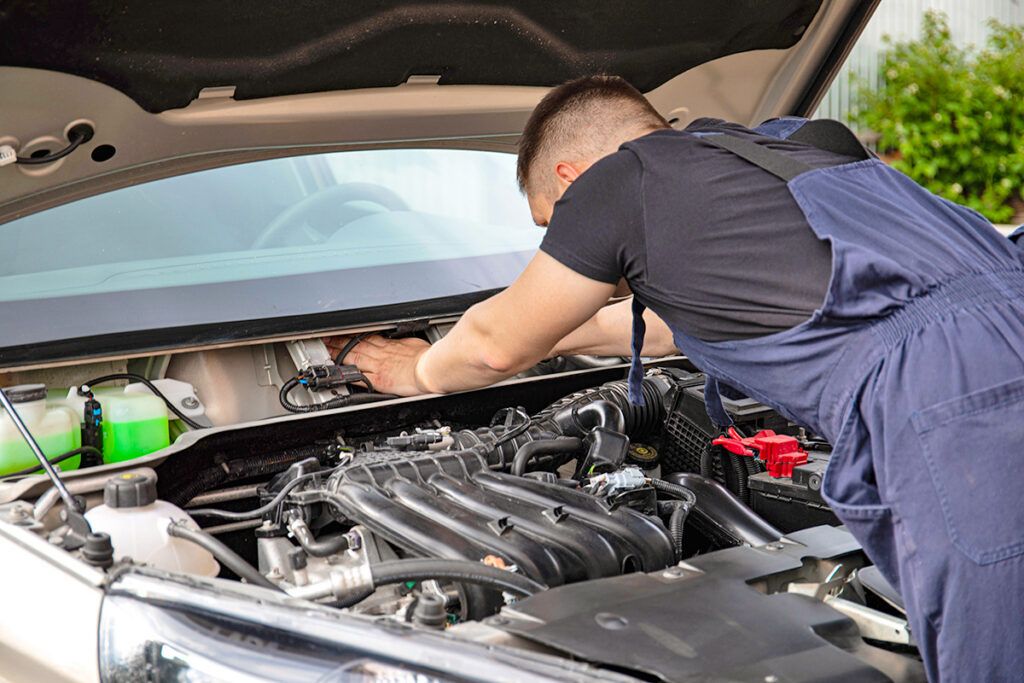
Man leaning over car engine
Credit: © Sergey Meshkov/Pexels.com

What a Blinking Light Means

A blinking check engine light is a different story: It indicates that the issue is urgent. If a solid light is metaphorically akin to the early stages of a cold, a flashing light is like an appendix about to burst — it requires imminent attention.

Advertisement

When a check engine light starts to flash, it could be a signal of engine misfire caused by larger issues with the vehicle that need to be fixed. The flashing light could be accompanied by issues such as rattling or shaking, smoke, odors, and even a loss of power. 

Advertisement
Advertisement

If this happens, take the car to a mechanic as soon as you can. These issues, left ignored, can lead to even worse damage and costlier repairs.

To put things as succinctly as possible, if the light is solid, keep an eye on things and go see your mechanic within a few days. But if the light is flashing, there’s an urgent issue, and you should get it resolved by a professional sooner rather than later.

Featured Image Credit: © urbazon—E+/Getty Images

More From Our Network

Better Report is part of Inbox Studio, an email-first media company. *Indicates a third-party property.

Go Retro With This 1960s Fashion Quiz

Quiz Daily

Go Retro With This 1960s Fashion Quiz

True or False: Are You a Master of U.S. Geography?

Travel Quiz

True or False: Are You a Master of U.S. Geography?

5 Reasons You Can Be Denied Boarding an Airplane

Daily Passport

5 Reasons You Can Be Denied Boarding an Airplane

What Did People Do Before Eyeglasses?

History Facts

What Did People Do Before Eyeglasses?

How To Use a Balloon To Clean Up Dust

House Outlook

How To Use a Balloon To Clean Up Dust

11 Shopping Hacks Costco Members Should Know

FinanceBuzz*

11 Shopping Hacks Costco Members Should Know

Share this article

  • Share to Facebook
  • Share to Twitter
  • Copy Url
  • Share to Email
Ali Eldridge

This article is for general informational purposes only.
Affiliate Disclaimer Medical Disclaimer Financial Disclaimer

Updated:
Posted In: Home
Hero Image Credit: Better Report
Advertisement

Related Articles

The Safety Rules for Candles You Probably Don’t Know

5 min read

9 Items in Your Basement You Should Toss Right Now

5 min read

5 Vegetables You Should Never Store in the Fridge

3 min read

Why Does Your Sink Have a Tiny Hole?

3 min read

Is Hard Water Ruining Your Clothes?

3 min read
Advertisement

Is It Rude To Ask for Leftovers at Fancy Restaurants?

Wealth | Updated: September 8, 2026
Nicole Pyles
Author
Based in Portland, Oregon, Nicole Pyles is an experienced freelance writer who writes about home and kitchen, health and wellness, and more. She's written for a variety of outlets, including Better Homes and Gardens, Tom's Guide, Better Report, and more.
Person eating food at restaurant
Better Report

One of the biggest perks of dining out is leaving with leftovers. You gain delicious next-day lunch options, get your money’s worth, and minimize food waste — which is abundant in the United States, where, according to the USDA, 30% to 40% of our food supply is wasted. 

But if you’re dining at a fancy restaurant, you may hesitate to request a box for your uneaten food. Will asking for a doggy bag raise eyebrows or earn a look of disapproval? 

Fortunately, you no longer have to worry about looking ill-mannered when asking for leftovers, even in the swankiest of establishments. “A restaurant is the one place we treat food we have already paid for as embarrassing to keep,” says David Jubé, founder of The Gourmet Host. “That discomfort is [a] social habit rather than an actual rule.”

Advertisement
Advertisement
Waiter putting flowers on table at restaurant
Credit: © Louis Hansel/Pexels.com

Why We Hesitate To Take Home Fine-Dining Leftovers 

According to modern-day etiquette expert Genevieve Dreizen, COO and co-founder of Fresh Starts Registry, fine dining became more widely available in the post-World War II era. At that time, she says, “It was seen as déclassé to bring a doggy bag home.”

That may be because those who could previously afford sit-down dining didn’t care about leftovers, Dreizen explains. “This might have been because of portions, prices, or the experience of dining, or that the classes that had had access to fine- [and] sit-down dining before this time were not interested in getting their money’s worth,” she says. “I believe the idea of looking down at someone for not wanting to waste money and literally throw away uneaten, paid-for food was rooted in classicism and an intentional disregard to say, ‘So what if I’ve paid for it?’”

Advertisement

That sentiment seems to be a thing of the past. According to Jubé, one reason we may hesitate now is fear of judgment by the server, or by those around us. But rest assured: They’re not judging you. Instead, “[t]he awkwardness is almost always self-generated,” he says, “and it usually comes from worrying about looking cheap in front of the people you are eating with.” 

Helpful Guidelines for Requesting Leftovers

There’s no right or wrong way to request your leftovers, Dreizen says. As she puts it, “Quite literally, get that bag.” But she and Jubé do have some suggestions for how to feel as suave as possible when requesting a to-go bag. 

Tartar
Credit: © Valeria Boltneva/Pexels.com

Avoid Taking Home Certain Foods

Almost any food is fair game, but both Jubé and Dreizen caution against taking certain dishes home. Don’t ask for food that’s meant to be hot and won’t reheat well, such as “seafood, soufflés, [and] delicate sauces that’ll break or separate,” Dreizen says. 

Jube suggests leaving “anything raw or barely cooked: oysters, tartare, sushi, rare shellfish.” 

Advertisement

Dreizen says that “appetizers … that everyone’s already had a fork in, are also better left behind,” unless “you’re sharing with your spouse, kids, or close family and friends.”

Jubé also recommends leaving any food that has been out throughout a long dinner or won’t survive the trip home. This may include “dressed salad, fried food, a sauce finished at the table, or a dessert built to be eaten the moment it lands.” Tasting menu courses also box up badly, he says.

Recommended Articles

  • The Safety Rules for Candles You Probably Don’t Know

  • 5 Things Your Car Needs Before the First Freeze

  • 6 Amazon Prime Day Hacks

  • 5 Things To Ask Your Doctor About the New Flu Shot

Advertisement
Advertisement

Reader Favorites

  • Woman looking in fridge

    9 Foods You Should Toss ASAP if They’re Expired

  • Person eating salad

    7 Things a Chef Never Orders at a Restaurant

  • Cherry angioma

    Are the Tiny Red Dots on Your Skin Dangerous?

Couple having dinner at a fancy restaurant
Credit: © Andrej Lišakov/Unsplash.com

Be Mindful of Your Fellow Diners

Who you’re dining with may also determine whether or not you ask to take home leftovers. “You might not want to ask for your leftovers if you’re at a business meal or on a date,” Dreizen says. “You might want to consider if you need those three fries and the two bites of burger [that] are mostly bun.”

Jubé notes that “[w]hoever pick[s] up the bill sets the tone, so if you invited the table, ask [for leftovers] first, and you have quietly given everyone else permission.” 

Both Dreizen and Jubé advise against claiming another person’s leftovers. And Jubé says you should never claim a shared dish without asking others first. 

Advertisement
Advertisement
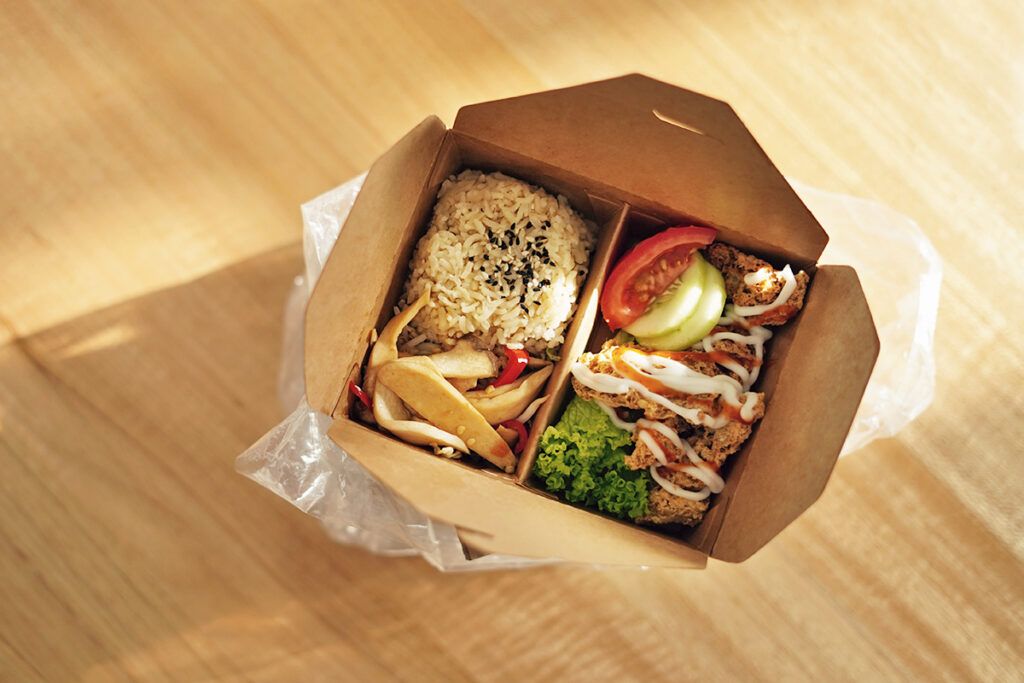
Takeout container full of food
Credit: © szefei—Moment/Getty Images

Skip the DIY Approach

According to Jubé and Dreizen, it’s totally fine to bring your own container to take food home in. But there’s a right and a wrong approach. Don’t try to pack the food yourself — or worse, wrap it with a noisy sheet of foil. “What people actually notice is foil rustling at the table, not the container itself,” Jubé says. 

Advertisement
Advertisement

Instead, take along a clean, sealed container that’s small enough to put into your bag. “Give it to the server closed, at the moment you would otherwise have asked for a box,” Jubé advises, and say: “‘Would you mind putting it in this?’” This makes the whole thing a nonevent: “The only version that lands badly is the one performed for an audience,” he says.

Advertisement

It’s important to know, however, that your server may refuse to use your container due to health concerns. “It opens them up to potential issues, such as your packaging introducing germs to their food,” Dreizen says. That could become a problem for them if you then get food poisoning.

So, if the answer is no, “take the box and don’t turn it into a negotiation,” Jubé says. “Then use your own container when you get home.”

Feature Image Credit: © Nadin Sh/Pexels.com

More From Our Network

Better Report is part of Inbox Studio, an email-first media company. *Indicates a third-party property.

Go Retro With This 1960s Fashion Quiz

Quiz Daily

Go Retro With This 1960s Fashion Quiz

True or False: Are You a Master of U.S. Geography?

Travel Quiz

True or False: Are You a Master of U.S. Geography?

5 Reasons You Can Be Denied Boarding an Airplane

Daily Passport

5 Reasons You Can Be Denied Boarding an Airplane

What Did People Do Before Eyeglasses?

History Facts

What Did People Do Before Eyeglasses?

How To Use a Balloon To Clean Up Dust

House Outlook

How To Use a Balloon To Clean Up Dust

11 Shopping Hacks Costco Members Should Know

FinanceBuzz*

11 Shopping Hacks Costco Members Should Know

Share this article

  • Share to Facebook
  • Share to Twitter
  • Copy Url
  • Share to Email
Nicole Pyles
Writer

Based in Portland, Oregon, Nicole Pyles is an experienced freelance writer who writes about home and kitchen, health and wellness, and more. She's written for a variety of outlets, including Better Homes and Gardens, Tom's Guide, Better Report, and more.

This article is for general informational purposes only.
Affiliate Disclaimer Medical Disclaimer Financial Disclaimer

Updated: September 18, 2024
Posted In: Wealth
Hero Image Credit: Better Report
Advertisement

Related Articles

5 Things Your Car Needs Before the First Freeze

4 min read

6 Amazon Prime Day Hacks

6 min read

Is It Actually Better To Lease a Car?

9 min read

7 Free MIT Classes You Can Experience From Home

4 min read

The Bedroom Color That Adds $2,000 to Your Home Value

3 min read
Advertisement

7 Gross Things That Could Be on Your Toothbrush

Ali Eldridge
Health | Updated: September 4, 2026
blood on toothbrush
Better Report

The American Dental Association (ADA) recommends that you brush your teeth twice a day for two minutes to get the most effective cleaning. That makes your toothbrush one of the most-used tools in your oral hygiene kit — which is why the ADA also advises swapping it every three to four months for better cleaning and oral health. 

But when was the last time you replaced your manual toothbrush or electric toothbrush head? If it’s been more than a few months, or you just can’t remember, now’s the time to make the swap — especially after you learn about all the gross germs and bacteria that could be living on those bristles. 

Advertisement
Advertisement
Person pressing button on toilet
Credit: © geargodz—iStock/Getty Images

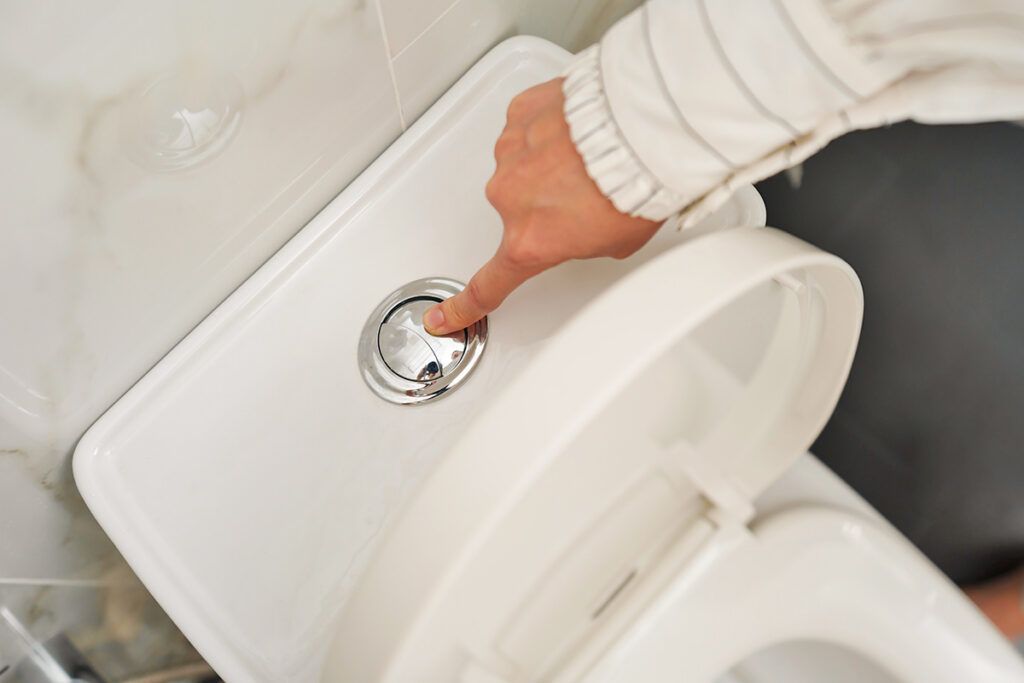
Fecal Matter and E. Coli

Yes, fecal matter might be on your toothbrush. Every time you flush the toilet and leave the lid up, aerosolized fecal matter or urine can travel up to 6 feet around the room and land on any surrounding items, such as faucets, hair brushes, toiletries, and, perhaps grossest of all, your toothbrush. 

Another harmful bacterium that can come from your toilet and end up on your toothbrush is E. coli. Exposure can cause an infection, triggering symptoms like diarrhea, stomach pain, and more. So make sure you shut the lid when you flush — it won’t totally contain the spray, according to experts, but it should help.

Recommended Articles

  • The Safety Rules for Candles You Probably Don’t Know

  • 5 Things Your Car Needs Before the First Freeze

  • 6 Amazon Prime Day Hacks

  • 5 Things To Ask Your Doctor About the New Flu Shot

Advertisement
Advertisement

Reader Favorites

  • Woman looking in fridge

    9 Foods You Should Toss ASAP if They’re Expired

  • Person eating salad

    7 Things a Chef Never Orders at a Restaurant

  • Cherry angioma

    Are the Tiny Red Dots on Your Skin Dangerous?

Bloody gums and toothbrush
Credit: © Creative Cat Studio/stock.adobe.com

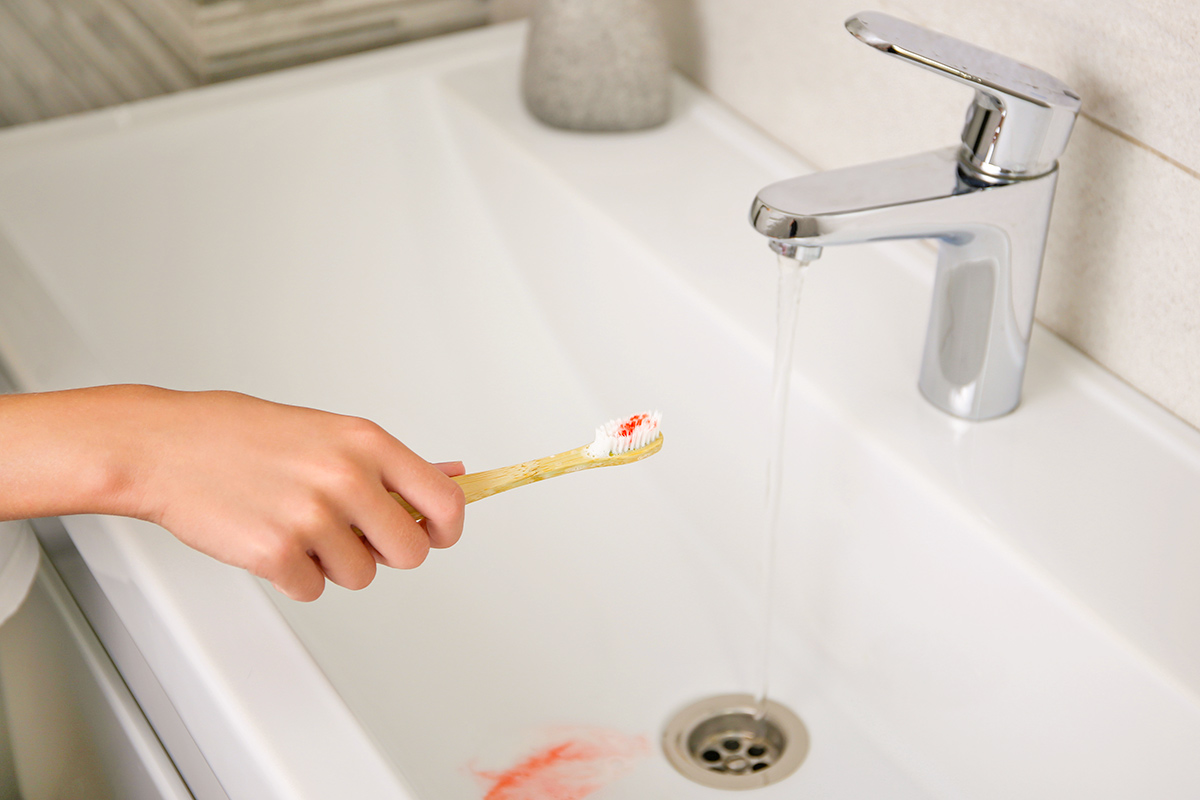
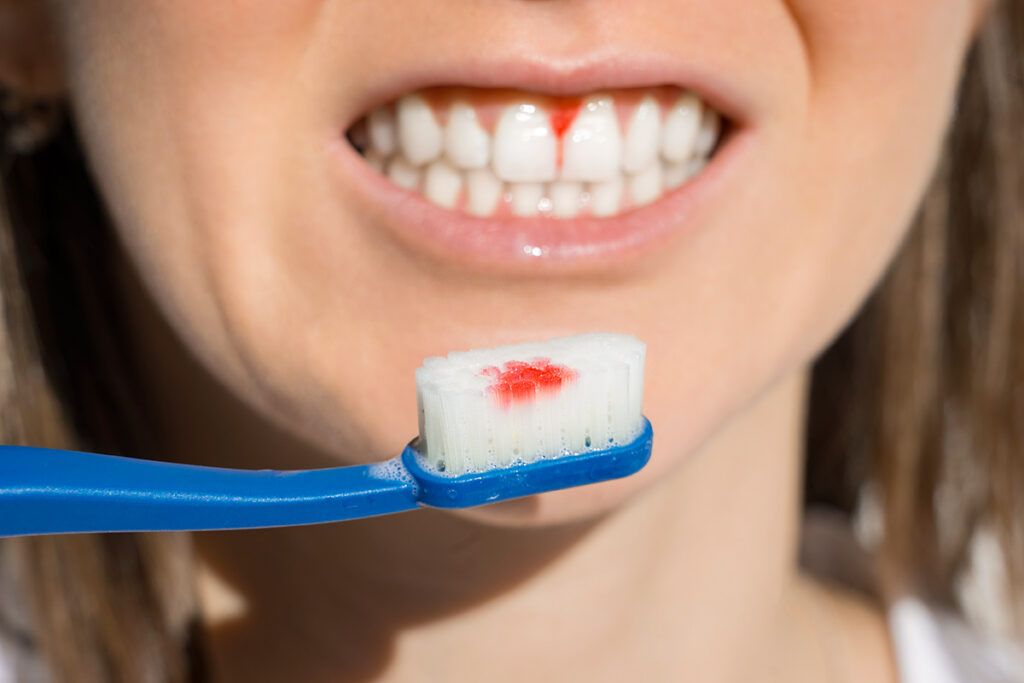
Blood

There may be traces of blood on your toothbrush, especially if you have oral health issues such as gum disease or mouth sores. If you’re noticing pink spots on your toothbrush or when spitting after brushing your teeth, it’s time to make an appointment with your dentist. 

Advertisement
Advertisement
Illustration of Staphylococcus Aureus bacteria
Credit: © Tatiana Shepeleva/stock.adobe.com 

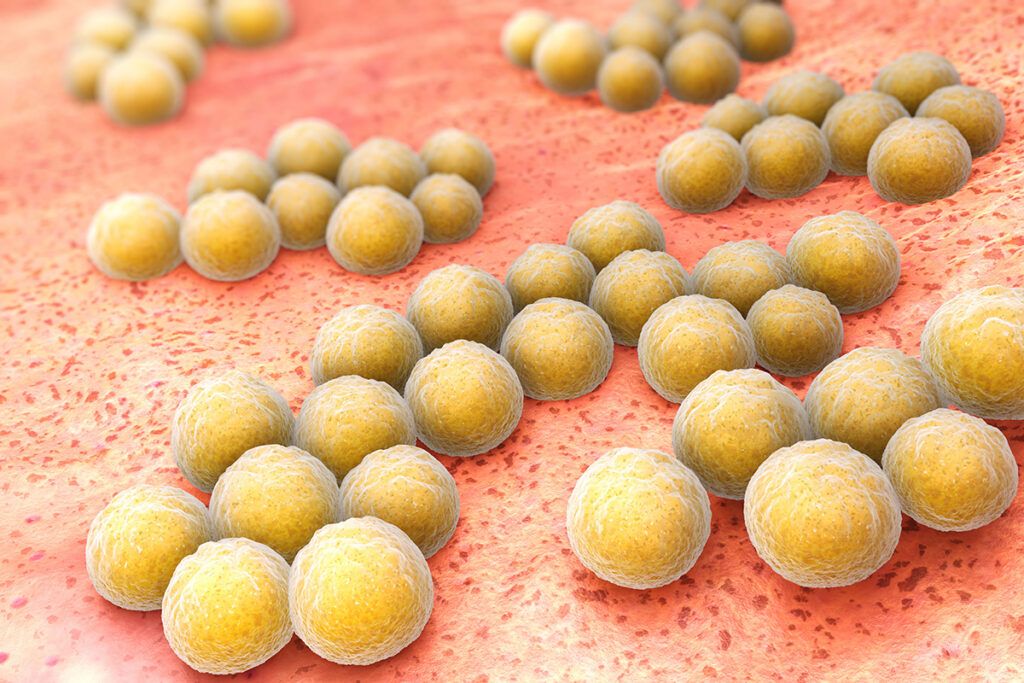
Staphylococcus Aureus and Streptococcus Mutans

Staphylococcus aureus is a type of bacteria found on our skin and inside our noses — and that’s one reason it can end up on toothbrushes. But it may also get there via aerosolized droplets from the toilet; in fact, one study found that it wasn’t present on the bristles of toothbrushes kept in bathrooms without a toilet. Once in the air, S. aureus can settle on surfaces and proliferate fast, so touching a contaminated surface is another way it can end up on your toothbrush and in your mouth. While there’s not a huge risk of disease from exposure, you certainly don’t want to let it multiply  — if it gets into a break in your skin or gums, you could get an infection. 

Staphylococcus aureus isn’t the only staph bacteria you need to worry about: Streptococcus mutans is found in your mouth — primarily in the biofilms that form on your teeth — so it’s no surprise that it’s also on your toothbrush. Unfortunately, this bacterium causes tooth decay, and buildup such as dried toothpaste, calcium, and minerals from hard water can create hard deposits that trap the bacteria and increase your exposure. Studies have also shown that if you’ve recently had gum disease treatment, you have an increased risk of this type of bacteria in your mouth. 

Advertisement
Advertisement
Woman sick in bed
Credit: © Getty Images/Unsplash.com

Flu Virus

Did you know that flu viruses can live on toothbrushes for more than 72 hours? If you or a family member has been sick, it’s time to get a new toothbrush.  Experts say you should replace it within three to four days of feeling better.

Advertisement
Advertisement
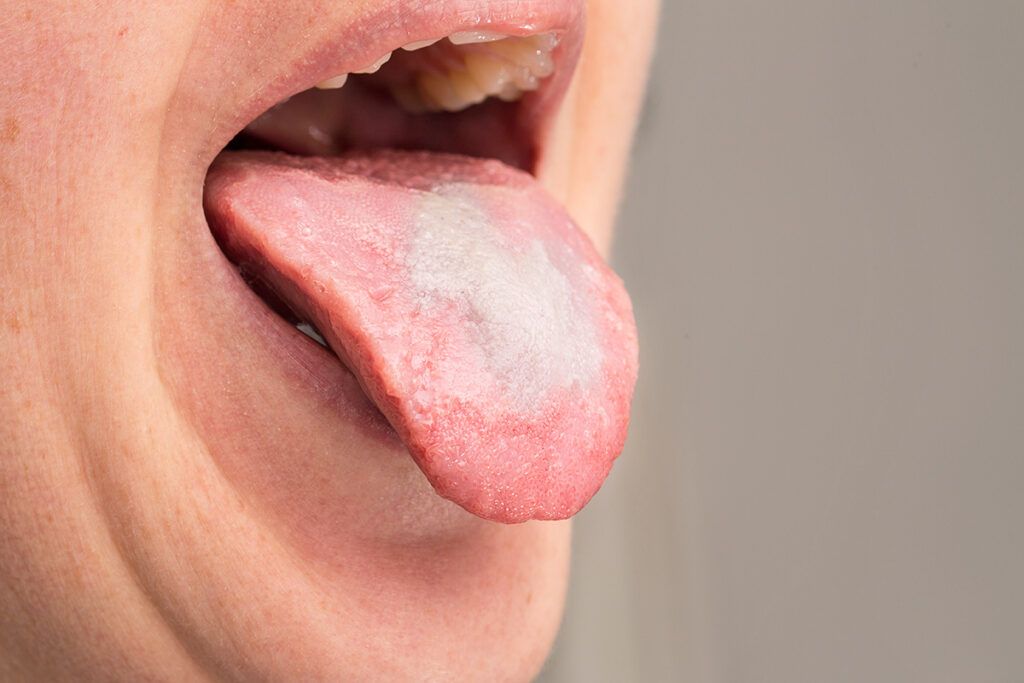
Tongue with candida overgrowth
Credit: © Alessandro Grandini/stock.adobe.com

Candida Fungus

Candida is a type of yeast that naturally lives on our skin, and an overgrowth of it can cause an infection. In the mouth, it can result in tongue thrush. Your toothbrush can contain this fungus as a result of toilet-flushing plumes if you had a previous infection, or if your toothbrush touches another one harboring candida. 

Advertisement
Advertisement
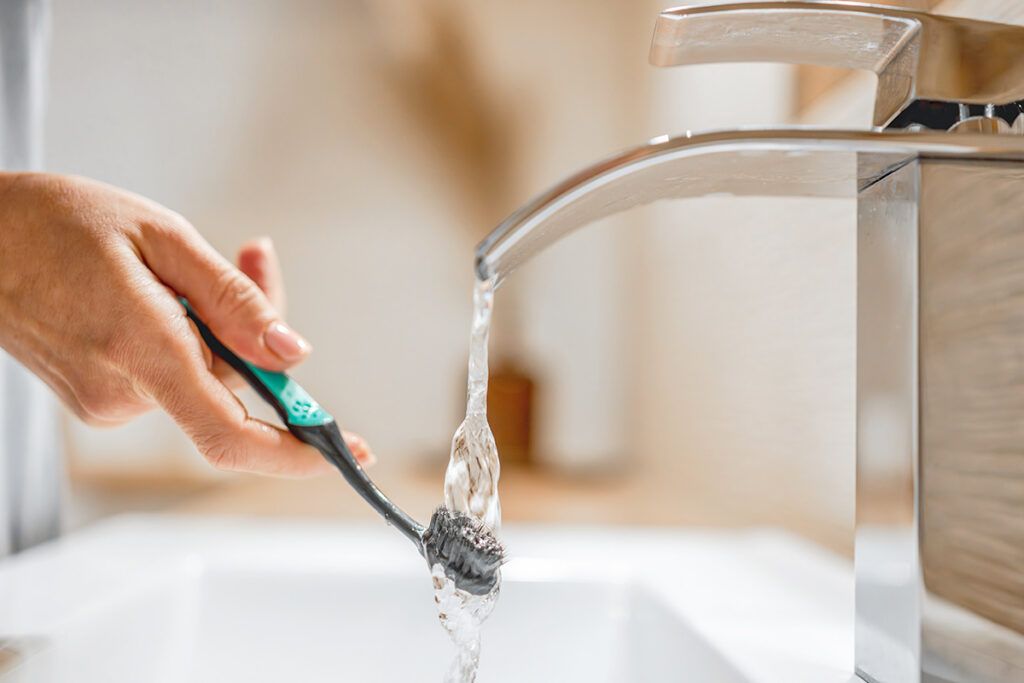
Hand holding toothbrush under running water
Credit: © VYCHEGZHANINA—iStock/Getty Images

How To Keep Your Toothbrush Clean

After reading this list, you’ll probably want to keep your new toothbrush as clean as possible. Here are a few maintenance tips to keep in mind.

Advertisement

Thoroughly rinse it with hot water after every use. While this isn’t enough on its own, thorough rinsing can remove particles that accumulate with regular brushing.

Store your toothbrush in a dry, upright location away from the toilet. Keep it in your medicine cabinet or dresser drawer to limit exposure to harmful bacteria. 

Advertisement
Advertisement

Skip the toothbrush cap. It may sound contradictory, but that plastic toothbrush cover can create a moist environment that prevents your toothbrush from drying fully and allows bacteria to thrive.

Clean your toothbrush regularly. Once a week, mix one teaspoon of peroxide with one cup of water and let your toothbrush soak for about 15 minutes. Rinse with hot water thoroughly after.

Replace your toothbrush or toothbrush head every three to four months. Mark the calendar or set a reminder to swap out your brush. Do it sooner if you or a family member has been sick or if you notice damaged bristles.

Advertisement

Avoid using anyone else’s toothbrush. Sharing toothbrushes is a fast way to also share germs, so it’s best to use your own toothbrush. If you’re in a bind, just rinse your mouth thoroughly with water until you can pick up a new one.

Featured Image Credit: © VYCHEGZHANINA—iStock/Getty Images

More From Our Network

Better Report is part of Inbox Studio, an email-first media company. *Indicates a third-party property.

Go Retro With This 1960s Fashion Quiz

Quiz Daily

Go Retro With This 1960s Fashion Quiz

True or False: Are You a Master of U.S. Geography?

Travel Quiz

True or False: Are You a Master of U.S. Geography?

5 Reasons You Can Be Denied Boarding an Airplane

Daily Passport

5 Reasons You Can Be Denied Boarding an Airplane

What Did People Do Before Eyeglasses?

History Facts

What Did People Do Before Eyeglasses?

How To Use a Balloon To Clean Up Dust

House Outlook

How To Use a Balloon To Clean Up Dust

11 Shopping Hacks Costco Members Should Know

FinanceBuzz*

11 Shopping Hacks Costco Members Should Know

Share this article

  • Share to Facebook
  • Share to Twitter
  • Copy Url
  • Share to Email
Ali Eldridge

This article is for general informational purposes only.
Affiliate Disclaimer Medical Disclaimer Financial Disclaimer


Updated:
Posted In: Health
Hero Image Credit: Better Report
Advertisement

Related Articles

5 Things To Ask Your Doctor About the New Flu Shot
5 min read

Is Sourdough Actually Healthier Than Regular Bread?

7 min read

Do You Really Need a Bidet in Your Home?

4 min read

3 Common Sleep Habits That May Be Aging Your Brain

5 min read

Is the Traditional Mediterranean Diet Actually the Best for Your Brain?

4 min read
Advertisement

Posts navigation

Older posts
Newer posts
  • Home
  • Health
  • Wealth
  • Logo
  • Advertise
  • About
  • Contact Us
  • Privacy Policy
  • Terms of Use
  • Your Privacy Choices
x
Thumb Image

Elevate your everyday.

Sign up to receive the practical tips and expert advice you need to pare down the complexities of everyday living right in your inbox.

Sorry, your email address is not valid. Please try again.

Your email is:

Edit Image
Sorry, your email address is not valid. Please try again.
Thank you for subscribing...

By subscribing you are agreeing to our Terms of Use and Privacy Policy.

Close image
Thumb Image
Second Thumb Image

Elevate your everyday.

Sign up to receive the practical tips and expert advice you need to pare down the complexities of everyday living right in your inbox.

Sorry, your email address is not valid. Please try again.

By subscribing you are agreeing to our Privacy Policy and Terms of Use.

Close image