Skip to content
Better Report
  • Home
  • Health
  • Wealth
8 Low-Maintenance Plants That Thrive on Neglect
  • Search
  • Subscribe
  • Home
  • Health
  • Wealth
  • About
  • Privacy Policy
  • Terms of Use
  • Contact Us
  • SubscribeSubscribe
  • Search
Thank you for confirming your email! Welcome to the community.

Author: erin

The Government Search That May Find Money Owed to You

Wealth | Updated: September 4, 2026
Jennifer M. Wood
Author
Jennifer M. Wood has been writing about news, entertainment, culture, and travel for longer than she cares to admit. She lives just outside Philadelphia with her husband and an ever-growing menagerie of rescue pets.
Hands holding money
Better Report

Over its more than 175-year history, the Ohio State Fair has become famous for its butter cow statues, foods on sticks, deep-fried treats — and, more recently, reuniting long-lost money with its rightful owners.

In 2026, for the fifth year in a row, the state’s Department of Commerce had a booth at the fair. According to local ABC affiliate WYTV, more than 1,500 attendees stopped by this year’s booth to learn whether they had any forgotten cash waiting to be claimed, and ended up recovering a total of more than $675,000, including one welcome stash of $47,000 and another of $40,000.

The best news (besides that $47K windfall)? You don’t have to travel to Ohio to search for forgotten cash, which is typically known as “unclaimed money.” These are funds that businesses, financial institutions, government agencies, utilities, insurance companies, and other organizations have been unable to deliver to their rightful owners and have eventually turned over to a government agency, usually a state treasury or unclaimed-property office.

Advertisement
Advertisement

“If a business, financial institution, or government owes you money that you did not collect, it is considered unclaimed money or property,” the website USA.gov explains. “You may be able to file for unclaimed money owed to you, or that was owed to a deceased relative if you are their legal heir.”

These sums can come from a variety of sources, including unpaid wages or pensions from a previous employer, IRS tax refunds, VA life insurance, and FHA insurance refunds. And they can be significant amounts of money.

Advertisement
Hands typing on keyboard laptop
Credit: © A. C./Unsplash.com

How To Search for Unclaimed Property

Each state operates its own unclaimed property office, but Unclaimed.org (which is run by the National Association of Unclaimed Property Administrators, an affiliate of the National Association of State Treasurers) is a good place to start to find out whether you have any missing money waiting to be reclaimed. The process is simple: Type in your name along with the city and state; you’ll then see a list of potential matches.

Recommended Articles

  • The Safety Rules for Candles You Probably Don’t Know

  • 5 Things Your Car Needs Before the First Freeze

  • 6 Amazon Prime Day Hacks

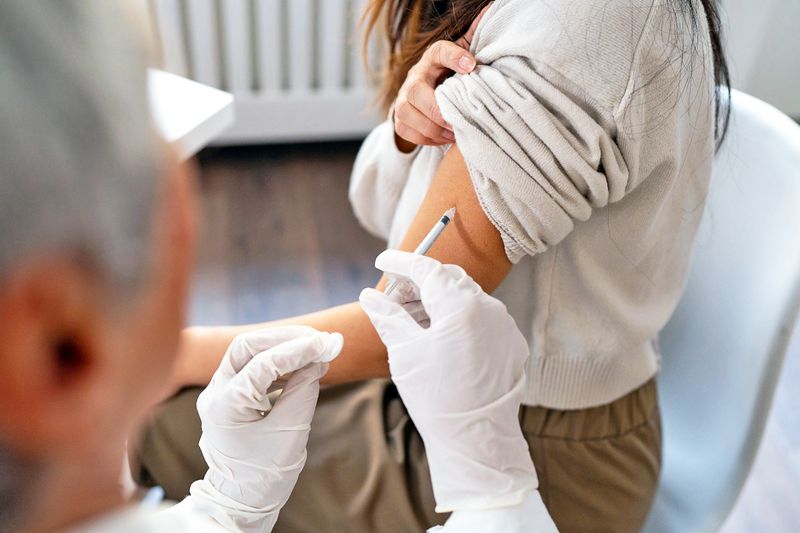
  • 5 Things To Ask Your Doctor About the New Flu Shot

Advertisement
Advertisement

Reader Favorites

  • Woman looking in fridge

    9 Foods You Should Toss ASAP if They’re Expired

  • Person eating salad

    7 Things a Chef Never Orders at a Restaurant

  • Cherry angioma

    Are the Tiny Red Dots on Your Skin Dangerous?

Don’t limit your search to the state where you currently live. Search every state where you’ve ever lived, worked, owned property, or otherwise done business. If you worked remotely for a business in another state, or had clients in states where you did not live, it’s worth taking the time to check those states, too.

However, it’s important to note that there isn’t one central federal database for all unclaimed money. Depending on what you’re looking for, you may need to check separate government databases for things such as unclaimed Treasury securities or tax refunds. 

If you’re missing a federal tax refund, for example, the IRS’s Where’s My Refund? tool can help. Similarly, the Department of Labor has a website to search for unpaid back wages; the Pension Benefit Guarantee Corporation can assist you with pensions from former employers; and the FDIC can help reclaim funds from now-shuttered banks.

Advertisement
Advertisement
Hand holding hundred dollar bills
Credit: © Hammarby Studios—iStock/Getty Images

How Do I Access Unclaimed Funds That Belong to Me?

If you find an account that belongs to you, or to a deceased person whose estate you’ve inherited, you can typically file a claim directly through the state’s unclaimed property website. You’ll need to provide some basic information to verify your identity and prove that you’re entitled to the money.

The exact requirements vary depending on the state and the type of property, but you may be asked for documentation such as a driver’s license, Social Security number, proof of address, or other records connecting you to the account. Once your claim is approved, the state will send the money to you. 

Advertisement
Advertisement
Building against the sky
Credit: © Fellipe Ditadi/Unsplash.com

What About Companies That Charge a Fee? 

There are private companies, lawyers, and legal firms that can help track down unclaimed property, but they typically charge a fee or take a percentage of whatever they recover. 

Advertisement

These businesses, sometimes called “finders” or “locators,” are legitimate in many cases, and some people may find the service worthwhile if a claim is complicated or involves a large amount of money. But since you can search official government databases yourself for free, it’s worth going that route first.

Advertisement
Advertisement

If you do hire a finder, understand exactly what you’ll pay before signing anything. Also check your state’s rules and make sure the company is properly registered or licensed if required.

The bottom line: You could have money waiting for you, and it costs nothing to find out. A few minutes of searching could turn up anything from a forgotten utility deposit to a $47,000 windfall.

Featured Image Credit: © Getty Images/Unsplash.com

More From Our Network

Better Report is part of Inbox Studio, an email-first media company. *Indicates a third-party property.

Go Retro With This 1960s Fashion Quiz

Quiz Daily

Go Retro With This 1960s Fashion Quiz

True or False: Are You a Master of U.S. Geography?

Travel Quiz

True or False: Are You a Master of U.S. Geography?

5 Reasons You Can Be Denied Boarding an Airplane

Daily Passport

5 Reasons You Can Be Denied Boarding an Airplane

What Did People Do Before Eyeglasses?

History Facts

What Did People Do Before Eyeglasses?

How To Use a Balloon To Clean Up Dust

House Outlook

How To Use a Balloon To Clean Up Dust

11 Shopping Hacks Costco Members Should Know

FinanceBuzz*

11 Shopping Hacks Costco Members Should Know

Share this article

  • Share to Facebook
  • Share to Twitter
  • Copy Url
  • Share to Email
Jennifer M. Wood
Writer

Jennifer M. Wood has been writing about news, entertainment, culture, and travel for longer than she cares to admit. She lives just outside Philadelphia with her husband and an ever-growing menagerie of rescue pets.

This article is for general informational purposes only.
Affiliate Disclaimer Medical Disclaimer Financial Disclaimer

Updated: May 8, 2026
Posted In: Wealth
Hero Image Credit: Better Report
Advertisement

Related Articles

5 Things Your Car Needs Before the First Freeze

4 min read

6 Amazon Prime Day Hacks

6 min read

Is It Actually Better To Lease a Car?

9 min read

7 Free MIT Classes You Can Experience From Home

4 min read

The Bedroom Color That Adds $2,000 to Your Home Value

3 min read
Advertisement

Why Does Your Sink Have a Tiny Hole?

Ali Eldridge
Home | Updated: September 1, 2026
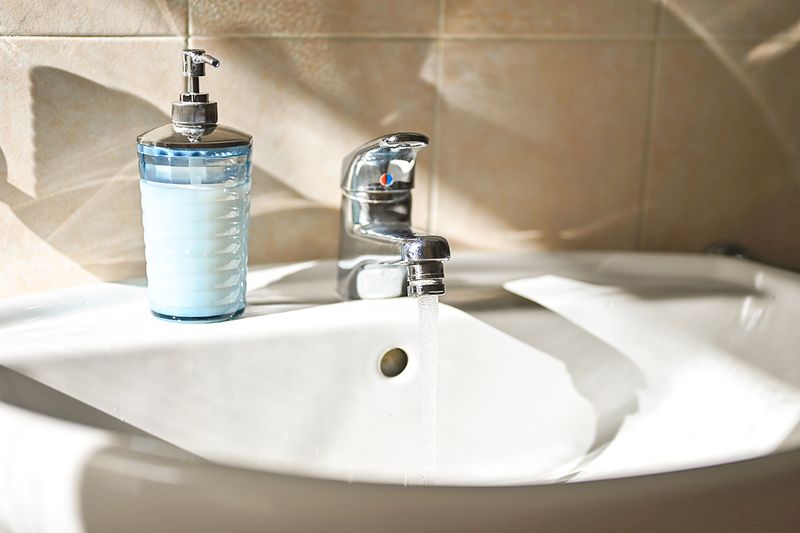
Sink with water running
Better Report

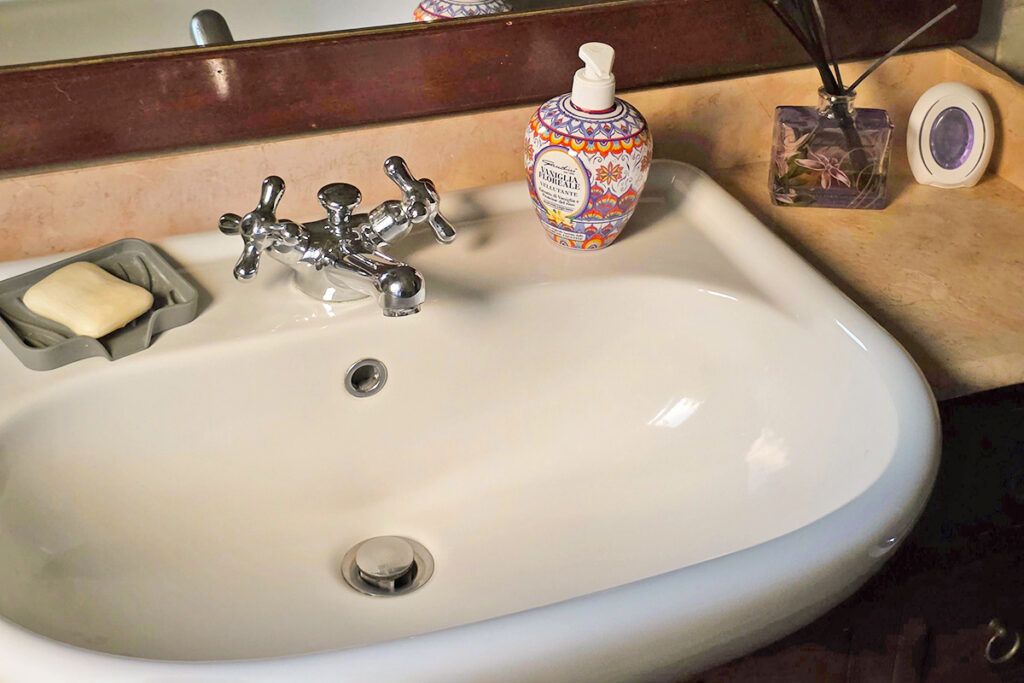
There’s a major difference between the word “sinkhole” and the idea of sink holes. The former is a disastrous event capable of wreaking havoc, while the latter can actually stop minor disasters from occurring in the home.

Of course, we’re not talking about the drain at the bottom of a bathroom or kitchen sink, whose purpose is well known. We’re talking about the one, two, or even three tiny holes located closer to the upper rim of the basin. This intentional design choice serves some important functions. Let’s take a look at why those small holes in your sink are so essential.

Advertisement
Advertisement
Sink
Credit: © Luigi Matta/Pexels.com

A Hole Lot of Benefits

Not every sink has tiny holes built in around the rim, but those that do benefit in two major ways. 

First, the holes create airflow, which ensures a sink drains efficiently. When the main drain is covered with water, it creates a suction effect that causes the sink to empty at a slower rate. Those tiny holes around the rim, however, create a vent that feeds air directly to the drain pipe, which lessens the suction effect and allows the sink to empty out more rapidly.

But a slow-draining sink is a minor inconvenience. Perhaps the worst thing that could happen in the bathroom is copious amounts of water flowing onto the floor, potentially  leading to things like mold growth and costly damage. But if your sink has holes, they’ll create an escape route in the event that the sink gets so full that water threatens to spill over the edge. That’s why they’re known as “overflow holes.”

Recommended Articles

  • The Safety Rules for Candles You Probably Don’t Know

  • 5 Things Your Car Needs Before the First Freeze

  • 6 Amazon Prime Day Hacks

  • 5 Things To Ask Your Doctor About the New Flu Shot

Advertisement
Advertisement

Reader Favorites

  • Woman looking in fridge

    9 Foods You Should Toss ASAP if They’re Expired

  • Person eating salad

    7 Things a Chef Never Orders at a Restaurant

  • Cherry angioma

    Are the Tiny Red Dots on Your Skin Dangerous?

If you close your drain, turn on the water, and leave the room with the sink running while you go to check something in another room, all it will take is a few minutes for the sink to fill up and water to spill on the floor. But the tiny openings capture excess water as it approaches the rim, allowing it to drain back into an internal channel that connects with the main drain pipe. If the water is on full-blast, the overflow holes probably won’t work for long, but they’ll buy you a few minutes to come back in and turn the water off.

Advertisement

You’ll also find these tiny holes or one large gap in many bathtubs, where they serve the same purpose. However, if you take a look at the kitchen or laundry sink, you may not see any holes — and there’s a reason for that.

Kitchen sink
Credit: © Alex Tyson/Unsplash.com

Why Don’t All Sinks Have Tiny Holes?

Most bathroom sinks are smaller than your typical kitchen or laundry sink. Because of that, the risk of overflowing water in the bathroom is higher, thus making these holes necessary. 

Plus, kitchen and laundry sinks are designed to handle, and, in turn, properly drain plentiful amounts of water, making it quite difficult for the water to ever approach the rim. You may encounter an issue if the main drain is clogged with food or grime, but typically, the water will be sucked down the drain with ease, thus making overflow holes less of a useful feature than they are in bathroom sinks.

Advertisement
Advertisement

Featured Image Credit: © Yuliya Taba—iStock/Getty images

More From Our Network

Better Report is part of Inbox Studio, an email-first media company. *Indicates a third-party property.

Go Retro With This 1960s Fashion Quiz

Quiz Daily

Go Retro With This 1960s Fashion Quiz

True or False: Are You a Master of U.S. Geography?

Travel Quiz

True or False: Are You a Master of U.S. Geography?

5 Reasons You Can Be Denied Boarding an Airplane

Daily Passport

5 Reasons You Can Be Denied Boarding an Airplane

What Did People Do Before Eyeglasses?

History Facts

What Did People Do Before Eyeglasses?

How To Use a Balloon To Clean Up Dust

House Outlook

How To Use a Balloon To Clean Up Dust

11 Shopping Hacks Costco Members Should Know

FinanceBuzz*

11 Shopping Hacks Costco Members Should Know

Share this article

  • Share to Facebook
  • Share to Twitter
  • Copy Url
  • Share to Email
Ali Eldridge

This article is for general informational purposes only.
Affiliate Disclaimer Medical Disclaimer Financial Disclaimer

Updated:
Posted In: Home
Hero Image Credit: Better Report
Advertisement

Related Articles

The Safety Rules for Candles You Probably Don’t Know

5 min read

9 Items in Your Basement You Should Toss Right Now

5 min read

5 Vegetables You Should Never Store in the Fridge

3 min read

Why a Flashing Check Engine Light Is Different From a Solid One

3 min read

Is Hard Water Ruining Your Clothes?

3 min read
Advertisement

7 Things a Chef Never Orders at a Restaurant

Health | Updated: September 1, 2026
Fred Decker
Author
Fred Decker is a trained chef and former restaurateur. Since closing his restaurants over a decade ago he has been a prolific freelance writer, publishing several thousand articles on dozens of high-volume websites including Taste Of Home, Hunker, Tasting Table, Week&, eHow, and GOBankingRates. He lives on a rural acreage shared with a big garden, chickens, rabbits, and grandkids.
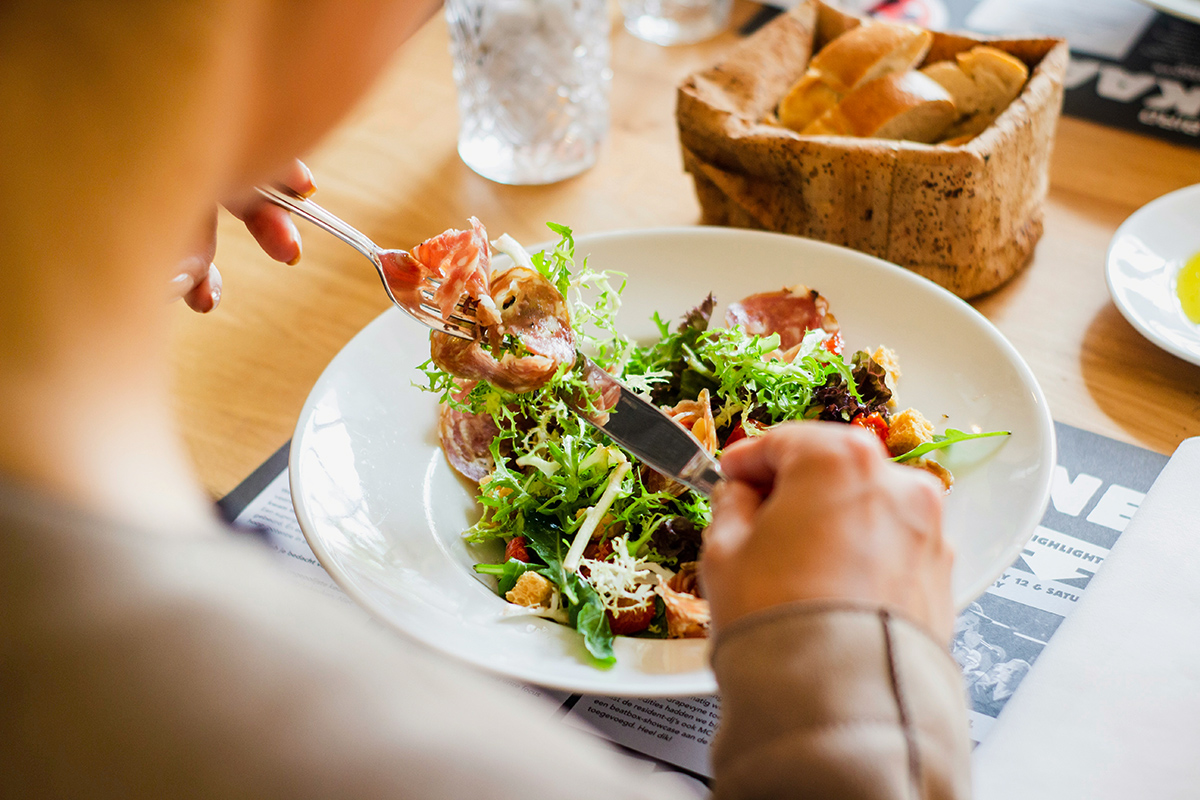
Person eating salad
Better Report

One question I get asked a lot, as a trained chef and former food safety instructor, is how to know which things to order at a restaurant and which to avoid. But a lot of the time, the honest answer is “it depends,” based on whether I think the restaurant can do it right. 

So here’s my personal list of seven items I’ll usually avoid when I’m eating out, why they’ll help you find the best food, and how avoiding them could possibly help reduce your risk of foodborne illness. 

Advertisement
Advertisement
Seafood pasta
Credit: © Sarda Bamberg/Unsplash.com

Shellfish

A lot of chefs are choosy about seafood in general, but I’m pickiest about shellfish. That’s because they’re about the most perishable thing a restaurant can stock — they’re at their peak for just a day (and sometimes less). 

Consider mussels. They’re tasty and relatively inexpensive, and I’ve gathered them myself from rocky shorelines for a tasty meal. But just one bad mussel can make you pretty ill, so I avoid ordering them unless I’m really confident in the restaurant and the chef. Raw oysters are also especially problematic, because they can carry a range of dangerous pathogens, including norovirus, salmonella, hepatitis A, and Vibrio vulnificus. 

I’ll make an exception if shellfish is what the restaurant is famous for. A place that cranks out thousands of oysters a day has plenty of expertise in handling them, not to mention excellent relationships with its suppliers. If you’re going to eat shellfish, that’s the kind of restaurant you want to choose. 

Recommended Articles

  • The Safety Rules for Candles You Probably Don’t Know

  • 5 Things Your Car Needs Before the First Freeze

  • 6 Amazon Prime Day Hacks

  • 5 Things To Ask Your Doctor About the New Flu Shot

Advertisement
Advertisement

Reader Favorites

  • Woman looking in fridge

    9 Foods You Should Toss ASAP if They’re Expired

  • Person eating salad

    7 Things a Chef Never Orders at a Restaurant

  • Cherry angioma

    Are the Tiny Red Dots on Your Skin Dangerous?

Mozzarella sticks
Credit: © Cultured Images/stock.adobe.com

Things I Know They Didn’t Make

The freezer section of your supermarket is filled with take-home versions of your favorite restaurant nibbles, from french fries and onion rings to mozzarella sticks, precooked chicken wings, and potato skins. But here’s the thing: Those nibbles you’re eating at the restaurant probably also come from a freezer. 

Advertisement

It’s not especially labor-intensive to make mozzarella sticks or onion rings from scratch, but it does take time, fresh ingredients, and at least a basic level of skill. Those are all things that have a cost and can interrupt the flow of a high-volume fast-food or fast-casual restaurant. That means, in practice, that the big chains (and independent restaurants with six-page “something for everyone” menus) usually buy those things ready-made from big wholesalers like Sysco or Gordon Food Service. So why pay a big markup to buy reheated frozen food from someone else? 

Advertisement
Advertisement
Person taking salad at buffet
Credit: © Chalearmrat/stock.adobe.com

Salads

I avoid ordering things that may be substandard, give poor value for my dollar, or may not be food-safe — and salads unfortunately tick all three boxes. 

First, they can be a dumping ground for vegetables or toppings that are getting old and tired (especially if they’re being offered as a daily special), and their dressings are often bought in bulk rather than house-made. Second, they tend to be a high-profit menu item for restaurants, which by definition means they don’t offer me good value for what I spend. 

Finally, there are several ways that salads may not be completely food-safe. Some toppings, like chicken, fish, and egg or tuna salad, are risky if they’re approaching the end of their storage life. There’s also the risk of a pathogen in the vegetables used (see the recent cyclosporiasis outbreak, which as of writing has been linked to iceberg lettuce). And that goes double for the salad bar, where countless hands have touched the utensils and food, and countless mouths have breathed on everything. None for me, thanks! When I’m in the mood for fresh food built around quality produce, I’ll make it at home. 

Advertisement
Advertisement
Person holding spoon and fork with spaghetti
Credit: © 준섭 윤/Pexels.com

Pasta Dishes

Don’t get me wrong: There are some truly excellent pasta-centric restaurants out there. I’ve eaten in places where line cooks cranked out sheets of fresh-made pasta in full view of diners, and I made and served fresh pasta at one of my own restaurants. In establishments like that, the pasta dishes can be some of the best food you’ve ever eaten. 

At big chains or everyday restaurants, though, pasta is usually there as high-margin “filler” for the menu — a way to offset lower margins on other, higher-cost meals. The sauces, too, are very often bought premade from a wholesaler. Chains may have a central commissary making sauces from scratch and shipping them to individual locations, which is sometimes (but not necessarily) better. So, save your money and eat pasta at home, unless there’s a really great pasta restaurant nearby. 

Advertisement
Advertisement
Rice and veggies on a plate
Credit:© Speak Media Uganda/Pexels.com

The Low-Effort “Vegetarian Option” at a Nonvegetarian Restaurant

Although I’m an omnivore, I’ll periodically eat a vegetarian menu item just because I’m in the mood for something light and tasty. But — as most vegetarians and vegans know too well — a surprising number of restaurants don’t have any actual vegetarian meals on their menu, even when they’d be easy to implement. A vegetarian choice at restaurants like that will amount to a pasta dish or a handful of vegetable sides thrown on a plate with potato or a scoop of rice. 

Advertisement

If I ask someone to dinner and that’s what they get, how good a friend am I? It’s not worth ordering, and they shouldn’t have to resign themselves to it. So, when you’re including a vegetarian friend or co-worker in your group, find a restaurant that has at least a few vegetarian or vegan options on the standard menu. And when in doubt, ask your vegetarian friends for recommendations! Restaurants centered around a cuisine with plenty of excellent vegetarian options, like Indian and Mediterranean food, are good choices as well. 

Advertisement
Advertisement
Eggs benedict
Credit: © Nishihama/stock.adobe.com

Anything With Hollandaise

When it’s made properly, hollandaise sauce is really good stuff. The canonical version requires just three ingredients: a small amount of lemon juice or good vinegar combined with egg yolks, and butter whisked in slowly over heat to make a thick, rich sauce. 

There are two kinds of hollandaise sauce you’ll find at restaurants, and they’re both problematic for different reasons. The classic version can be a breeding ground for bacteria if the egg yolks don’t reach a high-enough temperature. It’s also temperamental for the cooks, because you can’t reliably hold it on a steam table without risk of it separating. As a result, it needs to be made frequently in small batches, which requires skill and labor — and that means you’ll usually find it only at higher-priced restaurants. 

The other kind of hollandaise is made from a mix, which typically combines a lot of starches with artificial flavors and colorings to make it look and taste kinda-sorta like the made-from-scratch hollandaise. It’s a lot cheaper, and it’ll hold just as well as gravy from a mix (because it’s basically the same thing). This is what you’ll find at most brunch places serving eggs Benedict, for example. It’s … fine, if you’ve never tasted the real thing. And in fairness, it’s not all bad: Unlike real hollandaise, which is high in both fat and saturated fat, mixes can be fat-free (good), but also usually high in sodium (bad). I don’t personally like eating a mix, and definitely won’t pay a premium to eat it at a restaurant.

Advertisement
Advertisement
Cheeseburger egg roll
Credit: © LauriPatterson—iStock/Getty Images

Ill-Considered Mashups, Deconstructions, and Fusion Food

In some ways there’s never been a better time for adventurous eaters than right now. Almost any ingredient we might want is available year-round in supermarkets or online. All of the world’s cuisines are at our fingertips too, not just on TV and social media but in brick-and-mortar restaurants. 

Innovative chefs love playing with this bounty and coming up with new ways to put things together. That’s a good thing, when it’s done well: For example, French Algerian chef Farid Zadi drew on the historic culinary connections between North Africa and Mexico (via Spain) to open a restaurant serving North African-inspired tacos in Los Angeles. But mashups and fusion food don’t always draw on the same kind of logical parallels, and they can often be random and off-putting (think cheeseburger wontons or borscht meets pho). So can deconstructed versions of familiar dishes, which pull apart a meal’s components and treat them in unconventional ways. 

Advertisement

When these oddball riffs on a familiar food work, they can be great — remember Cronut mania? But you need to understand the classic dishes before you pick them apart, and not all chefs have that understanding or an intuitive grasp of how flavors and textures should play together. So this is very subjective, but if it strikes you as a weird or repellent combination, don’t be shy to ask what the reasoning is. If the chef and servers can’t give you a persuasive answer, order something else.  

Advertisement
Advertisement

Featured Image Credit: © Louis Hansel/Unsplash.com

More From Our Network

Better Report is part of Inbox Studio, an email-first media company. *Indicates a third-party property.

Go Retro With This 1960s Fashion Quiz

Quiz Daily

Go Retro With This 1960s Fashion Quiz

True or False: Are You a Master of U.S. Geography?

Travel Quiz

True or False: Are You a Master of U.S. Geography?

5 Reasons You Can Be Denied Boarding an Airplane

Daily Passport

5 Reasons You Can Be Denied Boarding an Airplane

What Did People Do Before Eyeglasses?

History Facts

What Did People Do Before Eyeglasses?

How To Use a Balloon To Clean Up Dust

House Outlook

How To Use a Balloon To Clean Up Dust

11 Shopping Hacks Costco Members Should Know

FinanceBuzz*

11 Shopping Hacks Costco Members Should Know

Share this article

  • Share to Facebook
  • Share to Twitter
  • Copy Url
  • Share to Email
Fred Decker
Writer

Fred Decker is a trained chef and former restaurateur. Since closing his restaurants over a decade ago he has been a prolific freelance writer, publishing several thousand articles on dozens of high-volume websites including Taste Of Home, Hunker, Tasting Table, Week&, eHow, and GOBankingRates. He lives on a rural acreage shared with a big garden, chickens, rabbits, and grandkids.

This article is for general informational purposes only.
Affiliate Disclaimer Medical Disclaimer Financial Disclaimer

Updated: April 14, 2026
Posted In: Health
Hero Image Credit: Better Report
Advertisement

Related Articles

5 Things To Ask Your Doctor About the New Flu Shot

5 min read

Is Sourdough Actually Healthier Than Regular Bread?

7 min read

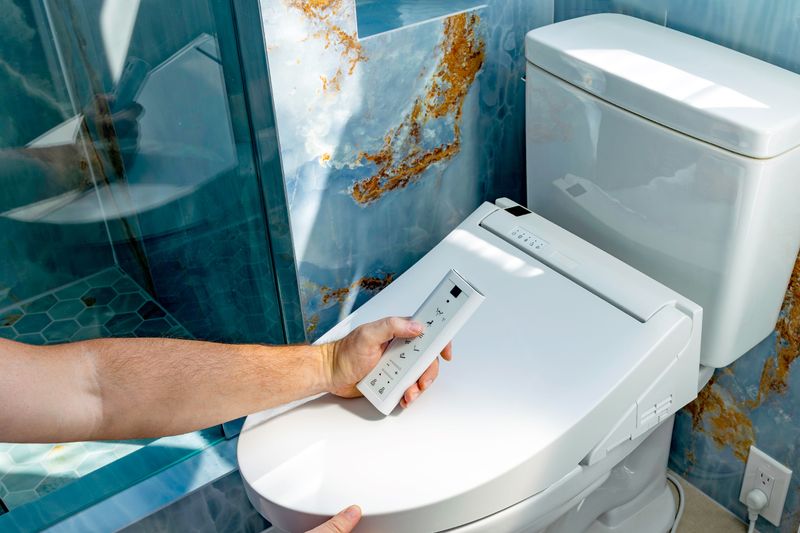
Do You Really Need a Bidet in Your Home?

4 min read

3 Common Sleep Habits That May Be Aging Your Brain

5 min read

Is the Traditional Mediterranean Diet Actually the Best for Your Brain?

4 min read
Advertisement

Are You Overpaying on Your Mortgage?

Wealth | Updated: August 31, 2026
Jennifer M. Wood
Author
Jennifer M. Wood has been writing about news, entertainment, culture, and travel for longer than she cares to admit. She lives just outside Philadelphia with her husband and an ever-growing menagerie of rescue pets.
Exterior of a red house
Better Report

Buying a home is one of the biggest purchases you’ll ever make. But there’s a good chance you’re paying more for your mortgage than you should be.

An eye-opening new analysis from Bankrate found that a staggering 87% of borrowers who took out a mortgage in 2025 paid more than the most competitive rate available to them, meaning the typical mortgage holder pays an estimated $3,343 more per year than necessary. Over the life of the loan, that can add up to about $78,186 in additional costs.

For older homeowners, the stakes can be even higher. 

Advertisement
Advertisement
Older couple next to a fence
Credit: © South_agency—E+/Getty Images

The “Seniority” Tax

Among people buying homes, age makes almost no difference. About 90% to 91% of borrowers in every age group paid more than the most competitive rate available to them. But refinancing tells a different story. The share of borrowers paying above the competitive rate is 72% among those under 35 and 76% for people ages 35 to 44. That rate climbs to 82% among those 55 to 64, 81% for borrowers between the ages of 44 and 54, and 81% for those 64 and older.

That age gap is what Bankrate calls the “Seniority Tax.”

Advertisement

“The Seniority Tax in refinance transactions may reflect the interaction of several reinforcing dynamics,” the report notes. One of them is that “[f]inancial urgency appears to diminish with age as rising incomes, accumulated equity, and lower debt burdens reduce search intensity.” Older borrowers may also be inclined to stick with banks they already have relationships with — and those institutions have little incentive to offer these customers competitive rates. 

But there are other factors as well. According to the report, “Cognitive and social factors associated with aging — including greater institutional trust, reduced tolerance for the friction of comparison shopping, and lower engagement with digital rate-comparison tools — could compound the behavioral shift. And some portion of the gap may reflect pricing strategies explicitly calibrated to the lower search intensity of older cohorts.” 

Recommended Articles

  • The Safety Rules for Candles You Probably Don’t Know

  • 5 Things Your Car Needs Before the First Freeze

  • 6 Amazon Prime Day Hacks

  • 5 Things To Ask Your Doctor About the New Flu Shot

Advertisement
Advertisement

Reader Favorites

  • Woman looking in fridge

    9 Foods You Should Toss ASAP if They’re Expired

  • Person eating salad

    7 Things a Chef Never Orders at a Restaurant

  • Cherry angioma

    Are the Tiny Red Dots on Your Skin Dangerous?

No matter what drives the phenomenon, though, the report notes that “the outcome is consistent: a market that appears to extract disproportionately from borrowers at precisely the stage of life when wealth, credit quality, and institutional relationships are at their peak.”

Interestingly, the research found that the borrowers most likely to overpay weren’t those with poor credit or limited financial resources. In fact, some of the homeowners paying the most appeared to have the strongest financial profiles.

So how does this happen — and what can you do to make sure you’re getting the best rate possible?

Advertisement
Advertisement
Close up of signing paperwork
Credit: © Daniel/stock.adobe.com

Why So Many Homebuyers Overpay

The process of getting a mortgage is complicated, so it can be extremely tempting to simply use a lender your real estate agent, bank, or a friend or family member recommends. But that convenience can come at a price.

Advertisement

Bankrate found that nearly 90% of borrowers rely on recommendations when choosing a mortgage lender. “While they may offer convenience, these sources generally lack the tools or incentives to comprehensively search the broader market,” the report notes. “The same is true for mortgage brokers relying on real estate agent referrals; under federal regulations like Dodd-Frank, they are under no legal obligation to secure the lowest market rate or actively facilitate lender competition.”

And shopping around isn’t always easy. A typical mortgage contract is roughly 50 pages long, and borrowers may have just 48 to 72 hours between having an offer accepted and needing to lock in their mortgage rate. “The process is defined by high complexity and poor timing,” Bankrate’s report explains.

Advertisement
Advertisement
Credit score on phone
Credit: © Tada Images/stock.adobe.com

Great Credit Doesn’t Guarantee a Great Rate

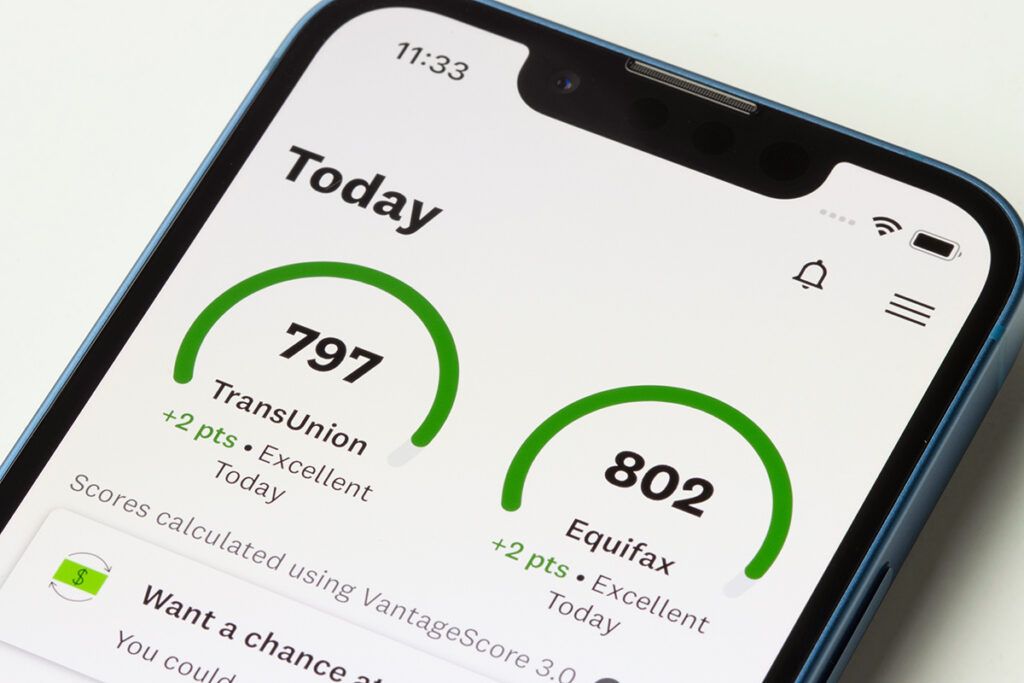
Having an impressive credit score is an achievement all its own, and one that will likely make it easier to qualify for a mortgage. But Bankrate’s analysis suggests an excellent credit history doesn’t necessarily translate to a great rate.

Borrowers with debt-to-income ratios between 33% and 38% had the highest overpayment rate of any group, at 92%. (According to Citizens Bank, a solid debt-to-income ratio is 36% or less.)

The reason, Bankrate concluded, is that borrowers who are confident they’ll qualify for a loan may be less incentivized to shop around for a better rate. However, knowing you can get a mortgage isn’t the same as knowing you’re getting the best mortgage.

Advertisement
Advertisement
People in office
Credit: © fizkes—iStock/Getty Images

How To Avoid Overpaying on Your Mortgage

While homebuying can feel overwhelming, a few simple steps can help you shop smarter, negotiate harder, and avoid unnecessarily forking over the cost of a brand-new Range Rover over the life of your loan. Here are some tips on how to make sure you’re getting the best rate possible.

Advertisement

• Shop Around: Your bank, realtor, friend, or family member may point you toward a lender they really trust, but that doesn’t automatically mean you’re getting the best deal. Still, Bankrate found that nearly 90% of borrowers rely on recommendations from these sources. You should get quotes from multiple lenders and compare what each is offering instead. Bankrate’s central finding is that competitive pricing does exist, but borrowers have to actively seek it out.

Advertisement
Advertisement

• Compare the Total Cost, Not Just the Rate: A mortgage with the lowest advertised interest rate isn’t necessarily the cheapest loan. Consider interest, discount points, origination charges, lender fees, and other closing costs when comparing offers.

• Make Lenders Compete for Your Business: Once you have multiple offers, use them as leverage. Ask a lender whether it can match or beat a competing offer rather than assuming its first quote is final.

Advertisement
Advertisement

• Read the Fine Print: Mortgage documents can run roughly 50 pages, according to Bankrate, so don’t focus solely on the monthly payment or headline rate. Look at points, fees, and other up-front costs, too.

A little legwork now could save you thousands over the life of your loan.

Feature Image Credit: © Zac Gudakov/Unsplash.com

More From Our Network

Better Report is part of Inbox Studio, an email-first media company. *Indicates a third-party property.

Go Retro With This 1960s Fashion Quiz

Quiz Daily

Go Retro With This 1960s Fashion Quiz

True or False: Are You a Master of U.S. Geography?

Travel Quiz

True or False: Are You a Master of U.S. Geography?

5 Reasons You Can Be Denied Boarding an Airplane

Daily Passport

5 Reasons You Can Be Denied Boarding an Airplane

What Did People Do Before Eyeglasses?

History Facts

What Did People Do Before Eyeglasses?

How To Use a Balloon To Clean Up Dust

House Outlook

How To Use a Balloon To Clean Up Dust

11 Shopping Hacks Costco Members Should Know

FinanceBuzz*

11 Shopping Hacks Costco Members Should Know

Share this article

  • Share to Facebook
  • Share to Twitter
  • Copy Url
  • Share to Email
Jennifer M. Wood
Writer

Jennifer M. Wood has been writing about news, entertainment, culture, and travel for longer than she cares to admit. She lives just outside Philadelphia with her husband and an ever-growing menagerie of rescue pets.

This article is for general informational purposes only.
Affiliate Disclaimer Medical Disclaimer Financial Disclaimer

Updated: May 8, 2026
Posted In: Wealth
Hero Image Credit: Better Report
Advertisement

Related Articles

5 Things Your Car Needs Before the First Freeze

4 min read

6 Amazon Prime Day Hacks

6 min read

Is It Actually Better To Lease a Car?

9 min read

7 Free MIT Classes You Can Experience From Home

4 min read

The Bedroom Color That Adds $2,000 to Your Home Value

3 min read
Advertisement

Is Hard Water Ruining Your Clothes?

Ali Eldridge
Home | Updated: August 31, 2026
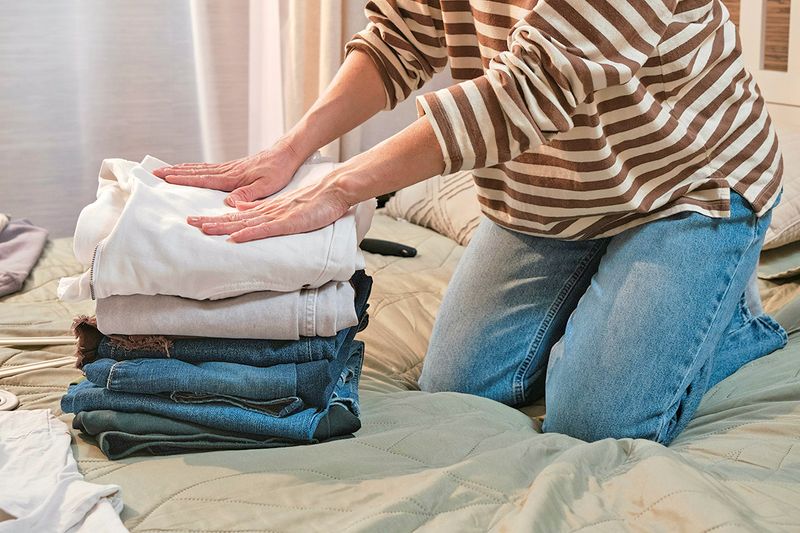
Woman folding pants
Better Report

All featured products and deals are selected independently and objectively by the author. Better Report may receive a share of sales via affiliate links in content.

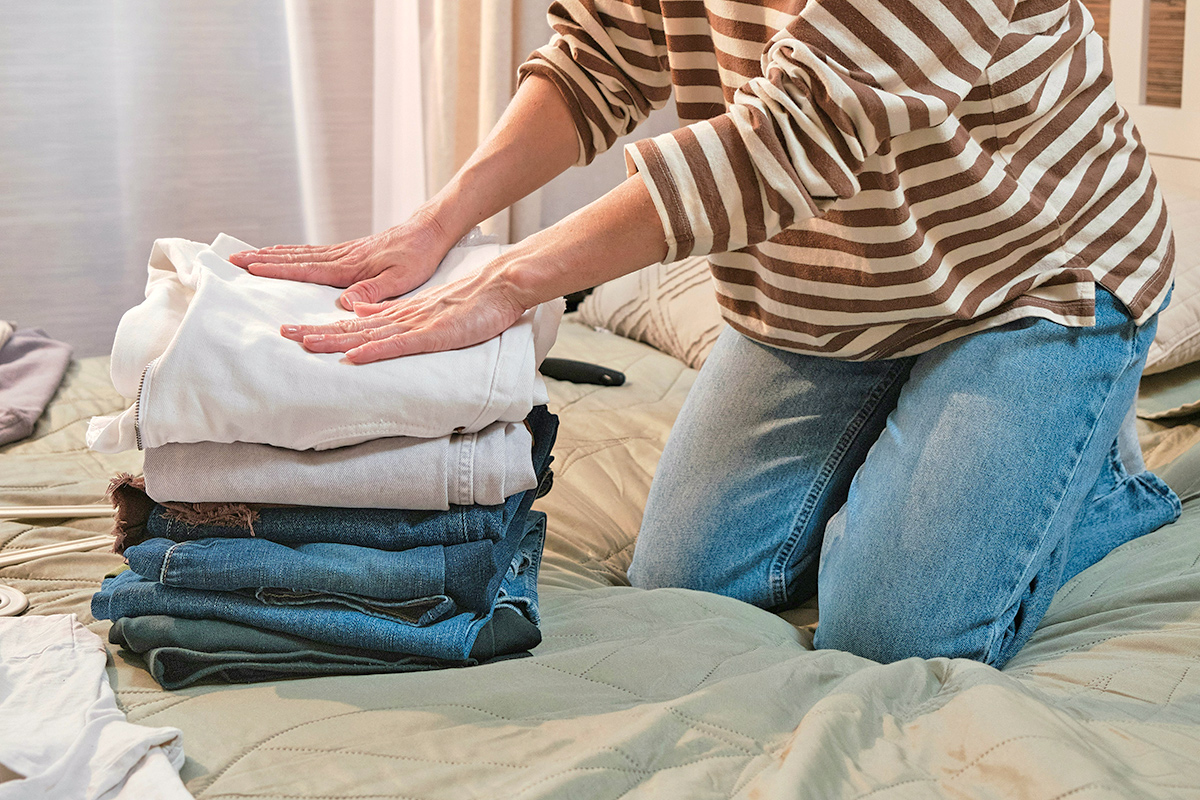
If your freshly washed clothes look dull or feel stiff, your laundry routine may not be the problem. The culprit could be something less obvious: the water coming into your washing machine. More specifically, you could be dealing with hard water, which contains higher levels of minerals, mainly calcium and magnesium. Here’s how to tell if you have hard water — and what you can do if it’s ruining your clothes. 

Clothes in the washing machine
Credit: © iso_petrov—iStock/Getty Images

How Hard Water Affects Your Clothes

It’s estimated that 85% of water in the U.S. is hard. Just how hard depends partly on where you live, since local water supplies pick up different amounts of minerals from soil and rock. You may not even realize it’s an issue until you notice common signs such as mineral buildup around faucets and showerheads, spots on glassware, or soap that doesn’t lather well.  

Advertisement
Advertisement

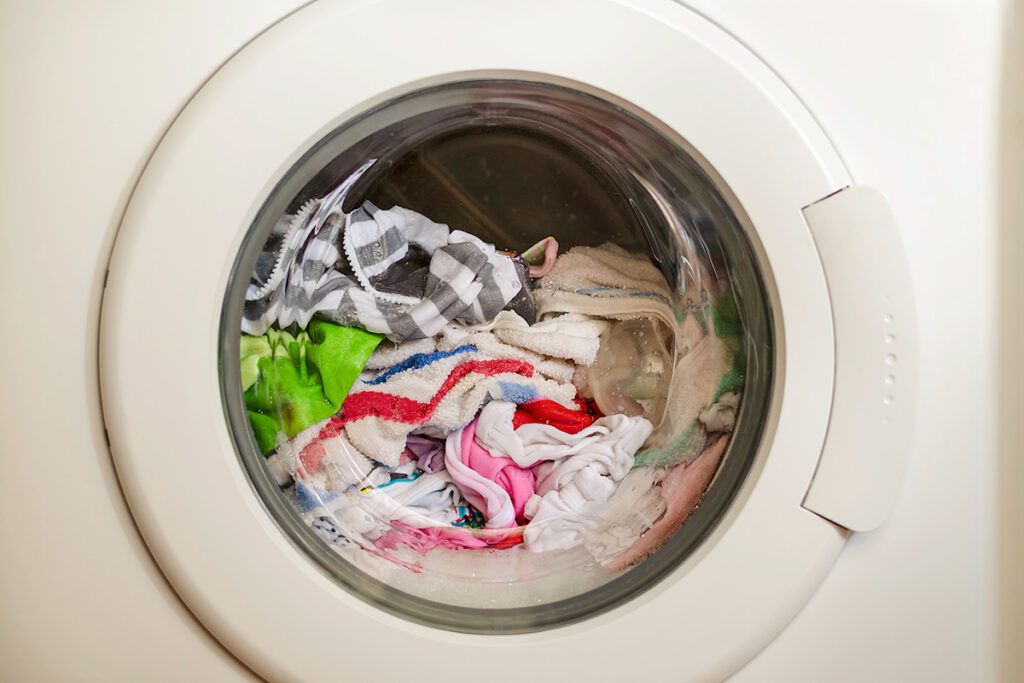
Likewise, the effects of hard water on your laundry may not be obvious right away, but after repeated washes, the minerals settle into the fabric fibers and whites start to look dingy, colors may fade, and fabrics can lose their softness and begin to tear and fray. Hard water can also react with the detergent, causing it to be less effective at removing dirt and body oils; it may even leave residue or streaks on fabric and cause your clothes to smell. 

Items that are washed frequently, such as towels, sheets, and everyday clothing, may show these changes sooner simply because they’re exposed to hard water more often. Over time, otherwise good clothing and linens end up looking older than they are.

Tide detergent on a shelf
Credit: © wolterke/stock.adobe.com

What You Can Do About Hard Water

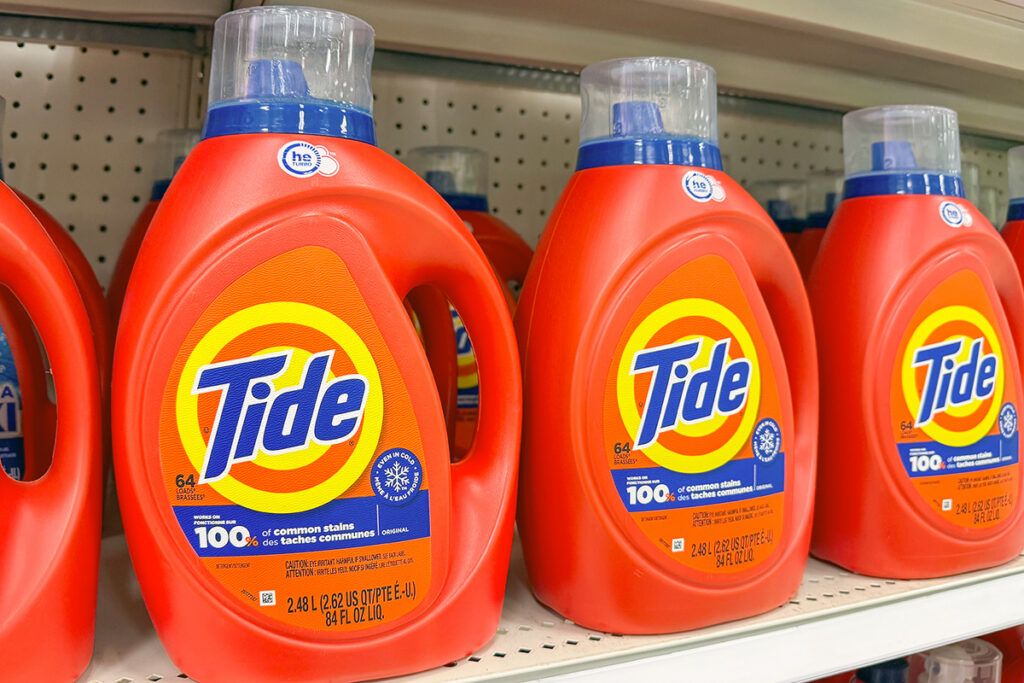
To get clothes cleaner in hard water, start with a detergent that can handle the extra minerals. In Consumer Reports’ testing, Tide’s detergents came out on top for handling hard water, including Tide Free & Gentle detergents (a liquid and a pod, respectively). Ingredients matter, too, which is why experts recommend looking for detergents that contain citrates such as sodium citrate, which bind to minerals and help soften water, allowing the detergent to clean more effectively.

Advertisement

The formula is only part of the equation, though: Make sure to follow the instructions on the detergent packaging rather than simply adding more detergent, since excess detergent can leave behind residue.

Recommended Articles

  • The Safety Rules for Candles You Probably Don’t Know

  • 5 Things Your Car Needs Before the First Freeze

  • 6 Amazon Prime Day Hacks

  • 5 Things To Ask Your Doctor About the New Flu Shot

Advertisement
Advertisement

Reader Favorites

  • Woman looking in fridge

    9 Foods You Should Toss ASAP if They’re Expired

  • Person eating salad

    7 Things a Chef Never Orders at a Restaurant

  • Cherry angioma

    Are the Tiny Red Dots on Your Skin Dangerous?

For particularly hard water, adding a water conditioner to the wash can help remove minerals from each load. And if hard water is causing problems throughout your home, you may want to go a step further with a whole-home water softener, which treats the water before it reaches your washing machine. Most importantly, don’t confuse either with fabric softener — sure, it can make clothes feel softer, but it won’t soften hard water.

Finally, it could be worth checking your water’s hardness level with your local water utility or a home water hardness test kit. The results can help you decide whether you need to make any changes to your laundry routine.

Featured Image Credit: © Andrej Lišakov/Unsplash.com

More From Our Network

Better Report is part of Inbox Studio, an email-first media company. *Indicates a third-party property.
Go Retro With This 1960s Fashion Quiz

Quiz Daily

Go Retro With This 1960s Fashion Quiz

True or False: Are You a Master of U.S. Geography?

Travel Quiz

True or False: Are You a Master of U.S. Geography?

5 Reasons You Can Be Denied Boarding an Airplane

Daily Passport

5 Reasons You Can Be Denied Boarding an Airplane

What Did People Do Before Eyeglasses?

History Facts

What Did People Do Before Eyeglasses?

How To Use a Balloon To Clean Up Dust

House Outlook

How To Use a Balloon To Clean Up Dust

11 Shopping Hacks Costco Members Should Know

FinanceBuzz*

11 Shopping Hacks Costco Members Should Know

Share this article

  • Share to Facebook
  • Share to Twitter
  • Copy Url
  • Share to Email
Ali Eldridge

This article is for general informational purposes only.
Affiliate Disclaimer Medical Disclaimer Financial Disclaimer

Updated:
Posted In: Home
Hero Image Credit: Better Report
Advertisement

Related Articles

The Safety Rules for Candles You Probably Don’t Know

5 min read

9 Items in Your Basement You Should Toss Right Now

5 min read

5 Vegetables You Should Never Store in the Fridge

3 min read

Why a Flashing Check Engine Light Is Different From a Solid One

3 min read

Why Does Your Sink Have a Tiny Hole?

3 min read
Advertisement

Some Grocery Prices Are Finally Going Down — Here’s What’s Getting Cheaper

Wealth | Updated: August 26, 2026
Lauren Dana Ellman
Author
Lauren Dana Ellman is a New York–based writer and editor specializing in lifestyle, travel, food, and shopping. A graduate of Syracuse University’s SI Newhouse School of Public Communications, she covers everything from destinations and hotels to fun product finds and personal essays. Her work has been featured in Condé Nast Traveler, AARP, Travel + Leisure, Time Out, The Knot, and more lifestyle-oriented publications.
Woman shopping in grocery store
Better Report

For many shoppers, grocery bills are a major financial strain. Food prices remain well above their pre-pandemic levels, and are up 3% over July 2025 (as of July 2026, the latest data available). And according to a recent survey, 82% of Americans say grocery prices have had a bigger impact on their finances than higher gas prices. To save money, many reported buying more store-brand products and shopping at less expensive grocery stores such as Aldi.

But there may be a little relief in sight — at least when it comes to certain items. The latest Consumer Price Index data from the Bureau of Labor Statistics (BLS) shows that several everyday grocery staples now cost less than they did a year ago. Other categories, however, continue to head in the opposite direction.

Advertisement
Advertisement

The latest data highlights just how uneven grocery prices have become. Here’s a closer look at which staples have gotten cheaper — and which continue to rise.

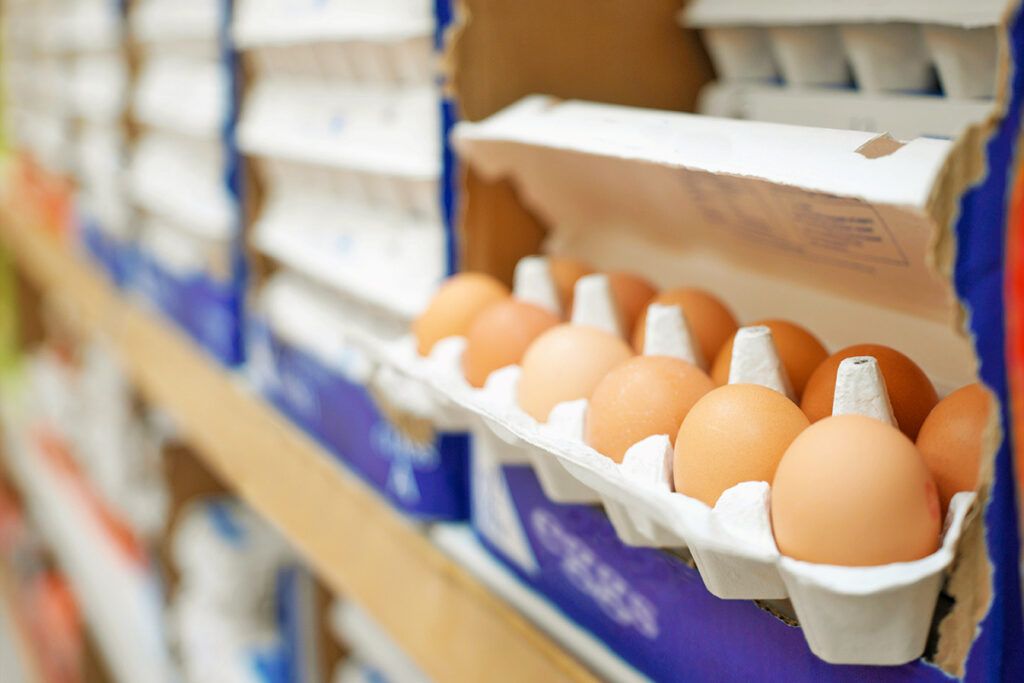
Carton of eggs
Credit: © Getty Images/Unsplash.com

What’s Getting Cheaper

According to the latest BLS data, eggs have seen the biggest year-over-year price decline, falling 25.7% as supplies continued to recover from the avian flu outbreak (as well as alleged price fixing by some suppliers) that drove prices to record highs in 2025. After months of record prices and purchase limits at some grocery stores, eggs have become one of the clearest examples of how supply conditions can quickly affect what shoppers pay at checkout.

Recommended Articles

  • The Safety Rules for Candles You Probably Don’t Know

  • 5 Things Your Car Needs Before the First Freeze

  • 6 Amazon Prime Day Hacks

  • 5 Things To Ask Your Doctor About the New Flu Shot

Advertisement
Advertisement

Reader Favorites

  • Woman looking in fridge

    9 Foods You Should Toss ASAP if They’re Expired

  • Person eating salad

    7 Things a Chef Never Orders at a Restaurant

  • Cherry angioma

    Are the Tiny Red Dots on Your Skin Dangerous?

Eggs are the biggest outlier, but they’re not the only grocery item getting cheaper. Prices have also fallen year over year for the following items: 

• Butter (-8.1%)
• Salad dressing (-4.3%)
• Cheese and related products (-4.2%)
• Fresh whole chicken (-3.2%)
• Fresh and frozen chicken parts (-2.5%) 
• Bacon and related products (-2.8%) 
• Frozen and refrigerated bakery products (-1.8%)
• Margarine (-1.7%)
• Ice cream (-1.1%) 

Advertisement

Most of those declines are relatively modest, but they show that lower prices are extending beyond a single grocery category.

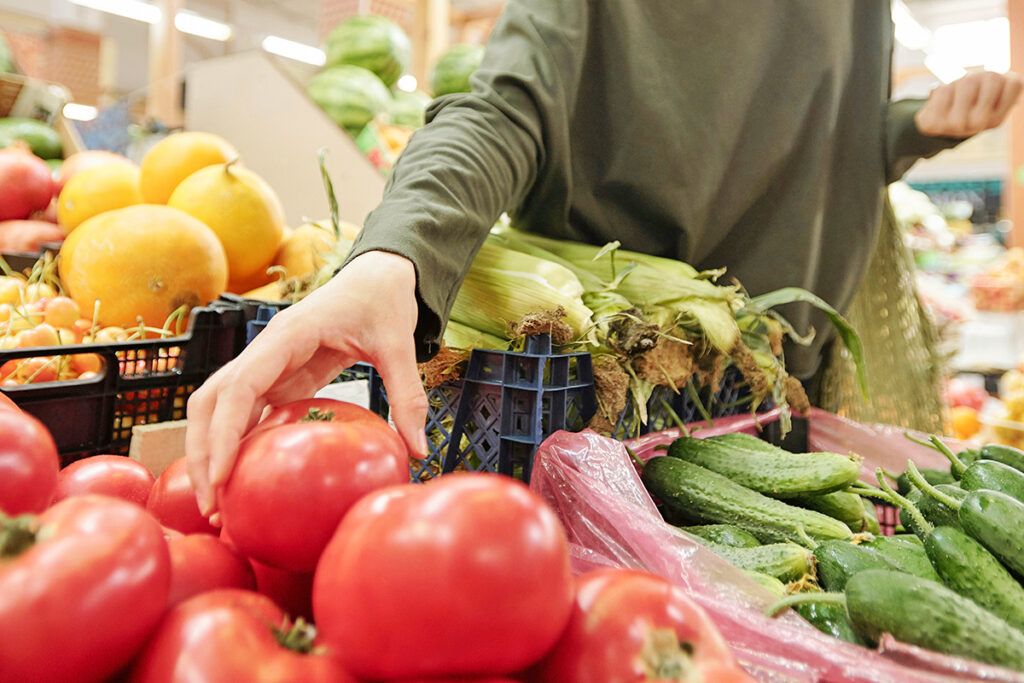
Person grabbing tomato at grocery store
Credit: © Getty Images/Unsplash.com

What’s Still Going Up

Unfortunately for U.S. shoppers, not every grocery item is getting cheaper. According to the latest BLS data, the cost of tomatoes is up 12.8% year over year, while apples cost 11% more in July 2026 than they did in July 2025. Coffee prices also continued to climb, with instant coffee up 15.8% year over year, roasted coffee up 12.2%, and coffee overall up 9.4%. And while certain categories of dairy products are dropping in price, fresh whole milk and other fresh milks are up 6% and 4.8%, respectively.

Advertisement
Advertisement

Protein is another category seeing higher prices. Beef roasts (up 13.5%), steaks (+9.6%), and ground beef (+9%) all posted increases over the past year. And while chicken prices have come down, the cost of turkey and other poultry has gone up 8.4%. Frozen fish and seafood and fresh fish and seafood, meanwhile, also were up 7.8% over July 2025. 

Those are everyday purchases for many households, and for families that regularly buy meat, seafood, or coffee, those increases can add up quickly — which helps explain why grocery bills can still feel high despite lower prices for some staples. 

Advertisement
Advertisement

The latest BLS figures suggest the days of nearly across-the-board grocery price increases may be easing. But for now, whether shoppers save money still depends largely on what’s in their carts.

Featured Image Credit: © _KUBE_/stock.adobe.com

More From Our Network

Better Report is part of Inbox Studio, an email-first media company. *Indicates a third-party property.

Go Retro With This 1960s Fashion Quiz

Quiz Daily

Go Retro With This 1960s Fashion Quiz

True or False: Are You a Master of U.S. Geography?

Travel Quiz

True or False: Are You a Master of U.S. Geography?

5 Reasons You Can Be Denied Boarding an Airplane

Daily Passport

5 Reasons You Can Be Denied Boarding an Airplane

What Did People Do Before Eyeglasses?

History Facts

What Did People Do Before Eyeglasses?

How To Use a Balloon To Clean Up Dust

House Outlook

How To Use a Balloon To Clean Up Dust

11 Shopping Hacks Costco Members Should Know

FinanceBuzz*

11 Shopping Hacks Costco Members Should Know

Share this article

  • Share to Facebook
  • Share to Twitter
  • Copy Url
  • Share to Email
Lauren Dana Ellman
Writer

Lauren Dana Ellman is a New York–based writer and editor specializing in lifestyle, travel, food, and shopping. A graduate of Syracuse University’s SI Newhouse School of Public Communications, she covers everything from destinations and hotels to fun product finds and personal essays. Her work has been featured in Condé Nast Traveler, AARP, Travel + Leisure, Time Out, The Knot, and more lifestyle-oriented publications.

This article is for general informational purposes only.
Affiliate Disclaimer Medical Disclaimer Financial Disclaimer


Updated: April 28, 2026
Posted In: Wealth
Hero Image Credit: Better Report
Advertisement

Related Articles

5 Things Your Car Needs Before the First Freeze

4 min read

6 Amazon Prime Day Hacks

6 min read

Is It Actually Better To Lease a Car?

9 min read

7 Free MIT Classes You Can Experience From Home

4 min read

The Bedroom Color That Adds $2,000 to Your Home Value

3 min read
Advertisement

Are the Tiny Red Dots on Your Skin Dangerous?

Ali Eldridge
Health | Updated: August 26, 2026
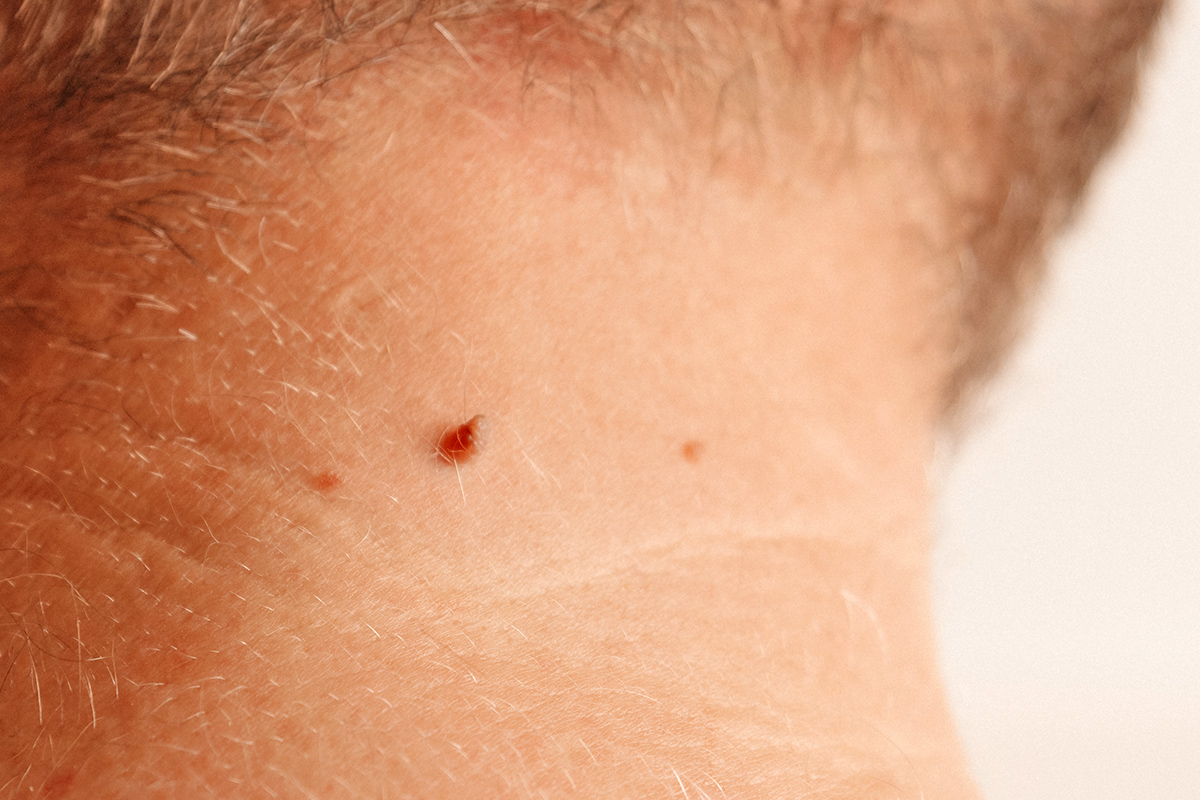
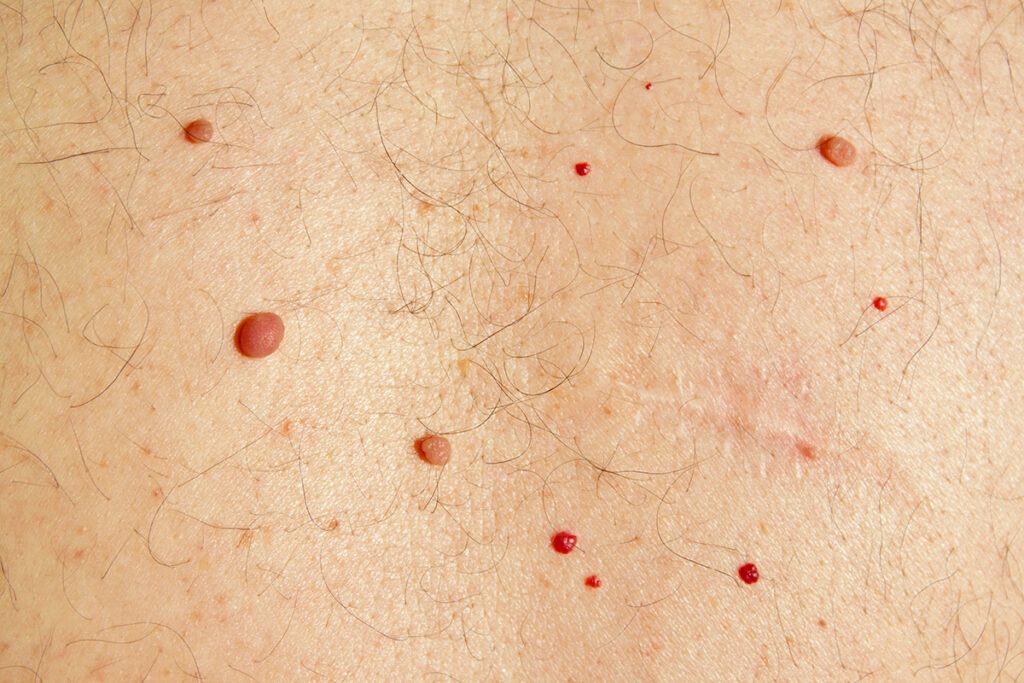
Cherry angioma
Better Report

Picture this: You’re moisturizing after a shower one day when you notice some tiny, bright red dots on your skin. What are they? And do you need to worry about them? Here’s what may be behind the dots, and when you should see a doctor.

Moles and cherry angiomas
Credit: © whitemay—E+/Getty Images

The Cherry on Top

Seeing a new growth where you once had unblemished skin can be scary. Thankfully, one of the most common causes of red marks on the skin, cherry angiomas, are typically nothing to worry about.

“Cherry angiomas are not dangerous,” says Dr. Samantha Schneider, a dermatologist and Mohs micrographic surgeon at Pacific Crest Dermatology in Carson City, Nevada. “They are not skin cancer and don’t turn into skin cancer. They are benign growths.”  

Advertisement
Advertisement

Cherry angiomas get their name from their color — they range from light to dark, purplish red — and their tendency to pop up in clusters. According to Dr. Schneider, these dome-shaped growths “are made up of vascular cells.” They can be round or oval and measure from 1 millimeter (the thickness of a pinhead) to 5 millimeters (the size of a pea). 

Anyone can get cherry angiomas, and what exactly causes them is a mystery, though they’re more prevalent in some people than in others. “Genetics plays a role,” Dr. Schneider says. “People with fair skin and those of Caucasian ancestry tend to be more affected than others. And men tend to have more lesions than women.”  

Advertisement

Cherry angiomas can appear anywhere on the body. The most common spots are the trunk (specifically your chest and abdomen) and back, and women tend to get more of them on their legs, according to Dr. Schneider. They usually appear with age: According to the Cleveland Clinic, around 50% of people over 30 have them, and that number jumps to 75% for those over 75.

“Most often cherry angiomas appear over time,” Dr. Schneider says, “but you can occasionally have a group pop up in a shorter period of time — still usually weeks to months.” They may get larger or change in appearance over time. 

Removing cherry angioma
Credit: © karelnoppe/stock.adobe.com

Can You Get Rid of Them?

If you hate the appearance of these tiny red dots, we have bad news and good(ish) news. Bad news first: “Unfortunately, there is not anything that you can do to prevent them from appearing,” Dr. Schneider says. 

The good(ish) news is, they can be removed — but it may cost you. “Getting rid of cherry angiomas is considered cosmetic and so is generally not covered by insurance,” she explains. “Oftentimes, dermatologists use destructive methods to get rid of [them], such as lasers, liquid nitrogen, or electrodessication (burning).” You should never try to remove them yourself.

Advertisement

It’s important to note that “anytime you have any lesions removed, it is always possible that it could leave a mark behind — though this is not common — and you could still develop new lesions in the future,” Dr. Schneider says.

Recommended Articles

  • The Safety Rules for Candles You Probably Don’t Know

  • 5 Things Your Car Needs Before the First Freeze

  • 6 Amazon Prime Day Hacks

  • 5 Things To Ask Your Doctor About the New Flu Shot

Advertisement
Advertisement

Reader Favorites

  • Woman looking in fridge

    9 Foods You Should Toss ASAP if They’re Expired

  • Person eating salad

    7 Things a Chef Never Orders at a Restaurant

  • Cherry angioma

    Are the Tiny Red Dots on Your Skin Dangerous?

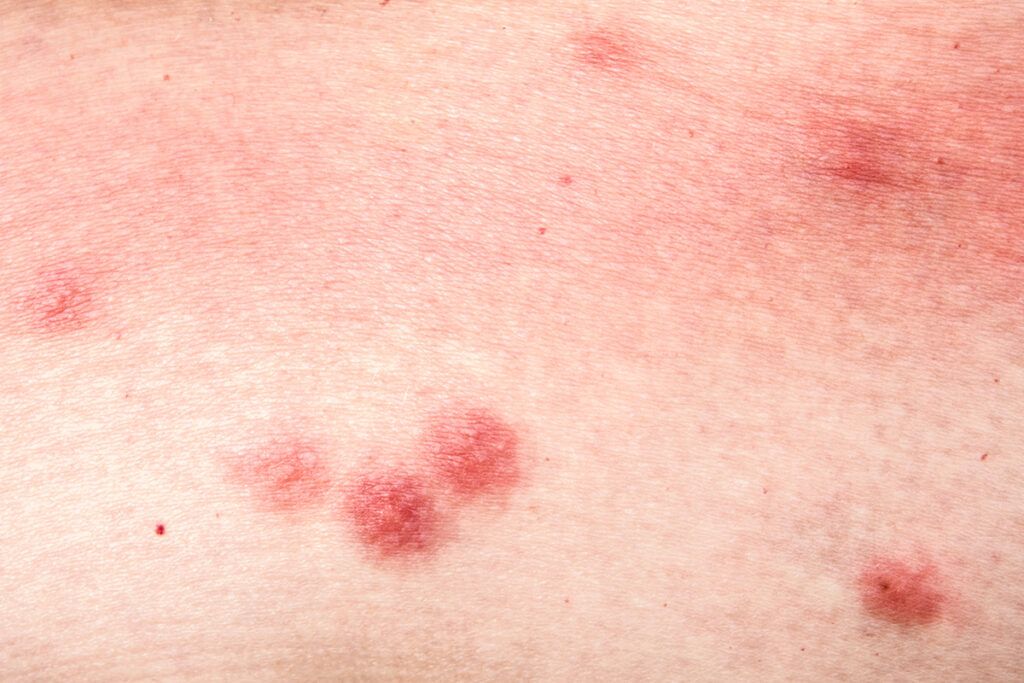
Bug bites on skin
Credit: © Stanislav Tiplyashin—Photodisc/Getty Images

Other Potential Causes of Red Marks on the Skin

Cherry angiomas aren’t the only thing that can cause red marks on your skin. “There are many growths that can appear as red bumps,” Dr. Schneider says. Here’s a short list of conditions that may be behind a red bump.

• Acne and bug bites can lead to red bumps, as can things like heat rash, contact dermatitis, eczema, and certain infections. 
• Pyogenic granulomas are benign red bumps that are prone to oozing and bleed easily. They can occur at any age but are most common in pregnant people and children, teens, and young adults. They may also be caused by medications. 
• Angiokeratomas are domed and look like warts. These benign tumors are caused by capillaries breaking open under your skin. They start out red, then darken to blue, purple, or black.
• Some skin cancers can also cause red marks on the skin. Basal cell carcinoma, the most common type of skin cancer, can manifest in any number of ways, including as a red, pink, tan, or brown growth (depending on your skin color) with elevated edges. Squamous cell carcinoma may appear as a firm pink, red, black, or brown bump. Pink or red bumps may also be indicative of skin cancers such as merkel cell carcinoma or amelanotic melanoma, according to Dr. Schneider. 
• Petechiae are tiny flat dots under the skin caused by minor hemorrhages. They may appear red or purple and may be indicative of a serious condition such as an autoimmune disorder. Unlike cherry angiomas, they’ll fade with time.  

Advertisement
Advertisement

“The[se] other red lesions often look different than cherry angiomas, but they are also red and often papules,” Dr. Schneider says. “If anyone is developing a new or changing lesion that looks concerning to them or they have questions about, it is always a good idea to get a spot checked by a board-certified dermatologist.”

Dermatologist looking at skin
Credit: © Inside Creative House—iStock/Getty Images

When Should You See a Doctor?

You can have your dermatologist look at the mark on your skin to confirm it’s a cherry angioma; sometimes they may take a biopsy to confirm. No further treatment should be necessary unless you want to have it removed, but there are some exceptions.

“If someone has a crop of new lesions pop up, that is a good time to go in and see a dermatologist, as there are a few conditions that can lead to increasing numbers of cherry angiomas,” Dr. Schneider says, including “certain chemical exposures, immunosuppression, changes in hormones, like during pregnancy, and even, though less common, with certain types of cancers.” 

Advertisement

She also notes it’s important to go to the doctor if you suspect that the red mark isn’t a cherry angioma, or you notice “anything that is changing that looks different than other lesions on [your] body — the ugly duckling sign — or [you] aren’t sure what it is.” 

Advertisement
Advertisement

Featured Image Credit: © Alena Vilgelm/stock.adobe.com

More From Our Network

Better Report is part of Inbox Studio, an email-first media company. *Indicates a third-party property.

Go Retro With This 1960s Fashion Quiz

Quiz Daily

Go Retro With This 1960s Fashion Quiz

True or False: Are You a Master of U.S. Geography?

Travel Quiz

True or False: Are You a Master of U.S. Geography?

5 Reasons You Can Be Denied Boarding an Airplane

Daily Passport

5 Reasons You Can Be Denied Boarding an Airplane

What Did People Do Before Eyeglasses?

History Facts

What Did People Do Before Eyeglasses?

How To Use a Balloon To Clean Up Dust

House Outlook

How To Use a Balloon To Clean Up Dust

11 Shopping Hacks Costco Members Should Know

FinanceBuzz*

11 Shopping Hacks Costco Members Should Know

Share this article

  • Share to Facebook
  • Share to Twitter
  • Copy Url
  • Share to Email
Ali Eldridge

This article is for general informational purposes only.
Affiliate Disclaimer Medical Disclaimer Financial Disclaimer

Updated:
Posted In: Health
Hero Image Credit: Better Report
Advertisement

Related Articles

5 Things To Ask Your Doctor About the New Flu Shot

5 min read

Is Sourdough Actually Healthier Than Regular Bread?

7 min read

Do You Really Need a Bidet in Your Home?

4 min read

3 Common Sleep Habits That May Be Aging Your Brain

5 min read

Is the Traditional Mediterranean Diet Actually the Best for Your Brain?

4 min read
Advertisement

The Ideal Thermostat Setting for Fall

Home | Updated: August 25, 2026
Bennett Kleinman
Author
Bennett Kleinman is a New York City-based staff writer for Inbox Studio. He is also a freelance comedy writer, devoted New York Yankees and New Jersey Devils fan, and thinks plain seltzer is the best drink ever invented.
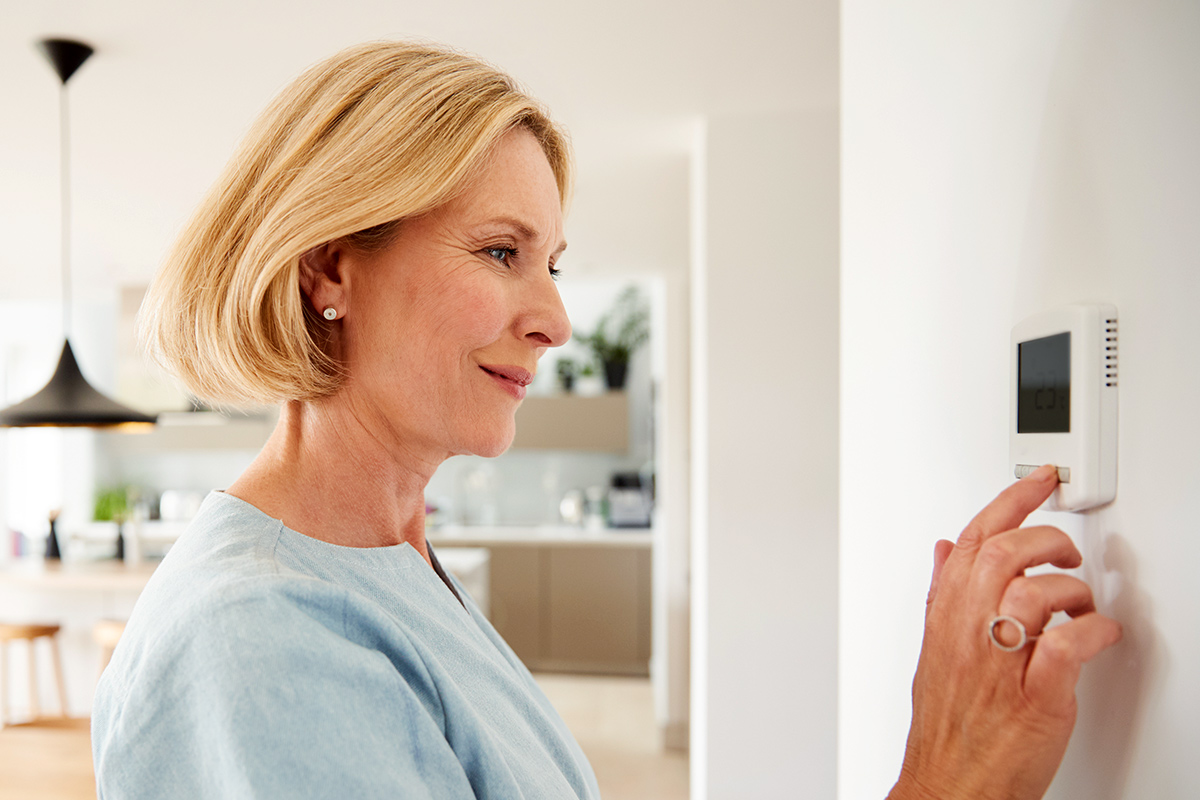
Woman setting thermostat
Better Report

As we move past summer and cooler temperatures start to set in, you may be inclined to turn down the AC and start cranking the heat. But fall is a bit of a tricky transitional season — temperatures can swing from frigid one day to toasty the next. As a result, some people find themselves tinkering with the thermostat every day to keep up with the elements. Doing so isn’t always necessary, though. Here’s how you can set your thermostat during autumn to balance comfort and cost, regardless of how it feels outside.

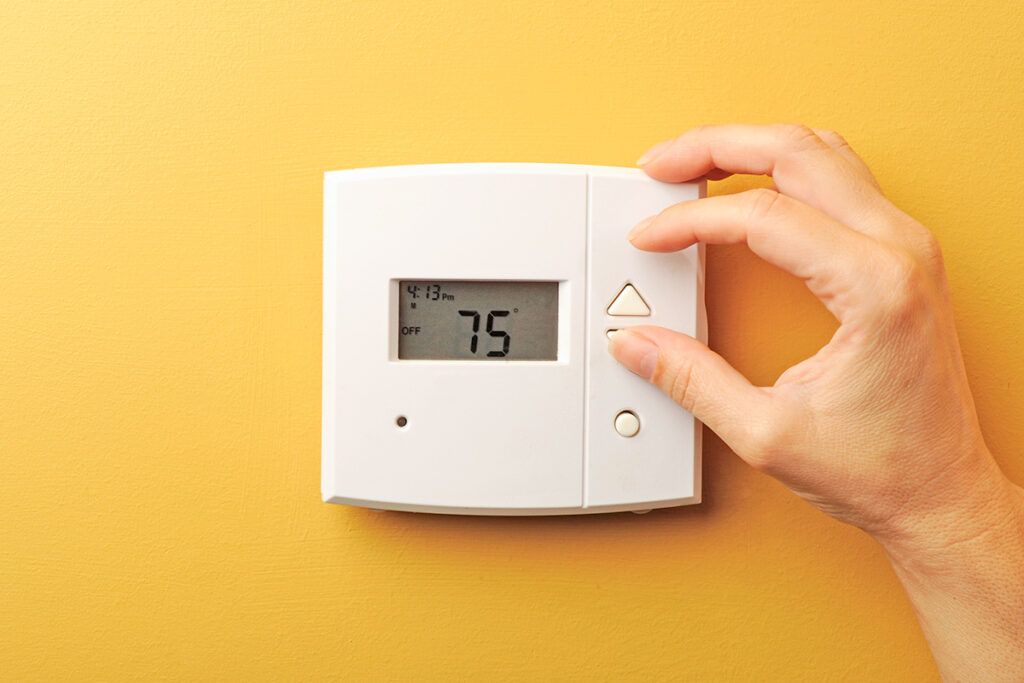
Thermostat on yellow wall
Credit: © Matt_Brown—E+/Getty Images

The Ideal Setting for Cost Cutting

If all you’re looking to do is save money on utility bills, you can set the thermostat as close to the temperature outside as possible. According to the Department of Energy, “The smaller the difference between the indoor and outdoor temperatures, the lower your overall [energy] bill will be.” 

Advertisement
Advertisement

That’s because the closer your home’s interior temperature is to the temperature outside, the slower heat will transfer from one environment to the other. When temperatures outside are chilly, for example, a low interior temperature actually slows heat loss: “As soon as your house drops below its normal temperature, it will lose energy to the surrounding environment more slowly,” the DOE notes. “[T]he longer your house remains at the lower temperature, the more energy you save, because your house has lost less energy than it would have at the higher temperature.” In this case, keeping the thermostat low prevents the HVAC from overexerting itself to sustain a warmer interior temperature. 

A similar concept applies when the weather heats up: The warmer it is inside your home, the slower the exterior heat will come in. Setting the thermostat lower will cause your HVAC to kick on more frequently to cool your house — and raise your electric bill as a result. That’s why the government’s recommendation for your thermostat setting in summer is 78 degrees Fahrenheit.

Still, this strategy may not be entirely practical in terms of comfort — nobody wants their living room to feel like a frigid 50-degree October night or an unseasonably warm 80-degree November day — and it will likely require you to fiddle with your thermostat daily. Thankfully, there’s another way to approach your thermostat this season.  

Advertisement
Woman reading book on couch
Credit: © Getty Images/Unsplash.com

The Best Setting for Comfort and Cost Savings

Ultimately, the temperature you should set your thermostat to will depend on where you live and how low temperatures tend to get during the fall season. But according to experts, you can balance cost savings and personal comfort during the fall by setting your thermostat to around 68 degrees Fahrenheit and no higher than 70 degrees Fahrenheit when you’re home and awake. This is similar to what you should do in the springtime, which is also a transitional season. (If the temperature creeps into the 80s, though, you may want to put your AC to work. The DOE’s recommendation for the summer is to “[set] the thermostat to a setting as high as is comfortable for you when you are at home and need cooling and to ensure humidity control if needed,” so the same is likely true for unseasonably hot fall days.)

This recommended range is the sweet spot for keeping HVAC use down without feeling overly hot or cold. If you do start to get chilly, consider a blanket or hoodie before raising the thermostat into the 70s. And if you feel a little warm, switch to lighter clothing before you lower the temperature.

Recommended Articles

  • The Safety Rules for Candles You Probably Don’t Know

  • 5 Things Your Car Needs Before the First Freeze

  • 6 Amazon Prime Day Hacks

  • 5 Things To Ask Your Doctor About the New Flu Shot

Advertisement
Advertisement

Reader Favorites

  • Woman looking in fridge

    9 Foods You Should Toss ASAP if They’re Expired

  • Person eating salad

    7 Things a Chef Never Orders at a Restaurant

  • Cherry angioma

    Are the Tiny Red Dots on Your Skin Dangerous?

Woman asleep with blankets up to nose
Credit: © Andrej Lišakov/Unsplash.com

The Best Settings for Sleep (and When You’re Not at Home)

That said, there are times you should lower the thermostat, particularly when you go to sleep and when you leave the house. 

When it’s time for bed, experts recommend bumping your thermostat down to as low as 60 degrees (if you’re healthy) and no higher than 68 for optimal sleep. The reason is that autumn temperatures tend to be cooler at night, so lowering the device down to 60 means your HVAC will function a lot more efficiently. At the same time, you’ll be bundled up in bed and should feel nice and toasty under your blankets despite the lower thermostat setting.

Advertisement
Advertisement

When you leave the house for a few hours, it’s also worth setting the thermostat to be a bit more in line with the temperature outside, as it helps the HVAC run more efficiently. After all, if there’s nobody home, there’s no sense worrying about how comfortable it is indoors. 

So, before leaving the house, set the thermostat as much as seven degrees higher or lower — the direction entirely depends on whether you’re trying to align with hotter or colder temperatures outside. This will help to cut down on costs while you’re gone, and you can always set it back to around 68 degrees when you get home. (Just don’t turn it off entirely — it will need to work much harder, and therefore use more energy, to get back to your preferred temperature.)

Advertisement
Advertisement

Featured Image Credit: © Monkey Business/stock.adobe.com

More From Our Network

Better Report is part of Inbox Studio, an email-first media company. *Indicates a third-party property.

Go Retro With This 1960s Fashion Quiz

Quiz Daily

Go Retro With This 1960s Fashion Quiz

True or False: Are You a Master of U.S. Geography?

Travel Quiz

True or False: Are You a Master of U.S. Geography?

5 Reasons You Can Be Denied Boarding an Airplane

Daily Passport

5 Reasons You Can Be Denied Boarding an Airplane

What Did People Do Before Eyeglasses?

History Facts

What Did People Do Before Eyeglasses?

How To Use a Balloon To Clean Up Dust

House Outlook

How To Use a Balloon To Clean Up Dust

11 Shopping Hacks Costco Members Should Know

FinanceBuzz*

11 Shopping Hacks Costco Members Should Know

Share this article

  • Share to Facebook
  • Share to Twitter
  • Copy Url
  • Share to Email
Bennett Kleinman
Staff Writer

Bennett Kleinman is a New York City-based staff writer for Inbox Studio. He is also a freelance comedy writer, devoted New York Yankees and New Jersey Devils fan, and thinks plain seltzer is the best drink ever invented.

This article is for general informational purposes only.
Affiliate Disclaimer Medical Disclaimer Financial Disclaimer

Updated: July 20, 2023
Posted In: Home
Hero Image Credit: Better Report
Advertisement

Related Articles

The Safety Rules for Candles You Probably Don’t Know

5 min read

9 Items in Your Basement You Should Toss Right Now

5 min read

5 Vegetables You Should Never Store in the Fridge

3 min read

Why a Flashing Check Engine Light Is Different From a Solid One

3 min read

Why Does Your Sink Have a Tiny Hole?

3 min read
Advertisement

Do You Actually Need To Preheat Your Oven?

Home | Updated: August 25, 2026
Lauren Dana Ellman
Author
Lauren Dana Ellman is a New York–based writer and editor specializing in lifestyle, travel, food, and shopping. A graduate of Syracuse University’s SI Newhouse School of Public Communications, she covers everything from destinations and hotels to fun product finds and personal essays. Her work has been featured in Condé Nast Traveler, AARP, Travel + Leisure, Time Out, The Knot, and more lifestyle-oriented publications.
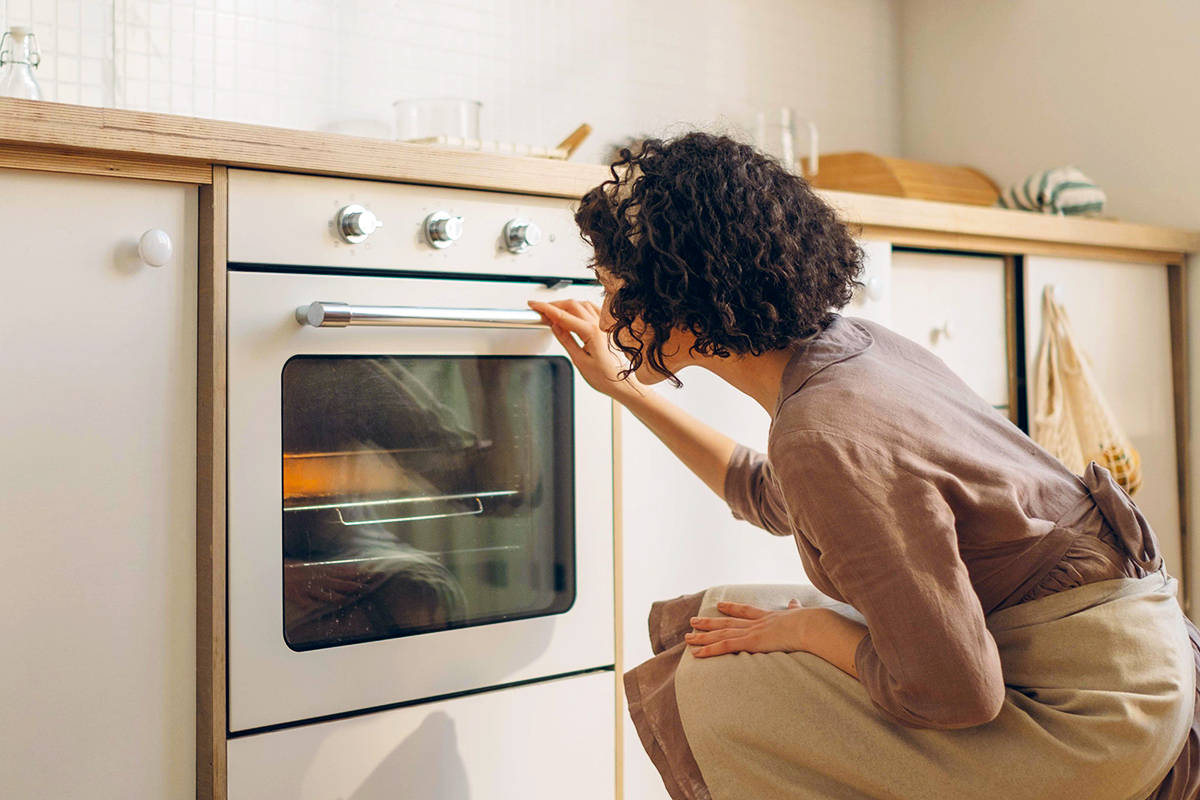
Woman looking in oven
Better Report

Preheating the oven is one of those kitchen habits most of us rarely question — something many of us do automatically without giving it much thought. We turn it on, wait for the beep, and only then throw our food in. 

But is preheating worth the extra time and effort? Not always. Some recipes depend on a fully heated oven to bake or roast properly, while others are perfectly fine starting in a cold oven. In some cases, it can even improve the final result. It all comes down to what you’re making.

Advertisement
Advertisement
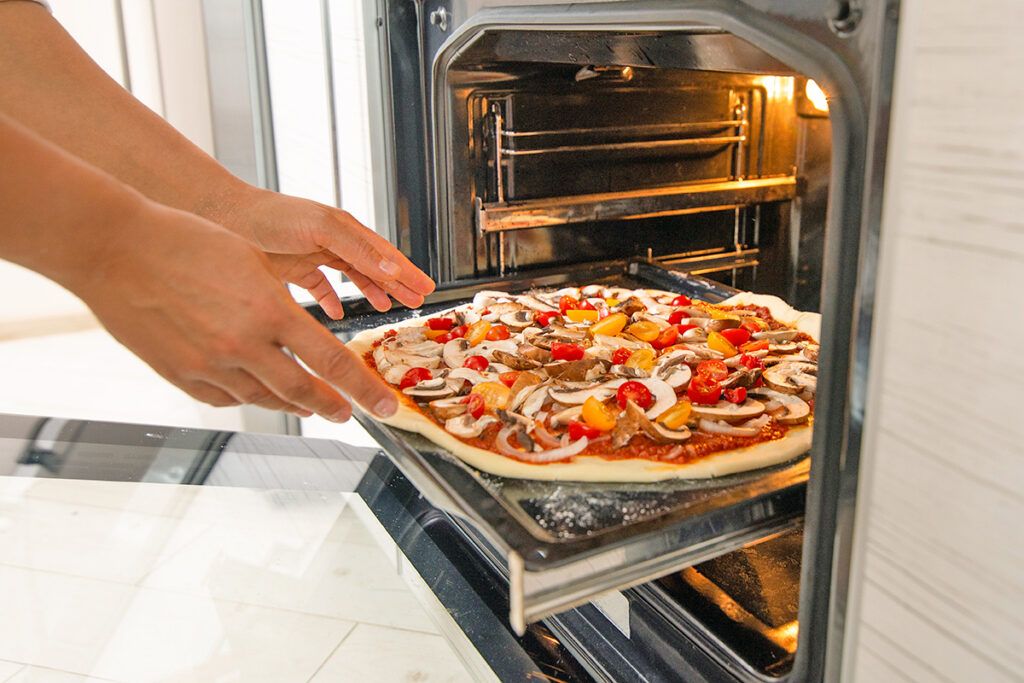
Pizza going into oven
Credit: © Taras Grebinets/stock.adobe.com

When Preheating Is Essential

If biscuits, certain breads such as baguettes, or pizza are on the menu, it’s worth waiting for the oven to heat up. Experts at King Arthur Baking explain that these recipes need high heat right away to rise properly. Put them into a cold oven, and they can come out flatter and drier and may have a softer crust. The pros at Martha Stewart also recommend a fully preheated oven for baked goods with high fat content, such as puff pastry and croissants.

A preheated oven is best for some foods beyond baked goods, too. Frozen foods, for example, cook more evenly and develop a crisp exterior when they’re put in a preheated oven. 

Recommended Articles

  • The Safety Rules for Candles You Probably Don’t Know

  • 5 Things Your Car Needs Before the First Freeze

  • 6 Amazon Prime Day Hacks

  • 5 Things To Ask Your Doctor About the New Flu Shot

Advertisement
Advertisement

Reader Favorites

  • Woman looking in fridge

    9 Foods You Should Toss ASAP if They’re Expired

  • Person eating salad

    7 Things a Chef Never Orders at a Restaurant

  • Cherry angioma

    Are the Tiny Red Dots on Your Skin Dangerous?

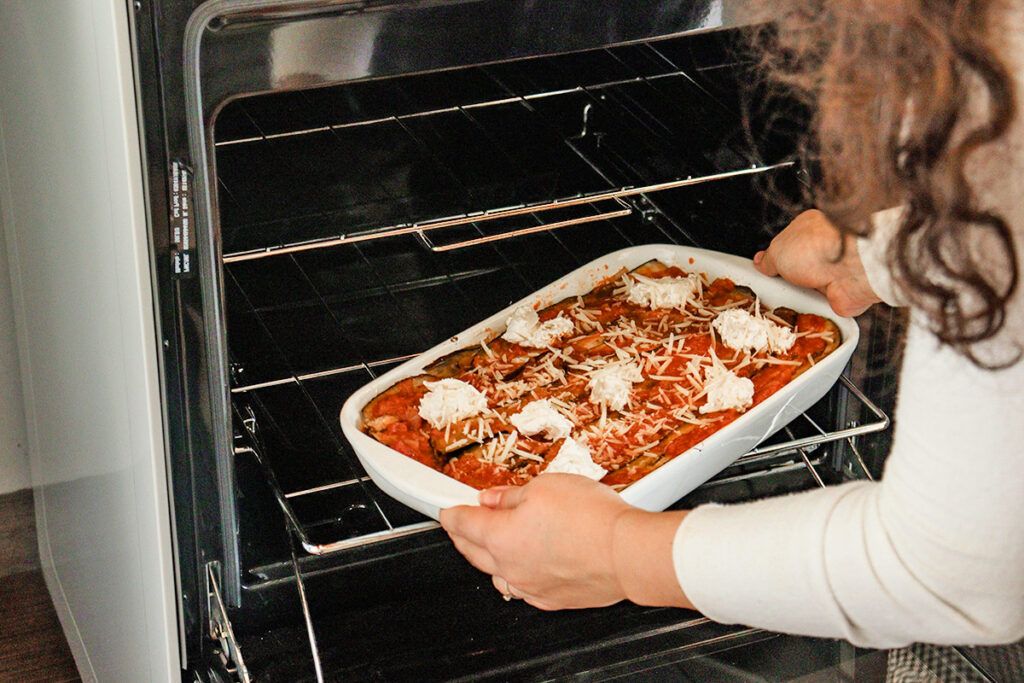
Casserole going into oven
Credit: © Letícia Alvares/Pexels.com 

When You Can Skip It

Not every dish is so temperature-sensitive. According to the University of Illinois, recipes with longer cooking times, such as casseroles and roasts, generally have enough time to cook through as the oven gradually reaches the desired temperature. These dishes remain in the oven for an hour or longer, so the first few minutes of warming have little effect on the finished dish.

And an immediate blast of heat doesn’t help every dish. According to Martha Stewart, foods ranging from pound cake and cheesecake to baked pasta, braises, potatoes, roast chicken, and bacon can all benefit from starting in a cold oven — it allows them to bake or roast more evenly as the temperature gradually increases and can encourage things like a gentler rise and better fat rendering.

Advertisement
Advertisement
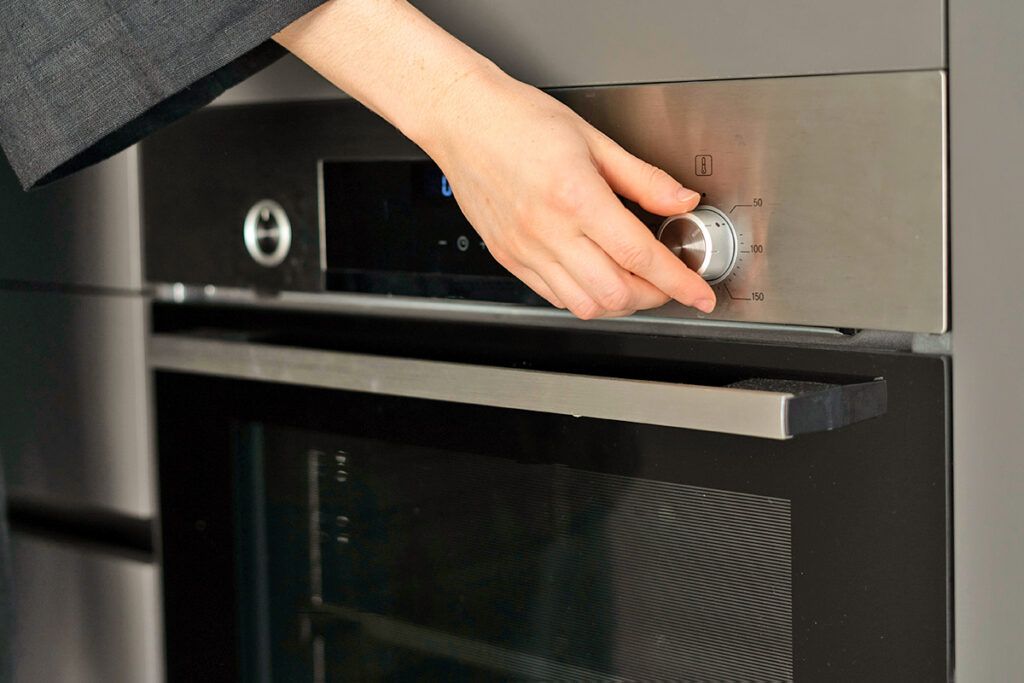
Turning on oven
Credit: © Getty Images/Unsplash.com

The Bottom Line

Skipping preheating won’t automatically ruin a recipe or make a dish unsafe to eat, but there are some things you should keep in mind. 

Advertisement

As Food & Wine notes, recipes are typically tested using a preheated oven, meaning the temperatures and time necessary to cook a dish are calibrated with that assumption in mind. Skip the preheating step, and the final texture of your food, as well as the time it needs to fully cook, can change. Your food may also spend more time than necessary between 40 degrees and 140 degrees Fahrenheit, the so-called “danger zone” in which bacteria proliferates, if your oven isn’t fully preheated. 

So, if you decide to skip preheating, you should use a food thermometer — especially if you’re cooking meat, poultry, or seafood — to make sure your dish is fully cooked instead of relying on the recipe’s timing alone.

Advertisement
Advertisement

Featured Image Credit: © Ron Lach/Pexels.com

More From Our Network

Better Report is part of Inbox Studio, an email-first media company. *Indicates a third-party property.

Go Retro With This 1960s Fashion Quiz

Quiz Daily

Go Retro With This 1960s Fashion Quiz

True or False: Are You a Master of U.S. Geography?

Travel Quiz

True or False: Are You a Master of U.S. Geography?

5 Reasons You Can Be Denied Boarding an Airplane

Daily Passport

5 Reasons You Can Be Denied Boarding an Airplane

What Did People Do Before Eyeglasses?

History Facts

What Did People Do Before Eyeglasses?

How To Use a Balloon To Clean Up Dust

House Outlook

How To Use a Balloon To Clean Up Dust

11 Shopping Hacks Costco Members Should Know

FinanceBuzz*

11 Shopping Hacks Costco Members Should Know

Share this article

  • Share to Facebook
  • Share to Twitter
  • Copy Url
  • Share to Email
Lauren Dana Ellman
Writer

Lauren Dana Ellman is a New York–based writer and editor specializing in lifestyle, travel, food, and shopping. A graduate of Syracuse University’s SI Newhouse School of Public Communications, she covers everything from destinations and hotels to fun product finds and personal essays. Her work has been featured in Condé Nast Traveler, AARP, Travel + Leisure, Time Out, The Knot, and more lifestyle-oriented publications.

This article is for general informational purposes only.
Affiliate Disclaimer Medical Disclaimer Financial Disclaimer

Updated: April 28, 2026
Posted In: Home
Hero Image Credit: Better Report
Advertisement

Related Articles

The Safety Rules for Candles You Probably Don’t Know

5 min read

9 Items in Your Basement You Should Toss Right Now

5 min read

5 Vegetables You Should Never Store in the Fridge

3 min read

Why a Flashing Check Engine Light Is Different From a Solid One

3 min read

Why Does Your Sink Have a Tiny Hole?

3 min read
Advertisement

5 Things You Should Never Buy During Labor Day Sales (and What To Get Instead)

Ali Eldridge
Wealth | Updated: August 25, 2026
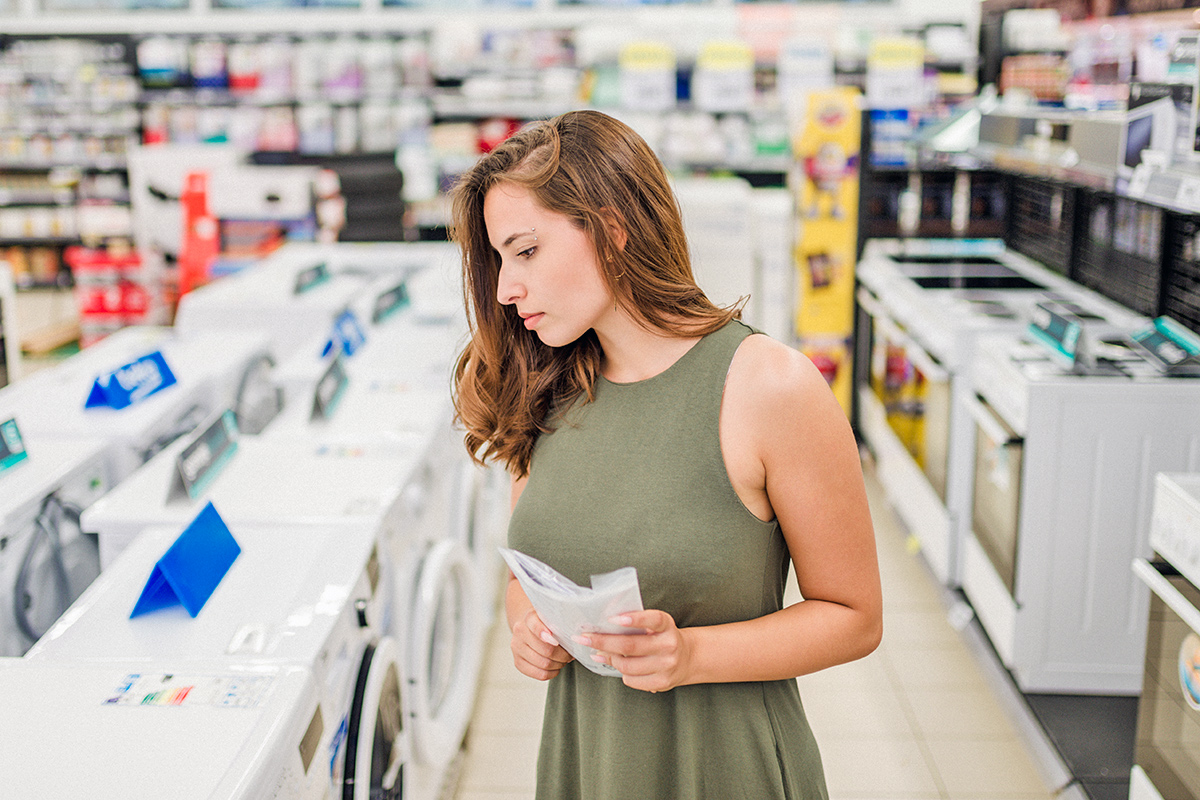
Woman shopping for appliances
Better Report

All featured products and deals are selected independently and objectively by the author. Better Report may receive a share of sales via affiliate links in content.

Labor Day is right around the corner, and so is one of the biggest end-of-summer shopping events. But before you whip out your credit card, you should know that not every discount is worthy of your consideration. We talked with Chris Ribeiro, founder of the market research and consulting agency Starlight Analytics, and shopping expert Trae Bodge for their insights on what to skip during Labor Day sales — and what you should get instead.

Labor Day Sales To Skip

iPhones in an Apple store
Credit: © Mathias Reding/Pexels.com

Tech Deals

Both Ribeiro and Bodge suggest that you avoid purchasing technology such as smartphones and TVs over Labor Day. It may be tempting to pick up a new Apple iPhone if you see a deal, but remember: The new iPhone is announced most often after Labor Day, and then retailers will usually mark down prices for older models. According to Ribeiro — who worked for years on the brand side at retail companies — sales at this time of year are usually “retailers just clearing floor space, but not giving you a good deal.” Overall, tech deals are much better later on in the year, during the holiday season, so you should hold off on purchasing until then if you can (with one exception, which we’ll get to below). 

Advertisement
Advertisement
Kids reaching for toys in the toy aisle
Credit: © Nomad_Soul/stock.adobe.com

Toys and Holiday Gear

Though it may be tempting to get a head start on holiday shopping for the grandkids, you also shouldn’t get anything toy-related right now. “Toys tend to be on sale over Black Friday/Cyber Monday,” Bodge says, and if you can wait, “prices are often even better in December.” 

The same goes for winter and holiday-related items — prices will be much lower around Black Friday or Cyber Monday. Skip any holiday gift sets you may see popping up, too. There won’t be a ton of variety, as it’s a bit too early, so you should instead “wait until later in the season to see what’s available and for the best prices,” Bodge says.

Recommended Articles

  • The Safety Rules for Candles You Probably Don’t Know

  • 5 Things Your Car Needs Before the First Freeze

  • 6 Amazon Prime Day Hacks

  • 5 Things To Ask Your Doctor About the New Flu Shot

Advertisement
Advertisement

Reader Favorites

  • Woman looking in fridge

    9 Foods You Should Toss ASAP if They’re Expired

  • Person eating salad

    7 Things a Chef Never Orders at a Restaurant

  • Cherry angioma

    Are the Tiny Red Dots on Your Skin Dangerous?

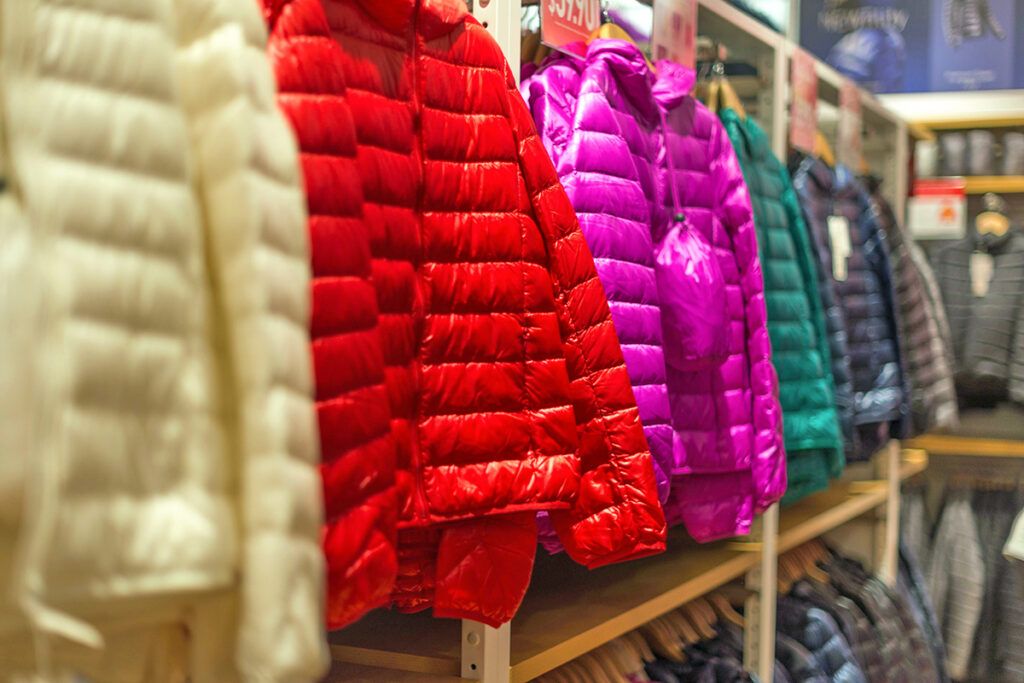
Winter jackets in a store
Credit: © Roman Pohorecki/Pexels.com

Fall and Winter Apparel

Apparel is another category to avoid. “Fall apparel will go on sale in late fall, so while you might be tempted to pick up a few pieces now, you’ll be paying close to full price,” Bodge explains. “If you need cold-weather apparel, you’ll start to see discounts over Black Friday/Cyber Monday, and the discounts will deepen in December.”

Advertisement
Advertisement

Labor Day Deals To Get Instead

According to Bodge, Labor Day is a good time to shop for “small and large home appliances, mattresses, summer clearance, and lingering back-to-school deals.” 

Ribeiro recommends scoping out what you think you may want to buy before sales kick off and taking a screenshot of the price. That way, you’ll “know if you are actually getting a deal or if the retailer just marked it up.” He also recommends checking the return window, as a lot of these items are “sold as final sale, and people wind up getting stuck with things over a moderate discount.”

Advertisement
Parent and child shopping for back to school supplies
Credit: © Alex Potemkin—E+/Getty Images

Back-to-School Products

Whether you need a few extra supplies for a child who recently headed back to school or simply want some new notebooks and pens yourself, there are plenty of back-to-school deals on Labor Day, according to Bodge and Ribeiro.

You can save “on essentials for kids K-12 and college-aged students,” Bodge says. Savings “span a variety of categories, from school supplies to clothing … to home organization and cleaning products.”And while you shouldn’t make most tech purchases at this time, Bodge says Labor Day sales are a good time to get deals on back-to-school tech — specifically laptops. 


You can take advantage of early savings on back-to-school supplies now at Amazon, Target, and Walmart, and on back-to-school laptops at Office Depot and Best Buy.

Advertisement
Advertisement
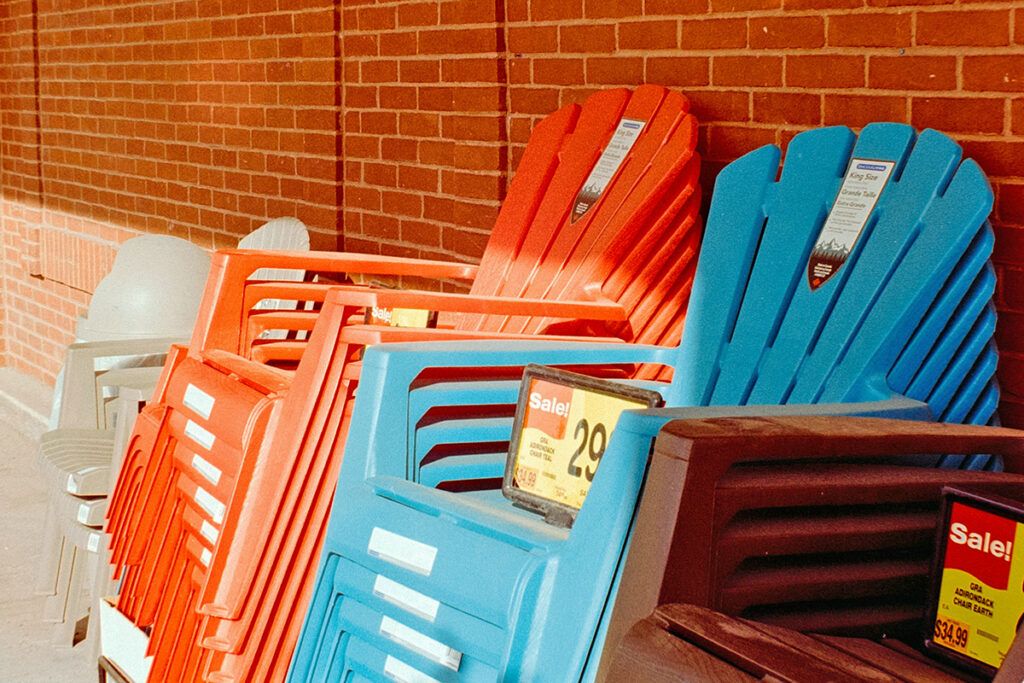
Summer chairs on clearance
Credit: © Austin/Unsplash.com

Summer Clearance

Summer items are another category Bodge and Ribeiro recommend picking up during Labor Day promotions. From poolside equipment and bathing suits to patio furniture and grills, you can find quite a few discounts at this time of year that will allow you to be prepared for next summer. Summer items go on sale because “retailers need to get rid of it before fall and winter inventory lands,” Ribeiro says. 

Wayfair is already kicking off the outdoor savings, with deep discounts on things like patio tables and planters. Pottery Barn also has big discounts on high-quality outdoor furniture. Keep an eye on outdoor savings at Home Depot and Amazon for items for your backyard or patio. 

Advertisement
Advertisement
Couple testing mattresses
Credit: © supersizer—E+/Getty Images

Mattresses

Both Bodge and Ribeiro say that you can get great deals on mattresses at this time of year. “Labor Day tends to be a big mattress sale period in general, but you tend to see the more premium brands go deeper than usual during this time period,”  Ribeiro says.

Advertisement

Casper has up to 30% off mattresses at the moment, with up to 35% off if you decide to bundle your purchase. Sleep Number also has deals, including 30% off on bundles. And DreamCloud is running deals that could get you up to 66% off.

Advertisement
Advertisement
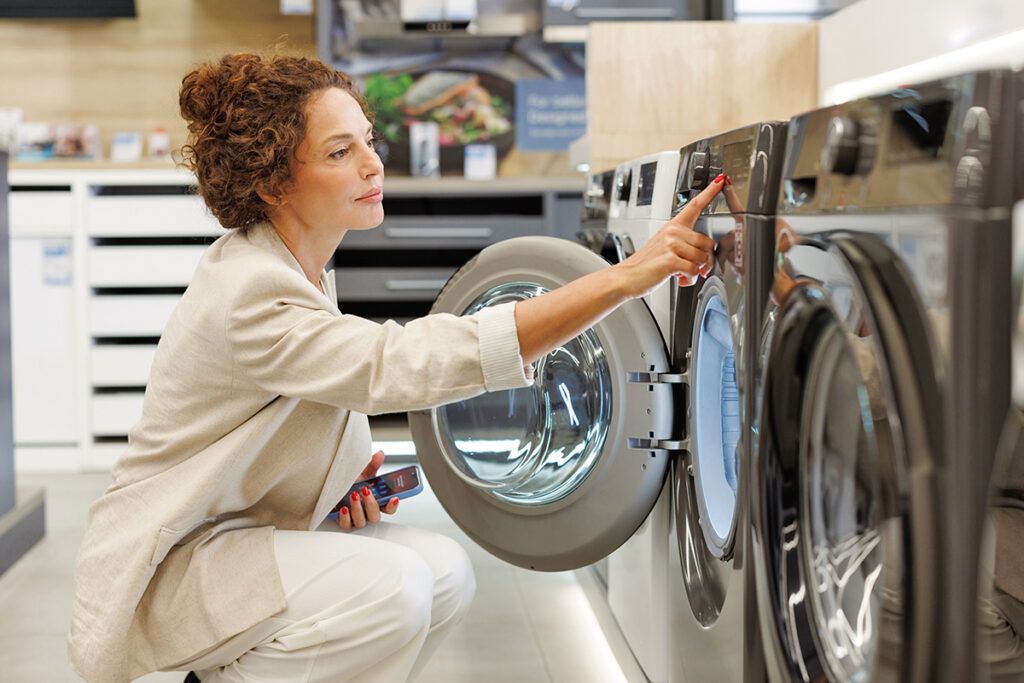
Woman looking at washing machines
Credit: © Riska—iStock/Getty Images

Small and Large Appliances

If you’re looking for appliances for your home, now is a great time to take advantage of savings. “New models are put out [in] early fall,” Ribeiro says, “so last year’s stock is getting marked down.” Appliances with the biggest discounts include “refrigerators, washers, and dryers,” Ribeiro notes, and according to Bodge, you can get great deals on small countertop appliances too. 

Bodge recommends that homeowners “use this time to replace an appliance that’s on the fritz.” In particular, you “should look for bundle deals where you can save more the more you buy,” she says. “Homeowners should check with their power provider too, as there may be trade-in offers or statement credits for EnergyStar appliances.”

Advertisement
Advertisement

Home Depot is showing generous discounts on refrigerators, with savings of as much as 42%, and washer and dryer sets as much as 37% off. Lowe’s also has some great savings right now, with as much as $900 off certain selections of washers and dryers and $1,600 off on refrigerators. “Don’t forget to go directly to the brands you like,” Bodge says, “because they will be offering savings, too, especially bundle deals.”Meanwhile, Amazon has excellent discounts on small appliances, including items for the home and kitchen. 

Knowing what you should buy now and where you should be patient can help you save big. And with those decisions made, you can focus on other important Labor Day matters — like throwing an epic barbecue or what you’re going to put on your hot dog.

Featured Image Credit: © bnenin/stock.adobe.com

More From Our Network

Better Report is part of Inbox Studio, an email-first media company. *Indicates a third-party property.

Go Retro With This 1960s Fashion Quiz

Quiz Daily

Go Retro With This 1960s Fashion Quiz

True or False: Are You a Master of U.S. Geography?

Travel Quiz

True or False: Are You a Master of U.S. Geography?

5 Reasons You Can Be Denied Boarding an Airplane

Daily Passport

5 Reasons You Can Be Denied Boarding an Airplane

What Did People Do Before Eyeglasses?

History Facts

What Did People Do Before Eyeglasses?

How To Use a Balloon To Clean Up Dust

House Outlook

How To Use a Balloon To Clean Up Dust

11 Shopping Hacks Costco Members Should Know

FinanceBuzz*

11 Shopping Hacks Costco Members Should Know

Share this article

  • Share to Facebook
  • Share to Twitter
  • Copy Url
  • Share to Email
Ali Eldridge

This article is for general informational purposes only.
Affiliate Disclaimer Medical Disclaimer Financial Disclaimer
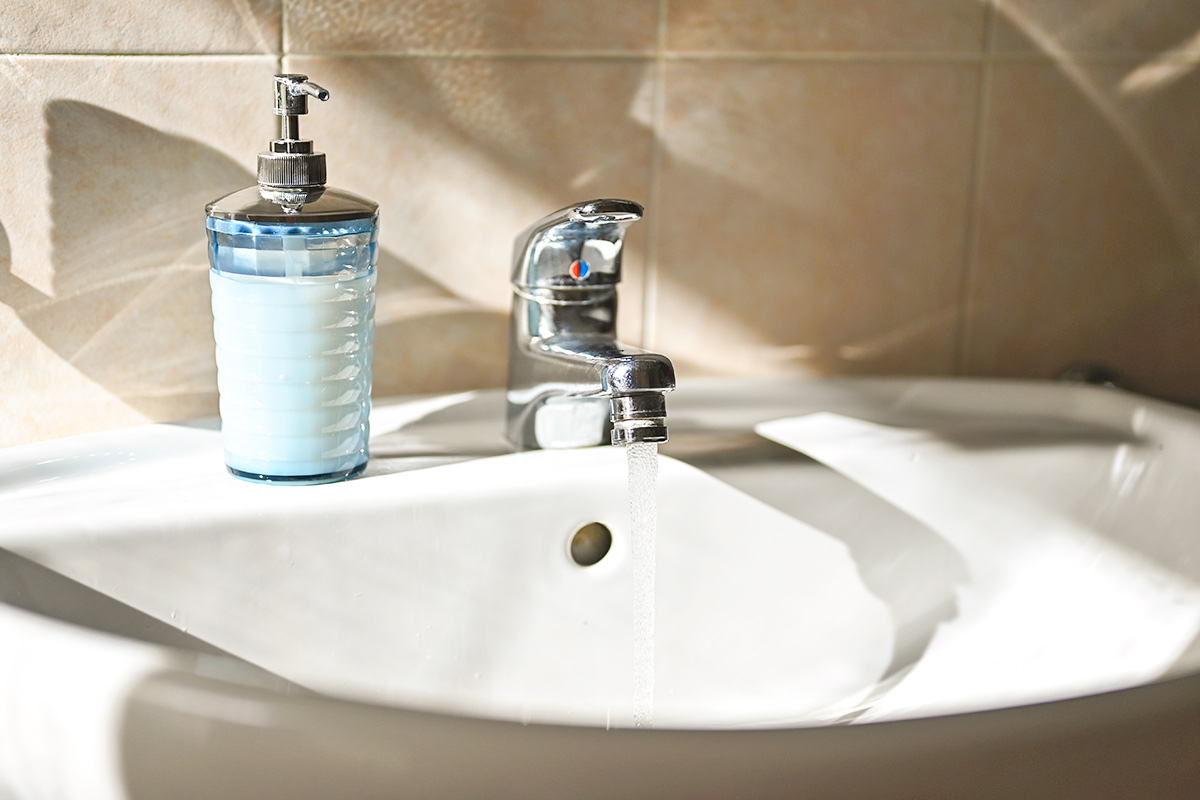
Updated:
Posted In: Wealth
Hero Image Credit: Better Report

Advertisement

Related Articles

5 Things Your Car Needs Before the First Freeze

4 min read

6 Amazon Prime Day Hacks

6 min read

Is It Actually Better To Lease a Car?

9 min read

7 Free MIT Classes You Can Experience From Home

4 min read

The Bedroom Color That Adds $2,000 to Your Home Value

3 min read
Advertisement

Posts navigation

Older posts
Newer posts
  • Home
  • Health
  • Wealth
  • Logo
  • Advertise
  • About
  • Contact Us
  • Privacy Policy
  • Terms of Use
  • Your Privacy Choices
x
Thumb Image

Elevate your everyday.

Sign up to receive the practical tips and expert advice you need to pare down the complexities of everyday living right in your inbox.

Sorry, your email address is not valid. Please try again.

Your email is:

Edit Image
Sorry, your email address is not valid. Please try again.
Thank you for subscribing...

By subscribing you are agreeing to our Terms of Use and Privacy Policy.

Close image
Thumb Image
Second Thumb Image

Elevate your everyday.

Sign up to receive the practical tips and expert advice you need to pare down the complexities of everyday living right in your inbox.

Sorry, your email address is not valid. Please try again.

By subscribing you are agreeing to our Privacy Policy and Terms of Use.

Close image