Skip to content
Better Report
  • Home
  • Health
  • Wealth
8 Low-Maintenance Plants That Thrive on Neglect
  • Search
  • Subscribe
  • Home
  • Health
  • Wealth
  • About
  • Privacy Policy
  • Terms of Use
  • Contact Us
  • SubscribeSubscribe
  • Search
Thank you for confirming your email! Welcome to the community.

Tag: Skincare

Why You Shouldn’t Use Rubbing Alcohol on Open Wounds

Health | Updated: June 11, 2026
Bennett Kleinman
Author
Bennett Kleinman is a New York City-based staff writer for Inbox Studio. He is also a freelance comedy writer, devoted New York Yankees and New Jersey Devils fan, and thinks plain seltzer is the best drink ever invented.
Scraped knee
Better Report

All featured products and deals are selected independently and objectively by the author. Better Report may receive a share of sales via affiliate links in content.

When you were a kid and scraped your knee, the first thing your parents may have done was apply rubbing alcohol to disinfect the wound. But while this home remedy has existed for decades, it may not be as beneficial as once thought. Many medical experts say that putting rubbing alcohol on open wounds is actually a bad idea. Here’s a look at why, and what you should do instead.
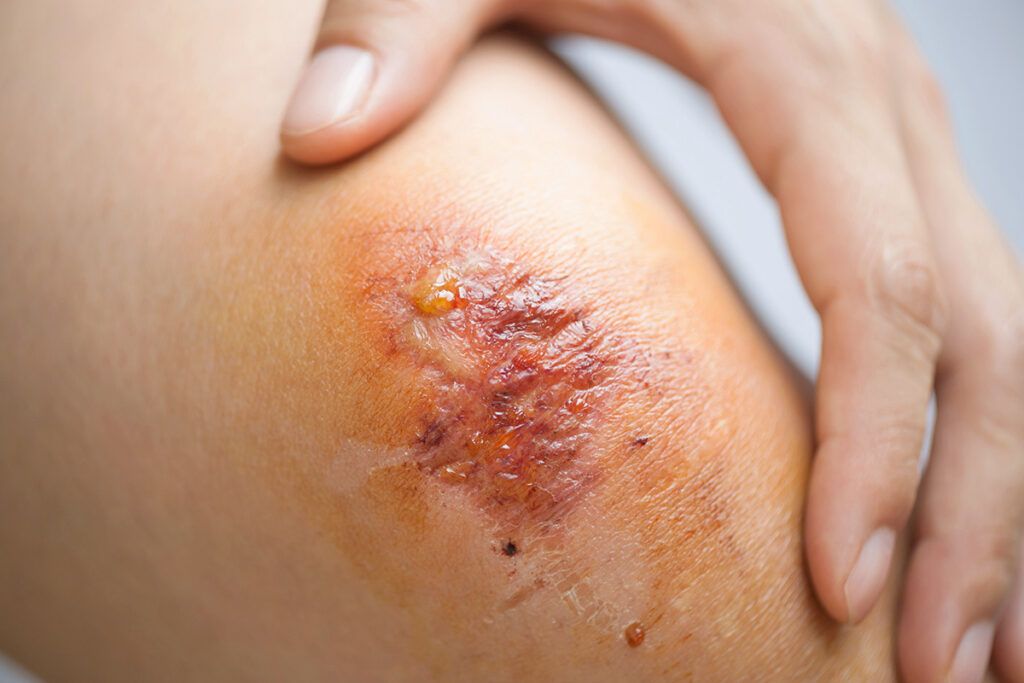
Scabbing wound
Credit: © lzf/stock.adobe.com

There’s the Rub

According to WebMD, applying rubbing alcohol (or hydrogen peroxide, for that matter) to an open wound is highly inadvisable. While the substances do kill off bacteria, they also harm the exposed tissue and kill healthy cells that would otherwise play a key role in the healing process. This delays healing and may even result in more scarring. That’s why you should use alternative methods that eliminate bacteria from the wound without causing any additional damage.

Advertisement
Advertisement

Dr. Nicholas Kman of the Ohio State Wexner Medical Center advises that anyone with a cut, scrape, or minor open wound should clean it using warm, running tap water and soap. The way you choose to do this is your call — you can step into the shower if the cut is on the leg, for example, or run it under the sink if it’s on your forearm. Just be sure to use a mild soap, which will remove bacteria without damaging healthy cells. WebMD recommends rinsing the cut for at least five minutes to adequately flush out any debris or bacteria.

Keep in mind that this advice applies only to smaller cuts that have stopped bleeding. If you’re dealing with a larger, deeper wound that’s gushing blood, then you should consult a medical professional for immediate treatment.
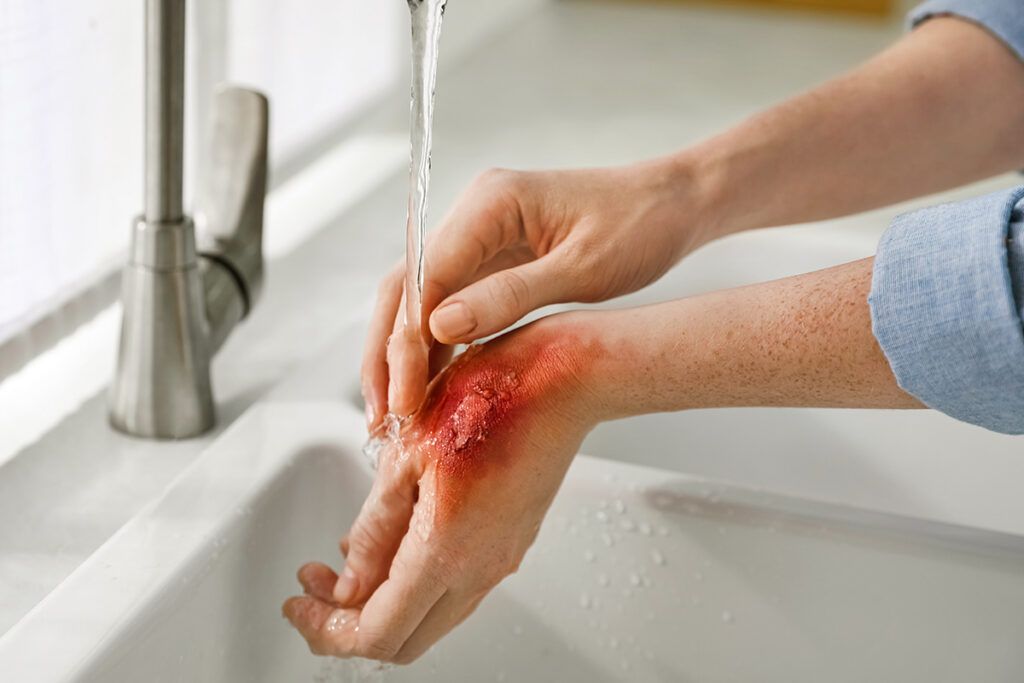
Washing wound on hand under water
Credit: © Liudmila Chernetska—iStock/Getty Images

Additional Tips for Treating Wounds

Avoiding the use of rubbing alcohol or hydrogen peroxide is just one thing to keep in mind when it comes to proper wound care. According to the Mayo Clinic, you should always wash your hands before touching a wound — this helps prevent infection. Next, use a clean bandage or cloth to press on the wound until bleeding stops. Then, clean the wound with warm running water and soap, as described above. Don’t scrub.

Recommended Articles

  • 6 Amazon Prime Day Hacks

  • 5 Things To Ask Your Doctor About the New Flu Shot

  • Is Sourdough Actually Healthier Than Regular Bread?

  • Do You Really Need a Bidet in Your Home?

Advertisement
Advertisement

Reader Favorites

  • Woman looking in fridge

    9 Foods You Should Toss ASAP if They’re Expired

  • Person eating salad

    7 Things a Chef Never Orders at a Restaurant

  • Cherry angioma

    Are the Tiny Red Dots on Your Skin Dangerous?

After thoroughly rinsing the wound, apply an antibiotic ointment or petroleum jelly to the affected area. This keeps the wound moist (which is essential for healing) and helps prevent scarring as well. 

Advertisement

If you’re dealing with a minor cut or scrape, there’s no need to cover it up. But a larger wound should be covered with a clean bandage or gauze to protect it from coming into contact with additional dirt or bacteria. Be sure to replace the bandage once per day (or if the bandage ever gets dirty or wet) until the wound fully heals.

Featured Image Credit: © pingpao/stock.adobe.com

More From Our Network

Better Report is part of Inbox Studio, an email-first media company. *Indicates a third-party property.

Go Retro With This 1960s Fashion Quiz

Quiz Daily

Go Retro With This 1960s Fashion Quiz

True or False: Are You a Master of U.S. Geography?

Travel Quiz

True or False: Are You a Master of U.S. Geography?

5 Reasons You Can Be Denied Boarding an Airplane

Daily Passport

5 Reasons You Can Be Denied Boarding an Airplane

What Did People Do Before Eyeglasses?

History Facts

What Did People Do Before Eyeglasses?

How To Use a Balloon To Clean Up Dust

House Outlook

How To Use a Balloon To Clean Up Dust

11 Shopping Hacks Costco Members Should Know

FinanceBuzz*

11 Shopping Hacks Costco Members Should Know

Share this article

  • Share to Facebook
  • Share to Twitter
  • Copy Url
  • Share to Email
Bennett Kleinman
Staff Writer

Bennett Kleinman is a New York City-based staff writer for Inbox Studio. He is also a freelance comedy writer, devoted New York Yankees and New Jersey Devils fan, and thinks plain seltzer is the best drink ever invented.

This article is for general informational purposes only.
Affiliate Disclaimer Medical Disclaimer Financial Disclaimer

Updated: July 20, 2023
Posted In: Health
Hero Image Credit: Better Report
Advertisement

Related Articles

5 Things To Ask Your Doctor About the New Flu Shot

5 min read

Is Sourdough Actually Healthier Than Regular Bread?

7 min read

Do You Really Need a Bidet in Your Home?

4 min read

3 Common Sleep Habits That May Be Aging Your Brain

5 min read

Is the Traditional Mediterranean Diet Actually the Best for Your Brain?

4 min read
Advertisement

7 Places You’re Forgetting To Apply Sunscreen

Health | Updated: May 14, 2026
Erin McCarthy
Author
Erin is a writer, editor, and content strategist living in the New York City area. Previously, she was the VP/Editor-in-Chief of MentalFloss.com and an editor at Popular Mechanics magazine. When she’s not working, Erin is hanging out with her cats, reading books from her never-ending TBR, traveling, karaoking, and making sourdough with her starter Stephen Sondheim.
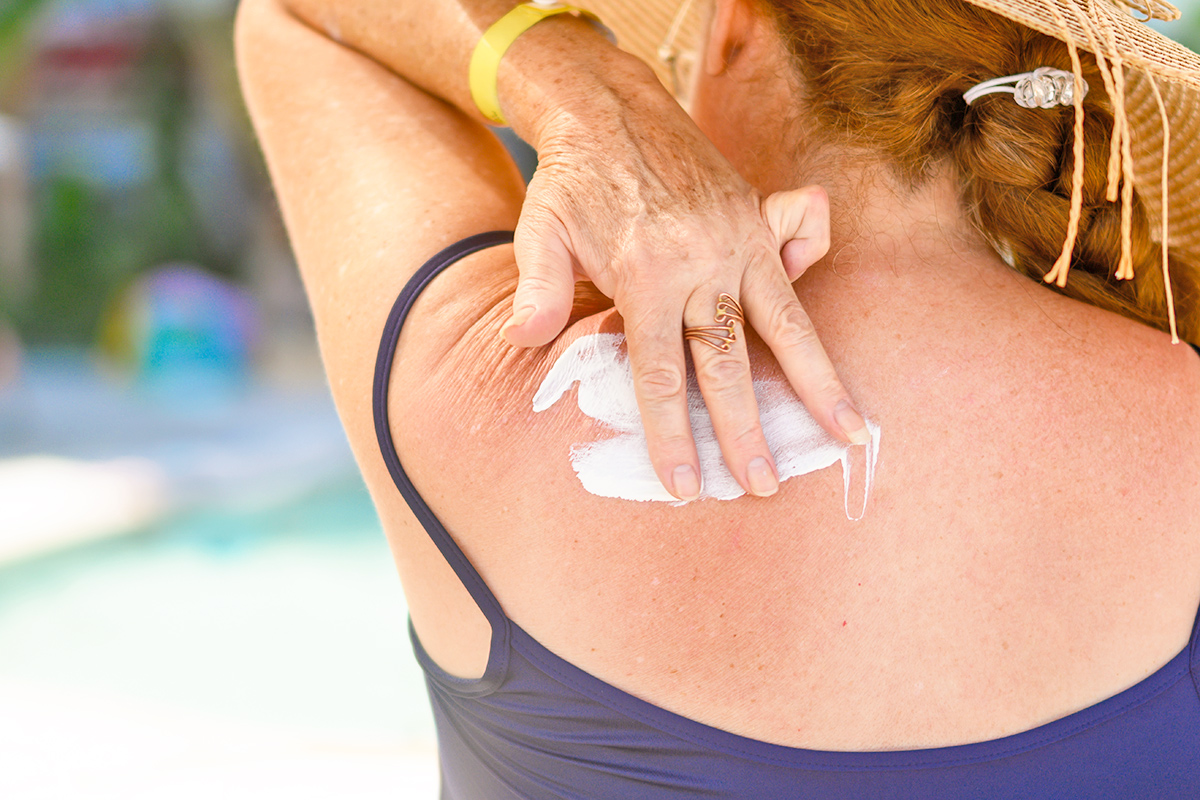
Woman applying sunscreen on back
Better Report

All featured products and deals are selected independently and objectively by the author. Better Report may receive a share of sales via affiliate links in content.

You’re not great at applying sunscreen — in fact, almost no one is. “Multiple studies from around the world have shown that people apply, on average, 20% to 50% of the recommended amount of sunscreen,” says Dr. Samantha Schneider, a dermatologist and Mohs micrographic surgeon at the Nevada-based Pacific Crest Dermatology. “This means that the vast majority of people are not actually getting the SPF number that is written on the bottle.” 

Advertisement
Advertisement

It also means there are probably areas on your body that you’re missing when you apply — and that’s a problem as the weather warms up and we spend more time in the sun’s ultraviolet rays. “Ultraviolet radiation … is considered a Group 1 carcinogen, which means it is cancer-causing in humans, just like cigarettes,” Dr. Schneider says. 

The data paints a similar picture: According to the American Academy of Dermatology, skin cancer is the most common cancer in the U.S., and one in five Americans will develop it in their lifetime. Proper sunscreen application can help protect you. Read on to find out which areas of your body you’re forgetting when you apply, plus some tips and tricks for getting the full SPF coverage you need.

Women applying sunscreen
Credit: © Curated Lifestyle/Unsplash.com

Areas You’re Missing When Applying Sunscreen

According to Dr. Schneider, one area where people do tend to use sunscreen is the face, though they may neglect the area around the eyes. “Sometimes it’s because sunscreen can be irritating around the eyes and other times I think it really is just because we forget,” she says. But the skin there is thin and particularly susceptible to UV damage, so it’s “important to extend your face sunscreen up underneath your eye and over your eyebrows.” There are a number of other areas where sunscreen may be forgotten,  including the body parts below, which Dr. Schneider says are frequently missed: 

  1. Ears
  2. Lips
  3. Scalp
  4. Neck
  5. Backs of the hands
  6. Tops of the feet
  7. The back (because it’s hard to reach)  

Recommended Articles

  • 6 Amazon Prime Day Hacks

  • 5 Things To Ask Your Doctor About the New Flu Shot

  • Is Sourdough Actually Healthier Than Regular Bread?

  • Do You Really Need a Bidet in Your Home?

Advertisement
Advertisement

Reader Favorites

  • Woman looking in fridge

    9 Foods You Should Toss ASAP if They’re Expired

  • Person eating salad

    7 Things a Chef Never Orders at a Restaurant

  • Cherry angioma

    Are the Tiny Red Dots on Your Skin Dangerous?

Missing areas of your body can result in “wrinkles, dull skin, loss of collagen and elasticity, and brown spots,” but of course the most serious consequence of not properly applying sunscreen is skin cancer. Dr. Schneider frequently performs Mohs surgery, a procedure in which thin layers of the skin are removed until no cancer remains. “As a Mohs surgeon, I am removing skin cancer from ears, lips, and scalps weekly in my clinic,” she says, adding that she also sees clients every day with concerns about premature aging caused by decades of sun exposure without taking the proper precautions. 

Advertisement
Man putting sunscreen in hand
Credit: © ohlamour studio/Unsplash.com

Application Tips and Tricks

The major issue that people need to overcome is that they’re applying half (or even less) of the amount used in a laboratory setting to give the rating on the bottle, according to Dr. Schneider. “The relationship between the number on the bottle and what protection you receive is not linear, but rather logarithmic,” she explains. “This means that when you apply half of the recommended amount, you are getting much less than half of the protection.”

Advertisement
Advertisement

If you’re only using foundation or moisturizer with SPF in it, you’re likely not getting enough protection, either. “Oftentimes, these are not broad-spectrum coverage — meaning they are not protecting against UVB and UVA — and most people are not putting on enough of their foundation or powder to actually get the coverage they think they are getting,” Dr. Schneider says.

So how can you make sure you’re fully covered? The recommendation is to apply a shot glass of sunscreen total to the parts of your body that aren’t covered by clothing. “For most people, it would mean face, neck (including back of neck), ears, upper chest, arms, legs, hands, and tops of feet, if [they’re] wearing sandals,” Dr. Schneider says. She advises her patients to apply sunscreen in two layers to ensure they’re getting enough coverage. “When you apply a first round of sunscreen, let it soak in, and then apply another [layer], you more closely approach the recommended amount of sunscreen that the SPF number is based upon,” she says. 

She layers two different sunscreens on her face: EltaMD UV Recovery has a green tint that evens out some of the redness in her skin, followed by ISDIN’S Eryfotona Ageless Tinted SPF, which also serves as her foundation.  

You can also get specific products for different areas of your body. “I am a big fan of SPF for lips. This is a highly neglected area, and trust me, no one wants a skin cancer on their lips,” she says. “I really like EltaMD UV Lip Balm Broad Spectrum SPF 36 for adventures outdoors. And I love Prequel’s Lip Visor for daily use.” If sunscreen irritates the area around your eyes, Dr. Schneider recommends trying Colorescience 3-in-1 Total Eye. You can use a mineral brush with SPF powder for your scalp or to reapply on your face if you have makeup on; Dr. Schneider likes ISDIN’s Mineral Brush and Colorscience Sunforgettable.

Advertisement
Advertisement

To make sure you’re not missing anything, she recommends coming up with a method for applying your sunscreen. “Do it the same way each time,” she says. “Creating a habit makes it second nature so that you don’t forget anything.” 

Advertisement
Woman wearing hat on beach
Credit: © Getty Images/Unsplash.com 

Other Things To Keep in Mind

Sunscreen should be worn every day. “I recommend daily SPF application on your face, neck, and back of hands because we get a surprising amount of exposure through windows and walking to and from buildings throughout the day,” Dr. Schneider says. Don’t forget to reapply every two hours, particularly if you’re spending a lot of time outdoors or are swimming and sweating. “Once in the morning does not give all day protection.” 

Advertisement
Advertisement

Dr. Schneider also recommends packing a hat, a neck drape, and UPF clothing if you’re going to be outside for long periods of time: “Having alternative methods of protection with you for an ‘Uh oh, I think I might be burning’ moment can help save the day.” That said, not all UPF clothing is created equal. “The protection that you receive from clothing depends on the weave of the fabric,” she says. “A loosely crocheted pool cover-up is not going to provide the same sun protection as a tightly woven UPF50 sun hoodie.” 

There are many different kinds of sunscreen, and it’s safe for you to use. “There is no evidence that, when used in the real world, [sunscreen] causes cancer or hormone disruption, but we know that UVR is a Grade 1 carcinogen and does cause cancer,” Dr. Schneider says. You may want to go for lotion over a spray, which “can be helpful, but they still do need to be rubbed in or you can get streaky coverage that leads to a sunburn.” Ultimately, she says, “The best sunscreen is the one that you are actually going to wear.”

Featured Image Credit: © Alejandro Franco Garcia—iStock/Getty Images

More From Our Network

Better Report is part of Inbox Studio, an email-first media company. *Indicates a third-party property.

Go Retro With This 1960s Fashion Quiz

Quiz Daily

Go Retro With This 1960s Fashion Quiz

True or False: Are You a Master of U.S. Geography?

Travel Quiz

True or False: Are You a Master of U.S. Geography?

5 Reasons You Can Be Denied Boarding an Airplane

Daily Passport

5 Reasons You Can Be Denied Boarding an Airplane

What Did People Do Before Eyeglasses?

History Facts

What Did People Do Before Eyeglasses?

How To Use a Balloon To Clean Up Dust

House Outlook

How To Use a Balloon To Clean Up Dust

11 Shopping Hacks Costco Members Should Know

FinanceBuzz*

11 Shopping Hacks Costco Members Should Know

Share this article

  • Share to Facebook
  • Share to Twitter
  • Copy Url
  • Share to Email
Erin McCarthy
Editor, Better Report

Erin is a writer, editor, and content strategist living in the New York City area. Previously, she was the VP/Editor-in-Chief of MentalFloss.com and an editor at Popular Mechanics magazine. When she’s not working, Erin is hanging out with her cats, reading books from her never-ending TBR, traveling, karaoking, and making sourdough with her starter Stephen Sondheim.

This article is for general informational purposes only.
Affiliate Disclaimer Medical Disclaimer Financial Disclaimer

Updated: March 23, 2026
Posted In: Health
Hero Image Credit: Better Report
Advertisement

Related Articles

5 Things To Ask Your Doctor About the New Flu Shot

5 min read

Is Sourdough Actually Healthier Than Regular Bread?

7 min read

Do You Really Need a Bidet in Your Home?

4 min read

3 Common Sleep Habits That May Be Aging Your Brain

5 min read

Is the Traditional Mediterranean Diet Actually the Best for Your Brain?

4 min read
Advertisement

Your Winter Skin Care Won’t Work for Spring — Here’s What Will

Ali Eldridge
Health | Updated: March 26, 2026
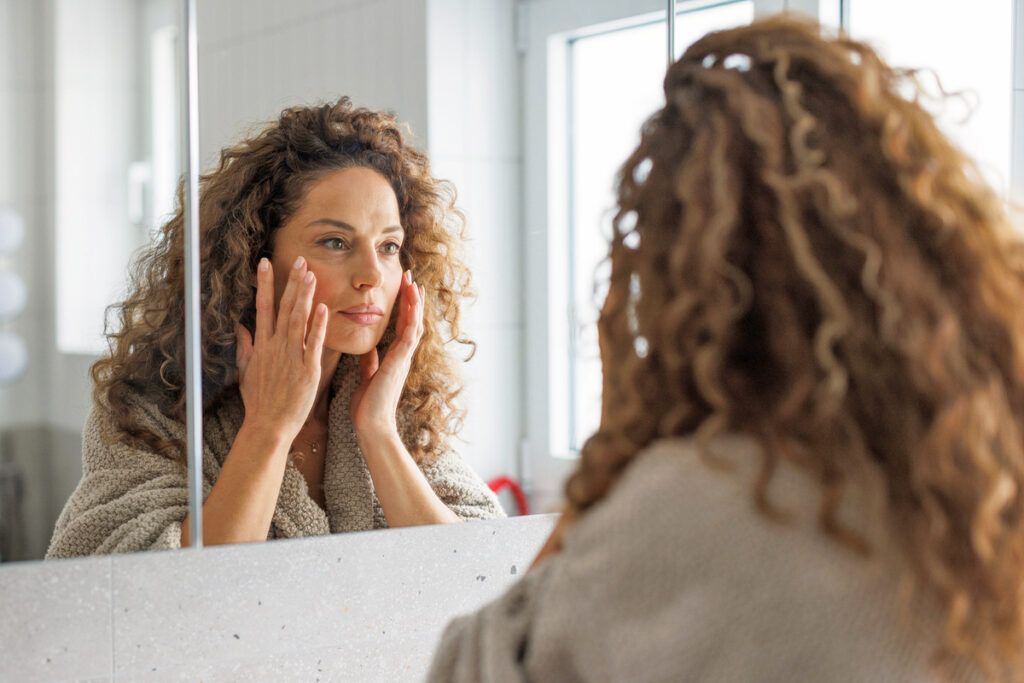
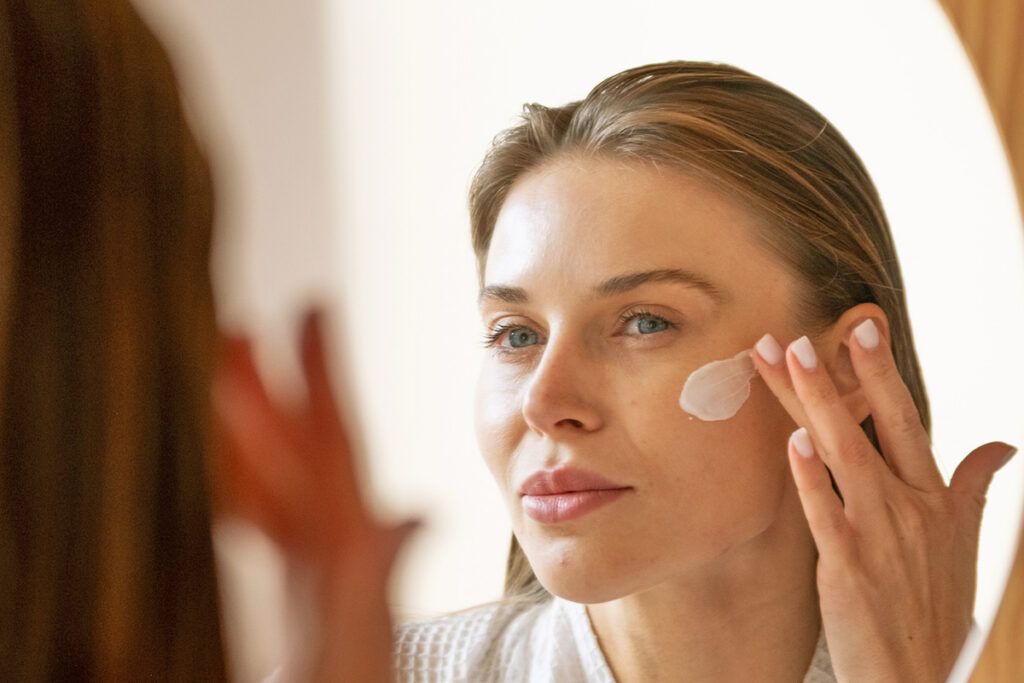
Woman looking in mirror putting on skin care
Better Report

All featured products and deals are selected independently and objectively by the author. Better Report may receive a share of sales via affiliate links in content.

As winter’s freezing temperatures and snow give way to relatively balmy spring weather, you’re probably breathing a sigh of relief — finally, you can go outside without covering up from head to toe. But if you haven’t changed up your skin care with the seasons, your skin could be paying the price. 

There are a number of ways spring can wreak havoc on your skin, and the routine you’ve been using all winter simply can’t conquer them. We asked an expert for tips to ease the transition.

Woman looking in mirror touching face
Credit: © Riska/iStock

Why Your Skin Suffers in the Spring

If someone asked you which season is hardest on your skin, you’d probably go with either winter, thanks to its chilly weather, or summer, due to its intense sun — and you wouldn’t necessarily be wrong. But spring is surprisingly tough on the skin, too.

Advertisement
Advertisement

One reason why is allergens, which, in addition to triggering sneezing fits and causing watery eyes, can also irritate the skin. “The skin contains mast cells which store histamine. When the skin is disrupted, those cells release histamine as a defense mechanism,” Nicole Hollander, RN, BSN, says. Hollander is the owner and operator of HUSH Medical Aesthetics in Buckingham, Pennsylvania, and has spent 15 years focused on aesthetics. Allergens such as pollen, as well as things like dust and mold, can set off a histamine release that leads to itchy, rashy skin. And if you have eczema or psoriasis, you may experience flare-ups at this time due to pollen in the air getting in the skin.  

To make matters worse, temperature can be all over the place as the seasons change, and those fluctuations can cause dryness and flakiness. You might also see breakouts from rising humidity. Sweating and friction from clothing as you’re exercising can be sources of skin irritation, too, as can bug bites. 

Recommended Articles

  • 6 Amazon Prime Day Hacks

  • 5 Things To Ask Your Doctor About the New Flu Shot

  • Is Sourdough Actually Healthier Than Regular Bread?

  • Do You Really Need a Bidet in Your Home?

Advertisement
Advertisement

Reader Favorites

  • Woman looking in fridge

    9 Foods You Should Toss ASAP if They’re Expired

  • Person eating salad

    7 Things a Chef Never Orders at a Restaurant

  • Cherry angioma

    Are the Tiny Red Dots on Your Skin Dangerous?

Additionally, as the weather warms up, you’ll likely want to spend more time outdoors, exposing your skin to more sun — and therefore more harmful UV rays. Springtime sun is more intense than many people realize, which could lead to sunburns, hyperpigmentation, premature aging, and other skin damage. 

Advertisement

Transitioning From Winter to Spring

According to Hollander, a winter skin care routine will be “vastly different” from the one you want for spring and summer. The colder months’ harsh weather, combined with the hot, dry air used inside, can lead to dehydrated, sensitive skin, so winter skin care should focus on using thick, moisturizing products that will hydrate the skin, and exfoliating products should be used sparingly. 

Advertisement
Advertisement

Spring, however, is the time to switch things up — but it’s important to consult with your aesthetician and/or dermatologist before making changes to your routine, because disruptions to the skin barrier can also cause breakouts and irritation. With that in mind, here are a few general tips.

Woman putting on moisturizer
Credit: © AscentXmedia/iStock

Get a Light Moisturizer 

Spring’s rising temperatures and increasing humidity mean your skin will produce more of a natural oil called sebum. Thicker moisturizers could clog your pores and lead to breakouts, so you’ll want to opt for a lightweight moisturizer like Alastin’s Ultra Light Moisturizer or a product with hyaluronic acid (a naturally occurring substance in the body that retains moisture), like PCA SKIN Hyaluronic Acid Boosting Serum. 

Advertisement
Advertisement
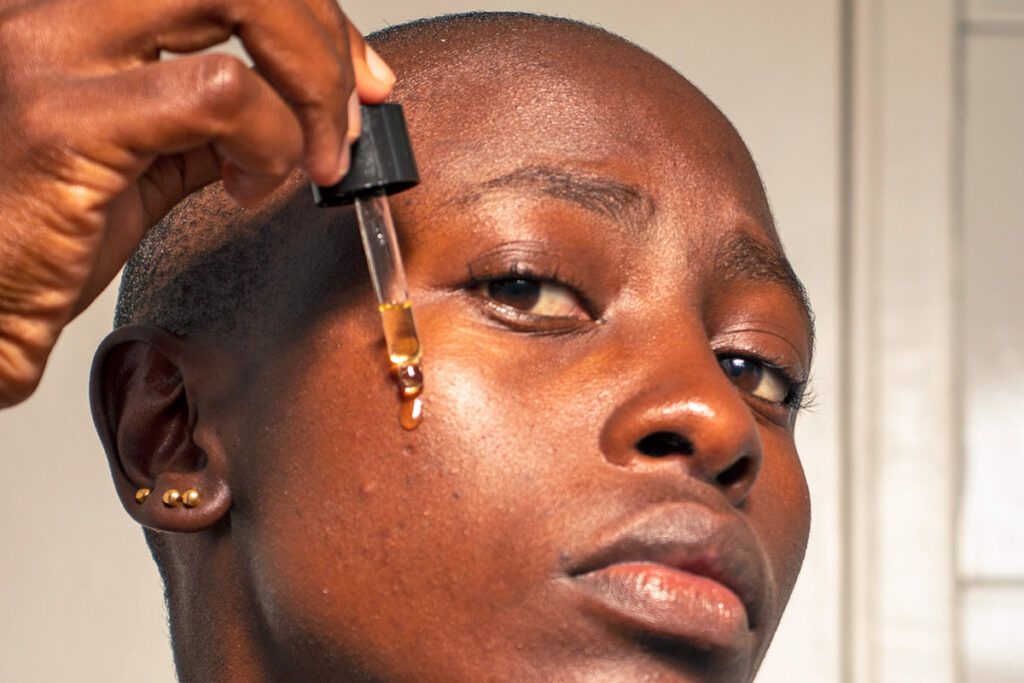
Woman using dropper to apply antioxidants
Credit: © gloria mwivanda/iStock

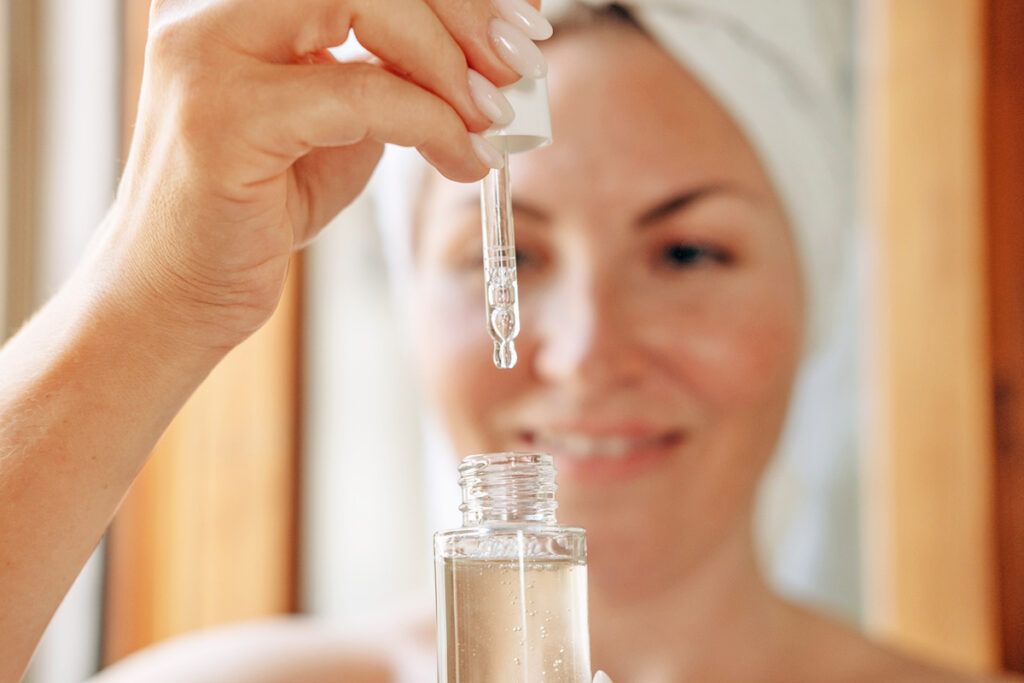
Use Antioxidants

Hollander says it’s “imperative” at this time of year “to layer the skin with defense mechanisms” — specifically, vitamin C and other antioxidants, which protect against things like pollution and sun damage and brighten the skin to boot. She likes Isdin Flavo-C Ultraglican Ampules or SkinMedica’s TNS Essential Advanced+ Serum. 

Person exfoliating face
Credit: © NickyLloyd/iStock

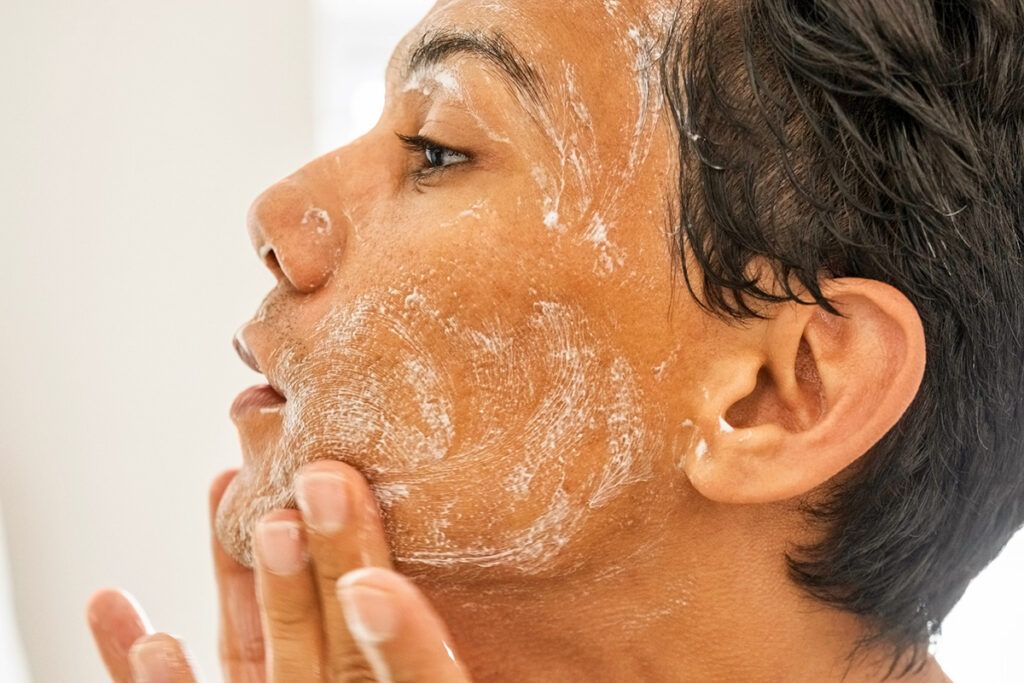
Exfoliate

It’s also likely that winter has left your skin dry and dull, and that spring is making you sweat more — both things that call for exfoliating to remove dead skin. Hollander likes to alternate a gentle cleanser with an exfoliating cleanser (her favorite is Obagi Medical’s Obagi360 Exfoliating Cleanser). She also recommends ZO Skin Health’s Exfoliating Polish, which she says is gentle enough to use a few times a week.

Advertisement
Advertisement
Woman holding bottle of clear serum
Credit: © Elena Katkova/iStock

Use a Retinol

Now that winter is over and your skin is less sensitive, you’ll probably want to incorporate or increase retinol or retinoid use in the spring. These vitamin A derivatives have been scientifically proven to increase skin cell turnover, stimulate collagen production, and reduce the appearance of fine lines and wrinkles. (Many over-the-counter products include retinol, but you’ll need a prescription for a retinoid.) 

Advertisement
Advertisement

Hollander recommends this step for people over the age of 25, when collagen production starts to slow down. “Retinols are a gentler version of a retinoid and a great way to introduce this [element] into your skin care routine,” she says. When you build up tolerance to retinol, you can switch over to a retinoid. Note that you may experience sensitivity and redness when adding these products into your skin care regimen. That’s normal, but it’s important to have the guidance of a skin care professional to figure out what’s best for you. 

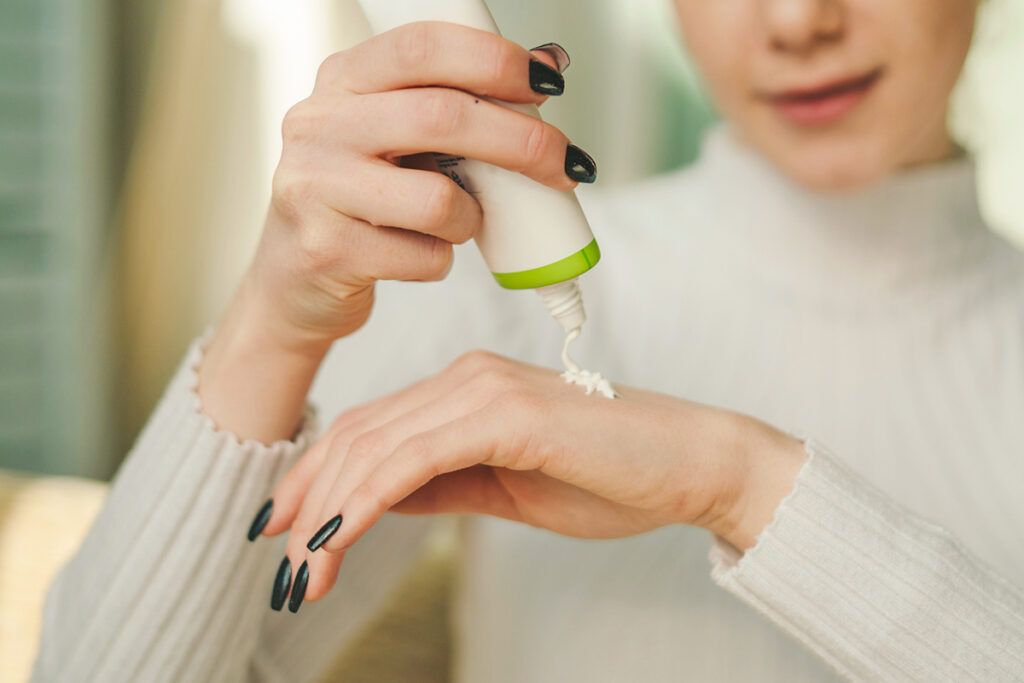
Woman putting sunscreen on hand
Credit: © Strelciuc Dumitru/iStock

Don’t Forget To Wear — and Reapply — Your Sunscreen

Hollander calls retinol one of her “two most important factors in skin care.” The other, which tops the list, is sunscreen.

Advertisement

Sunscreen should always be a part of your skin care routine, even in winter, even if it’s cloudy, and even if you’re planning to only be indoors. (And SPF in your makeup isn’t enough.) You should be aiming for at least SPF 30 for everyday use. Hollander likes Alastin HydraTint SPF for the face — which “gives the skin a glow, evens out imperfections, and can even replace a heavy foundation” — and Elta MD Skincare UV AOX Mist for the body. 

Advertisement
Advertisement

If you’re spending an extended period of time outside, make sure to use a higher SPF; Hollander recommends at least SPF 50. You might want to consider additional physical protections, too, like a hat or sun-protective clothing, “since sweating is likely and you may not be able to reapply your sunscreen,” she says. 

About that: You should be reapplying sunscreen every two hours, especially if you’re sweating or swimming, and you might want to consider reapplying even more frequently in those cases. Keeping a powder brush sunscreen in your bag will make reapplying on the face and scalp easy. Hollander suggests setting a timer when you’re outdoors so you don’t forget.

Advertisement
Advertisement

Ultimately, according to Hollander, “springtime is the time to gently ease your skin into the next season.” If you’ve established a solid routine and good habits, summer should be a breeze.

Featured Image Credit: © FilippoBacci/iStock

More From Our Network

Better Report is part of Inbox Studio, an email-first media company. *Indicates a third-party property.

Go Retro With This 1960s Fashion Quiz

Quiz Daily

Go Retro With This 1960s Fashion Quiz

True or False: Are You a Master of U.S. Geography?

Travel Quiz

True or False: Are You a Master of U.S. Geography?

5 Reasons You Can Be Denied Boarding an Airplane

Daily Passport

5 Reasons You Can Be Denied Boarding an Airplane

What Did People Do Before Eyeglasses?

History Facts

What Did People Do Before Eyeglasses?

How To Use a Balloon To Clean Up Dust

House Outlook

How To Use a Balloon To Clean Up Dust

11 Shopping Hacks Costco Members Should Know

FinanceBuzz*

11 Shopping Hacks Costco Members Should Know

Share this article

  • Share to Facebook
  • Share to Twitter
  • Copy Url
  • Share to Email
Ali Eldridge

This article is for general informational purposes only.
Affiliate Disclaimer Medical Disclaimer Financial Disclaimer

Updated:
Posted In: Health
Hero Image Credit: Better Report
Advertisement

Related Articles

5 Things To Ask Your Doctor About the New Flu Shot

5 min read

Is Sourdough Actually Healthier Than Regular Bread?

7 min read

Do You Really Need a Bidet in Your Home?

4 min read

3 Common Sleep Habits That May Be Aging Your Brain

5 min read

Is the Traditional Mediterranean Diet Actually the Best for Your Brain?

4 min read
Advertisement

Worried About Wrinkles? You Should Be Worried About This Instead

Health | Updated: February 17, 2026
Megan Rogers
Author
Based in Los Angeles, Megan blends over five years of publisher experience with a data-first approach to commerce content. She’s collaborated with leading commerce teams at Real Simple, Better Homes & Gardens, Reader’s Digest, and Taste of Home to name a few. When she’s not diving into product trends, you’ll find her exploring new adventures as a newlywed or spoiling her rescue dog, Ram Ram.
Better Report

As we age, it’s not just wrinkles we should worry about. We should be mindful of the gradual loss of hydration and elasticity that makes skin seem thinner, feel less firm, and look more uneven. As we age, collagen production slows, sebum production declines, and the outermost layers of the skin lose their ability to bounce back.

Everyday habits like taking hot showers can strip away the natural oils that help skin stay hydrated and support elasticity. When that protective layer is repeatedly stripped, it weakens the skin barrier, the outermost layer responsible for keeping moisture in and irritants out. Over time, a weakened skin barrier makes skin more reactive, dry, and vulnerable to sun damage, which is why dark spots also become more noticeable with age.

That’s why I’ve built my routine around ingredients that support both firmness and barrier health: Collagen peptides help counter the natural decline in collagen that begins in our 20s. As collagen and elastin fibers break down, skin loses firmness, and fine lines become more visible. Peptides provide amino acids that support collagen production and improve elasticity, which can help smooth and plump the look of skin over time. Think of them as building blocks that help reinforce the skin’s structure as natural collagen declines. Niacinamide (a form of vitamin B3) works differently but just as importantly. It strengthens the skin barrier, helps it retain moisture, improves uneven tone, and softens the appearance of pores and fine lines. It’s an ingredient that makes skin look healthier overall, not just younger.

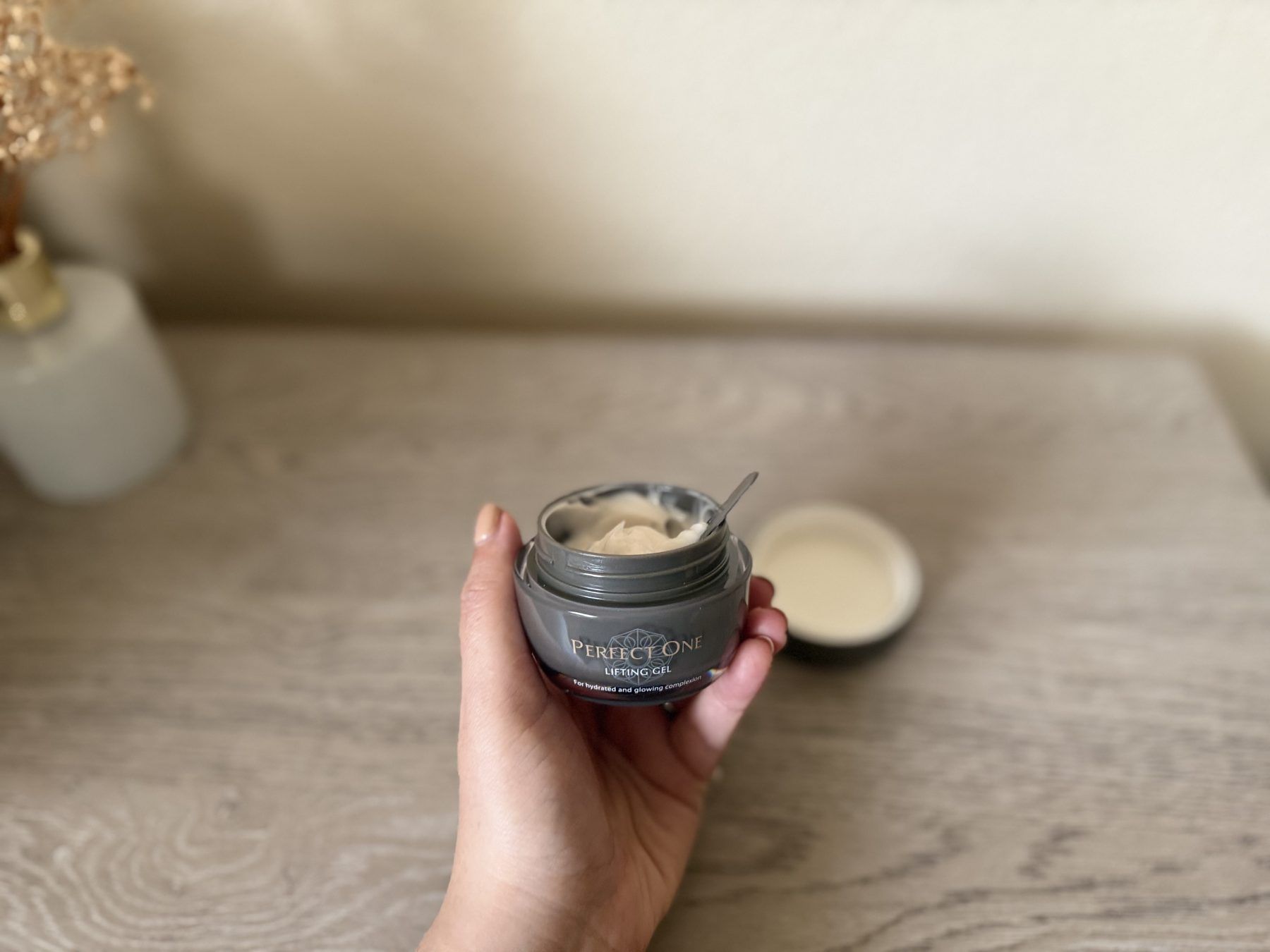
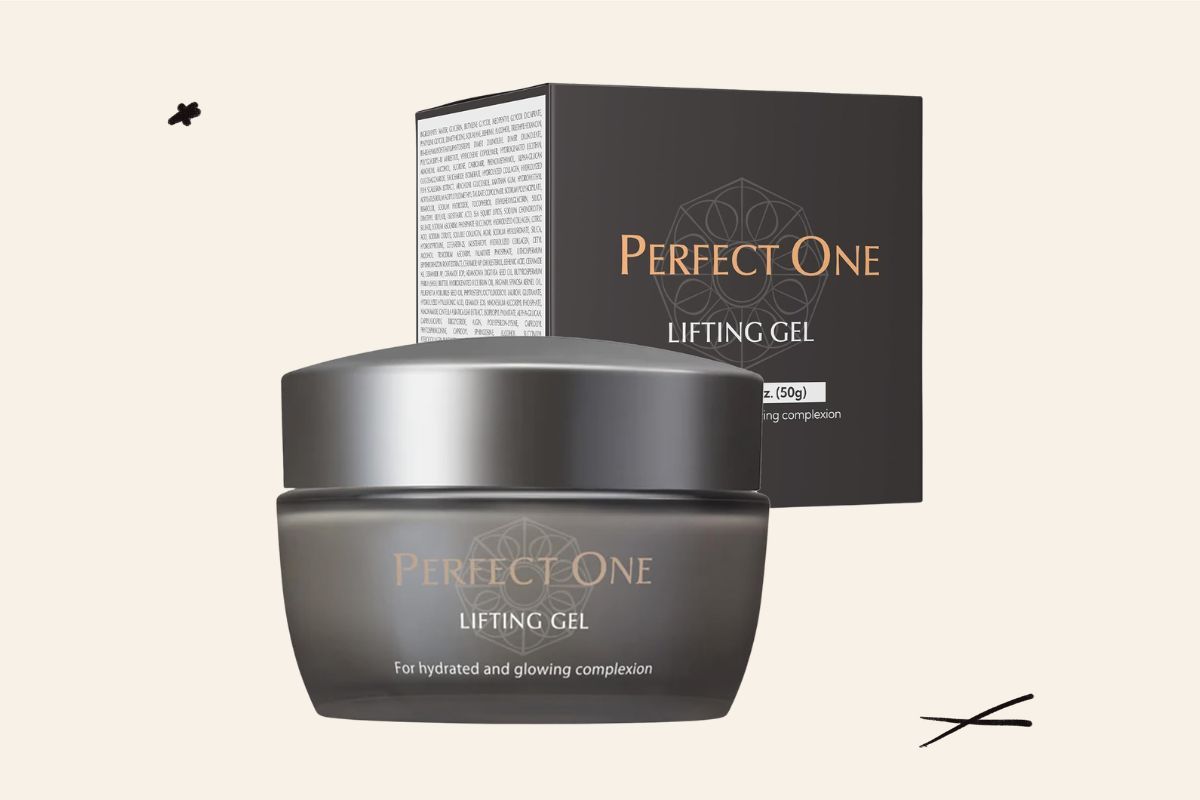
Perfect One Lifting Gel

BUY FOR $58 AT AMAZON

Lately, I’ve been using PERFECT ONE Lifting Gel, a Japan-made product with an all-in-one formula designed for mature skin. It combines the aforementioned ingredients, collagen peptides and niacinamide, with retinol, squalane, centella, and botanical extracts in one lightweight gel. I like applying it before bed because it moisturizes without feeling heavy. By morning, my skin looks “dewey” and smoother, especially in areas where fine lines tend to show first. On nights when I’m using stronger serums, I’ll alternate, but on simpler nights, this works as both my serum and moisturizer.

Advertisement

If your goal is to slow the visible signs of aging,  whether that’s fine lines or loss of elasticity, focusing on hydration, barrier support, and collagen-stimulating ingredients is a great place, I’ve found, to start.

Featured Image Credit: Galina Zhigalova / Getty Images

Advertisement
Advertisement

Related Articles

5 Things To Ask Your Doctor About the New Flu Shot

5 min read

Is Sourdough Actually Healthier Than Regular Bread?

7 min read

Do You Really Need a Bidet in Your Home?

4 min read

3 Common Sleep Habits That May Be Aging Your Brain

5 min read

Is the Traditional Mediterranean Diet Actually the Best for Your Brain?

4 min read
Advertisement

Why You Should Care About Your Skin Barrier

Ali Eldridge
Health | Updated: December 18, 2025
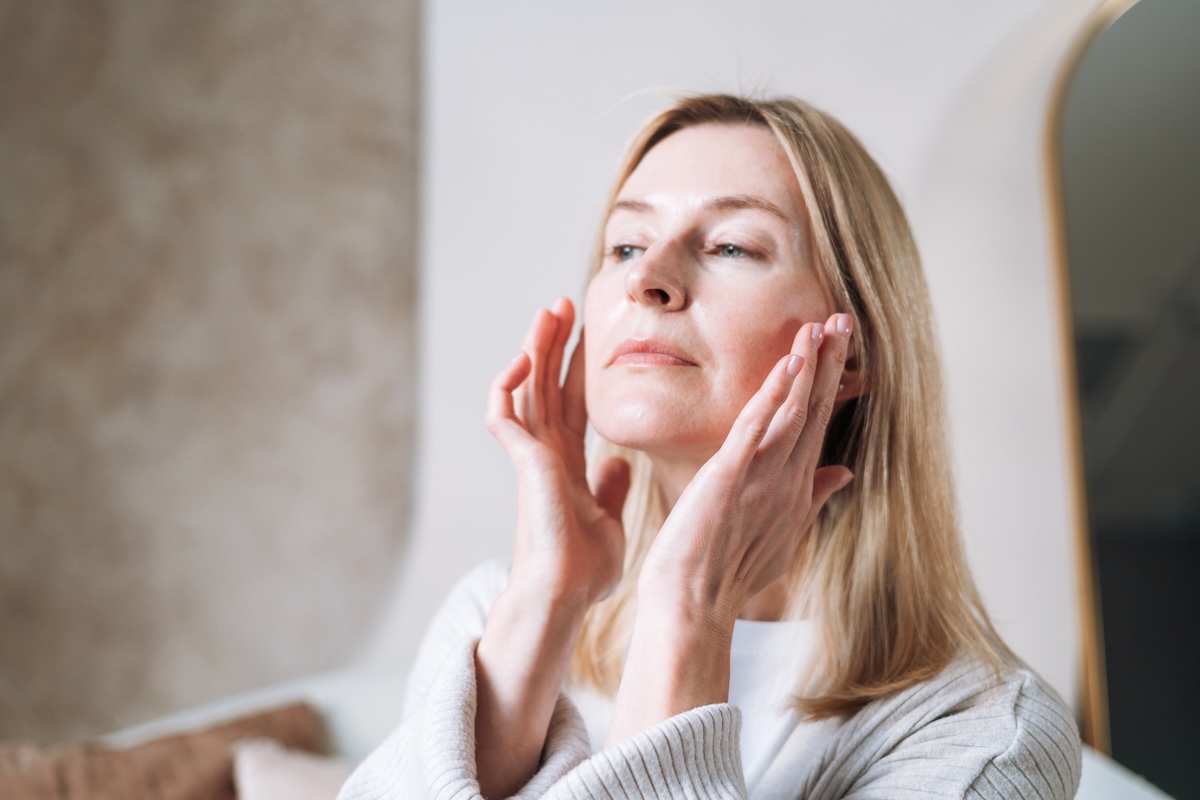
A focused adult woman practices facial self-massage in her well-lit bathroom. Using her fingertips, she gently smoothes her skin to improve circulation, reduce tension, and promote a healthy, natural glow. This authentic at-home wellness moment captures the popular beauty and self-care trend

Most of us think of aging skin simply as the emergence of deep-rooted wrinkles. In reality, the process begins much closer to the surface. Long before those lines appear, the outermost layers of your skin start to lose the ability to stay hydrated, resilient, and even-toned. As we age, skin naturally becomes thinner, produces less oil, and loses elasticity. These changes weaken the skin barrier, making it more vulnerable to everyday stressors like sun exposure, pollution, dry air, and harsh skincare ingredients. When the barrier struggles, skin doesn’t just look older, it often feels more reactive, dry, and uneven, too.

What Is the Skin Barrier?

Your skin barrier is the outermost layer of your skin, also known as the stratum corneum.  Dermatologist Melissa Piliang, MD, explains that your skin barrier is, in fact, dead, not alive, and is made up of dead cells, lipids, proteins, and fats that help protect your skin from the environment. That means you should think of the skin barrier as a brick wall. Skin cells are the bricks, while lipids such as ceramides, cholesterol, and fatty acids serve as the mortar that holds everything together. When that structure is intact, moisture stays in, and irritants stay out. Over time, your skin produces fewer of the lipids that keep the barrier intact, especially ceramides and fatty acids. Without enough of these, tiny gaps form in the barrier, making it harder for skin to stay hydrated and calm.

Signs Your Skin Barrier May Be Compromised

Most people start noticing barrier-related changes in their mid-30s or early 40s. Your skin may suddenly feel drier, more sensitive, or slower to recover after irritation, even if you haven’t changed your routine. Environmental exposure and daily habits can accelerate this process, especially when combined with natural aging. You might notice persistent tightness, flaking, or rough texture that doesn’t seem to improve with moisturizer. Products that once felt fine may suddenly sting, and redness or irritation can become more common. Studies show that skin barrier disruption and sensitivity often go hand in hand, which helps explain why redness, stinging, and irritation are usually early warning signs. Healing tends to slow down as well, leaving the skin looking dull or uneven for longer periods.

How to Protect and Strengthen Your Skin Barrier

Barrier damage usually happens gradually. Daily exposure to sun, pollution, wind, and dry air all takes a toll, especially over time. That said, your skincare habits can play a role, too: Harsh cleansers, frequent exfoliation, or overly active routines can strip away the lipids skin relies on. Strengthening the skin barrier is less about simply doing more and more about supporting what your skin naturally needs as it changes. Hydration is essential, but so is replenishing the lipids and nutrients that decline with age.

Advertisement

Ingredients like ceramides help reinforce the barrier’s structure and prevent moisture loss, while niacinamide supports ceramide production and calms inflammation. Hyaluronic acid also plays an important role and has a unique capacity to retain water for a happy, healthy-looking barrier, making it especially valuable as natural levels decline with age. Antioxidants round things out by helping protect skin from free radical damage caused by sun exposure and pollution.

Advertisement
Advertisement

Barrier-Friendly Products for Those Over 35

As skin moves through its mid-30s and beyond, it often becomes less forgiving. Making the switch to gentler, barrier-supportive products can be one of the most impactful changes you make, and it doesn’t have to mean overhauling everything at once. Skin barrier repair takes time. As the Cleveland Clinic notes, skin barrier damage doesn’t happen overnight; nor does its repair, and it may take up to four months to see noticeable improvement.

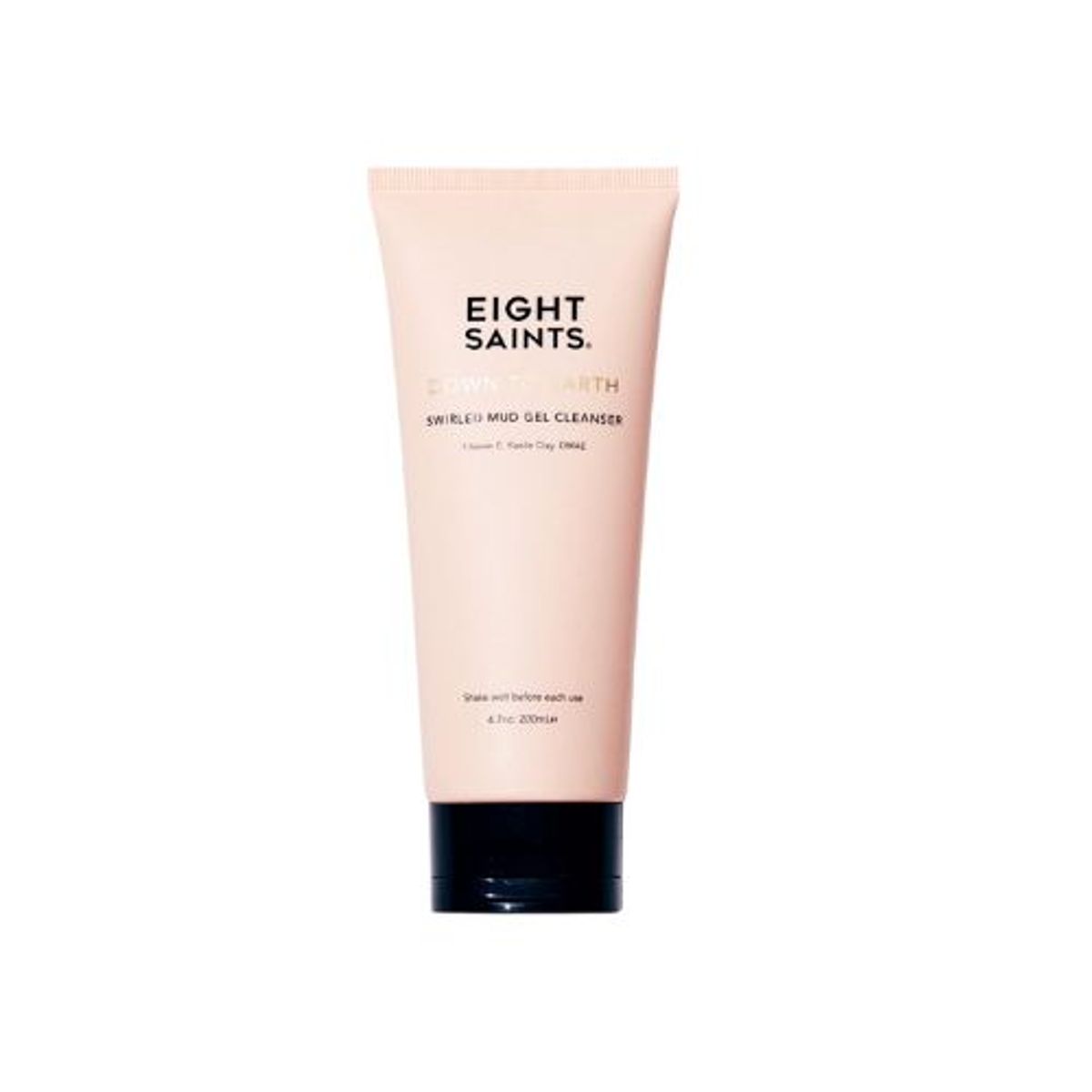
Eight Saints Down To Earth Mud Gel Face Wash
$33
BUY NOW Amazon
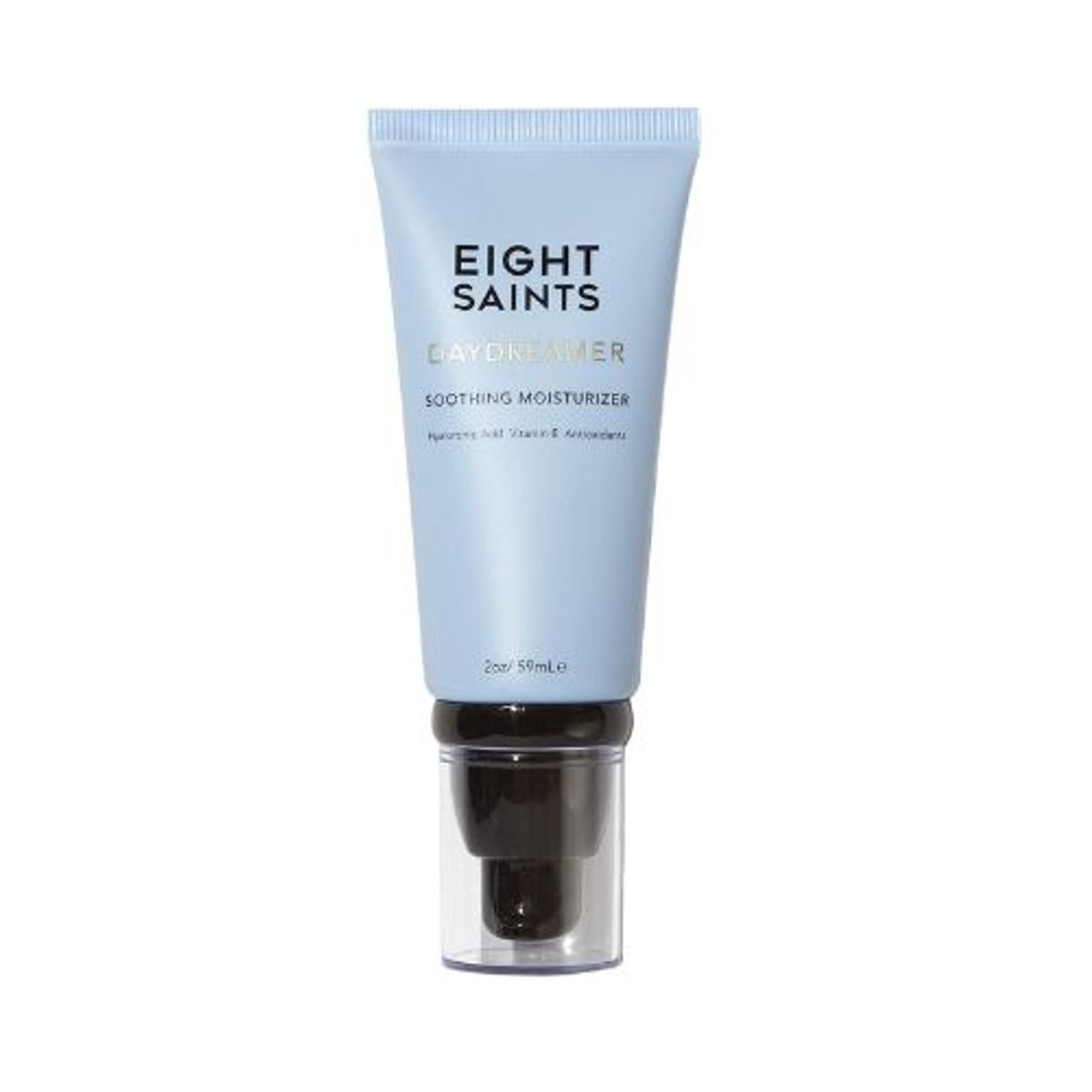
Eight Saints Daydreamer Soothing Moisturizer
$40
$32
BUY NOW Amazon
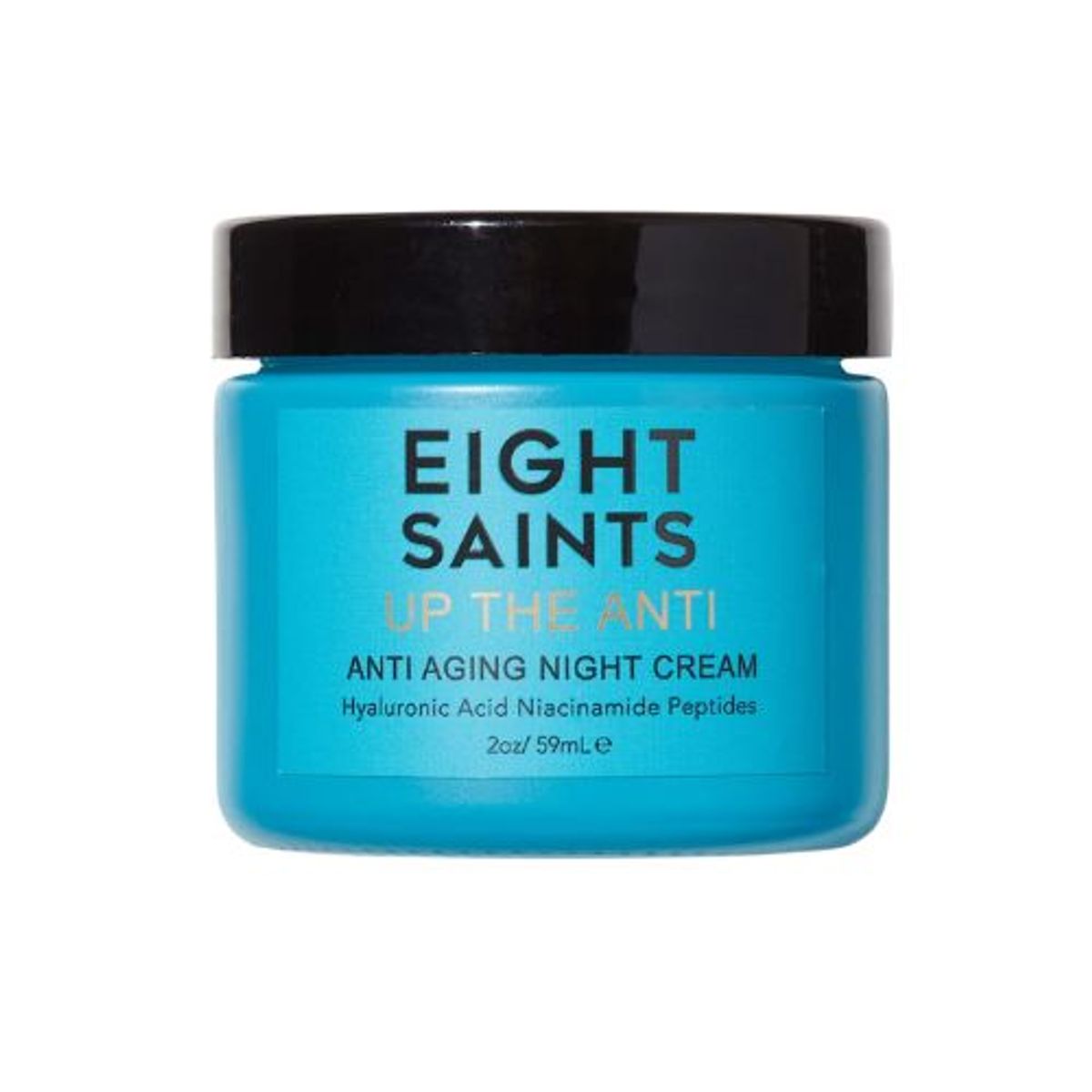
Eight Saints Up the Anti Night Cream
$44
$34
BUY NOW Amazon

A good place to start is with your cleanser. Something gentle and non-stripping can help remove makeup, oil, and daily buildup without leaving skin dry. The Eight Saints Down To Earth Mud Gel Face Wash does precisely that, using natural clays to purify and antioxidants to make it gentle on sensitive skin.

A daily moisturizer is where barrier repair really happens. A lightweight yet hydrating formula like Eight Saints Daydreamer Soothing Moisturizer replenishes moisture with hyaluronic acid, while the jojoba oil locks in hydration with the same properties as the oils produced by your skin’s sebaceous glands.

At night, skin does its best repair work. A richer option, my personal favorite, is the Eight Saints Up the Anti Night Cream. It supports overnight recovery with ingredients like niacinamide, peptides, and hyaluronic acid, ideal if dryness or sensitivity tends to show up by morning. It makes my dry skin feel moisturized and soft when I wake up and cleanse.

Advertisement

Finally, sunscreen remains essential year-round. Daily UV exposure slowly weakens the skin barrier, even on cloudy days. Eight Saints Chase the Sun Broad Spectrum SPF 30 offers mineral protection and moisturizes, making it easier to wear every day.

The goal isn’t to sell you more skin products; it’s to give it what it needs to stay balanced, calm, and resilient as it changes over time.

Recommended Articles

  • 6 Amazon Prime Day Hacks

  • 5 Things To Ask Your Doctor About the New Flu Shot

  • Is Sourdough Actually Healthier Than Regular Bread?

  • Do You Really Need a Bidet in Your Home?

Advertisement
Advertisement

Reader Favorites

  • Woman looking in fridge

    9 Foods You Should Toss ASAP if They’re Expired

  • Person eating salad

    7 Things a Chef Never Orders at a Restaurant

  • Cherry angioma

    Are the Tiny Red Dots on Your Skin Dangerous?

Featured Image Credit: Galina Zhigalova / Getty Images

More From Our Network

Better Report is part of Inbox Studio, an email-first media company. *Indicates a third-party property.

Go Retro With This 1960s Fashion Quiz

Quiz Daily

Go Retro With This 1960s Fashion Quiz

True or False: Are You a Master of U.S. Geography?

Travel Quiz

True or False: Are You a Master of U.S. Geography?

5 Reasons You Can Be Denied Boarding an Airplane

Daily Passport

5 Reasons You Can Be Denied Boarding an Airplane

What Did People Do Before Eyeglasses?

History Facts

What Did People Do Before Eyeglasses?

How To Use a Balloon To Clean Up Dust

House Outlook

How To Use a Balloon To Clean Up Dust

11 Shopping Hacks Costco Members Should Know

FinanceBuzz*

11 Shopping Hacks Costco Members Should Know

Share this article

  • Share to Facebook
  • Share to Twitter
  • Copy Url
  • Share to Email
Ali Eldridge

This article is for general informational purposes only.
Affiliate Disclaimer Medical Disclaimer Financial Disclaimer

Updated:
Posted In: Health
Featured Image Credit: Galina Zhigalova
Hero Image Credit: A focused adult woman practices facial self-massage in her well-lit bathroom. Using her fingertips, she gently smoothes her skin to improve circulation, reduce tension, and promote a healthy, natural glow. This authentic at-home wellness moment captures the popular beauty and self-care trend
Advertisement

Related Articles

5 Things To Ask Your Doctor About the New Flu Shot

5 min read

Is Sourdough Actually Healthier Than Regular Bread?

7 min read

Do You Really Need a Bidet in Your Home?

4 min read

3 Common Sleep Habits That May Be Aging Your Brain

5 min read

Is the Traditional Mediterranean Diet Actually the Best for Your Brain?

4 min read
Advertisement

Your Beauty Products Could Secretly Be Causing Dry Skin

Health | Updated: January 21, 2026
Megan Rogers
Author
Based in Los Angeles, Megan blends over five years of publisher experience with a data-first approach to commerce content. She’s collaborated with leading commerce teams at Real Simple, Better Homes & Gardens, Reader’s Digest, and Taste of Home to name a few. When she’s not diving into product trends, you’ll find her exploring new adventures as a newlywed or spoiling her rescue dog, Ram Ram.
Better Report

Behind Scarlett Johansson’s red-carpet-ready glow is a lifetime of struggling with sensitive, reactive skin. After years of dealing with dryness, breakouts, and irritation, Johansson set out to collaborate on a line of products that were equally restorative and glam — what she wished she had: Products that would nourish, not strip, her skin, because she, like so many others, traced her skin issues back to the products she was using. “When I finally started taking care of my skin — nourishing it, moisturizing it — that’s when my skin started healing itself,” she said of her inspiration for founding The Outset.

Born from what Johansson calls a “radically gentle” approach to skincare, her sheer frustration with harsh products led her to go back to basics. Within a week, her skin began to heal, a transformation that became the foundation for The Outset’s clean, minimalist philosophy. The brand focuses on simple, hydrating essentials formulated for all skin types, especially for those who, like Scarlett, have struggled to find balance and were always either too oily or far too dry. Simply put, The Outset has something for everyone (and every skin type).  

Botanical Barrier Rescue Balm

Soothe, soften, and restore with this ultra-rich, multi-purpose balm that rescues dry skin from head to toe. Infused with a blend of 10 nourishing oils, this luxurious yet non-greasy formula melts right in for instant comfort. I love keeping it in my bag for flights when my skin loses moisture; just a quick dab revives dry cuticles, chapped lips, or rough patches in seconds. It’s the ultimate multitasker for travel and everyday use.

BUY FOR $38 AT THE OUTSET

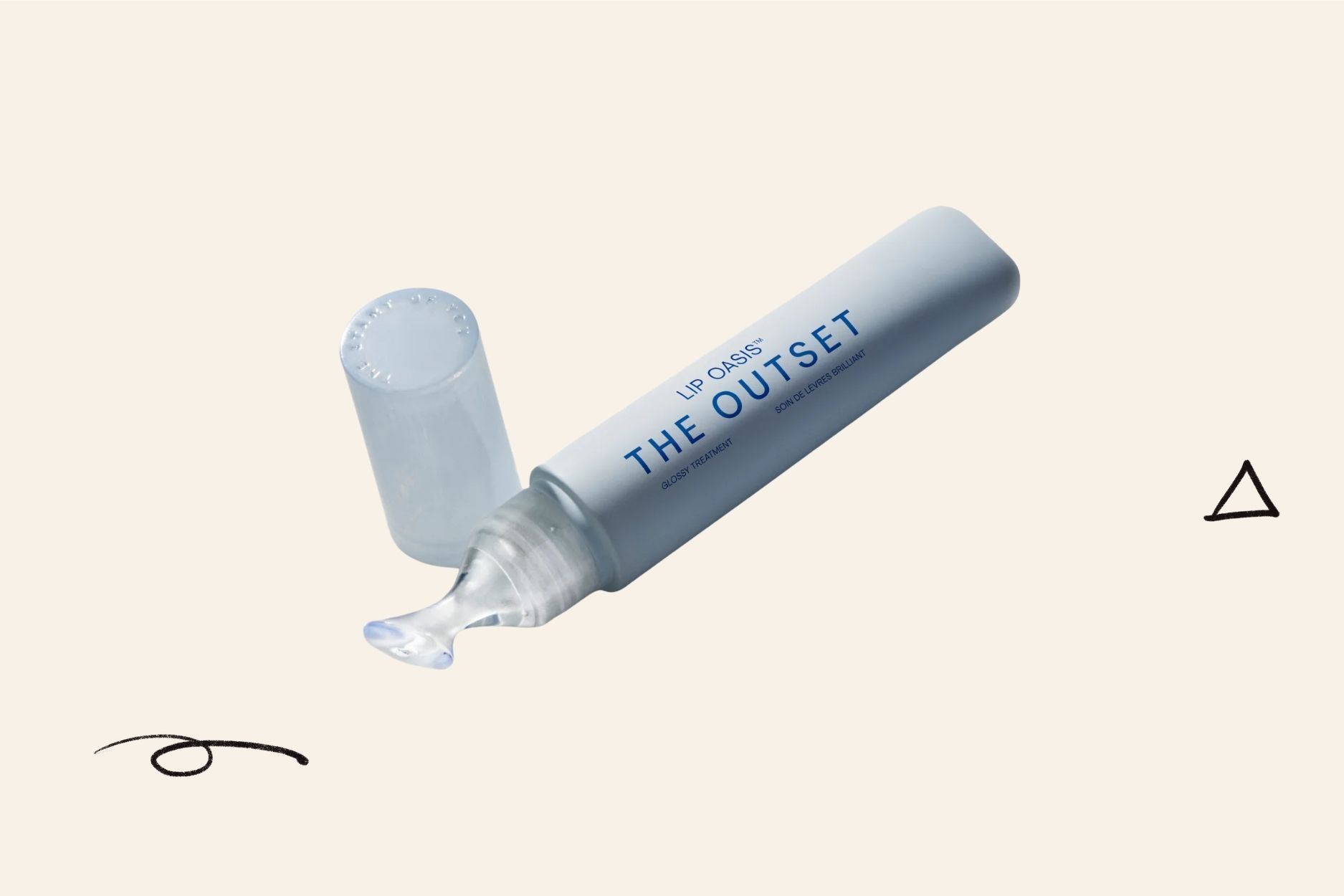
Lip Oasis Glossy Treatment

This one’s a standout. Scarlett Johansson spent years perfecting Lip Oasis™, a conditioning treatment that hydrates, defines, and delivers a lasting, glossy finish. It’s the perfect hybrid between a balm and a gloss, giving you shine without the stickiness. In just four weeks, it boosts hydration by 48% and strengthens the lip barrier by 25%. You can also grab The Complete Collection, which includes all four sheer shades: Clear, Dune, Sun Kiss, and Mirage. Mirage, a soft blackberry tone, is my personal favorite for fall and winter.

BUY FOR $28 AT THE OUTSET
Advertisement
Advertisement

Gift Sets

The Hero Edit

Three multitasking essentials, a straightforward ritual. This set includes the Prep Serum, Rescue Balm, and Lip Oasis Glossy Treatment, each designed to hydrate, soothe, and support your skin barrier. It’s the perfect starter kit for someone who wants an easy, effective routine that feels luxurious without being complicated.

BUY FOR $88 AT THE OUTSET
Advertisement

The Ritual Reset

Turn your skincare routine into a moment of mindfulness with this restorative set. It features The Outset’s bestselling 3-Step Regimen along with the Purifying Blue Clay Mask for a deep yet gentle detox. I can’t get enough of this mask; it clears blackheads and refines pores without drying my skin, leaving it soft and hydrated instead. It’s fragrance-free and perfect for sensitive skin, making it a relaxing treat to unwind with at the end of a long day.

BUY FOR $125 AT THE OUTSET

Recommended Articles

  • 6 Amazon Prime Day Hacks

  • 5 Things To Ask Your Doctor About the New Flu Shot

  • Is Sourdough Actually Healthier Than Regular Bread?

  • Do You Really Need a Bidet in Your Home?

Advertisement
Advertisement

Reader Favorites

  • Woman looking in fridge

    9 Foods You Should Toss ASAP if They’re Expired

  • Person eating salad

    7 Things a Chef Never Orders at a Restaurant

  • Cherry angioma

    Are the Tiny Red Dots on Your Skin Dangerous?

The Overnight Refresh Duo

My pick for anyone who loves cozy nights in. This duo pairs The Outset’s silky satin sleep mask with the Restorative Niacinamide Night Cream for the ultimate bedtime ritual. Designed to hydrate and replenish your skin overnight, you’ll wake up refreshed and radiant.

BUY FOR $68 AT THE OUTSET

Featured Image Credit: Viktoriya Skorikova / Getty Images

More From Our Network

Better Report is part of Inbox Studio, an email-first media company. *Indicates a third-party property.

Go Retro With This 1960s Fashion Quiz

Quiz Daily

Go Retro With This 1960s Fashion Quiz

True or False: Are You a Master of U.S. Geography?

Travel Quiz

True or False: Are You a Master of U.S. Geography?

5 Reasons You Can Be Denied Boarding an Airplane

Daily Passport

5 Reasons You Can Be Denied Boarding an Airplane

What Did People Do Before Eyeglasses?

History Facts

What Did People Do Before Eyeglasses?

How To Use a Balloon To Clean Up Dust

House Outlook

How To Use a Balloon To Clean Up Dust

11 Shopping Hacks Costco Members Should Know

FinanceBuzz*

11 Shopping Hacks Costco Members Should Know

Share this article

  • Share to Facebook
  • Share to Twitter
  • Copy Url
  • Share to Email
Megan Rogers
Commerce Editor

Based in Los Angeles, Megan blends over five years of publisher experience with a data-first approach to commerce content. She’s collaborated with leading commerce teams at Real Simple, Better Homes & Gardens, Reader’s Digest, and Taste of Home to name a few. When she’s not diving into product trends, you’ll find her exploring new adventures as a newlywed or spoiling her rescue dog, Ram Ram.

This article is for general informational purposes only.
Affiliate Disclaimer Medical Disclaimer Financial Disclaimer

Updated: September 10, 2025
Posted In: Health
Hero Image Credit: Better Report
Advertisement

Related Articles

5 Things To Ask Your Doctor About the New Flu Shot

5 min read

Is Sourdough Actually Healthier Than Regular Bread?

7 min read

Do You Really Need a Bidet in Your Home?

4 min read

3 Common Sleep Habits That May Be Aging Your Brain

5 min read

Is the Traditional Mediterranean Diet Actually the Best for Your Brain?

4 min read
Advertisement

Is Hard Water Ruining Your Hair (and Shower)? Do This Before It Gets Worse

Ali Eldridge
Home | Updated: October 6, 2025
Old lime scale or calcium stained bathtub faucet from hard water. Close up detail shot, shallow depth of field, no people.
Better Report

All featured products and deals are selected independently and objectively by the author. Better Report may receive a share of sales via affiliate links in content.

Limescale all over your shower head and inside your kettle, brittle hair, and drier skin are just some of the unfortunate effects of living in an area with hard water. High concentrations of dissolved minerals in your water supply, such as calcium and magnesium, result in a chalky residue covering your tiles and fixtures, which also leaves your hair more vulnerable to breakage. Cities like New York have the added issue of older pipes introducing rust and contaminants, which further exacerbate the damage to your hair, skin, and bathroom suite. Installing an entire filtration system to the water supply is expensive and most likely not an option if you rent. There are, however, a number of steps you can take to keep your hair and skin soft and shiny and your tiles glistening. 

Install a Shower Water Filter 

Over time, the minerals build up on your hair and tiles, meaning any product used over them first has to fight through a layer of grime. Installing a shower filter helps to reduce the damage, leaving you with less residue to scrape off your shower fittings, hair, and scalp. If you have a glass shower, the difference is visible immediately, and if you have colored hair, it should extend its vibrancy, meaning fewer touchups.“Think of it as your first line of defense,” says Gloria Bonilla, senior colorist at Ollin NYC Salon. “It’s not perfect, but it makes a noticeable difference.” The Jolie filtered showerhead is a favorite of some Better Report staffers. It’s easy to install and looks good too. Bonilla recommends Sproo’s Shower Filter Set, which offers filtration, a handheld showerhead, and a fun color upgrade. 

Jolie Filtered Showerhead

BUY FOR $151.99 AT AMAZON

Sproos Handheld Showerhead

BUY FOR $148.00 AT AMAZON
Advertisement
Advertisement

Mineral Remover Treatment 

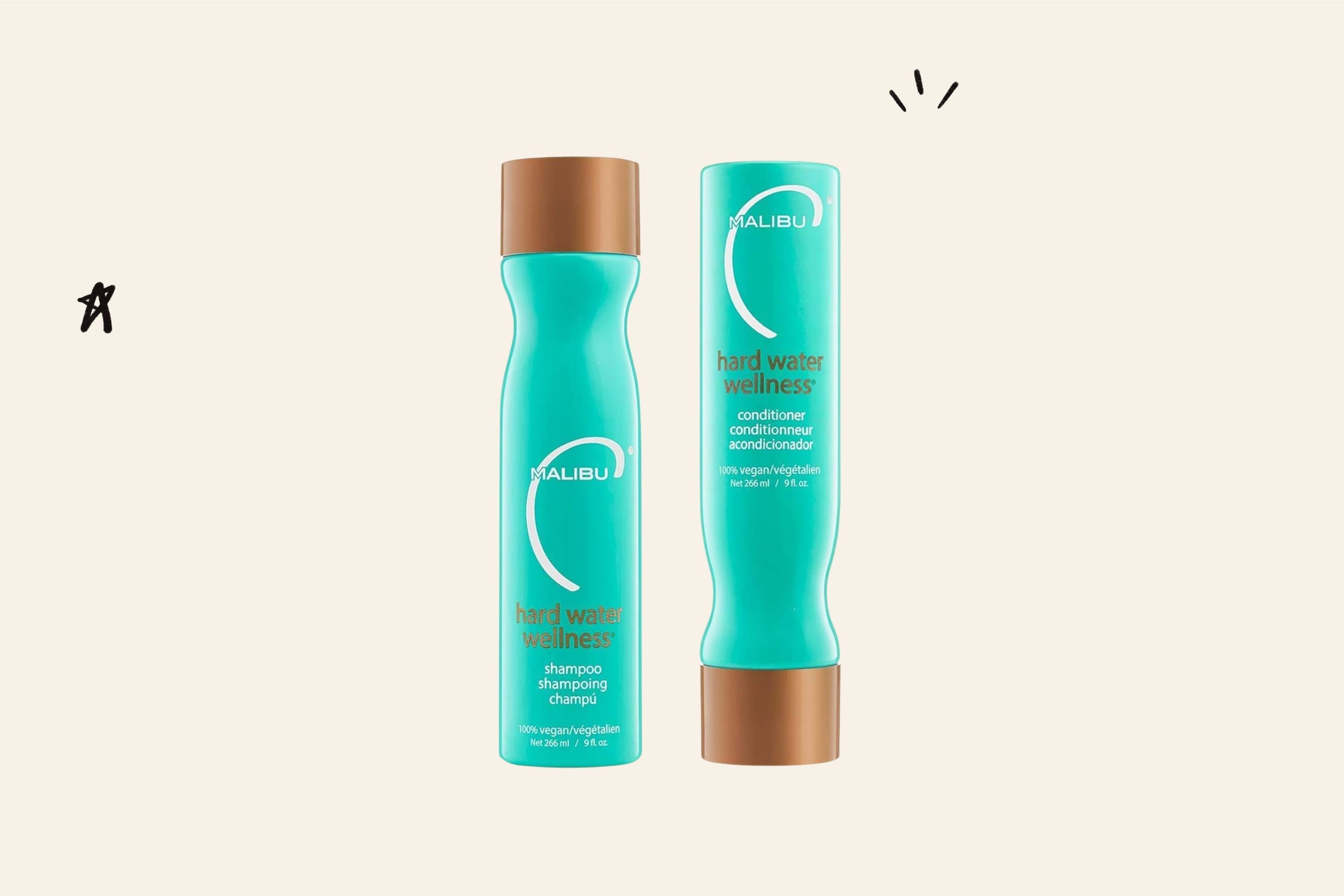
If your hair is already weakened from extensive washing with hard water, using a mineral remover treatment regularly helps to prevent any further damage. They work by pulling out minerals that have already built up on the hair, allowing other products such as conditioners and serums to penetrate the strands and work more effectively. “There are a lot of great options out there now, but The Malibu C Hard Water Wellness Remedy is one of my favorites,” says Bonilla.

The Malibu C Hard Water Wellness Remedy

BUY FOR $39.98 AT AMAZON

Use a Clarifying Shampoo 

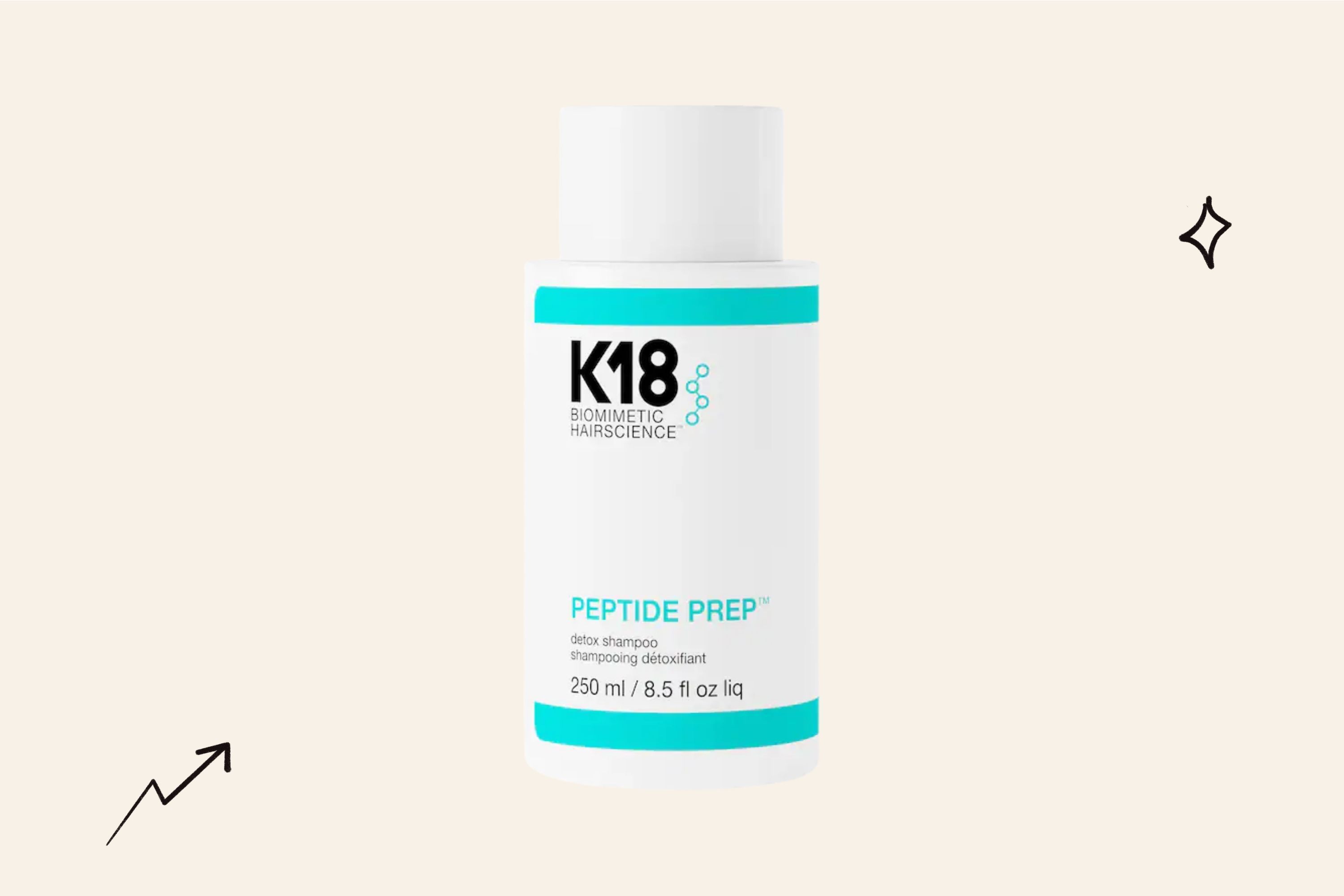
Clarifying shampoos work specifically to remove metals like copper, nickel, cadmium, lead, zinc, and iron, which can wreak havoc on your hair. If you are blonde or gray, you may notice your strands start to have a muddy or yellow cast to them, due to exposure to these metals. You don’t need to use a clarifying shampoo every wash; once a week should be sufficient to prevent your hair from becoming dull-looking and help maintain its body. Bonilla recommends the K18 Peptide Prep Detox Shampoo, which is color-safe and also works to provide a deep cleanse to the scalp. 

Advertisement

K18 Peptide Prep Detox Shampoo

BUY FOR $39.00 AT SEPHORA

Recommended Articles

  • 6 Amazon Prime Day Hacks

  • 5 Things To Ask Your Doctor About the New Flu Shot

  • Is Sourdough Actually Healthier Than Regular Bread?

  • Do You Really Need a Bidet in Your Home?

Advertisement
Advertisement

Reader Favorites

  • Woman looking in fridge

    9 Foods You Should Toss ASAP if They’re Expired

  • Person eating salad

    7 Things a Chef Never Orders at a Restaurant

  • Cherry angioma

    Are the Tiny Red Dots on Your Skin Dangerous?

Finish Off Your Wash Routine With Micellar Water

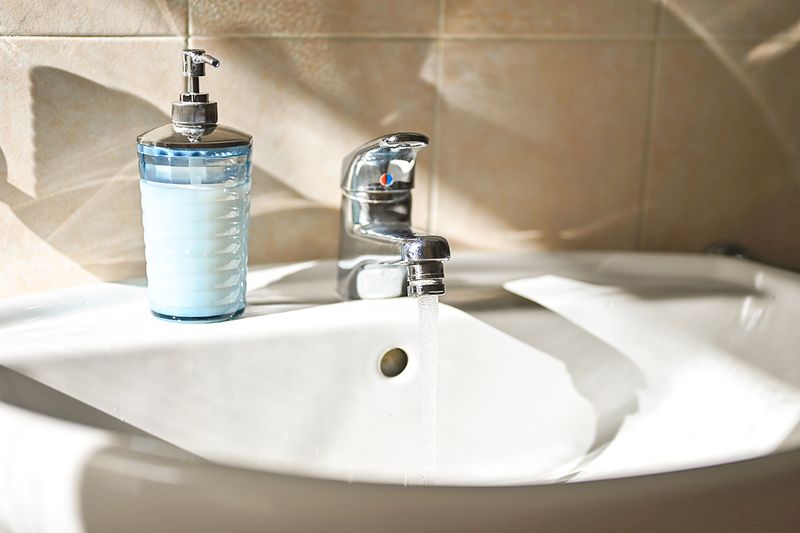
While a filter in your shower takes care of your hair, but you might not always wash your face in the shower. Installing one in your bathroom sink may be slightly trickier, depending on the positioning of your taps and faucet. The easiest solution to protect the skin on your face from the drying effects of hard water is to invest in a bottle of micellar water. Once you have removed your makeup, cleansed, and washed as normal, go over your face with micellar water applied on a cotton pad, to remove any residue and reset the skin’s Ph balance. If you suffer from redness or breakouts, this simple step can help to soothe and calm your complexion. 

Deep Clean with White Vinegar

If your home has hard water, you are probably at your wits’ end trying to keep your bathroom looking clean. It only takes one shower to cover your freshly scrubbed tiles in that pesky chalky residue, with dark-colored bathroom suites and glass shower doors being particularly hellish to keep stain-free. The best cleaning agent to tackle limescale is, in fact, white vinegar. This relatively affordable cleaning hack effectively breaks down mineral deposits through its acidity, allowing them to dissolve and wash away. For best results, decant the white vinegar into a spray bottle, spritz your shower, and leave for a few minutes before wiping and rinsing clean. 

More From Our Network

Better Report is part of Inbox Studio, an email-first media company. *Indicates a third-party property.

Go Retro With This 1960s Fashion Quiz

Quiz Daily

Go Retro With This 1960s Fashion Quiz

True or False: Are You a Master of U.S. Geography?

Travel Quiz

True or False: Are You a Master of U.S. Geography?

5 Reasons You Can Be Denied Boarding an Airplane

Daily Passport

5 Reasons You Can Be Denied Boarding an Airplane

What Did People Do Before Eyeglasses?

History Facts

What Did People Do Before Eyeglasses?

How To Use a Balloon To Clean Up Dust

House Outlook

How To Use a Balloon To Clean Up Dust

11 Shopping Hacks Costco Members Should Know

FinanceBuzz*

11 Shopping Hacks Costco Members Should Know

Share this article

  • Share to Facebook
  • Share to Twitter
  • Copy Url
  • Share to Email
Ali Eldridge

This article is for general informational purposes only.
Affiliate Disclaimer Medical Disclaimer Financial Disclaimer


Updated:
Posted In: Home
Featured Image Credit: Octavian Lazar/Getty Images
Hero Image Credit: Better Report
Advertisement

Related Articles

9 Items in Your Basement You Should Toss Right Now

5 min read

5 Vegetables You Should Never Store in the Fridge

3 min read

Why a Flashing Check Engine Light Is Different From a Solid One

3 min read

Why Does Your Sink Have a Tiny Hole?

3 min read

Is Hard Water Ruining Your Clothes?

3 min read
Advertisement

The Best Vitamin for Brighter, Younger-Looking Skin

Health | Updated: August 11, 2026
Megan Rogers
Author
Based in Los Angeles, Megan blends over five years of publisher experience with a data-first approach to commerce content. She’s collaborated with leading commerce teams at Real Simple, Better Homes & Gardens, Reader’s Digest, and Taste of Home to name a few. When she’s not diving into product trends, you’ll find her exploring new adventures as a newlywed or spoiling her rescue dog, Ram Ram.
Johner Images/Getty Images

All featured products and deals are selected independently and objectively by the author. Better Report may receive a share of sales via affiliate links in content.

Finding the proper skincare routine requires effort, especially if you’re aiming to address the effects of aging, including fine lines, wrinkles, dark spots, and other concerns. You want a regimen that makes a noticeable difference in the near term but also contributes to better, younger-looking skin in the long term. Minor tweaks, like properly removing your makeup before bed, can help your skin repair itself overnight. During the day, incorporating powerhouse ingredients like vitamin C can help keep your complexion bright, youthful, and protected. 

The Power of Vitamin C

Every day, your skin is exposed to the sun, pollution, smoke (from a nearby cigarette or an afar wildfire), and even blue light from screens. All of these can create free radicals that break down collagen, the main structural protein in your skin, weakening skin elasticity and potentially causing discoloration, wrinkles, and sagging. While your body naturally fights free radicals with antioxidants, topical vitamin C provides extra support where your skin needs it most. Which is why, simply put, it’s the best vitamin for brighter, younger-looking skin. Bar none. Found in serums, moisturizers, and masks, this hero ingredient is one of the most trusted ways to achieve healthy, glowing skin.

Vitamin C, which is listed as ascorbic acid, is a powerful antioxidant that helps neutralize free radicals, stimulates collagen production, and brightens your complexion. Regular use can reduce visible signs of aging, even out skin tone, and leave you looking radiant, not rung out or wrinkly. 

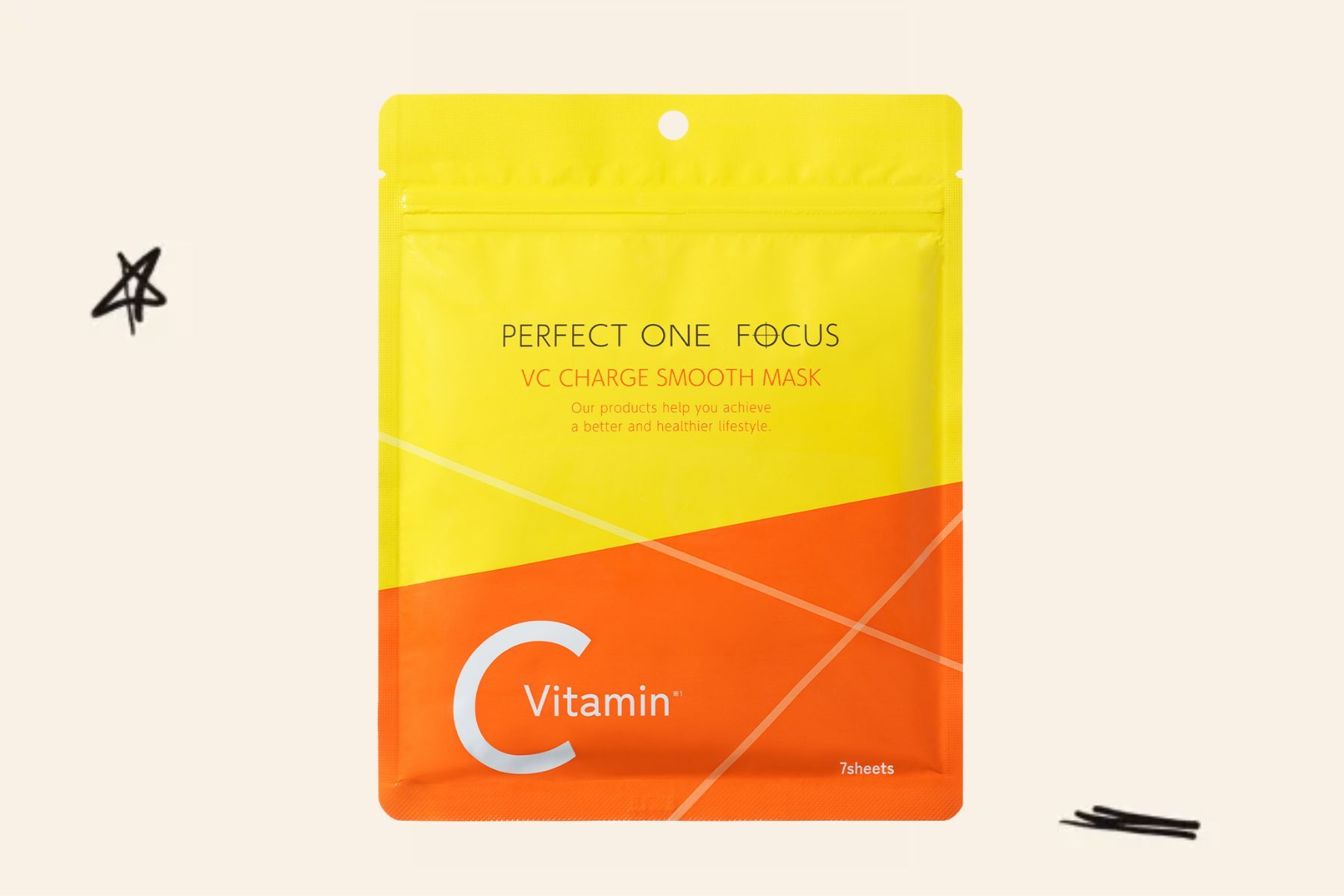
Perfect One Focus VC Charge Smooth Mask

BUY FOR $8.99 AT AMAZON

Each pack contains a week’s worth of masks (7). As noted below, though, you shouldn’t use one every day at first. So, a single pack should last you more than a week, and, with their current deal, you can get (more than) a month’s supply for the price of three packs. If you do two a week, a pack will last you three and a half months, which means that four of them will last you a year, and right now, when you buy four sets, you receive one free. A commitment to brighter skin, on sale for a limited time only. (To take advantage of the deal, add four sets to your cart and use the coupon code GIFTMASK2510 at checkout.)

Advertisement
Advertisement

The Easiest Way to Add Vitamin C to Your Routine

For a quick and effective way to reap the benefits of vitamin C, try incorporating a face mask into your routine. (There are plenty of serums and salves, too, if masks are hard to manage or, understandably, make you feel claustrophobic.) Masks are ideal for revitalizing dull or tired skin, minimizing fine lines, and delivering hydration in just a few minutes. The Perfect One Focus VC Charge Smooth Mask sheet mask infuses your skin with a blend of 10 vitamins, including Vitamin C derivatives, niacinamide, and panthenol. In just five minutes, it helps leave skin looking smoother, visibly brighter, and more hydrated.

Advertisement

This mask delivers a quick vitamin boost to refresh and restore the skin, while azelaic acid, glycine, and fruit-derived AHAs work together to smooth texture, reduce dullness, and minimize the look of pores. Its breathable VitaVeil sheet technology hugs the skin closely, allowing the potent ingredients to fully sink in, all without clogging. Plus, with its naturally uplifting citrus scent derived from bergamot and mandarin essential oils, it transforms your routine into a moment of self-care.

Johner Images/Getty Images

Recommended Articles

  • 6 Amazon Prime Day Hacks

  • 5 Things To Ask Your Doctor About the New Flu Shot

  • Is Sourdough Actually Healthier Than Regular Bread?

  • Do You Really Need a Bidet in Your Home?

Advertisement
Advertisement

Reader Favorites

  • Woman looking in fridge

    9 Foods You Should Toss ASAP if They’re Expired

  • Person eating salad

    7 Things a Chef Never Orders at a Restaurant

  • Cherry angioma

    Are the Tiny Red Dots on Your Skin Dangerous?

How to Use a Vitamin C Mask in Your Routine

Using a sheet mask is as easy as, well, applying the mask to your face, lining up your eyes, nose, and mouth, and letting the sheet’s ingredients soak into your skin. Super-hydrating masks often come… wet. And, when in packs of four or more, they occasionally arrive clumped together. Gently find the edge of one and slip it out from the centerfold, being careful not to rip it.

Unlike stronger actives such as retinol, vitamin C is generally gentle enough for most skin types. Start by using vitamin C-infused products a few times per week — like this face mask — then work up to daily use if your skin tolerates it well. Dermatologists recommend applying vitamin C in the morning to help protect your skin against free radical damage throughout the day. For best results, pair it with a broad-spectrum sunscreen. (Vitamin C and SPF are a great duo for preventing premature aging.) And while Vitamin C can also be applied at night, using it during the day maximizes its protective benefits and avoids potential interactions with nighttime ingredients (like the more abrasive retinol).

Related: 5 Supplements That Actually Help With Aging
Related: Is Your Deodorant Doing More Harm Than Good?

More From Our Network

Better Report is part of Inbox Studio, an email-first media company. *Indicates a third-party property.

Go Retro With This 1960s Fashion Quiz

Quiz Daily

Go Retro With This 1960s Fashion Quiz

True or False: Are You a Master of U.S. Geography?

Travel Quiz

True or False: Are You a Master of U.S. Geography?

5 Reasons You Can Be Denied Boarding an Airplane

Daily Passport

5 Reasons You Can Be Denied Boarding an Airplane

What Did People Do Before Eyeglasses?

History Facts

What Did People Do Before Eyeglasses?

How To Use a Balloon To Clean Up Dust

House Outlook

How To Use a Balloon To Clean Up Dust

11 Shopping Hacks Costco Members Should Know

FinanceBuzz*

11 Shopping Hacks Costco Members Should Know

Share this article

  • Share to Facebook
  • Share to Twitter
  • Copy Url
  • Share to Email
Megan Rogers
Commerce Editor

Based in Los Angeles, Megan blends over five years of publisher experience with a data-first approach to commerce content. She’s collaborated with leading commerce teams at Real Simple, Better Homes & Gardens, Reader’s Digest, and Taste of Home to name a few. When she’s not diving into product trends, you’ll find her exploring new adventures as a newlywed or spoiling her rescue dog, Ram Ram.

This article is for general informational purposes only.
Affiliate Disclaimer Medical Disclaimer Financial Disclaimer

Updated: September 10, 2025
Posted In: Health
Featured Image Credit: Johner Images/Getty Images
Hero Image Credit: Johner Images/Getty Images
Advertisement

Related Articles

5 Things To Ask Your Doctor About the New Flu Shot

5 min read

Is Sourdough Actually Healthier Than Regular Bread?

7 min read

Do You Really Need a Bidet in Your Home?

4 min read

3 Common Sleep Habits That May Be Aging Your Brain

5 min read

Is the Traditional Mediterranean Diet Actually the Best for Your Brain?

4 min read
Advertisement

Is Your Deodorant Doing More Harm Than Good?

Ali Eldridge
Health | Updated: January 8, 2026
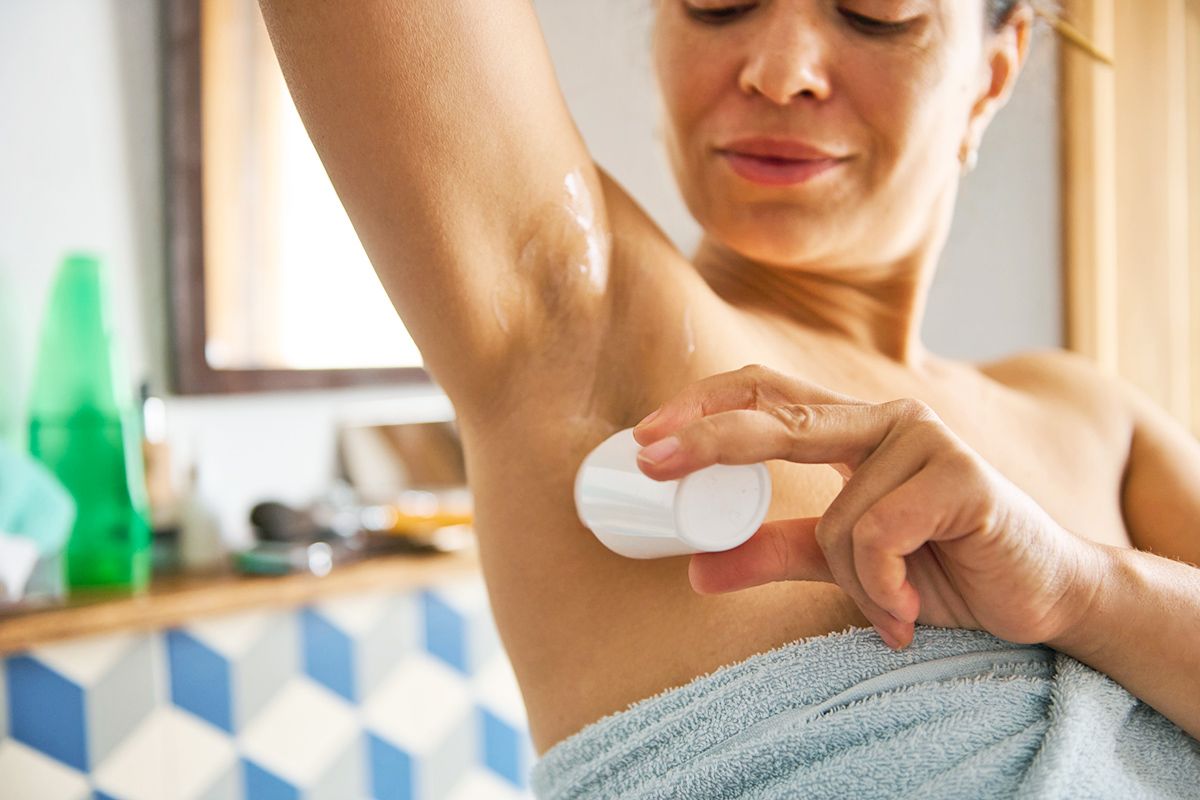
Woman applying deodorant
Better Report

All featured products and deals are selected independently and objectively by the author. Better Report may receive a share of sales via affiliate links in content.

Ever wonder what’s actually inside the antiperspirant you swipe on every morning? We reach for it to control our body odor without a second thought. But if you look at the back, you’ll probably find a common ingredient: aluminum. Aluminum works by blocking sweat glands to prevent perspiration. That could present issues.

Studies have explored a link between aluminum and serious health problems, though the findings are inconclusive. The FDA lists aluminum as safe for use in deodorants and antiperspirants; however, for individuals with sensitive skin, it can still cause irritation. There’s also another, less harmful issue in that the chemical reaction between aluminum and sweat is what causes those frustrating yellow stains on your favorite white shirts.

For many, these are reasons enough to start looking for alternatives.

Credit: fizkes/ istock

Deodorant vs. Antiperspirant

Many people use the terms “deodorant” and “antiperspirant” interchangeably, but they’re not the same product.

Advertisement

Deodorants neutralize or mask odor but don’t stop sweat. Antiperspirants use aluminum compounds to block sweat glands, reducing perspiration and odor.

The difference comes down to aluminum. While it’s effective at stopping sweat, more people are now looking to natural deodorants that skip aluminum and other additives, relying instead on plant-based ingredients like essential oils, probiotics, and starches.

Credit: fcafotodigital/ iStock

What Happens When You Go Aluminum-Free

Switching to aluminum-free deodorant is a bit of a transition. When you stop using antiperspirants, your sweat glands are no longer blocked, which means you may notice increased sweating at first. Some people call this the “detox” period, but really, it’s just your body adjusting.

It can take a week or two for your system to balance out. In the meantime, ingredients like coconut oil and shea butter (common in natural formulas) help absorb moisture and keep odor under control. Once your body adjusts, most people find they stay just as fresh without relying on aluminum.

Advertisement
Credit: Courtesy of Author

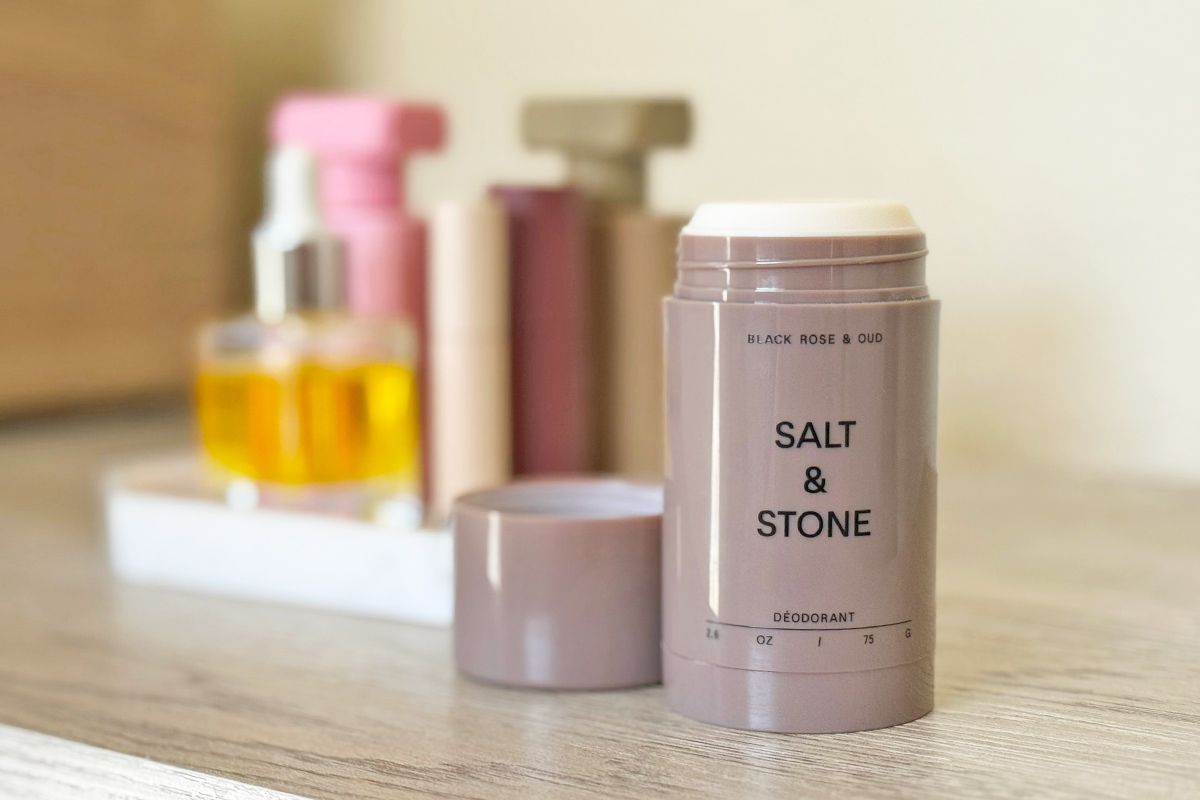
The Natural Deodorant I Use

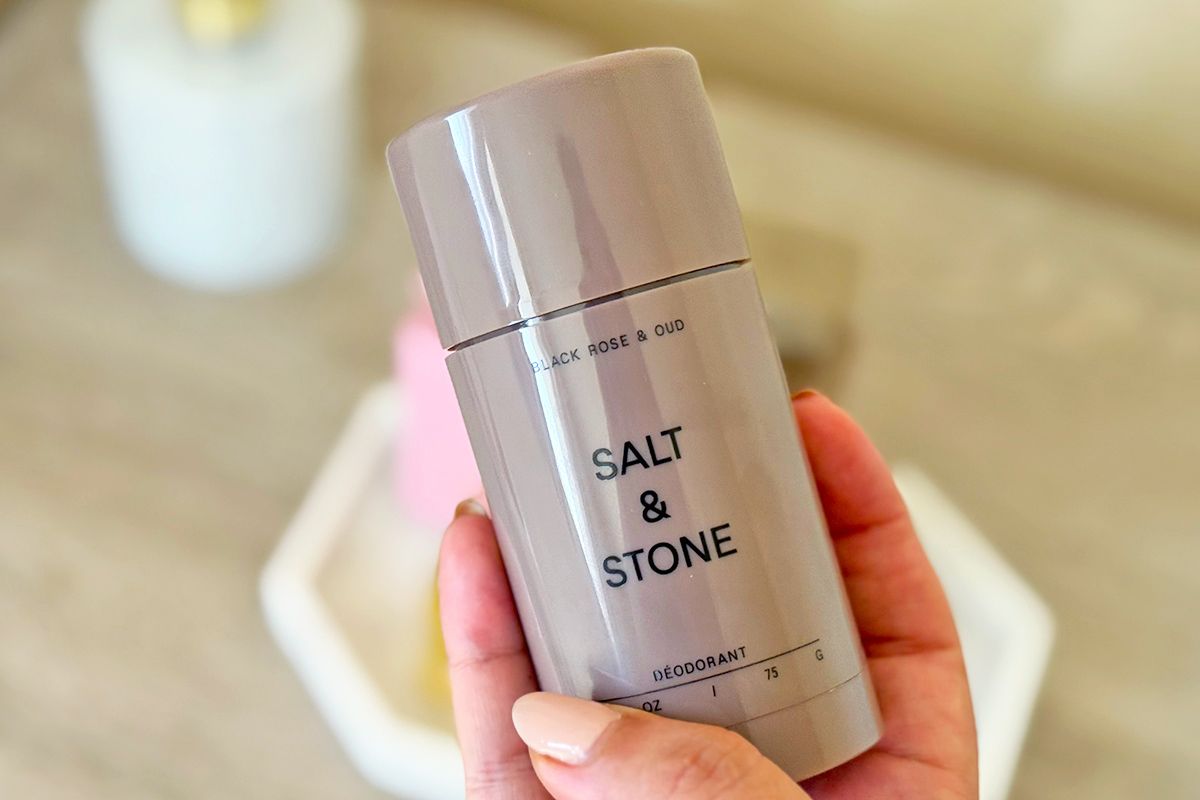
After trying a handful of natural options, the one I kept coming back to was from Salt & Stone. It doesn’t feel like deodorant; it feels like skincare.

The formula is stacked with ingredients you’d usually find in face cream — moisturizing shea butter, prebiotics to neutralize odor, seaweed extracts for skin restoration, and antioxidants to help defend skin against environmental stress.

And then there are the scents. Instead of a synthetic formula, Salt & Stone’s lineup is inspired by refined fragrance — bergamot and hinoki, saffron and cedar, and black rose and oud. They’re subtle, unisex, and honestly, I’d wear them as a perfume.

But At SALT & STONE
Credit: Courtesy of Author

What’s Inside: Natural Ingredients That Work

Not all natural deodorants are created equal. Many still use alcohol, which can cause irritation and dryness. Salt & Stone leaves it out, using skin-friendly botanicals and actives, including prebiotics to balance the skin’s microbiome, spirulina to soothe and restore, and niacinamide (vitamin B3) to support the skin barrier and improve texture.

Advertisement

The result is a deodorant that’s aluminum-free, vegan, gentle on sensitive skin, and enjoyable to wear.

Credit: PonyWang/ iStock

Yes, You’ll Still Sweat, And That’s a Good Thing

The truth is that natural deodorants can’t fully block sweat. Though most natural deodorants contain ingredients that absorb sweat, they aren’t designed to stop it. They’re designed to let your body sweat naturally while keeping odor in check. Sweating is a natural way our bodies regulate temperature and flush out toxins.

With the right formula, you’ll still feel fresh, your skin will be cared for, and you won’t have to worry about hidden chemicals or stained clothes.

Ready to make the switch? Try Salt & Stone’s Mini Deodorant Discovery Set. A high-performance, aluminum-free formula that neutralizes odor, moisturizes skin, and comes in subtle fragrances you’ll love to wear.

Advertisement
Advertisement

More From Our Network

Better Report is part of Inbox Studio, an email-first media company. *Indicates a third-party property.

Go Retro With This 1960s Fashion Quiz

Quiz Daily

Go Retro With This 1960s Fashion Quiz

True or False: Are You a Master of U.S. Geography?

Travel Quiz

True or False: Are You a Master of U.S. Geography?

5 Reasons You Can Be Denied Boarding an Airplane

Daily Passport

5 Reasons You Can Be Denied Boarding an Airplane

What Did People Do Before Eyeglasses?

History Facts

What Did People Do Before Eyeglasses?

How To Use a Balloon To Clean Up Dust

House Outlook

How To Use a Balloon To Clean Up Dust

11 Shopping Hacks Costco Members Should Know

FinanceBuzz*

11 Shopping Hacks Costco Members Should Know

Share this article

  • Share to Facebook
  • Share to Twitter
  • Copy Url
  • Share to Email
Ali Eldridge

This article is for general informational purposes only.
Affiliate Disclaimer Medical Disclaimer Financial Disclaimer

Updated:
Posted In: Health
Hero Image Credit: Better Report

Recommended Articles

  • 6 Amazon Prime Day Hacks

  • 5 Things To Ask Your Doctor About the New Flu Shot

  • Is Sourdough Actually Healthier Than Regular Bread?

  • Do You Really Need a Bidet in Your Home?

Advertisement

Related Articles

5 Things To Ask Your Doctor About the New Flu Shot

5 min read

Is Sourdough Actually Healthier Than Regular Bread?

7 min read

Do You Really Need a Bidet in Your Home?

4 min read

3 Common Sleep Habits That May Be Aging Your Brain

5 min read

Is the Traditional Mediterranean Diet Actually the Best for Your Brain?

4 min read
Advertisement

Are You Removing Your Makeup Wrong?

Health | Updated: August 23, 2025
Clare Holden
Author
Clare Holden is a writer and editor with over 17 years experience writing about beauty, fashion, wellness, lifestyle, and fitness. After graduating from her degree in Journalism and Communications, she trained and worked as a makeup artist.
Better Report

All featured products and deals are selected independently and objectively by the author. Better Report may receive a share of sales via affiliate links in content.

Night is a pivotal time for your skin. While you’re catching your zzzs, your skin undergoes a renewal process where cells regenerate, improving your skin’s barrier and repairing the damage it took during the day. It’s what keeps your skin looking healthy, plump, and youthful. That means, one of the worst things you can do for your skin is sleep with your makeup on.

Credit: Halfpoint/ Adobe Stock

What Happens When You Sleep in Makeup?

When you sleep with makeup on, it disrupts that natural renewal process, trapping the dead skin that would normally be shed. This can lead to clogged pores and breakouts, as well as an overall dullness. The more your skin doesn’t get a chance to renew, the more stress, dirt, and other daily factors affect it. 

Taking an extra few minutes to look after your skin before you go to bed helps eliminate issues such as breakouts, premature aging, and eye irritation. Furthermore, applying your skincare in the correct order at night means you wake up to plump, supple, radiant, and refreshed skin.

Even if you don’t wear foundation and powders, your face picks up grime and dirt throughout the day, which all need to be washed off. A quick once-over with a cleansing wipe isn’t sufficient to rid your face of products, SPF, and daily impurities, but neither is going in with one cleanser. 

Advertisement

Always Double Cleanse 

Courtesy of Perfect One

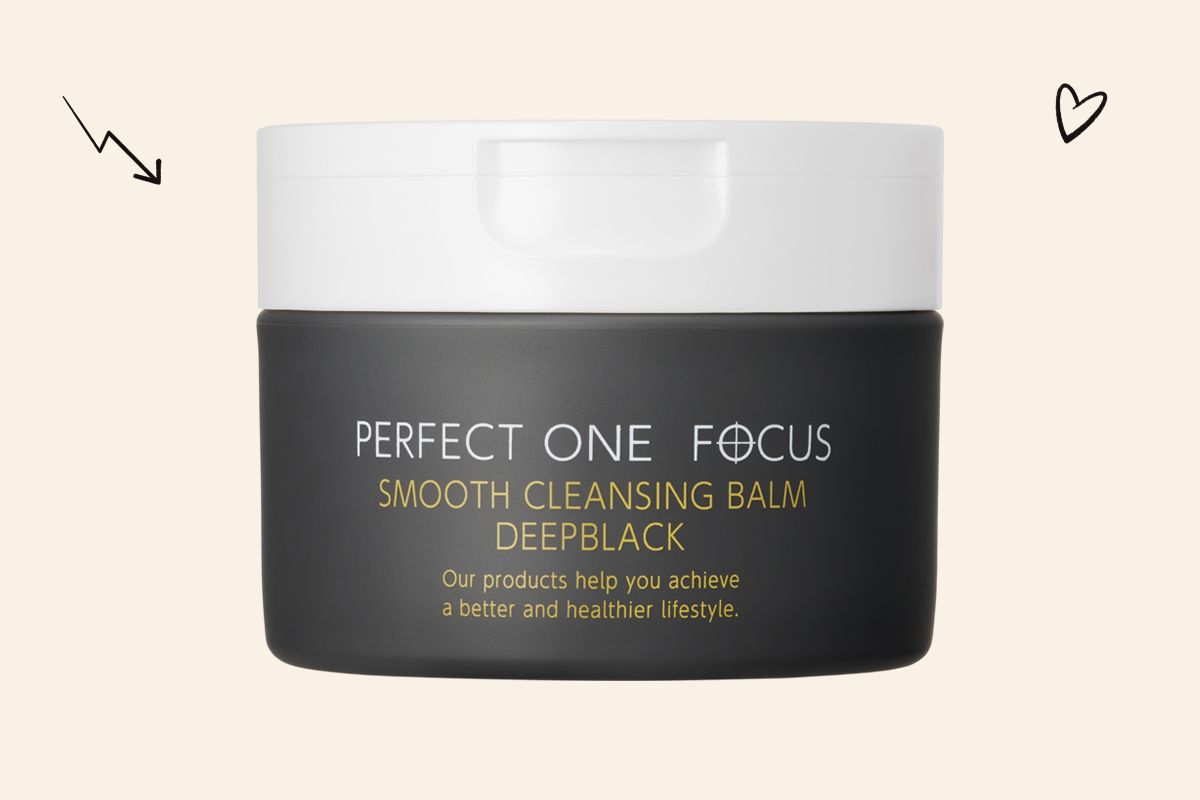
Perfect One Focus Smooth Cleansing Balm Deep Black

Get one of Better Report’s favorite cleansing balms for 10% off with code PERFECT2507.

BUY FOR $25 AT AMAZON

Yep, one cleanse isn’t enough; you should always be double cleansing, starting first with an oil or balm meant to break down makeup, sunscreen, and other products.

 “Double cleansing can be highly effective for individuals with oily or acne-prone skin, as it provides a thorough cleanse of dead skin cells, excess oil, and other impurities,” says board-certified cosmetic dermatologist Dr. Michele Green. The first cleanse breaks down products and dirt, while the second ensures your skin is fully cleared and any residue has been successfully washed away. Pour a small amount of your chosen cleanser into the palm of your hands, then, in small circular motions, work the product into your skin. Do this for 60 seconds, rinse with warm water, and repeat with the second cleanser that works for your particular skin needs. 

Cleansing balms are a particularly effective way to remove makeup without harshly scrubbing, as they gently melt into the skin, removing liquid, powder, and even waterproof products. The Smooth Cleansing Balm from Japanese brand Perfect One combines charcoal and peat mud to remove makeup and dirt, with gold vitamin C to brighten and even skin, an enzyme complex for smoothing and renewing skin, and oils and ceramides to hydrate and strengthen the skin barrier. Unlike many other popular balms, it won’t cost you half your monthly budget.

Advertisement
Credit: MelkiNimages/ iStock

Ditch the Face Wipes 

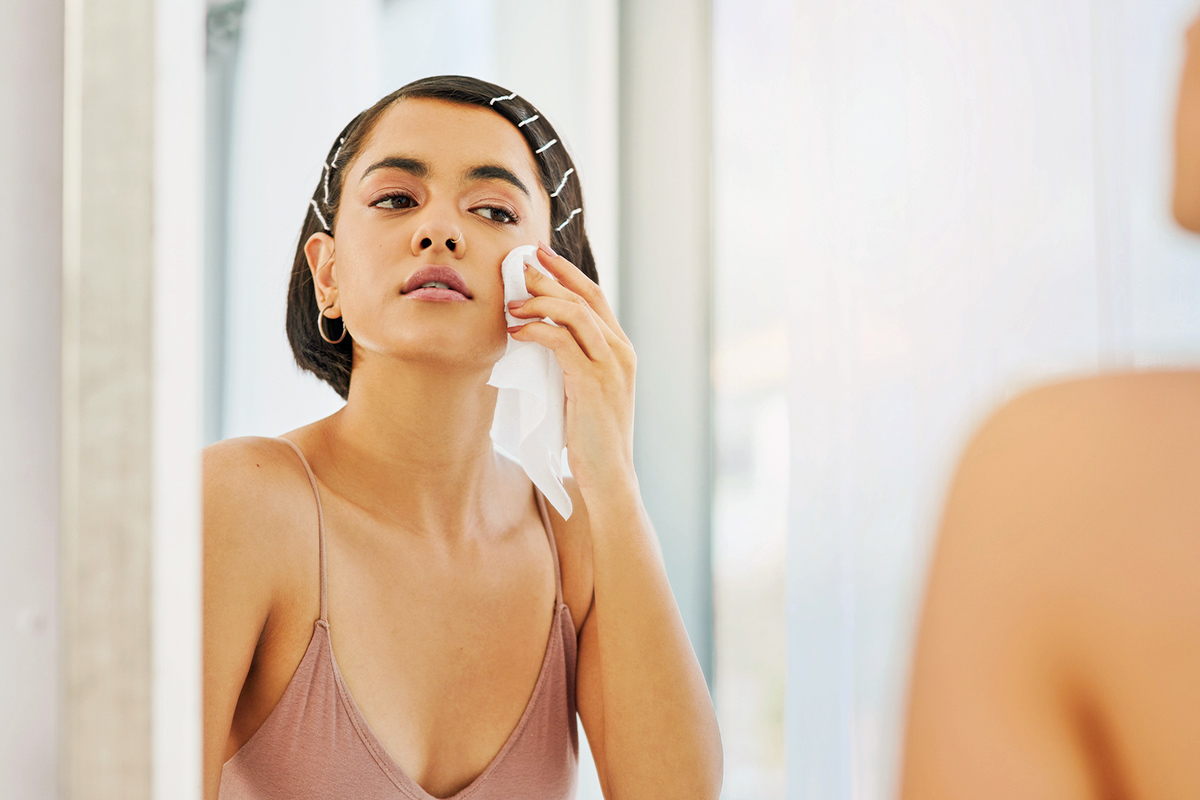
Some nights, the thought of doing a full routine is exhausting. We get it. But face wipes tug and pull at the skin, causing irritation and even premature wrinkles. They are also formulated with harsh ingredients that end up sitting on the skin’s surface, exacerbating dryness and irritation, and ultimately, just don’t clean the face enough. For both environmental purposes and your skin’s health, invest in some cotton face cloths to complete your cleansing routine. “The texture of the cloth provides additional exfoliating benefits to the skin,” Dr. Green explains. “While the combination of water and cleanser on the cloth provides a deeper cleanse than a face wipe.” They can also be used first thing in the morning, by running the cloth under warm water and pressing it gently on the face. 

Credit: Elena Katkova/ iStock

Create a Full Nighttime Skincare Routine

Not only does cleansing your face help you to avoid breakouts, but it also means your skincare works more effectively. A clean base allows products to be absorbed completely, enhancing their capabilities. And because your skin is working in overdrive overnight, it’s the perfect time for skincare ingredients to work their magic.

When it comes to choosing products for your nighttime skincare routine post-cleanse, Dr. Green says there are two essential ingredients to include. The first is the vitamin A derivative retinol. “[Retinol] accelerates skin cell turnover and increases collagen production to reduce the appearance of fine lines, wrinkles, uneven skin texture or tone, acne scars, and enlarged pores,” says Dr. Green.  Because retinol increases skin photosensitivity, always apply SPF the following day. The second is vitamin C, which brightens skin and enhances skin cell renewal. “Vitamin C can repair damage caused by free radical damage and oxidative stress,” she says. Ideal for skin cycling, these two ingredients can be applied on alternative nights to avoid irritation. 

Another product you might consider after washing your face is toner. While not everyone needs a toner, those with extremely dry skin may find adding a hydrating toner beneficial. Using an exfoliating toner, once or twice a week, is also a great option if you find your skin is looking slightly dull. Next, apply any serums, then retinol on dry skin once or twice a week to start. Once it’s completely absorbed, follow it with a night cream and eye cream.  

Advertisement

Featured Image Credit: Adene Sanchez/ iStock

Advertisement
Advertisement

Related Articles

5 Things To Ask Your Doctor About the New Flu Shot

5 min read

Is Sourdough Actually Healthier Than Regular Bread?

7 min read

Do You Really Need a Bidet in Your Home?

4 min read

3 Common Sleep Habits That May Be Aging Your Brain

5 min read

Is the Traditional Mediterranean Diet Actually the Best for Your Brain?

4 min read
Advertisement

Posts navigation

Older posts
  • Home
  • Health
  • Wealth
  • Logo
  • Advertise
  • About
  • Contact Us
  • Privacy Policy
  • Terms of Use
  • Your Privacy Choices
x
Thumb Image

Elevate your everyday.

Sign up to receive the practical tips and expert advice you need to pare down the complexities of everyday living right in your inbox.

Sorry, your email address is not valid. Please try again.

Your email is:

Edit Image
Sorry, your email address is not valid. Please try again.
Thank you for subscribing...

By subscribing you are agreeing to our Terms of Use and Privacy Policy.

Close image
Thumb Image
Second Thumb Image

Elevate your everyday.

Sign up to receive the practical tips and expert advice you need to pare down the complexities of everyday living right in your inbox.

Sorry, your email address is not valid. Please try again.

By subscribing you are agreeing to our Privacy Policy and Terms of Use.

Close image